

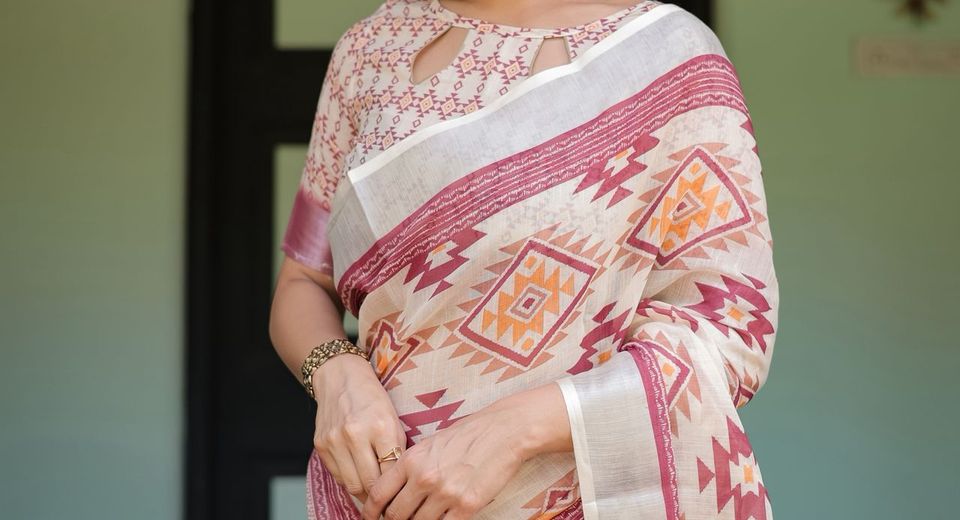
Jharkhand Tribal Fashion brings together earthy visual language, regional art traditions and practical saree dressing. A good look begins by understanding the difference between a textile, a surface motif and the cultural art form that inspired a print. Linen, cotton, silk and tissue each behave differently on the body, while motifs associated with Sohrai and Khovar art can give a saree a distinctly Jharkhand-inspired character without making every printed saree a traditional tribal textile.
That distinction helps you shop more thoughtfully. Soft White Linen Saree with Grey Tribal Design offers the visual restraint of a contemporary city wardrobe, while Teal Tribal Art Printed Lichi Silk Saree with Zari Border creates a richer festive impression. The most successful styling balances the strength of the artwork with the fall, weight and shine of the fabric.
How does Jharkhand Tribal Fashion express regional textile culture?
Jharkhand Tribal Fashion draws its recognisable character from nature-led motifs, strong outlines, earthy colour relationships and the visual traditions of communities including the Munda, Oraon, Santhal and Ho. Common imagery may include animals, birds, trees, leaves, human figures, agricultural scenes and repeated geometric marks. The exact meaning and treatment of a motif can vary by community, artist and medium.
Sohrai painting is associated with harvest and wall-painting traditions, while Khovar painting is traditionally connected with marriage rituals. Both are especially known for organic forms and bold, rhythmic compositions. A fashion print inspired by these visual languages may simplify the original artwork for fabric, so the responsible description is "tribal-art inspired" unless the garment has verified provenance as a community-made textile.
Colour also plays an important role. Terracotta, charcoal, off-white, rust, mustard, leaf green and deep blue echo soil, plant life, mineral pigments and forest landscapes. Modern sarees may reinterpret that palette through pastel green, teal, purple or grey, making the look easier to wear with contemporary accessories.
Which fabrics suit Jharkhand Tribal Fashion sarees?
Linen, cotton, lichi silk and Banarasi silk create different versions of a Jharkhand Tribal Fashion saree look. Linen and cotton keep motifs crisp and the outfit comfortable, while silk and zari add drape, depth and occasion-appropriate polish.
Why choose linen for everyday wear?
Linen sarees usually hold a clean pleat and create a lightly textured surface that allows graphic motifs to remain visible. Linen works well for workwear, daytime gatherings, museum visits, craft events and informal festive lunches. Soft White Linen Saree with Grey Tribal Design can be styled with a charcoal blouse, silver earrings and flat leather sandals.
Off White Linen Saree with Tribal Prints & Designer Pallu places more attention at the pallu, which makes the drape look deliberate even when the rest of the outfit remains simple. Off White Tribal Print Pure Linen Saree with Tassel Pallu adds movement at the edge; a plain blouse prevents the tassels from competing with heavy jewellery.
When does cotton linen work best?
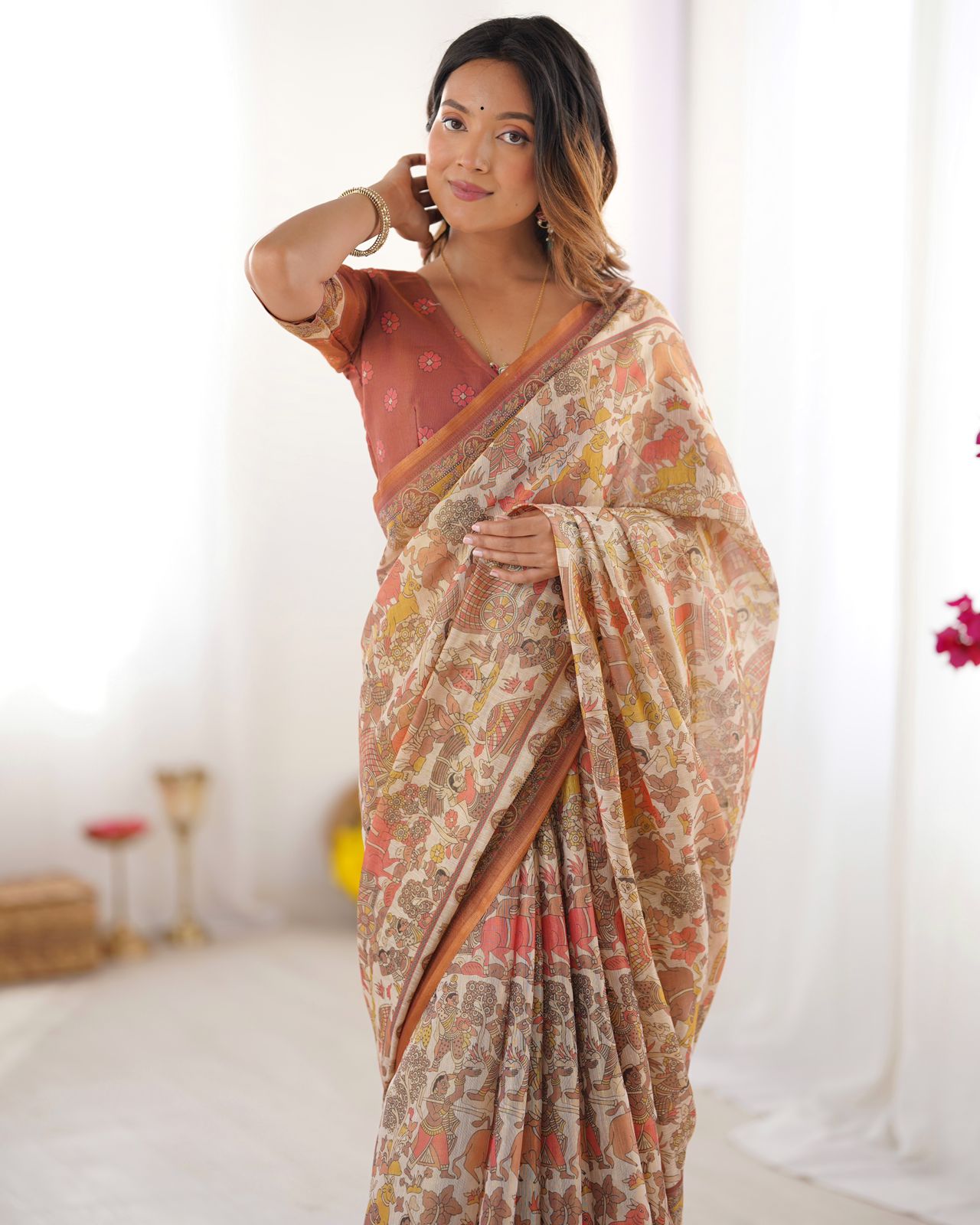
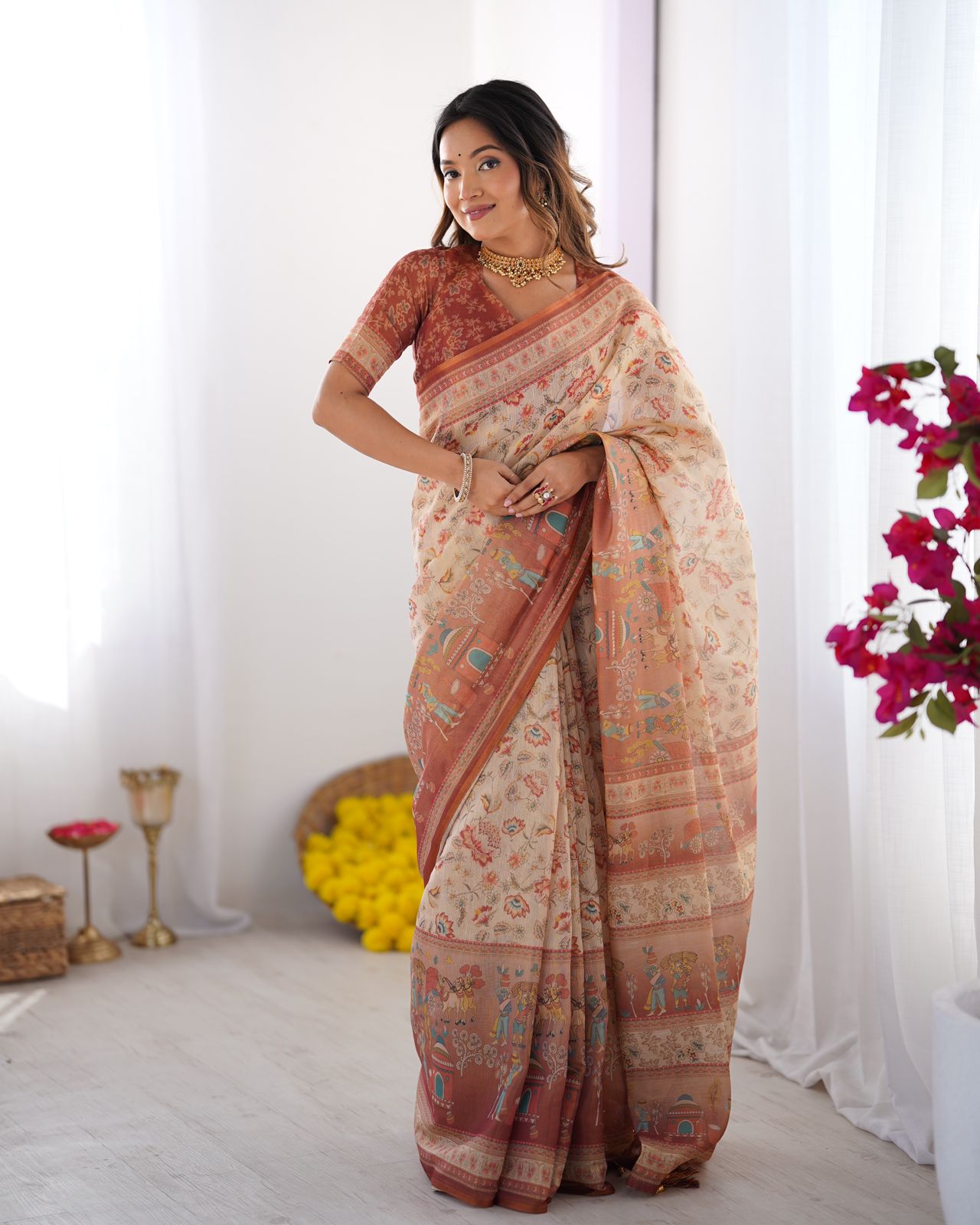
Cotton linen is a practical choice for warm weather because it combines the airy feel of cotton with some of linen's structured texture. Ethnic Beige Cotton Linen Saree with Village Art Design suits daytime occasions where a natural, handcrafted appearance matters more than shine. Wear the saree with a short-sleeved blouse, a fabric potli and a low bun for a grounded, comfortable ensemble.
When should you select silk or zari?
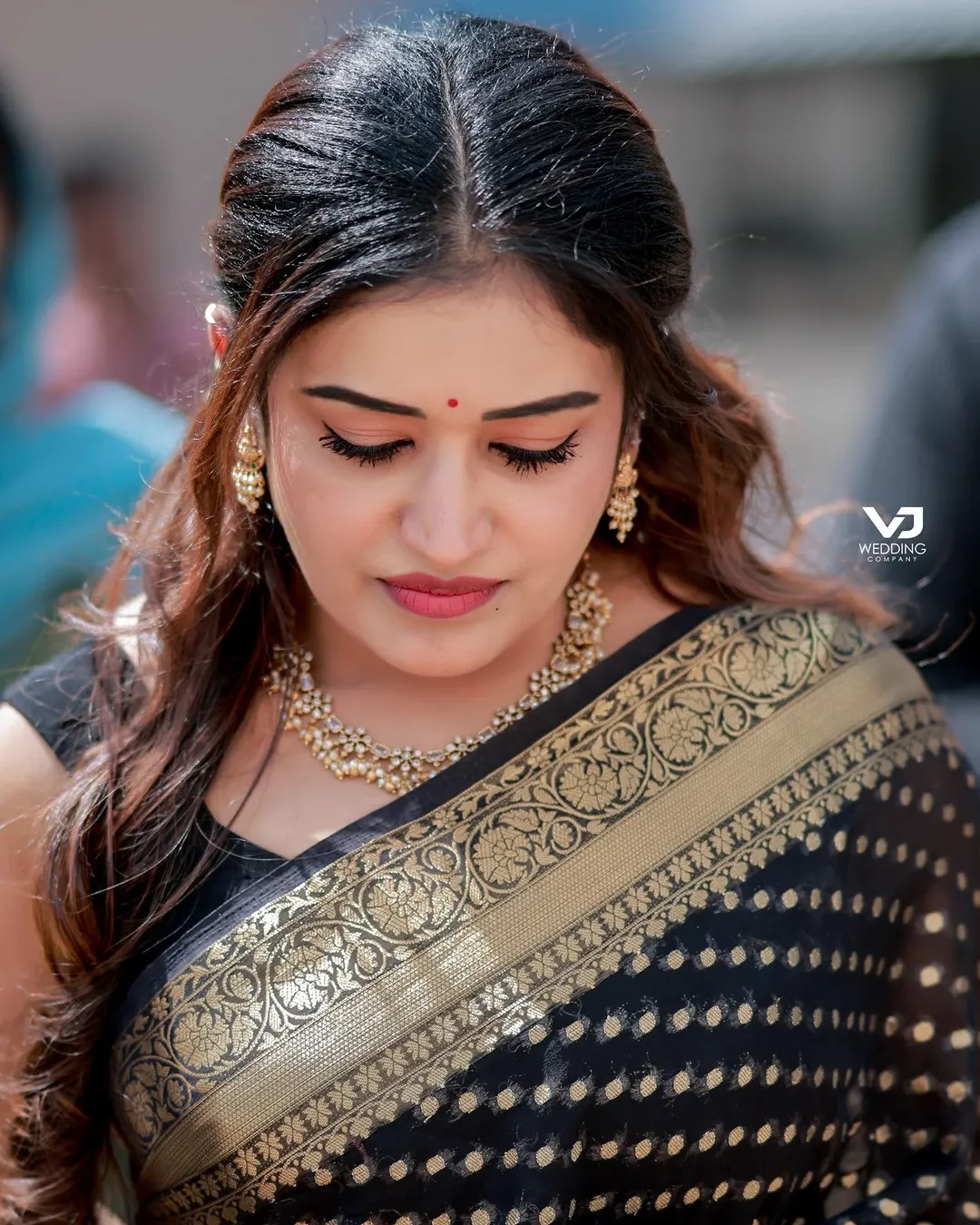
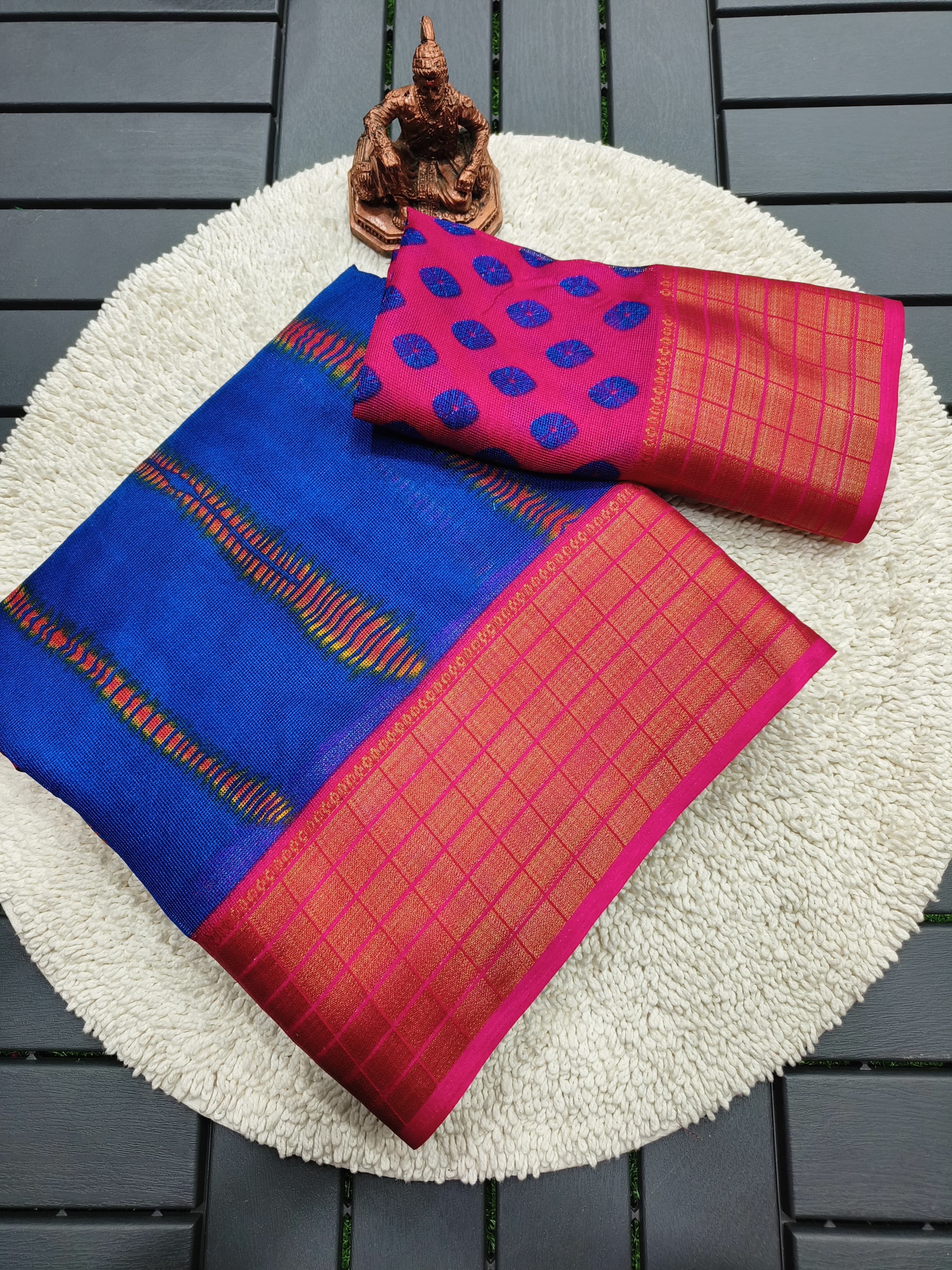
Lichi silk has a soft sheen and fluid fall, making it suitable for dinners, receptions and festive ceremonies. Teal Tribal Art Printed Lichi Silk Saree with Zari Border needs little additional ornament because teal, printed artwork and zari already provide contrast. Banarasi silk is more visibly formal; Purple Banarasi Silk Saree with Ethnic Print can be paired with a plain blouse in aubergine, antique gold or muted beige rather than another elaborate print.
Tissue fabric reflects light and can look delicate in photographs. Pastel Floral Tissue Handloom Cotton Saree with Zari Weaves combines a lighter colour story with woven shine, so it can bridge the gap between daytime celebration and evening wear. A matte blouse prevents the outfit from becoming overly glossy.
How can you read motifs in Jharkhand Tribal Fashion?
You can assess a tribal-inspired saree by checking the motif source, scale, placement, colour contrast and printing or weaving technique. These five details tell you how the saree will look at a distance and how much styling it needs.
- Identify the visual reference: Look for a product description that explains whether the design is tribal-art inspired, hand-painted, printed, woven or embroidered. "Tribal print" alone doesn't prove that a saree was made by a particular community.
- Check motif scale: Large animals, plants or geometric forms become a focal point, while small repeated marks look quieter and are easier to wear to work.
- Study pallu placement: A concentrated pallu allows a plain blouse and simple pleats. An all-over print needs more restraint across the rest of the outfit.
- Compare contrast: Grey on white and beige on natural linen are subtle. Teal with a zari border or purple with ethnic print has more visual intensity and suits statement dressing.
- Look at edges and finishing: On a physical saree, inspect loose threads, border alignment and the finish of tassels. Online, read the fibre composition, measurements and care instructions carefully.
A design can be culturally referential without being a museum reproduction. Asking precise questions about technique and origin respects the art tradition and helps you choose a saree that matches your expectations.
How can you style Jharkhand Tribal Fashion for contemporary occasions?
A contemporary Jharkhand Tribal Fashion saree looks strongest when one element carries the artwork and the remaining elements provide clean contrast. The blouse, jewellery, footwear and drape should support the motif instead of repeating it everywhere.
What works for work and daytime events?
Choose an off-white, grey, beige or pastel base with a neat Nivi drape and medium-width pleats. A high-neck cotton blouse, small silver hoops, a structured tote and low block heels keep the look professional. Elegant Pastel Green & Beige Linen Saree with Tribal Design can be worn with a beige blouse for continuity or a deep green blouse for controlled contrast.
How should you dress for a Haldi ceremony?
A saree for a Haldi ceremony should allow movement and should not rely on fragile embellishment at the front pleats. Pick cotton linen or light linen, pin the pallu securely at the shoulder and choose matte accessories such as wooden bangles, oxidised silver or fabric earrings. Yellow flowers can complement an earthy print, but a beige or ivory blouse prevents the outfit from becoming colour-heavy.
What works for festive evenings?
Use silk, a defined border or measured zari when the event calls for more formality. A teal, purple or deep blue saree works with antique-gold jewellery, while a muted saree can take a brighter blouse. Teal Tribal Art Printed Lichi Silk Saree with Zari Border already has a strong edge, so a sleek bun and one statement earring are more effective than layered necklaces and a heavily embroidered blouse.
Can a tribal-inspired saree look contemporary?
A tribal-inspired saree can look contemporary with a fitted sleeveless blouse, a cropped jacket or a carefully placed belt. A belt should sit at the natural waist and be tested for comfort before a long event. Sneakers can work with a casual cotton or linen saree, but clean leather flats or sandals usually preserve the textile-led character more convincingly.
Which blouse and jewellery choices support Jharkhand Tribal Fashion?
Plain, textured or minimally detailed blouses complement tribal motifs better than a second competing print. Blouse colour can either echo the darkest mark in the saree or pick up a quiet background shade.
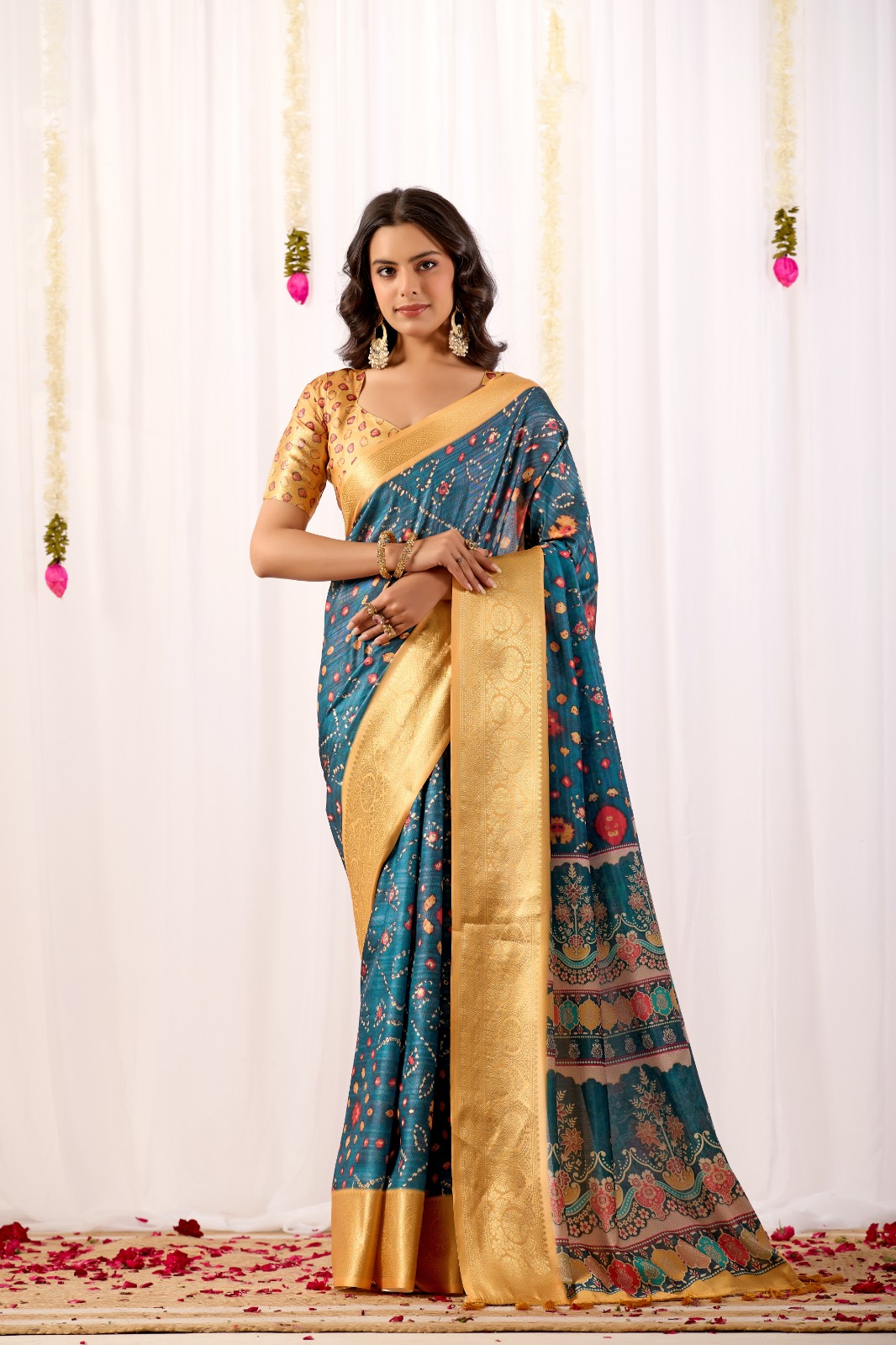
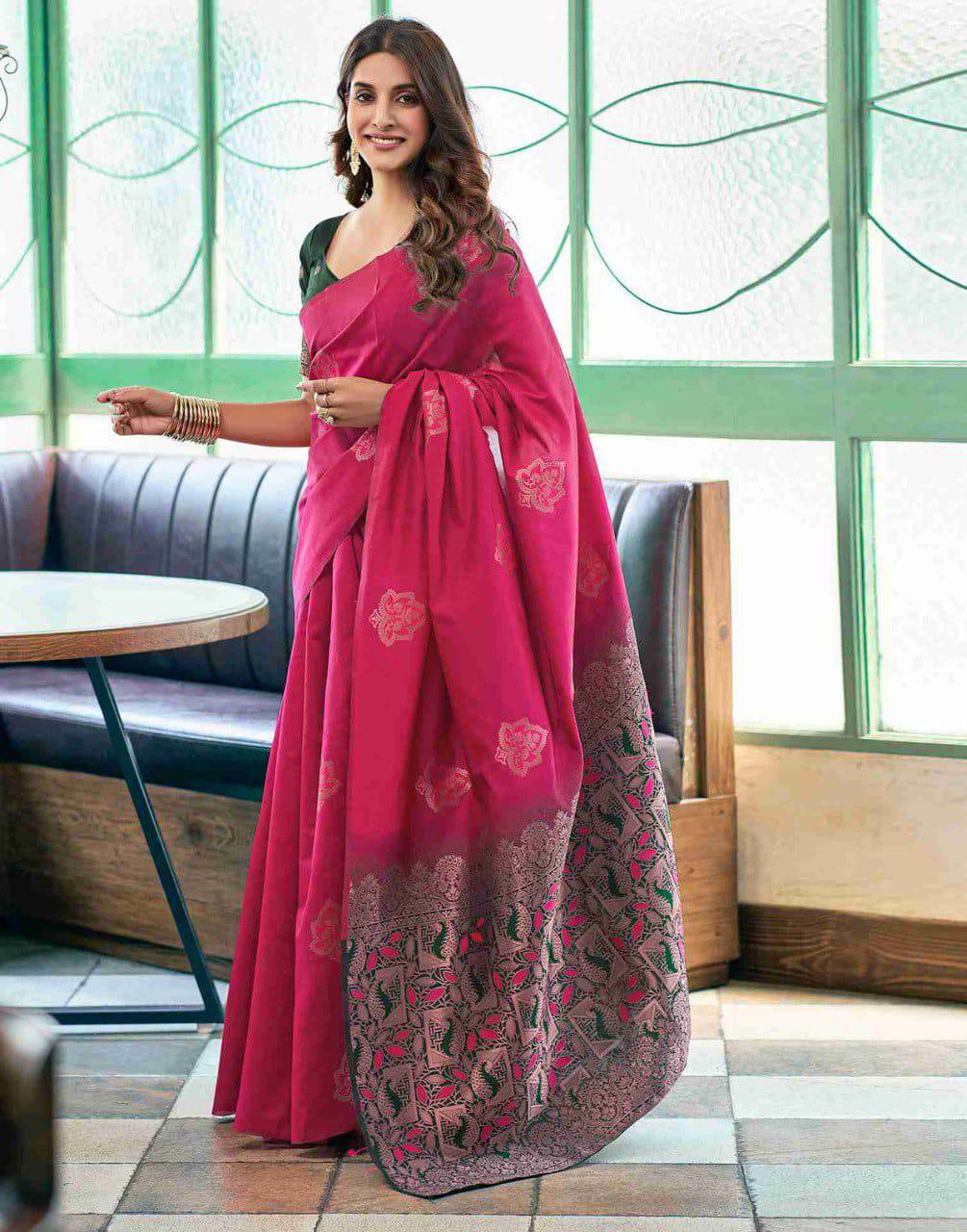
For a white-and-grey saree, charcoal, slate, black or unbleached cotton creates a graphic finish. For beige and green, try olive, chocolate brown, muted gold or the same beige in a darker fabric. Purple Banarasi silk benefits from antique gold, deep plum or a warm neutral. A zari border can be matched with gold-toned jewellery, but silver is equally effective when the saree has grey, white or cool blue details.
Terracotta beads, wooden earrings, oxidised silver, brass cuffs and handwoven fabric bags reinforce the craft story without turning the outfit into a costume. Choose one dominant jewellery category: large earrings with bare necklines, or a necklace with smaller earrings. A nose pin, bindi and braided hair can add cultural texture while remaining understated.
How can you build a Jharkhand Tribal Fashion saree wardrobe?
An useful wardrobe needs more than one dramatic printed saree; it needs a spread of fabrics, colours and formality levels. Three carefully chosen pieces can cover everyday wear, daytime festivities and evening occasions.
- Everyday anchor: Select linen or cotton linen in off-white, beige, grey or soft green. Soft White Linen Saree with Grey Tribal Design is suited to repeat wear because neutral colours work with multiple blouses.
- Daytime statement: Add a saree with a distinctive pallu or village-art design, such as Ethnic Beige Cotton Linen Saree with Village Art Design. Keep accessories light and let the artwork lead.
- Festive option: Choose lichi silk, Banarasi silk or a zari detail for evening events. Teal Tribal Art Printed Lichi Silk Saree with Zari Border and Purple Banarasi Silk Saree with Ethnic Print provide two different levels of shine and formality.
Budget also affects wardrobe planning. Sarees from Rs 1000 to Rs 1500 can be an useful starting point for trying linen, cotton or printed styles without committing to a highly formal purchase. Sarees Under 20% Off and Sarees Under 10% Off can help compare moderate reductions, while Sarees Flat 60% Off and Sarees Flat 50% Off may suit shoppers who are comfortable checking size, fabric and care details before buying.
How should you care for Jharkhand Tribal Fashion sarees?
Care depends on fibre, dye, zari and surface finishing, so the label's instructions should take priority over a single universal washing method. Linen and cotton may tolerate more regular care than silk, but printed colours can still fade with heat, friction and direct sunlight.
Air a saree after wearing it before folding it away. Store linen and cotton in a clean, dry cupboard with soft folds, and refold infrequently used sarees every few months to reduce permanent crease lines. Keep Banarasi silk and zari away from perfume, water and rough jewellery. Wrap silk sarees in breathable muslin rather than sealing them in plastic for long-term storage.
For a fresh stain, blot rather than rub. Avoid applying bleach, strong detergent or household stain remover to tribal prints, zari borders or tassels. Professional dry cleaning is the safer choice for Banarasi silk, lichi silk with zari and sarees with uncertain colourfastness. Test any home ironing on the reverse at low heat, and place a thin cotton cloth between the iron and the saree.
Thoughtful care extends the life of the fabric while preserving the visual clarity of the motif. A saree that remains wearable for years carries the craft reference more meaningfully than a garment treated as a single-use trend.
Questions Readers Ask About Jharkhand Tribal Saree Styling
What is Jharkhand Tribal Fashion inspired by?
Jharkhand Tribal Fashion is inspired by regional visual traditions, especially nature-led imagery associated with Sohrai and Khovar painting, along with motifs linked to communities such as the Santhal, Munda, Oraon and Ho. Saree prints may interpret these motifs rather than reproduce an authenticated community-made textile.
Which fabric is best for a Jharkhand-inspired saree in summer?
Cotton, cotton linen and linen are generally the most practical choices for hot weather because they are breathable and comfortable for extended wear. Linen also gives printed motifs a crisp appearance, while cotton linen offers a softer, more relaxed fall.
How should I style a tribal print saree without looking overdressed?
Pair a tribal print saree with a plain blouse, one strong jewellery choice and simple footwear. Silver earrings, terracotta beads, a low bun and a neutral handbag can complement the artwork without competing with the saree.
Can I wear a Jharkhand-inspired saree to a Haldi ceremony?
Yes, a light cotton, cotton linen or linen saree works well for a Haldi ceremony because it allows movement and feels comfortable in warm conditions. Secure the pallu, avoid delicate heavy embellishment and choose an ivory, beige, green or yellow blouse.
How do I know whether a tribal saree is hand-painted or printed?
Check the product description for explicit wording such as hand-painted, block printed, screen printed, digitally printed or woven. A tribal motif by itself does not establish the production technique, so ask the seller for fibre, process and care information when the description is unclear.
How should I store a Banarasi silk saree with ethnic motifs?
Store a Banarasi silk saree folded in breathable muslin, away from direct sunlight, moisture, perfume and rough jewellery. Refold it every few months and use professional dry cleaning for stains or extensive cleaning, especially when zari is present.





