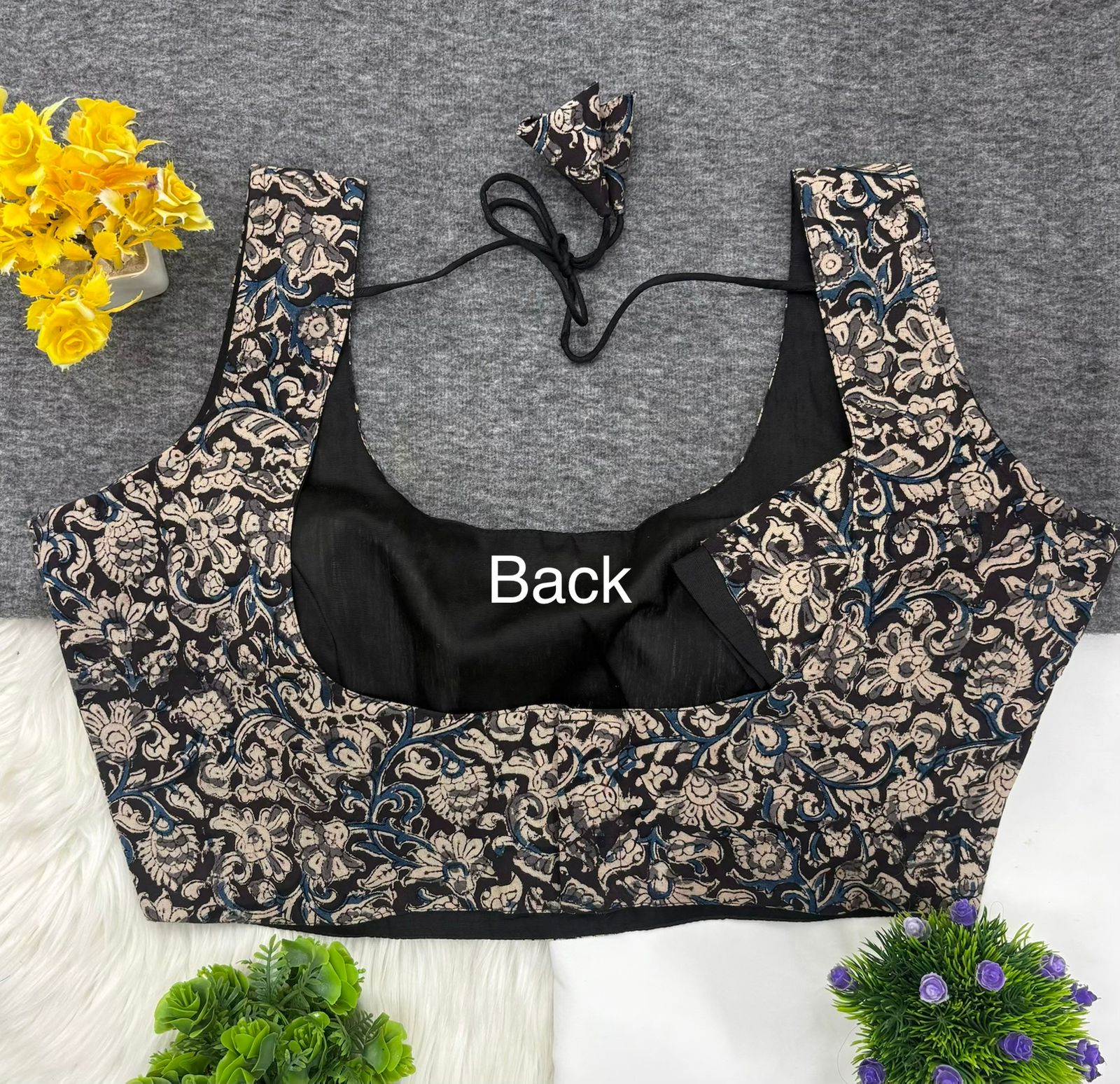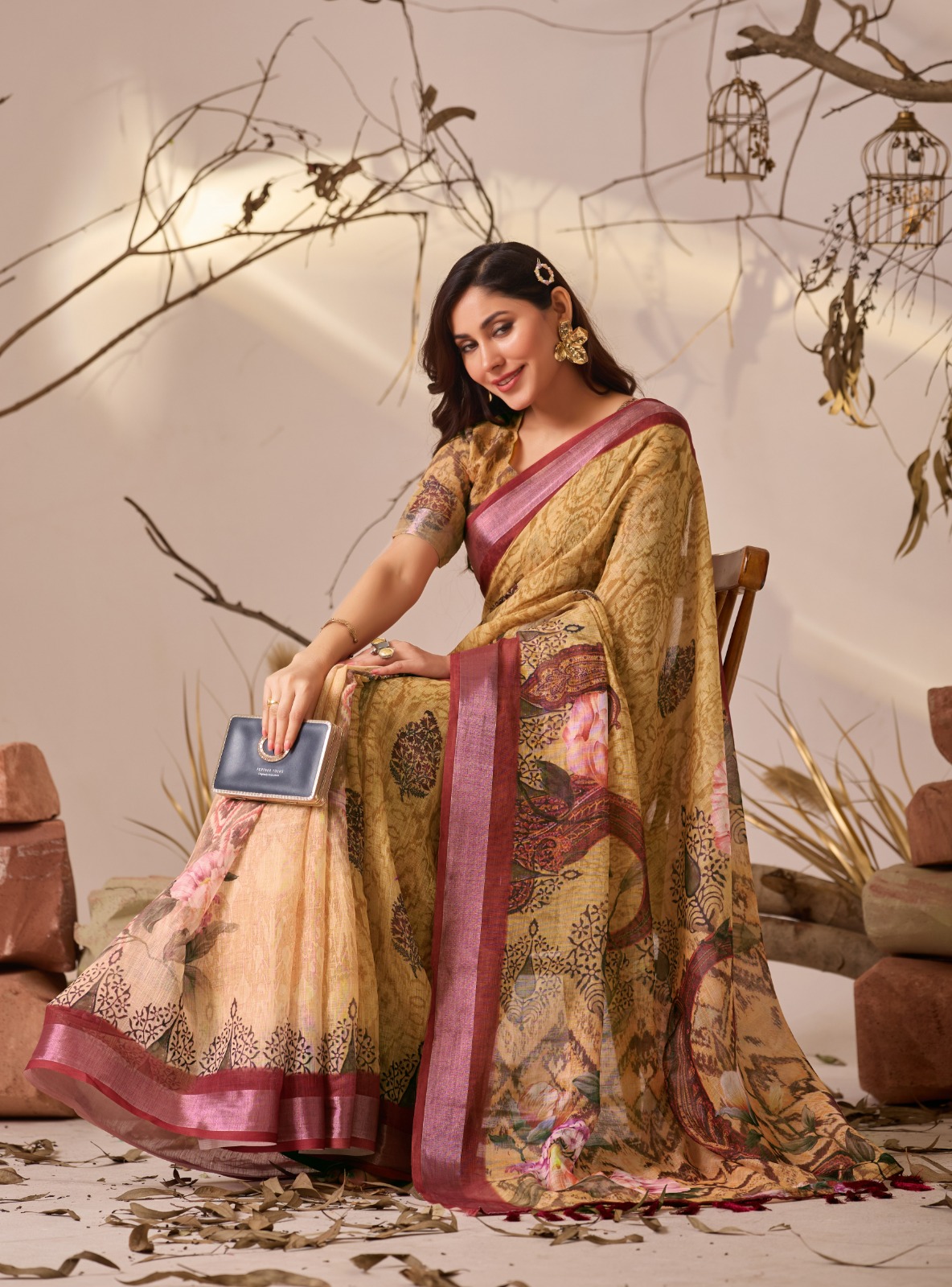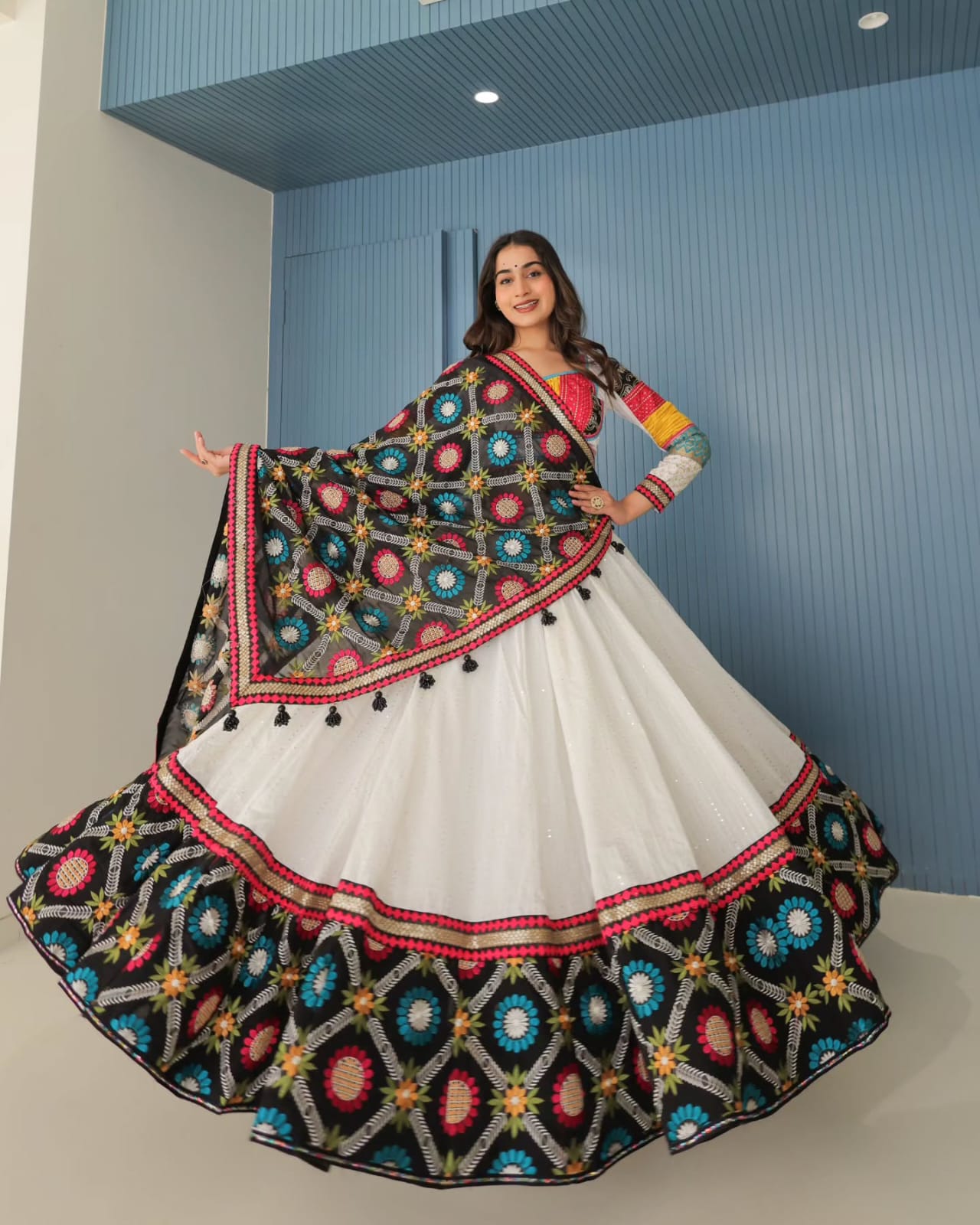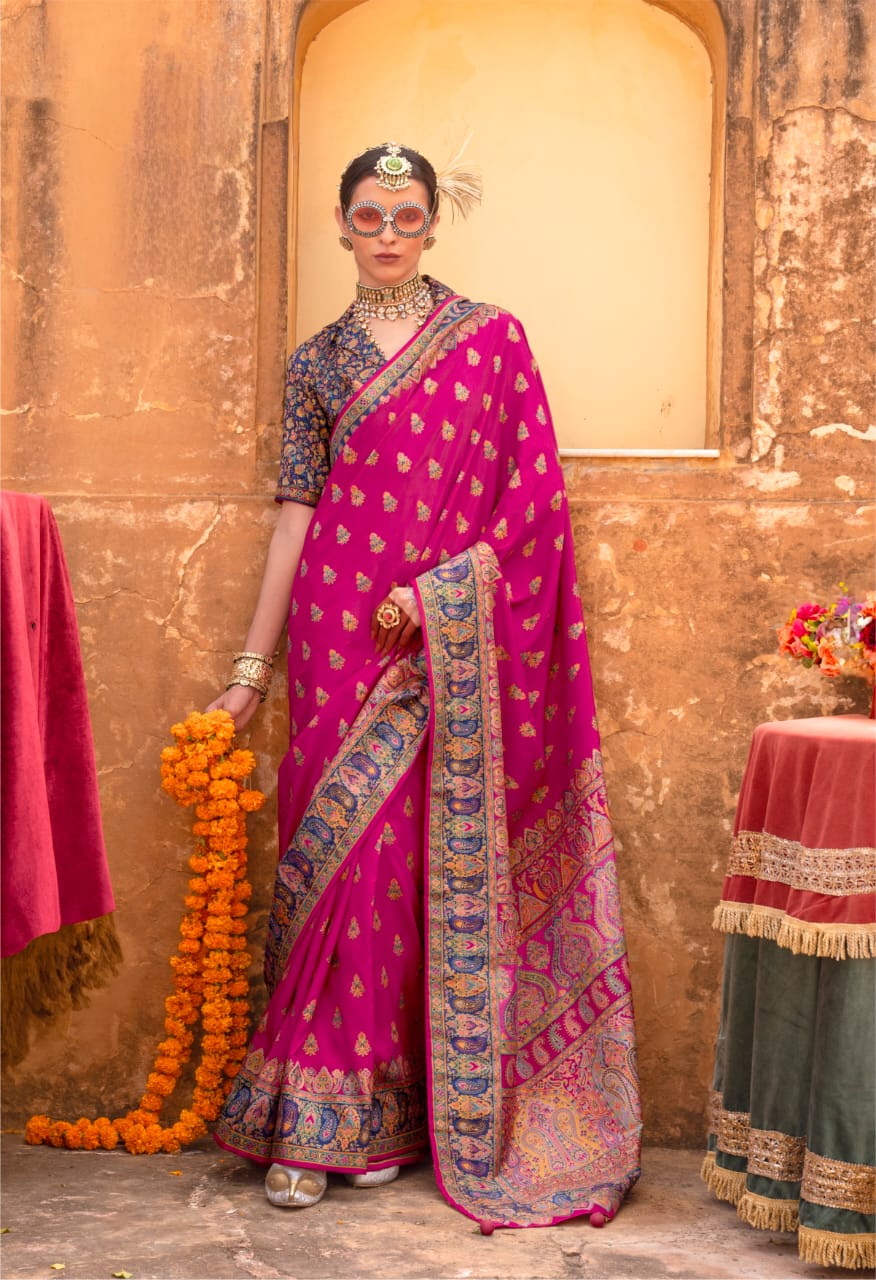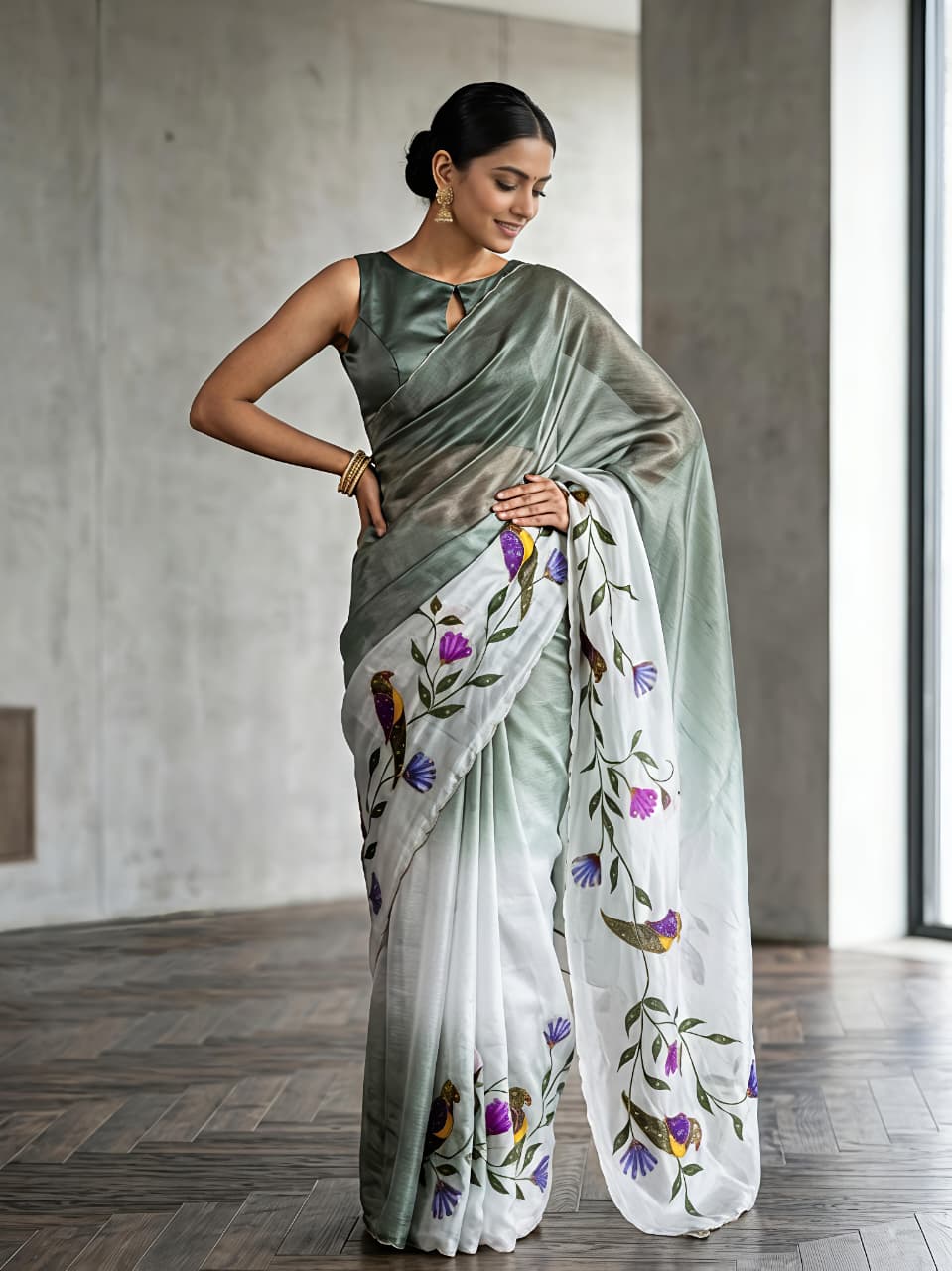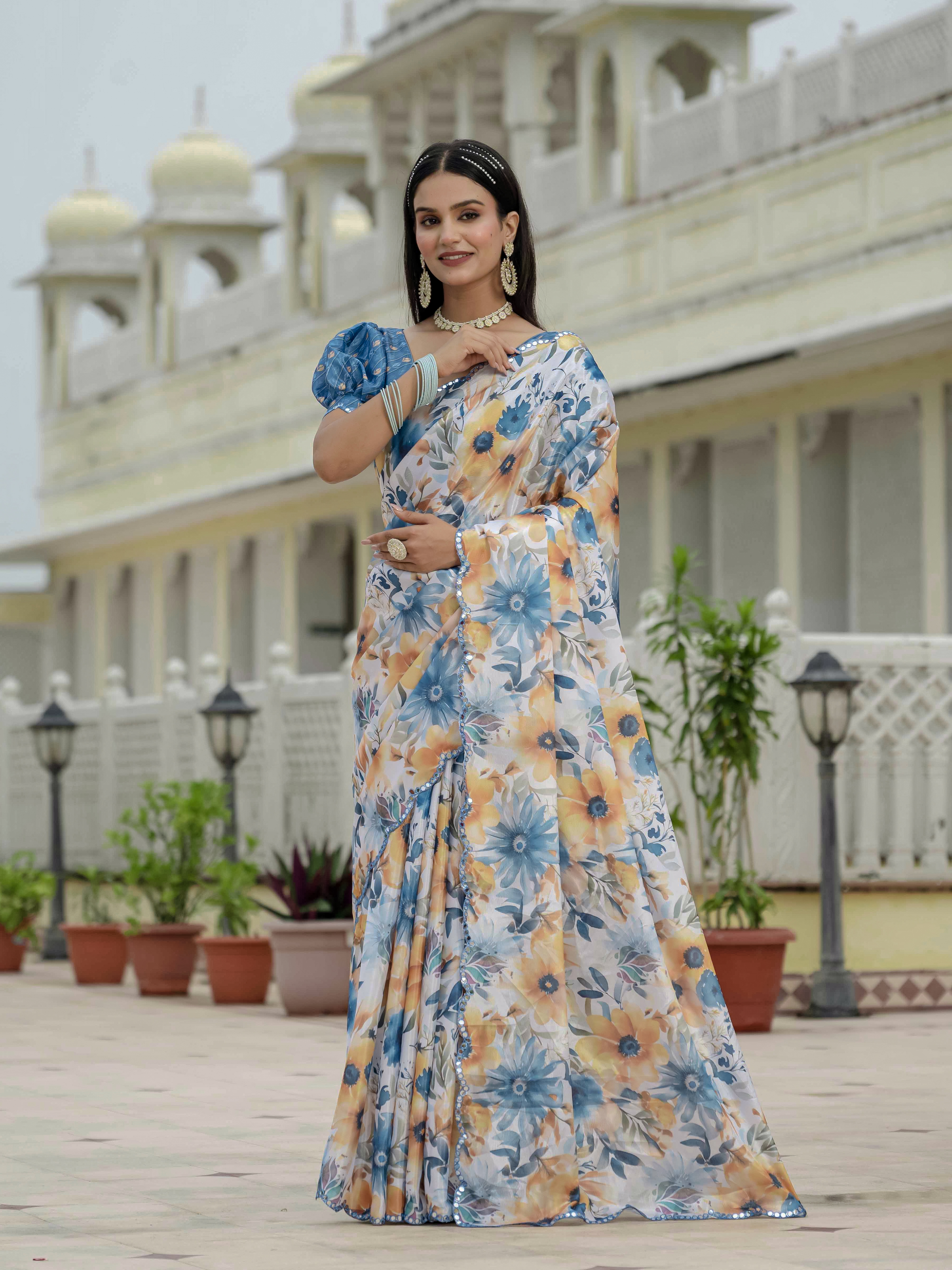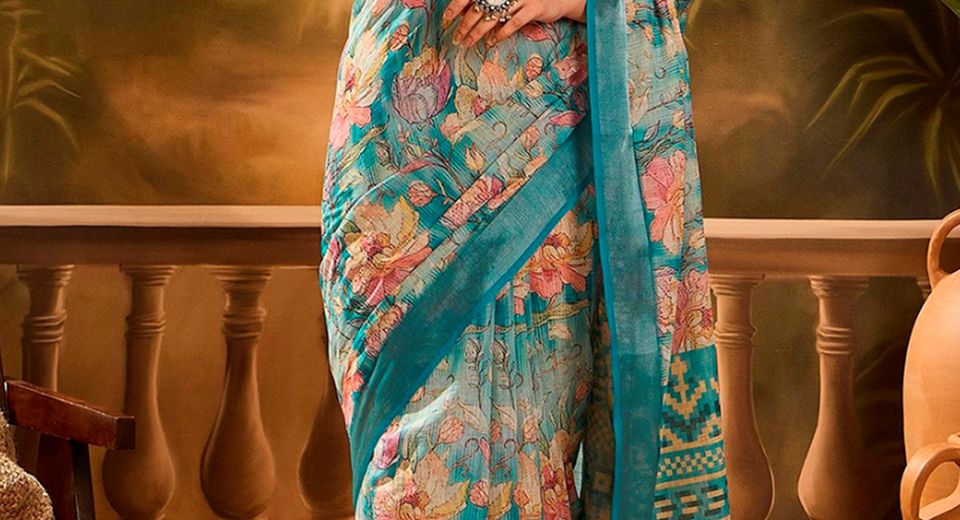
Jharkhand Traditional Dress for Women: Sarees & Ethnic Fashion Guide begins with an important distinction: the saree remains central to women's clothing across Jharkhand, but there's no single saree style that represents every woman in the state. A Santhal, Munda, Oraon or Ho woman may dress differently according to community, district, occupation, ceremony and family practice. Everyday cotton, handloom textures, regional motifs, silver jewellery and carefully arranged pleats all contribute to the state's rich clothing culture.
An informed wardrobe for Jharkhand-inspired dressing therefore needs more than a red saree and a heavily decorated blouse. A practical choice considers climate, movement, textile weight, the type of gathering and whether a motif or ornament has a community-specific meaning. The guide below explains these decisions and shows how contemporary saree styling can take inspiration from Jharkhand without treating distinct traditions as interchangeable.
Jharkhand Traditional Dress for Women: What Do Women Traditionally Wear?
Traditional dress for women in Jharkhand commonly includes a saree or community-specific draped garments, paired with a blouse, petticoat or underskirt, jewellery and sometimes a head covering. The exact form varies among Adivasi communities and between rural and urban settings.
In many parts of Jharkhand, women wear cotton sarees for daily work because cotton breathes well, dries relatively quickly and allows comfortable movement. Handloom and regionally woven sarees may show checks, stripes, earthy colours or borders rather than the dense ornament associated with formal wedding clothing. Some communities use distinctive drapes and shorter practical lengths, while urban wearers often use the familiar Nivi drape with front pleats and a shoulder pallu.
Names matter when discussing tribal clothing. Santhal women's traditional clothing is often described through garments such as the Panchi and Parhan, while Munda and Oraon dress traditions have their own regional variations. These garments should not be treated as interchangeable names for one universal saree. A contemporary outfit can acknowledge the visual language of Jharkhand without claiming to reproduce a ceremonial or community-specific dress.
Jharkhand Traditional Dress for Women: How Does Occasion Change the Saree?
A daily Jharkhand saree is usually lighter, easier to wash and less restrictive than a wedding or festival saree. Cotton, cotton-linen and soft silk work well for daytime gatherings, whereas Banarasi silk, silk blends or zari-bordered sarees suit formal evening events.
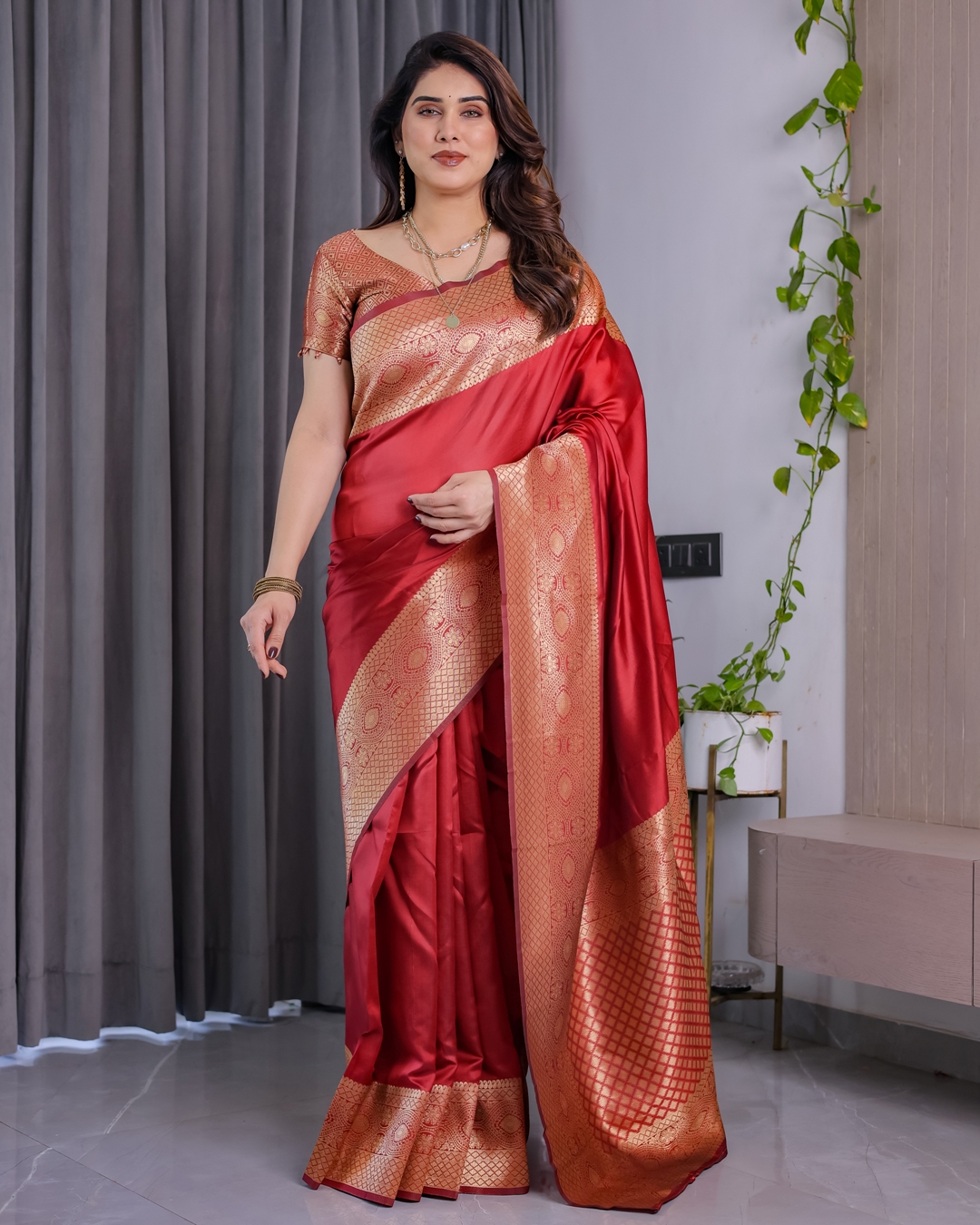
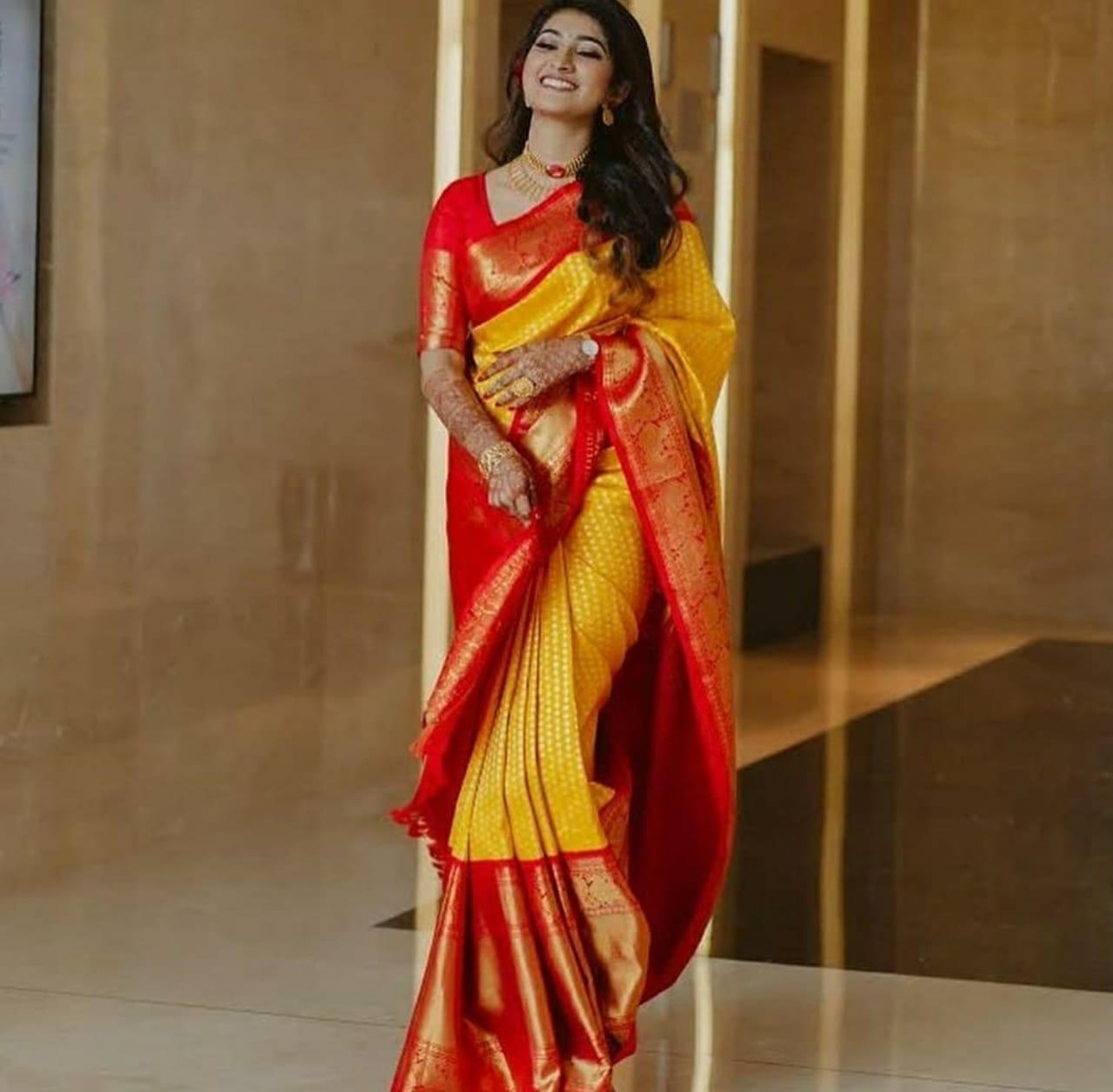
Haldi ceremony clothing benefits from breathable yellow, mustard, marigold or green cotton because turmeric, outdoor heat and active rituals can be hard on delicate textiles. For a wedding reception, Red Banarasi Soft Silk Saree with Jacquard Zari Border creates a formal look without requiring a heavily embroidered lehenga. For a community or cultural programme, a restrained border, a handloom texture and traditional jewellery may communicate more than excessive sparkle.
Jharkhand Traditional Dress for Women: Which Fabrics Suit the Climate?
Cotton, linen-cotton, tussar silk, silk-cotton and breathable soft silk are practical fabric choices for Jharkhand's varied seasons. Summer requires airflow and easy maintenance, while winter evenings and formal celebrations allow denser silk or layered styling.
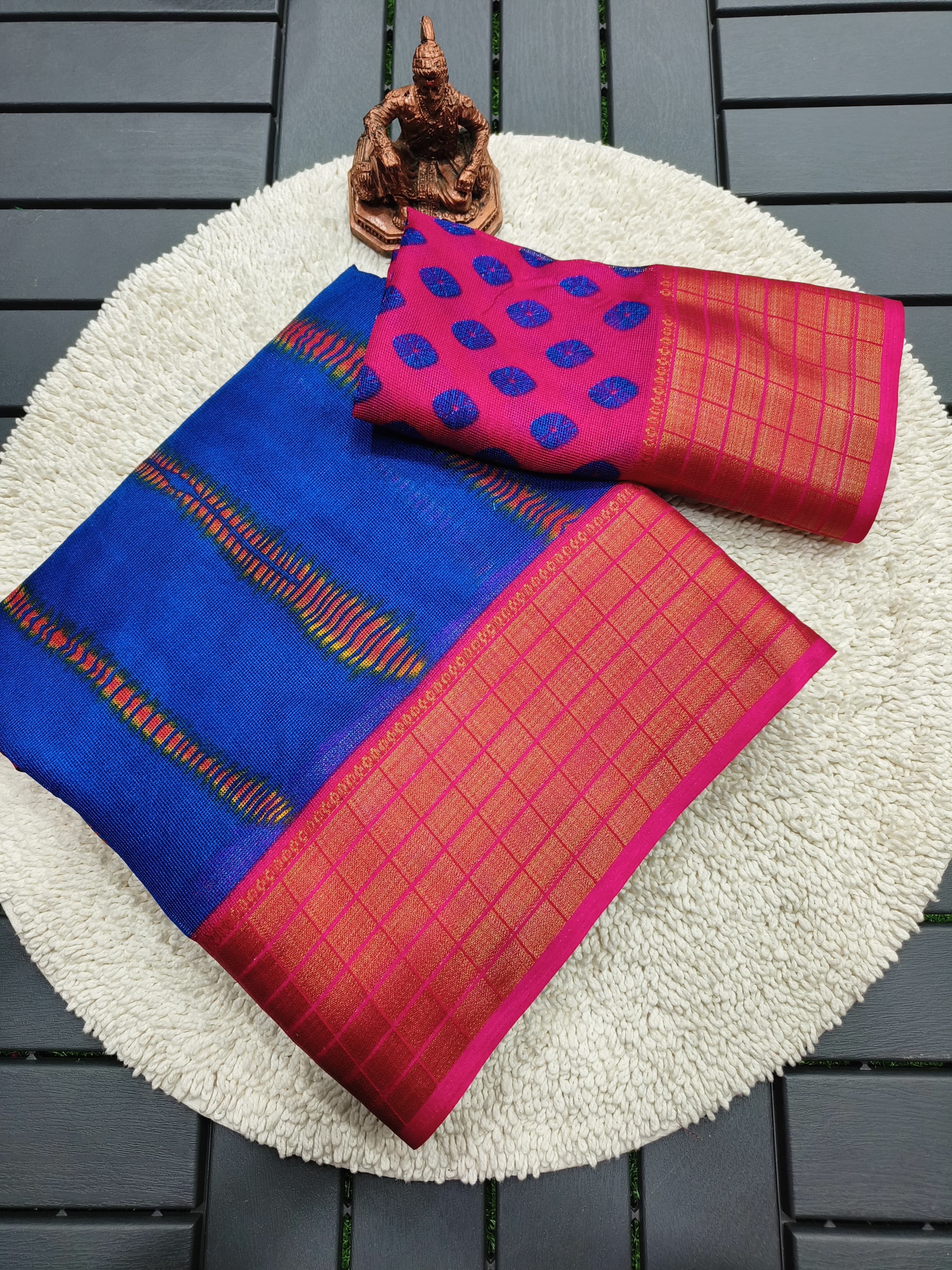
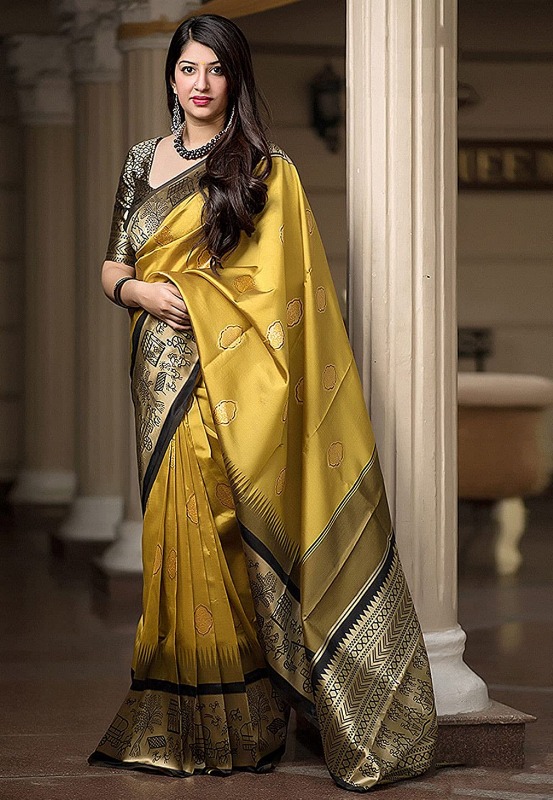
Jharkhand has a strong association with silk production, particularly tussar silk, also called kosa silk in many Indian textile contexts. Tussar has a naturally textured surface, a slightly matte glow and a firm fall that can look especially elegant with a simple blouse. Authenticity should be checked from the product description and seller rather than assumed from a golden colour alone, because synthetic blends can imitate the appearance of tussar.
Handloom cotton is another sensible choice for daily and semi-formal wear. Pastel Floral Tissue Handloom Cotton Saree with Zari Weaves demonstrates how a breathable base can receive a festive lift through a woven zari detail. Pastel Linen Cotton Floral Print Saree with Designer Blouse offers a lighter, more contemporary route for brunches, office celebrations and daytime family functions.
Linen-cotton has a crisp texture and may crease more visibly than polyester or satin. Those creases are normal, but the fabric should be folded along the border and stored dry. Silk needs more careful handling, while cotton can generally tolerate gentler home washing when the care label allows it.
Jharkhand Traditional Dress for Women: How Should Fabric Weight Be Chosen?
Choose a saree under approximately 500 grams for hot daytime use, a medium-weight saree for regular festive wear and a heavier silk or zari saree when structure and formal shine matter more than cooling comfort.
Weight also affects draping skill. A very light fabric can slide at the shoulder, while a stiff tissue or dense zari saree may hold pleats neatly but require stronger pins. Multicolor Linen Cotton Floral Saree with Blouse Online provides visual interest without the weight of a heavily embellished silk saree. Check the blouse fabric, border stiffness and total length before ordering, because those details influence comfort more than colour alone.
Jharkhand Traditional Dress for Women: How Is the Saree Draped Today?
The Nivi drape is the easiest contemporary starting point, while a shorter, secure pallu and firmly pinned pleats make a saree more practical for movement and cultural events. Traditional community drapes should be learned from reliable regional sources or practitioners rather than reconstructed from a generic fashion tutorial.
For a standard Nivi drape, wear a well-fitted petticoat, tuck the saree securely at the waist, create five to seven front pleats and place the pallu over the left shoulder. A pallu length of roughly 42 to 48 inches usually brings useful coverage without dragging. Safety pins should attach the pleats to the petticoat and the pallu to the blouse, but pins should not pierce delicate zari repeatedly.
For a more grounded Jharkhand-inspired appearance, keep the blouse comfortable and the accessories intentional. A three-quarter-sleeve cotton blouse, a round or modest square neckline and a firm shoulder pallu work well for daytime. Festive Wear Blue Silk Saree for Women can be paired with a plain blouse and silver-toned jewellery to prevent the outfit from looking overworked.
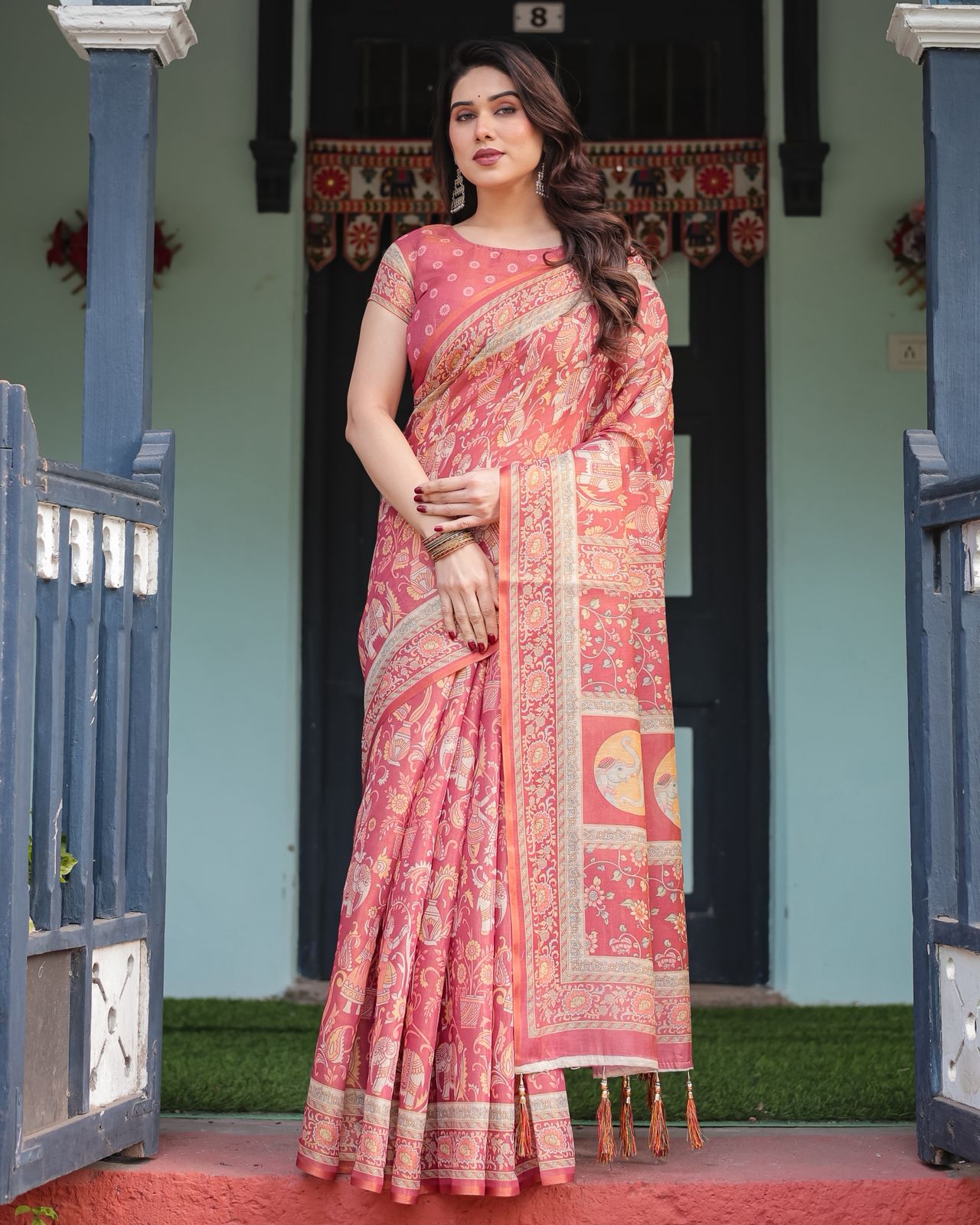
Contemporary styling doesn't require copying a ritual garment. A saree with a locally meaningful colour palette, a handloom texture and a simple blouse can create an informed ethnic look. Peach Linen Cotton Floral Print Saree with Blouse for Women suits a daytime family event, while Red Satin Floral Print Saree with Unstitched Blouse Textile can be reserved for an evening setting where its smoother shine feels appropriate.
Jharkhand Traditional Dress for Women: Which Colours and Accessories Work?
Earthy red, white, black, mustard, forest green, indigo and rust are useful colour references for a Jharkhand-inspired wardrobe, but no colour belongs exclusively to every community in the state. Use colour as a regional design cue, not as proof that an outfit is traditional.
Nature-based imagery is common in eastern and central Indian textile design, including flowers, leaves, birds, geometric borders and village-life references. Floral prints can therefore sit comfortably in a modern interpretation, although a printed floral saree isn't automatically a traditional tribal textile. Multicolor Linen Cotton Floral Saree with Blouse Online illustrates the distinction: the floral surface gives an ethnic-fashion mood, while the construction remains contemporary.
Silver jewellery is a strong styling choice because oxidised silver, chunky earrings, layered necklaces, bangles and metal waist accents can complement handloom textures. Choose one focal area for an everyday outfit. Large silver earrings can replace a heavy necklace, while a broad necklace can be balanced with small studs and fewer bangles.
Beaded necklaces, lac bangles and natural-finish accessories can also work, but imitation versions should not be presented as authentic community jewellery. Avoid wearing sacred, ceremonial or community-specific ornaments as costume props without understanding their context. A plain silver nose pin, small earrings and a woven hair accessory offer cultural sensitivity with less risk of misrepresentation.
Jharkhand Traditional Dress for Women: How Should You Choose a Saree for an Event?
Choose the saree by matching fabric durability, colour, ornament level and movement to the event rather than selecting the most decorated design available.
- For a daytime puja: Select cotton, linen-cotton or light silk-cotton in cream, yellow, green, red or a soft pastel. Keep the pallu secure and choose washable or clearly labelled fabric.
- For a Haldi ceremony: Pick an affordable cotton or cotton-blend saree in yellow, mustard, peach or green. Avoid fragile metallic surfaces and very long loose pallus.
- For a wedding: Choose soft silk, Banarasi silk, tussar silk or a zari-bordered saree according to the formality of the function. A blouse with enough shoulder coverage makes prolonged wear more comfortable.
- For an office or cultural programme: Use a printed cotton saree, a restrained handloom border and low-profile jewellery. Pastel Linen Cotton Floral Print Saree with Designer Blouse can be styled with a structured tote and flat footwear.
- For an evening reception: Select deeper blue, maroon, red or jewel tones with controlled zari or satin shine. Festive Wear Blue Silk Saree for Women works with a low bun, a plain blouse and one metallic accessory.
Budget can also guide the decision. Sarees from Rs 1000 to Rs 1500 may be useful for everyday cotton, printed styles and first-time experimentation, while sale collections such as Sarees Under 20% Off, Sarees Under 10% Off, Sarees Flat 60% Off and Sarees Flat 50% Off can make festive fabrics more accessible. Discount percentage should never replace checking fibre content, blouse inclusion, saree length, wash instructions and return measurements.
Jharkhand Traditional Dress for Women: What Should Be Checked Before Buying Online?
Check the fabric composition, saree length, blouse status, border details, transparency, care instructions and customer photographs before buying an ethnic saree online. These details determine whether the garment will actually suit the intended event.
- Read whether the saree is cotton, linen-cotton, silk, satin, a blend or an unspecified textile.
- Confirm whether the blouse is stitched, unstitched or absent, because blouse tailoring can add several days and extra cost.
- Look for the saree length, commonly around 5.5 metres, and pallu width if the listing gives it.
- Inspect zari wording carefully; woven zari, printed metallic detail and jacquard zari don't have identical durability.
- Compare the displayed colour with natural-light photographs when available, since screens can shift pastel and red tones.
- Save the care label and wash the saree according to its fibre, especially when zari, silk or satin is involved.
Jharkhand Traditional Dress for Women: How Can Sarees Be Cared For?
Care a saree according to its fibre and surface finish, with cool water, mild detergent and shade drying for washable cottons, and professional cleaning for many silk or heavily embellished sarees.
Fold Banarasi silk and zari sarees with the metallic side inward or wrap them in soft, uncoloured muslin to reduce friction and tarnishing. Refold stored silk every few months so that a permanent crease doesn't form along one fold. Keep sarees away from damp walls, direct sunlight, perfume overspray and rough wooden shelves.
Wash linen-cotton and cotton sarees only when necessary and avoid aggressive wringing. Test colour fastness on an inside edge before the first wash, particularly for red, maroon, indigo and dark green dyes. Satin should be handled gently because snags and water marks can become visible quickly.
A blouse also needs care. Remove heavy jewellery before changing to prevent pulls at the neckline, allow perspiration to dry before storage and keep padded hangers for structured blouses only. A saree that's stored clean, dry and loosely folded can remain wearable for years, regardless of whether it came from a premium handloom range or a budget collection.
Jharkhand Traditional Dress for Women: What Makes Ethnic Styling Respectful?
Respectful ethnic styling distinguishes inspiration from imitation by naming the actual textile, avoiding unsupported claims and not presenting a generic fashion outfit as ceremonial clothing. A wearer can appreciate Jharkhand's colours, handloom textures and nature-inspired design while acknowledging that Adivasi communities have distinct dress histories.
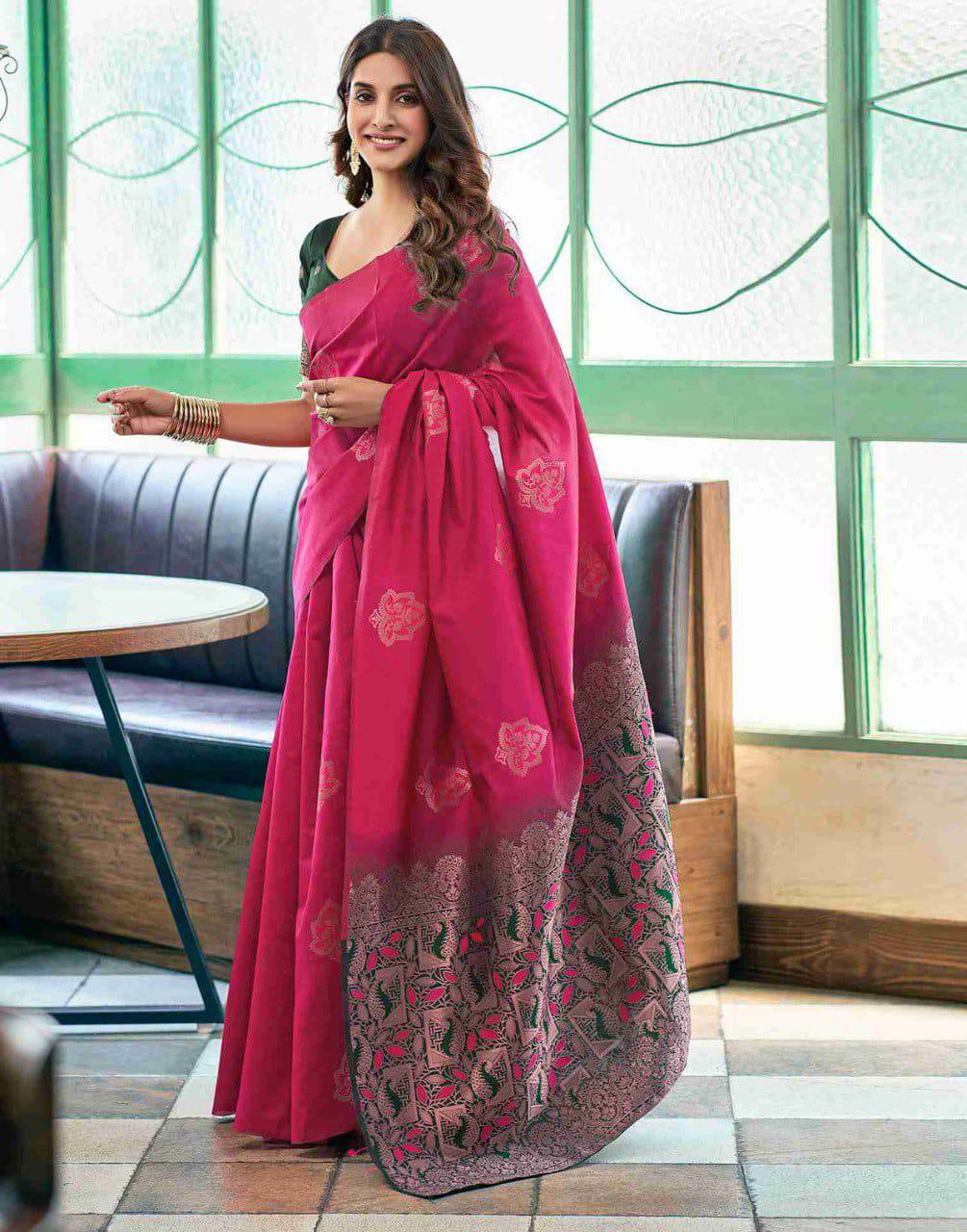
Use specific descriptions such as "a linen-cotton saree with floral print and silver jewellery" instead of calling every red or black saree "tribal." Mention Santhal, Munda, Oraon or Ho clothing only when the garment, source or styling has a defensible connection to that community. This precision makes fashion writing more accurate and prevents a complex cultural landscape from becoming a costume theme.
The most versatile wardrobe combines one or two breathable everyday sarees, one handloom or textured option, one festive silk and a blouse selection that changes the formality of each look. A Maroon Mal Cotton Ethnic Saree With Blouse from VARNAVI can serve as a practical bridge between everyday cotton and a dressed-up family gathering, while Red Banarasi Soft Silk Saree with Jacquard Zari Border is better reserved for events where a richer drape is appropriate.
Jharkhand Traditional Dress for Women is therefore best approached through context: community, climate, occasion, material and personal comfort. A corporate saree doesn't need excessive embellishment to feel festive, and a current design doesn't need a tribal label to look connected to eastern Indian textile culture.
Questions About Jharkhand Traditional Dress for Women and Saree Styling
What is the traditional dress of women in Jharkhand?
Women in Jharkhand commonly wear sarees, although the exact garment and drape vary among Santhal, Munda, Oraon, Ho and other communities. Cotton is practical for daily wear, while tussar silk, soft silk and zari sarees are suitable for formal celebrations.
Which saree is suitable for a Jharkhand festival?
A breathable cotton, handloom cotton, tussar silk or silk-cotton saree is suitable for most daytime festivals. Choose a Banarasi silk or zari-bordered saree for a more formal evening celebration, and secure the pallu for comfortable movement.
What fabric is associated with Jharkhand clothing?
Tussar silk, also called kosa silk in many Indian textile contexts, is strongly associated with Jharkhand's silk heritage. Cotton and handloom textiles are also important practical choices for everyday clothing and warm weather.
How should I style a Jharkhand-inspired saree without looking costume-like?
Pair a cotton, linen-cotton or silk saree with a comfortable blouse, one or two silver-toned accessories and a secure contemporary drape. Avoid claiming that generic floral prints or jewellery reproduce a specific tribal community's ceremonial clothing.
What jewellery goes with a Jharkhand saree?
Oxidised silver earrings, layered necklaces, bangles and simple metal accents complement handloom and silk sarees well. Select one focal jewellery piece for daytime and avoid using sacred or community-specific ornaments as decorative props without understanding their meaning.
How should Banarasi or tussar sarees be stored?
Store silk and zari sarees clean, completely dry and loosely folded in soft muslin away from sunlight and dampness. Refold the saree every few months, avoid repeated pinning through zari and follow professional-cleaning advice when the care label recommends it.