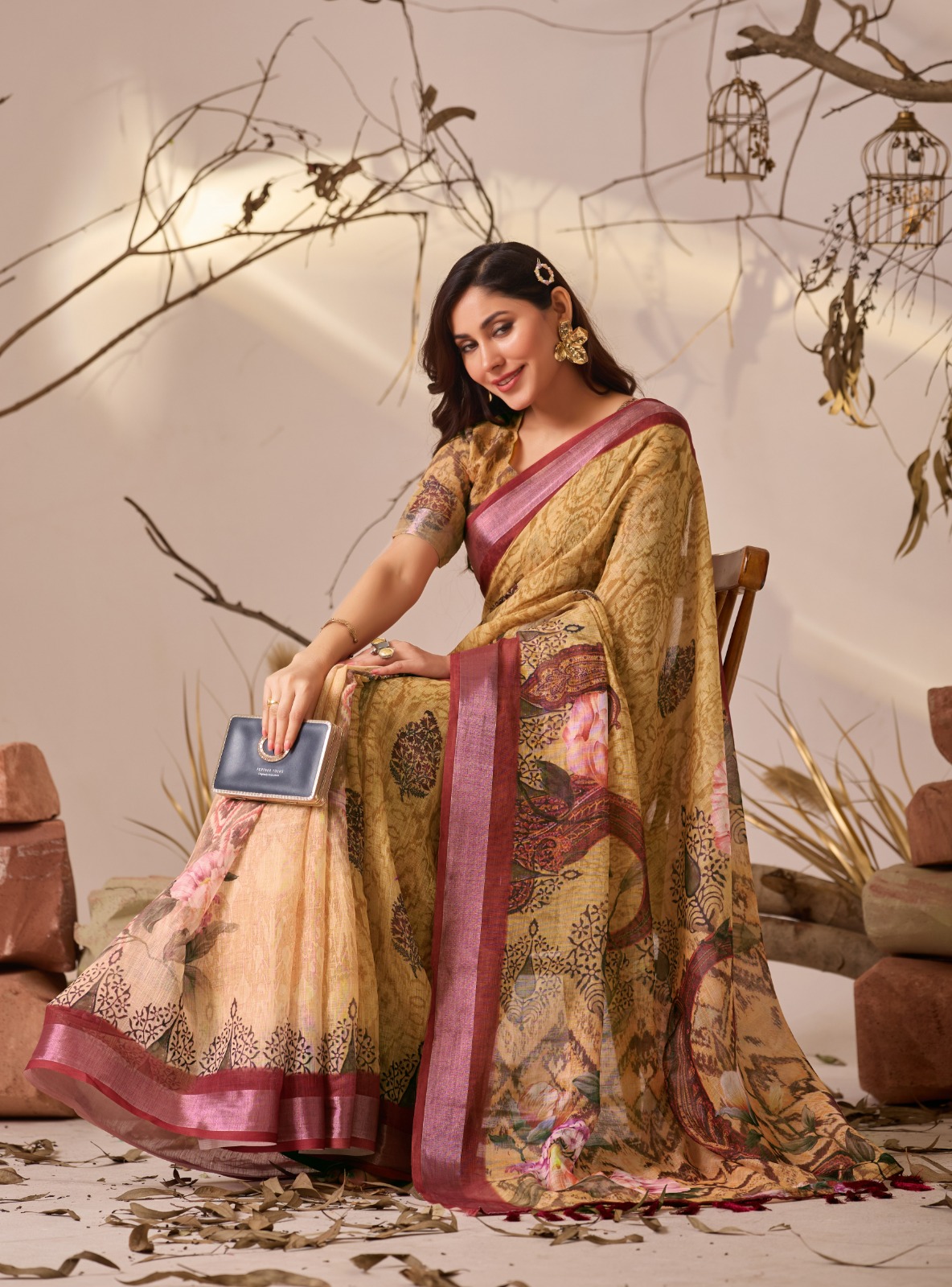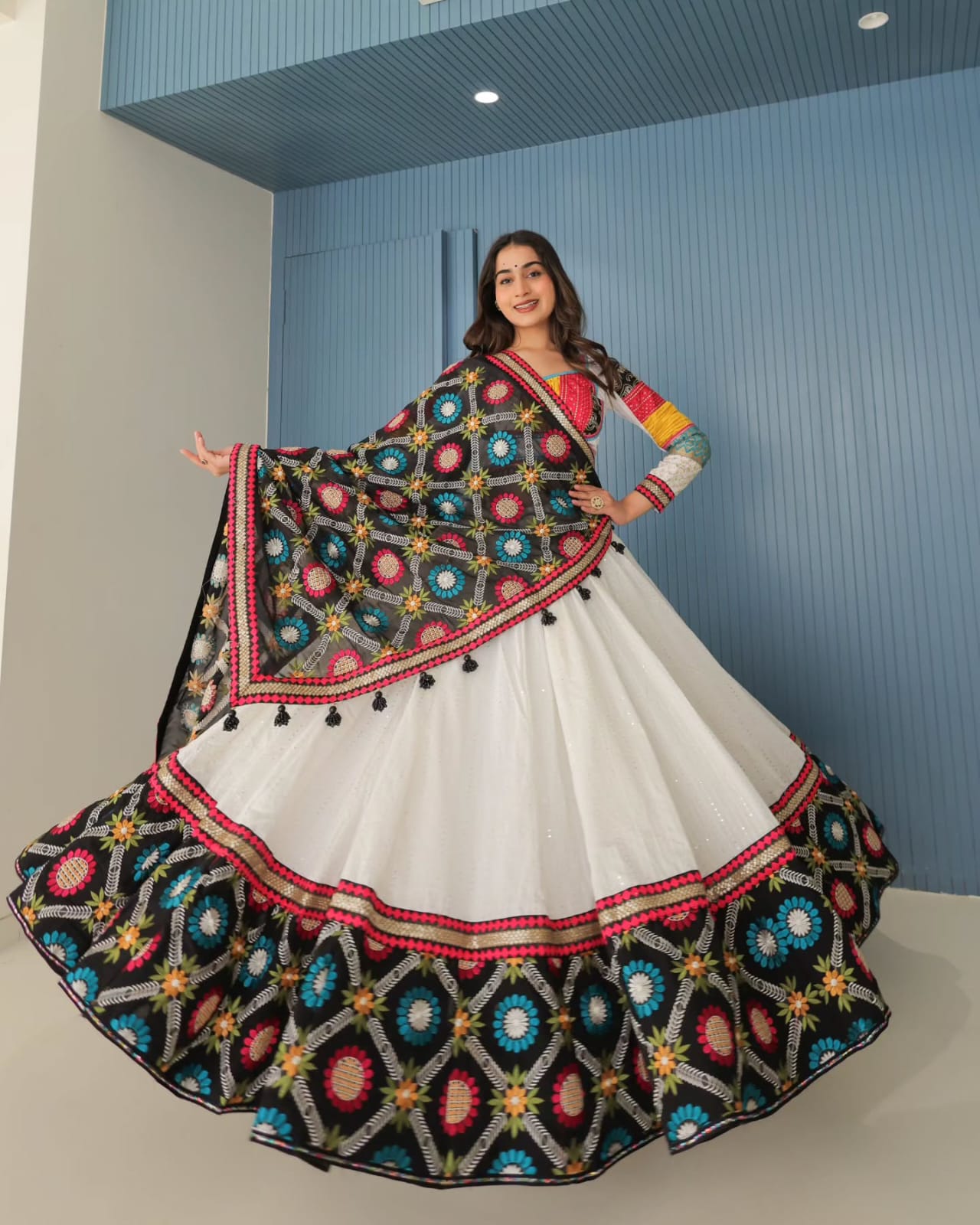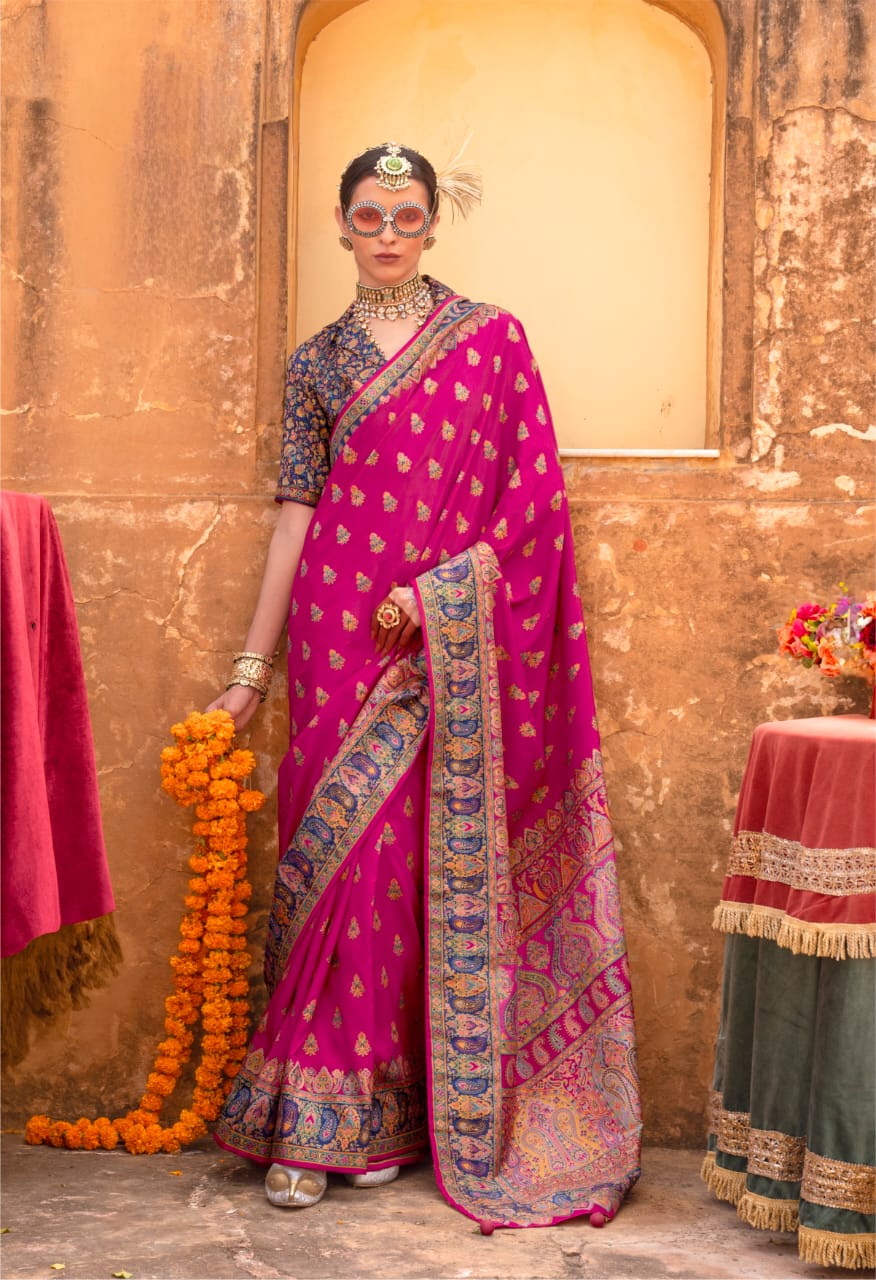
Jharkhand Handloom Sarees: Traditional Fabrics & Styling Guide begins with an important buying distinction: a saree inspired by eastern Indian textile traditions isn't automatically woven in Jharkhand. Jharkhand is strongly associated with tussar silk, while handloom cotton, natural slubs, earthy colour palettes and regional motifs also shape the wider visual language. Knowing the difference helps you choose respectfully, style comfortably and ask better questions when shopping online.
A traditional saree becomes more useful when its fabric, weight, weave and occasion work together. Crisp cotton can suit a daytime puja, textured tussar can carry an evening gathering, and light tissue cotton can provide zari detail without the weight of heavily embellished silk. Climate, drape, blouse construction and the amount of movement required should all influence the final choice.
Jharkhand Handloom Sarees: What makes the tradition distinctive?
Jharkhand Handloom Sarees: Traditional Fabrics & Styling Guide is rooted in the region's close connection with tussar silk, earthy textile textures and craft traditions shaped by eastern Indian cultural influences. A saree's exact origin still needs to be verified through its product description, weaving details or seller documentation.
Tussar silk, also called kosa in many Indian textile contexts, has a naturally textured surface and a slightly matte glow rather than the mirror-like smoothness of heavily processed silk. Small variations in slub, sheen and thread thickness are part of tussar's appeal, although appearance alone can't prove handloom origin.
Jharkhand's textile identity overlaps with neighbouring regions. Bengali tant cotton, Odisha handlooms, Chanderi, Banarasi silk and other eastern and central Indian traditions may share restrained borders, botanical motifs or muted palettes. A careful description should therefore separate "Jharkhand-inspired," "made in Jharkhand," "tussar from Jharkhand" and "handloom" instead of treating those labels as interchangeable.
Traditional styling doesn't require a dense border or bridal-level ornamentation. A plain tussar saree with a contrast blouse, a cotton saree with a narrow zari edge or a handloom weave with a simple pallu can look culturally grounded while remaining practical. The most convincing traditional look usually comes from fabric, drape and accessories working in the same visual register.
Jharkhand Handloom Sarees: Which traditional fabrics should you compare?
The most useful comparison is between tussar silk, handloom cotton, tissue cotton and decorative silk because each fabric behaves differently on the body and suits a different type of gathering.
Tussar silk and kosa textures
Tussar silk offers a textured drape, moderate structure and a warm, organic sheen. Tussar generally photographs well under soft light, resists looking overly glossy and works particularly well with antique gold jewellery, oxidised silver and hand-crafted accessories.
Check whether a listing says pure tussar, tussar blend, silk blend or simply tussar-inspired. These descriptions have different price and care implications. A pure silk saree may need gentler storage and professional cleaning, while a blend may be easier for frequent wear. The word "silk" by itself doesn't establish fibre composition.
Handloom cotton and tissue cotton
Handloom cotton usually feels breathable and comfortable for warm-weather ceremonies, although weave density determines whether the saree is sheer, crisp or fluid. Tissue cotton adds a translucent, lightly luminous effect and often pairs cotton comfort with zari or metallic thread detail.
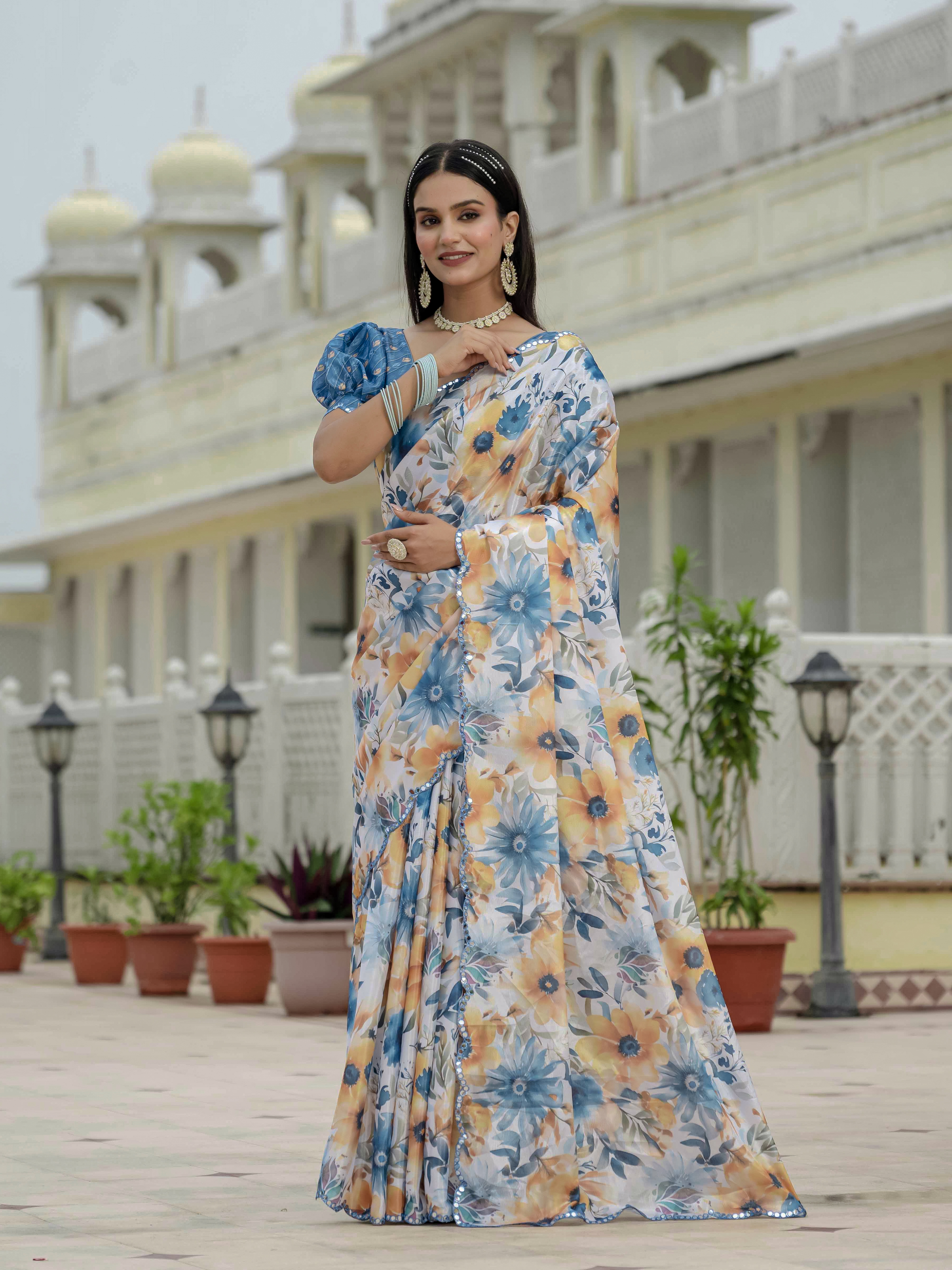
Pastel Floral Tissue Handloom Cotton Saree with Zari Weaves shows how a pale ground and floral surface can create a traditional look without a heavy border. Cream Pink Tissue Handloom Cotton Saree with Zari brings a similarly gentle palette that can work for a daytime family function with a rose, cream or muted gold blouse.
Silk, zari and jacquard surfaces
Zari is a decorative metallic thread used in borders, pallus or woven motifs, and its presence doesn't automatically make a saree pure silk or bridal. Zari may be real metallic-coated thread, imitation zari or a blended decorative yarn, so the product specification matters.
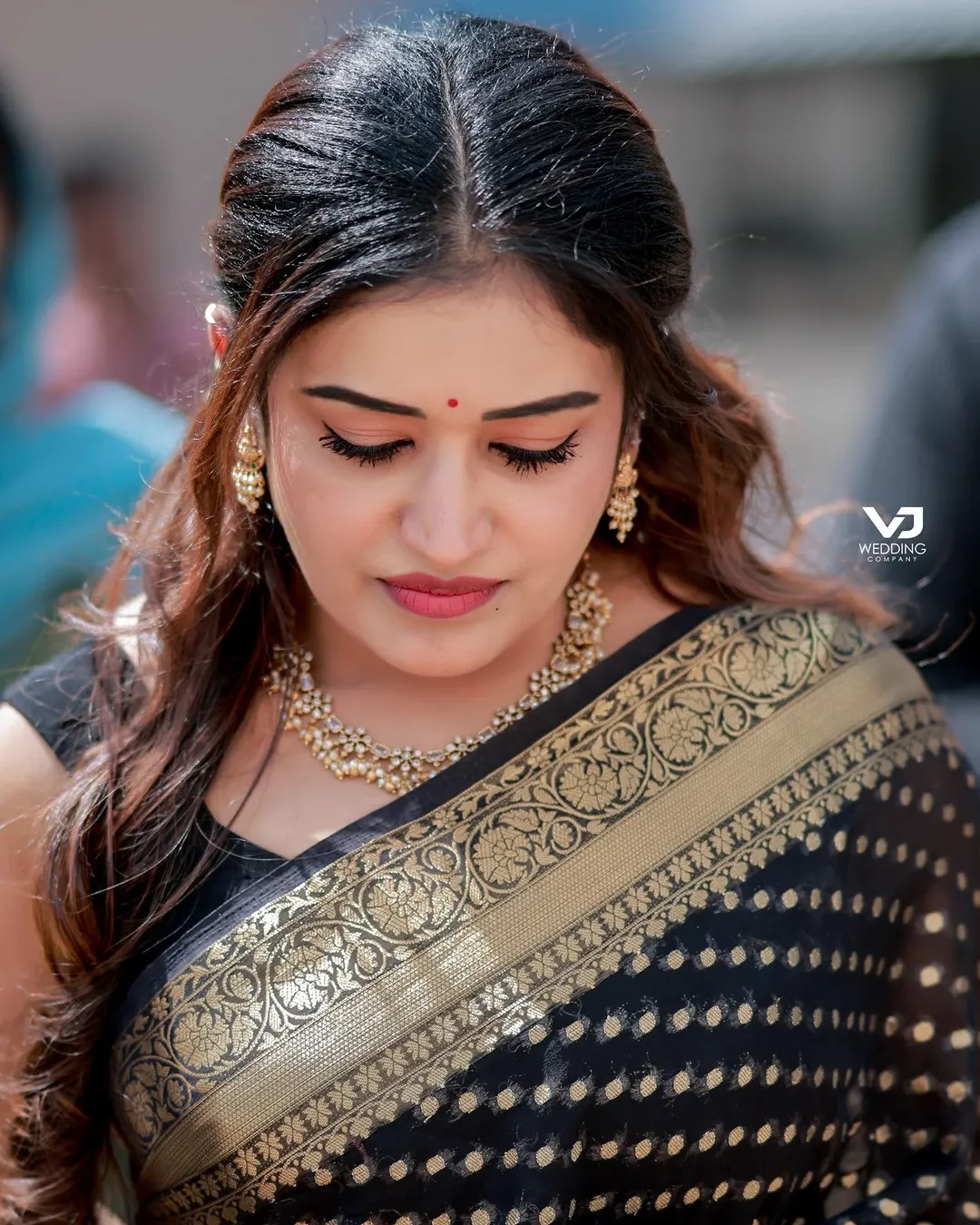
Black Gold Jacquard Lichi Silk Saree with Rich Pallu has a stronger evening profile because its dark base, jacquard surface and prominent pallu create visual weight. A saree with this much contrast can need fewer accessories than a pale tissue design; large earrings and a restrained blouse are often enough.
Jharkhand Handloom Sarees: How can you check handloom claims?
You can't confirm handloom origin from a photograph alone; you need a credible description, a recognised certification where applicable or transparent information about the weave and maker.

Handloom fabric can show small irregularities in thread spacing, selvedge width, motif alignment and texture. Those variations are clues, not conclusive proof, because power looms can imitate many handloom effects and handloom fabrics can also look remarkably even after skilled weaving.
Ask five practical questions before buying online:
- Does the listing identify the fibre as cotton, tussar silk, silk blend or another material?
- Does "handloom" describe the full saree, only the border or merely the design inspiration?
- Are the blouse piece length, saree length and approximate width stated?
- Is the zari woven into the fabric or added as surface embroidery or print?
- Are slight colour and texture variations explained as normal characteristics?
An useful listing should also state care instructions. "Dry clean only," "gentle hand wash" and "wash separately in cold water" are not interchangeable directions. If a listing gives no fibre composition or care information, treat the saree as a fashion purchase requiring cautious handling rather than assuming it has a documented regional pedigree.
Jharkhand Handloom Sarees: How should you style them for traditional events?
Style Jharkhand Handloom Sarees by balancing fabric texture with a simple blouse, grounded jewellery and a secure pleat structure. Traditional styling looks intentional when the accessories repeat one or two colours from the border or pallu.
For a puja or daytime family gathering
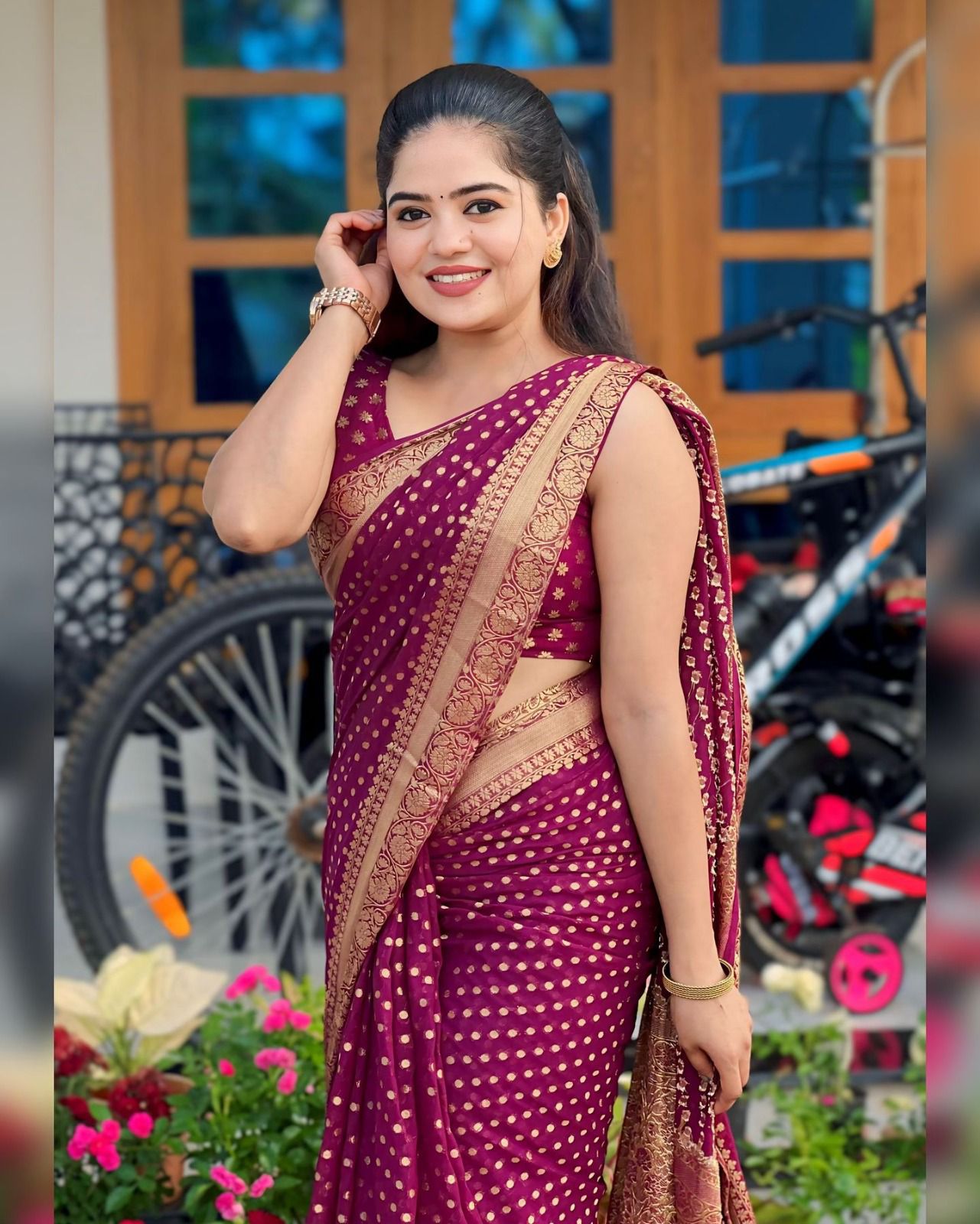
Choose breathable cotton, tissue cotton or lightweight tussar in cream, soft green, muted pink, rust or marigold. A high-neck or elbow-sleeve blouse gives a composed silhouette, while a neat Nivi drape keeps the pallu manageable during movement. Small jhumkas, a low bun and a narrow bangle stack are enough for a simple traditional appearance.
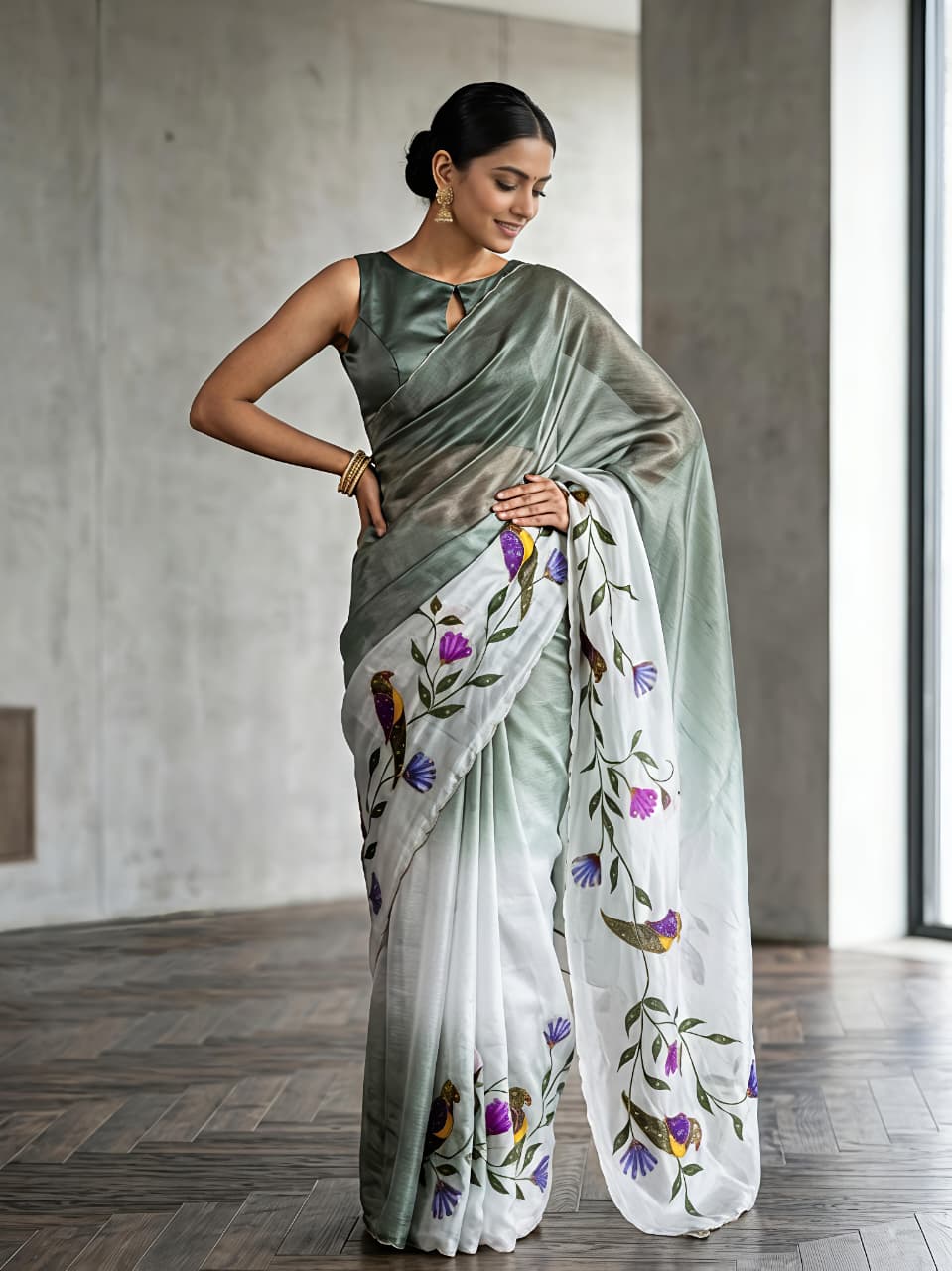
Sea Green Tissue Handloom Cotton Saree With Floral Patterns can be styled with an ivory, antique gold or deep green blouse. The floral pattern already supplies visual interest, so a plain blouse and minimal necklace prevent the outfit from becoming busy.
For a festive evening
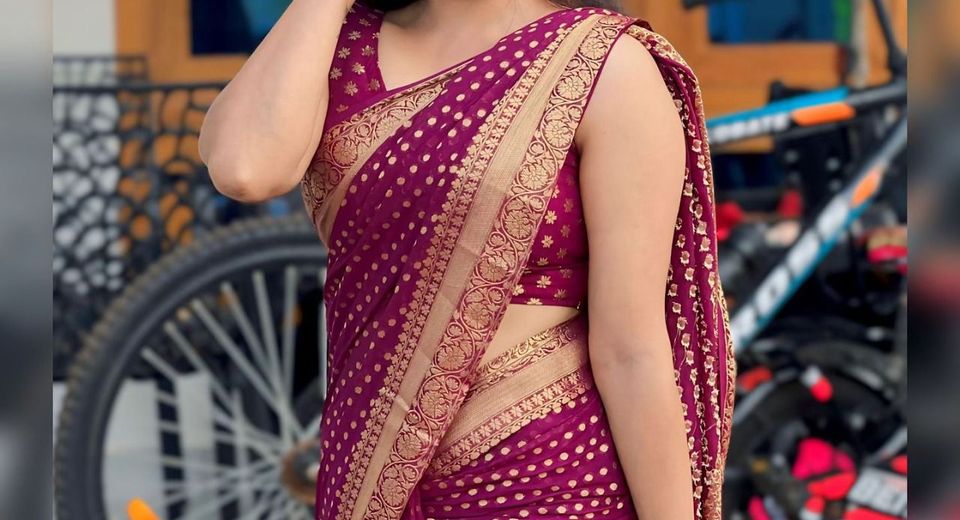
Use a richer pallu, deeper colour or stronger zari accent for an evening celebration. Wine Tissue Handloom Cotton Saree with Zari & Floral Prints can take a matching wine blouse, a dull-gold blouse or a dark brown blouse, depending on whether you want tonal elegance or contrast.
A structured blouse with a square neckline can sharpen a soft tissue drape. A round-neck blouse with three-quarter sleeves can make the same saree feel more understated. Keep the pallu pleats broad enough to show the floral print, and secure the shoulder with a discreet pin beneath the visible fold.
For a dramatic traditional look
Deep colours and contrast pallus create drama without requiring sequins. A black-and-gold saree can be paired with antique gold earrings, a low bun and a matte makeup palette rather than multiple glittering accessories.
Cream Floral Tissue Handloom Cotton Saree with Zari Weaving brings a softer alternative for a daytime or early-evening function. Grey Tissue Handloom Saree With Floral Design can be paired with a maroon, bottle-green or antique-gold blouse when a neutral base needs more contrast.
Jharkhand Handloom Sarees: Which blouse and drape choices work best?
The best blouse depends on the saree's weight, transparency and visual density rather than on a fixed traditional rule.
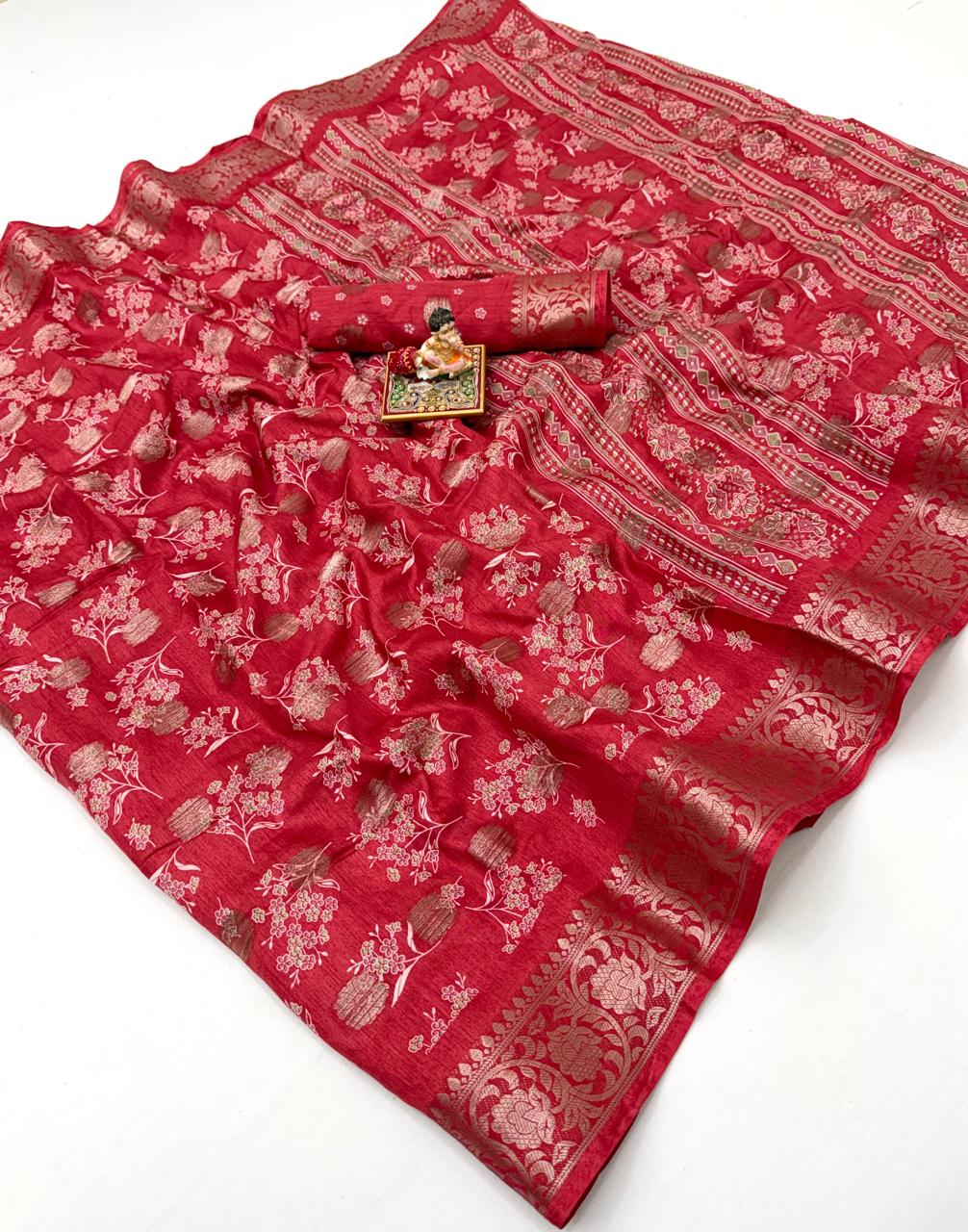
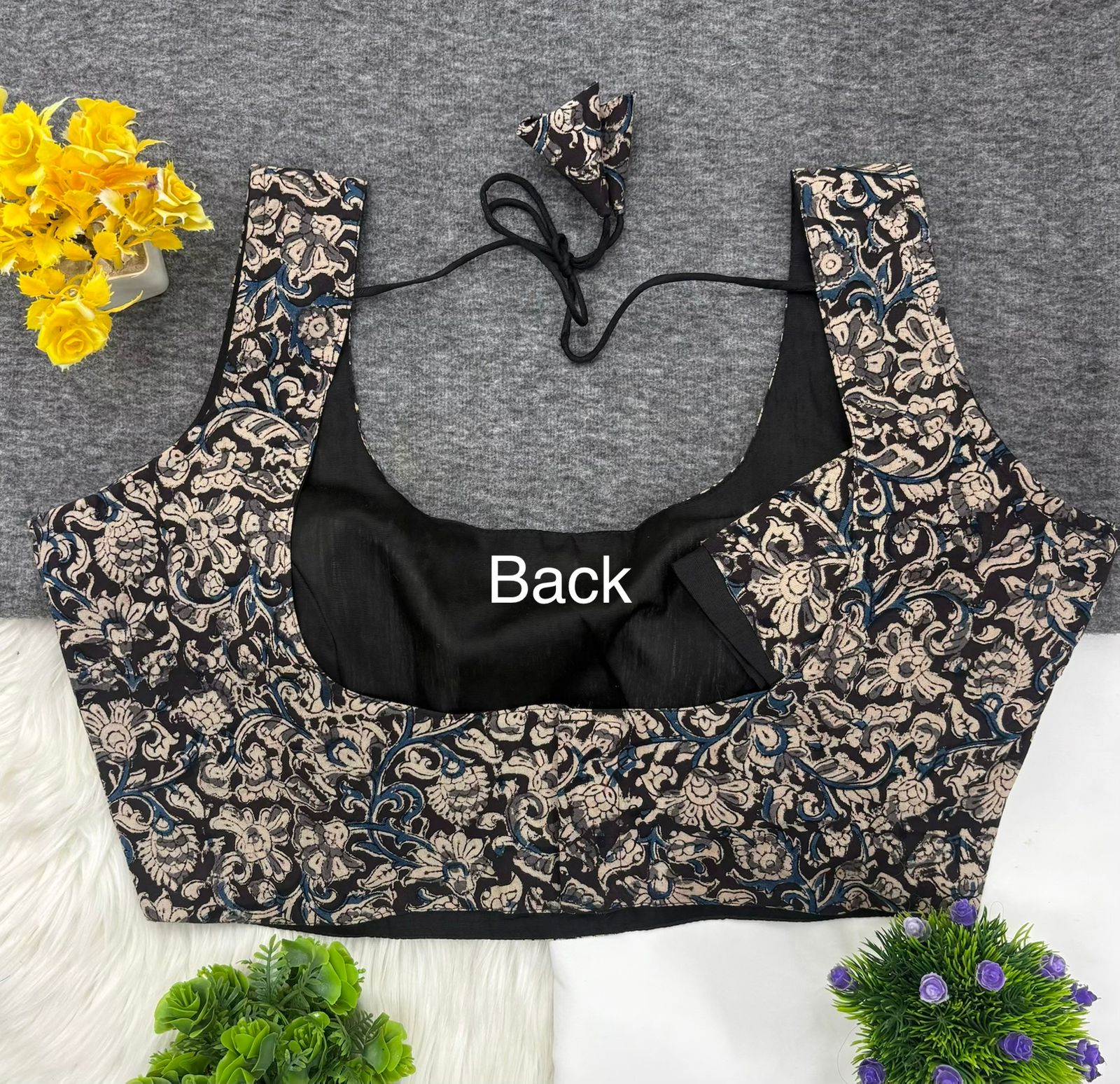
A tissue saree usually benefits from a well-lined blouse because the lining gives the shoulder and upper body enough structure. Raw silk, cotton-silk or matte satin can complement tissue without competing with its surface. For tussar, handloom cotton or textured silk often feels more coherent than very shiny polyester satin.
Match the blouse to the pallu when the saree has a strong border. Match the blouse to a minor floral colour when the saree has an all-over print. Use a contrasting blouse when the saree is plain or monochromatic. These three rules make colour selection easier than trying to match every thread exactly.
The Nivi drape is the most adaptable choice for everyday traditional wear because it forms compact pleats and leaves the pallu free for display. A Bengali-style open pallu can highlight a broad border or woven motif, but it needs careful shoulder placement. A seedha pallu creates a formal silhouette and works especially well with zari-heavy designs, although extra pinning improves security.
Traditional dressing without a blouse is possible for a short event when a fitted kurta, high-neck inner layer or well-tailored sleeveless top provides coverage beneath the drape. The substitute should be opaque, secure at the shoulders and close enough in colour or texture to look intentional. A regular blouse remains the safest choice for long ceremonies, active movement and photographs from multiple angles.
Jharkhand Handloom Sarees: How can you shop across online collections?
Online saree shopping becomes more reliable when you use collections as colour and occasion filters, then verify fabric details on each individual product page.
Silk Sarees Under 3000 With Discount can be useful for comparing accessible silk-look and silk options, but a discount label doesn't prove that a saree is pure silk or handloom. Red Banarasi Silk Sarees for Weddings Under 1100 may suit a wedding guest seeking zari and a formal pallu, although Banarasi silk represents a different weaving tradition from Jharkhand tussar. Party Wear Sarees can help with evening styling ideas, while Pink Georgette Sarees may offer a softer, fluid alternative when ease of drape matters more than regional textile authenticity.
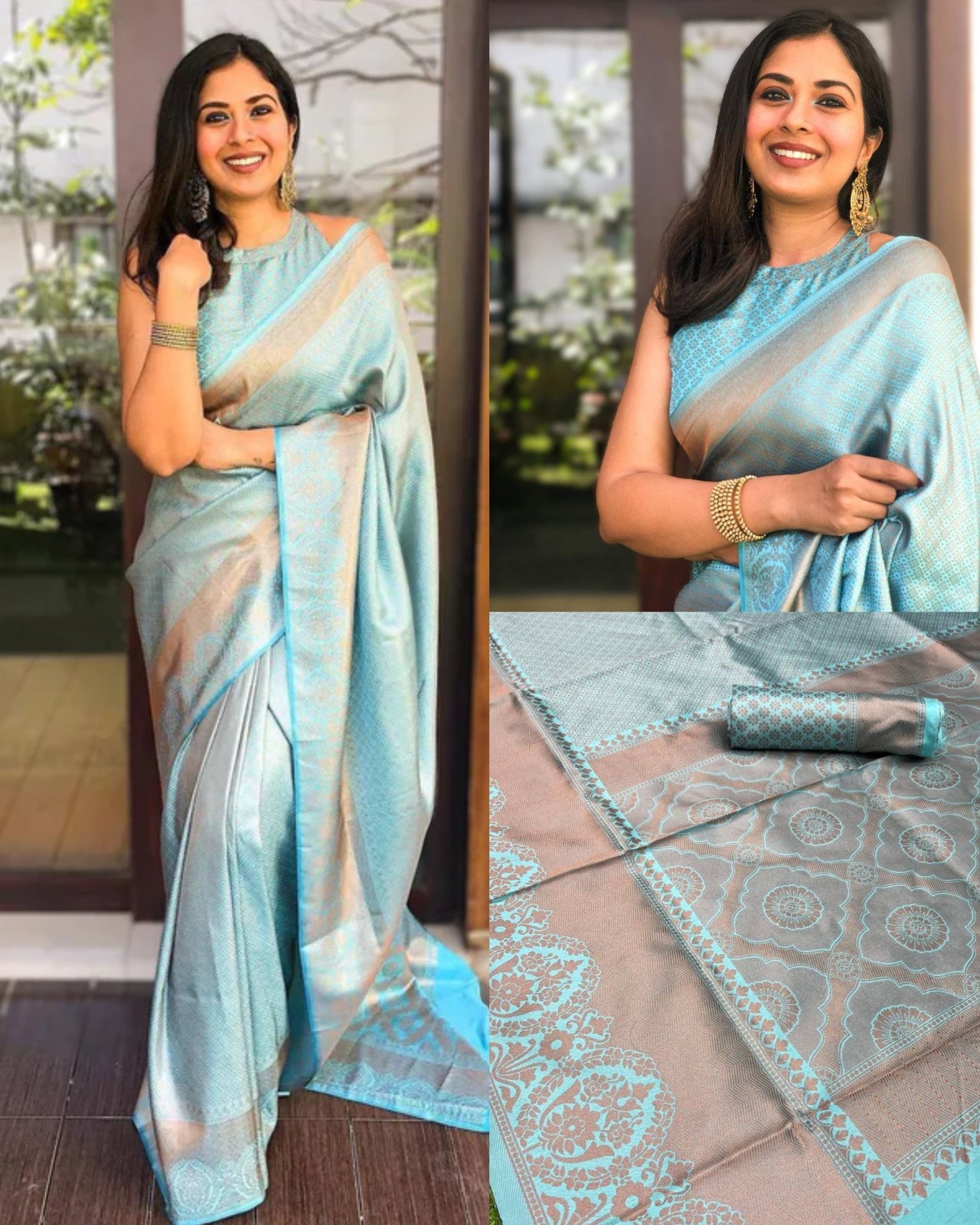
Gray Color Sarees Under 1000 is a practical starting point for neutral palettes and budget comparisons. Grey Tissue Handloom Saree With Floral Design illustrates how a grey base can move between traditional and contemporary styling with the right blouse and jewellery. A lower price can reflect a synthetic blend, lighter construction, simpler finishing or promotional pricing, so compare composition and dimensions rather than relying on the collection title alone.
When comparing websites, look for clear product measurements, blouse-piece information, fabric composition, washing instructions, dispatch timelines and multiple close-up photographs. Product reviews can reveal whether the delivered colour, transparency and texture match the displayed image, but reviews don't replace fibre disclosure.
Jharkhand Handloom Sarees: What care keeps the fabric wearable?
Care for Jharkhand Handloom Sarees by following the stated fibre instructions, protecting them from moisture and storing zari away from direct friction.

Air a saree after wearing before folding it. Cotton can usually tolerate more regular handling than silk, but printed, tissue and zari surfaces still benefit from limited washing. Never scrub zari borders, wring a delicate saree or leave silk folded in a humid cupboard.
Fold silk and tissue sarees with the embellished side inward or place soft muslin between folds to reduce snagging. Refold stored sarees every few months so permanent crease lines don't form. Keep sarees away from direct sunlight, damp walls, perfume spray and rough wooden or metal surfaces.
Use a padded hanger only for short-term airing, not long-term storage, because prolonged hanging can stress the shoulder and distort the drape. For a valuable silk, tussar or heavily zari-worked saree, professional dry cleaning is the safer choice. A small hidden-area test is sensible before using any home cleaning method on a printed or dyed saree.
Common Questions About Jharkhand Handloom Sarees and Styling
What are some trending traditional sarees that suit a Jharkhand-inspired wardrobe?
Tussar silk, handloom cotton, tissue cotton with zari, Banarasi silk and Chanderi remain useful traditional choices, although they represent different textile traditions. Choose by fibre, climate and occasion rather than treating every textured saree as a Jharkhand handloom.
What is the best website to buy a saree online in India?
The best website is one that clearly states fabric composition, saree and blouse-piece measurements, care instructions, delivery information and return terms. Close-up photographs and useful customer reviews are more valuable than a large catalogue alone.
Where can I buy ready-to-wear sarees online in India?
Ready-to-wear sarees are available through online ethnic-wear websites and marketplaces, but availability varies by collection. Check whether the listing includes pre-stitched pleats, an attached pallu, an adjustable waist and the correct length before ordering.
Can I wear a traditional saree without a blouse?
A short event can sometimes be styled without a conventional blouse by using a fitted kurta, opaque inner layer or tailored sleeveless top beneath the drape. A secure, well-fitting blouse is safer for long ceremonies, active movement and full-coverage requirements.
How do I know whether an online saree is genuinely handloom?
A photograph cannot conclusively establish handloom origin. Look for transparent fibre and weave information, credible certification where applicable, maker details, realistic descriptions of variations and complete care instructions.
Where can I buy authentic South Indian sarees online?
Look for sellers that identify the specific tradition, such as Kanjeevaram, Kerala Kasavu, Chettinad or Mangalgiri, and provide fibre and weaving details. Authenticity requires more than a South Indian colour palette or zari border, so verify the product description and seller information.