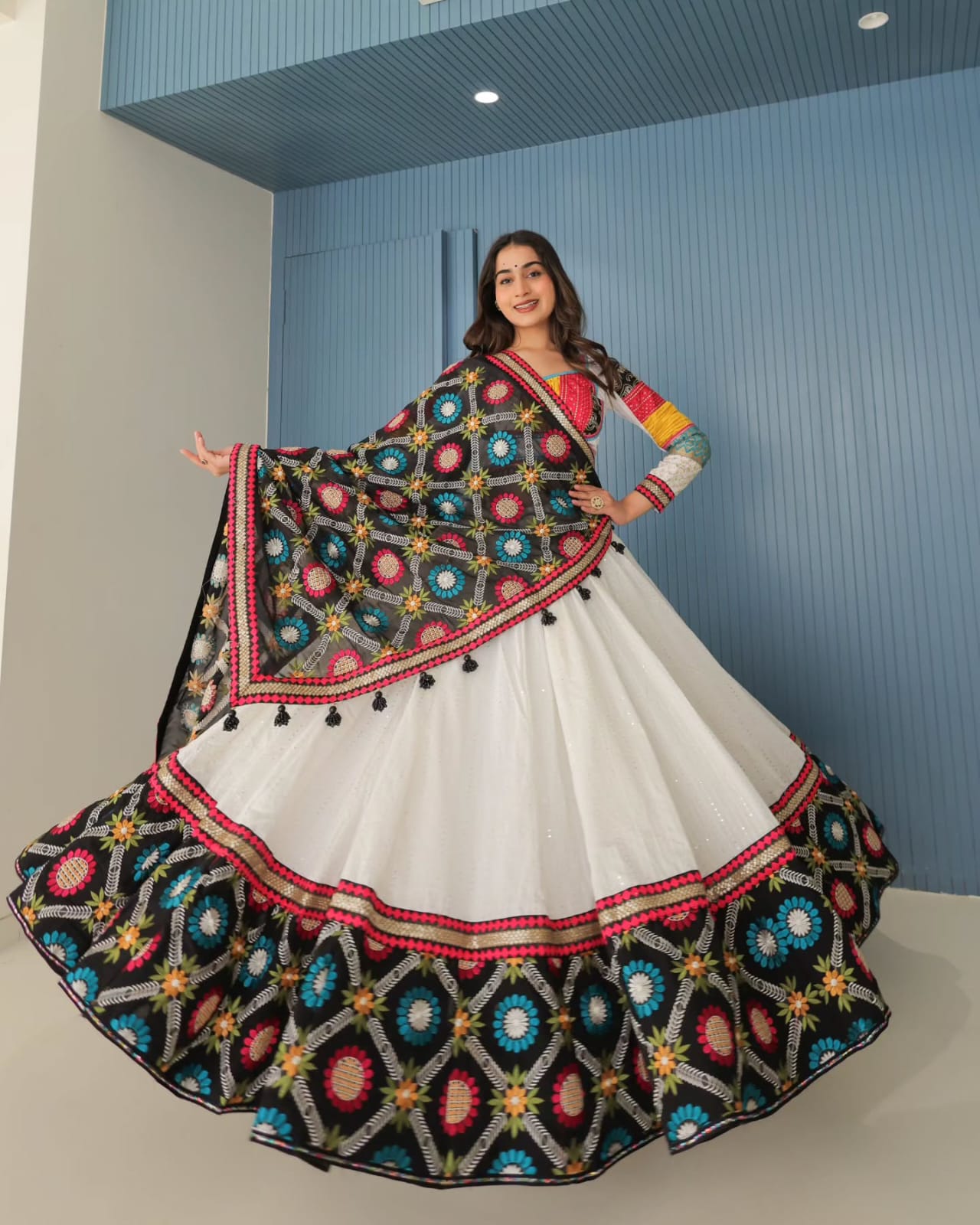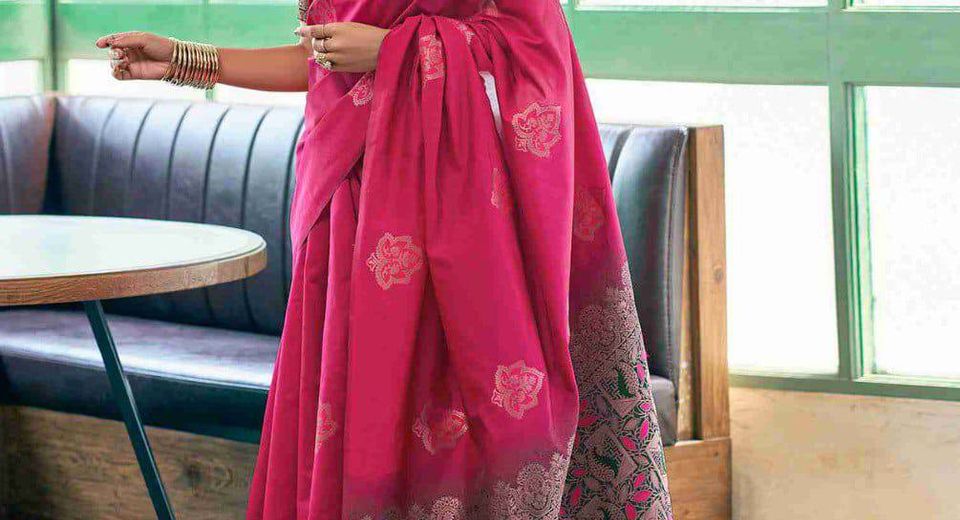
Jharkhand Festival Fashion Calendar: Sarees & Ethnic Wear becomes easier to follow when clothing is matched to the season, ritual and setting instead of treating every festival as a glitter-heavy event. Sarhul in spring, Tusu and Makar Sankranti in winter, Diwali in autumn and Chhath Puja near the water each create different practical needs. A breathable cotton saree can be more appropriate than a heavily embellished silk saree, while a zari border can add ceremony without making a drape uncomfortable.
Jharkhand's celebrations bring together Adivasi cultural traditions, Hindu festivals, harvest observances and family gatherings. The right saree therefore depends on more than colour. Consider temperature, walking distance, ritual movement, daylight, venue formality and whether the saree needs to remain steady for several hours. The calendar below turns those considerations into usable outfit decisions.
Jharkhand Festival Fashion Calendar: Sarees & Ethnic Wear by season
Use the calendar by choosing a fabric first, a colour second and embellishment third. This order prevents a beautiful saree from becoming impractical for a long puja, outdoor procession or humid afternoon.
Jharkhand's festival year doesn't follow one fixed clothing season because dates shift with the lunar calendar and local observance. Sarhul generally falls in March or April, Karma commonly arrives in August or September, Diwali usually falls in October or November, and Chhath Puja follows shortly after Diwali. Makar Sankranti and Tusu celebrations take place in January, when mornings and evenings can be noticeably cool.
- For warm daytime gatherings: choose handloom cotton, linen cotton or lightweight tissue cotton with a manageable border.
- For cool winter mornings: choose silk, Banarasi silk or a denser weave, and carry a matching shawl or blouse layer.
- For evening receptions: select satin, georgette or silk, provided the pallu and pleats are secured properly.
- For outdoor rituals: prefer washable or low-maintenance fabrics and avoid very long trailing pallus.
Colour can acknowledge the mood of a festival without suggesting that one shade is mandatory for every community. Red, yellow, green, white and marigold tones frequently appear in festive wardrobes, but local customs and personal preference should guide the final choice. A saree becomes culturally respectful through thoughtful dressing, not exaggerated styling.
Jharkhand Festival Fashion Calendar: Sarees & Ethnic Wear for Sarhul and Ram Navami
Light cotton and linen cotton sarees are the most comfortable choices for Sarhul and other warm spring celebrations in Jharkhand. March and April can bring bright sun during the day, so breathable weaves, short-sleeved blouses and uncomplicated drapes work well for temple visits, community gatherings and family meals.
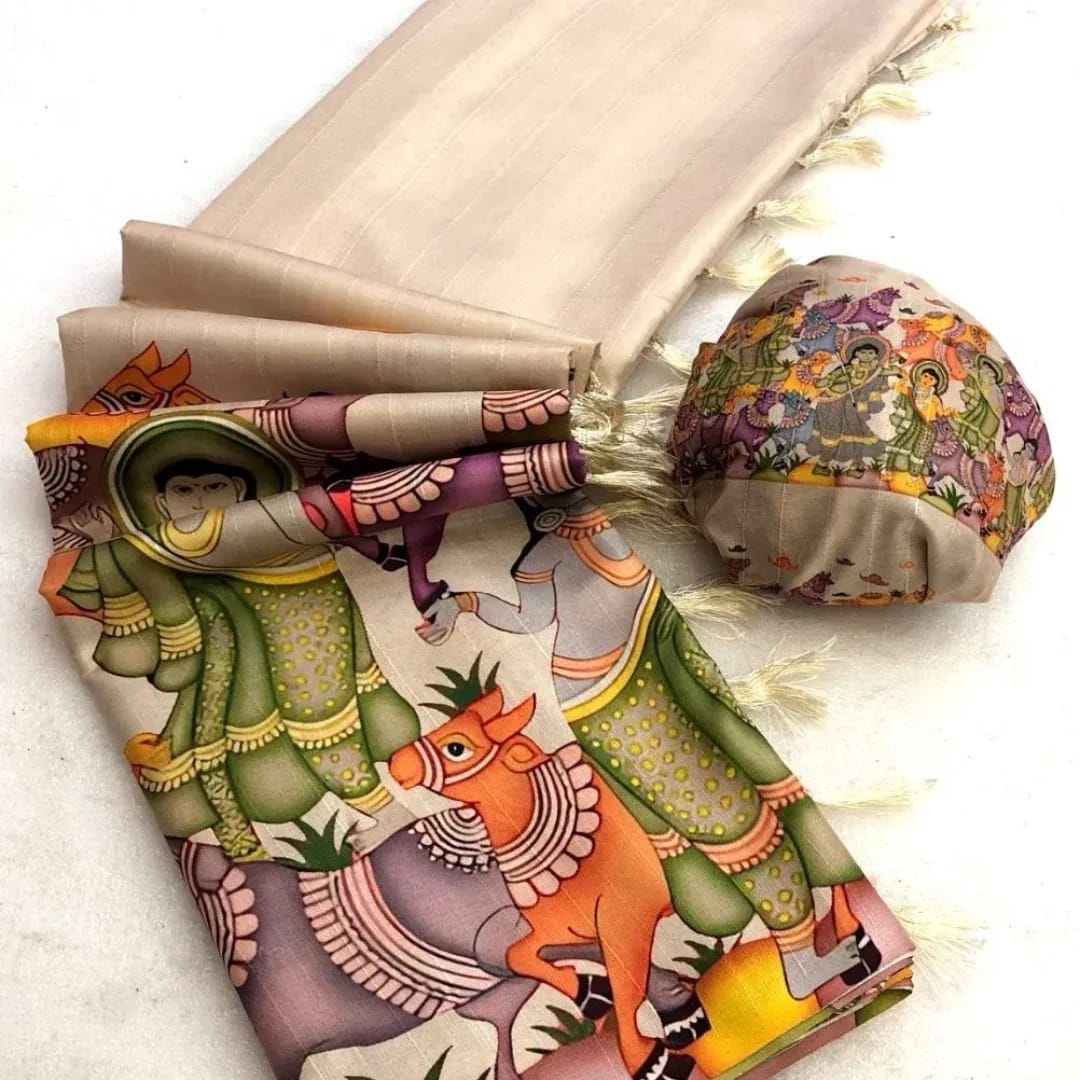
Sarhul celebrates the relationship between nature, the sal tree and community life, so floral motifs and earthy colours can create a considered visual connection without copying ceremonial dress. Cream, leaf green, muted yellow, terracotta, coral and soft pink are useful palettes. A floral print should remain easy to wear, with a border that gives the saree definition without adding excessive weight.
Pastel Linen Cotton Floral Print Saree with Designer Blouse suits an afternoon gathering because linen cotton allows airflow while the floral design provides festive interest. Peach Linen Cotton Floral Print Saree with Blouse for Women offers a warmer spring palette, especially when paired with antique-gold earrings and a low braided hairstyle.
Ram Navami functions differently from Sarhul because many families choose more visibly celebratory colours and traditional accessories. A peach, red or yellow saree with a modest zari detail works for a puja followed by lunch. Keep the pallu pinned near the shoulder and use a cotton or cotton-blend lining in the blouse to reduce discomfort in warm weather.
Jharkhand Festival Fashion Calendar: Sarees & Ethnic Wear for Tusu and Makar Sankranti
Silk, cotton-silk and handloom sarees with a slightly denser weave are practical for Tusu and Makar Sankranti because January mornings in Jharkhand can feel cold. A full-sleeved or elbow-sleeved blouse, closed footwear and a light shawl make the outfit more useful than a sleeveless blouse for a winter event.
Tusu Parab is associated with harvest time and regional folk traditions, while Makar Sankranti marks the sun's transition and is widely observed with seasonal foods and gatherings. Bright yellow, orange, red, rust and green can reflect the warmth of harvest celebrations. A woven border or zari accent adds polish without requiring sequins or heavy surface work.
Pastel Floral Tissue Handloom Cotton Saree with Zari Weaves balances a lighter base with a festive woven detail, making it suitable for a daytime family gathering. Cream Pink Tissue Handloom Cotton Saree with Zari works well when you want a softer winter look; add a rose-gold or antique-gold blouse rather than matching the pink too precisely.
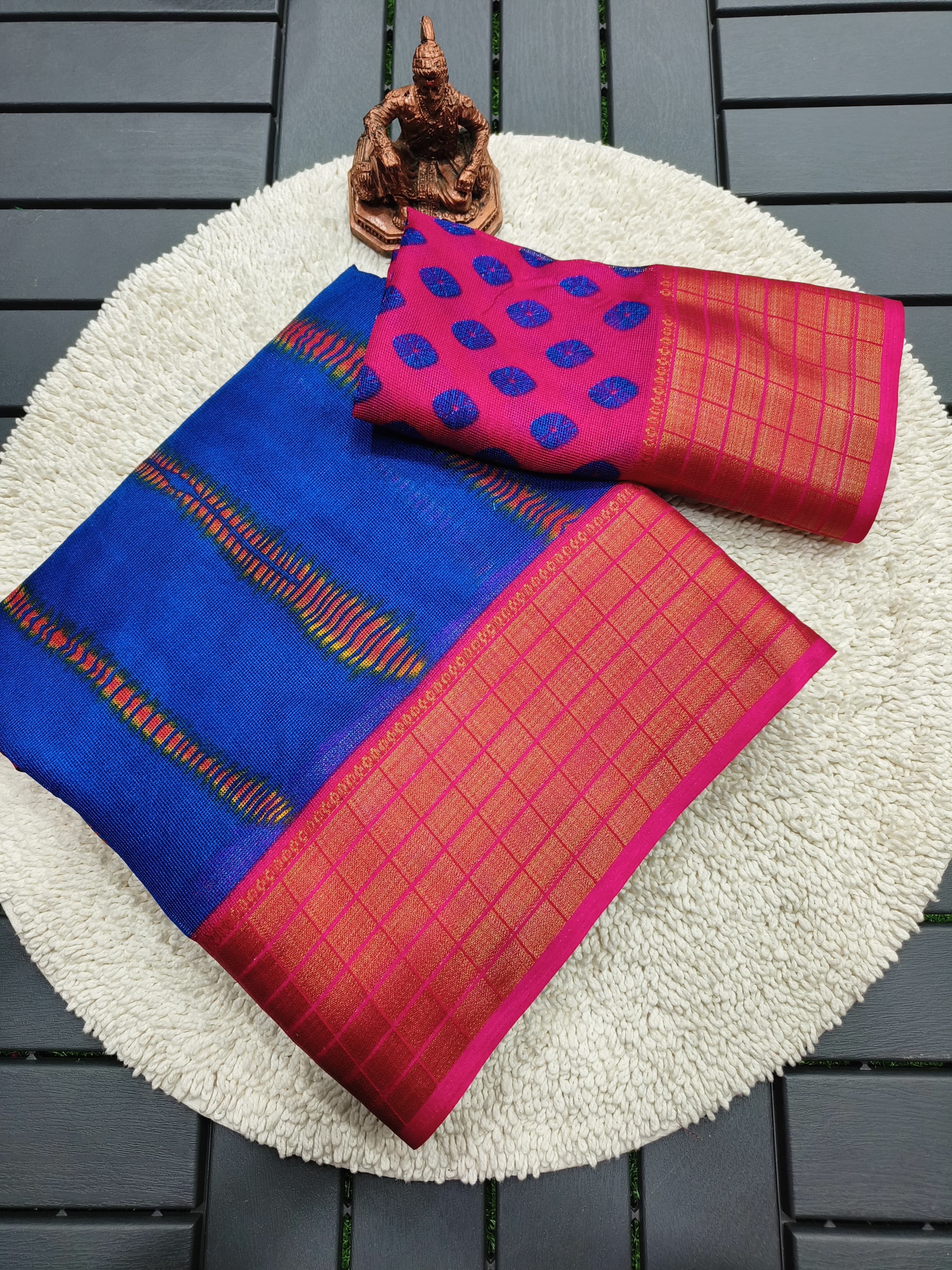
A silk saree is a sensible choice for an evening programme, but the blouse construction should be checked before buying or wearing it. A firm shoulder seam, comfortable armhole and secure hooks matter when the saree is worn over a warm inner layer. Festive Wear Blue Silk Saree for Women can be styled with a contrasting rust, mustard or gold blouse to keep the winter look vivid.
Jharkhand Festival Fashion Calendar: Sarees & Ethnic Wear for Eid, Raksha Bandhan and Karma
Lightweight cotton, linen cotton and fluid georgette are the safest saree fabrics for humid summer or monsoon celebrations. These fabrics reduce the heaviness that can make a festive outfit uncomfortable when temperatures rise or travel involves crowded roads and outdoor waiting.
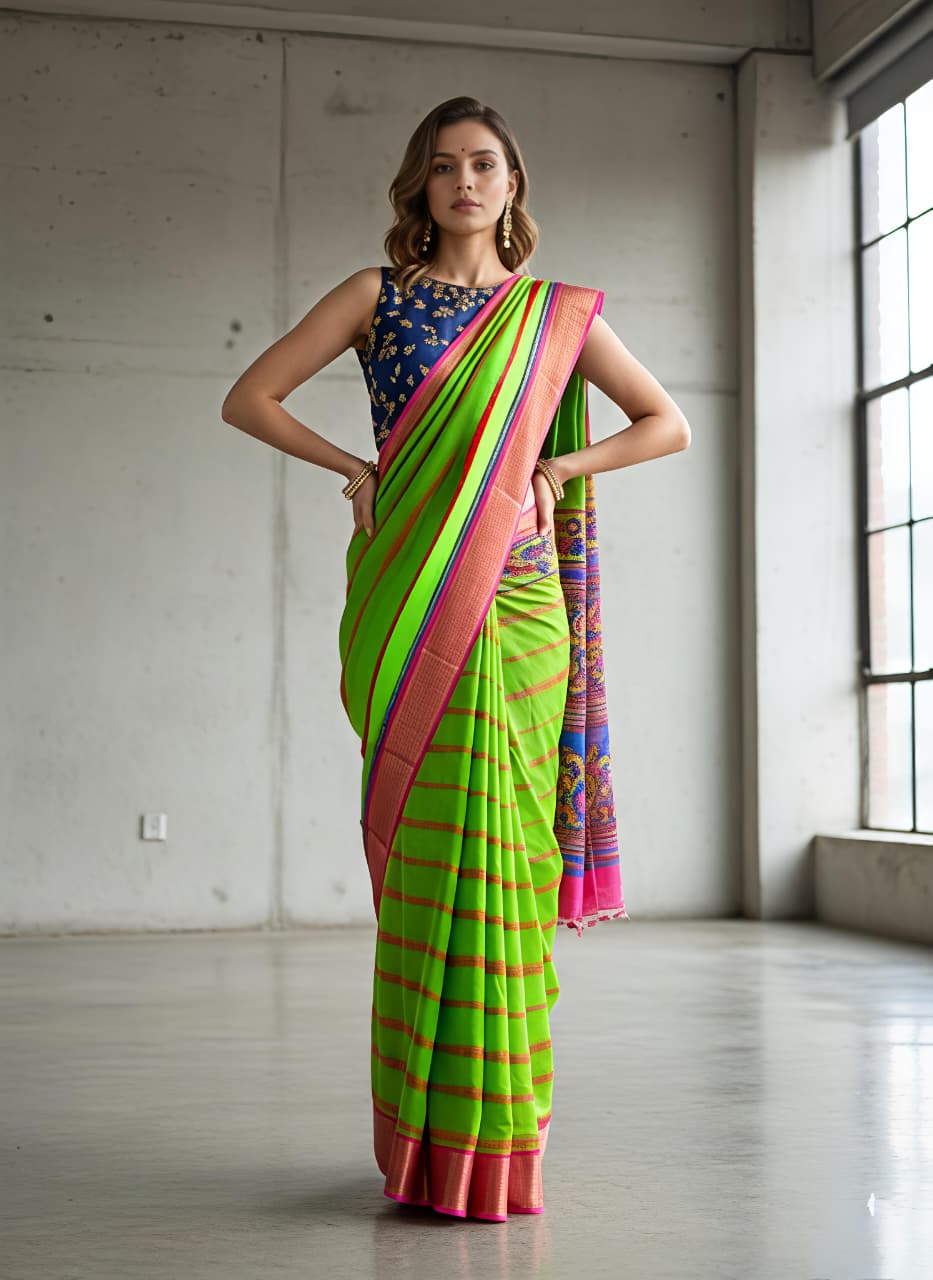
Eid gatherings often call for polished colour, graceful movement and a blouse that feels comfortable during visits to several homes. Pastel pink, ivory, blue, mint and rose shades work for daytime, while jewel tones suit evening meals. A lightly embellished blouse, pearl jewellery and a neat pallu can provide a festive finish without making the saree look like bridal wear.
Raksha Bandhan usually involves movement between rooms, sitting on the floor and sharing a meal, so a saree with stable pleats is more useful than an extremely slippery fabric. Multicolor Linen Cotton Floral Saree with Blouse Online gives a family celebration a cheerful appearance while allowing the print to do most of the styling work. Use a plain blouse in one colour drawn from the floral pattern to prevent visual clutter.
Karma is a major community festival in several parts of Jharkhand and is closely associated with nature, song and dance. A saree for a Karma gathering should permit walking and movement. Choose a shorter, securely pinned pallu, moderate border width and flat sandals. Green, yellow, red and earthy shades can complement the festival atmosphere, but respectful participation matters more than constructing a costume-like look.
Jharkhand Festival Fashion Calendar: Sarees & Ethnic Wear for Diwali and Dhanteras
Silk, satin, georgette and zari-accented cotton sarees work best for Diwali and Dhanteras evening events because these fabrics catch lamplight and photograph well indoors. The most useful choice balances shine with comfort, particularly if the celebration includes cooking, greeting guests or moving between rooms.
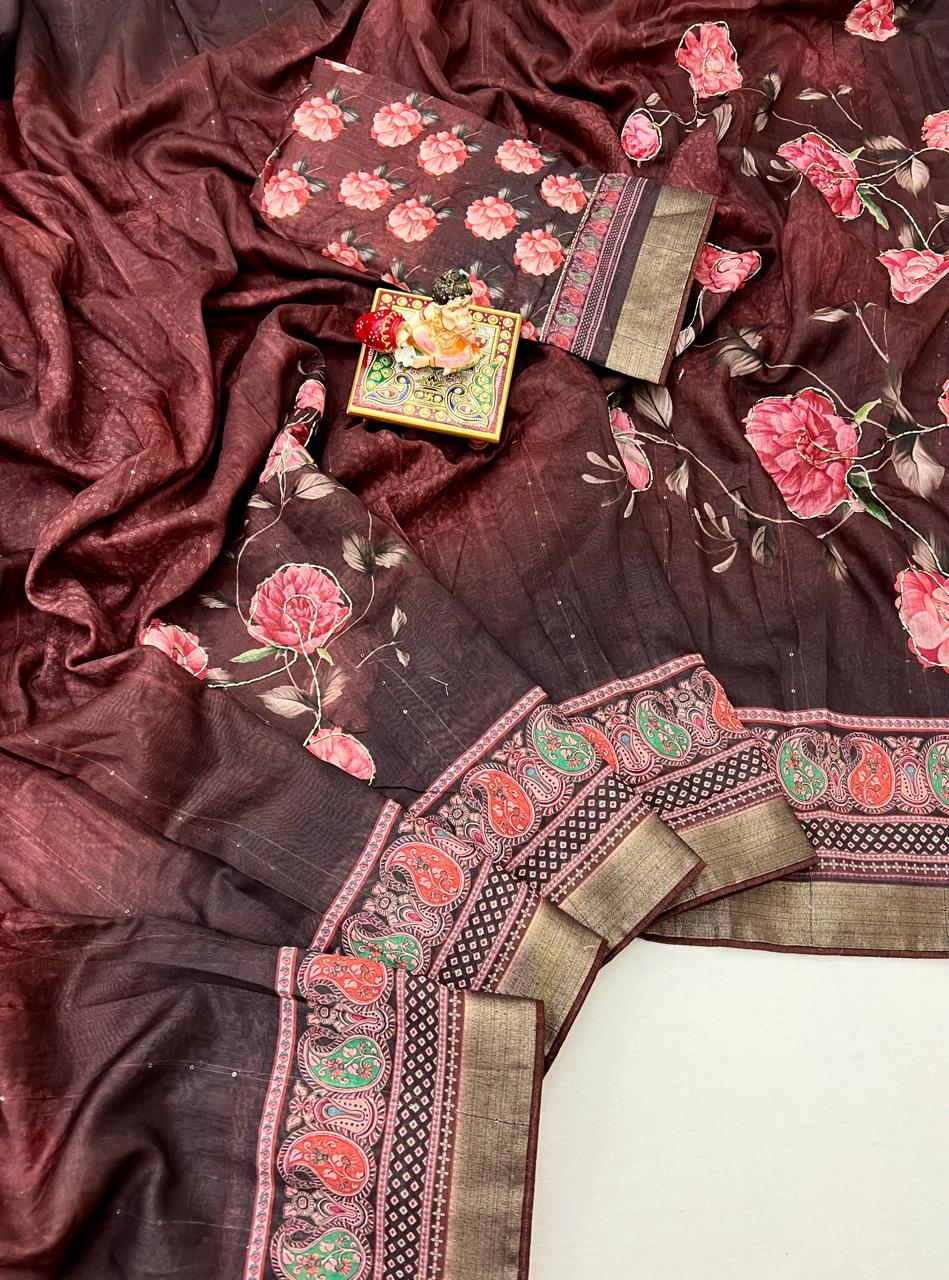
Red, deep blue, magenta, emerald and antique gold create a classic evening palette. A red saree doesn't need all-over embroidery to look formal; a defined zari border, rich blouse and carefully pleated pallu can provide enough detail. For a contemporary result, pair a bright saree with a matte blouse in wine, charcoal or deep green.
Festive Red Georgette Saree With Rich Zari Border is appropriate for a Diwali dinner or Dhanteras visit because georgette falls close to the body and the zari border supplies the ceremonial element. Add a structured blouse and secure the pleats with hidden safety pins. For someone who prefers a cooler colour, Festive Wear Blue Silk Saree for Women can be worn with a gold blouse, antique jewellery and a compact clutch.
Diwali lighting can make reflective surfaces appear brighter than expected. Test the saree under warm indoor bulbs before finalising accessories. If the border is wide or highly reflective, choose smaller earrings and a plain bangle stack so the overall outfit remains balanced. Party Wear Sarees can provide useful inspiration for evening styling, but comfort and secure draping should remain the priority.
Jharkhand Festival Fashion Calendar: Sarees & Ethnic Wear for Chhath Puja
A Chhath Puja saree should be comfortable, secure and easy to keep clean during a long outdoor ritual. Lightweight cotton or a non-clingy handloom weave is generally more practical than delicate satin because devotees may walk to a river, pond or ghat and stand for extended periods.
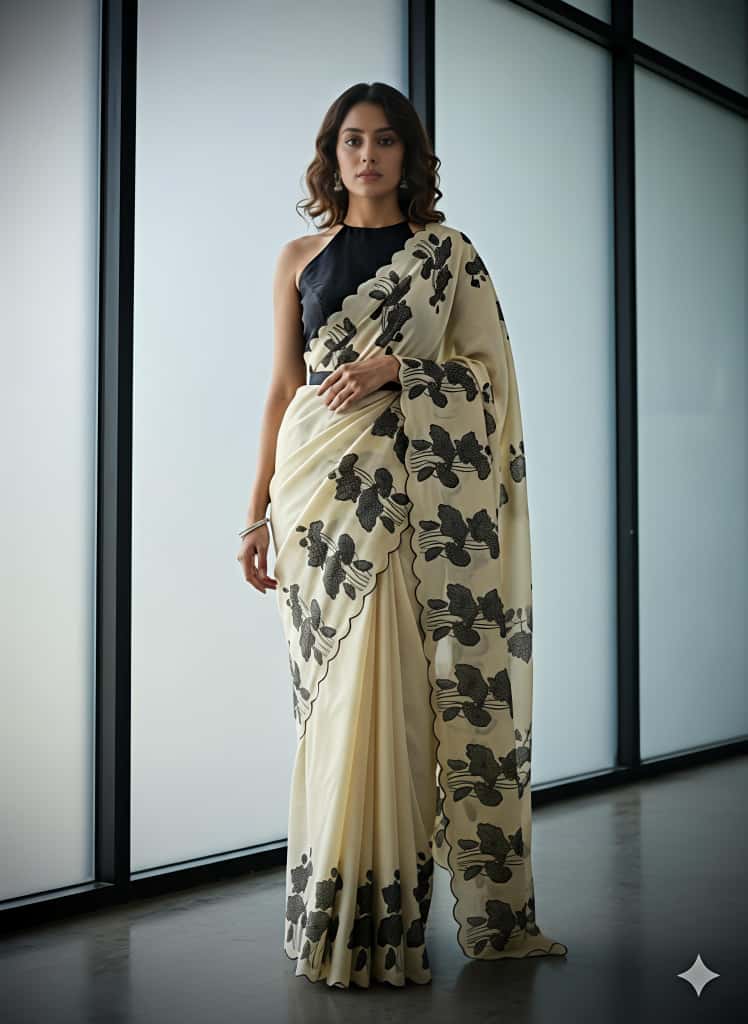
Chhath Puja includes offerings to the setting and rising sun, with important rituals often taking place near water. That setting changes the clothing decision: avoid a trailing pallu, very long sleeves and fragile embellishment that can catch on railings or become difficult to manage. Pin the pallu at the shoulder and near the waist, and wear footwear with a firm grip.
Yellow, red, orange and cream are common festive choices, but family and regional practice should guide colour decisions. A simple zari edge can look ceremonial without creating unnecessary weight. Wash or air the saree promptly after an outdoor event if it has absorbed dust, smoke or moisture, following the fabric's care label.
Kartik Purnima can include temple visits, fairs and evening gatherings. A cotton saree with a modest border can transition from daytime travel to a family meal more easily than a highly delicate evening weave. A cream base with pink, red or gold details gives a festive appearance while making small traces of dust less noticeable than a very pale solid saree.
Jharkhand Festival Fashion Calendar: Sarees & Ethnic Wear buying and care checklist
Buy a festival saree at least 7 to 10 days before the event so the blouse can be altered, the saree can be checked and the drape can be practised. A last-minute purchase often leaves insufficient time to correct sleeve length, petticoat fit or blouse hooks.
What should be checked before buying a festive saree?
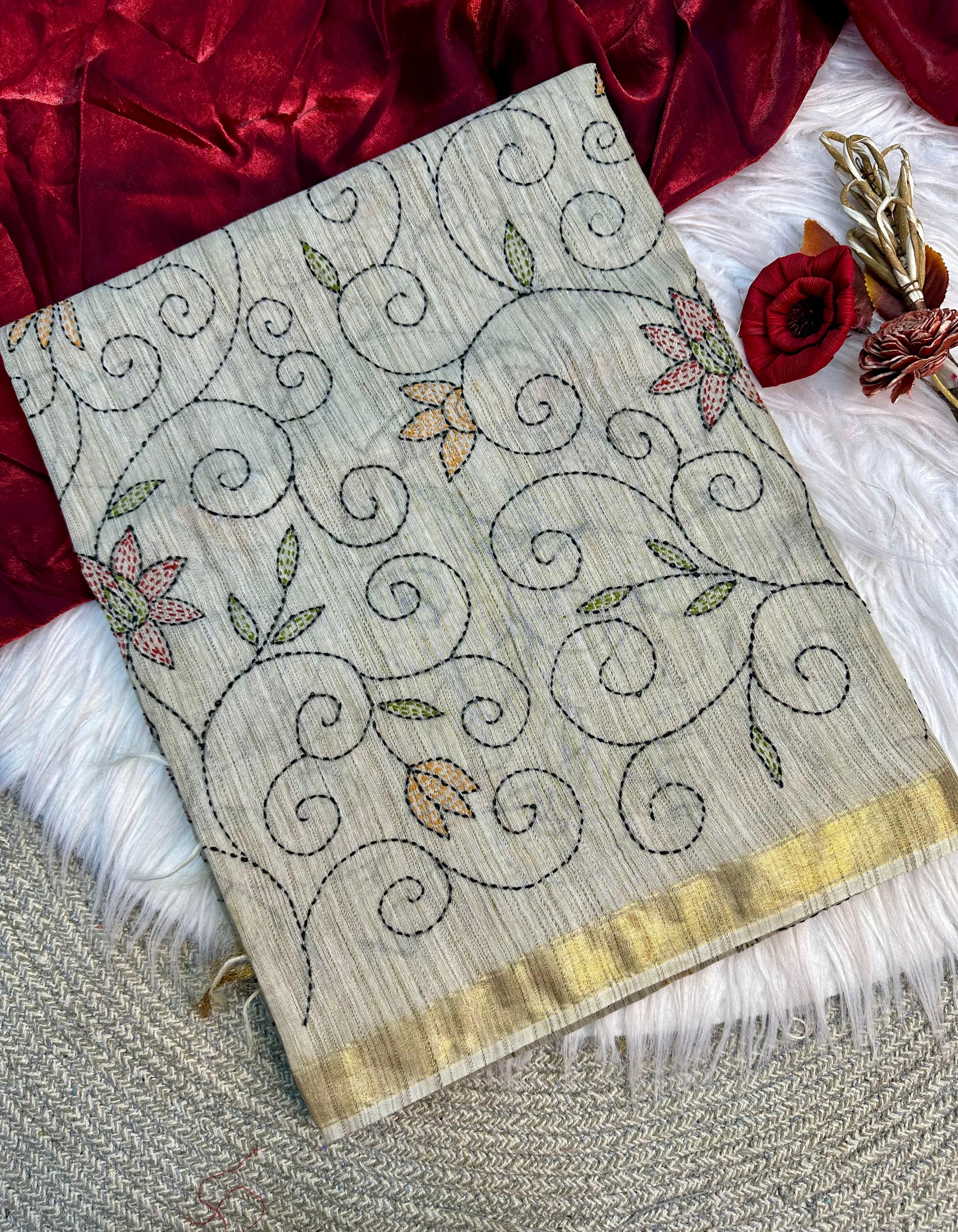
Check the fabric composition, saree length, blouse-piece availability, border weight and care instructions before buying. A standard saree is often around 5.5 metres long, while the blouse piece may require separate tailoring depending on the design. Check whether zari is woven or surface-applied, because the care method and long-term durability can differ.
- Measure the waist and compare it with the petticoat or underskirt fit.
- Check the reverse side for loose threads, uneven printing or weak seam finishing.
- Confirm whether the blouse is stitched, unstitched or included only as fabric.
- Match the border width to the wearer's height and intended drape.
- Keep two or three safety pins, a small sewing kit and a spare blouse hook set for long events.
Collections such as Silk Sarees Under 3000 With Discount can help set a practical budget, while Pink Georgette Sarees and Red Banarasi Silk Sarees for Weddings Under 1100 show how colour and weave can guide festive selection. Gray Color Sarees Under 1000 can be useful for understated family functions, especially when styled with a bright blouse or jewellery.
Store a dry saree folded along alternating crease lines rather than pressing the same fold indefinitely. Keep zari sarees in breathable cotton muslin, away from direct sunlight and damp cupboards. Air a saree after wearing it, remove costume jewellery before folding, and follow the stated wash or dry-cleaning instruction instead of assuming every silk, satin or georgette saree needs the same treatment.
The most successful festive outfit is the one that remains comfortable after several hours of greeting guests, travelling, praying, eating and taking photographs. A breathable saree for Sarhul, a warm weave for Tusu, a movement-friendly drape for Karma and a secure outdoor outfit for Chhath Puja each solve a different dressing problem. Use the calendar as a planning tool, then adapt colour and styling to your family's customs and your own comfort.
Common Questions About Jharkhand Festival Sarees and Ethnic Wear
Which saree fabric is best for Sarhul in Jharkhand?
Linen cotton, handloom cotton and lightweight cotton are practical choices for Sarhul because spring afternoons can be warm. Floral prints, earthy colours and a moderate border create a festive look without making the saree heavy.
What should I wear for Karma festival in Jharkhand?
Choose a breathable saree with a secure, shorter pallu for Karma festival because community celebrations can involve walking, dancing and outdoor movement. Green, yellow, red and earthy shades work well, but local customs should guide the final colour.
Which saree is suitable for Chhath Puja?
A lightweight cotton or stable handloom saree is suitable for Chhath Puja because the ritual may involve walking to a ghat and standing near water. Secure the pallu, avoid trailing fabric and choose footwear with a firm grip.
Can I wear a silk saree for a Jharkhand winter festival?
Yes, a silk saree is suitable for Tusu, Makar Sankranti or an evening family celebration in winter. Pair the saree with an elbow-length or full-sleeved blouse and carry a light shawl for cold mornings.
How early should I buy a saree for a festival?
Buy a festival saree 7 to 10 days before the event whenever possible. That timeframe allows for blouse alterations, petticoat fitting, drape practice and replacement of missing hooks or damaged accessories.
How should zari sarees be stored after a festival?
Store a clean, completely dry zari saree in breathable cotton muslin away from sunlight and dampness. Fold along alternating crease lines, avoid plastic for long-term storage and follow the garment's specific care instructions.