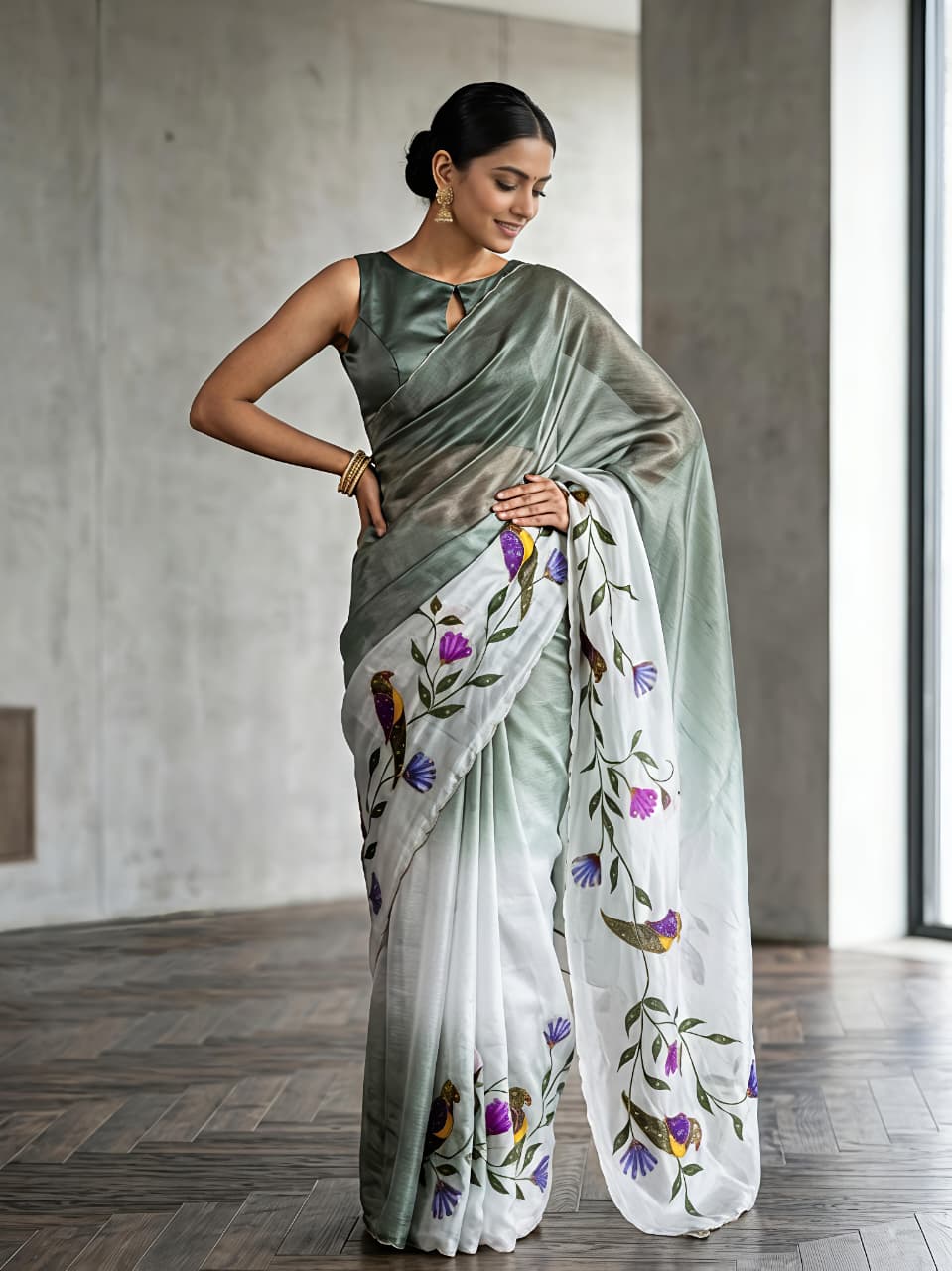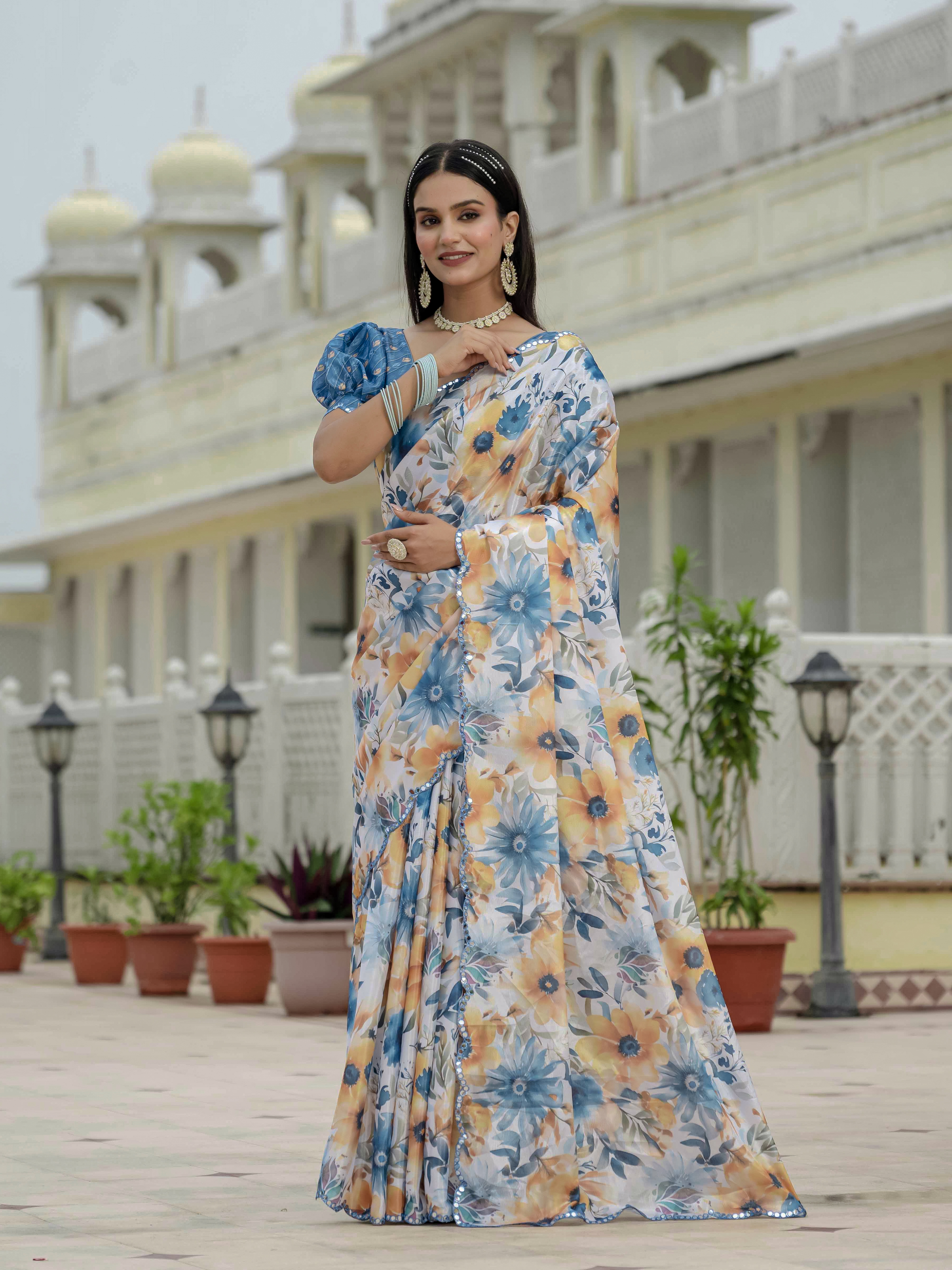
Jaipuri Ethnic Fashion brings together expressive colour, practical silhouettes and detailed surface work across sarees, salwar suits and lehengas. The right choice depends on four concrete questions: how much movement you need, whether the garment is stitched, how formal the event is and how you plan to reuse the outfit.
Jaipur-inspired dressing can work for a Haldi ceremony, a family wedding, Navratri, a festive lunch or a formal reception. A lightweight saree may be more comfortable for several hours of standing, while a readymade lehenga can reduce last-minute tailoring. Understanding those differences makes shopping more efficient and prevents common mistakes such as ordering an unstitched set without checking measurements.
What defines Jaipuri Ethnic Fashion?
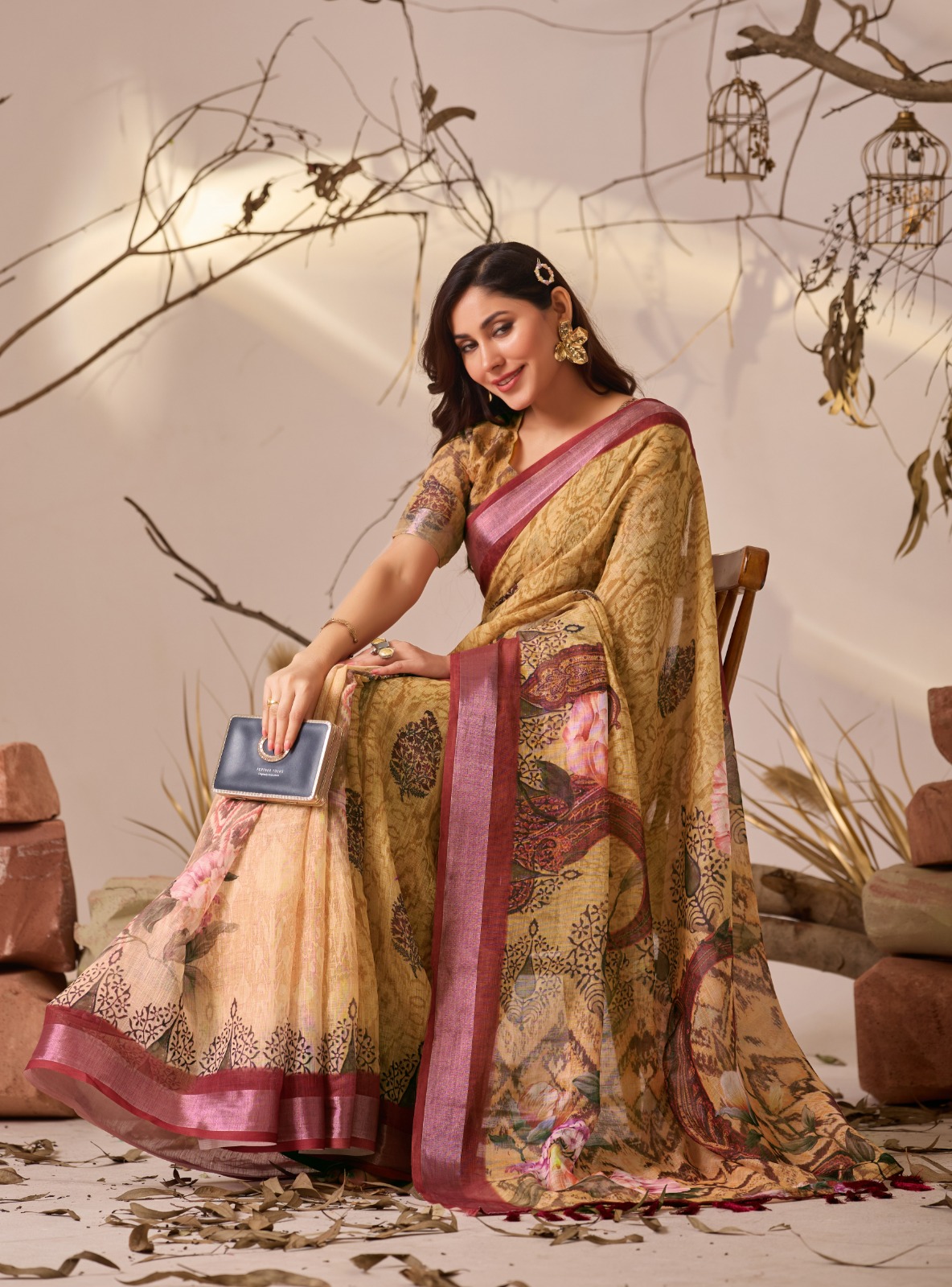
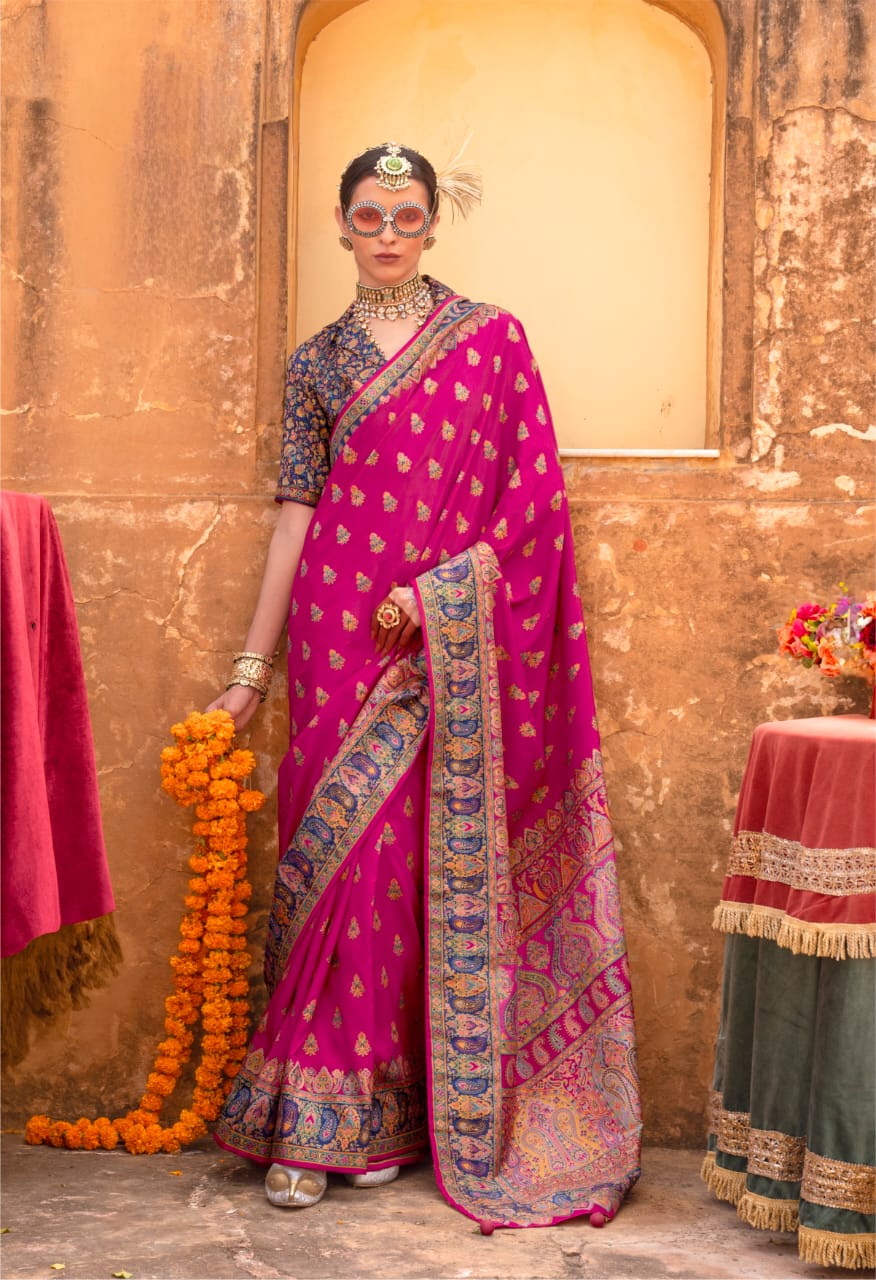
Jaipuri Ethnic Fashion is recognised by a lively combination of colour, pattern, craft references and easy festive silhouettes rather than by one single garment or fabric. Jaipur's wider textile tradition is associated with visual rhythm: florals, paisleys, geometrics, mirror details, threadwork and contrasting borders frequently appear in contemporary ethnic clothing.
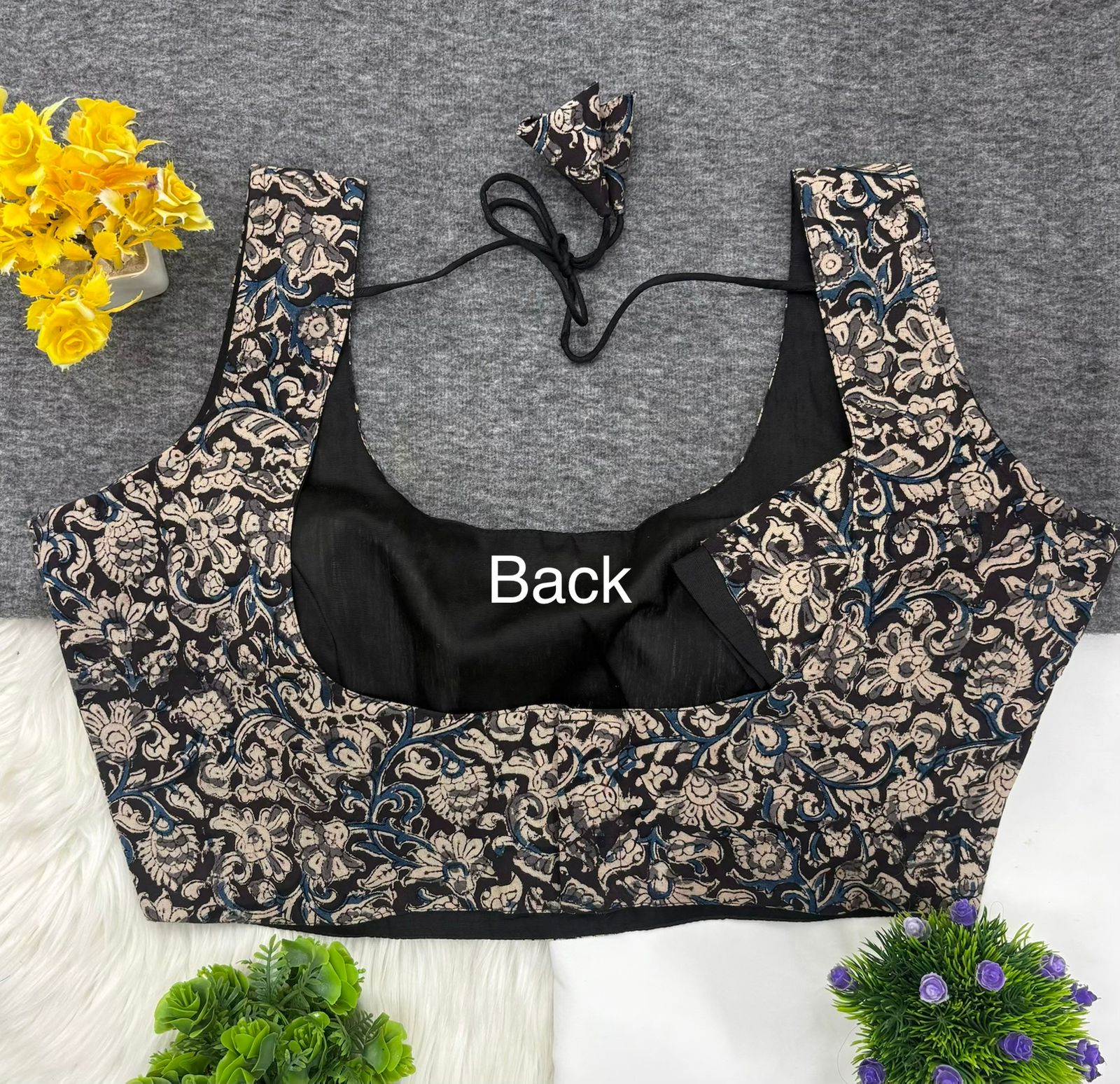
Modern Jaipur-inspired outfits may use silk, net, jacquard, georgette, cotton blends or other textile constructions, so the word "Jaipuri" doesn't automatically tell you how heavy, transparent or breathable a garment will be. Product specifications, lining details and close-up photographs matter more than the regional styling description alone.
Colour is another important part of the look. Mustard yellow, green, maroon, cream, pink, rust and jewel tones can be combined with gold or silver accents. A strong colour doesn't necessarily make an outfit bridal; embroidery density, skirt volume, fabric finish and dupatta treatment usually determine the level of formality.
How does Jaipuri Ethnic Fashion help you choose between a saree, salwar suit and lehenga?
Choose a saree for adaptable draping, a salwar suit for comfort and repeated wear, and a lehenga for a coordinated statement outfit with a defined silhouette. The best option also depends on dressing time, movement and the amount of tailoring available.
When a saree makes more sense
A saree is useful when you want one garment to work across several events through changes in blouse, jewellery and drape. A lighter saree can suit a daytime puja or family lunch, while a richer border and embellished blouse can take the same basic format towards an evening reception.
Sarees require practice if you don't regularly wear them. A pre-pleated or assisted drape can save time, but the petticoat or underskirt, blouse fit and pin placement still affect comfort. A blouse that's too tight at the armhole can make a six-hour event difficult even when the saree itself is lightweight.
When a salwar suit is the practical choice
A salwar suit is generally the easiest option for walking, sitting and travelling because the trousers and tunic distribute movement more naturally than a full skirt. Straight-cut suits, anarkalis and palazzo suits create different proportions: a straight kurta appears cleaner, an anarkali adds flare and a palazzo suit gives the outfit a wider lower silhouette.
Salwar suits also offer strong repeat-wear value. You can pair the kurta with plain trousers, use the dupatta with another outfit or style the same set with flats for daytime wear and embellished footwear for an evening event.
When a lehenga is the stronger choice
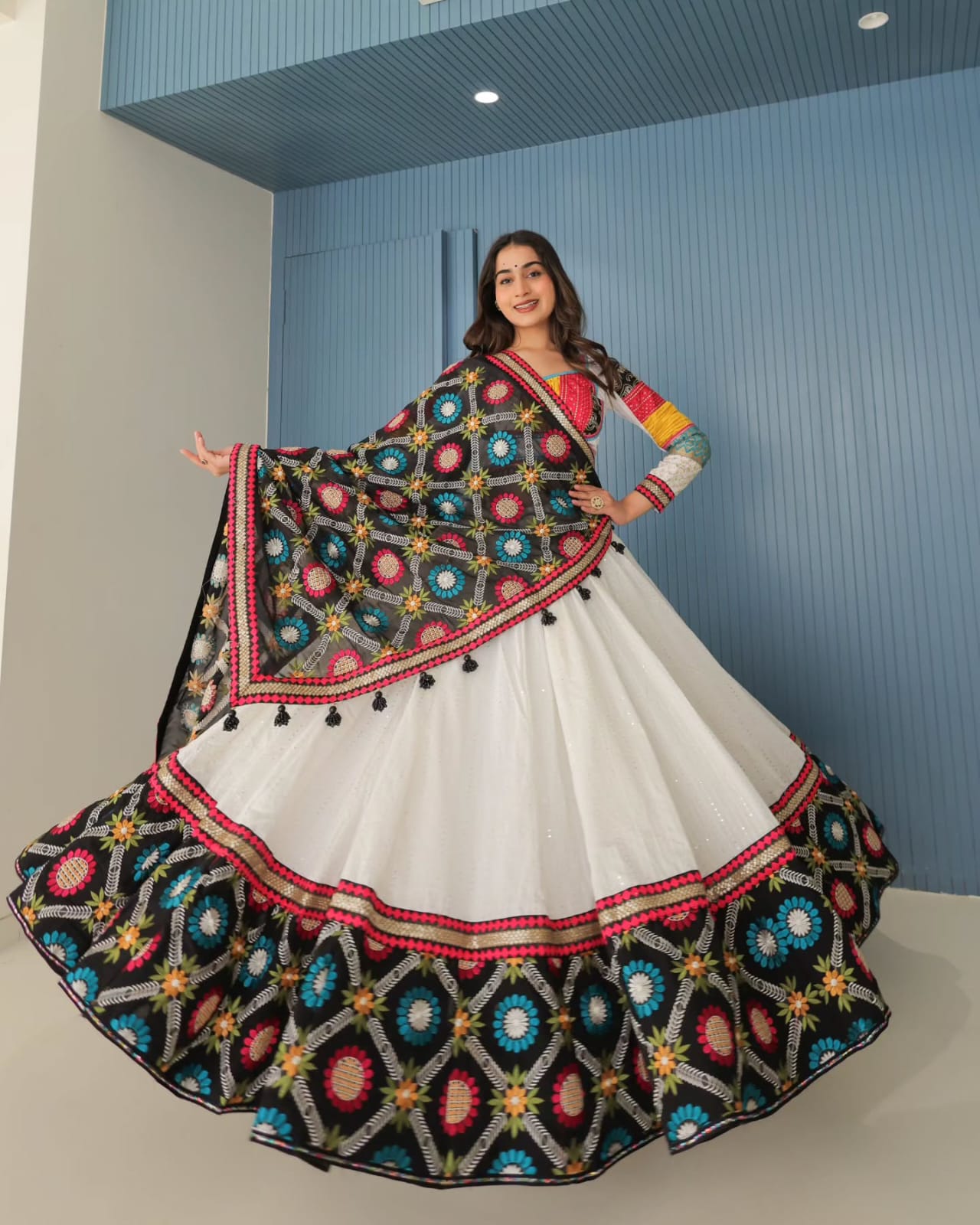
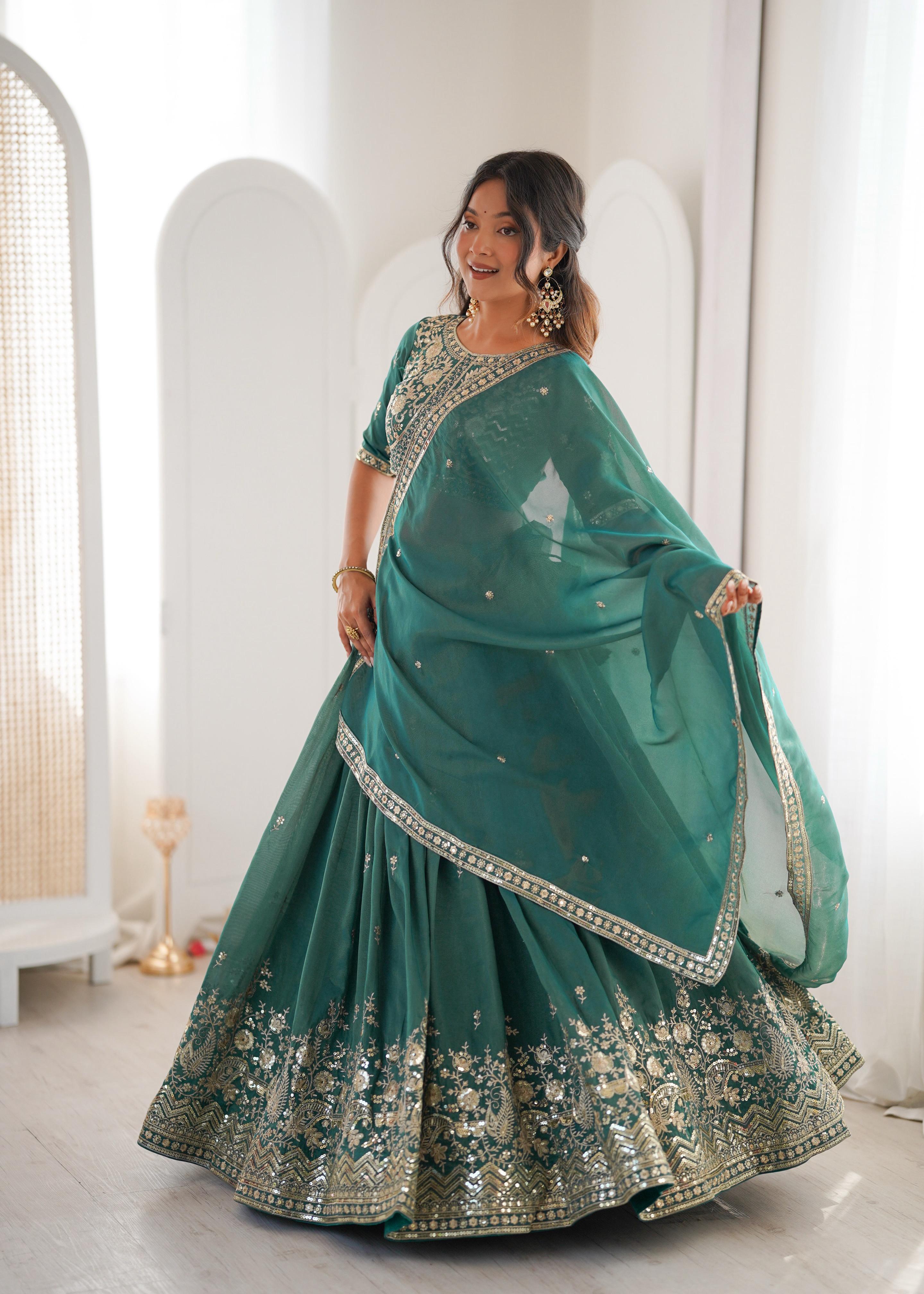
A lehenga is the strongest choice when you want a visibly festive outfit with a coordinated choli, skirt and dupatta. Lehengas suit sangeet functions, wedding receptions, Navratri celebrations and milestone family events because the silhouette photographs clearly and allows colour, embroidery and movement to work together.
A lehenga needs more attention to fit than a loose salwar suit. The waistband should sit securely without digging into the body, the choli should allow arm movement, and the skirt hem should clear the floor by approximately 1 to 2 centimetres when worn with the intended footwear.
What should you check before buying Jaipuri Ethnic Fashion online?
Check the stitching status, garment measurements, waist construction, blouse adjustment range, skirt length, lining, dupatta dimensions and return terms before buying Jaipuri Ethnic Fashion online. These details determine whether a beautiful photograph translates into a wearable outfit.
Fully stitched or semi-stitched?
A fully stitched choli and skirt provide the quickest route to getting dressed, but the available measurements must match your body. Fully stitched choli shopping is safest when the product page gives bust, waist, shoulder, sleeve and length measurements instead of only a general size such as medium or large.
A semi-stitched lehenga offers more alteration scope because the choli or waistband can usually be finished according to personal measurements. The trade-off is time: a tailor may need several days, and a final fitting is essential before an important wedding. The Semi Stitched Lehengas Collection is therefore better suited to shoppers who already have a reliable tailor.
Readymade doesn't mean universally adjustable. A readymade lehenga may have hooks, dori ties, elastic panels or seam allowance, but each construction has a different adjustment limit. Ask whether the waist adjustment changes the position of the pleats and whether the choli includes margin at the side seams.
The Ready Made Lehenga collection suits shoppers who want a shorter preparation window, but a ready-to-wear outfit still requires a measurement check. Compare your body measurements with the garment chart rather than choosing solely by your usual size.
How much flare and weight do you need?
Choose skirt flare according to venue, duration and movement rather than photograph alone. A very full skirt looks dramatic but takes more room in a crowded dance area, while a moderate flare is easier for stairs, seating and travel.
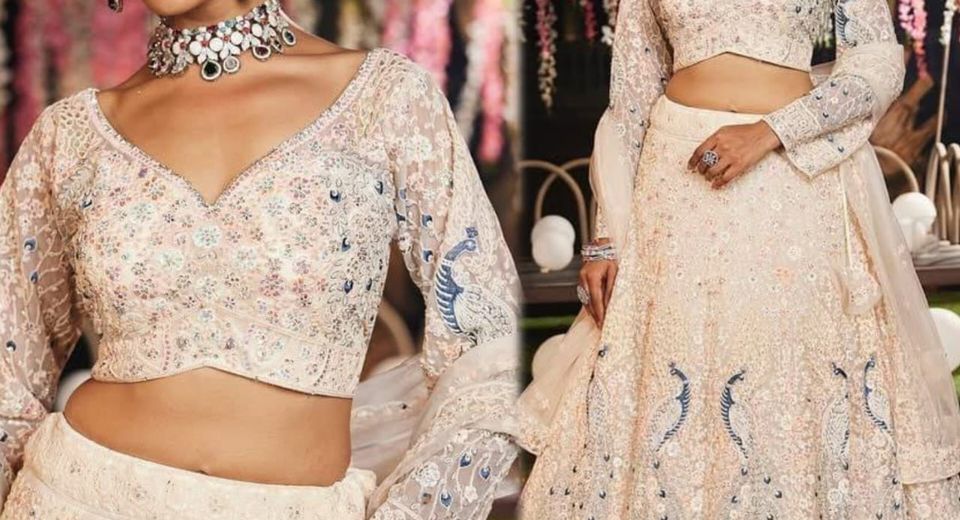
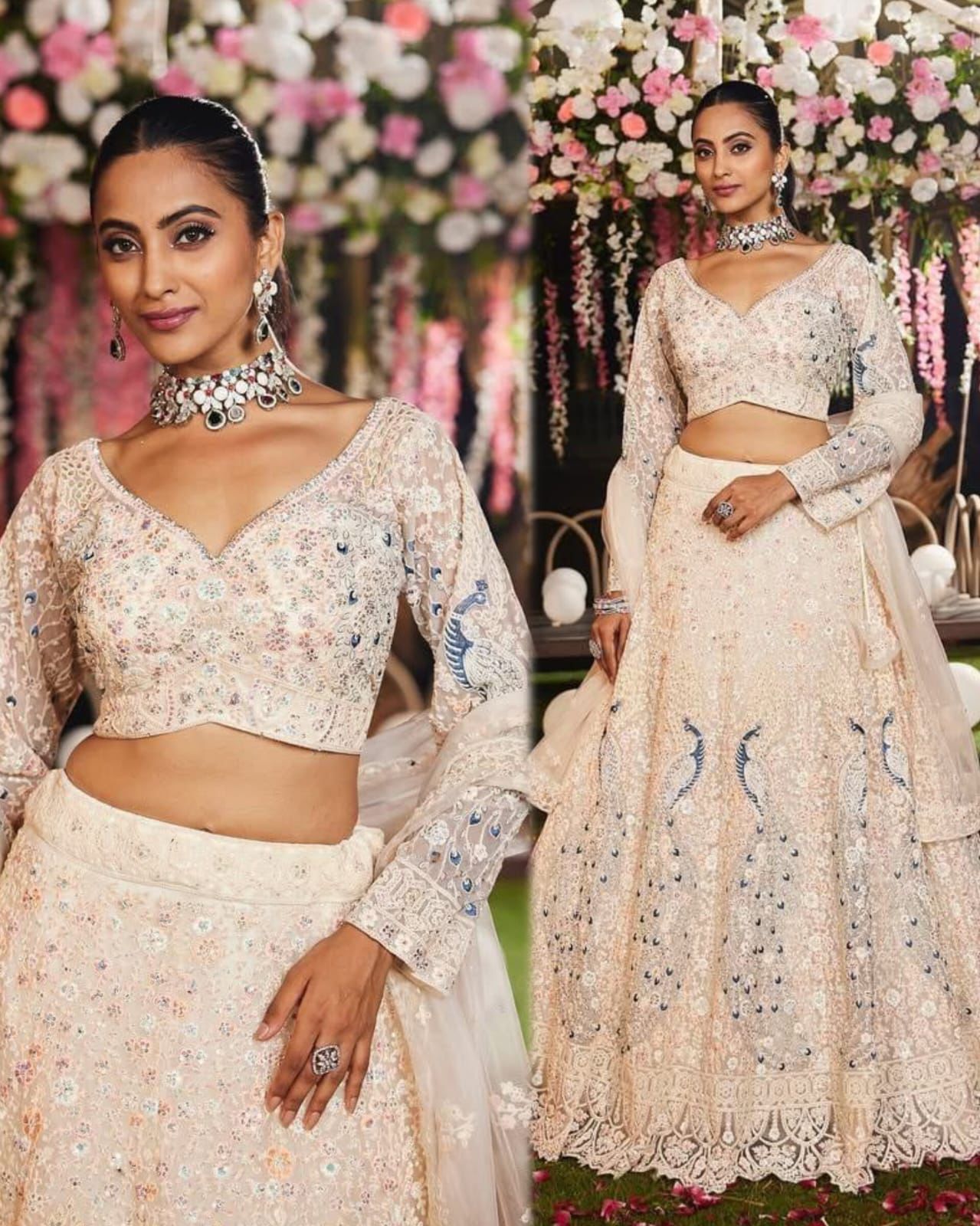
Fabric weight also changes the experience. Net can create volume and may require lining for coverage; jacquard has a structured appearance; silk can give a polished fall; and lighter constructions are generally more comfortable for daytime functions. Cream Peacock Embroidered Net Lehenga Set for Women illustrates why net outfits should be checked for lining and inner-layer coverage before purchase.
Which colours make Jaipuri Ethnic Fashion suitable for different celebrations?
Yellow and green work especially well for daytime and pre-wedding functions, while maroon, cream, deep pink and metallic accents can be developed into evening or wedding looks. Colour should be considered with lighting, venue and jewellery because daylight and warm indoor lighting can change how shades appear.
Haldi, mehendi and daytime functions
Yellow is a natural fit for a Haldi ceremony because it photographs brightly and connects with the turmeric-centred celebration. The Yellow Lehengas collection can be styled with floral jewellery, comfortable sandals and a lighter dupatta so the outfit remains practical during movement and rituals.
Green works well for Mehendi because it complements foliage, henna and outdoor settings without requiring heavy embellishment. The Mehendi Lehengas collection can be paired with antique-gold accents, jhumkas and a contrasting pink or maroon blouse detail when the outfit needs more definition.
The Green Lehengas collection can also support festive dressing beyond a Mehendi event. Emerald, bottle green and softer green shades create different effects, so check the exact product photograph and colour description rather than assuming every green has the same intensity.
For daytime events, cream can soften metallic embroidery and reduce the visual heaviness of a dark palette. Cream & Maroon Jacquard Lehenga Choli with Dupatta Set demonstrates how a restrained base colour can gain depth from a richer contrast and a woven surface.
Evening weddings and festive parties
Evening outfits benefit from controlled contrast rather than decoration in every area. If the skirt has dense embroidery, a simpler blouse and a cleanly pinned dupatta often produce a more balanced result.
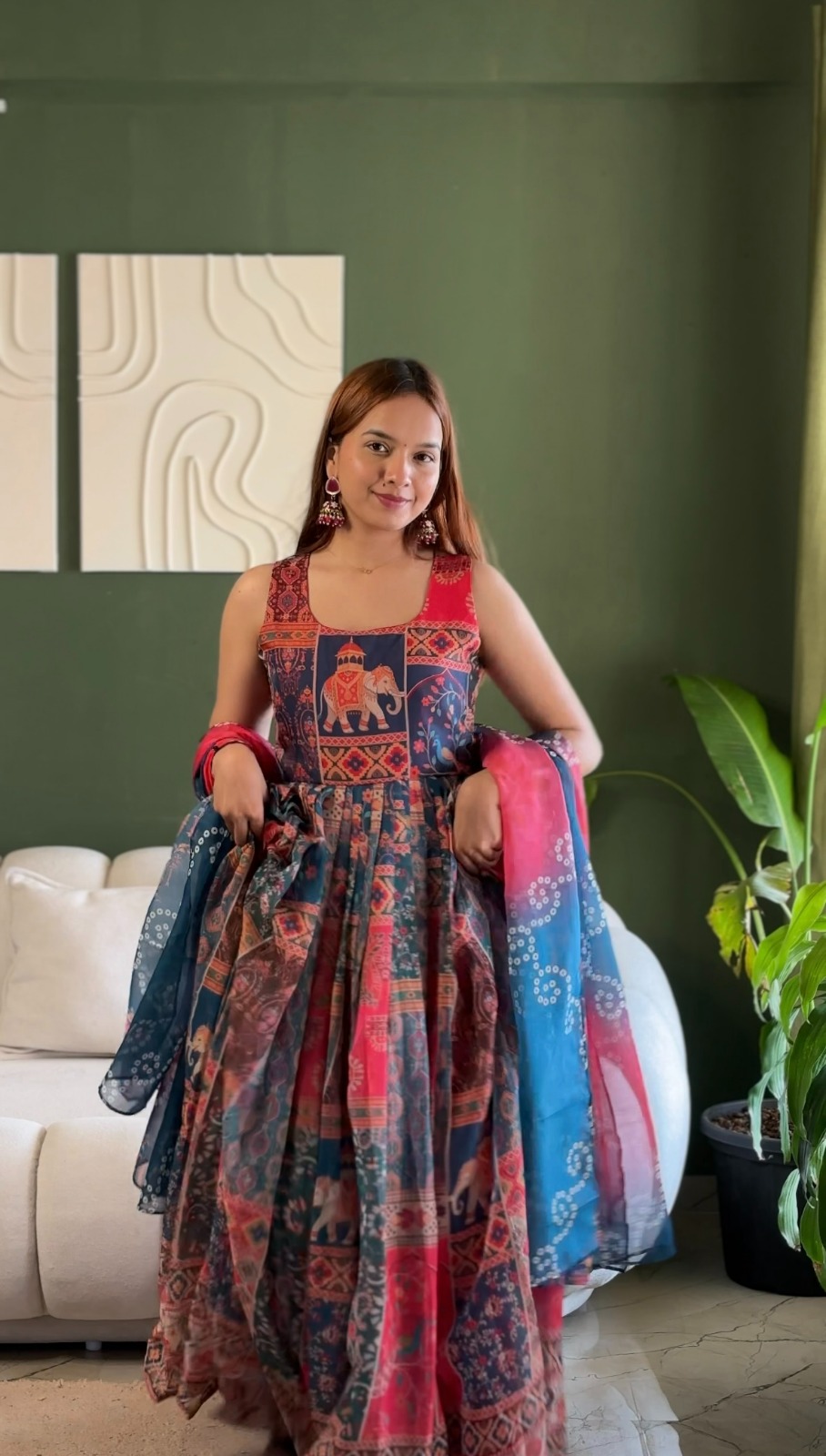
Designer Threadwork Silk Lehenga Choli Set with Dupatta is an example of a silk-led approach, where threadwork can provide detail without relying entirely on reflective embellishment. Royal Patola Printed Designer Gown with Elegant Dupatta brings a different direction for shoppers who want a flowing, gown-like silhouette while retaining a dupatta as a traditional styling element.
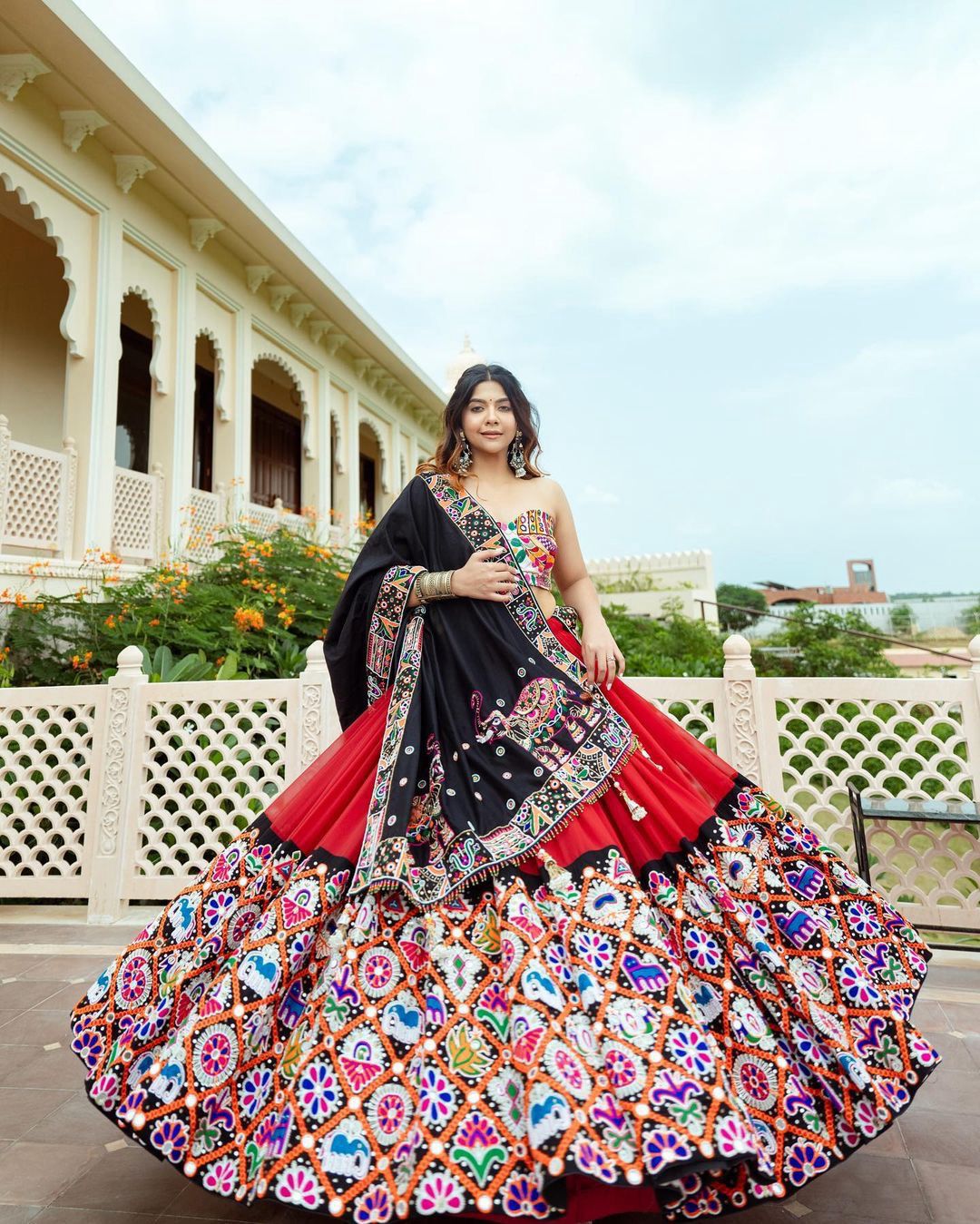
Mirror work is especially effective for festive dancing and Navratri because small reflective elements respond to movement and light. Elegant Mirror Work Navratri Lehenga Choli Set is best styled with secure jewellery, a well-fastened dupatta and footwear that can handle extended standing.
How can you style Jaipuri Ethnic Fashion without overdoing it?
Balance one dominant feature with quieter accessories, a controlled dupatta placement and footwear suited to the venue. A heavily worked skirt doesn't need a necklace, maang tikka, stacked bangles and large earrings all at once.
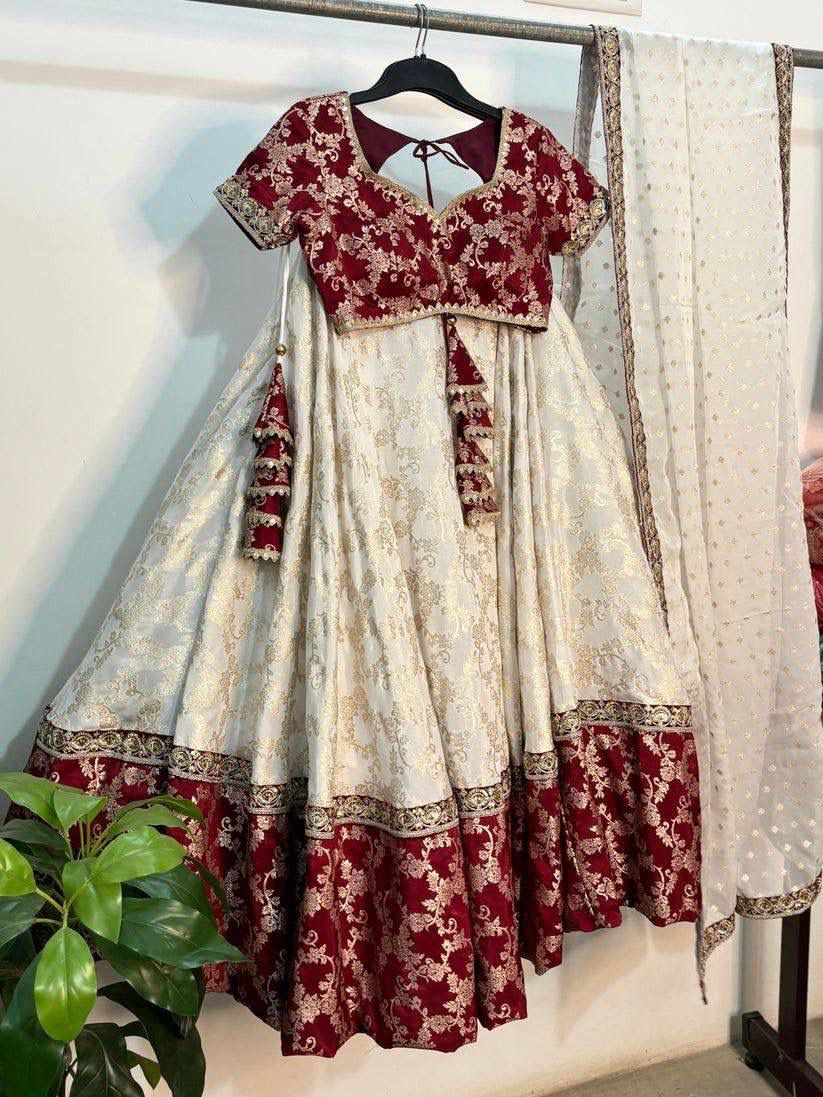
For a printed or richly textured skirt, choose one metal family for jewellery and repeat one colour from the garment in the accessories. Maroon accents can be echoed in lipstick, potli detailing or bangles without adding another competing shade.
Dupatta placement changes both comfort and proportion. Draping the dupatta over one shoulder creates a longer vertical line, while a front drape gives more coverage and keeps the fabric secure. For dancing, use discreet pins at the shoulder and waist, leaving enough ease to lift the arms.
Blouse length also changes the visual balance of a lehenga. A shorter choli highlights the waistband and creates a time-honoured festive proportion, whereas a longer choli gives more coverage and can feel more contemporary. The decision should follow comfort and the skirt's rise rather than a trend photograph.
Footwear should be selected before final hemming. A difference of even 2 to 3 centimetres in heel height can change the skirt length, so take the shoes to the tailor if the lehenga is being altered. Block heels or embellished juttis are usually more practical for long events than very narrow high heels.
How do bridal and everyday Jaipuri Ethnic Fashion lehengas differ?
Bridal lehengas usually demand greater embroidery density, heavier layers, more structured support and a stronger investment than festive or guest lehengas. A wedding guest can usually choose a lighter skirt, a simpler blouse and a reusable colour palette without appearing underdressed.
Bridal shopping should begin with the wedding calendar because tailoring, trial fittings and alterations can take several weeks. A fully stitched bridal-style outfit can reduce construction time, but the choli and skirt still need a trial with the actual footwear and underlayers.
Designer doesn't automatically mean bridal. A designer lehenga may use an unusual print, a carefully developed colour combination or distinctive draping while remaining light enough for a party. Read the material, embroidery method and garment weight instead of treating the word "designer" as a measurement of formality.
For girls and younger wearers, comfort and secure construction deserve priority. Avoid a hem that trails on the floor, sharp embellishments at the armhole and a dupatta that can't be fastened safely. Adjustable waist details can extend the useful life of a festive outfit, but they should never replace a proper fit.
How should you care for Jaipuri Ethnic Fashion after the event?
Store embellished ethnic wear clean, dry and supported, and follow the garment's specific care label before choosing between dry cleaning and gentle washing. Correct storage prevents odour, colour transfer, crushed embroidery and permanent creases.
Air the garment in shade after wearing it, especially if perspiration or perfume has reached the lining. Do not place a damp lehenga directly in a plastic cover because trapped moisture can encourage mildew and dull metallic details.
Fold heavy embroidery with soft, acid-free tissue between decorated panels, or hang the outfit on a broad padded hanger if the fabric and construction permit hanging. Avoid wire hangers, overcrowded wardrobes and direct sunlight, which can distort shoulders and fade exposed colour.
Keep mirrors, sequins and zari away from rough wooden surfaces and sharp jewellery hooks. A small snag can spread when the outfit is moved, so inspect the dupatta and hem before storage rather than discovering damage before the next function.
With the right measurements, realistic fabric expectations and occasion-led styling, Jaipuri Ethnic Fashion becomes easier to wear repeatedly. Sarees provide drape flexibility, salwar suits provide movement and lehengas provide coordinated festive impact; choosing among them becomes a practical decision rather than a guess based only on photographs.
Common Questions About Jaipuri Ethnic Fashion and Lehenga Shopping
Is Jaipuri Ethnic Fashion suitable for weddings?
Yes, Jaipuri Ethnic Fashion can suit weddings when the silhouette, embroidery and fabric weight match the function. Choose a more detailed silk, jacquard or embellished lehenga for an evening event, and reserve lighter colours or simpler construction for daytime ceremonies.
Should I buy a fully stitched or semi-stitched lehenga?
Choose a fully stitched lehenga when you need a faster, more predictable purchase and your measurements match the size chart. Choose a semi-stitched lehenga when you have a trusted tailor and need greater control over the choli, waist or skirt length.
Which lehenga colour is best for a Haldi ceremony?
Yellow is a strong choice for a Haldi ceremony because it suits the ritual's colour palette and photographs brightly in daylight. Lightweight lining, secure dupatta pins and comfortable footwear are more important than heavy embellishment for a turmeric-filled celebration.
How should I choose a lehenga for Mehendi?
Green is a practical starting point for a Mehendi outfit because it complements henna, foliage and outdoor settings. Select the shade according to your skin tone and venue lighting, then balance the outfit with antique-gold jewellery or a contrasting pink accent.
What should I measure before buying a readymade lehenga online?
Measure bust, waist, shoulder, armhole, sleeve length, skirt length and preferred blouse length before ordering a readymade lehenga. Compare those measurements with the garment chart and check whether the waist has hooks, ties, elastic or alteration allowance.
How can I make a lehenga comfortable for several hours?
Choose a secure but non-restrictive waistband, a lined skirt, a choli with arm movement and footwear that you can wear for several hours. Hem the skirt with the intended shoes, pin the dupatta at two points and avoid excessive layers if the venue is crowded or warm.