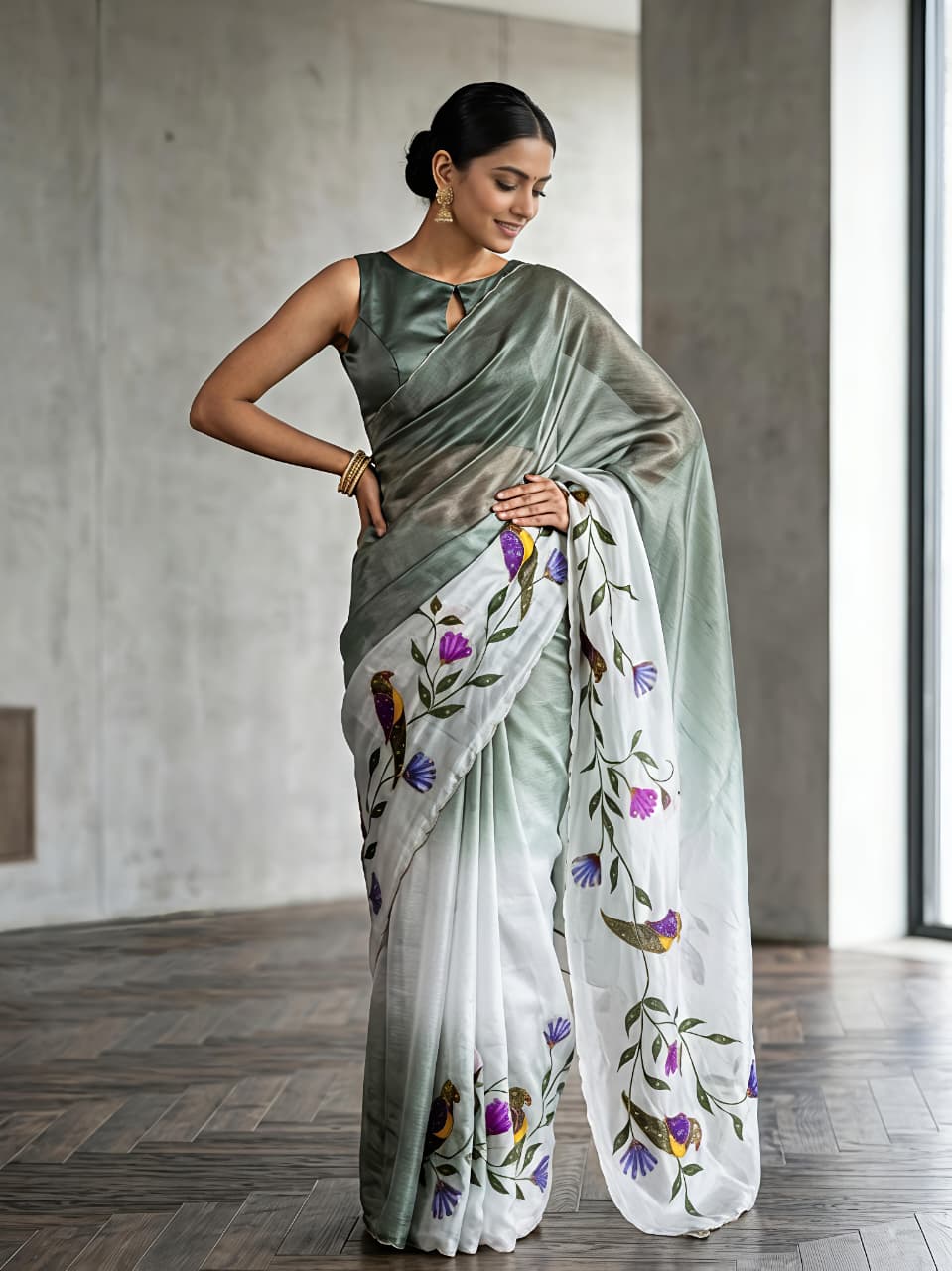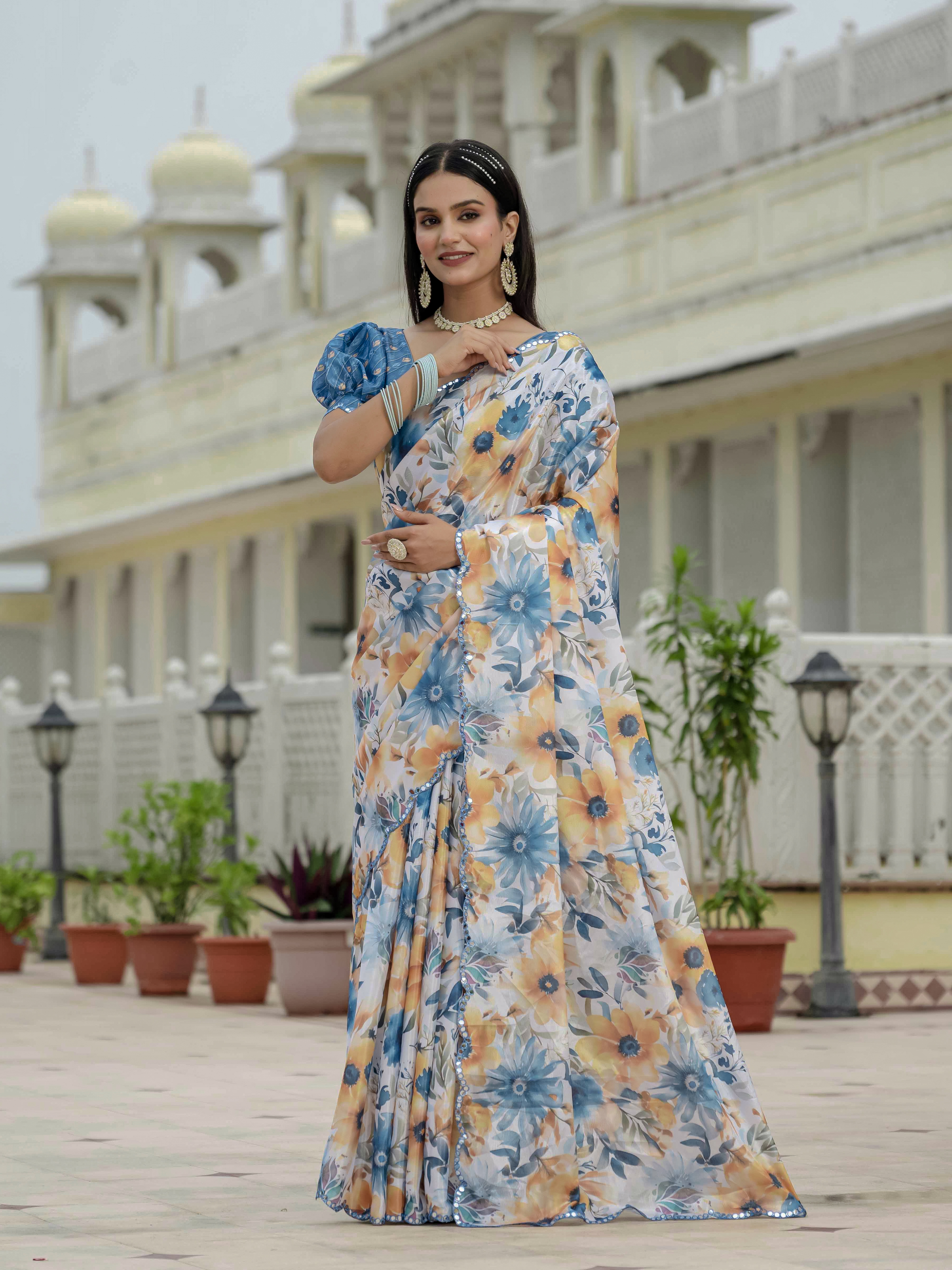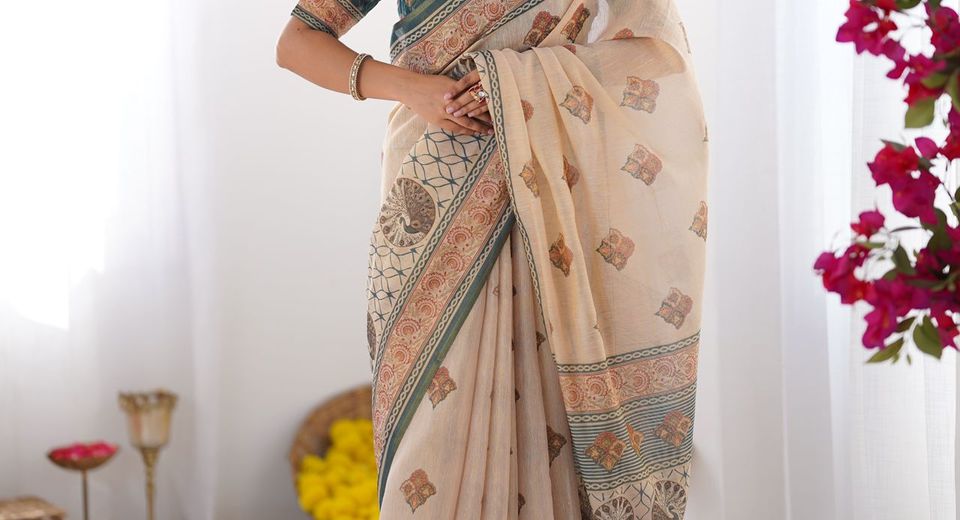
Jagannath Temple Visit Outfit Ideas: Traditional Odia Sarees & Modest Looks should balance devotion, local sensibility, comfort and practical movement. A saree is a natural choice for a temple visit because it offers coverage without losing regional character, but the best outfit isn't necessarily the heaviest silk or most elaborate festive drape. For a long queue in Puri, a breathable cotton saree, a secure blouse and flat footwear can be more useful than a formal wedding ensemble.
The Shri Jagannath Temple in Puri is an important religious site, and visitors should check current entry guidance before travelling because temple rules and crowd-management arrangements can change. Clothing that covers the shoulders, midriff and knees is a respectful starting point. Avoiding sheer fabrics, very low necklines, short blouses and excessive embellishment also makes the visit easier and more comfortable.
Jagannath Temple Visit Outfit Ideas: Classic Odia Sarees & Modest Looks for Women
Women should choose a clean, modest saree or salwar suit with a blouse that covers the shoulders and a pallu that stays securely over the upper body. Heritage clothing may not be the only acceptable choice, but a saree, cotton suit or other conservative Indian outfit is practical for a religious visit and suits the cultural setting.
Choose a saree length that permits comfortable walking and a blouse with enough coverage to remain in place while climbing steps or standing in a queue. A pallu pinned near the shoulder prevents repeated adjustments. A saree with a medium-weight border is usually easier to manage than a very heavy bridal border during a crowded visit.
Modesty also includes opacity and ease of movement. A transparent tissue saree may need a full lining or an additional petticoat, while a slippery satin finish may require extra pinning. Cotton, linen-cotton and soft silk sarees generally provide a more stable drape for several hours of standing.
- Cover the shoulders, midriff and knees with the saree and blouse combination.
- Use a well-fitted blouse rather than an oversized design that can shift during movement.
- Carry a few safety pins, a small handkerchief and a compact shoulder bag.
- Wear simple jewellery that doesn't catch on the pallu or inconvenience other devotees.
- Confirm current temple entry rules, photography restrictions and security instructions before departure.
Jagannath Temple Visit Outfit Ideas: Time-honoured Odia Sarees & Modest Looks with Regional Character
Sambalpuri, Bomkai, Khandua, Berhampuri and Kotpad sarees are strong classic Odia choices for a temple visit, with cotton or silk options suited to different seasons and levels of formality. These sarees carry regional identity through distinctive motifs, borders and weaving traditions without requiring excessive styling.
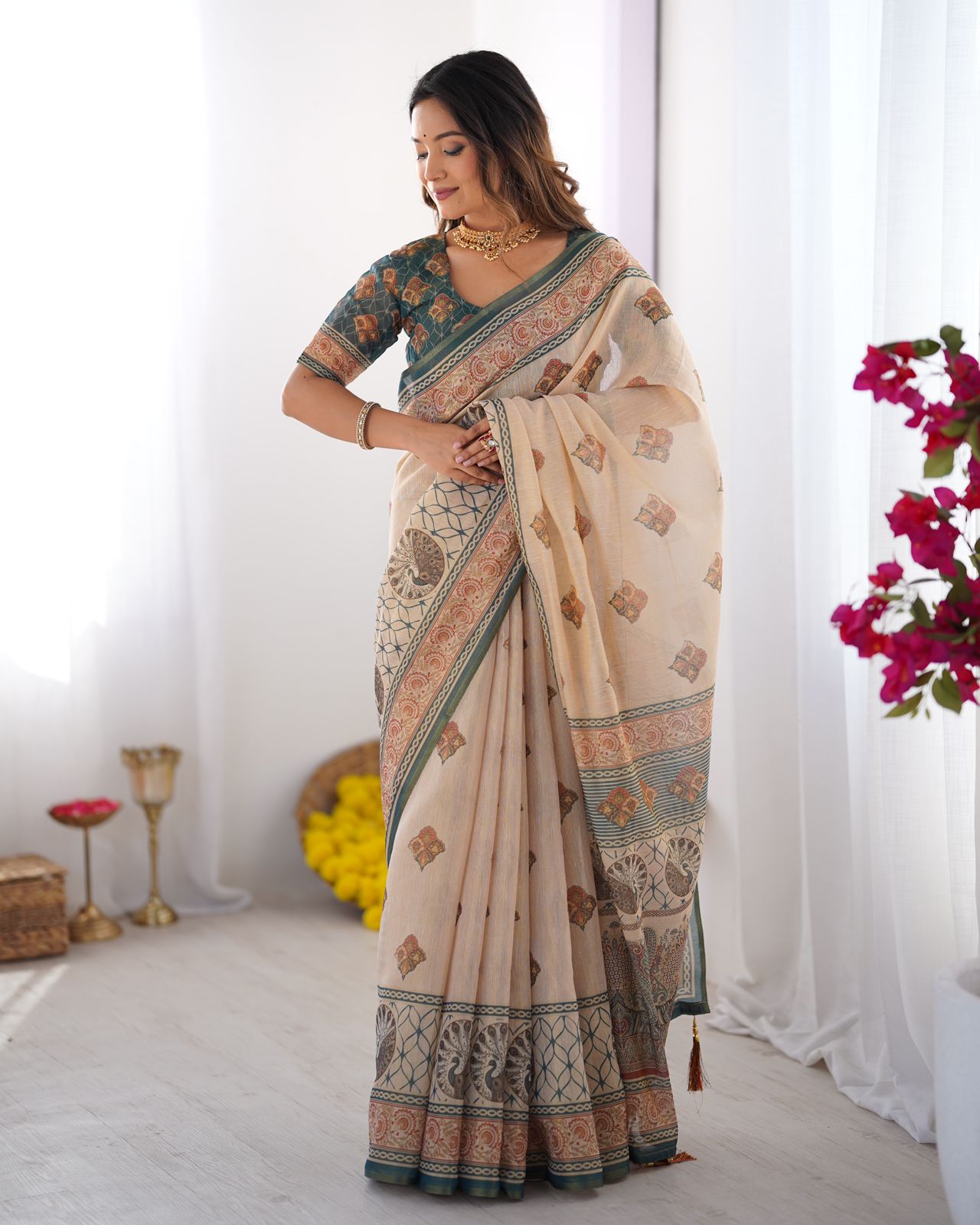
Which Odia sarees create a recognisable classic look?
Sambalpuri sarees are recognised for ikat weaving and motifs such as shankha, chakra, flowers and geometric patterns. A cotton Sambalpuri saree works well for a daytime visit because the fabric is breathable and the patterned surface hides minor creasing. Sambalpuri silk creates a more festive appearance for family pilgrimages, festivals or a post-darshan meal.
Bomkai sarees often combine a textured body with decorative borders and pallu motifs. A restrained Bomkai design in maroon, rust, cream, green or deep blue can look heritage without appearing like bridal wear. Pairing the saree with a plain blouse keeps the regional pattern visually balanced.
Khandua textiles from Odisha are associated with patterned silk and heritage motifs, making them suitable when the visit includes a formal family gathering. Berhampuri silk, known for its strong border tradition, can create a polished temple look with minimal jewellery. Kotpad textiles are valued for earthy colours and natural-dye traditions, making them a thoughtful choice for a simple, grounded appearance.
Not every saree sold as heritage Indian wear is an Odia handloom saree. Buyers should read the product description carefully and look for the stated weave, fibre, place of origin and care instructions. A Banarasi silk saree, Kanjeevaram or Chanderi can be beautiful for a temple visit, but those names describe different regional textile traditions rather than Odisha weaving.
Jagannath Temple Visit Outfit Ideas: Heritage Odia Sarees & Modest Looks That Feel Polished
A modest saree look feels polished when the blouse fit, pallu placement, fabric opacity and accessories are coordinated instead of overloaded. A simple cotton saree can look fully classic with neat pleats, a covered blouse and one or two culturally appropriate accessories.
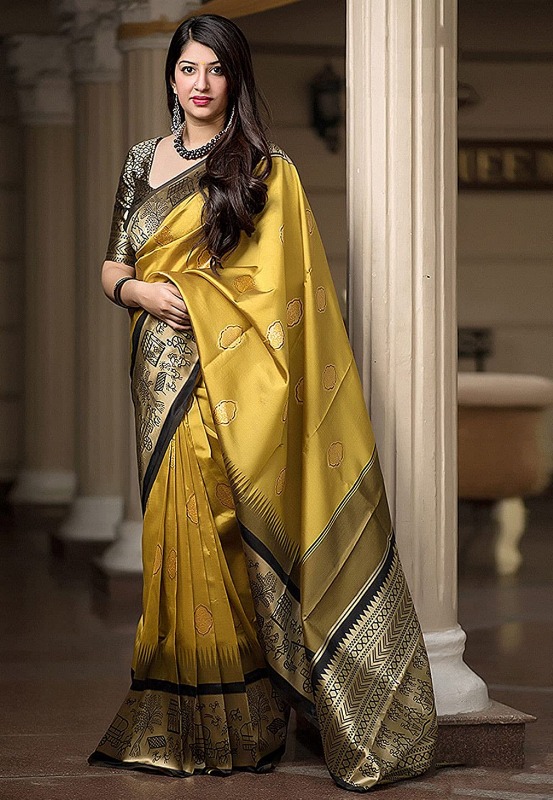
For a practical daytime combination, pair a handloom-style cotton saree with a blouse in the saree's border colour. A green saree with an off-white or rust blouse creates definition without requiring heavy zari. Varnavi Vastra Green Heritage Cotton Saree gives an useful reference for this approach: a heritage-toned cotton base can carry the outfit while keeping the overall look comfortable.
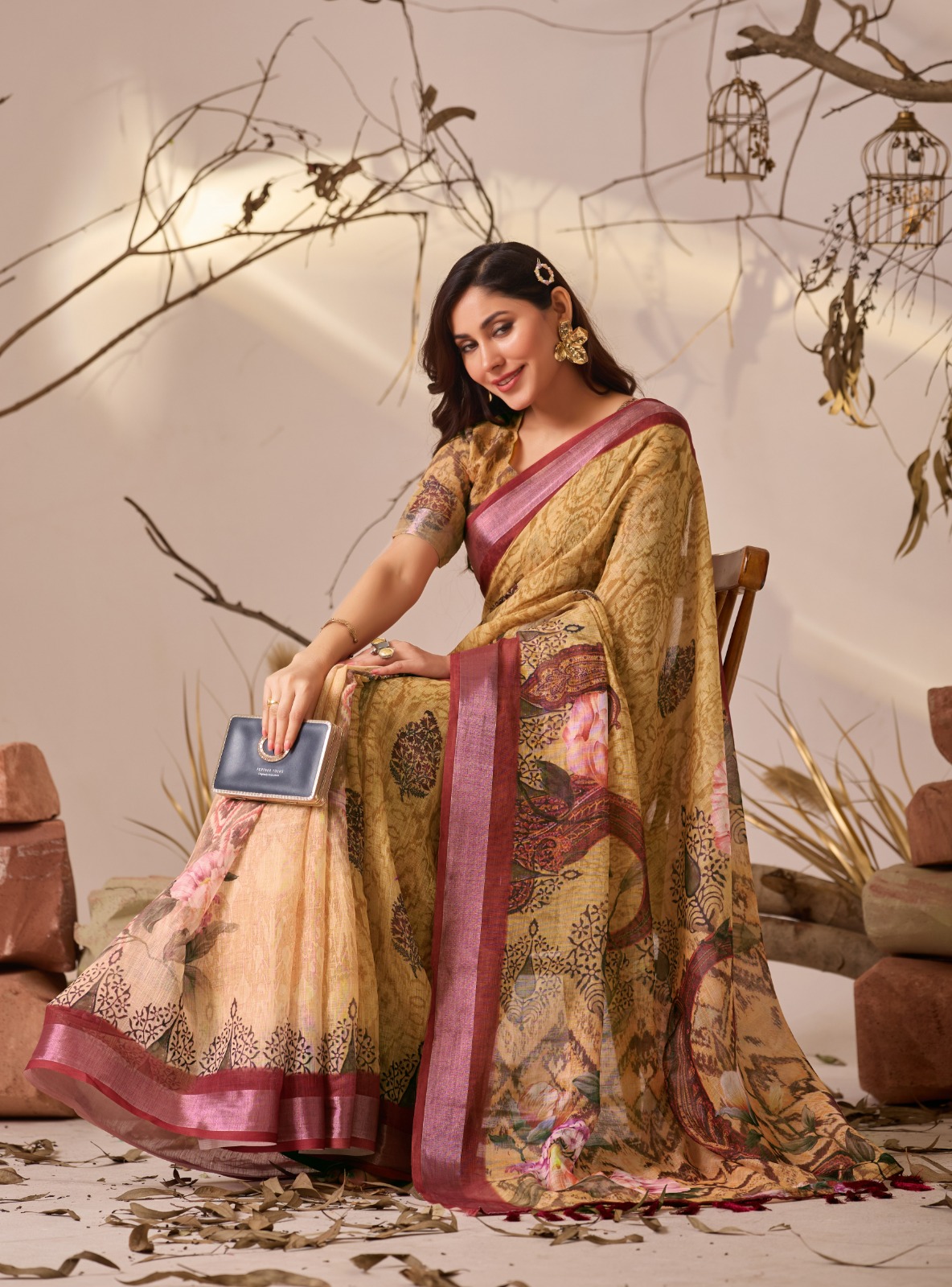
Floral prints can also work when the print is balanced by a conservative blouse and an uncluttered pallu. Pastel Linen Cotton Floral Print Saree with Designer Blouse is an example of a softer palette that can suit a morning visit, especially when paired with small earrings and a low bun rather than party accessories.
For a more festive family pilgrimage, a silk saree with a controlled border can provide classic richness. Festive Wear Blue Silk Saree for Women and Festive Olive Green Dola Butti Silk Saree With Blouse show how blue or olive green can create a formal appearance without relying on bright bridal red. Keep the jewellery light if the saree already includes zari or butti work.
Jagannath Temple Visit Outfit Ideas: Heritage Odia Sarees & Modest Looks for Warm Weather
Cotton, linen-cotton and lightweight mal cotton are generally the most comfortable fabrics for a long temple visit because they allow airflow and are easier to manage in warm weather. Soft silk is suitable for a shorter or more formal visit, but dense silk, heavy zari and stiff tissue can feel warm during queues.
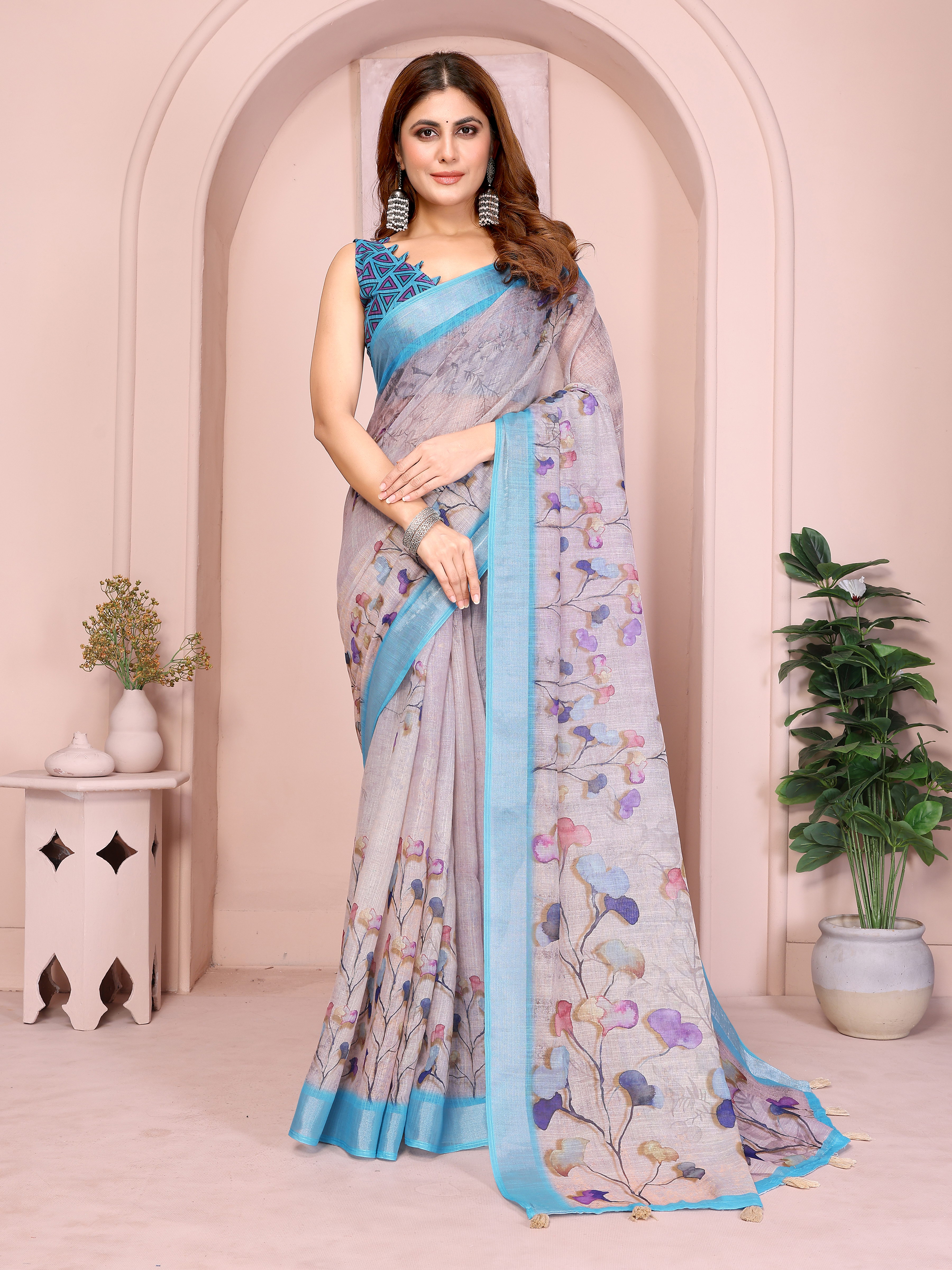
Pastel Floral Tissue Handloom Cotton Saree with Zari Weaves can add a festive touch while retaining a cotton-led structure, although a lining and secure petticoat are important if the tissue surface is slightly translucent. Navy Blue Mal Cotton Woven Saree With Blouse - VARNAVI. Gives another practical direction: a darker woven cotton can look composed, hide small marks and work well with a contrasting blouse.
Fabric choice should reflect the season and the length of the visit. Cotton or linen-cotton is usually more comfortable in humid summer weather. Soft silk may be preferable for a winter morning, an important festival or a family photograph, but it should not be so heavy that walking becomes difficult.
- Hot and humid weather: Choose cotton, mal cotton or linen-cotton with a breathable blouse.
- Rainy weather: Select a lower-value or easier-care saree and avoid dragging the pallu on wet ground.
- Cooler weather: Soft silk or a medium-weight handloom saree can provide more structure.
- Long queues: Avoid very slippery fabrics, oversized pleats and heavy layered jewellery.
Jagannath Temple Visit Outfit Ideas: Heritage Odia Sarees & Modest Looks with Silk and Zari
Silk and zari should be used in measured amounts for a temple outfit, with the drape and coverage remaining more important than surface shine. A narrow or medium zari border, a small butti pattern or a heritage woven pallu can provide occasion-appropriate detail without turning the outfit into reception wear.
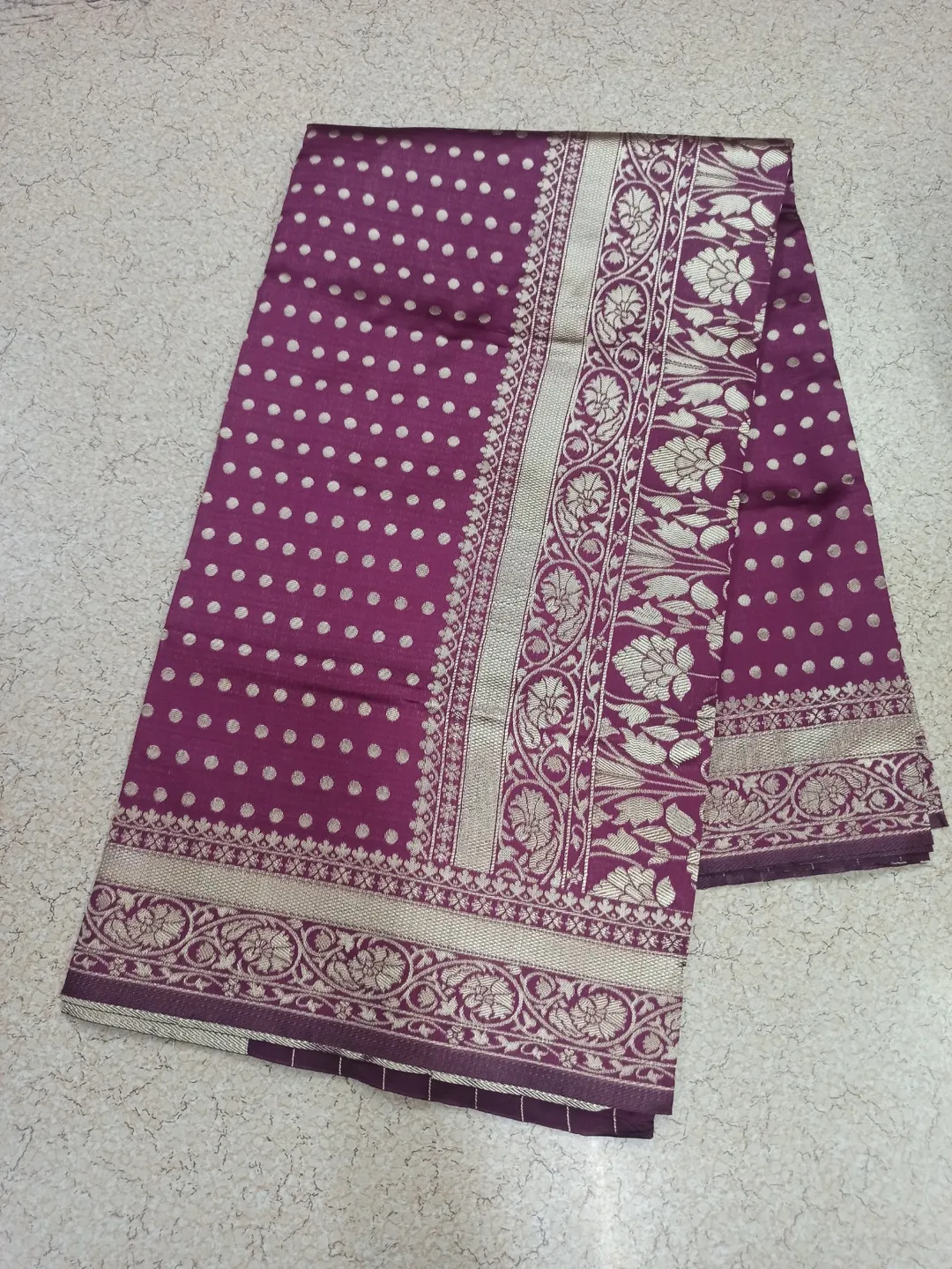
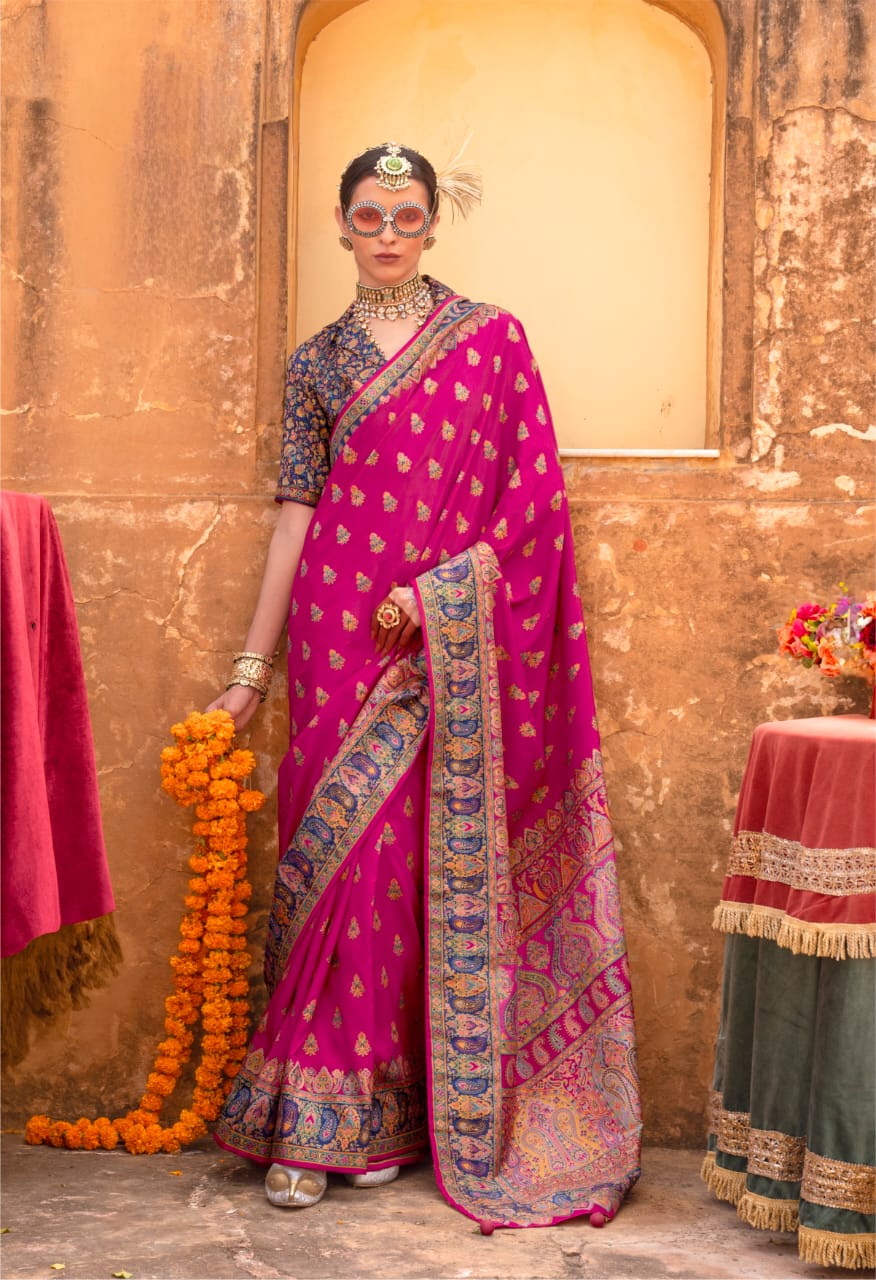
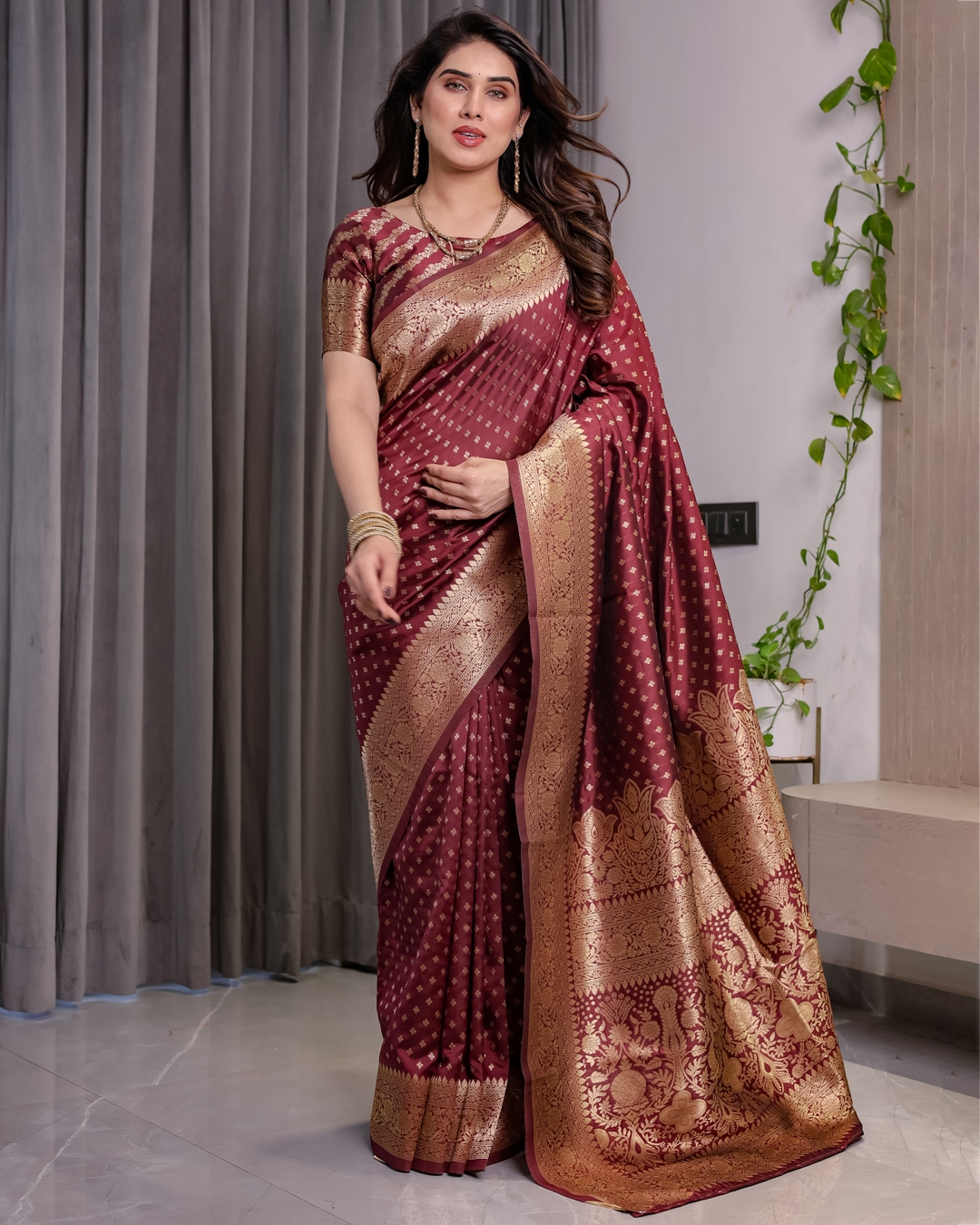
Maroon Banarasi Soft Silk Saree with Golden Zari Border can suit a formal family visit when styled with a high-neck or elbow-sleeve blouse and restrained jewellery. Banarasi silk isn't an Odia textile, but its woven zari vocabulary belongs to another important Indian saree tradition. Red Banarasi Soft Silk Saree with Jacquard Zari Border works similarly for a festive setting, provided the rest of the styling remains simple.
Time-honoured colours don't have to mean only red, yellow or bright orange. White with a red border, indigo, green, maroon, mustard, cream and deep blue can all create a dignified appearance. Colour should not substitute for modesty: a bright saree with a well-covered blouse is more suitable than a muted saree with an impractical or revealing cut.
For shoppers comparing online options, Silk Sarees Under 3000 With Discount may help locate an affordable festive saree, while Red Banarasi Silk Sarees for Weddings Under 1100 is more relevant when a red, zari-led look is needed on a limited budget. A temple visit doesn't require a high price tag; fabric stability, coverage and comfort matter more. Pink Georgette Sarees, Party Wear Sarees and Gray Color Sarees Under 1000 can also be browsed for colour or budget inspiration, although georgette and party-focused designs should be checked carefully for opacity and practicality.
Jagannath Temple Visit Outfit Ideas: Classic Odia Sarees & Modest Looks for Blouses and Draping
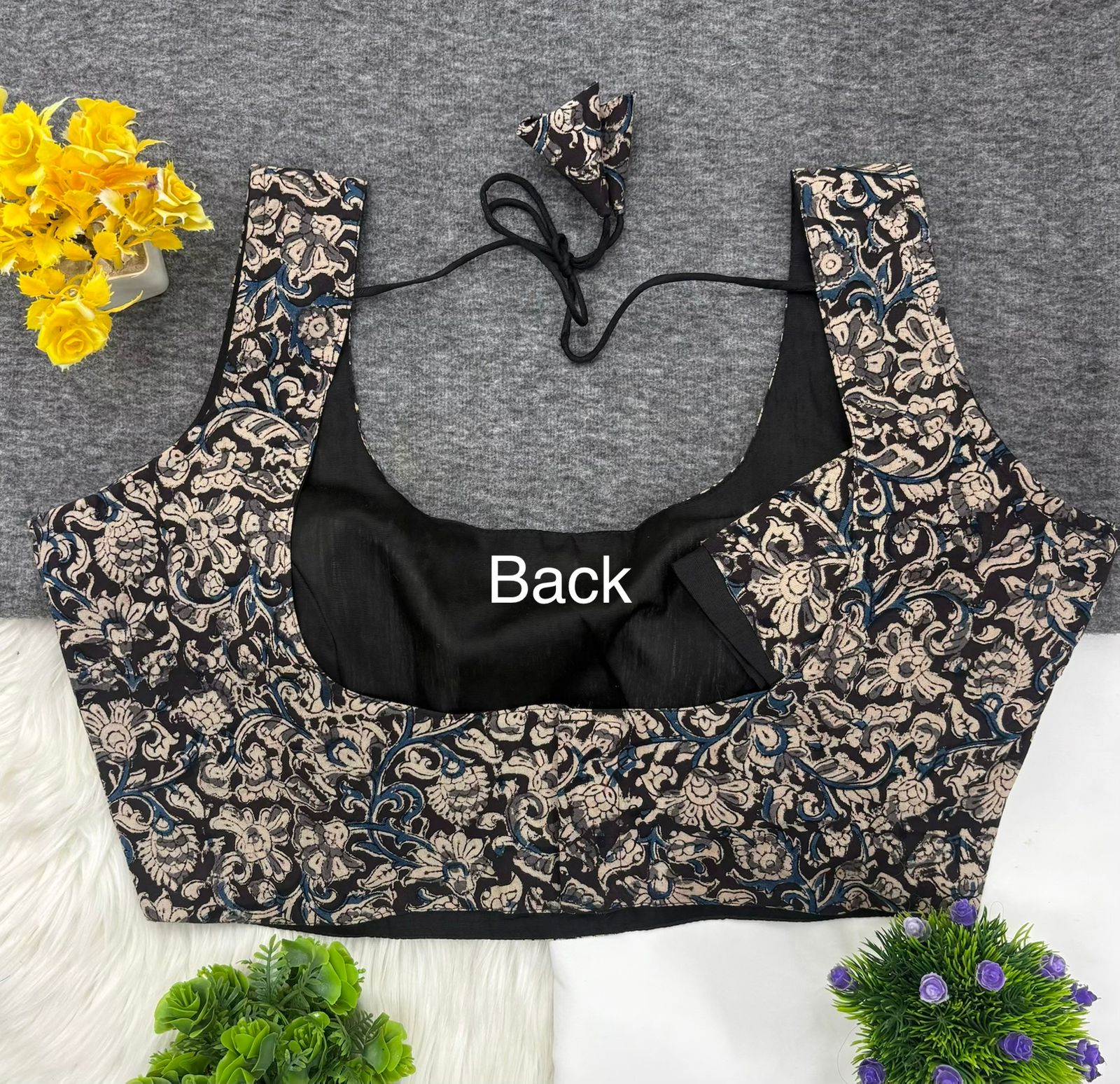
A short-sleeve, elbow-sleeve or three-quarter-sleeve blouse with a moderate neckline is the most reliable blouse choice for a temple visit. The blouse should fit firmly around the bust and shoulders because loose armholes and deep backs can shift while walking or carrying a bag.
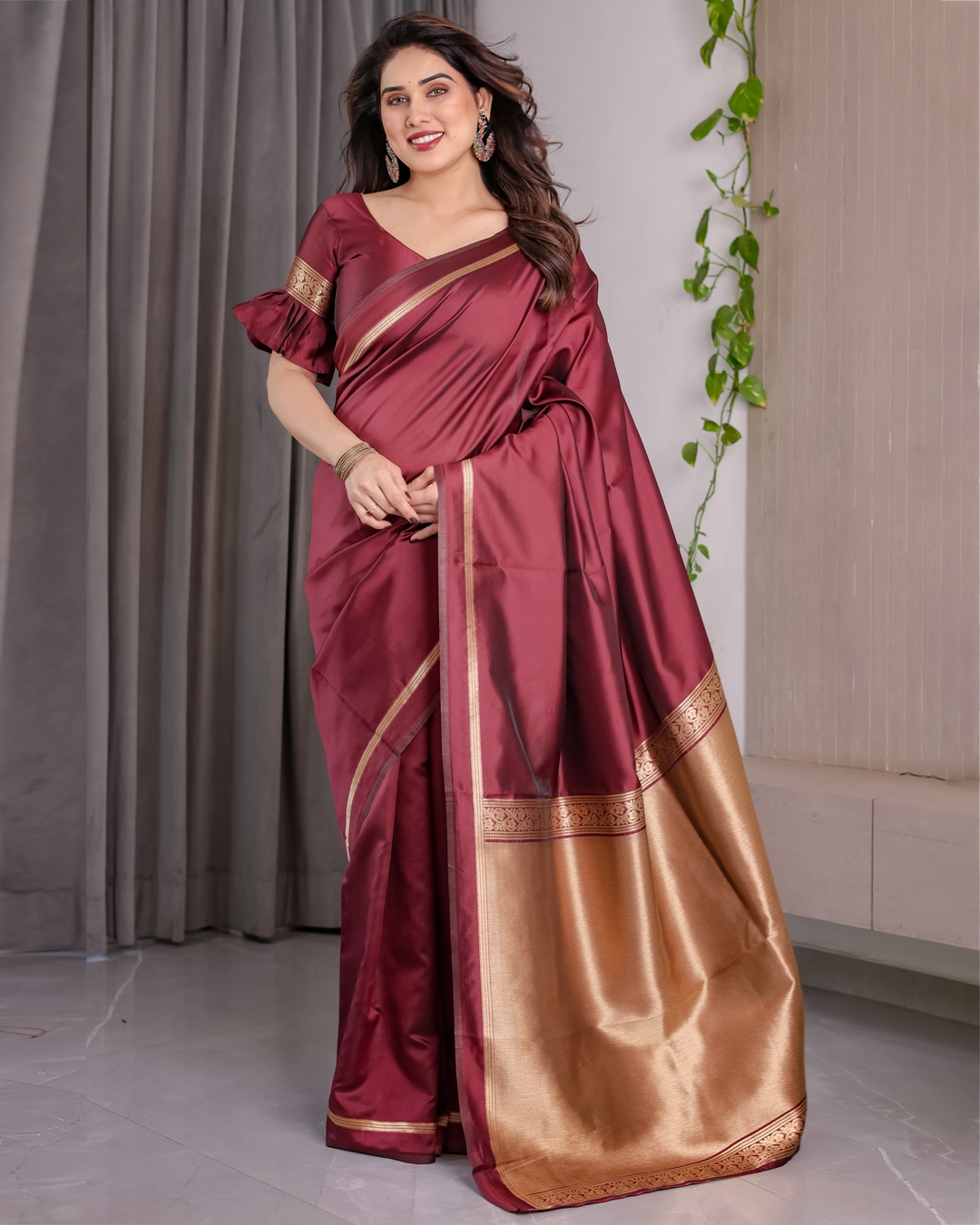
A classic Nivi drape with pinned pleats is practical for most visitors. Secure the pallu at the shoulder and consider one discreet pin near the waist if the fabric is slippery. A front-pallu or Gujarati-style drape can look elegant, but the pallu should not obstruct walking or create loose fabric that catches on railings and people.
Choose a cotton or silk-cotton petticoat with a firm waistband and enough flare to support the pleats. A drawstring that's too loose can cause the saree to slip, while an overly tight waistband becomes uncomfortable during a long queue. Wearing a comfortable, full-coverage camisole under a light saree can improve opacity and security.
Which accessories and footwear are practical?
Flat, secure footwear and lightweight accessories are the most practical choices for a temple visit. Small jhumkas, a modest chain, a watch and a bindi can complete the look without creating weight or snagging risks.
Choose sandals with a reliable grip rather than delicate heels because temple surroundings may include uneven pavements, steps, wet areas or long periods of standing. Follow the temple's instructions about removing footwear and storing personal items. A small cloth bag or compact crossbody bag is easier to manage than a large embellished handbag.
A low bun, braid or neatly secured ponytail is more practical than loose hair in a crowded queue. A few hairpins and a spare safety pin can be more useful than a large accessory set. Avoid long tassels, oversized bangles and dangling jewellery that can catch on another person's clothing.
Jagannath Temple Visit Outfit Ideas: Traditional Odia Sarees & Modest Looks Checklist
The most reliable temple outfit combines a breathable saree, a covered blouse, a secure pallu, flat footwear and minimal accessories. The final choice should also account for weather, queue duration, travel plans and current temple guidance.
- Check the official temple information and current visitor instructions before travelling.
- Select a saree that's opaque, comfortable and manageable for several hours.
- Try the complete outfit at home, including the blouse, petticoat, footwear and bag.
- Walk, sit and raise your arms during the trial to test whether the pallu and pleats stay secure.
- Carry safety pins, tissues, water where permitted and a small amount of emergency cash.
- Keep the jewellery and makeup understated so the outfit remains comfortable and respectful.
- After the visit, air the saree before folding it and follow the fabric-specific washing instructions.
A traditional temple look becomes more meaningful when it respects both the place and the person wearing it. An Odia handloom saree can express regional appreciation, while a simple cotton saree can be equally appropriate when it's clean, modest and comfortable. Thoughtful dressing leaves more attention for darshan, family and the experience of visiting Puri.
Common Questions About Jagannath Temple Visit Sarees and Modest Dressing
What should women wear to the Jagannath Temple in Puri?
Women should choose a modest saree, salwar suit or another Indian outfit that covers the shoulders, midriff and knees. A breathable fabric, secure pallu and comfortable footwear are especially useful during queues. Visitors should confirm current temple guidance before travelling.
Which saree is best for a traditional Odia temple look?
Sambalpuri, Bomkai, Khandua, Berhampuri and Kotpad sarees are strong choices for a traditional Odia appearance. Cotton versions suit warm weather and long visits, while silk versions work better for shorter, more formal family occasions.
Can I wear a Banarasi silk saree to the Jagannath Temple?
Yes, a Banarasi silk saree can be suitable when the blouse and drape provide adequate coverage and the styling remains restrained. Banarasi silk represents a different regional textile tradition from Odisha, so it should not be described as an Odia handloom saree.
Are cotton sarees suitable for a long visit to the Jagannath Temple?
Cotton sarees are often among the most comfortable choices for a long temple visit because they are breathable and relatively stable in a drape. Cotton, mal cotton and linen-cotton are particularly practical in warm or humid weather.
How can I style a saree modestly without wearing a very heavy outfit?
Choose a blouse with short, elbow-length or three-quarter sleeves, a moderate neckline and a secure fit. Pin the pallu near the shoulder, use neat pleats, select opaque fabric and keep jewellery lightweight. Modesty depends more on coverage and stability than on the price or weight of the saree.
Where can I buy traditional sarees online in India?
Online saree websites can be useful when the product page clearly states the fabric, weave, blouse details, measurements, care instructions and return terms. Compare cotton, soft silk and handloom descriptions carefully, and avoid assuming that every saree labelled traditional is an authentic Odia textile.