How to Wear a Saree Perfectly: Step-by-Step Guide for Beginners
Honestly, the first time I tried draping a saree, I ended up with a tangled mess and a safety pin stuck in my thumb. But here's the thing once you get the hang of it, a saree becomes the most flattering, versatile garment in your wardrobe. Whether you're heading to a Diwali puja or a cousin's wedding, knowing how to wear a saree with confidence is a skill every Indian woman should own. In this guide, I'll walk you through the classic Nivi drape, share my favorite styling secrets, and help you avoid the common blunders that even seasoned saree lovers make.
What You Need to Know Before You Start
Before we dive into the steps, let's talk fabric. Not all sarees behave the same way. A crisp cotton saree from Chettinad will stay put with minimal pins, while a slinky georgette or a heavy Banarasi needs extra love. Trust me on this your choice of fabric changes your entire draping experience. For beginners, I always recommend starting with a cotton or silk blend. They have enough grip to forgive your early mistakes.
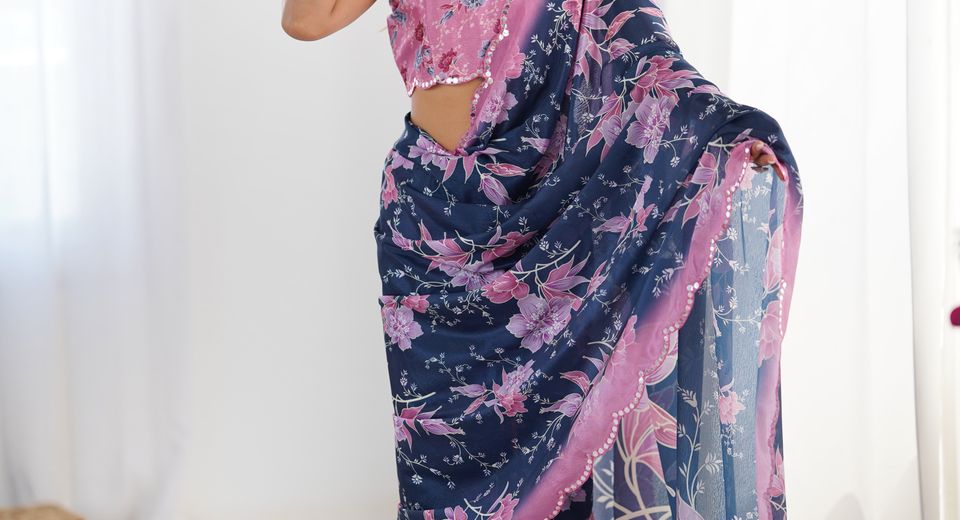
 A navy blue chinnon saree - perfect for parties, easy to drape.
Step 1: The Perfect Petticoat and Blouse
Here's a mistake I see all the time: women wear a petticoat that's too loose or too short. Your petticoat should sit at your natural waist and fall just above your ankles. The blouse should be snug - not tight - and the sleeves should end at your wrist bone. For a modern twist, try a high-neck blouse with a back opening; it adds a touch of elegance without screaming for attention.
Step 2: Tucking and Wrapping
Start by tucking the plain edge of the saree into your petticoat at the center of your waist. Make sure the saree touches the floor - this is your guide for even length. Then, take the saree around your waist once, tucking as you go. Keep the pleats for later; right now we're just securing the base. A good rule of thumb: if you can see your toes, the saree is too short. If it bunches at your ankles, it's too long.
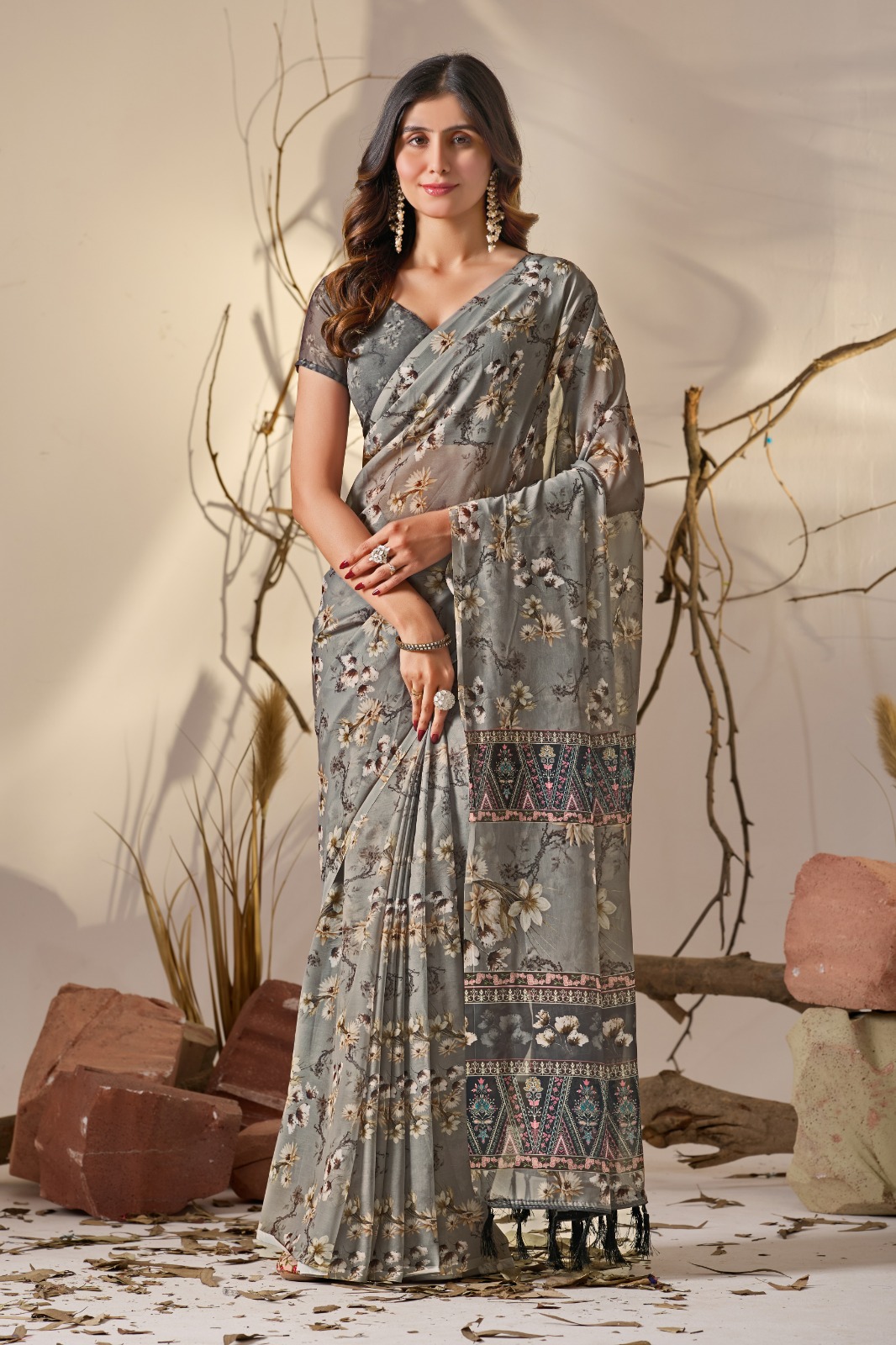 This grey floral printed saree has a designer pallu that makes the drape look effortless.
Step 3: Pleating Like a Pro
Now for the part that scares everyone pleats. Take the remaining fabric (about 5-6 inches from the tucked portion) and start making pleats. Each pleat should be about 4-5 inches wide. I hold the pleats between my thumb and forefinger, then gently fan them out. The key is to keep them even. Once you've made 5-7 pleats, tuck them slightly to the left of your navel. A single safety pin inside the pleats will keep them from popping open during a long day at work.
Step 4: Draping the Pallu
The pallu is where your personality shines. Take the remaining fabric over your left shoulder (or right, if you're left-handed). The length of the pallu should fall just below your knees. For a classic look, let the pallu hang loose; for a more secure drape, pin it to your blouse shoulder. I love a good designer pallu like the one on this grey floral printed saree because it adds drama without extra effort.
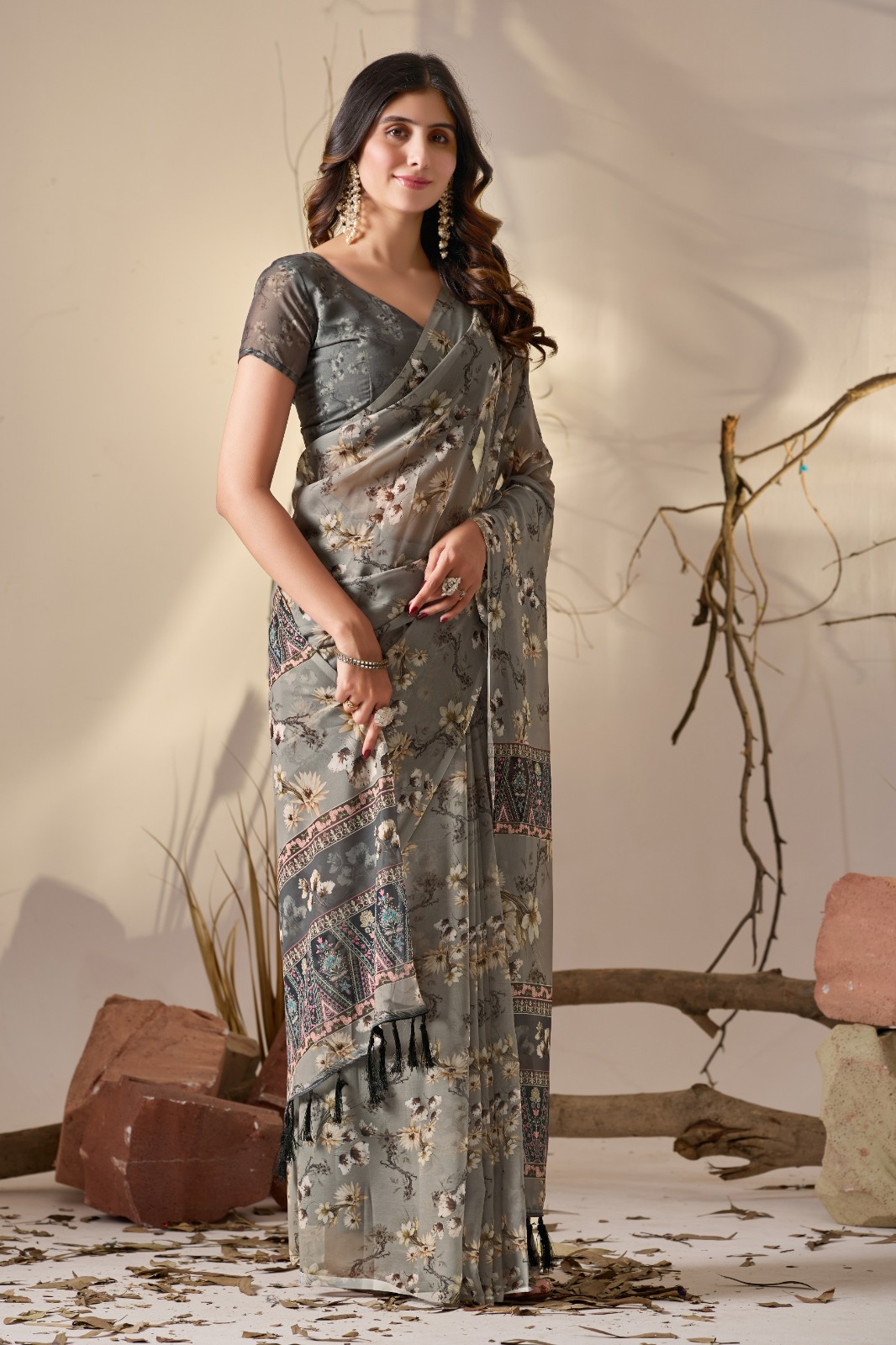 The designer pallu on this grey floral saree creates a beautiful silhouette.
Step 5: Finishing Touches
Once your saree is draped, check the length. The hem should just graze the floor when you stand straight. Adjust the pleats so they fall symmetrically. Add a statement belt for a contemporary edge, or go traditional with gold jewelry. One of my favorite tricks: use a small safety pin to attach the pallu to your blouse near the shoulder - it prevents the pallu from slipping when you dance at a wedding.
Common Mistakes to Avoid
- Wrong petticoat color: Always match your petticoat to your saree or skin tone. A white petticoat under a dark saree is a dead giveaway.
- Over-pinning: Use pins only where necessary. Too many pins make the saree stiff and uncomfortable.
- Skipping the iron: A wrinkled saree looks sloppy. Iron your saree on the silk setting before draping - trust me, it makes a world of difference.
Styling Your Saree for Different Occasions
For a morning puja, choose a light cotton or linen saree in pastels - think powder blue or mint green. For a sangeet, go bold with a navy blue chinnon party saree; the fabric catches the light beautifully. For office wear, a crisp cotton saree with a simple blouse is both professional and comfortable. And for a September wedding, I always recommend a tissue silk saree over georgette - it photographs better in daylight and doesn't cling to your curves.
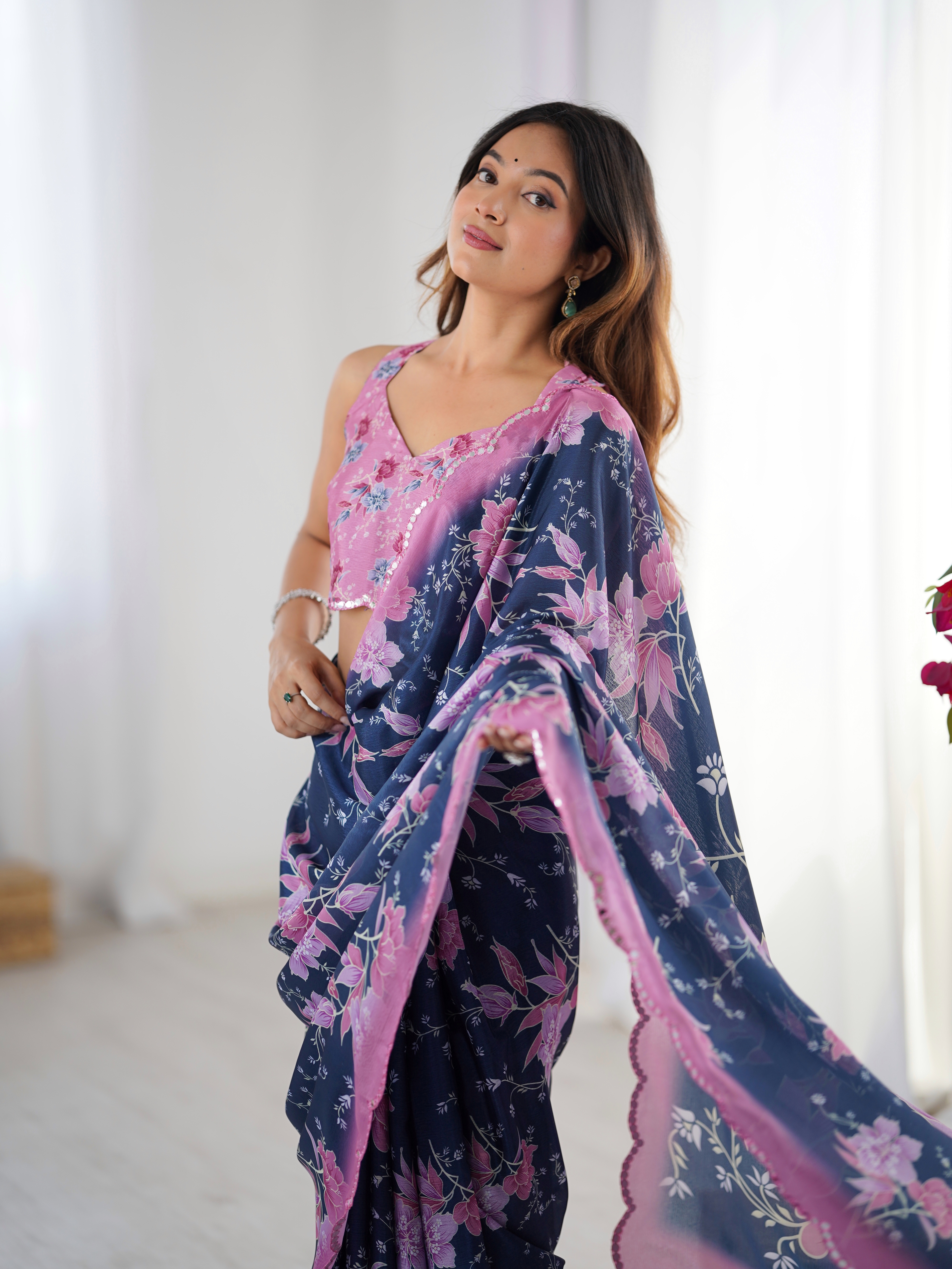 A navy blue chinnon party saree with a silver border is perfect for evening events.
Frequently Asked Questions
How long does it take to learn how to wear a saree?
Most beginners get the basics in 2-3 tries. With practice, you'll be able to drape a saree in under 10 minutes. I recommend practicing with a cotton saree first - it's more forgiving than silk or georgette.
What type of saree is best for a beginner?
A cotton or linen saree with a simple border is ideal. Avoid heavy silks or chiffons initially. The fabric should have some grip so the pleats stay in place.
How do I keep my saree pleats from falling apart?
Use a safety pin inside the pleats after tucking. Also, make sure your petticoat is tied tightly at the waist. You can also use a small piece of double-sided tape on the inside of the pleats for extra security.
Can I wear a saree without a blouse?
Yes, but it's not recommended for most occasions. A blouse provides structure and modesty. If you want a bare-back look, opt for a blouse with a deep back cut or a halter neck design.
What accessories should I pair with a saree?
Gold or temple jewelry works for traditional looks. For a modern vibe, try a statement necklace with oxidized silver. Always match your footwear - heels elongate the silhouette, but juttis are comfortable for long hours.