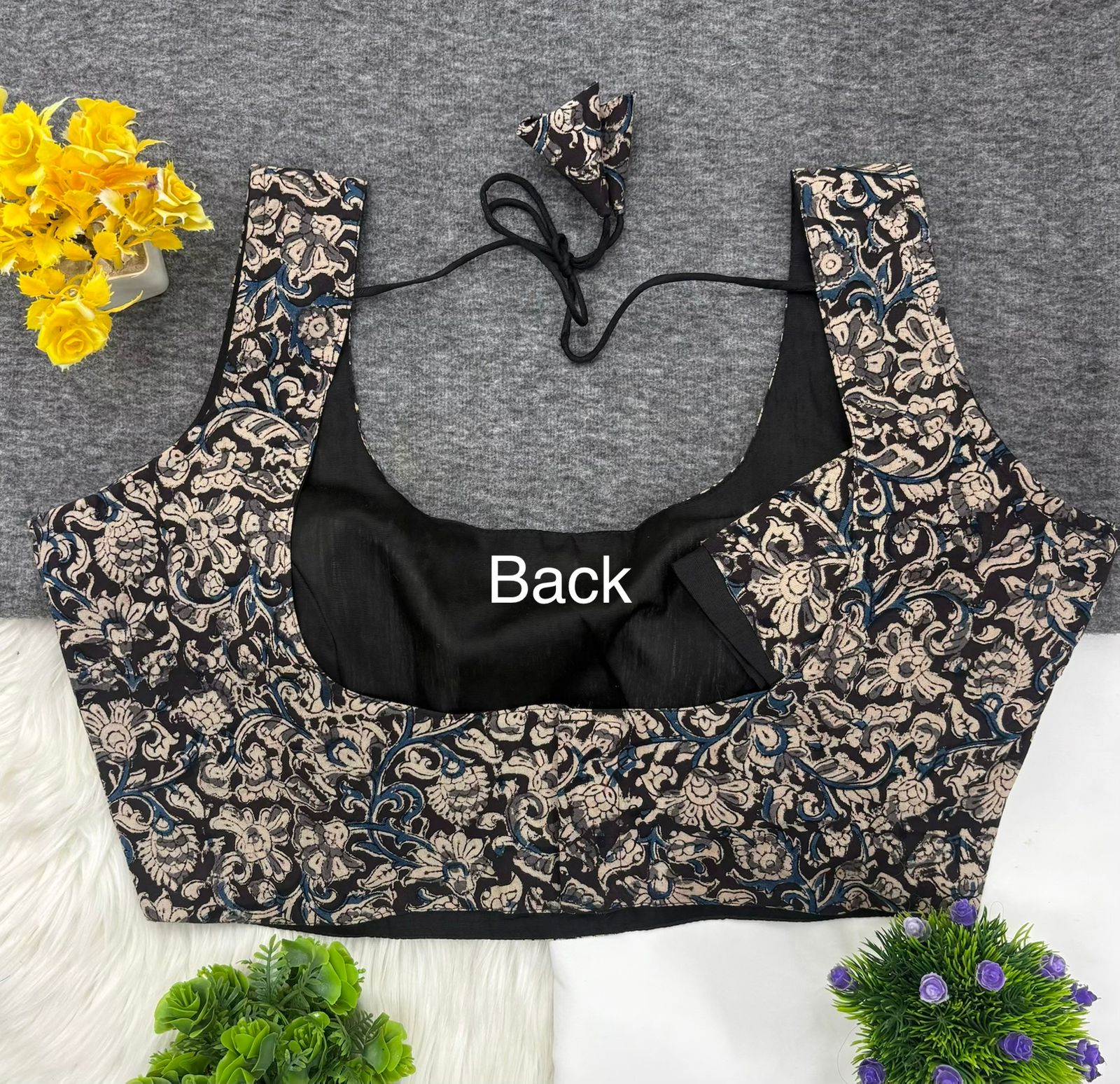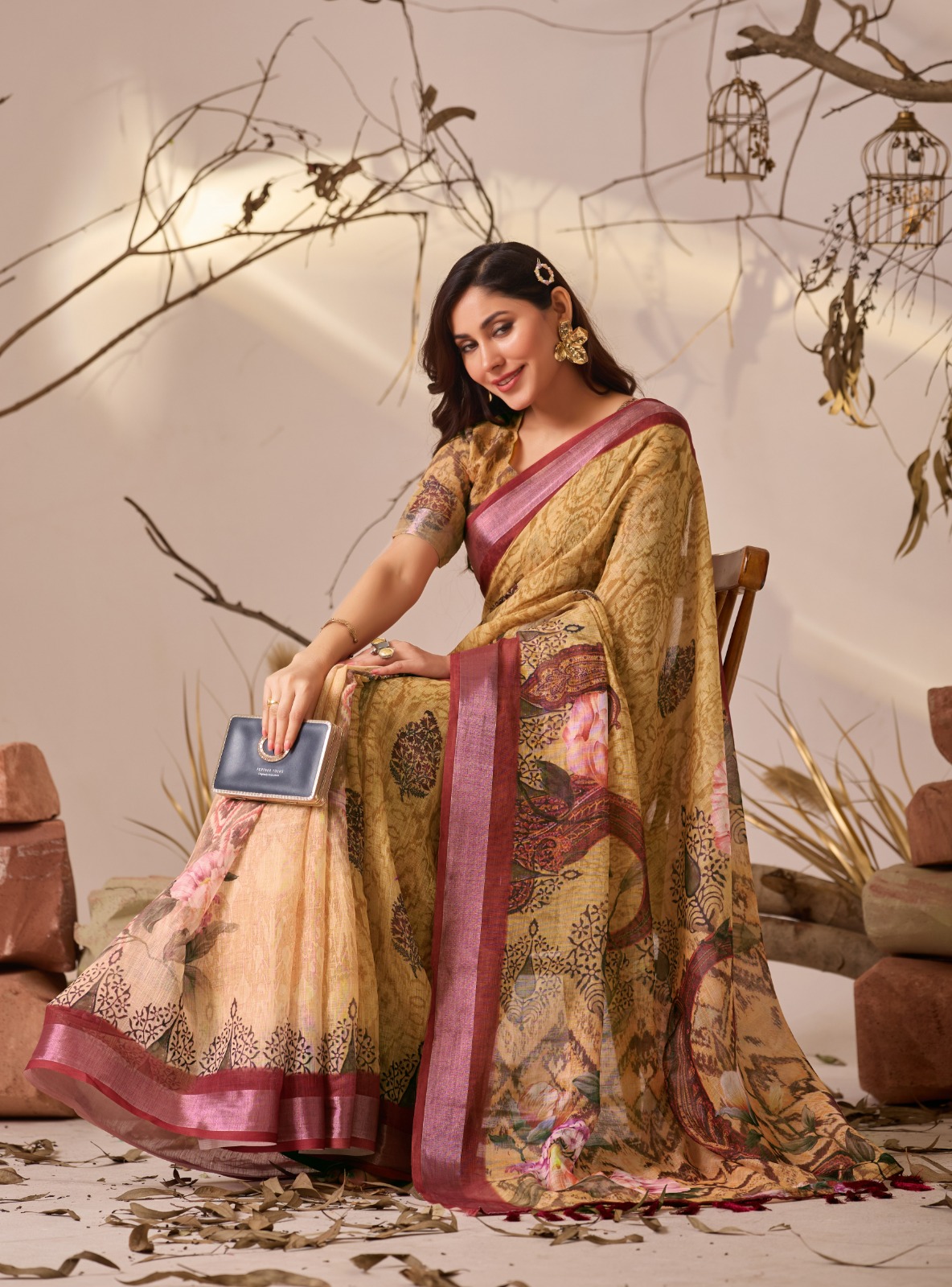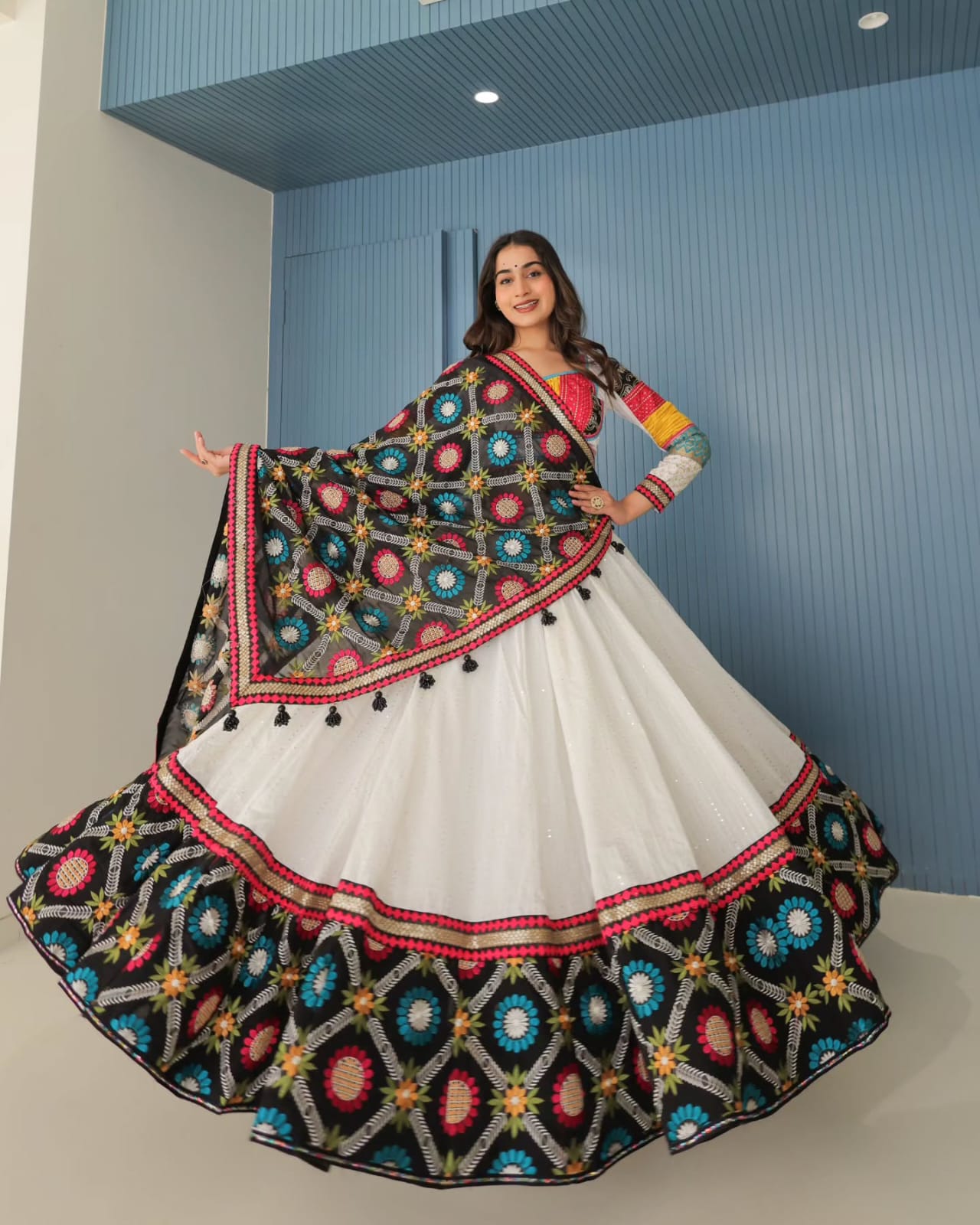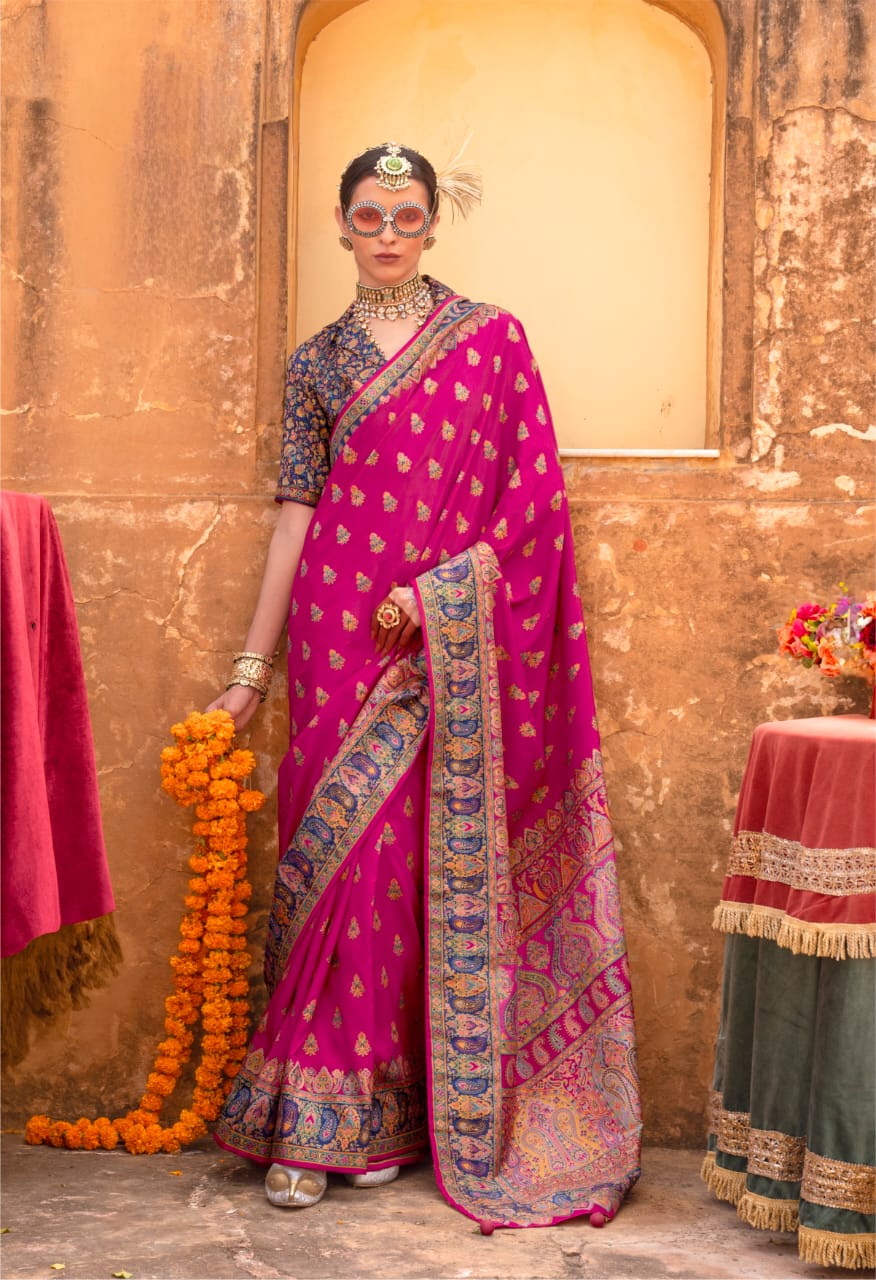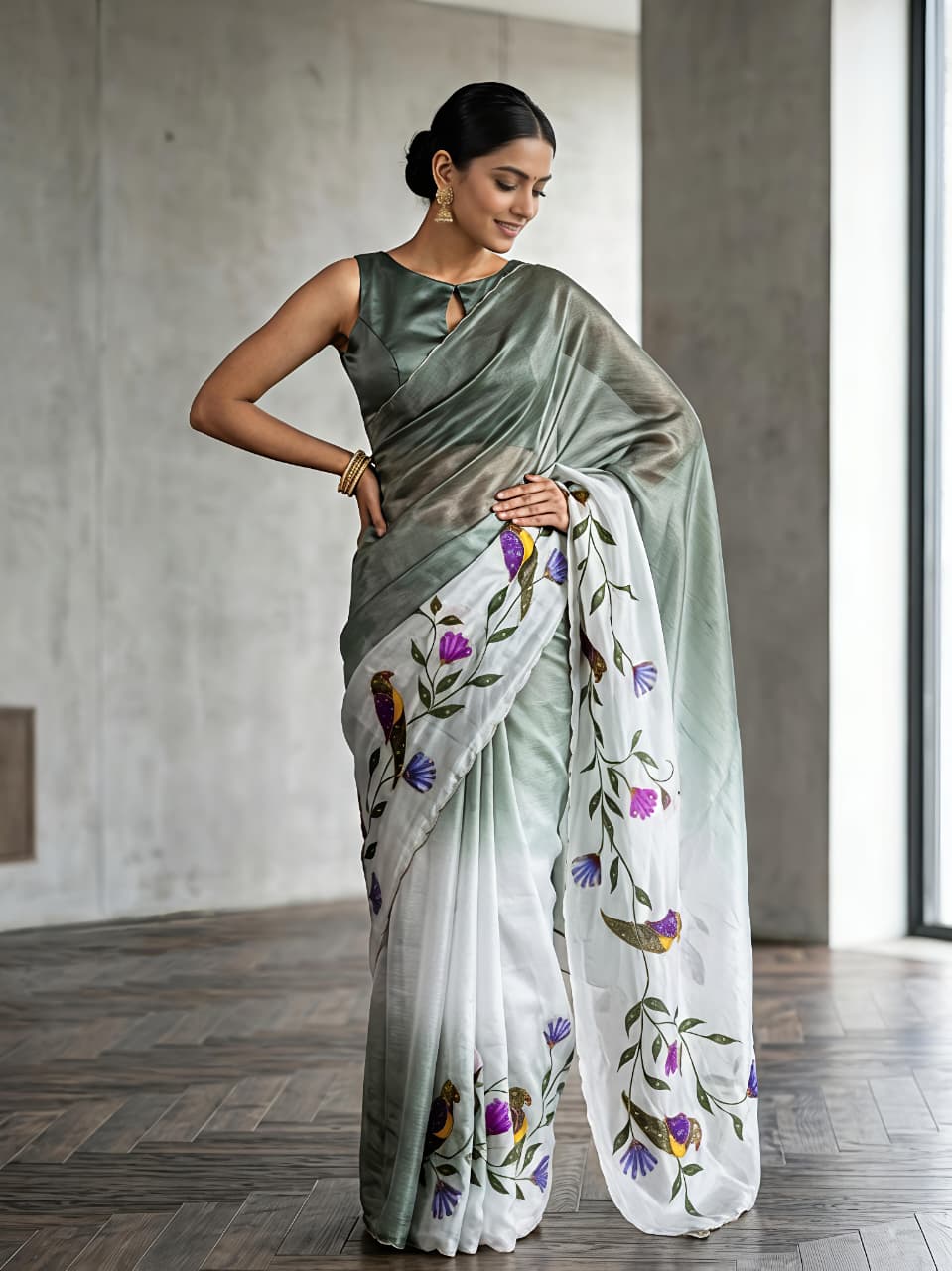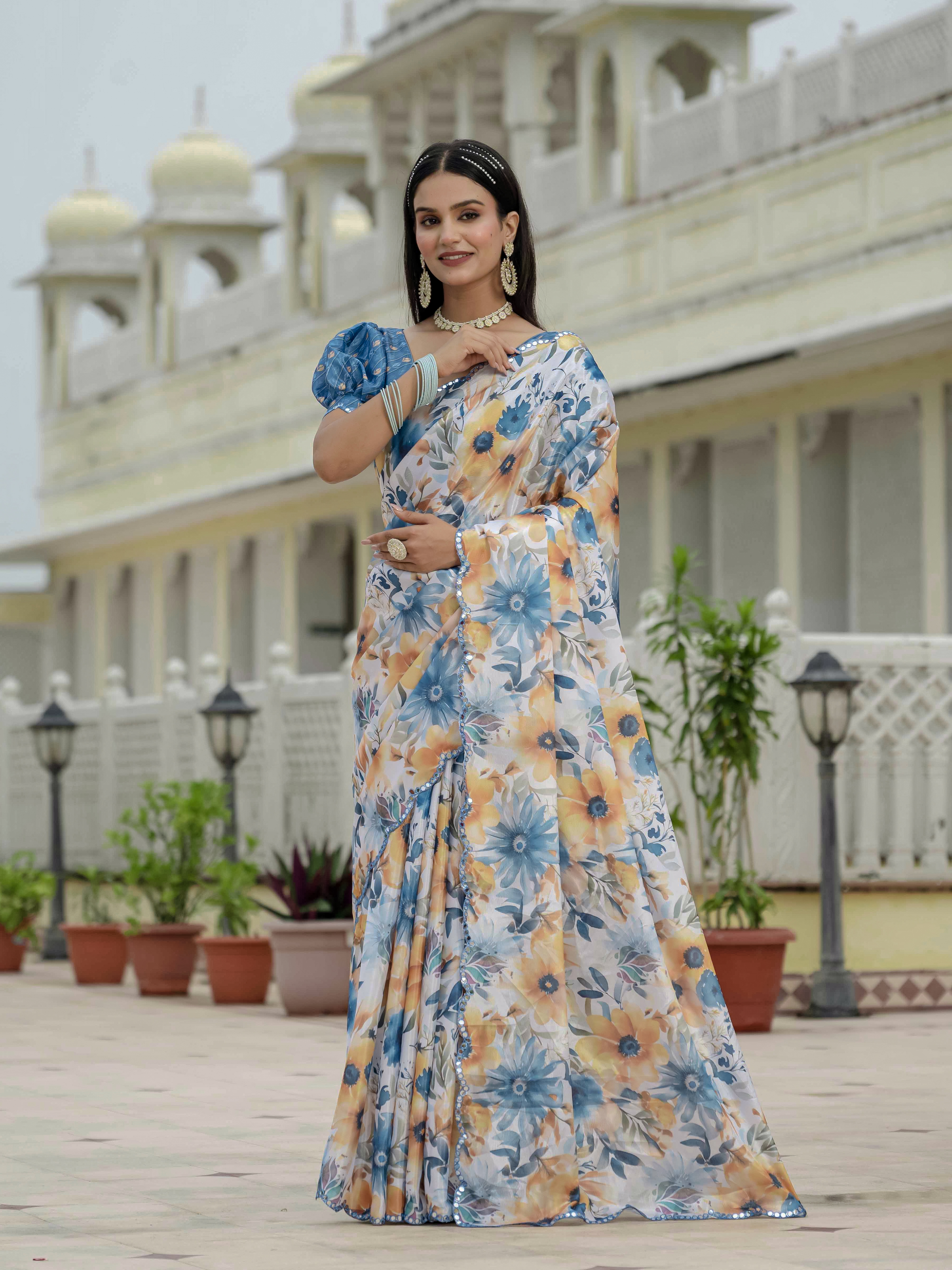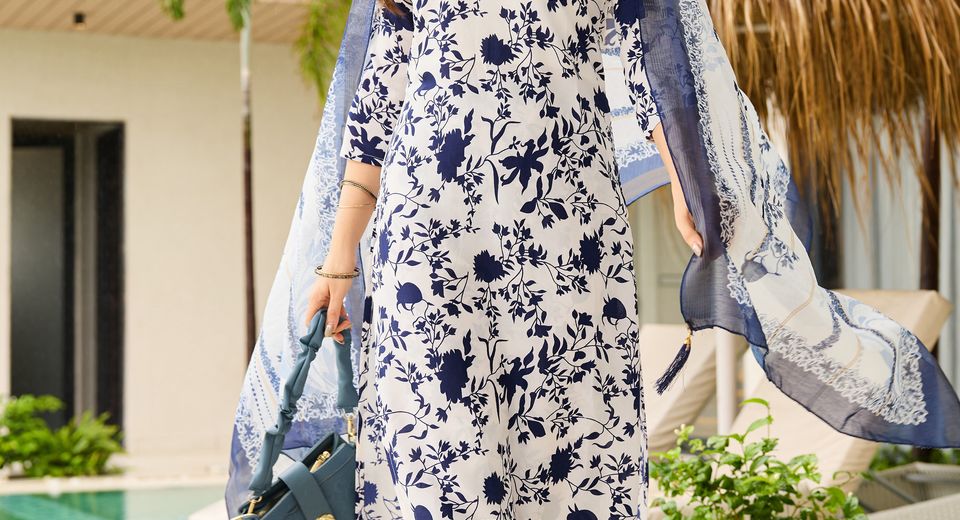
How to Style Salwar Suits for Office Wear begins with one practical decision: choose a clean silhouette that allows movement and keeps visual detail controlled. A straight kurta with tailored trousers, a restrained dupatta and low-profile accessories can look as professional as a Western work outfit while remaining comfortable in Indian weather. Fabric, fit, colour scale and finishing details matter more than heavy embellishment or a high price.
Office dress codes vary widely. A creative studio may welcome a printed silk set, while a bank, law office or client-facing corporate role may call for muted cotton, Chanderi or a lightly embroidered kurta. The sections below explain how to make salwar suits work for meetings, commuting, desk work and formal presentations without making the outfit feel festive.
How to Style Salwar Suits for Office Wear: Start with the Right Silhouette
A straight or gently A-line salwar suit is usually the safest office silhouette because it creates a defined vertical line without restricting the knees or hips. Look for a kurta that falls around the knee or slightly below, trousers that skim the leg, and a shoulder seam that sits close to the natural shoulder.
Straight kurtas suit formal settings because the shape is easy to layer under a structured jacket or pair with a narrow dupatta. A-line kurtas offer more room at the hem and work well for long commutes, but a very wide flare can look closer to occasion wear. Anarkali shapes are best reserved for workplaces with relaxed dress codes unless the flare is modest and the embellishment is minimal.
Bottoms influence the formality of a suit as much as the kurta. Cigarette pants and tapered trousers create a sharper outline than a heavily gathered salwar. Palazzo pants can be office-appropriate when the fabric falls neatly and the kurta isn't excessively short. A coordinated three-piece suit for women often looks more intentional than mixing several unrelated prints, particularly on presentation days.
The Elegant Mustard Chanderi Cotton Kurta Set with Embroidery demonstrates how a small amount of embroidery can add definition without overwhelming a daytime outfit. The Mustard Yellow Cotton Kurti Pant Set for Women offers a simpler direction for offices where separates and lightweight cotton are preferred. Both examples work best with quiet accessories and practical footwear.
Which Fabrics Work Best for Formal Salwar Suits?
Cotton, cotton blends, Chanderi and lightweight silk are the most useful fabric choices for formal salwar suits because they balance breathability, structure and presentability. The best fabric depends on your commute, office temperature, laundering routine and the amount of sitting or walking required during the day.
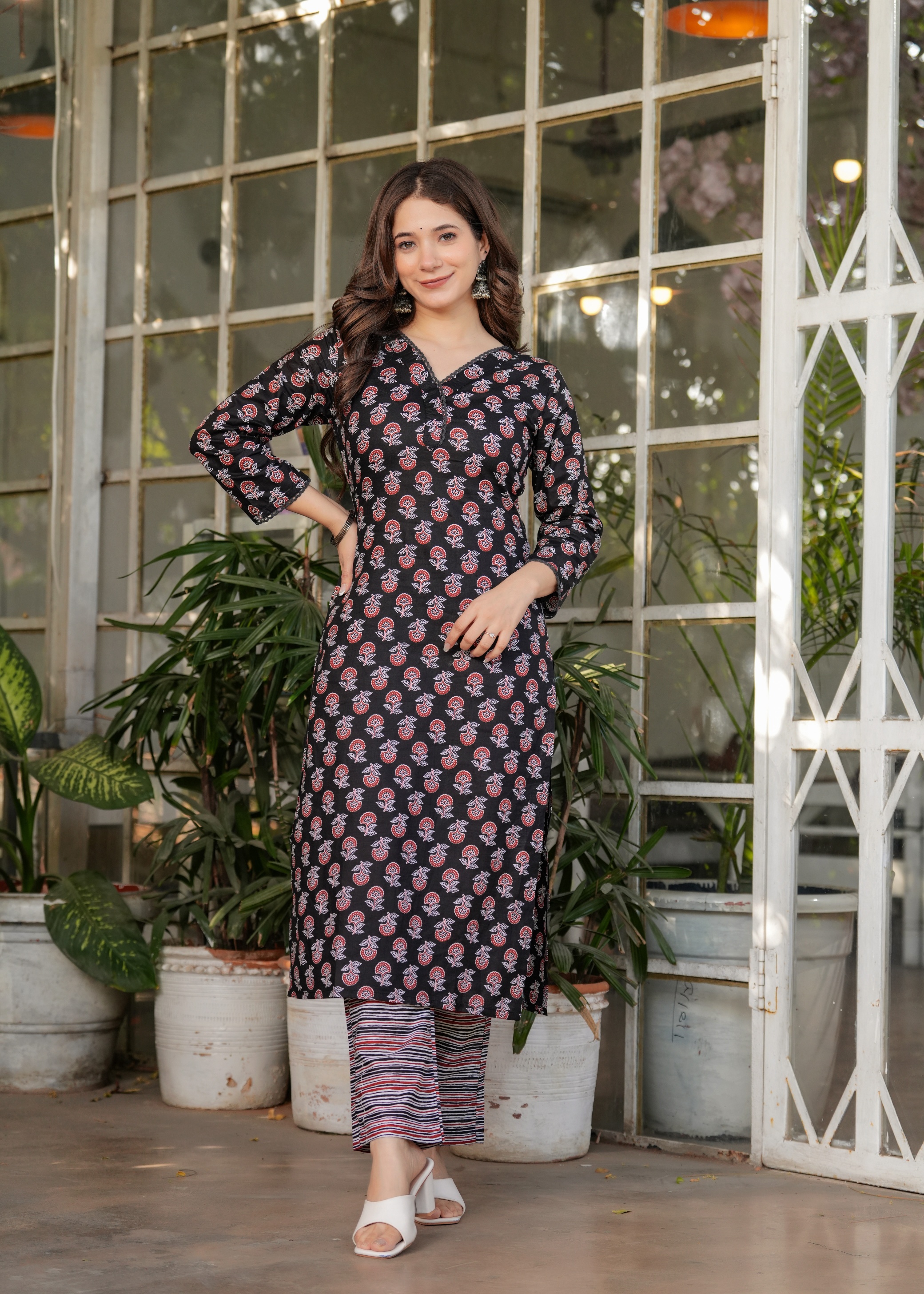
Cotton for daily comfort
Cotton is a reliable choice for humid weather, long commutes and everyday desk work. Cotton absorbs moisture and usually needs less careful handling than silk, although crisp cotton may crease around the waist and elbows after several hours. A lined cotton kurta, especially in pale colours, prevents transparency and gives the garment a more finished appearance.
The Emerald Green Cotton Kurta Set with Chanderi Dupatta combines a breathable main garment with a slightly dressier dupatta. The pairing can suit a regular office day when the dupatta is folded narrowly and the jewellery remains understated. Cotton also works well for women who need an office outfit that can be washed frequently.
Chanderi and silk for polished days
Chanderi has a light, airy hand and a subtle sheen that makes a simple kurta appear more formal. Chanderi dupattas can crease or snag more easily than sturdy cotton, so a wide shoulder bag should not be allowed to rub against the fabric throughout the day. Lightweight silk brings colour depth and drape, but silk is less forgiving of perspiration, spills and rough handling.
The Stylish Navy Floral Silk Kurta Pant Dupatta Set gives an useful model for a business-casual office: a dark base, coordinated trousers and a complete dupatta rather than a highly embellished festive layer. The Brown Embroidered Kurta Pant Dupatta Set for Women can provide a softer neutral alternative to black while retaining enough structure for meetings.
Save glossy Banarasi silk, dense zari, sequins and mirror-heavy surfaces for celebrations unless your workplace has a distinctly festive dress culture. A professional outfit can contain texture, but one prominent texture is usually enough. If the kurta has embroidery, choose a plain trouser; if the dupatta has a noticeable border, keep the kurta and jewellery quieter.
How Should You Choose Office Colours?
Office-friendly colour planning works best when one colour leads, one colour supports and all remaining details stay neutral. Navy, brown, beige, charcoal, ivory, muted green, dusty rose and restrained mustard can create a professional wardrobe without making every outfit appear grey or black.
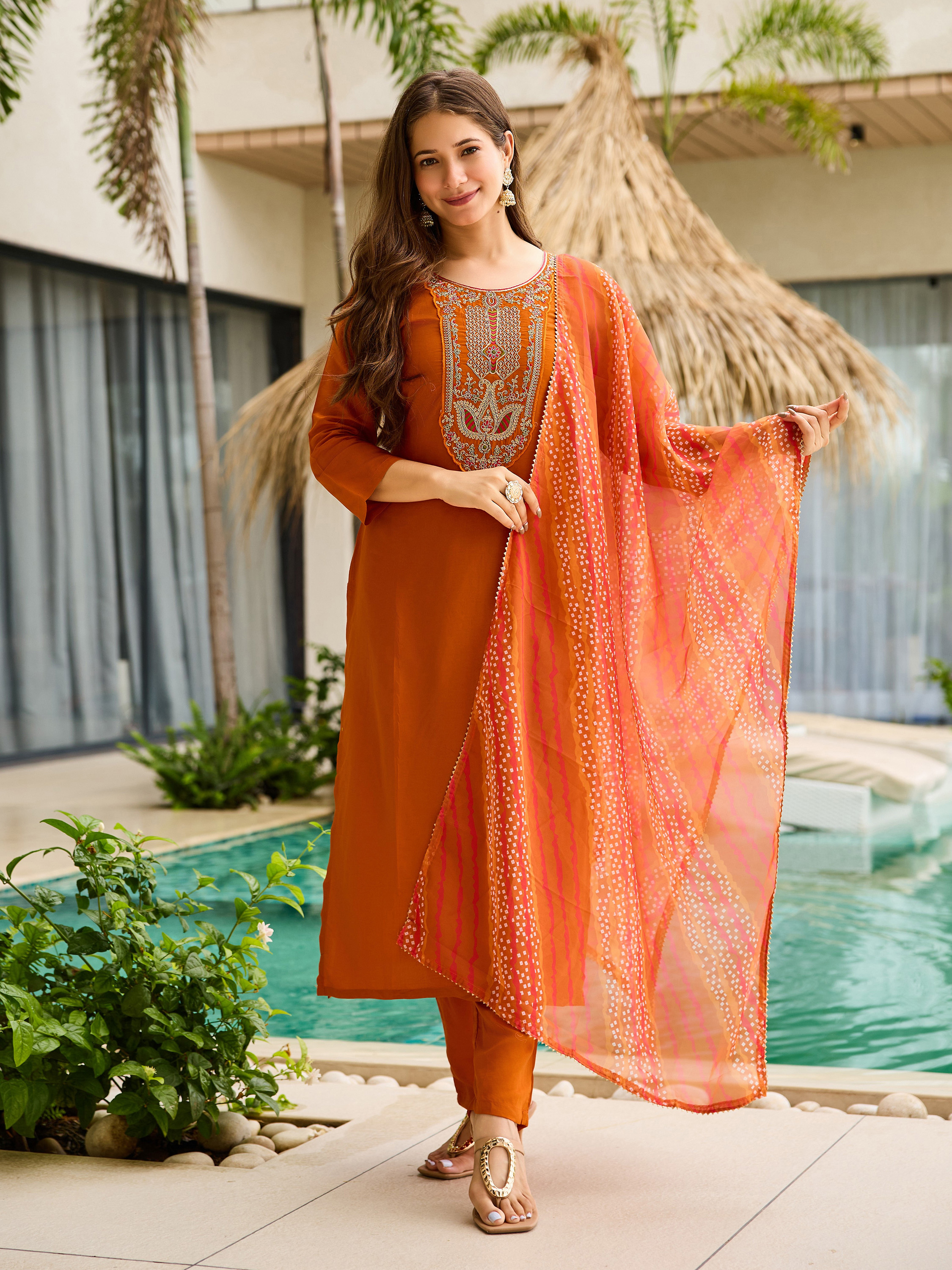
Dark colours are useful for client meetings because they show fewer marks and create a defined outline. Mid-tones such as olive, teal and coffee brown soften the look while remaining composed. Light neutrals work well in warm weather, but beige, cream and pale blue should be checked in daylight for transparency before wearing them to work.
Print scale also affects formality. Small florals, narrow stripes, fine checks and controlled geometric motifs are easier to style for office wear than oversized tropical prints or high-contrast festival patterns. A navy floral set can look professional when the floral repeat is moderate and the accessories don't introduce another competing pattern.
The Beige Kurta Set with Blue Chanderi Dupatta for Women shows how a neutral kurta can gain interest from one coloured layer. For a formal meeting, repeat the blue only in small details such as stud earrings, a pen, a watch strap or a muted handbag. Repeating one accent colour makes a three-piece outfit look coordinated rather than over-styled.
What Is the Most Professional Way to Wear a Dupatta?
The most professional dupatta styling is a secure, narrow drape that stays clear of keyboards, door handles and moving machinery. Fold the dupatta lengthwise into a band about 20 to 25 centimetres wide, place it evenly around the neck or over one shoulder, and secure one discreet pin near the shoulder if the fabric shifts.
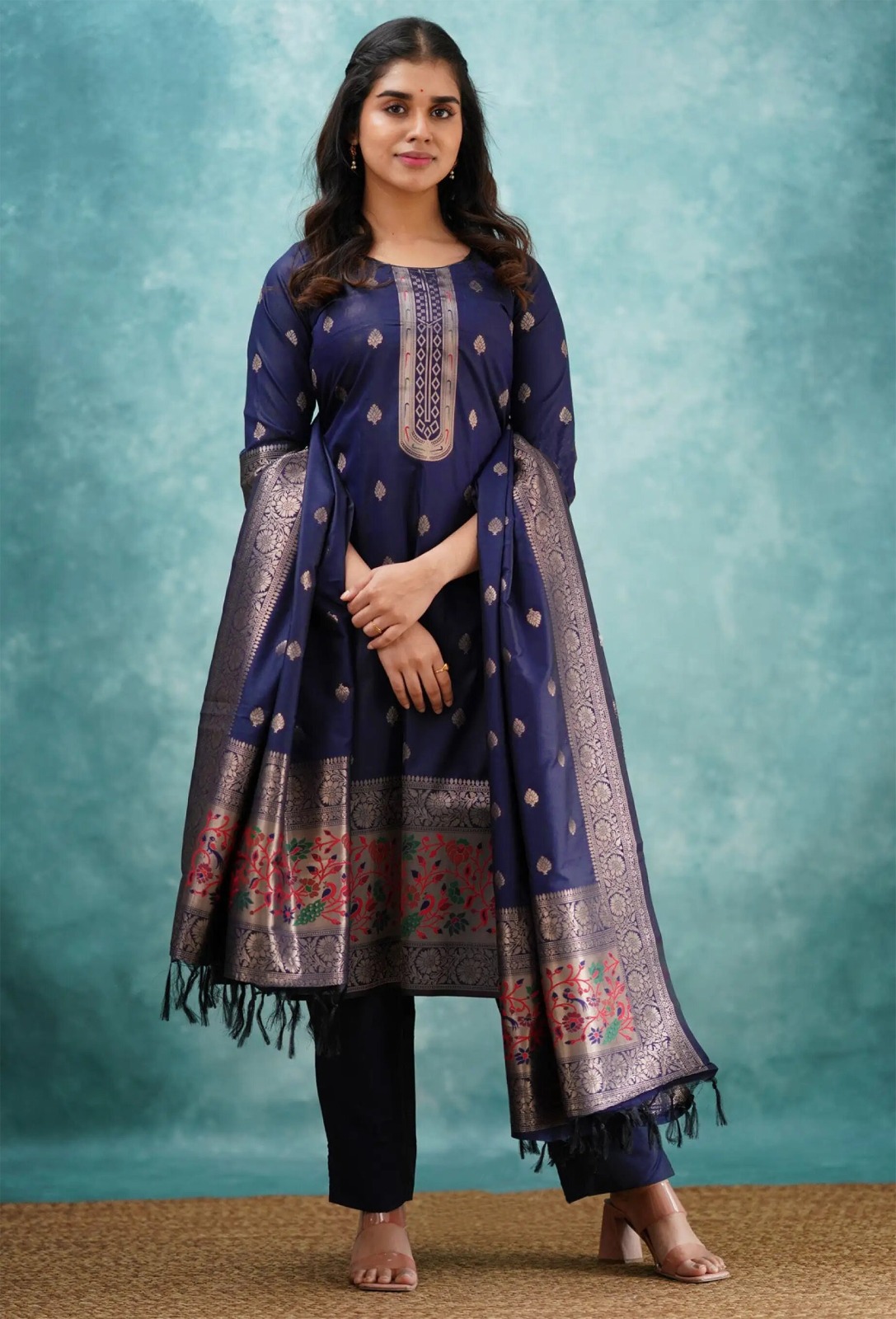
A straight fall over both shoulders creates symmetry for presentations and formal meetings. An one-shoulder drape gives more freedom when carrying documents, but the loose end should not hang below the knee or repeatedly slide forward. Avoid wrapping a voluminous dupatta several times around the neck because the added bulk can make a neat kurta look crowded.
Formal salwar suits office wear dupatta styling should also account for fabric weight. A cotton dupatta usually stays in place and can be folded firmly. A Chanderi dupatta may need a small safety pin hidden beneath the shoulder fold. A silk dupatta often drapes beautifully but can slide, so a matte blouse or kurta shoulder and a concealed pin improve stability.
When a dupatta is optional in your workplace, wear it for client visits, interviews or formal events and leave it at home on a crowded commute. A coordinated set without the dupatta can still look complete when the kurta and bottom share a colour family. Keep the dupatta folded in a tote rather than stuffing it into a handbag if you need to add it before a meeting.
How Can Accessories Make a Salwar Suit Look More Formal?
Small, structured accessories make a salwar suit look more formal than large quantities of jewellery. Choose one watch, small metal or pearl studs, a slim ring and a medium-sized structured handbag before adding anything more decorative.
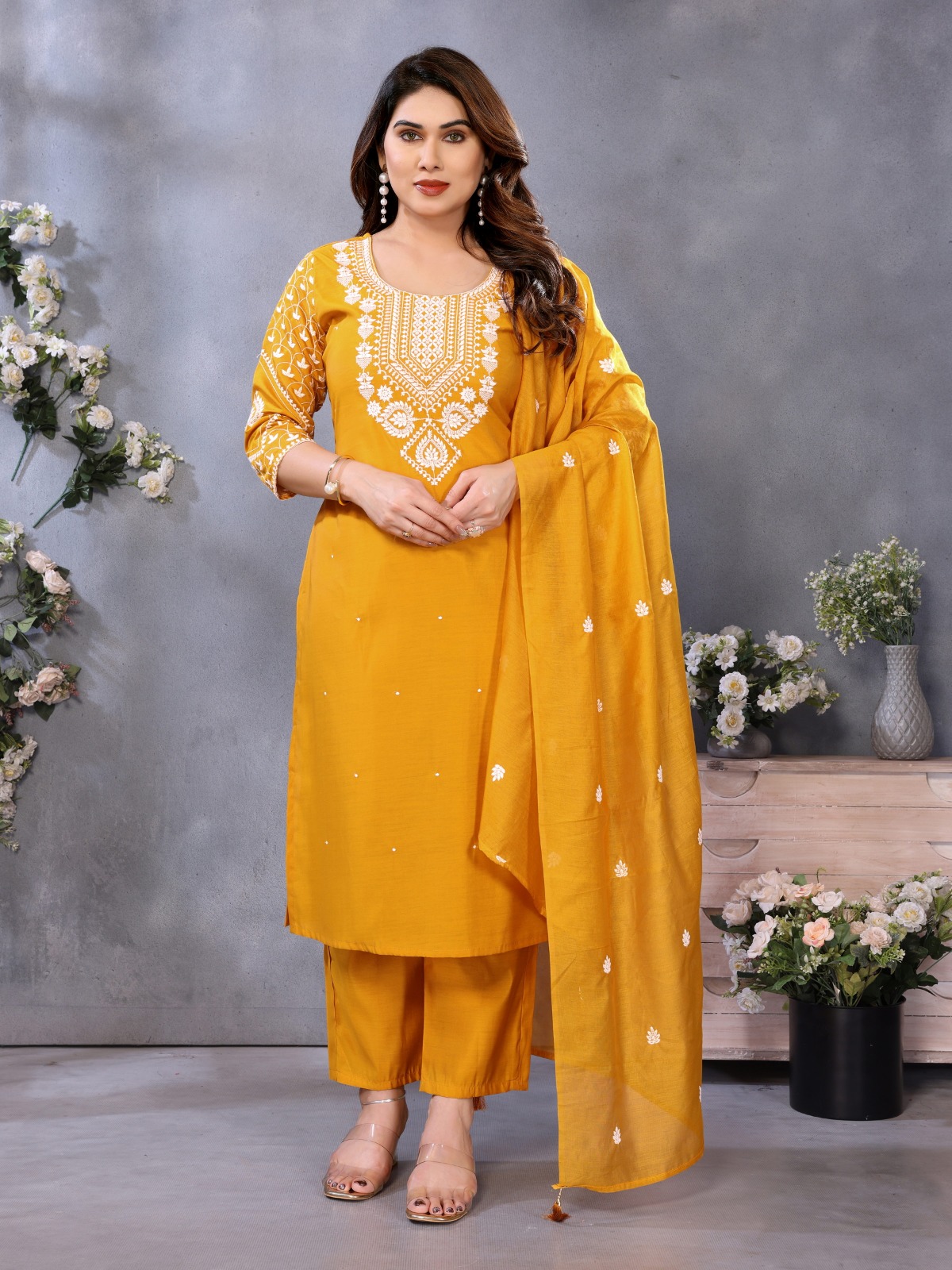
Footwear should support the pace of the workday. Closed-toe flats, low block heels, loafers and clean leather sandals are practical choices for office wear. A heel between 3 and 5 centimetres can add polish without creating the walking difficulty associated with very high heels. Match footwear to the outfit's visual weight: delicate flats suit fine cotton, while a sturdier loafer balances a darker silk set.
Handbags should be large enough for a phone, wallet, compact, access card and small notebook but not so oversized that the bag pulls against the dupatta. A structured tote in tan, black, navy or brown can serve multiple outfits. Avoid noisy bangles, oversized chandelier earrings and embellished evening clutches when the goal is a formal work appearance.
Hair and makeup complete the professional impression. A low bun, neat ponytail or controlled open hairstyle prevents hair from competing with the neckline. A natural base, defined brows and a muted lip generally last better through a workday than heavy glitter or very glossy colour. The Chic Red Floral Silk Kurta Pant Dupatta Set for Women can be toned down with tan flats, minimal gold studs and a plain tote rather than festive heels and layered jewellery.
How Should You Dress for Different Office Settings?
Different workplaces require different levels of formality, so the same salwar suit should not be styled identically for every professional setting. Use the dress code, the day's schedule and the amount of external interaction as the guide.
Corporate and client-facing offices
Corporate and client-facing offices usually call for a straight kurta, tailored pant, restrained colour and a neatly secured dupatta. Navy, brown, beige and muted green are dependable choices. Select minimal embroidery, polished flats or low heels, and a structured handbag for interviews, reviews and presentations.
Creative and business-casual offices
Creative and business-casual offices allow more colour, print and silhouette variation while still benefiting from clean proportions. A small floral print, a Chanderi dupatta or a gently A-line kurti can add personality. The Designer Cotton A-Line Kurti Pant Set with Mirror Work should be reserved for offices where mirror work is accepted; keep the rest of the styling deliberately plain so the surface detail remains controlled.
Hot-weather and commute-heavy workdays
Hot-weather and commute-heavy workdays need breathable fabric, secure draping and shoes that can handle walking. Cotton kurta sets, flat footwear and a lightweight dupatta reduce discomfort. Carry a compact scarf or cotton stole separately if air-conditioning makes the office cold, rather than layering a bulky festive shawl over a work outfit.
How to Build a Practical Office Salwar Suit Wardrobe
An useful workwear wardrobe can begin with five coordinated suits: one dark neutral, one light neutral, one muted colour, one cotton daily set and one polished option for presentations. Repeating trousers, dupattas and accessories across sets reduces cost and makes dressing faster on busy mornings.
For example, the navy silk set can cover formal meetings, the beige and blue set can handle client-facing days, and the emerald cotton set can serve humid everyday commutes. The Brown Embroidered Kurta Pant Dupatta Set for Women adds a warm neutral, while the Elegant Mustard Chanderi Cotton Kurta Set with Embroidery introduces colour without requiring festive styling.
Collections such as Ladies Dress Anarkali Salwar Suits can be useful when you want to compare silhouettes, but office shoppers should inspect flare, sleeve volume and embellishment before choosing an Anarkali. Dress Materials offer flexibility for people who prefer tailoring, although tailoring time and finishing quality need to be included in the budget. Discount-focused collections such as Salwar Suits with 30% Off and Salwar Suits Flat 40% Off can help expand a wardrobe, but a lower price should never replace checking fabric composition, measurements and lining.
Before buying a piece suit women can wear to work, check four measurements: shoulder width, bust ease, kurta length and trouser rise. Allow enough ease to sit comfortably for eight hours, but avoid excess fabric that catches on chair arms or bags. Read the care label, inspect the opacity of pale fabric in daylight and confirm whether the dupatta requires special pressing.
Simple Care Habits That Keep Workwear Presentable
Office salwar suits stay polished longer when they're aired after every wear and washed according to their fibre content. Cotton can usually be gently machine-washed or hand-washed, while Chanderi and silk may require a gentler method or professional cleaning; the garment care label takes priority.
Press the kurta inside out on a suitable heat setting and place a thin cotton cloth between the iron and embroidery. Store Chanderi and silk dupattas folded loosely in a breathable cupboard rather than compressed beneath heavy garments. Hang structured cotton kurtas on broad hangers so shoulder seams retain their shape.
Keep one emergency kit in an office drawer: two safety pins, a stain-removal wipe suited to the fabric, a small lint roller, a spare button and a compact sewing needle. Blot a spill instead of rubbing it into the weave, and remove metal jewellery before laundering embroidered garments. Small maintenance habits prevent an otherwise professional suit from looking tired halfway through the workweek.
Common Questions About Styling Salwar Suits for Office
What is the best salwar suit for office wear?
A straight kurta with tailored trousers in cotton, Chanderi or lightweight silk is the most versatile office option. Choose a moderate length, restrained embroidery, a controlled print and a dupatta that can be secured neatly. Navy, brown, beige, muted green and soft mustard work well across many professional settings.
Can I wear a dupatta with a salwar suit to work?
Yes, a dupatta can be suitable for work when it is folded narrowly and secured so it does not interfere with movement. A straight fall over both shoulders is formal, while a one-shoulder drape is practical for commuting. Avoid very voluminous, heavily embellished or repeatedly slipping dupattas in busy workplaces.
Are floral salwar suits appropriate for an office?
Floral salwar suits are appropriate when the print is moderate and the colour contrast is controlled. Small or medium florals on a navy, brown or muted base usually look more formal than oversized bright blooms. Keep jewellery and footwear plain when the suit already has a noticeable print.
Which salwar suit fabric is comfortable for long office hours?
Cotton is usually the most comfortable choice for long office hours and warm commutes because it is breathable and easy to maintain. Chanderi is light and polished but needs gentler handling, while silk looks refined but may be less practical in high heat. Check lining, opacity and crease behaviour before buying.
Where can I buy women's suits for work?
Look for dedicated salwar suit and dress material collections that show fabric, measurements, lining and care information clearly. Compare straight kurta sets, cotton sets and modestly embellished options rather than searching only by colour. Collections such as Dress Materials can suit shoppers who want a custom fit, while ready-made sets save tailoring time.
Can mirror work or embroidery be worn in an office?
Light embroidery can work in many offices, but mirror work and dense embellishment depend on the workplace dress code. Pair a detailed kurta with plain trousers, minimal jewellery and simple shoes to reduce the festive effect. Save heavily reflective surfaces for casual Fridays, cultural events or workplaces with a relaxed style policy.