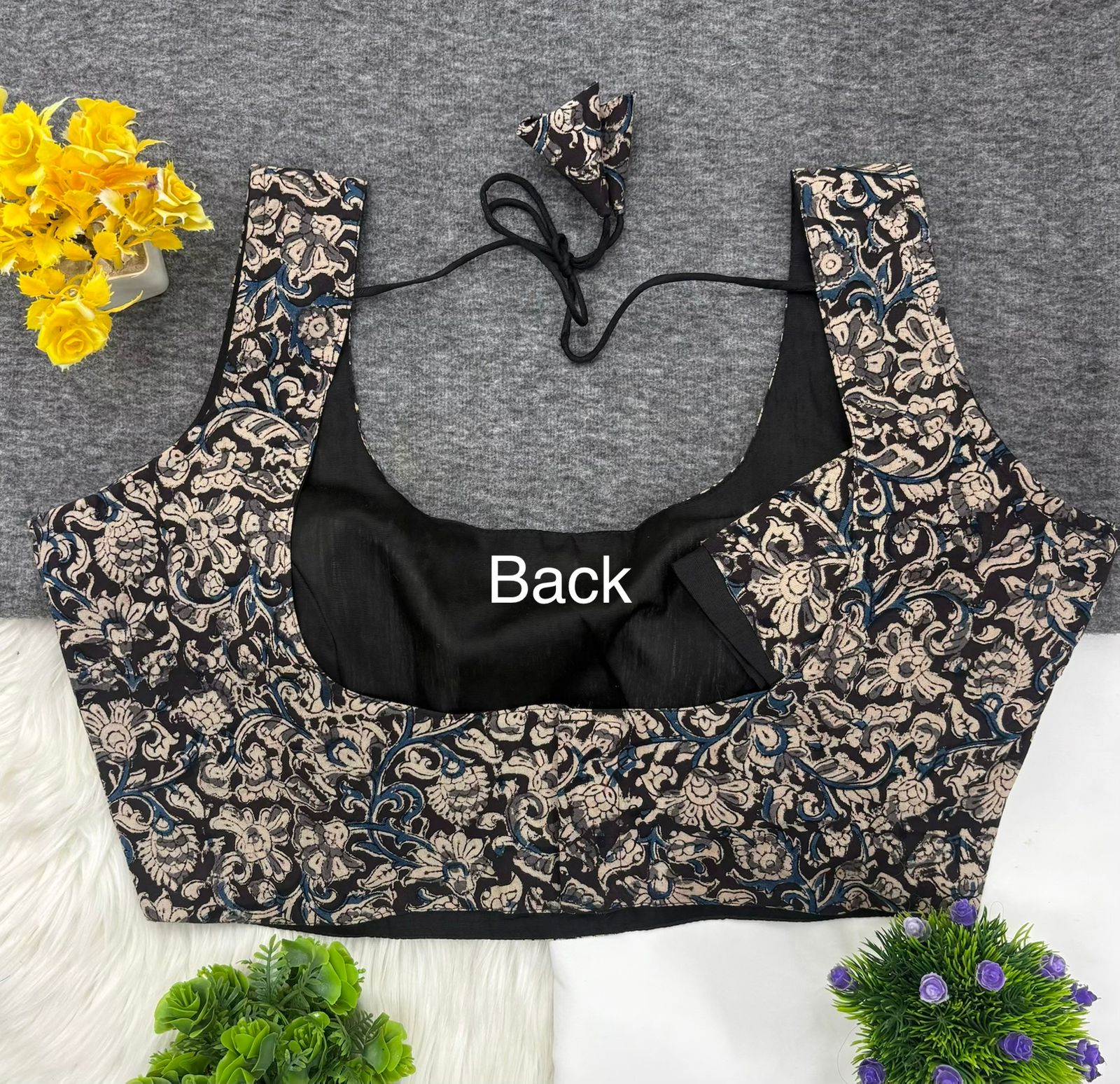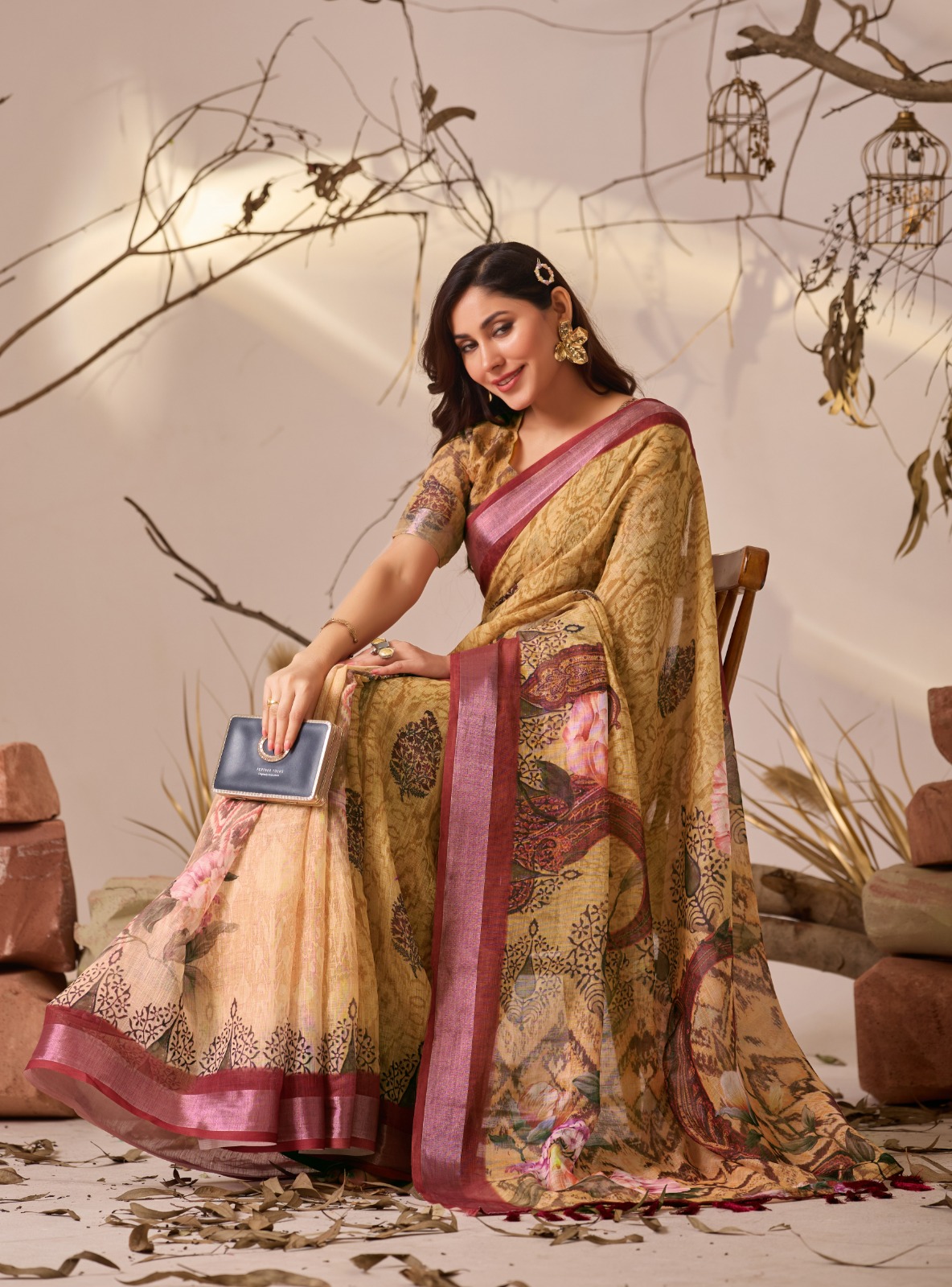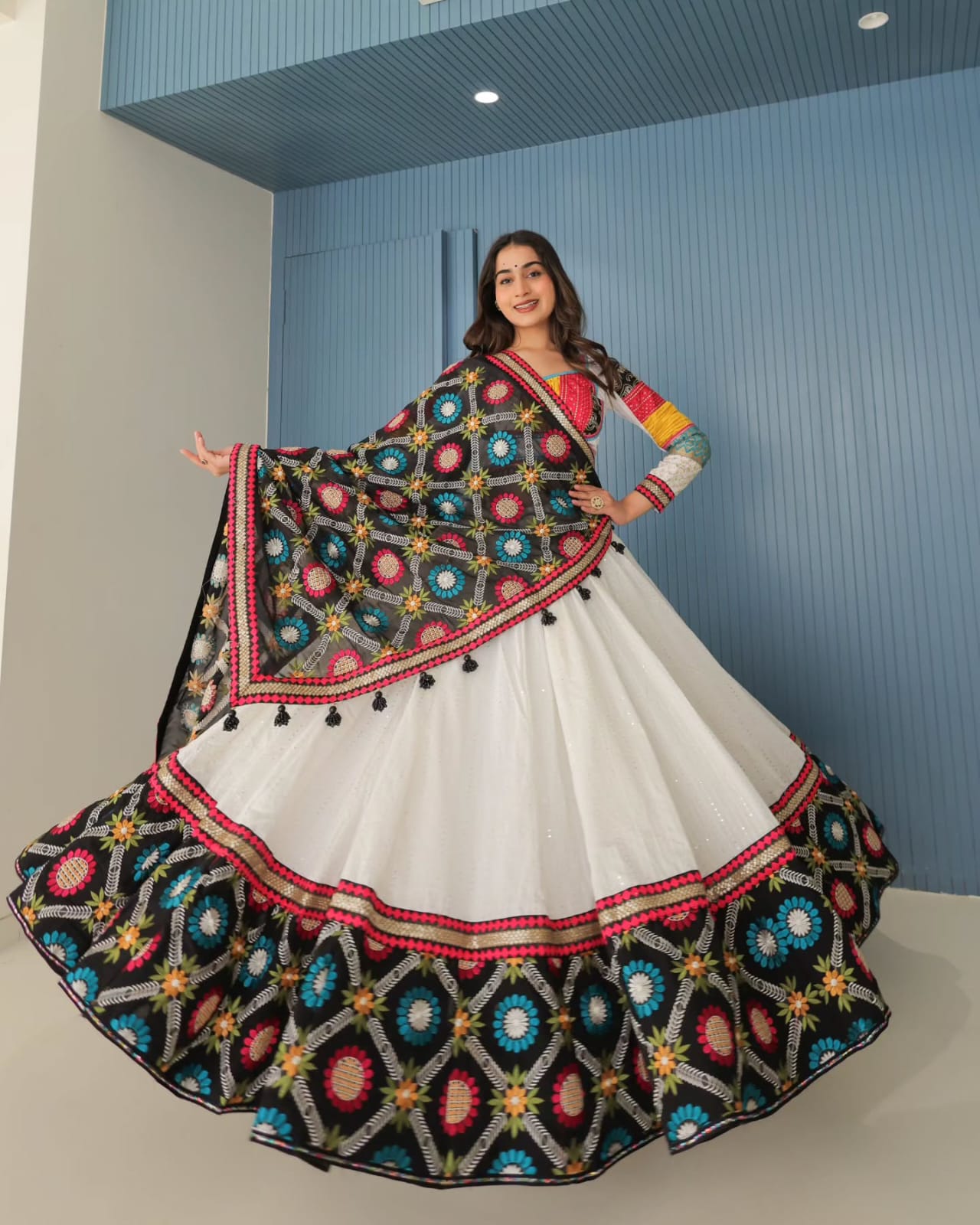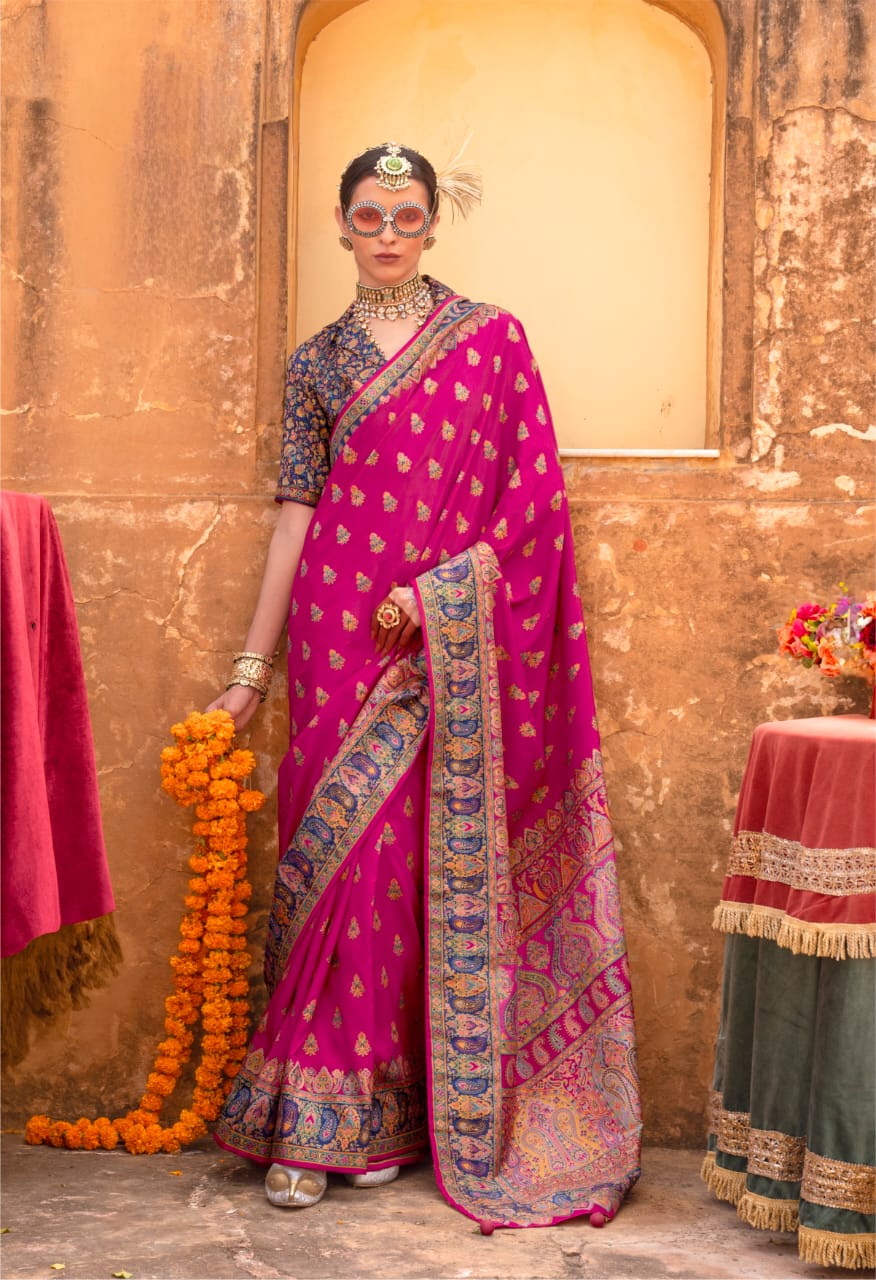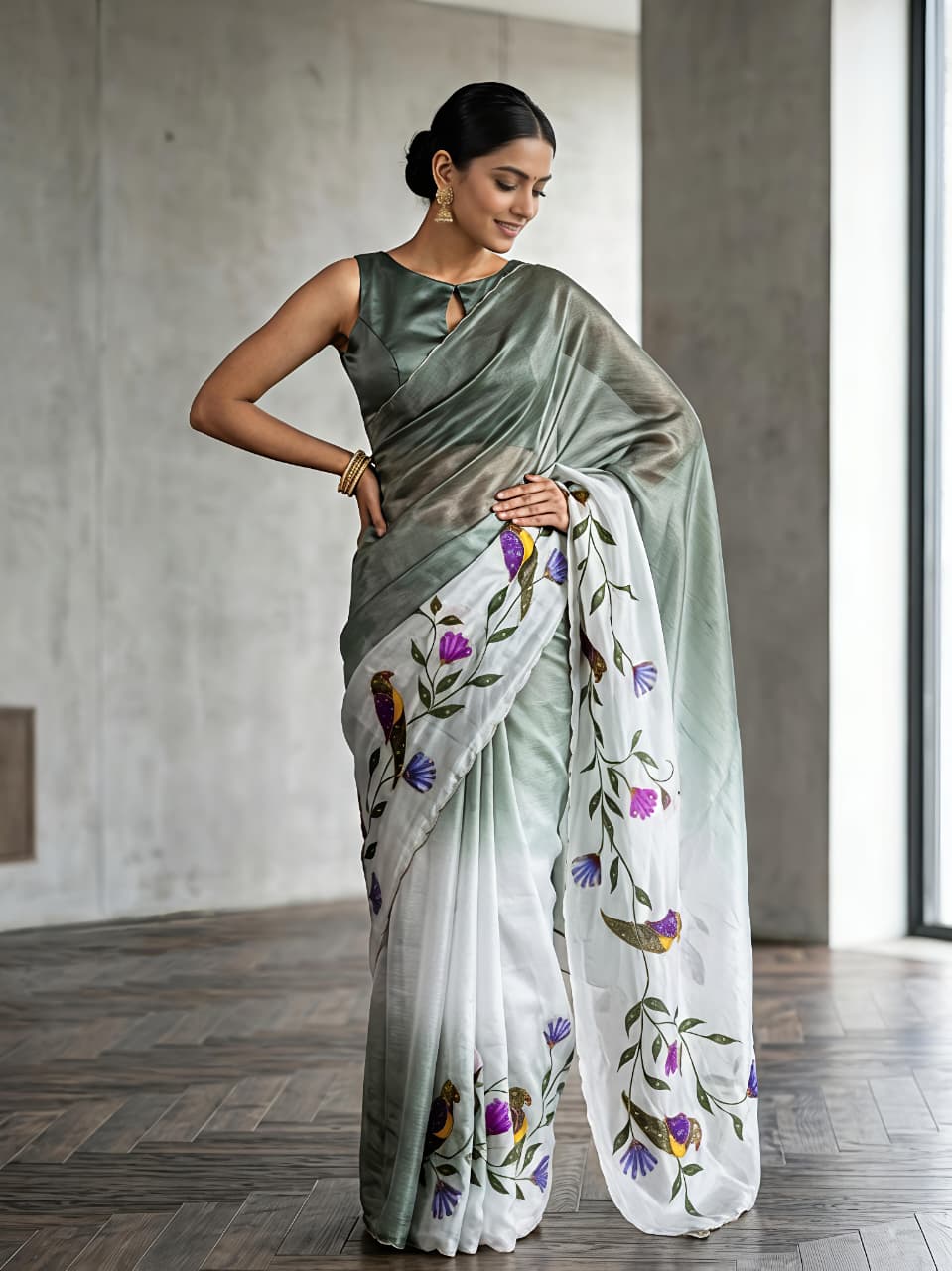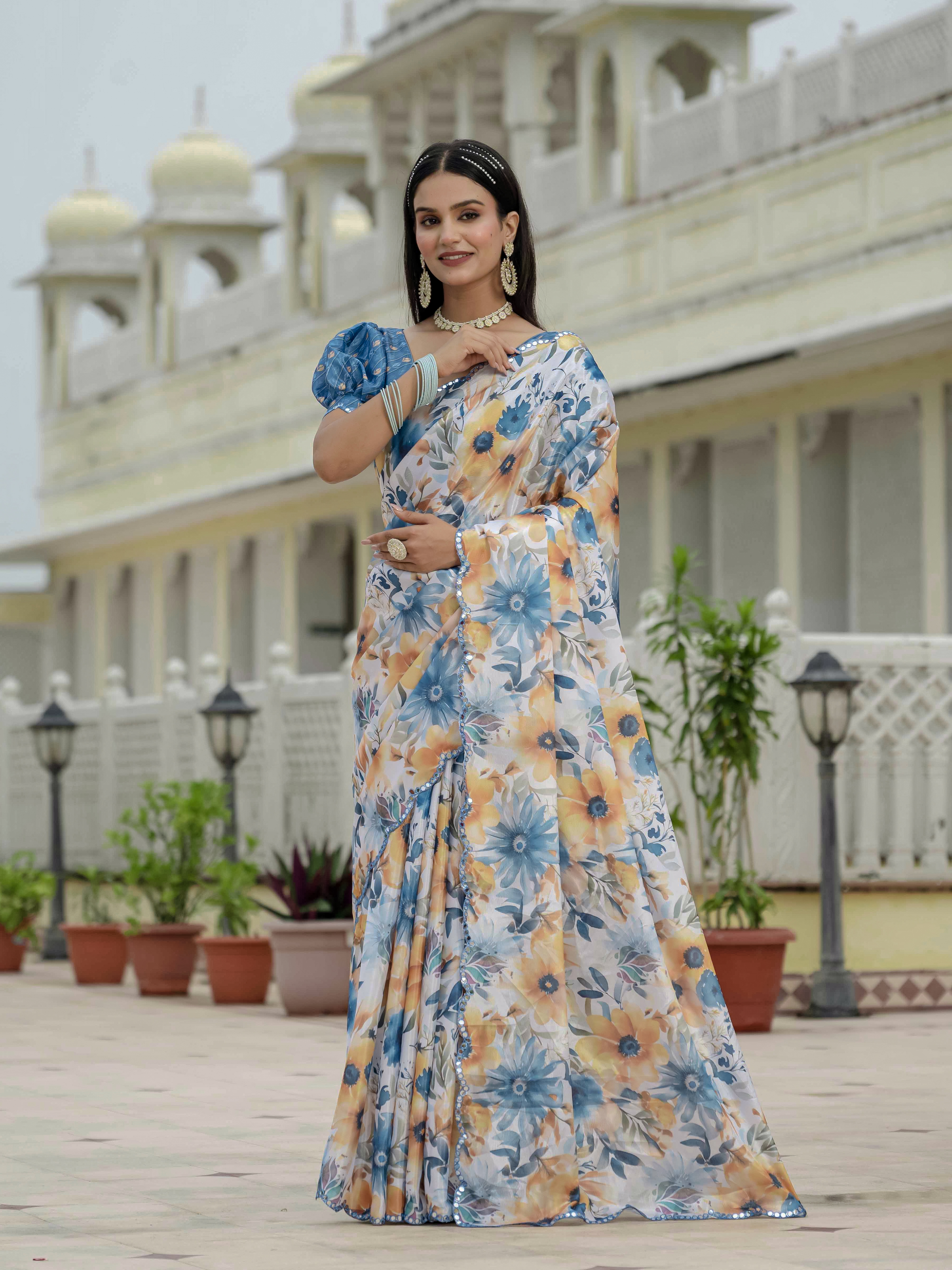
How to Style Salwar Suits for Different Occasions becomes much easier when you begin with the setting rather than the latest trend. A cotton straight kurta set can look polished at work, while a silk salwar suit with zari may suit a wedding function with only a few changes in accessories. The most useful decisions involve fabric weight, silhouette, colour intensity, dupatta placement, footwear and the amount of jewellery you add.
A well-styled salwar suit should feel appropriate before it feels elaborate. The guide below explains practical combinations for office hours, casual outings, festive gatherings, family ceremonies, wedding events and evening occasions, with examples of fabrics and outfit details that create a balanced result.
How to Style Salwar Suits for Different Occasions at a Glance
Match the salwar suit to the event by coordinating fabric, silhouette, colour and accessories with the formality and duration of the occasion. Breathable cotton and lighter shapes suit long daytime schedules, while silk, Chinon and zari details work better for celebrations and evening gatherings.
Use this convenient framework before choosing jewellery or footwear. Office dressing calls for clean lines, compact embellishment and comfortable shoes. Casual dressing let relaxed co-ords, practical bags and lighter dupatta drapes. Festivals receive brighter colours and moderate sparkle. Weddings can support richer fabric, embroidery, statement earrings and more fancy dupattas.
- Work: Choose cotton, Chanderi cotton or a structured straight suit with small jewellery.
- Casual outings: Choose a relaxed kurta set, flat footwear and one contemporary accessory.
- Festivals: Choose a vivid colour, breathable fabric and moderate embroidery or border detail.
- Weddings: Choose silk, Chinon, zari or embroidery, then edit the accessories carefully.
- Evening events: Choose a richer colour and let one element, such as a sharara or dupatta, lead the look.
Colour also establishes formality. Ivory, beige, navy, muted green, rust and soft mustard appear composed in daylight. Jewel tones, deep red, purple, black and metallic accents create stronger evening presence. A simple suit in a rich colour can be more versatile than a highly decorated suit in a difficult-to-repeat shade.
How to Style Salwar Suits for Different Occasions at Work
For office wear, pair a clean-cut salwar suit with restrained jewellery, practical footwear and a dupatta that stays secure. Cotton, Chanderi cotton and other breathable weaves are usually more comfortable than heavy silk during a full workday.
The Vertical Cotton Straight Kurta Set with Dupatta demonstrates an useful office formula: a defined vertical line, coordinated layers and enough coverage for movement between meetings. Wear the dupatta over both shoulders or fold it into a narrow band around the neck. A structured tote, small studs and a watch maintain a professional finish without making the outfit appear ceremonial.
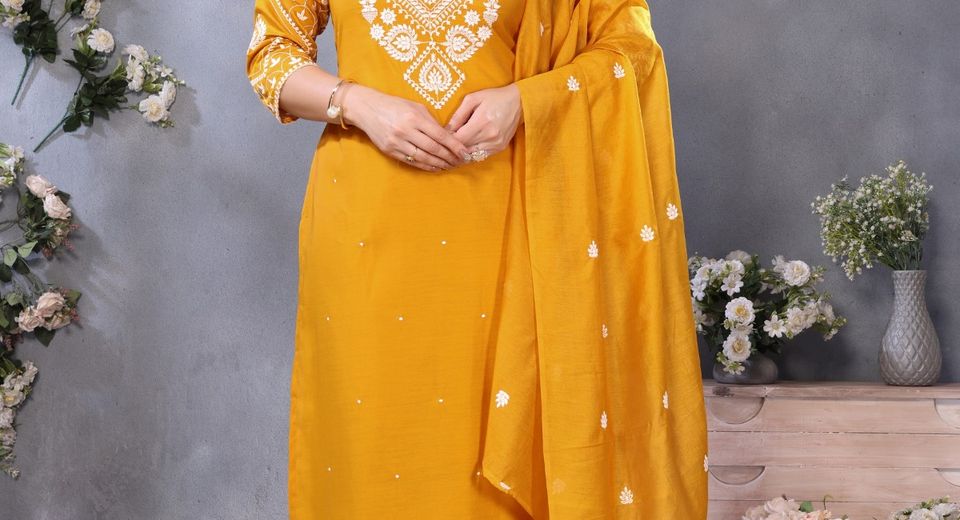
The Elegant Mustard Chanderi Cotton Kurta Set with Embroidery can work for a creative workplace or a client-facing daytime appointment. Mustard has visual warmth, so balance it with tan, brown or muted gold accessories rather than adding several bright colours. Choose closed-toe flats, low block heels or clean leather sandals when you expect to walk frequently.
For everyday workwear, keep the styling ratio simple: one noticeable detail and several quiet supporting pieces. If embroidery is the focal point, keep the earrings small. If the dupatta has a strong border, avoid a necklace that competes with the neckline. A low bun, braid or controlled open hairstyle also reduces visual clutter and keeps the outfit functional.
How to Style Salwar Suits for Different Occasions on Casual Days
For casual outings, choose a lighter suit with relaxed tailoring and add one modern accessory instead of multiple ornate pieces. Cotton, lightweight Chanderi cotton and uncomplicated co-ord silhouettes work well for brunches, shopping trips, travel and informal family visits.
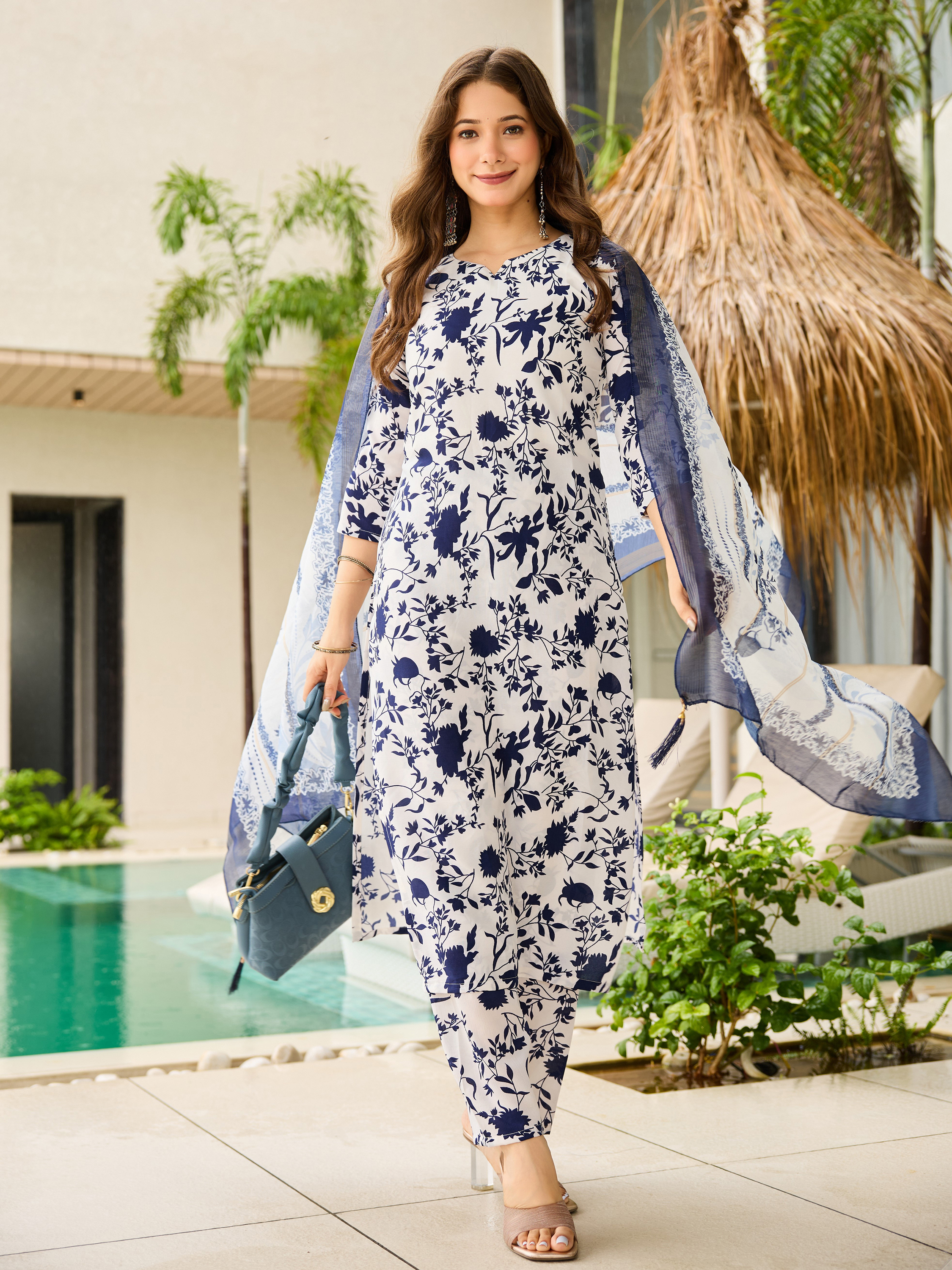
The Stylish Rust Orange Ethnic Co-Ord Set for Women can be styled with neutral footwear and a compact shoulder bag for a contemporary daytime look. Rust orange already supplies colour, so ivory, tan, brown or antique-gold accessories will usually look more balanced than bright contrast. Small hoops, a slim bracelet and flat sandals keep the outfit easy to wear.
A casual salwar suit doesn't have to look unfinished. Press the kurta and trousers carefully, check that the hem falls cleanly over the footwear and keep the dupatta placement intentional. A single-shoulder drape gives a relaxed appearance, while a double-shoulder drape offers more coverage and structure.
For travel, prioritise crease resistance, secure pockets where available and footwear that can handle several hours of walking. Avoid very long dupattas in crowded markets or while commuting on public transport. A crossbody bag can be more practical than a handbag because it leaves both hands free.
How to Style Salwar Suits for Different Occasions at Festivals
For a festival or daytime celebration, combine a lively colour with a breathable fabric and moderate festive detail. A bright suit can feel celebratory without becoming uncomfortable when the event includes outdoor rituals, family photographs or several hours of standing.
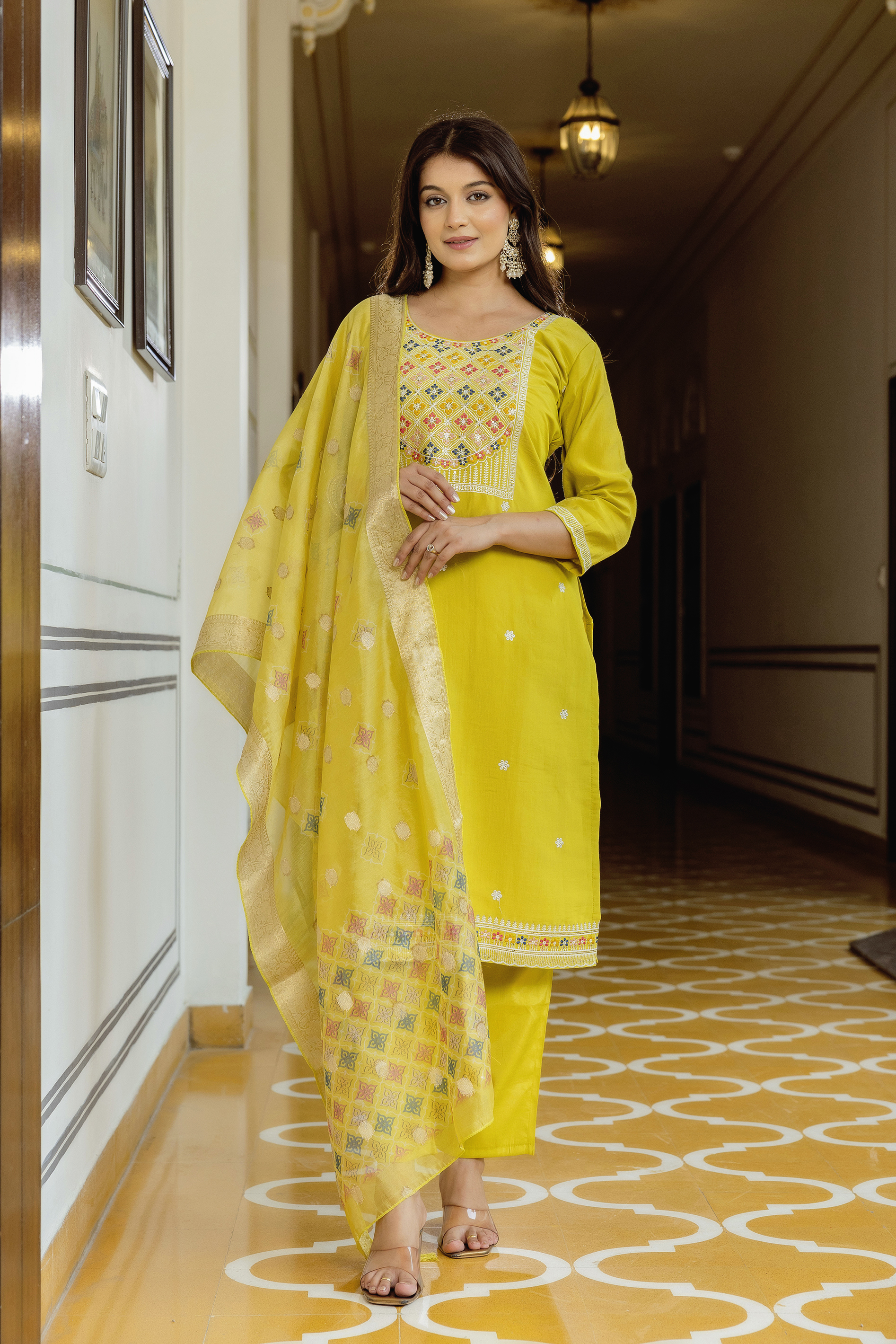
The Designer Yellow Salwar Suit with Dupatta suits a cheerful daytime palette, particularly for a Haldi ceremony or a spring celebration. Pair yellow with green, pink, ivory or gold accents, but select only one secondary colour for a coordinated result. Jhumkas, a few glass bangles and embroidered juttis can provide enough festive character without requiring a heavy necklace.
The Elegant Mustard Chanderi Cotton Kurta Set with Embroidery brings another refined daytime option. Accessorise it with antique gold earrings and a warm neutral sandal. Chanderi cotton often looks refined because its surface catches light gently, so excessive glitter is unnecessary. A half-up hairstyle or braid decorated with a small accessory keeps the appearance festive but practical.
Keep the dupatta secure during ceremonies by using two discreet pins at the shoulder and one near the waist if the fabric slips. Place the pins from the underside to protect the visible surface. A neatly folded dupatta also makes movement easier when lighting lamps, greeting guests or sitting on the floor.
How to Style Salwar Suits for Different Occasions at Weddings
For a wedding or formal family event, select silk, Chinon or another dressier fabric and build the outfit around one strong feature such as zari, embroidery, a dramatic sleeve or a statement dupatta. The outfit should look occasion-ready while remaining comfortable enough for sitting, dining and photographs.
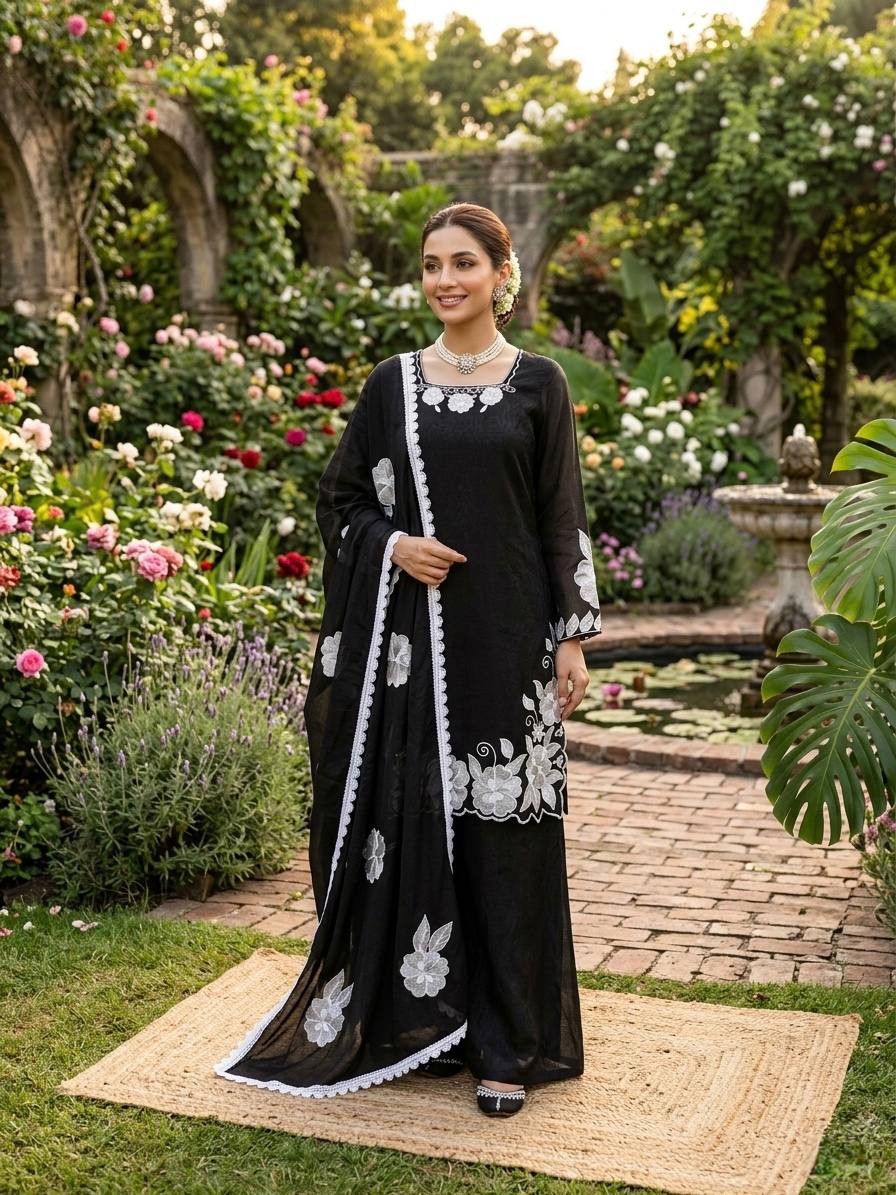
The Black Red Fendy Silk 3 Piece Readymade Salwar Suit Set creates a strong evening palette through contrast. Keep the rest of the styling deliberate: choose gold or black footwear, a compact embellished clutch and either red or gold jewellery rather than mixing every available accent. A low bun can highlight earrings, while soft waves can make the look feel less formal.
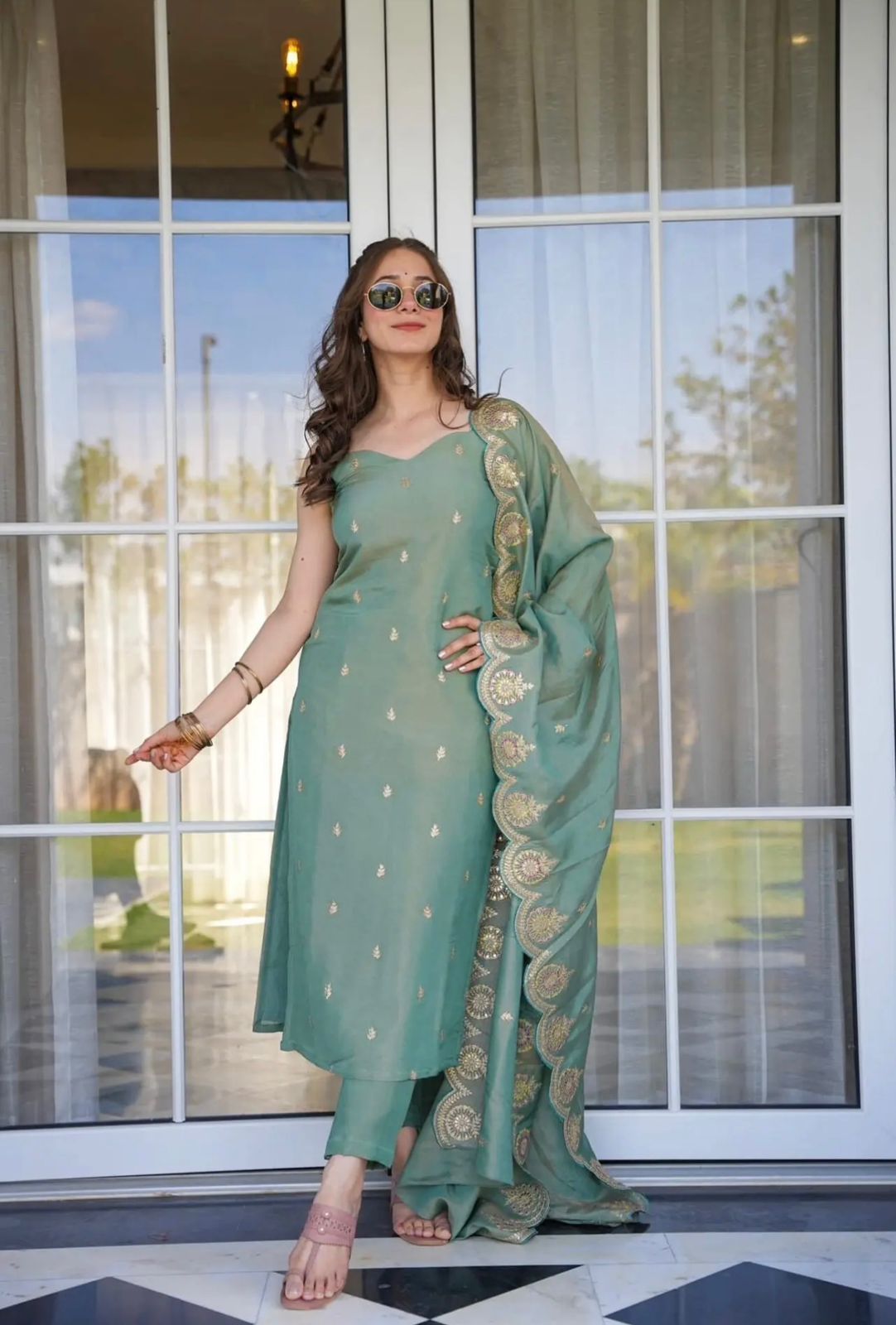
The Purple Pink Chinon Silk Embroidered Suit Set brings a softer colour pairing with a dressy surface. Wear it with delicate chandelier earrings or medium-sized jhumkas, then keep the neckline free if the embroidery is concentrated around the upper bodice. Metallic sandals or embellished heels can connect the outfit to the evening setting without adding another competing colour.
A formal salwar suit benefits from proportion control. If the kurta is voluminous, keep the dupatta drape narrow and let the hem remain visible. If the trousers or sharara have substantial volume, choose a more fitted upper silhouette. A stable block heel between 1.5 and 2.5 inches can provide height while remaining easier to manage on uneven floors.
How to Style Salwar Suits for Different Occasions with Silk and Zari
Style a festive silk or zari salwar suit with fewer but better-coordinated accessories because the fabric already provides richness. Zari jacquard, silk sheen and metallic borders reflect light, so adding heavy jewellery at every point can make the outfit appear crowded.
The Silk Festive Kurta Pant Set with Zari Jacquard Dupatta can anchor a celebration look with simple hair, metallic earrings and a small potli or box clutch. Let the zari jacquard dupatta remain the main statement by draping it over one shoulder and allowing the border to fall visibly. Choose footwear in gold, champagne, bronze or a close tonal match.
Festive dressing also depends on colour temperature. Warm gold zari usually pairs comfortably with maroon, rust, mustard, coral and deep green. Silver-toned accessories may suit purple, blue, pink and cooler reds. These are useful starting points, not strict rules; the exact balance should follow the zari and embroidery already present in the suit.
Makeup can follow the same principle of editing. A defined eye with a neutral lip works well when the neckline and dupatta are ornate. A stronger lip can be effective when the suit is relatively plain. Allow at least 20 minutes before leaving to test whether the dupatta stays in place while walking, sitting and lifting your arms.
How to Style Salwar Suits for Different Occasions in Sharara Silhouettes
For an evening event, style a sharara or statement salwar suit by balancing its width and shine with a controlled upper silhouette. The outfit should have a clear focal point rather than equal emphasis on the trousers, dupatta, jewellery and hair.
The Brown Chinon Silk Sharara Suit Set for Women works particularly well with tonal styling because brown creates a rich base for champagne, antique gold and bronze accents. Select earrings that echo the embellishment and use a small clutch instead of a large, highly decorated bag. Keep the hairstyle sleek or softly gathered so the sharara remains the visual focus.
Sharara trousers have considerable volume, so footwear should provide stability without disappearing under the hem. A 1.5- to 2-inch block heel generally gives useful lift while reducing the risk of catching the trouser edge. Try sitting down before an event to check whether the flare folds comfortably and whether the dupatta pulls at the shoulder.
When the sharara is ornate, skip a heavy waist belt unless the kurta is relatively plain. When the sharara is simple, a detailed dupatta or statement earrings can add ceremony. This one-focal-point rule keeps a festive salwar suit expressive without making the outfit visually noisy.
How to Style Salwar Suits for Different Occasions with Collections and Care
Choose a collection according to the wardrobe gap you're trying to fill, then style the selected salwar suit according to its actual fabric and construction. Ladies Dress Anarkali Salwar Suits can provide more formal flare, while Dress Materials allow greater control over tailoring, fabric and neckline.
Salwar Suits with 30% Off, Salwar Suits Flat 40% Off and Salwar Suits On Sale can be useful when building an occasion-based wardrobe on a planned budget. Compare the fabric, included pieces, lining, size chart and care instructions before comparing discounts. A lower price is useful only when the garment fits the occasions you genuinely attend.
Care affects how polished a salwar suit remains. Read the garment label before washing, particularly when the outfit contains zari, Chinon silk, embroidery or colour contrast. Dry-clean heavily embellished silk when the care label recommends it. Wash breathable cotton separately in cool water when possible, avoid harsh bleach and dry dark colours away from direct sunlight.
Store a completely dry suit on a broad hanger or fold it with acid-free tissue if the fabric is delicate. Do not place heavy jewellery directly against embroidery for long periods because sharp edges can pull threads. Fold zari dupattas with a soft cotton layer between folds to reduce friction and tarnishing. These small habits preserve shape, colour and surface detail across multiple occasions.
The most reliable method for How to Style Salwar Suits for Different Occasions is to edit rather than add. Begin with the event, select a suitable fabric and silhouette, identify the outfit's strongest detail, then choose accessories that support that detail. The result will feel considered at work, relaxed on casual days and suitably festive when the invitation calls for more glamour.
Common Questions About Styling Salwar Suits for Every Occasion
How do I style a salwar suit for office wear?
Choose a straight cotton or Chanderi cotton suit with restrained embroidery, small earrings and practical flats or low block heels. Keep the dupatta secured over both shoulders or folded neatly around the neck, and carry a structured work bag.
Which salwar suit is suitable for a wedding guest?
Silk, Chinon, zari and embroidered salwar suits are suitable for wedding guests when the silhouette remains comfortable. Use one statement element, such as an embellished dupatta or dramatic earrings, instead of combining heavy decoration everywhere.
How should I style a salwar suit for a Haldi ceremony?
Choose a bright, breathable suit in yellow, mustard, pink, green or ivory and pair it with light jewellery and comfortable footwear. Secure the dupatta with discreet pins because Haldi ceremonies involve frequent movement and outdoor activity.
What jewellery goes with a heavily embroidered salwar suit?
Small or medium earrings usually work best with a heavily embroidered salwar suit, especially when the neckline also contains detail. Choose either a necklace or statement earrings as the main jewellery feature so the embroidery remains visible.
How can I style a sharara suit without looking overdressed?
Balance the volume of a sharara with a controlled upper silhouette, stable block heels and a simple hairstyle. If the sharara is embellished, choose a quieter clutch and lighter jewellery; if the sharara is plain, let the dupatta or earrings provide the statement.
How do I keep a salwar suit dupatta in place?
Use two discreet pins at the shoulder and one near the waist when extra security is needed. Pin from the underside, test the drape while walking and sitting, and avoid placing sharp pins through delicate zari or embroidery.