Key takeaways
- A beginner-friendly saree is usually easier to manage when the fabric has moderate structure, a clear border and a manageable length of about 5.5 metres.
- The basic drape uses a right-side tuck, seven to nine front pleats, a secure waist tuck and a pallu placed over the left shoulder.
- Cotton, linen cotton and soft silk behave differently, so fabric choice affects pleat control, comfort and the amount of pinning required.
- A trial drape before an event reveals problems with blouse fit, petticoat height, saree length and pallu placement.
- Budget value depends on fabric, weave, finishing and repeat wear rather than the discount percentage alone.
Wondering how to drape saree for beginners without letting the pleats collapse? Begin with a well-fitted petticoat, choose a saree that's easy to handle and practise a steady ten-step sequence once before the event. Your first drape doesn't need elaborate styling. It needs a secure waist tuck, even pleats and a pallu that stays on your shoulder.
A saree can be remarkably economical: one well-chosen piece may work for weddings, festivals, office events and family functions. Choose the wrong fabric, though, and even an affordable saree can become frustrating to wear. This guide covers how to shop carefully, prepare your outfit and create a neat everyday or occasion drape without relying on a professional dresser.
What should beginners look for in a first saree?
For a first saree, look for a visible border, moderate weight, a manageable texture and a length close to 5.5 metres. A defined border gives you a straight visual guide, while a fabric with some structure helps the front pleats hold their shape.
Very slippery, satin-like fabrics can shift at the waist. Extremely crisp fabric may resist smooth pleating until you've handled it a few times. Heavy embroidery can also pull the pallu down during a long function. The best first saree balances appearance with control.
- For daily wear: Cotton or linen cotton is breathable and usually gives the pleats enough grip to stay aligned.
- For a polished daytime look: Chanderi feels light and refined, although its airy structure may call for careful pinning.
- For a festive look: Soft silk is generally easier for a beginner than very heavy silk because it falls with less stiffness.
- For traditional shine: Banarasi silk and zari offer a richer finish, but heavier motifs and borders need more deliberate folding.
Colour has a practical role, too. Medium and dark shades can make small pleat irregularities less noticeable, while a strongly contrasting border makes alignment easier. Maroon Cotton Saree with Zari Work for Wedding is a good example of how a structured cotton base and visible zari can create a formal look without a complicated drape.
How to drape saree for beginners: the ten-step method
The easiest starting point is the standard Nivi-style drape: tuck the saree, form the front pleats, secure them and bring the pallu over the left shoulder. Have your blouse, petticoat and footwear ready first, so you measure the final length in the clothes you'll actually wear.
Don't pull every fold tight during your first attempt. Slightly relaxed pleats are easier to fix than compressed pleats that turn uneven at the bottom. A full-length mirror, plus a small second mirror for the back, can reveal a sloping waistline that's hard to spot from the front.
Which fabrics are easiest to drape on a budget?
Linen cotton and medium-weight cotton are usually the most forgiving low-maintenance options for beginners. They offer grip, airflow and good repeat-wear value. Soft silk works well for festive dressing when you want a smoother fall without dealing with the stiffness of heavier silk.
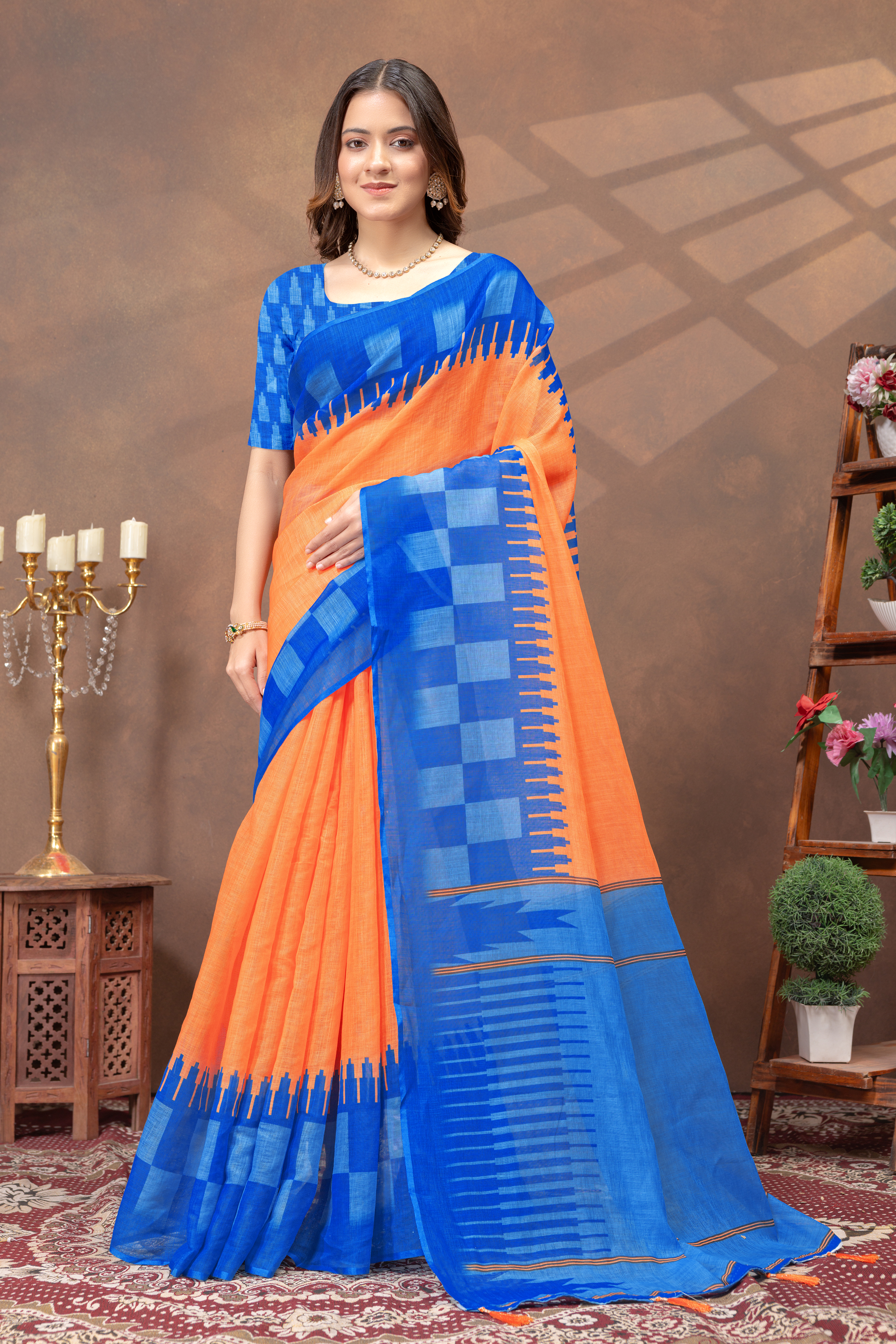
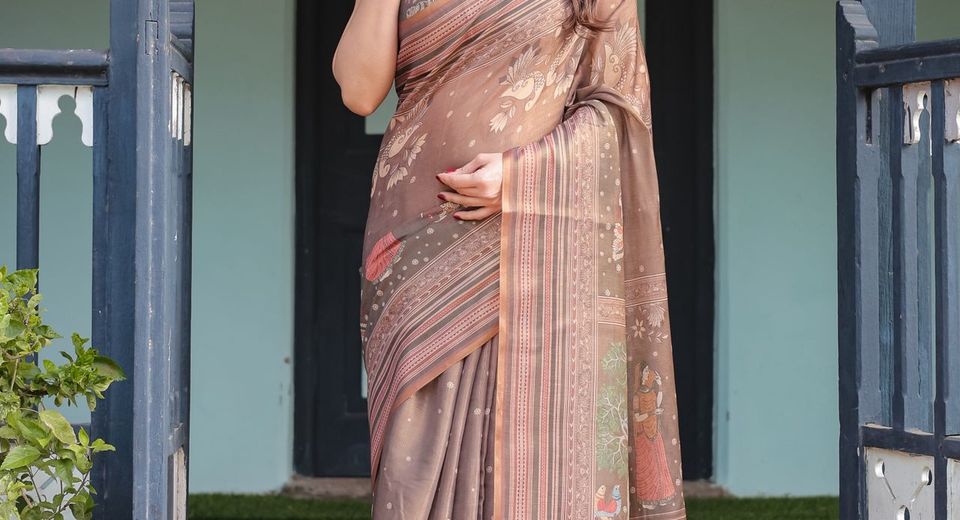
Mushroom Brown Handloom Saree with Ethnic Striped Border shows why a clear stripe or border is helpful: it lets a first-time wearer judge whether the saree is hanging straight. Sea Green Floral Linen Cotton Saree with Border and Coral Floral Linen Cotton Saree with Designer Border likewise show the value of a breathable fabric with a defined edge for daytime gatherings.
Printed linen cotton may show creases more clearly, but creasing isn't a sign of poor quality. Linen fibres naturally develop character with wear. A quick steam or an ironing session on the reverse side can sharpen the pleat line before you dress.
Maroon Banarasi Soft Silk Saree with Classic Zari Motifs works well for a wedding or festive setting when you want Banarasi silk character and zari detail. Practise the pleats first, since a richer border can add weight to both the front and the pallu.
Chanderi, Kanjeevaram and Banarasi silk shouldn't be handled in exactly the same way. Chanderi is known for its light, airy feel; Kanjeevaram has a more substantial silk structure; and Banarasi silk is often recognised for its woven motifs and zari. These differences affect how quickly the pleats form and how much support the pallu needs.
How can you get better value when buying a first saree?
The best value comes from working out the cost per likely wear, not simply choosing the biggest discount. A saree worn six times over three years may offer better value than a cheaper one worn once because its colour, weight or care requirements make it inconvenient.
Before buying, check these practical details:
- Length: Confirm whether the saree is approximately 5.5 metres and whether the blouse piece is included. A shorter length can limit your pleating options.
- Fabric composition: Know whether you're buying cotton, linen cotton, soft silk or a blend instead of relying on labels such as premium or designer.
- Border weight: A wide zari or embellished border may look festive, but it can pull downward while you move.
- Care requirements: Frequent dry-cleaning changes the long-term cost compared with a fabric that can be gently washed at home.
- Colour versatility: Maroon, brown, sage green and muted lavender can work with more than one blouse colour, making repeat wear easier.
- Blouse alteration: Set aside money for tailoring if the blouse piece needs lining, sleeves or a different neckline.
Browsing by price band can make comparisons simpler. Sarees from Rs 1000 to Rs 1500 may suit a first purchase when your priority is practice and repeat wear rather than one high-stakes event. Sarees Under 20% Off are also worth checking, but make the final decision based on fabric, measurements and care needs.
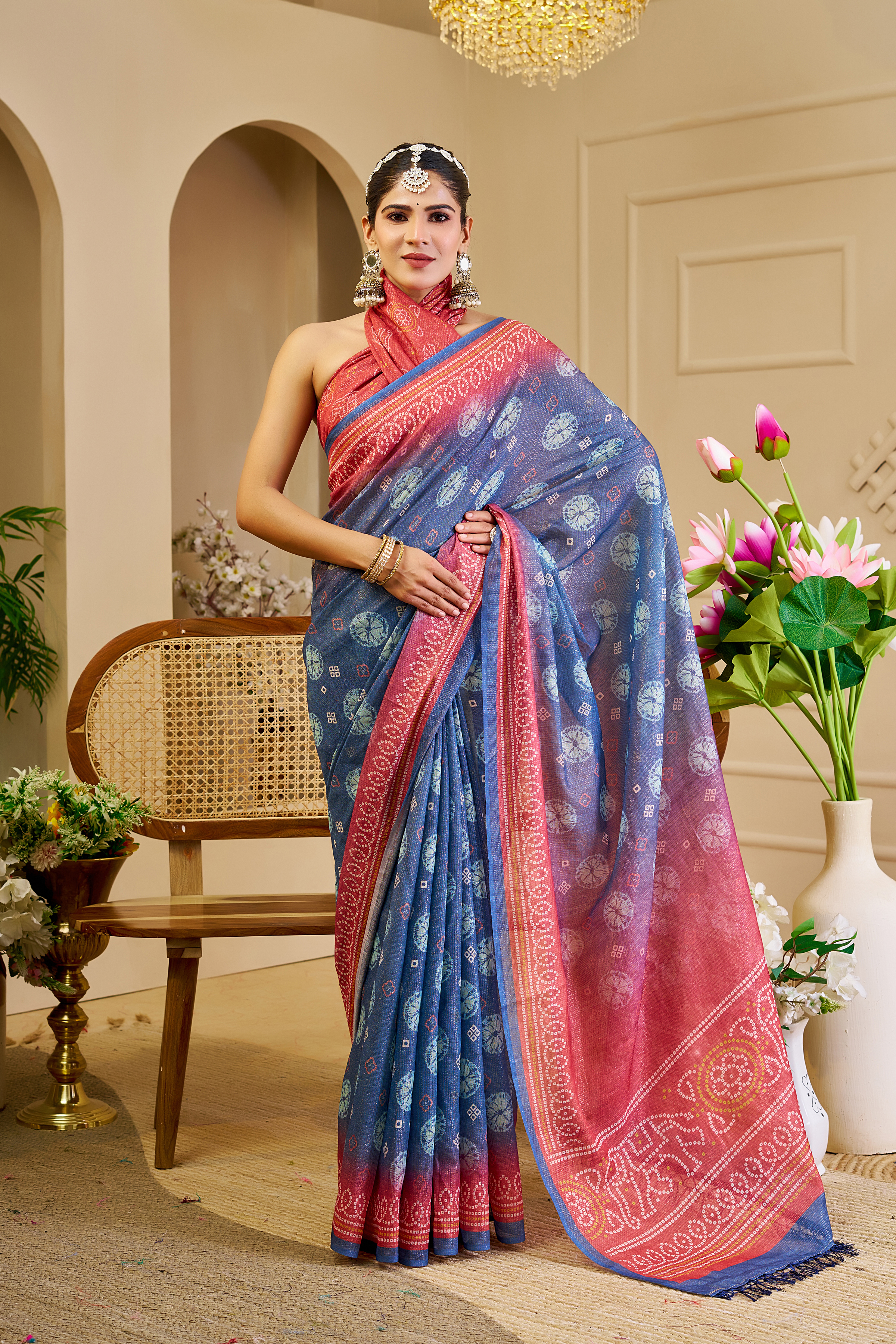
A sage or lavender saree offers a softer wardrobe option than another dark festive piece. Sage Green Designer Printed Saree for Women and Soft Lavender Linen Saree with Elegant Stripe Pattern show how prints and stripes can make a saree occasion-ready without relying on heavy embellishment.
What accessories make a beginner drape stay secure?
You'll need a well-fitted blouse, a firm petticoat, two or three small safety pins, a smooth underskirt and footwear chosen before you start draping. Accessories should make movement easier, not compensate for an unstable foundation.
The blouse should fit comfortably around the bust and armhole without pulling when you raise your arm. A loose blouse can make the pallu shift, while a tight one may cause the shoulder pleats to bunch. The petticoat should have enough flare for walking, but it shouldn't create a visible ridge beneath the saree.
Use one pin for the front pleats and one at the shoulder. Add a third near the waist or side seam only if the fabric continues to move. Avoid putting several pins through zari, as repeated punctures can weaken decorative threads.
Keep the jewellery simple for your first drape. Small earrings, a bracelet or a lightweight necklace are less likely to catch on the pallu while you're still getting used to moving in the saree.
How should you practise before a wedding or Haldi ceremony?
Practise the complete drape at least once, ideally 24 to 48 hours before the event, in the actual blouse and footwear you plan to wear. A five-minute trial won't tell you enough. Sitting, walking and using the washroom can reveal problems that don't show up while you're standing in front of a mirror.
During the trial, test four movements: take ten normal steps, sit on a chair, climb a few stairs and lift one arm to shoulder height. If the hem catches under your foot, raise the tuck slightly. If the pallu slips, shorten the shoulder section or add a discreet pin. If the pleats fan outward, check whether the petticoat is loose or the pleats are too wide.
Fold the saree carefully after practising instead of leaving it crumpled in a bag. Keep silk and zari away from direct sunlight, and use breathable fabric storage rather than sealed plastic for long-term storage. Follow the care label, especially for Banarasi silk, Kanjeevaram, zari and handloom fabrics.
For a wedding, Premium Wine Maroon Floral Handloom Saree with Designer Pallu offers a statement pallu while keeping the front pleats conventional. For a lighter celebration, a floral linen cotton saree may feel more comfortable through several hours of standing, conversation and movement.
What common beginner mistakes should you avoid?
The most common mistake is trying to fix the pallu before securing the petticoat and waist tuck. A stable foundation solves more draping problems than extra pins or elaborate pleat styling.
- Starting without footwear: The hem may become too long or too short once you put your shoes on.
- Tying the petticoat too low: The front pleats lose height and the saree may slide down.
- Making too many pleats: Narrow pleats take longer to align and can create unnecessary bulk.
- Leaving the border uneven: The saree will look tilted even when the waist tuck is secure.
- Over-pinning: Too many pins restrict movement and can damage delicate zari or fine fabric.
- Buying only for the discount: A low price doesn't make up for an unsuitable length, difficult care or poor repeat-wear potential.
Take one front photograph and one side photograph during practice. Photos often reveal a dragging hem, twisted pallu or uneven shoulder line more clearly than a mirror.
How can one saree work for several occasions?
One versatile saree can suit several occasions when you change the blouse, jewellery, footwear and pallu finish instead of buying a new garment each time. A handloom saree with a restrained border can move from a family lunch to a festive evening with a few thoughtful changes.
For a Haldi ceremony, choose breathable linen cotton or cotton, keep the jewellery light and secure the pallu for easy movement. For a wedding, soft silk, zari or a more decorative designer pallu adds formality. For office or daytime wear, pair the saree with a simple blouse, a shorter pallu and minimal accessories.
Sarees Under 10% Off can help you build a small repeat-wear wardrobe when the pieces differ in colour or fabric. A deeper sale such as Sarees Flat 60% Off deserves closer attention: check the measurements, fabric details, return conditions and whether the colour works with your existing blouses before treating the discount as value.
The most economical first saree is one you can wear confidently, wash or maintain correctly and style with clothes already in your wardrobe. Once the basic sequence feels natural, experimenting with pleat width, shoulder length and regional drapes becomes much less intimidating.
Frequently Asked Questions
How long does it take to learn how to drape a saree?
Most beginners can learn the basic sequence in 20 to 30 minutes with a mirror and a saree that is easy to control. Two or three complete practice sessions usually improve pleat alignment and walking confidence more than trying a complicated drape immediately.
Which saree is easiest to wear for the first time?
Medium-weight cotton, linen cotton and soft silk are generally easier first choices than very slippery or heavily embellished fabrics. A visible border also helps beginners keep the saree level while making the front pleats.
How many pleats should a beginner make in a saree?
Seven to nine front pleats are a practical starting range for a standard saree drape. Pleats about 12 to 15 centimetres wide are easier to align than many very narrow pleats.
Why does my saree keep falling down?
A saree usually falls when the petticoat is loose, the waist tuck is shallow or the fabric is unusually slippery. Tie the petticoat firmly at the natural waist, complete one full tuck around the body and secure the pleats with a small pin.
Should I pin my saree pallu?
Yes, beginners should usually pin the pallu at the left shoulder after checking its length. One shoulder pin is often enough, while a second discreet pin near the side seam can help with slippery fabric or active movement.
How can I buy a saree on a limited budget?
Compare fabric, length, care requirements and likely number of wears before comparing discounts. A cotton or linen cotton saree in a versatile colour can deliver better long-term value than a heavily embellished saree that is difficult to maintain or wear again.