

How to Choose the Right Salwar Suit becomes much easier when you judge the garment in the right order: occasion, silhouette, fabric, measurements, and finishing details. Colour and embroidery matter, but a beautiful suit that pulls at the armhole, feels heavy in warm weather, or needs constant adjustment will rarely become a wardrobe favourite.
A salwar suit usually includes a kameez or kurta, a bottom such as salwar, churidar, pants or palazzos, and sometimes a dupatta. Each component changes the balance, comfort and formality of the outfit. The guide below gives you a practical way to compare readymade sets and dress materials before you buy.
Start with the occasion and the amount of movement required
The right salwar suit for an event should match both the dress code and how actively you'll move during the event. A lightweight straight suit suits office wear and daytime errands, while a longer Anarkali with zari, embroidery or a fuller flare works better for weddings and festive gatherings.
For a Haldi ceremony, choose breathable fabric, a secure neckline and a dupatta that can be pinned without damaging delicate work. Yellow, pista, coral and rust shades photograph well in daylight, but washable or easy-care fabrics are more practical when turmeric, food or outdoor dust is likely. For a formal evening, silk blends, richer embroidery and deeper colours can provide the needed visual weight.
Travel and long ceremonies require different priorities from a short family dinner. Look for a forgiving waist, a lining that doesn't cling, sleeves that allow arm movement and a dupatta wide enough to drape securely. A suit with a handsome front but uncomfortable trousers will become difficult during several hours of sitting, standing and walking.
- Everyday and workwear: prioritise breathable fabric, modest embellishment, a stable neckline and easy-care construction.
- Festive lunches: choose colour, light embroidery and a comfortable straight or A-line silhouette.
- Wedding functions: consider Anarkali volume, zari, layered texture or a richly finished dupatta.
- Outdoor celebrations: select secure closures, manageable hems and fabrics that don't crease excessively.
How to Choose the Right Salwar Suit silhouette
The most flattering silhouette is the one that gives your preferred areas enough ease while creating the proportions you want. Straight suits create a clean vertical line, A-line suits widen gradually from the waist, and Anarkali suits add movement below the bodice.
Match the cut to your proportions
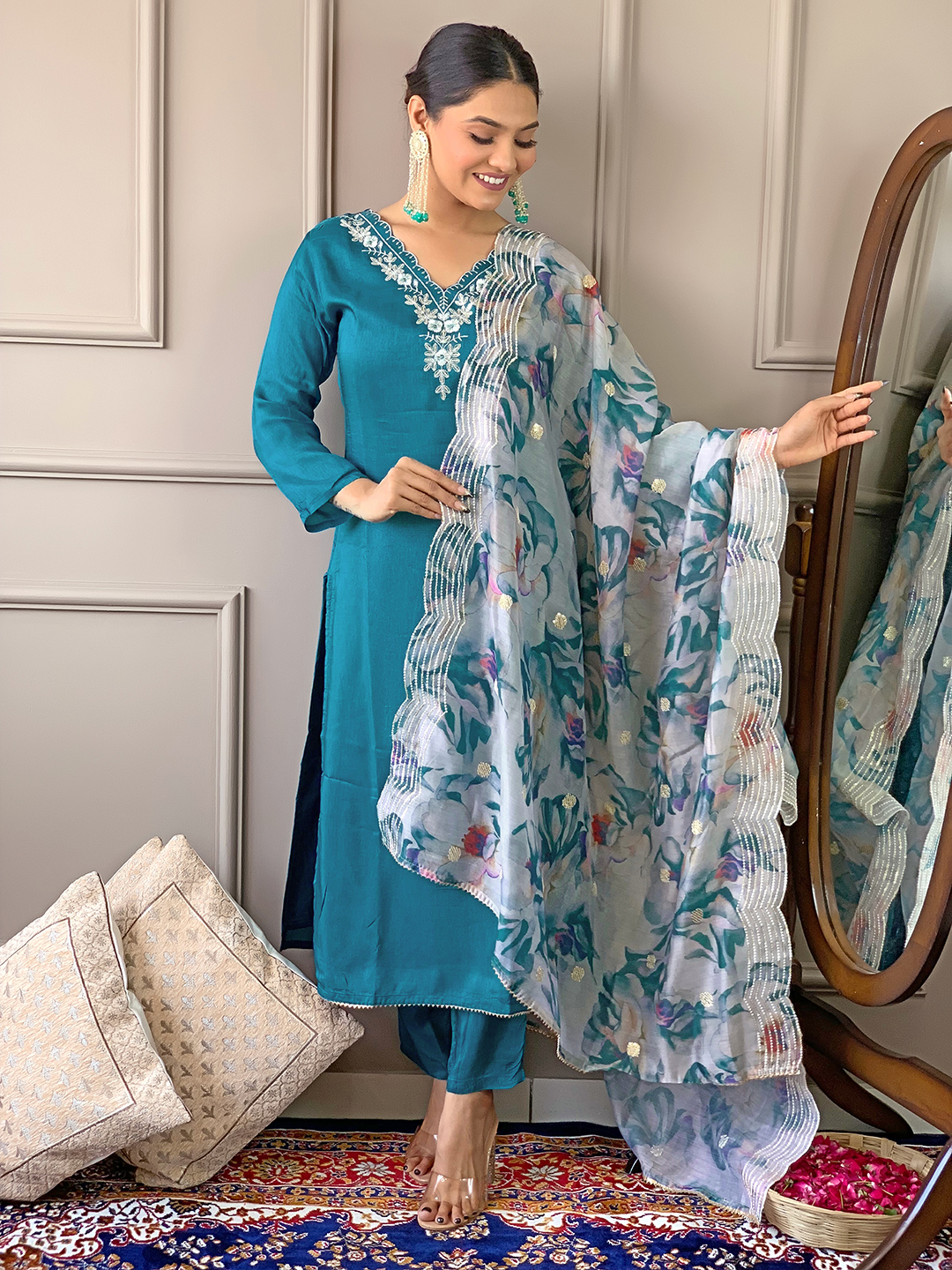
A straight-cut kameez works well when you prefer a streamlined outline and a relatively even fall from shoulder to hem. A side-slit straight kurta can add walking ease, especially when paired with cigarette pants or narrow trousers. An A-line cut gives more room around the hips without appearing oversized through the shoulders.
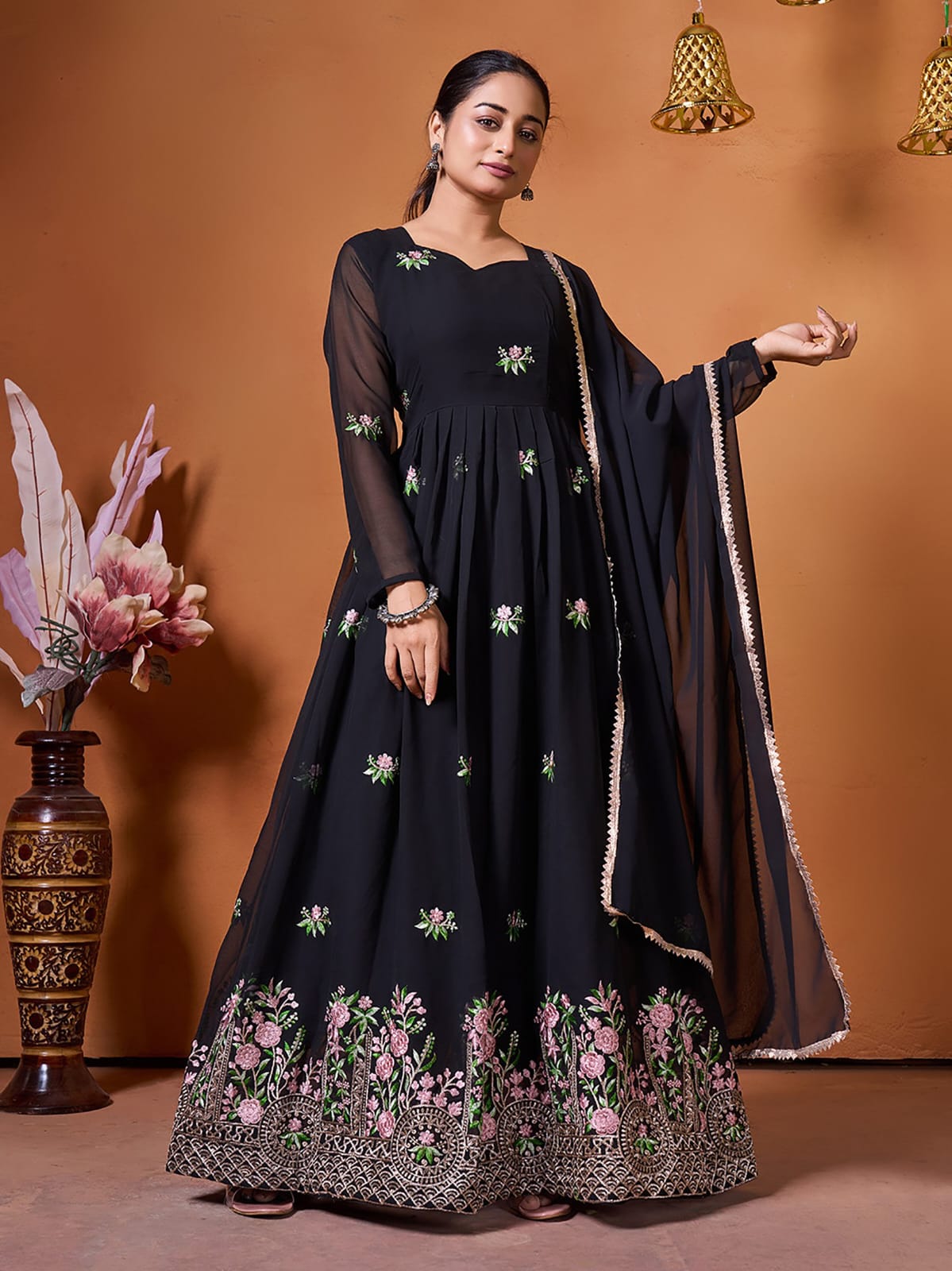
An Anarkali salwar suit draws attention to the fitted upper section and releases below the waist. A longer Anarkali can create a graceful continuous line, while a knee-length version feels lighter and more contemporary. Petite wearers should check the flare and hem placement carefully because excessive volume or a hem that ends at the widest part of the calf can visually shorten the frame.
Palazzo bottoms add width below the waist and balance a fitted or shorter kurta. Churidar bottoms create a close, elongated line but require sufficient stretch and comfortable calf ease. A traditional salwar gives more volume and comfort around the legs, whereas tailored pants create a sharper, more modern finish.
Use details strategically
Necklines, sleeve lengths and borders can change the visual balance of a suit. A V-neck can lengthen the upper body, a square neck gives structure, and a round neck offers a familiar everyday finish. Three-quarter sleeves are versatile for work and festive dressing, while sleeveless or short sleeves suit warm-weather styling when the setting permits them.
Vertical embroidery, a long front panel or a narrow dupatta border can create length. Broad horizontal borders and heavy concentrated motifs draw attention to the area where they sit. The Black White Floral Embroidered Readymade Salwar Suit demonstrates how a strong floral surface can become the focal point, so the rest of the styling can remain simple.
Choose fabric according to climate, drape and maintenance
Fabric determines how a salwar suit feels against the skin, holds its shape, responds to humidity and behaves after washing. Cotton is usually practical for regular daytime wear, while silk blends, georgette-like fabrics and decorated textiles create a dressier drape but may need more careful handling.
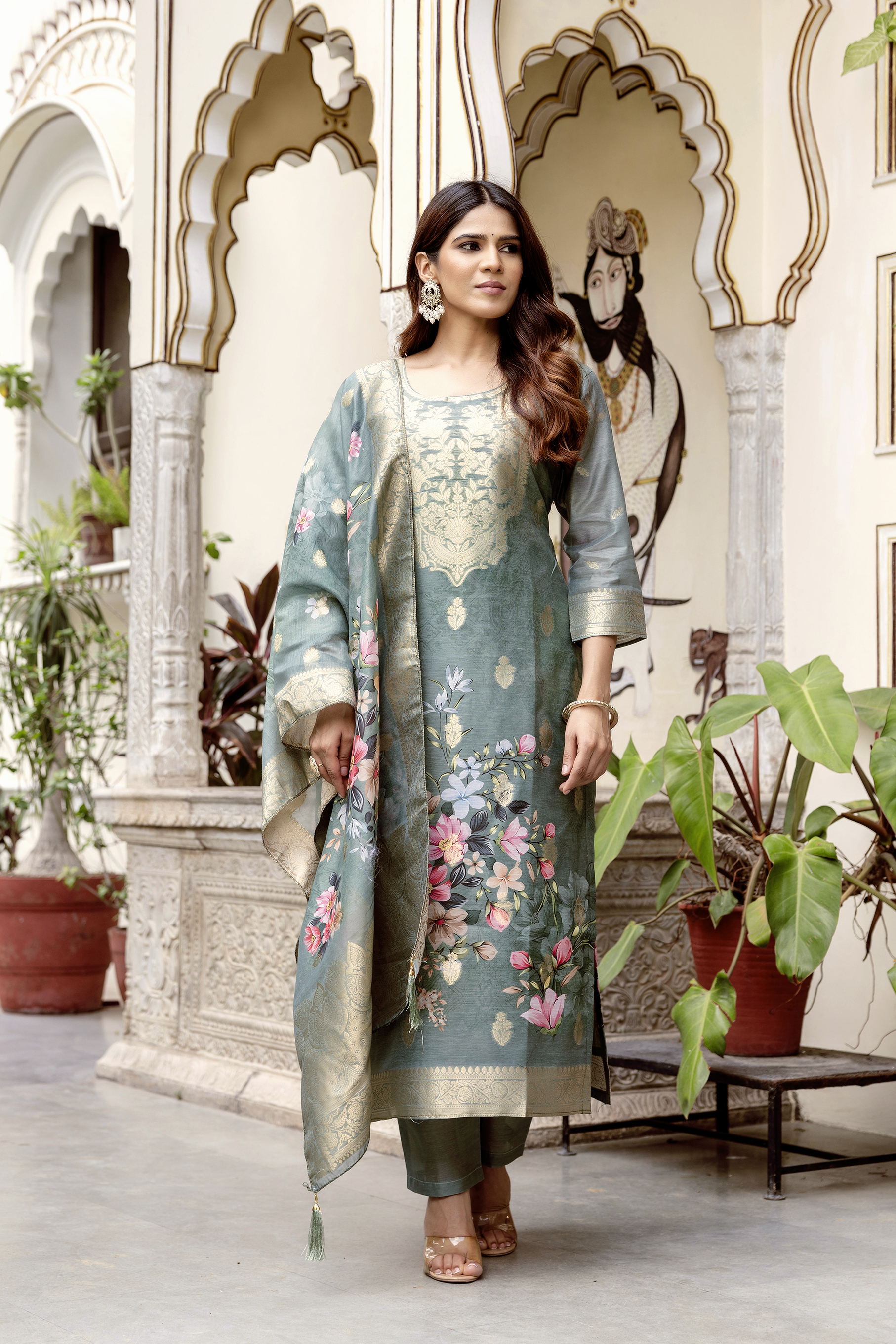
In hot or humid weather, breathable cotton, cotton blends and lightweight fabrics are generally more comfortable than dense synthetic layers. Chanderi has a delicate, airy appearance and a crisp fall, but embellishment and washing instructions should be checked before purchase. Banarasi silk has a more structured, lustrous look and suits festive dressing, although the heavier surface may feel warmer than everyday cotton.
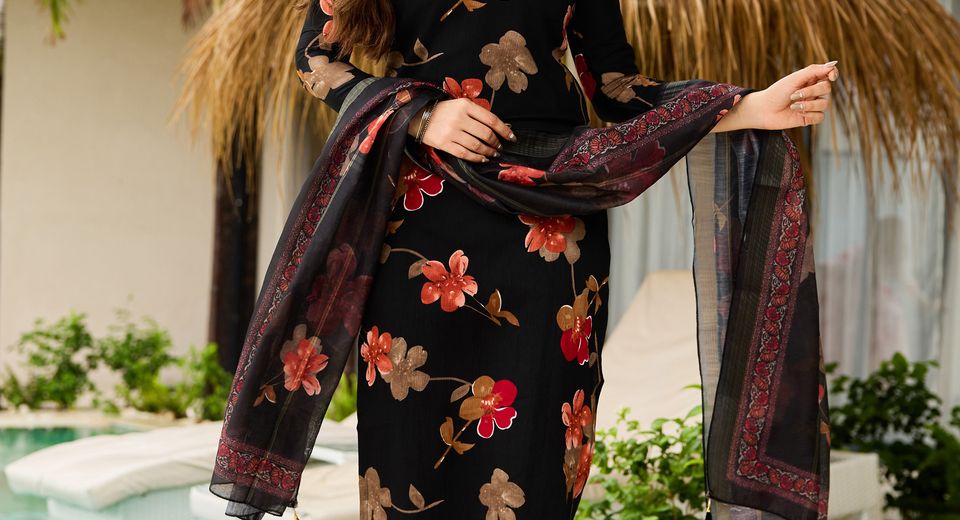
Silk-look fabrics can photograph beautifully and hold embroidery well. A garment labelled as silk, however, should be checked for its exact fibre composition, lining and care instructions rather than judged only by shine. The Black Red Fendy Silk 3 Piece Readymade Salwar Suit Set is an example of a more occasion-oriented three-piece format where the coordinated dupatta contributes to the finished look.
Fabric weight also affects fit. A heavy embroidered front can pull a lightweight kameez forward, while a slippery lining can cause the garment to shift. Hold the sleeve, inspect the inner seams and check whether the lining ends close to the hem. A lining that's much shorter than the outer layer may make the hem cling or reveal an uneven fall.
- For daily wear: select breathable, washable fabric with minimal fragile embellishment.
- For summer functions: prefer lighter layers, airy weaves and a dupatta that doesn't trap heat.
- For winter or evening events: richer silk blends, lined fabrics and denser embroidery can feel appropriate.
- For frequent use: confirm whether the garment requires dry cleaning, hand washing or special ironing.
Check measurements beyond the bust size
The correct salwar suit size must account for bust, waist, hip, shoulder, armhole, sleeve length, kurta length and bottom length. A single S, M, L or XL label can't reliably describe the fit because Indian size charts vary between sellers and silhouettes.
Measure the fullest part of the bust without pulling the tape tight, the natural waist, and the fullest part of the hip. Measure shoulder width from shoulder point to shoulder point, and compare the kurta length with a garment you already like. For bottoms, check the waist, hip, rise and inseam; waist measurement alone doesn't show whether the salwar or trouser will sit comfortably.
Allow ease rather than matching your body measurement exactly. A fitted bust generally needs several centimetres of wearing ease, particularly when the fabric has no stretch and the garment is lined. A loose Anarkali may need less close measurement at the hip, but the armhole and bust still need enough room for comfortable movement.
Online shoppers should compare the product's garment measurements with a well-fitting suit, not with a remembered clothing size. Check whether measurements are in inches or centimetres, whether the set is adjustable, and whether the bottom has an elastic waist, drawstring, hook, zip or fixed waistband. The same advice applies when comparing a product with options from the Ladies Dress Anarkali Salwar Suits collection.
Read construction details before ordering
Construction details reveal whether a suit will be comfortable after several hours of wear. Look for finished seams, secure hooks, a smooth lining, reinforced pocket openings and a dupatta with clean edge finishing. A readymade suit with a functional lining and stable side seams generally keeps its shape better than one with decorative work attached loosely to the outer layer.
Check the product description for transparency about lining, sleeve style, closure and included pieces. A "three-piece" label commonly means kameez, bottom and dupatta, but the exact bottom style and fabric should still be confirmed. Dress Materials offer a different buying experience because tailoring, lining, sleeve design and final length remain your responsibility.
Use colour and embroidery to suit the setting
The best colour is the one that works with your complexion, lighting, existing accessories and intended use. Black, navy and jewel tones often transition well from evening dinners to formal events, while pista, yellow, ivory and soft pink create a lighter daytime impression.
Navy Blue Embroidered Salwar Suit brings an useful example of how a dark base can look formal without the severity of solid black. Midnight Black Blossom Salwar Suit makes a stronger evening statement, especially when paired with silver, pearl or antique-gold accessories. Rust Orange Embroidered Readymade Suit Set for Women brings warmth to festive styling and can be balanced with gold-toned jewellery.
Embroidery scale should match the role of the suit. Fine motifs spread across the fabric give a refined effect, while large floral or geometric work becomes a statement by itself. If the kameez has heavy embroidery, choose a quieter bottom and avoid adding a highly ornate necklace, earrings and dupatta border at the same time.
Colour contrast also affects proportions. A contrasting dupatta can divide the outfit into visible blocks, while a tonal dupatta creates a longer uninterrupted line. A lighter dupatta over a dark suit draws attention upward; a darker dupatta over a pale suit can make the outfit feel more grounded.
Evaluate the dupatta and bottom as part of the whole outfit
A salwar suit looks balanced when the dupatta and bottom support the kameez rather than compete with it. Dupatta width, length, fabric weight, border placement and opacity all affect draping and comfort.
For daily wear, a medium-width dupatta with a finished edge is easier to pin and carry. For formal events, a wider dupatta can create a more dramatic drape, but dense zari or embellishment adds weight. Check whether the fabric slips from the shoulder and whether the border catches on jewellery or embroidery.
Bottom shape should relate to the kurta length and volume. Narrow bottoms balance a wide or flared Anarkali, while palazzos work with shorter or straighter kurtas. A wide bottom under a very full kameez can create unnecessary bulk unless the proportions are deliberately coordinated.
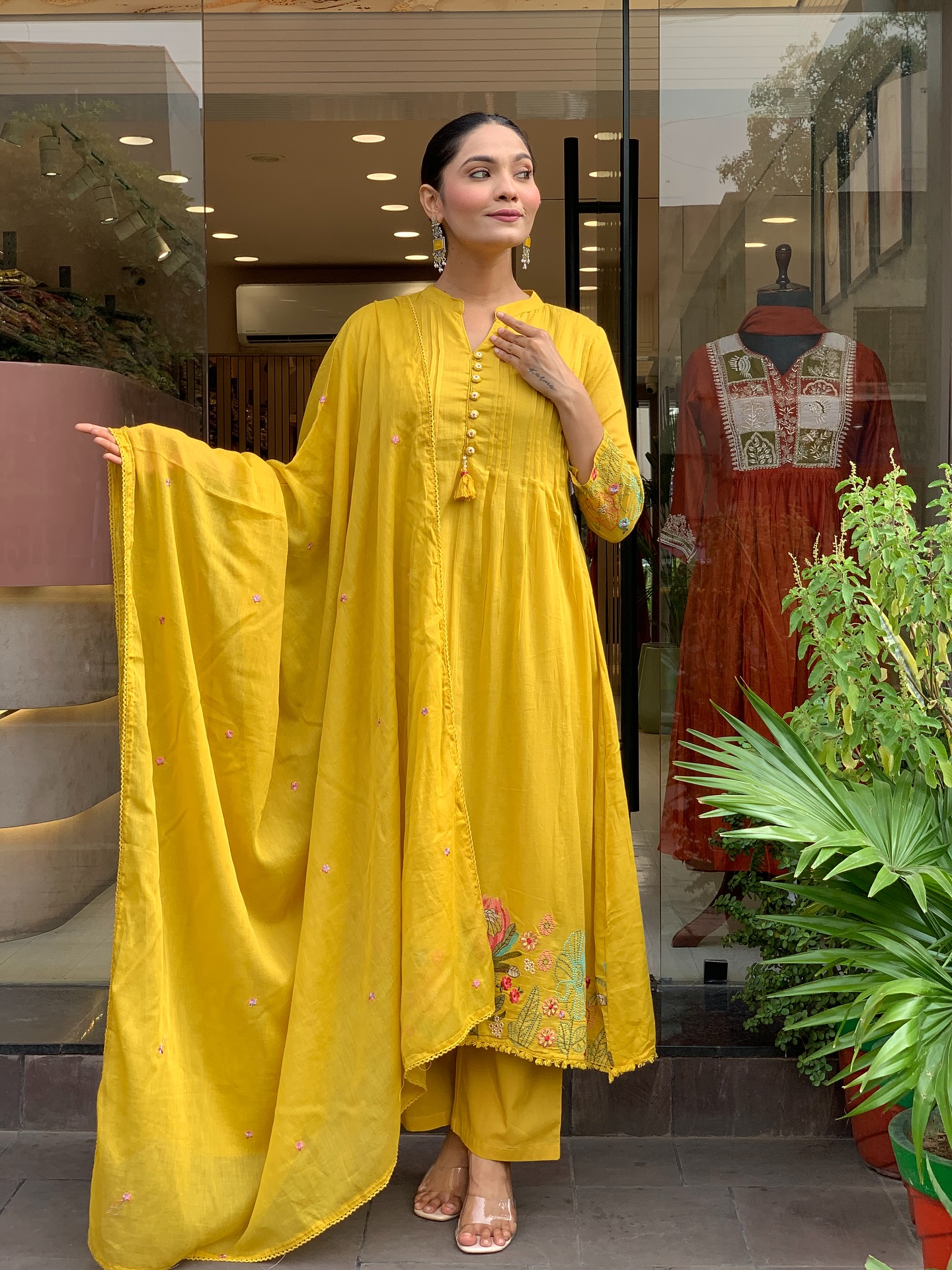
Designer Yellow Salwar Suit with Dupatta illustrates why the dupatta deserves separate attention: the colour and drape often provide as much of the outfit's visual identity as the kurta. Pista Royale Salwar Suit gives another direction for styling, where a softer palette can carry delicate jewellery and neutral footwear without looking underdressed.
Compare price with wear value, not just discount percentage
A sensible salwar suit budget includes the garment price, possible alteration, cleaning, lining replacement and accessories. A discounted suit is worthwhile when the fit, fabric and construction suit your expected number of wears; a low price isn't a saving if the garment needs extensive alteration.
Compare the price against the number of occasions, not only against the original marked price. A flexible navy, black, pista or muted jewel-toned suit may work for three or more settings with different dupattas and jewellery. A highly specific festive print may be more memorable but less frequently worn.
Sale pages can help narrow choices, including Salwar Suits with 30% Off, Salwar Suits Flat 40% Off and Salwar Suits On Sale. Even during a promotion, read the size chart, fabric composition, return conditions and care instructions before paying. A discount should never replace a measurement check.
Embroidered Salwar Suit Set for Women can be assessed using the same value test: ask whether the embroidery is appropriate for the events you attend, whether the bottom is comfortable enough for repeat wear and whether the included dupatta reduces the need for additional purchases.
A five-minute checklist before you buy
A final checklist can prevent most common salwar suit buying mistakes. Keep the product page, measuring tape and a favourite well-fitting garment beside you when shopping online.
- Write down the event, season and number of hours you expect to wear the suit.
- Choose the silhouette based on desired ease, movement and proportion rather than trend alone.
- Compare bust, waist, hip, shoulder, armhole, sleeve, kurta and bottom measurements with the size chart.
- Confirm the fabric composition, lining, closure, included pieces and care method.
- Inspect embroidery placement, dupatta width, bottom shape and seam finishing in the product images.
- Check whether the colour works with your existing footwear, jewellery and bags.
- Read exchange, alteration and return terms before ordering a size that may need adjustment.
The most reliable choice combines comfort with a clear purpose. When the silhouette allows movement, the fabric suits the climate, the measurements include wearing ease and the embellishment matches the event, a salwar suit becomes more than an one-time purchase. It becomes a dependable part of an Indian occasion and everyday wardrobe.
Practical Questions Before Buying a Salwar Suit
How do I choose the right salwar suit for my body shape?
Choose the silhouette according to the balance and ease you prefer. Straight suits create a clean line, A-line suits provide extra room around the hips, and Anarkali suits add volume below the bodice; always compare garment measurements rather than relying only on body-shape labels.
Which fabric is best for a salwar suit in summer?
Breathable cotton, cotton blends and lightweight weaves are generally the most comfortable for summer. Chanderi can provide an airy, crisp appearance, while dense silk blends and heavy lining may feel warmer in humid weather.
How should I measure myself for a readymade salwar suit?
Measure bust, waist, hip, shoulder, armhole, sleeve length, kurta length, bottom waist and inseam. Compare those figures with the garment size chart and allow wearing ease, especially at the bust, armhole and hip.
Which salwar suit is suitable for a wedding function?
An embroidered Anarkali, silk-blend suit or richly finished three-piece set is suitable for many wedding functions. Choose the level of zari, embroidery and flare according to the ceremony, venue, weather and amount of movement required.
Should the dupatta match the salwar suit exactly?
The dupatta does not need to match exactly, but it should relate to the kameez through colour, border, texture or embellishment. A tonal dupatta creates a longer line, while a contrasting dupatta adds definition and becomes a stronger styling feature.
Is a discounted salwar suit worth buying?
A discounted salwar suit is worth buying when the measurements, fabric, construction and intended use are right. Check the size chart, care instructions, included pieces and return terms before treating the discount as a reason to purchase.





