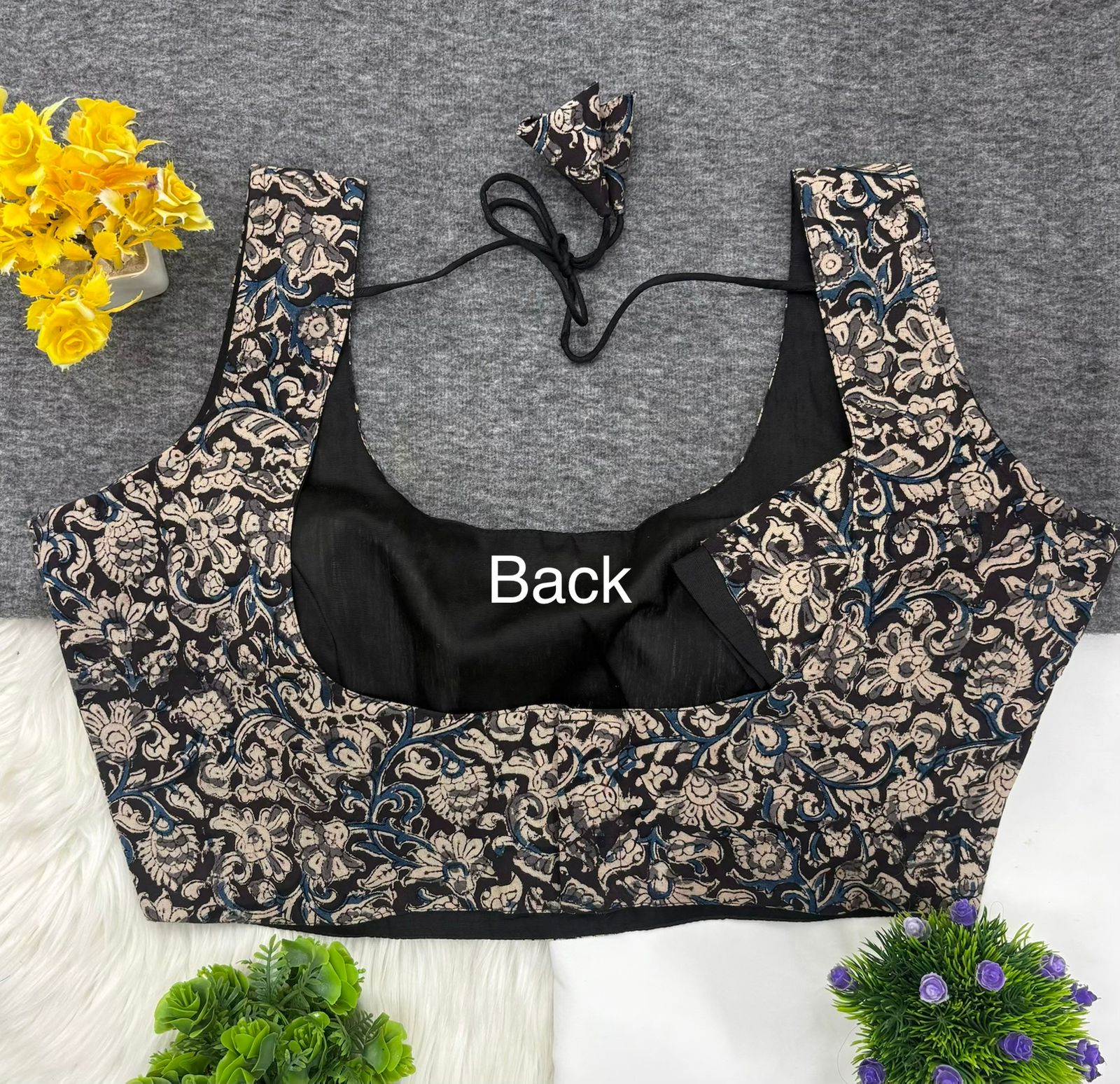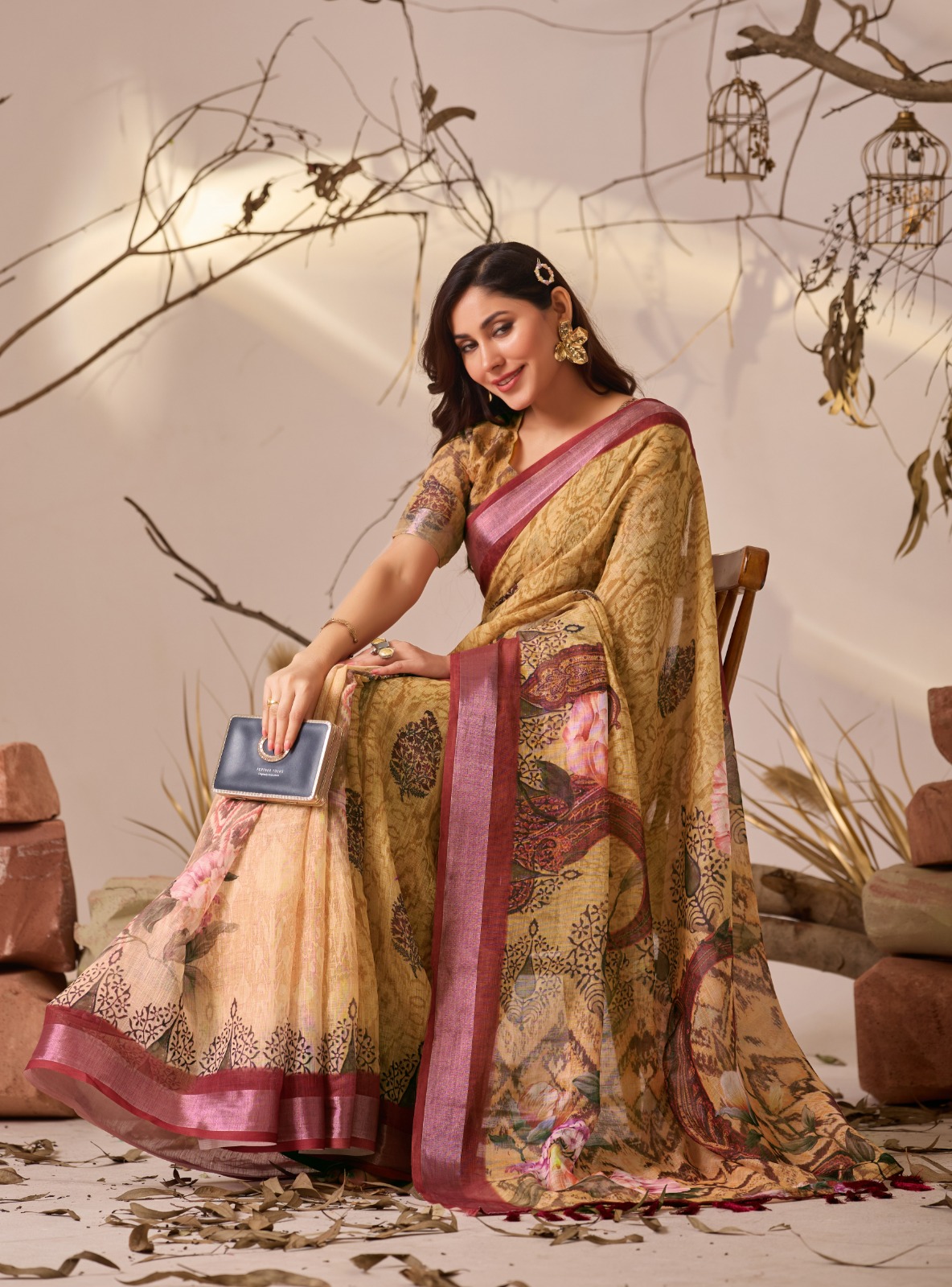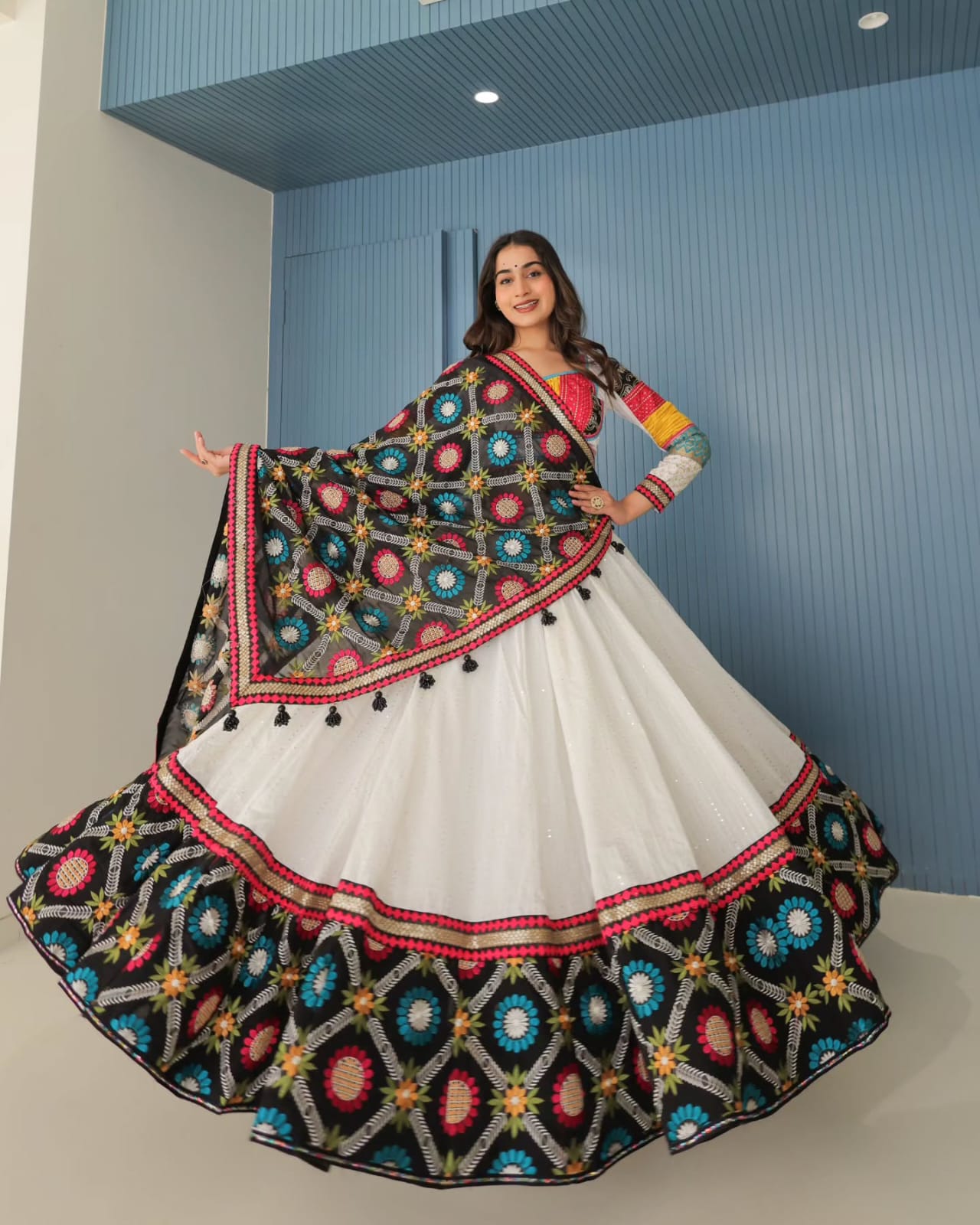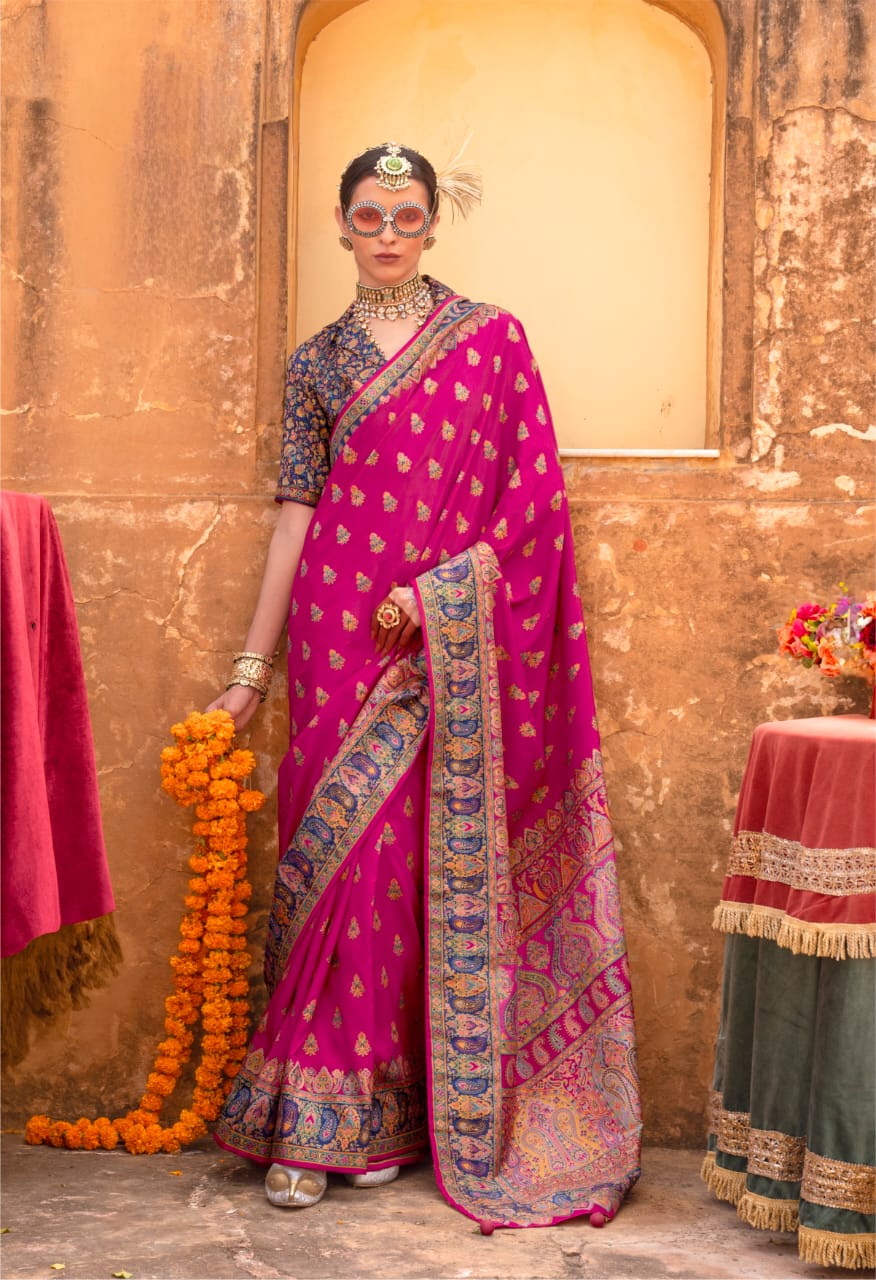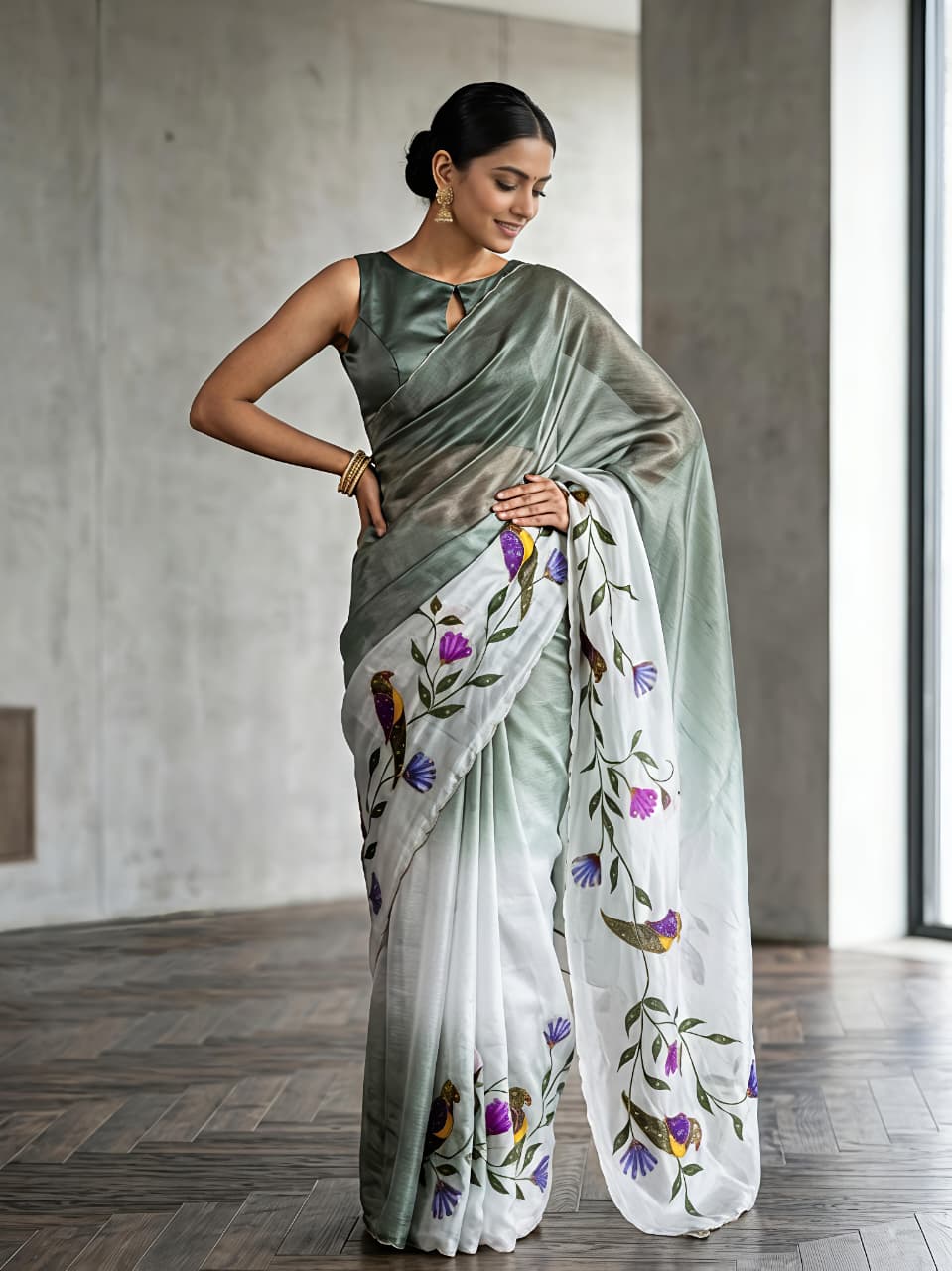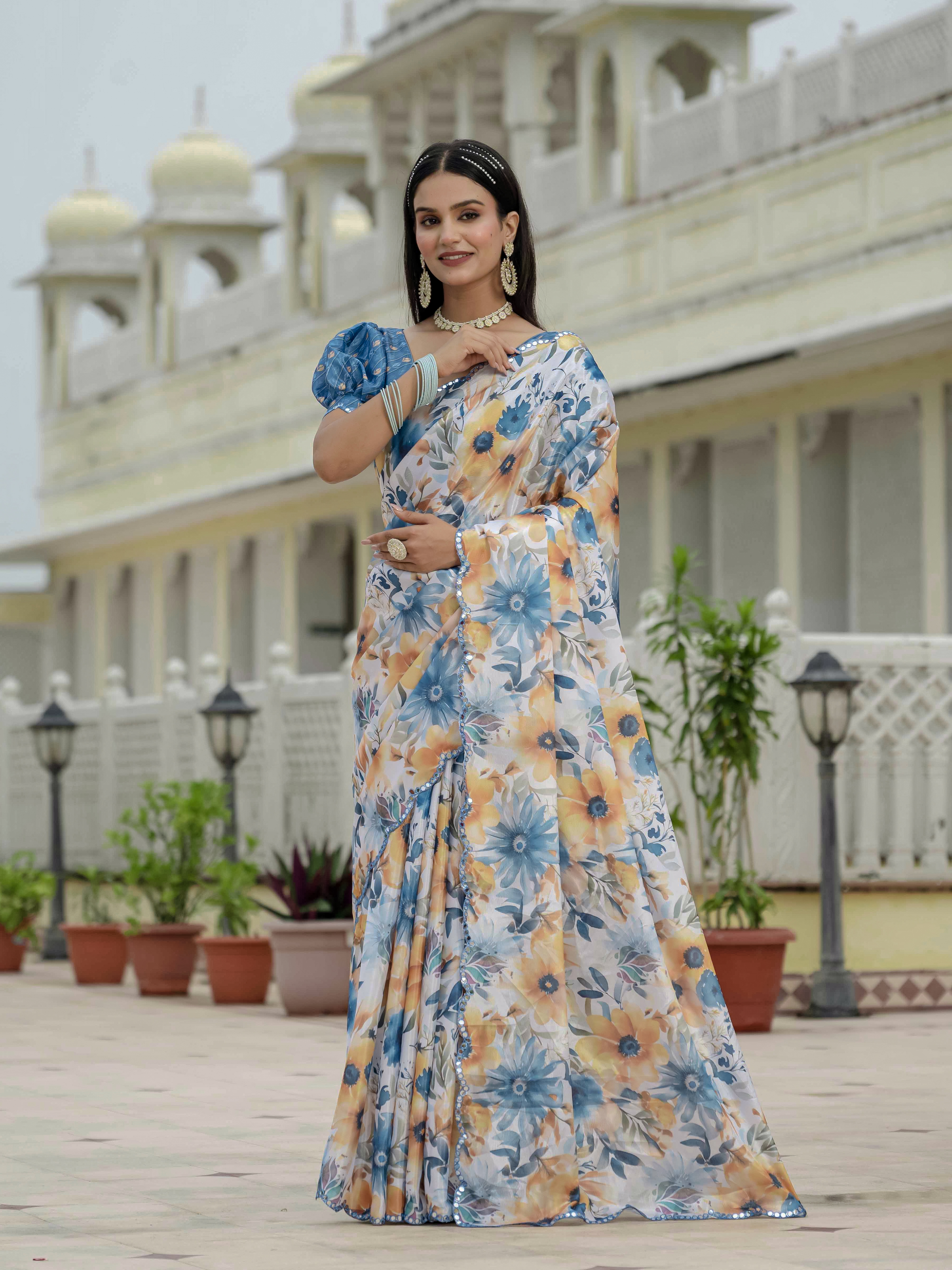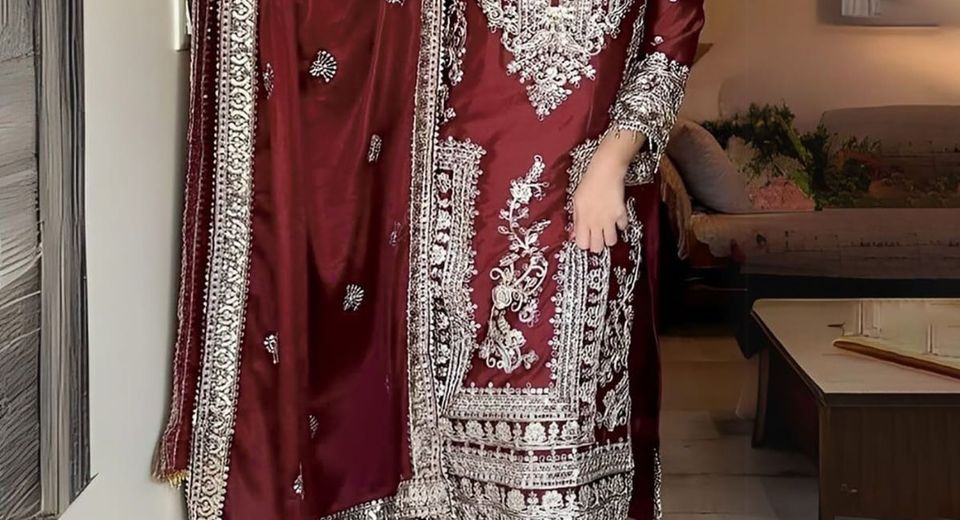
How to choose salwar suits for wedding functions becomes much easier when you begin with the ceremony, the venue and the number of hours you'll wear the outfit. A Haldi ceremony, daytime wedding and evening reception each need a different balance of colour, fabric, embellishment and movement. The right salwar suit should look festive in photographs, remain comfortable through meals and rituals, and fit the practical demands of the venue.
An useful starting point is to separate the decision into five parts: silhouette, fabric, decoration, dupatta and fit. A heavily embroidered Anarkali may suit a formal evening, while a lighter Chanderi silk kurta set can work better for a daytime function. Understanding those differences prevents the common mistake of buying a beautiful outfit that feels too warm, restrictive or delicate for the event.
How to choose salwar suits for wedding functions by ceremony
Choose the salwar suit according to the formality, time of day and physical activity expected at each wedding function. A wedding wardrobe usually needs more than one type of outfit because a Haldi ceremony, Mehendi, sangeet and reception create different styling requirements.
Haldi and Mehendi ceremonies
Yellow, mustard, green, coral and rust shades are especially suitable for daytime pre-wedding ceremonies because they look lively in natural light and complement floral decor. Mustard Yellow Embroidered Chanderi Silk Kurta Set is an useful example of a festive daytime direction: Chanderi silk offers a dressier surface than plain cotton without the visual weight of dense bridal embroidery.
Choose a straight kurta, short Anarkali or lightly flared suit for Mehendi when you expect to sit on the floor, move between guests or protect the sleeves from henna. A readymade salwar suit with a coordinated dupatta saves alteration time before a busy wedding schedule. Rust Orange Embroidered Readymade Suit Set for Women illustrates how a warm colour and ready-to-wear construction can create a celebratory look without requiring complicated styling.
Sangeet and cocktail-style evenings
Choose movement, shine and a secure neckline for a sangeet or dance-heavy evening. A sharara or flared Anarkali gives visual volume while allowing more freedom around the legs than a narrow churidar. Brown Chinon Silk Sharara Suit Set for Women brings the kind of fluid, occasion-ready silhouette that can be styled with chandbali earrings and low-heeled footwear.
Sequins, zari, beads and contrast borders reflect stage lighting effectively, but embellishment should be checked at the underarm, waist and neckline. Scratchy embroidery becomes particularly uncomfortable during dancing. Black Anarkali Suit Set with Sequin Zari and Moti Lace Work suits a dressier night function when the jewellery and makeup are kept controlled enough for the outfit to remain the focal point.
Wedding ceremony and reception
Choose richer silk surfaces, deeper colours and more substantial embroidery for a formal wedding ceremony or reception. Bottle Green Banarasi Soft Silk Saree for Wedding Wear isn't a salwar suit, but its Banarasi silk and bottle-green palette demonstrate why jewel tones and woven sheen are often associated with formal evening dressing.
For a salwar-suit equivalent, a floor-length Anarkali with a coordinated dupatta creates ceremony-level presence without the need to manage pleats. Green Embroidered Anarkali Suit Set for Women can be considered when you want the vertical line of an Anarkali and the convenience of a coordinated set. Beige Embroidered Silk Anarkali Set with Dupatta gives a softer neutral option that allows antique gold jewellery, emerald accents or a colourful clutch to provide contrast.
Which silhouette works best for a wedding salwar suit?
An Anarkali works best for formal grandeur, a sharara works best for movement and festive volume, and a straight or palazzo suit works best for comfort and repeated wear. Silhouette should be selected before embroidery because the cut determines how comfortably you can walk, sit and dance.
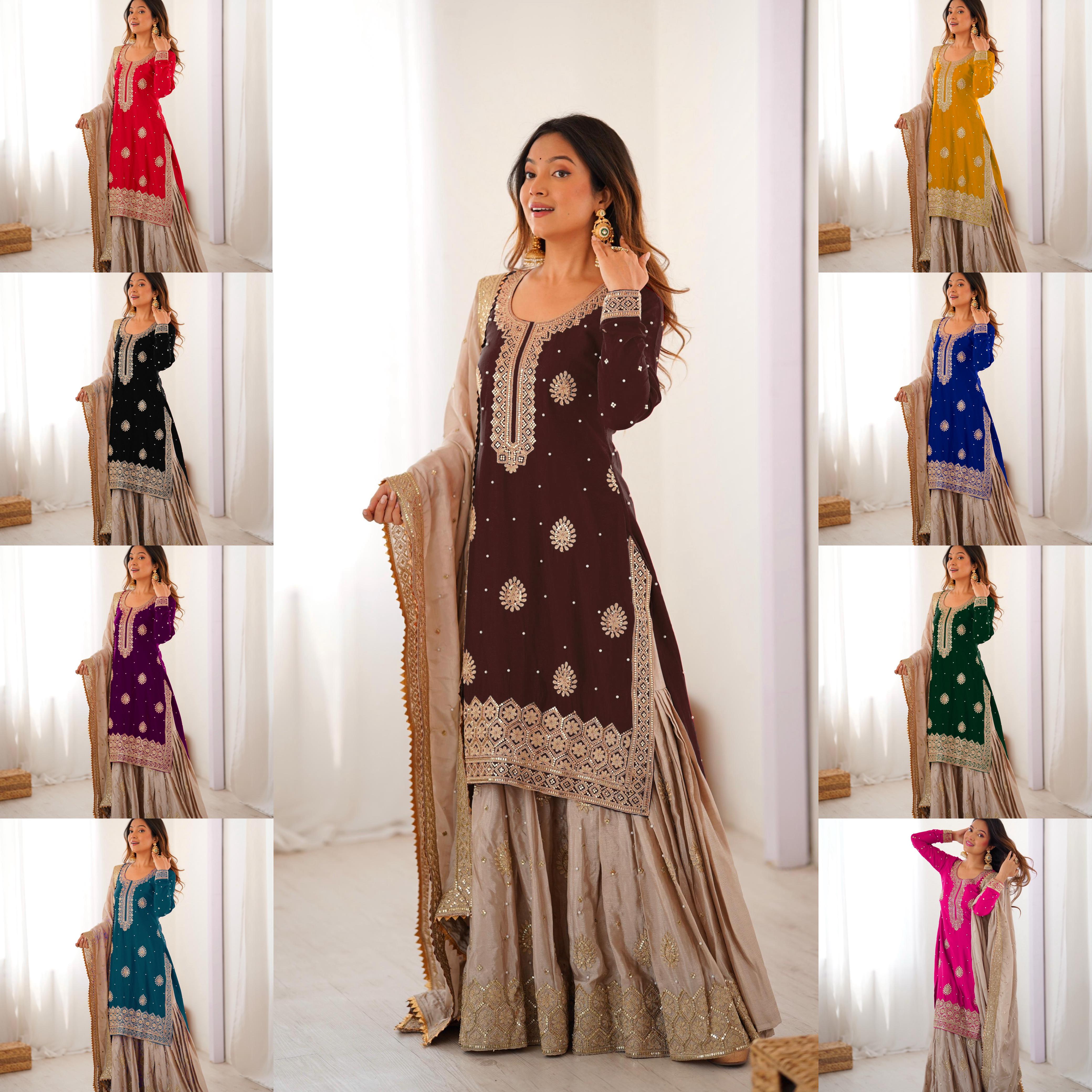
Anarkali suits
Anarkali suits create a long, continuous line from the shoulder to the hem and are particularly effective for formal wedding photographs. A gently flared Anarkali is easier to manage than an extremely wide flare in crowded seating or narrow stairways. Check whether the flare begins at the waist or below the bust, since that point changes how the garment falls on different body proportions.
Floor-length Anarkalis need a hem that clears the floor by approximately 1 to 2 centimetres when worn with the intended footwear. A hem that drags can collect dust and strain the lining, while a very short hem can make a formal outfit look unfinished. Ankle-length Anarkalis are often more practical for outdoor venues and ceremonies involving considerable walking.
Sharara and palazzo suits
Sharara suits have a dramatic lower silhouette and work especially well for Mehendi, sangeet and festive evening dressing. Palazzo suits use a wider, straighter leg and generally offer a cleaner, more relaxed line. Maroon Wedding Wear Embroidered Palazzo Suit Set is an useful direction for someone who wants wedding richness with less volume than a traditional sharara.
Wide trousers need sufficient inseam and hip ease rather than simply a larger waistband. Sit down during a fitting and check whether the fabric pulls across the hips or catches under the seat. Palazzo trousers are also easier to pair with low block heels than heavily flared shararas, which can brush against the floor while walking.
Straight suits and short kurtas
Straight suits are reliable for daytime family functions, travel between venues and wardrobes that need repeat use after the wedding. A straight kurta with a modest side slit can be dressed up with a heavily bordered dupatta, statement earrings and embroidered juttis. Cotton salwar suits for wedding events can work for informal daytime gatherings when the fabric has festive embroidery, a strong colour or a polished dupatta.
Which fabrics are practical for wedding functions?
Silk blends, Chanderi silk, Chinon silk and carefully lined georgette or chiffon are practical choices when the event calls for polish and movement. Cotton is more breathable, while dense silk, velvet and layered net are warmer and better suited to shorter evening wear or cooler weather.
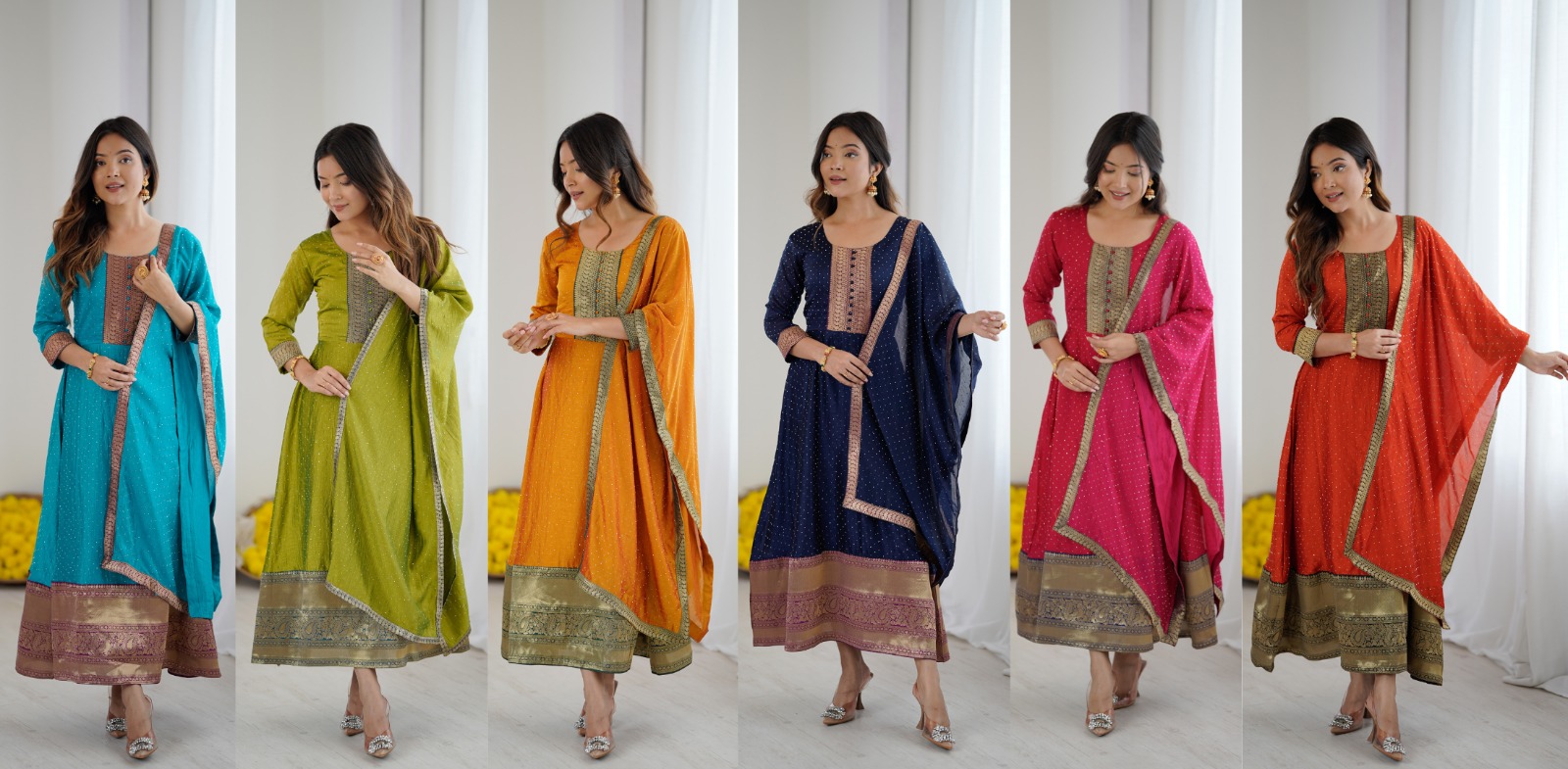
Chanderi silk has a light, subtly crisp character that suits daytime ceremonies and moderate embellishment. Chinon silk has a fluid drape that works well for shararas and dupattas, although its softness means the trousers and lining should be checked for opacity. Banarasi silk has a richer woven appearance and is usually more visually formal, especially when paired with zari.
For humid weather, prioritise breathable linings, manageable embroidery and sleeves that don't trap heat at the upper arm. For winter weddings, a heavier silk Anarkali or a layered dupatta brings more coverage than a thin, unlined suit. Readymade salwar suits for wedding events are convenient, but the garment measurements and lining quality still deserve the same attention as a made-to-measure outfit.
Fabric care also affects whether a wedding suit is a sensible purchase. Embroidered silk and zari garments should generally be dry-cleaned rather than soaked at home. Store a fully dry outfit in a clean cotton garment bag, avoid pressing zari directly, and fold embellished dupattas with tissue paper between heavy areas to reduce snagging.
How much embroidery is suitable for a wedding?
Choose embroidery intensity according to the function, the outfit silhouette and the jewellery you plan to wear. Heavy embroidery is appropriate for a close family member's wedding or a formal reception, while medium embroidery is more versatile for guests attending several events.
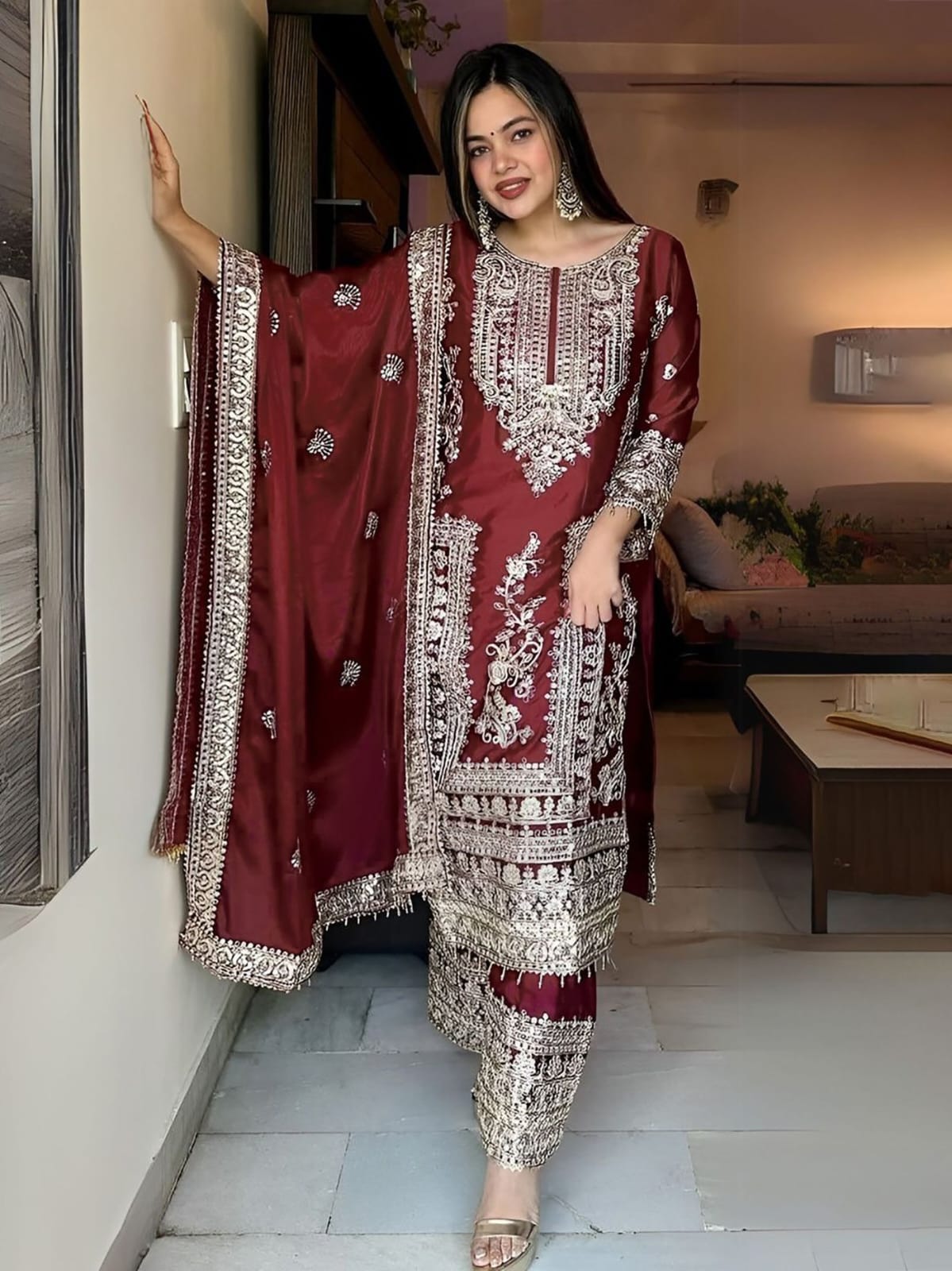
Zari, sequins, threadwork, gota, beads and Moti lace each create a different effect. Zari provides a metallic woven or embroidered shine, threadwork adds colour without always adding much weight, and sequins catch direct light strongly in photographs. Moti lace introduces a pearl-like border detail but can snag against rough surfaces or jewellery.
Heavy salwar suits for wedding celebrations need structural support. Look for a stable lining, reinforced seams at the waist and a dupatta that doesn't pull the neckline backward. A dense hem should not make the Anarkali hang unevenly. If the outfit already has prominent embroidery on the bodice, a lighter necklace and smaller earrings usually create a more balanced result.
Designer salwar suits for a wedding party don't need decoration on every surface. A plain or lightly textured trouser with an ornate kurta can look more considered than a fully embellished three-piece set. The same principle applies to the dupatta: one strong border is often easier to style than multiple competing motifs.
How should you choose the dupatta?
Choose a dupatta that stays secure, suits the climate and balances the visual weight of the kurta and trousers. A bridal-style heavy dupatta can look magnificent, but it requires a secure drape, adequate shoulder support and enough time for pinning.
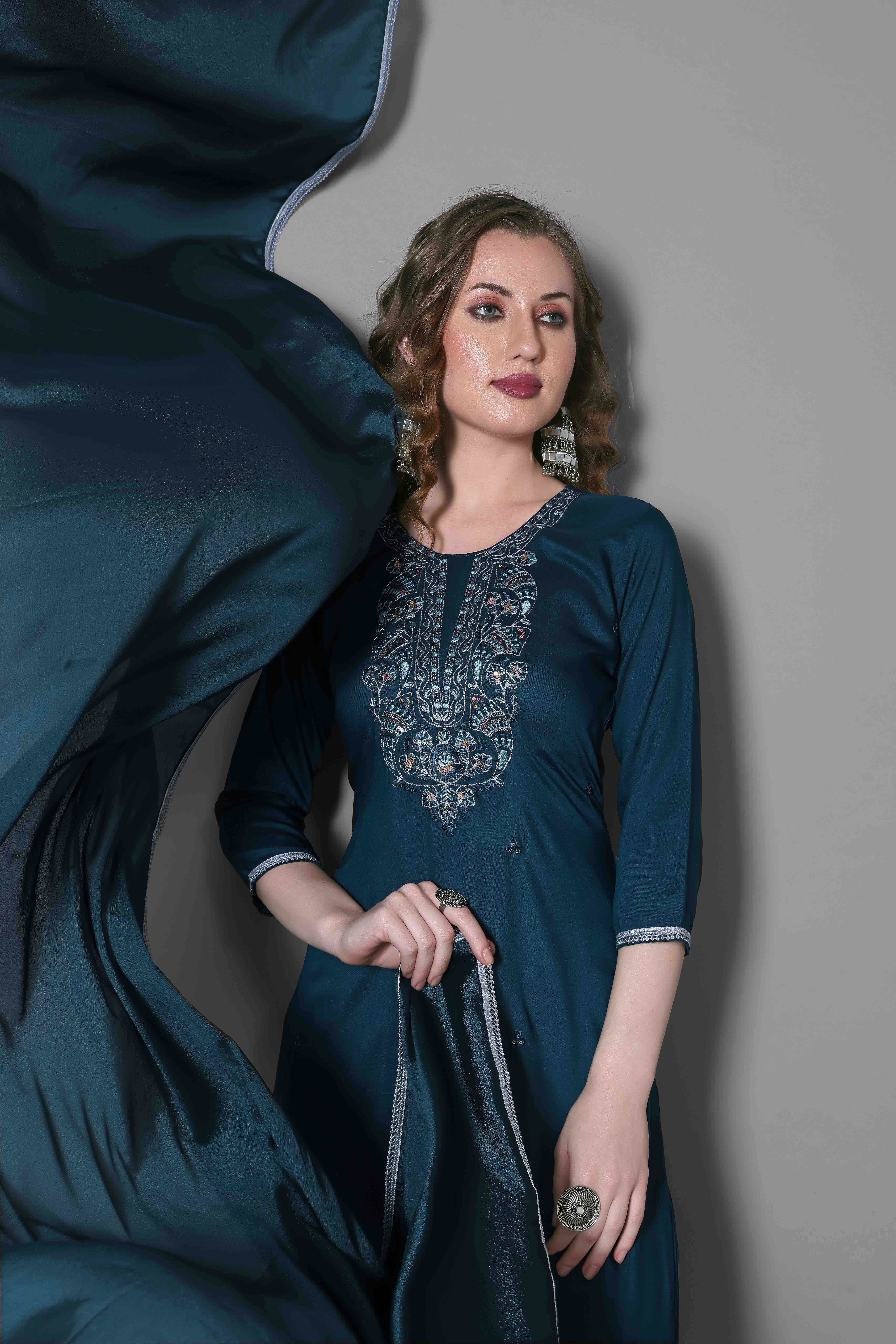
For a light Anarkali, a heavily bordered dupatta can add ceremony-level impact. For an already ornate kurta, a softer solid or lightly decorated dupatta can prevent the outfit from appearing crowded. A readymade salwar suit with dupatta is especially convenient for guests who want colour coordination without separately matching fabric, border and print.
Use two small safety pins or discreet garment pins at the shoulder when a dupatta is slippery, and place pins through the seam or border rather than the most delicate net area. A front drape gives a more classic appearance but may need adjustment while eating. An one-shoulder drape leaves both hands freer, although it should be tested while walking and sitting.
Bridal suits with a heavy dupatta are best reserved for people who can manage the additional weight and volume throughout the ceremony. Guests who will travel by car, climb stairs or attend several functions may prefer a medium-weight dupatta with a defined border. The most useful wedding outfit is one that remains presentable after four or five hours of wear.
How should colour and fit be matched to the wearer?
Choose colour by considering daylight, venue lighting, personal contrast and the wedding palette rather than relying only on current trends. Emerald, bottle green, maroon, rust, mustard, navy and black photograph differently under sunlight, warm indoor bulbs and flash photography.
Bright yellow and orange can look especially effective for Haldi ceremonies, while maroon, bottle green and black create a more grounded evening appearance. Beige and champagne shades are elegant but need contrast through embroidery, jewellery or a stronger dupatta so that the outfit doesn't blend into pale stage decor. Red can be striking for guests, but ask whether the family has reserved bridal red before selecting a heavily red look.
Fit should allow approximately 2 to 4 inches of ease around the bust and hips, depending on the fabric and desired silhouette. That measurement isn't a universal rule because structured silk, stretch lining and flowing Chinon silk behave differently. The armhole should permit a raised arm without pulling the bodice, and the sleeve opening should allow comfortable movement during greetings and rituals.
Check the length with the exact footwear planned for the wedding. A palazzo or Anarkali hem should not hide the front of the shoe completely if the venue involves stairs, while a churidar needs enough length to create folds without dragging. Alterations should be completed at least one week before the function, leaving time to test sitting, walking and dupatta placement.
How can you build an useful wedding salwar-suit wardrobe?
A practical wedding wardrobe can be built with one formal Anarkali, one movement-friendly sharara or palazzo suit, and one lighter daytime set. That three-outfit structure covers most guest invitations without forcing every garment into the same level of decoration.
Use the Ladies Dress Anarkali Salwar Suits collection when comparing formal flares, necklines and dupatta proportions. Dress Materials can suit shoppers who already know their preferred cut or want a tailor to adjust sleeve length, hem and neckline. Salwar Suits with 30% Off and Salwar Suits Flat 40% Off may help with budget planning, but discount percentage should never replace checking fabric composition, measurements and embellishment security.
Budget-conscious daytime dressing can include a lightly embroidered suit that works again for a family lunch or festival. Red Dress Materials Under 2000 may be relevant when the priority is fabric flexibility and tailoring rather than immediate readymade convenience. A good value calculation includes alteration charges, lining changes, footwear and the likelihood of wearing the outfit after the wedding.
Accessories should support the garment's strongest feature. Pair a sequin-heavy Anarkali with restrained jewellery, a simple straight suit with an ornate jhumka or necklace, and a richly bordered dupatta with a clean hairstyle that doesn't compete at the shoulder. Block heels between 1.5 and 2.5 inches usually provide a practical compromise between posture, comfort and hem clearance.
The best choice depends on the role you've at the wedding, the ceremony timing, the weather and your movement needs. Once those factors are clear, selecting between an Anarkali, sharara, palazzo or straight suit becomes a design decision rather than a rushed purchase. That is the reliable method for how to choose salwar suits for wedding functions with both style and comfort in mind.
Questions Readers Ask Before Choosing Wedding Salwar Suits
Which salwar suit is trending now for weddings?
Anarkalis, sharara suits and palazzo sets remain popular because they offer distinct silhouettes for formal ceremonies, sangeet events and daytime functions. Current styling is moving toward coordinated separates, controlled embroidery, jewel tones and lighter dupattas that are easier to wear for several hours.
What are some good salwar suits for a wedding party?
A richly embroidered Anarkali suits a formal reception, a sharara works well for a festive sangeet, and a palazzo or straight suit is practical for daytime celebrations. Green Embroidered Anarkali Suit Set for Women, Brown Chinon Silk Sharara Suit Set for Women and Maroon Wedding Wear Embroidered Palazzo Suit Set are examples of these three styling directions.
Are cotton salwar suits suitable for wedding functions?
Cotton salwar suits can suit informal daytime wedding events when they include festive embroidery, a polished dupatta or a strong celebratory colour. Cotton is less suitable than lined silk or embellished blends for a highly formal evening reception unless the styling is intentionally understated.
Should I choose a readymade salwar suit or a tailored suit for a wedding?
Readymade salwar suits are useful when time is limited and the standard measurements closely match your body. Tailored suits offer better control over sleeve length, neckline, hem and ease, but they require fabric selection, fittings and enough lead time before the function.
How do I style a heavy dupatta with a wedding salwar suit?
Secure a heavy dupatta at the shoulder and place pins through a border or seam to reduce damage to delicate fabric. Keep the rest of the jewellery and hairstyle relatively controlled, and test the drape while sitting, walking and eating before the wedding.
Where can I buy wedding suits online?
Online wedding-suit shopping is most reliable when the listing provides garment measurements, fabric details, lining information and a clear view of the embroidery. Compare those specifications with a well-fitting suit you already own, and allow at least one week for alterations or exchanges before the event.