

A bridesmaid outfit has to survive photographs, greetings, meals, dancing and several hours of standing. How to Choose a Bridesmaid Lehenga for Several Body Types becomes much easier when you assess proportion, fabric weight, waistband placement and blouse support before focusing on colour or embroidery. The most flattering lehenga isn't tied to a single body shape; it's the one that gives your preferred areas enough ease while creating a balanced outline.
Start with proportion, not a body-type label
The first useful step is to compare your shoulder, waist and hip proportions, then identify where you want structure or movement. Body-shape labels such as pear, apple, hourglass, rectangle and inverted triangle are only shortcuts for selecting cuts; they should never dictate what you're allowed to wear.
Measure your bust, natural waist and fullest hip over the undergarments you expect to wear with the lehenga. Measure from the floor to your intended blouse or petticoat waist, because a skirt that looks ankle-length in a photograph may sit differently on a shorter or longer torso. Record the measurements in centimetres and compare them with the garment chart rather than relying on small, medium or large.
Choose one visual priority before shopping. You may want a longer-looking torso, more definition at the waist, less emphasis around the midsection, or a fuller-looking lower half. A single clear priority produces a more coherent outfit than trying to hide every natural curve with extra fabric.
How to Choose a Bridesmaid Lehenga for Several Body Types
For pear-shaped proportions
A pear-shaped body usually carries more width at the hips than at the shoulders, so a structured or detailed blouse can balance a fuller lehenga skirt. Boat necks, square necks, modest shoulder details and brighter blouse surfaces draw the eye upward without requiring a heavily embellished skirt.
Select an A-line or gently flared skirt that falls smoothly from the waist instead of ending in a tight band at the fullest hip. Vertical panels, narrow motifs and embroidery that follows the length of the skirt can make the lower half look elongated. Avoid placing a large, high-contrast motif exactly across the widest hip if you prefer a quieter line.
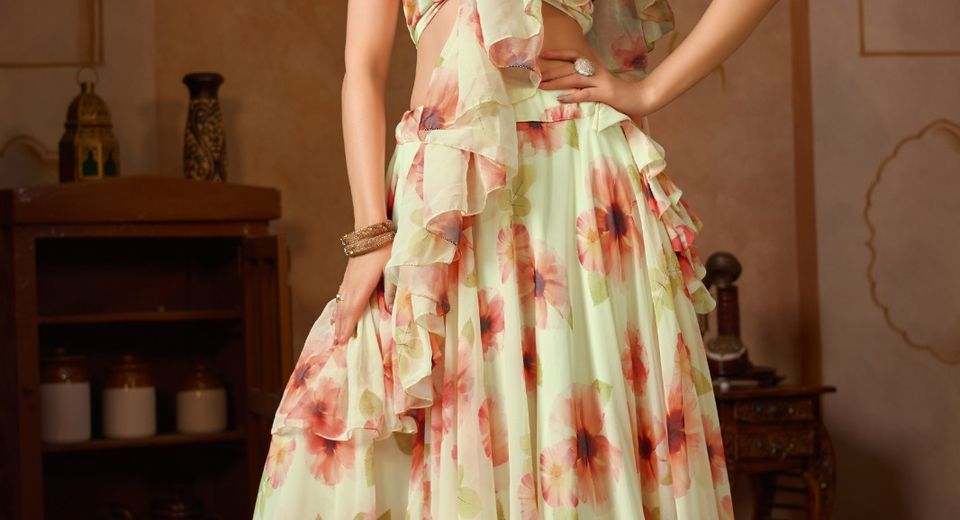
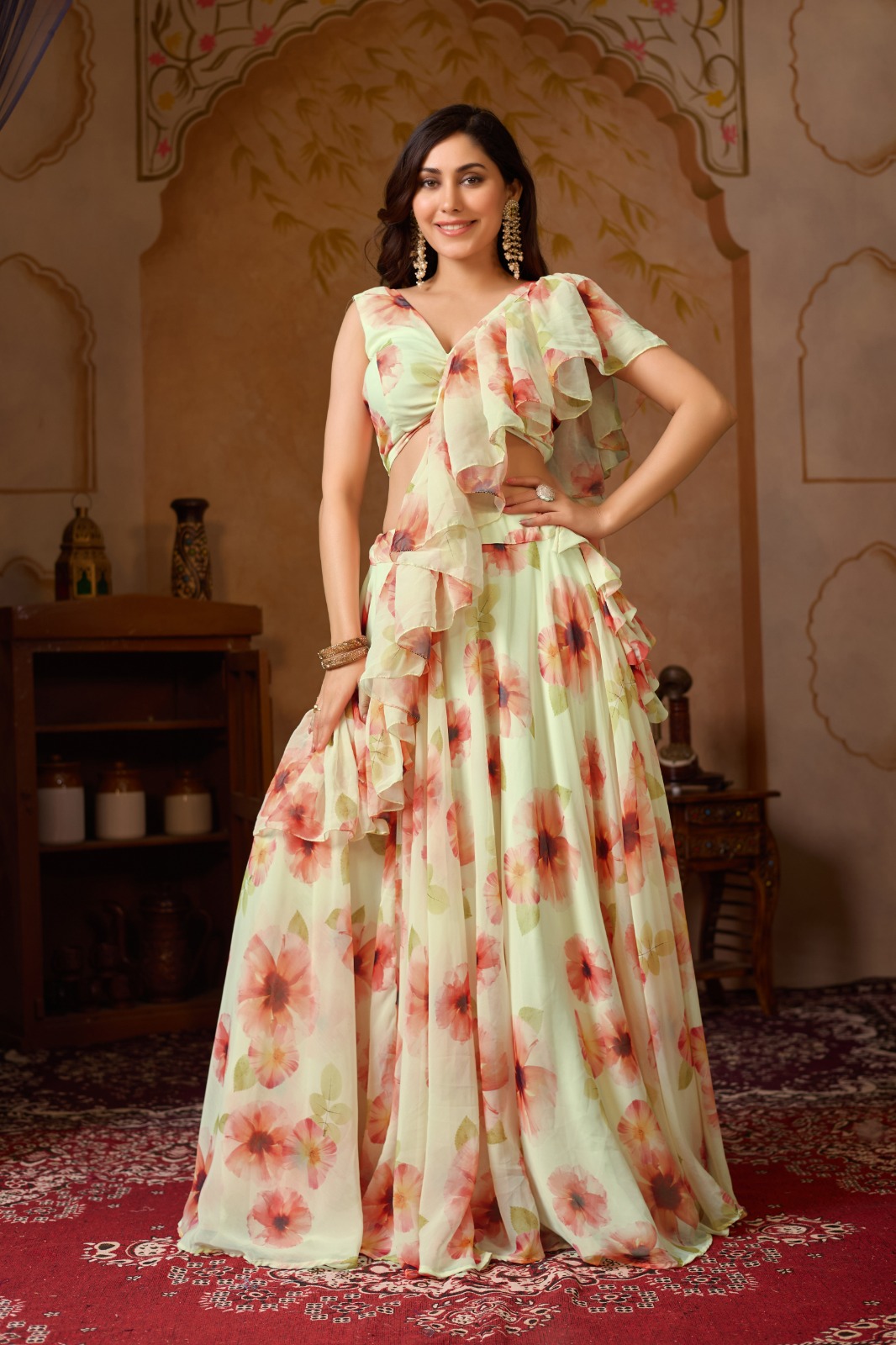
A dupatta worn over one shoulder and allowed to fall in a long vertical line can add balance. The Pastel Floral Georgette Lehenga Set with Ruffle Blouse demonstrates how a lighter blouse detail can bring attention upward while georgette keeps the overall movement soft.
For apple-shaped or midsection-full proportions
An apple-shaped or midsection-full figure generally benefits from a secure high-rise waistband, a blouse that ends at a comfortable point and an open dupatta line rather than bulky wrapping around the waist. A softly flared skirt creates movement below the waist without adding a stiff layer directly over the abdomen.
Choose a blouse with a firm inner lining, a longer hem if you prefer more coverage and a neckline that creates length, such as a V-neck or a shallow sweetheart shape. Three-quarter sleeves can provide structure, while sleeves that finish at the widest part of the upper arm may feel less comfortable. Avoid very low-rise lehengas that require constant adjustment after sitting.
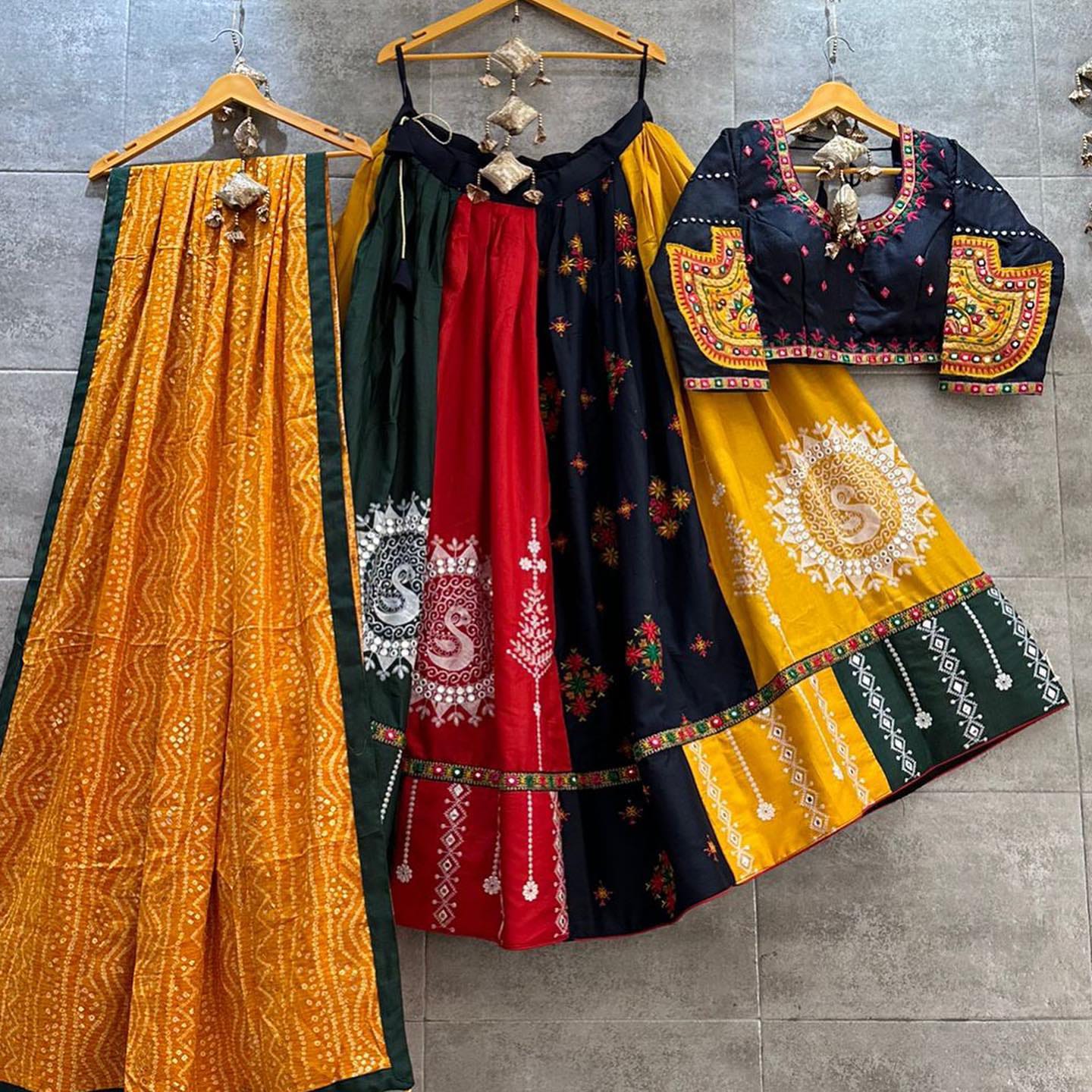
Matte silk, butter silk and georgette can be easier to manage than very crisp organza when the goal is a smooth waistline. The Multicolor Printed Butter Silk Lehenga Choli Set offers an example of how a fluid, softly structured fabric can create colour and interest without depending entirely on heavy surface work.
For hourglass proportions
A hourglass figure is usually complemented by a defined waist and a blouse that follows the bust without compressing it. A circular, panelled or mermaid-inspired skirt can work well when the waistband sits at the natural waist and the blouse is fitted through the ribs.
Ask for cup shaping, side support and a properly placed princess seam if the blouse has substantial embroidery. A very tight waist isn't the same as a good fit; the blouse should allow you to inhale fully, raise your arms and sit without the hooks pulling apart. A narrow belt or clean waistband can reinforce the natural proportion, but an ornate belt is optional.
The Designer Threadwork Silk Lehenga Choli Set with Dupatta is an useful reference for balancing a detailed blouse with a defined waist and a richer skirt. For a softer daytime wedding event, the Stylish Multicolor Butter Silk Lehenga Choli Set can create definition through colour blocking and print placement rather than heavy construction.
For rectangle or straighter proportions
A rectangle-shaped figure often suits styling that creates the impression of a waist and adds controlled volume at either the shoulder or hip. Peplum-style blouse hems, layered ruffles, a broad waistband and a moderately flared skirt can introduce curves without making the outfit feel costume-like.
Look for embroidery that travels diagonally or horizontally across selected areas rather than a completely uniform vertical pattern. A blouse with a square neck, sweetheart neckline or short structured sleeve can add shape at the top. Keep the skirt volume proportionate to your height; excessive layers may overwhelm a petite frame.
A ruffle detail can add movement, but a ruffle should be placed intentionally. A ruffle at the sleeve or shoulder draws attention upward, while a ruffle concentrated at the hip adds lower-body volume. The Pink Bridal Sequins Lehenga Set with Heavy Flare shows why skirt volume should be checked against height, venue and the amount of walking planned.
For inverted-triangle proportions
An inverted-triangle proportion usually looks balanced when the blouse remains visually clean and the skirt carries measured volume or detail. A V-neck, narrow shoulder line and minimal sleeve embellishment can reduce visual width across the upper body.
Choose an A-line, circular or tiered skirt with embroidery, print or texture below the waist. A dupatta draped from one shoulder toward the opposite hip creates a diagonal line and helps break up a broad shoulder area. Avoid a very high, stiff neckline combined with large shoulder motifs if you want a softer outline.
Red Floral Organza Lehenga Set with One Shoulder Blouse illustrates how an asymmetric neckline can create a directional line. Organza has more body than georgette, so the skirt and blouse should be checked in motion before committing to the style for a long wedding day.
Match skirt volume and fabric to your height and comfort
Skirt volume should be chosen according to height, venue space and the number of hours you'll wear the outfit. Heavy flare isn't automatically more flattering, and a narrow skirt isn't automatically slimmer; the correct choice allows you to walk without lifting the hem or losing your waistline.
Petite wearers often benefit from a high natural waist, a consistent colour column and a hem that sits close to the floor when wearing the planned footwear. A very wide contrast border can visually shorten the legs, especially when it sits high above the ankle. Smaller motifs and fewer horizontal breaks can create a longer line.
Taller wearers can carry broad borders, layered panels and stronger contrast more easily, but a long torso may need a slightly lower blouse hem or a carefully positioned waistband. A skirt should not pool on the floor. Leave roughly 1 to 2 centimetres of clearance above the floor after accounting for shoes, depending on whether the venue has stairs or uneven outdoor ground.
Georgette drapes close to the body and moves well during dancing. Butter silk brings a soft hand with enough body for a neat skirt. Silk can support structured pleats and richer threadwork, while organza creates crisp volume and needs careful handling around chairs and jewellery. Muslin cotton is a practical option for daytime functions when breathability matters.
The Black Wedding & Festive Wear Designer Lehenga can show how a dark colour creates a strong continuous line, but colour alone can't correct a poor waistband or an uncomfortable blouse. For lighter, more breathable styling, the Multicolor Mirror Work Muslin Cotton Lehenga Choli Set may suit a daytime celebration where movement and airflow matter.
Get the blouse fit right before judging the whole lehenga
The blouse determines comfort more than the skirt because the blouse supports the bust, anchors the dupatta and controls arm movement. A good blouse closes securely, lies flat at the armhole and allows you to sit, lift your arms and take a full breath.
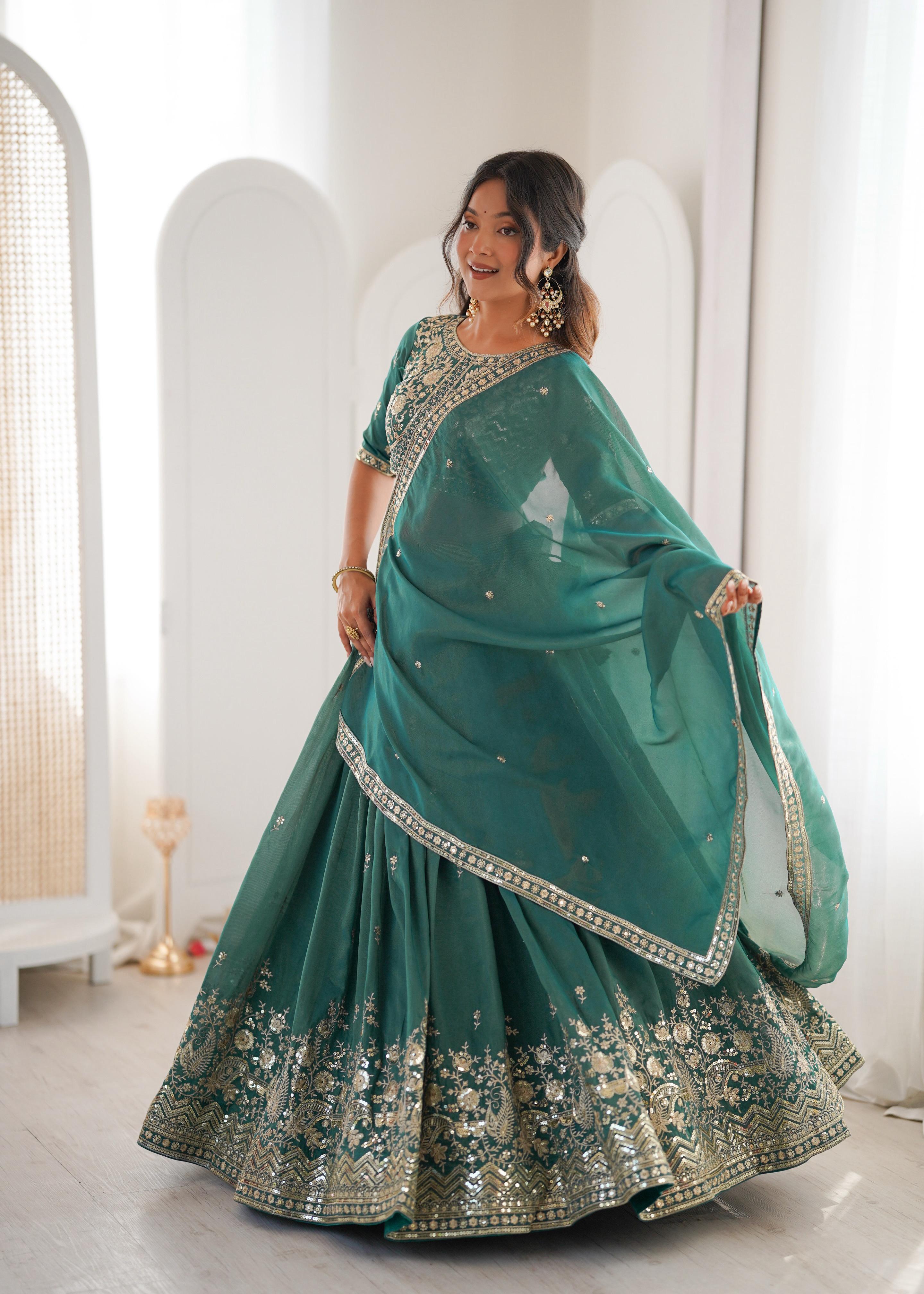
Check four areas during a fitting: the bust seam, the underarm, the shoulder and the waist closure. Horizontal drag lines across the bust indicate insufficient room, while gaping near the armhole can signal excess fabric or incorrect cup shaping. The shoulder seam should remain on the shoulder rather than slipping toward the arm.
Request a lining that matches the outer fabric and ask whether seam allowance has been left for later adjustment. A blouse with 2 to 3 centimetres of usable side-seam allowance is easier to alter than a tightly finished garment. Cup inserts can help with support, but inserts don't replace correct bust and underbust measurements.
Test the blouse with the exact bra, shapewear, jewellery and dupatta arrangement planned for the wedding. A neckline that feels comfortable in a private fitting may shift when a necklace or pinned dupatta pulls against it. Wear the blouse for at least 20 minutes before approving the final finish.
Use the dupatta to refine proportion and movement
The dupatta can change the visual balance of a lehenga and should be treated as part of the fit plan. A long open drape creates vertical length, while a neatly pleated shoulder drape gives definition and keeps the fabric away from food, candles and crowded dance floors.
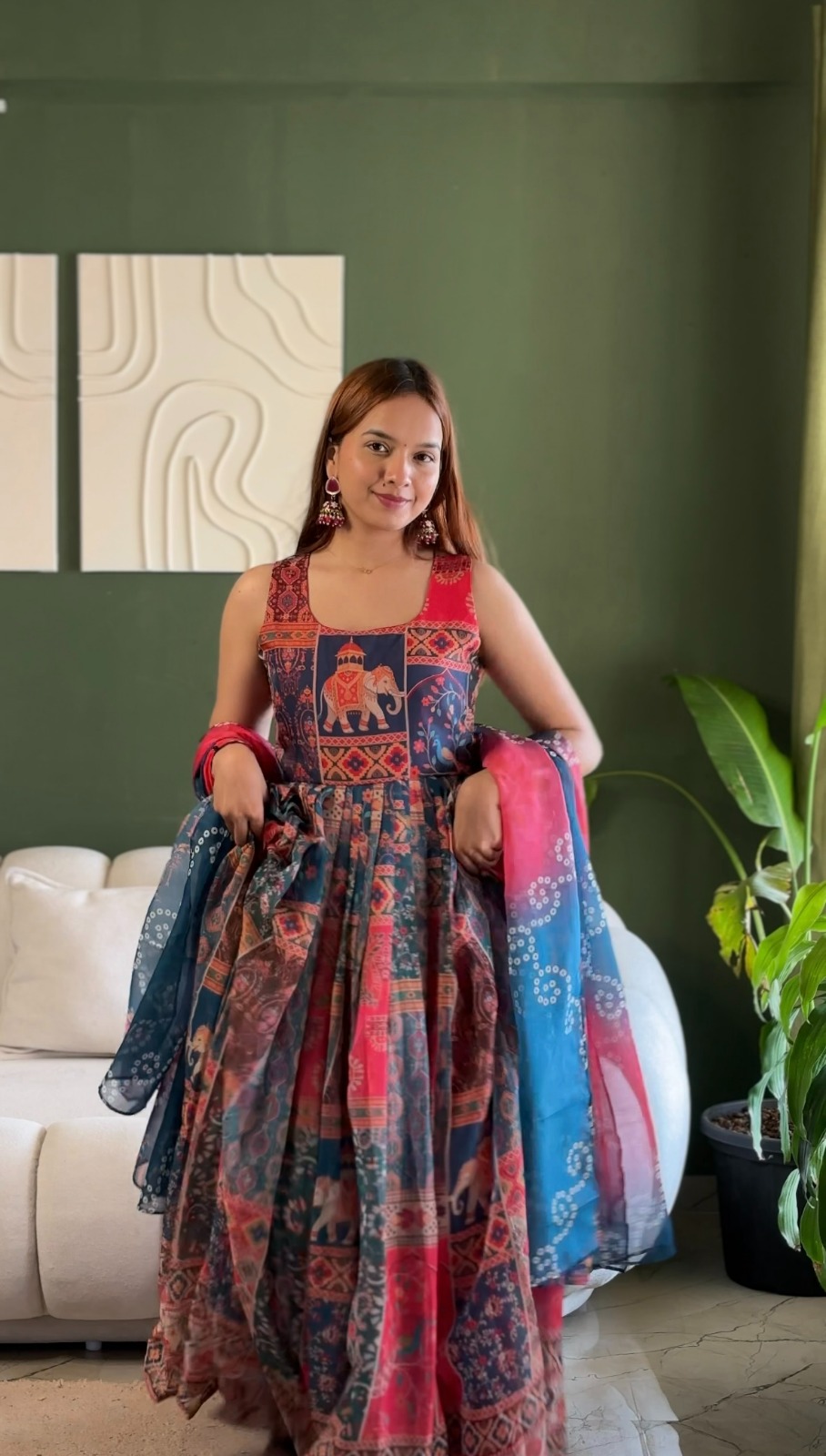
For fuller hips, let one end fall below the hip rather than stopping at its widest point. For a fuller midsection, keep the centre front relatively clear and place the dupatta over one shoulder or diagonally across the torso. For broad shoulders, avoid building a thick horizontal pleat stack directly across both shoulders.
Pin the dupatta at the shoulder and waist only after trying the full outfit with footwear. Safety pins should be hidden inside the seam or secured with fabric-friendly pins; placing a sharp pin through delicate organza or sequins can create a permanent tear. Carry two spare pins and a small thread kit during the wedding.
Choose colour, embroidery and budget with the wedding schedule in mind
Colour should coordinate with the bride's palette without making the bridesmaid look like a duplicate of the bridal outfit. Pastels, jewel tones, multicolour prints and black can all work when the ceremony, lighting and photography background are considered.
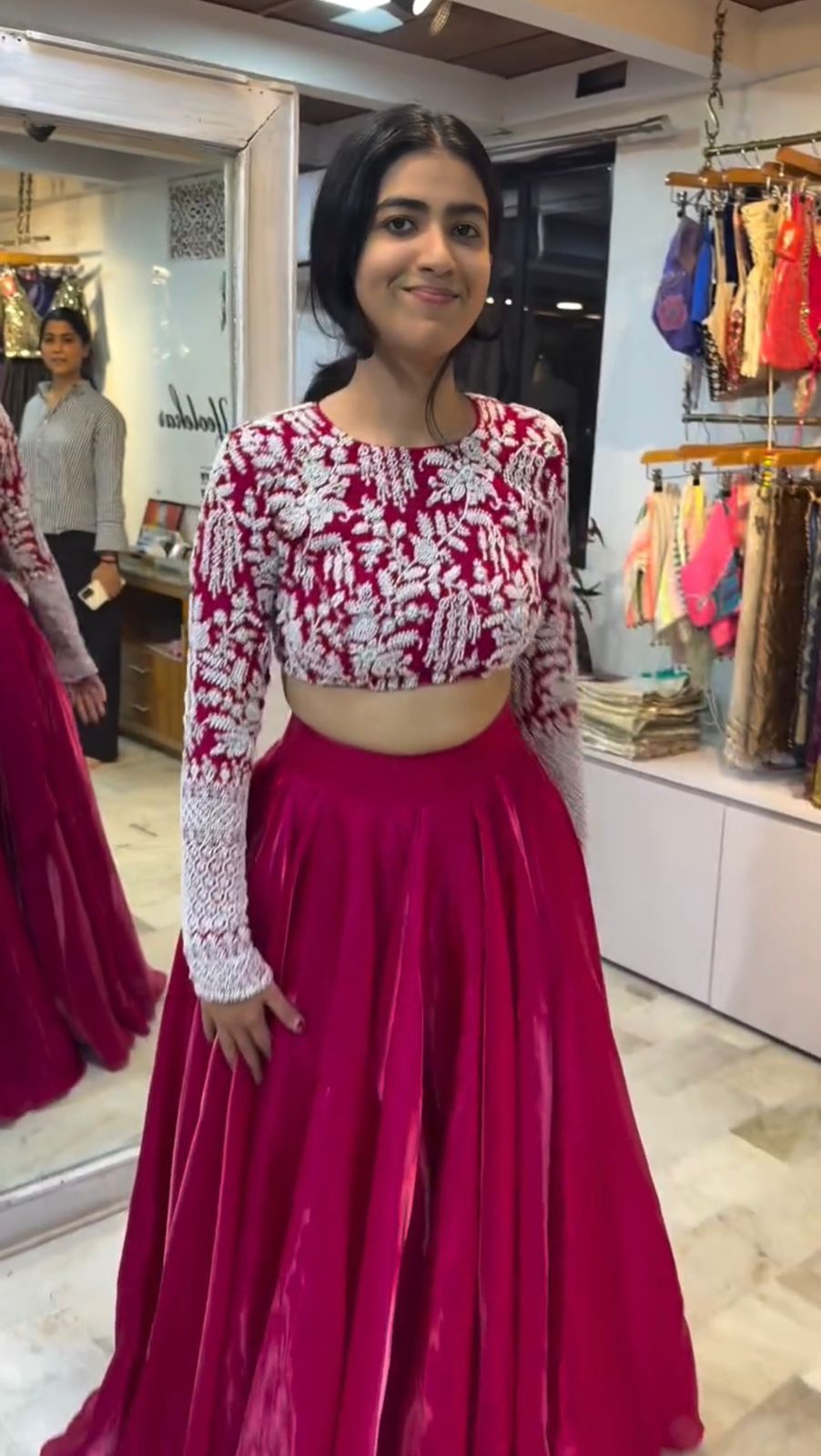
Sequins and mirror work reflect flash photography, while matte threadwork photographs with a softer surface. A large border may look striking in full-length photographs but can become heavy during walking. If the ceremony is outdoors in warm weather, prioritise lining, airflow and manageable weight over maximum embellishment.
Budget collections can still offer useful construction choices when you compare fabric, lining, closure and alteration costs together. Bridesmaid Lehengas Under 5500 and Pink Lehengas Under 4000 with 50% Discount are relevant starting points for a coordinated group where each person may need a different blouse alteration.
Silk Lehengas Under 3000 can suit shoppers who want a richer-looking surface at a controlled price, but inspect whether the skirt is lined and whether the waistband has enough structure. Net Lehengas Under 4500 with 51% Discount may provide volume at a lower weight, although net layers can catch on rough surfaces and should be checked for softness at the waist and armhole.
For a turmeric ceremony, colour and washability deserve extra attention. Haldi Lehengas Under 5500 can help keep the budget practical, but avoid wearing an irreplaceable dry-clean-only piece if turmeric paste, water and outdoor dust are likely to reach the hem.
Plan alterations and the final fitting
Order or reserve a bridesmaid lehenga at least four to six weeks before the wedding when custom blouse work or multiple alterations are expected. A final fitting seven to ten days before the event leaves time to adjust the waist, hem and closure without creating last-minute stress.
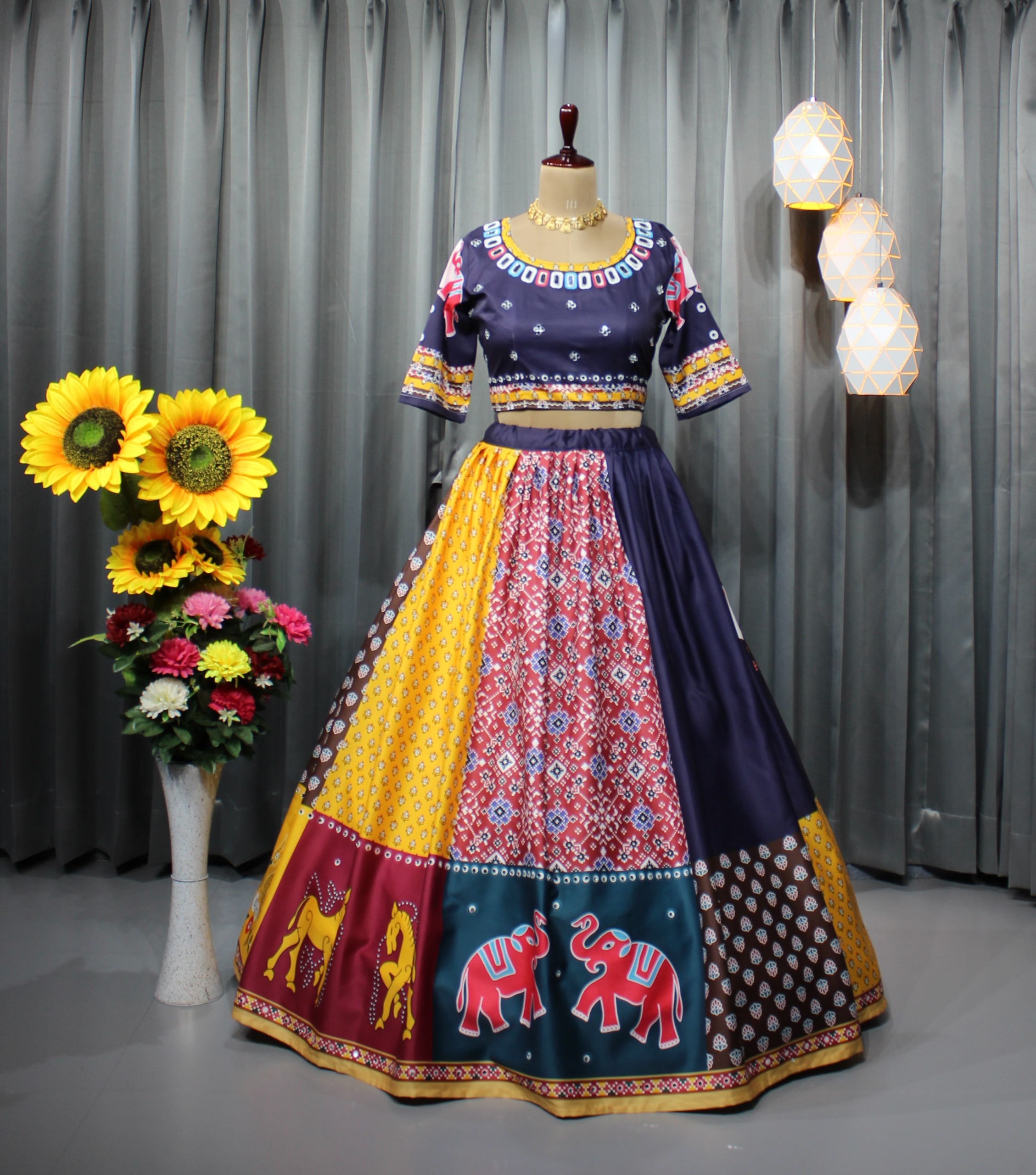
Bring the shoes you'll wear, including the approximate heel height, to the final hem appointment. Ask the tailor to check the skirt while you walk, climb two steps, sit on a chair and turn around. Those movements reveal more than standing in front of a mirror.
don't remove temporary tacking, protective netting or tags until the fit has been tested indoors. Store the lehenga on a broad hanger, keep heavy jewellery away from the blouse and transport the outfit in a breathable garment bag. If the fabric has sequins, fold it with a soft cotton layer between embellished surfaces to reduce snagging.
The strongest choice is the lehenga that gives you a stable waistband, a supportive blouse, enough walking ease and a drape you can maintain without constant adjustment. Body-shape guidance can suggest where to begin, but your measurements, movement test and comfort decide whether the outfit is right.
Common Questions About Finding a Bridesmaid Lehenga That Fits Well
Which lehenga silhouette suits a pear-shaped bridesmaid best?
An A-line or gently flared lehenga usually suits pear-shaped proportions because it skims the hips while allowing blouse detail to balance the shoulders. Choose vertical skirt details and avoid a large high-contrast motif placed directly across the fullest hip if you prefer a longer, smoother line.
What type of bridesmaid lehenga is comfortable for a fuller stomach?
A high-rise, secure waistband with a softly flared skirt is generally comfortable for a fuller stomach. A lined blouse with a V-neck, longer hem or three-quarter sleeves can provide support and coverage without wrapping bulky fabric around the midsection.
How much flare should a bridesmaid lehenga have?
The right amount of flare depends on height, venue and mobility rather than body type alone. Petite wearers often manage a moderate flare more easily, while taller wearers can carry broader volume; every skirt should allow comfortable walking, sitting and stair use.
How can I make a bridesmaid lehenga look more flattering in photographs?
Use a defined waistband, a blouse neckline that creates a clear vertical or diagonal line and a dupatta drape that does not stop at the widest part of the body. Test the complete outfit under flash and indoor lighting because sequins, mirror work and high-contrast borders can photograph differently.
When should a bridesmaid lehenga be altered before a wedding?
Plan the main fitting four to six weeks before the wedding and complete the final hem and closure check seven to ten days before the event. Bring the actual shoes, undergarments and jewellery to the final fitting so the blouse and skirt are adjusted for the finished outfit.
Is a heavy lehenga suitable for a bridesmaid?
A heavy lehenga is suitable only when the wearer can walk, sit and dance comfortably in it for several hours. Check the total weight, lining, waistband and blouse support, and consider silk, butter silk, georgette or muslin cotton when breathability and movement matter more than maximum embellishment.




