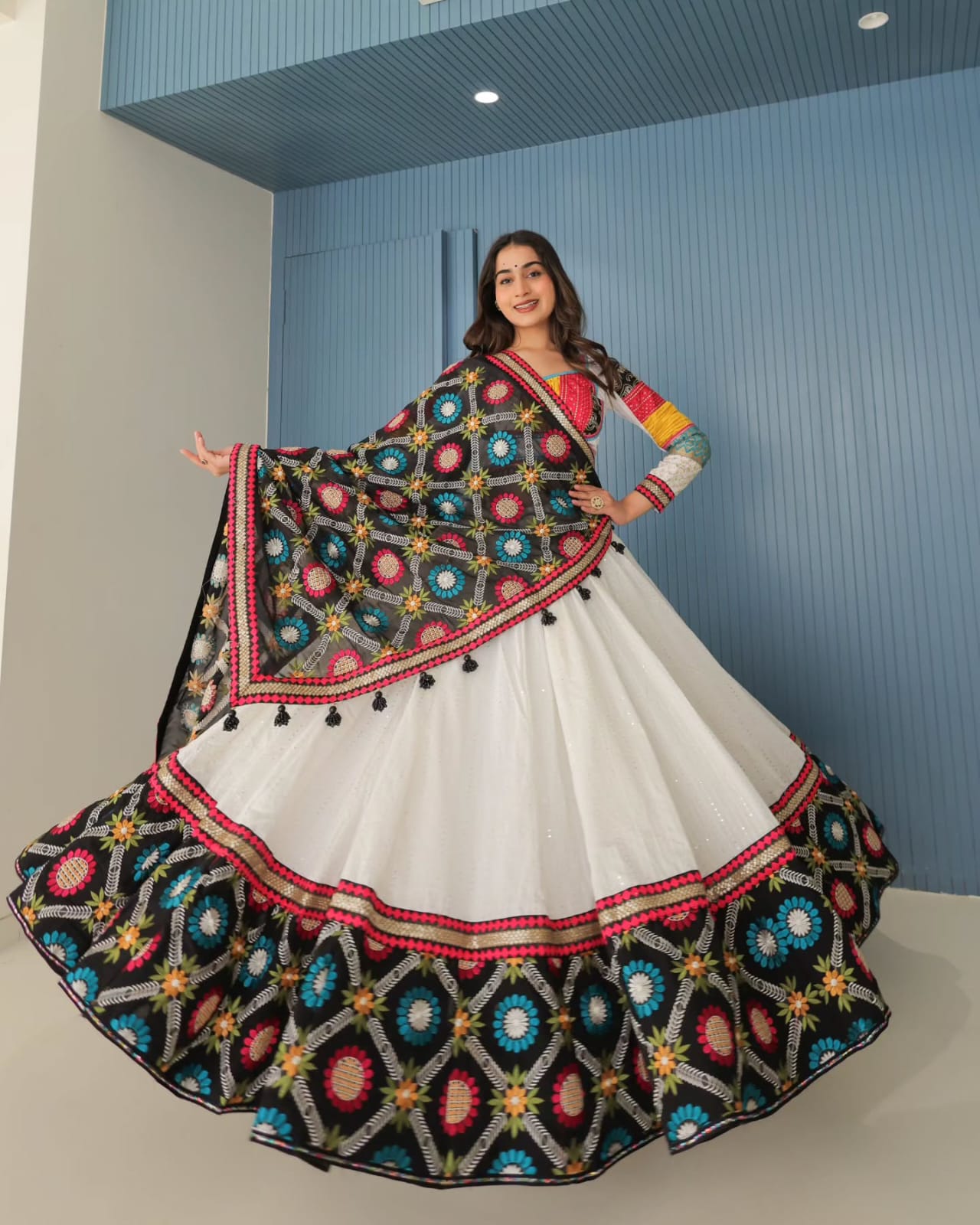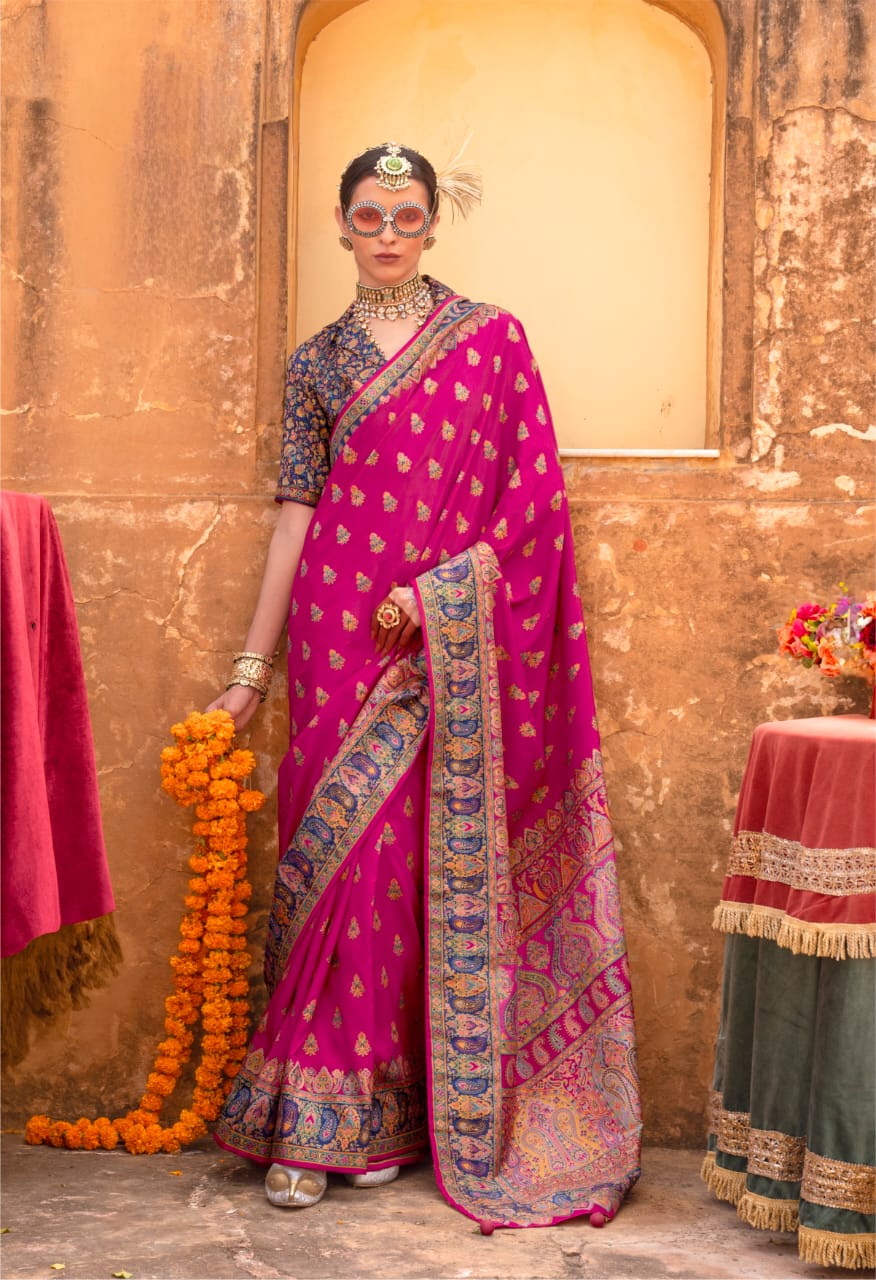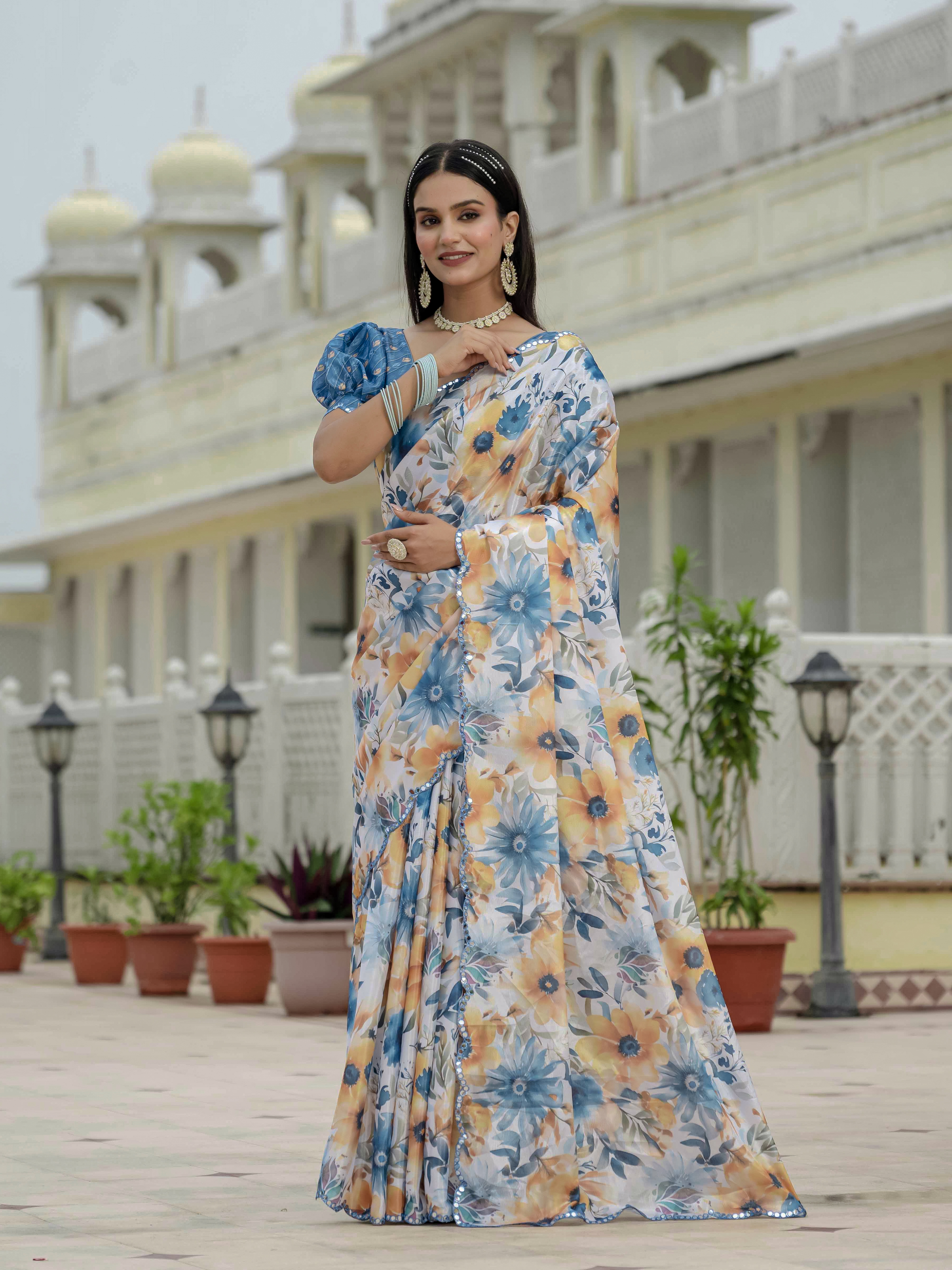
How to Care for Chanderi Sarees becomes much easier when you treat the weave as lightweight and delicate rather than as everyday cotton. Chanderi sarees may contain silk, cotton, or a silk-cotton combination, and each version responds differently to water, heat, friction and storage. A careful routine protects the fabric's airy drape, translucent surface, printed details and zari border for years.
Care should begin before the first wash. Read the garment label, identify whether the saree contains pure silk, cotton, silk-cotton yarns or metallic zari, and follow any professional-cleaning instruction. When the label is missing, a trusted dry cleaner is safer than testing an expensive saree at home.
Why Chanderi Sarees Need Gentle Handling
Chanderi sarees need gentle handling because their fine yarns and open, lightweight structure can crease, snag, bleed or lose shape under rough treatment. Chanderi, a historic weaving centre in Madhya Pradesh, is known for light textiles with a subtle sheen and graceful fall. The word "Chanderi" alone doesn't tell you whether a saree is pure silk, pure cotton or silk-cotton.
A silk Chanderi saree can develop water marks or a dull appearance when washed incorrectly. A cotton Chanderi saree may tolerate slightly more handling, but repeated scrubbing can still roughen the surface. A silk-cotton Chanderi saree combines the care needs of both fibres, particularly when the saree includes a silk zari border or printed areas.
Printed Chanderi requires additional caution because colour can migrate when the fabric is soaked or rubbed while wet. Metallic zari can darken through contact with sweat, perfume, moisture or household chemicals. These risks don't mean that every Chanderi saree must remain unworn; they mean that cleaning, drying and storing should be deliberate.
How to Care for Chanderi Sarees After Wearing
After wearing a Chanderi saree, air it in shade for 30 to 60 minutes before folding it away. Airing removes light perspiration and trapped humidity without exposing dyes and silk fibres to harsh sunlight.

Use a wide, padded hanger for a short airing period, but don't leave a Chanderi saree hanging for weeks. Long-term hanging can place stress on the shoulder fold, pallu and zari border. Keep the saree away from rough wood, exposed metal hooks, jewellery and textured walls that can catch fine yarns.
Remove brooches, safety pins and heavy waist chains before storage. A pinhole may become a visible tear when the saree is folded repeatedly. If a saree has absorbed strong perfume, smoke or food odour, airing it in a clean, shaded room is preferable to spraying deodorant directly onto the fabric.
What should be done about small marks?
Small fresh marks should be blotted gently with a clean, white, absorbent cloth rather than rubbed. Do not apply lemon juice, bleach, toothpaste, baking soda or stain-removal solvent to Chanderi silk without professional advice.
Place a dry white cloth beneath the marked area and dab from the outer edge towards the centre using a barely damp cloth. Stop immediately if colour transfers to the cloth. Oil, turmeric, lipstick, ink and old stains should go to a cleaner experienced with silk and zari, because home treatment can set the stain permanently.
Can Chanderi Sarees Be Washed at Home?
Chanderi sarees can sometimes be washed at home only when the care label permits it and the saree is a simple, colourfast cotton or cotton-blend design without vulnerable embellishment. Pure silk, heavily printed, vintage, embroidered or zari-rich sarees are safer with professional dry cleaning.

Before washing a permitted cotton or silk-cotton saree, test colourfastness on an inner seam with a damp white cotton bud. Wait several minutes and check whether red, maroon, green, yellow or other dye transfers. A successful test reduces risk but doesn't guarantee that the entire saree will behave identically.
- Fill a clean basin with cold or cool water and add a small amount of mild liquid detergent designed for delicate garments.
- Submerge the saree briefly, usually for no more than three to five minutes, without scrubbing, brushing or twisting.
- Move the saree slowly through the water once or twice, paying special attention to perspiration near the blouse area and underarm region.
- Rinse with cool water until no detergent remains; avoid holding the full wet weight from one corner.
- Support the saree with both hands, press excess water out between clean towels and never wring it.
Machine washing isn't recommended for Chanderi sarees because agitation, spinning and contact with zips or hooks can cause snags and distortion. Fabric softener can coat the yarns, alter the natural hand feel and leave residue that attracts dust. Hot water can encourage dye bleeding and weaken silk fibres.
A saree with a silk zari border, hand-block print, sequins or contrasting dark-and-light panels should not be soaked at home. The Black Maroon Chanderi Printed Saree for Women and the Green Maroon Chanderi Printed Saree Online India illustrate why printed colour combinations deserve a cautious approach: strong contrasts make even minor colour transfer more noticeable.
Drying and Ironing Chanderi Without Damage
Dry Chanderi sarees flat or over a broad, clean line in indirect shade, with the saree supported evenly. Direct midday sun can fade printed colours and dry silk too aggressively, while a thin wire or narrow hanger can create pressure marks.

don't twist the saree to remove water, and don't tumble-dry it. Spread the fabric so air can circulate, but keep it away from heaters, hairdryers and hot radiators. Bring the saree indoors as soon as it's dry; leaving textile surfaces outside overnight exposes them to dew and dust.
Iron a Chanderi saree on the reverse side using the lowest useful heat setting. Place a thin cotton pressing cloth between the iron and saree, keep the iron moving, and avoid pressing directly over zari, sequins, raised prints or embroidered motifs. Test the heat on an inside fold before treating the visible body.
Steam can relax creases, but excessive steam and concentrated heat can create moisture marks in silk and loosen adhesive elements. If the saree is valuable or has a silk zari border, ask a professional cleaner to press it. Fold only after the fabric has cooled completely.
How Silk, Cotton and Zari Change the Care Routine
Fibre content determines the safest care routine for a Chanderi saree. Silk, cotton and silk-cotton blends share the Chanderi name but differ in absorbency, crease behaviour, colour response and tolerance of heat.
Pure silk and silk-cotton Chanderi
Pure silk Chanderi should generally be dry-cleaned by a specialist, especially when it has zari, rich dye, hand painting or an intricate border. Silk fibres can lose strength when wet, and an incorrect detergent can strip surface lustre.
Silk-cotton Chanderi is often light, breathable and easier to wear than a heavier pure silk saree, but the silk component still makes hot washing and forceful wringing unsafe. The Beige Grace Cotton Silk Saree for Daily Wear represents the kind of cotton-silk category where the label should guide cleaning rather than the saree's apparently simple appearance.
Cotton Chanderi and everyday use
Cotton Chanderi may be more forgiving for regular wear, yet it still benefits from cool water, mild detergent and shade drying. Cotton can crease more visibly, so broad folds and prompt, low-heat ironing are useful. Avoid assuming that a cotton base makes a printed or zari-bordered saree machine washable.
Pure silk, handloom pure silk and silk wedding sarees deserve particular caution because their value may lie in fine yarns, woven motifs and traditional finishing rather than in fabric weight. A heavier-looking border doesn't necessarily indicate stronger construction.
Storage That Prevents Creases, Tarnish and Snags
Store a clean, completely dry Chanderi saree in a breathable cotton or muslin cover, away from direct sunlight, damp walls and strong odours. Fold the saree loosely along existing fold lines and refold it every two to three months to reduce permanent crease stress.
Keep zari away from newspaper, printed tissue and untreated cardboard because inks and acidic materials can stain or accelerate deterioration. Acid-free tissue or soft, uncoloured muslin placed between folds helps protect metallic borders and printed surfaces. Do not pack the saree tightly beneath heavy garments.
Plastic garment bags are unsuitable for long-term storage because they trap humidity. In a humid monsoon climate, inspect stored sarees monthly for musty odour, dampness or early mildew. Air the saree in shade and dry the storage cupboard if humidity is present; never seal a damp textile inside a box.
Neem leaves or cedar blocks may deter insects when kept separately from the fabric, but strong mothballs should not touch Chanderi. Perfumed sachets can transfer oils and scent to silk. Keep jewellery, hooks and embellished blouses in separate pouches so they can't snag the saree during handling.
Buying and Caring for Chanderi Sarees Wisely
A care-friendly purchase begins with clear information about fibre content, print method, zari, lining and cleaning instructions. Ask whether the saree is handloom or powerloom, whether the border contains metallic yarn, and whether the colours are expected to bleed during the first cleaning. A seller who can't answer basic fibre and care questions deserves caution.
Price alone can't prove authenticity. A simple cotton Chanderi saree may cost considerably less than a pure silk saree with zari, handwoven motifs or complex finishing. As a broad market guide, basic blends may sit around ₹1,500 to ₹5,000, while premium silk, handloom or zari-rich pieces can reach ₹10,000 to ₹20,000 or more depending on workmanship and provenance.
Chanderi's famous weaving centre is Chanderi town in Ashoknagar district, Madhya Pradesh. A geographical association is useful context, but an original Chanderi saree can't be authenticated by touch alone. Check the fibre declaration, weave details, seller documentation, Handloom Mark or other credible certification where applicable, and compare the reverse side for consistent construction.
Collections such as Party Wear Sarees, White Silk Sarees in Cream Ivory and Off White, and Maroon Silk Sarees with Up to 74% Off can help shoppers compare colour and occasion choices, but a collection label doesn't replace a fibre or care label. Gray Color Sarees Under 1000 and Red and Yellow Sarees from Rs 799 with Up to 75 Percent Off may suit a budget search, while the final purchase decision should still consider dye stability, finishing and cleaning requirements.
A Simple Chanderi Care Schedule
A practical schedule prevents small care mistakes from becoming permanent damage. Air the saree after every wear, inspect for marks before folding, and store it only when fully dry.
- After each wear: Remove pins and jewellery, air the saree in shade, and check the blouse area and pallu for marks.
- Before cleaning: Read the label, identify silk, cotton, silk-cotton and zari, and perform a hidden colourfastness test only when home washing is permitted.
- During washing: Use cool water, mild detergent and minimal handling; never scrub, wring or machine-spin Chanderi.
- During drying: Support the wet fabric evenly, dry it in indirect shade and keep it away from artificial heat.
- During ironing: Use reverse-side, low-heat pressing with a cotton cloth, avoiding zari and raised decoration.
- Every two to three months: Refold stored sarees, inspect for dampness and check that the storage cover remains breathable.
The most reliable approach combines the care label with the fabric composition and the saree's surface details. Gentle handling, low heat, clean storage and prompt professional help for difficult stains preserve the lightness that makes Chanderi special without turning a beautiful saree into a fragile museum piece.
Questions People Ask Before Cleaning and Storing Chanderi Sarees
Which place is famous for Chanderi sarees?
Chanderi town in Ashoknagar district, Madhya Pradesh, is famous for Chanderi sarees and weaving traditions. The town's association is important, but buyers should also check fibre details, weave information and credible certification when assessing provenance.
How much does a Chanderi saree cost?
Basic cotton or silk-cotton Chanderi sarees may begin around ₹1,500 to ₹5,000, while premium silk, handloom and zari-rich sarees can cost ₹10,000 to ₹20,000 or more. Price varies with fibre, weaving method, motif complexity, zari and finishing.
How can you identify an original Chanderi saree?
An original Chanderi saree cannot be confirmed by softness or translucency alone. Check the fibre declaration, weave consistency, seller documentation, Handloom Mark or other credible certification, and ask specifically about silk, cotton, zari and the place of weaving.
Can Chanderi sarees be washed in a washing machine?
Machine washing is generally unsafe for Chanderi because agitation, spinning and contact with fasteners can snag or distort the fine weave. Only follow a machine-wash instruction when the garment label explicitly permits it; otherwise choose careful hand washing where allowed or specialist dry cleaning.
How should a Chanderi saree be stored during monsoon?
Store a completely dry Chanderi saree in a breathable cotton or muslin cover, away from damp walls and direct sunlight. Inspect it monthly, refold it every two to three months, and never seal it in plastic when humidity is high.
Is dry cleaning necessary for a Chanderi silk saree?
Professional dry cleaning is the safer choice for pure silk Chanderi, zari-bordered, heavily printed, embroidered, vintage or colour-contrasting sarees. A simple cotton or cotton-blend saree may permit gentle home washing, but the care label should decide.