

How Sualkuchi Silk Buying Differs From Shopping in a Big City becomes clear when you compare the buying experience, not only the final price. Sualkuchi, an important handloom centre in Assam, brings shoppers closer to weavers, local traders, loom terminology and regional silk traditions. A large-city showroom usually offers wider styling, standardised service, fixed packaging and easier returns. Neither route guarantees quality by itself. The sensible choice depends on whether you value direct textile knowledge, convenience, design variety, documentation or after-sales support.
Sualkuchi silk can supplied to several Assam-linked silk traditions, including Muga silk, Eri silk, Pat silk and blends or products sold through local markets. A responsible buyer therefore asks what fibre, weave and finishing process a special piece has instead of treating "Sualkuchi" as a universal quality label. That single habit prevents many misunderstandings.
How Sualkuchi Silk Buying Differs From Shopping in a Big City at the source
Buying silk in Sualkuchi usually places the shopper closer to the loom, weaver, cooperative, wholesaler or local silk trader. Shopping in a big city usually places the shopper closer to a curated retailer, designer label or multi-brand store. The first setting can reveal how a textile was made; the second often makes selection, styling and service easier.
In Sualkuchi, a seller may explain whether a saree is handwoven, powerloom-made, woven with pure silk, made from a silk blend or finished with zari-like embellishment. A local conversation may also cover the weaving cluster, the yarn used for the warp and weft, and the time required for a motif. The information may be informal, so buyers should still request a bill and record the seller's claims.
A metropolitan store commonly presents a garment through a tag, catalogue description and organised size or colour options. That presentation is more consistent, but it may compress several technical details into broad words such as "silk," "handloom" or "art silk." A city buyer should ask for the fibre composition and the source of the handloom claim rather than relying on display language.
Regional proximity also changes the design conversation. Sualkuchi markets may offer Assamese motifs, traditional borders and colours associated with local dress. Big-city stores tend to carry more pan-Indian silhouettes, including pre-stitched sarees, lehengas, contemporary blouses, kurta sets and coordinated dupattas. A shopper seeking a specific urban wedding outfit may find more immediate options in a city, while a shopper seeking regional textile character may gain more from local browsing.
How Sualkuchi Silk Buying Differs From Shopping in a Big City when checking authenticity
You should verify the fibre, weaving method, seller documentation and fabric behaviour together because no single touch test proves silk authenticity. Sualkuchi silk buying rewards careful questions more than dramatic claims about burn tests or surface shine.
Ask what "silk" means on the invoice
A bill should identify whether the item is pure silk, a silk blend, a synthetic imitation or a product with silk only in selected components. Muga silk, Eri silk and Pat silk have different appearances and price structures. A garment described as a silk blend should not be compared with a pure-silk handloom saree at the same price point.
Banarasi silk, Kanjeevaram and Chanderi are distinct textile traditions, just as Sualkuchi weaving has its own regional context. A seller using "Assam silk" should be able to explain which silk or blend is present. When a label only says "silk finish," assume that the wording describes appearance or treatment rather than fibre content until the seller clarifies it.
Use visual and tactile clues carefully
Handwoven cloth often shows small variations in selvedge, motif spacing or surface texture, but variation alone doesn't prove handloom production. Look at the reverse side of the fabric, where thread floats, joins and zari transitions can reveal how a motif was made. Check whether the border remains reasonably aligned and whether the fabric has been finished neatly.
Natural silk usually has a complex, changing lustre rather than a flat plastic shine. The observation is useful but not conclusive because finishing, lighting and synthetic fibres can alter appearance. A burn test is unsuitable in a shop because it can damage the textile and still requires expertise to interpret. A handloom mark, silk mark, cooperative receipt or reliable invoice is more useful evidence than a quick flame test.
For embellished garments, inspect the embroidery attachment, lining, seam allowance and weight of the zari. Loose sequins, rough inner seams and poorly secured hooks can create repair costs that are invisible from the front. These construction checks matter equally in a local Sualkuchi market and a premium city showroom.
How Sualkuchi Silk Buying Differs From Shopping in a Big City on price
Prices differ because the final amount includes fibre cost, weaving time, design complexity, transport, retailer margin, taxes, packaging, alterations and after-sales service. A lower local-market price doesn't automatically mean a bargain, and a higher big-city price doesn't automatically mean superior silk.
A handwoven saree with a dense border may take substantially longer to produce than a lightly patterned saree, even when both use a similar base fibre. Muga silk, for example, has a distinctive golden appearance and a different raw-material context from ordinary silk blends. Zari content, motif density and the number of colours in the weft can also change labour and material costs.
Local shopping may reduce some layers between producer and buyer, but the visible price can exclude blouse stitching, fall and edging, courier charges or alteration work. A city showroom may include a polished box, fitting consultation, exchange window and quality inspection in its margin. Compare the complete purchase rather than comparing only the garment ticket.
Product descriptions also show why fibre labels matter. Premium Handloom Silk Saree with Handkatha may appeal to a buyer seeking a handloom-led look, while Black Gold Jacquard Lichi Silk Saree with Rich Pallu signals a more decorative jacquard finish. These product names describe individual garments, not proof that every item is Sualkuchi-woven. The buyer should still read the material and origin details.
Bargaining requires particular care. Ask for the best final price only after confirming fibre, weave, blouse piece, defects, tax invoice and included finishing. Bargaining over an unverified product can encourage a seller to hide important details, while a respectful discussion around a clearly described textile is more likely to produce a fair comparison.
How Sualkuchi Silk Buying Differs From Shopping in a Big City when asking sellers questions
Before buying silk in Sualkuchi, ask what fibre is used, whether the cloth is handwoven, where it was woven, what the price includes, how the garment should be cleaned and what happens if a defect appears after purchase.
- What is the exact fibre content? Ask whether the saree or garment contains Muga silk, Eri silk, Pat silk, another silk, cotton or synthetic fibre.
- Is the piece handwoven or powerloom-made? Request a direct answer rather than accepting a general phrase such as "time-honoured silk."
- Which parts are woven and which parts are added later? Zari borders, printed panels, machine embroidery and hand embroidery have different durability and cost implications.
- Does the price include finishing? Confirm whether blouse fabric, fall, edging, stitching, lining, shipping and taxes are included.
- How should the piece be cleaned? Ask specifically about dry cleaning, airing, folding and storage instead of assuming that all silk can be washed at home.
- What is the exchange or defect policy? Write the answer on the bill or keep the seller's message, especially when purchasing outside your home city.
Photograph the front, reverse, selvedge, label and invoice before leaving the shop. The record helps when a parcel is shipped later or when a family member needs to identify the garment's care requirements. A written fibre description is more useful than relying on memory after visiting several stores.
How Sualkuchi Silk Buying Differs From Shopping in a Big City for ready-to-wear clothing
A big-city showroom generally does better at predictable service, coordinated styling and immediate comparison across categories. Buyers can often try several silhouettes, request alterations, see complete wedding looks and obtain a formal invoice without visiting multiple sellers.
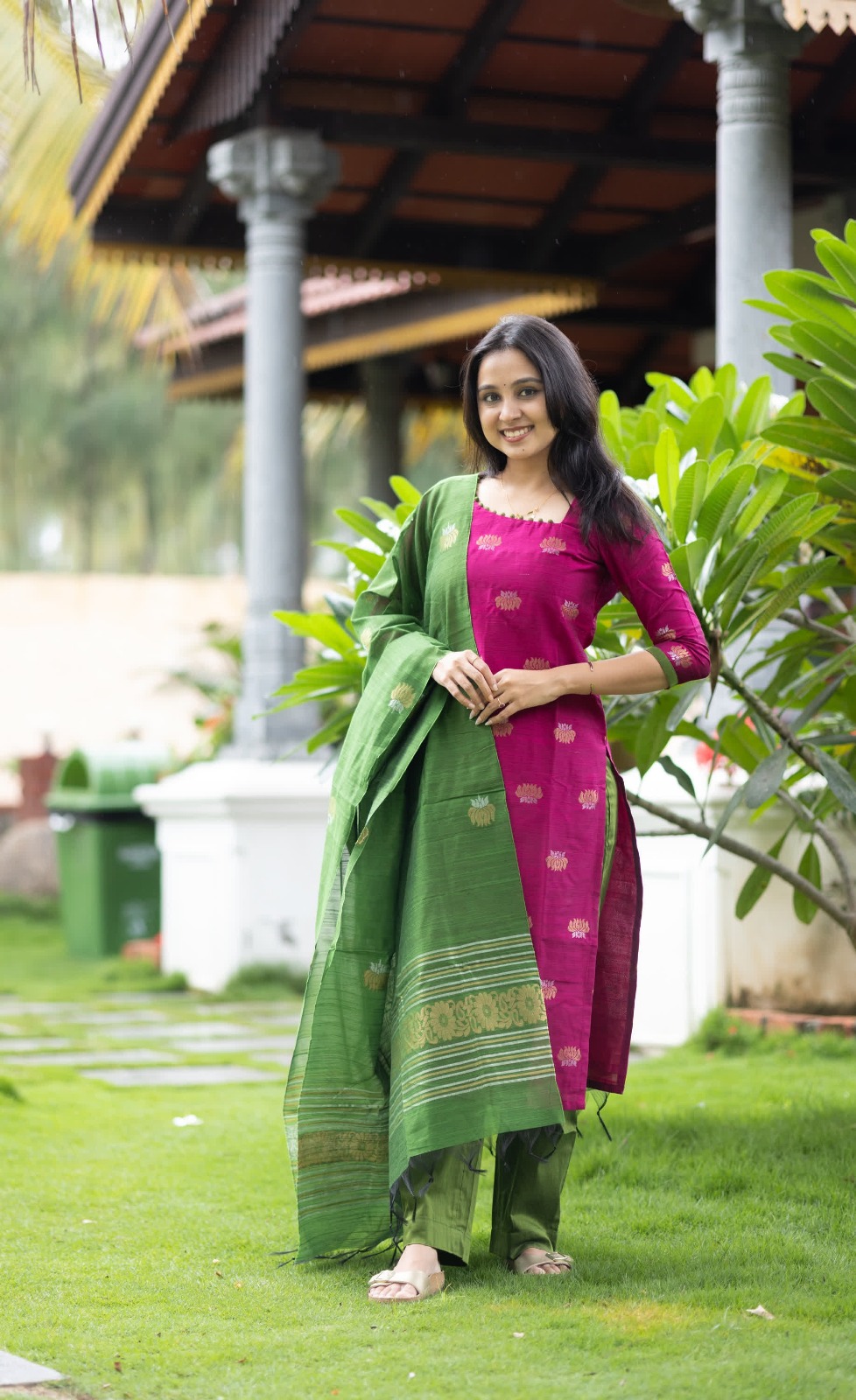
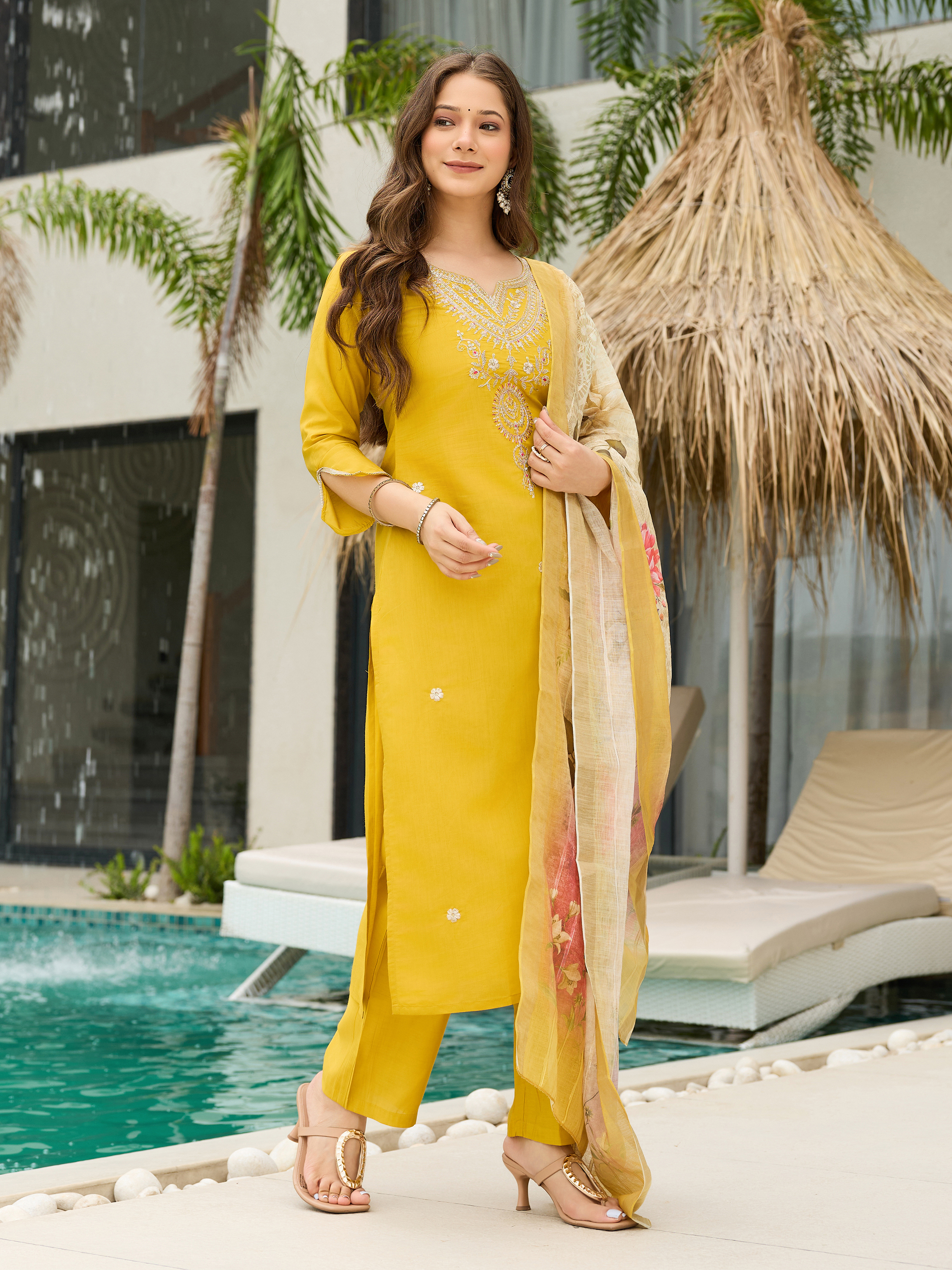
City shopping is particularly practical for ready-to-wear garments. Cream Silk Embroidered Kurti Pant with Printed Dupatta provides an example of a coordinated three-piece format, while Purple Silk Anarkali Suit Set with Embroidery & Sequin Work shows why embellishment, lining and fit should be assessed together. A local silk market may sell excellent fabric but may not offer the same level of finishing or size consistency for a stitched suit.
Two garments with similar wording can differ in fibre percentage, print method, cut and included pieces. Black Floral Silk Blend Kurta Pant Dupatta Set Women and Black Floral Printed Silk Blend Kurta Set with Dupatta illustrate why shoppers should compare the composition label and garment measurements, not just the product title.
A city retailer may provide safer payment records, courier tracking and an organised alteration process. Those conveniences have real value for a time-sensitive purchase, such as a wedding outfit needed within two weeks. The trade-off is that the buyer may have less access to the person who wove the textile and may pay a larger retail margin.
Local Sualkuchi shopping can be less predictable in sizing and stock. A saree may be available immediately while a matching blouse, lining or stitched garment requires separate work. Buyers travelling home should allow time for checking, packing and possible dispatch rather than scheduling the purchase on the day before an event.
How Sualkuchi Silk Buying Differs From Shopping in a Big City for care and long-term value
Silk garments last longer when they're cleaned gently, protected from moisture and stored without crushing, regardless of where they were purchased. Origin changes the buying conversation, but careful maintenance determines much of the garment's usable life.
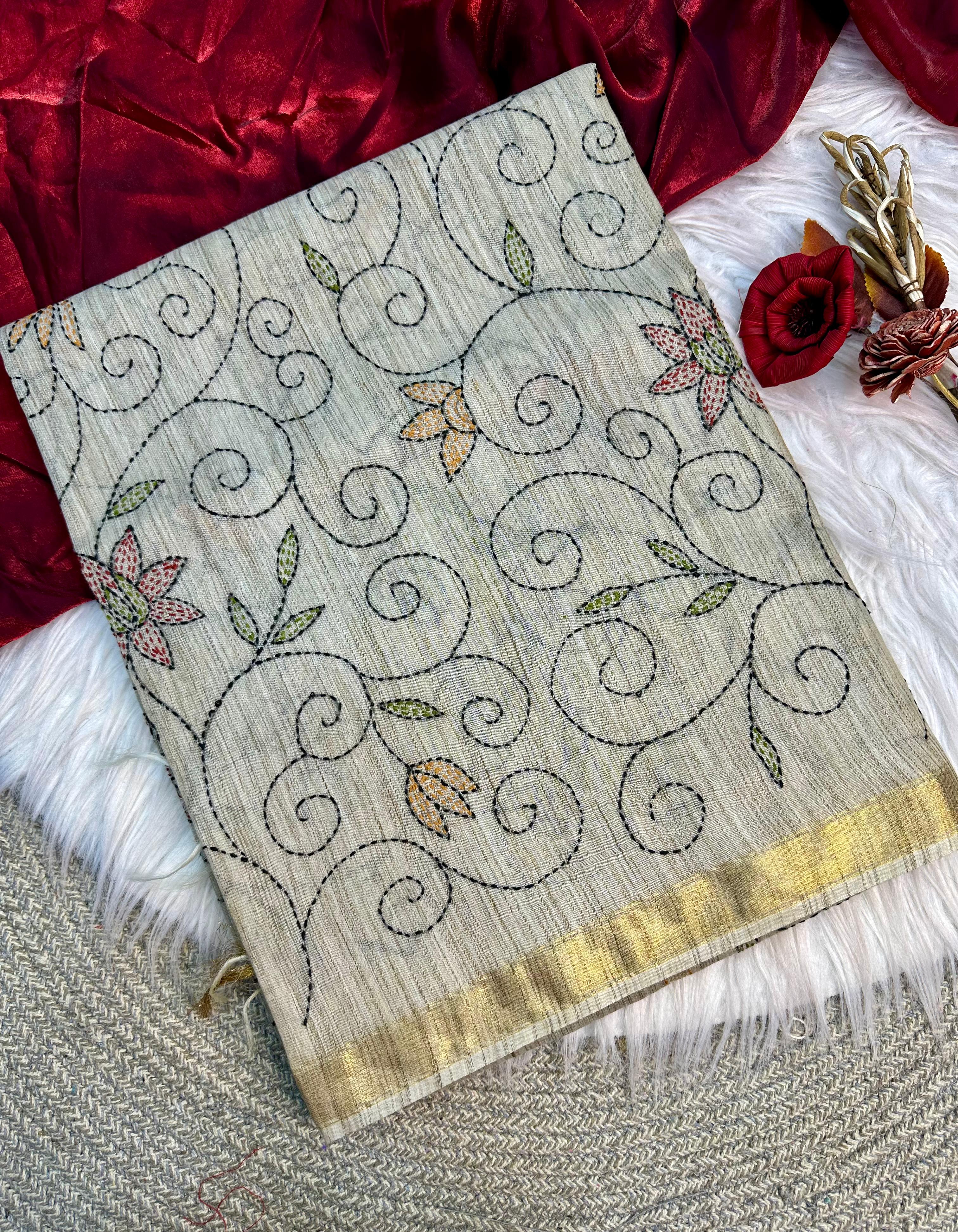
Dry cleaning is usually the safer choice for pure silk sarees, zari-heavy textiles, deep-dyed garments and heavily embroidered suits. Home washing can cause colour bleeding, shrinkage, water marks or distortion of zari. A care label or the weaver's specific instruction should take priority over a generic internet remedy.
Air a silk garment in shade after wearing it, then fold it with clean, unbleached cotton or muslin rather than storing it in airtight plastic for long periods. Refold a stored saree every few months to reduce permanent creases along the same fold. Keep perfume, deodorant and jewellery away from the fabric because alcohol, oils and sharp edges can damage silk and embellishment.
Products such as Mustard Silk Embroidered Anarkali Kurti Pant Set Sale and Silk Festive Kurta Pant Set with Zari Jacquard Dupatta also require construction checks beyond fibre identification. Examine whether the lining pulls at the seams, whether the trouser fabric is opaque enough and whether the dupatta edges are finished securely. Occasion wear may be worn less often, but heavy embroidery still needs breathable storage and careful handling.
Value should therefore be measured over years, not by the lowest purchase price. A well-documented handloom saree with a repairable border may be a better long-term purchase than a cheaper item with uncertain fibre content. Conversely, a city-bought silk blend can be the sensible choice when the buyer needs a comfortable, washable or budget-conscious outfit for repeated use.
How Sualkuchi Silk Buying Differs From Shopping in a Big City: choosing the right route
The best buying route depends on the priority of the purchase. Choose Sualkuchi when regional weaving knowledge, direct seller conversations and textile discovery matter most. Choose a big-city retailer when dependable sizing, formal service, fast alterations, broad styling and convenient returns matter most.
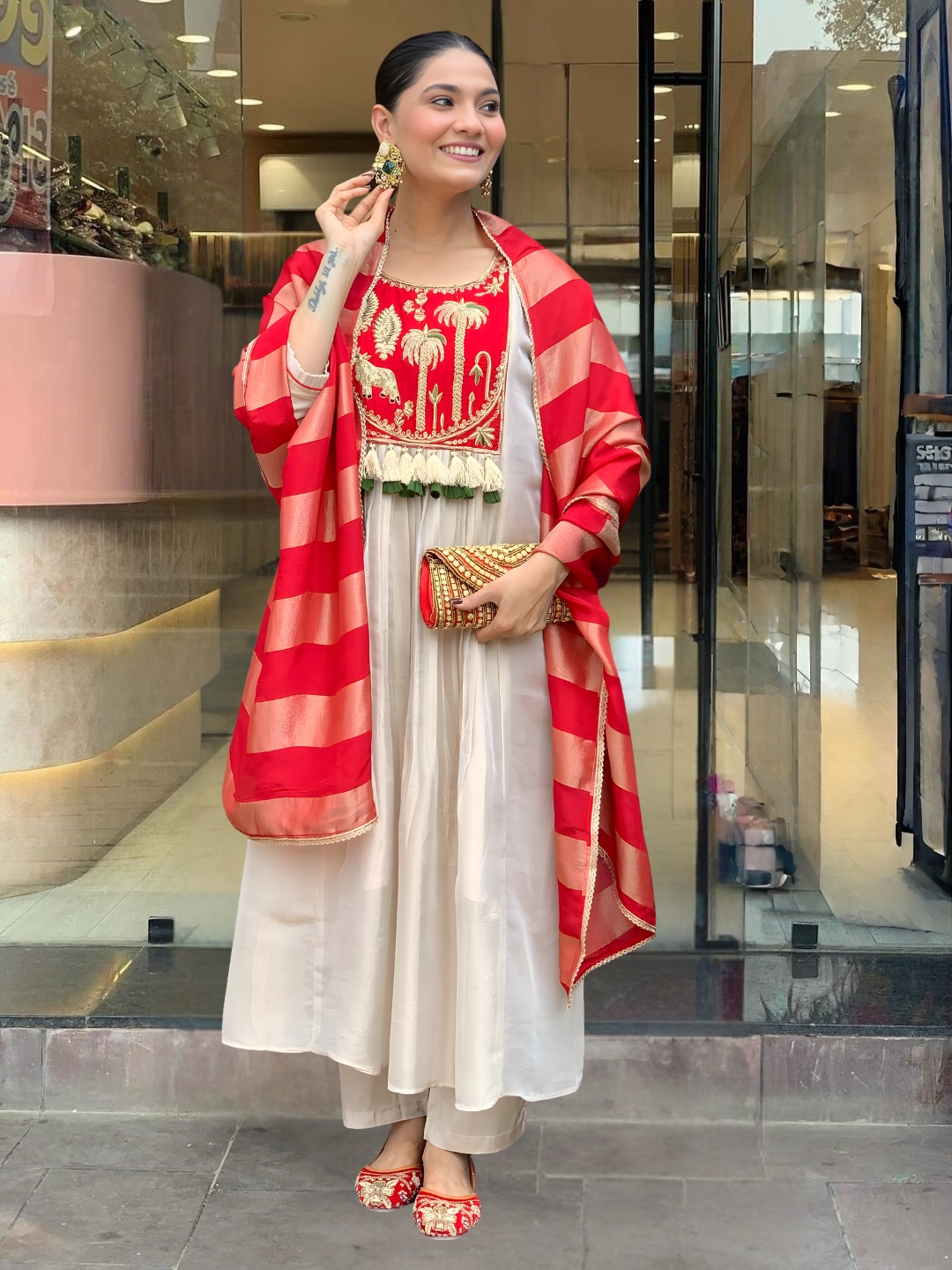
A hybrid approach often gives the strongest result. Study fibre terms and motif traditions before travelling, compare several sellers in Sualkuchi, photograph the details and retain every bill. For a city purchase, ask the same technical questions that you would ask a local seller and don't treat a polished showroom as automatic proof of handloom authenticity.
Use a simple comparison note with five fields: fibre, weave, origin, total cost and care method. Add the garment dimensions, blouse-piece length, return terms and any visible defect. This method turns an emotional purchase into a record that can be checked later.
Shopping thoughtfully also respects the textile's makers. Paying a fair price for clearly described handloom work supports the weaving ecosystem, while accurate labels help buyers distinguish Muga silk, Eri silk, Pat silk, silk blends and synthetic fabrics. The most reliable purchase isn't necessarily the one with the loudest claim; it's the one whose material, workmanship and price can be explained clearly.
Common Questions About Sualkuchi Silk and Big-City Shopping
Is Sualkuchi silk always handwoven?
No, the name Sualkuchi does not by itself prove that a product is handwoven. Ask whether the specific piece is handwoven or powerloom-made, and request a bill or handloom documentation that records the claim.
How can I check whether Sualkuchi silk is pure silk?
Check the fibre composition, invoice, seller explanation and any recognised silk or handloom certification together. Touch and shine can provide clues, but neither test can conclusively distinguish pure silk from a blend or synthetic fabric.
Why can Sualkuchi silk cost less than silk sold in a big city?
A local purchase may involve fewer retailer and transport margins, although the difference can also reflect fibre, weave density, zari content, finishing and documentation. Compare the complete cost, including alterations, blouse work, taxes and delivery, rather than comparing only the ticket price.
Should I bargain when buying silk in Sualkuchi?
You can ask respectfully for a final price after confirming the fibre, weave, included items, defects and invoice. Bargaining before understanding the product can lead to a misleading comparison between a documented handloom textile and an unverified silk blend.
Is dry cleaning necessary for Sualkuchi silk sarees?
Dry cleaning is generally the safer option for pure silk, zari-heavy sarees, dark dyes and embroidered garments. Follow the care label or the seller's specific advice, and avoid machine washing unless the fibre and finishing are explicitly suitable for it.
Which is better for a wedding outfit: Sualkuchi shopping or a big-city showroom?
Sualkuchi shopping is better when you want regional textile character and direct product knowledge, while a big-city showroom is better for urgent delivery, consistent sizing, alterations and coordinated styling. The right choice depends on how much time you have and whether the outfit is fabric-led or fit-led.




