

How Long Should a Kurta Be for Cycling or Two Wheeler Travel isn't a minor styling question when a loose hem can catch on a pedal, wheel, footrest or chain guard. A practical everyday kurta usually ends between the upper thigh and just above the knee, with enough ease for sitting but not enough excess fabric to bunch around the knees. The safest choice depends on your height, riding position, fabric weight, side slits and whether you wear trousers, palazzos or a salwar.
A well-cut salwar suit can work beautifully for a bicycle commute, scooter ride or motorcycle passenger journey. The key is to assess the garment in a seated position rather than judging it while standing in front of a mirror. A three-minute movement check can reveal more than a decorative hem, a fashionable silhouette or a product photograph.
How Long Should a Kurta Be for Cycling or Two Wheeler Travel?
The most useful starting length is about 5 to 10 centimetres above the knee when standing, which generally places the hem around the upper knee or mid-thigh depending on body proportions. A petite wearer may prefer a 70 to 78 centimetre kurta, while someone taller may find an 80 to 90 centimetre kurta more balanced and functional. These measurements are guides, not fixed rules, because torso length, leg length and riding posture change the result.
Measure from the highest point of the shoulder beside the neck to the proposed hem. Then sit on a bicycle or scooter with both feet positioned as they would be during travel. The front hem should not press into the thighs, extend the brake or gear area, or gather under the hips. The back hem should remain clear of the rear wheel, seat hinge and catch rail.
A straight kurta with side slits is usually easier to manage than a long, narrow silhouette. Side slits should begin high enough to permit leg movement but not so high that the garment exposes the waist while mounting the vehicle. A slit ending around mid-thigh often gives useful stride room, whereas a slit reaching the hip can require additional attention when sitting or climbing onto a pillion seat.
Why standing length can mislead you
A kurta rises at the front when the wearer bends the knees, so a garment that appears modest while standing may feel unexpectedly short while riding. A kurta also pulls across the back when the shoulders reach toward handlebars. The hem can therefore appear uneven, with the front lifting and the back shifting sideways.
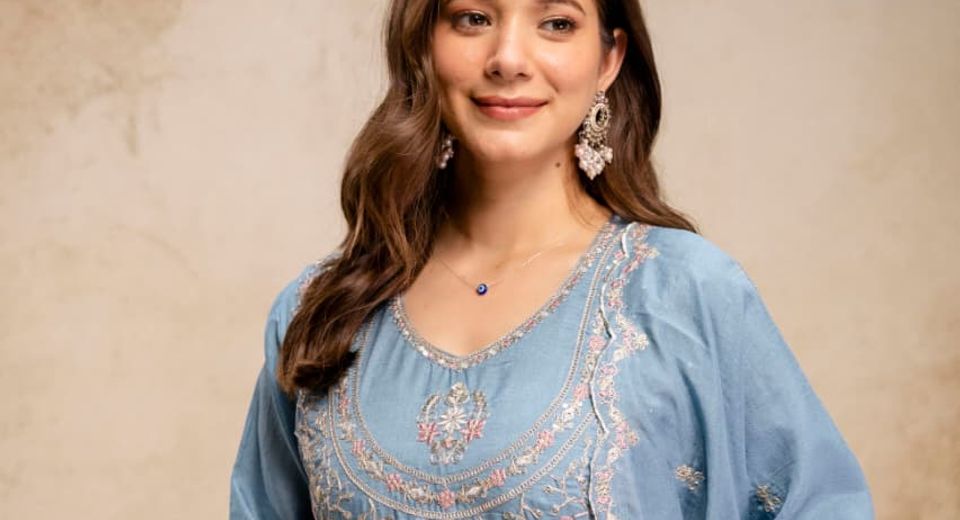
Try the garment over the exact bottoms you plan to wear. A Cream Khadi Cotton Straight Kurta Set with Dupatta may sit differently over slim trousers than over a fuller salwar because the lower layer changes friction and fabric volume. Take ten steps, sit down, raise one knee and turn your torso before deciding that the length works.
Measurements that make a kurta safer on a bicycle or scooter
Three measurements matter most: the shoulder-to-hem length, the side-slit height and the sleeve length. A functional kurta should allow the elbows to bend freely, keep the hem away from moving parts and remain secure when the rider mounts, stops and dismounts.
- Shoulder-to-hem length: Begin with 5 to 10 centimetres above the knee for active travel. Test a longer length only if the hem stays clear while seated.
- Side-slit height: Aim for a slit that allows a full step onto the footboard without forcing the fabric to twist. Very low slits restrict movement; very high slits may shift during mounting.
- Sleeve length: Three-quarter sleeves or sleeves ending several centimetres above the wrist are less likely to catch on handlebars, brake levers or helmet straps.
- Chest and armhole ease: Keep enough room for a folded arm and a forward reach. Tight armholes pull the whole kurta upward when you steer.
- Hem width: A moderate straight or lightly flared hem is easier to control than a large Anarkali flare on a moving vehicle.
A simple safety test is to sit, place both feet down, turn the handlebars fully left and right, and stand beside the vehicle without stepping on the hem. Repeat the test with a backpack or handbag if you carry one daily. A garment that passes only when held in place isn't practical for regular travel.
Which kurta silhouettes work best for two-wheeler travel?
Straight kurtas with moderate ease are the most reliable silhouette for cycling and scooter travel because the fabric falls close to the body without restricting the thighs. A short A-line kurta can also work when the flare begins below the hip and doesn't extend into a wide circle. Long Anarkali kurtas, heavily layered designs and very full kalidar cuts need more control because loose panels can move toward wheels and footrests.
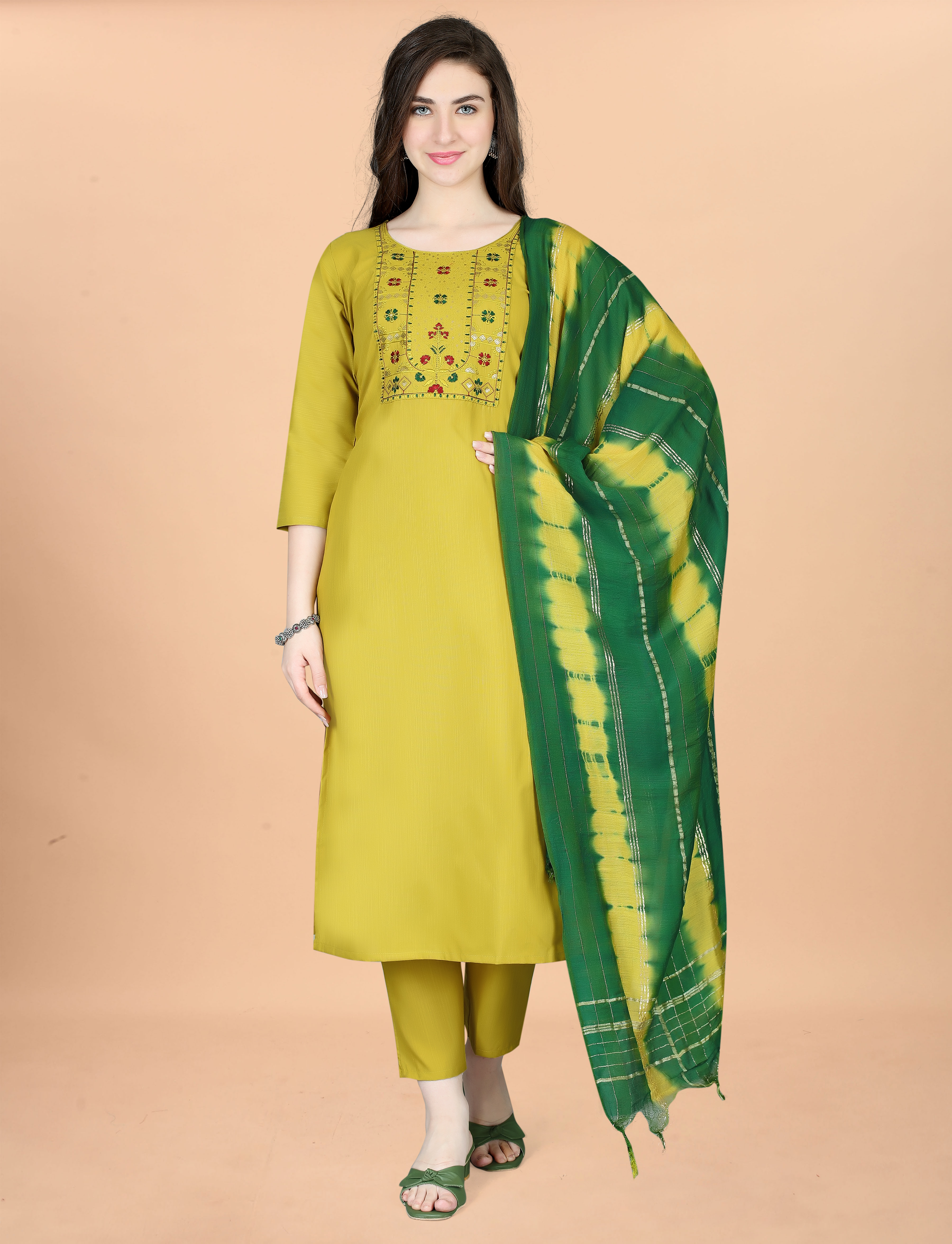
A straight cut doesn't have to look plain. Vertical embroidery, a printed neckline, contrast piping or a structured yoke can create visual interest without adding fabric around the knees. The Vertical Cotton Straight Kurta Set with Dupatta demonstrates why a vertical line is useful in commuter dressing: the eye travels upward while the silhouette remains relatively controlled.
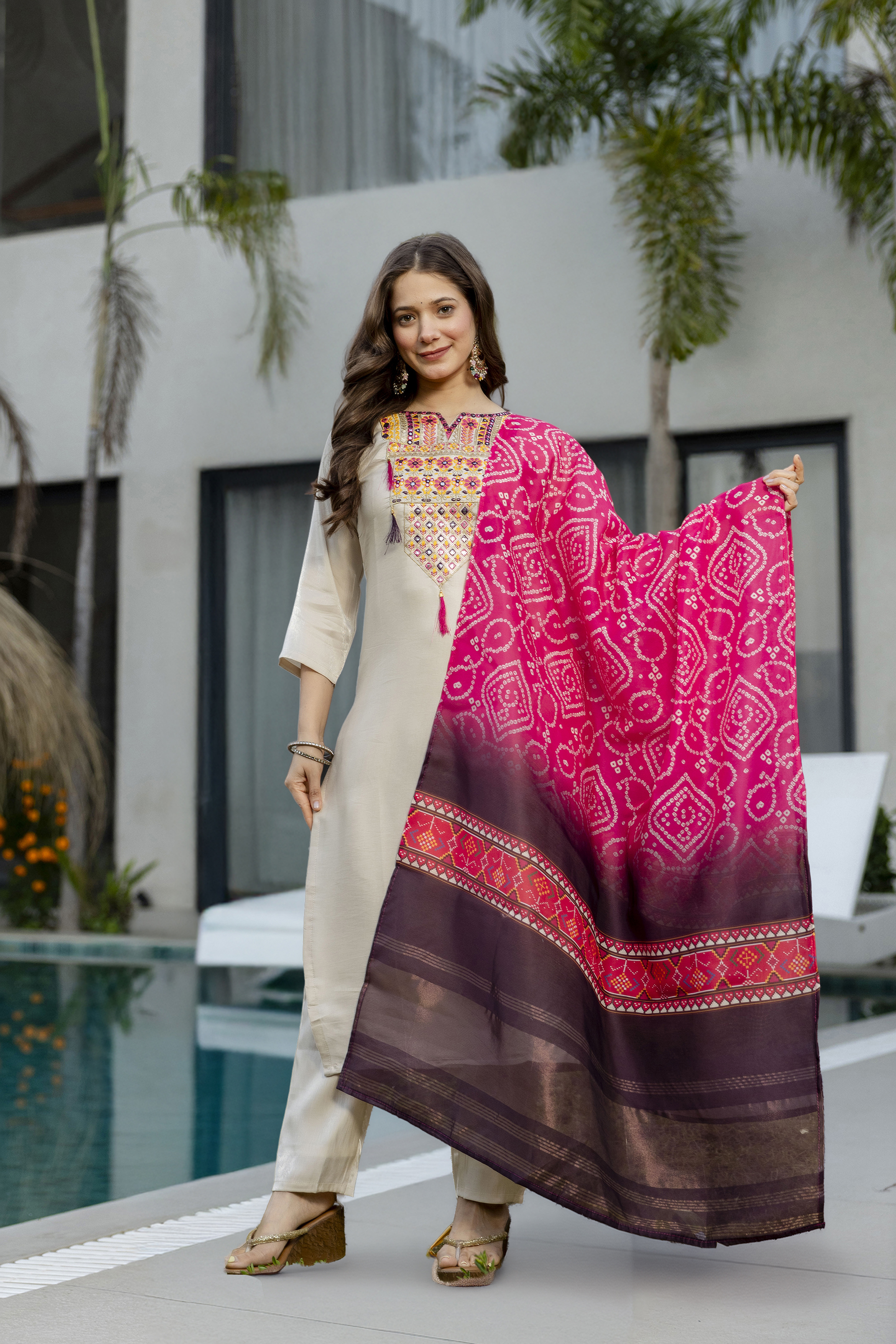
For a more polished office commute, the Elegant Beige Vichitra Silk Embroidered Kurta Set for Women offers an useful styling reference for proportion. Vichitra silk has a dressier appearance, so a wearer can keep the lower half streamlined with narrow trousers and reserve the ornate detail for the upper body. Heavy embroidery around the lower hem is less practical than embroidery concentrated at the yoke or sleeves.
A short kurta isn't automatically safer. A hem that ends at the widest part of the hip can ride upward when the wearer sits and may require repeated adjustment. A slightly longer hem that falls below the hip but remains above the knee often provides better coverage and stability.
Choosing fabric and bottoms for a moving commute
Breathable cotton and cotton blends are usually the easiest fabrics for repeated cycling or scooter travel because they manage heat and tolerate frequent washing. Khadi cotton may feel textured and airy, while lightweight cotton keeps its shape with less bulk. Chanderi and silk blends can suit a short city journey, but smooth fabrics should be checked for seat slippage and snagging before a long ride.
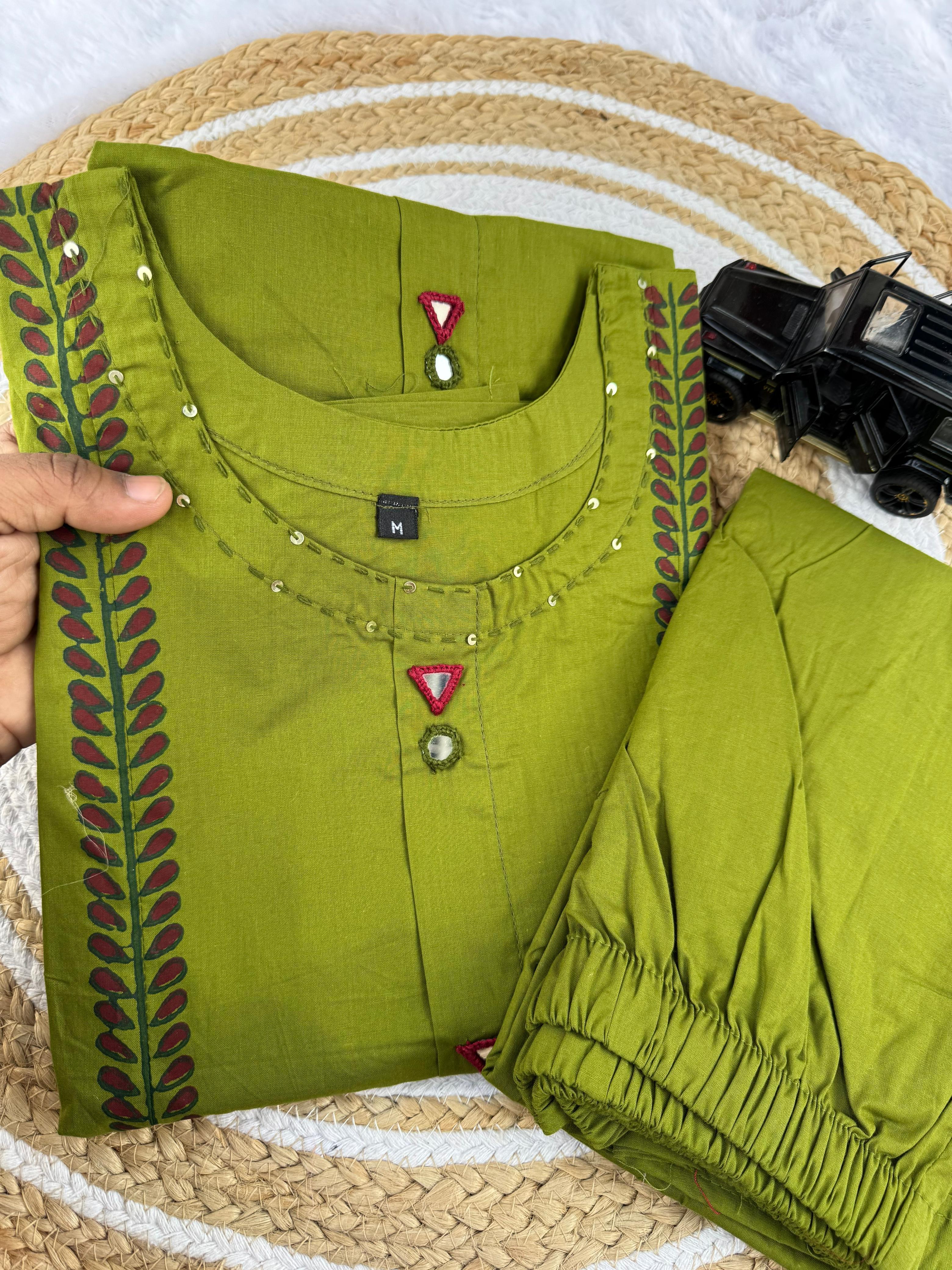
The Cream Floral Cotton Kurta Set with Pant and Dupatta is an useful example of a coordinated outfit that reduces guesswork. Matching pants generally stay closer to the legs than a wide palazzo, and a cotton base is easier to wash after dust, sweat or roadside exposure. The Pista Green Chanderi Kurta Set with Organza Dupatta can work for a short, seated journey when the dupatta is secured and the organza edge doesn't flap near the handlebars.
Choose bottoms according to the vehicle and the distance. Narrow cotton pants, cigarette pants and ankle-length churidars are usually manageable for pedal movement and foot placement. A salwar with excessive volume can gather near the chain or footboard. Wide palazzos can be comfortable while walking but may spread across a scooter footwell or catch wind on a motorcycle.
- For cycling: Choose ankle-length trousers or fitted churidars with enough stretch for repeated knee bends.
- For a scooter: Select bottoms that don't pool on the footboard and keep the dupatta away from the front wheel.
- For a motorcycle passenger: Avoid very loose lower layers that can move toward the wheel, and keep both feet fully inside the passenger footrests.
- For hot weather: Prefer cotton, lightweight khadi cotton or breathable blends over dense synthetic fabric.
The Ruksha Orange Vichitra Silk Embroidered Kurta Set with Dupatta and the Rust Orange Embroidered Vichitra Silk Kurta Set Online show how colour and embroidery can carry the festive effect when the cut stays controlled. For daily riding, use the same principle with a shorter hem, restrained flare and a dupatta that can be folded securely.
How to manage the dupatta while riding
A dupatta should be secured at the chest and kept entirely away from the wheels, spokes, chain, rear tyre, exhaust and handlebars. Leaving one end loose over the shoulder is unsafe on a moving two-wheeler, even when the fabric feels lightweight.
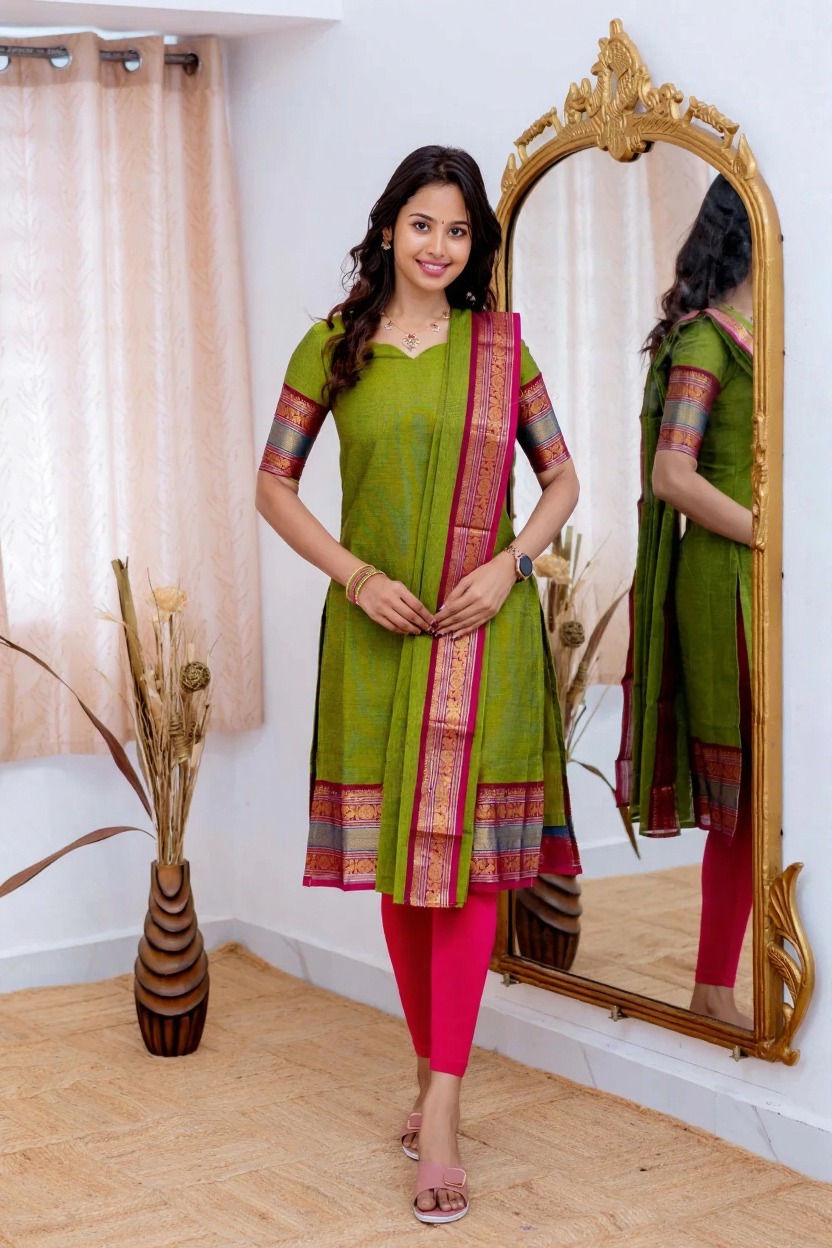
Fold the dupatta lengthwise into a narrower band, place it around the neck or across both shoulders, and secure the front layers with a small pin or concealed magnetic clasp. Tuck both ends inside the kurta or under the opposite side of the neckline before starting the vehicle. Do not pin the dupatta so tightly that it restricts head movement or pulls at the throat.
Organza dupattas need particular care because their firm edges can lift in wind. A cotton dupatta is generally easier to fold and hold close to the body. For a festive route, a Taupe Beige Embroidered Vichitra Silk Kurta Set Online may look appropriate, but the dupatta still needs the same practical treatment as a daily cotton set.
A backpack is often safer than a shoulder bag because a cross-body strap or dangling handle can interfere with steering and balance. If a handbag is necessary, place it in a secure front storage compartment only when the vehicle design brings one; never hang a bag from the handlebar.
When regional styles need a riding-friendly adjustment
Regional design details can remain part of a travel outfit when the garment's volume is adapted to the journey. Decorative traditions don't require a rider to accept an impractical hem, an unsecured scarf or fabric that blocks movement.
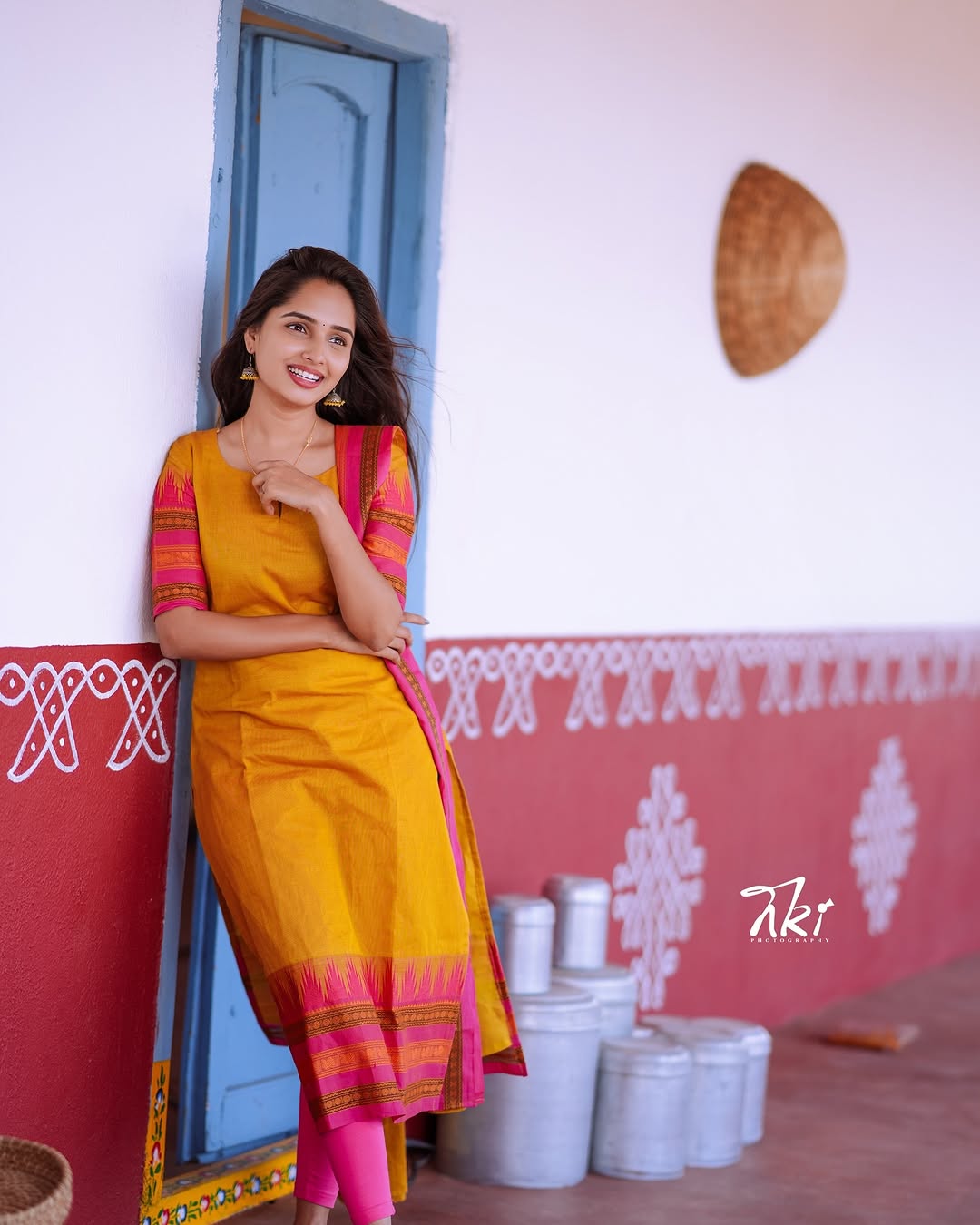
Punjab Patiala Salwar Suits often use generous lower volume, which can be comfortable while walking but needs a careful seated test on a scooter. Keep the kurta at a manageable length, use a narrower Patiala salwar for travel where available, and secure every dupatta layer before mounting.
Gujarat Bandhej Salwar Suits and Maharashtra Paithani Inspired Salwar Suits can bring strong colour and regional character to a commute. Choose a compact kurta shape and check whether the decorative border adds stiffness or weight near the hem. A heavy border can pull the fabric downward on one side and become uncomfortable against the thighs during a long ride.
Kalamkari Print Salwar Suits and Odisha Sambalpuri Salwar Suits can suit everyday dressing when paired with breathable bottoms and a controlled silhouette. Printed cotton is especially useful for regular travel because small dust marks are less noticeable than on very pale solid fabric, while cotton remains comparatively easy to wash and air-dry.
A five-minute pre-ride fit check
A five-minute pre-ride check can identify most kurta problems before they become road distractions. Perform the check wearing the footwear, bag, helmet and bottoms used for the real journey.

- Mount and dismount: Step onto the bicycle or scooter normally and confirm that the hem doesn't catch under a foot or on the footboard.
- Check the front: Sit with knees bent and make sure the kurta doesn't bunch heavily against the thighs or cover the controls.
- Check the back: Look for fabric trapped beneath the seat, caught on a grab rail or hanging close to the rear wheel.
- Turn fully: Rotate the handlebars from side to side and turn your upper body to check sleeve, shoulder and dupatta movement.
- Test stopping: Place both feet down quickly and confirm that the lower garment doesn't wrap around the ankles.
- Secure loose details: Tuck the dupatta, fasten dangling ties and remove jewellery that could catch on a helmet strap or handle.
These checks are also useful when buying online because a size chart can't predict how a hem behaves on your specific vehicle. Compare the listed kurta length with a garment you already own, then recreate the seated posture at home before removing tags or washing the new set.
How to style a practical kurta without making it look utilitarian
A ride-ready outfit can look refined when one visual element carries the styling. Choose a clean neckline, a coordinated trouser, small earrings and a compact watch instead of relying on a large dupatta spread or multiple dangling accessories.
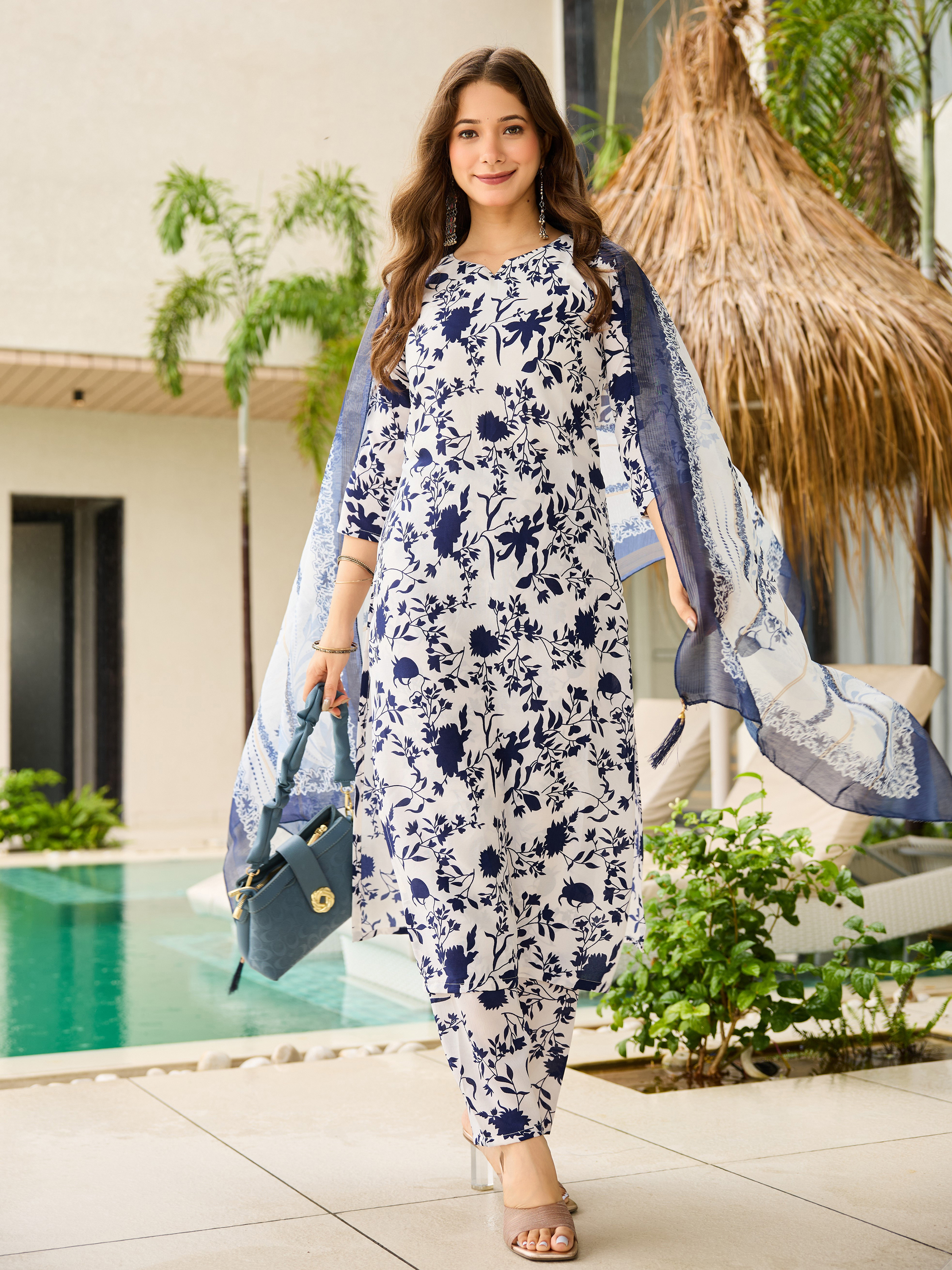
Neutral kurtas such as cream, beige and taupe pair easily with darker trousers and practical footwear. Orange, rust and pista green can provide colour while the silhouette remains simple. The distinction between a commute outfit and a casual festive outfit often comes from the fabric finish and accessories, not from making the hem dramatically longer.
For a short visit after riding, carry a lightweight stole or a neatly folded dupatta in a bag and put it on after parking. That approach preserves a polished drape without allowing loose fabric to move near a wheel during travel. The solution is especially useful for silk, organza and embellished sets that are better protected from dust and friction during the journey.
Ultimately, the right length is the one that remains stable while sitting, allows a full step, clears every moving part and doesn't need constant adjustment. For most people, an above-knee to upper-knee straight kurta paired with tight ankle-length bottoms gives the best balance of comfort, coverage and control for cycling or two-wheeler travel.
Common Questions About Kurta Length for Cycling and Scooter Travel
How long should a kurta be for cycling or two wheeler travel?
A kurta that ends about 5 to 10 centimetres above the knee is a practical starting point for cycling or two-wheeler travel. Test the garment while seated because the hem rises when the knees bend and the torso leans toward the handlebars.
Is a long kurta safe to wear on a scooter?
A long kurta can be safe only when the hem stays well clear of the footboard, wheels, chain guard and seat hardware. Straight kurtas with side slits are generally easier to control than long, heavily flared Anarkali designs.
Which bottoms are best with a kurta for riding?
Ankle-length cotton pants, cigarette pants and fitted churidars with comfortable stretch are usually the easiest choices. Very full Patiala salwars and wide palazzos can gather near the footboard, chain or wheel and need a careful vehicle-specific test.
How should I wear a dupatta on a two-wheeler?
Fold the dupatta lengthwise, secure both ends close to the chest and keep all fabric away from the wheels, chain, exhaust and handlebars. A loose end over one shoulder is not suitable for riding, even on a short journey.
Is cotton better than silk for cycling or scooter travel?
Cotton and lightweight khadi cotton are usually more breathable and easier to wash after regular commuting. Silk and Chanderi can work for short journeys when the fit is controlled, the seat does not cause slipping and the dupatta is firmly secured.
How can I check a kurta's length before buying it online?
Measure the shoulder-to-hem length of a kurta you already wear comfortably, then compare that measurement with the online size chart. Recreate a seated riding posture at home and check the hem, side slits, sleeves and dupatta before using the new garment on the road.




