

Hornbill Festival Saree & Ethnic Wear Ideas Inspired by Naga Textiles can help you create festive clothing that feels connected to Nagaland without turning Naga culture into a costume. The most effective looks borrow broad visual qualities such as earthy colour, woven texture, contrast borders and handmade accessories. Fabric weight, pleat stability, footwear and weather protection matter as much as the colour palette when dressing for a full festival day.
The Hornbill Festival takes place every December at Kisama Heritage Village near Kohima, Nagaland. The celebration brings together Naga communities, music, dance, food, crafts and storytelling. Visitors can show appreciation through thoughtful clothing choices, but should avoid reproducing community-specific ceremonial garments, sacred symbols or distinctive headdresses as fashion props.
Hornbill Festival Saree & Ethnic Wear Ideas Inspired by Naga Textiles for a Practical Outfit
A practical Hornbill Festival outfit combines a breathable base, a grounded colour palette, a secure drape and comfortable shoes. A medium-weight linen-cotton saree with a visible border is an useful starting point because it offers texture without the weight of heavy embellishment.
December mornings and evenings around Kohima can feel cool, while afternoon crowds and movement can make heavier clothing uncomfortable. Linen cotton allows airflow and usually holds pleats more firmly than very fluid fabrics. A handloom saree with a moderate border also photographs well because the weave catches natural light without requiring sequins or dense embroidery.
Plan for walking on uneven surfaces, standing for performances and carrying a phone, wallet, water and any personal medication. Flat sandals, low block heels or clean sneakers are safer than very high stilettos. Two small safety pins at the shoulder and waist can prevent repeated adjustments while preserving the natural fall of the pallu.
Hornbill Festival Saree & Ethnic Wear Ideas Inspired by Naga Textiles and Colour
Naga textile inspiration works especially well through deep red, black, ivory, beige, forest green, indigo, rust and muted yellow, balanced with one brighter accent. These shades create a connection to woven textiles while remaining wearable in a contemporary saree silhouette.
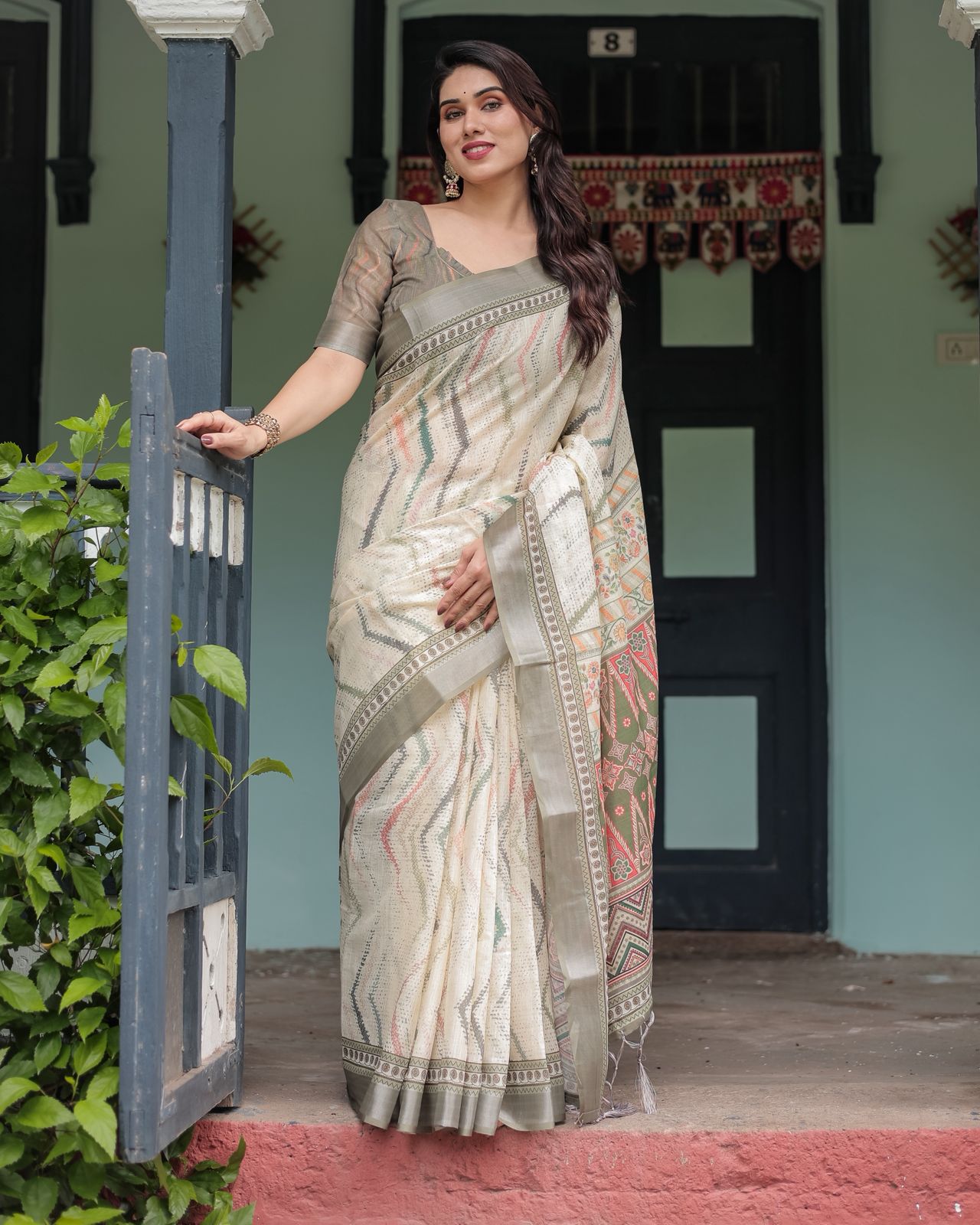
Try an ivory or beige base with a rust, teal or black border for a quiet interpretation. Beige gives patterned borders room to show, while teal supplies a cool contrast that suits winter daylight. A red or orange blouse can add festival energy without making the outfit look theatrical. Black works effectively in small doses on a blouse, belt, sandal or jewellery.
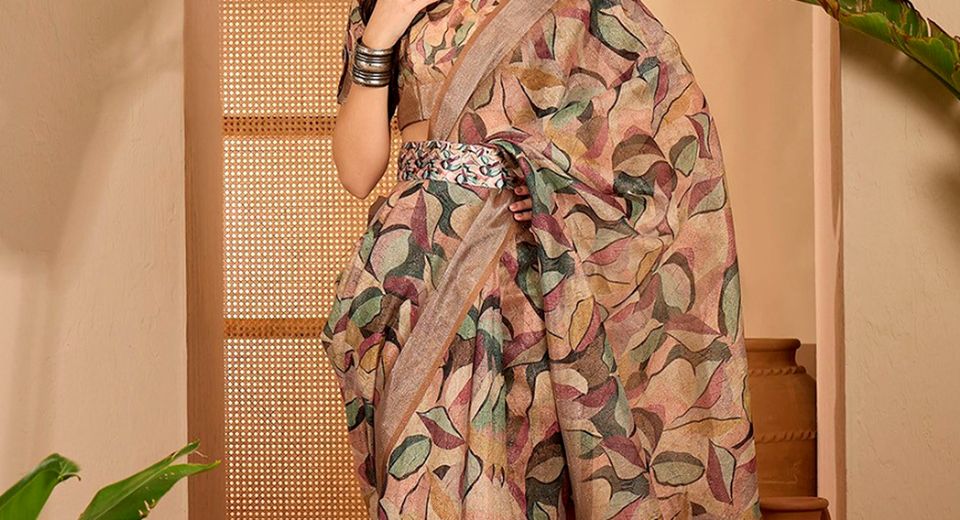
The Beige Leaf Printed Linen Cotton Saree with Blouse shows how a restrained botanical print can provide movement without competing with a statement accessory. The Elegant Pastel Green & Beige Linen Saree with Tribal Design gives a softer route, especially with brown sandals and antique-finish earrings.
Pastel green and beige are useful for daytime because they look fresh against natural surroundings and don't absorb as much heat as a dark monochromatic outfit. A deeper blouse or border keeps a pale palette from appearing washed out. Cream with a black or muted red blouse creates stronger portrait contrast, especially in outdoor light.
Which colour combinations photograph well at the Hornbill Festival?
Ivory with rust, beige with teal, forest green with cream and muted red with charcoal photograph clearly in outdoor festival light. Matte fabrics generally show woven texture more naturally than glossy synthetics, while a narrow metallic border can catch evening light without dominating the frame.
Colour repetition should remain controlled. If a saree already contains blue, repeat blue only in the blouse, earrings or bag, not in every accessory. Limiting the outfit to three principal colours makes a patterned saree look considered rather than crowded.
Hornbill Festival Saree & Ethnic Wear Ideas Inspired by Naga Textiles Through Fabric Choice
Linen cotton, cotton silk and breathable handloom fabrics are generally more comfortable for a full festival day than heavily embellished sarees. The right fabric depends on walking, weather, pleat stability and whether you need a layer after sunset.
Linen cotton is a strong daytime choice because cotton contributes softness and breathability while linen provides texture and body. Linen cotton may develop natural creases during wear, but those creases are part of its relaxed character. Cotton silk gives a dressier finish, although a slippery petticoat may require more careful pinning.
Chanderi gives a light, translucent appearance and works well with a defined blouse, but the delicate surface needs protection from sharp jewellery and rough bags. Banarasi silk and Kanjeevaram can suit formal festive events, yet their weight and warmth may be less convenient for several hours outdoors. Zari adds polish, although a narrow zari border is easier to manage than all-over metallic work.
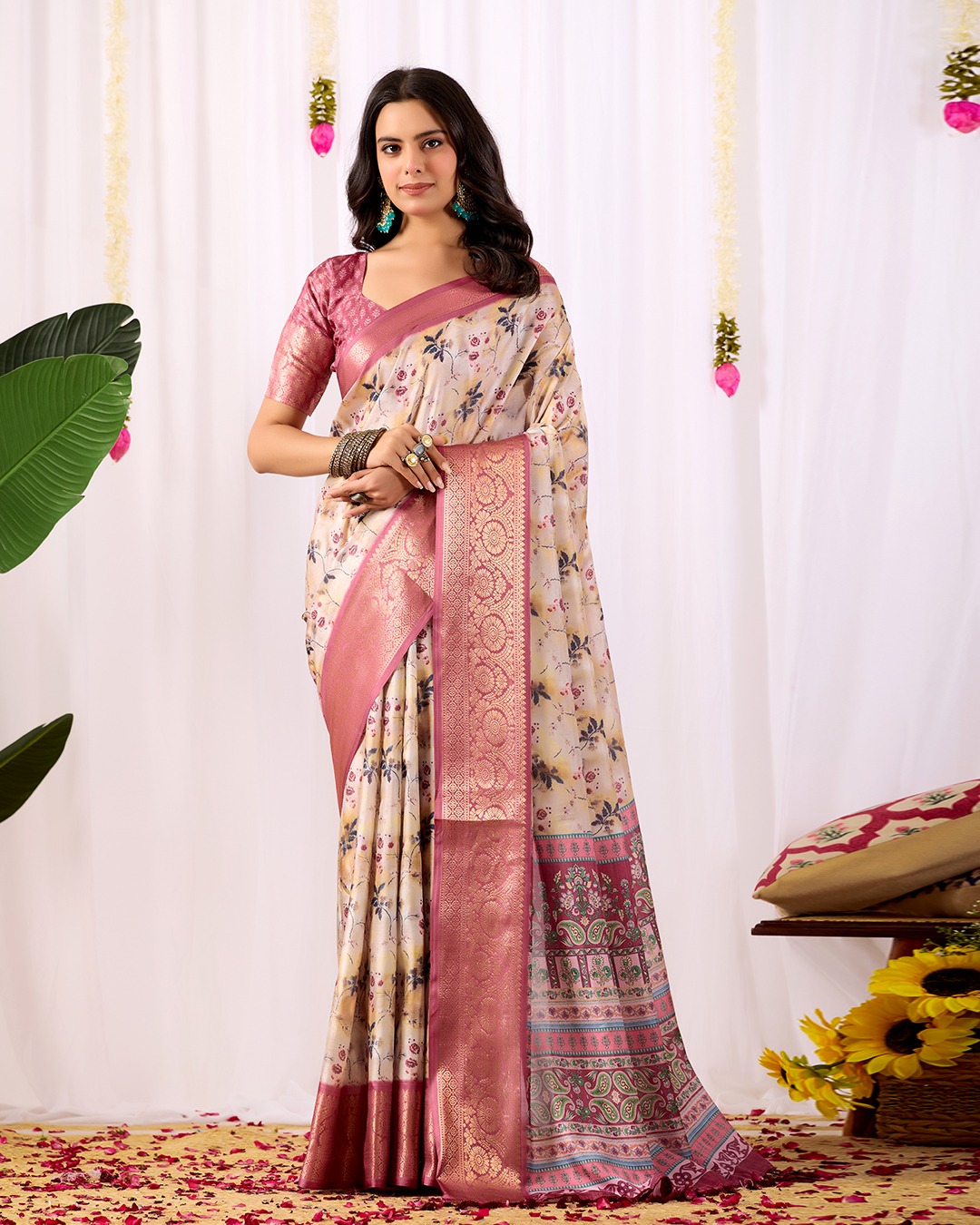
The Peach Beige Floral Handloom Saree with Ethnic Border demonstrates how a soft floral body can be balanced by a more grounded border. The Pastel Linen Cotton Floral Print Saree with Designer Blouse suits a lighter daytime interpretation when additional jewellery remains restrained.
Before choosing a saree, check whether the fabric feels comfortable against the neck and whether the pallu stays on the shoulder with two discreet pins. Check the petticoat fit as well, because a loose waist can make even a well-pleated saree difficult to manage during walking.
Hornbill Festival Saree & Ethnic Wear Ideas Inspired by Naga Textiles Without Cultural Misrepresentation
Respectful styling borrows broad visual qualities such as layering, contrast, texture and craft instead of reproducing a specific community's ceremonial attire. A plain blouse, a woven belt, handmade earrings and one structured textile accessory can suggest a handloom-inspired mood with restraint.
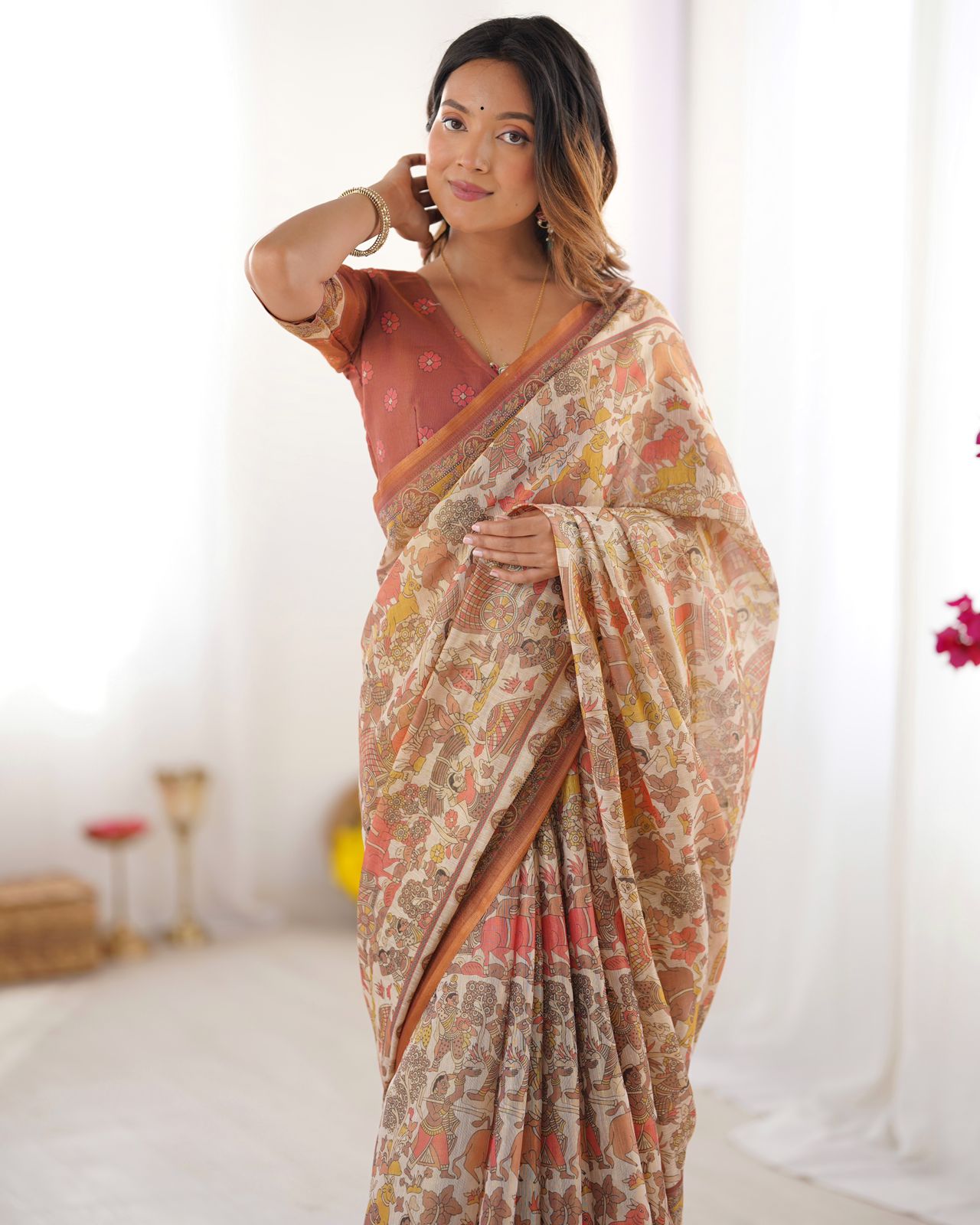
Naga textile traditions are diverse, and motifs, colour combinations and garments can carry different meanings among communities. A contemporary saree that uses texture and palette as broad inspiration is safer than a literal imitation of a heritage shawl. Avoid wearing a recognisable ceremonial headdress, clan-specific ornament or sacred-looking symbol as a fashion accessory without genuine cultural understanding and permission.
A high-neck or elbow-sleeve blouse gives a contemporary handloom appearance and brings useful coverage in cool weather. A sleeveless blouse can work with a lightweight modern jacket, provided the jacket is clearly contemporary rather than an imitation of traditional Naga dress. Keep the saree drape functional by securing shoulder pleats, inner waist pleats and the pallu.
Layered necklaces can echo the visual rhythm of stacked ornaments, but several necklaces don't automatically make an outfit more authentic. Oxidised silver, wood, terracotta and fabric-covered jewellery complement linen cotton particularly well. One carefully chosen accessory usually communicates more confidence than a collection of unrelated tribal-style pieces.
A narrow handwoven belt can hold pleats in place and define the silhouette. A plain leather belt gives a current interpretation, while a textile belt should be selected for comfort and construction rather than a claim that it represents a particular Naga community.
Hornbill Festival Saree & Ethnic Wear Ideas for Day and Evening Dressing
Daytime dressing benefits from breathable fabric, lighter colours and flat footwear, while evening dressing can support deeper shades, a structured blouse and restrained zari. Changing one or two elements is enough to move the same saree from a daytime programme to a cultural performance or dinner.
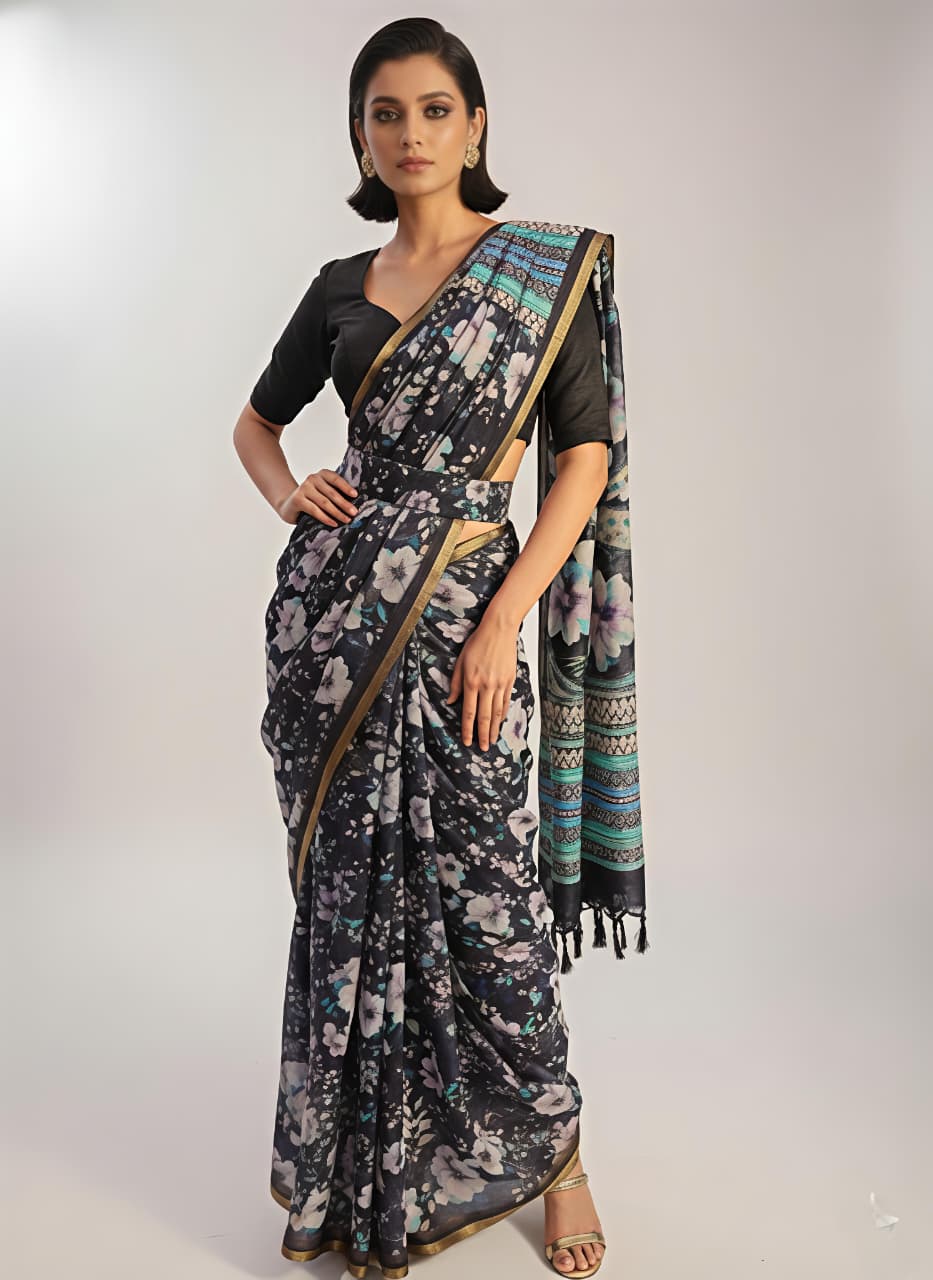
Soft daytime texture
Choose a beige, ivory or pastel green linen-cotton saree with a fitted solid blouse and brown sandals. The Peach Linen Cotton Floral Print Saree with Blouse for Women can work in this direction when the jewellery remains minimal and the hair is tied in a low braid or bun. A canvas tote or small woven bag adds practical storage without competing with the saree.
Teal and beige contrast
The Varnavi Beige Teal Heritage Art Handloom Linen Saree can be paired with a teal, charcoal or muted red blouse, depending on the depth of the border. Keep the earrings geometric and the footwear neutral so the handloom surface remains central. This colour story works especially well in photographs taken near wood, stone or greenery.
Floral saree with a strong border
The Peach Floral Linen Cotton Saree with Statement Blue Border! Already contains a clear accent, so repeat blue only once in the blouse or earrings. A rust lip colour, wooden cuff and low bun can add warmth without introducing another competing shade.
Evening festive finish
The Festive Beige Saree with Floral Print and Rich Zari Work suits a more polished evening outfit. Because rich zari catches attention quickly, choose a plain blouse, one pair of metallic earrings and a compact clutch instead of layered jewellery. A silk or cotton-silk blouse can provide structure without adding sequins.
Contemporary heritage styling
The Peach Beige Floral Handloom Saree with Ethnic Border can be styled with a black blouse, a handwoven belt and flat sandals for a sharper interpretation. A cropped jacket may be added after sunset, but the jacket should leave the saree border visible.
Hornbill Festival Saree & Ethnic Wear Ideas for Buying and Packing
Check fabric composition, saree length, blouse-piece measurements, border placement, transparency and return conditions before buying a festival saree. These details determine whether the garment looks attractive online and remains usable during a long day away from home.
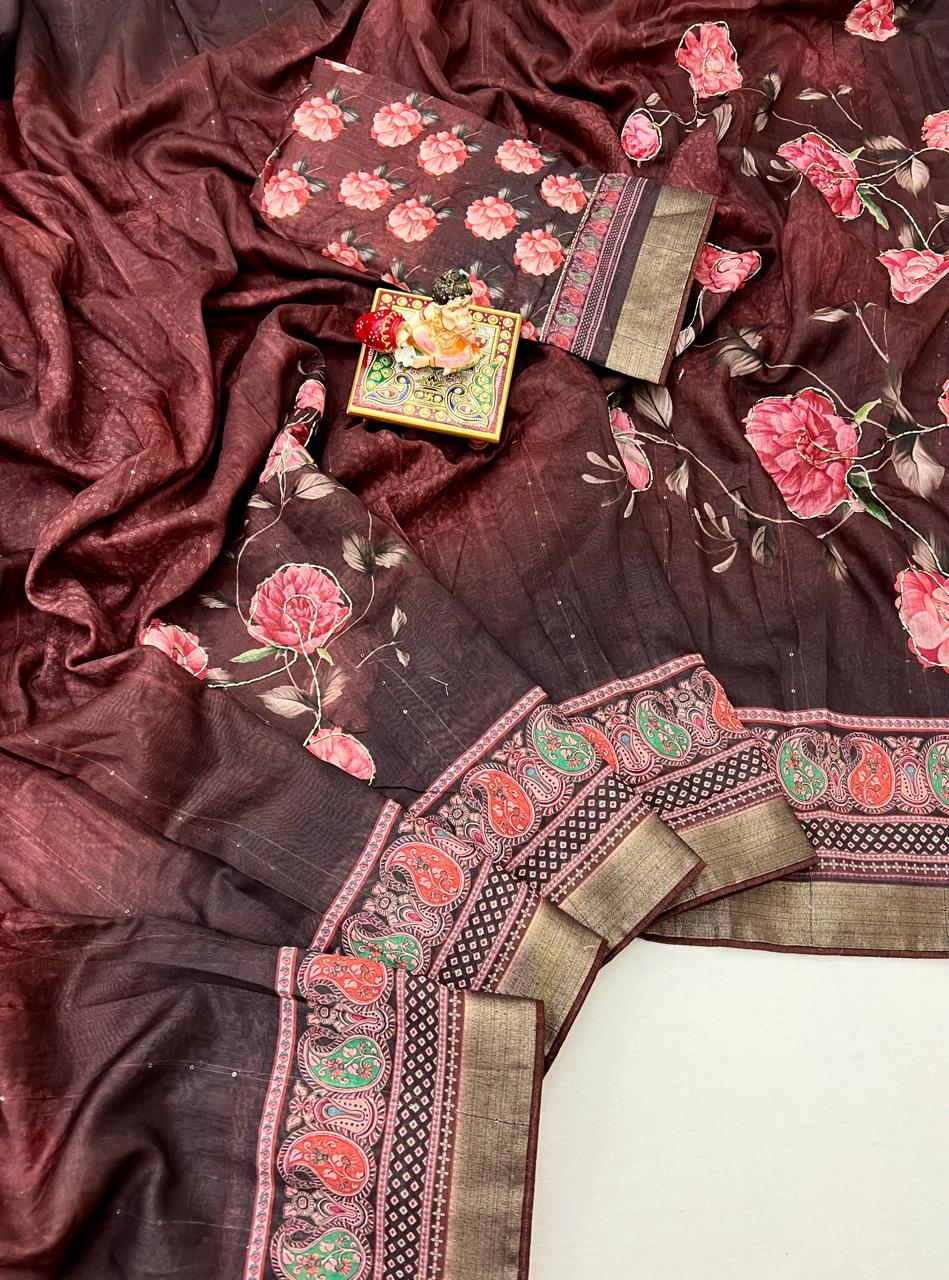
A saree between 5.3 and 5.5 metres usually provides enough length for standard pleating, while taller wearers or those choosing a more elaborate pallu arrangement may prefer additional length. Confirm the blouse-piece size instead of assuming that a listed blouse piece will fit every body. Check whether the blouse requires tailoring and allow at least 7 to 10 days for alterations during busy festive periods.
Print scale also matters. Small prints create a quieter appearance and are easier to accessorise, while large motifs need more uninterrupted surface. A border of approximately 5 to 10 centimetres remains visible in common drapes without becoming difficult to pair with footwear or a jacket.
For budget-conscious shopping, compare construction and wearability rather than choosing only by discount percentage. The Sarees from Rs 1000 to Rs 1500 collection may be useful when looking for a practical daytime option. The Sarees Under 20% Off collection and Sarees Under 10% Off collection can also help compare prices, but the final choice should still be based on fabric, measurements and care requirements.
Pack the saree in a breathable cotton cover alternatively of sealed plastic for long-term storage. Roll the saree around a seamless towel or fold it along existing borders to reduce sharp creases. Carry spare pins, a minor sewing kit, blister plasters, a lightweight layer and a stain-removal cloth. These minor preparations are more valuable at a crowded outdoor festival than extra jewellery.
Hornbill Festival Saree & Ethnic Wear Ideas Inspired by Naga Textiles: Care After Wearing
Linen cotton and handloom sarees should be aired in shade after wearing and washed according to the care label. Immediate heat, harsh detergent and prolonged direct sunlight can weaken colour and alter the fabric's texture.
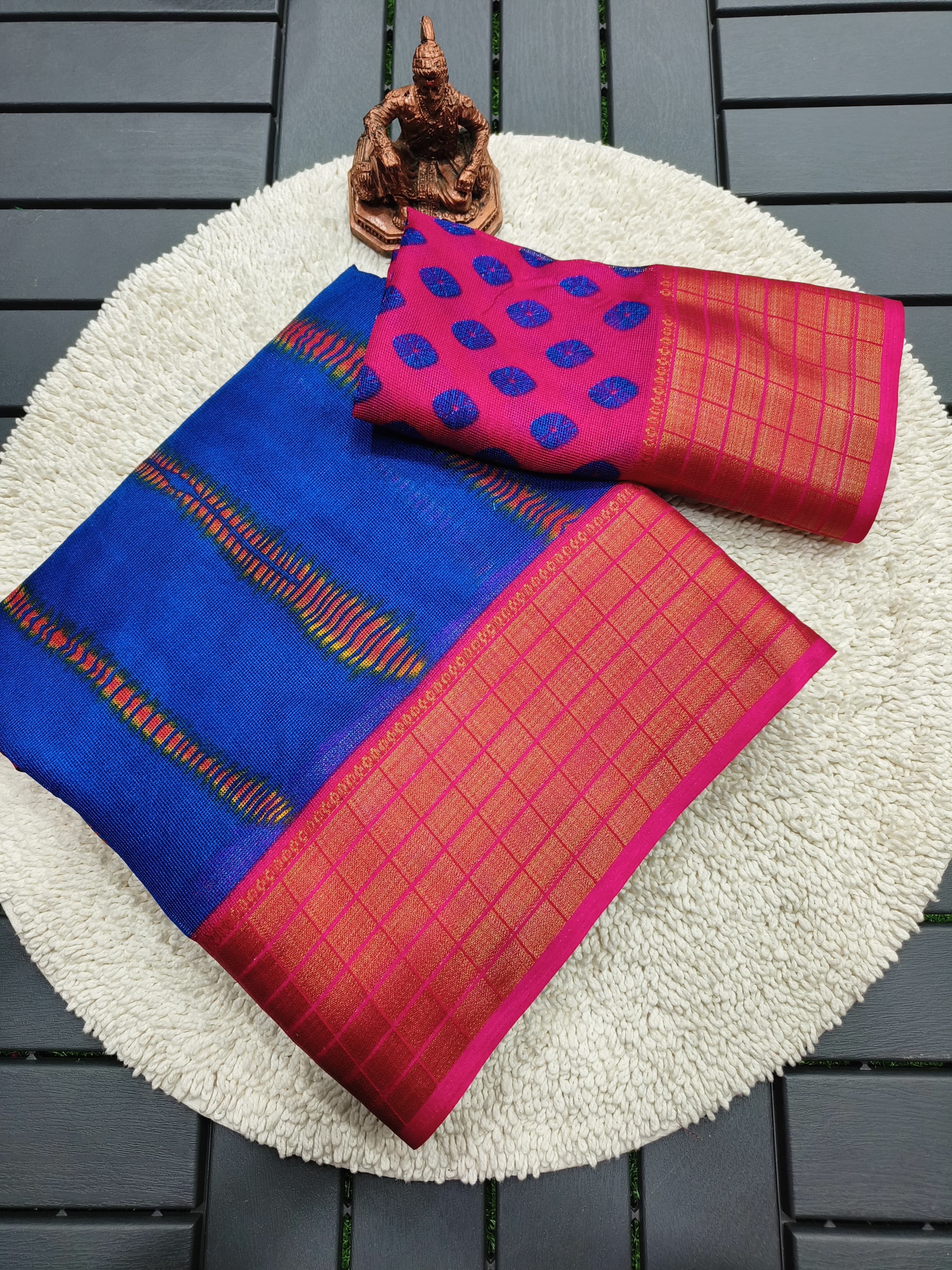
Remove pins carefully and check the shoulder and waist areas for pulled threads. Air the saree flat or on a broad hanger for several hours before folding. If the care label permits washing, use mild detergent and cool water; avoid wringing because twisting can distort borders and pleats.
Iron linen cotton on the reverse side while the fabric is slightly damp, using a medium temperature. Place a thin cotton cloth over zari before ironing, and never press directly over metallic work. Store the saree in a clean cotton bag in a dry cupboard, refolding it every few months so the same fold doesn't remain permanently sharp.
A thoughtful festival outfit doesn't need to imitate a heritage garment to show appreciation for its visual richness. Breathable fabric, disciplined colour, secure draping and respect for cultural context create a stronger and more comfortable result.
Hornbill Festival Saree & Ethnic Wear Ideas Inspired by Naga Textiles: Reader Questions
What saree colours are suitable for the Hornbill Festival?
Beige, ivory, rust, teal, forest green, muted red, indigo and black are suitable colour directions for a Hornbill Festival saree. Pair one grounded base shade with one contrasting border or blouse colour instead of combining many bright shades.
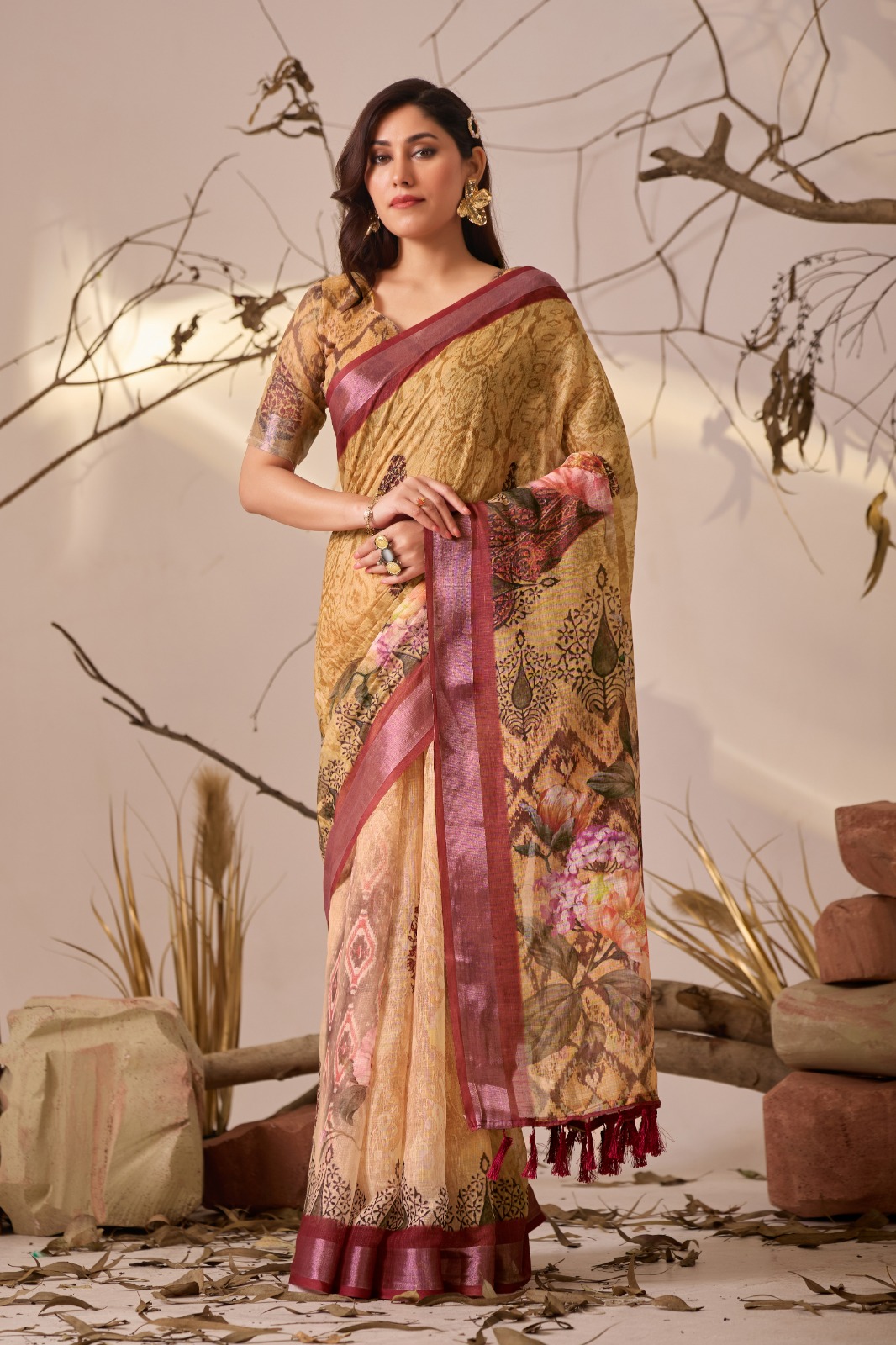
Can I wear a saree to the Hornbill Festival?
Yes, you can wear a saree to the Hornbill Festival if the drape is secure and the fabric is comfortable for walking and outdoor weather. Linen cotton, cotton silk and medium-weight handloom sarees are generally easier to manage than very heavy embellished styles.
How can I dress in a Naga-inspired style respectfully?
You can dress respectfully by using broad ideas such as woven texture, earthy colour, contrast borders and handmade accessories rather than copying ceremonial garments. Avoid clan-specific symbols, time-honoured headdresses and community-specific ornaments when their meaning and use are not understood.
What accessories work with a Naga textile-inspired saree?
Oxidised silver, wood, terracotta, fabric-covered jewellery, a narrow belt and a small woven bag work well with a Naga textile-inspired saree. Limit prominent accessories to one or two so the outfit looks considered rather than costume-like.
Is linen cotton suitable for a December festival?
Linen cotton is suitable for daytime December dressing because it's breathable and has enough body for stable pleats. Add a lightweight jacket or shawl for cooler mornings and evenings, especially when spending several hours outdoors.
How should I care for a linen-cotton saree after the festival?
Air a linen-cotton saree in shade, follow the care label and avoid wringing or harsh detergent. Iron the reverse side at a moderate temperature and store the saree in a clean cotton bag after it's completely dry.
Questions About Hornbill Festival Saree & Ethnic Wear Ideas Inspired by Naga Textiles
What saree colours are suitable for the Hornbill Festival?
Beige, ivory, rust, teal, forest green, muted red, indigo and black are suitable colour directions for a Hornbill Festival saree. Pair one grounded base shade with one contrasting border or blouse colour instead of combining many bright shades.
Can I wear a saree to the Hornbill Festival?
Yes, you can wear a saree to the Hornbill Festival if the drape is secure and the fabric is comfortable for walking and outdoor weather. Linen cotton, cotton silk and medium-weight handloom sarees are generally easier to manage than very heavy embellished styles.
How can I dress in a Naga-inspired style respectfully?
Use broad ideas such as woven texture, earthy colour, contrast borders and handmade accessories rather than copying ceremonial garments. Avoid clan-specific symbols, traditional headdresses and community-specific ornaments when their meaning and use are not understood.
What accessories work with a Naga textile-inspired saree?
Oxidised silver, wood, terracotta, fabric-covered jewellery, a narrow belt and a small woven bag work well with a Naga textile-inspired saree. Limit prominent accessories to one or two so the outfit looks considered rather than costume-like.
Is linen cotton suitable for a December festival?
Linen cotton is suitable for daytime December dressing because it is breathable and has enough body for stable pleats. Add a lightweight jacket or shawl for cooler mornings and evenings, especially when spending several hours outdoors.
How should I care for a linen-cotton saree after the festival?
Air a linen-cotton saree in shade, follow the care label and avoid wringing or harsh detergent. Iron the reverse side at a moderate temperature and store the saree in a clean cotton bag after it is completely dry.





