

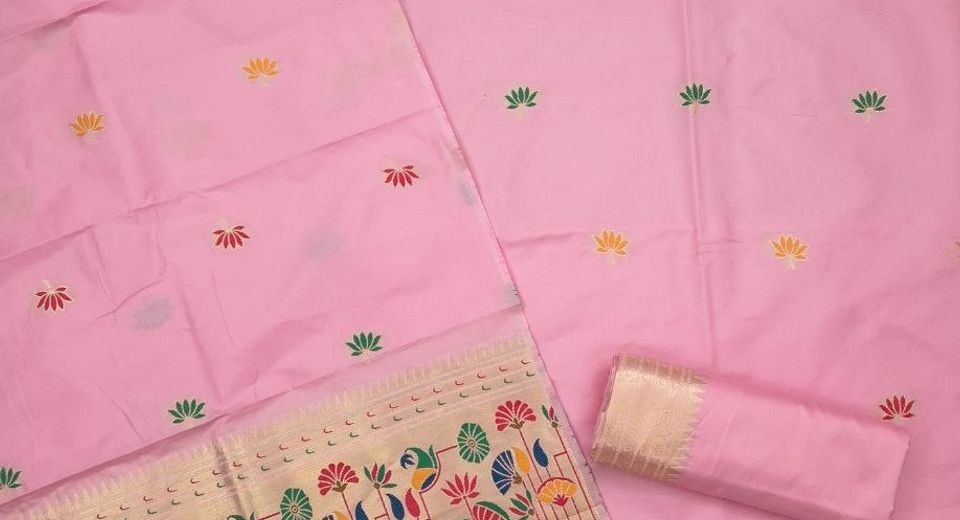
Holi 2026 in Uttar Pradesh: Banarasi Sarees, Suits & Colourful Ethnic Looks calls for a wardrobe plan that accounts for dry gulal, wet colour, outdoor movement and family gatherings. A Banarasi saree or Banarasi silk salwar suit can look exceptionally festive, but the wrong textile or an unsecured drape may become uncomfortable quickly. The most useful Holi outfit balances colour, coverage, easy movement and realistic post-celebration care.
Holi celebrations across Uttar Pradesh range from family lunches and neighbourhood gatherings to temple visits and large public events. Mathura, Vrindavan, Varanasi, Lucknow, Prayagraj and Kanpur each offer different settings, temperatures and levels of activity. A morning of water play needs a different outfit from a dry-gulal puja or an evening meal, so the celebration should determine the clothing before the colour palette does.
Holi 2026 in Uttar Pradesh: Banarasi Sarees, Suits & Colourful Ethnic Looks for Different Celebrations
Holi dressing in Uttar Pradesh should reflect whether the celebration involves dry gulal, water, travel, temple visits or a seated family meal. Clothing that works beautifully indoors may be impractical in a crowded courtyard or near water containers.
Mathura and Vrindavan are associated with temple celebrations, devotional processions and Lathmar Holi traditions. A salwar suit with a securely pinned dupatta provides coverage and movement for walking through busy areas. Varanasi celebrations may combine neighbourhood colour play with visits to homes or ghats, making a shorter saree pallu or straight kurta more practical than a trailing, heavily embellished layer.
Lucknow family gatherings often move between indoor rooms, lawns and dining spaces. A Banarasi saree can suit a dry-gulal lunch when the pallu is pinned and the border remains clear of damp ground. A lined kurta with straight trousers or a moderately flared palazzo suit is more adaptable when the day includes travel and repeated sitting.
Public celebrations require additional caution. Colour powder can settle into zari, embroidery and textured weaves, while wet pigments may transfer into linings and seams. An outfit worn to an open colour event should be chosen for manageable care rather than sentimental or unusually delicate value.
Holi 2026 in Uttar Pradesh: Banarasi Sarees, Suits & Colourful Ethnic Looks by Fabric
Banarasi silk is most suitable for dry colour, controlled family celebrations and formal festive meals rather than prolonged water play. Banarasi silk has a lustrous woven surface, and zari details can lose brightness when exposed to moisture, friction or unsuitable washing.
When a Banarasi saree makes sense
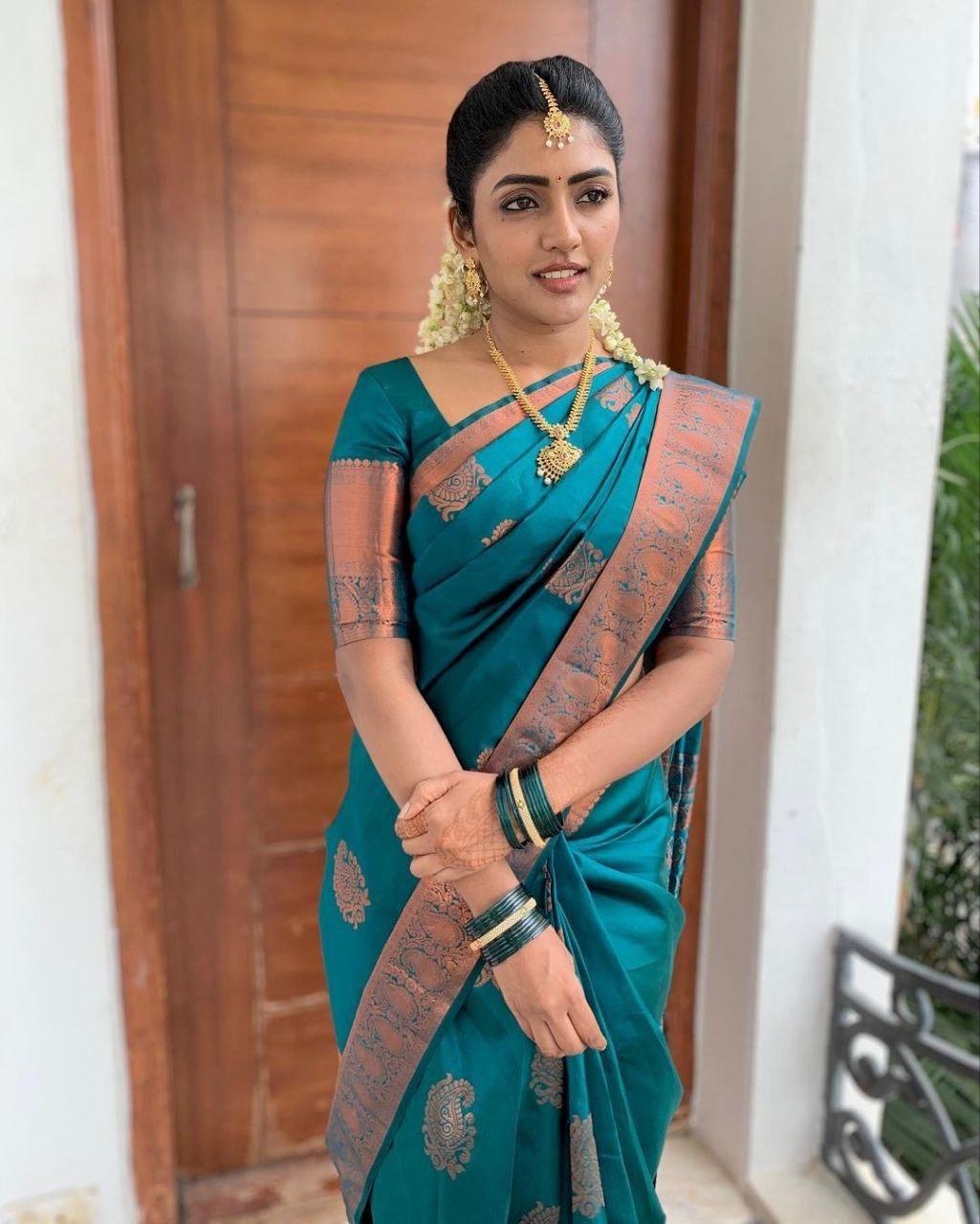
A Banarasi saree works well for a dry-gulal celebration when the pleats, pallu and border are secured before guests begin applying colour. Festive Teal Banarasi Saree with Traditional Motifs shows how a saturated jewel tone can look celebratory while disguising small traces of powder better than ivory or pale peach. Pair a teal saree with a three-quarter-sleeve blouse, a firm cotton underskirt and a pallu pin placed away from visible zari.
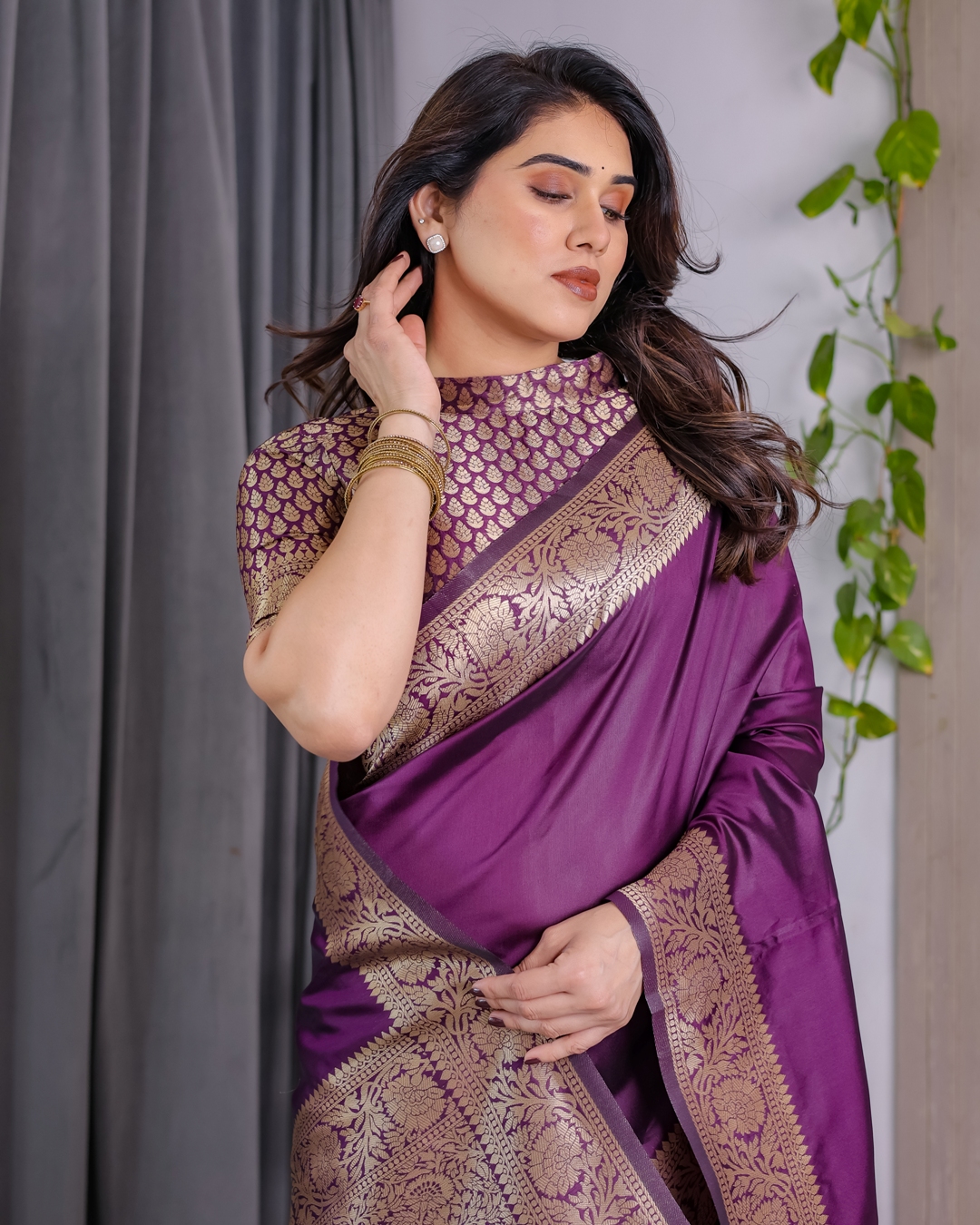
Royal Purple Banarasi Soft Silk Saree With Floral Zari Work suits a formal lunch, puja or evening gathering where colour is applied gently. Banarasi soft silk generally falls more fluidly than a crisp, heavy weave, but the floral zari still needs protection from rough walls, damp seating and repeated rubbing. A short pallu fold makes the saree easier to manage while preserving its formal appearance.
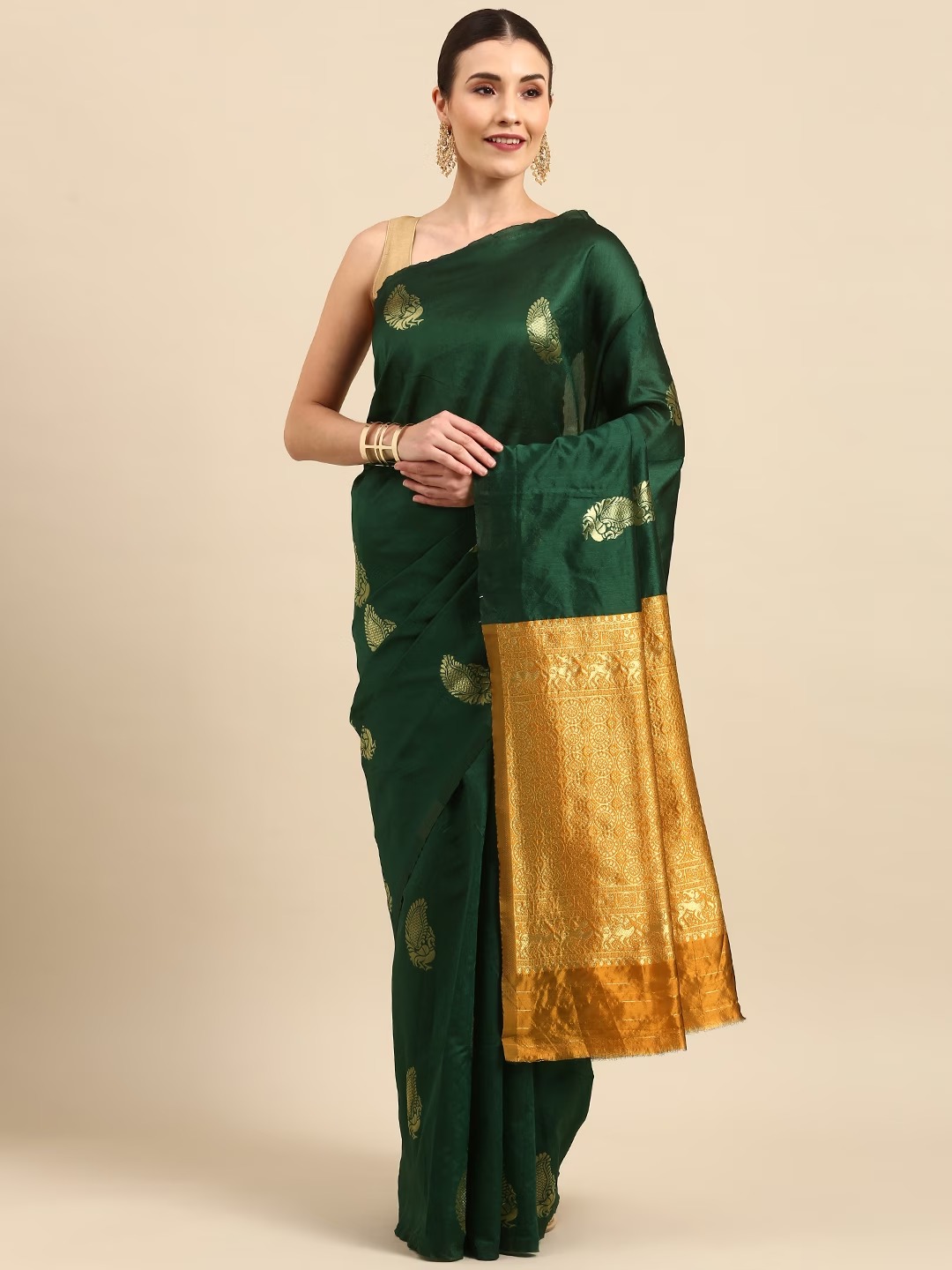
Bottle Green Banarasi Soft Silk Saree for Wedding Wear offers another example of a deep base that supports bright Holi accessories. Rani pink bangles, saffron earrings or a coral potli can add colour without requiring another heavily patterned garment. The wedding-wear description doesn't make the saree appropriate for unrestricted water play; the textile remains better suited to dry colour and supervised celebrations.
When a salwar suit is the better choice
A salwar suit is usually the more practical choice for active Holi celebrations because the hem, dupatta and trousers are easier to secure than a saree. A straight kurta suits walking and mixed indoor-outdoor plans, while a moderate anarkali or ankle-length palazzo suit brings more movement for family gatherings.
Multicolor Embroidered Crepe Maxi Suit Set for Festive Wear can suit a colour-themed lunch or social gathering where the outfit won't be repeatedly soaked. Crepe can feel lighter and dry faster than dense silk, but embroidered areas should not be scrubbed after the event. A simple slip underneath can improve comfort and reduce transparency if the outer layer becomes damp.
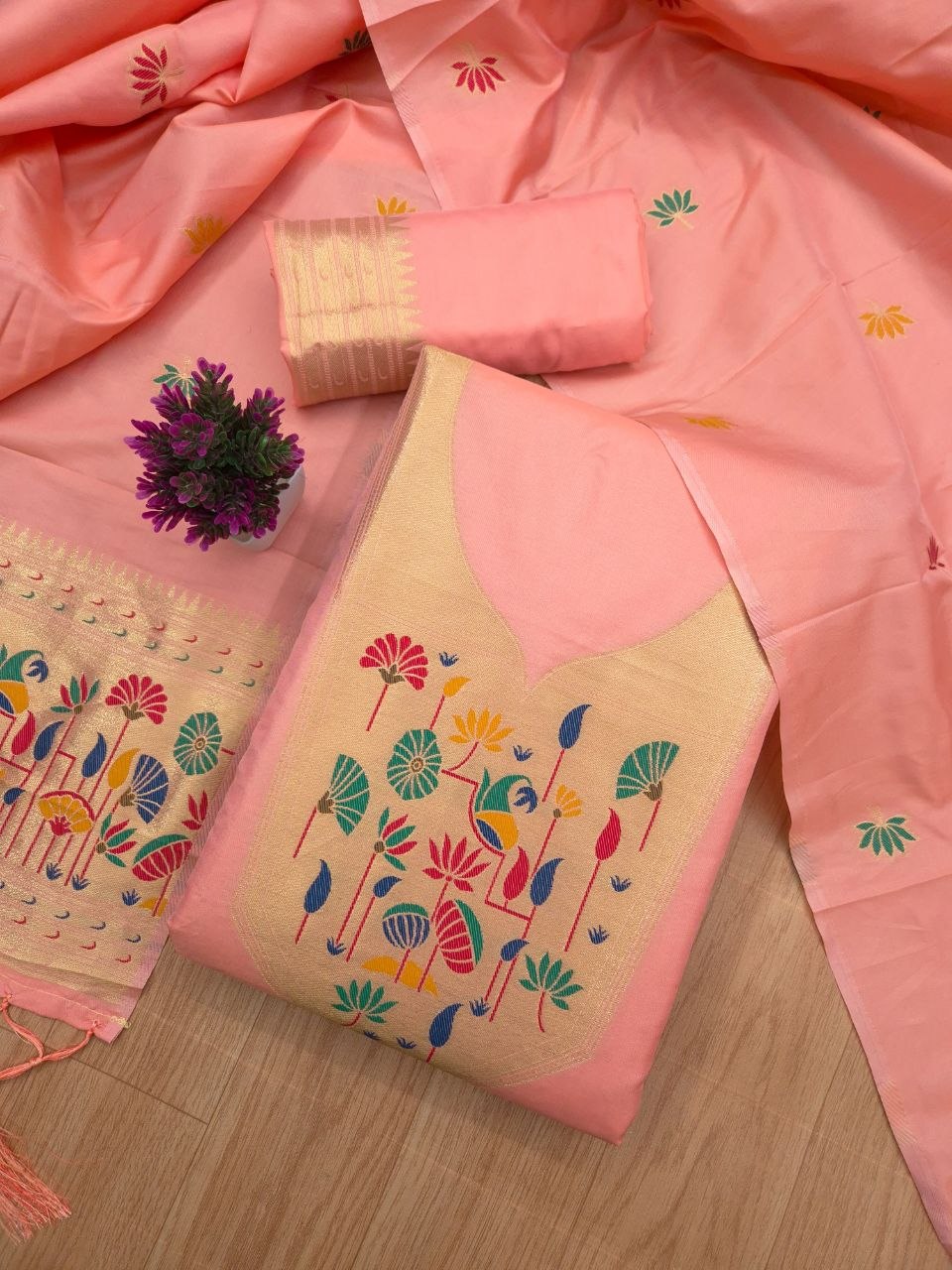
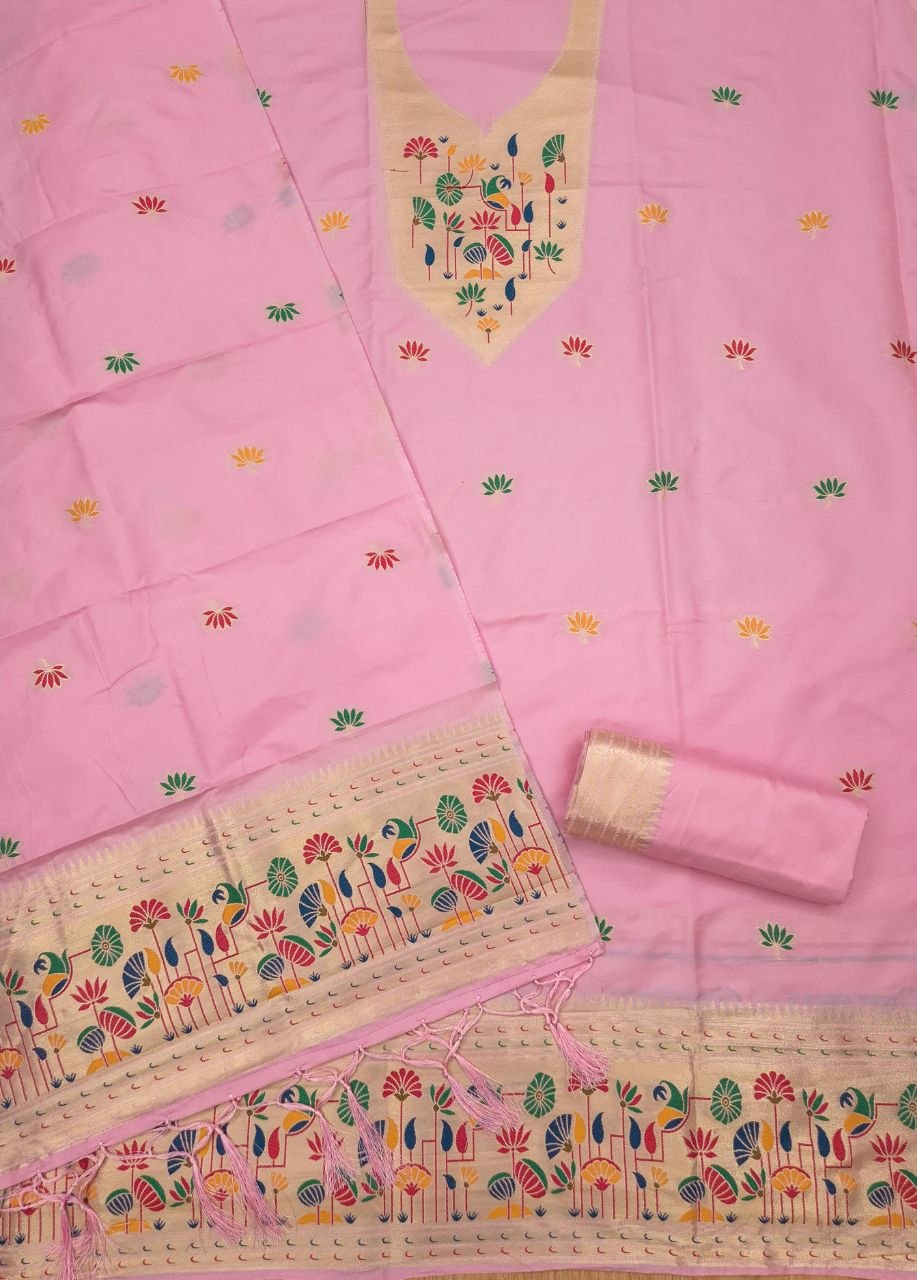
Peach Paithani Style Zari Weave Unstitched Suit and Pink Paithani Style Zari Motif Unstitched Suit Material are better approached as considered tailoring projects than as disposable Holi clothing. The final care needs depend on the lining, dyeing, embroidery and stitching selected by the wearer. A tailor can add a washable inner layer, secure sleeve openings and choose a trouser length that stays above wet ground.
Holi 2026 in Uttar Pradesh: Banarasi Sarees, Suits & Colourful Ethnic Looks in Practical Colours
Mid-tone and deep colours are generally more practical for Holi because they disguise small gulal marks better than cream, ivory and very pale pastels. Colour depth doesn't make a garment stain-proof, so fabric composition and care instructions remain equally important.
Teal, royal purple, bottle green, magenta, saffron, coral and deep pink create a vivid festive palette that photographs well before colour play begins. A single dominant shade usually looks more composed than several competing bright garments. For example, a bottle green saree can carry pink bangles and a yellow flower accessory without needing a multicolour blouse, dupatta and bag as well.
White clothing has strong visual associations with Holi, but white silk and unlined white cotton show every mark. A white kurta can still work when paired with a colourful, removable dupatta or jacket. A new red, fuchsia or orange accessory should be tested separately because loose dye may transfer to pale garments through sweat or moisture.
Banarasi silk should not be selected for a full day of water balloons simply because a dark colour hides visible staining. Water-based pigments can enter the fibre structure, and zari may become dull through moisture and friction. Crepe, washable cotton blends and some synthetic fabrics may be more practical for active events, but every garment should be checked against its care label before use.
Collections such as Maharashtra Paithani Inspired Salwar Suits can provide zari-led festive richness through a suit silhouette that's easier to move in than a saree. Kalamkari Print Salwar Suits offer another route to a colourful look, using print and contrast rather than relying entirely on metallic surface work.
Holi 2026 in Uttar Pradesh: Banarasi Sarees, Suits & Colourful Ethnic Looks with Regional Character
Regional styling works best when it uses recognisable textile details without turning the outfit into a costume. Floral embroidery, zari-inspired borders, printed cotton layers and jewel-toned colour blocking can acknowledge Indian craft traditions while remaining comfortable for Holi.
Punjab Phulkari Embroidered Salwar Suits bring bright floral needlework into a festive wardrobe and pair naturally with yellow, pink or green accessories. Phulkari-inspired embroidery can become the focal point, so keep the earrings small and use a solid trouser shade drawn from the floral palette.
Karnataka Silk Salwar Suits offer a structured silk-and-zari direction for a dry Holi lunch or evening gathering. The richer surface should be kept away from water and vigorous powder rubbing. A neatly pinned dupatta and a low heel or flat shoe make the look more suitable for moving between rooms.
Kashmir Embroidered Salwar Suits can inspire a floral embroidered outfit for a cooler morning or an indoor celebration. Keep the base colour saturated and the embroidery limited to one principal layer if the event includes outdoor colour. Embroidery that sits close to the sleeve cuff or hem is more likely to collect powder and dampness than embroidery on a protected bodice.
A multicolour kurta can be balanced with a solid churidar, straight trouser or palazzo in one shade already present in the embroidery. This method creates a colourful ethnic look without making the dupatta compete with the kurta. The same principle works with Banarasi sarees: let the saree provide the pattern, then use accessories for contrast.
Holi 2026 in Uttar Pradesh: Banarasi Sarees, Suits & Colourful Ethnic Looks for Comfortable Styling
A comfortable Holi outfit needs a secure inner layer, manageable length, covered feet and a drape that stays in place during movement. Supporting garments often determine whether a festive look remains wearable more than jewellery or embellishment does.
For a saree, choose a cotton underskirt with a firm waistband and a blouse that doesn't need constant adjustment. Place one safety pin at the shoulder and another inside the pleats, avoiding direct contact with visible zari. A medium-length pallu is easier to control near children, pichkaris, doorways and crowded seating areas.
For a salwar suit, select an opaque lining and trousers that don't drag. Palazzo trousers provide airflow but should end above the ankle if damp courtyards are likely. Straight pants and churidars are easier to keep clear of coloured water. A cotton camisole can prevent a wet kurta from becoming transparent and reduce friction against the skin.
Footwear should have a textured sole and a back strap. Flat kolhapuri-style sandals, washable slip-on shoes or low wedges are safer than narrow heels on wet stone and grass. Avoid footwear with absorbent fabric uppers if the celebration includes water because colour may remain in the material after drying.
Jewellery should be light and secure. Studs, small hoops, fabric-covered bangles and short necklaces are safer than long chains that can catch on a pallu or become uncomfortable under a scarf. Imitation jewellery is generally more practical than delicate silver or plated pieces because moisture, sunscreen and colour powder can cause tarnishing.
Holi 2026 in Uttar Pradesh: Banarasi Sarees, Suits & Colourful Ethnic Looks After the Festival
Post-Holi care should begin by removing loose powder outdoors, checking the care label and avoiding heat until colour-transfer risk is understood. Immediate scrubbing, hot water and direct sunlight can set stains or weaken delicate surfaces.
Shake a dry garment gently in a shaded, ventilated place to release loose gulal. Do not brush zari aggressively because metallic yarn can catch or flatten. A soft, dry cloth can lift surface powder from a stable area, but hidden seams should be checked first for dye transfer.
Banarasi silk, zari work and heavily embroidered garments should usually be sent to a reputable dry cleaner rather than soaked at home. Tell the cleaner that the garment has been exposed to Holi colour and identify any zari, mirror work or contrasting trims. Home washing is safer only when the care label explicitly permits it.
For washable cotton or synthetic garments, rinse with cool water as soon as practical, keeping light and dark pieces separate. Avoid chlorine bleach, harsh brushing and strong stain removers unless the care instructions approve them. Air-dry garments in shade, because intense sunlight can fade dyes and weaken some decorative finishes.
don't iron a garment while a stain remains. Heat can make certain pigments more difficult to remove. Once a garment is clean and completely dry, store Banarasi silk folded in breathable muslin rather than plastic, with zari folded inward where possible and no heavy items placed on top.
One useful wardrobe strategy is to separate the day into layers: a valuable Banarasi saree or suit for the dry family meal, followed by a washable kurta or older cotton outfit for unrestricted colour play. That approach protects treasured textiles without giving up the visual pleasure of festive dressing.
Common Questions About Holi 2026 in Uttar Pradesh Outfits
Can I wear a Banarasi saree for Holi in Uttar Pradesh?
You can wear a Banarasi saree for dry gulal, a family lunch, puja or a controlled evening gathering. Avoid wearing Banarasi silk for prolonged water play because moisture, friction and pigments can affect silk and zari.
Which fabric is best for an active Holi celebration?
A washable cotton blend or care-label-approved synthetic fabric is usually more practical for active Holi celebrations than Banarasi silk. Choose a lined salwar suit with a secure neckline, ankle-length trousers and a dupatta that can be pinned or removed.
Are dark colours better for Holi outfits?
Mid-tone and dark colours such as teal, royal purple, bottle green and magenta usually disguise small gulal marks better than pale shades. Dark colours are not stain-proof, so the fabric's dye stability and washing instructions still matter.
How should I protect zari during Holi?
Protect zari by reserving heavily embellished garments for dry colour and indoor celebrations. Keep zari away from prolonged moisture, abrasive powder, rough seating and vigorous brushing, and use professional cleaning when the care label recommends it.
Can an unstitched Banarasi or Paithani-style suit be worn for Holi?
An unstitched suit can work for a dry celebration after tailoring adds a secure lining, comfortable sleeve openings and a practical trouser length. Test the finished garment for dye transfer and avoid using a delicate zari weave for unrestricted water play.
How should I clean a Banarasi outfit after Holi?
Remove loose powder gently, read the care label and avoid hot water or direct sunlight. Banarasi silk, zari and heavily embroidered garments should generally be handled by a reputable dry cleaner, while washable garments can be rinsed separately in cool water when permitted.





