Himachali Wedding Guest Outfits must handle more than photographs and festive dress codes. A mountain wedding can involve a temple visit, an outdoor lunch, uneven stone paths and a sharp drop in temperature after sunset. Pahari sarees, lehengas and suits work beautifully when fabric, layering, footwear and ornament are chosen for the actual setting.
Himachali clothing traditions vary across districts, communities and family customs, so no single costume represents every wedding in Himachal Pradesh. Guests can still borrow regional cues respectfully: a handwoven wool shawl, a muted mountain palette, a textured dupatta, silver-toned jewellery or a neat salwar suit with a structured silhouette. The goal is festive clothing that remains comfortable through several hours of movement.
Himachali Wedding Guest Outfits should suit the venue and weather
Good Himachali Wedding Guest Outfits should provide warmth, easy movement, modest coverage and enough polish for photographs. An effective outfit balances four practical requirements: breathable base layers, a fabric with body, secure styling and shoes that can manage local terrain.
Temperature changes matter because Himachal Pradesh includes low-altitude valleys as well as colder hill stations. A daytime ceremony in Solan or Una may feel comfortable in a silk-blend suit, while an evening wedding in Manali, Shimla or a higher village may require a wool shawl, full sleeves and closed footwear. Check the forecast for the wedding date, not only the destination's annual average.
Movement deserves equal attention. Wedding guests often stand during rituals, sit on rugs, climb stairs and move between a banquet hall and an outdoor space. A salwar suit with a moderately flared kameez, straight pants or a well-cut palazzo gives more reliable mobility than a very long train. A lehenga should have a hem that stays above muddy ground and a dupatta arrangement that doesn't need constant adjustment.
- For a daytime ceremony: choose Chanderi, cotton-silk, lightweight Banarasi silk or lined georgette in a clear but not fluorescent colour.
- For a cold evening: select Vichitra silk, velvet accents, raw silk, wool blends or a lined brocade outfit with a shawl.
- For a temple ceremony: favour covered shoulders, a secure dupatta and a hemline that doesn't drag across the floor.
- For an outdoor venue: use block heels, wedges or embellished juttis rather than narrow stilettos.
Himachali Wedding Guest Outfits work best in the right silhouette
A salwar suit is usually the most adaptable choice for a Himachali wedding guest because it combines coverage, warmth and easy movement. A saree creates a graceful traditional appearance, while a lehenga works especially well for a reception or sangeet where a more festive silhouette is appropriate.
When a Pahari saree makes sense
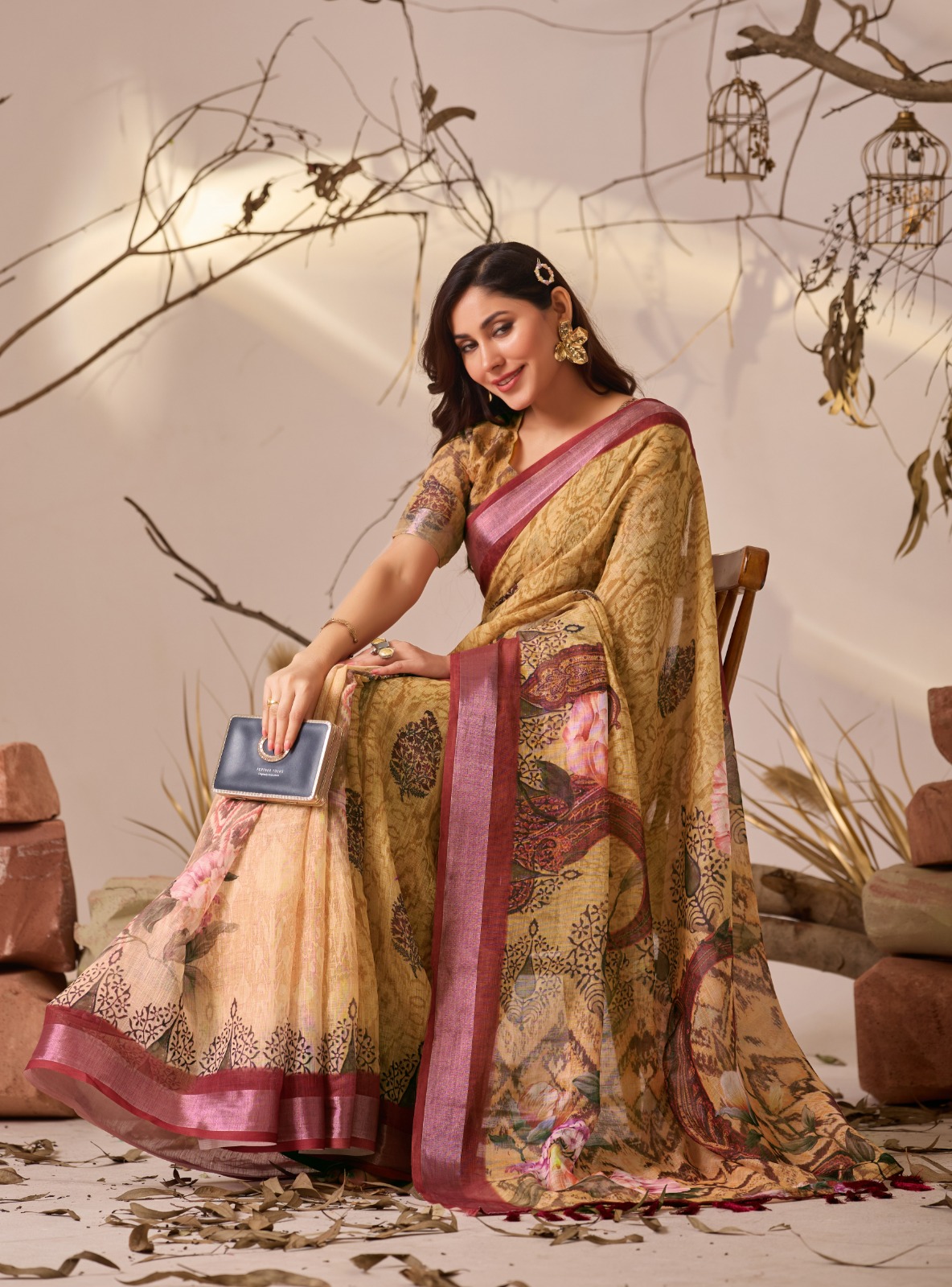
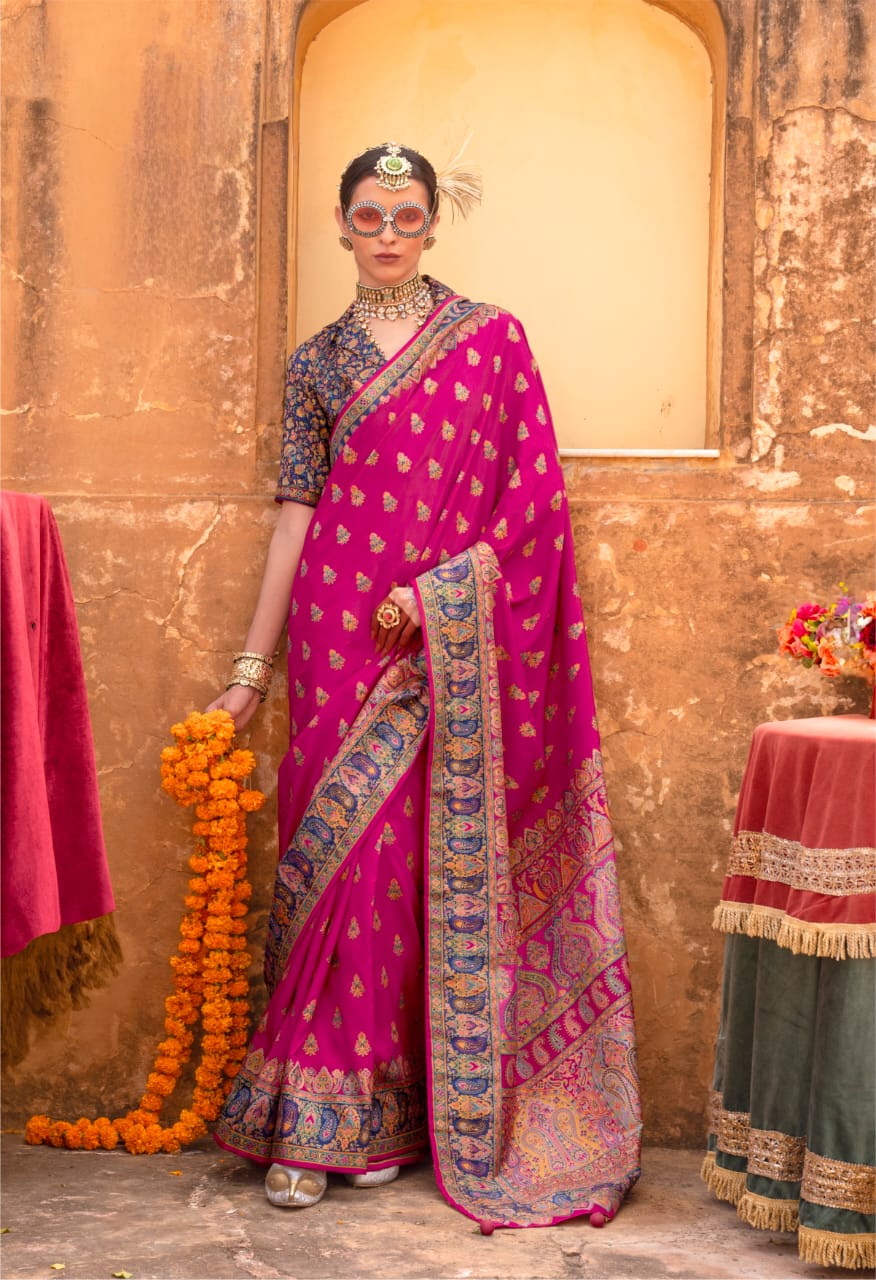
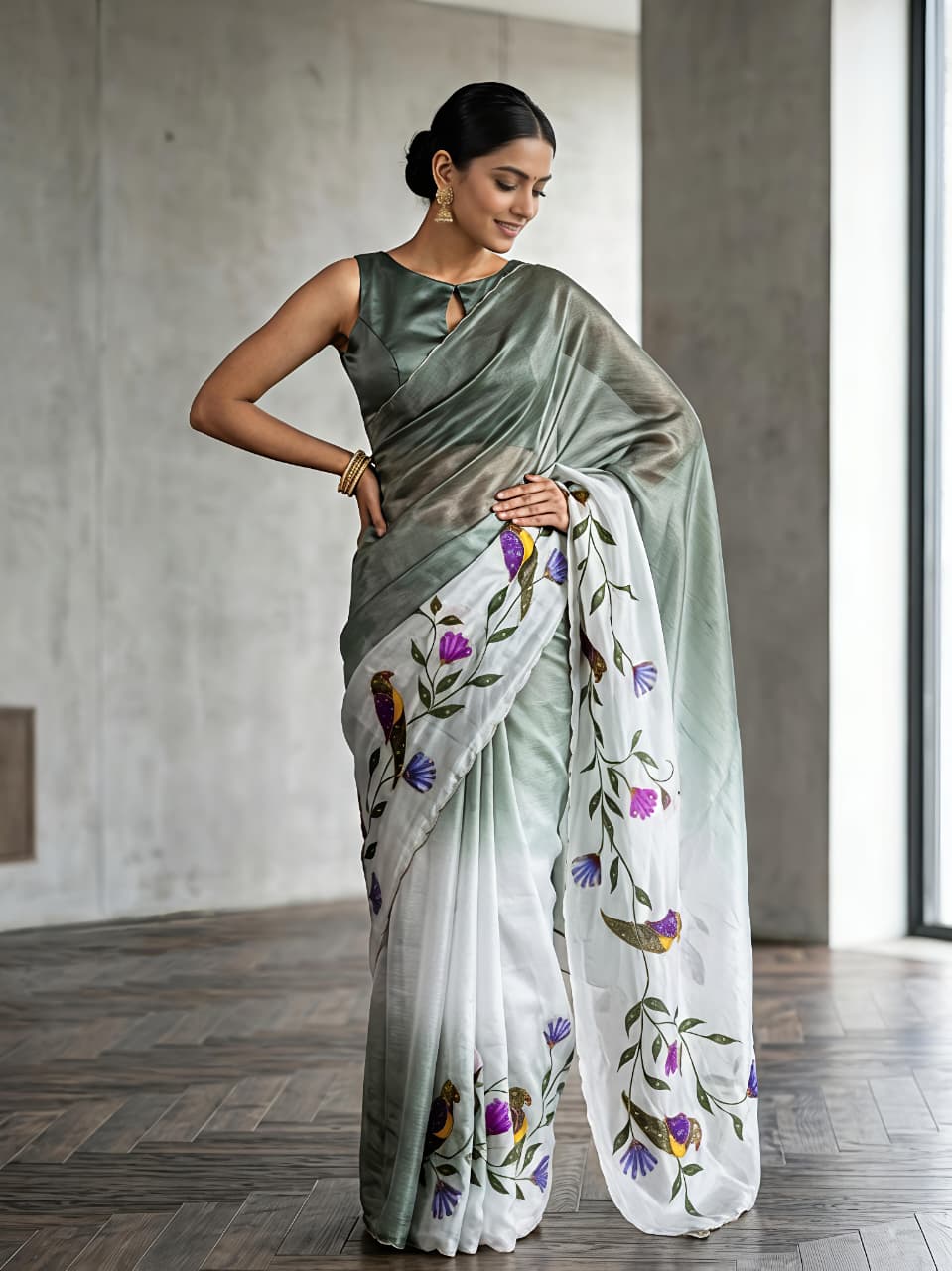
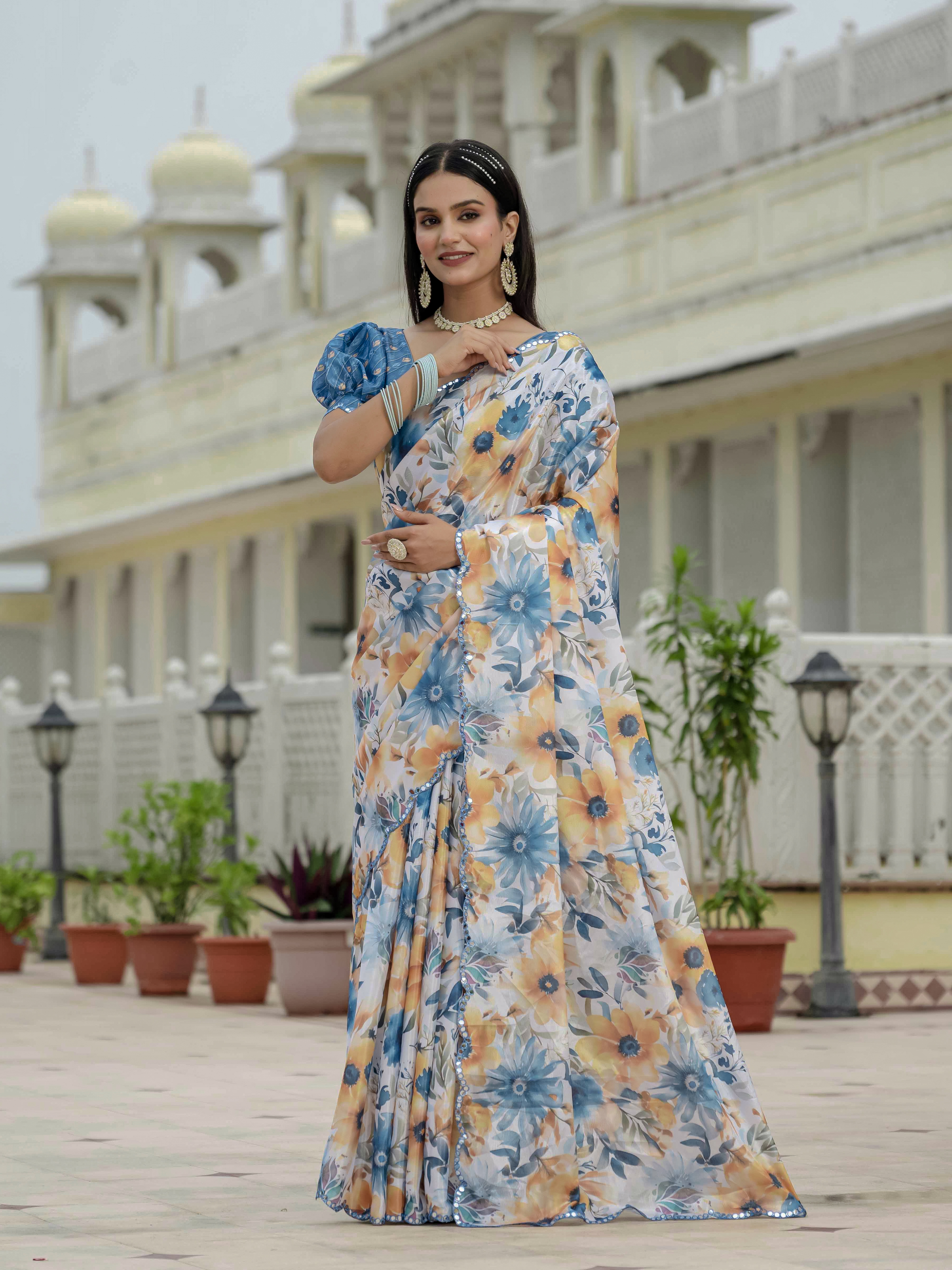
A saree suits guests who are comfortable managing pleats and want a strong textile-led look. Pahari saree styling can include a regional woollen or handwoven drape, a plain blouse with a statement shawl, or a silk saree finished with a warm wrap. A saree is most practical for an indoor ceremony, a seated function or a venue with smooth floors.
Winter draping needs planning. Wear a thin thermal camisole or fitted full-sleeve inner beneath the blouse, then place the shawl over the shoulders without hiding the pallu border. Pre-pleating the saree at home and using small, concealed safety pins can prevent delays in a cold venue. Avoid thick leggings with bulky seams because they can make the waist and pleats sit unevenly.
When a Pahari-inspired lehenga makes sense
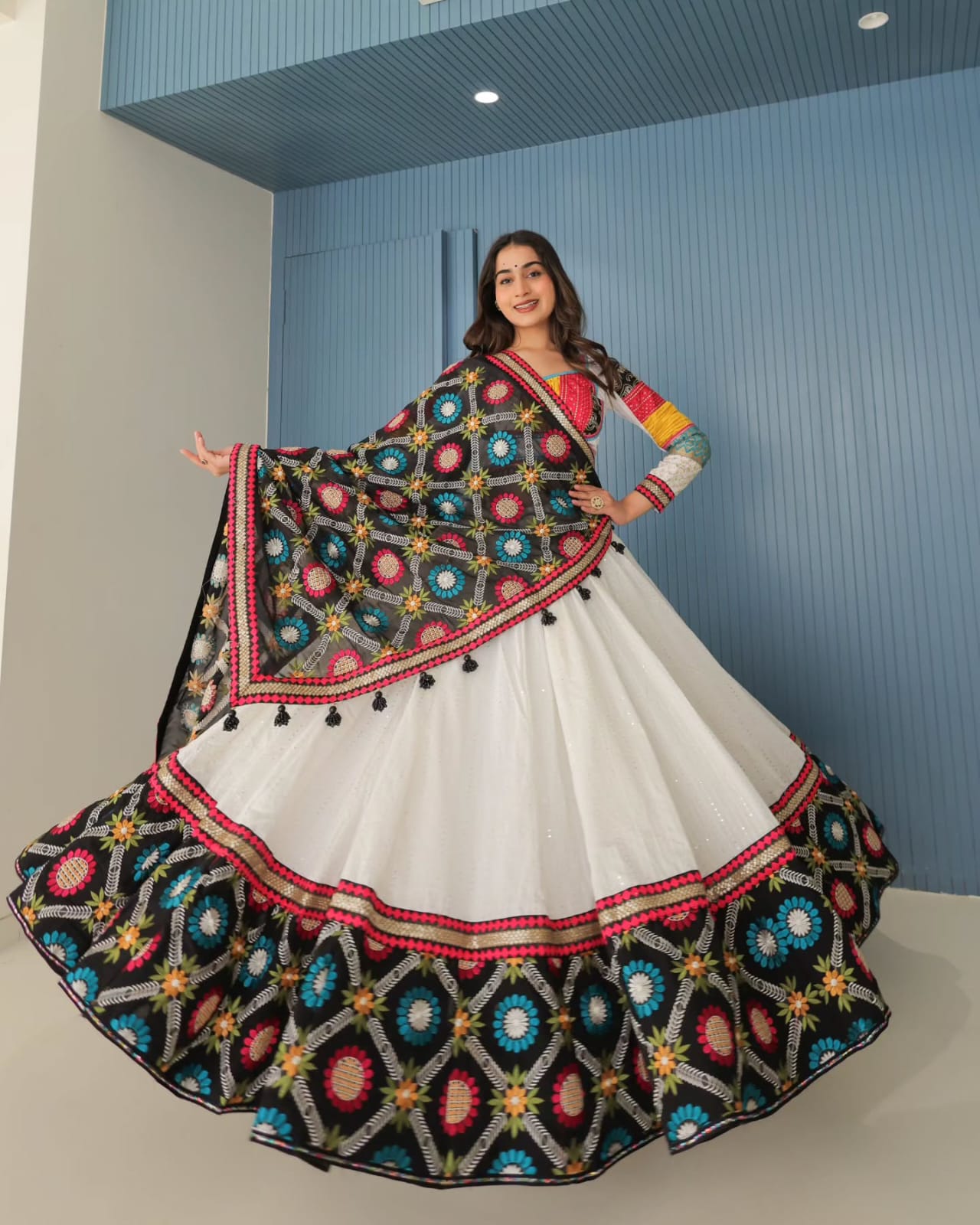
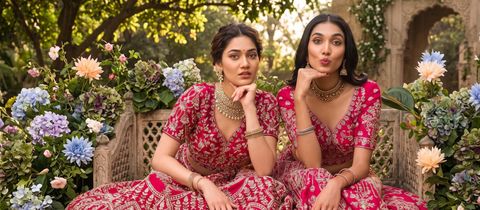
A lehenga is a strong option for a sangeet, cocktail-style evening or reception where dancing and photographs are central. Choose a skirt with a manageable flare, a blouse that permits arm movement and a dupatta secured at one shoulder and one side of the waist. Embroidered borders, woven motifs and a wool or velvet shawl can add a mountain-appropriate texture without turning the outfit into costume.
Very heavy bridal-style lehengas are rarely comfortable for a guest, particularly on steep roads or during a long outdoor function. A skirt with four to six kalis often gives movement without excessive volume. Check the petticoat, waistband and zip before travelling, because cold-weather layering can make a fitted lehenga feel tighter than it did during a summer trial.
Why salwar suits remain dependable
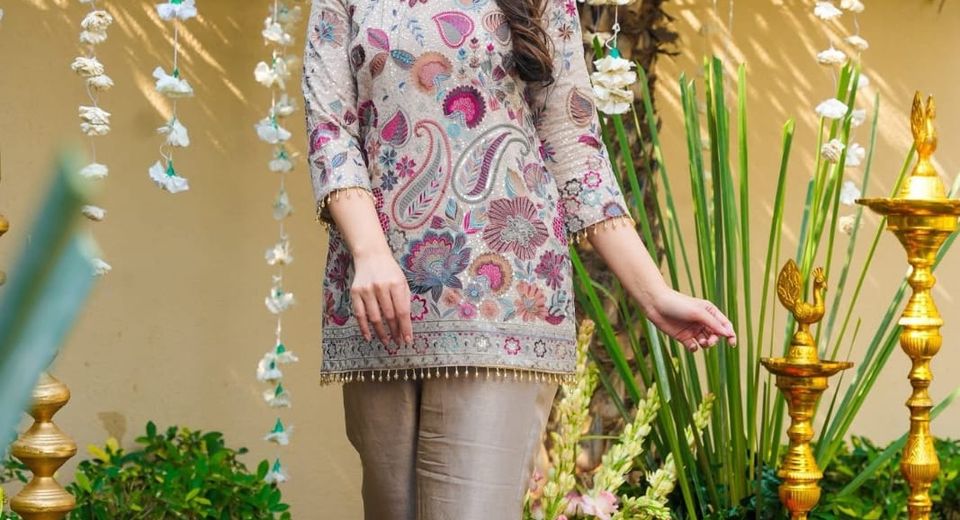
Salwar suits are the most practical choice when a wedding includes multiple venues, long travel or uncertain weather. A straight kurta with cigarette pants looks polished for a daytime pheras ceremony, an Anarkali adds movement for an evening reception, and a palazzo suit offers comfort when sitting on the floor.
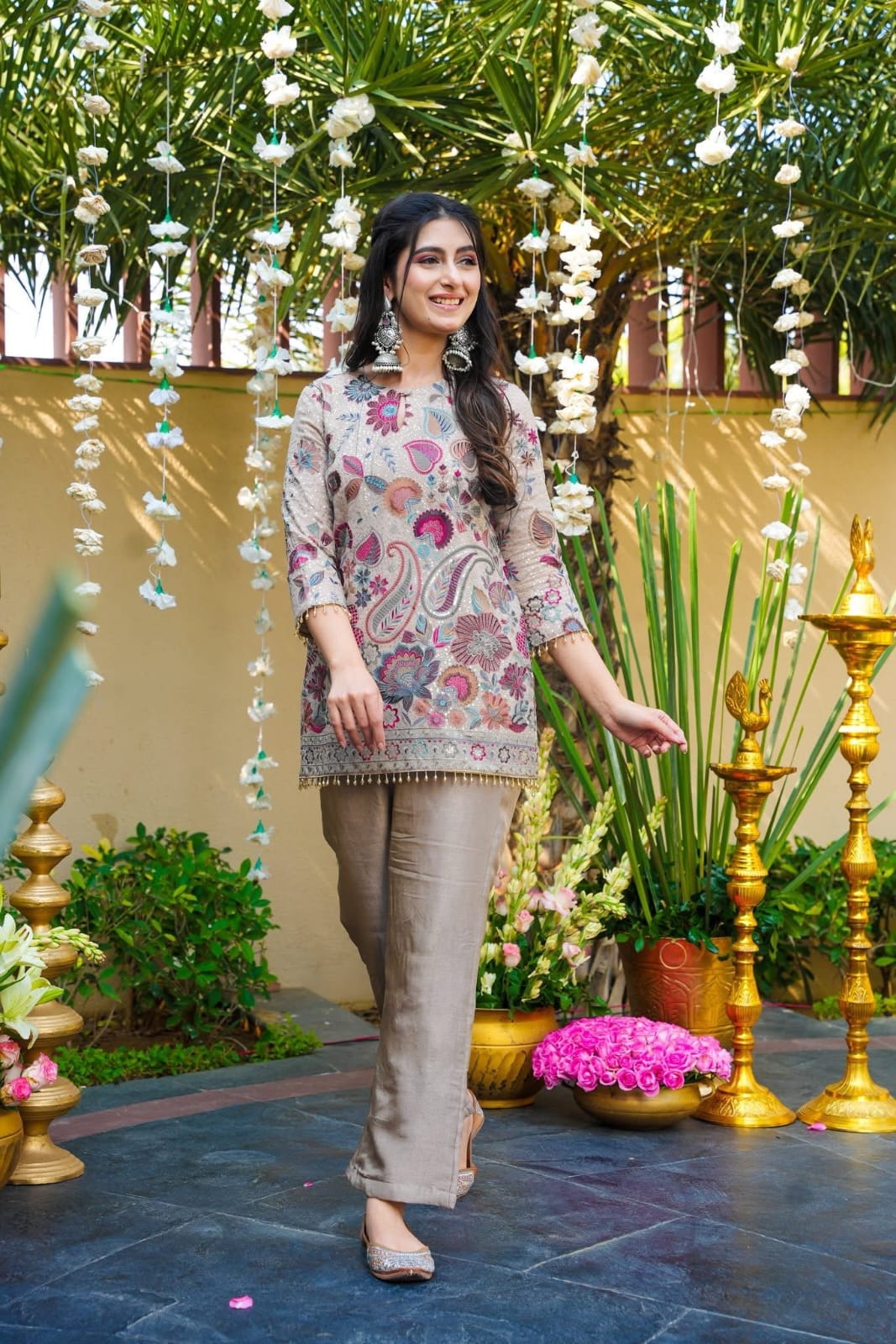
The Modern Taupe Vichitra Silk Embroidered Co-Ord Set for Women demonstrates how a restrained neutral can look festive through texture and coordinated construction. Taupe, mushroom, bronze and muted rose work particularly well with a contrasting shawl or jewellery in silver, antique gold or oxidised metal.
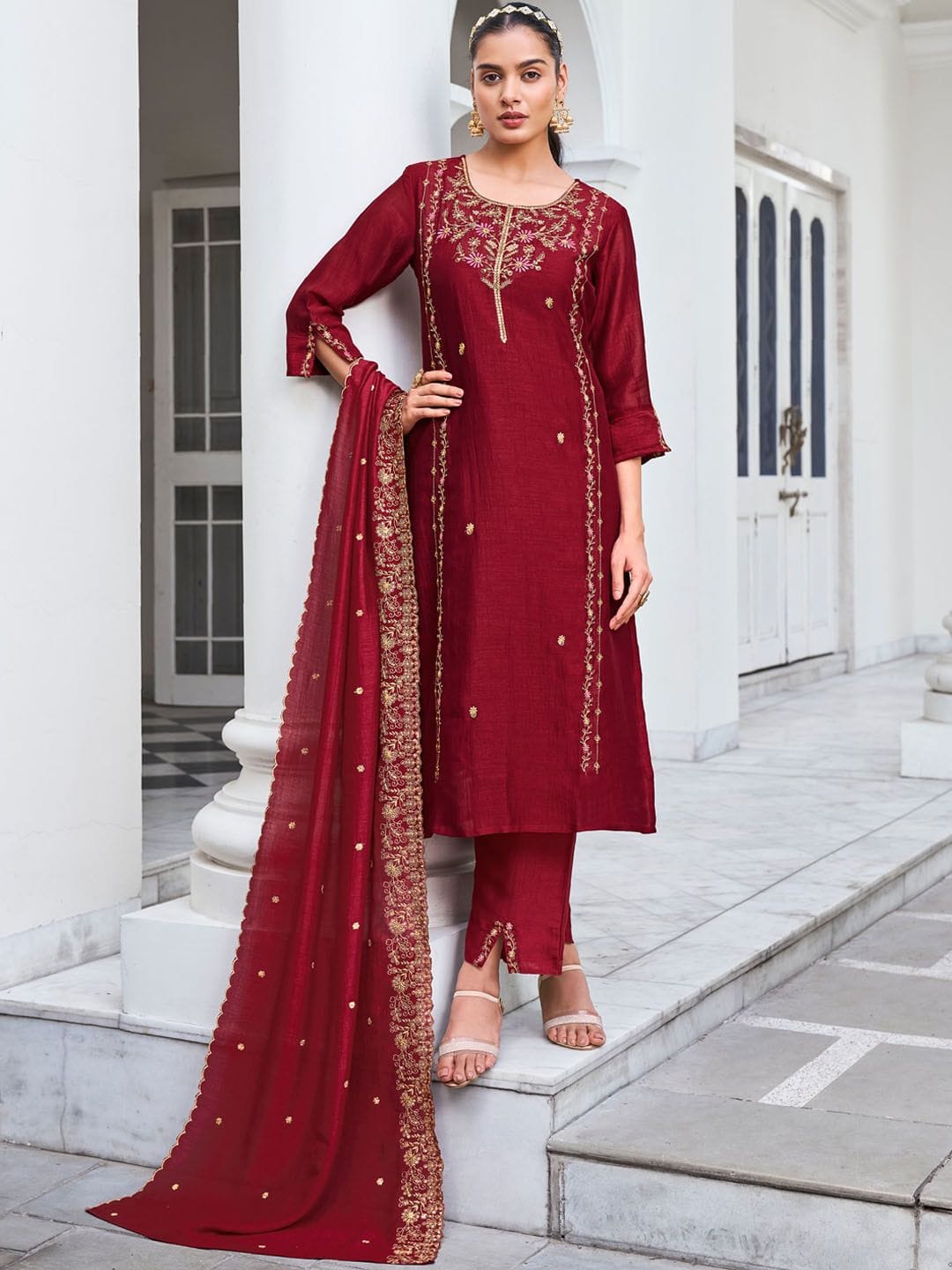
The Wine Pure Vichitra Silk Kurta Set with Sequin Work & Dupatta provides a richer evening direction without requiring a heavily flared silhouette. Wine, burgundy and deep plum photograph well in low winter light, while a dupatta gives an additional layer over the shoulders during an outdoor baraat or dinner.
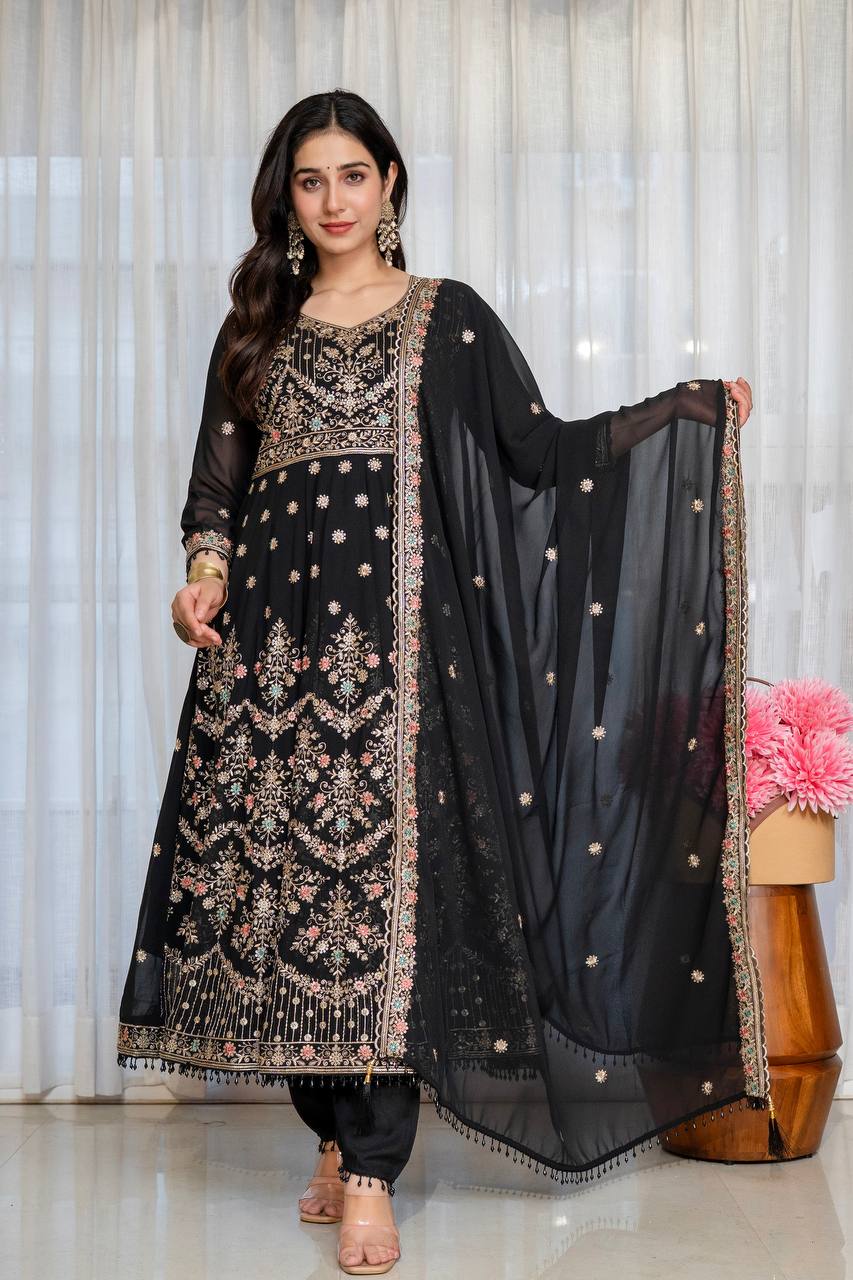
For a more dramatic function, the Black Anarkali Suit Set with Sequin Zari and Moti Lace Work combines a dark base with reflective detail. Black can be appropriate for a reception or cocktail event, but guests should follow the family's preferences for a daytime or temple ceremony, where brighter colours may feel more suitable.
Himachali Wedding Guest Outfits need warm, breathable fabrics
Vichitra silk, Banarasi silk, Chanderi, wool blends and lined velvet are useful wedding fabrics because they offer structure or insulation without automatically becoming unmanageable. Fabric choice should follow the temperature, venue and duration of the event rather than the dress label alone.
Banarasi silk brings weight, shine and a recognisable zari surface to sarees, dupattas and blouse panels. Banarasi silk is warm enough for a mild evening but may feel heavy when combined with a thick shawl and dense underskirt. A Banarasi dupatta over a simple salwar suit can deliver the same festive effect with less bulk.
Chanderi is airy, lightly crisp and useful for a daytime function, especially when layered over a cotton or silk lining. Chanderi doesn't provide much insulation by itself, so pair it with a fitted thermal layer, a lined kurta or a compact shawl if the ceremony continues after sunset.
Vichitra silk has a soft fall and a slightly substantial hand, making it suitable for kurta sets and coordinated outfits. Wool blends provide more warmth but can irritate sensitive skin, so wear a smooth cotton or modal layer beneath the garment. Velvet works best as a yoke, sleeve, blouse or border because an entirely velvet outfit can become heavy during travel.
Layering should preserve the shape of the outfit. A thin base layer is better than one thick sweater under a kurta because it prevents pulled seams and excessive bulk. A full-length slip can reduce static under an Anarkali. A shawl with a generous width of approximately 70 to 90 centimetres can cover the shoulders and upper arms while still folding into a travel bag.
- Base layer: choose a close-fitting cotton, wool-blend or thermal top in a neutral colour.
- Main garment: use a lined suit, saree blouse, lehenga choli or kurta set with enough ease for the base layer.
- Outer layer: carry a shawl, cape, wool stole or tailored long jacket that doesn't crush delicate embroidery.
- Emergency layer: pack foldable socks, hand warmers or a compact cardigan when the function is outdoors.
Himachali Wedding Guest Outfits benefit from thoughtful colours and details
Deep red, wine, saffron, maroon, forest green, navy, ivory and muted pink all work well for mountain wedding wardrobes. A dark base with one warm accent is particularly effective in winter because it looks rich in photographs and hides minor travel marks better than pale monochrome clothing.
Regional styling doesn't require copying ceremonial clothing reserved for a particular community. A guest can use a woven border, a geometric motif, a wool shawl or a Pahari-inspired colour combination while avoiding inaccurate claims about local dress. Ask the hosts before wearing a distinctive time-honoured headpiece or jewellery associated with a family, district or ritual role.
Zari, sequins, gota, resham embroidery and moti detailing suit evening functions, but reflective work should be distributed rather than placed everywhere. One embellished dupatta with a plain kurta can look more considered than a heavily worked kurta, skirt and shawl together. For daytime, thread embroidery, small mirrors, woven motifs and printed cotton-silk usually feel more proportionate.
Punjab Phulkari Embroidered Salwar Suits can introduce lively threadwork through a dupatta or yoke, while Kashmir Embroidered Salwar Suits offer a softer, detailed surface that pairs naturally with winter layers. Maharashtra Paithani Inspired Salwar Suits can contribute jewel-toned borders and a silk-like festive finish without requiring a full saree drape.
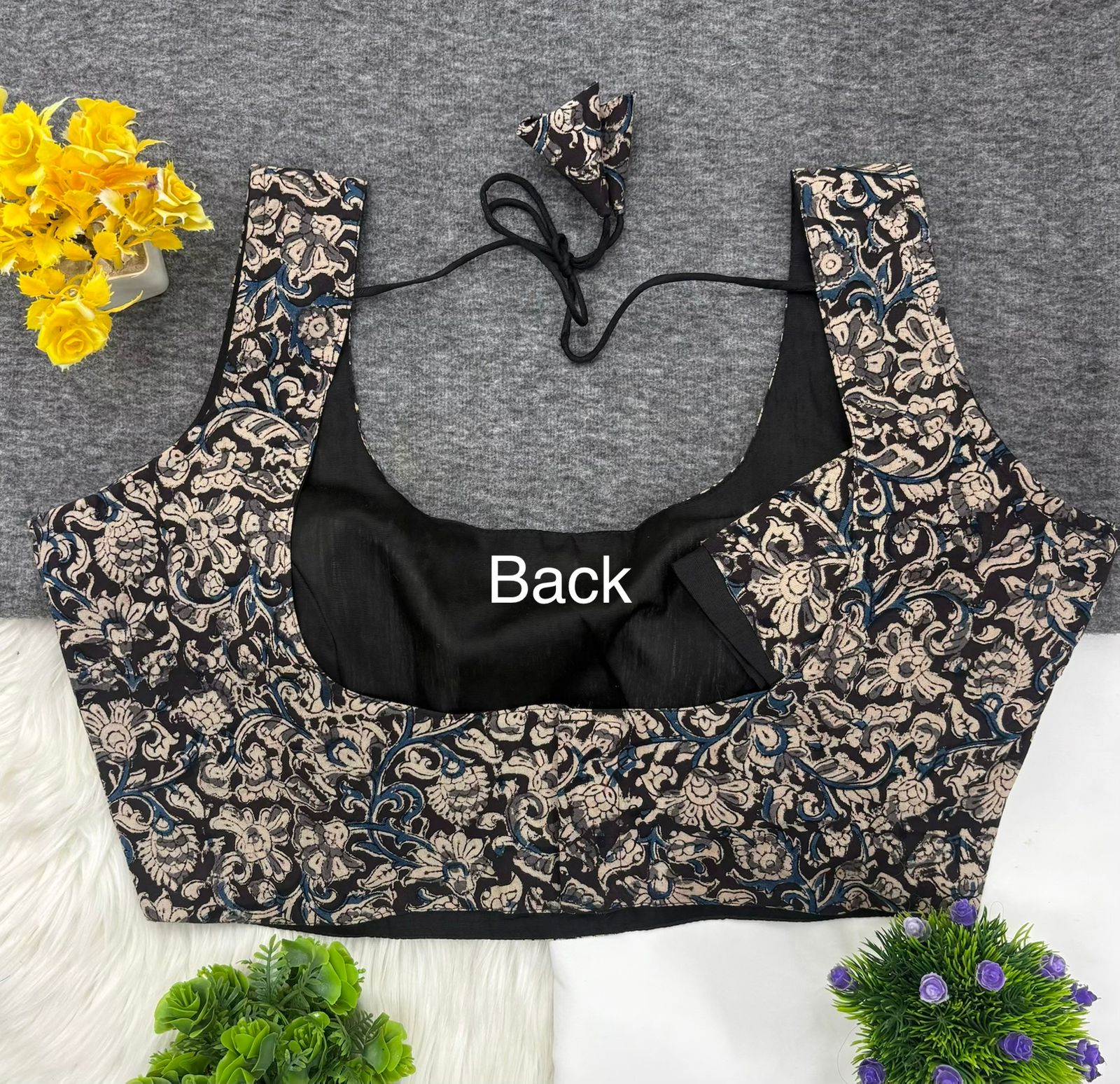
Kalamkari Print Salwar Suits (Copy) are useful for a daytime mehendi or family lunch when an intricate print feels more suitable than heavy zari. Karnataka Silk Salwar Suits offer another route for guests who want a lustrous silk surface with the practical construction of a suit.
Himachali Wedding Guest Outfits should change with each function
The right styling formula depends on the function's formality, time of day and amount of outdoor movement. Repeating one base garment with different jewellery, dupattas and layers can create a practical travel wardrobe.
For mehendi and daytime gatherings
A daytime mehendi outfit should be colourful, breathable and easy to wash or spot-clean. Choose a printed salwar suit, Chanderi kurta set or light cotton-silk Anarkali in mustard, coral, leaf green, pink or turquoise. Flat juttis, small hoops and a crossbody potli keep the hands free for henna and conversation.
For the pheras or temple ceremony
A pheras or temple ceremony calls for a more covered silhouette and secure styling. A full-length salwar suit, modest Anarkali or neatly pinned saree with a shawl works well. Keep the dupatta over one or both shoulders, avoid a train that touches the floor and carry socks or closed shoes if the ceremony requires removing footwear.
For sangeet and reception
A sangeet or reception allows more shine, movement and jewellery. An embellished Anarkali, silk kurta set or moderately flared lehenga can be paired with chandelier earrings, a low bun and a velvet or wool wrap. Keep one element quiet when another is highly detailed; a sequinned outfit usually needs simpler earrings and a plain shawl.
Himachali Wedding Guest Outfits are easier to travel with when packed well
Careful packing prevents wrinkles, crushed zari and last-minute layering problems. Fold a salwar suit along existing seam lines, place tissue paper between embellished surfaces and carry a broad padded hanger for the arrival day. A saree should be rolled around a clean cotton sheet rather than folded repeatedly if the fabric has a heavy zari border.
Delicate embroidery should not be pressed directly with a hot iron. Use a garment steamer from a safe distance or place a thin cotton cloth between the iron and the garment on a low heat setting. Test steam and colourfastness on an inside seam before treating a dark silk, printed Kalamkari or heavily embellished dupatta.
Road travel in the hills can expose clothing to dust, moisture and food stains. Carry a small stain-removal pen, spare blouse hooks, safety pins, fashion tape, a needle and matching thread. Let damp shawls and garments dry fully before placing them in a suitcase, since sealed moisture can create odour and weaken some decorative threads.
Store silk and embroidered garments in breathable cotton covers after the wedding. Avoid plastic for long-term storage because trapped humidity can damage fibres and metal embellishments. Dry-clean heavily embellished silk only when necessary, and follow the care label for Banarasi silk, velvet, wool blends and zari work.
Himachali Wedding Guest Outfits become complete with practical accessories
Accessories should add regional texture without competing with the garment. Oxidised silver earrings, a carved bangle, a woven potli, a wool shawl and a small maang tikka can create a coherent Pahari-inspired look. Choose one statement accessory and keep the remaining pieces lighter when the outfit already includes zari or sequins.
Footwear deserves a separate trial before travel. Block heels between 2 and 3 inches offer height with more stability than stilettos, while embroidered juttis suit stone paths and long standing periods. Carry foldable flats for the drive back, and select soles with some grip for damp outdoor surfaces.
A final outfit test should happen at least three days before departure. Wear the base layer, main garment, shawl and shoes together for 20 minutes, sit on a chair or floor, walk up stairs and raise both arms. The test reveals tight sleeves, slipping dupattas, dragging hems and insufficient warmth before the wedding day.
For a polished result, coordinate the outfit with the setting rather than chasing every festive detail. A well-fitted salwar suit, secure dupatta, warm shawl and sensible shoes can look more elegant throughout a Himachali wedding than a heavier ensemble that becomes uncomfortable after one hour.
Common Questions About Himachali Wedding Guest Outfits
What should a woman wear to a Himachali wedding?
A salwar suit, Pahari-inspired saree or moderate-flare lehenga is suitable for most Himachali weddings. Choose the silhouette according to the function, then add a shawl, secure dupatta and comfortable footwear for changing temperatures and uneven terrain.
Which fabric is warmest for a winter wedding in Himachal Pradesh?
Wool blends, lined velvet, raw silk and substantial Vichitra silk provide more warmth than unlined Chanderi or lightweight georgette. A thin thermal base layer and a wool shawl often add more practical insulation than choosing an excessively heavy outer garment.
Can I wear a salwar suit to a Himachali wedding?
A salwar suit is one of the most practical choices for a Himachali wedding guest. An Anarkali suits an evening reception, a straight kurta works for a daytime ceremony, and a palazzo suit offers comfortable movement for long rituals or outdoor functions.
What colours are suitable for a Pahari wedding guest outfit?
Wine, maroon, saffron, forest green, navy, ivory, muted pink and deep red are suitable festive choices. Use brighter shades for mehendi and daytime gatherings, and reserve heavier zari or darker jewel tones for evening celebrations while following the family's preferences.
How can I stay warm while wearing a saree to a mountain wedding?
Wear a thin thermal camisole or fitted inner beneath the blouse, use a smooth full-length slip and carry a wool shawl. Pre-pleat the saree, pin the pallu securely and choose closed footwear or warm socks if the ceremony takes place outdoors.
What shoes are best for a wedding in Himachal Pradesh?
Block heels, wedges, embellished juttis and shoes with gripped soles are the safest choices for a Himachal wedding venue. Avoid narrow stilettos when the event includes stone paths, grass, stairs or prolonged standing, and carry foldable flats for travel.