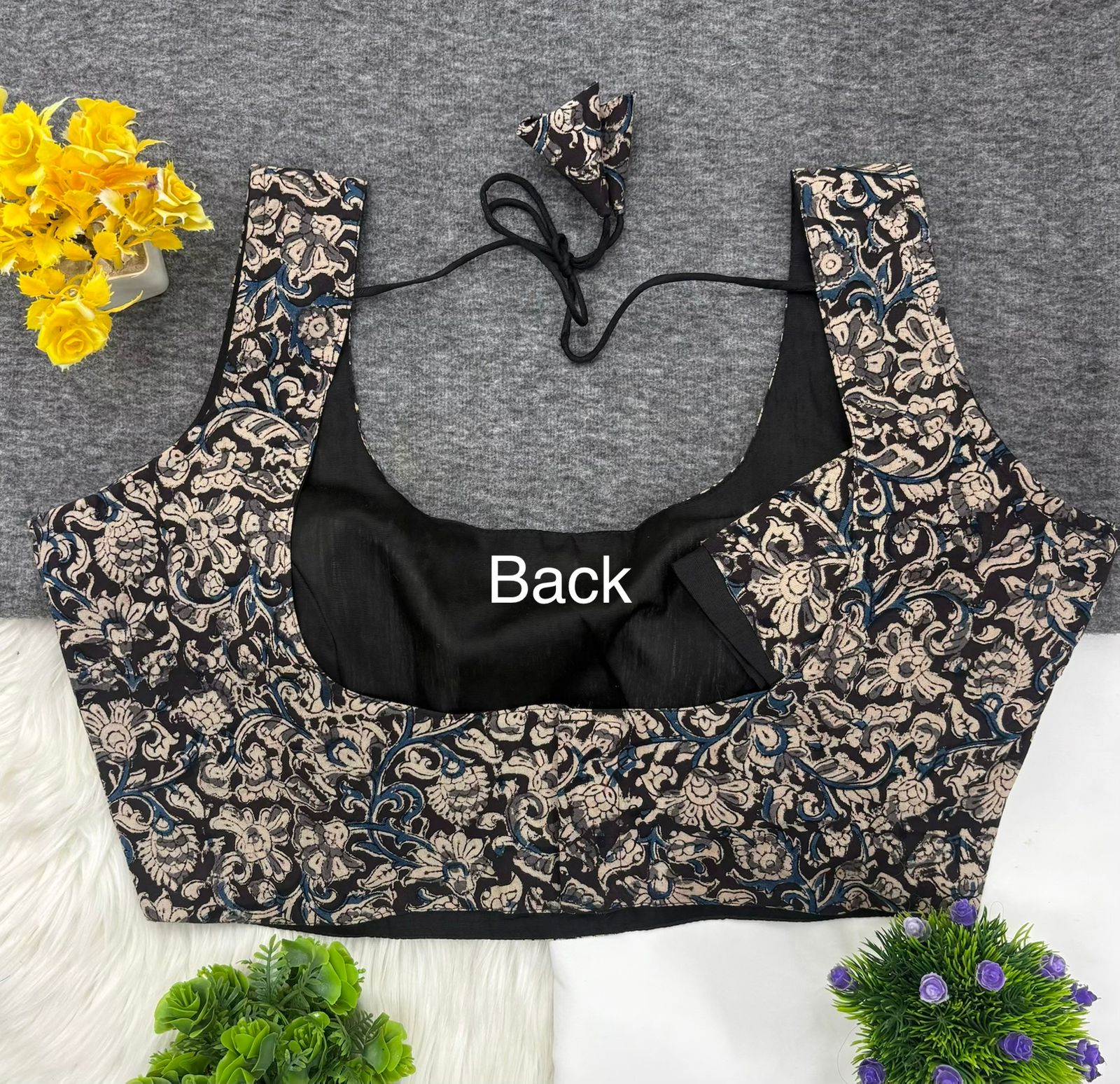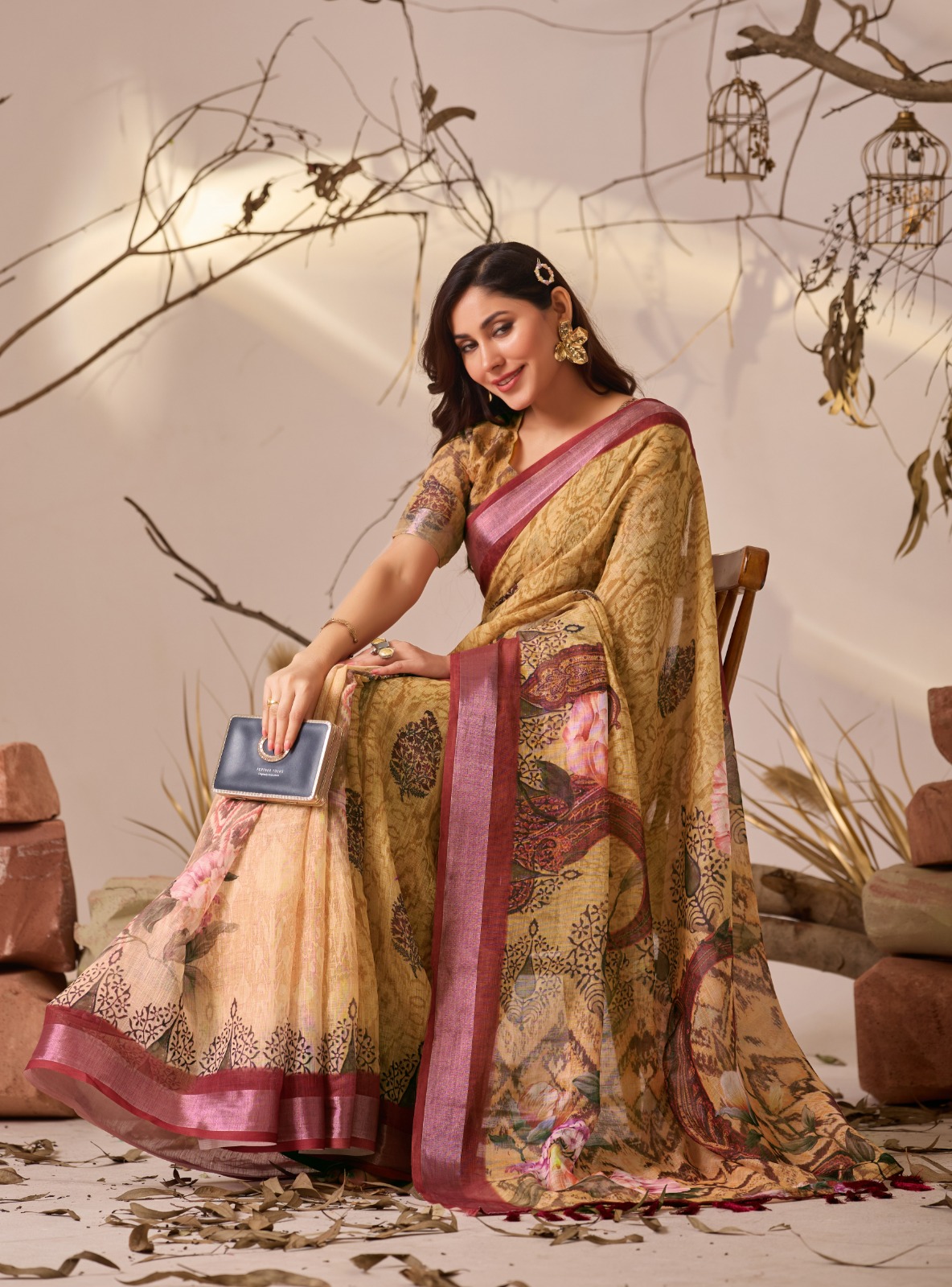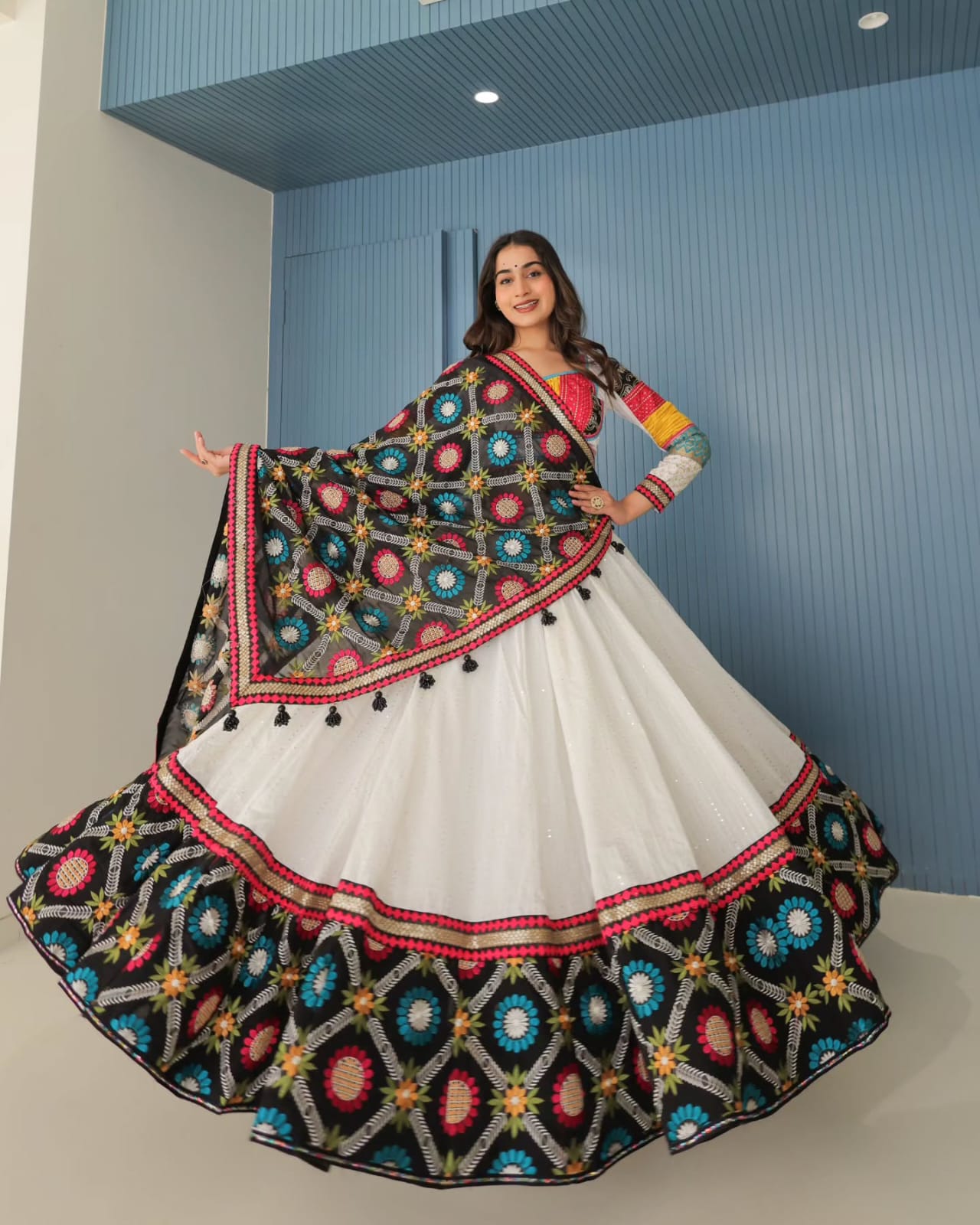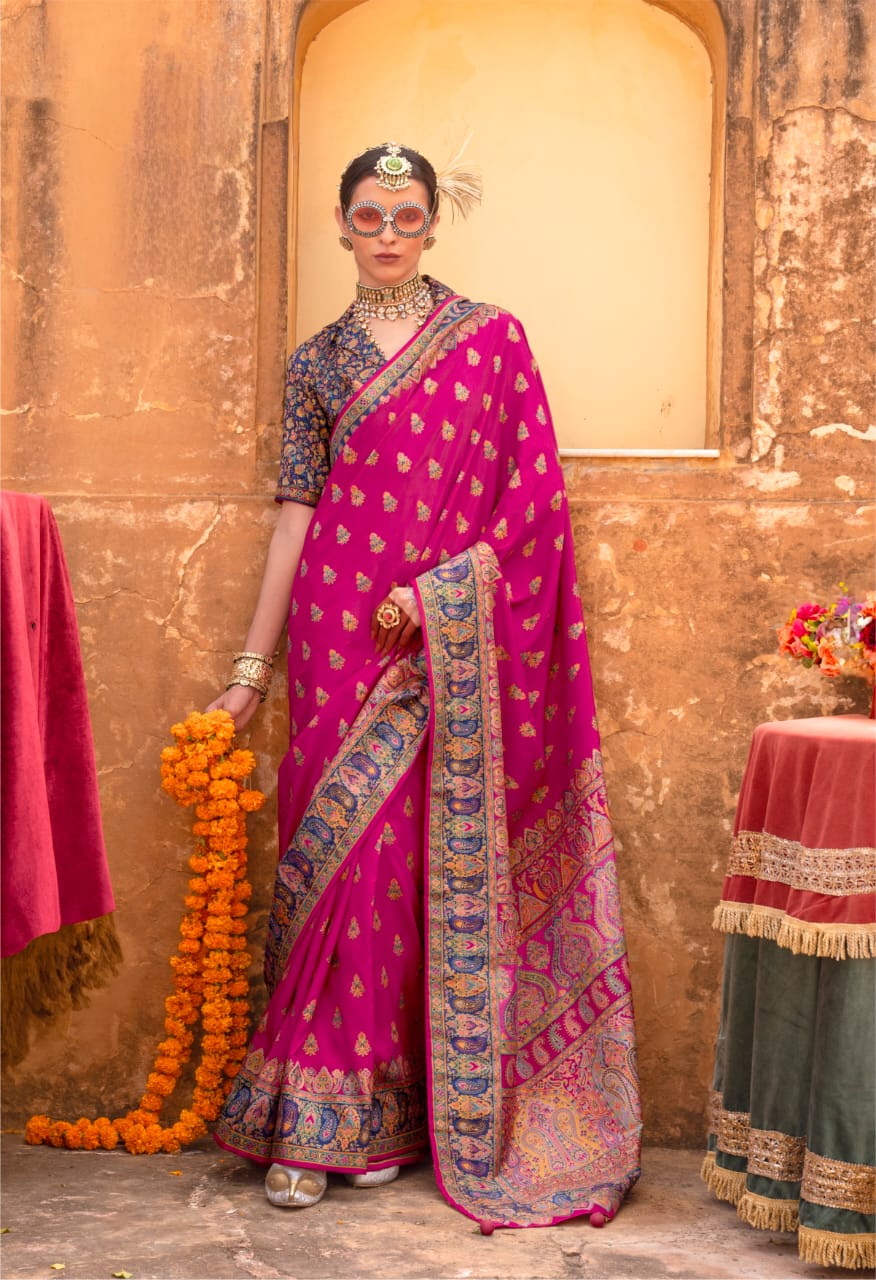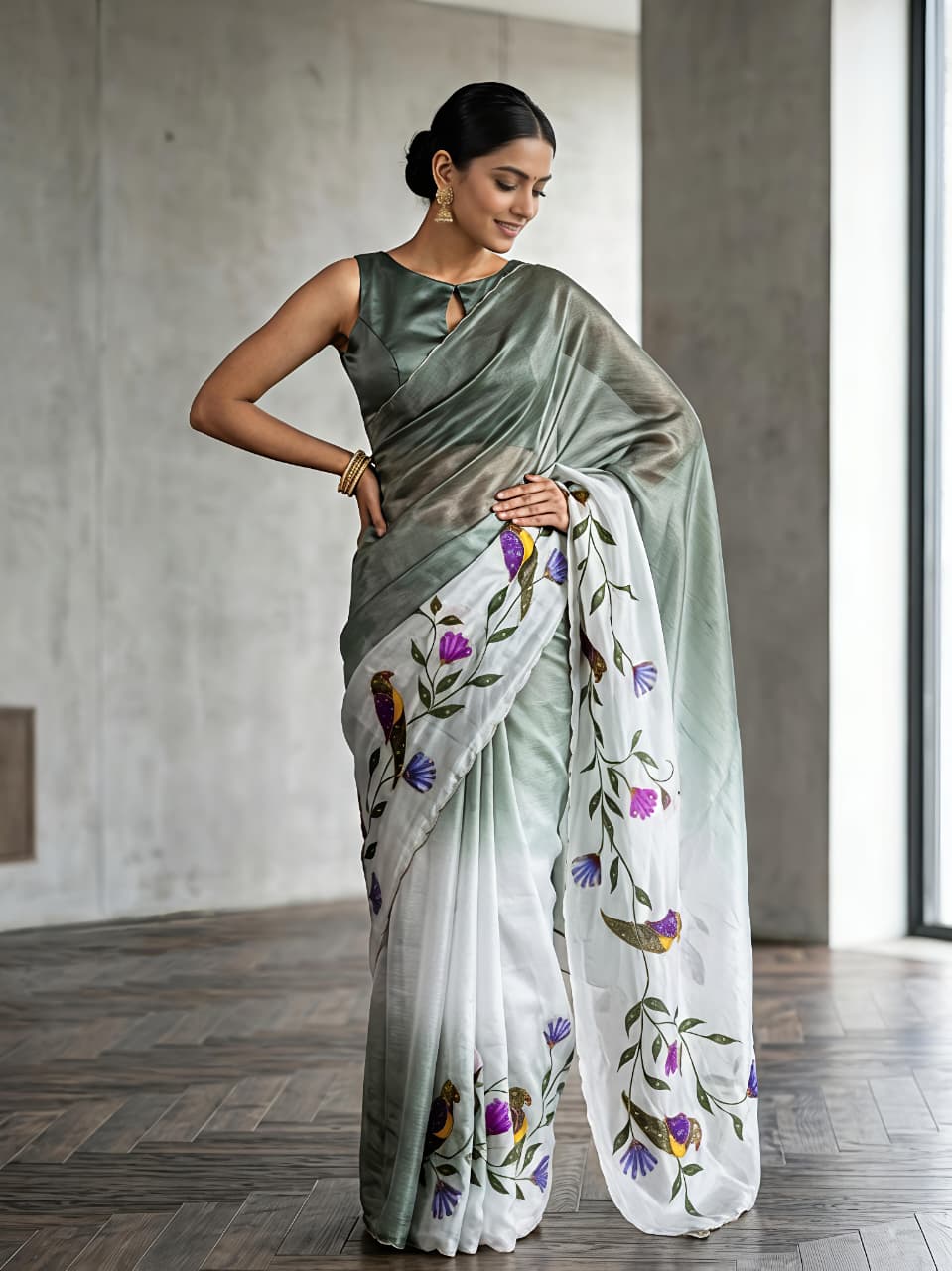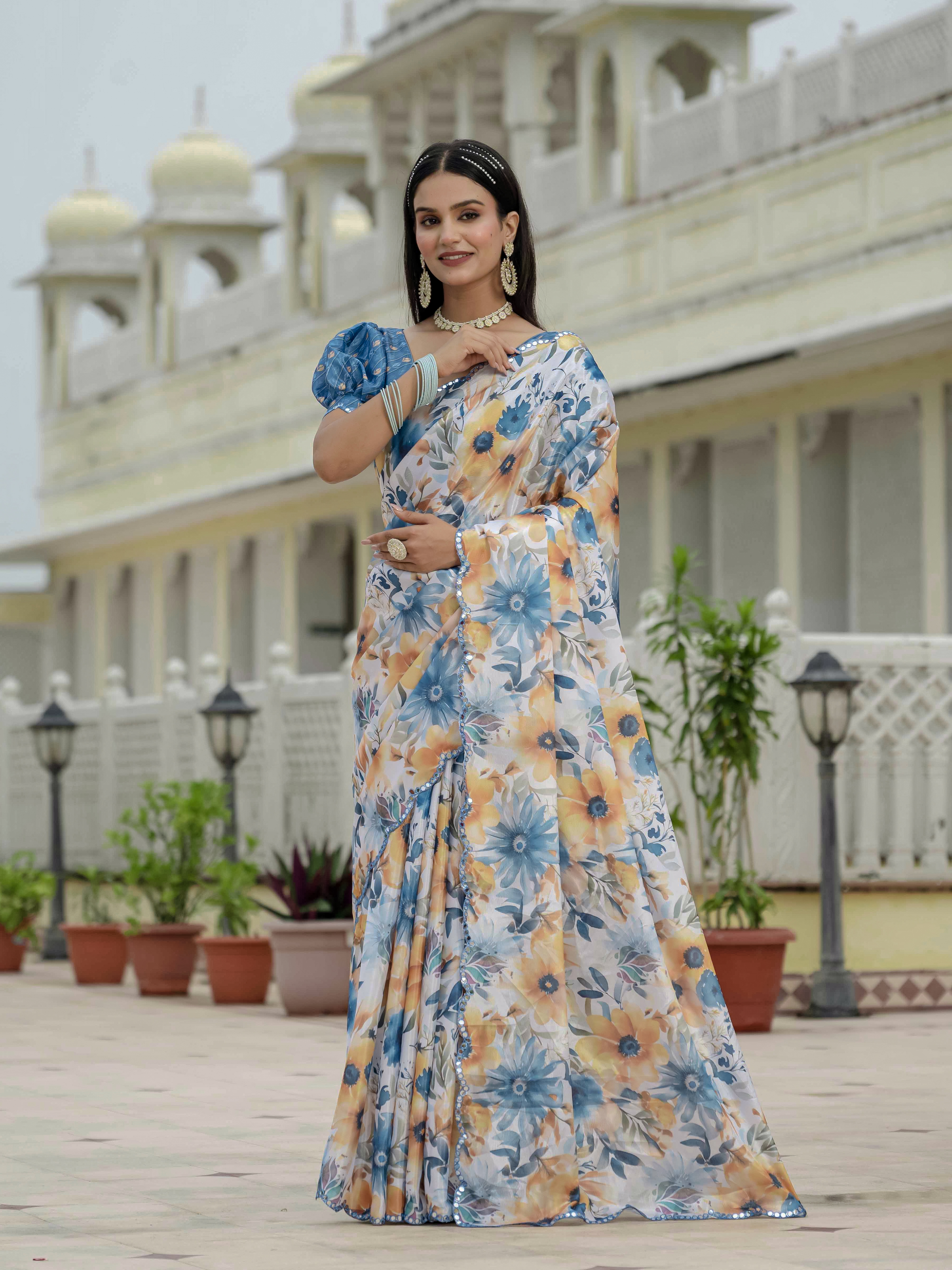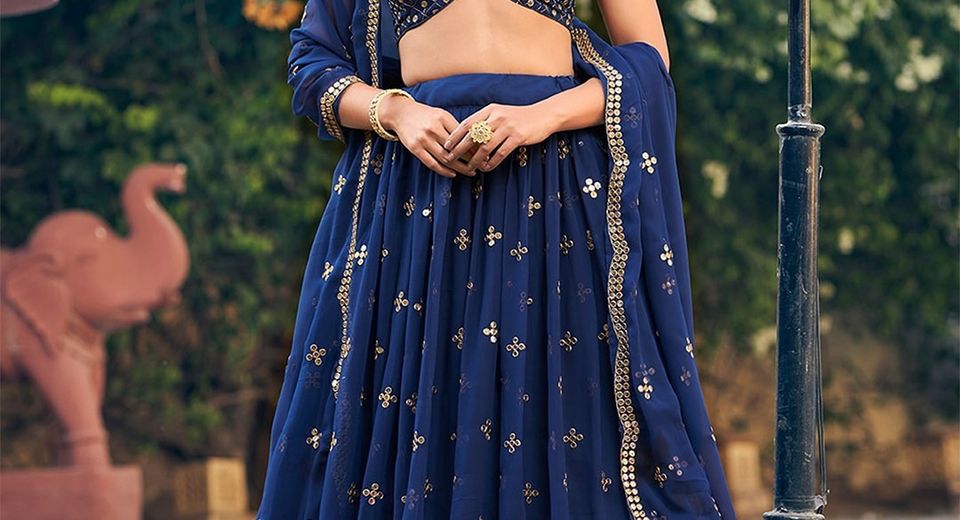
Himachali Wedding Fashion: Pahari Sarees, Blouses & Lehengas brings together regional identity, practical layering and the celebratory colour of a North Indian wedding. A mountain wedding wardrobe may include a handwoven saree, a richly patterned shawl, a velvet blouse, a lehenga with a warm dupatta or contemporary separates adapted to the season. The most successful outfits respect Himachali visual traditions without treating every hill community as culturally identical.
Himachal Pradesh has varied clothing traditions across districts and communities, so there's no single outfit that represents every Himachali wedding. Kullu, Kinnaur, Chamba, Mandi and Kangra each have distinctive textile histories, motifs and ceremonial preferences. Local family customs should guide decisions about head coverings, jewellery, colours and draping, while fabric weight and footwear should respond to the weather and venue.
What defines Himachali Wedding Fashion: Pahari Sarees, Blouses & Lehengas?
Himachali Wedding Fashion: Pahari Sarees, Blouses & Lehengas is defined by woven texture, layered warmth, vivid borders, modest but expressive silhouettes and accessories that carry regional meaning. Pahari style isn't limited to one garment; it's a way of combining textile, colour, drape and ornament.
A traditional Himachali wedding wardrobe often gives an important role to the shawl or wrap. Woollen shawls from Himachal Pradesh can add warmth during an outdoor pheras ceremony, while patterned borders provide visual structure over a plain saree or lehenga. The Chamba rumal, known for detailed needlework and narrative imagery, belongs to a different textile tradition from everyday shawls, but its fine embroidery offers useful inspiration for blouse panels, dupatta borders and accessory details.
Colour choices also communicate the season and role of the wearer. Red, maroon, saffron, deep pink and green remain familiar wedding shades, while ivory, peach, lilac and powder blue suit daytime functions. A single outfit becomes more regionally grounded when one element, such as a woollen stole, woven border, silver ornament or hand-embroidered motif, carries the strongest Pahari reference.
How should a Pahari saree be styled for a wedding?
A Pahari saree should be styled with a secure pleat arrangement, a blouse that supports the drape and a shawl or stole chosen for both warmth and proportion. The exact drape varies by family and region, so confirming the preferred local style is more respectful than copying a generic "hill look".
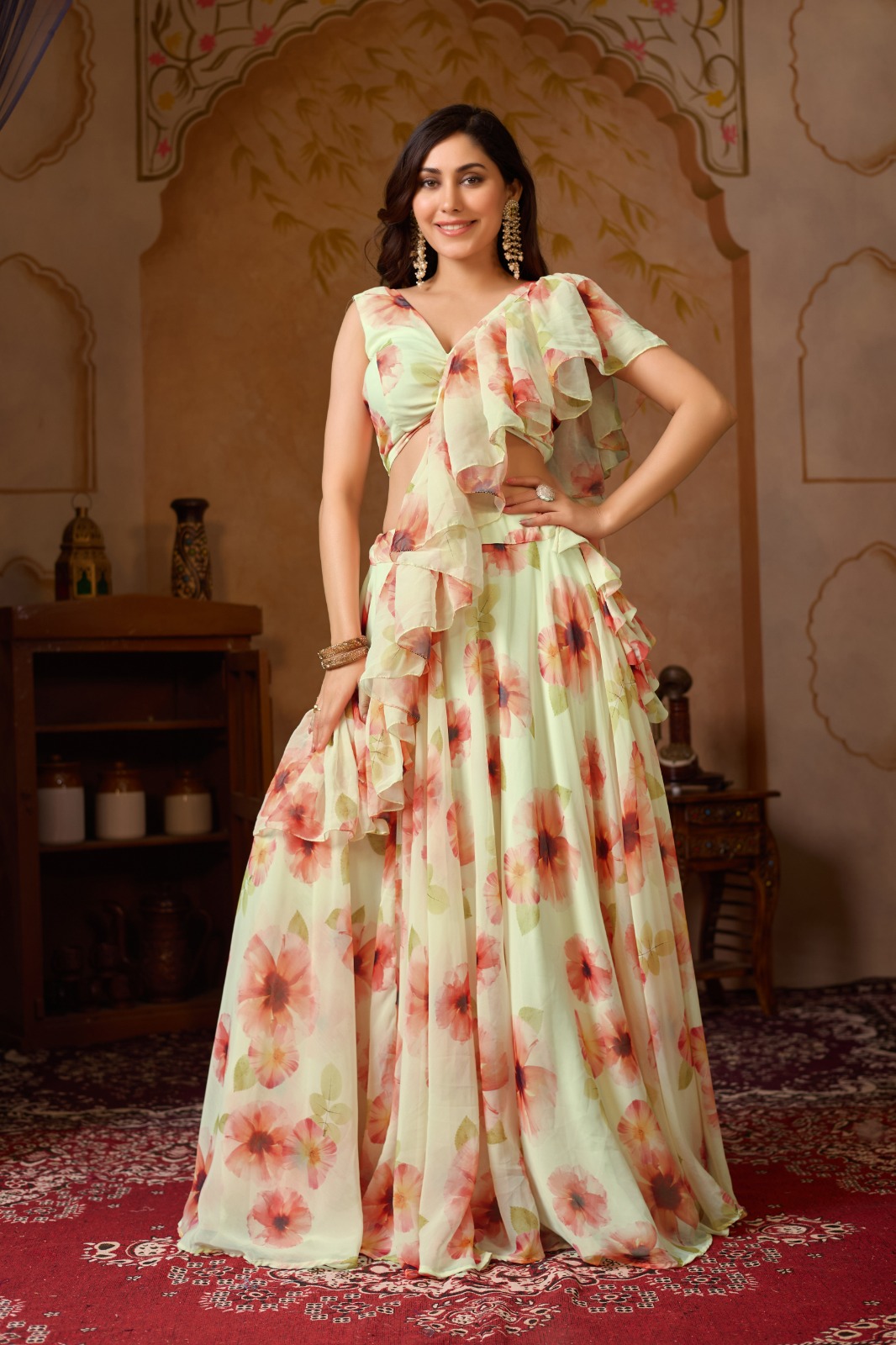
A lightweight silk saree works well for a daytime ceremony because silk holds pleats without becoming excessively heavy. Banarasi silk can bring zari richness to a reception, while Chanderi gives a lighter, translucent finish for a summer engagement or mehendi. A cotton-silk saree gives better breathability for guests who will move between indoor and outdoor spaces.
The blouse should balance the saree border rather than compete with it. A high boat neck, elbow-length sleeve or modest square neckline suits a winter celebration and leaves room for a shawl. A sleeveless or short-sleeved blouse can work for a summer function, but the shoulder fit must be tested with the final drape because slipping fabric becomes uncomfortable during rituals.
Pinning matters more in a mountain venue than it does in a closed banquet hall. Two small safety pins at the shoulder and one concealed pin near the waist can stabilise the pallu without flattening the saree. A brooch may secure a woollen wrap, but sharp brooch backs should not be placed where they can catch delicate silk or organza.
Which blouse details complement Pahari sarees?
Embroidered cuffs, woven piping, velvet panels and antique-finish buttons complement Pahari sarees without requiring a fully heritage costume. A maroon velvet blouse with muted gold piping can anchor an ivory saree, while a forest-green blouse can bring out a green border in a red silk drape.
Blouse measurements should include the finished saree pallu and the intended jewellery. A neckline that looks comfortable without a necklace may feel crowded under a choker. Allowing 1 to 1.5 inches of fitting margin at the side seams gives a tailor room to adjust the blouse after the first trial.
When does a lehenga suit Himachali wedding dressing?
A lehenga suits Himachali wedding dressing when its fabric, layering and embellishment are adapted to the ceremony, temperature and movement required. Lehengas are especially practical for sangeet performances, bridesmaid groups and younger family members who want easier walking than a heavily pleated saree allows.
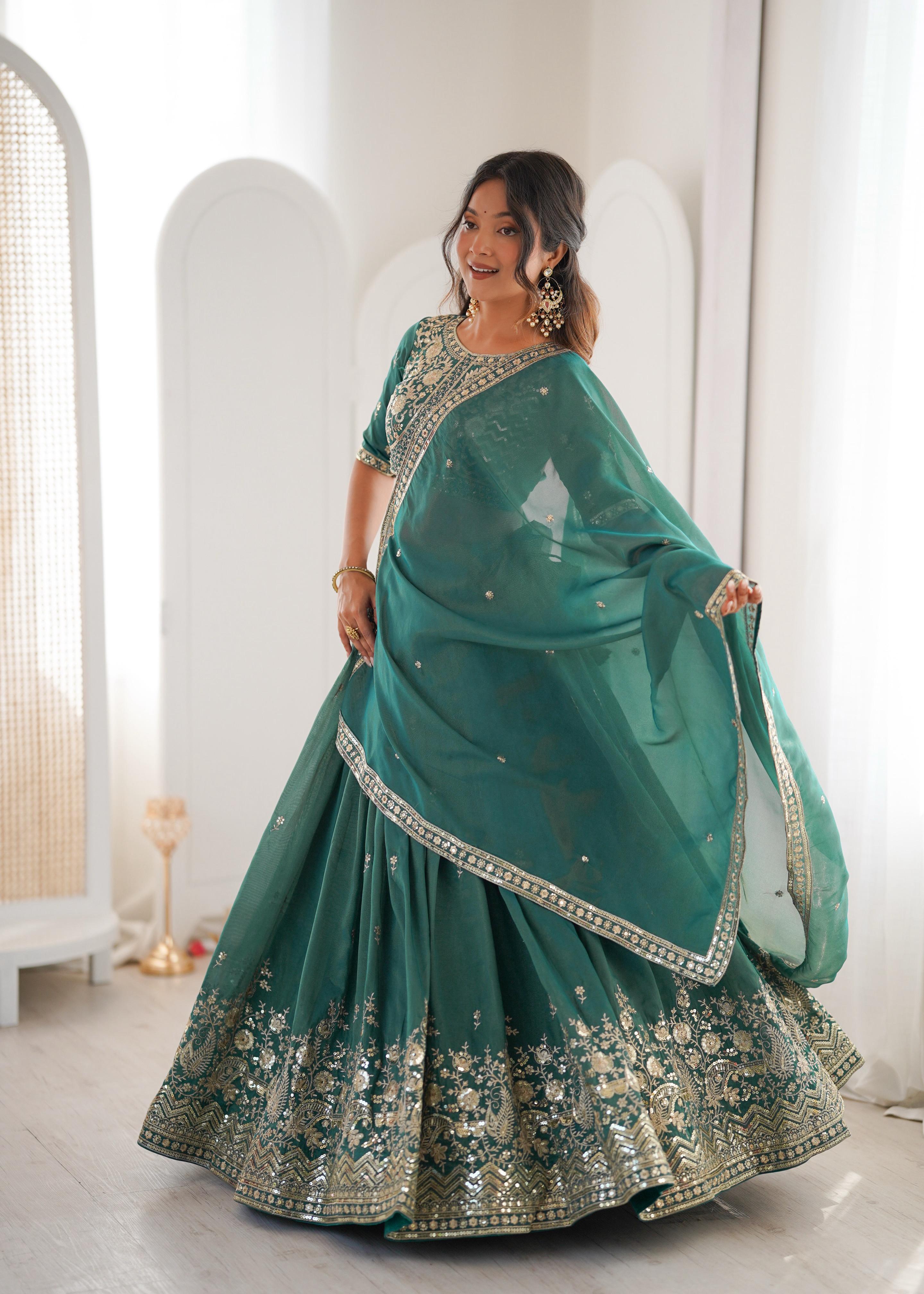
For a winter wedding, silk, velvet accents, brocade and lined georgette provide more structure than unlined net. A warm inner layer can be worn under a blouse, but the lehenga waistband must be sized to accommodate it. For a summer wedding, cotton-silk, muslin cotton, organza and lighter georgette reduce heat, although organza needs a smooth lining to prevent scratching.
The Pastel Floral Georgette Lehenga Set with Ruffle Blouse illustrates a softer daytime direction, especially for a garden mehendi or intimate engagement. The Festive White Lehenga Choli with Mirror Work Design creates a crisp base for silver jewellery and a brightly coloured shawl. Neither style needs heavy additional ornament if the venue already has strong décor.
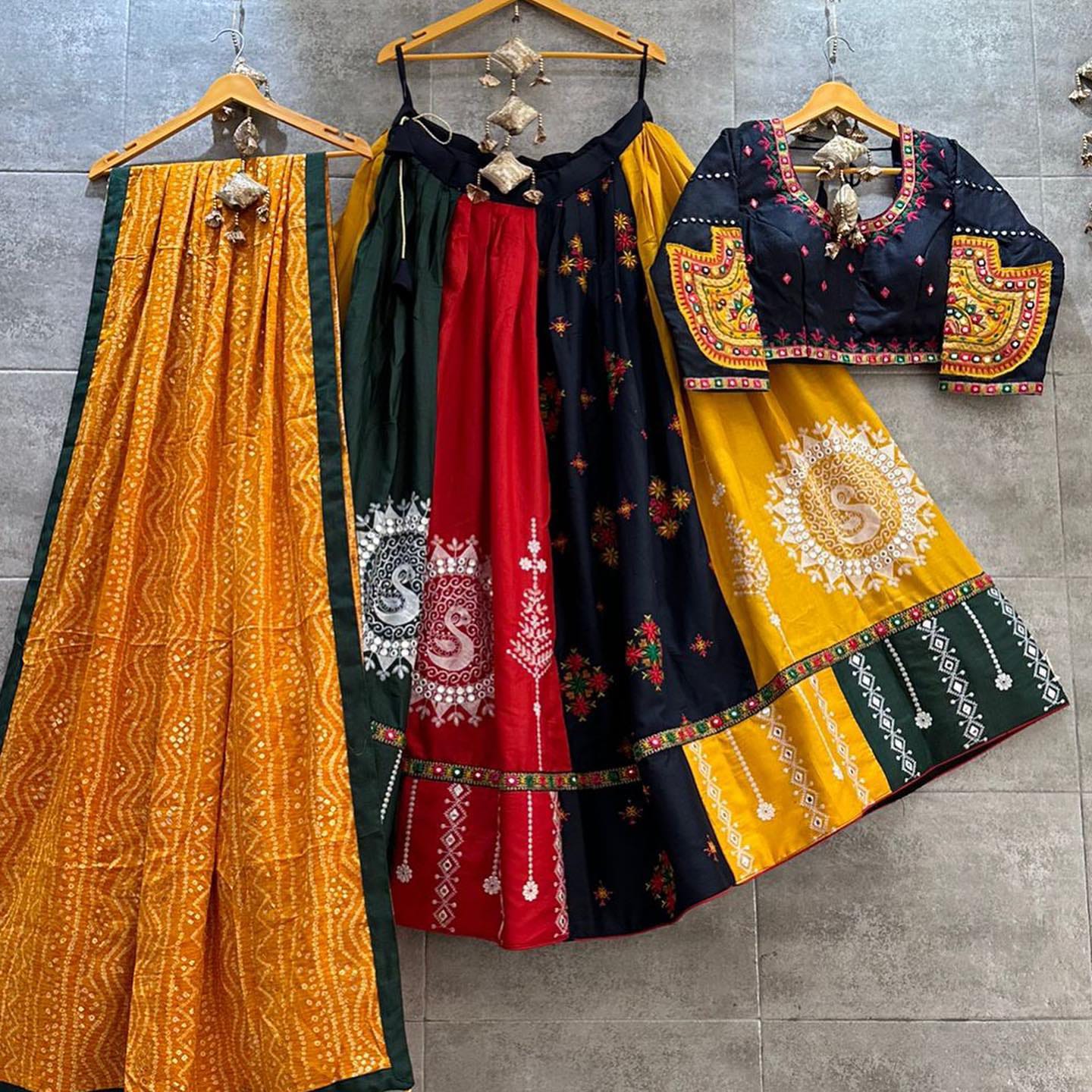
For a more formal reception, the Designer Threadwork Silk Lehenga Choli Set with Dupatta brings the visual density associated with evening wear. The Stylish Multicolor Butter Silk Lehenga Choli Set can work for a family member who wants colour without relying on a single red or pink palette. Butter silk should be checked under natural light because surface sheen can make colours appear stronger in photographs.
How can a contemporary lehenga retain Pahari character?
A contemporary lehenga retains Pahari character through deliberate accents rather than an unrelated collection of motifs. A woven shawl, silver hasli, embroidered floral border, woollen stole or locally inspired geometric trim can connect a modern silhouette to the setting.
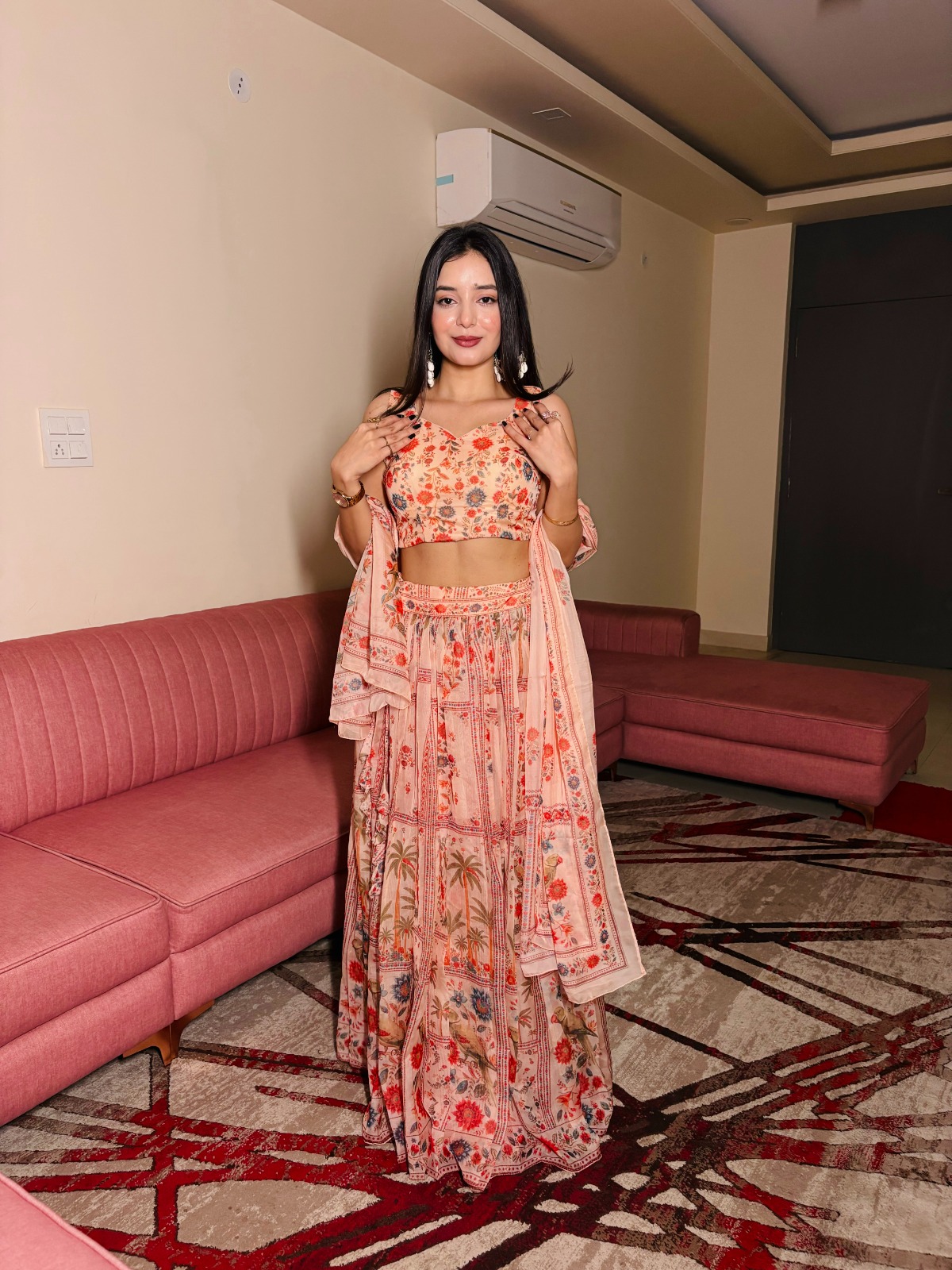
The Peach Floral Organza Lehenga Set with Printed Dupatta suits a daytime function when paired with a rust, saffron or bottle-green accessory. The Red Multicolor Butter Silk Mirror Work Lehenga Set is better suited to an evening celebration where mirror work can catch warm lighting. The Multicolor Mirror Work Muslin Cotton Lehenga Choli Set brings a lighter option for a festive daytime gathering.
An one-shoulder blouse can look striking, but it may be less practical for a ceremony involving repeated sitting, dancing or a shawl. The Red Floral Organza Lehenga Set with One Shoulder Blouse can be styled for a reception with a secure adhesive cup or carefully fitted inner support. A dupatta worn over both shoulders can make the silhouette more comfortable and more appropriate for family rituals.
Which fabrics work best for a mountain wedding?
Silk, wool blends, lined georgette, cotton-silk and muslin cotton are among the most practical choices for a mountain wedding because they balance appearance, warmth and movement. Fabric selection should be based on the month, altitude, venue and time spent outdoors rather than on surface shine alone.
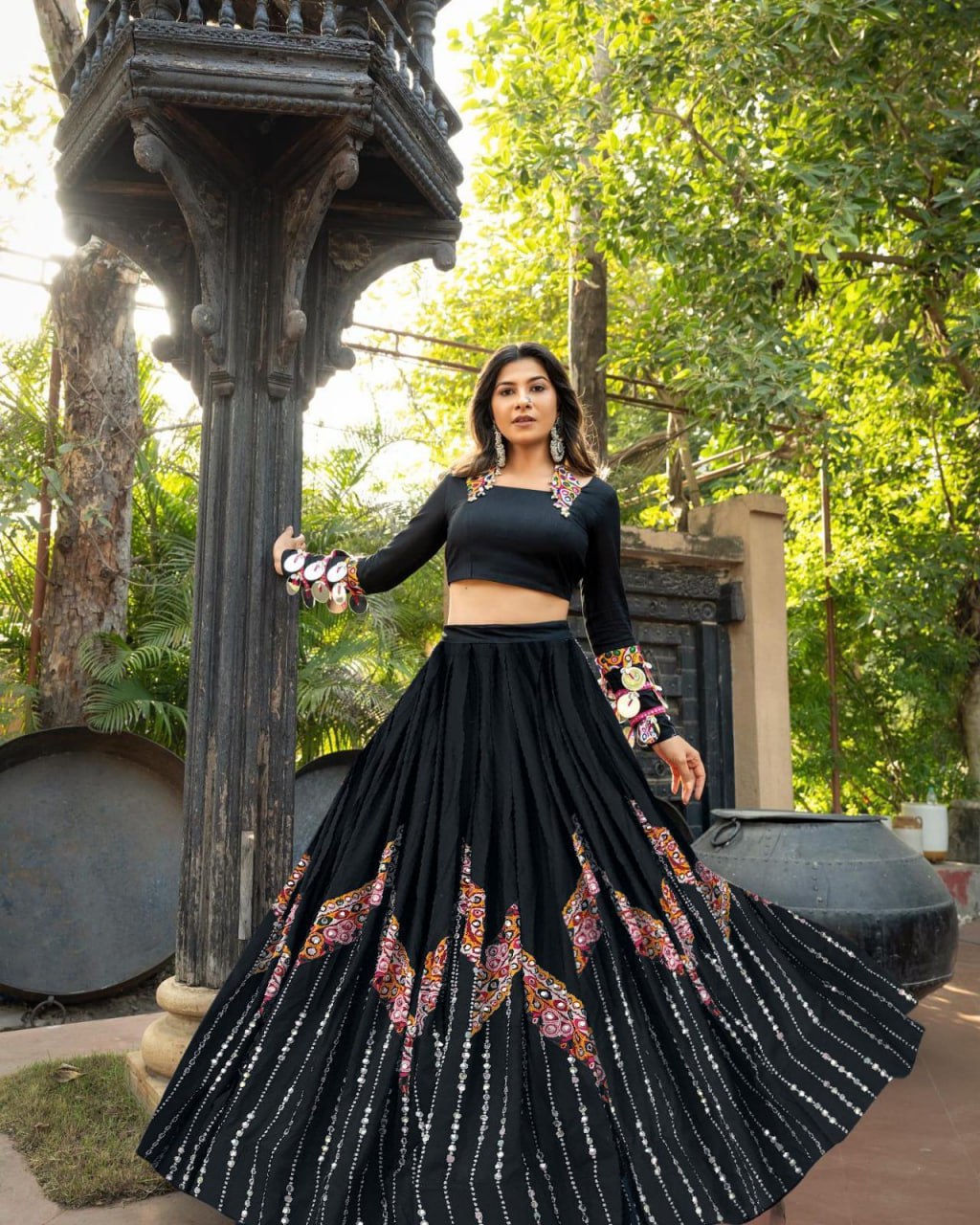
- Banarasi silk: Banarasi silk provides zari texture and holds a formal drape, but its weight can become tiring during long ceremonies.
- Kanjeevaram silk: Kanjeevaram has a firm body and bold borders, making it suitable for a structured saree look, although it may need a warmer blouse or shawl in cold weather.
- Chanderi: Chanderi is light and graceful for daytime wear, but a lining and careful handling are important because delicate, sheer surfaces can snag.
- Georgette: Georgette falls close to the body and travels well, while a satin or cotton lining improves comfort and opacity.
- Organza: Organza creates volume and crisp pleats, but organza lehengas need a soft lining and careful storage to avoid crushed folds.
- Muslin cotton: Muslin cotton is breathable and comfortable for daytime functions, especially when mirror work or embroidery is kept moderate.
- Velvet: Velvet works beautifully for winter blouses, belts and borders, but a full velvet lehenga can feel heavy indoors.
Zari, sequins and mirror work should be assessed by weight as well as appearance. Dense zari can pull at a delicate blouse seam, while large mirrors can become uncomfortable when a dupatta is wrapped tightly around the body. A garment with reinforced embroidery and a smooth reverse side will usually remain wearable for longer than a heavily decorated but poorly finished piece.
How should jewellery and layers be chosen?
Jewellery and layers should echo the garment's strongest detail while leaving enough room for movement, warmth and respectful participation in rituals. Silver-toned ornaments, time-honoured nose rings, haslis, jhumkas and stacked bangles can create a Pahari-influenced finish, but the exact pieces should follow family and regional custom.
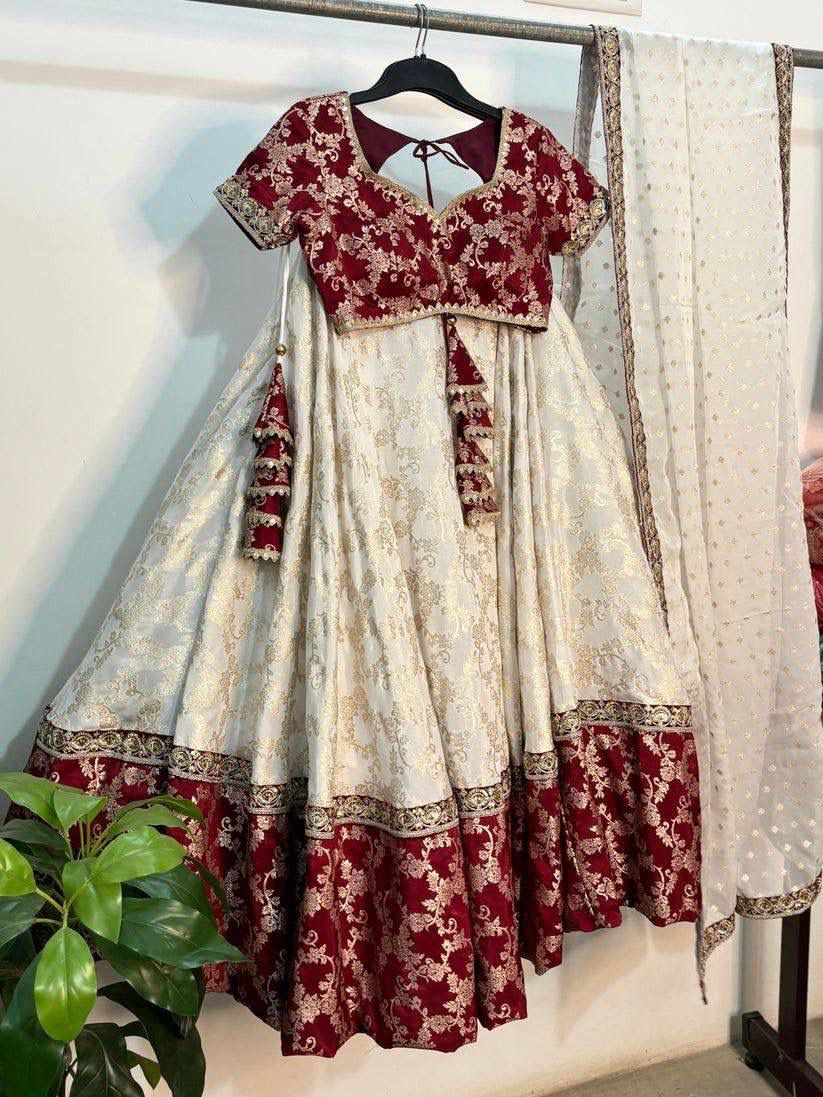
A high-neck blouse usually needs earrings and bangles rather than a heavy necklace. A deep or square neckline can carry a hasli or short necklace, provided the necklace doesn't catch on zari or threadwork. If the lehenga contains mirror work, oxidised silver can look more balanced than a second layer of high-shine gold.
Layering should be planned during the outfit trial. A shawl that covers the embroidery completely may hide the garment's most important feature, while a narrow stole may leave the shoulders cold during an outdoor Haldi ceremony. A medium-width woollen wrap placed diagonally across one shoulder can preserve the blouse neckline and still offer useful warmth.
Footwear deserves equal attention. Block heels, embellished juttis and cushioned wedges are safer than narrow stilettos on stone paths, grass or uneven courtyards. Breaking in footwear for at least three indoor wears before the wedding can prevent blisters during a day that may last eight to ten hours.
What should guests wear to each Himachali wedding function?
Guests should match outfit formality to the function while keeping one clear regional or textile reference in the look. Daytime rituals usually reward breathable fabrics and lighter embellishment, whereas evening receptions can accommodate silk, zari, mirror work and deeper colours.
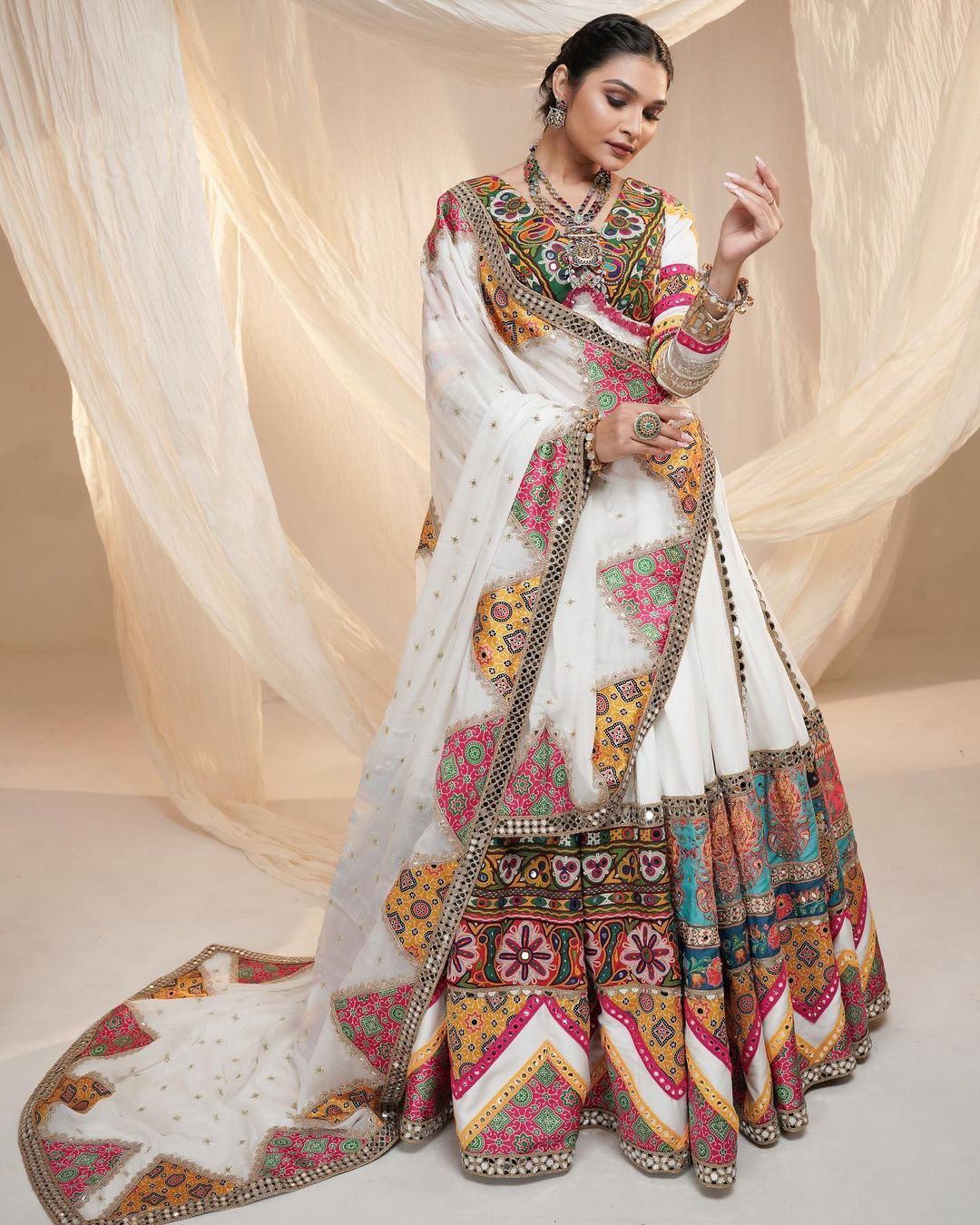
- Engagement: Choose Chanderi, silk-blend or light georgette with delicate embroidery, a compact clutch and moderate jewellery. Pastel shades work well in daylight, especially when photographs are taken outdoors.
- Mehendi: Select muslin cotton, organza or georgette in green, peach, yellow or pink. Keep sleeves practical and avoid long, loose dupatta ends that can dip into mehendi or food.
- Haldi ceremony: Choose a washable or easy-to-clean yellow, ivory, peach or green outfit with limited zari. The Haldi Lehengas Under 5500 collection reflects the practical need for cheerful silhouettes that don't make the wearer anxious about turmeric stains.
- Sangeet: A lehenga with a secure blouse, manageable flare and lighter dupatta supports dancing. The Bridesmaid Lehengas Under 5500 collection is useful for coordinating a group without forcing every wearer into the same body fit.
- Wedding pheras: A saree, silk lehenga or structured suit with a warm shawl is appropriate. Select footwear that can be removed and worn again easily if the ceremony requires entering a sacred space barefoot.
- Reception: Use deeper colours, silk, zari, threadwork or mirror accents. The Silk Lehengas Under 3000 collection can suit guests seeking a more formal fabric direction while keeping the overall budget controlled.
How can shoppers buy a Pahari-inspired outfit responsibly?
Shoppers can buy a Pahari-inspired outfit responsibly by checking fabric composition, lining, measurements, embellishment quality, delivery time and care instructions before paying. Regional inspiration should be credited accurately, and mass-produced motifs should not be described as handwoven or artisan-made without verification.
Start with the venue and weather. A December wedding in Shimla requires a different blouse and outer layer from a May celebration in lower Himachal Pradesh. Ask whether the outfit is lined, whether the dupatta is included, how much the lehenga weighs and whether the waistband has an adjustable margin.
Compare measurements with a garment that fits well rather than relying only on a familiar size label. Check bust, waist, hip, blouse length, skirt length and sleeve circumference. For a lehenga, measure from the waistline where the skirt will actually sit; measuring from the navel or high waist can produce an unexpectedly short hem.
Inspect photographs for the reverse side of embroidery, seam finishing and border alignment. Mirror work should be secured with firm stitches, threadwork should not have long loose ends and a heavily embellished dupatta should have a stable edge. A four-week buffer is sensible for alterations, particularly during the wedding season.
Budget planning becomes easier when the outfit, tailoring, blouse cups, footwear, jewellery, shawl and cleaning are counted separately. The Pink Lehengas Under 4000 with 50% Discount collection and the Net Lehengas Under 4500 with 51% Discount collection may help with price comparisons, but discount percentages should never replace checking fabric, lining and return conditions.
How should Himachali wedding garments be cared for?
Himachali wedding garments should be stored clean, dry, padded and away from direct sunlight, with different fabrics receiving different cleaning methods. Silk, zari, mirror work, organza and velvet should not automatically be placed in a home washing machine.
Air a worn garment in shade for several hours before storage. Blot moisture or food spills with a clean, dry cloth instead of rubbing the surface. Professional dry cleaning is usually safer for zari silk, velvet and dense mirror work, while a tailor or cleaner should inspect delicate embroidery before treatment.
Fold heavy lehengas along different lines every few months to reduce permanent creasing. Place acid-free tissue between zari or mirror-work layers, avoid hanging weighty skirts by thin loops and store the blouse separately so hooks don't catch the skirt. Cotton and muslin garments should be completely dry before being placed in an airtight container.
A careful approach allows Himachali Wedding Fashion: Pahari Sarees, Blouses & Lehengas to remain personal rather than performative. Choose one authentic textile reference, adapt the silhouette to the ceremony and weather, and give equal attention to comfort, fit and care. The result will look considered in photographs and remain genuinely wearable after the wedding day.
Common Questions About Pahari Sarees, Blouses and Wedding Lehengas
What should I wear to a Himachali wedding in winter?
A lined silk or georgette lehenga, a full-sleeved blouse and a woollen shawl are practical choices for a winter Himachali wedding. Add block heels or cushioned juttis and test the complete outfit with the outer layer before the ceremony.
Can I wear a lehenga to a traditional Himachali wedding?
Yes, a lehenga is suitable for many Himachali wedding functions, especially the sangeet, reception and bridesmaid events. Add a Pahari-inspired shawl, silver jewellery or a woven border, and follow the family's preferences for the main wedding rituals.
Which saree fabric is best for a mountain wedding?
Silk, cotton-silk and lined georgette are reliable choices because they drape well and can be layered. Banarasi silk suits formal evening wear, while Chanderi and lighter cotton-silk are more comfortable for daytime ceremonies.
How can I style a blouse for a Pahari saree?
A high-neck, boat-neck or elbow-sleeved blouse works well with a Pahari saree and leaves space for a shawl. Use woven piping, velvet panels, antique buttons or restrained embroidery to suggest regional character without overcrowding the drape.
What colours work for a Himachali Haldi ceremony?
Yellow, marigold, ivory, peach, pink and leaf green work well for a Himachali Haldi ceremony. Choose washable or easy-to-clean fabrics, keep heavy zari limited and secure the dupatta so it does not trail through turmeric or food.
How should mirror-work lehengas be stored after a wedding?
Air a mirror-work lehenga in shade, spot-clean only when appropriate and use professional cleaning for dense embroidery. Fold the skirt with acid-free tissue between decorated layers, store it dry and avoid hanging heavy garments from thin loops.