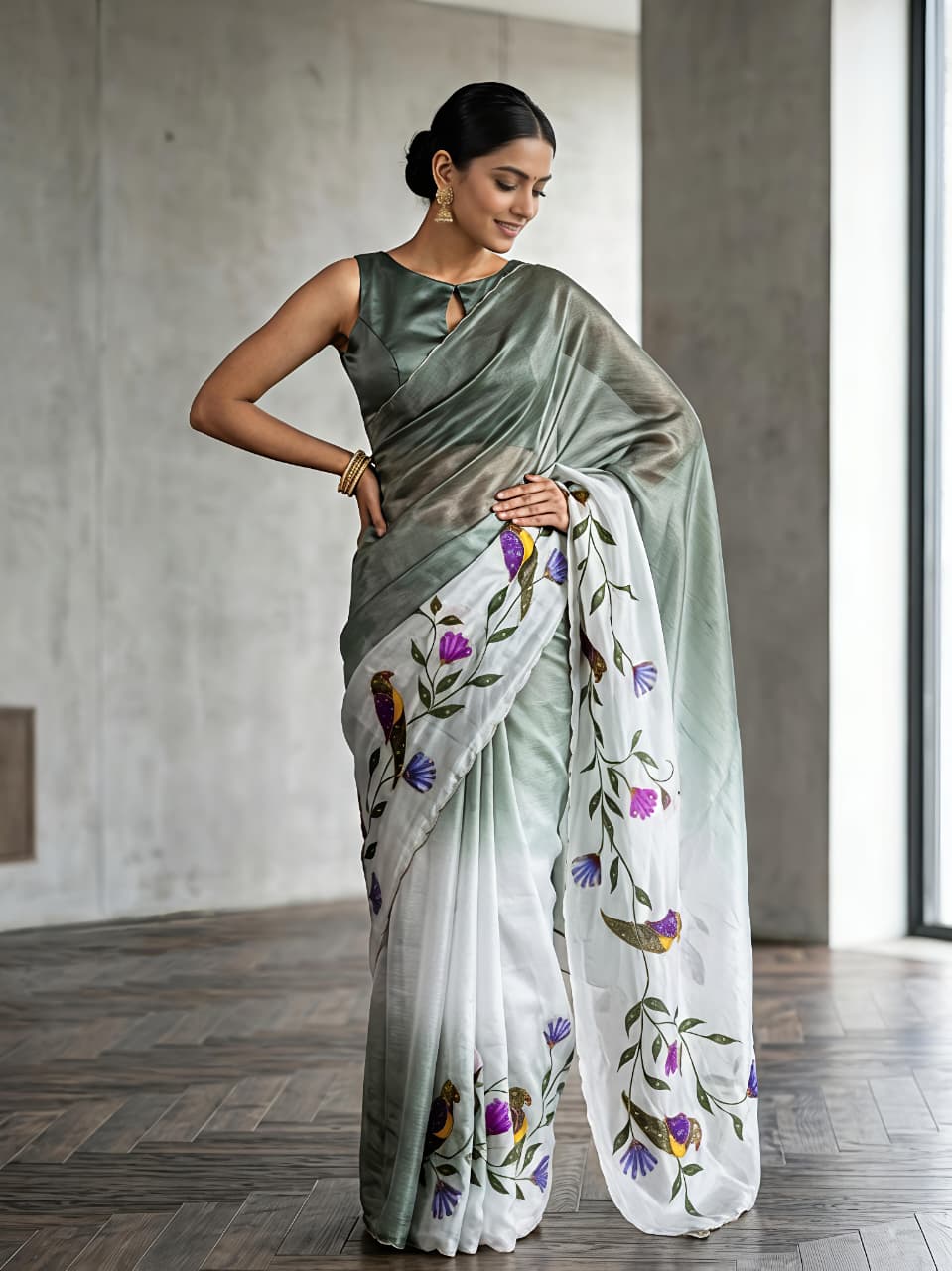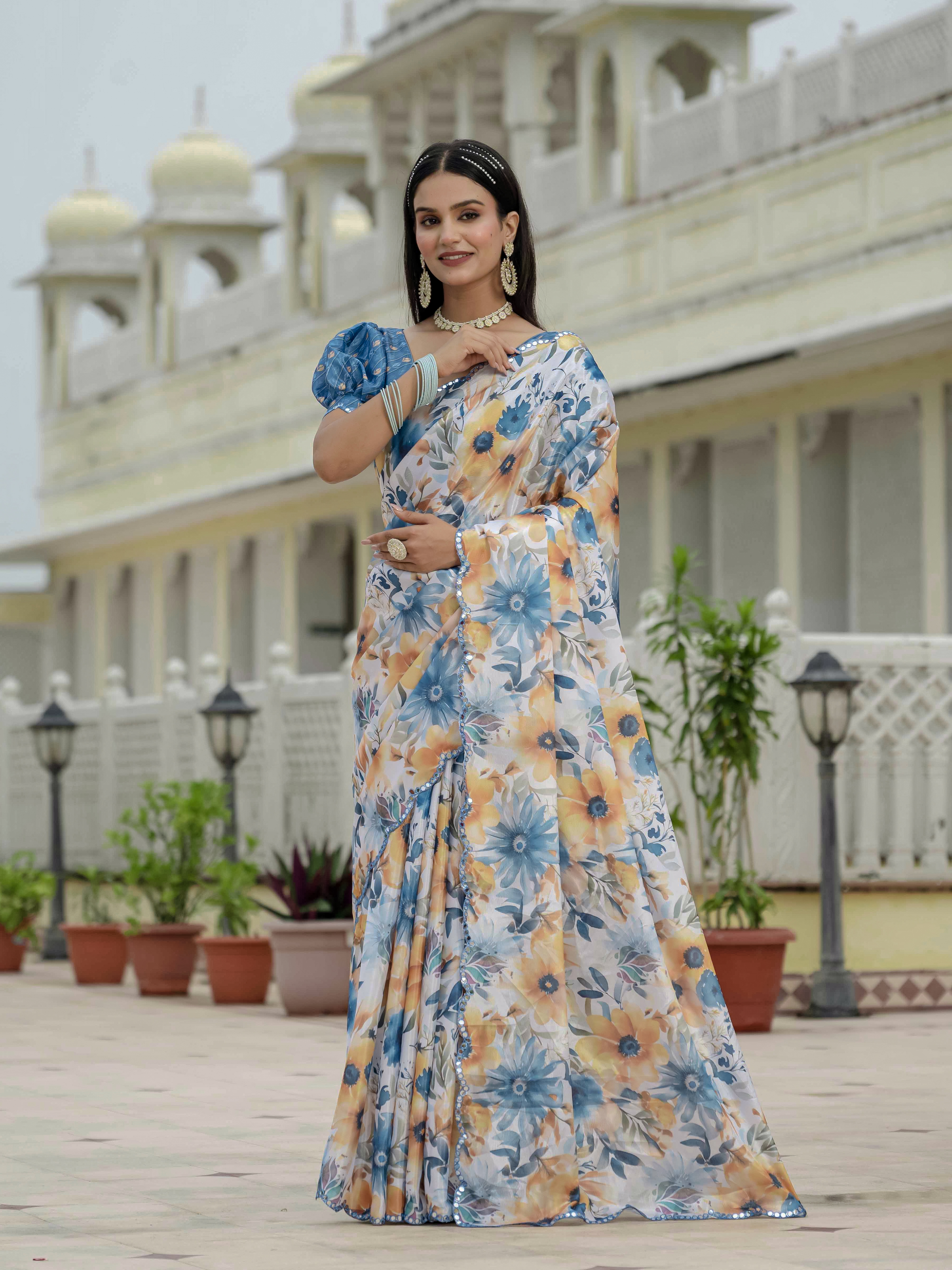
Himachali Traditional Colours: Pahari Fashion & Outfit Inspiration begins with the landscape: cedar forests, saffron marigolds, terraced fields, snow-lit peaks and the deep reds used in ceremonial textiles. Himachal Pradesh doesn't have one uniform dress palette, because Kullu, Chamba, Kinnaur, Kangra and Lahaul-Spiti have distinct weaving, embroidery and jewellery traditions. Even so, red, green, yellow, blue, black, white and earthy brown recur across shawls, woollens, sarees, salwar suits and festive accessories.
Colour in Pahari clothing isn't merely decorative. Colour can signal festivity, connect an outfit to local materials, frame a woven border or create contrast against the muted tones of mountain landscapes. An useful modern wardrobe doesn't copy a costume without context. A modern wardrobe borrows a colour relationship, textile detail or proportion that respects the source.
What Do Himachali Traditional Colours Represent in Pahari Dress?
Himachali Traditional Colours represent regional landscape, seasonal celebration, textile technique and community identity rather than one fixed symbolism. Red commonly adds ceremonial energy, green recalls forests and crops, yellow suggests sunlight and auspicious celebration, while blue reflects sky, water and cool mountain light.
These associations are broad visual readings, not universal rules followed identically in every Himachali district. A red shawl in Kullu may be understood through its woven pattern and wool quality, while a bright border in Chamba may be read alongside embroidery, jewellery and the wearer's occasion. Clothing also changes with climate because warm wool, pashmina and handwoven fabrics have practical value in high-altitude regions.
- Red and rani pink: These shades bring warmth and ceremony to wedding clothing, festive borders and embroidered accessories. Rani pink can provide the celebratory impact of red while appearing lighter in photographs.
- Green: Bottle green, leaf green and moss green connect naturally with deodar forests, agricultural terraces and the rich woollen palette associated with hill dressing.
- Yellow and saffron: Mustard, marigold and turmeric yellow work especially well for harvest celebrations, Haldi ceremony dressing and daytime festive events.
- Blue: Peacock, indigo, slate and pastel blue introduce the visual coolness of mountain skies and create a strong counterpoint to zari or warm gold embroidery.
- White, ivory and taupe: These quiet neutrals resemble snow, stone and unbleached fibre. Neutrals allow woven borders, silver jewellery and coloured shawls to become the focal point.
- Black and brown: Dark shades provide depth and practical contrast, particularly when paired with bright geometric borders or silver ornaments.
How Do Himachali Traditional Colours Reflect Regional Textiles?
Himachali Traditional Colours reflect regional textiles through fibre, weave, climate and surface technique. A dense woollen Kullu shawl carries colour differently from lightweight Chanderi, lustrous Banarasi silk or softly brushed pashmina, so the same red can appear rustic, glossy, delicate or deeply saturated depending on the material.
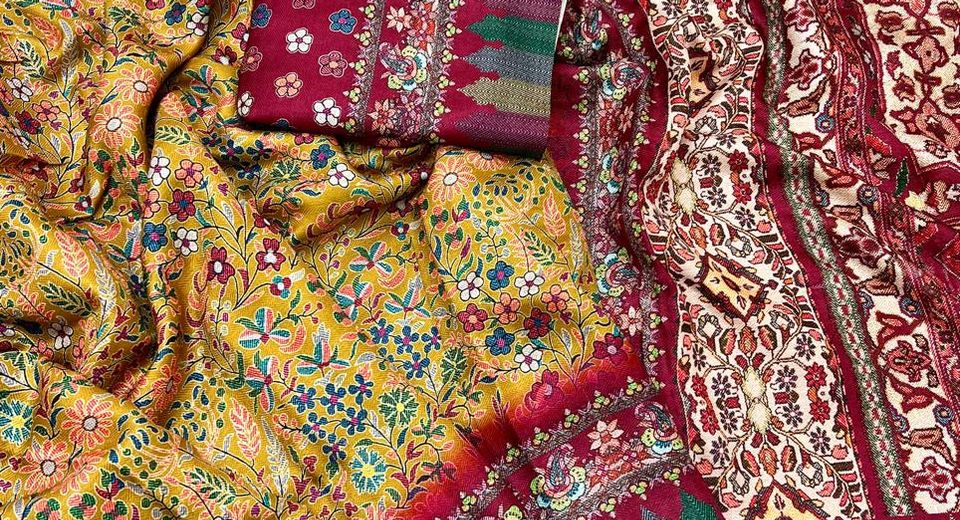
Kullu Shawls and Woollen Traditions
Kullu shawls are recognised for strong geometric borders, contrasting stripes and a practical woollen structure suited to cold weather. Red, green, yellow, blue, black and cream often appear in combinations that make the border readable from a distance. A modern outfit can echo that design logic with one bold border rather than covering the entire look in multiple competing colours.
Chamba Embroidery and Fine Detail
Chamba embroidery is known for detailed figurative and floral work traditionally associated with the Chamba rumal. An ivory, muted pink, soft pink or pale blue base can support intricate motifs without making the surface look crowded. Detailed embroidery benefits from a calm ground colour because the threadwork remains legible at close range.
Kinnauri and Highland Influences
Kinnauri clothing and accessories often use layered woollens, distinctive borders, caps and ornaments in combinations that balance vivid colour with neutral ground shades. Red, green and yellow can be placed in narrow bands, allowing the outfit to feel graphic rather than excessively bright.
Himachali Ethnic Wear in Silk Chanderi and Green Tones offers an useful reference for translating these ideas into a lighter festive wardrobe. Silk Chanderi gives green a translucent, refined surface, while a woven or embroidered border can provide the stronger contrast associated with Pahari textiles. The collection name also points to a practical styling principle: a regional colour story can be adapted to a modern fabric without reproducing a traditional garment exactly.
Which Himachali Traditional Colours Work Best Together?
The most convincing Himachali Traditional Colours combinations pair one dominant landscape colour with one warm accent and one grounding neutral. This three-part approach creates visual hierarchy and prevents a festive outfit from looking like a random collection of bright shades.
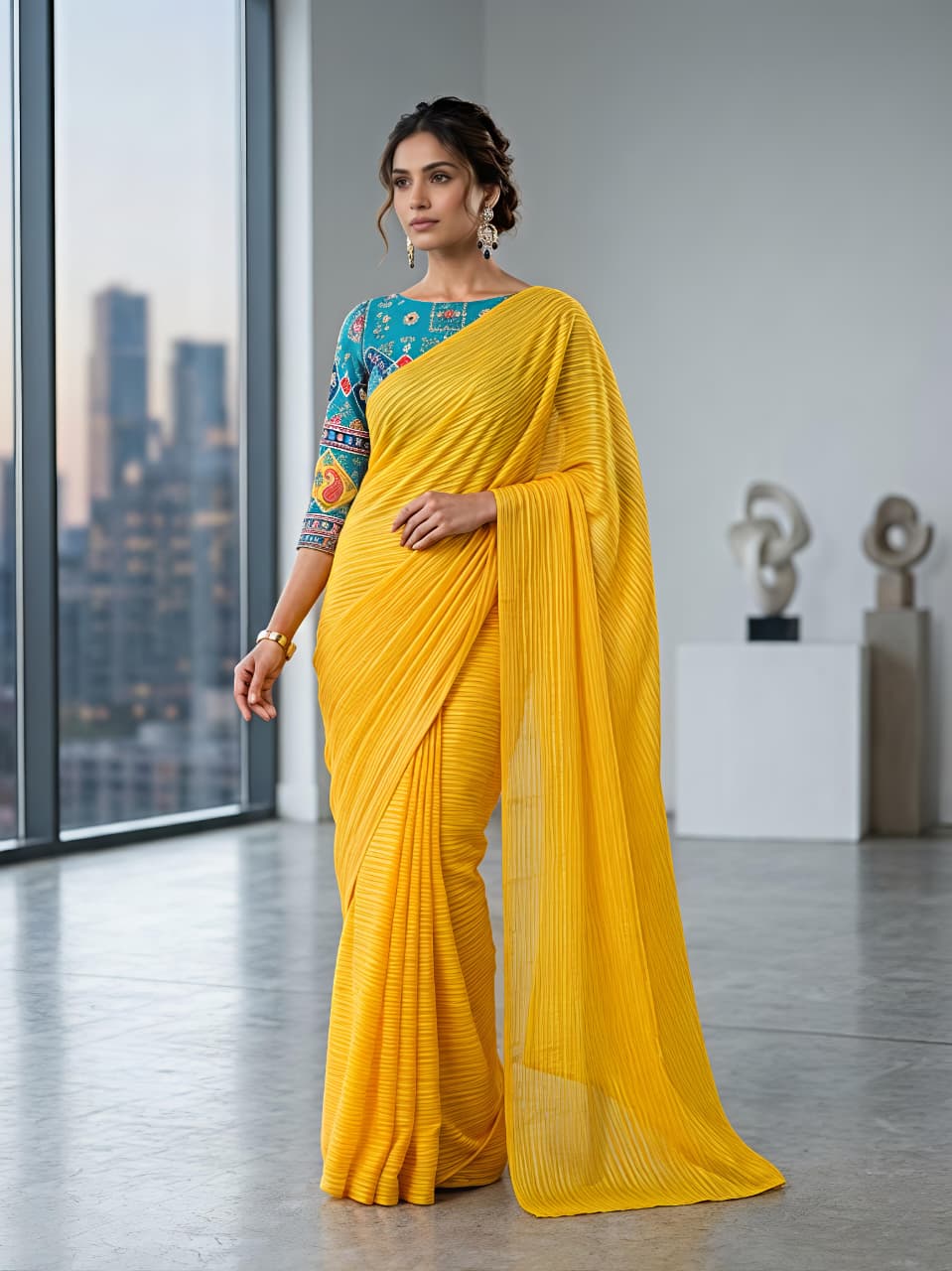
- Forest green, ivory and antique gold: This combination suits daytime weddings, family pujas and winter celebrations. Bottle green supplies depth, ivory softens the contrast and antique gold echoes traditional metalwork.
- Marigold yellow, rust red and cream: This warm palette works for a Haldi ceremony, harvest gathering or spring celebration. Keep the jewellery simple if the outfit already has a printed or woven border.
- Peacock blue, rani pink and silver: Peacock blue gives a cool base, rani pink supplies festive energy and silver jewellery prevents the pairing from becoming too heavy for evening wear.
- Pastel blue, white and rose pink: This lighter palette suits daytime receptions and summer events. Embroidery or a narrow border can introduce texture without overwhelming the softness of the colours.
- Taupe, bottle green and muted gold: Taupe acts like stone or unbleached wool, making green and gold look considered rather than theatrical. The combination works well for a contemporary office celebration or intimate dinner.
- Black, saffron and red: A black base gives saffron and red a clear, graphic presence. Use one bright accessory or border if the garment has a large print.
How Can Himachali Traditional Colours Shape Saree Styling?
You can style Himachali Traditional Colours in a saree by treating the saree, blouse, shawl and jewellery as separate colour layers. Select one dominant shade for the saree, repeat one border colour in the blouse or accessories, and use a neutral or metallic element to control the overall contrast.
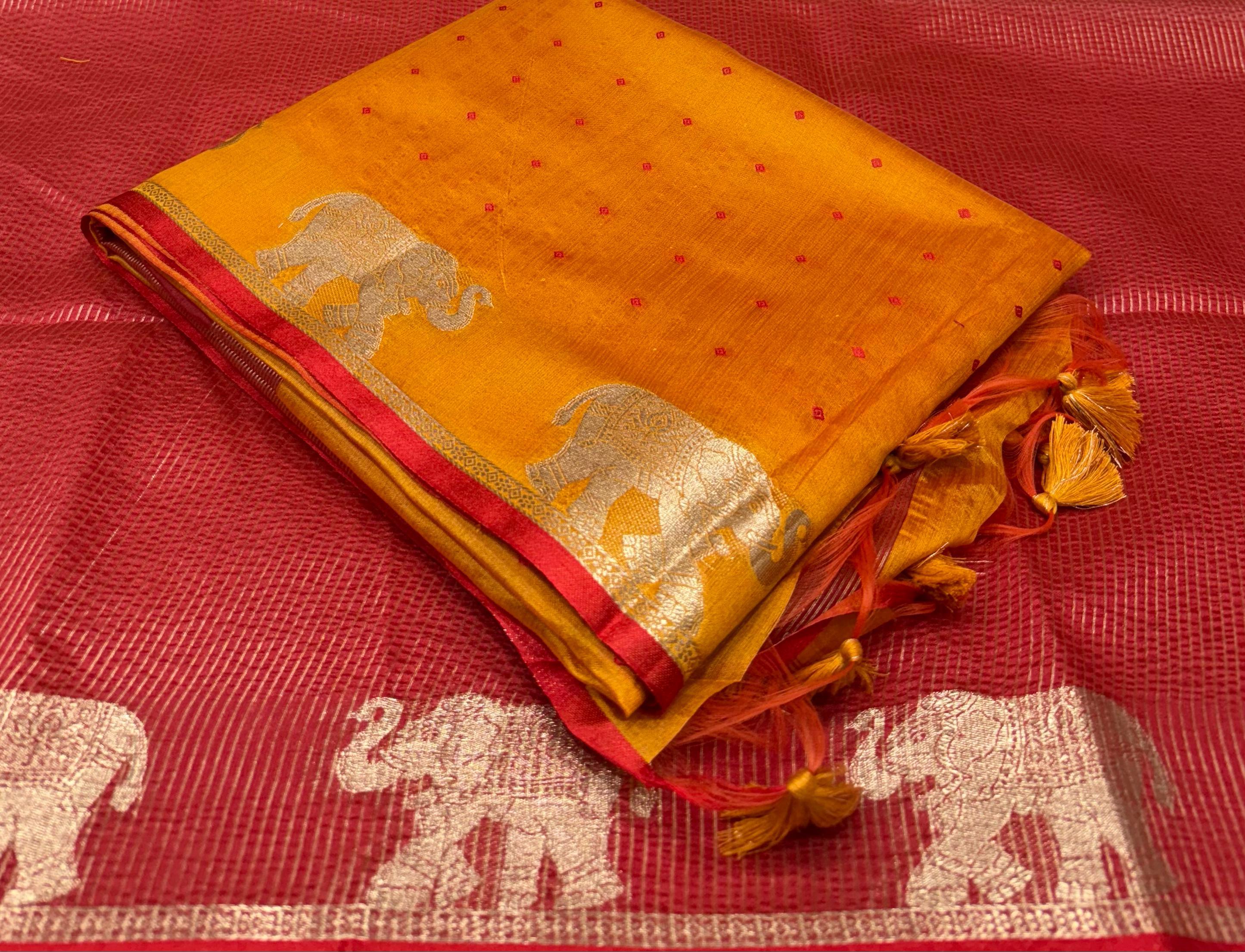
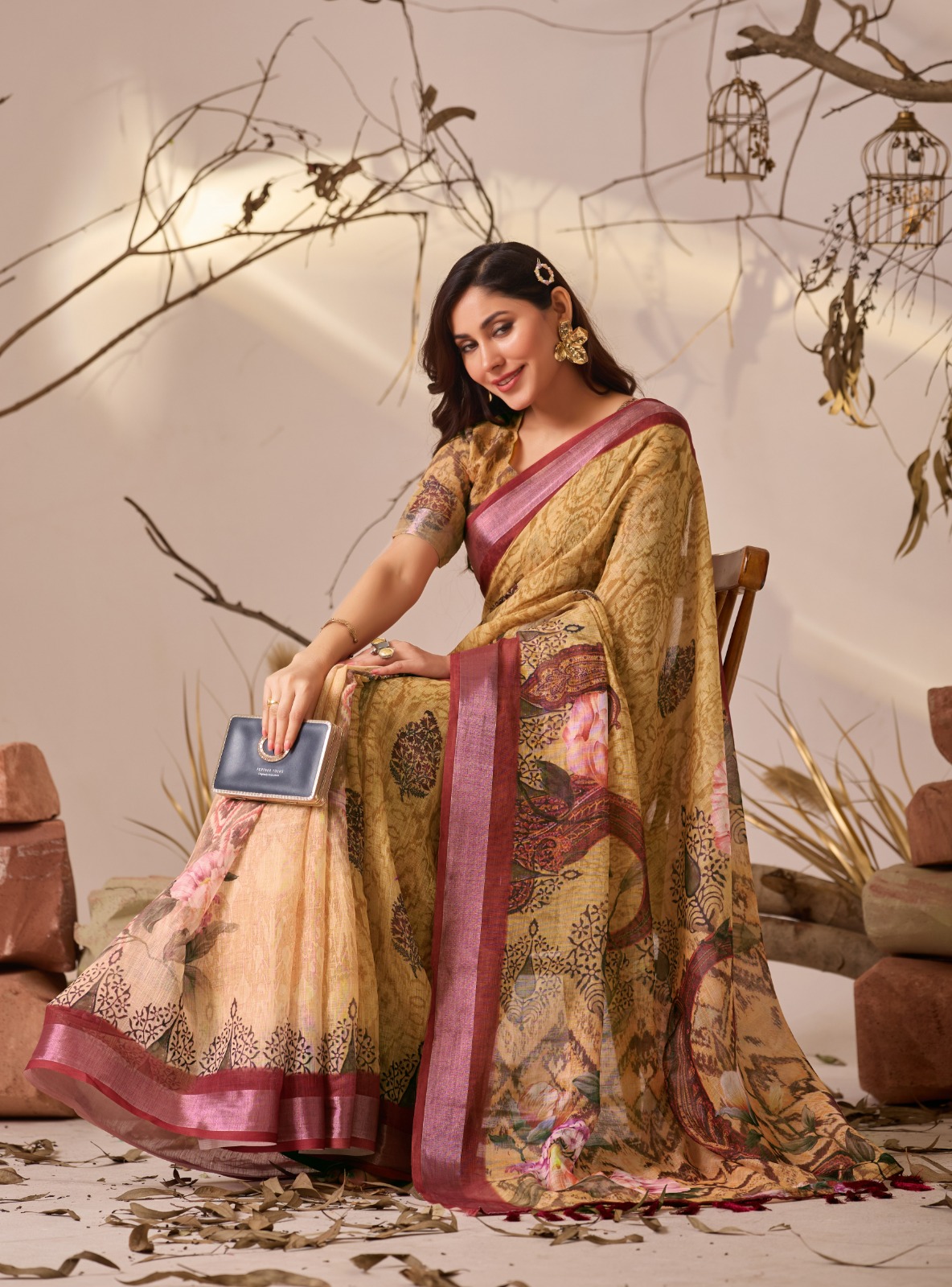
A yellow pashmina saree with a shawl creates a strong saffron or marigold statement suited to winter festivities and daytime ceremonies. Traditional Yellow Pashmina Saree With Shawl shows why a coordinated shawl is useful: the extra layer adds warmth while extending the colour story around the shoulders. Pair the look with antique gold earrings, a restrained red bindi and brown or tan footwear.
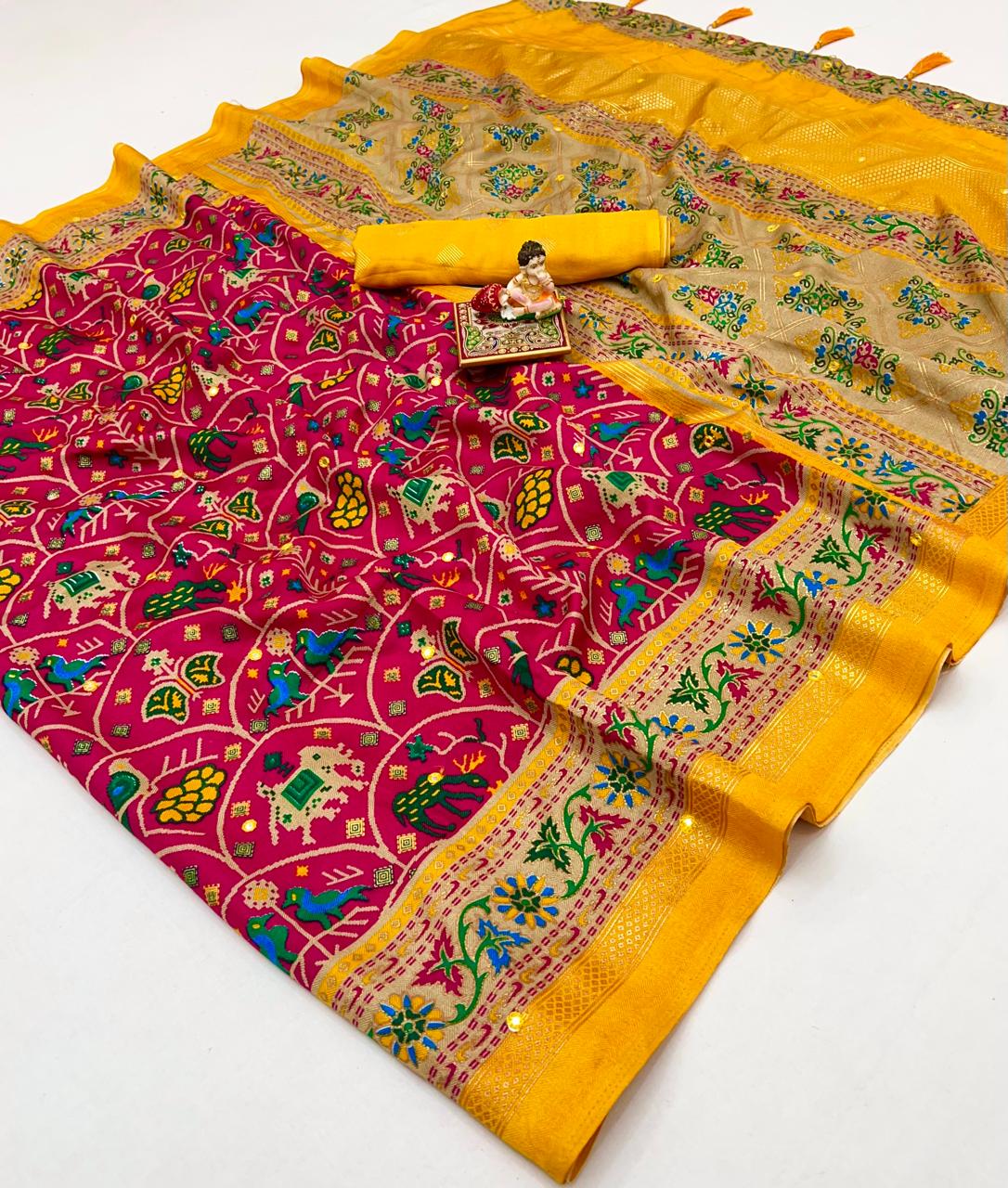
Peacock blue works especially well when the textile has a subtle sheen. Heritage Peacock Patola Pashmina Silk Saree can be styled with a solid rani pink blouse if the saree pattern is controlled, or with an ivory blouse if the print is already vivid. Patola-inspired patterning should remain the main visual feature, so avoid a heavily embellished necklace and choose earrings instead.
Green provides one of the easiest links between mountain imagery and festive dressing. Traditional Bottle Green Patola Border Silk Saree can be worn with a cream blouse for daylight or a muted gold blouse for an evening event. A red or rani pink potli introduces the ceremonial warmth associated with Himachali Traditional Colours without requiring a second bright garment.
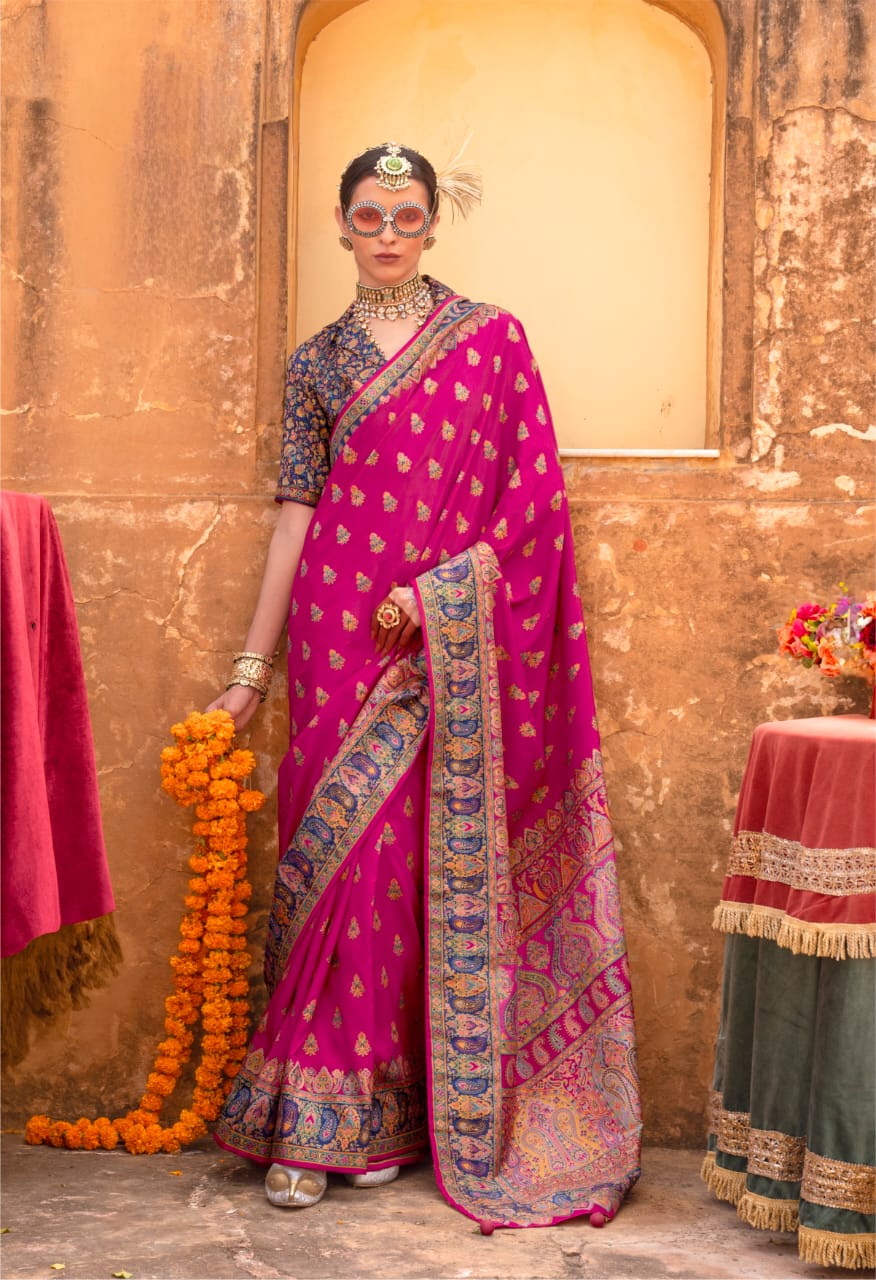
For a brighter wedding guest look, Designer Rani Pink Patola Print Pashmina Silk Festive Saree gives an useful example of using one saturated shade as the anchor. Pair rani pink with an ivory blouse and silver-toned jewellery when the print is busy; choose gold only when the saree contains warm metallic details.
How Can Himachali Traditional Colours Work in Salwar Suits?
Salwar suits and co-ord sets use Himachali Traditional Colours effectively when the base garment remains comfortable and contrast is concentrated in the dupatta, embroidery or border. This method adapts regional colour relationships to lighter, more practical silhouettes.
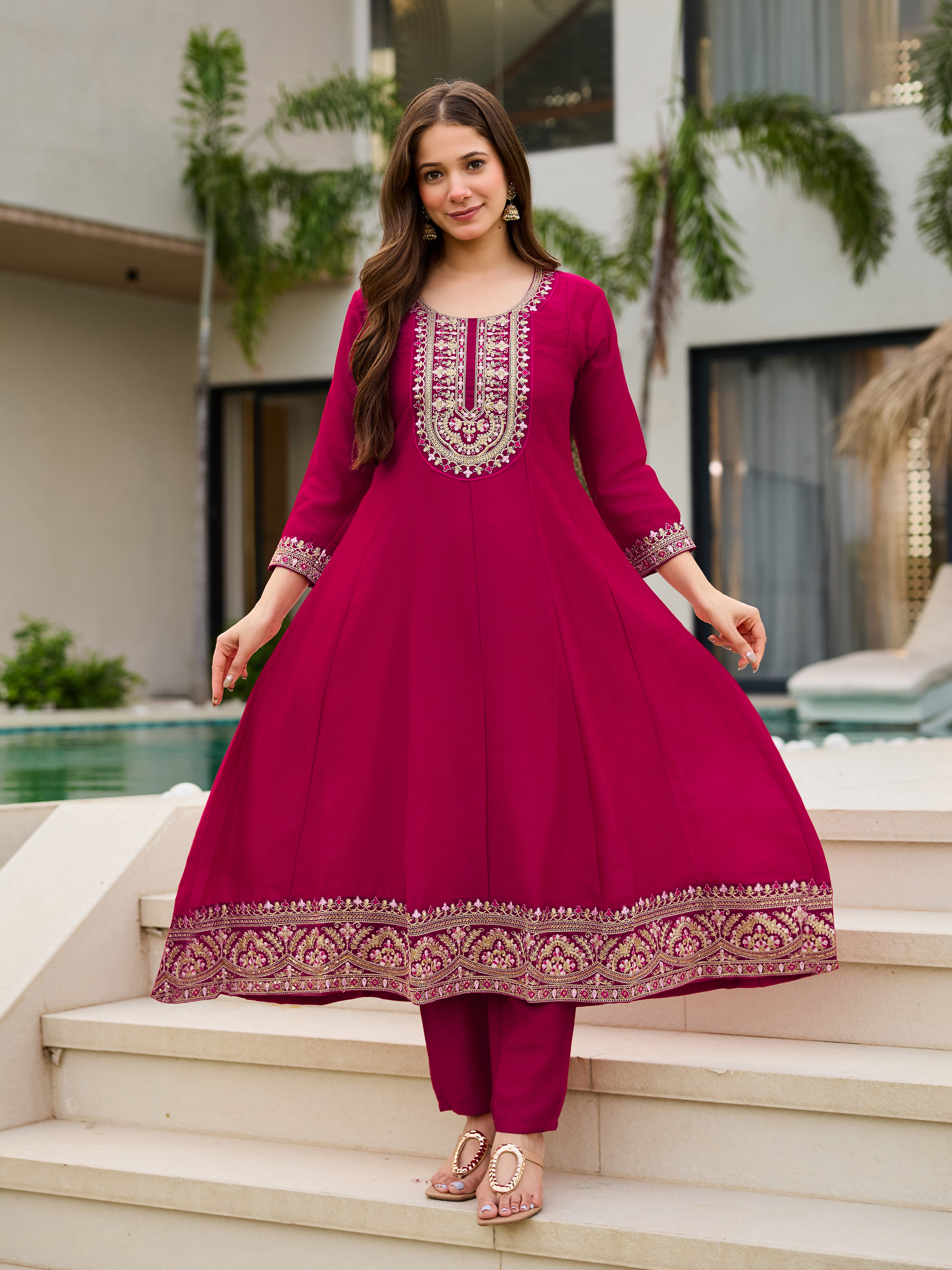
Elegant Pista Festive Wear Kurta Pant Set demonstrates how a pale green can function as a contemporary version of the forest palette. Add a maroon, rust or antique-gold dupatta for a festive gathering, but keep footwear and jewellery in warm neutrals so the pista base remains visible.
Pastel Blue Embroidered Chanderi Kurta Set with Dupatta suits the cool side of the Pahari palette. Chanderi fabric keeps pastel blue airy, while embroidery supplies the detail that a woven border might provide on a woollen shawl. Silver jhumkas, pearl accents or a deep blue bindi can reinforce the cool colour family.
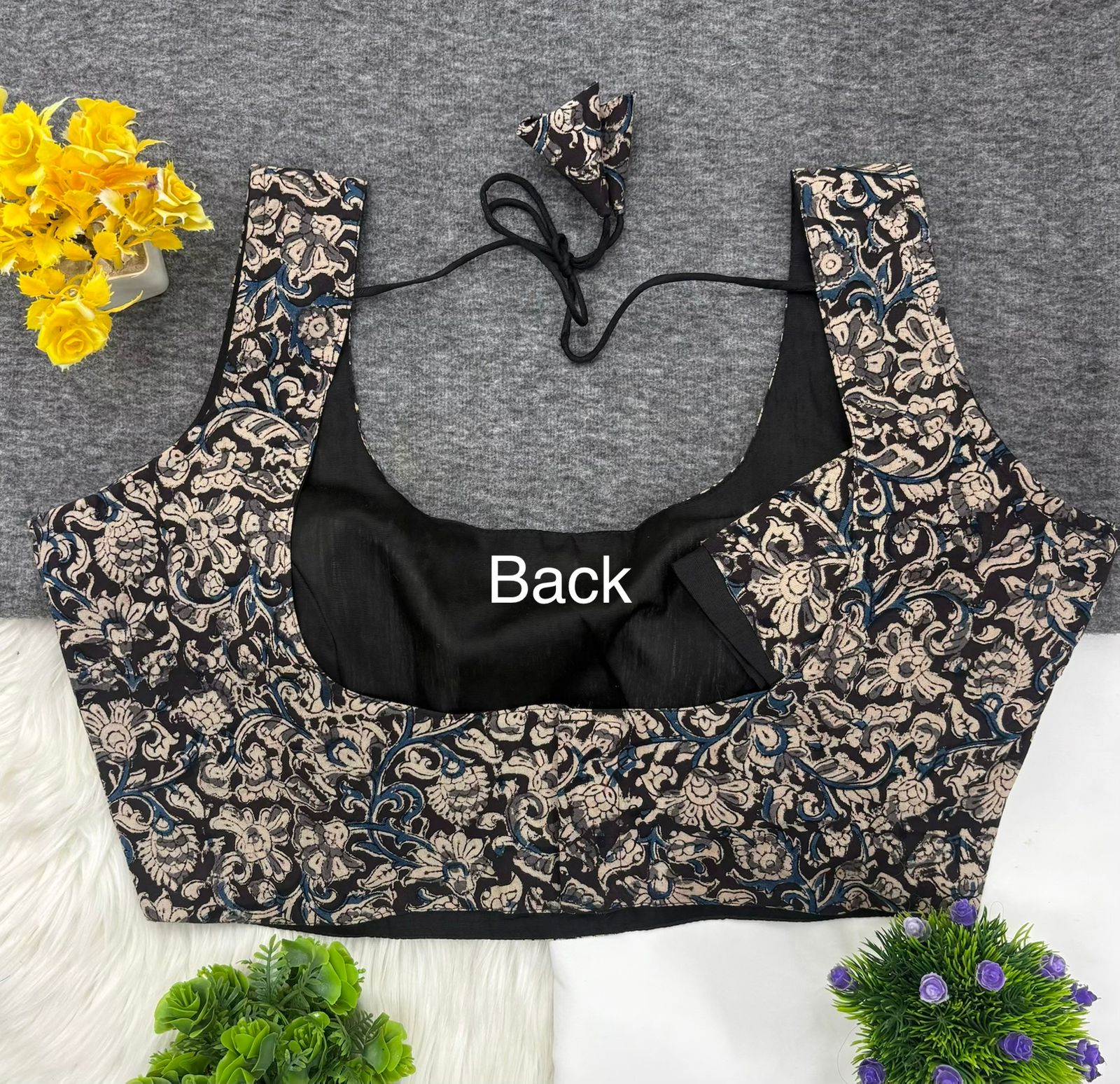
Modern Taupe Vichitra Silk Embroidered Co-Ord Set for Women is useful when a neutral outfit needs regional character without loud colour. Taupe resembles stone and natural fibre, so add a green shawl, a rust sling bag or a saffron hair accessory. The outfit can then move from a formal daytime event to an evening dinner without looking costume-like.
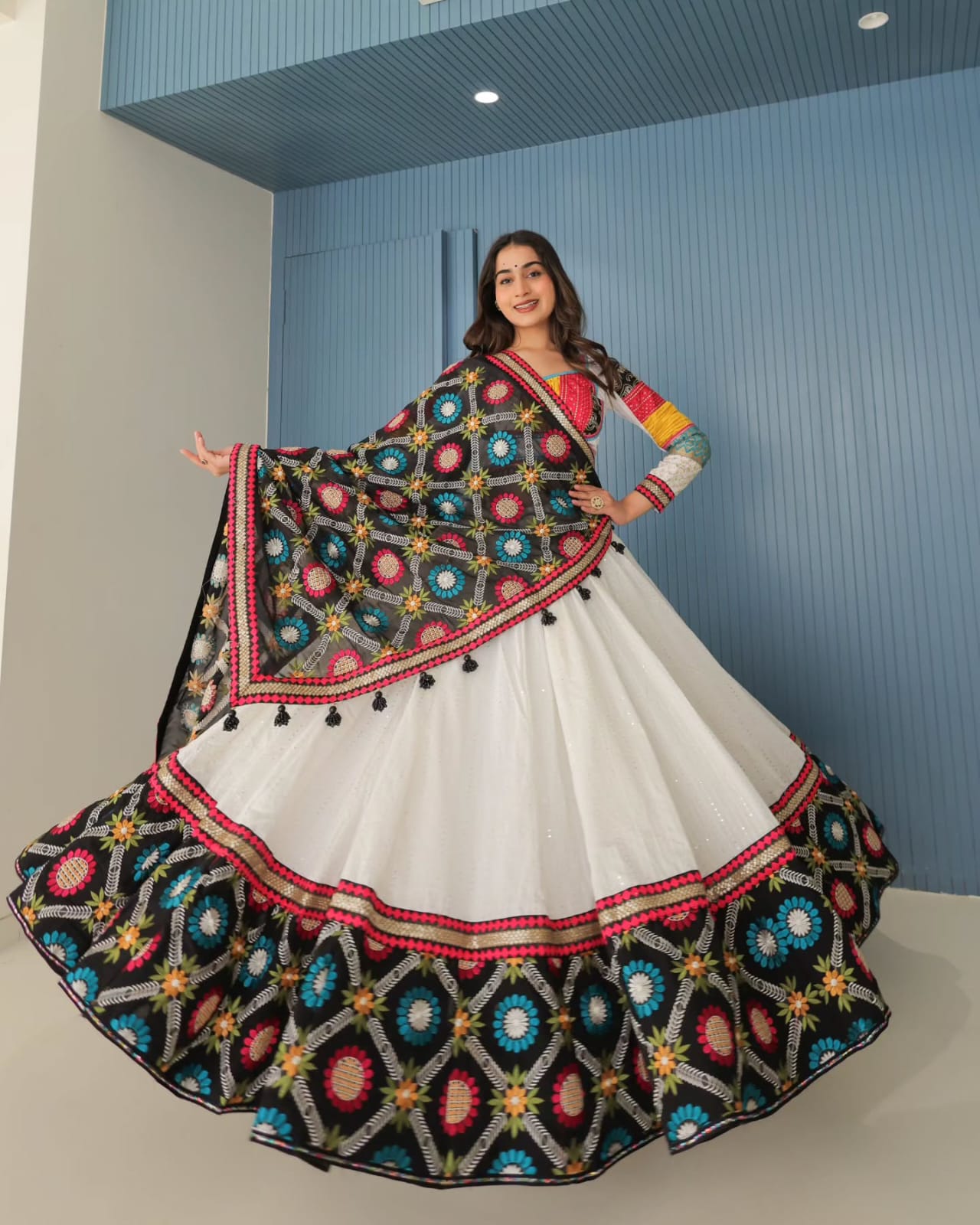
Vichitra Jacquard Woven Gown Dupatta Set demonstrates how a dupatta can carry the strongest Pahari reference in a relatively simple outfit. A woven jacquard surface can echo the visual importance of a shawl border, particularly when the base gown remains in ivory, taupe, deep green or muted blue.
The Himachali Ethnic Wear in Silk Chanderi and Green Tones collection also illustrates how green can shift from rustic to refined when the fibre changes. Pair a green Chanderi outfit with a narrow red border, antique-gold earrings and tan footwear for a balanced festive look.
How Should You Choose Himachali Traditional Colours for Different Occasions?
You should choose Himachali Traditional Colours according to light, temperature, formality and the amount of surface detail already present in the outfit. Daylight rewards yellow, pista, pastel blue and ivory, while evening settings support peacock blue, bottle green, rani pink, rust and deeper red.
Weddings and Receptions
For weddings and receptions, choose one saturated colour such as rani pink, bottle green or peacock blue and balance it with ivory, silver or muted gold. Pashmina, silk and zari add warmth and depth in winter, but a lighter Chanderi or silk-blend outfit is more comfortable for indoor summer celebrations.
Haldi and Daytime Functions
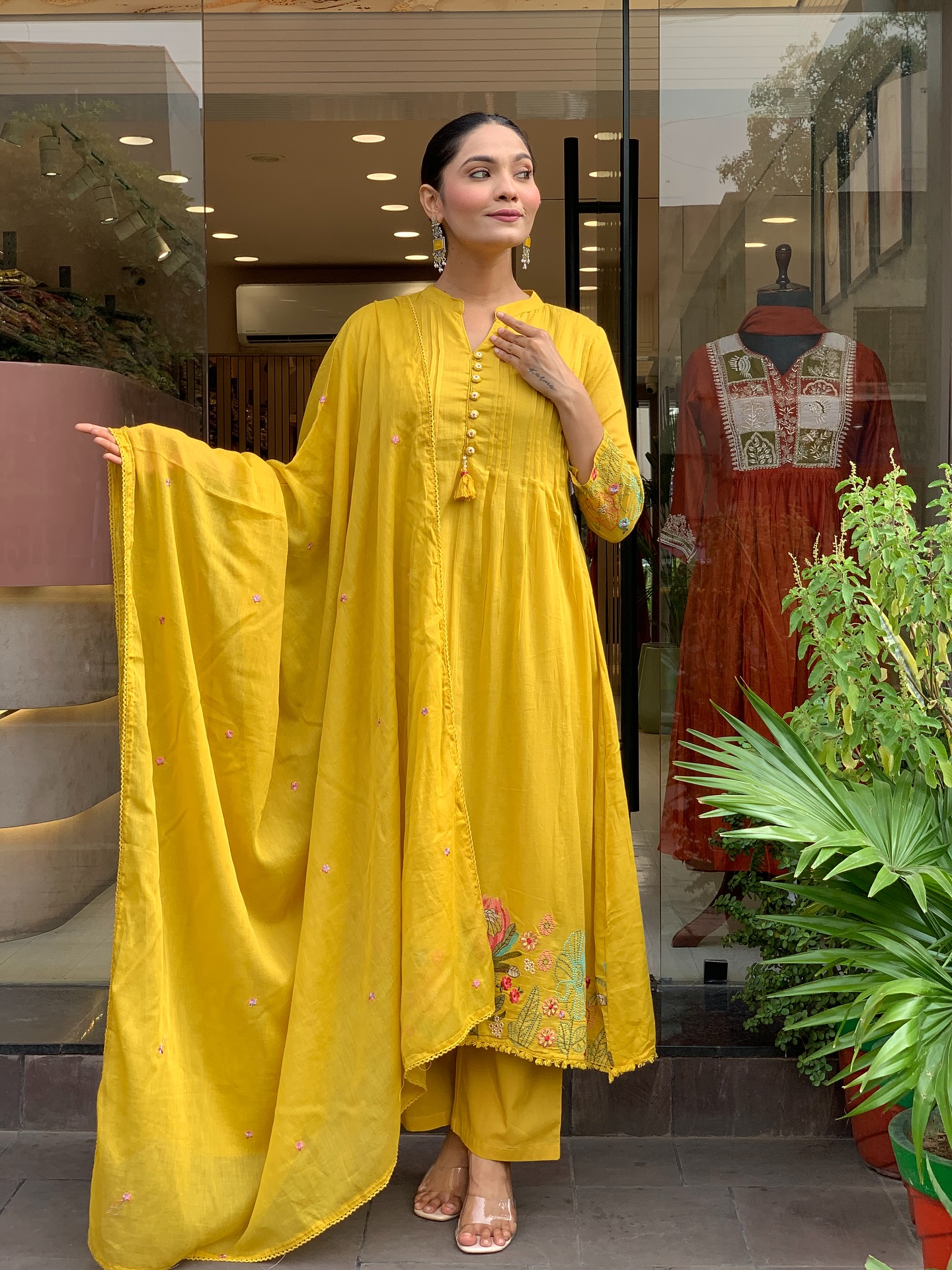
For a Haldi ceremony and other daytime functions, marigold yellow, saffron, pista and soft pink photograph well in natural light. Avoid combining more than two high-saturation shades when the outfit includes embroidery, a printed border or a large dupatta.
Office Celebrations and Intimate Dinners
For office celebrations and intimate dinners, taupe, ivory, muted green and slate blue create a polished base. Add Pahari character through a woven dupatta, silver earrings, a narrow contrast border or a shawl-inspired geometric motif rather than relying on heavy embellishment.
How Can You Wear Himachali Traditional Colours Without Looking Costume-Like?
You can wear Himachali Traditional Colours without looking costume-like by adopting one regional reference at a time and keeping the silhouette suited to the setting. A modern saree, kurta set or co-ord outfit can carry a Pahari colour story through its border, shawl, jewellery or colour pairing.
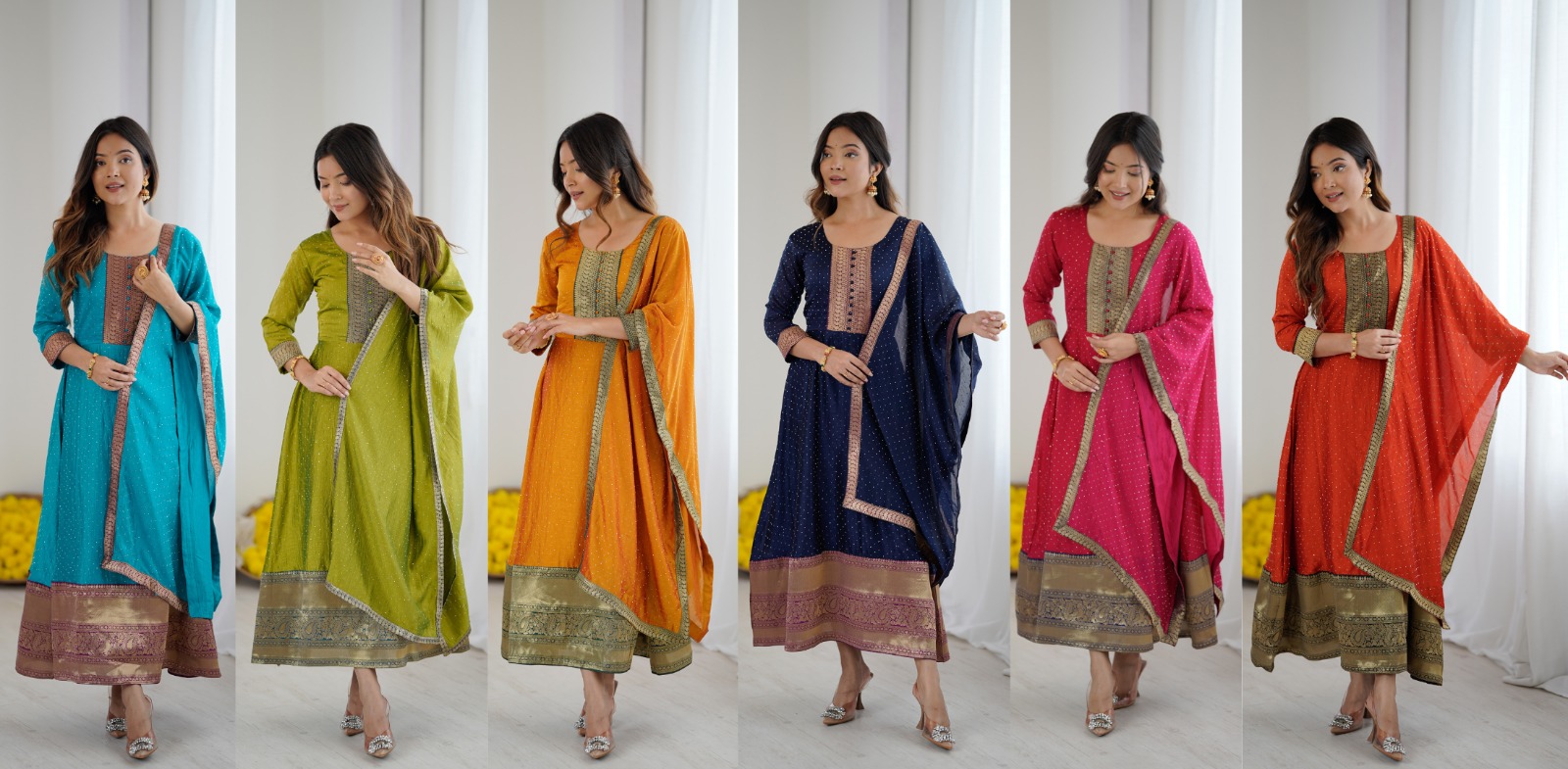
- Choose one anchor: Begin with a green saree, yellow shawl, red border or blue dupatta rather than selecting every component in a bright shade.
- Repeat one colour: Repeat the border colour in earrings, bangles, a bindi, footwear or a small bag. Repetition makes the outfit look intentional.
- Control metallics: Use antique gold with saffron, rust and red, and use silver with peacock blue, pastel blue and cool pink. Mixed metals can work, but they require a simple garment surface.
- Respect fabric weight: Pair woollen or pashmina layers with winter styling and choose Chanderi, cotton-silk or lighter silk for warm-weather events.
- Keep the silhouette contemporary: A clean kurta-pant set, a structured blouse or a simple saree drape allows colour and textile detail to remain the focus.
Colour becomes more meaningful when the wearer understands its relationship with material, climate and craft. Himachali fashion brings a rich visual vocabulary, but the most successful modern interpretation is selective: one landscape shade, one festive accent, one grounding neutral and a textile chosen for the actual weather and occasion.
Common Questions About Himachali Colour Combinations and Pahari Styling
What are the main colours used in Himachali traditional clothing?
The main colours include red, green, yellow, saffron, blue, black, white, cream and earthy brown. Kullu shawls and other regional textiles often combine vivid colours with neutral grounds and geometric borders.
What does red symbolise in Himachali clothing?
Red commonly conveys warmth, celebration and ceremonial energy in Himachali clothing. Its meaning varies by district, textile, pattern and occasion, so red should not be treated as a single universal symbol across Himachal Pradesh.
Which Himachali colours are suitable for a Haldi ceremony?
Marigold yellow, saffron, pista, soft pink and cream are suitable for a Haldi ceremony. Lightweight Chanderi, silk blends or breathable cotton-silk are practical choices when the function takes place during warm weather.
How can I style a green saree in a Pahari-inspired way?
Style a green saree with an ivory or muted-gold blouse, antique-gold jewellery and one red, rust or rani pink accessory. A shawl, woven border or geometric potli can add a Pahari reference without making the outfit look like a costume.
Which fabric works best for Himachali-inspired festive outfits?
Pashmina, wool and silk work well for winter festivities, while Chanderi and lighter silk blends suit warmer weather. Fabric weight matters because a colour story should remain comfortable as well as visually coherent.
Can pastel colours be used in Pahari fashion?
Pastel colours can be used in Pahari fashion when embroidery, a woven border or a contrasting dupatta supplies definition. Pastel blue, pista, blush pink and ivory work especially well for daytime celebrations and summer weddings.