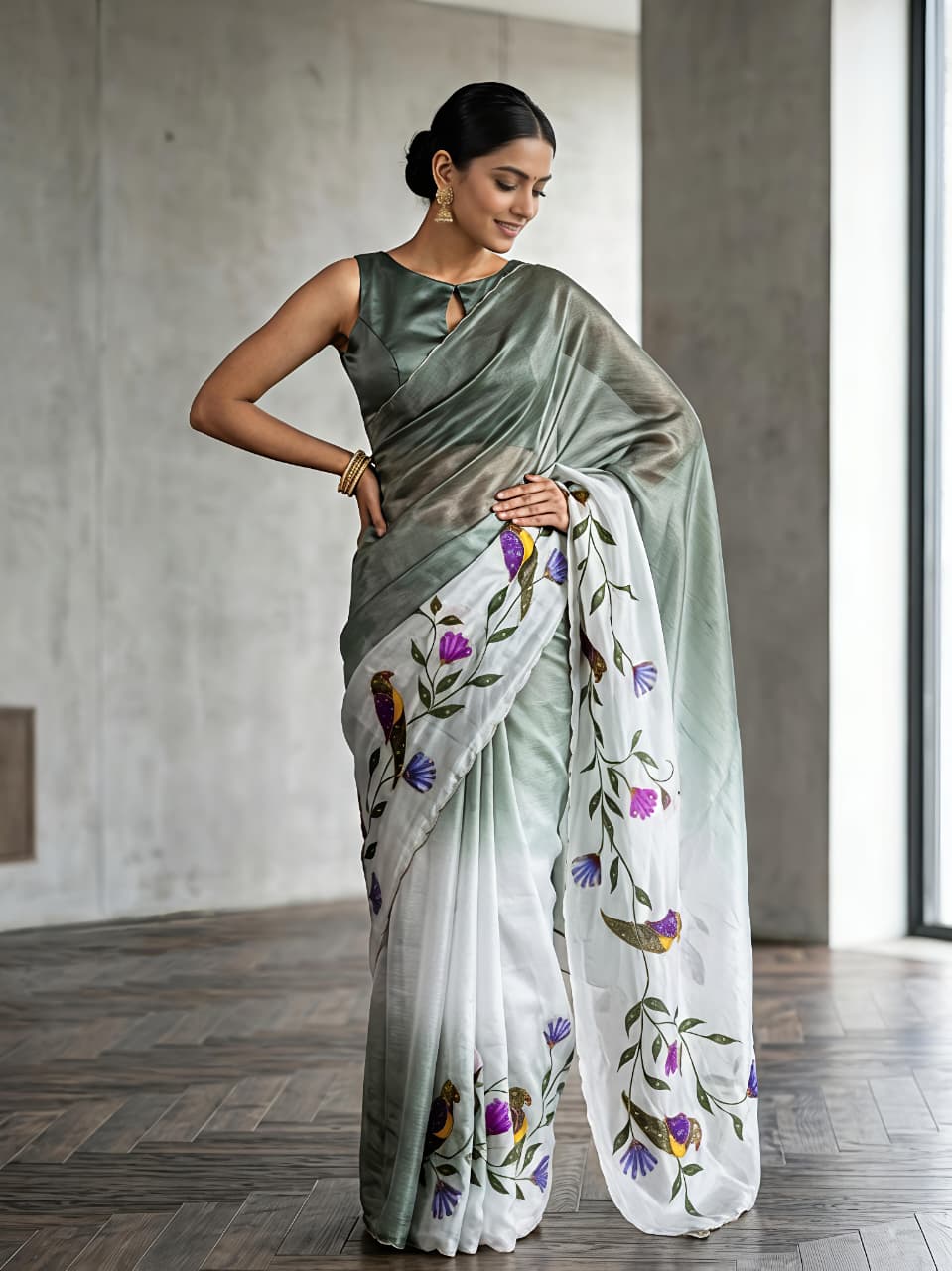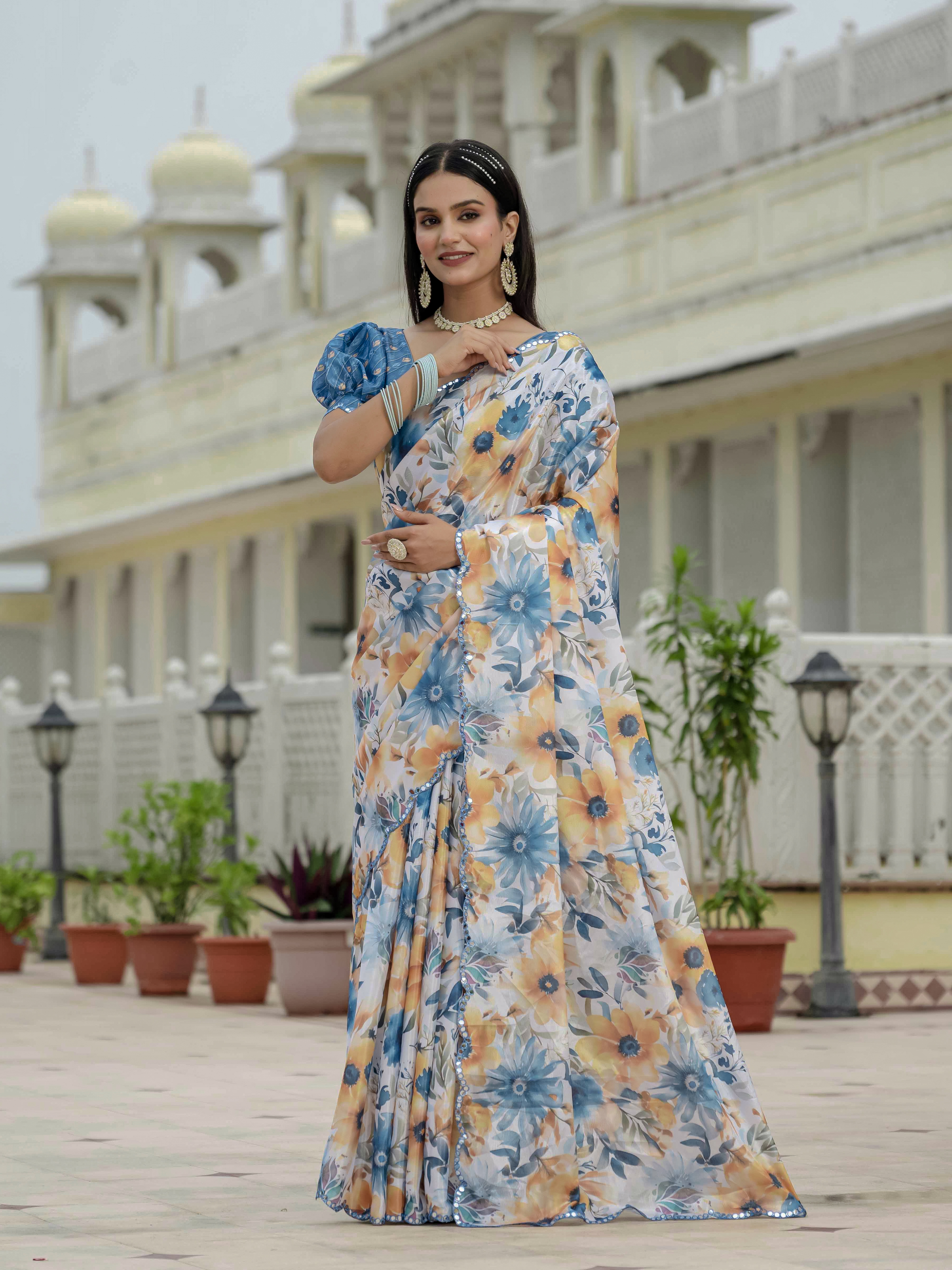
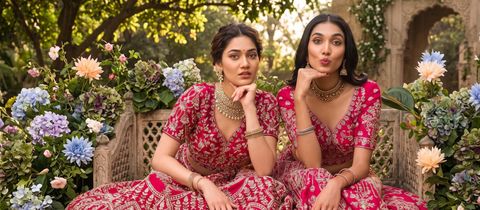
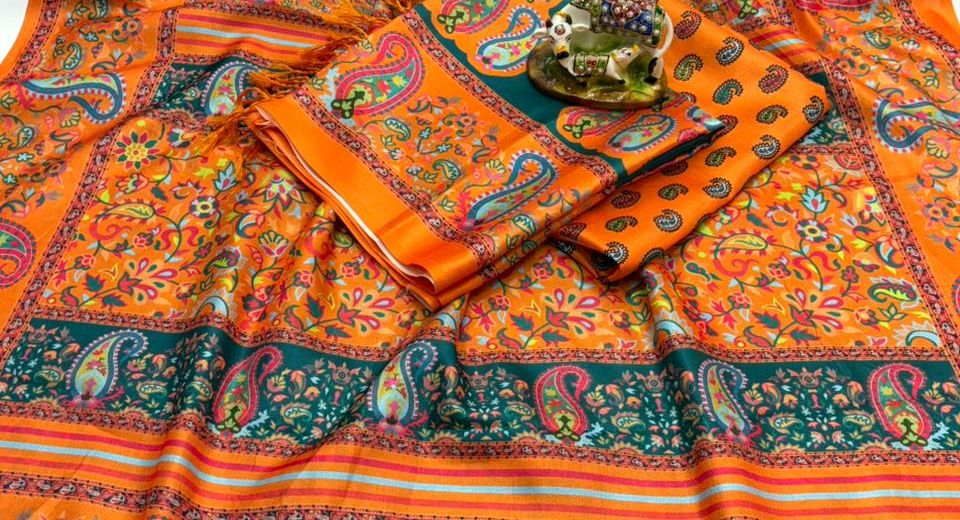
The Himachal Pradesh Festival Fashion Calendar: Pahari Sarees & Ethnic Wear becomes practical when clothing choices account for altitude, weather, local customs and how much walking a celebration involves. Himachal Pradesh moves from cold January gatherings to warm spring fairs and rainy monsoon events, so one saree can't serve every month equally well. Pahari-inspired styling works best when a saree is combined with useful layers, secure draping and regionally sensitive accessories.
there's no single standardised "Pahari saree" worn across every Himachali district. Regional dress includes woollen pattus, shawls, embroidered caps, dhatu head coverings and sturdy festive garments, while sarees are often chosen as contemporary occasion wear. A respectful outfit borrows colour, texture and layering ideas from Himachal without presenting every saree as traditional Himachali dress.
Himachal Pradesh Festival Fashion Calendar: how to plan by weather
An useful Himachal Pradesh Festival Fashion Calendar matches each festival with three clothing priorities: warmth, movement and formality. Temperature varies significantly between Shimla, Manali, Kullu, Chamba, Kangra and lower-altitude areas such as Una, so the same month can require different fabrics.
Outdoor processions, temple visits and fairgrounds call for secure pleats, comfortable footwear and a blouse that allows a warm layer. Indoor family ceremonies offer more freedom to wear zari, a heavier border or a dramatic pallu. Checking the local forecast seven days before travelling is sensible because mountain weather can change quickly.
- Cold months: Choose pashmina, silk blends, woollen shawls, full-sleeved blouses and closed footwear.
- Spring: Linen cotton, handloom cotton and tissue cotton provide breathable texture for daytime functions.
- Monsoon: Select manageable fabrics and avoid very long trailing pallus during outdoor fairs.
- Autumn: Richer silk textures, Patola-inspired prints, zari and layered shawls suit cooler evenings.
Himachal Pradesh Festival Fashion Calendar for Lohri and winter celebrations
January and February celebrations call for warmth-first saree styling, with shawls, lined blouses and closed shoes taking priority over a very light drape. Lohri gatherings involve bonfires and outdoor activity, so a saree should allow movement and should not have a loose synthetic pallu near open flames.
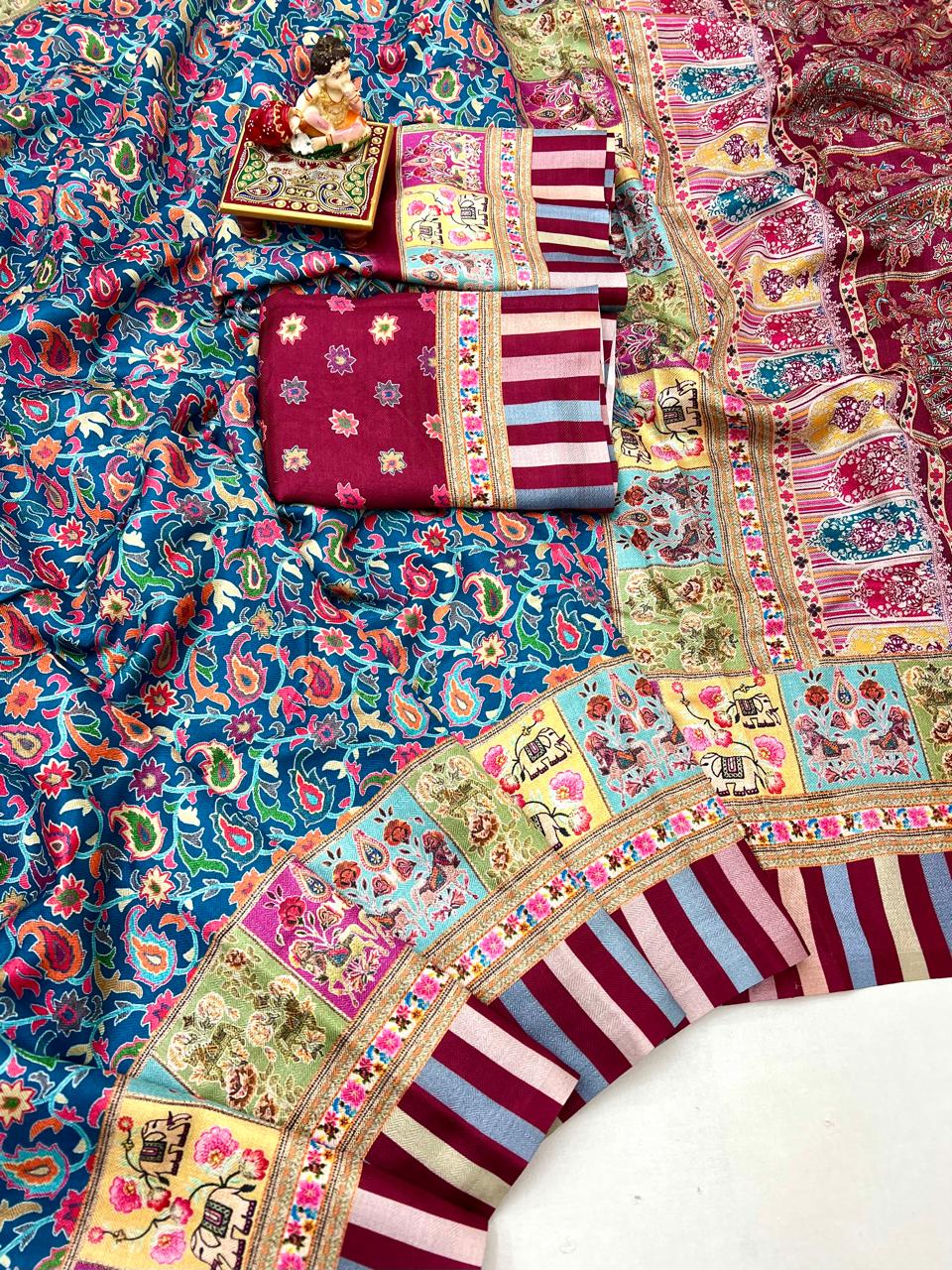
A pashmina saree or silk saree paired with a woollen shawl creates a polished winter silhouette. Kashmiri Style Pashmina Saree With Shawl Set is an example of coordinated layering because the shawl already establishes a planned colour relationship with the saree. Festive Blue Pashmina Saree With Shawl & Blouse offers another practical format for a family function where a matching blouse and winter wrap are useful.
For a winter wedding, wear a full-sleeved blouse under a shawl rather than relying on a sleeveless blouse and a loosely pinned wrap. A brocade or velvet blouse lining adds warmth without making the entire outfit bulky. Thermal camisoles designed for ethnic wear can also prevent the blouse from feeling cold while keeping the neckline neat.
Winter colour and jewellery choices
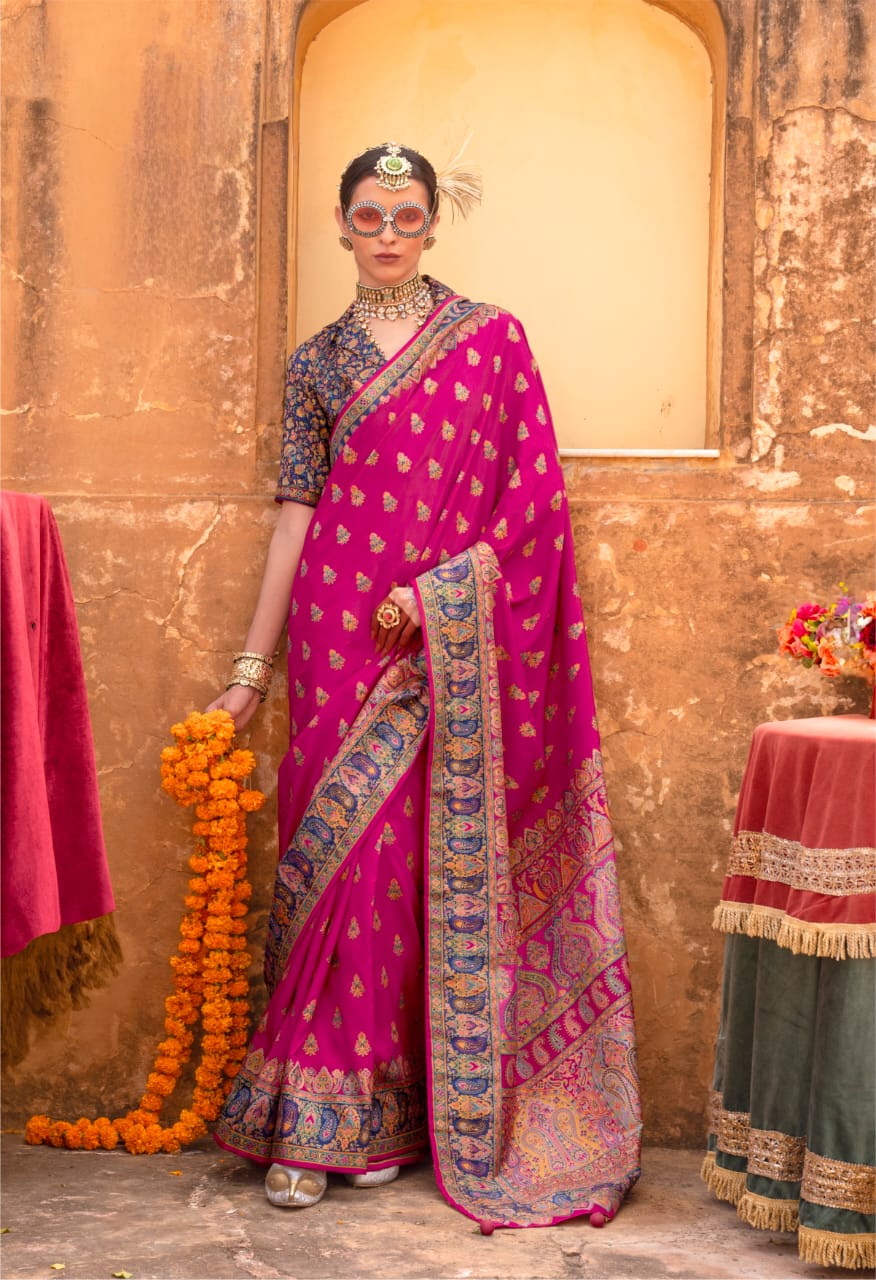
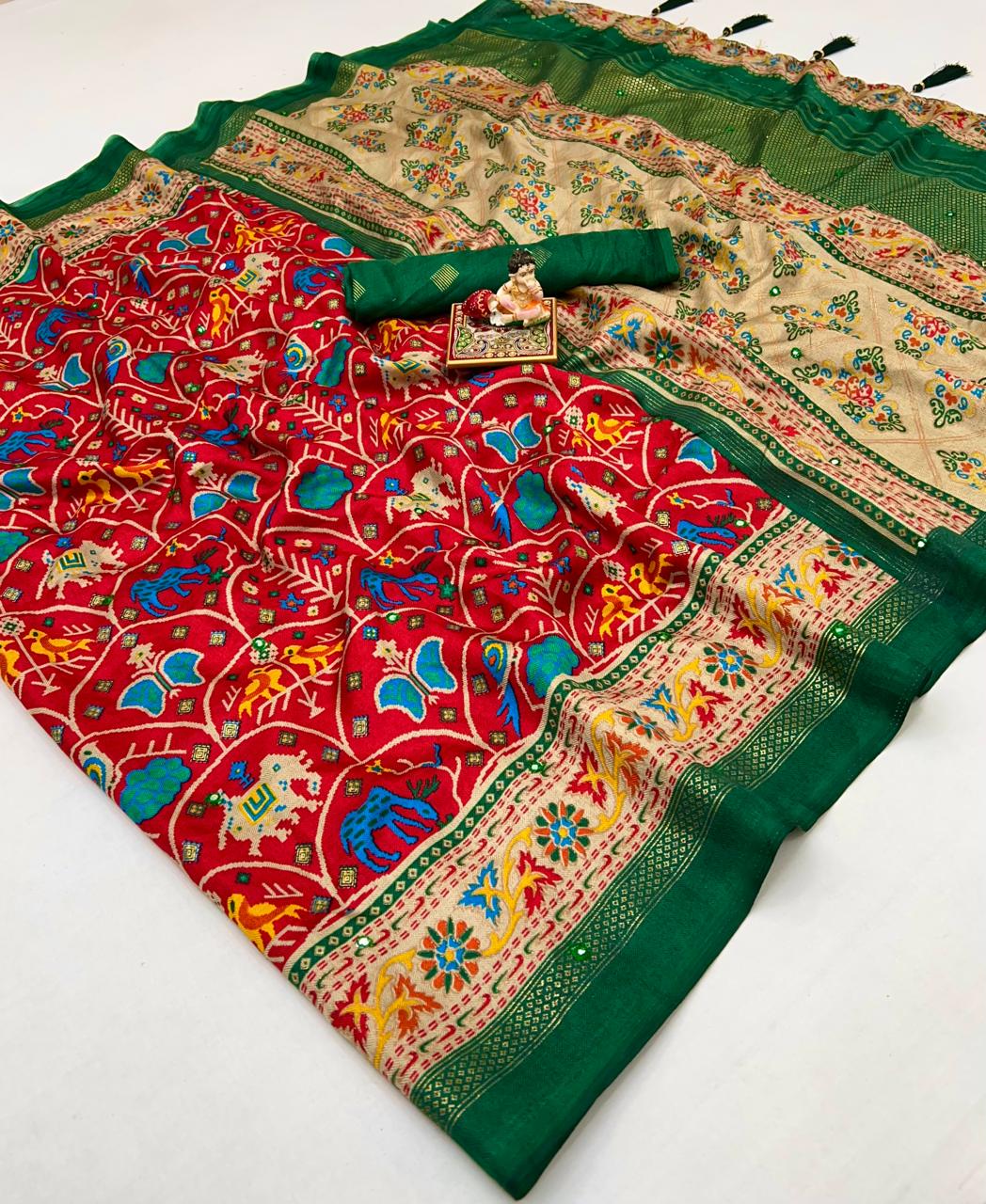
Deep red, rani pink, royal blue, maroon and saffron create strong winter-festival colour stories. Designer Red Patola Print Pashmina Silk Festive Saree uses a high-impact red base suited to evening photographs, while Designer Rani Pink Patola Print Pashmina Silk Festive Saree provides a brighter alternative for daytime wedding functions.
Metallic jewellery should be balanced against the texture of a shawl. If the pashmina has a rich surface, choose one statement necklace or a pair of jhumkas instead of several heavy layers that may catch on the weave. A low bun, braid or pinned half-up hairstyle is more reliable than loose hair in cold wind.
Himachal Pradesh Festival Fashion Calendar for spring and Baisakhi
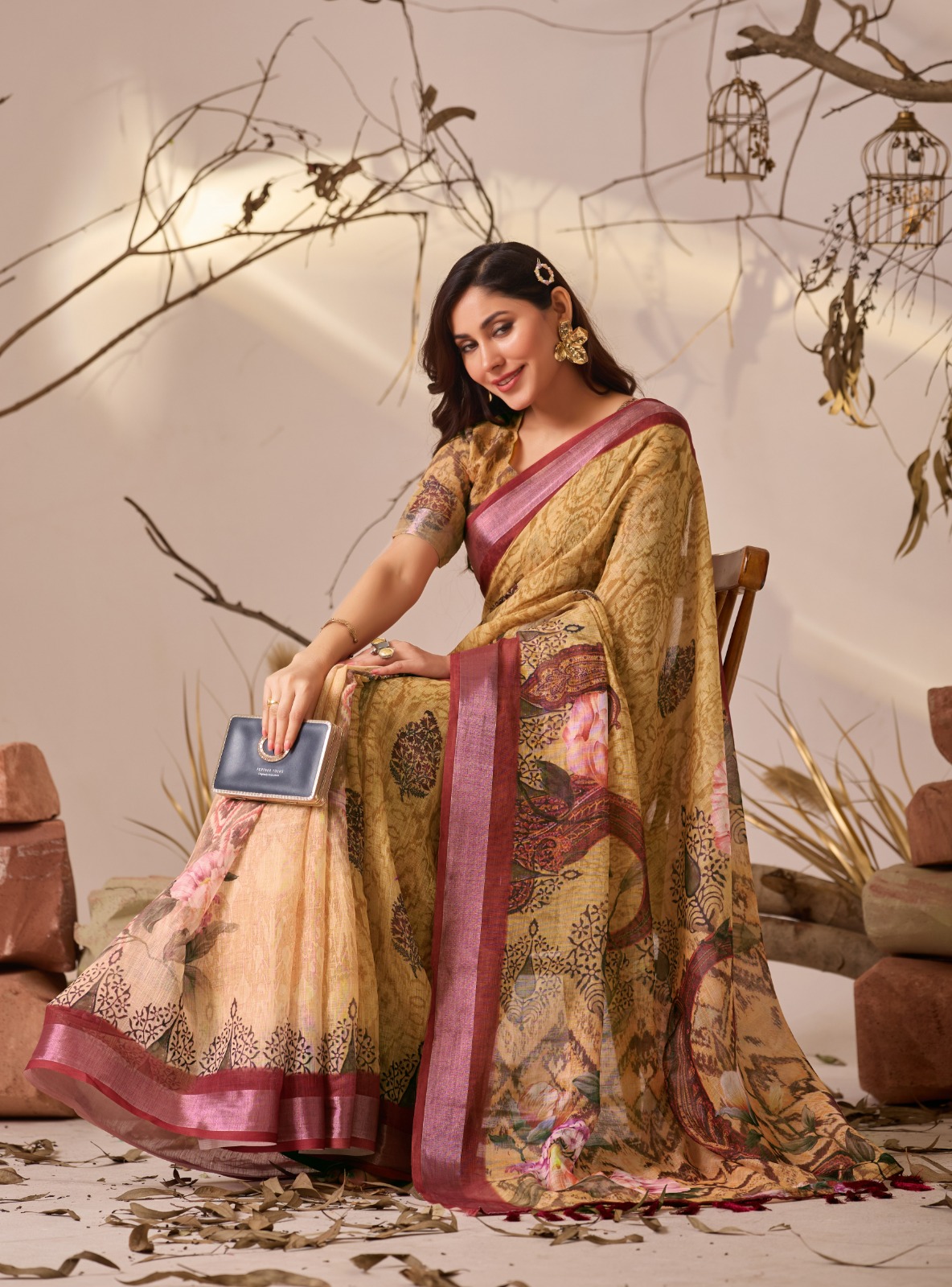
April to June is generally the easiest period for breathable sarees because many lower-altitude Himachali areas become comfortable during the day. Baisakhi gatherings, spring temple visits and daytime weddings suit linen cotton, handloom cotton and light silk-cotton fabrics that remain comfortable during travel.
Pastel Linen Cotton Floral Print Saree with Designer Blouse demonstrates how a soft floral print can feel festive without becoming too heavy for a daytime event. Peach Linen Cotton Floral Print Saree with Blouse for Women brings a warmer colour direction for family lunches, pre-wedding gatherings and haldi ceremony celebrations.
Pastel Floral Tissue Handloom Cotton Saree with Zari Weaves works when an invitation asks for classic dressing but the event is held in warm weather. Tissue cotton gives visual sheen, while zari weaves supply a festive border without requiring a heavily embellished blouse.
Wear the pallu in a compact front drape if you expect to climb steps, sit on the floor or walk through a temple courtyard. A cotton or cotton-silk blouse with a breathable lining is more comfortable than a heavily padded design. A blouse that's 2 to 3 centimetres longer at the waist can provide better coverage when a saree is worn with flat sandals.
Carry a thin cotton stole for hill areas where the temperature drops after sunset. A stole is easier to fold into a day bag than a heavy shawl and can add modesty during temple visits without changing the entire outfit.
Himachal Pradesh Festival Fashion Calendar for Minjar Fair and monsoon events
July and August require practical fabrics and secure draping because Minjar Fair in Chamba and other summer fairs may involve rain, uneven paths and extended outdoor walking. A monsoon saree should have a manageable hem, reinforced hooks and a pallu pinned close to the shoulder.
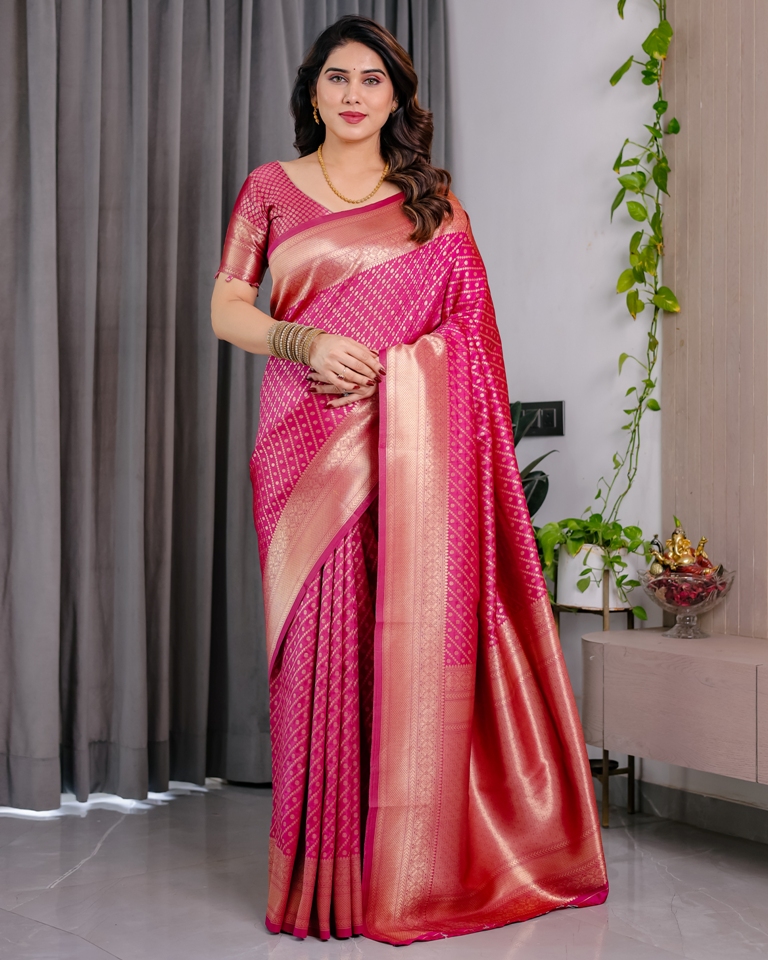
Linen cotton and handloom cotton are sensible choices for daytime travel because they feel breathable and are less delicate than heavily embellished silk. Avoid a saree with a floor-brushing pallu when moving between vehicles, market lanes and wet stone surfaces.
Use a small safety pin at the waist and two discreet pins along the shoulder pleats. Pins should secure the fabric without piercing zari-heavy sections. Pack a separate waterproof pouch for jewellery, blouse hooks and spare pins, and carry a lightweight rain layer that won't transfer colour onto the saree.
Monsoon accessories should be attractive but resilient. Oxidised silver-style earrings, fabric potli bags and rubber-soled juttis are more practical than delicate suede footwear or bags with unfinished metal that can stain when wet.
Himachal Pradesh Festival Fashion Calendar for Kullu Dussehra and Diwali
September to November is one of the richest periods for festive dressing because Kullu Dussehra, Diwali gatherings and Lavi Fair in Rampur bring together evening functions, family visits and public celebrations. The weather becomes cooler, so a saree with a shawl or structured jacket gives both warmth and visual depth.
Kullu Dussehra has its own religious and cultural significance, processions and regional identity; it's not simply a generic Diwali event. Visitors should dress respectfully for temple areas and follow local instructions about photography and access. A saree with a moderate blouse neckline, secure pleats and a non-dragging pallu is appropriate for crowded public spaces.
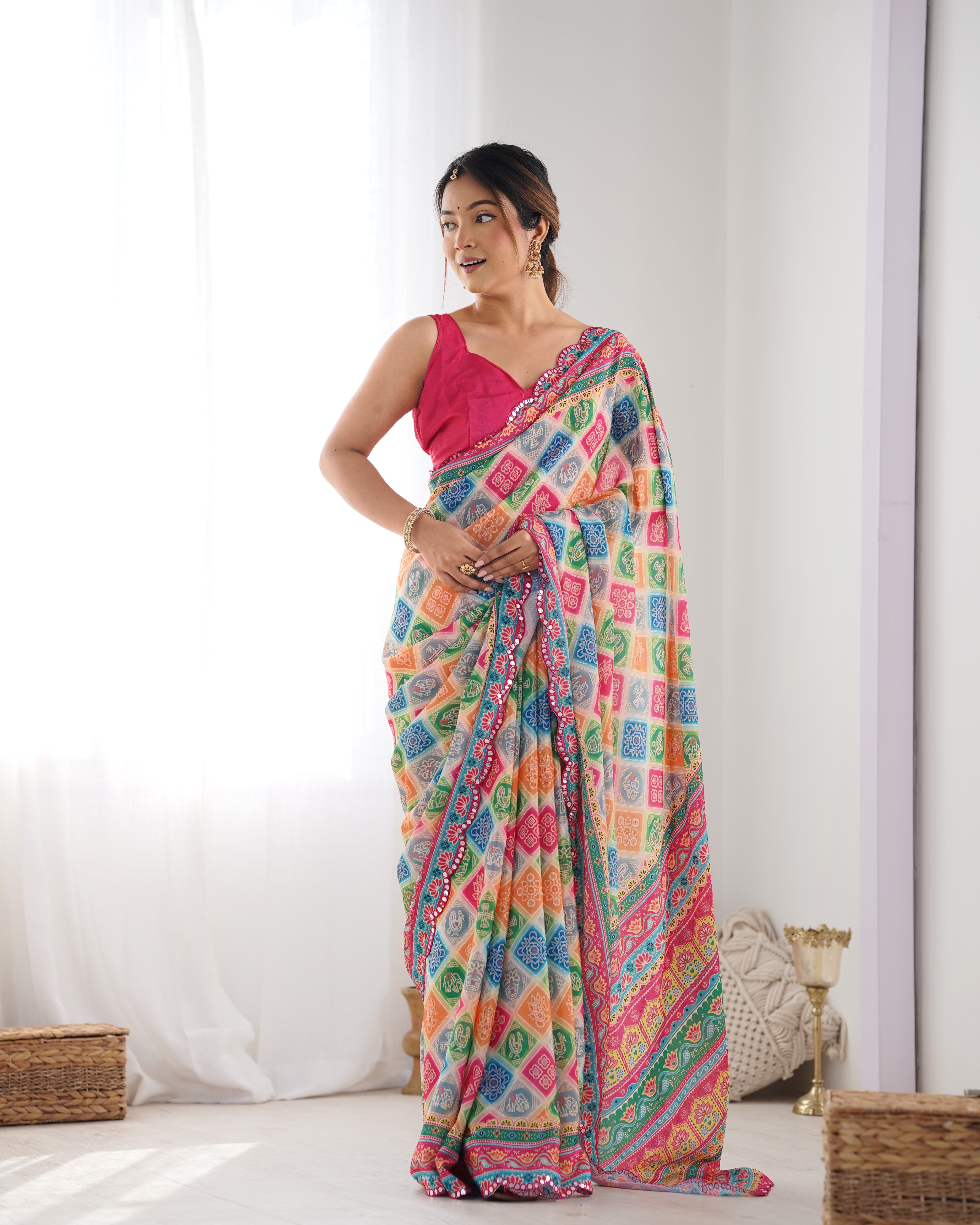
Colorful Ethnic Chinon Saree for Women suits a lively daytime or early-evening festive mood because its fluid drape can be styled with a contrasting shawl. For a more textural look, pair a floral cotton saree with a woollen wrap in rust, mustard or deep green. The contrast recalls Himachal's autumn landscape without turning the outfit into a costume.
Diwali evening dressing allows more shine, but shine should come from one main element. A zari border, metallic earrings or embellished blouse can each provide emphasis. Banarasi silk is known for woven richness, Kanjeevaram for a more substantial silk presence, and Chanderi for a lighter, sheer hand. The right choice depends on venue, temperature and how much walking the event requires.
Himachal Pradesh Festival Fashion Calendar and respectful Pahari-inspired styling
A Pahari-inspired saree outfit works best when it uses regional layering and colour cues without mislabelling a regular saree as a heritage Himachali garment. Woollen shawls, handwoven textures, silver-toned jewellery, embroidered details and earthy colours create a respectful visual connection.
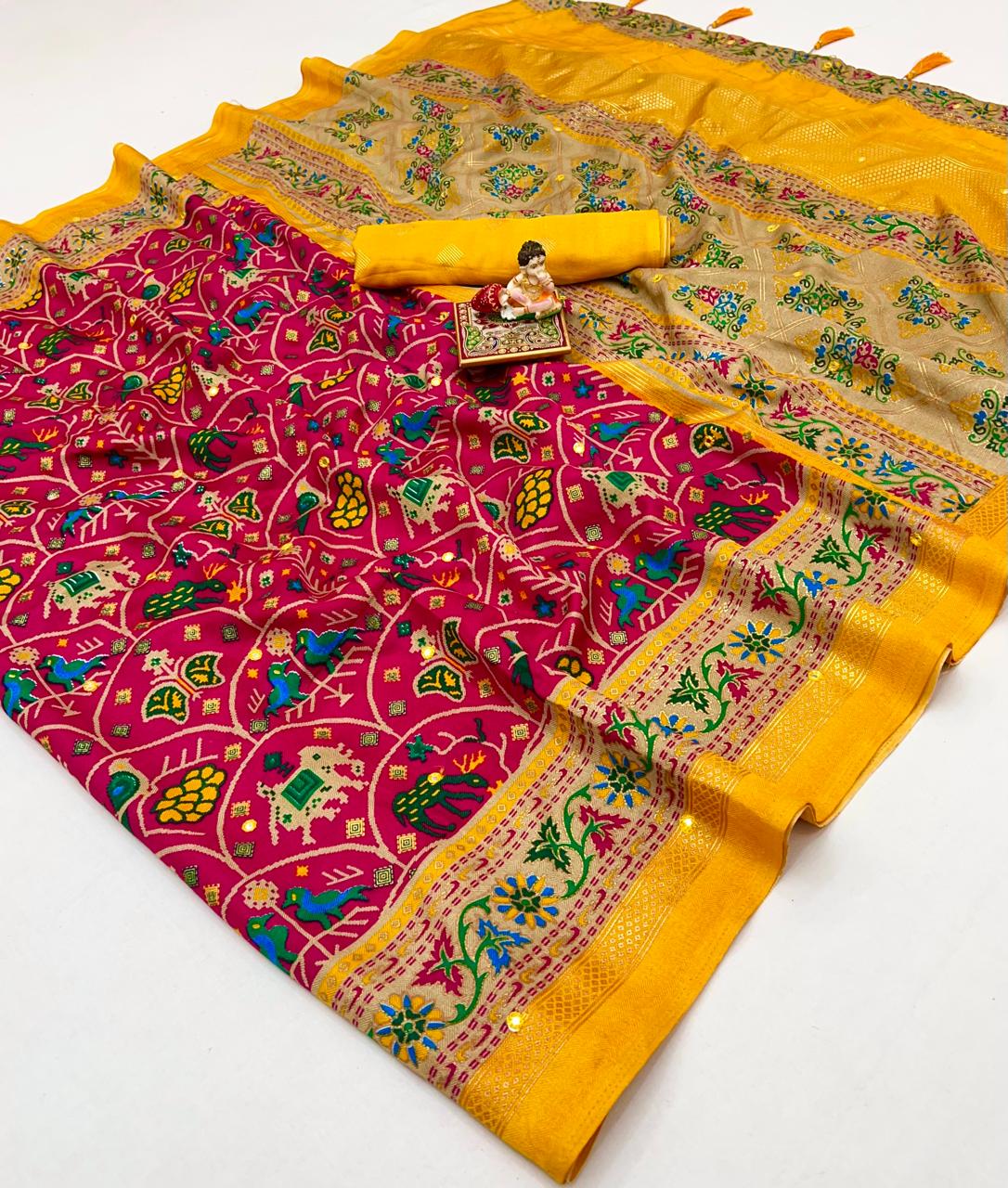
Begin with the saree's function. A cotton saree is suitable for a daytime fair, a pashmina or silk saree is better for a cold evening, and a fluid Chinon saree works for an indoor reception. Add one recognisable regional layer, such as a patterned shawl or textured wrap, instead of combining every possible ethnic element.
Keep the blouse clean if the shawl has a strong border. A plain woollen shawl allows a blouse with zari, embroidery or a richer sleeve shape. A pinned shoulder drape looks composed in photographs and prevents the shawl from slipping while greeting elders or carrying a small bag.
Jewellery can include silver-toned jhumkas, a short necklace, glass bangles or one statement ring. Himachali ornaments vary across communities, so no single accessory should be presented as universally representative of the entire state. When the regional connection is interpretive, describe the styling as Pahari-inspired rather than authentic regional dress.
Himachal Pradesh Festival Fashion Calendar for choosing fabric and budget
The best saree fabric depends on the event's weather, walking conditions and care available after travel. Cotton and linen cotton are dependable for daytime use, while pashmina and silk provide greater warmth and visual depth for evening functions.
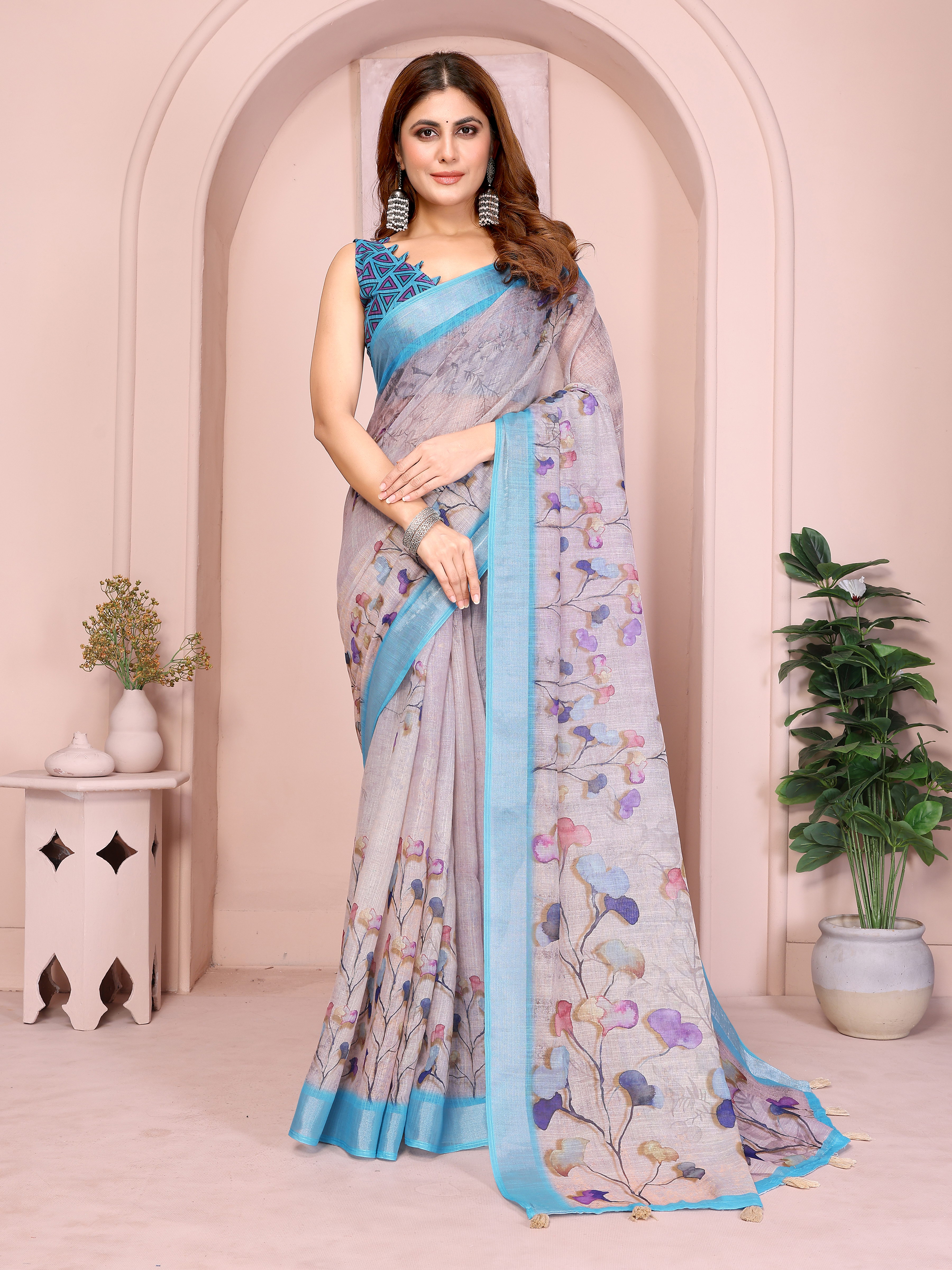
Budget-conscious shoppers can compare Sarees from Rs 1000 to Rs 1500 when building a daytime festival wardrobe. Discount-led sections such as Sarees Under 20% Off and Sarees Under 10% Off may also help when purchasing a saree, shawl and blouse separately, but the final cost should include tailoring and accessories.
Higher discount bands such as Sarees Flat 60% Off and Sarees Flat 50% Off can be useful for occasion shopping, but buyers should inspect fabric details, blouse-piece information, measurements and care instructions before ordering. A lower price doesn't compensate for a blouse that can't accommodate a winter layer or a fabric unsuitable for mountain travel.
For online purchases, check the saree length, blouse-piece length, lining details and expected dispatch time. Allow at least 7 to 10 days before a major event for delivery, blouse alterations and one complete draping trial. A full trial reveals whether the pallu, footwear and shawl work together before travel begins.
Himachal Pradesh Festival Fashion Calendar: packing and care checklist
A festival saree should be packed only after it's completely dry and folded along broad, gentle sections. Dampness trapped inside a suitcase can create odour, weaken zari threads and cause colour transfer between layers.
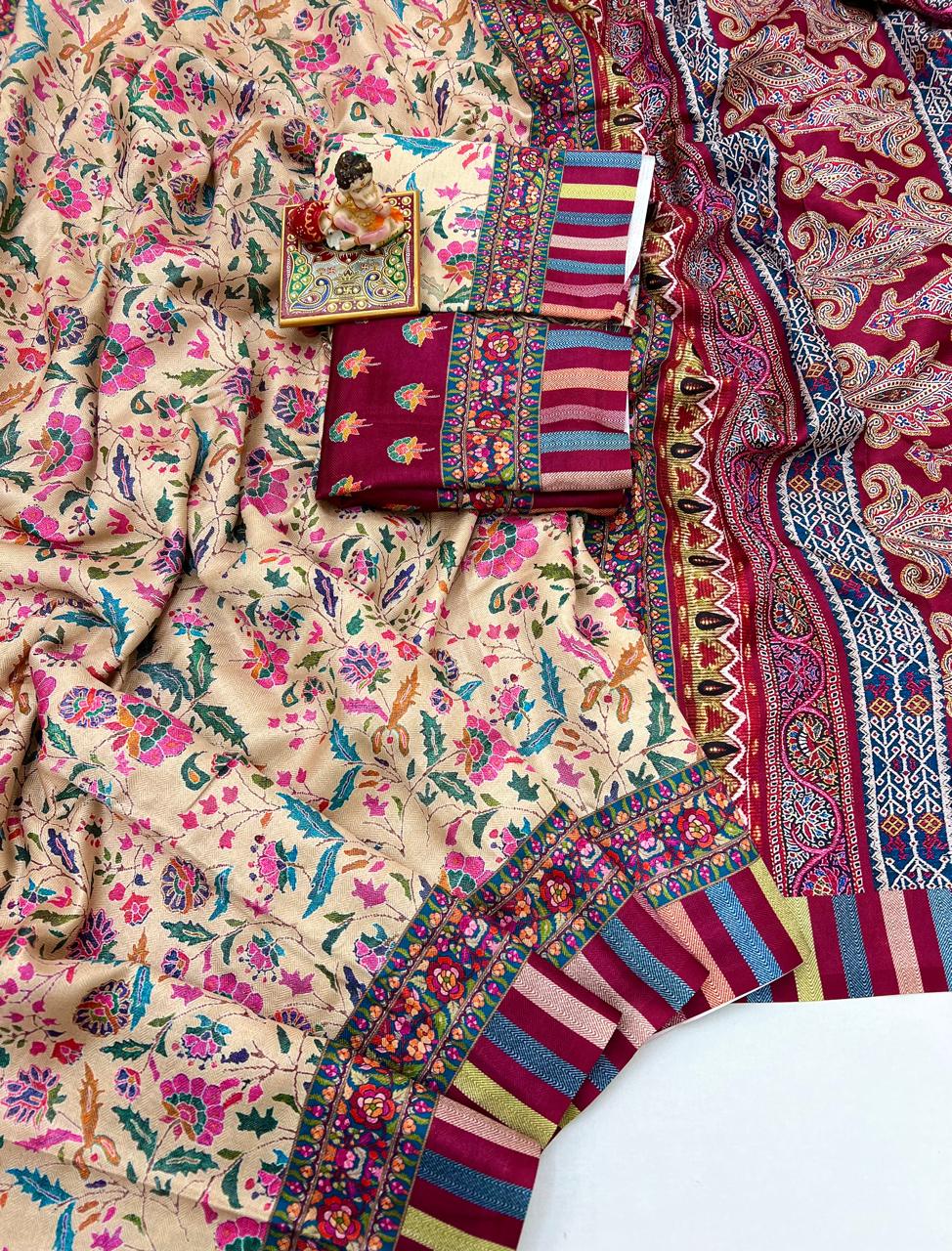
- Roll lightweight sarees around a clean cotton cloth to reduce hard fold marks.
- Place pashmina and silk sarees in breathable cotton covers rather than sealed plastic for long storage.
- Carry safety pins, a small sewing kit, blouse hooks and a stain-removal cloth.
- Pack jewellery separately in soft pouches so metal edges don't catch the saree.
- Air the saree after wearing it, then follow the care label before washing or dry cleaning.
Small preparation decisions make ethnic wear more comfortable in Himachal. A secure drape, warm layer, weather-appropriate fabric and respectful styling will usually weigh more than adding another decorative element. The most functional Himachal Pradesh Festival Fashion Calendar is therefore not only a list of festivals; it's a method for matching clothing to place, season and participation.
Common Questions About Pahari Sarees and Himachal Festival Dressing
What should women wear to a Himachal Pradesh winter festival?
A pashmina or silk saree with a full-sleeved blouse, warm shawl and closed footwear is suitable for most winter festivals. Secure the pallu and choose layers that allow walking and outdoor waiting.
Can I wear a saree to Kullu Dussehra?
Yes, a saree can work well for Kullu Dussehra when it is modest, secure and comfortable for processions or crowded public spaces. Choose a shawl or jacket for cooler evenings and follow local temple and photography guidelines.
Which saree fabric is best for a Himachal summer festival?
Linen cotton, handloom cotton and light cotton-silk are practical choices for daytime summer festivals. These fabrics offer breathability and are easier to manage during travel than heavily embellished silk.
How can I style a saree in a Pahari-inspired way?
Pair the saree with one woollen or patterned shawl, silver-toned jewellery and an earthy or jewel-toned colour palette. Describe the result as Pahari-inspired unless the garment is genuinely part of a specific regional tradition.
What should I wear to Minjar Fair during the monsoon?
Choose a manageable linen cotton or handloom cotton saree with a pinned pallu, comfortable shoes and a rain-resistant bag. Avoid a trailing hem and protect jewellery and blouse accessories from moisture.
How early should I order a saree for a Himachal festival?
Order at least 7 to 10 days before the event to allow for delivery, blouse alterations and a complete draping trial. Order earlier for remote destinations, winter travel or custom tailoring.