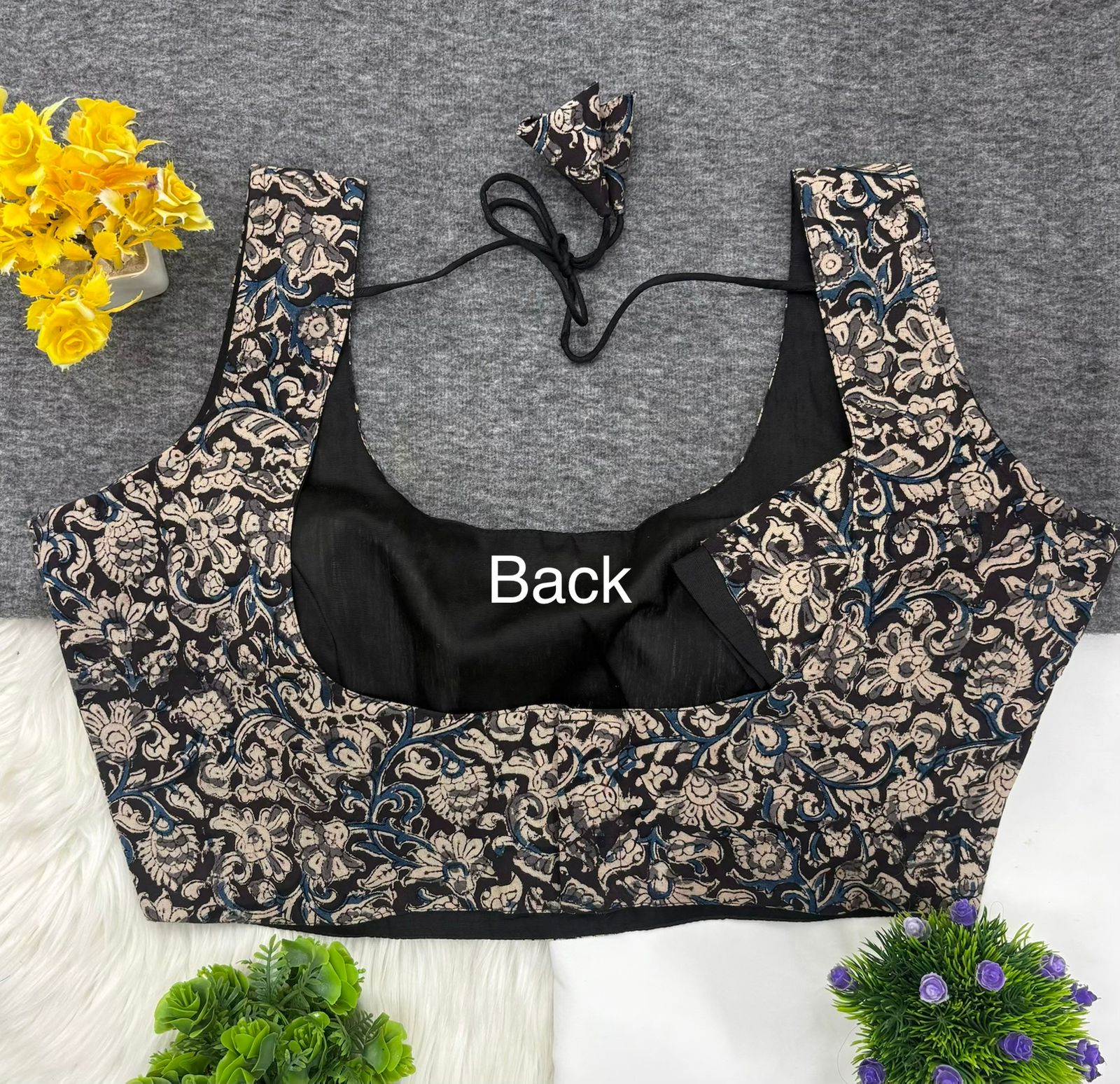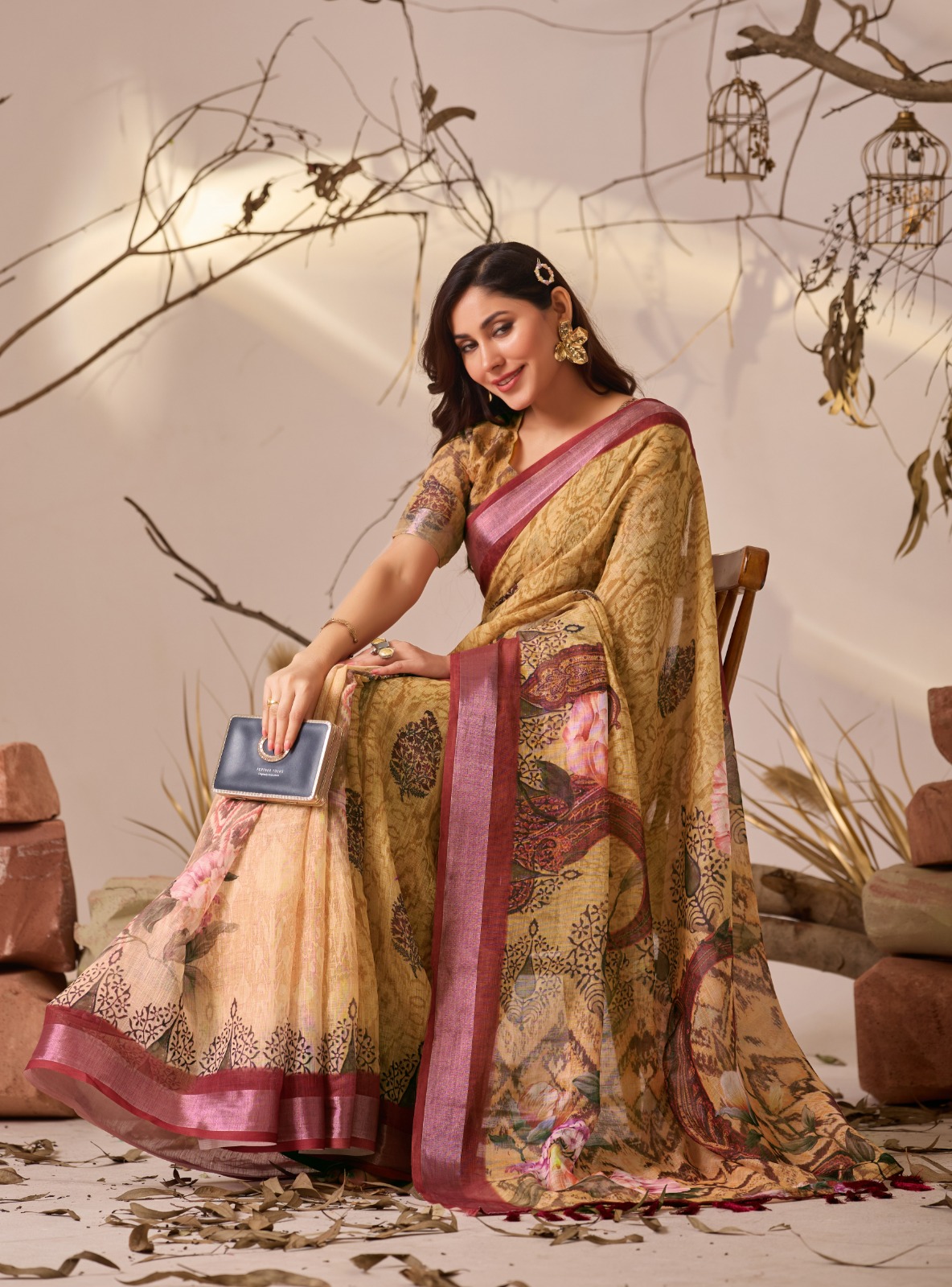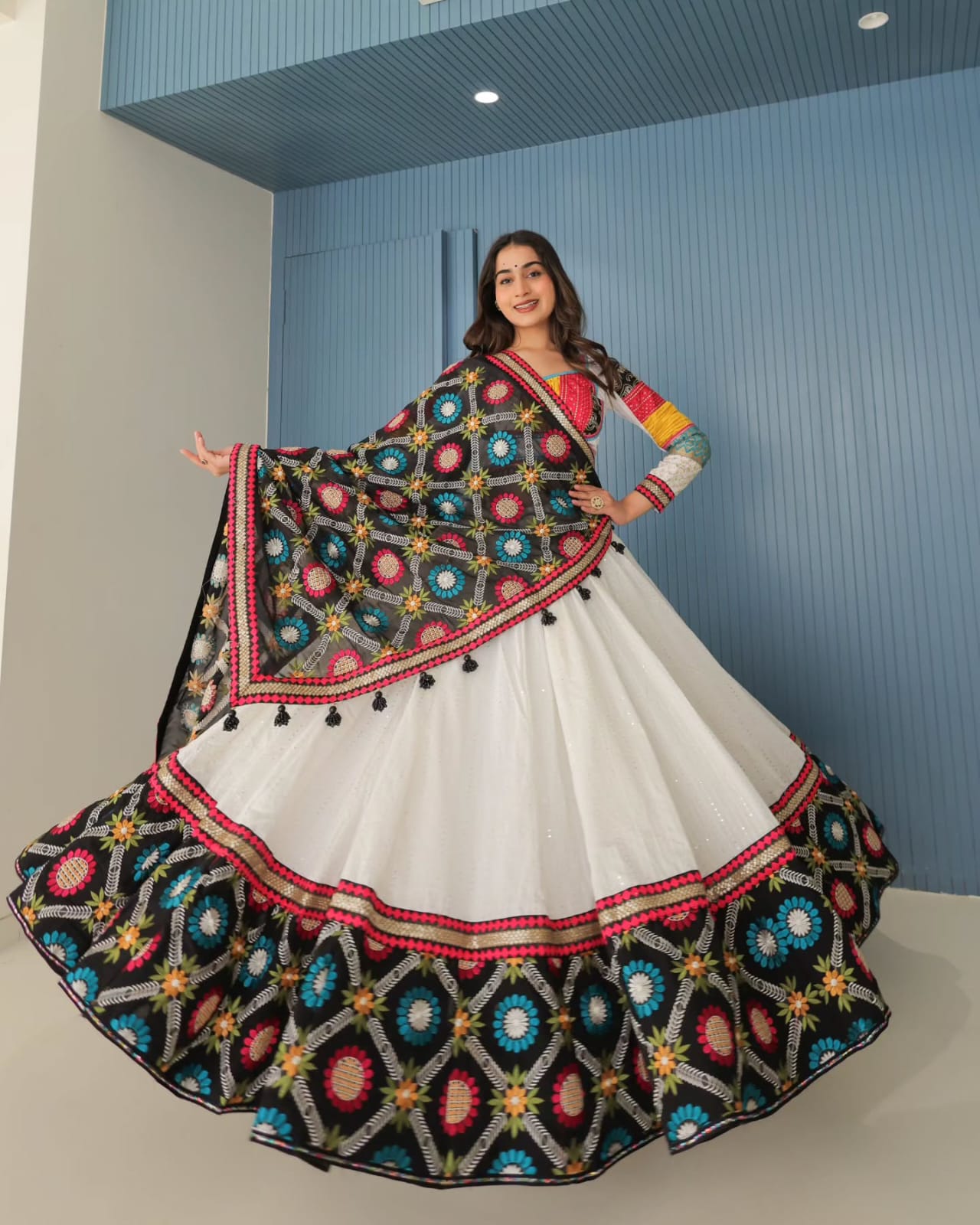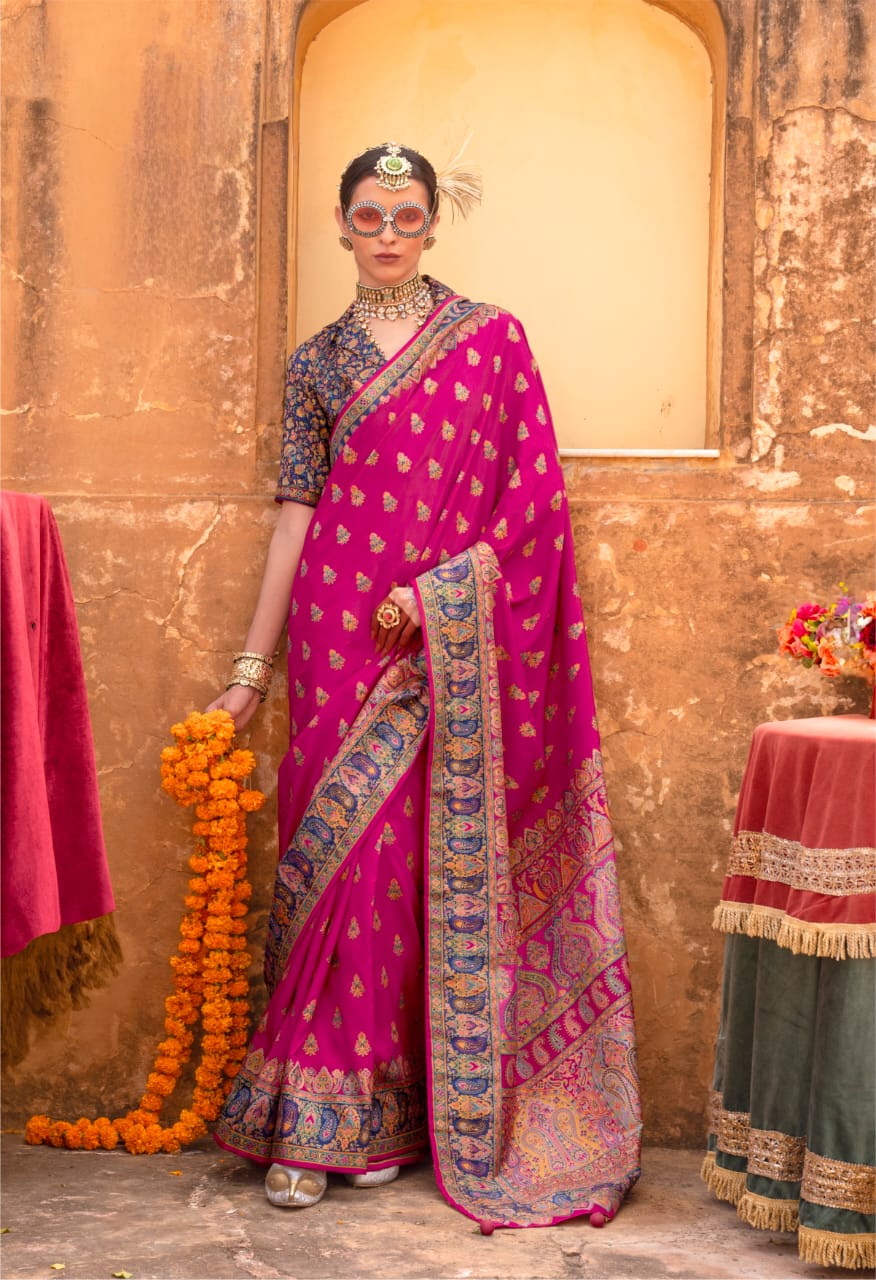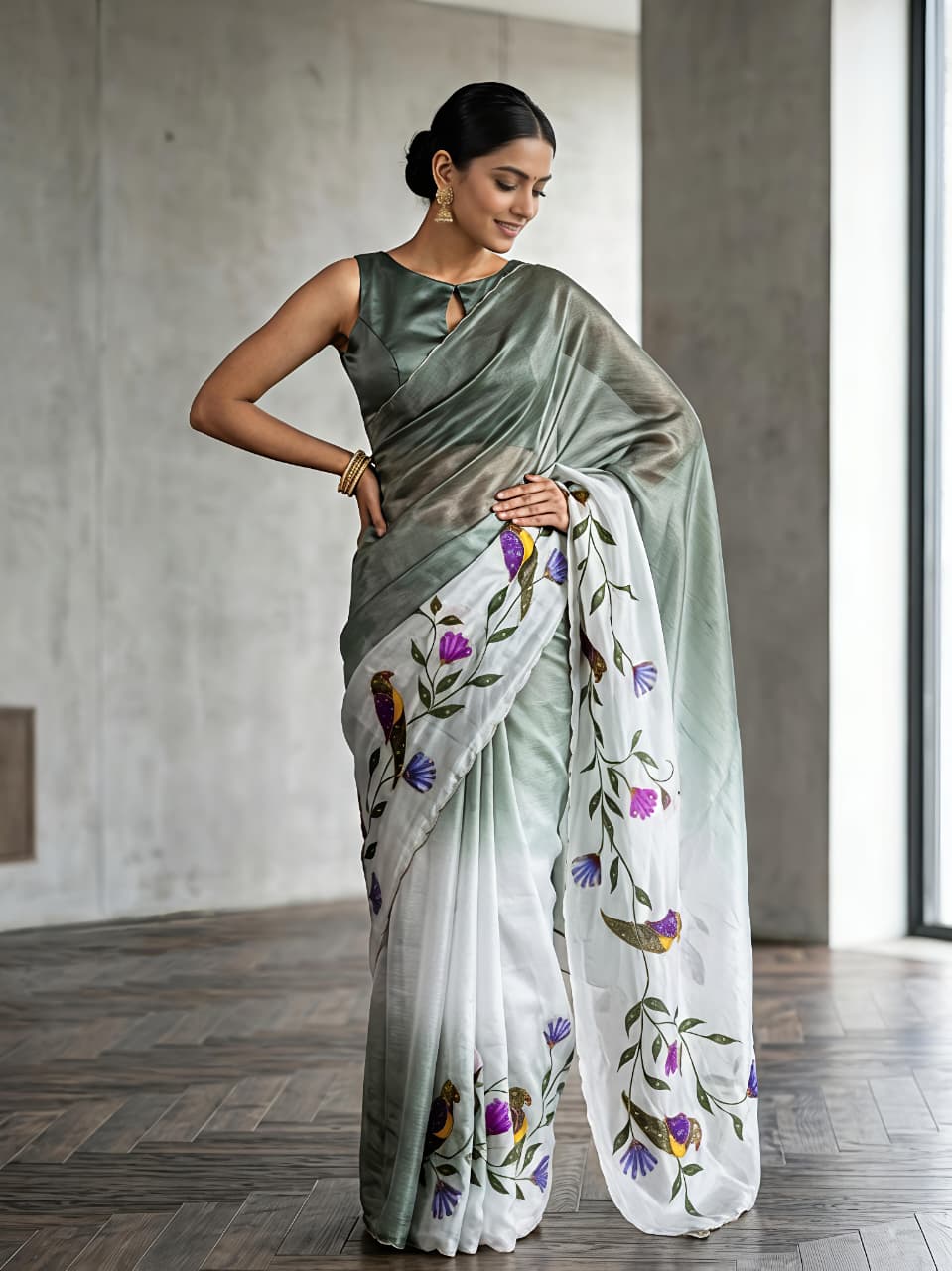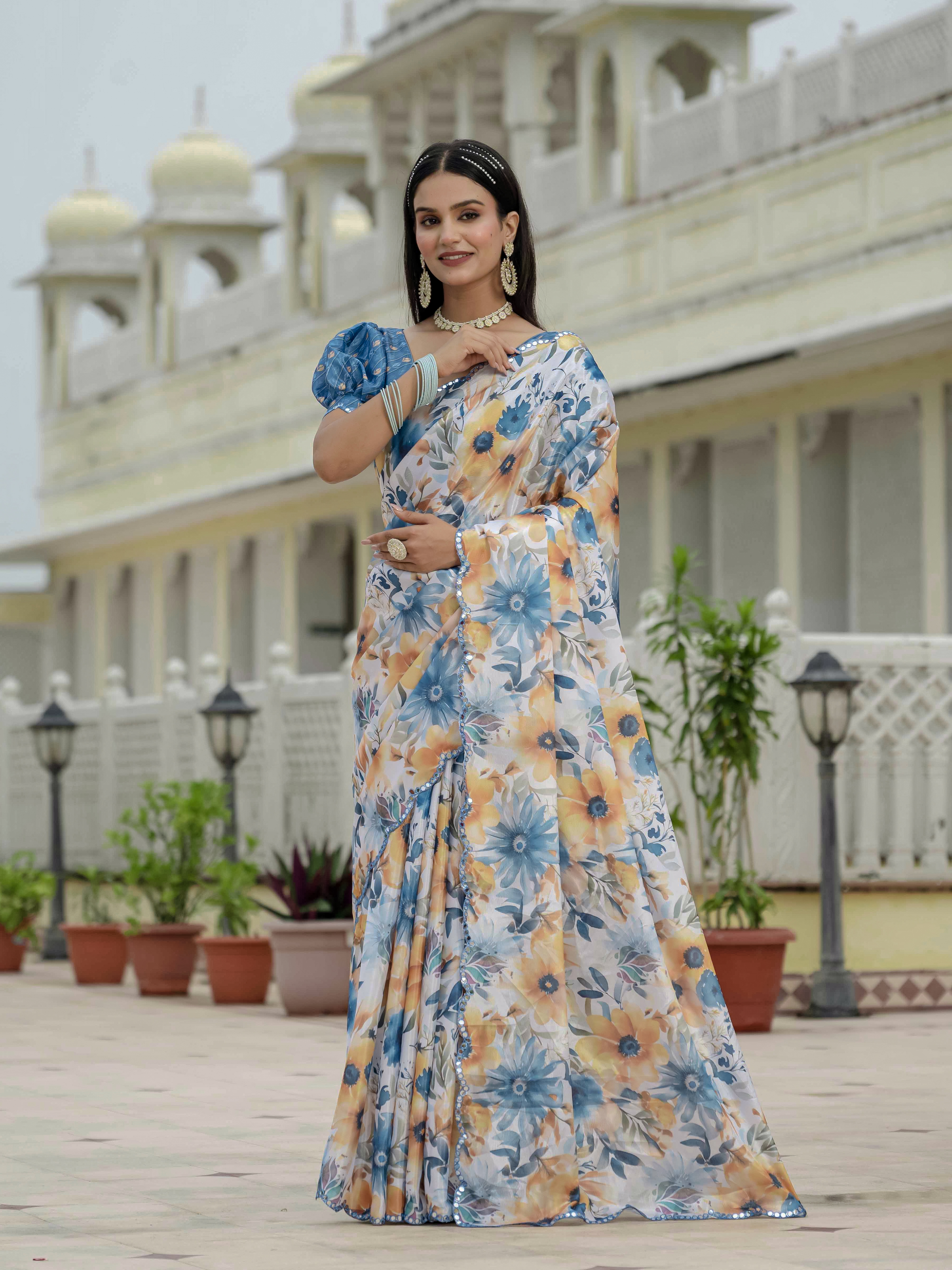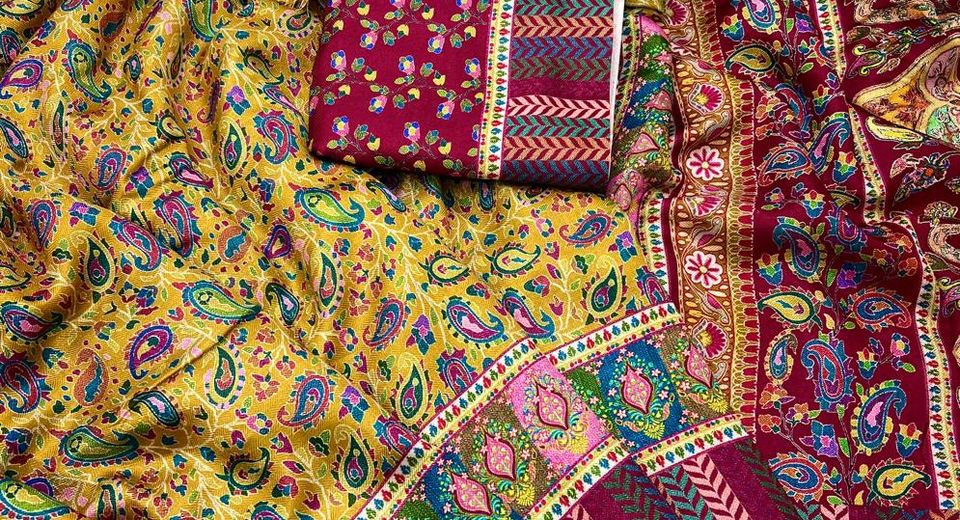
Himachal Festival Outfit Ideas: What Women Can Wear for Pahari Celebrations should begin with one practical question: how will the outfit perform in a mountain setting? Himachali festivals often combine long outdoor hours, cool evenings, temple visits, walking on uneven ground and lively community gatherings. A suitable outfit therefore needs colour and craft, but also warmth, movement and secure styling.
Women can create a respectful Pahari celebration look with an anarkali suit, kurta-pant set, sharara suit, printed gown or layered salwar outfit. Woollen shawls, embroidered dupattas, comfortable juttis and modest jewellery can make the ensemble feel festive without turning it into a costume. The best choice depends on the season, altitude, venue and amount of walking involved.
What makes a good outfit for a Himachali festival?
A good Himachali festival outfit balances warmth, ease of movement, cultural sensitivity and festive detail. Clothing that works for a city reception may feel impractical at an open-air fair or a hillside temple.
Temperature changes are a major consideration. Daytime sun in places such as Shimla, Manali or Kullu can feel pleasant, while shaded courtyards and evenings become cold quickly. A lightweight base layer under a kurta is often more useful than one very heavy garment. A woollen shawl, quilted jacket or longline cardigan can be added without disturbing the main silhouette.
Movement also matters. A woman attending Kullu Dussehra, Minjar Fair or a village deity procession may stand for several hours and walk over stone paths. A floor-length hem that drags through mud, a very long dupatta or slippery high heels can become uncomfortable. Ankle-length trousers, a controlled kurta hem and a dupatta pinned at the shoulder offer better mobility.
Colour can carry festive energy even when the garment is simple. Maroon, saffron, mustard, deep green, crimson, pink and ivory sit naturally within Himalayan autumn and winter landscapes. A restrained base colour paired with zari, mirror work, woven texture or a printed dupatta creates visual interest without excessive ornament.
Which silhouettes work best for Pahari celebrations?
Anarkali suits, kurta-pant sets, shararas and elegant gowns are practical silhouettes for most Pahari celebrations because they provide coverage while allowing comfortable movement. Each silhouette suits a different type of venue and personal preference.
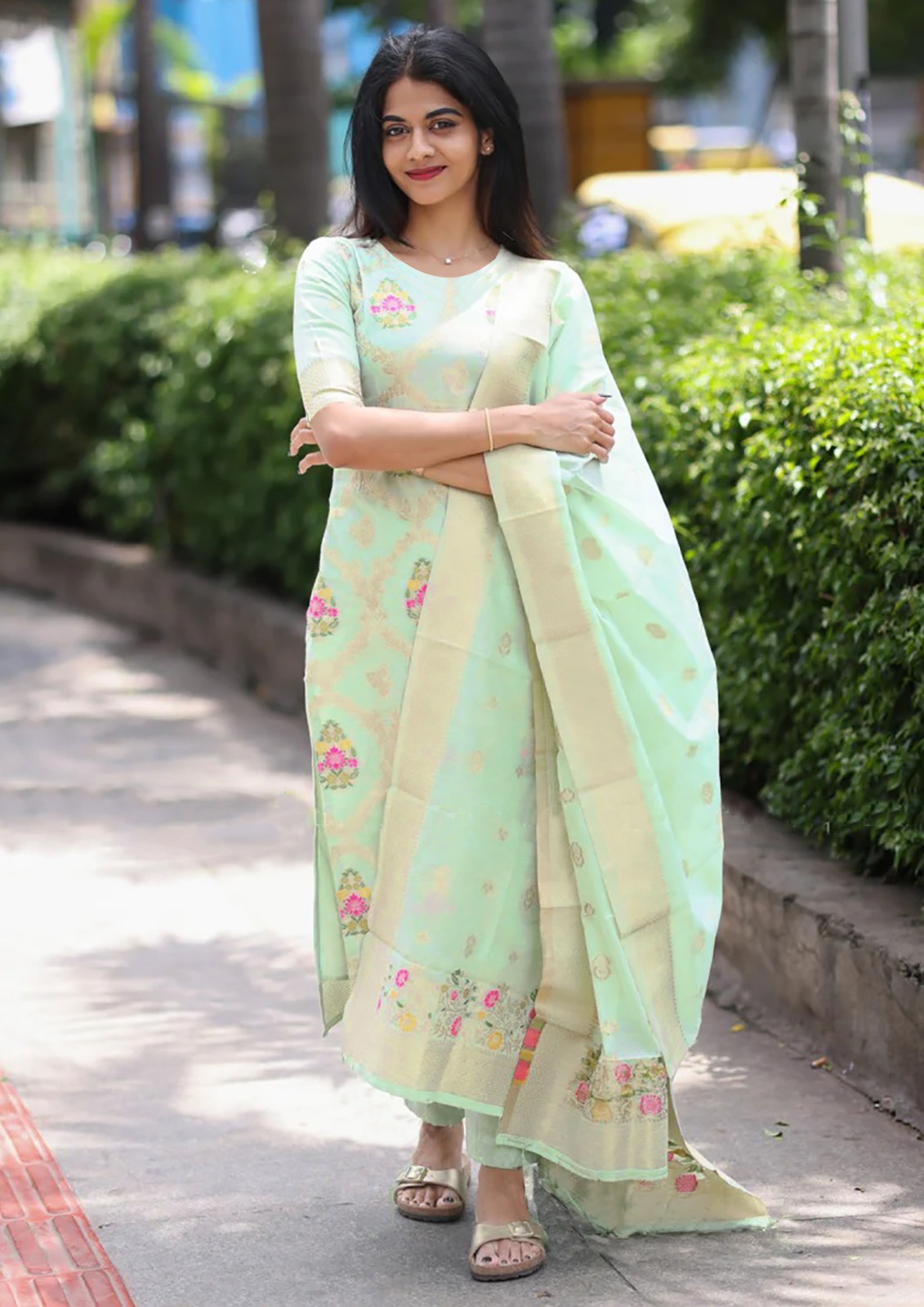
Anarkali suits for temple visits and family gatherings
Anarkali suits work especially well for women who want a graceful festive shape with comfortable coverage. A mid-calf or ankle-length anarkali can be worn with flat juttis and a warm shawl. A fitted inner lining is useful in cooler weather because it prevents the skirt from clinging to tights or thermal leggings.
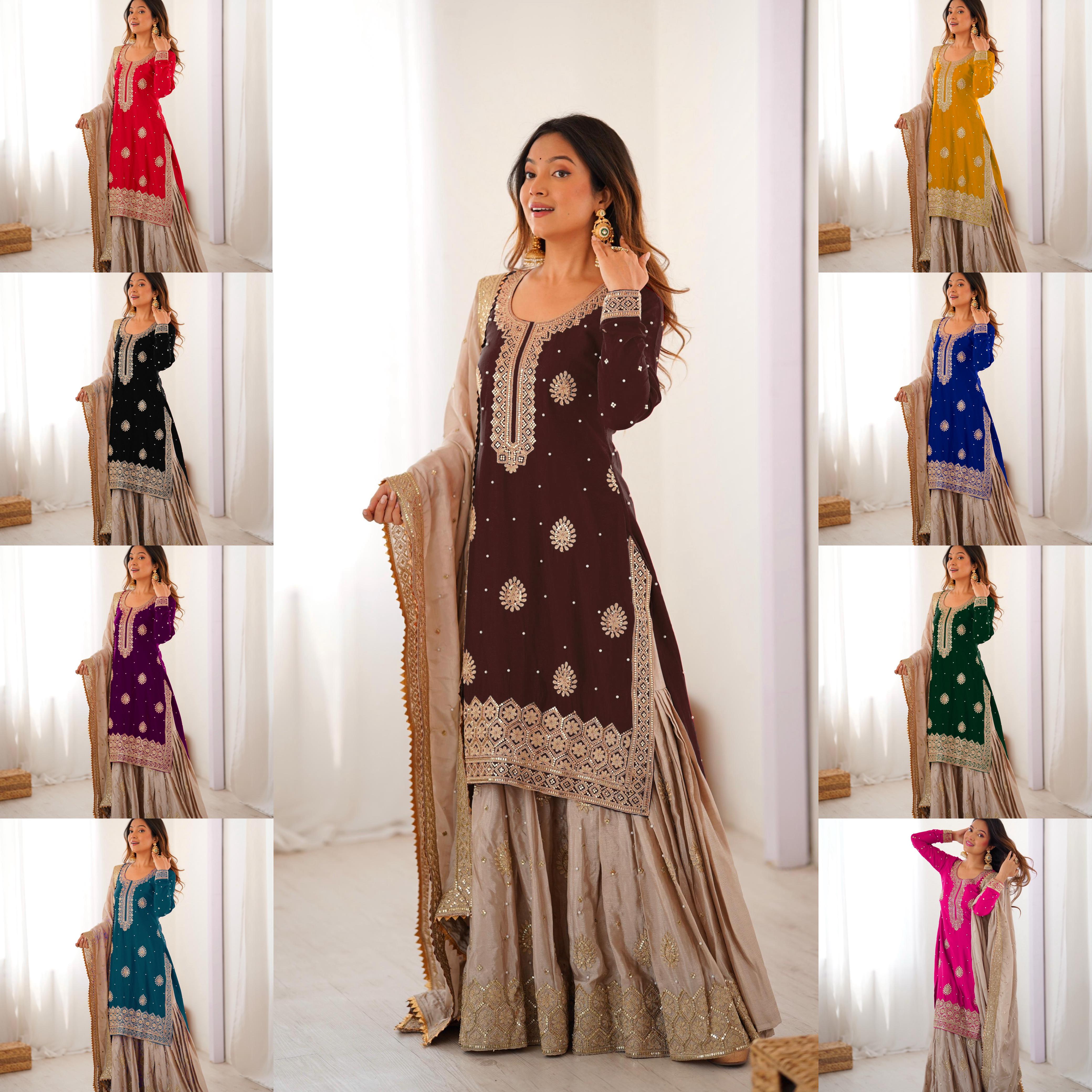
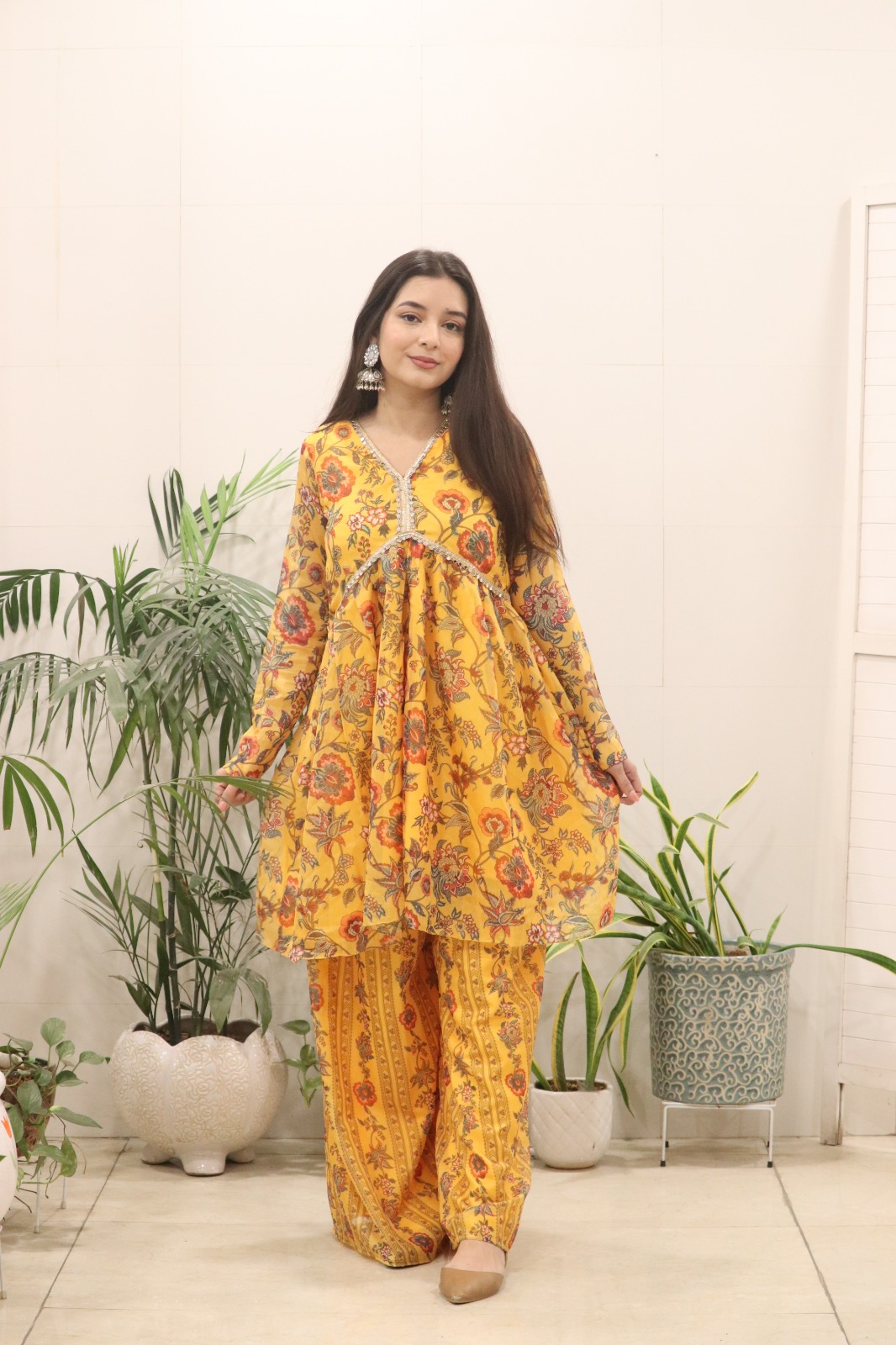
The Festive Wear Maroon Silk Anarkali Suit Set for Women suits an evening family function because maroon has depth under warm indoor lighting and pairs naturally with antique gold jewellery. The Women's Mustard Printed Anarkali Suit with Dupatta offers a lighter daytime direction, particularly for a fair or lunch gathering where a bold print can replace heavy embellishment.
Kurta-pant sets for walking and daytime events
Kurta-pant sets are among the easiest outfits for walking, sitting on low benches and managing changing temperatures. Straight pants are more practical than very wide trousers when navigating crowded festival lanes. A kurta with side slits also allows a longer stride without exposing too much of the leg.
The Elegant Pista Festive Wear Kurta Pant Set gives a soft pastel option for daytime celebrations. Pista green works well with a rust, gold or wine shawl, while tan flats keep the palette grounded. The Festive Red Chanderi Kurta Pant Dupatta Set Women creates a stronger festive impression through colour, and Chanderi fabric keeps the look visually light when red is used from head to toe.
Sharara sets for a more celebratory look
Sharara suits are suitable for indoor receptions, festive dinners and celebrations where the outfit needs more movement and ornament. The wide leg creates a dramatic silhouette, but the trousers should end above the shoe so the hem doesn't catch on stairs or wet ground.
Pink Mirror Work Zari Sharara Suit Set Online - Varnavi demonstrates how mirror work and zari can provide festive sparkle without requiring a heavily embroidered lehenga. Pairing a mirror-work sharara with a plain woollen shawl prevents the overall outfit from becoming visually crowded.
Gowns for formal receptions
A gown works best for a hotel reception, indoor sangeet or formal Himachali wedding rather than a muddy outdoor procession. The Royal Patola Printed Designer Gown with Elegant Dupatta brings a traditional print into a more elongated silhouette. Secure the dupatta at one shoulder with a discreet brooch if dancing or moving between tables is likely.
How should women choose fabrics for Himachal weather?
Women should choose breathable, layered fabrics for daytime and richer silk blends or lined textiles for cold evening events. A layered fabric strategy is more comfortable than relying on a single thick outfit.
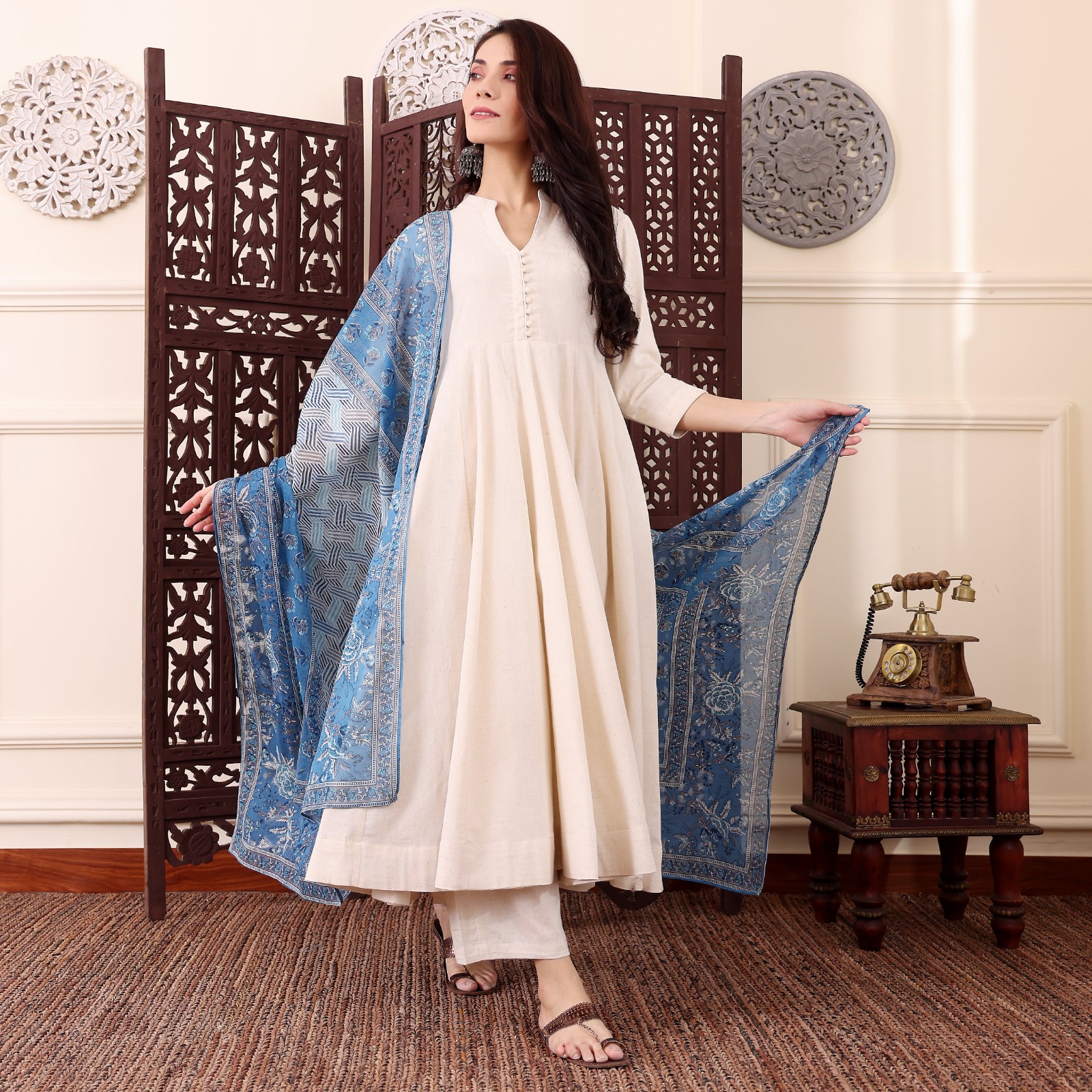
Chanderi is lightweight and breathable, making it useful for daytime celebrations and transitional weather. Chanderi silk can look festive through its subtle sheen, but it gives little insulation by itself. A thermal camisole, cotton inner layer or warm shawl can provide the missing warmth without changing the appearance of the outfit.
Banarasi silk and other heavier silk weaves are appropriate for evening receptions because their density retains more warmth and their zari catches indoor light. Silk can feel cold when first put on, so wearing a thin full-sleeved inner layer beneath a blouse or kurta is sensible during winter.
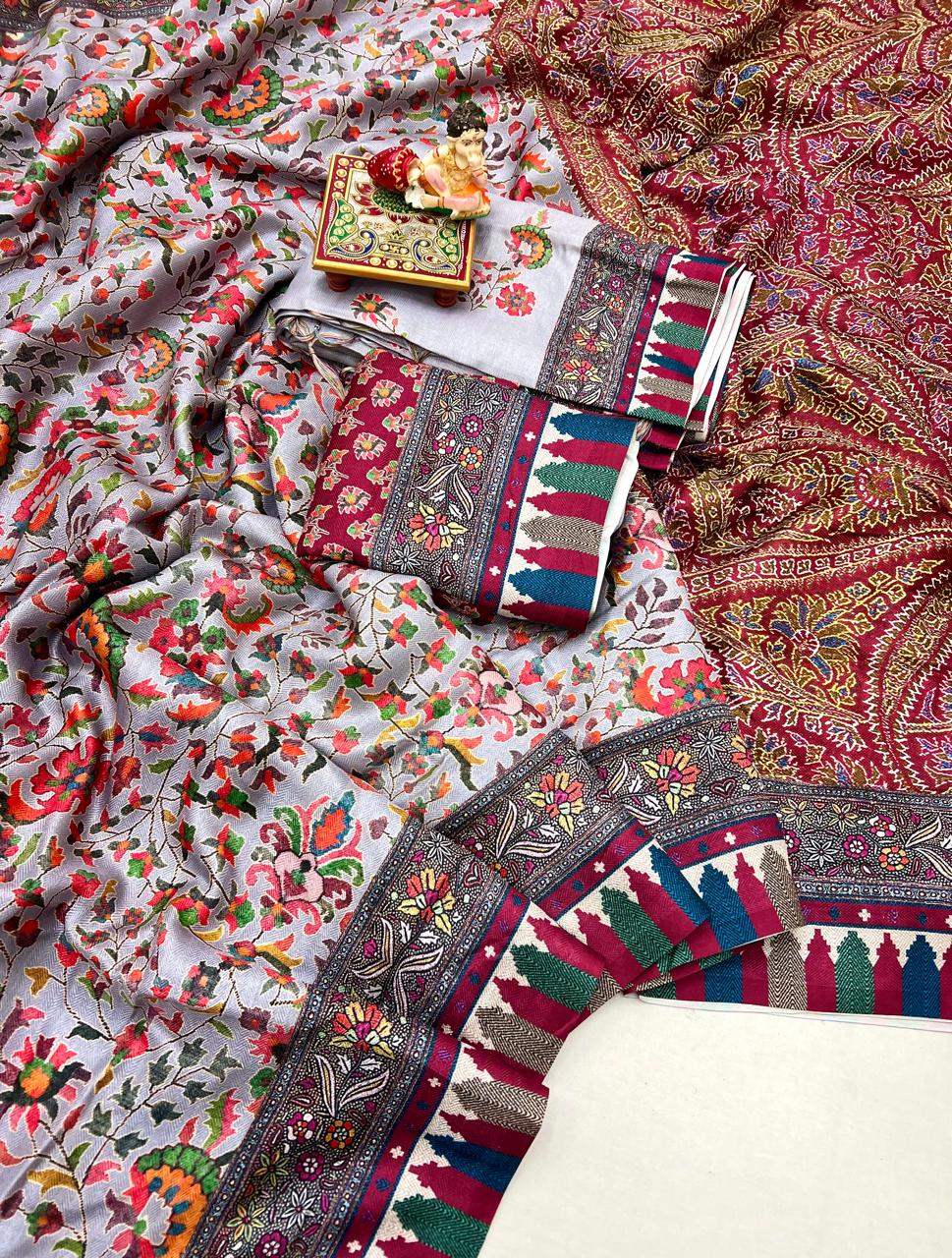
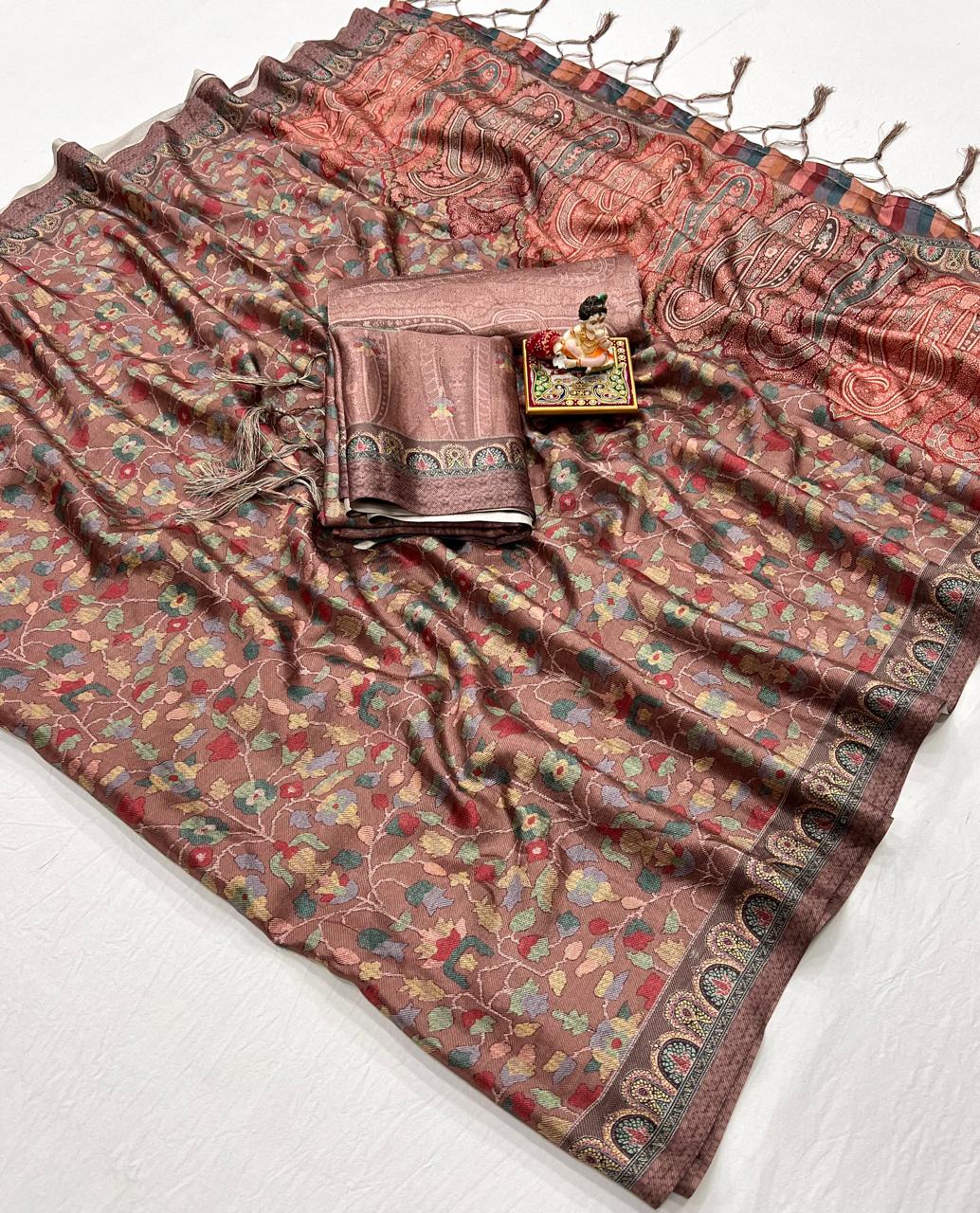
Patola-inspired prints, cotton-silk blends and printed viscose can work well for daytime gatherings because they add pattern without the weight of dense embroidery. Vichitra silk has a smoother, more structured fall and suits semi-formal evening dressing. The Modern Taupe Vichitra Silk Embroidered Co-Ord Set for Women is an example of a muted outfit that can be brightened with a saffron shawl or embroidered potli.
Velvet is warm and festive but can feel heavy when used across an entire outfit. A velvet blouse, waistcoat or border is often more wearable than a full velvet suit during a long celebration. Wool blends are excellent for shawls and jackets because they offer insulation while remaining easier to drape than bulky winter coats.
Which colours and embellishments suit Pahari celebrations?
Jewel tones, warm earth colours and clear mountain-inspired contrasts suit Pahari celebrations particularly well. Maroon, saffron, mustard, rust, forest green, berry pink and deep blue can be combined with ivory, beige or charcoal for balance.
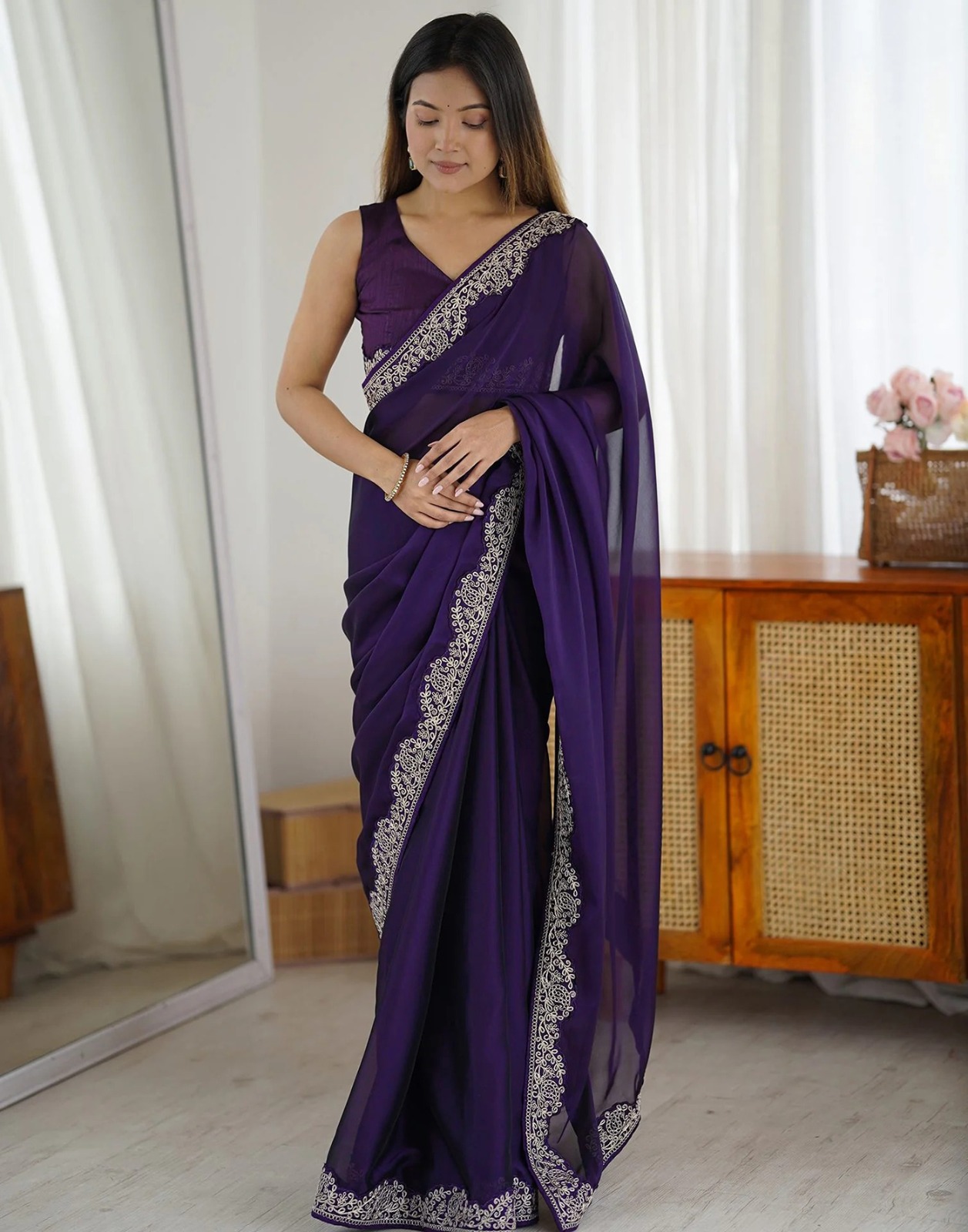
Mustard and saffron echo the colours of autumn foliage and time-honoured festive textiles. Maroon and red feel appropriate for evening ceremonies and family celebrations. Pista and taupe offer quieter alternatives for women who prefer understated dressing. Ivory or cream can soften strong colours and make zari or mirror work more visible.
Zari is best used as a border, motif or controlled panel when the event includes walking and outdoor activity. Metallic embellishment can catch on shawls, handbags and wooden seating if it covers the entire garment. Mirror work gives a lively reflective effect, but a mirror-work dupatta should be checked for secure stitching before travel.
Printed textiles can be just as festive as embroidered textiles when the print has scale and contrast. Patola-style geometry, floral motifs and heritage-inspired borders give a kurta or gown visual character. The Cream Chanderi Silk Kurti Pant Dupatta Set for Women can be styled with a maroon shawl and oxidised silver earrings for a cream-and-wine palette that feels festive without appearing overly formal.
How can you layer an Indian outfit for a cold mountain evening?
The most effective cold-weather layering system uses a thin base layer, one festive Indian garment and one insulating outer layer. This approach keeps the outfit warm while preserving the intended silhouette.
Start with a close-fitting thermal camisole or full-sleeved cotton inner in a neutral shade. Avoid a bulky base layer under a fitted kurta because bunching around the arms and waist can restrict movement. For a loose anarkali or gown, a thin thermal legging can add warmth without changing the outer line.
Add the chosen kurta set, anarkali or sharara as the visible layer. A shawl should be large enough to wrap around the shoulders, ideally around 70 to 90 centimetres wide and 180 to 220 centimetres long. A medium-weight wool or wool-blend shawl is usually more useful than a very delicate decorative stole in an outdoor venue.
For very cold locations, use a long wool coat or quilted jacket over the ethnic outfit while travelling. Remove the coat for photographs or indoor ceremonies. A cropped jacket can work over a kurta-pant set, whereas a longer coat generally sits more smoothly over an anarkali or gown.
Keep the colour relationship intentional. A charcoal or camel coat is versatile with red, mustard, pista and cream. A rust shawl can connect a taupe co-ord set to the warmer colours of a festive setting. A wine shawl can give a cream Chanderi outfit the depth needed for evening.
What accessories and footwear are practical?
Flat or low-block footwear, a compact crossbody bag and secure jewellery are the most practical accessories for a Pahari celebration. Accessories should survive walking, temperature changes and crowded spaces.
Juttis, embroidered mojaris and low block heels work better than narrow stilettos on uneven paths. Choose a pair with a cushioned sole and wear it indoors before the event to soften the heel edge. If rain or snow is possible, carry discreet waterproof footwear for travel and change into festive shoes at the venue.
A crossbody potli or small structured sling keeps both hands free for stairs, shawls and phone use. Avoid very delicate drawstrings if the bag will hold keys, cosmetics and a power bank. A fabric pouch inside the main bag protects jewellery from moisture and friction.
Oxidised silver, antique gold and enamel jewellery complement Pahari-inspired styling without requiring a literal replication of regional ornaments. Medium-sized earrings are less likely to catch in a shawl than oversized shoulder-grazing designs. A single statement necklace or pair of earrings is usually enough when the outfit already includes zari, mirror work or a bold print.
Hair should be secured for outdoor events. A low braid, low bun or half-up style prevents wind from disturbing the face and reduces friction against woollen shawls. A small pack of safety pins, two hair ties and a stain-removal wipe are useful additions to the handbag.
How can women dress respectfully for Himachali cultural spaces?
Women can dress respectfully by choosing modest coverage, avoiding careless imitation of sacred attire and asking hosts before wearing region-specific ceremonial accessories. Cultural appreciation is strongest when clothing acknowledges place without treating living traditions as costume.
Covered shoulders and a secure neckline are sensible for temple visits and deity processions. A dupatta can provide additional coverage when entering a shrine or moving between public and ceremonial spaces. Remove sunglasses and hats when local custom requires it, and follow photography instructions around temple objects, processions and worshippers.
Traditional Himachali caps, shawls and jewellery can have specific regional or ceremonial meanings. Visitors should not assume that every accessory is a generic fashion prop. Wearing a locally purchased handwoven shawl with acknowledgement of its craft tradition is more thoughtful than copying a ceremonial headpiece without context.
For a celebration hosted by a Himachali family, asking whether the event is formal, temple-based or outdoors can prevent an unsuitable choice. A host may also explain whether footwear must be removed, whether bright colours are welcome and whether a particular local dress tradition will be observed.
Three ready-to-use outfit formulas
A daytime fair outfit can combine the Elegant Pista Festive Wear Kurta Pant Set, a rust wool shawl, flat juttis and small silver earrings. The light kurta keeps the look breathable, while the shawl handles the temperature drop after sunset.
An evening family celebration can pair the Festive Wear Maroon Silk Anarkali Suit Set for Women with a beige or antique-gold shawl, low block heels and a compact potli. Keep the jewellery to medium jhumkas and one ring so the silk remains the visual focus.
A semi-formal indoor reception can use the Modern Taupe Vichitra Silk Embroidered Co-Ord Set for Women with a saffron dupatta, metallic flats and a structured sling. The neutral base allows the saffron accent to create a distinctly festive effect without excessive surface decoration.
For a brighter daytime alternative, the Women's Mustard Printed Anarkali Suit with Dupatta can be paired with a deep green shawl and tan footwear. For a more formal printed look, the Royal Patola Printed Designer Gown with Elegant Dupatta can be reserved for an indoor venue where the longer hem will remain clean and easy to manage.
These Himachal Festival Outfit Ideas work because they treat clothing as part of the event environment. A successful outfit should look appropriate in photographs, remain comfortable after several hours and allow the wearer to participate fully in the celebration.
Common Questions About Dressing for Pahari Celebrations
What should women wear to a Himachali festival?
Women can wear an anarkali suit, kurta-pant set, sharara suit or printed gown with a warm shawl and comfortable flat footwear. Choose the fabric and layering level according to the season, altitude and amount of outdoor walking.
Which colours are suitable for Pahari celebrations?
Maroon, red, mustard, saffron, rust, forest green, deep blue, pista and cream are all suitable festive colours. Pair one strong colour with an ivory, taupe, beige or charcoal layer to keep the outfit balanced.
Is Chanderi suitable for a Himachal winter festival?
Chanderi is suitable for daytime or transitional weather, but Chanderi fabric alone is not warm enough for a cold mountain evening. Add a thermal inner layer and a wool or wool-blend shawl for insulation.
What footwear is best for a Himachali celebration?
Cushioned juttis, embroidered mojaris and low block heels are practical choices for most celebrations. Avoid narrow stilettos when the venue includes stone paths, stairs, grass or long periods of standing.
Can women wear a sharara suit to a Pahari festival?
Women can wear a sharara suit to an indoor reception, family celebration or festive dinner. Choose a hem that stays above the ground and pin the dupatta securely if the event includes walking or dancing.
How can visitors dress respectfully for Himachali temple celebrations?
Visitors should choose modest coverage, carry a dupatta, follow local footwear rules and ask before wearing regional ceremonial accessories. Respecting photography restrictions and avoiding casual imitation of sacred attire are equally important.