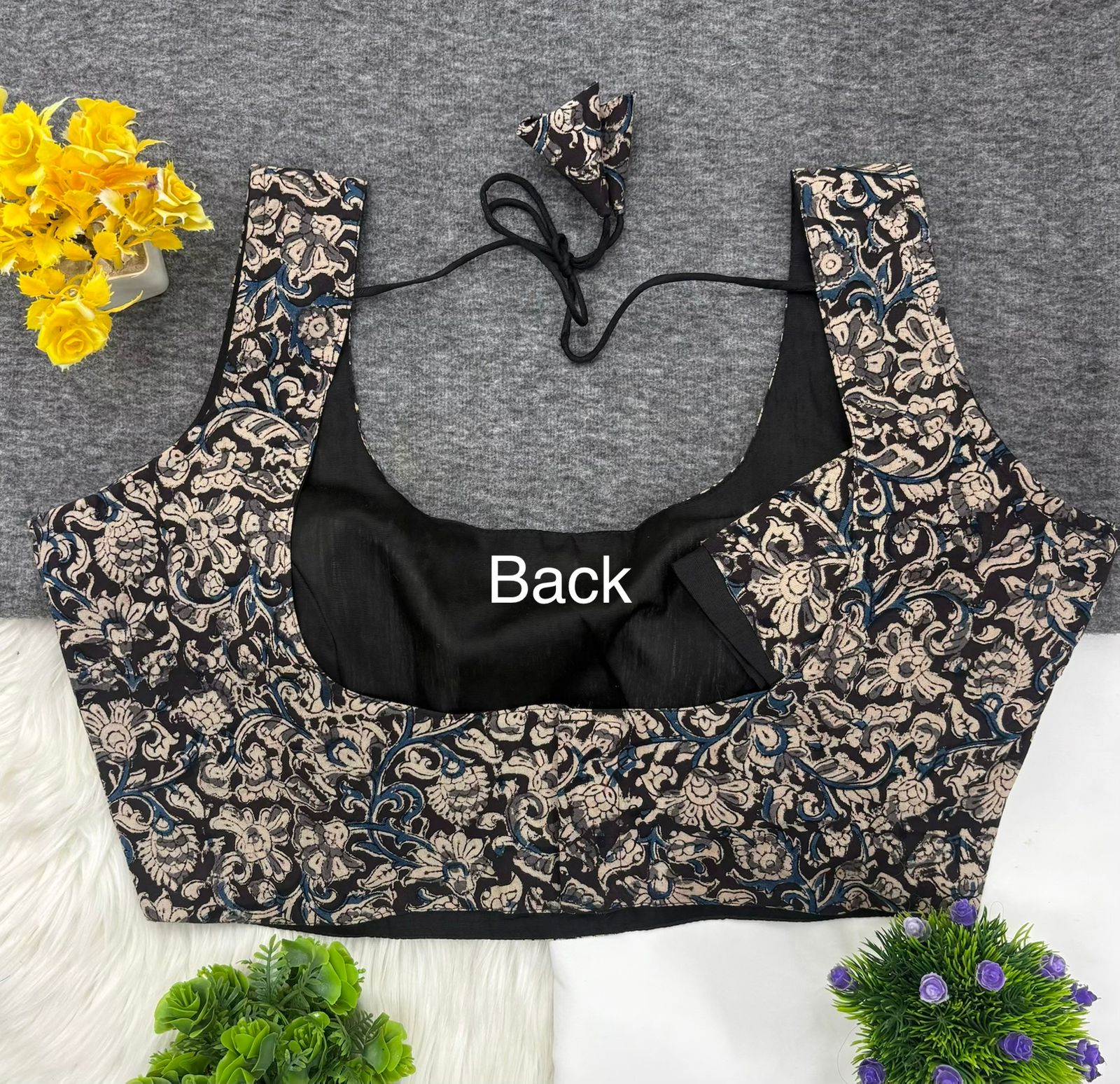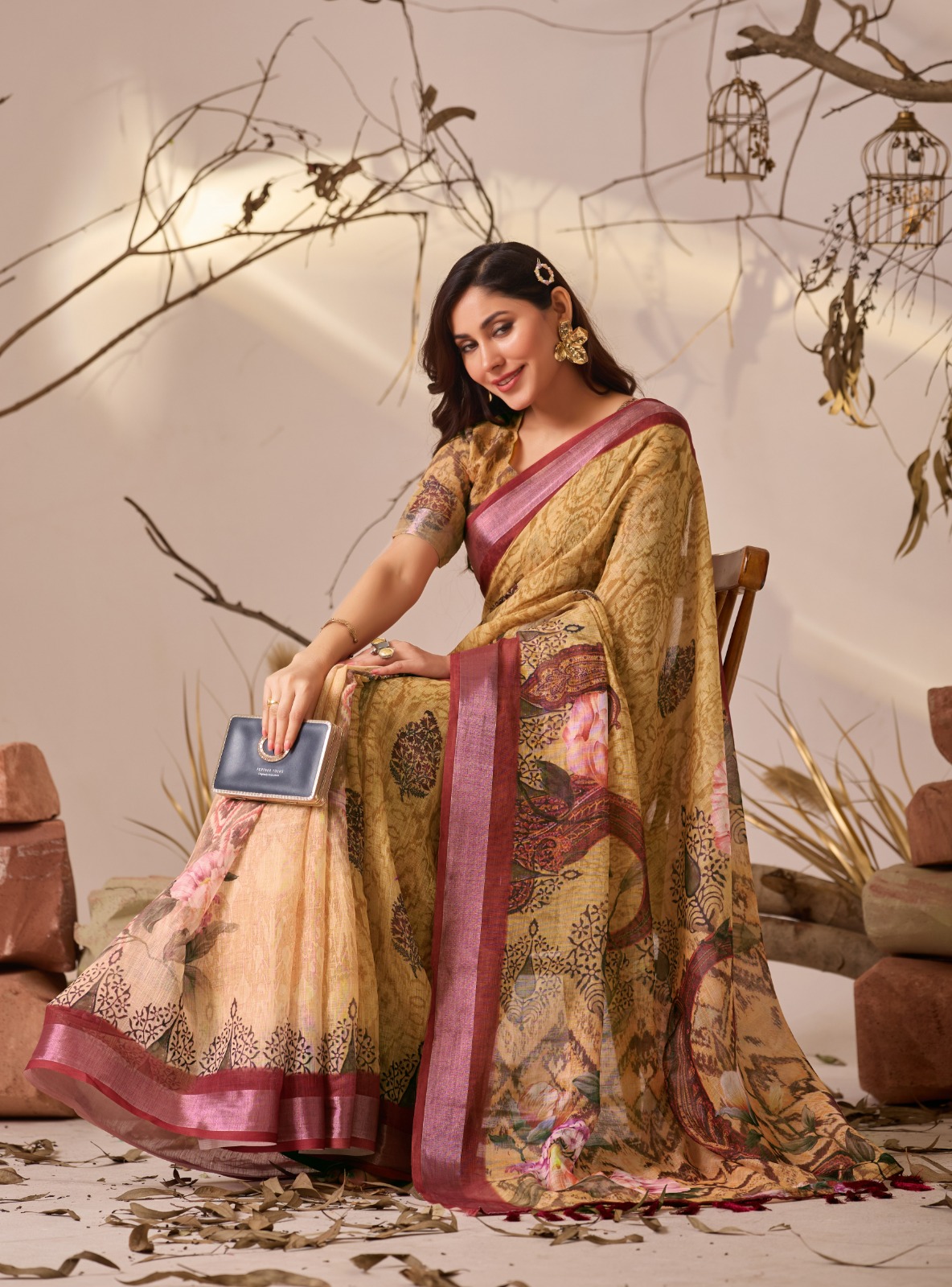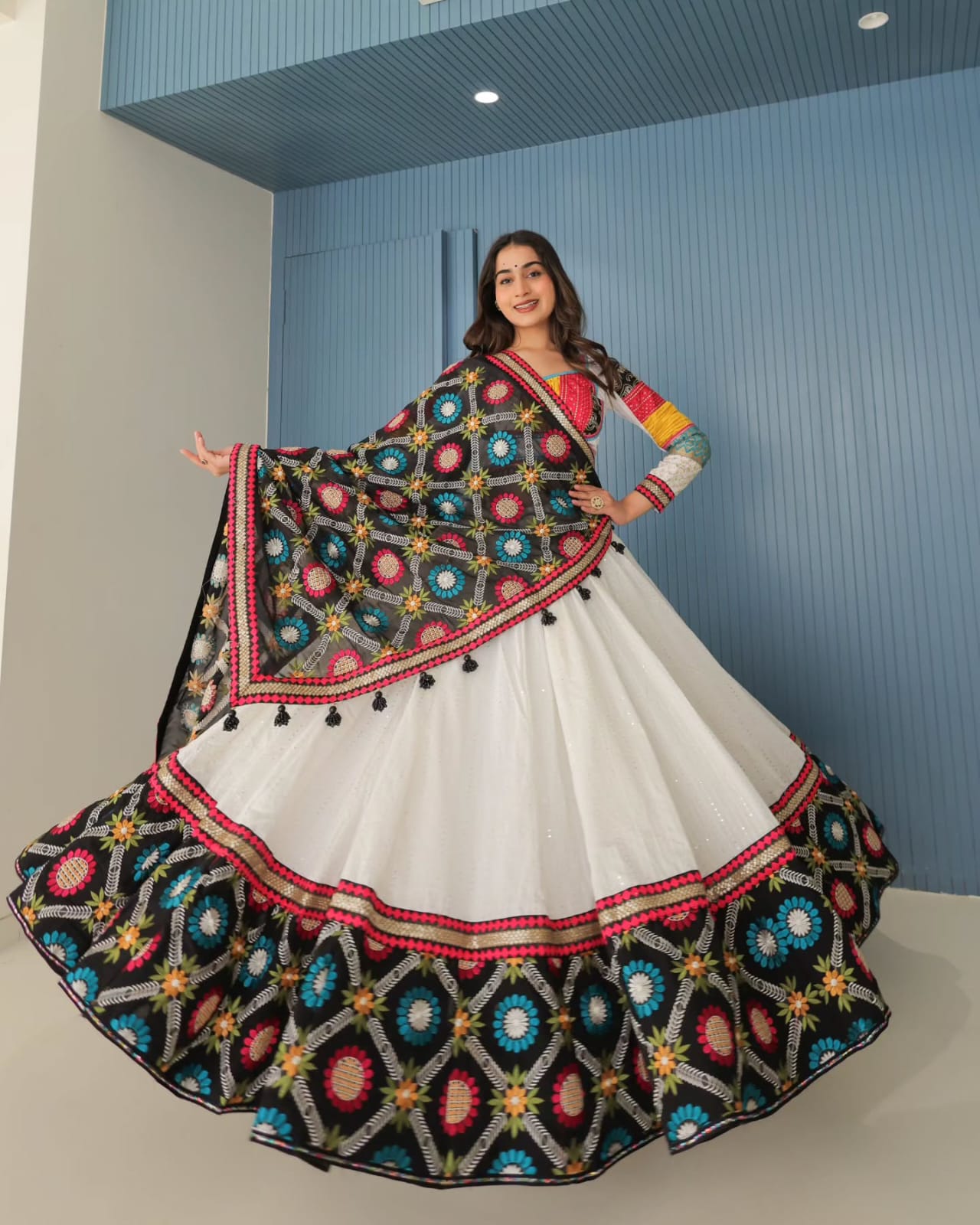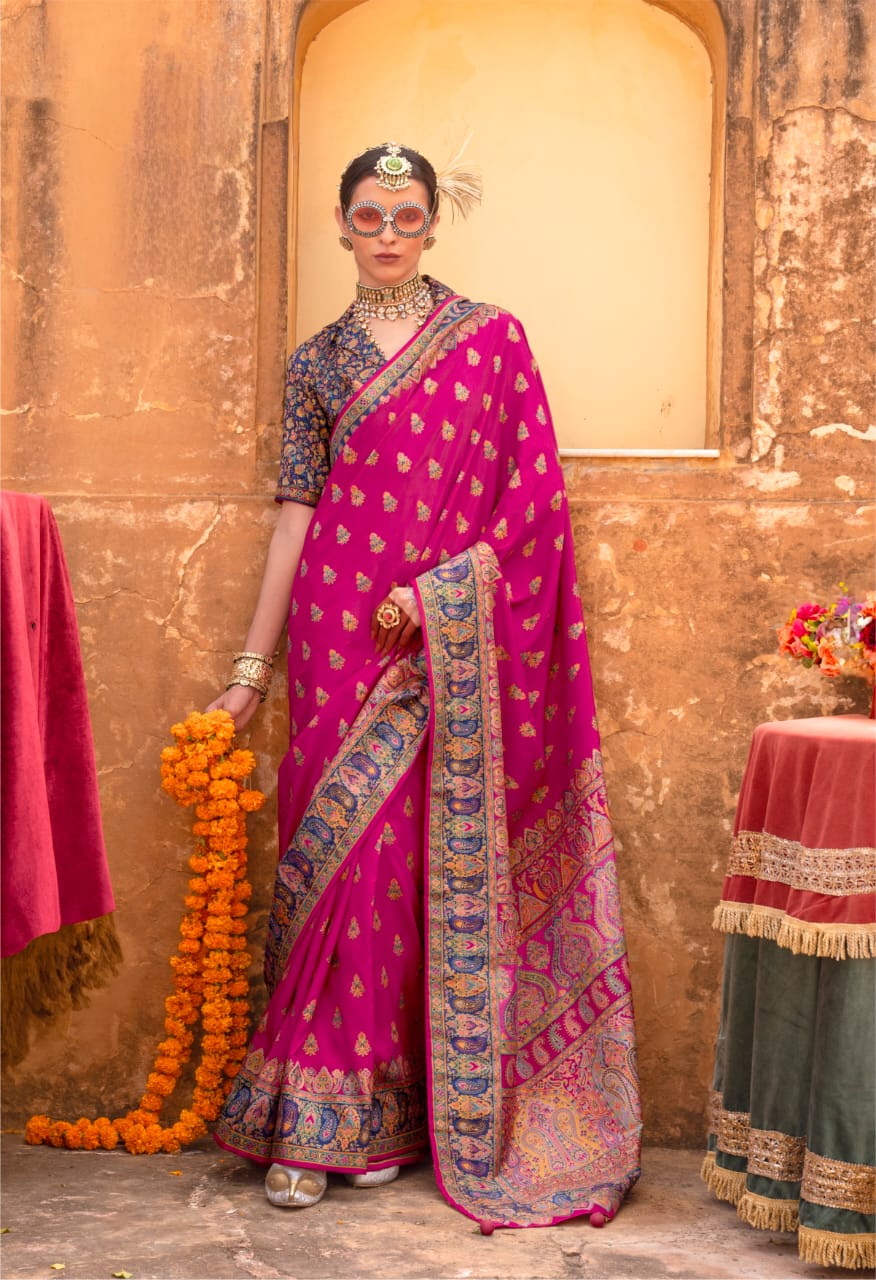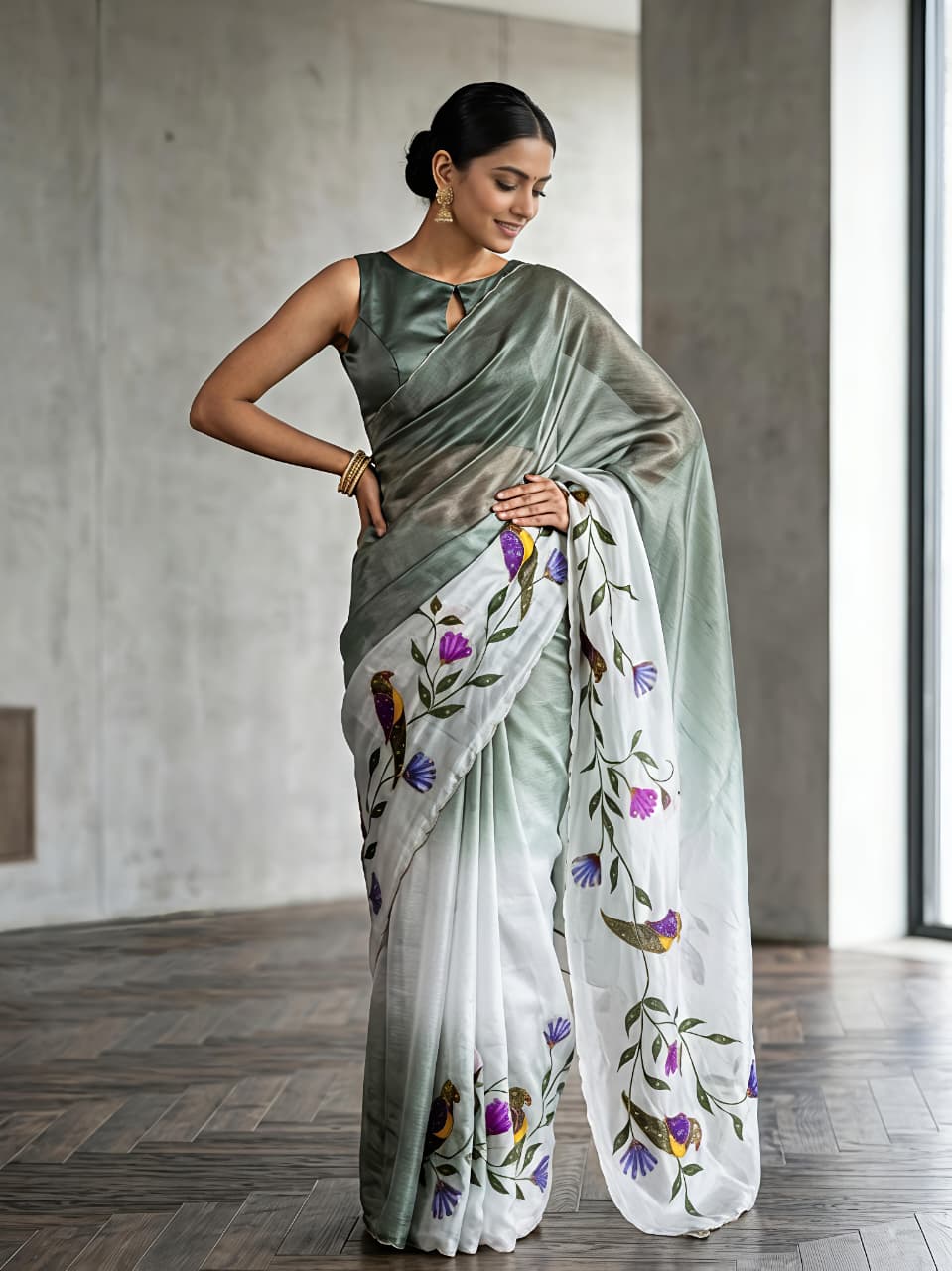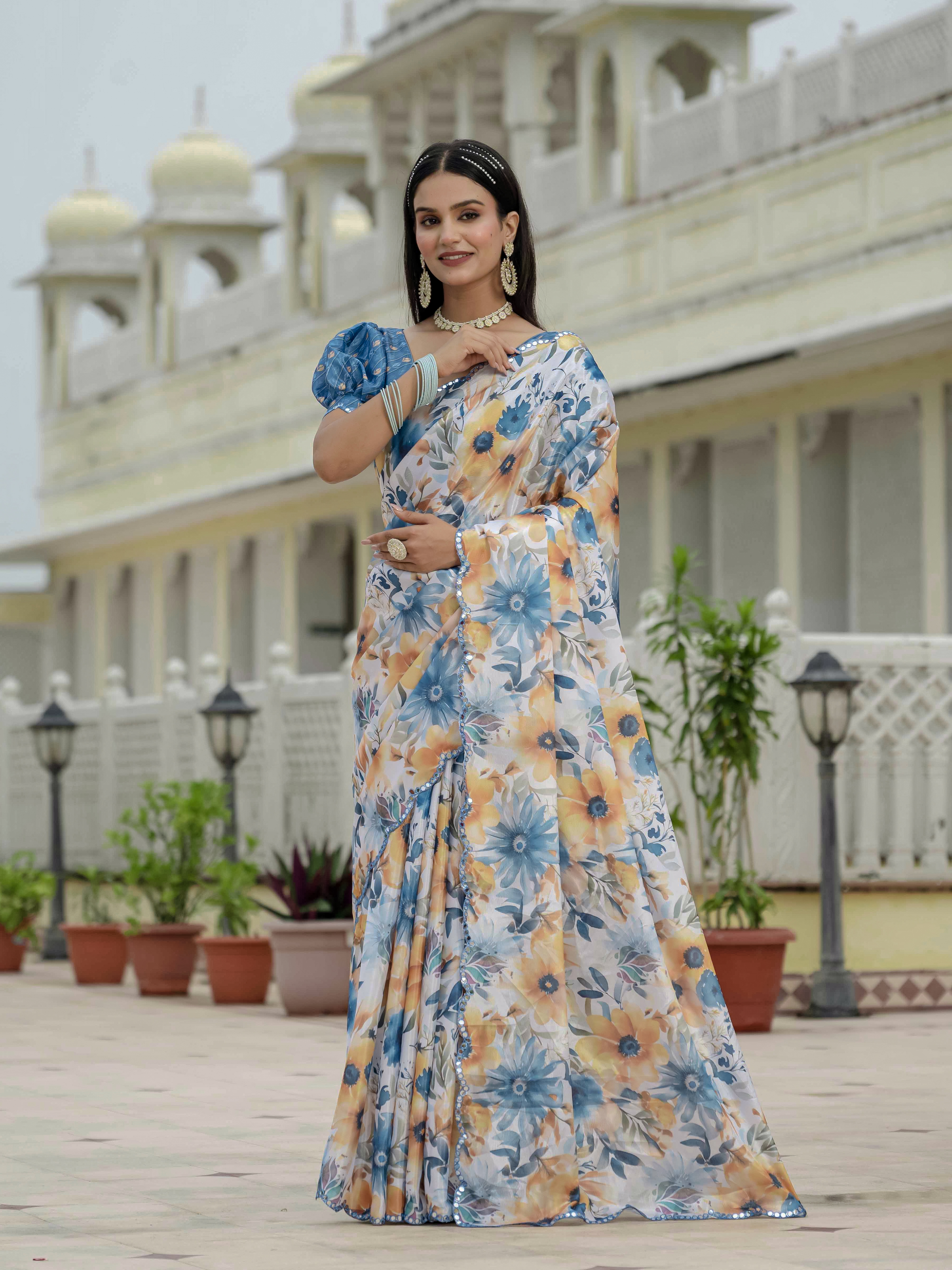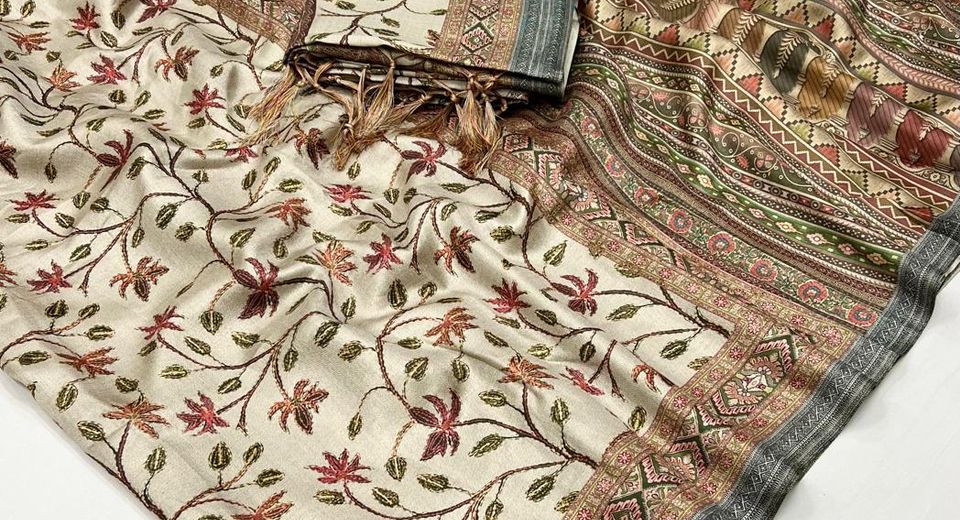
A Haryanvi saree look becomes memorable through the way the pallu, blouse, jewellery and footwear work together, not through heavy embellishment alone. Haryanvi Saree Styling Ideas: Traditional Desi Looks for Women can range from a practical cotton drape for a family gathering to a Banarasi silk ensemble for a wedding. The strongest looks use one clear regional cue, such as a head-covered pallu, silver-toned jewellery or a bold red-and-green palette, while keeping the fabric comfortable enough for real movement.
Haryana has several community and family-specific clothing traditions, so there's no single saree drape that every Haryanvi woman follows. A saree inspired by Haryanvi dressing can still feel authentic when it respects modesty, bright colour, useful layering and heirloom-style accessories. The following guide explains how to create that character without making the outfit look like a costume.
Haryanvi Saree Styling Ideas for a Recognisable Desi Character
A Haryanvi-inspired saree look usually combines a secure traditional drape, saturated colours, a carefully arranged pallu and jewellery with a handmade or rural North Indian feel. The final appearance should look grounded and wearable rather than organised around one decorative item.
For many women, the pallu is the most important visual detail. Bringing the pallu over the left shoulder and then placing part of it over the head creates a modest, ceremonial finish. Pin the pallu near the shoulder and crown instead of leaving it loose if you'll be greeting guests, dancing or moving between rooms. A pallu length of about 2.25 to 2.5 metres gives enough coverage for this arrangement without pulling the saree at the waist.
Traditional North Indian styling also benefits from a firm waistline. Make six to eight pleats of approximately 4 to 5 inches each, tuck them evenly into the centre front and place the pallu pleats close together on the shoulder. A narrow belt or an invisible safety pin inside the waistband can prevent shifting while preserving the traditional silhouette.
The most convincing desi styling choice is often restraint: choose one statement feature, then let the saree's colour, border or weave remain visible.
Haryanvi Saree Styling Ideas for Fabric and Colour Selection
The right fabric depends on the season, the length of the event and whether the pallu will be worn over the head. Cotton, linen cotton and Mal cotton are practical for daytime functions, while Banarasi silk, Chanderi and Pashmina suit cooler evenings and formal celebrations.
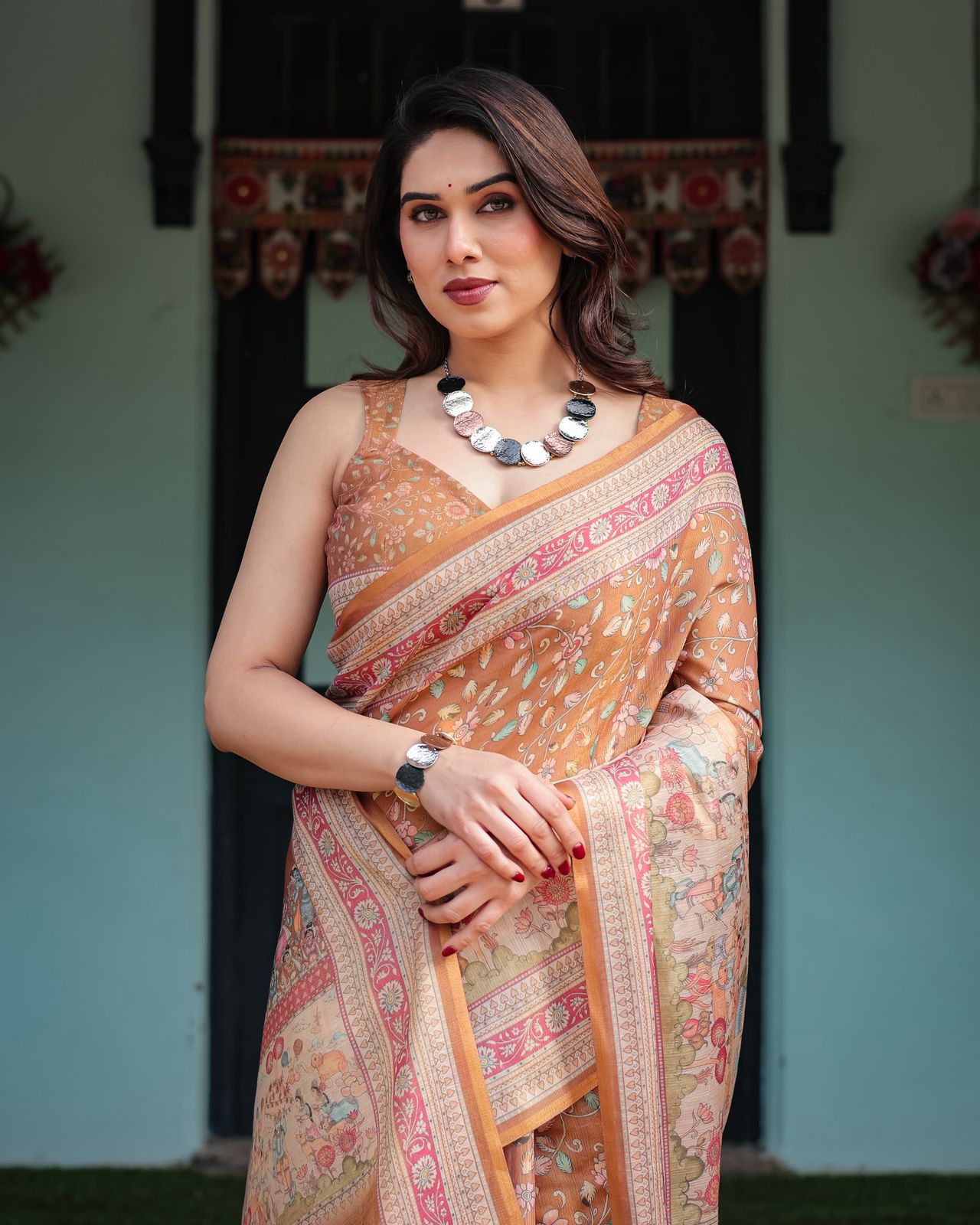
Daytime family events
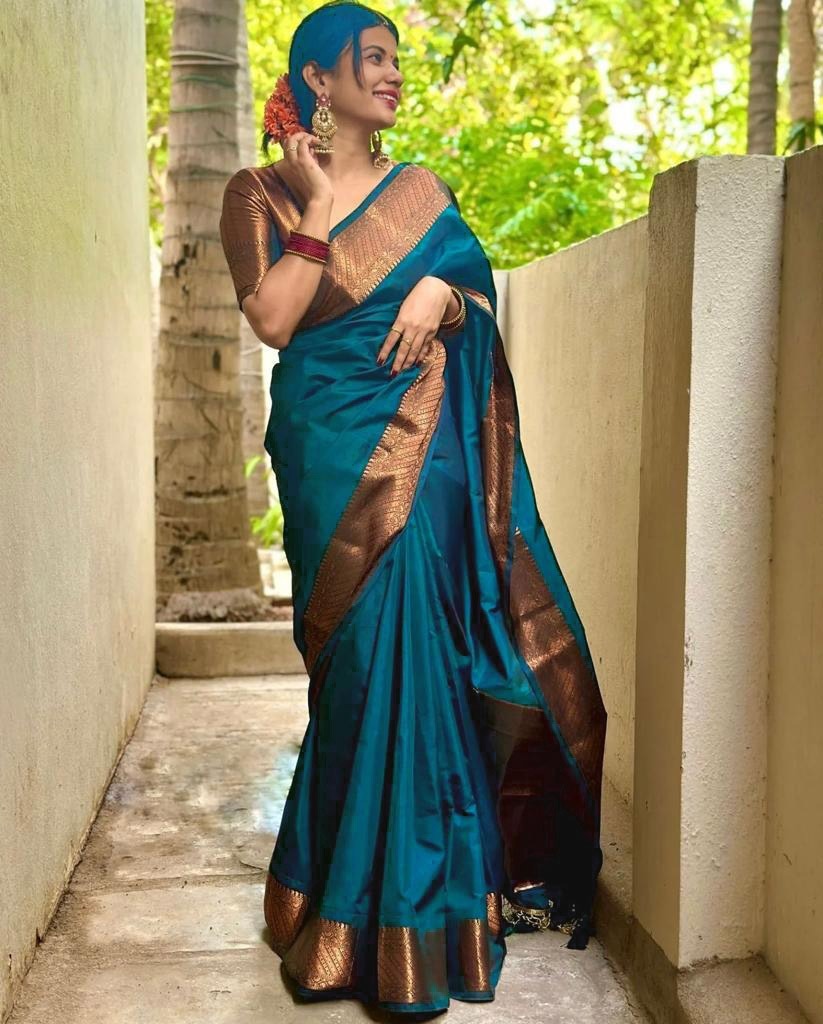
Cotton and linen cotton keep the drape breathable during summer ceremonies and outdoor gatherings. Teal Green Cotton Saree for Women Online India works well with a red, rust or antique-gold blouse because teal supplies depth without making the look excessively dark. Pair the saree with a low bun, a small bindi and oxidised silver earrings for an easy everyday interpretation.
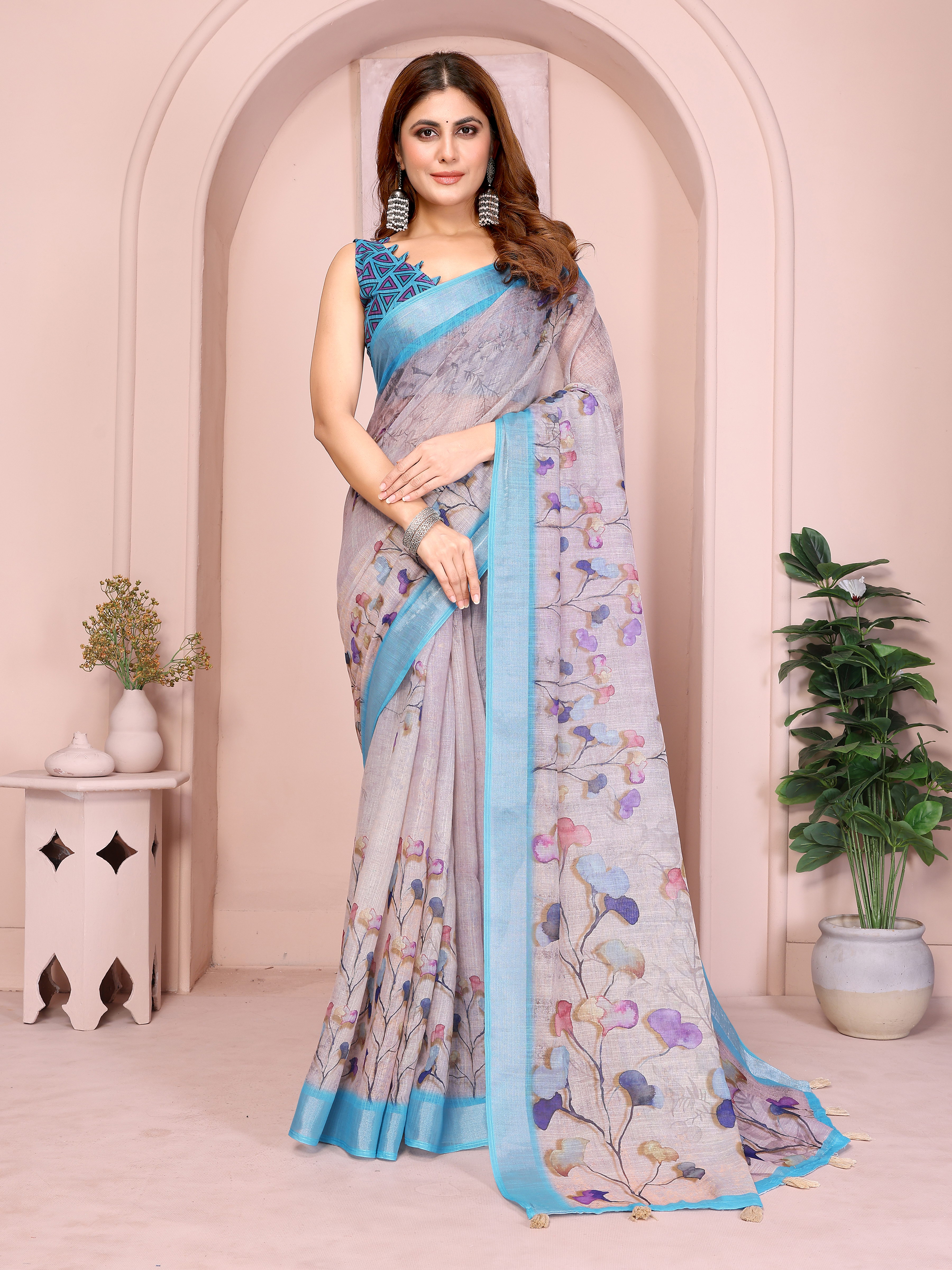
Red Floral Linen Cotton Saree with Beautiful Printed Border offers another useful direction for a daytime event. Let the floral border remain the visual focus, then select a plain red, cream or muted green blouse instead of adding a heavily printed blouse. Linen cotton can crease naturally, so press the saree on medium heat and use a thin cotton lining or petticoat to help the pleats fall cleanly.
Teal Floral Printed Linen Cotton Saree With Matching Blouse is suitable when coordinated dressing matters more than contrast. Wear the matching blouse as supplied, but introduce a contrasting red bindi or maroon bangles to prevent the outfit from appearing too uniform.
Evening and festive dressing
Deep maroon, bottle green, teal, red and cream create a strong traditional palette for weddings, Teej celebrations and festive dinners. Traditional Teal Banarasi Saree for Festive Wear needs little extra surface decoration because Banarasi silk already brings visual richness through its woven motifs and zari.
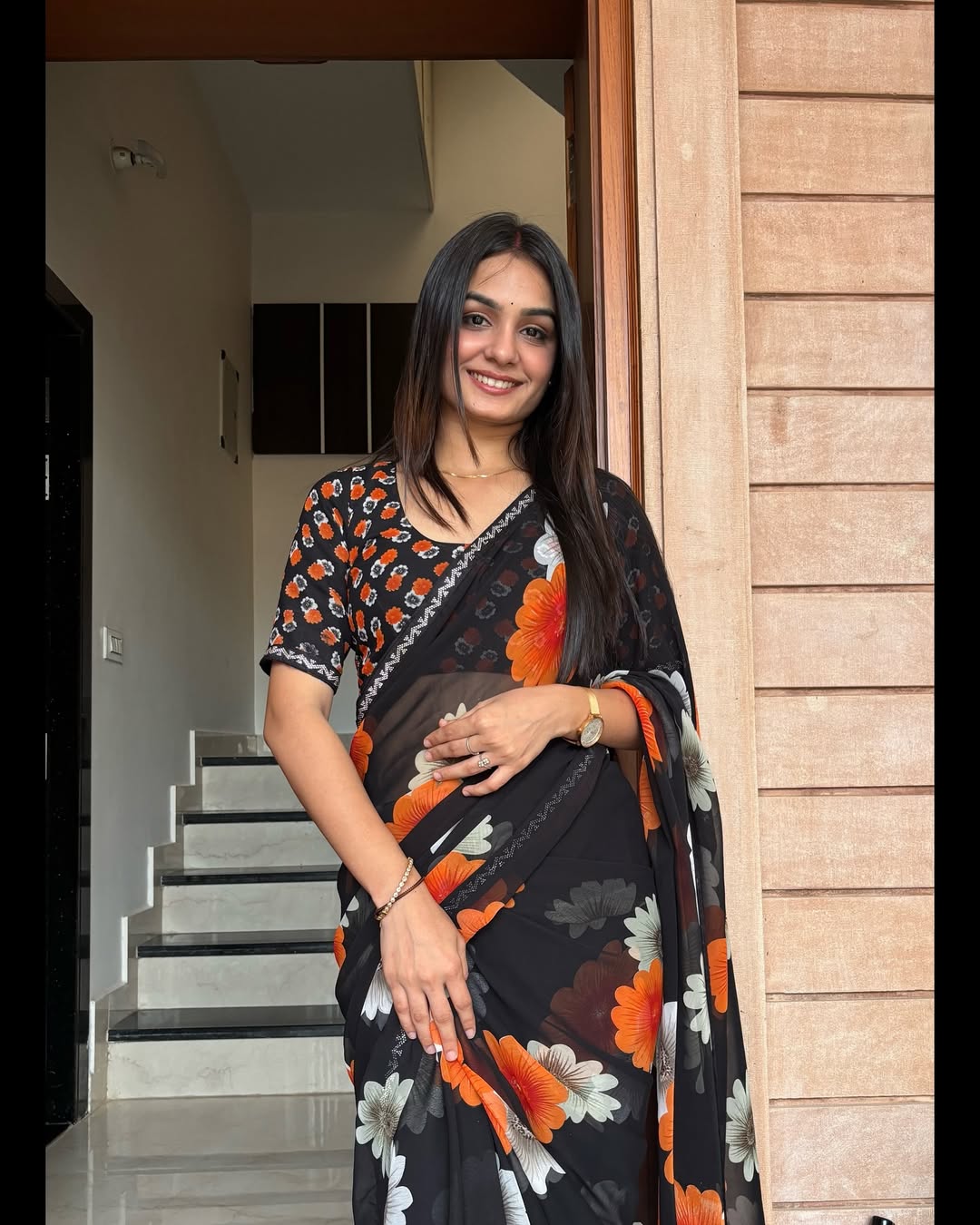
For a more textural but less glossy result, Black Maroon Chanderi Printed Saree for Women can be styled with antique-gold earrings and a maroon blouse. Chanderi is lighter than many richly woven silks, so the saree can carry a head-covered pallu without feeling excessively warm. Avoid combining a large necklace, a wide waist belt and an ornate blouse with a printed Chanderi saree; three competing focal points can make the pattern look busy.
Haryanvi Saree Styling Ideas for a Secure Traditional Drape
A secure Nivi-style base with a neatly arranged head-covered pallu is the simplest way to create a traditional desi finish while retaining familiar saree proportions. The drape should allow the wearer to sit, walk and lift her arms without exposing the waistline or loosening the pleats.
Wear a well-fitted petticoat or saree shapewear with a firm drawstring, tying the knot slightly to the side so it doesn't create a bump beneath the front pleats.
Tuck the plain end of the saree into the waist on the right side, take one complete turn around the body and keep the lower edge parallel to the floor.
Create six to eight front pleats, aligning the lower edges before tucking them at the navel or slightly to the left. Fewer, wider pleats suit thicker cotton; narrower pleats suit lighter Chanderi or linen cotton.
Bring the remaining fabric over the left shoulder with the pallu facing outward. Keep the pallu length between the knee and ankle when it hangs freely.
Fold the pallu into four to six vertical pleats, pin the shoulder section from the inside and lift the outer end over the head if additional coverage is desired.
Test the drape by sitting on a chair, walking ten steps and raising both arms. Adjust the waist tuck before adding jewellery because accessories make late corrections inconvenient.
For a more ceremonial appearance, place the head-covered pallu slightly back from the hairline rather than pulling it over the forehead. This keeps the face open for photographs and prevents the fabric from disturbing the bindi or maang tikka. For younger wearers or casual events, leaving the pallu on the shoulder and adding a small odhni-inspired fold at the back can suggest the same regional mood with less formality.
Haryanvi Saree Styling Ideas for Blouses and Jewellery
A high-neck, elbow-sleeve or three-quarter-sleeve blouse provides the most reliable foundation for a traditional Haryanvi-inspired saree. A round neck with modest coverage looks especially balanced when the pallu is worn over the head, while a square neck can add structure to a plain cotton saree without turning it into contemporary partywear.
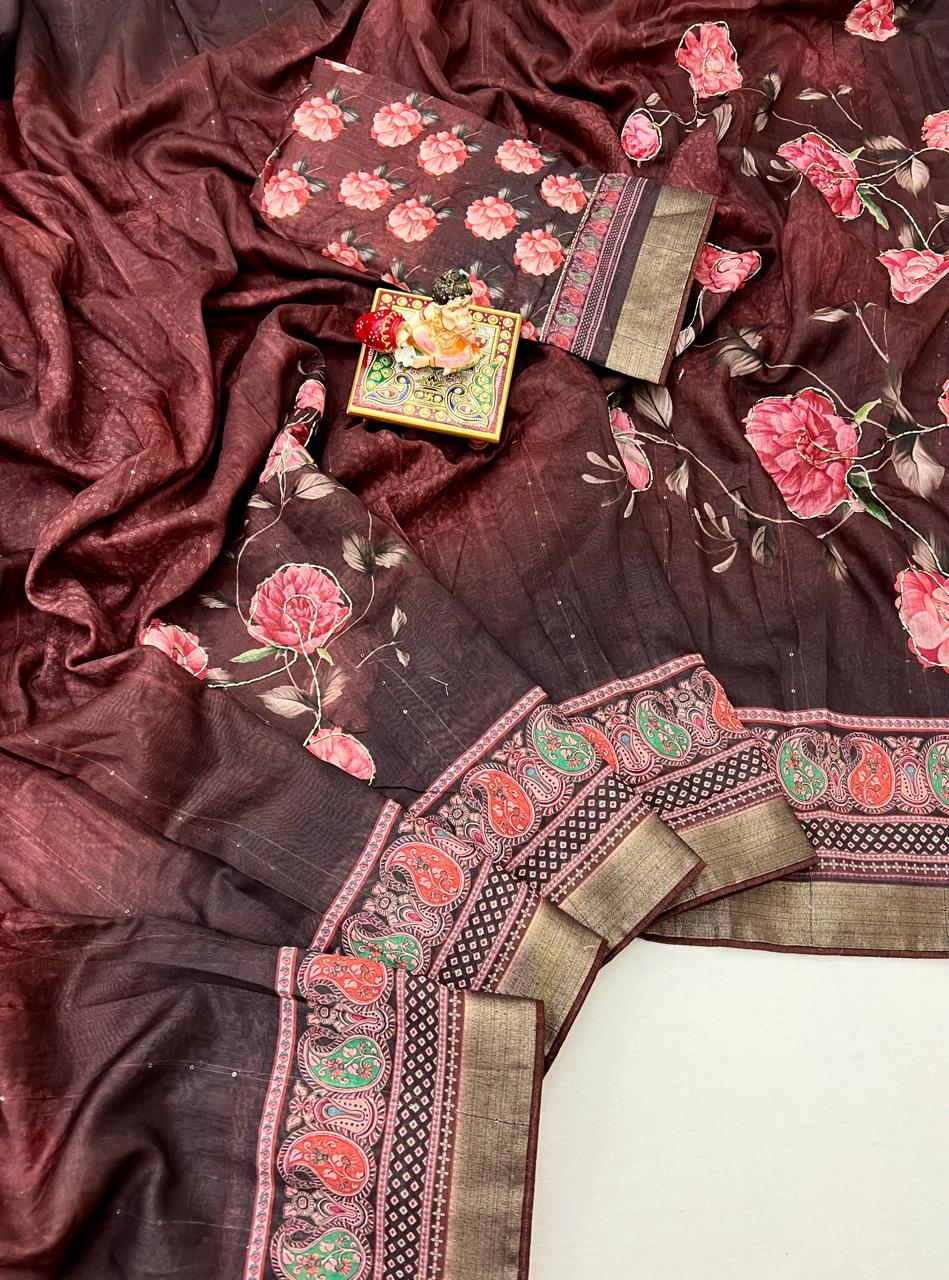
Match the blouse to one colour already present in the saree rather than automatically choosing the border colour. A maroon blouse with Black Maroon Chanderi Printed Saree for Women strengthens the darker print, while a cream blouse with a red floral saree softens the overall contrast. For Banarasi silk, a plain blouse in the dominant saree colour often shows the zari more effectively than a blouse with additional embroidery.
Silver or oxidised-metal jewellery gives cotton, linen cotton and printed sarees a rooted desi quality. Try medium jhumkas, a hasli or short necklace, two to four glass bangles and one larger ring. Gold-toned jewellery suits Banarasi silk, zari borders and deep festive colours. Mixing silver earrings with a gold necklace can work when the saree itself contains both tones, but random metal mixing may look accidental.
A red bindi, small nose pin, glass bangles and a low bun decorated with gajra can establish the traditional mood more effectively than a large set of imitation jewellery. Choose a maang tikka only when the pallu will stay on the shoulder or sit behind the hairline; a heavy headpiece and a head-covered pallu compete for the same space.
Maroon Mal Cotton Ethnic Saree With Blouse from VARNAVI gives a natural base for a silver-and-glass-bangle combination. Keep the blouse simple if the saree already has a strong ethnic surface, and add one red or green accent through bangles, a bindi or footwear.
Haryanvi Saree Styling Ideas for Footwear, Hair and Makeup
Flat juttis, embroidered mojaris and low block heels are the most practical footwear choices for a Haryanvi-inspired saree because they provide stability on grass, courtyards and uneven flooring. A heel between 1 and 2 inches gives the saree a clean fall without making walking difficult.
Choose a jutti in a colour that repeats in the border or blouse. Red juttis support a teal saree, while tan or antique-gold footwear works with maroon, cream and black combinations. Break in new footwear indoors for at least two short sessions before wearing it to a wedding; a traditional outfit loses its ease when the wearer is managing blisters.
A centre-parted low bun, braided hair or a low ponytail keeps the head-covered pallu stable. Use two crossed U-pins at the bun and one discreet pin at the crown if the pallu will remain over the head for several hours. Makeup can stay warm and defined: kajal, a muted red or terracotta lip, lightly flushed cheeks and a small bindi are enough for daytime. Strong glitter and very sharp contouring can pull the outfit away from its earthy regional character.
Traditional Cream Pashmina Saree With Shawl For Women suits winter family functions where warmth matters as much as appearance. Wear the shawl over one shoulder or fold it across the arms, but avoid wrapping it tightly over the saree pleats because the additional bulk can disturb the waist tuck.
Haryanvi Saree Styling Ideas for Different Body Proportions and Occasions
Every body shape can wear a traditional saree successfully when the pleat width, blouse length and pallu placement are adjusted for balance. The aim isn't to hide the body; the aim is to create a stable line that feels comfortable and intentional.
Petite wearers can use a narrow border, smaller prints and a pallu that falls just below the knee. Very wide borders and excessive pallu fabric can visually shorten the frame. Taller wearers can carry a broader border, larger motifs and a longer head-covered pallu without overwhelming the silhouette.
Curvier wearers may prefer a structured blouse with a longer hem, a medium-width border and five to seven flatter pleats. A pallu worn in narrow vertical pleats creates a clean line from shoulder to ankle. If the waist feels tight, choose a petticoat with a smooth elasticated panel or a properly adjusted drawstring rather than repeatedly tightening the saree.
For a Haldi ceremony, choose cotton, Mal cotton or linen cotton in teal, yellow, red or green and keep the jewellery light enough to clean easily. For a wedding ceremony, Banarasi silk, Chanderi or a rich maroon saree can support heavier gold-toned jewellery and a more formal head-covered pallu. For a village fair, family lunch or daytime puja, a printed saree with juttis and silver earrings will usually be more comfortable than a heavily woven silk.
Budget-conscious shoppers can compare Sarees from Rs 1000 to Rs 1500 before selecting a fabric for an everyday desi wardrobe. Discount collections such as Sarees Under 20% Off, Sarees Under 10% Off, Sarees Flat 60% Off and Sarees Flat 50% Off can also be useful for comparing colour, weave and blouse options, but the saree measurements and care instructions should remain more important than the discount percentage.
Check the blouse measurements, saree length, border width and washing instructions before ordering. A standard saree is commonly around 5.3 to 5.5 metres long, while a head-covered pallu may require careful pleat placement if the wearer is tall or prefers fuller coverage. Dry-clean Banarasi silk and Pashmina unless the care label specifically permits another method; hand-wash colourfast cotton separately in cool water and dry printed linen cotton away from direct, harsh sunlight.
Common Questions About Haryanvi Saree Styling Ideas
How do I create a traditional Haryanvi saree look?
Create a traditional Haryanvi saree look with a secure Nivi-style drape, a carefully pinned pallu, a modest blouse, a red bindi and silver or gold-toned jewellery. Bright colours such as red, teal, maroon, green and cream help establish a strong desi character.
Should the pallu be worn over the head with a Haryanvi saree?
A pallu can be worn over the head for a more ceremonial or modest appearance, but it is not compulsory for every Haryanvi-inspired look. Pin the pallu at the shoulder and crown, leaving the hairline partly visible so the fabric stays secure and the face remains open.
Which saree fabrics are comfortable for a Haryanvi daytime look?
Cotton, Mal cotton and linen cotton are comfortable choices for daytime Haryanvi saree styling because they breathe well and support easy movement. Chanderi is also relatively light, while Banarasi silk and Pashmina are better suited to cooler weather or formal evening events.
What jewellery goes well with a Haryanvi saree?
Oxidised silver earrings, jhumkas, a hasli, glass bangles, a nose pin and a red bindi complement cotton and printed sarees. Gold-toned jewellery works especially well with Banarasi silk, zari borders, maroon shades and formal wedding outfits.
Which blouse design suits a traditional Haryanvi saree outfit?
A high-neck, round-neck, elbow-sleeve or three-quarter-sleeve blouse suits a traditional Haryanvi saree outfit. Choose a plain blouse in a colour found in the saree when the saree has a bold print or zari border, and reserve embroidery for simpler sarees.
What footwear should I wear with a Haryanvi saree?
Flat juttis, embroidered mojaris and low block heels are practical footwear choices for a Haryanvi saree. Select a footwear colour that repeats in the blouse or border, and break in new shoes before wearing them to a long wedding or outdoor function.