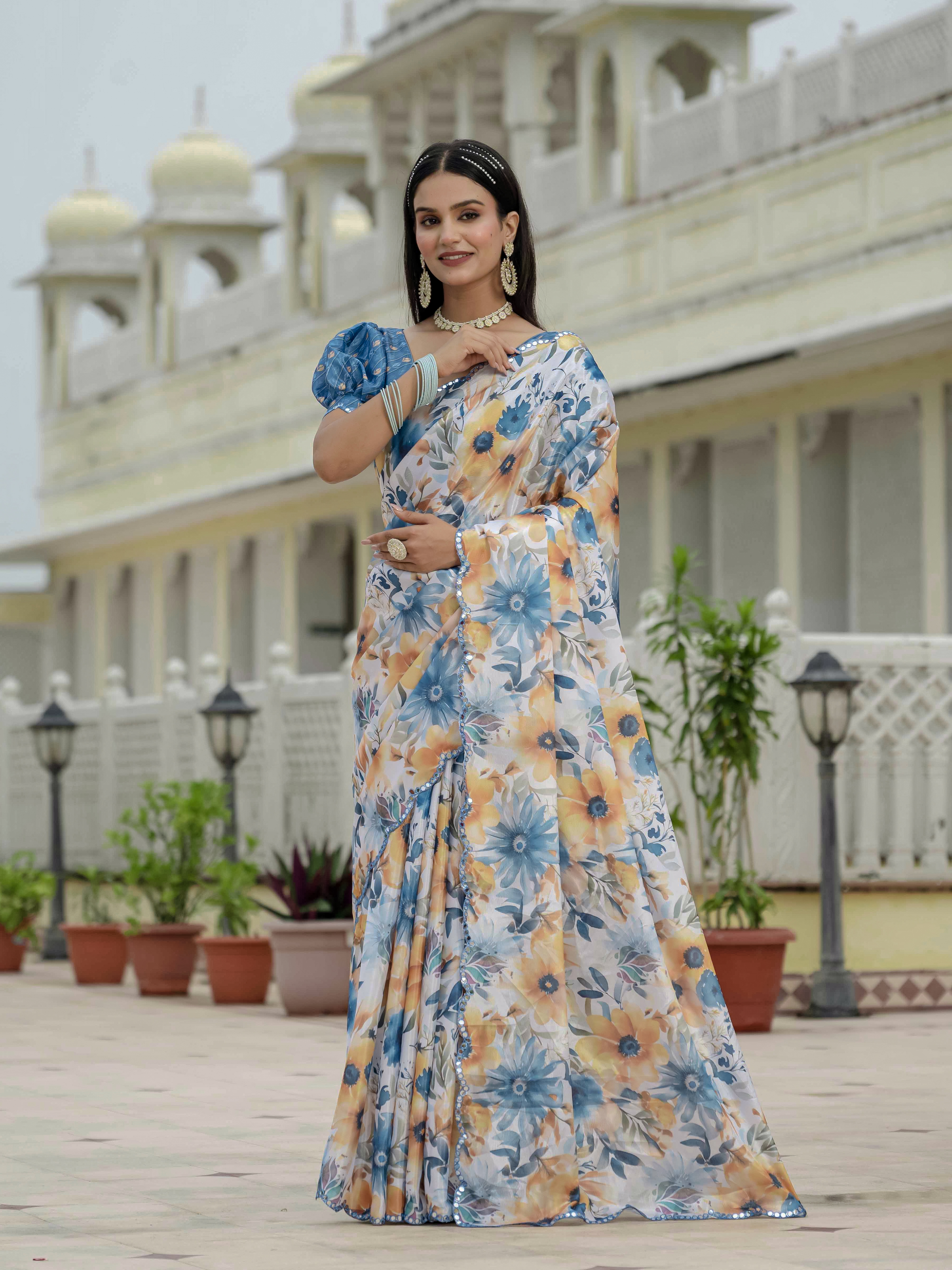
Haryana Saree Styling: Traditional Jewellery, Blouses & Dupattas becomes easier when three decisions are made together: the blouse must support the saree's fabric and border, the jewellery must give the face and neckline regional character. The dupatta must add a graceful layer without hiding the saree. A well-planned outfit can feel rooted, comfortable and current for a wedding, festival, family ceremony or everyday gathering.
Traditional Haryanvi clothing is commonly associated with the daman, kurti and chunder or odhni, while the saree belongs to a wider North Indian wardrobe. A saree styled with a borla, hansli, jhumkas and a carefully placed dupatta creates a regional interpretation rather than claiming that every detail comes from one fixed historical dress tradition. That distinction helps create an outfit that's respectful, attractive and genuinely wearable.
Haryana Saree Styling: Traditional Jewellery, Blouses & Dupattas Begins with the Saree
The saree's fabric, weight and border should determine the blouse finish, jewellery scale and dupatta texture. A light cotton saree needs a different styling plan from Banarasi silk, even when both are worn to a family celebration.
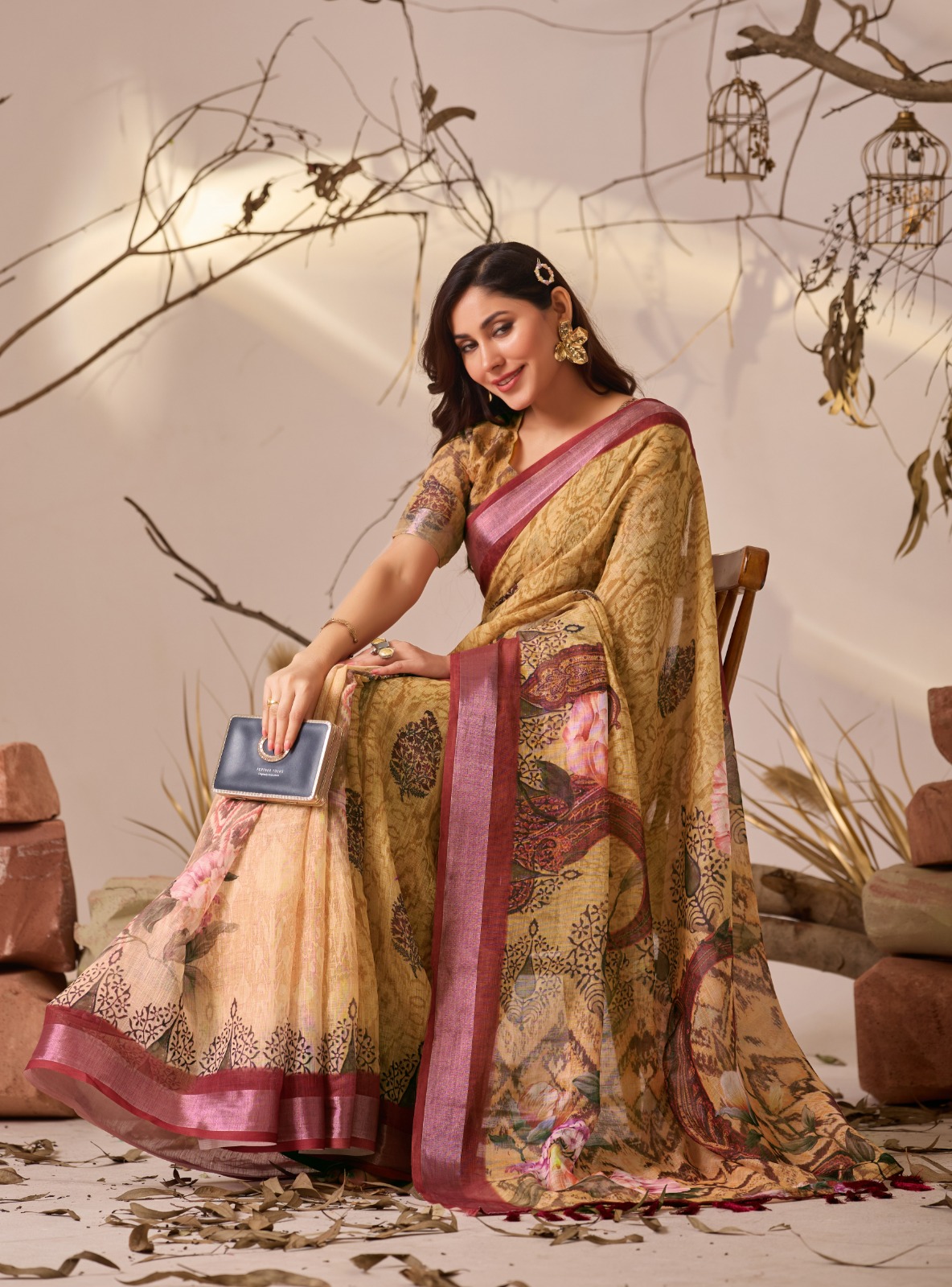
Cotton sarees suit daytime functions, temple visits, seasonal festivals and informal ceremonies because cotton allows air movement and usually holds pleats without excessive bulk. Blue Zari Work Cotton Saree for Wedding already supplies colour and surface interest through its zari work, so a blouse in related blue, antique gold or a muted neutral can keep the outfit balanced. Cotton sarees also pair well with silver-toned jewellery, oxidised finishes and medium-sized earrings.
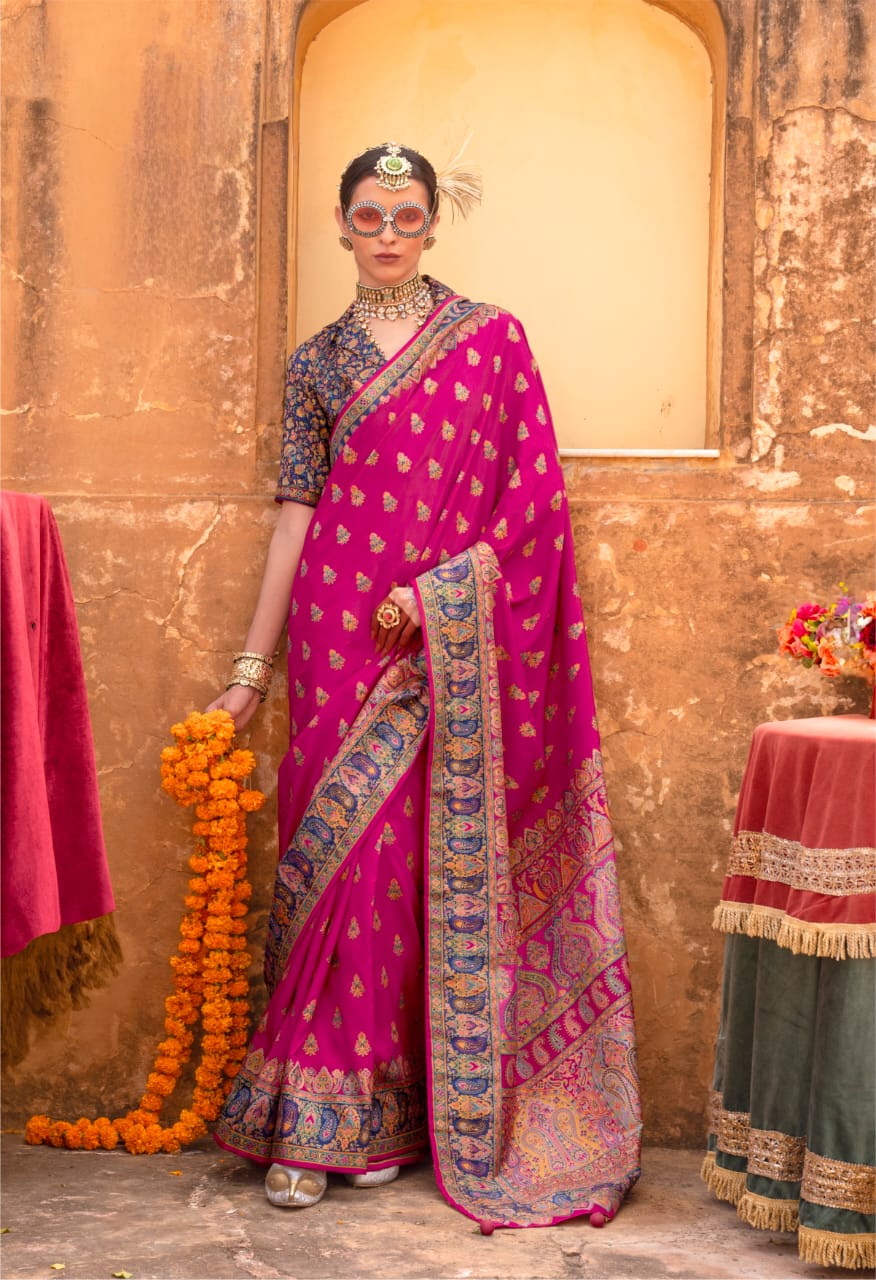
Silk sarees create a more formal foundation for a Haryanvi-inspired look. Banarasi silk with gold zari can carry a borla, layered necklace and larger jhumkas because the fabric has enough visual weight to support them. A gold-toned blouse should echo the saree's zari without matching every detail exactly; too much identical shine can make the outfit appear flat.
Designer sarees with broad borders or dramatic pallus need restraint elsewhere. Choose one focal point, such as a sculptural blouse neckline, an ornate borla or a contrasting dupatta, and keep the remaining elements quieter. A readymade saree blouse can work especially well when the saree is already detailed, provided the shoulder and bust measurements are checked before purchase.
Haryana Saree Styling: Traditional Jewellery, Blouses & Dupattas Through Better Blouse Proportions
The most flattering blouse is the one that balances the saree's border, the wearer's shoulder line and the intended level of formality. Neckline shape matters, but sleeve length, lining, closure placement and armhole comfort matter just as much.
Readymade blouses for reliable everyday dressing
Readymade blouses are practical when a saree must be styled quickly, but the garment should be evaluated by measurements rather than by the labelled size alone. Measure the fullest bust, under-bust, shoulder width and armhole, then compare those figures with the garment's size chart. A blouse that fits at the bust but pulls across the armhole can restrict movement and distort saree pleats.
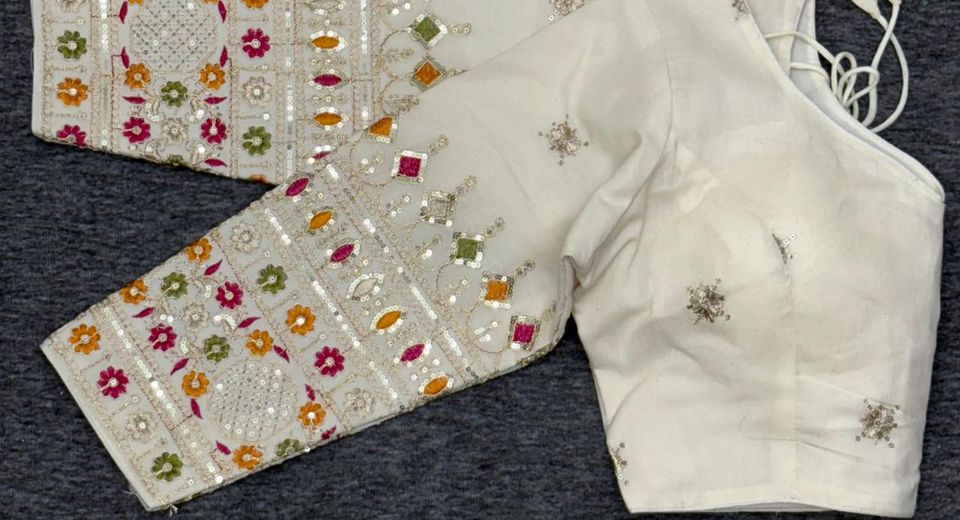
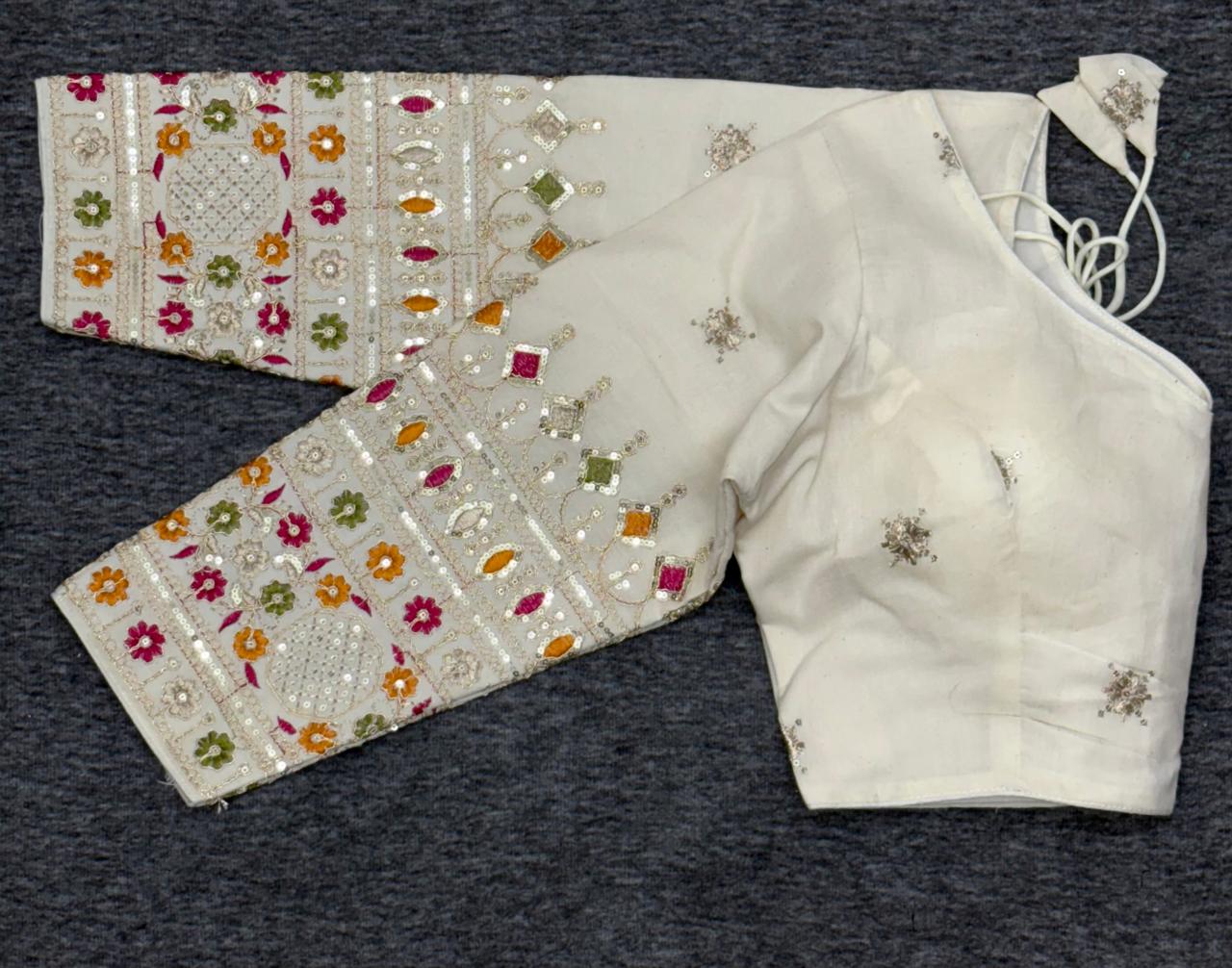
Classic Festive Wear Blouse for Stylish Saree Look is a useful direction for a family function because a festive blouse can carry the outfit when the saree itself has a simple weave. Pair a structured neckline with a neatly pinned pallu and medium-sized jhumkas rather than adding several competing necklaces.
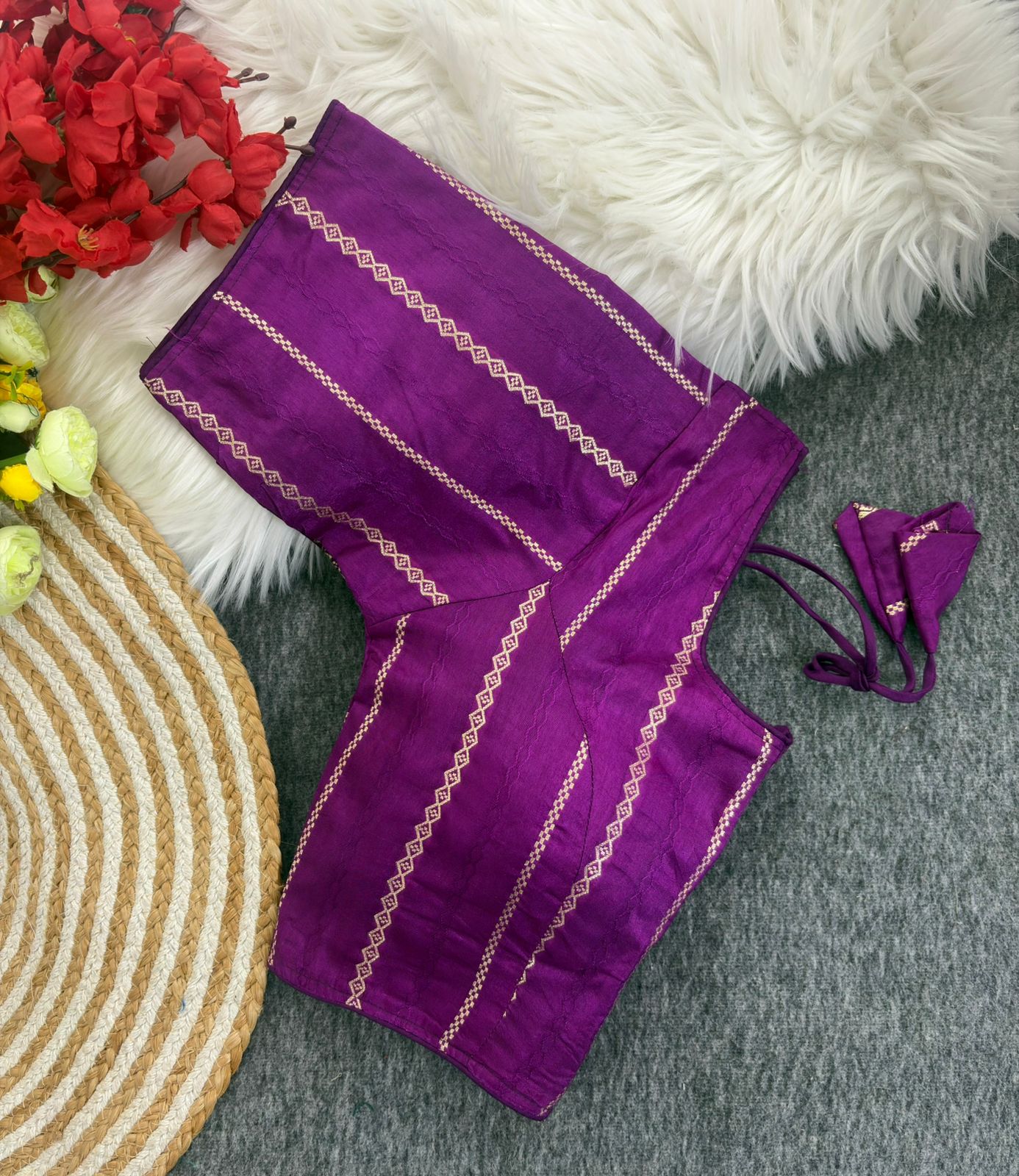
For a more decorative silk combination, Banarasi Silk Golden Jari Padded Blouse for Women can echo gold zari in a Banarasi silk or wedding saree. Padded construction can offer additional shape and coverage, but the blouse should still sit smoothly under the saree without creating a visible ridge at the bust.
Cotton and printed blouses for lighter sarees
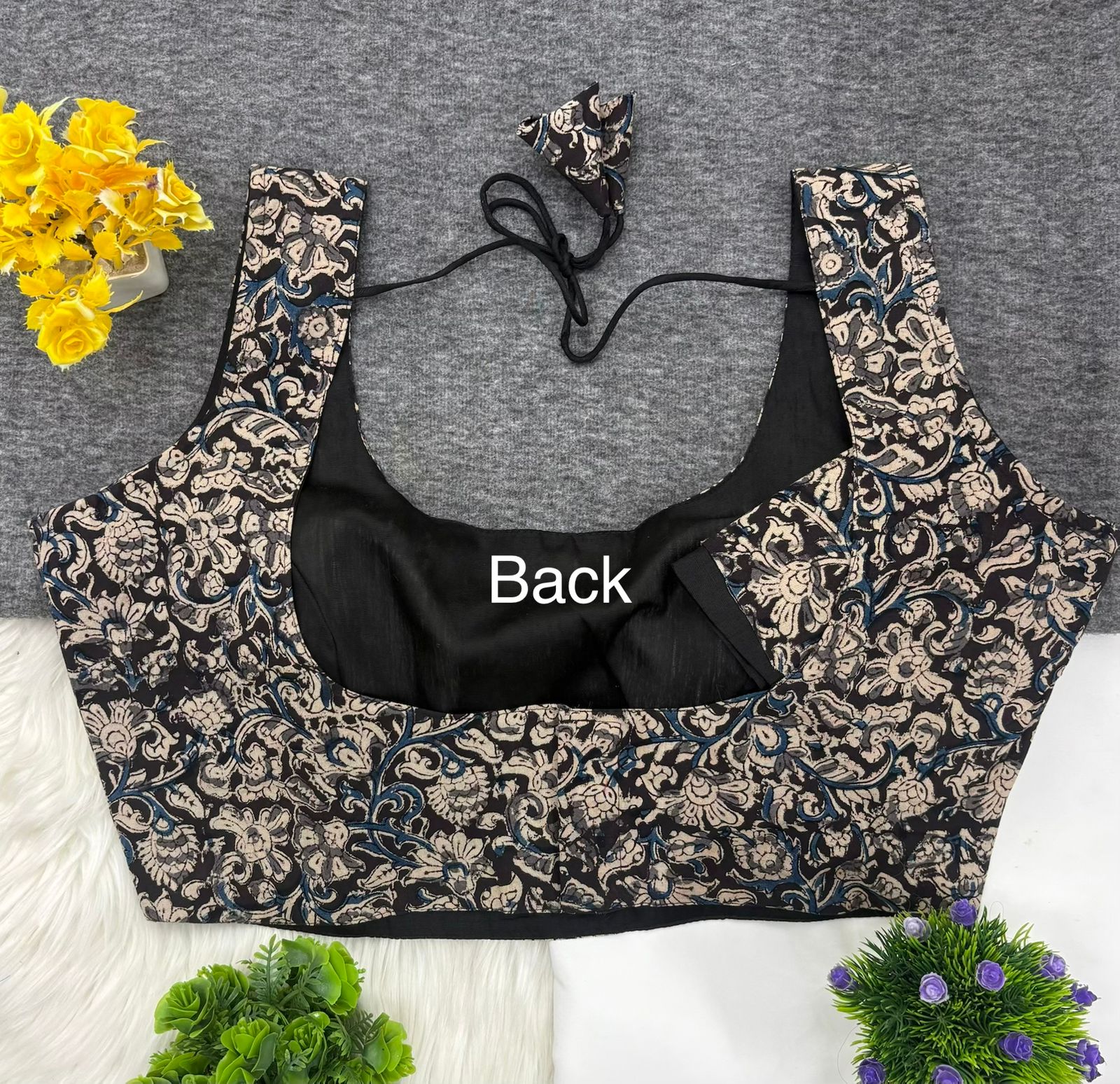
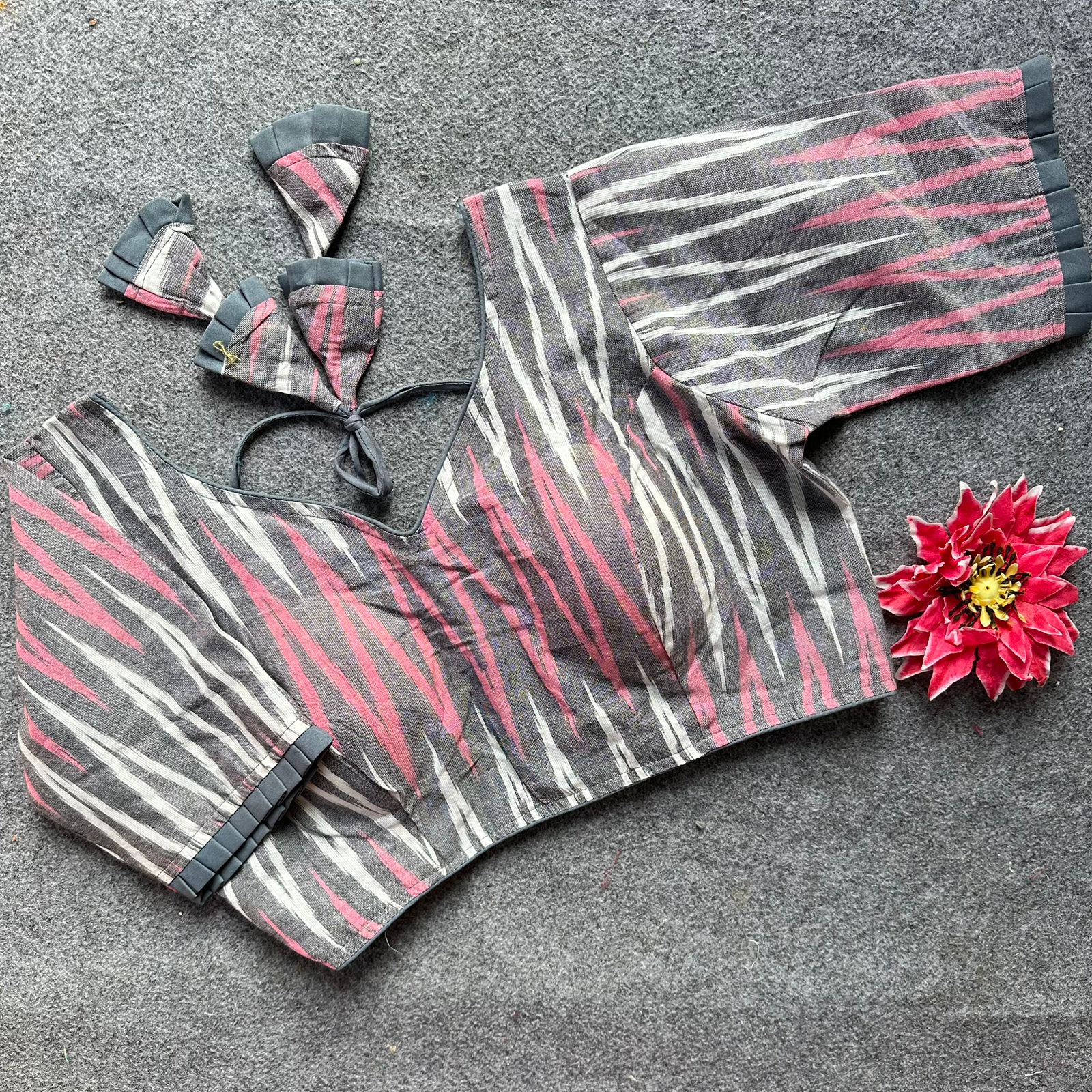
Cotton blouses are suitable for breathable daytime dressing, especially with handloom cotton, lightweight woven sarees and printed fabrics. Pure Kalamkari Cotton Padded Blouse for Women introduces a narrative print, so it works best with a plain or subtly bordered saree. Keep the jewellery antique gold, terracotta-toned or silver so the Kalamkari pattern remains readable.
Kalamkari Cotton V Neck Collar Blouse for Women offers a useful middle ground between a conventional blouse and a shirt-inspired silhouette. A V neckline lengthens the upper body visually, while a collar gives the outfit structure. Use a shorter necklace or noticeable earrings so the collar doesn't compete with a heavy chain.
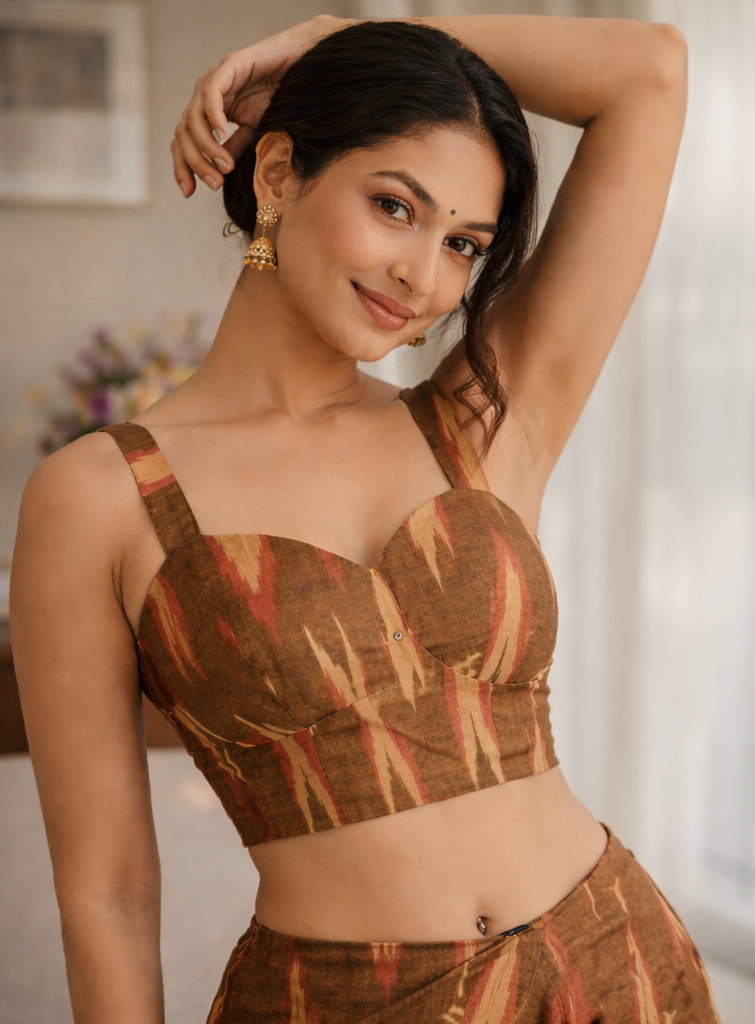
Brown Ikat Cotton Padded Blouse Sleeveless Stylish suits a contemporary cotton saree look when the saree contains brown, rust, indigo or beige. Sleeveless cuts can be comfortable in warm weather, but a dupatta or pallu should be pinned securely if the outfit is being worn for active movement, dancing or greeting guests.
Haryana Saree Styling: Traditional Jewellery, Blouses & Dupattas with Regional Ornaments
Haryanvi-inspired saree jewellery usually looks most convincing when one regional piece leads and the remaining ornaments support it. A borla, hansli or heavy jhumka can become the visual anchor; wearing all three at maximum size may overwhelm a blouse with a high neckline or a heavily patterned saree.
A borla is a spherical or pendant-style forehead ornament strongly associated with bridal and festive jewellery in parts of Rajasthan and Haryana. Wear a borla with a centre parting, a maang-tikka chain or a neatly arranged bun so the ornament has a clear visual setting. For a less bridal result, choose a smaller borla and omit a second forehead ornament.
A hansli is a rigid or semi-rigid neck ornament that sits close to the collarbone. A hansli works especially well with a V-neck blouse, a simple round neck or a blouse with a modest collar because the metal shape remains visible. A long rani haar can be added for a wedding only when the saree and blouse are relatively clean around the chest.
Jhumkas and kadas provide regional character without requiring a full jewellery set. Medium jhumkas suit cotton sarees and daytime events; larger gold jhumkas suit Banarasi silk and wedding dressing. Glass bangles, lac bangles or a restrained set of metal kadas can echo the colour of the saree border, while too many contrasting bangles may compete with an Ikat or Kalamkari blouse.
Jewellery metal should match the saree's dominant finish rather than every accessory. Yellow-gold zari generally works with gold jewellery, silver zari can take silver or oxidised metal, and mixed-metal jewellery is easiest to control when the blouse contains a neutral base such as brown, cream or black.
Haryana Saree Styling: Traditional Jewellery, Blouses & Dupattas with a Secure Drape
A dupatta should add regional layering, modesty or movement while leaving the saree's pleats and pallu visible. The simplest arrangement is to drape the dupatta over one shoulder opposite the saree pallu, allowing both layers to be seen separately.
For a wedding or engagement, place a lightweight dupatta over the head and let it fall behind the shoulder, while keeping the saree pallu secured at the waist or shoulder with concealed pins. This arrangement highlights a borla and frames the face, but the dupatta should not be so heavy that it pulls the hairstyle or blouse neckline out of position.
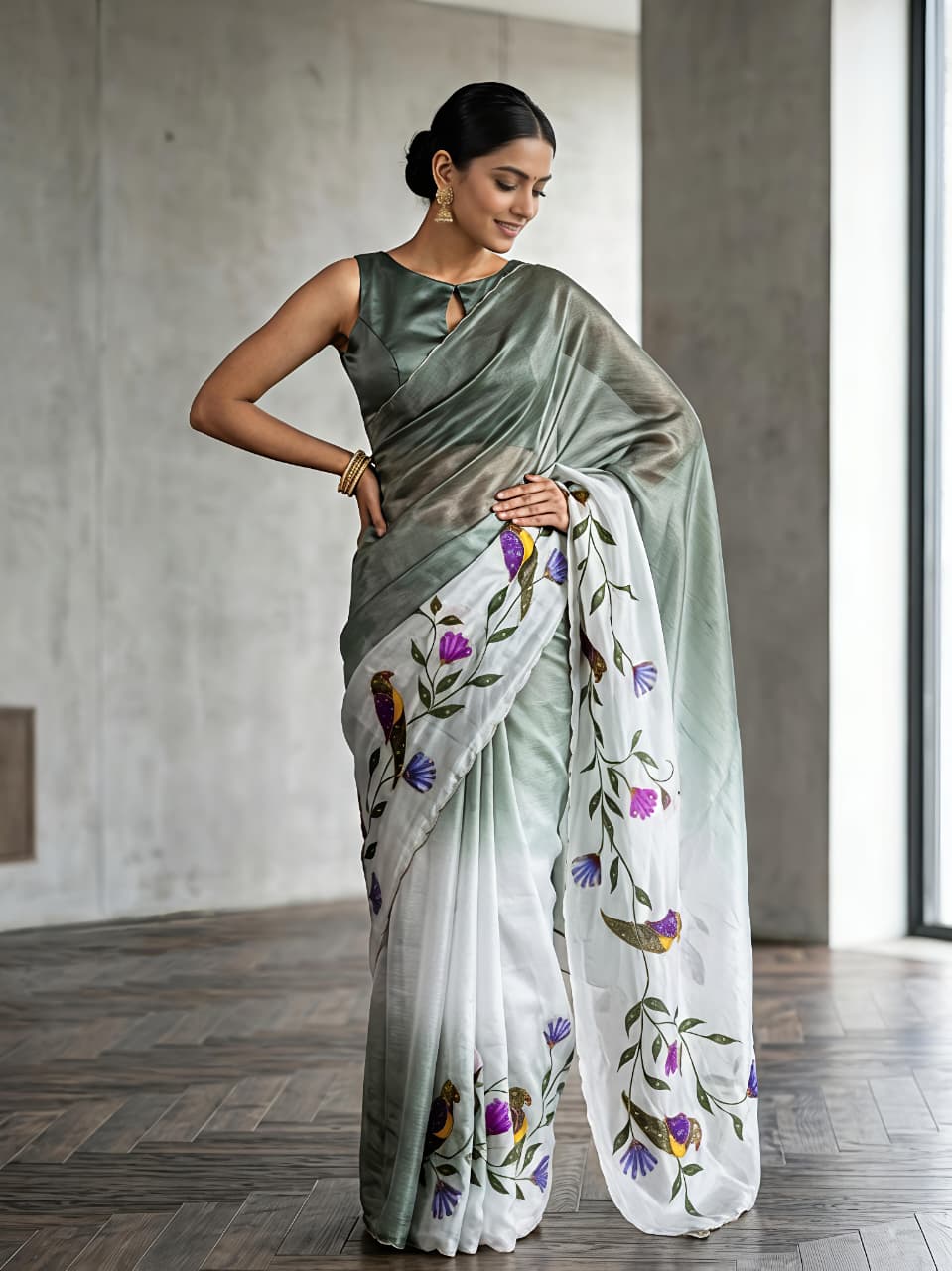
A narrow, neatly folded dupatta worn over the left shoulder creates a sharper silhouette with a sleeveless blouse such as Brown Ikat Cotton Padded Blouse Sleeveless Stylish. A broader dupatta with a soft border is more suitable for a simple blouse and plain cotton saree because the added border supplies definition.
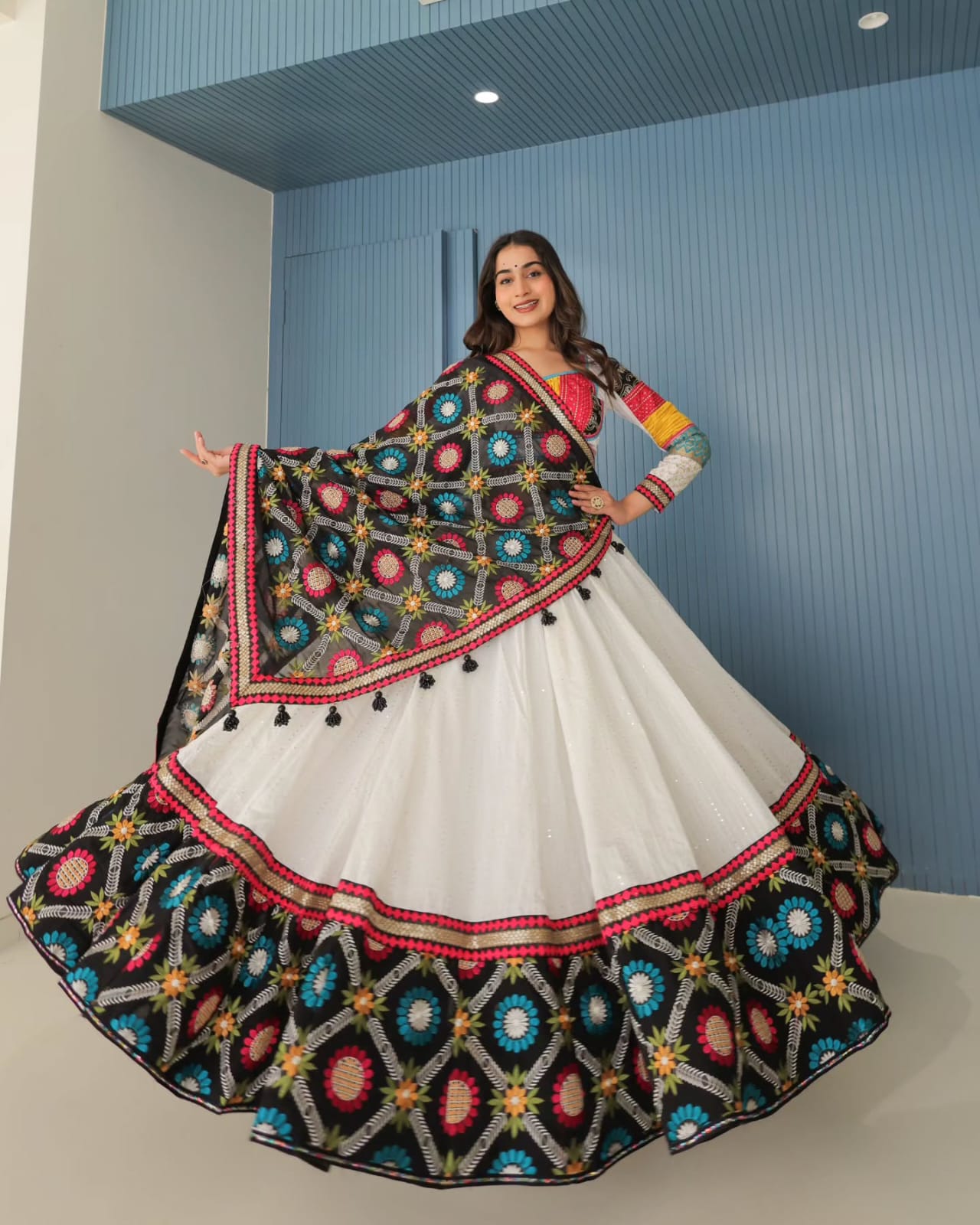
Dupatta colour can either repeat a small saree detail or introduce a controlled contrast. A rust dupatta with an indigo saree, a mustard dupatta with brown Ikat, or an antique-gold dupatta with red silk can look intentional because each combination shares a warm or cool relationship. Avoid adding a heavily printed dupatta to both a Kalamkari blouse and an ornate saree; three strong patterns make the outfit difficult to read.
Pin the dupatta at the shoulder and, when necessary, at the waist using small safety pins placed from the inside. Leave enough ease for sitting and lifting the arms. A secure dupatta prevents repeated adjustments from disturbing the saree pleats during a long ceremony.
Haryana Saree Styling: Traditional Jewellery, Blouses & Dupattas for Different Occasions
The same saree can move from daytime to wedding wear when the blouse, jewellery and dupatta change in measured steps. Occasion-specific styling is more useful than buying a separate outfit for every event.
For a Haldi ceremony or daytime family function
A cotton saree, breathable blouse and lightweight jewellery are the most practical combination for a Haldi ceremony. Choose Blue Zari Work Cotton Saree for Wedding with a simple cotton blouse, small jhumkas and glass bangles, or use Pure Kalamkari Cotton Padded Blouse for Women with a plain saree and a small printed or solid dupatta.
Keep the dupatta washable or easy to remove because turmeric paste, food and outdoor dust can mark pale fabrics. Avoid trailing embellishment near the floor, and secure the pallu at the shoulder so the outfit remains manageable while moving between guests.
For a wedding or evening reception
A wedding look benefits from a silk saree, a padded blouse with a firm neckline and jewellery with enough scale to remain visible in evening light. Banarasi Silk Golden Jari Padded Blouse for Women can be styled with a gold-zari saree, a borla, layered necklace and a sheer dupatta worn over the head or one shoulder.
Choose either a dramatic necklace or very large earrings as the primary jewellery feature. A high-neck or collar blouse can replace the necklace with a statement earring and borla combination, creating a polished look without crowding the upper body.
For a modern festive gathering
A contemporary festive outfit can use a designer readymade blouse with a cotton, silk or lightly embellished saree. Kalamkari Cotton V Neck Collar Blouse for Women gives a structured look with a plain saree, while Classic Festive Wear Blouse for Stylish Saree Look can add polish to a simpler weave. Keep the dupatta on one shoulder and choose either a hansli or a long necklace, not both at maximum scale.
Haryana Saree Styling: Traditional Jewellery, Blouses & Dupattas and Practical Fit Checks
Comfort depends on correct blouse measurements, stable pleats and jewellery that doesn't pull the neckline or hairstyle. A beautiful outfit becomes difficult to wear when the blouse armhole cuts into the underarm or the dupatta repeatedly slips.
Before wearing a readymade blouse outside the home, sit, raise both arms and rotate the shoulders. The blouse should remain secure without gaping at the bust or pulling at the side seams. Padded blouses should be checked under the saree in natural light because lining, seams and padding can appear more prominent beneath thin cotton.
Test the full jewellery set with the blouse at least one day before the event. A heavy hansli can press against a collar, a long earring can catch in a dupatta and a borla chain can disturb a bun. These problems are easy to correct during a trial and frustrating to solve minutes before a ceremony.
Saree pleats generally look neat when each pleat is kept close to the same width, with roughly five to eight pleats forming the front fall depending on the saree's fabric and the wearer's preference. Pin the upper pleats discreetly, but avoid excessive pins that can damage delicate silk or zari. Fold cotton sarees only after they're completely dry, and store Banarasi silk in breathable cotton rather than plastic for long-term care.
Haryana Saree Styling: Traditional Jewellery, Blouses & Dupattas becomes distinctive through balance rather than the number of accessories. A cotton saree with a printed blouse, silver jhumkas and a controlled dupatta can feel as considered as a silk saree with gold zari, a borla and a layered necklace. The most successful outfit leaves every element visible enough to contribute, yet quiet enough to let the wearer remain the focus.
Common Questions About Haryana Saree Styling with Blouses and Dupattas
Which blouse works best with a Haryana-inspired saree look?
A blouse with a comfortable armhole, stable lining and a neckline suited to the jewellery works best. Cotton blouses suit daytime sarees, while Banarasi silk or zari blouses work better with wedding silk and heavier ornaments.
Can a readymade blouse be worn for a wedding saree?
Yes, a readymade blouse can be worn for a wedding when the bust, shoulder, armhole and sleeve measurements are checked carefully. A structured or padded readymade blouse is especially useful with Banarasi silk, provided it does not pull or create visible ridges beneath the saree.
What traditional jewellery suits a Haryanvi-inspired saree outfit?
A borla, hansli, jhumkas, kadas and glass or lac bangles are suitable choices. Select one main piece, such as a borla or hansli, and keep the remaining jewellery proportional to the blouse neckline and saree border.
How should a dupatta be worn with a saree?
Wear the dupatta over one shoulder opposite the saree pallu, or place a lightweight dupatta over the head for a wedding look. Secure the shoulder and waist discreetly so the dupatta does not disturb the saree pleats while walking or sitting.
Is cotton suitable for festive Haryana Saree Styling?
Cotton is suitable for daytime festivals, Haldi ceremonies and family gatherings, especially when the saree has zari, a strong border or an attractive weave. Pair cotton with a breathable blouse, medium-sized jewellery and a light dupatta instead of heavy bridal accessories.
How can a saree look more contemporary without losing its traditional character?
Use a structured readymade blouse, a controlled contrast colour and one heritage jewellery piece. A collar blouse, sleeveless cotton blouse or V-neck blouse can modernise the silhouette while a borla, hansli or traditional jhumka preserves the regional feeling.