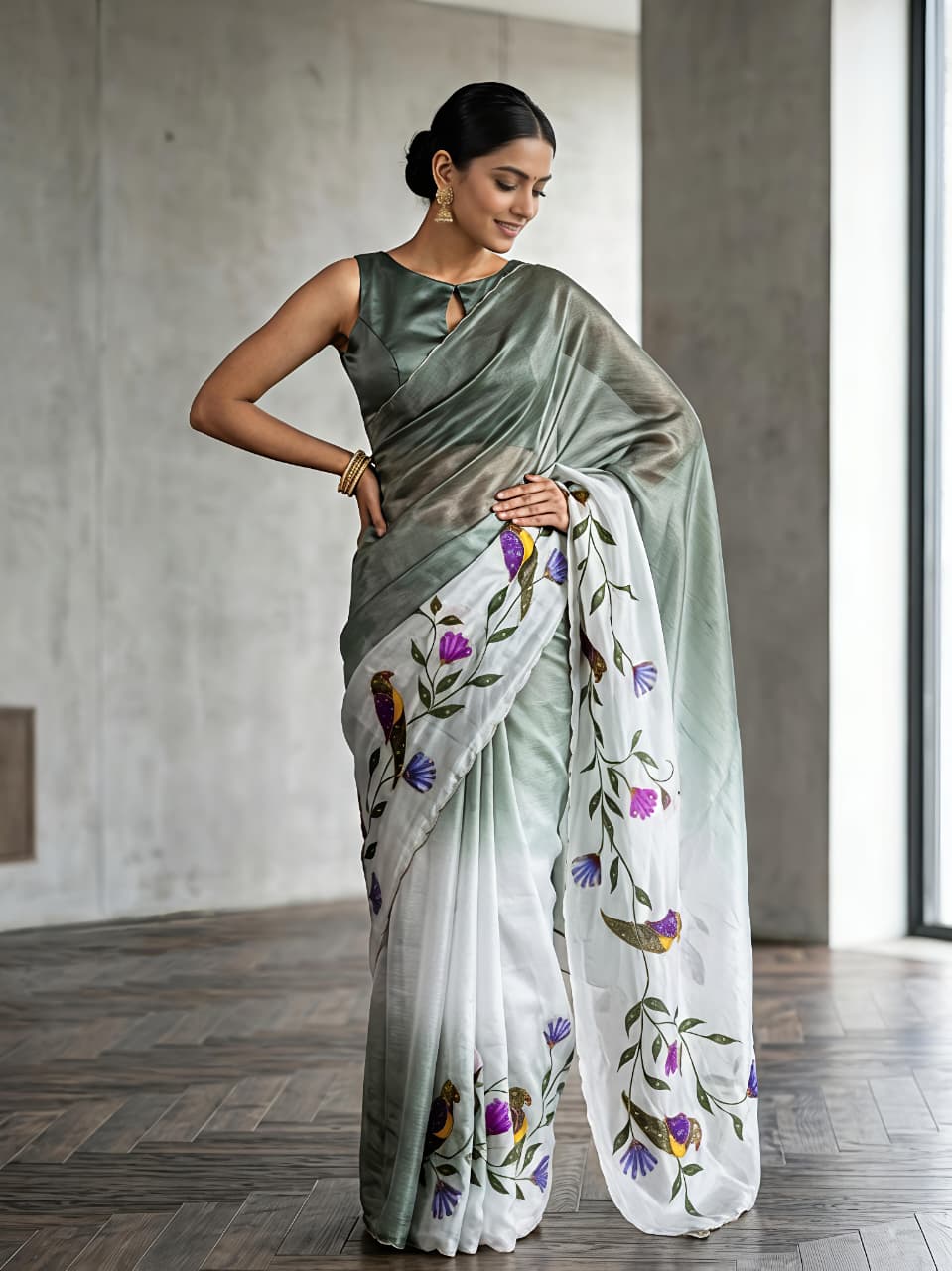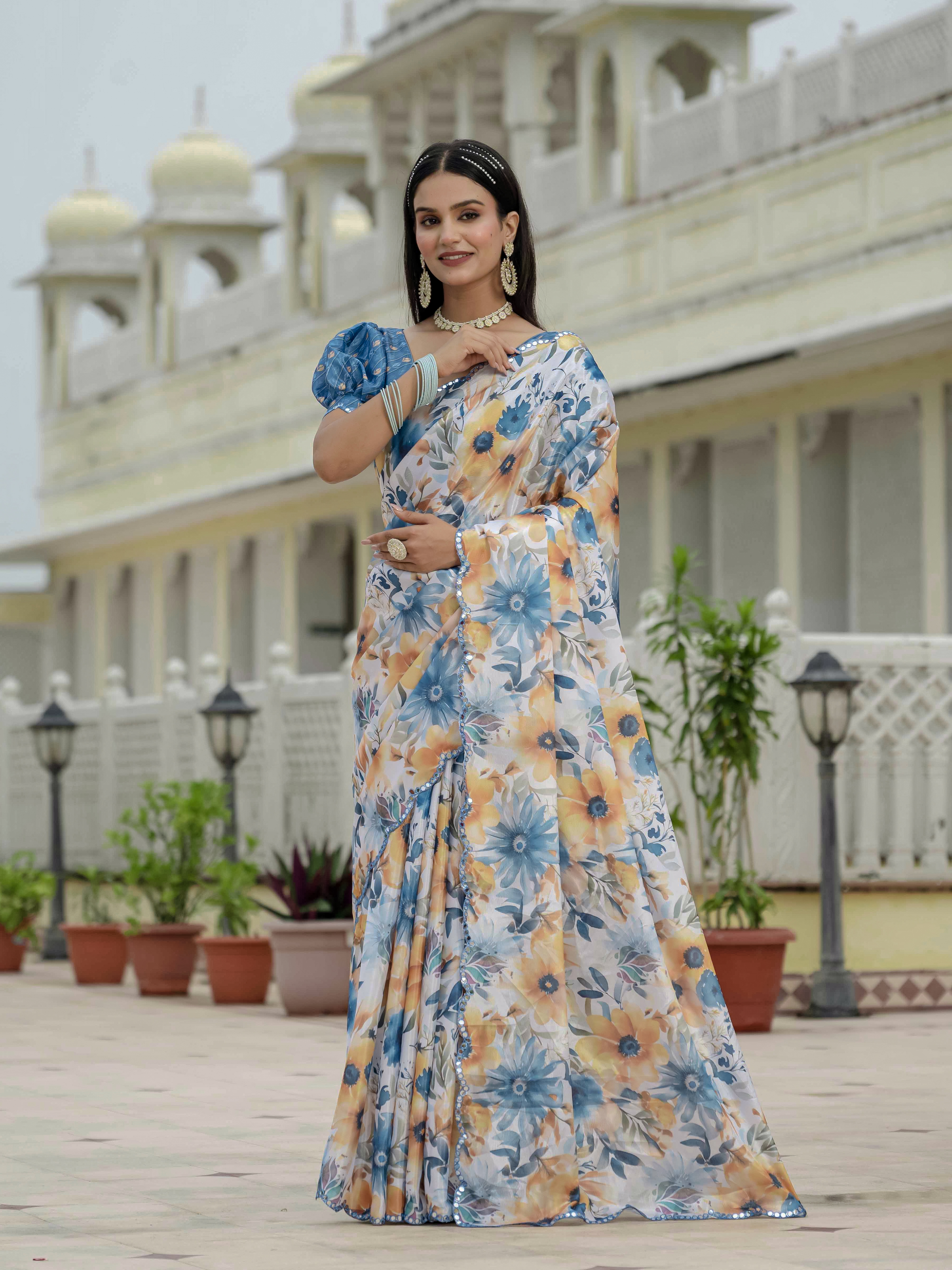
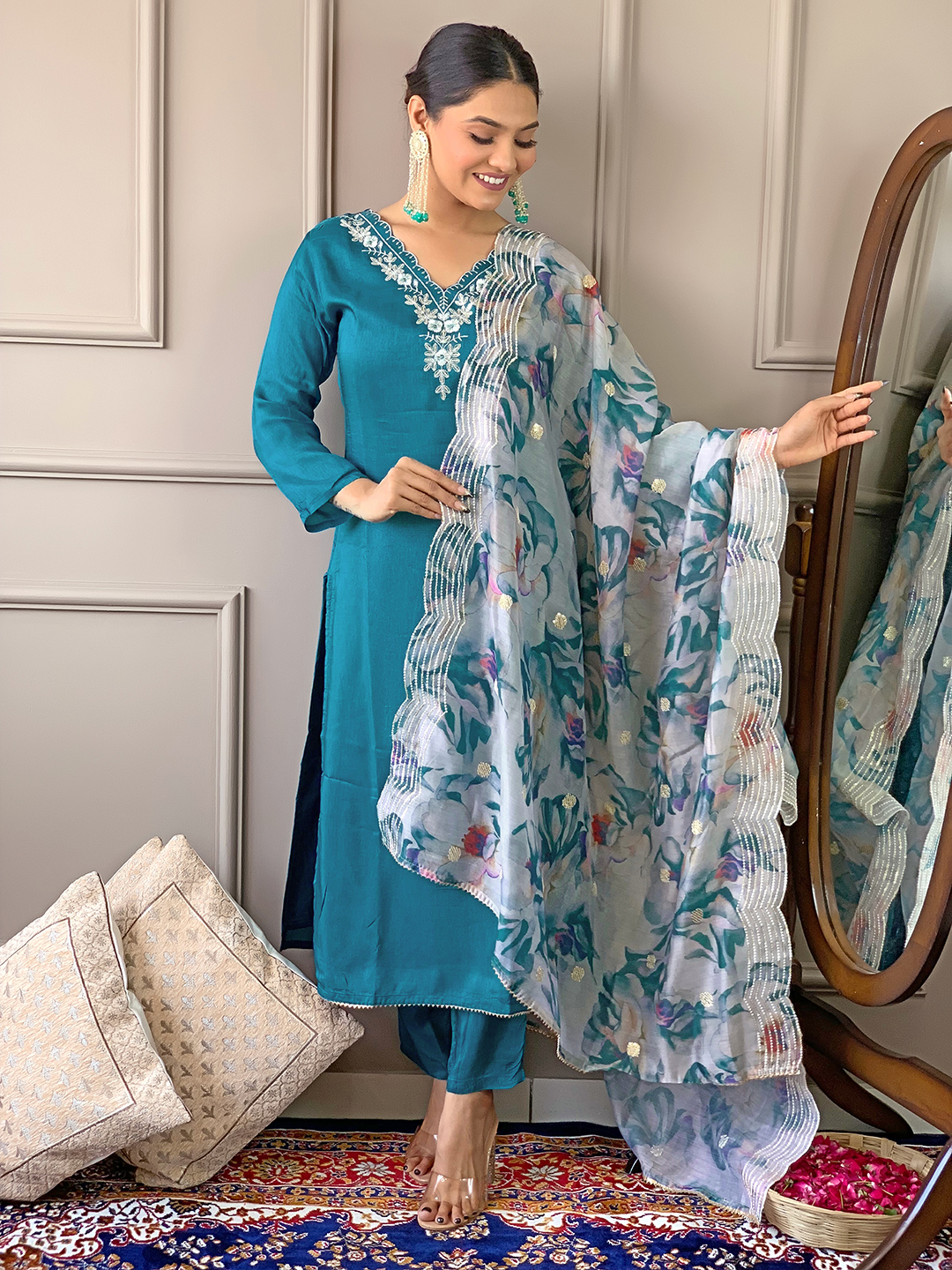
Haryana Festival Fashion: Haryanvi Salwar Suits & Traditional Looks brings together comfort, colour and regional identity without requiring a costume-like outfit. For Teej, Diwali, Karwa Chauth, family ceremonies and weddings, a well-cut salwar suit with a thoughtfully worn dupatta can feel more authentic and practical than a heavily embellished ensemble. The most useful choices depend on fabric, silhouette, embroidery, weather and how much movement the celebration involves.
Haryanvi dress traditions have never been limited to one fixed pattern. Women's clothing across Haryana has included salwar-kameez, kurta sets, ghagra or daman-style skirts, and odhni, with regional variations in embroidery, colour and drape. A modern outfit can therefore honour the visible language of Haryana through its proportion, palette and styling rather than by reproducing every historic garment detail.
Haryana Festival Fashion: What gives Haryanvi salwar suits their character?
Haryana Festival Fashion feels Haryanvi when an outfit balances modest coverage, easy movement, a purposeful dupatta and familiar North Indian festive colours. The regional impression comes from the complete styling rather than from one decorative motif.
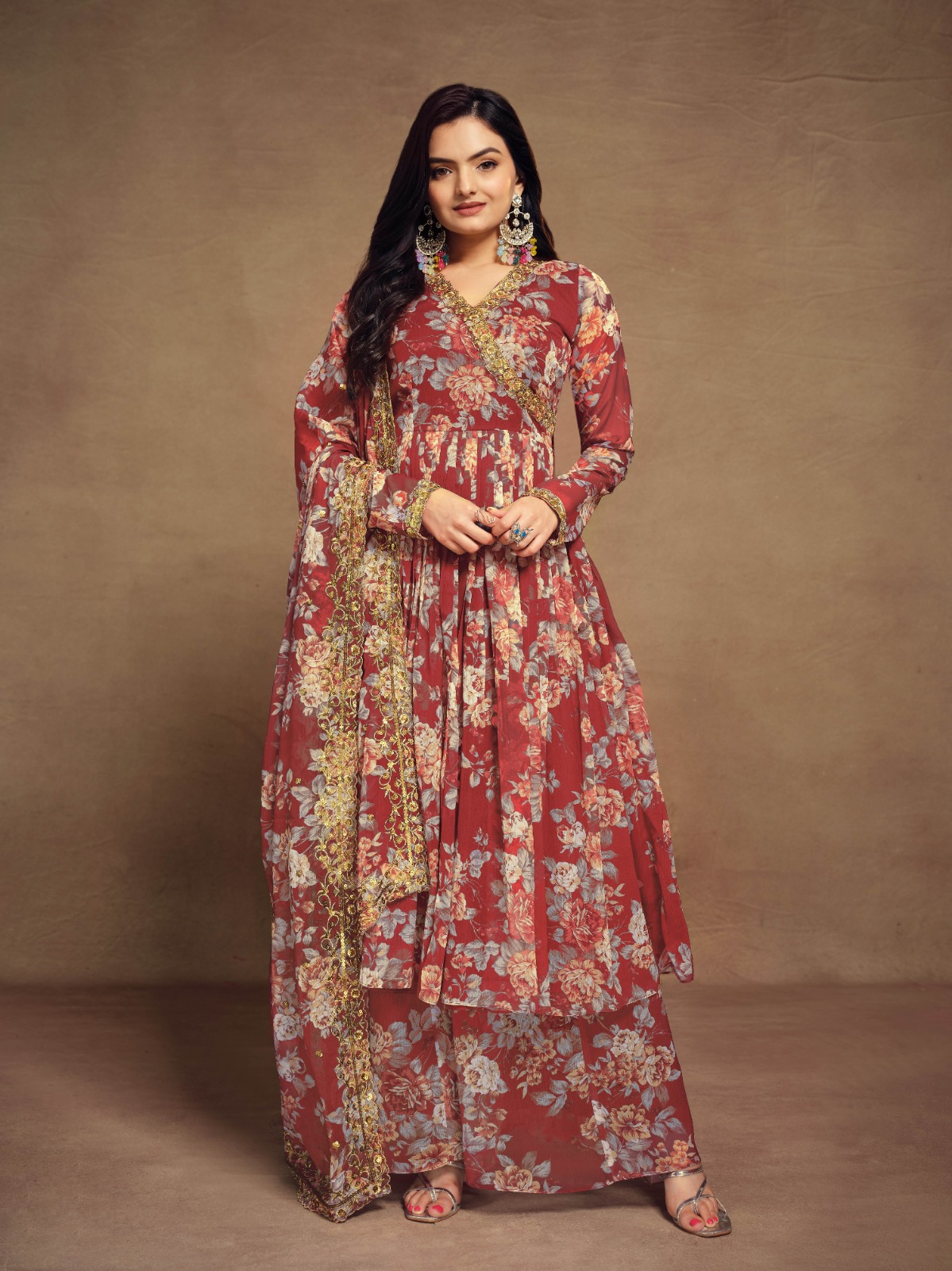
A straight kurta with salwar or cigarette pants creates a clean, useful base for temple visits and daytime family gatherings. A flared Anarkali or kalidar kurta adds movement for a larger celebration, while a kurta-pant set offers a contemporary option for women who prefer less volume. A dupatta worn over both shoulders, pinned neatly at one side, or draped across the front can provide a visual connection to odhni styling.
Red, maroon, mustard, bottle green, teal, cream and indigo sit comfortably within a festive North Indian palette. Pastel pink, lavender and powder blue also work well when gold embroidery, printed borders or a contrasting dupatta supplies definition. Colour should support the event: bright shades suit Teej and daytime celebrations, deeper tones suit evening receptions, and softer colours are practical for daytime puja.
Traditional dressing doesn't mean every surface needs dense zari. A printed ethnic motif, a narrow woven border, small floral embroidery or textured silk can communicate celebration while keeping the garment wearable after the festival. The most convincing Salwar Suit Design Girl choices usually coordinate three details: the kurta shape, the dupatta finish and one restrained jewellery statement.
Haryana Festival Fashion: Which salwar suit silhouettes work best?
Straight suits, Anarkalis, Punjabi-style salwar sets and kurta-pant combinations are the most adaptable silhouettes for Haryana festivals. The right choice depends on movement, climate, body comfort and the formality of the invitation.
Haryana Festival Fashion for daytime rituals
A straight kurta with matching or contrasting trousers is reliable for a morning puja, Teej gathering or a long day of visiting relatives. Side slits improve walking comfort, while a knee-length or calf-length kurta gives enough coverage for sitting on the floor. Cotton, Chanderi and lightweight silk blends are particularly useful when the event includes travel and outdoor time.
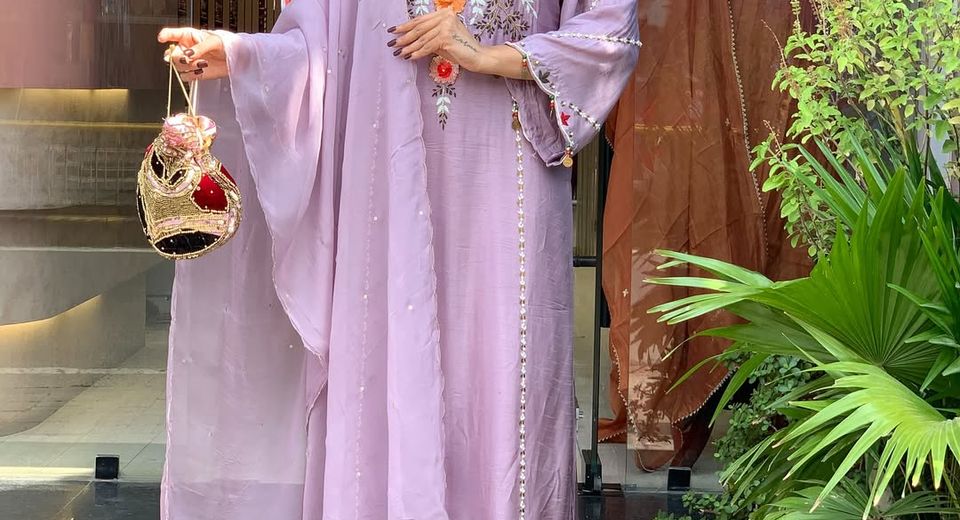
Lavender Chanderi Embroidered Kurta Set with Dupatta demonstrates how a restrained pastel can look festive without becoming formalwear. Chanderi has a light hand and a slightly sheer, graceful surface, so a lined kurta and a properly finished dupatta matter. Small jhumkas, embroidered flats and a low bun keep the styling proportionate.
Haryana Festival Fashion for evening celebrations
Anarkali suits suit evening celebrations because their flare creates movement and gives embroidery or a printed panel room to show. A wide flare needs a stable lining and a dupatta that doesn't constantly slide from the shoulder. Cream Printed Anarkali Gown with Ethnic Motif Design can be dressed for a family dinner with chandbalis and a metallic potli, or kept quieter with pearl studs and a slim bangle.
Women choosing a readymade party wear suits female option should check the garment's length before ordering. The hem should clear the floor by approximately 2 to 4 centimetres with the intended footwear. Excess length catches on stairs and makes the outfit harder to manage during ceremonies.
Haryana Festival Fashion for comfortable movement
A fuller salwar or patiala-inspired bottom gives a relaxed, energetic silhouette for informal gatherings, folk performances and festival visits. The gathered volume needs a kurta with enough length and a dupatta that can be secured at the shoulders. Black White Floral Embroidered Readymade Salwar Suit shows how a monochrome base can let floral embroidery and accessories provide festive contrast.
Haryana Festival Fashion: How should a dupatta be draped?
The most dependable festive dupatta drape is a balanced front drape secured at one shoulder and adjusted so the fabric remains comfortable while sitting, walking and greeting guests. A beautiful drape is useful only when it stays in place.
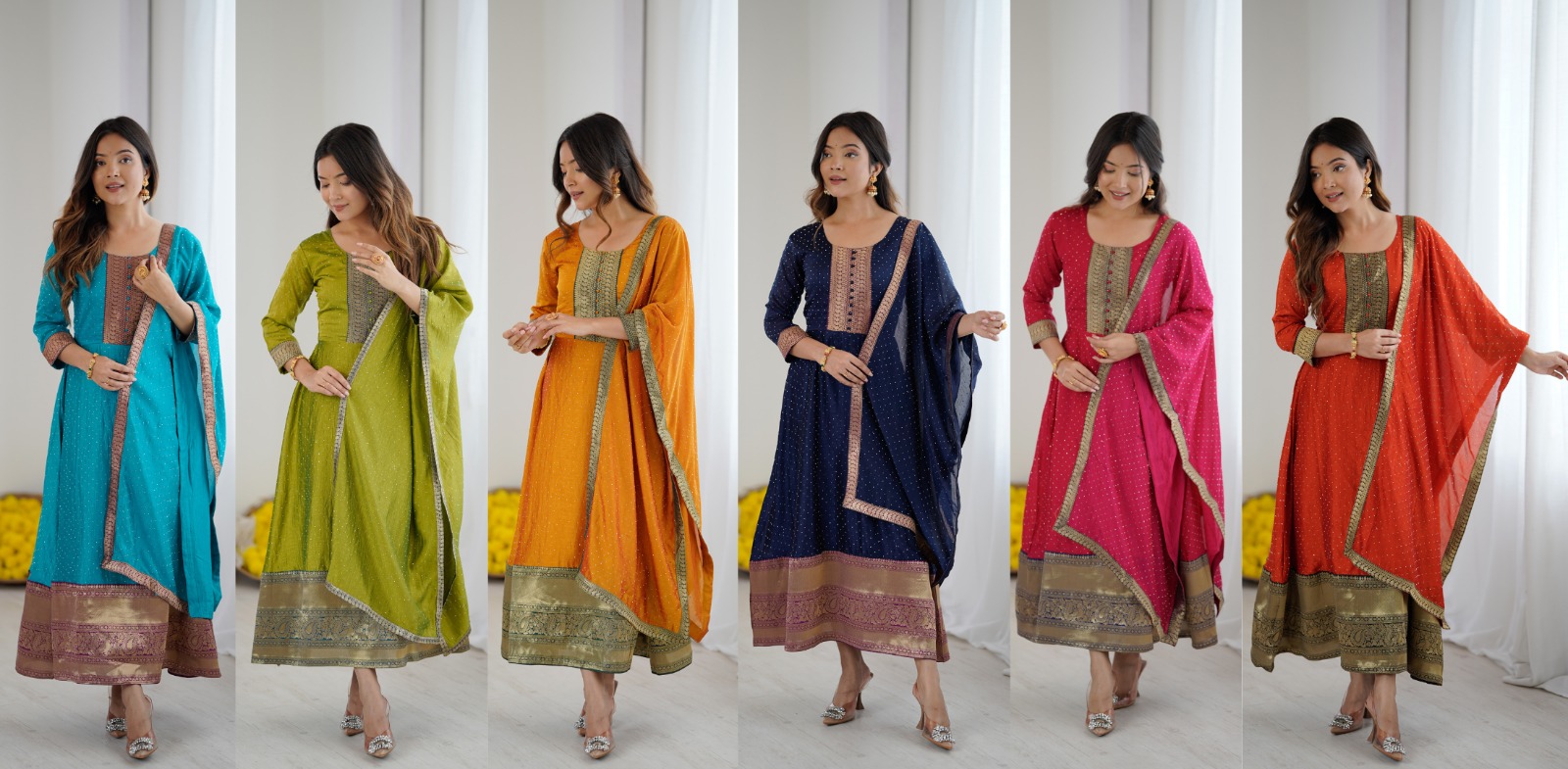
For a classic formal arrangement, pleat one short edge, pin it at the shoulder and bring the remaining length across the front before letting it fall over the opposite arm. This creates a clear border line and keeps both hands reasonably free. For a more odhni-inspired impression, place the centre of the dupatta over the head or crown, bring both ends forward and secure one side discreetly near the shoulder.
A readymade salwar Suit Dupatta should be evaluated separately from the kurta. Measure its width, inspect the border weight and check whether the fabric is slippery. A heavy zari jacquard dupatta may need a hidden safety pin or a small brooch, whereas cotton needs fewer fasteners. Three concealed pins are usually enough: one at the shoulder, one near the waist if the fabric shifts, and one near the opposite arm when a front drape is required.
The dupatta should not obscure the kurta's central embroidery. If the neckline and chest carry substantial detail, use an open shoulder drape. If the kurta is plain, a bordered dupatta worn across the front can become the main decorative element. This proportion rule prevents the outfit from appearing visually crowded.
Haryana Festival Fashion: Which fabrics suit Haryana's festive weather?
Cotton, Chanderi, silk, Banarasi-style weaves and jacquard fabrics each suit different Haryana festival conditions. Breathability, lining and surface weight deserve as much attention as colour or embroidery.
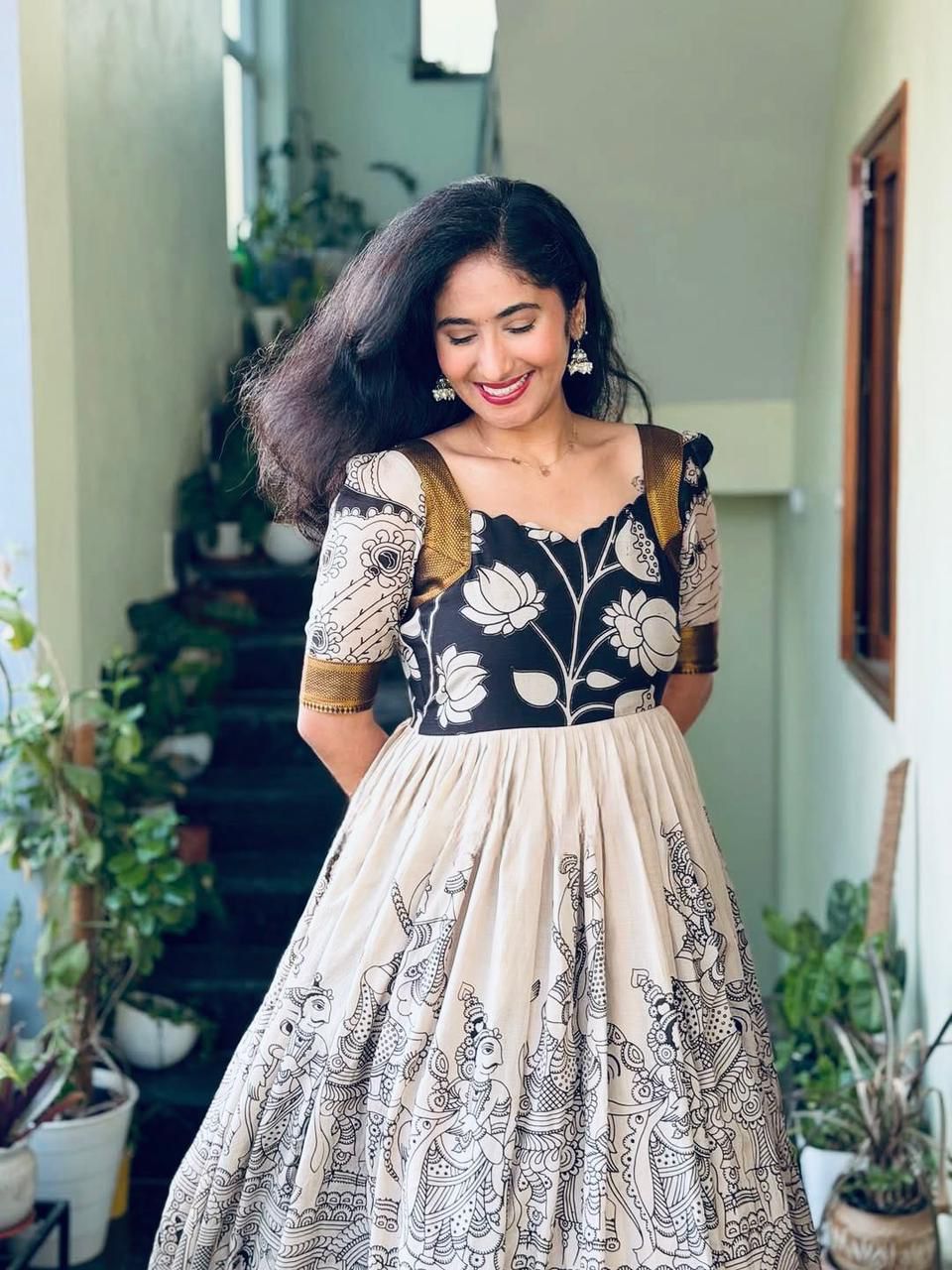
Cotton salwar suits festive wardrobes need not look casual when they include a neat block print, gota-style edging, small embroidery or a well-constructed neckline. Cotton works especially well for daytime Teej events and summer gatherings because it absorbs moisture and feels less restrictive. Light starching can improve the fall, but excessive starch may make fine embroidery or printed fabric brittle over time.
Chanderi is airy and luminous, making it effective for daytime puja and intimate celebrations. Chanderi embroidery should be stored folded with soft cotton between heavily decorated sections. Silk has a richer drape and works well for evening events, but silk garments should not remain packed in plastic because trapped moisture can encourage odour and weaken the fabric.
Zari jacquard adds structured shine without requiring all-over sequins. Silk Festive Kurta Pant Set with Zari Jacquard Dupatta can bridge a formal family dinner and a festive office gathering. Keep the accessories controlled because the dupatta already supplies reflective detail.
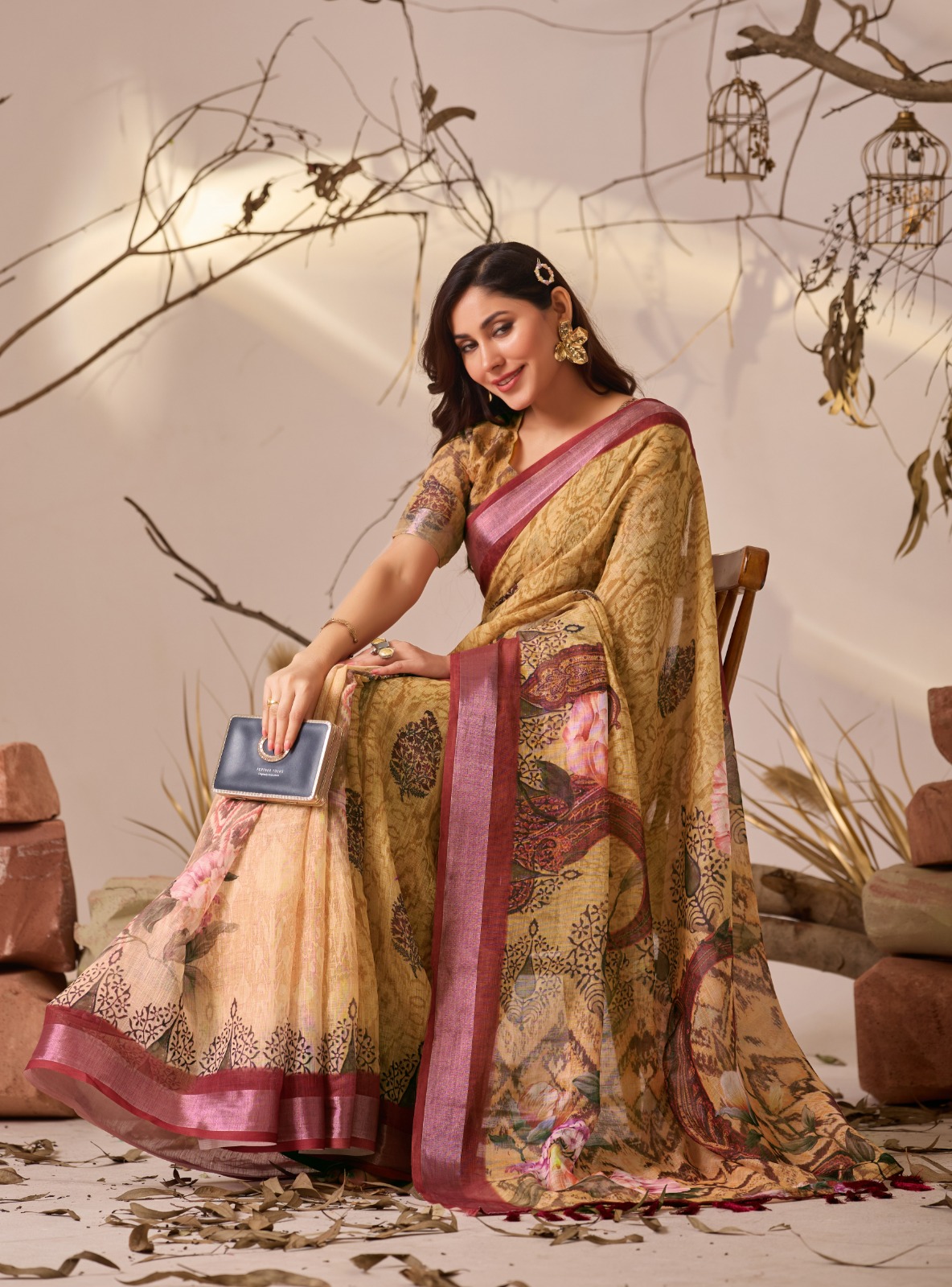
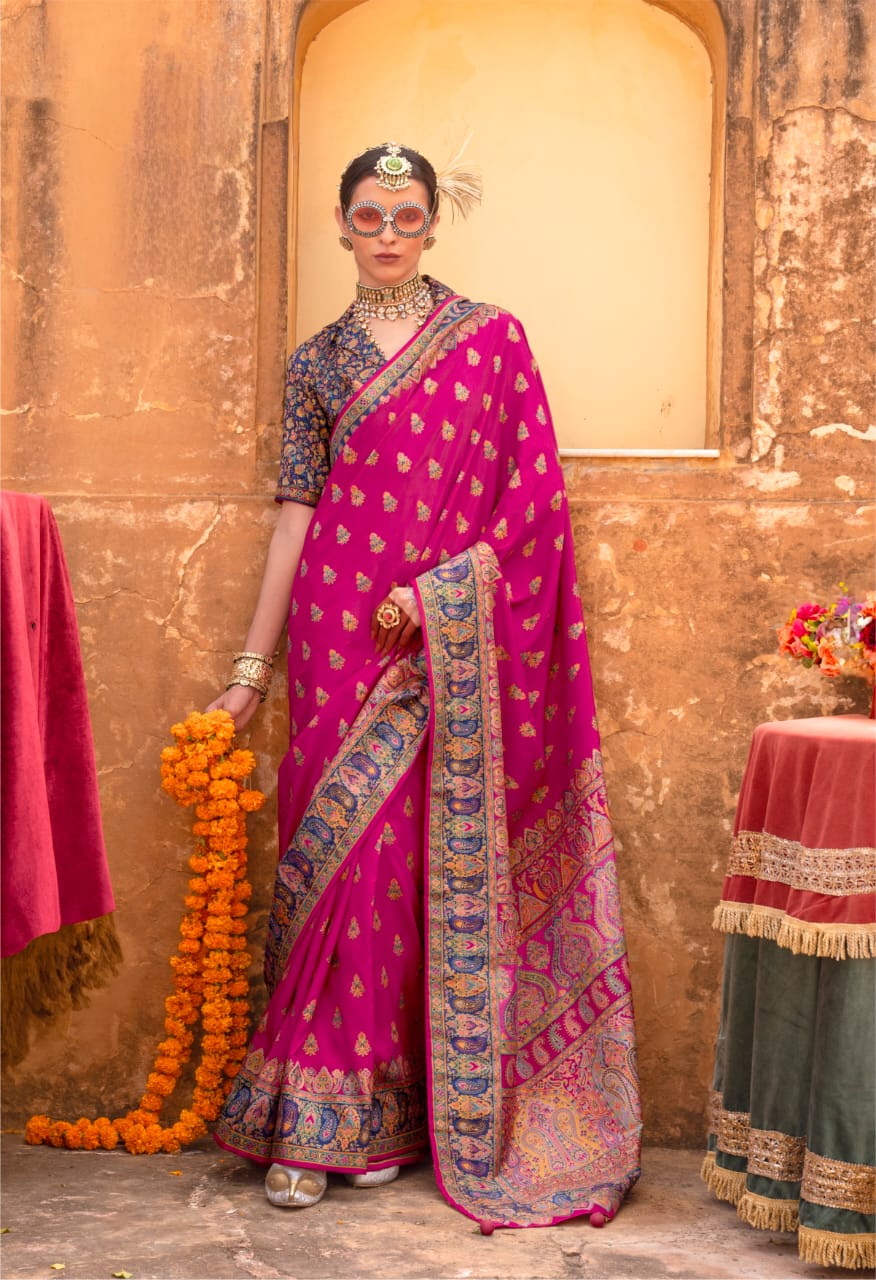
Banarasi silk and Banarasi-inspired motifs bring a heritage finish to festive dressing. Festive Teal Banarasi Saree with Traditional Motifs is a saree rather than a salwar suit, but its teal colour and traditional motif vocabulary can inspire a coordinated suit palette: teal kurta, antique-gold accents and a cream or muted maroon dupatta. Using a saree as a colour reference is often more useful than copying its entire ornamentation onto a suit.
Haryana Festival Fashion: How can modern suits respect regional style?
Contemporary festive suits respect regional style when they borrow identifiable visual cues while remaining honest about their contemporary character. Fit, fabric and occasion should lead the styling.
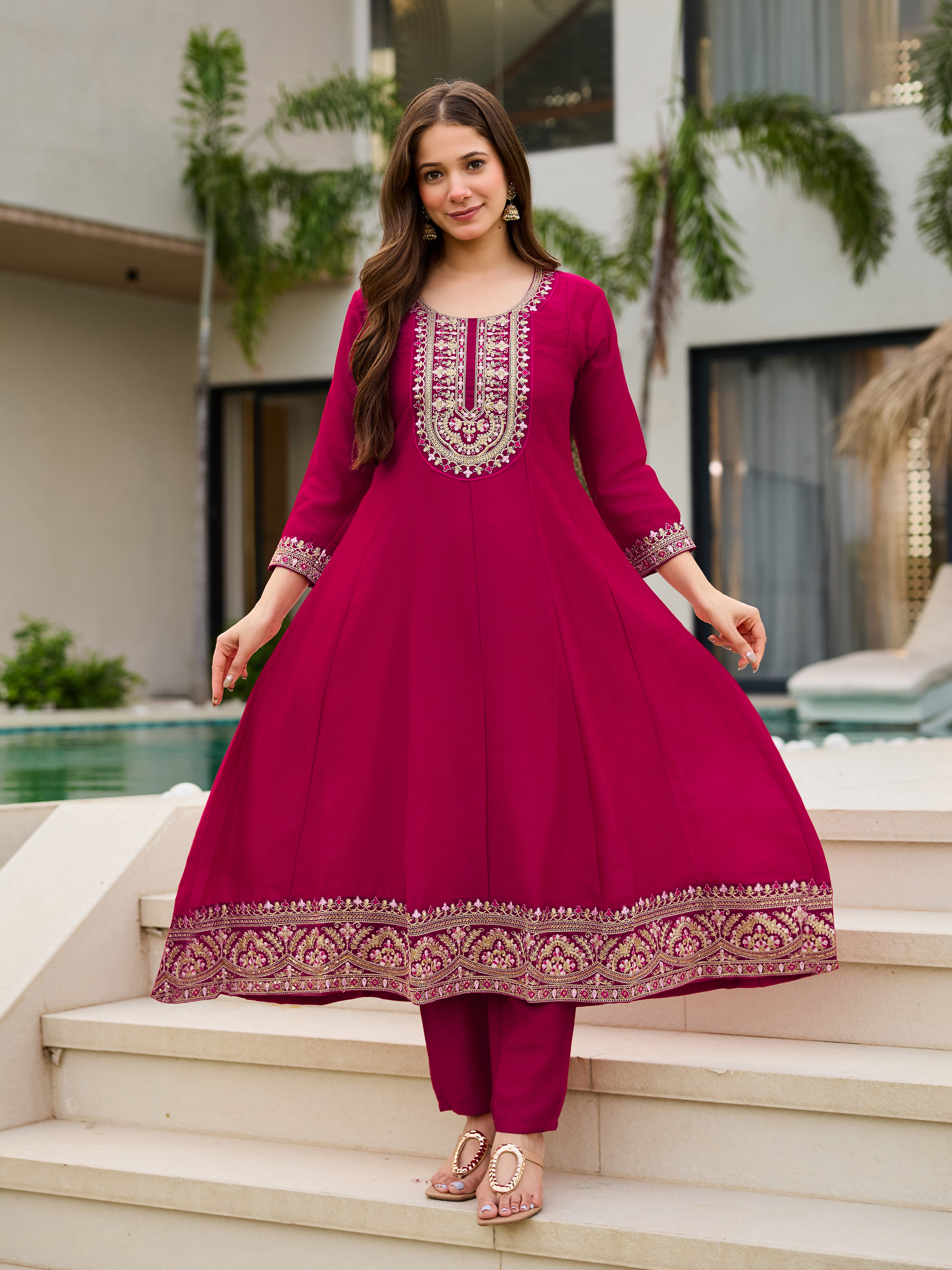
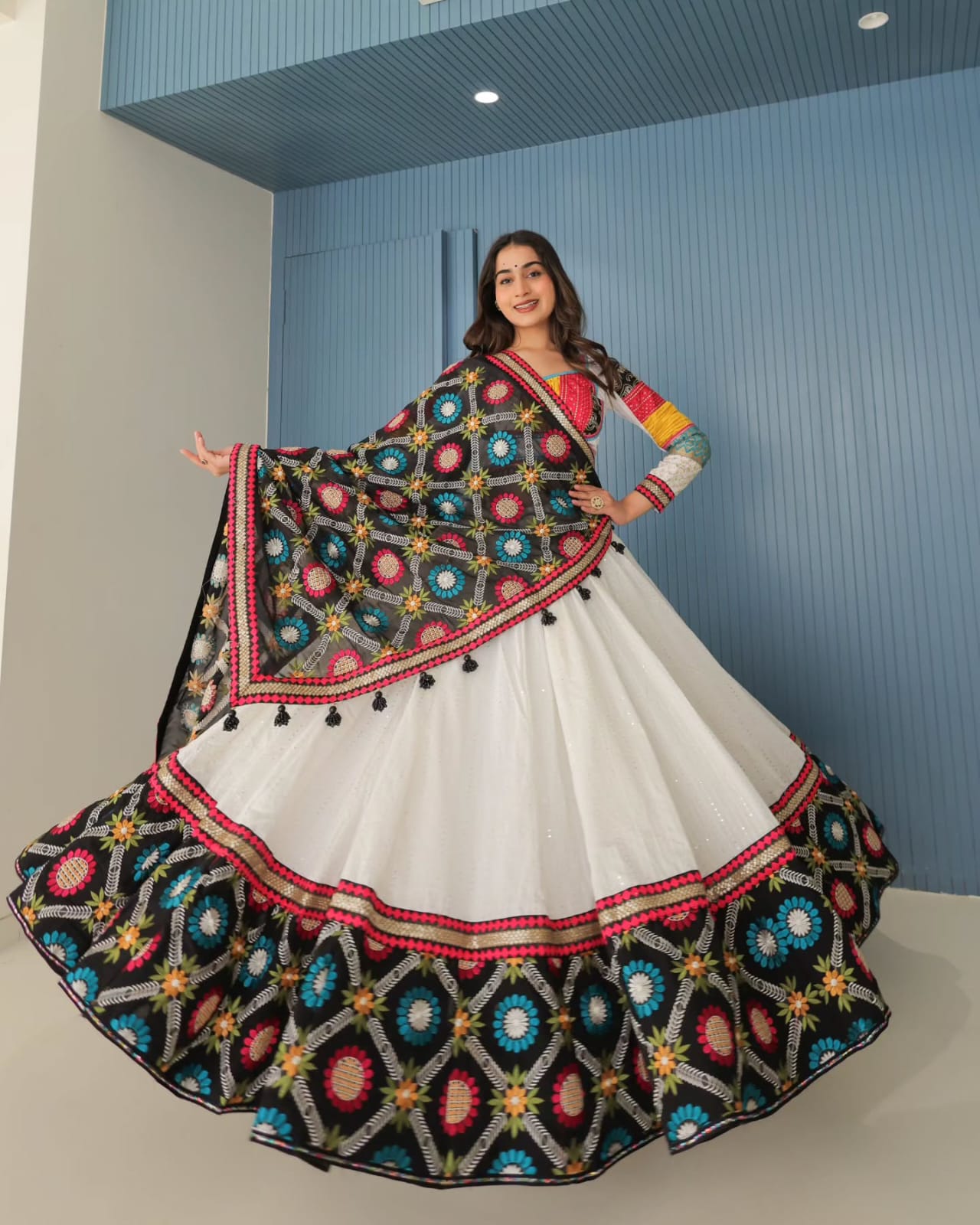
Regional collections can help create a broader vocabulary. Gujarati Festive Salwar Suits may suggest lively colour contrast and mirror-inspired sparkle, while Marwari Style Festive Salwar Suits can point towards richer jewel tones and ornate borders. Those references can be adapted to Haryana by choosing a simpler silhouette and a practical dupatta arrangement rather than combining every regional element in one outfit.
Punjab Phulkari Embroidered Salwar Suits offer another useful reference because floral threadwork and strong colour contrast sit naturally within North Indian festive dressing. Phulkari is specifically associated with Punjab, so it should be described as neighbouring regional influence rather than labelled Haryanvi heritage. A small floral embroidered panel can create the same warmth without making a misleading cultural claim.
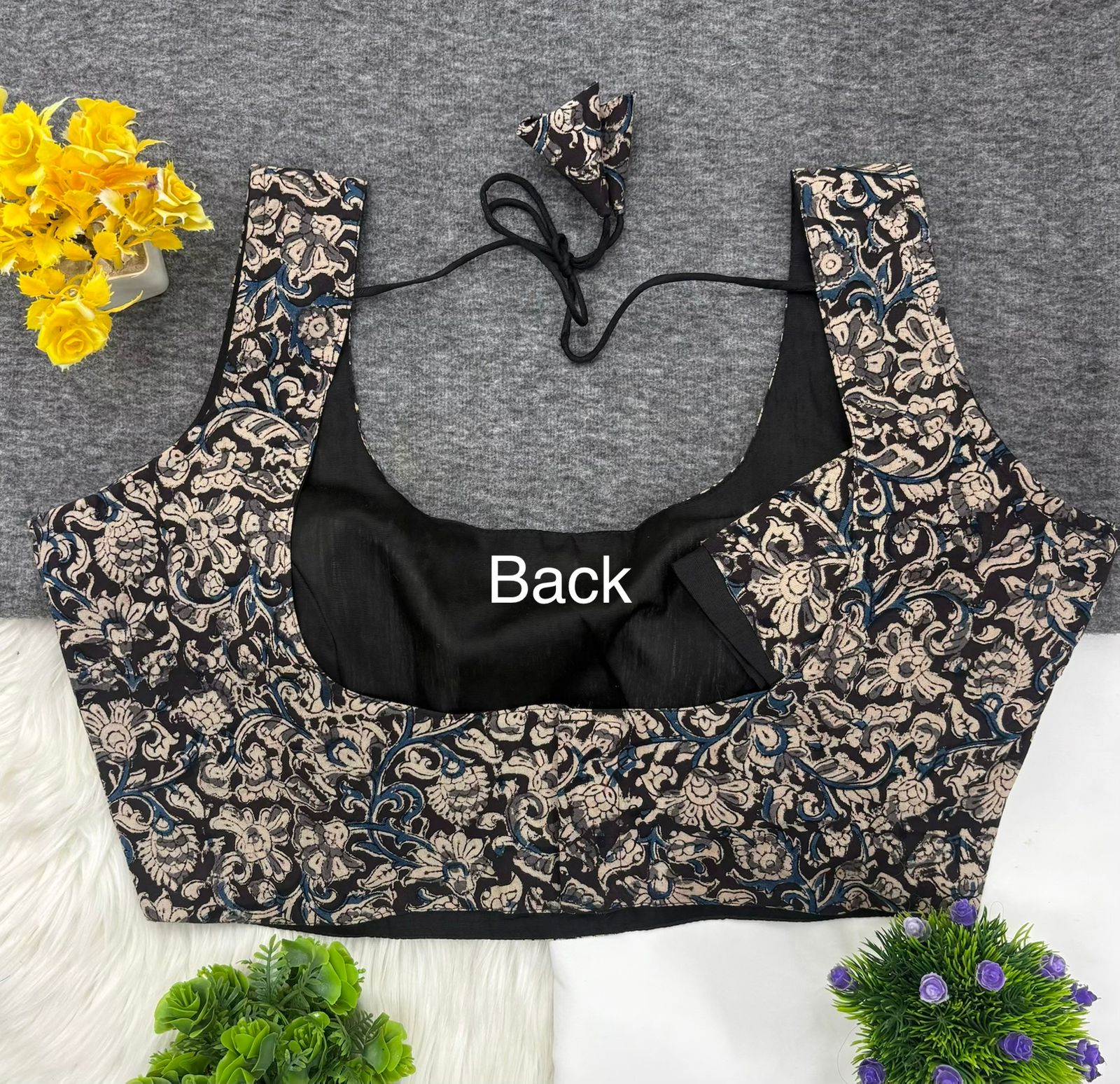
Kalamkari Print Salwar Suits (Copy) provide a different route through storytelling prints and earthy colour. Maharashtra Paithani Inspired Salwar Suits show how woven-looking borders and peacock or floral vocabulary can transform a simple kurta set. These collections can inform colour and border choices while the final outfit remains suited to a Haryanvi celebration.
Sea Green Embroidered Silk Kurta Set with Dupatta and Pastel Blue Embroidered Chanderi Kurta Set with Dupatta demonstrate two different approaches to a softer festive palette. Sea green silk works well for an evening gathering with antique-gold jewellery, while pastel blue Chanderi suits daytime celebrations with silver-toned accessories. Black Red Fendy Silk 3 Piece Readymade Salwar Suit Set gives a stronger evening contrast when the event calls for a more dramatic look.
Haryana Festival Fashion: How should women choose a suit for each occasion?
Women should match the salwar suit to the festival's time, setting, expected movement and degree of formality before choosing embellishment. Occasion-first shopping prevents a lovely outfit from becoming impractical.
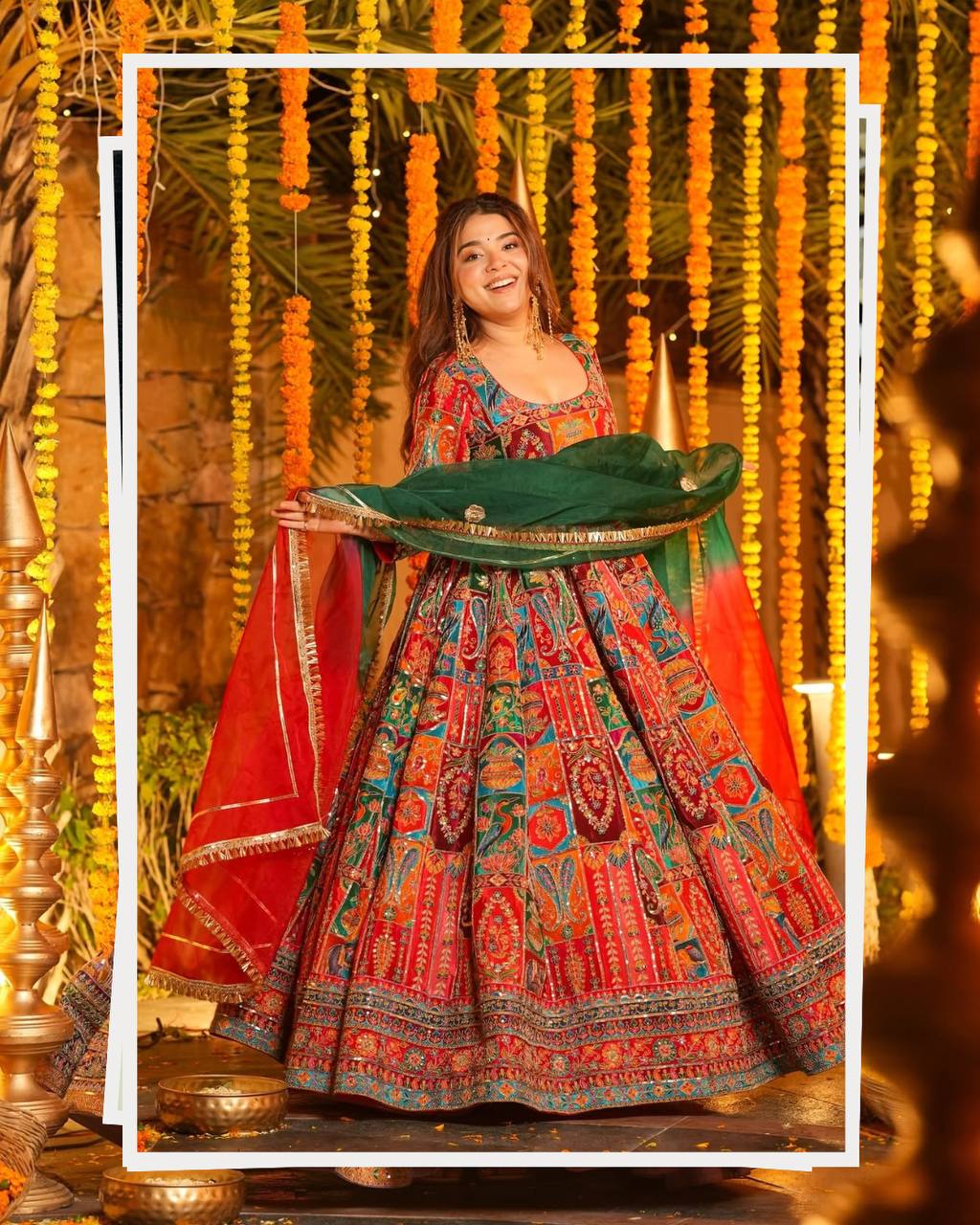
For Teej, breathable cotton, Chanderi or light silk is usually more comfortable than dense velvet or heavily layered fabric, especially during daytime celebrations. Green, pink, yellow, red and teal connect naturally with a lively monsoon palette. A modest embroidered neckline, bangles and a secure dupatta create a festive result without interfering with movement.
For Diwali, silk, jacquard and zari details work well because evening lighting brings out their texture. A kurta-pant set with a structured dupatta is useful when hosting guests, while an Anarkali creates more visual drama for dinner or a family card gathering. Metallic footwear should have a cushioned sole if several hours of standing are expected.
For Karwa Chauth or a family puja, a formal salwar suit ladies can wear for several hours should combine polish with comfort. A lined kurta, a non-sheer dupatta and sleeves that allow easy hand movement are practical priorities. Maroon, red, rust and deep pink photograph well in warm indoor lighting.
For weddings, an embroidered silk or jacquard set can be more comfortable than a heavy lehenga when the invitation involves travel between ceremonies. A coordinated potli, low block heel and medium-sized earrings provide occasion value without competing with the bride's attire. A simple kurta set can also become party wear when the dupatta has a pronounced border and the jewellery is deliberately chosen.
Haryana Festival Fashion: What should shoppers check before buying?
Shoppers should check measurements, fabric composition, lining, dupatta dimensions, care instructions and delivery timing before buying readymade festive suits. These details determine whether an outfit will perform well beyond its product photograph.
Compare the garment's stated bust, waist, hip and length measurements with a well-fitting kurta rather than relying only on a usual size label. Allow approximately 2 to 4 centimetres of ease through the bust for comfortable sitting and arm movement, although the required amount depends on the cut and fabric. Check whether the trouser waistband is elasticated, drawstring-based or fixed before choosing a size.
Inspect whether embroidery is concentrated at stress points such as the neckline, sleeve edge and side slit. Dense decoration around a side slit can catch on jewellery or weaken with repeated movement. A lining should feel smooth against the skin and should not end several centimetres above the outer hem if the fabric is translucent.
Plan alterations at least one week before the event. Sleeve shortening, trouser hemming and waist adjustment are usually manageable, but changing a heavily embroidered neckline may be difficult. Order earlier when a festival falls during a busy wedding season because tailoring and delivery schedules can become longer.
Care instructions should match the fabric. Cotton can often be gently hand-washed or professionally cleaned according to the label, while silk, zari and heavily embroidered garments are safer with dry cleaning. Fold festive suits in breathable cotton covers, refold them every few months and keep perfume, deodorant and direct ironing away from zari and delicate embroidery.
A successful festive wardrobe doesn't need a separate outfit for every invitation. One Chanderi set can serve a daytime puja, one silk set can cover an evening celebration, and a versatile printed suit can work for family visits and less formal gatherings. Changing the dupatta, footwear, jewellery and hairstyle can alter the visual weight of the same base garment.
Common Questions About Haryana Festival Fashion and Haryanvi Salwar Suits
What should women wear for a Haryanvi festival?
Women can wear a salwar suit, kurta set, Anarkali or ghagra-inspired outfit with a neatly draped dupatta for a Haryanvi festival. Cotton and Chanderi suit daytime events, while silk, jacquard and zari details work well for evening celebrations.
Which colours are suitable for Haryana festival outfits?
Red, maroon, mustard, green, teal, cream, indigo, pink and yellow are suitable for Haryana festival outfits. Choose brighter colours for Teej and daytime celebrations, and deeper jewel tones for evening gatherings.
Are cotton salwar suits suitable for festive wear?
Cotton salwar suits are suitable for festive wear when they include a polished print, embroidery, border or well-finished dupatta. Cotton is especially practical for summer festivals, daytime puja and events involving travel or extended movement.
How should I drape a dupatta with a festive salwar suit?
Secure one pleated end at the shoulder, bring the dupatta across the front and let the remaining length fall over the opposite arm for a stable formal drape. Use one or two concealed pins when the fabric is slippery or the border is heavy.
What is the difference between a festive suit and a party-wear salwar suit?
A festive suit may use regional colours, modest embroidery and comfortable fabrics for religious or family celebrations. A party-wear salwar suit usually has stronger embellishment, richer silk or jacquard and a more dramatic silhouette suited to evening events.
How can I make a readymade salwar suit look more traditional?
A readymade salwar suit can look more traditional through an odhni-inspired dupatta drape, jhumkas, bangles, embroidered footwear and a low bun or braid. Keep the styling culturally specific without mixing too many unrelated regional motifs in one outfit.