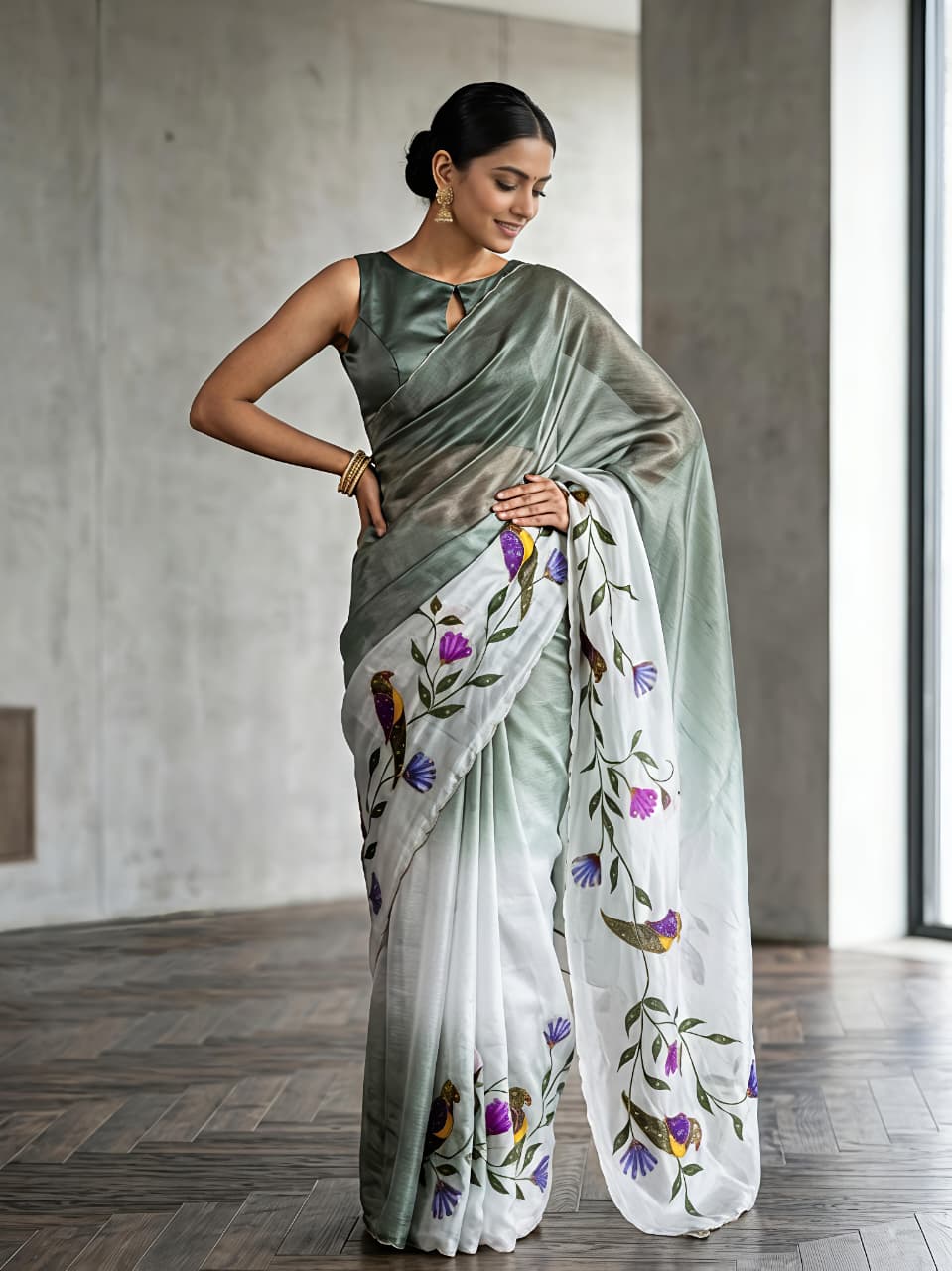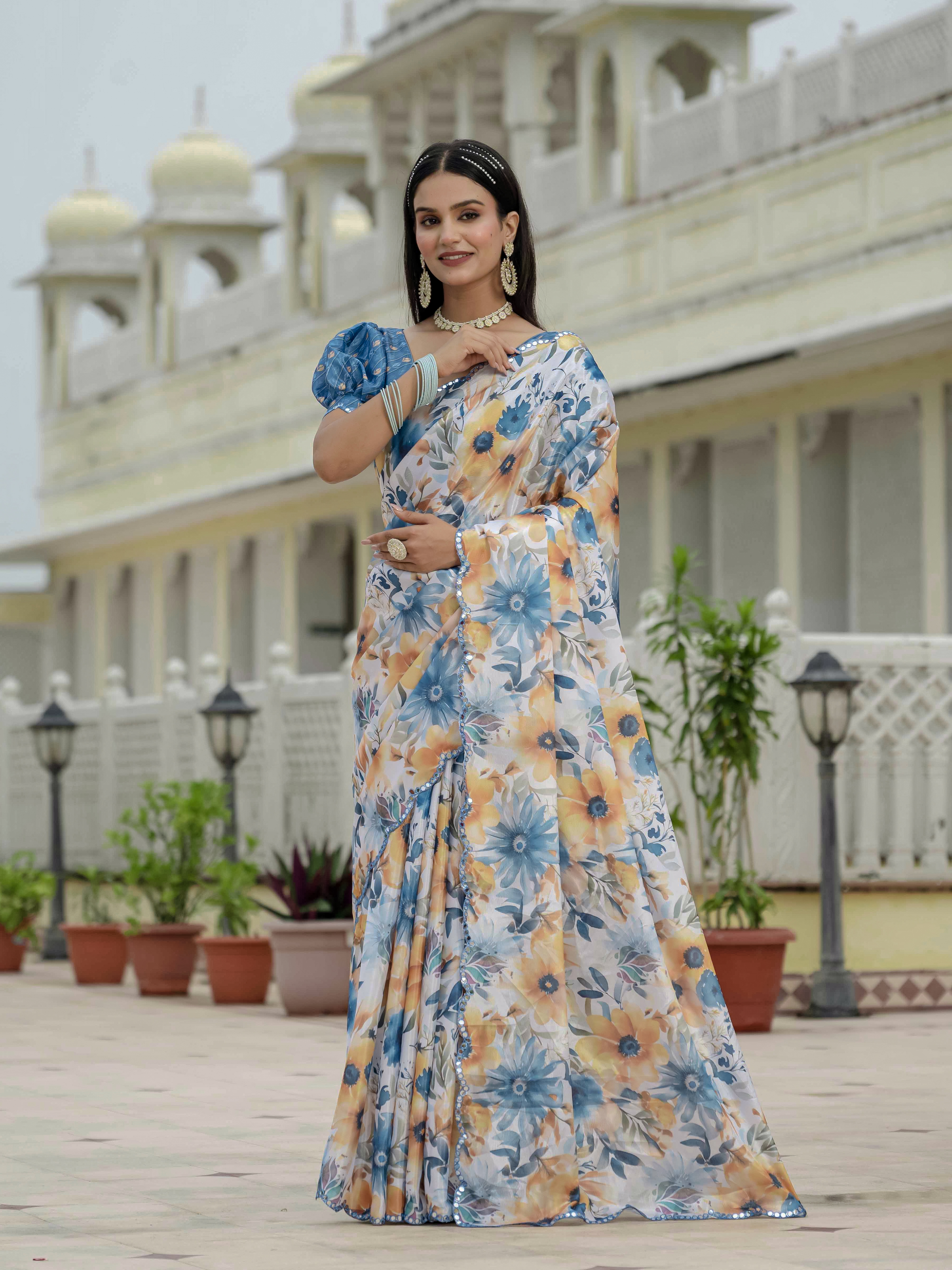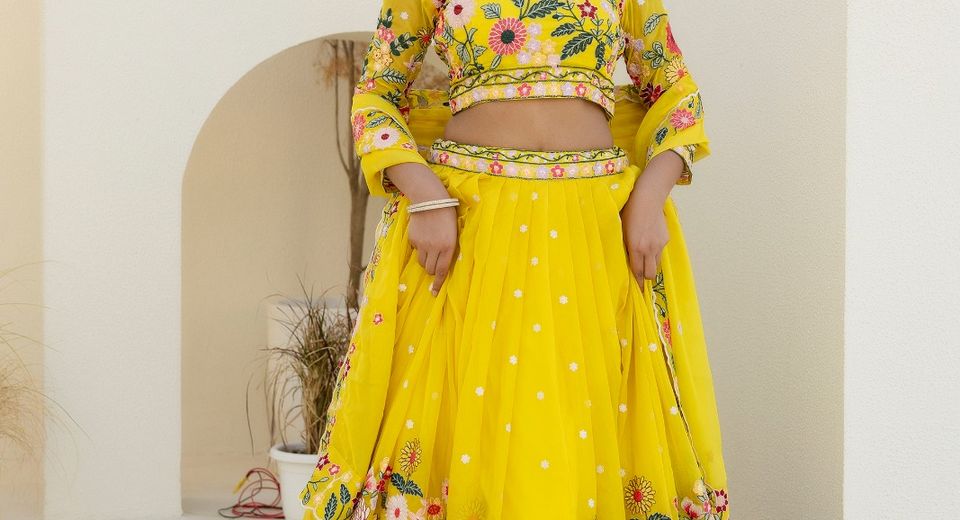
Haryana Ethnic Wear Guide: Sarees, Blouses, Suits & Lehengas becomes most useful when clothing choices start with the ceremony, movement and weather rather than colour alone. Haryana celebrations often affect several hours of greeting guests, sitting on the floor, dancing, travelling between homes and appearing in photographs. A practical outfit must therefore look festive while remaining sure and comfortable.
Lehengas work especially well for weddings, engagement celebrations, Navratri gatherings and family functions because a coordinated choli, skirt and dupatta reduce styling decisions. A ready-made set can also be sensible when a fully stitched choli is needed quickly. The right selection depends on the ceremony's formality, the amount of walking required, the fabric's weight, the blouse fit and the way the dupatta is secured.
Haryana Ethnic Wear Guide: Sarees, Blouses, Suits & Lehengas for Haryana celebrations
Haryana ethnic wear suits celebrations when an outfit combines visible colour, comfortable construction and enough structure for active social occasions. Bright lehengas, embroidered suits, dupattas with defined borders and statement blouses can create a festive appearance without requiring heavy bridal embellishment.
Regional dressing isn't limited to one fixed silhouette. A family wedding may call for a lehenga choli at the sangeet, a silk saree for the wedding ceremony, a salwar suit for daytime rituals or a lighter sharara for a reception. An useful wardrobe includes pieces that can be adapted with jewellery, footwear and draping.
Colour carries practical and visual importance. Yellow works naturally for a Haldi ceremony, green complements Mehendi gatherings and multicolour outfits suit dance-led functions such as Navratri. Red, maroon and deep pink can appear more formal for wedding evenings, while ivory, cream, pastel pink and soft blue make lighter choices for daytime events. Skin tone, venue lighting and the colour of the dupatta should be considered together instead of choosing the skirt shade in isolation.
Haryana Ethnic Wear Guide: Sarees, Blouses, Suits & Lehengas by construction
The right lehenga is selected by matching the silhouette and fabric to the event, the season and the wearer's movement needs. A structured embroidered lehenga can suit a formal wedding, while a lighter georgette, satin or butter silk set may be easier for daytime festivities and dancing.
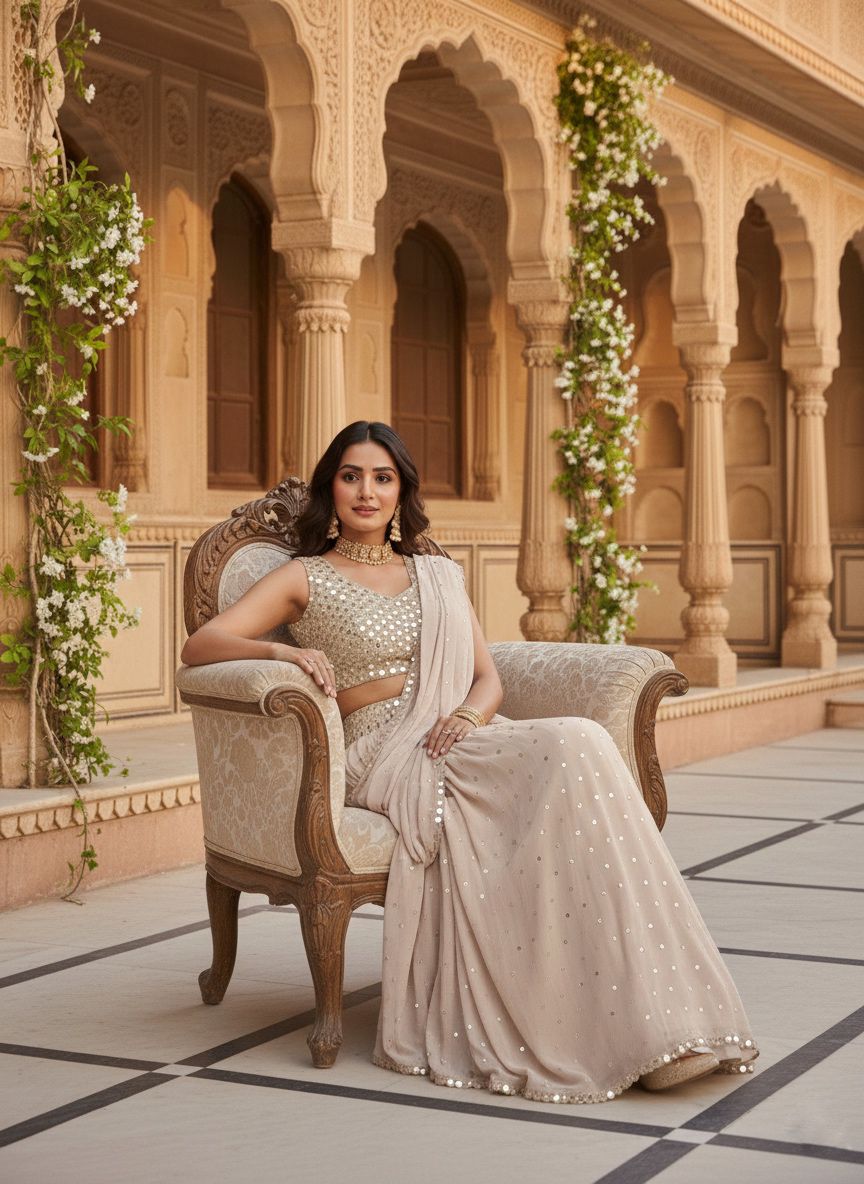
Which lehenga construction should you choose?
A ready-to-wear lehenga has a finished choli and usually needs only minor alterations, making it useful for time-sensitive wedding shopping. A semi-stitched lehenga offers more scope for adjusting the waist and bust, but a tailor must complete the garment before the event. Fully stitched choli shopping should include a measurement check for bust, shoulder, armhole, sleeve length and blouse length, not only the skirt waist.
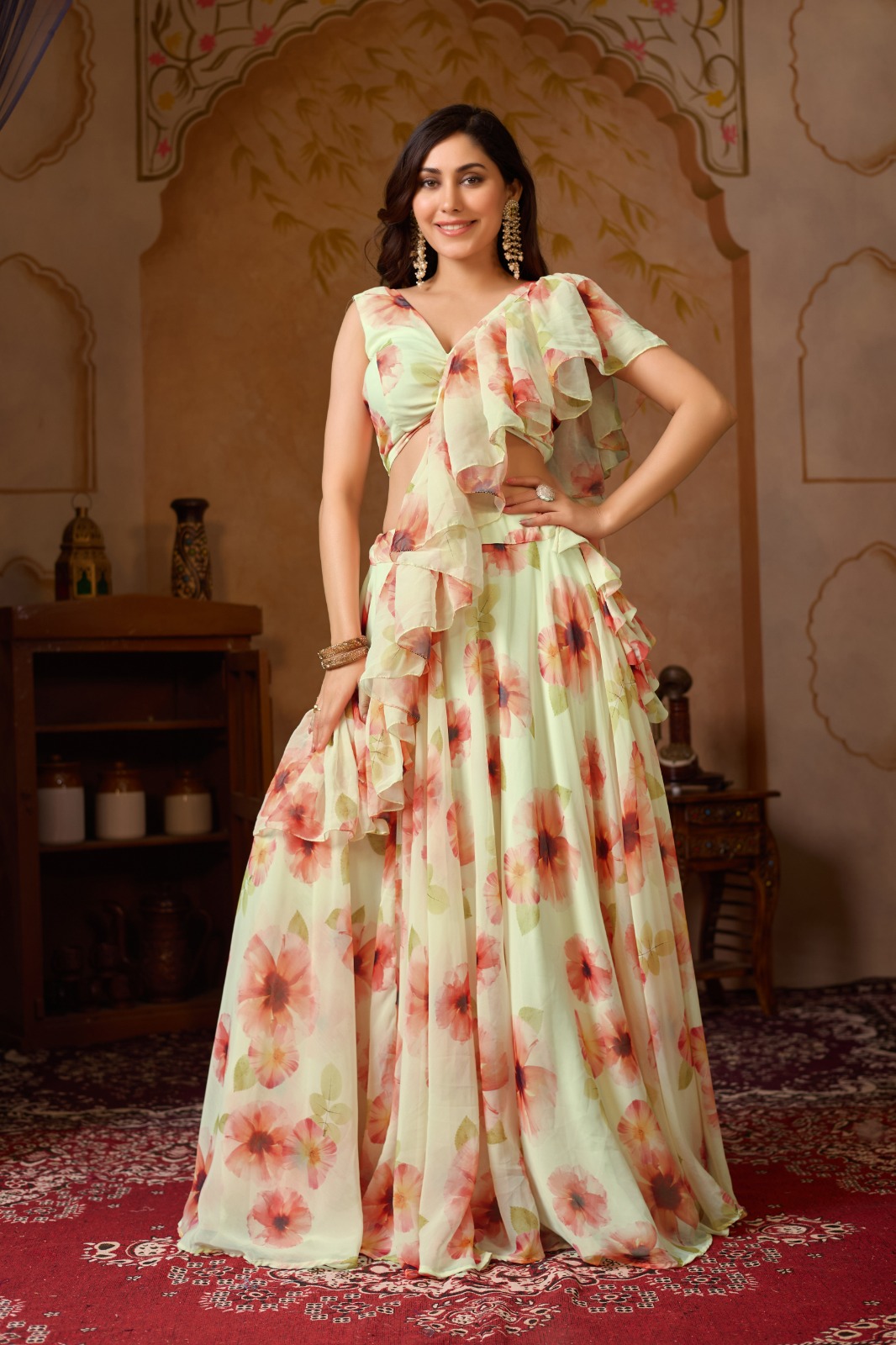
A set such as the Pastel Floral Georgette Lehenga Set with Ruffle Blouse gives a softer, lighter visual direction, while the Designer Threadwork Silk Lehenga Choli Set with Dupatta creates a more formal impression through silk and threadwork. Airy floral styling can work for a daytime engagement, whereas silk generally reads as more ceremonial.
How much embellishment is practical?
Heavy mirror work, dense embroidery and multiple stiff layers can become uncomfortable after several hours. A lehenga for a dance function should allow a full walking stride, sit without pulling at the waist and remain balanced when the dupatta is pinned. A skirt with moderate flare is often easier to manage in crowded spaces than an extremely wide bridal silhouette.
The Cream Ethnic Lehenga Choli with Mirror Work Design demonstrates how a neutral base can carry reflective embellishment without relying on a very dark colour. The Beige Mirror Work Ready to Wear Saree with Blouse brings a related option for someone who wants the shine of mirror work but prefers saree draping over a skirt silhouette.
Haryana Ethnic Wear Guide: Sarees, Blouses, Suits & Lehengas for each ceremony
A Haldi ceremony usually benefits from a light, cheerful outfit in yellow, green or another bright shade that permits comfortable sitting, movement and easy laundering. A daytime wedding function can accommodate a printed or softly embroidered lehenga, while the main wedding and reception usually justify silk, richer threadwork or more elaborate accessories.
What works for Haldi and Mehendi?
Yellow and green are practical starting points for Haldi and Mehendi dressing because they connect visually with the ceremonies without demanding bridal-level ornamentation. The Yellow Lehengas and Green Lehengas collections can help narrow the colour search before considering fabric and blouse construction.
For Mehendi, choose sleeves and necklines that remain comfortable while the hands are occupied, and avoid a dupatta arrangement that repeatedly falls over the arms. A lighter skirt, secure waist and flat or low-heeled footwear are valuable when the ceremony involves outdoor seating or movement between spaces.
What suits a sangeet, engagement or reception?
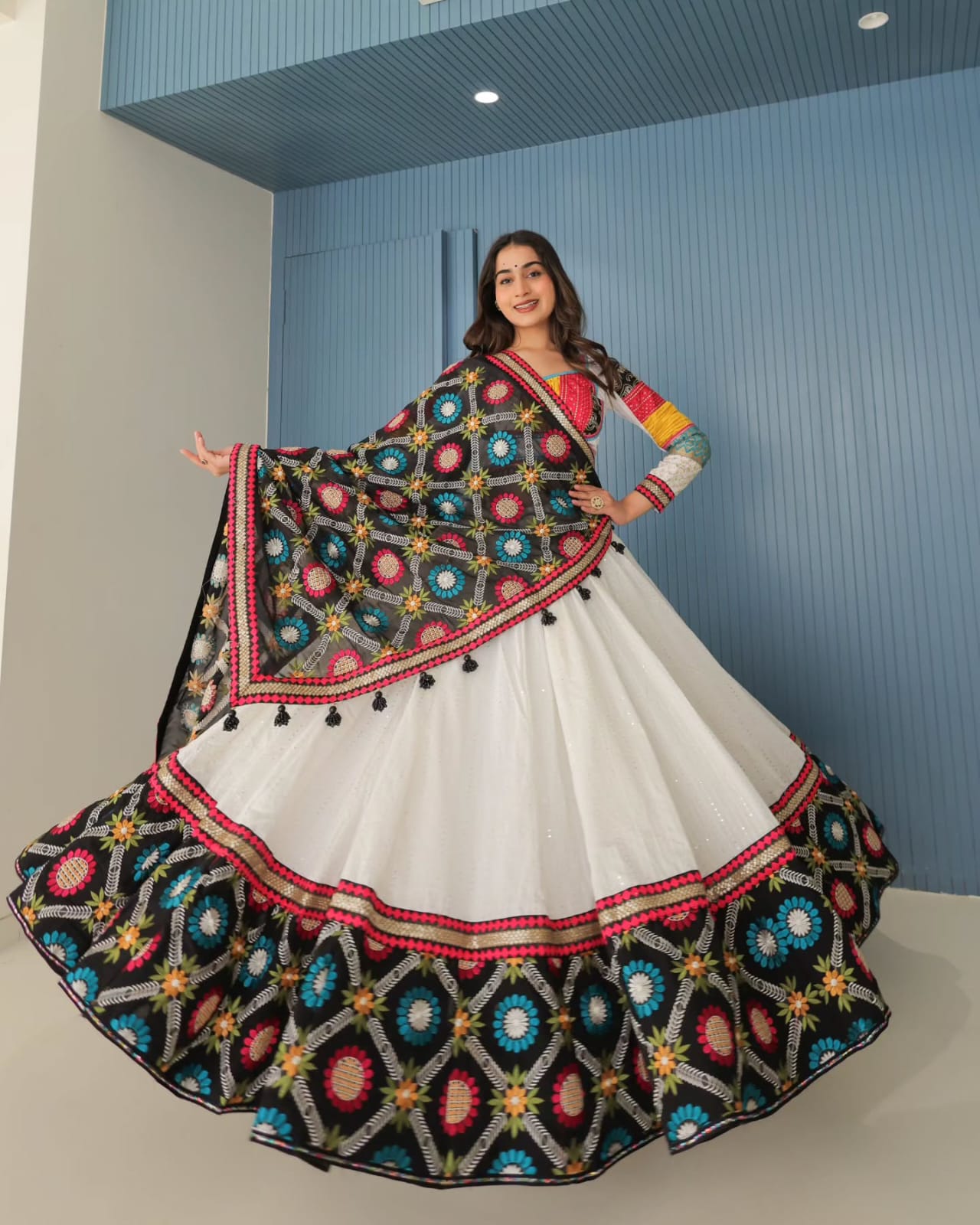
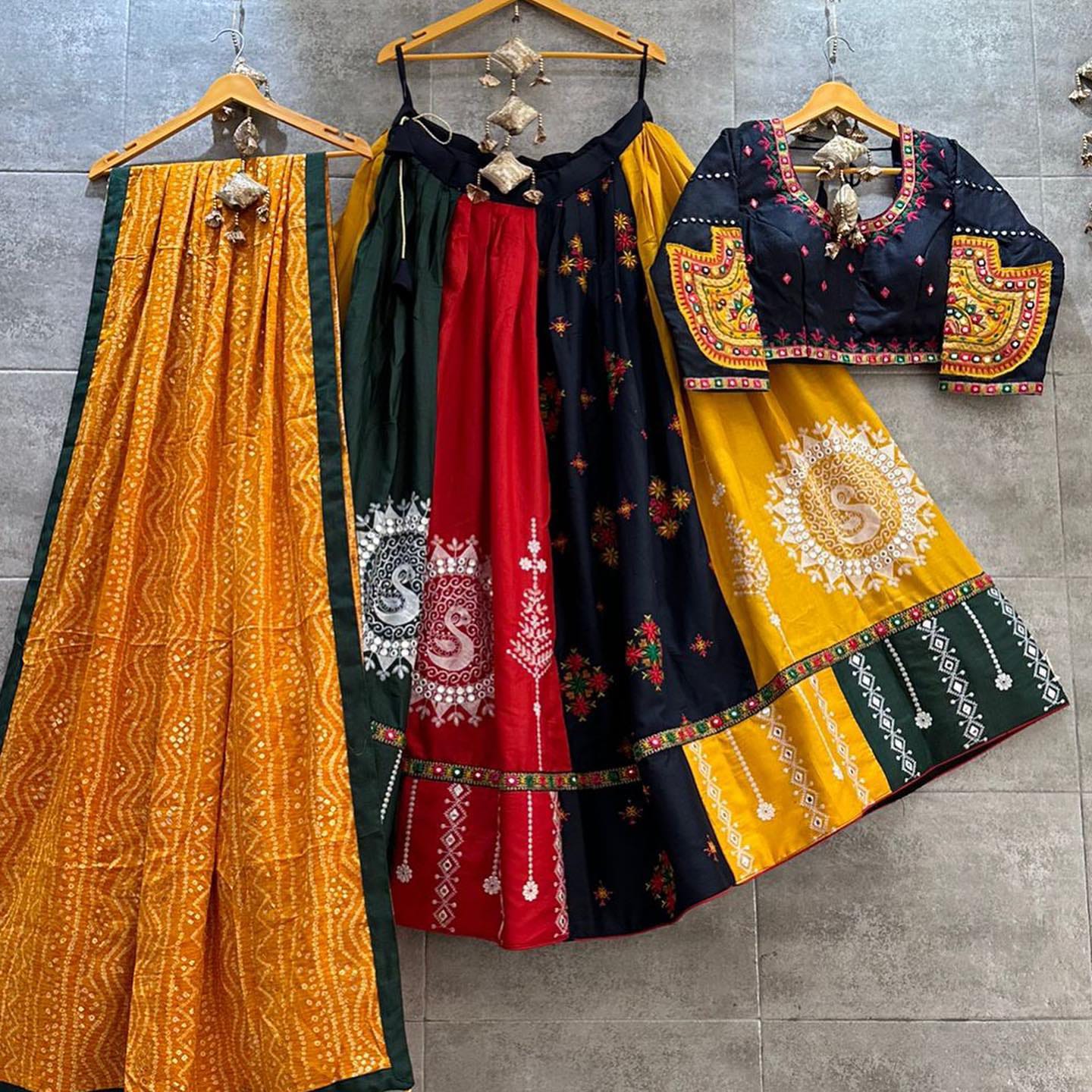
Sangeet dressing should prioritise movement, secure draping and a blouse that supports the shoulders during dancing. The Stylish Multicolor Butter Silk Lehenga Choli Set and the Colorful Patch Print Butter Silk Lehenga Choli Set offer ways to use colour and print for a lively function without automatically choosing a heavily embellished bridal outfit.
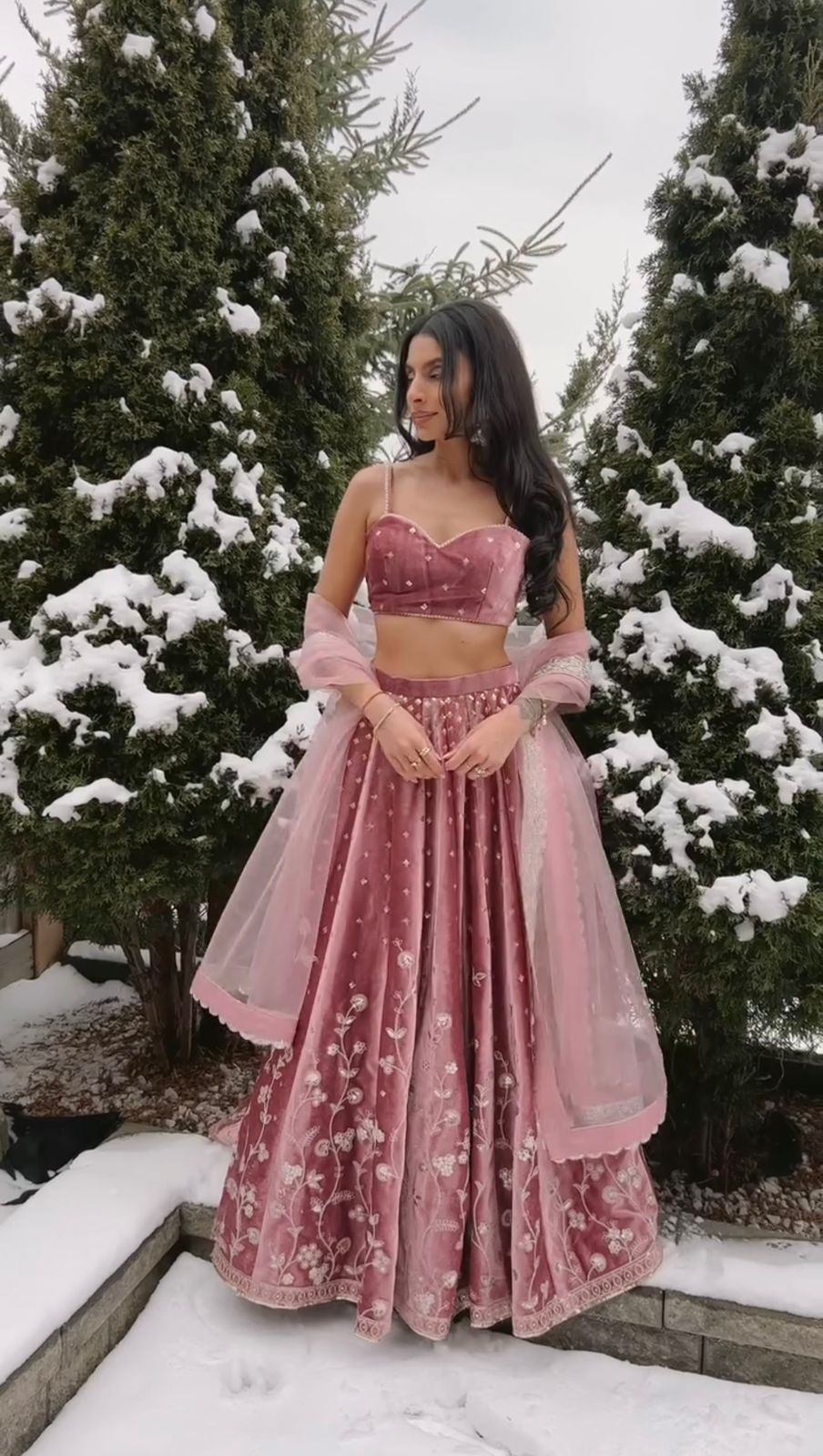
An engagement or reception permits a more polished finish, such as satin embroidery, threadwork or a controlled palette. The Dusty Pink Satin Embroidered Lehenga Set Online can suit a softer evening mood, while the Designer Threadwork Silk Lehenga Choli Set with Dupatta provides a more traditional formal direction.
What should you wear for the main wedding?
Wedding dressing requires more than an ornate skirt because the outfit must remain wearable through photographs, rituals and extended sitting. Check the blouse closure, lining, inner structure, dupatta length and waistband security before treating embellishment as the deciding factor.
A bridal lehenga should also allow room for jewellery and a second dupatta if the styling plan includes one. Strong contrast between the blouse, skirt and dupatta can look striking, but a coordinated base colour is easier to accessorise and less likely to appear visually crowded in close-up photographs.
Haryana Ethnic Wear Guide: Sarees, Blouses, Suits & Lehengas for a versatile wardrobe
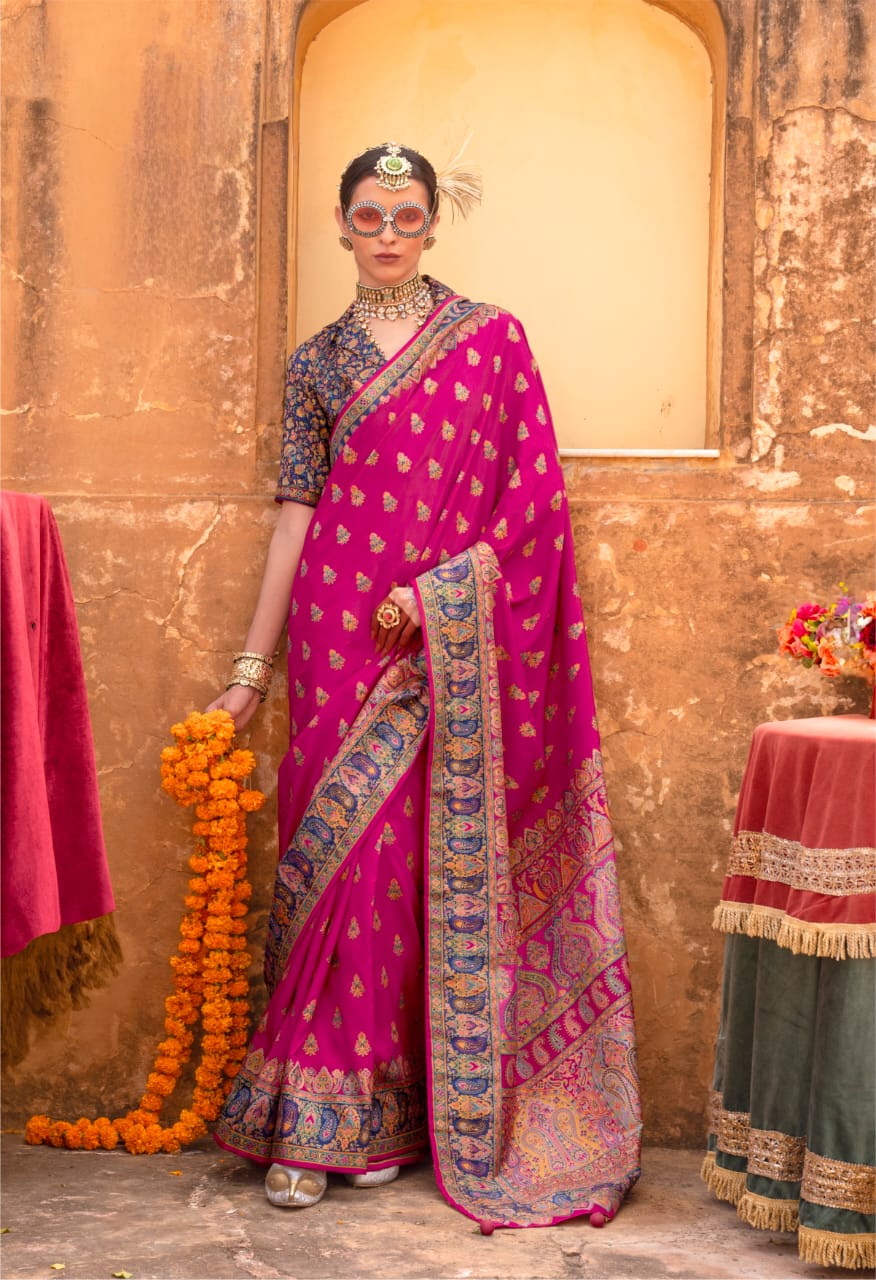
Sarees, blouses and suits extend an ethnic wardrobe beyond lehenga occasions by offering different levels of formality, comfort and repeat wear. A saree can appear elegant with fewer components, a well-fitted blouse can transform multiple drapes and a salwar suit often handles daytime travel and family hosting particularly well.
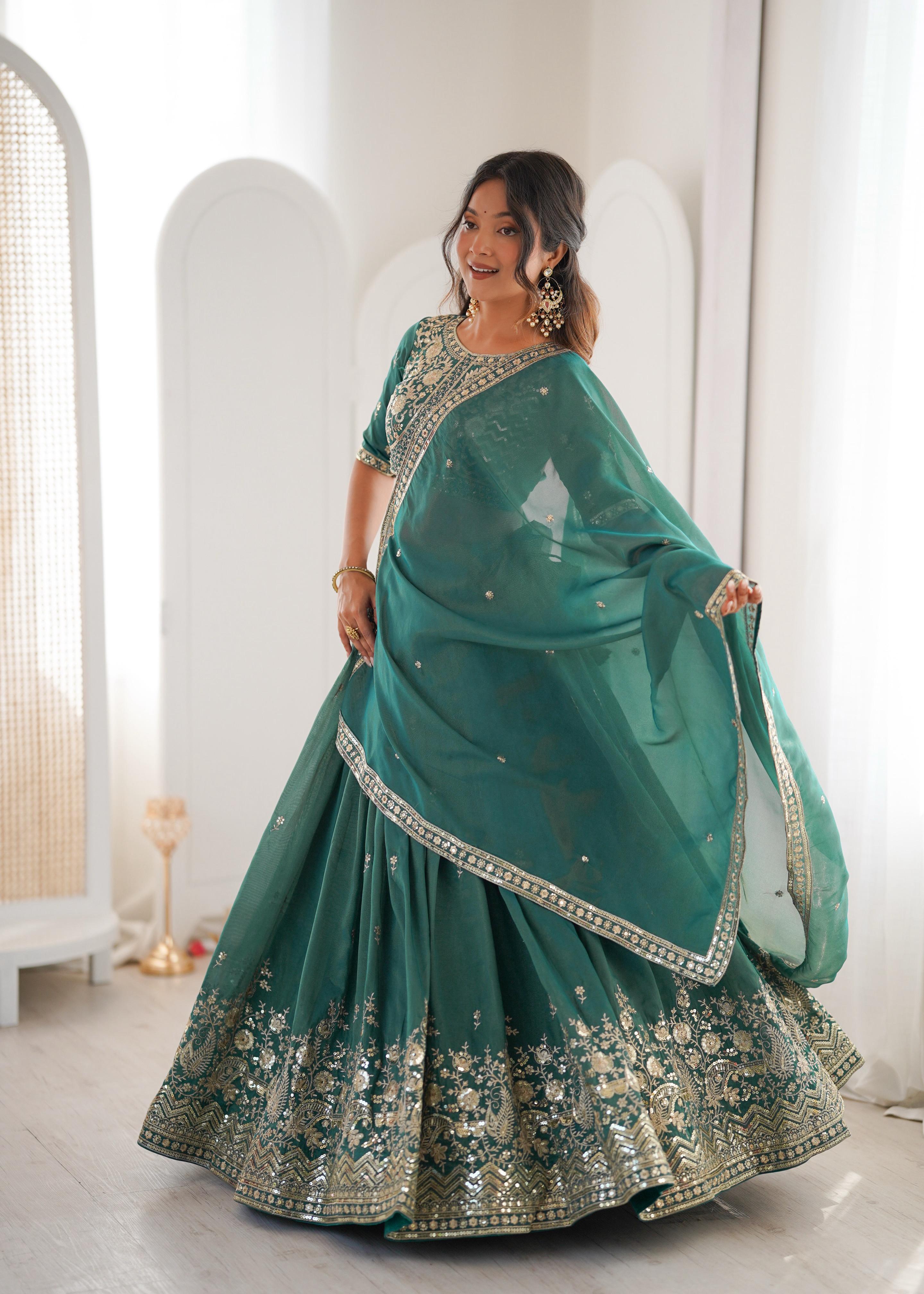
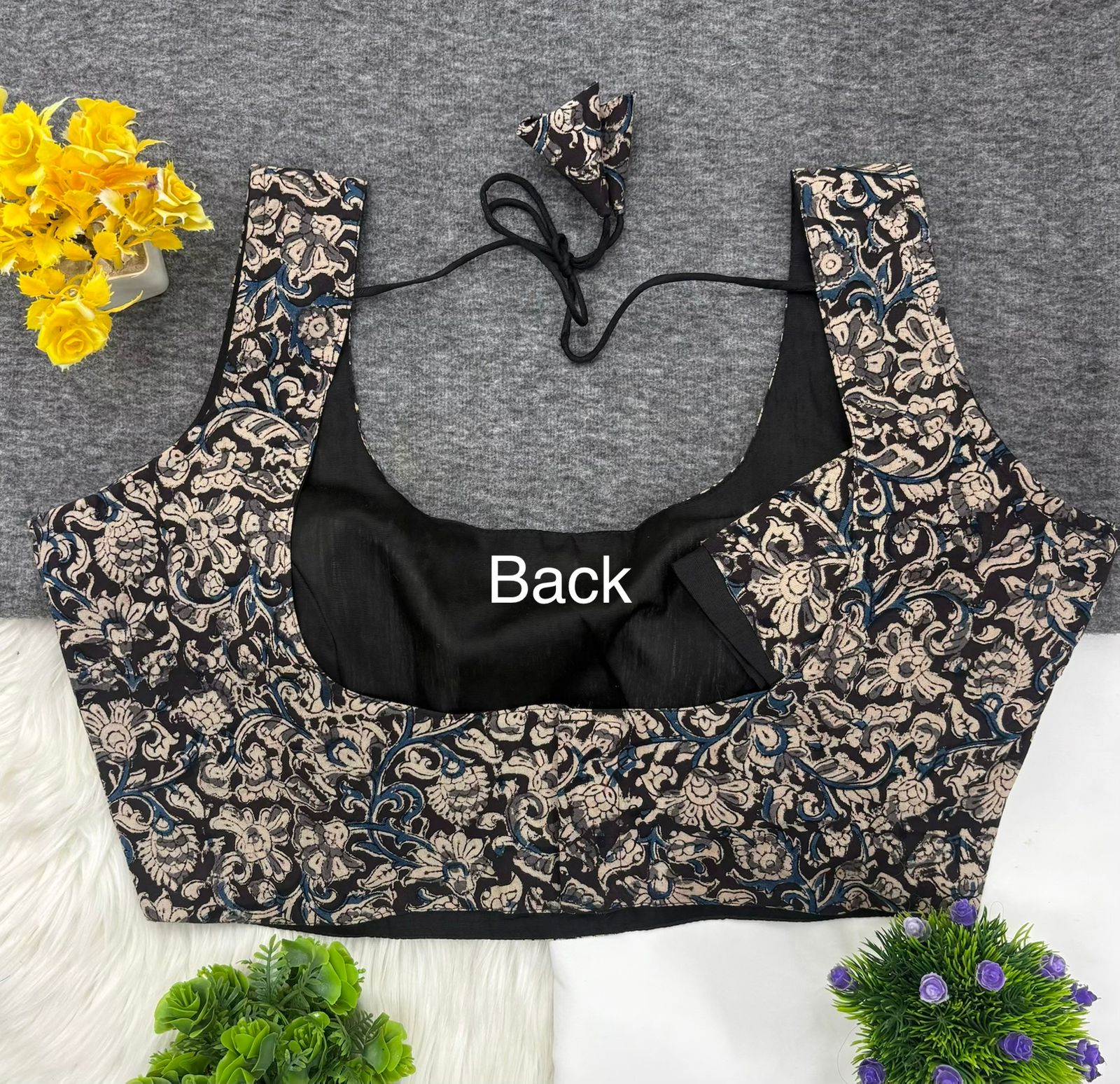
When buying a blouse separately, measure the bust at the fullest point, the underbust, shoulder width, armhole and desired blouse length. A blouse that's tight at the armhole can restrict movement even when the bust measurement appears correct. A blouse intended for a saree should also be tested with the saree's fabric, because a slippery satin drape needs different pinning and coverage from a firmer silk drape.
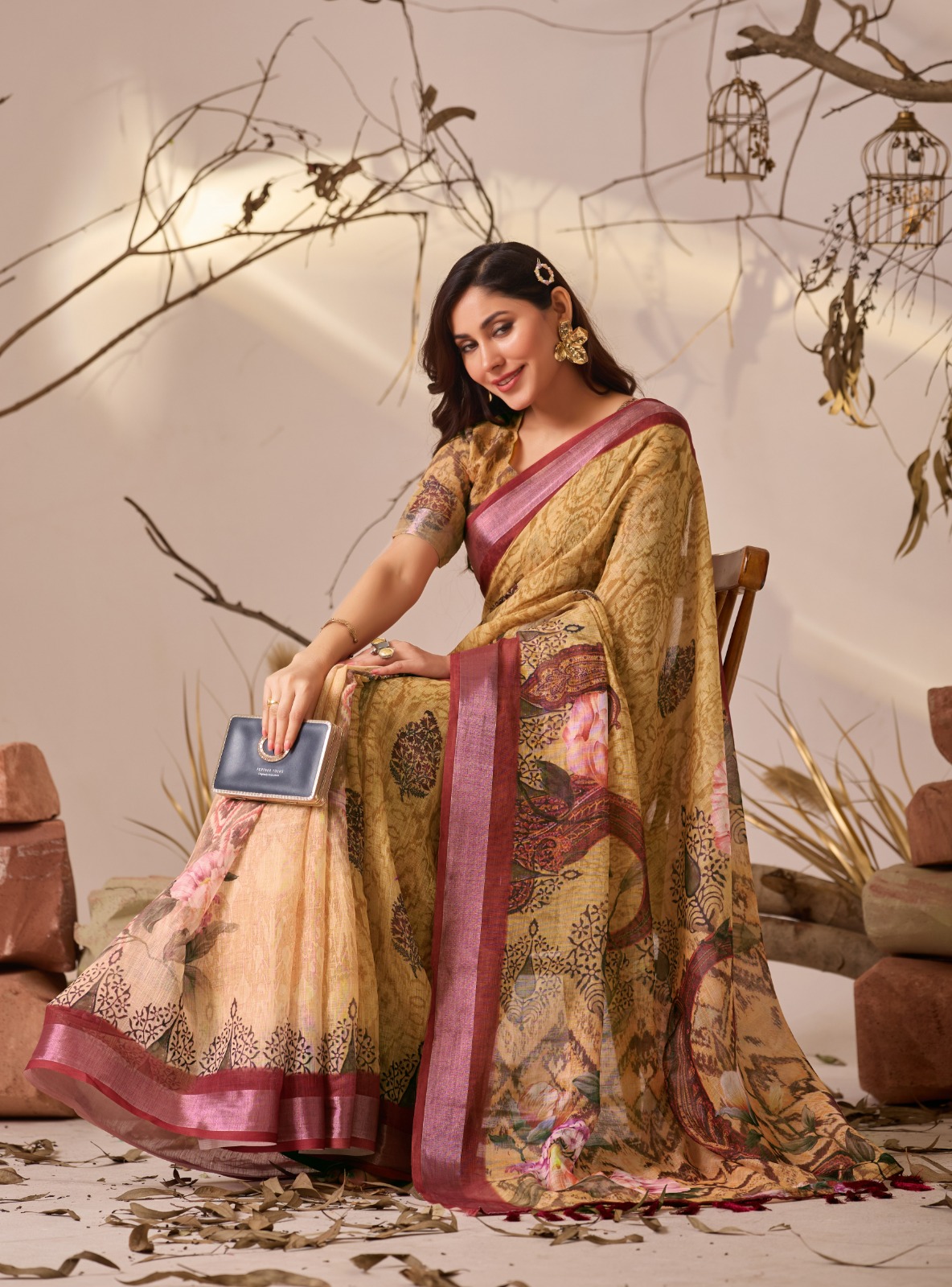
The Beige Mirror Work Ready to Wear Saree with Blouse is an example of a coordinated saree option for shoppers who want a finished pairing rather than separate blouse selection. Ready-made construction is particularly helpful for occasional wear, but the blouse should still be altered if the shoulder or bust fit isn't secure.
Salwar suits, palazzo suits and sharara sets are useful for ceremonies that involve prolonged sitting, visiting several homes or travelling. Their trousers provide a practical alternative to a long skirt, while embroidery, printed dupattas and embellished necklines preserve a celebratory appearance. For girls and younger wearers, lighter fabrics, shorter dupatta lengths and non-snag embellishment usually make more sense than miniature versions of heavily worked bridal clothing.
Haryana Ethnic Wear Guide: Sarees, Blouses, Suits & Lehengas by fabric and finish
Fabric choice affects comfort, fall, transparency, movement and the amount of tailoring required. Georgette generally creates a fluid drape, silk gives more body and a formal surface, satin reflects light but may need careful handling, and butter silk can provide a smooth, colourful finish with moderate structure.
A lined choli is usually more comfortable for extended wear because the lining reduces direct contact between the skin and embroidery. Check whether the skirt has a finished lining, whether the waistband contains a reliable fastening and whether the hem sits evenly. Mirror work and metallic embellishment should be examined for sharp edges that could catch on dupattas or irritate the arms.
The Vibrant Multicolor Navratri Lehenga Choli Set is suited to a colour-forward festive wardrobe, but colour should not be the only quality check. Inspect seams, the neatness of the inner finishing and the attachment of decorative elements before wearing the set to a long event.
Garment care begins before the first wear. Keep embellished lehengas in a breathable garment bag rather than compressed plastic, fold heavy skirts over a wide hanger or support them flat, and avoid spraying perfume directly onto satin, zari or mirror work. Spot-clean only when the care label allows it; otherwise, use a professional cleaner familiar with embellished ethnic clothing.
Haryana Ethnic Wear Guide: Sarees, Blouses, Suits & Lehengas for online shopping
Online ethnic-wear shopping becomes safer when measurements, construction details and delivery time are checked before colour and embellishment. Product photographs can show the overall silhouette, but a size chart, fabric description and closure information reveal whether the garment will work for a particular event.
Compare your measurements with the garment's stated measurements rather than ordering your usual western size. A blouse may require a different size from the skirt, especially when the set has a fitted choli and a drawstring or elasticated waist. Ask a tailor to measure the blouse area before ordering if the event is important and alterations will be difficult.
Readymade outfits are useful when the ceremony is close, but allow at least seven to ten days for minor alterations, trial wear and possible exchange procedures. Semi Stitched Lehengas Collection pieces may need more planning because a tailor must finish the waist, blouse and hem. Ready Made Lehenga options are more convenient for urgent shopping, provided the finished measurements are compatible with the wearer.
Designer styling doesn't automatically mean better comfort or better value. Compare the amount of embroidery, lining quality, fastening type, included components and expected number of wears. A lighter festive lehenga that can be used for an engagement, reception and future family celebration may offer more practical value than a very heavy bridal piece reserved for one evening.
Three styling details make a large difference: pin the dupatta at the shoulder and waist when dancing, choose footwear before finalising skirt length, and carry a small repair kit with safety pins, fashion tape and spare hooks. A ten-minute trial at home can reveal whether the blouse pulls, the hem catches under the heel or the dupatta needs a different drape.
A considered wardrobe can include the Mehendi Lehengas collection for green and botanical colour stories, the Yellow Lehengas collection for Haldi dressing, the Green Lehengas collection for daytime celebrations, the Ready Made Lehenga collection for quick outfits and the Semi Stitched Lehengas Collection for adjustable tailoring. These categories make shopping more focused because the wearer can begin with occasion and construction rather than browsing every silhouette.
Haryana Ethnic Wear Guide: Sarees, Blouses, Suits & Lehengas styling checklist
The best final outfit is one that remains comfortable from the first ritual to the last photograph. Confirm the ceremony, weather, movement level, footwear, blouse fit, dupatta security and care requirements before buying or tailoring the garment.
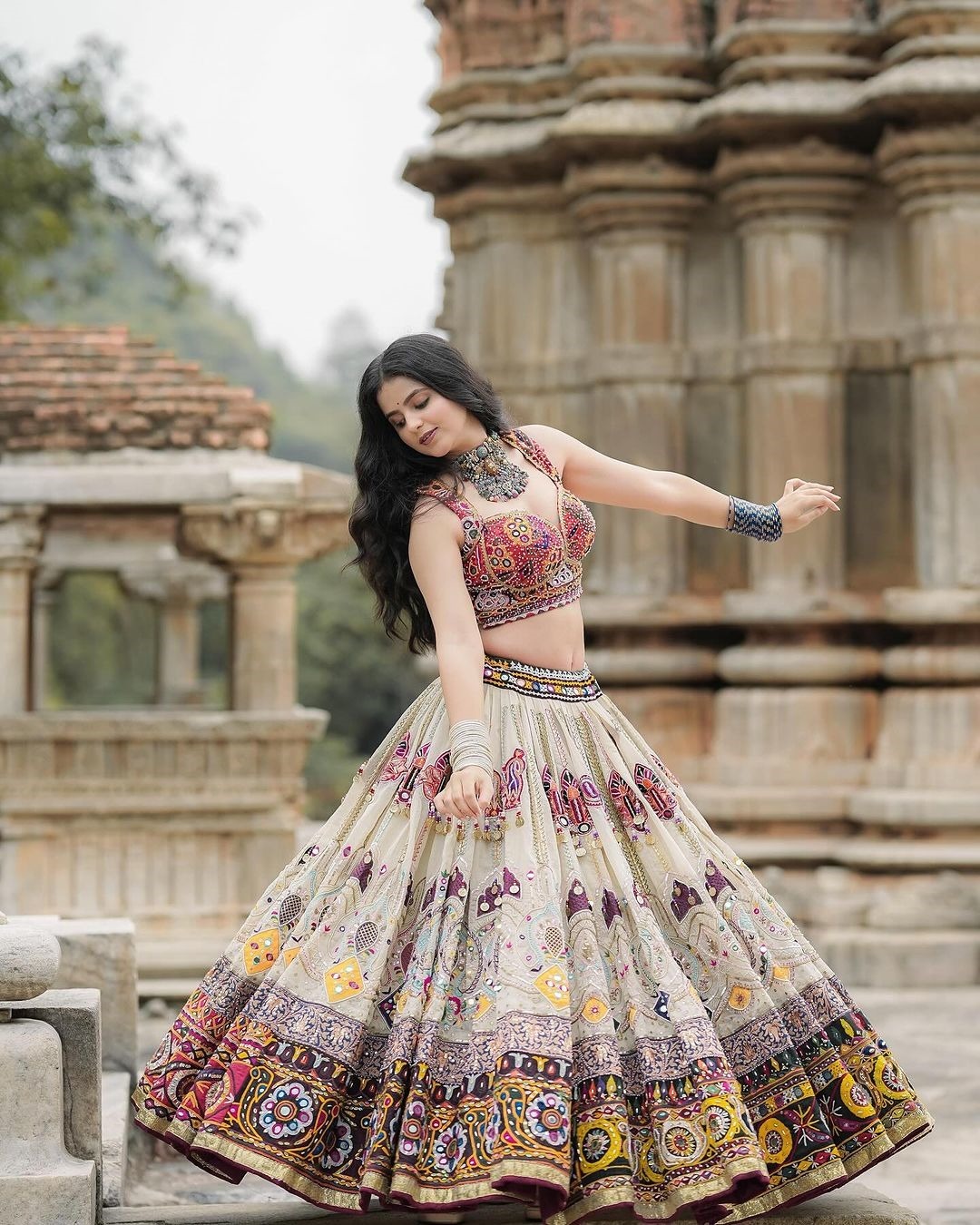
- Match the silhouette to the activity: choose a lehenga for expressive festive styling, a saree for graceful formal dressing and a suit for easier movement and travel.
- Check the full fit: measure the bust, shoulder, armhole, waist, skirt length and blouse length instead of relying on a single size label.
- Choose colour with purpose: use yellow for Haldi, green for Mehendi, bright multicolour for Navratri and richer silk or threadwork for formal evening celebrations.
- Inspect the inside: check lining, seams, hooks, waistbands, hem finishing and the security of mirror work or metallic decoration.
- Plan enough time: allow seven to ten days for alterations and trial wear when buying a finished outfit for an important event.
- Protect the garment: store embellished clothing in breathable covers and follow the care label before washing, steaming or dry-cleaning.
Haryana celebration dressing becomes easier when beauty and usability are evaluated together. A well-fitted ready-made lehenga, a coordinated saree blouse, a breathable suit or a carefully tailored semi-stitched set can all look appropriate when the colour, fabric and construction suit the ceremony.
Common Questions About Choosing Haryana Ethnic Wear
What should women wear to a Haryana wedding?
Women can wear a lehenga choli, silk saree, embroidered suit or sharara according to the ceremony and personal comfort. A heavier silk or threadwork lehenga suits the main wedding or reception, while a lighter suit or printed lehenga works well for daytime functions.
Is a ready-made lehenga better than a semi-stitched lehenga?
A ready-made lehenga is better when the event is soon and the finished measurements already fit. A semi-stitched lehenga is better when waist and blouse adjustments are important, but it requires a tailor and additional time before wearing.
Which colours are suitable for a Haldi ceremony and Mehendi?
Yellow is a natural choice for a Haldi ceremony, while green works especially well for Mehendi. Bright multicolour outfits can also suit both functions, provided the fabric is light enough for sitting, movement and warm weather.
How should I choose a fully stitched choli online?
Compare bust, shoulder, armhole, sleeve and blouse-length measurements with the size chart before ordering a fully stitched choli. Check the closure, lining and alteration allowance because a blouse that fits the bust can still restrict the shoulders or arms.
Which lehenga fabric is comfortable for dancing?
Light georgette, butter silk and moderately structured fabrics are generally easier for dancing than very heavy, stiff or densely embellished skirts. A comfortable dancing lehenga should allow a full stride, sit without pulling and stay secure when the dupatta is pinned.
How should embellished lehengas be stored after a wedding?
Store an embellished lehenga in a breathable garment bag and avoid compressing mirror work, zari or dense embroidery under heavy clothing. Follow the care label, keep perfume away from the fabric and use a specialist cleaner when spot cleaning is not permitted.