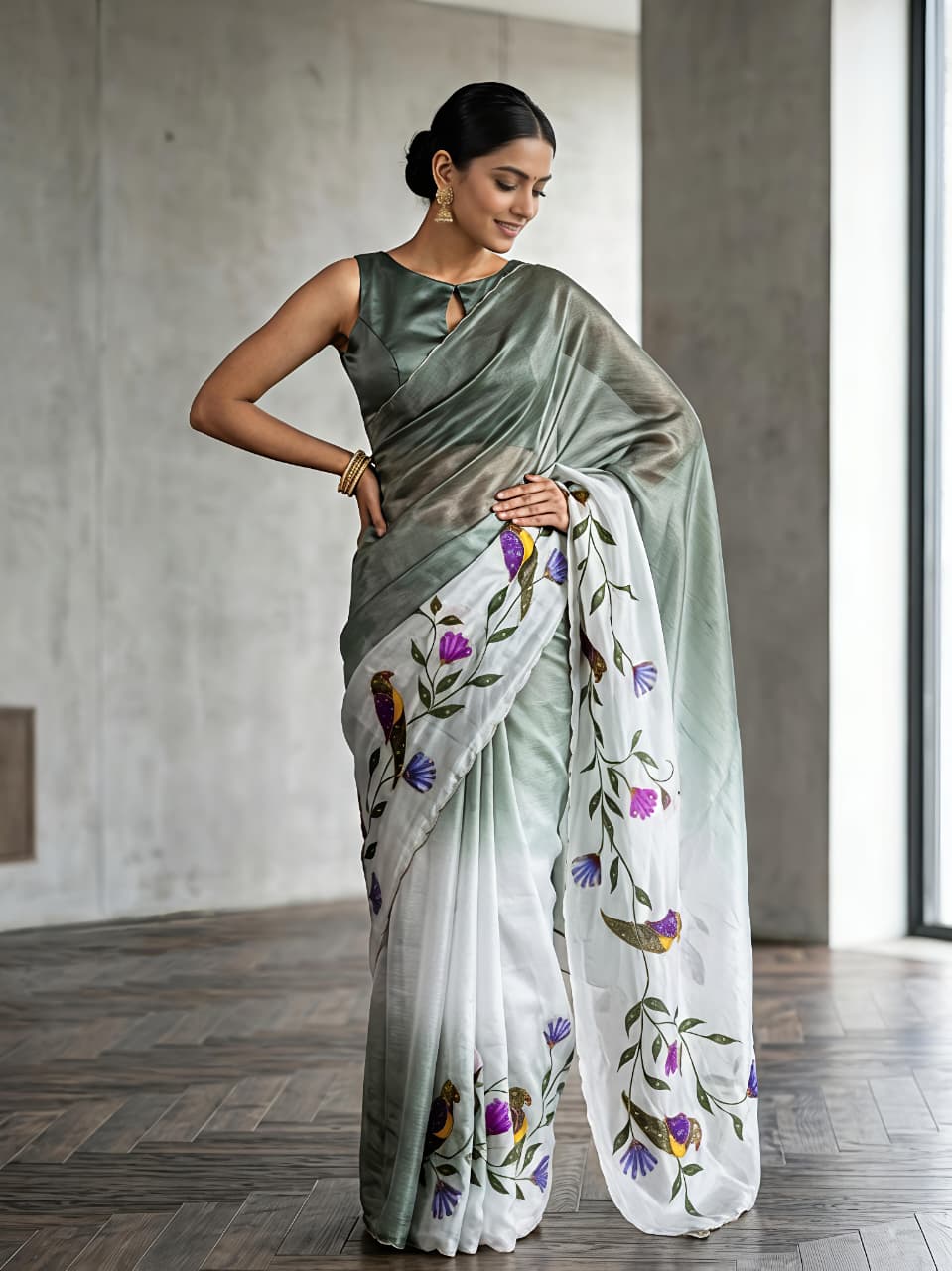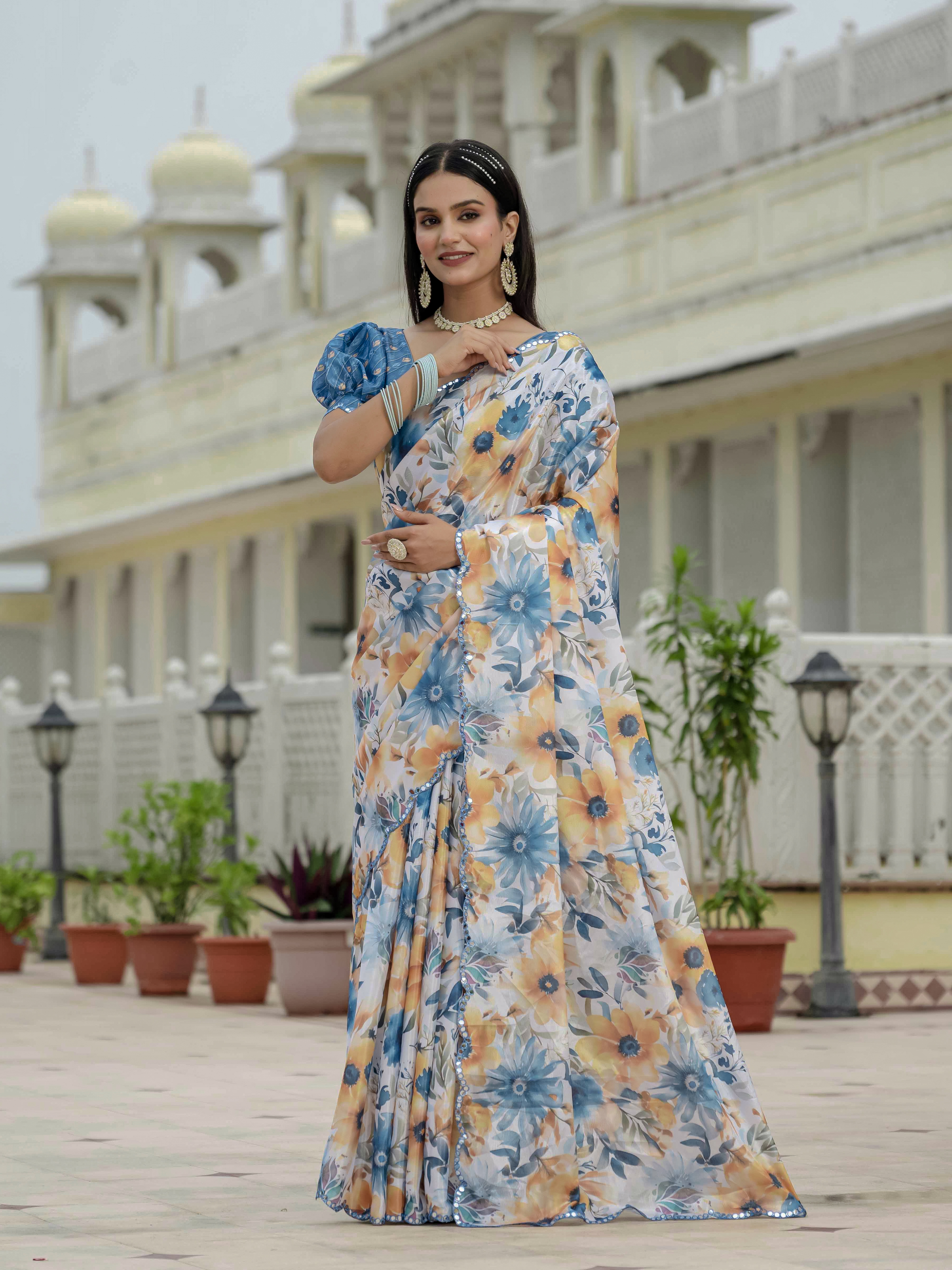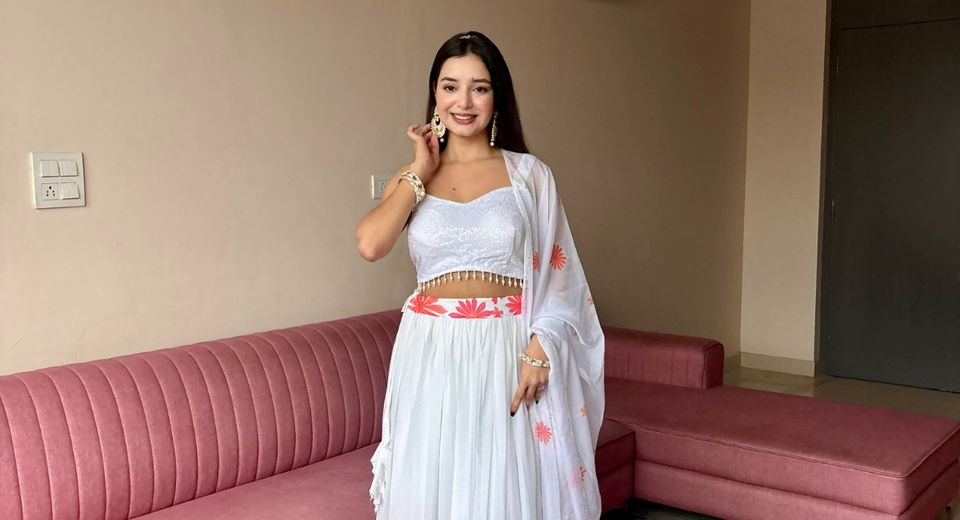
Haryali Teej 2026 Outfit Ideas: Haryanvi Sarees, Suits & Lehengas should balance festive colour, easy movement and regional character. Haryali Teej arrives during the monsoon, when women gather for swings, mehendi, songs, prayers and festive meals. Green remains the most recognisable shade, but a successful Teej look also depends on breathable fabric, a secure drape and jewellery that can withstand several hours of celebration.
Haryanvi dressing offers several useful starting points: a saree with a neat pallu, a salwar suit with a richly finished dupatta, or a lehenga choli adapted for family gatherings rather than a bridal-level event. The best choice depends on how formal the celebration is, whether you'll sit on a swing, and how much walking your day includes.
Haryali Teej 2026 Outfit Ideas: What should you wear?
A green or green-accented saree, salwar suit or lehenga in a comfortable festive fabric is the most dependable choice for Haryali Teej 2026. Emerald, parrot green, pista, mehendi and leaf green connect naturally with the festival's monsoon setting, while pink, yellow, red and gold provide traditional contrast.
For a home puja or neighbourhood gathering, a cotton-silk saree or printed suit may be more practical than a heavily embellished lehenga. For a larger family celebration, a georgette or silk lehenga with a lightweight dupatta gives the festive volume associated with Teej without requiring a bridal-level outfit. A Haryanvi-inspired look can include mirror work, gota patti, phulkari-like colour combinations, bandhani-style prints or a broad contrasting border, although no single outfit represents every Haryanvi community.
Decide the activity before deciding the garment. Choose a lighter hem and shorter dupatta for a swing ceremony, a pre-pleated saree for extensive movement, and a more ornate choli or blouse for an evening programme. A practical outfit is especially important when the celebration involves floor seating, temple visits or several household stops.
Which colours work best for Haryali Teej?
Green works best as the anchor colour, while pink, red, yellow, orange and gold create the contrast associated with festive Indian dressing. A deep green lehenga with a rani-pink dupatta looks celebratory, whereas pista green with antique gold feels softer for a daytime puja.
Green need not cover the entire outfit. A green dupatta over a yellow suit, green blouse with a printed saree, or green bangles paired with a pink lehenga can communicate the festival beautifully. Dark emerald and bottle green photograph richly in the evening, while mint and lime green reflect daylight more gently.
Haryali Teej 2026 Outfit Ideas: How can you create a Haryanvi saree look?
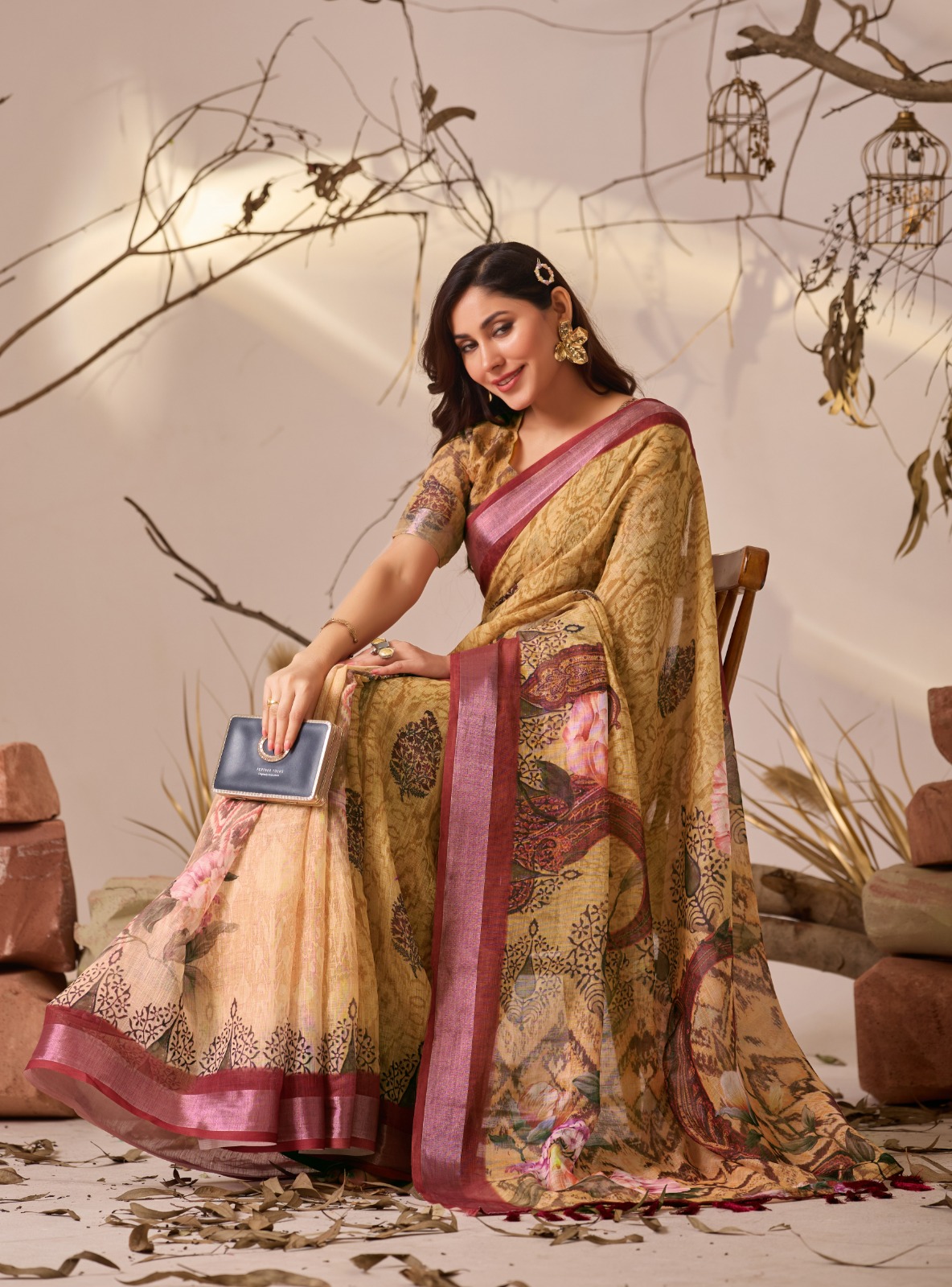
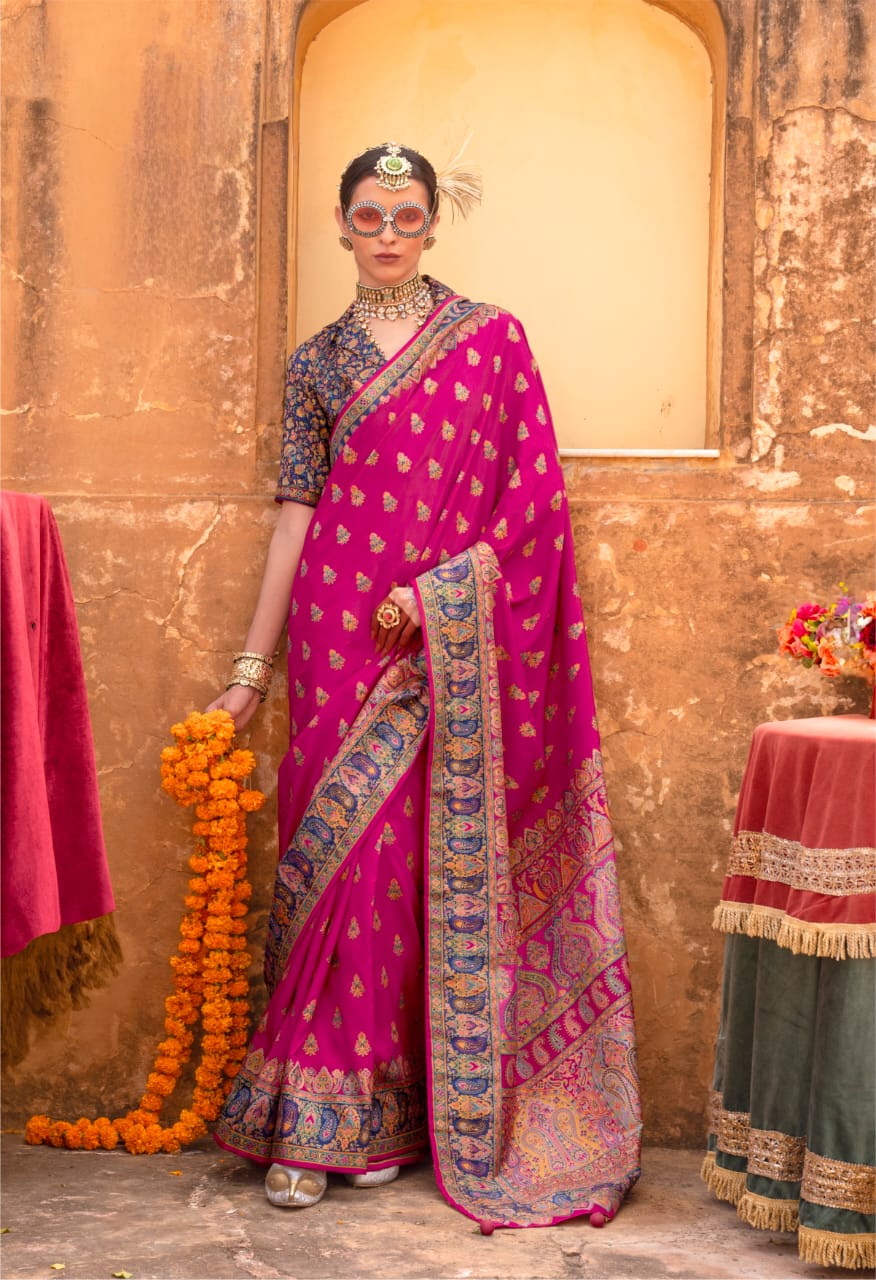
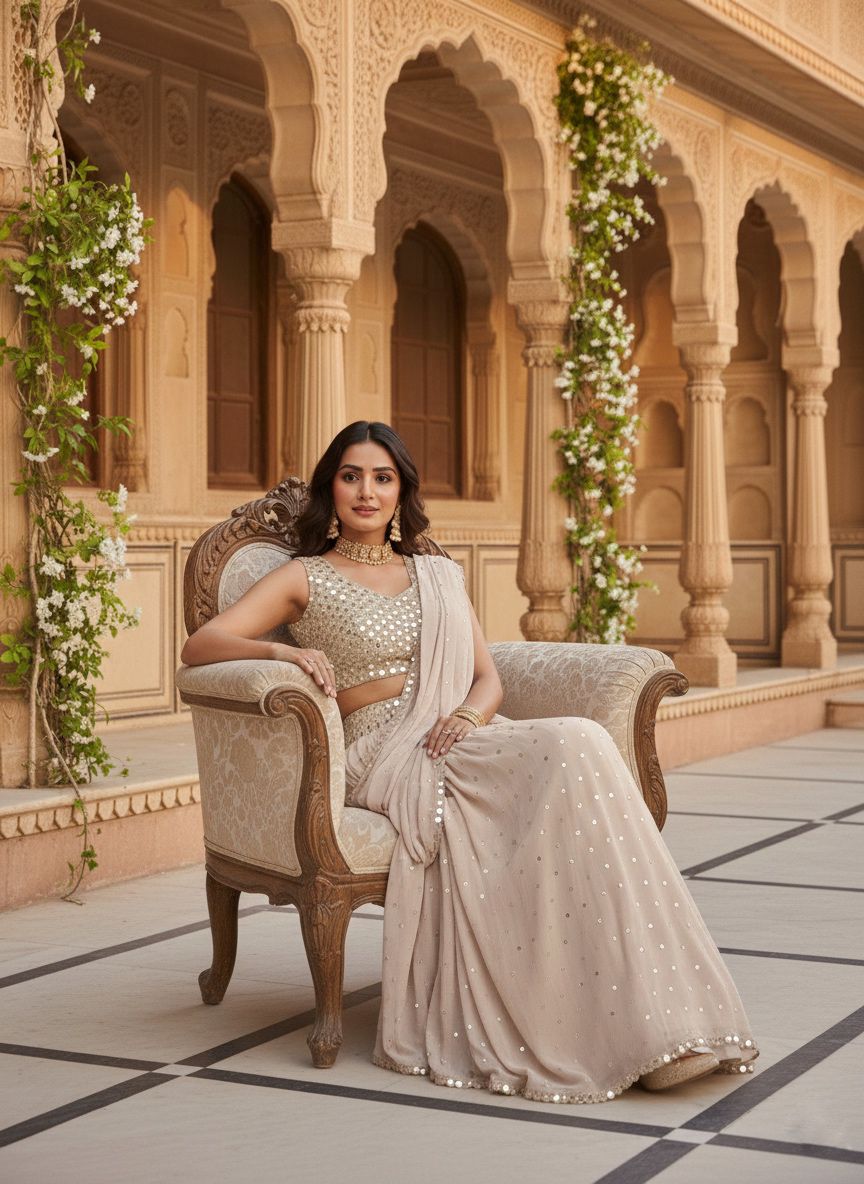
A Haryanvi saree look for Teej works best with a colourful drape, a practical blouse and jewellery that adds festive definition without making the pallu difficult to manage. A bright saree with a contrasting blouse, a secured pallu and classic bangles can look more regionally appropriate than an overloaded outfit covered in unrelated embellishment.
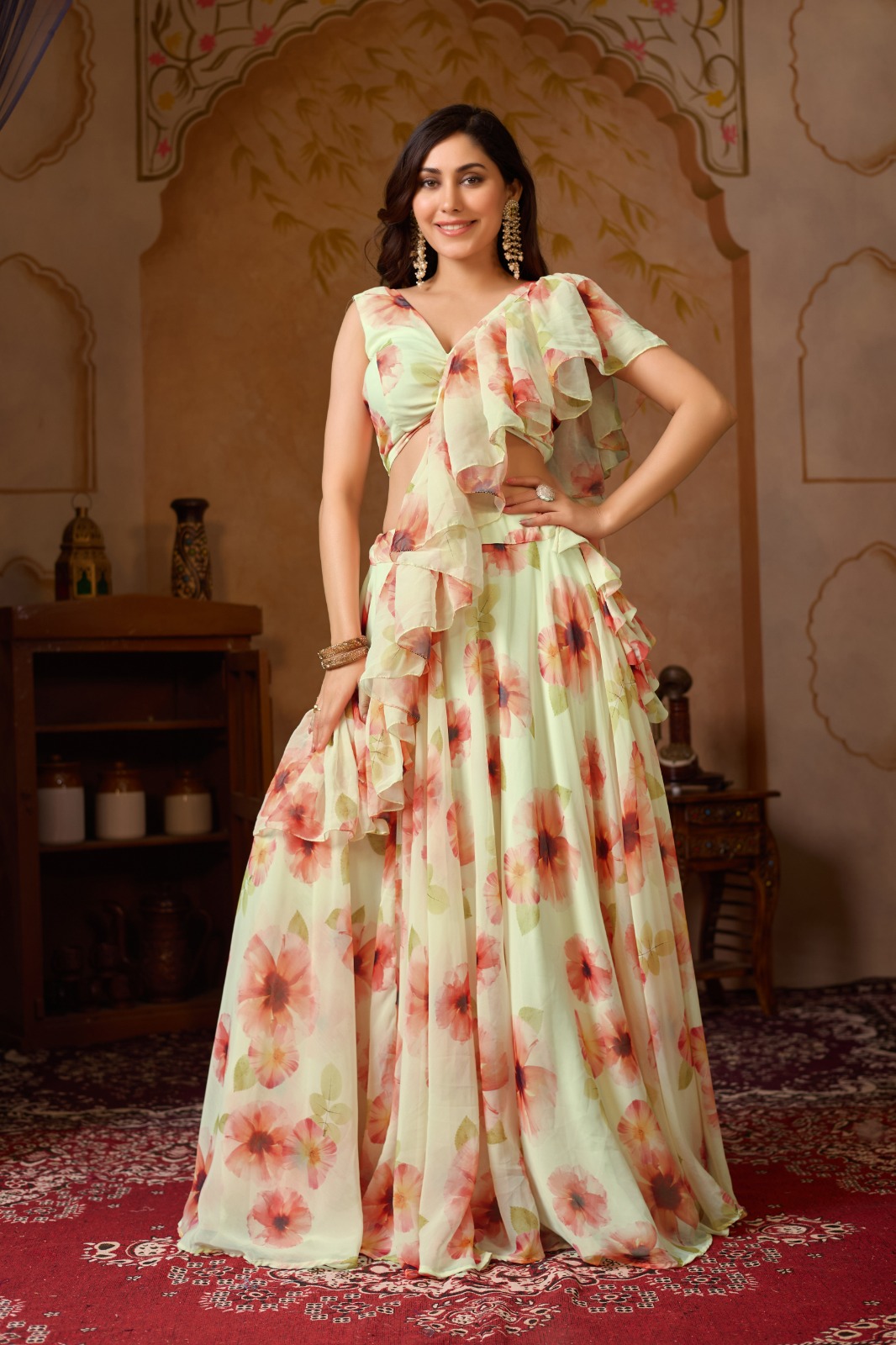
Select a saree with a border that remains visible when seated. A 5.5-metre saree is the standard length for a conventional drape, while a pre-stitched saree can reduce preparation time and prevent loose pleats during group activities. Secure the pallu at the shoulder with a concealed pin, and use a second pin near the waist if you expect to move between the puja area and the swing.
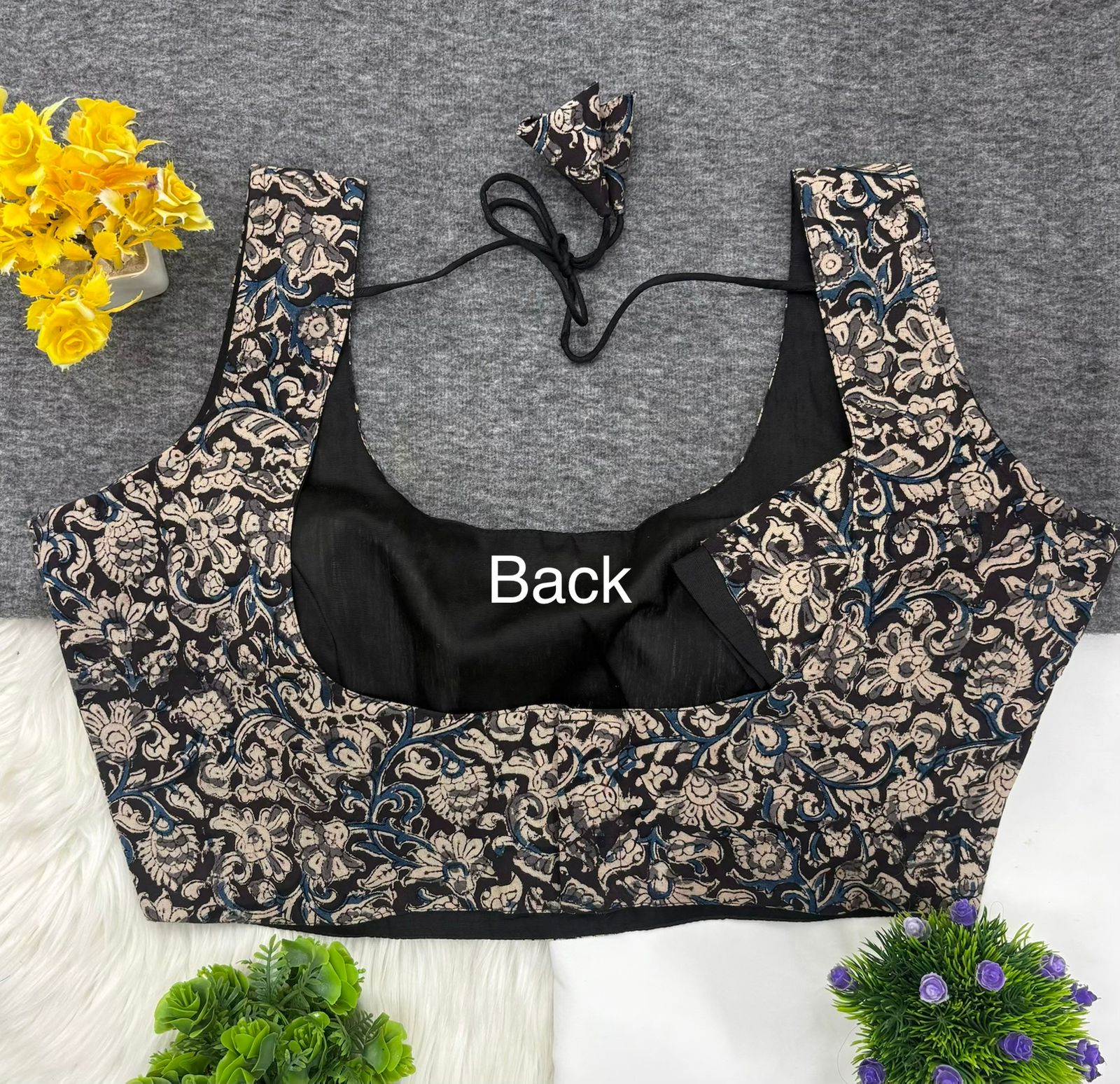
A lightweight blouse with elbow-length sleeves brings a graceful balance to a daytime Teej gathering. High necks, round necks and modest V-necks all work, but the blouse should fit securely across the bust and armhole because repeated adjustment can damage the drape. Beige Mirror Work Ready to Wear Saree with Blouse can be refreshed with green bangles, a green potli and a pink floral hair accessory.
Which saree fabrics are suitable during the monsoon?
Georgette, crepe, cotton silk and lightweight synthetic blends are generally easier to manage during humid monsoon weather than very heavy velvet or multiple layers of raw silk. Fabrics with a controlled fall resist excessive bulk, dry faster after minor exposure to moisture and remain easier to pleat.
Silk can still be an excellent choice for an indoor or evening celebration, especially when the venue is dry and the saree has a manageable weight. Banarasi silk and Kanjeevaram carry strong ceremonial associations, but dense zari and heavier structures may feel warm for a daytime outdoor Teej programme. Chanderi provides a lighter, elegant option, although its delicate surface should be protected from rough seating and jewellery snags.
Haryali Teej 2026 Outfit Ideas: When is a lehenga the better choice?
A Haryali Teej lehenga is a better choice than a saree when you want easier movement, a defined silhouette and less time spent arranging pleats. Lehenga separates also make it simpler to reuse the blouse, skirt or dupatta for another festival.
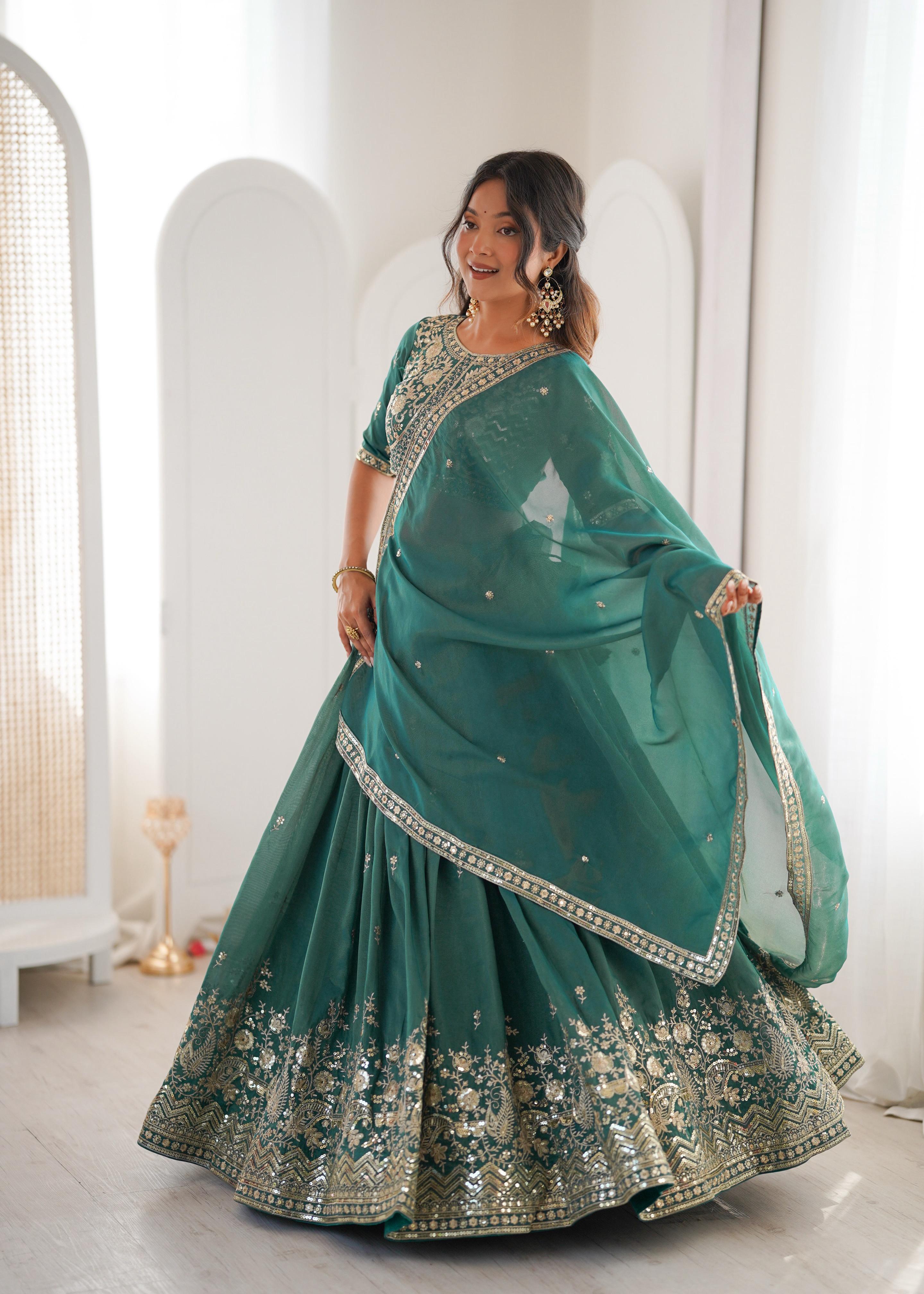
For a daytime gathering, choose a skirt with moderate flare rather than a very full can-can structure. A six- to eight-kali design usually gives festive movement without taking up too much space on a swing or in a crowded home. A 2.25- to 2.5-metre dupatta is generous enough for a heritage shoulder drape, but a lighter 2-metre dupatta may be more comfortable in humid weather.
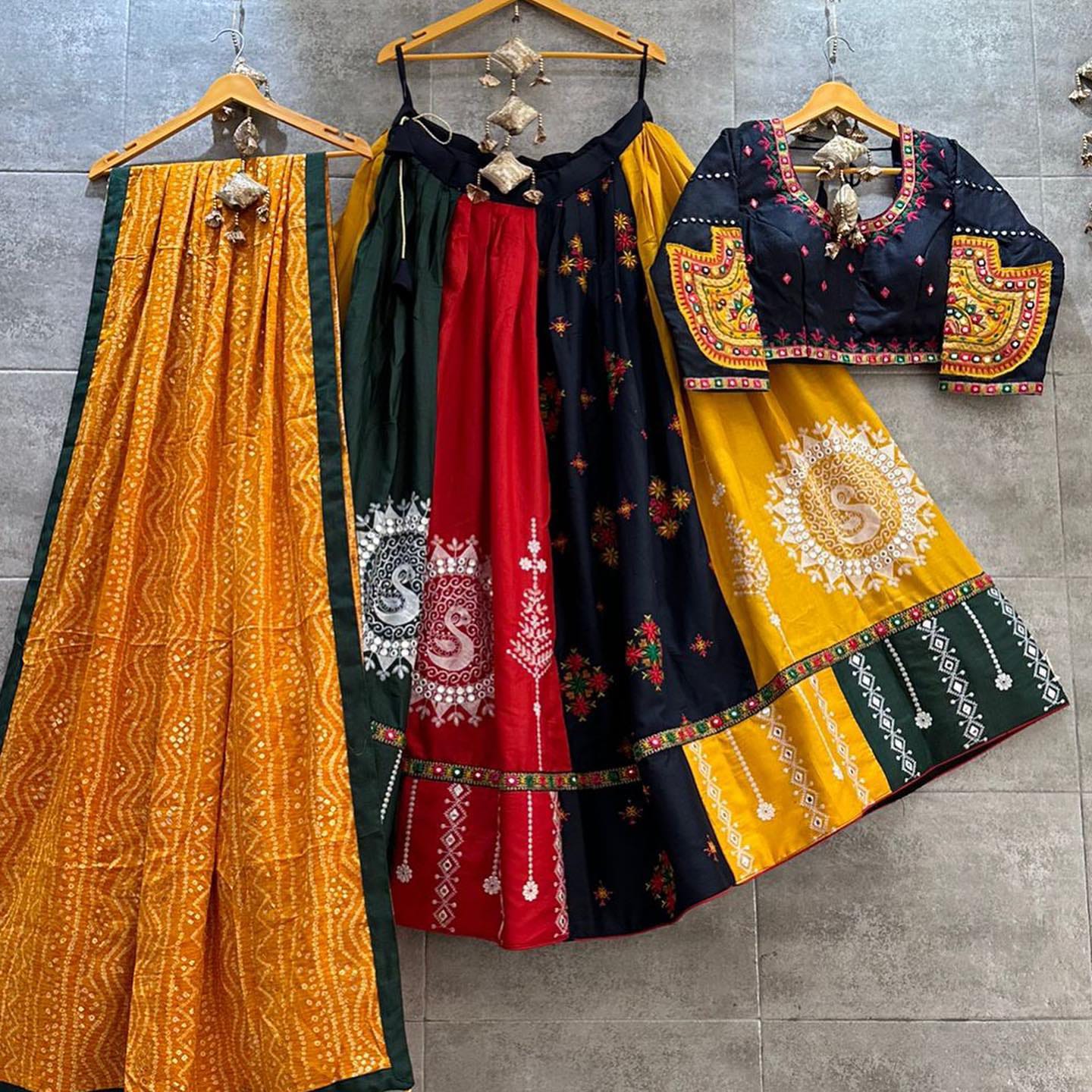
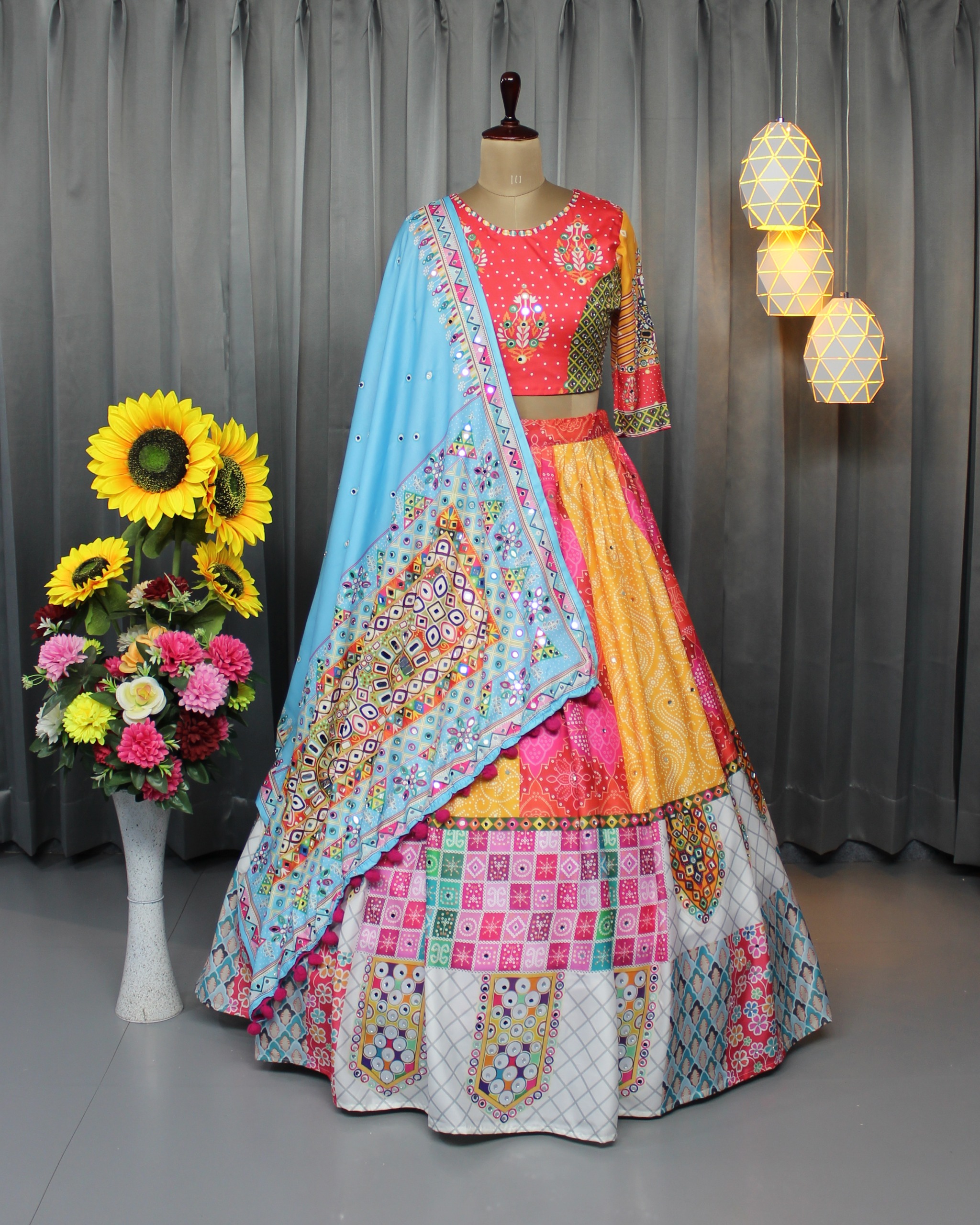
Pastel Floral Georgette Lehenga Set with Ruffle Blouse gives a softer interpretation of Teej dressing. Pastel floral georgette suits a daytime celebration, while a green bangle stack or pink-and-green dupatta accent supplies stronger festival colour. Stylish Multicolor Butter Silk Lehenga Choli Set gives a more saturated, classic appearance and works well for family photographs because multicolour textiles create visual depth without requiring heavy jewellery.
Bright prints are useful when you want the outfit to feel festive but not bridal. Colorful Patch Print Butter Silk Lehenga Choli Set and Multicolor Printed Butter Silk Lehenga Choli Set show how a printed surface can carry much of the styling, allowing you to keep the blouse accessories and makeup comparatively restrained.
How much embroidery is appropriate for a Teej lehenga?
Moderate embroidery is appropriate for most Haryali Teej gatherings because it preserves comfort while still giving the outfit ceremonial presence. Prioritise one focal area, such as a zari border, mirror-work blouse or embroidered dupatta, instead of placing dense embellishment on every layer.
Zari, gota, sequins and mirror work catch light gracefully, but each material changes the garment's weight and care needs. A heavily zari-ed hem can drag on damp ground, while loose mirror work can snag on swing ropes or rough walls. Designer Threadwork Silk Lehenga Choli Set with Dupatta is better suited to a formal indoor celebration where its threadwork and silk surface can remain protected.
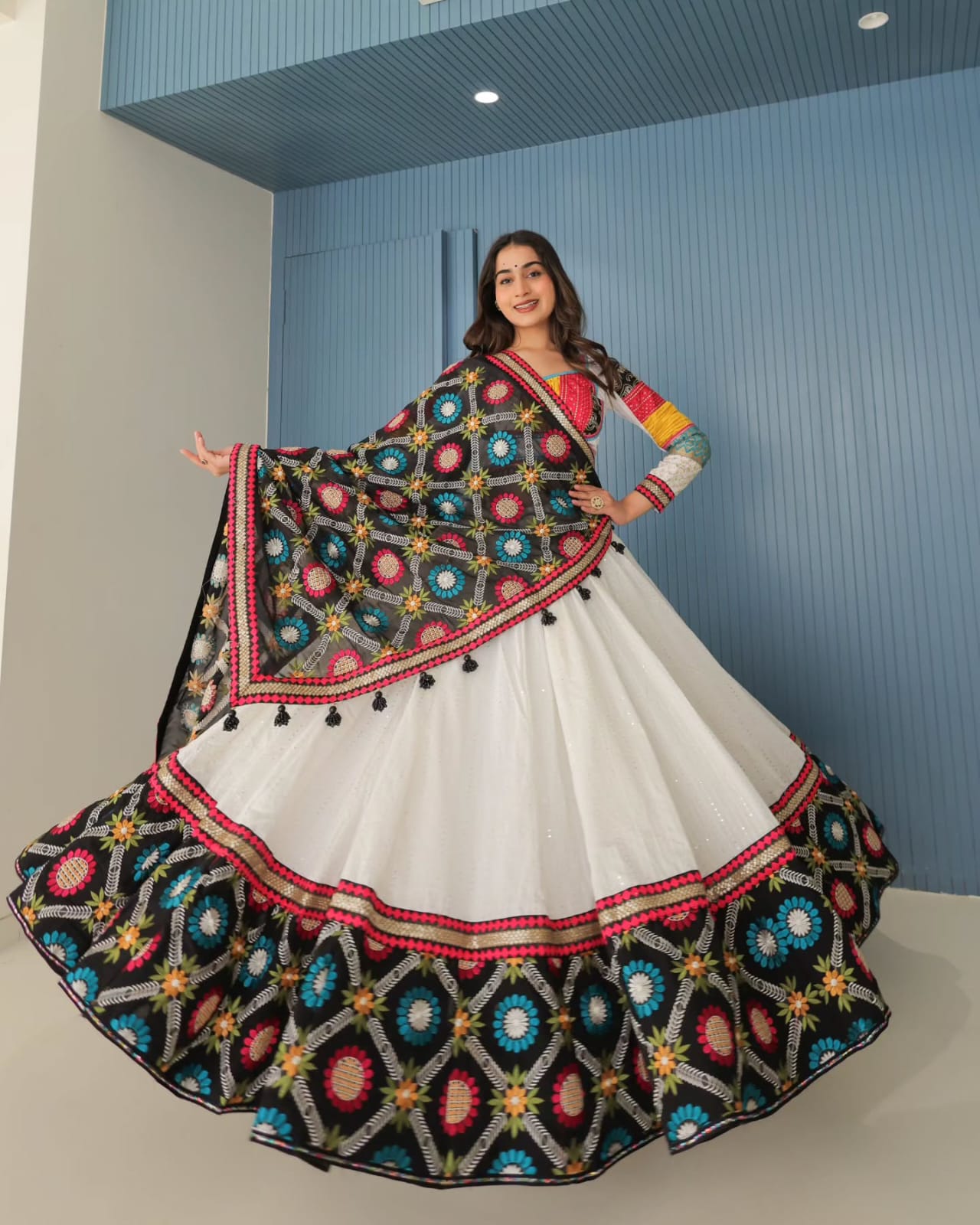
Beige Ethnic Printed Lehenga Set for Navratri and Garba can be styled for Teej with green glass bangles, a pink blouse accent and a floral gajra. The result isn't a historically prescribed Haryanvi costume, but a practical festive interpretation using familiar Indian colour and print language.
Haryali Teej 2026 Outfit Ideas: Which suits are comfortable for a full day?
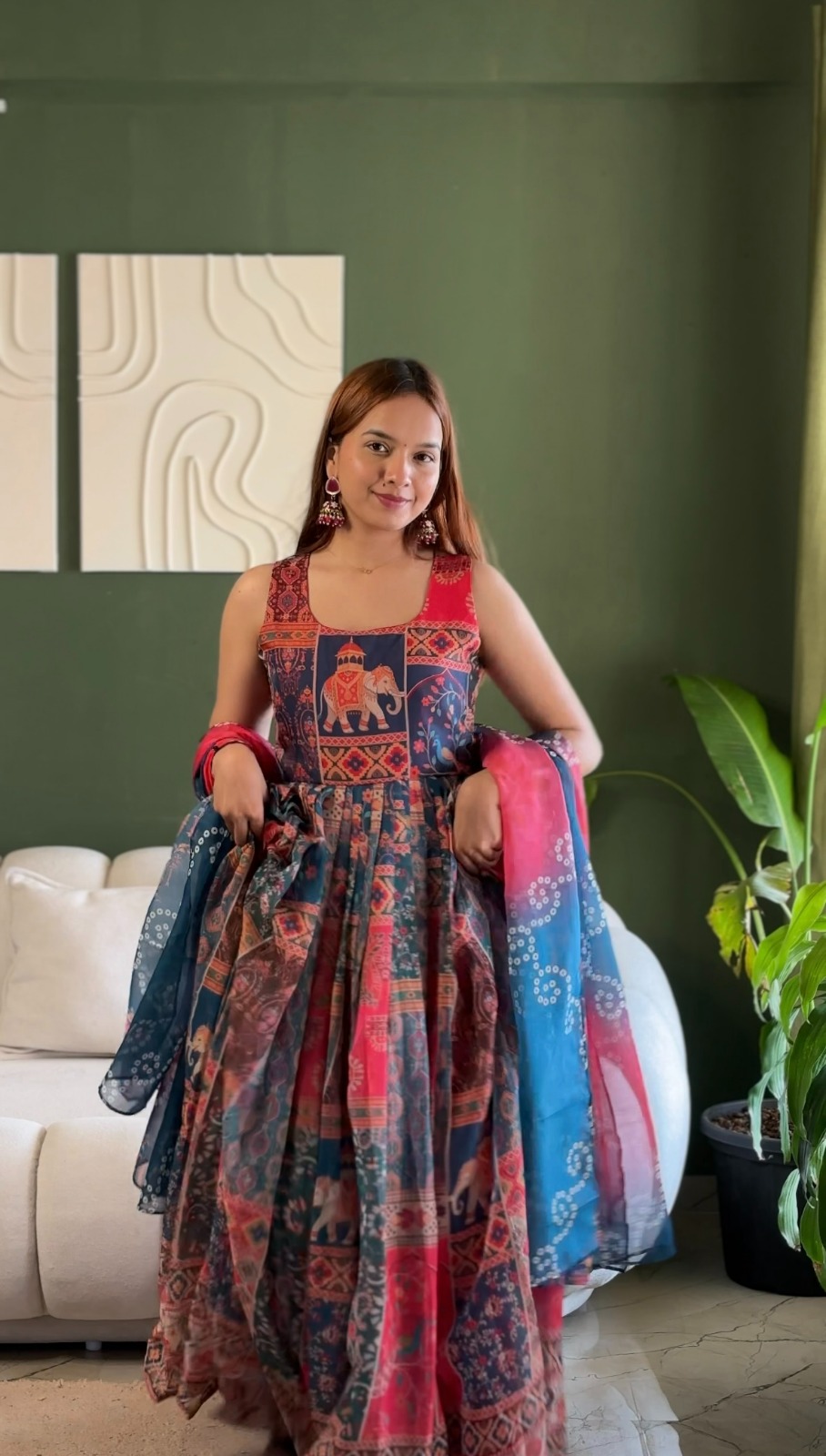
A straight-cut, anarkali or palazzo suit in cotton silk, rayon, georgette or light Chanderi is usually the most comfortable option for a full day of Haryali Teej activities. A suit gives secure coverage, easier sitting and less risk of a slipping waistband than a very fitted lehenga.
A straight kurta with a printed or embroidered dupatta suits puja, visiting relatives and afternoon meals. An anarkali creates more movement at the hem, but the flare should not be so wide that it catches underfoot. Palazzo suits provide airflow around the legs and pair well with a shorter kurta, although extremely wide palazzos can become inconvenient when climbing stairs or sitting on the floor.
Look for a kurta with at least 8 to 10 centimetres of ease around the body rather than relying on a tight fit that restricts breathing in humid weather. Three-quarter sleeves are practical for applying mehendi and handling food. A dupatta with a finished edge and moderate width is less likely to collapse over the hands during rituals.
Haldi Lehengas Under 5500 gives useful colour references for a Teej suit, particularly turmeric yellow paired with leaf green or hot pink. Pink Lehengas Under 4000 with 50% Discount also shows how pink can serve as the main shade while green appears through jewellery, embroidery or a contrasting dupatta. These combinations are styling directions, not rules about what every wearer must choose.
Haryali Teej 2026 Outfit Ideas: How should you style jewellery?
Style Haryali Teej jewellery in three layers: one visible focal piece, a restrained set of bangles and comfortable earrings or a maang tikka. Green glass bangles, lac bangles, jhumkas, a small nath and floral hair accessories can create a recognisably festive look without overwhelming a printed outfit.
Choose jewellery according to the neckline and surface decoration. A high-neck blouse usually needs earrings rather than a heavy necklace, while a deeper neckline can carry a short kundan, meenakari or pearl necklace. If the lehenga already contains mirror work, avoid matching it with a large mirror-work choker; a plain gold-toned necklace creates better contrast.
Footwear should have a stable sole and a low block heel or flat profile. Three to five centimetres of heel height can improve the fall of a lehenga, but a narrow stiletto is impractical on wet courtyards or uneven grass. A small potli or crossbody pouch keeps phones, tissues and safety pins accessible without disturbing the drape.
What beauty details complement a Teej outfit?
Soft kohl, a defined bindi, waterproof mascara and a pink or berry lip complement most Haryali Teej outfits. Waterproof eye makeup matters during humid weather, while a light setting powder can reduce shine without making the complexion look heavy.
Fresh jasmine, tuberose or artificial floral accessories work particularly well with sarees and lehengas. Apply mehendi at least 24 hours before the main event when possible, because the colour usually deepens after the paste is removed and the design needs time to dry. Keep perfume away from fresh mehendi and delicate zari to reduce the risk of staining.
Haryali Teej 2026 Outfit Ideas: How can you make monsoon dressing practical?
Monsoon-ready Teej dressing requires a secure hem, protected embellishment and a simple plan for moisture. Choose quick-drying or manageable fabrics, carry a compact scarf or garment cover, and avoid dragging a heavily embellished skirt across wet ground.
Check the hem length while wearing the actual footwear. A lehenga hem that brushes the floor indoors may collect water outdoors, so a 1 to 2 centimetre clearance is useful for garden paths and courtyards. Keep two small safety pins, double-sided fashion tape and a few hairpins in the potli for emergency adjustments.
Store silk, zari and embroidered garments only after they're completely dry. Air a worn outfit in shade for several hours, then fold it with soft muslin rather than plastic. Do not iron sequins, mirror work or zari directly; place a thin cotton cloth between the garment and a warm iron, or use professional pressing for valuable silk.
Net Lehengas Under 4500 with 51% Discount can provide a lighter layered look, but net needs careful handling around bangles and rough surfaces. Bridesmaid Lehengas Under 5500 can also offer useful ideas for coordinated family dressing, especially when several relatives want complementary colours without wearing identical outfits. Matching only one element, such as a green dupatta or pink blouse, keeps group styling coordinated but individual.
Haryali Teej 2026 Outfit Ideas: How should you choose your final look?
Choose your final Teej look by ranking comfort, venue, activity and formality in that order. A beautiful outfit that slips, overheats or catches underfoot will distract from the celebration.
- Start with the venue: choose a lighter saree or suit for an outdoor monsoon gathering and a richer silk or embellished lehenga for a dry indoor event.
- Match the silhouette to movement: select a secured saree, moderate-flare lehenga or straight suit if the day includes swings, stairs, walking and floor seating.
- Build a two- or three-colour palette: combine green with pink, yellow, red, gold or beige instead of adding unrelated colours through every accessory.
- Check the fabric and care label: confirm whether the garment can be steamed, hand-washed or professionally dry-cleaned before wearing it during humid weather.
- Test the complete outfit: sit, walk, raise both arms and turn once while wearing the blouse, dupatta and footwear. Any adjustment needed during the test should be fixed before the celebration.
Haryali Teej 2026 Outfit Ideas work best when cultural colour and everyday practicality support each other. A thoughtfully chosen saree, suit or lehenga can look festive in photographs, remain comfortable through prayers and meals, and still feel personal rather than costume-like.
Common Questions About Haryali Teej 2026 Dressing
What colour outfit should I wear for Haryali Teej?
Green is the most recognisable colour for Haryali Teej, including emerald, mehendi, pista, parrot and leaf green. Pink, yellow, red, orange and gold work well as contrasting colours in the blouse, dupatta, border or jewellery.
Which is better for Haryali Teej: a saree or a lehenga?
A saree suits a traditional, graceful look, while a lehenga usually offers easier movement and simpler dressing. Choose a saree for a puja-focused gathering and a moderate-flare lehenga for a celebration involving swings, walking or extended family photographs.
What fabric is comfortable for Haryali Teej during the monsoon?
Georgette, crepe, cotton silk, rayon and lightweight blends are generally comfortable in humid monsoon weather. Banarasi silk, Kanjeevaram and heavy zari fabrics work better for dry indoor celebrations where their weight and care requirements are easier to manage.
Can I wear a salwar suit for Haryali Teej?
A salwar suit is an excellent Haryali Teej choice because it provides comfortable coverage and easy sitting. A green, yellow or pink suit with a finished dupatta, three-quarter sleeves and moderate embroidery gives a festive appearance without the maintenance of a heavily embellished lehenga.
How can I keep a Teej lehenga comfortable outdoors?
Choose a moderate-flare skirt, secure the dupatta with concealed pins and wear flat shoes or a low block heel with a stable sole. Keep the hem clear of wet ground, carry safety pins and avoid loose mirror work that can catch on swing ropes or rough surfaces.
What jewellery goes with a Haryanvi Teej outfit?
Green glass or lac bangles, jhumkas, a small maang tikka and a floral hair accessory complement most Haryanvi Teej outfits. Keep the necklace lighter when the blouse or dupatta already has mirror work, zari or dense embroidery.