Hareli Festival Fashion: Chhattisgarhi Sarees, Suits & Ethnic Wear can look festive without becoming impractical in the monsoon. The strongest outfits begin with breathable fabric, grounded colours and silhouettes that let you participate comfortably in prayers, family gatherings and outdoor traditions.
Hareli is an important agricultural festival of Chhattisgarh, traditionally observed during Shravan Amavasya in the monsoon season. Farmers honour agricultural tools, cattle and the land, while homes are decorated with neem leaves and families gather for food, rituals and community celebration. Clothing for Hareli carries more meaning when it feels connected to the season and regional culture rather than relying only on heavy embellishment.
A Chhattisgarhi saree, a Kosa silk-inspired drape, a handloom cotton sari or a carefully styled salwar suit can all work for Hareli. The right choice depends on the ceremony, weather, movement required and the level of regional detail you want to express.
How does Hareli Festival Fashion: Chhattisgarhi Sarees, Suits & Ethnic Wear connect with the celebration?
Hareli Festival Fashion: Chhattisgarhi Sarees, Suits & Ethnic Wear is culturally relevant when clothing acknowledges Chhattisgarh's agrarian identity, monsoon setting and textile traditions without treating regional motifs as decoration alone.
Green, yellow, red, black and natural off-white shades can echo the landscape, harvest hopes and festive visual language of central India. Hareli takes place when fields are lush and farming activity is central to community life. Neem leaves are used in household customs associated with protection and well-being, while agricultural implements receive respect and ritual attention.
A look built around earthy green, turmeric yellow, leaf motifs, handloom texture or restrained embroidery can reflect that context thoughtfully. Regional authenticity doesn't require every wearer to copy one fixed costume. Chhattisgarh contains several communities, weaving practices and draping preferences, so a saree worn in one area may differ from a saree worn elsewhere.
A respectful wardrobe choice uses Chhattisgarhi references with care and avoids claiming that one colour, motif or drape represents every person in the state. Wearing a pan-Indian salwar suit for Hareli is also entirely reasonable when the outfit is comfortable, festive and described honestly.
Which fabrics suit Hareli Festival Fashion: Chhattisgarhi Sarees, Suits & Ethnic Wear?
Lightweight cotton, breathable Chanderi, Kosa silk blends and soft silk-cotton fabrics work best for most Hareli celebrations because monsoon humidity makes heavy synthetic layers uncomfortable.
Cotton for daytime rituals
Cotton is practical for home puja, visits to relatives and outdoor gatherings because the fibre allows airflow and absorbs some moisture. Handloom cotton with a narrow zari border or a small woven motif creates festive interest without the weight of a heavily embellished outfit. A cotton saree also dries more easily than a thick silk garment if it encounters light rain.
Chanderi and silk blends for dressier gatherings
Chanderi offers a light, slightly sheer texture that suits a formal family celebration when paired with a lined blouse or opaque inner layer. Banarasi silk and Kanjeevaram are beautiful ceremonial textiles, but their heavier structure may feel excessive for a humid daytime Hareli event. Kosa silk, associated strongly with Chhattisgarh's silk heritage, works well when the weave is light enough for the weather.
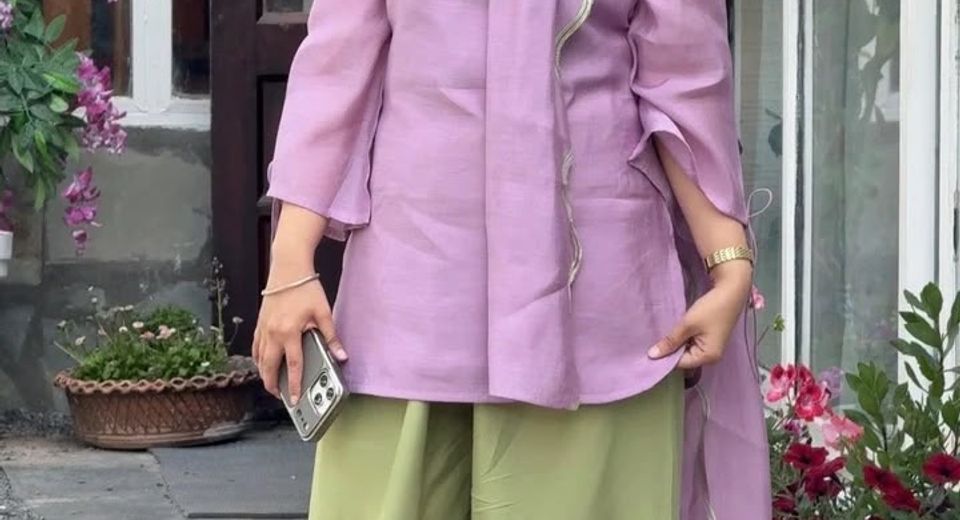
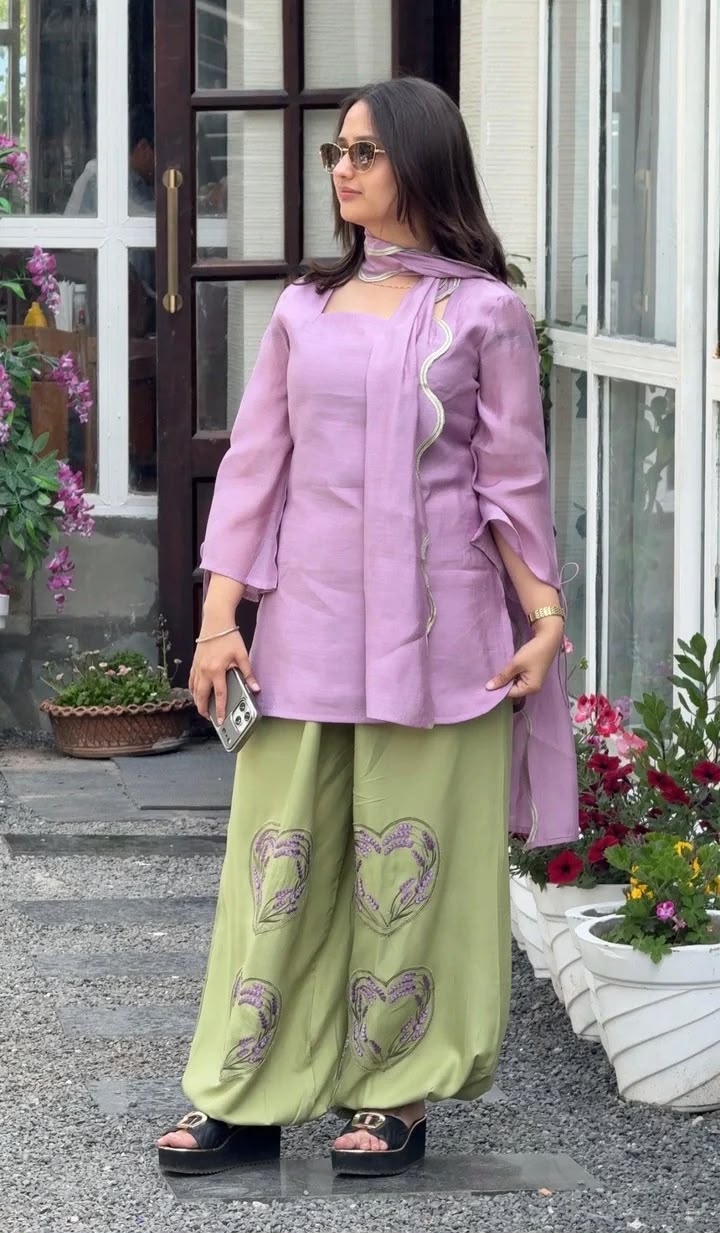
A Chanderi salwar suit can provide the polish of a festive textile with easier movement than a saree. Lavender Chanderi Kurta with Olive Embroidered Palazzo Suit demonstrates how a muted purple and olive palette can feel celebratory while remaining softer than high-shine partywear. Pairing that type of outfit with small metal earrings and a cotton dupatta keeps the look seasonally comfortable.
How should you choose a saree or suit for Hareli Festival Fashion: Chhattisgarhi Sarees, Suits & Ethnic Wear?
Choose a saree for a traditional drape and choose a salwar suit when walking, sitting on the floor or managing wet ground will be part of the celebration.
When a saree makes sense
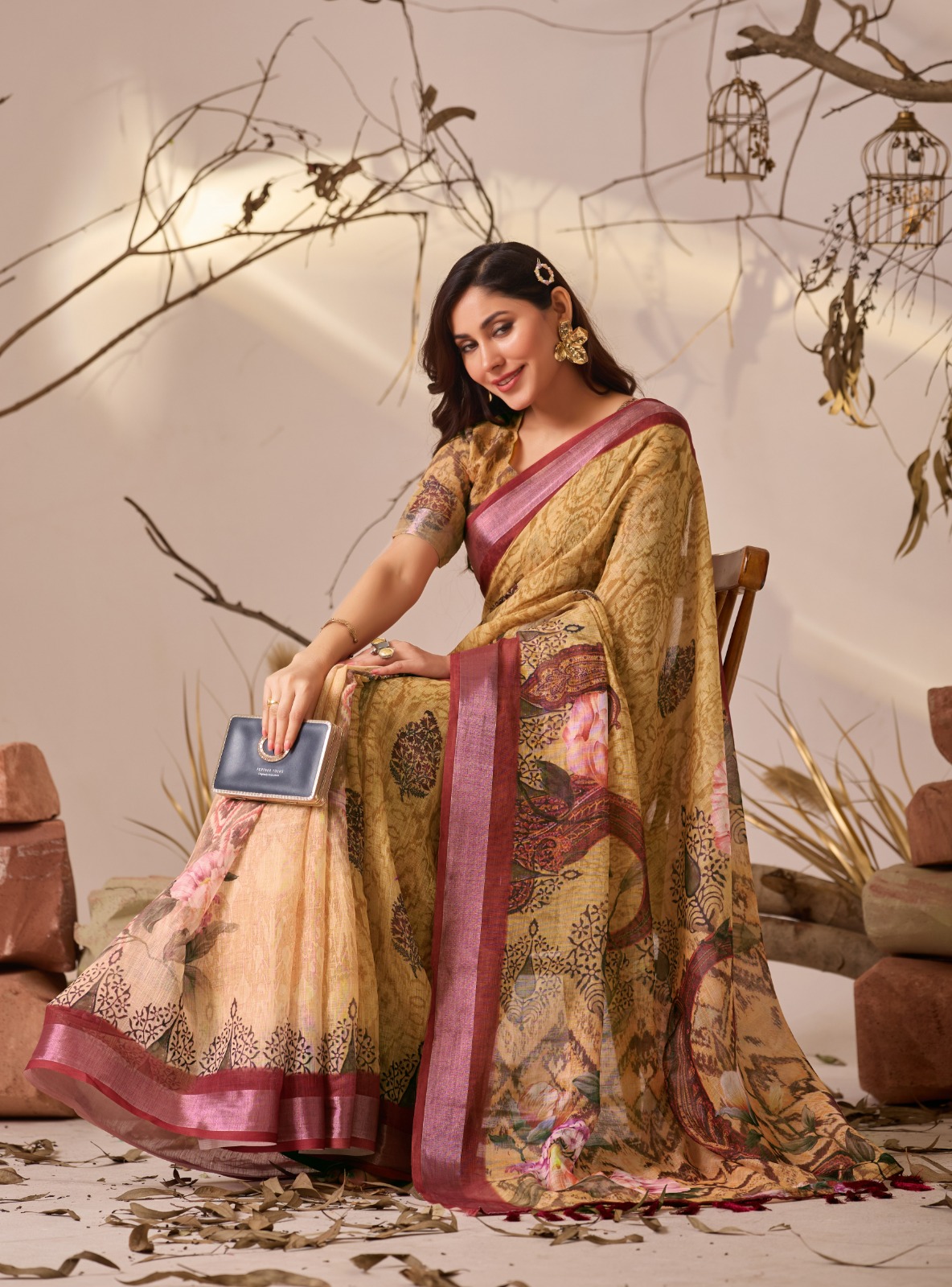
A saree suits a formal puja, a family portrait, a cultural programme or an event where you already feel confident with pleating and pinning. A six-yard cotton saree with a secure petticoat allows air circulation and can be styled with a short-sleeved blouse for monsoon comfort. A Kosa silk saree with a simple border adds regional relevance without requiring extensive ornamentation.
Use two safety pins at the shoulder pleats and one discreet pin near the waist if you expect to walk outdoors. A slightly shorter pallu prevents the fabric from brushing against damp floors. Flat sandals with a textured sole are safer than smooth high heels during rainy weather.
When a salwar suit is more practical
A salwar suit is often the easier Hareli choice because a stitched kurta, trousers and dupatta stay manageable during travel, household hosting and movement between indoor and outdoor spaces. Straight pants or a gently flared palazzo are usually more practical than a floor-length anarkali in wet weather.
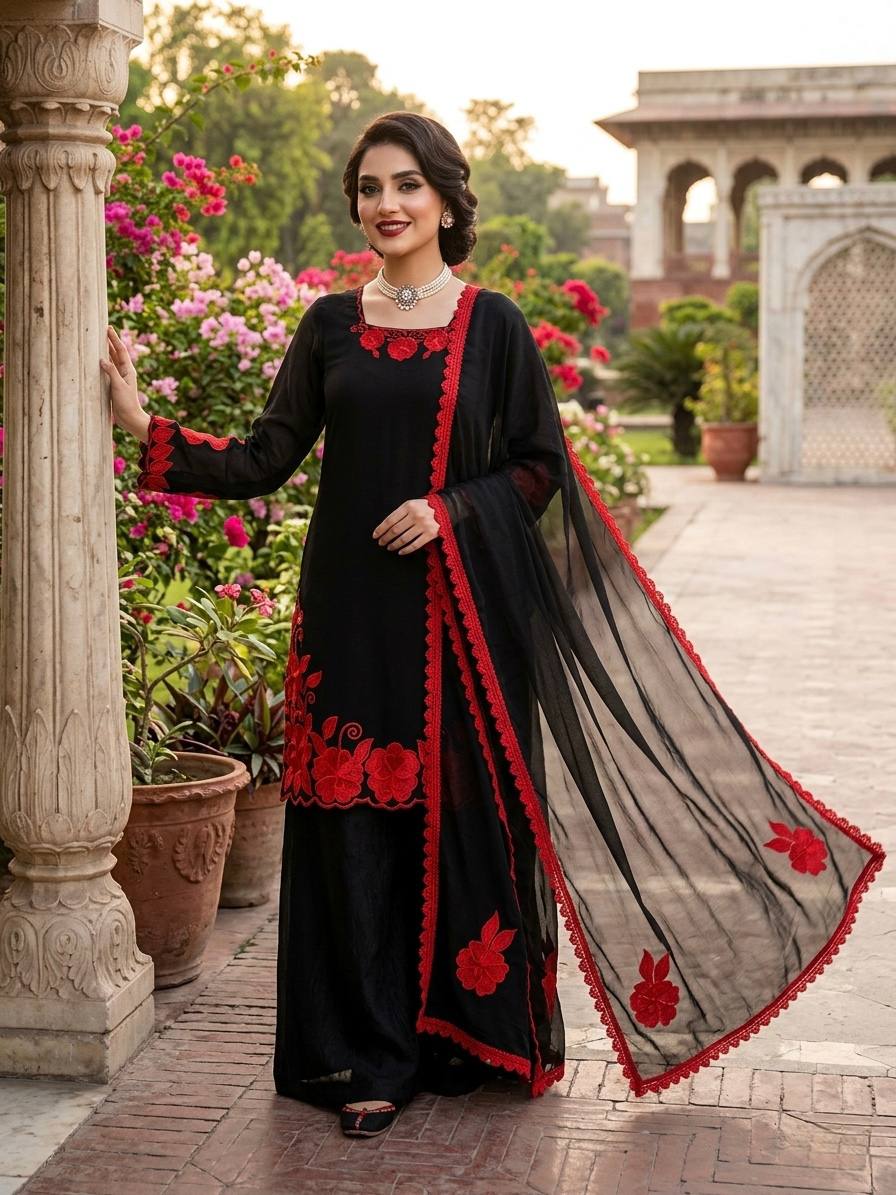
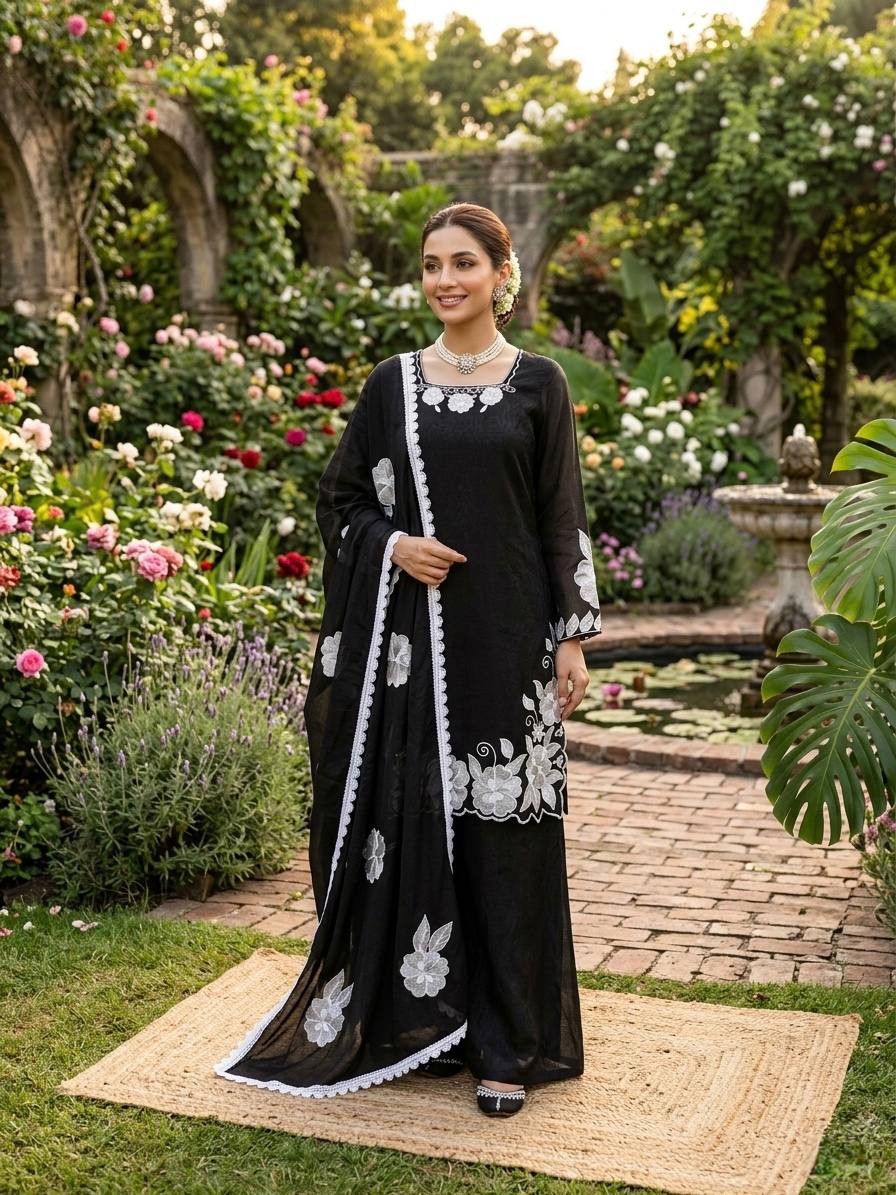
Black Red Fendy Silk 3 Piece Readymade Salwar Suit Set can suit an evening gathering where deeper colours and a more structured finish feel appropriate. Black White Floral Embroidered Readymade Salwar Suit gives a quieter base for green bangles, a neem-leaf-inspired dupatta border or a yellow accent bag. These combinations show how a ready-made suit can carry festive styling without imitating a ceremonial saree.
Which colours and motifs strengthen Hareli Festival Fashion: Chhattisgarhi Sarees, Suits & Ethnic Wear?
Green, yellow, red, black, ivory and muted rust create a strong Hareli colour palette because the shades connect naturally with monsoon foliage, turmeric, soil, flowers and time-honoured festive contrast.
Green works particularly well as a kurta, border, dupatta or blouse colour. Choose leaf green, bottle green, olive or parrot green according to your complexion and the time of day. Yellow can appear through a mustard kurta, a dupatta, threadwork or jewellery, while red and black can provide contrast in borders and accessories.
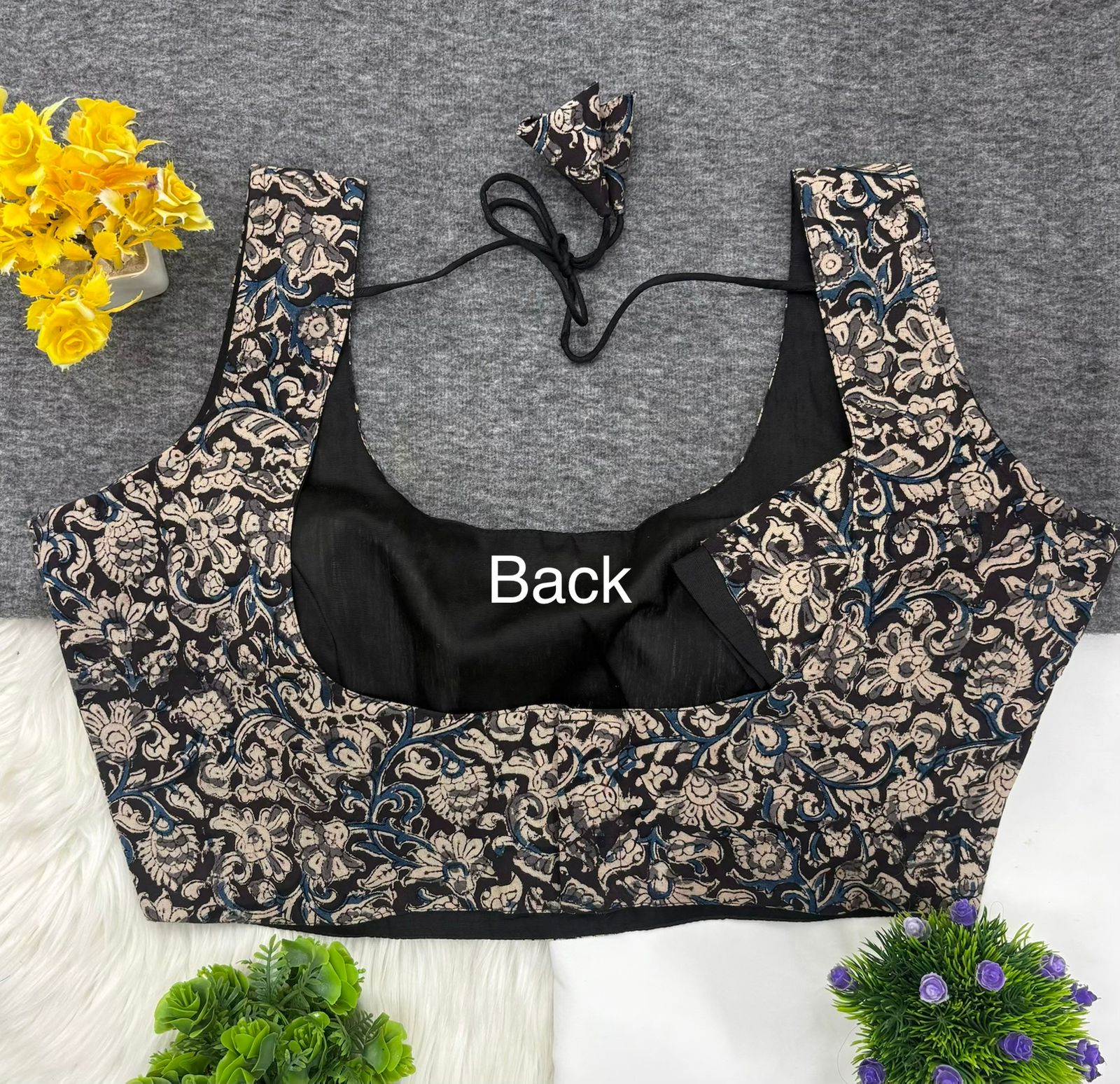
Floral, paisley, bel, leaf and geometric motifs are versatile choices. Kalamkari Print Salwar Suits can introduce botanical storytelling through printed fabric, although Kalamkari belongs to a different textile tradition and should not be presented as specifically Chhattisgarhi. Maharashtra Paithani Inspired Salwar Suits similarly offer peacock or zari-inspired richness, but they're better described as a cross-regional festive reference rather than authentic Chhattisgarhi dress.
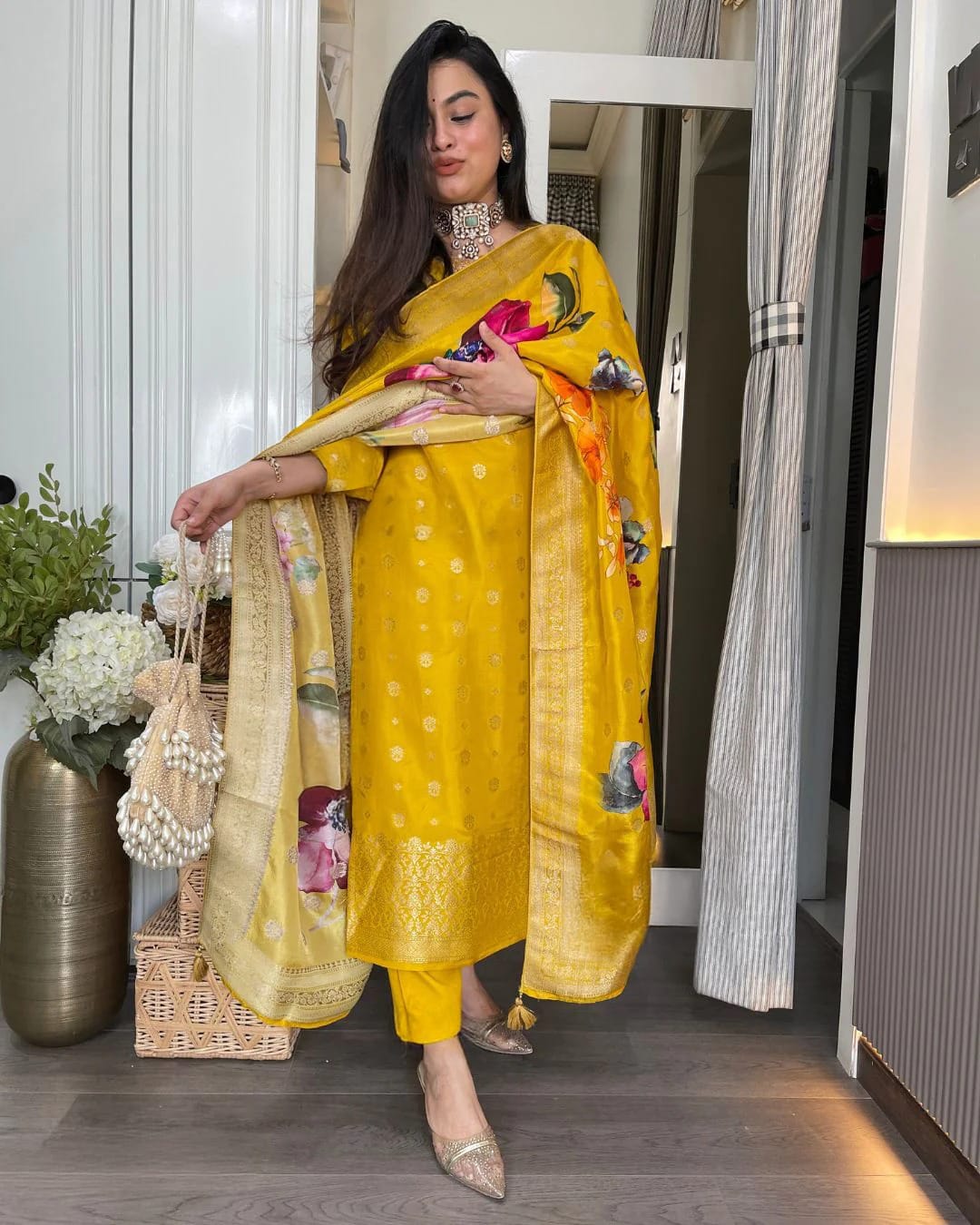
Small-scale embroidery is usually more adaptable than dense all-over work for Hareli. A mustard base can look especially seasonally appropriate: Mustard Yellow Jacquard Kurta Set with Embroidery & Dupatta combines a warm monsoon-friendly shade with enough surface detail for a family celebration. Add green glass bangles or a handwoven stole instead of layering multiple glittering accessories.
How can a salwar suit express Hareli Festival Fashion: Chhattisgarhi Sarees, Suits & Ethnic Wear?
A salwar suit can reflect Chhattisgarhi style through colour, fabric texture, natural motifs and restrained regional accessories rather than through exaggerated symbols.
Start with a breathable kurta in cotton, Chanderi or a silk-cotton blend. Add a dupatta with a woven border, block print or small floral motif. Keep the neckline comfortable and choose three-quarter sleeves if you'll spend time outdoors. A moderate hem length, approximately mid-calf to ankle depending on the silhouette, reduces contact with wet ground.
Accessories should support the clothing rather than compete with it. Oxidised silver earrings, terracotta jewellery, lac bangles, a woven potli or a simple metal nose pin can create a handcrafted effect. A red bindi and a low bun or braid are more practical in humid weather than elaborate hair extensions.
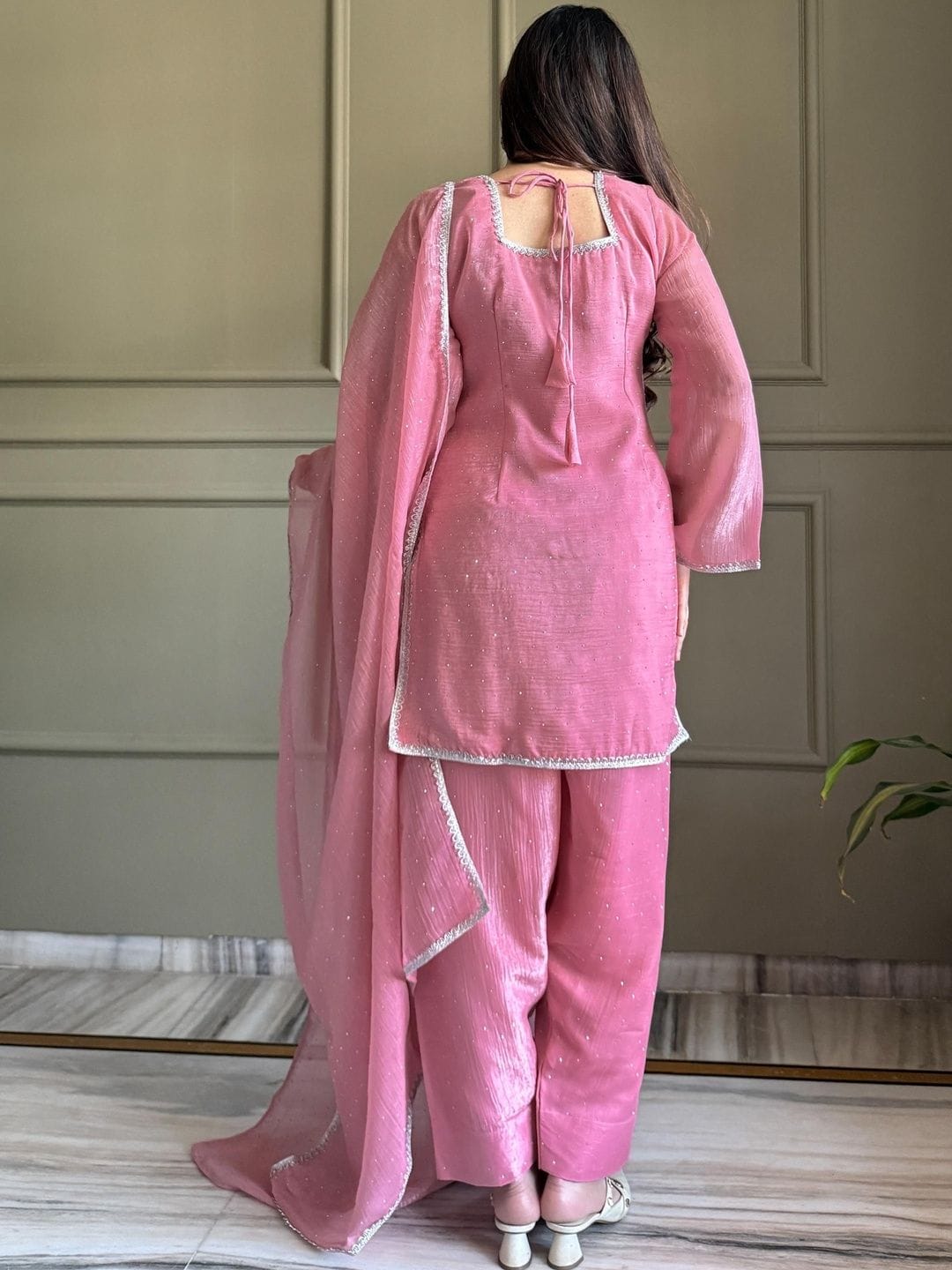
Pink Crunchy Silk Kurta Pant Set with Diamond Work, Dupatta brings a brighter, dressier foundation for an indoor Hareli gathering. Balance its diamond work with matte accessories and a plain braid so the overall outfit remains connected to a seasonal celebration rather than a generic reception.
The same principle applies to Black White Floral Embroidered Readymade Salwar Suit: add one regional colour accent instead of piling on more embellishment. A green dupatta, yellow earrings or a red bindi can create a considered festive connection without pretending that the entire garment is a heritage Chhattisgarhi textile.
How do other traditions inform Hareli Festival Fashion: Chhattisgarhi Sarees, Suits & Ethnic Wear?
Other Indian textile traditions can help you compare colour, surface design and silhouette, but they should be identified accurately rather than labelled Chhattisgarhi.
Punjab Phulkari Embroidered Salwar Suits demonstrate how bright threadwork can make a simple salwar silhouette festive. Phulkari is Punjabi embroidery, so the reference is useful for understanding colour density and dupatta styling, not for claiming a Chhattisgarh origin. Karnataka Silk Salwar Suits show how a silk base can create occasion presence, while Kashmir Embroidered Salwar Suits offer lessons in floral placement and tonal embroidery.
These comparisons are useful when building a personal Hareli wardrobe. Select the visual quality you need-woven texture, floral embroidery, a strong border or a particular drape-and then describe the textile honestly. A Chhattisgarhi celebration can include pan-Indian clothing, especially when a family's wardrobe already reflects several regional backgrounds.
For example, a green cotton suit with a Phulkari-inspired colour arrangement isn't a Chhattisgarhi textile, but it may be a meaningful personal outfit if the wearer identifies with both traditions. Cultural sensitivity comes from naming the source correctly and avoiding invented claims of heritage.
What should you wear for each activity in Hareli Festival Fashion: Chhattisgarhi Sarees, Suits & Ethnic Wear?
Daytime rituals call for breathable, easy-to-wash garments, while evening family gatherings allow richer silk textures, deeper colours and more detailed embroidery.
- For home puja: Choose a cotton saree, cotton kurta set or light Chanderi salwar suit with sleeves that don't obstruct movement. Keep the dupatta secure and avoid trailing embellishment near lamps or cooking areas.
- For visiting relatives: A straight-cut kurta with ankle-length trousers provides comfort during travel and sitting. Add jhumkas, a bindi and one bright accessory in green, yellow or red.
- For an outdoor community event: Select quick-drying cotton or a light blend, flat footwear with grip and a dupatta that can be pinned at both shoulders. Avoid floor-length hems and delicate embellishments likely to catch on wet surfaces.
- For an evening gathering: Fendy silk, light jacquard or silk-blend fabric can add formality. Use a compact clutch, low block heels and a lightweight stole instead of a heavy layered dupatta.
Weather should influence jewellery and beauty choices too. Waterproof kajal, a low hairstyle and minimal foundation are more reliable in humidity than elaborate makeup. Carrying a small cotton handkerchief and a transparent garment cover can protect the outfit during sudden rain.
How should you care for Hareli Festival Fashion: Chhattisgarhi Sarees, Suits & Ethnic Wear?
Care for Hareli clothing by drying damp fabric immediately, following the garment's fibre instructions and storing embellished pieces only after they're completely moisture-free.
Never leave a wet cotton, Chanderi or silk garment folded in a bag for several hours because trapped moisture can create odour, dye transfer or mildew. Hang the garment in shade with enough air circulation. Direct midday sunlight can fade dyed silk, embroidery threads and deep colours.
Check the care label before washing. Cotton may tolerate a gentle cold wash, but zari, jacquard, diamond work, silk and lined garments often need careful hand washing or professional dry cleaning. Test colourfastness on an inside seam before applying water to a strongly dyed dupatta.
Store sarees and salwar suits in breathable cotton covers rather than sealed plastic for long periods. Fold embellished areas inward with soft butter paper or plain muslin between layers. Refold silk and zari garments every few months to reduce permanent crease lines, and keep neem leaves or another classic storage method separate from delicate fabric if the leaves could stain the garment.
Hareli clothing becomes more useful when it can be worn beyond one festival. A green Chanderi kurta can work for Raksha Bandhan, a cotton saree can suit a temple visit and a mustard embroidered suit can be styled for a family lunch. Choosing adaptable pieces turns cultural dressing into a lasting wardrobe practice rather than an one-day purchase.
How can you assemble a complete Hareli Festival Fashion: Chhattisgarhi Sarees, Suits & Ethnic Wear look?
Assemble a complete Hareli look by choosing one breathable base, one regional colour story, one practical accessory and one accurately described textile reference.
- Select the base: Begin with cotton, Chanderi, Kosa silk or a light silk blend according to the weather and venue.
- Set the palette: Combine one dominant colour such as green, mustard or ivory with one contrasting shade such as red, black or rust.
- Control embellishment: Choose either a detailed dupatta, embroidered kurta or statement jewellery, rather than making every element heavily decorated.
- Secure the silhouette: Pin a saree pallu, shorten a loose dupatta or select ankle-length trousers if outdoor movement is expected.
- Name the tradition correctly: Describe Kosa silk, Chanderi, Phulkari, Kalamkari, Paithani-inspired zari or another textile according to its actual origin.
A thoughtful final outfit might pair an olive or green Chanderi suit with oxidised silver earrings, a yellow bindi and comfortable flat sandals. Another option could be a cotton saree with a red border, a simple blouse and a handwoven potli. Both looks can feel festive, regional and practical without requiring theatrical styling.
The best Hareli wardrobe respects the festival's agricultural setting while leaving room for individual identity. Comfortable fabric, honest textile descriptions and considered colour choices create a more meaningful celebration than excessive ornamentation alone.
Common Questions About Hareli Festival Fashion and Chhattisgarhi Ethnic Wear
What should women wear for the Hareli Festival?
Women can wear a breathable cotton or Kosa silk saree, a light Chanderi suit or a comfortable salwar suit for Hareli. Green, yellow, red and earthy shades work well, while secure draping and flat footwear help during monsoon activities.
Which colour is traditionally associated with Hareli Festival Fashion?
Green is a particularly suitable Hareli colour because the festival takes place during the monsoon and celebrates agricultural life. Yellow, red, black, ivory and rust can be added through borders, dupattas, jewellery or embroidery.
Is a salwar suit suitable for a Chhattisgarhi Hareli celebration?
A salwar suit is suitable for a Chhattisgarhi Hareli celebration, especially when walking, travelling or sitting on the floor is involved. Cotton, Chanderi and light silk-blend suits offer festive polish with more movement and weather comfort than a heavily embellished outfit.
Which fabric is best for a Hareli outfit in rainy weather?
Light cotton is the easiest fabric for rainy daytime celebrations because it breathes and dries more readily than heavy silk. Chanderi and lightweight Kosa silk blends are suitable for dressier events when the garment can be protected from direct rain.
How can I style a saree for Hareli without making it uncomfortable?
Style a cotton or lightweight Kosa silk saree with a secure petticoat, two pins at the shoulder pleats and one discreet waist pin. Keep the pallu slightly shorter, choose a breathable blouse and wear flat sandals with a textured sole.
Can I wear Phulkari, Kalamkari or Paithani-inspired clothing for Hareli?
You can wear Phulkari, Kalamkari or Paithani-inspired clothing for Hareli as part of a pan-Indian festive wardrobe. Name each textile tradition accurately, because Phulkari is Punjabi, Kalamkari has its own regional histories and Paithani is associated with Maharashtra rather than Chhattisgarh.