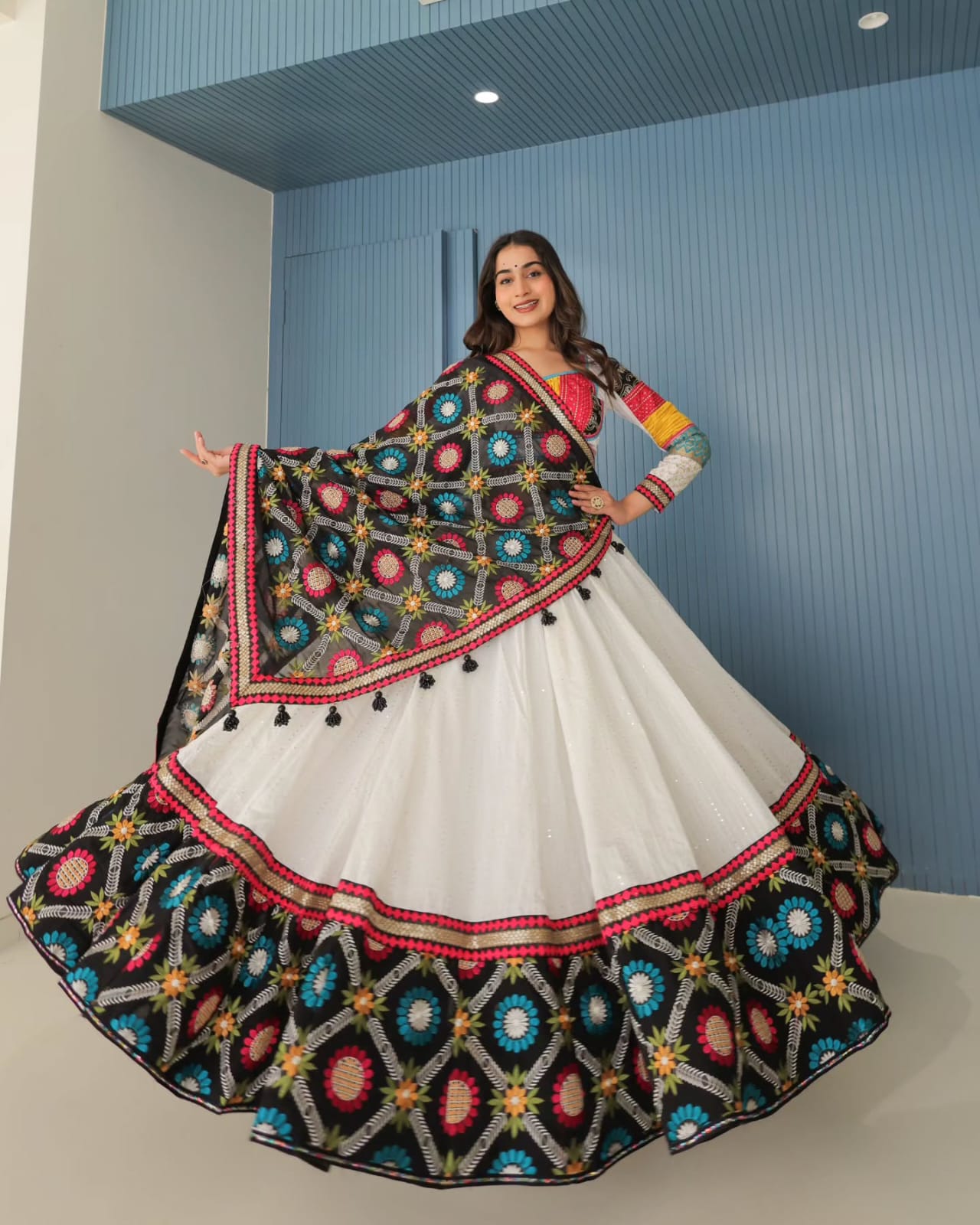
Haldi-Kunku Outfit Ideas: Maharashtrian Sarees & Blouse Designs become easier to learn when comfort, colour and cultural detail are considered together. A Haldi-Kunku gathering is usually a daytime ethnic occasion where women exchange haldi-kunku, offer greetings and receive guests into a festive home. The best outfit should therefore look traditional without becoming difficult to wear for several hours. Saree weight, blouse fit, drape security and jewellery scale matter as much as colour.
A Maharashtrian-inspired look doesn't require a costume-like interpretation. A cotton saree with a neat blouse, a nine-yard-inspired drape, green glass bangles and a small nath can create the right mood. A silk saree, gold-toned accents and a more structured blouse can suit a larger family gathering. The useful question isn't which saree looks most elaborate, but which combination lets you participate, greet guests and move comfortably.
Haldi-Kunku Outfit Ideas: Maharashtrian Sarees & Blouse Designs for choosing the right saree
A lightweight or medium-weight saree with a stable drape is the most practical choice for a Haldi-Kunku gathering. Daytime functions often involve standing, serving, sitting on the floor or moving between rooms, so a very slippery fabric can become inconvenient.
Cotton, linen cotton, soft silk and lighter silk blends are reliable choices. Cotton gives structure and absorbs warmth, while linen cotton creates a crisp, contemporary appearance. Banarasi silk and Kanjeevaram can look beautiful for a more formal family event, but heavier zari borders may need stronger pleats and more secure pinning. Chanderi is another elegant option when you want a sheer, airy texture, although a lining or carefully chosen petticoat can improve coverage.
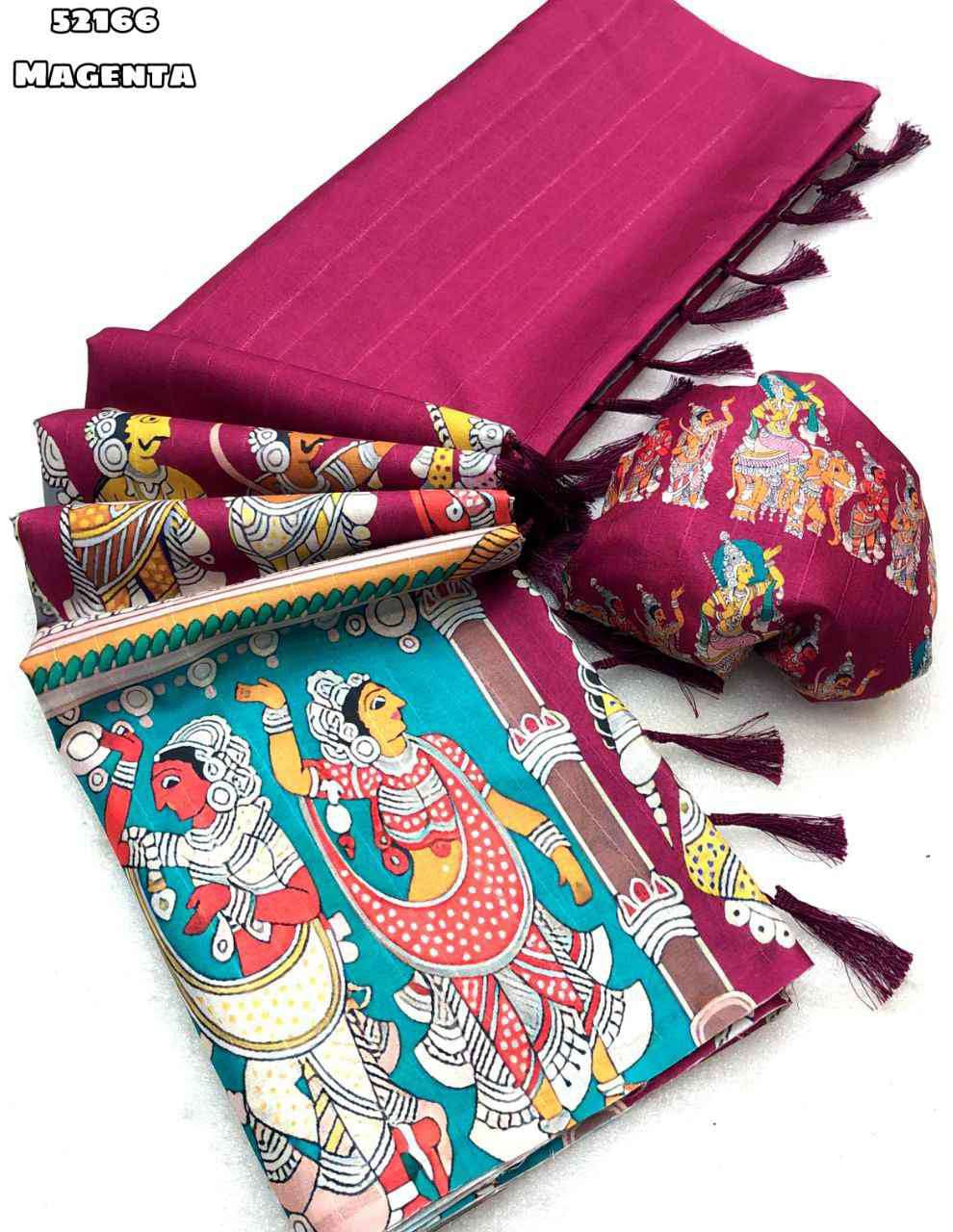
The Pastel Linen Cotton Floral Print Saree with Designer Blouse suits a daytime Haldi-Kunku when the dress code is graceful rather than heavily ceremonial. Linen cotton holds pleats well and floral printing keeps the look welcoming. For a deeper traditional colour, the Magenta Traditional Kalamkari Art Saree with Blouse brings an Indian craft vocabulary without depending on a large metallic border.
Red, magenta, yellow, green, rust, maroon and saffron all work naturally for traditional gatherings. Pastel pink, peach, ivory and powder blue can also look appropriate when balanced with green, gold or red accessories. Black isn't automatically unsuitable for a social function, but a black saree benefits from festive jewellery, a bright blouse or a coloured bindi so the overall appearance doesn't feel too subdued.
Haldi-Kunku Outfit Ideas: Maharashtrian Sarees & Blouse Designs for different levels of tradition
A traditional Haldi-Kunku outfit can range from a simple nine-yard-inspired drape to a six-yard saree with Maharashtrian accessories and a carefully selected blouse. Personal comfort and the host's dress expectation should guide the level of styling.
For a simple traditional look
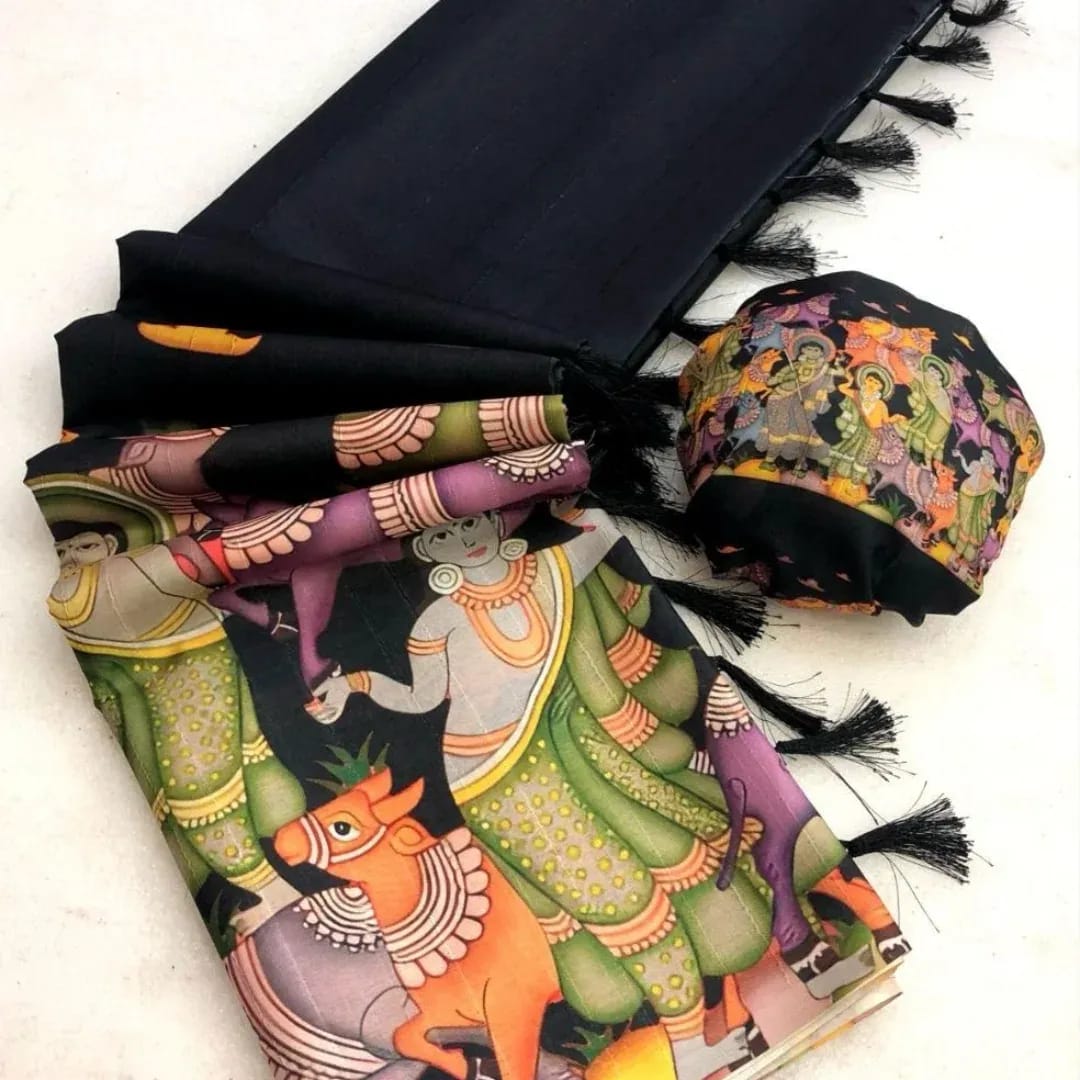
A simple traditional look needs only a well-fitted blouse, a clean saree drape, a bindi and two or three coordinated accessories. A maroon cotton saree with a short-sleeved blouse, green glass bangles and a gold-toned chain creates a balanced appearance without excessive ornamentation. The Elegant Black Kalamkari Silk Saree with Blouse can also work when paired with a red, green or antique-gold accessory rather than an all-black styling scheme.
Keep the blouse neckline modest and the sleeves comfortable if the gathering is held at home. A round neck, shallow U-neck or square neck is easy to wear and works with a mangalsutra, short necklace or layered bead necklace. A small red or maroon bindi adds definition without making the outfit feel over-styled.
For a visibly Maharashtrian interpretation
A visibly Maharashtrian interpretation depends more on the drape and accessories than on reproducing a single prescribed costume. A nauvari-inspired silhouette, green bangles, a nath, a crescent-shaped nose ring or a traditional hair arrangement can establish the regional reference.
The nauvari drape divides fabric between the legs, making walking easier than a conventional hanging pallu when it's tied correctly. Beginners should practise the drape once before the function and use a firm underskirt, safety pins and a blouse that allows unrestricted shoulder movement. A standard six-yard saree with a front-pleated pallu is a sensible alternative when the wearer is unfamiliar with the nine-yard style.
A saree such as the Tussar Silk Kalamkari Printed Saree with Blouse can support this styling because its printed surface already provides visual interest. Keep the jewellery focused: a nath, green bangles, small earrings and a gajra are enough. Adding a heavy necklace, large earrings and an elaborate waist belt at the same time can make a daytime outfit feel crowded.
Haldi-Kunku Outfit Ideas: Maharashtrian Sarees & Blouse Designs for selecting a blouse
Blouse designs with secure shoulder coverage, a comfortable armhole and a neckline suited to the saree border work best for Maharashtrian sarees. A blouse should support the drape rather than compete with it.
A short-sleeved round-neck blouse is the most versatile choice for cotton, Kalamkari and printed sarees. Elbow-length sleeves create a more conservative appearance and provide useful coverage during daytime events. A square-neck blouse looks structured with a crisp linen cotton saree, while a shallow V-neck can lengthen the neckline when paired with a small pendant.
Contrast blouses are effective when the saree has a restrained print. Green with magenta, maroon with mustard, rust with ivory and red with black are dependable Indian colour combinations. A matching blouse gives a quieter, more traditional result, particularly when the saree has a strong border or detailed print.
Blouse fabric also affects comfort. Cotton, cotton silk and lightweight silk breathe better than dense synthetic satin during warm daytime functions. A lining reduces irritation and helps the blouse retain shape. Measure the bust, underbust, shoulder width and upper arm rather than relying only on a familiar ready-made size. The armhole should allow the wearer to raise both arms without pulling the blouse seam.
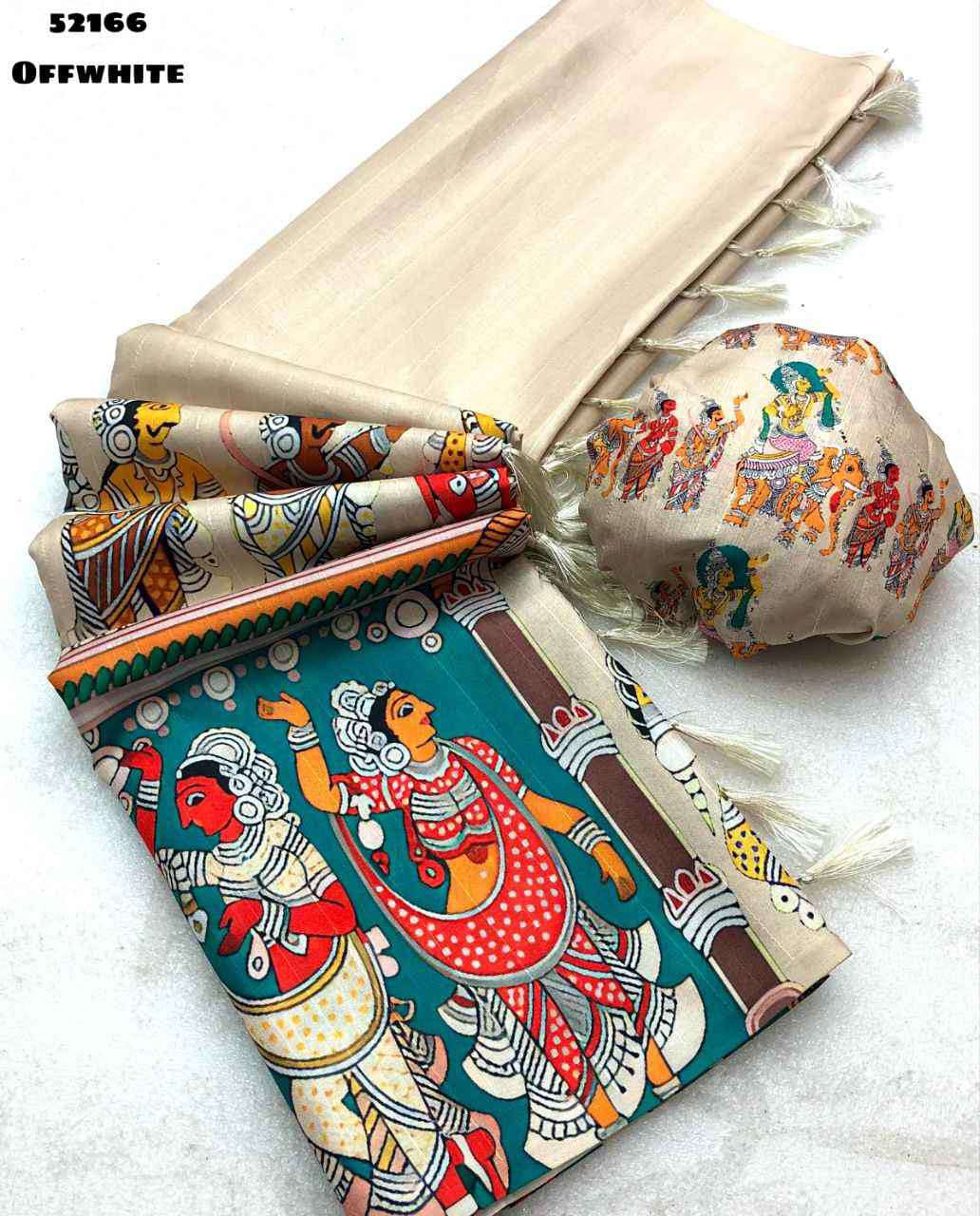
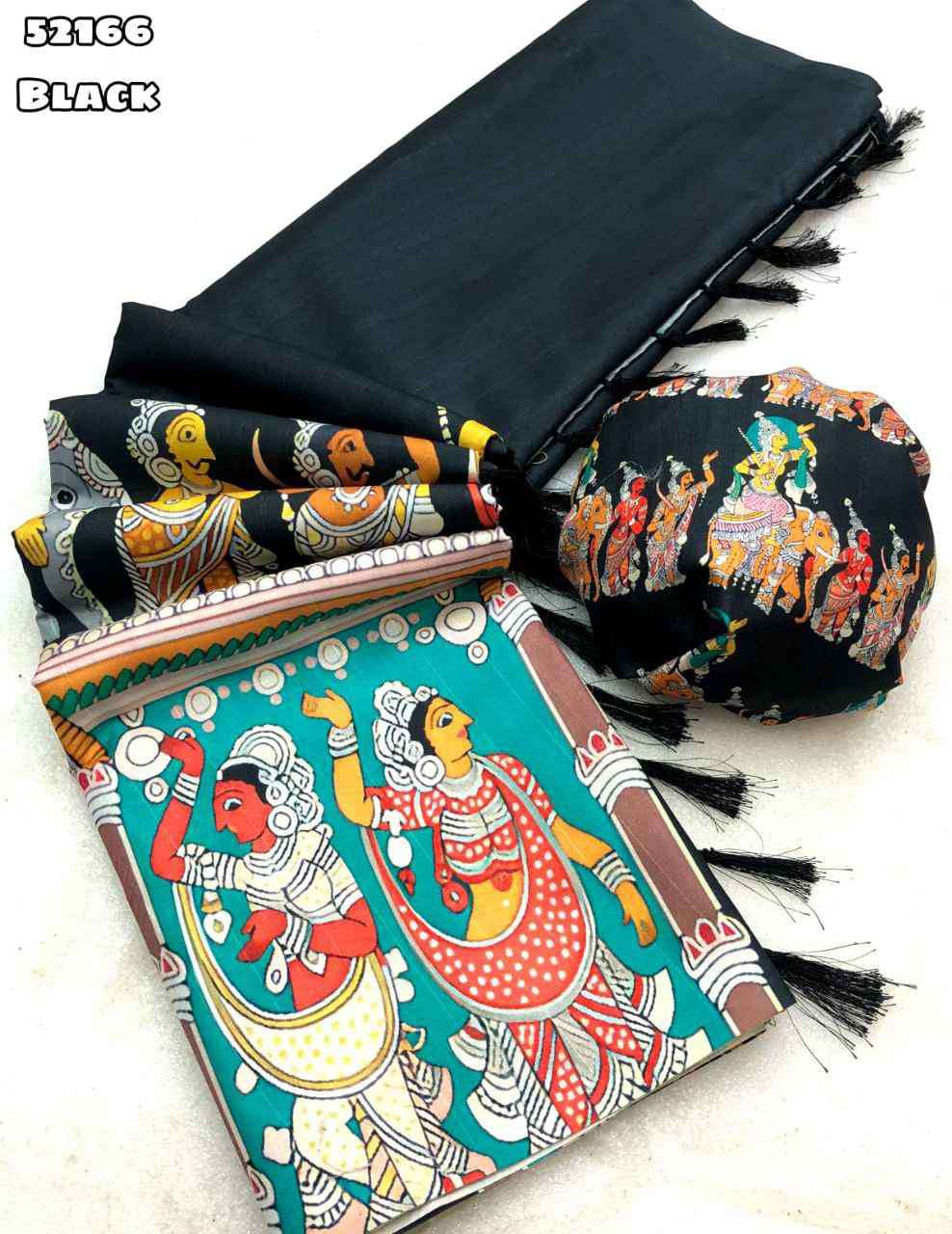
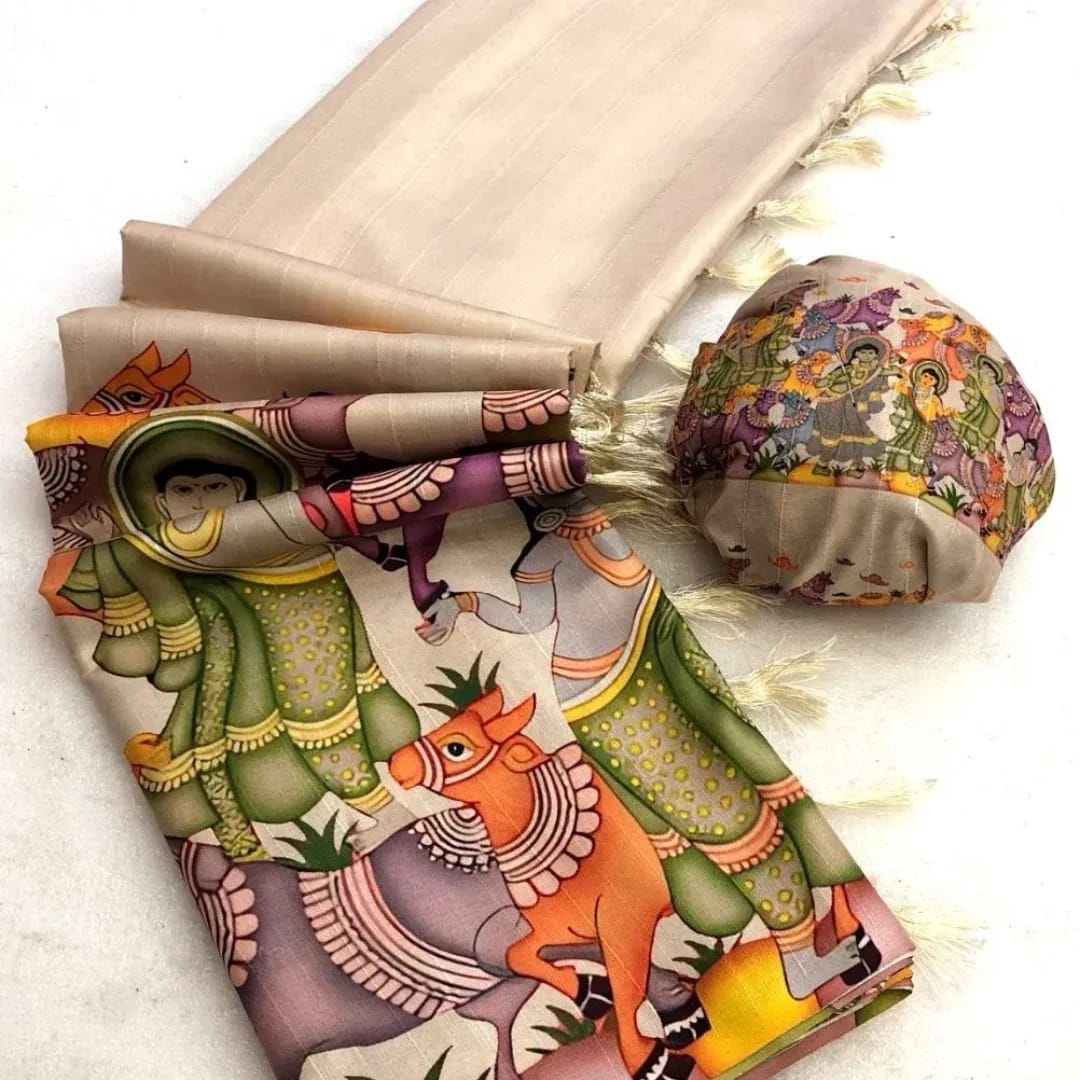
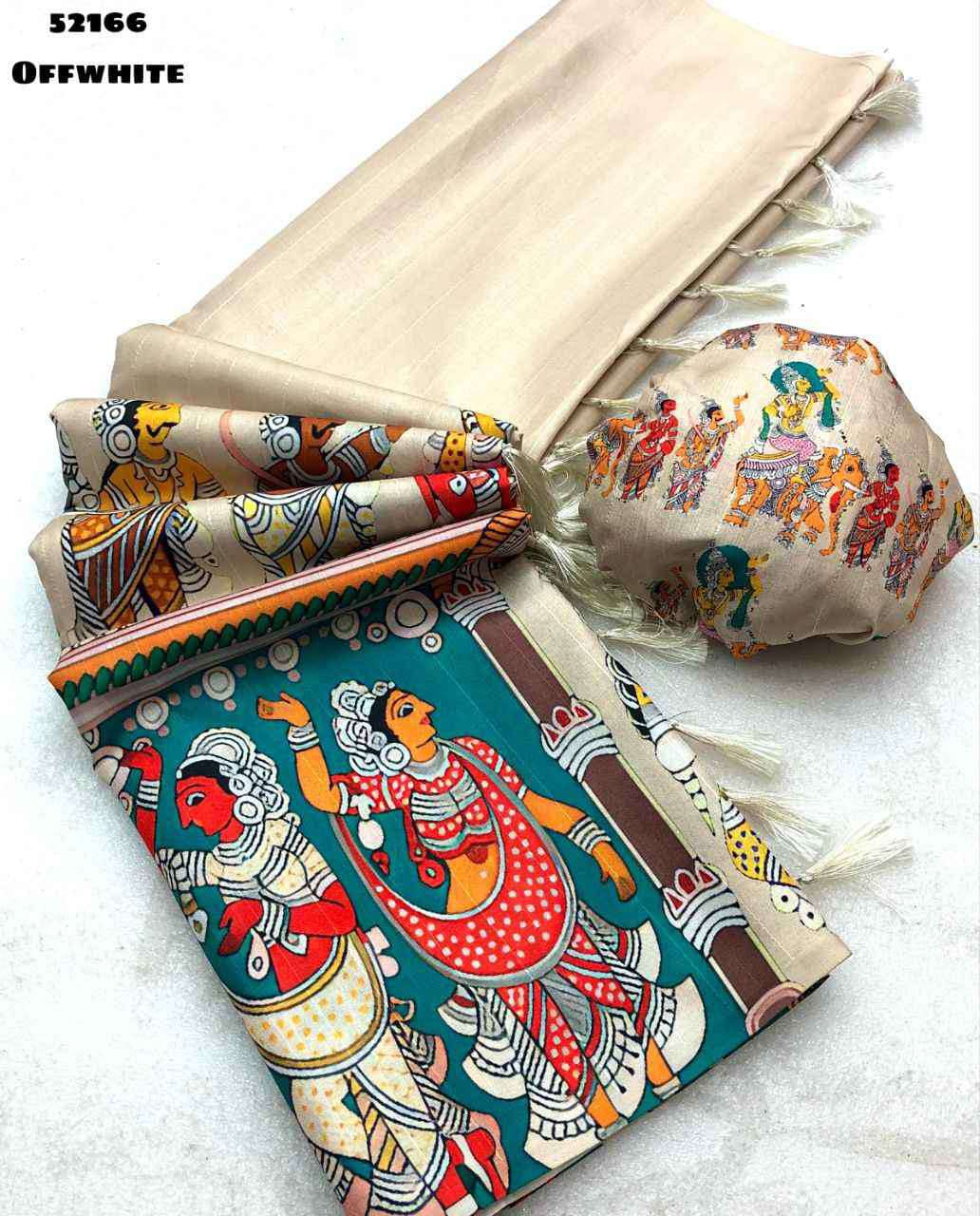
The Black Kalamkari Tussar Silk Saree with Blouse demonstrates why a printed saree may need a calm blouse treatment. Choose a solid blouse in maroon, rust, green or antique gold, and keep the neckline uncomplicated. The Off White Kalamkari Tussar Silk Saree with Blouse offers the opposite approach: a brighter blouse in magenta, red or leaf green can bring warmth to an ivory base.
Haldi-Kunku Outfit Ideas: Maharashtrian Sarees & Blouse Designs for colour and fabric choices
Colour creates the first impression, while fabric determines how formal, comfortable and structured the outfit feels. A warm saturated shade generally appears more ceremonial, whereas a pale print or breathable cotton feels more relaxed.
Maroon, red and magenta suit guests who want a strong festive presence. The Maroon Mal Cotton Ethnic Saree With Blouse is an useful example of how a deeper colour can remain approachable when the fabric is cotton. Style the saree with a green bindi, green bangles and muted gold earrings instead of matching every accessory to the saree.
Yellow and green have a natural connection with haldi ceremonies, spring gatherings and auspicious family events. A yellow saree with a green blouse creates a recognisable traditional palette. If the saree is already bright, select an unembellished blouse and let the jewellery provide the contrast.
Silk works well when the Haldi-Kunku is part of a larger traditional wedding schedule. Banarasi silk adds a rich woven surface and zari, while Kanjeevaram is associated with substantial silk and contrasting borders. Kalamkari prints bring narrative motifs and earthy colour, but a Kalamkari saree doesn't need heavy jewellery because the artwork supplies detail.
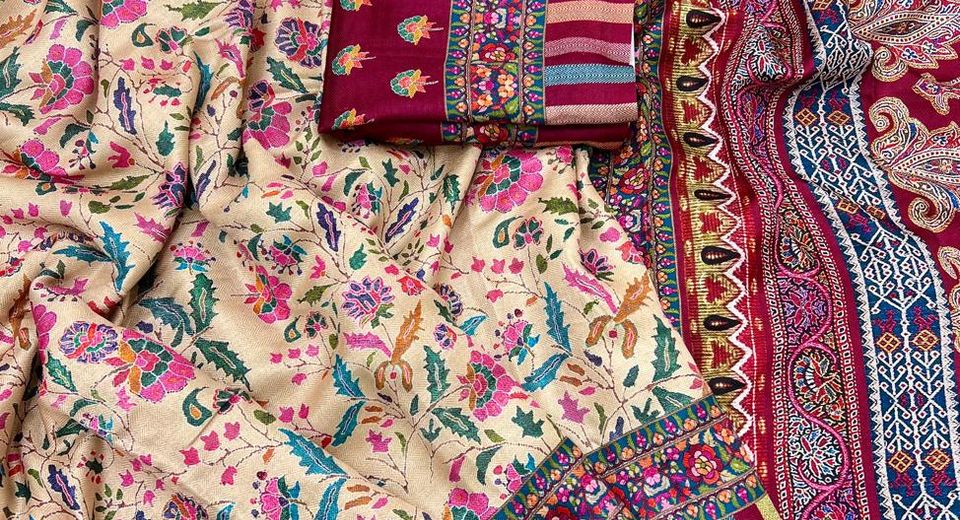
The Magenta Traditional Kalamkari Art Saree with Blouse can be dressed for a festive family event with gold-toned earrings and a low bun. The Kashmiri Style Pashmina Saree With Shawl Set is better suited to a cooler-season gathering or an indoor venue where the shawl is useful. A pashmina-style set may feel too warm for a crowded summer afternoon, so fabric weight and venue temperature should be considered before choosing it.
Haldi-Kunku Outfit Ideas: Maharashtrian Sarees & Blouse Designs with jewellery and beauty details
Green glass bangles, a traditional bindi, modest gold-toned jewellery and a secure hairstyle complete a Maharashtrian-inspired Haldi-Kunku look. Accessories should reinforce the saree colour instead of creating several unrelated focal points.
A nath makes the regional styling immediately recognisable, but it's optional. Wear a clip-on nath if you're not accustomed to a pierced nose ornament. A thushi-style choker, short gold-toned chain, jhumkas or small drop earrings can be combined according to the blouse neckline. Choose one prominent necklace or one prominent pair of earrings for a balanced daytime result.
A low bun decorated with jasmine or a simple gajra keeps the pallu and hair away from the face. A braid is equally practical, especially with a nauvari-inspired drape. Avoid hairstyles that require repeated adjustment if the gathering involves greeting many guests or moving outdoors.
Traditional makeup for a daytime Haldi-Kunku can remain light: sunscreen, a comfortable base, defined brows, kajal, a warm blush and a long-wearing lip colour. Red, brick, rose and berry lip shades complement most Maharashtrian saree palettes. Test bindi adhesive and new jewellery before the event because skin irritation can become distracting during a long function.
Haldi-Kunku Outfit Ideas: Maharashtrian Sarees & Blouse Designs for practical draping and shopping
A secure drape requires a correctly sized petticoat, firm pleats and at least two discreet safety pins. Practical preparation matters particularly when a saree will be worn for four or more hours.
Wear the petticoat at the natural waist and tie it firmly enough to support the saree without restricting breathing. Make five to seven pleats of similar width, align the lower edges and pin the pleats near the waistband. Secure the pallu at the shoulder after checking that the fabric reaches a comfortable length. A brooch can add decoration, but a small safety pin hidden beneath the pallu brings more dependable support.
When buying traditional sarees online in India, read the fabric description, saree length, blouse-piece details, wash instructions and dispatch timeframe. A six-yard saree generally needs a petticoat and blouse unless those pieces are explicitly included. A ready-made blouse may save tailoring time, but the fit should be checked at least one week before the event rather than on the morning of the function.
Collection labels can help narrow a broad search. Silk Sarees Under 3000 With Discount may suit shoppers comparing affordable silk options, while Pink Georgette Sarees can help locate softer, dressier colour choices. Red Banarasi Silk Sarees for Weddings Under 1100 is relevant when a red woven look is needed for a broader traditional wedding wardrobe. Party Wear Sarees may offer more embellished choices, and Gray Color Sarees Under 1000 can be useful for a neutral, contemporary interpretation.
Wash and store the saree according to its fibre. Cotton can usually be gently hand-washed when the care label permits, while silk, zari and pashmina generally deserve dry cleaning or specialist care. Fold silk with the zari facing inward, refold it every few months and store it in breathable muslin rather than sealed plastic. Keep perfume, deodorant and makeup away from the saree surface to reduce staining.
Haldi-Kunku Outfit Ideas: Maharashtrian Sarees & Blouse Designs for a polished final look
The most successful Haldi-Kunku outfit combines one strong traditional feature with dependable supporting details. A nauvari-inspired drape can be the focal point, while the blouse and jewellery rest restrained. A printed Kalamkari saree can take the look, with a solid blouse and simple earrings providing balance. A bright magenta, red or green saree can be softened with natural makeup and minimal embellishment.
Use a three-part check before leaving home: confirm that the blouse allows full arm movement, confirm that the pallu remains secure when walking and confirm that the footwear is comfortable for standing. Block heels, embroidered flats or traditional kolhapuri-style sandals are more useful than unstable high heels at a home gathering.
A thoughtful Haldi-Kunku look respects tradition without treating tradition as a fixed uniform. Choose the drape you can manage, the fabric suited to the weather and the blouse that lets you move. Those decisions create an outfit that looks composed in photographs and remains comfortable throughout the celebration.
Common Questions About Haldi-Kunku Sarees and Maharashtrian Styling
What saree is best for a Haldi-Kunku function?
A lightweight cotton, linen cotton, soft silk or light Kalamkari saree is usually the most practical choice for a daytime Haldi-Kunku function. Choose silk or a heavier zari saree when the gathering forms part of a more formal traditional wedding schedule.
Which blouse design suits a Maharashtrian saree?
A short-sleeved round-neck blouse is the most versatile choice for Maharashtrian sarees. Square necklines, shallow U-necks and elbow-length sleeves also work well when the blouse fits securely and allows comfortable arm movement.
Can I wear a simple traditional saree without a blouse piece?
A saree without a blouse piece can be worn with a separately tailored blouse in a matching or contrasting colour. Confirm the saree length and fabric before buying, because a blouse piece may not be included in every online saree listing.
How can I create a Maharashtrian look without wearing a nauvari saree?
You can create a Maharashtrian-inspired look with a regular six-yard saree, green glass bangles, a traditional bindi, a nath or clip-on nose ring, and a gajra. A secure front-pleated pallu can provide a regional feel without requiring a nine-yard draping technique.
Where can I buy traditional sarees online in India?
Look for established saree websites that clearly state fabric, measurements, blouse-piece details, care instructions and dispatch timelines. Reading those details is more useful than relying only on labels such as silk, traditional or designer.
Which saree colours are suitable for a Haldi-Kunku gathering?
Maroon, red, magenta, yellow, green, rust, saffron, peach and ivory are all suitable choices for a Haldi-Kunku gathering. Balance a very bright saree with a quieter blouse and moderate jewellery so the outfit remains appropriate for daytime.