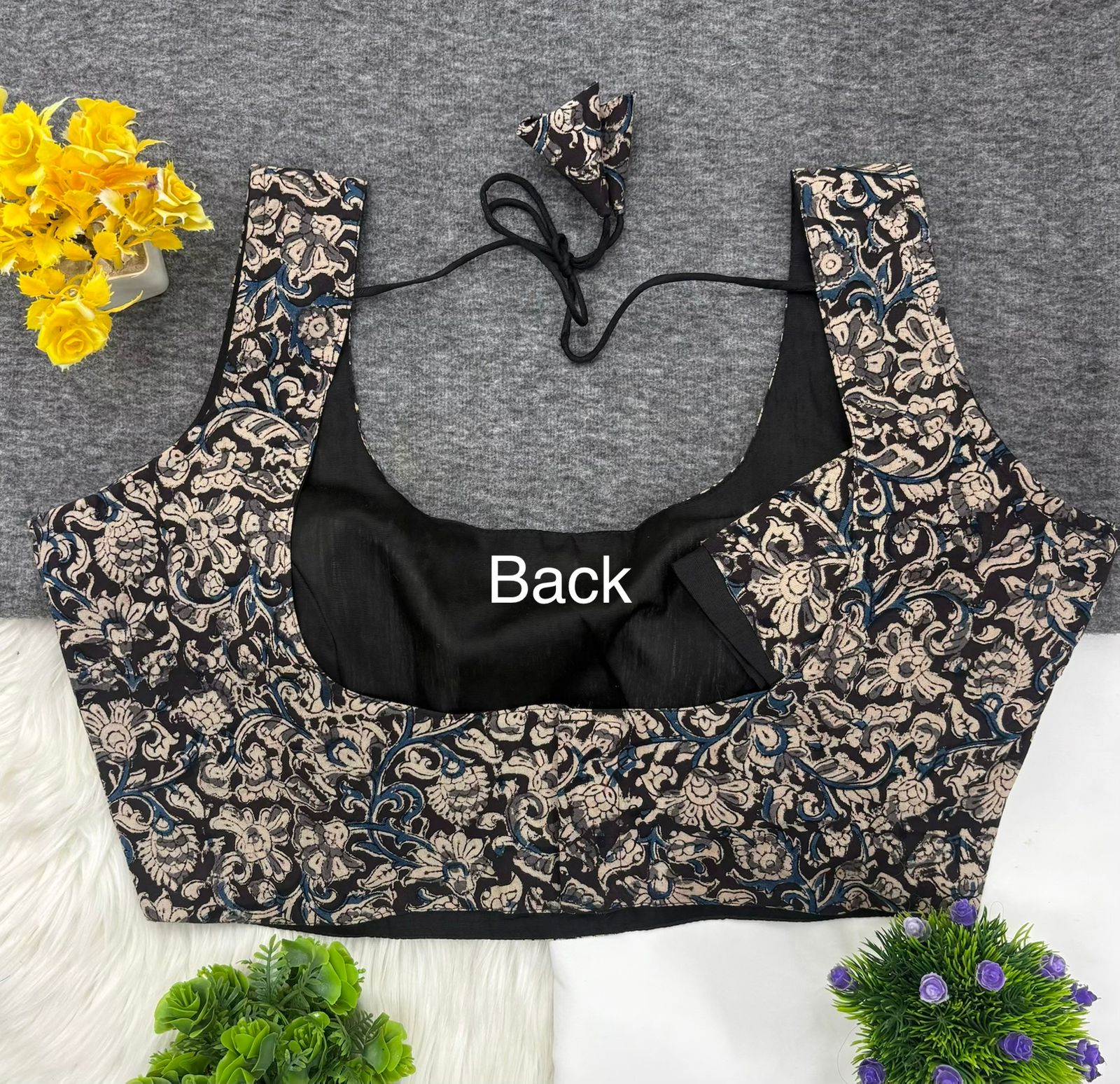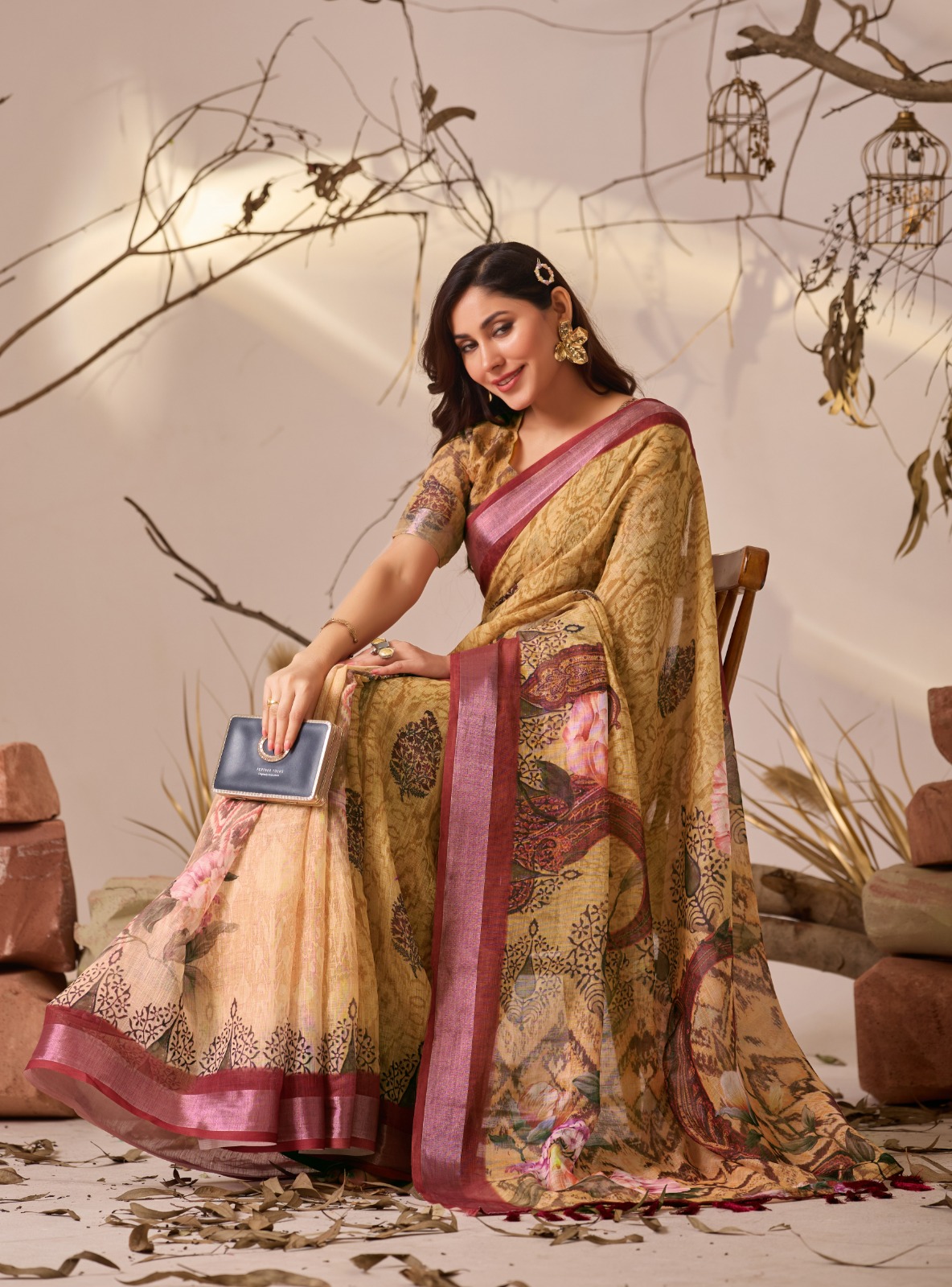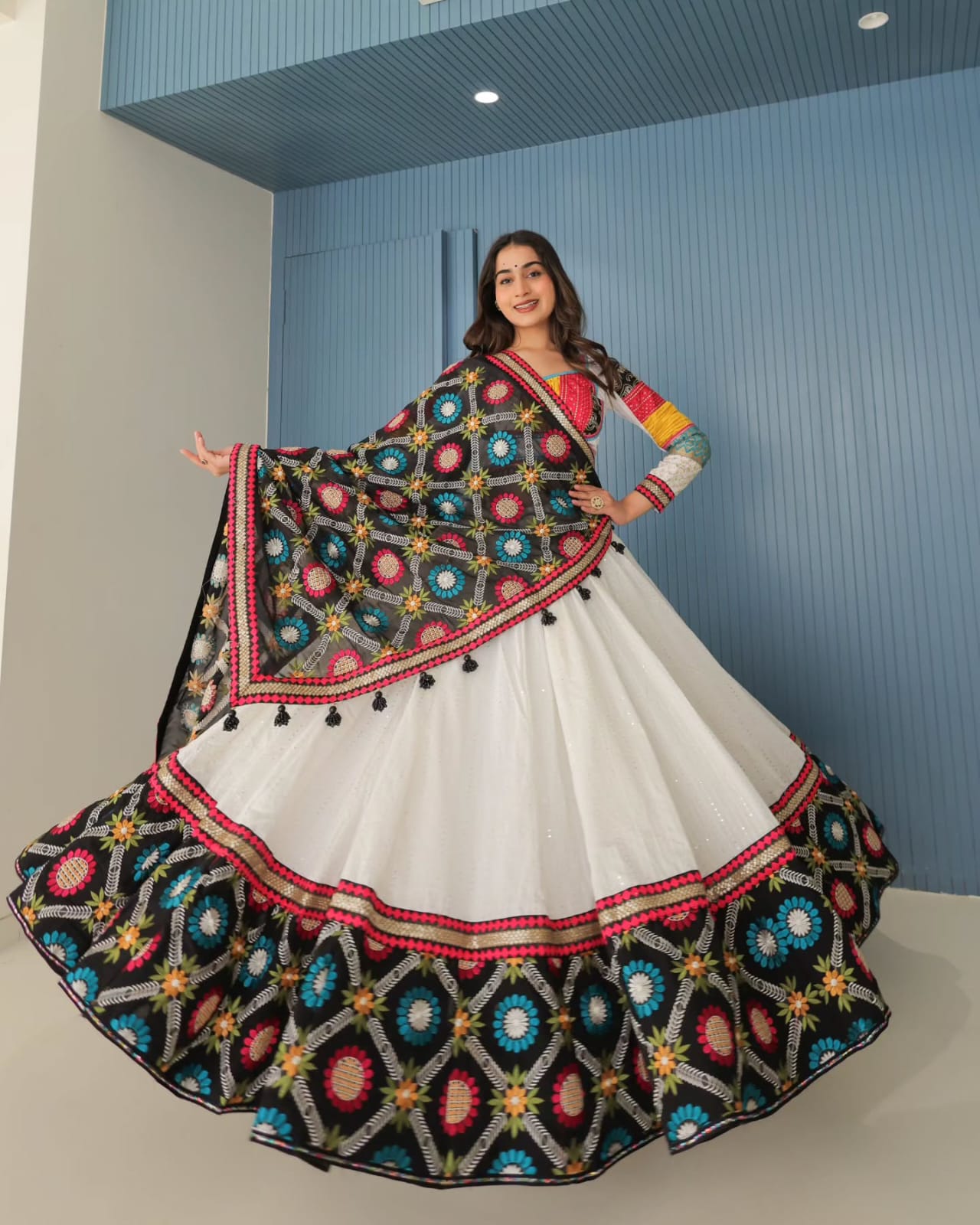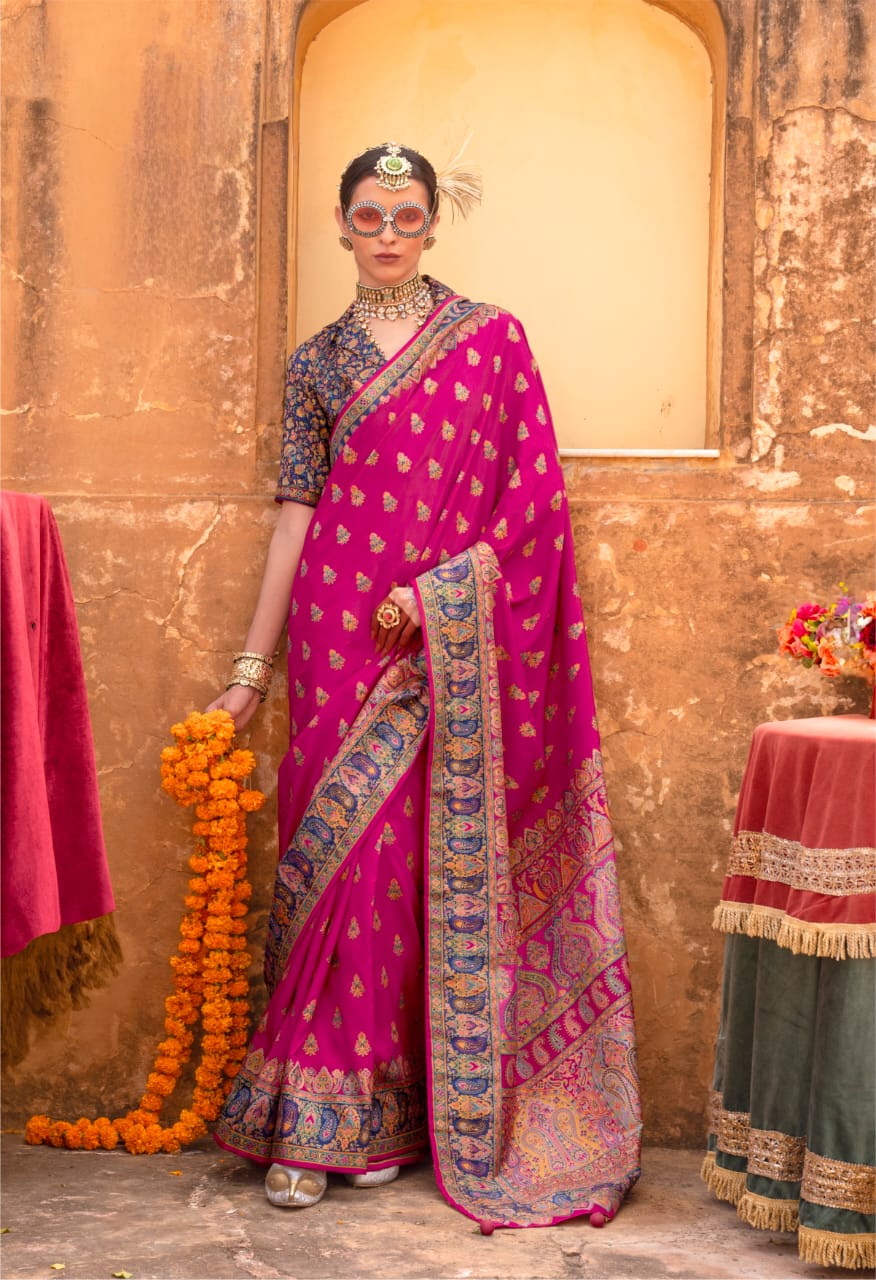
A good Garba outfit needs to do more than photograph well: it must let you turn, clap, bend and dance for several hours without constant adjustment. Gujarati Suit Designs for Navratri, Garba and Dandiya offer a practical alternative to a chaniya choli when you want festive colour, embroidery and Gujarati-inspired styling in a salwar suit silhouette.
The most useful choice depends on four things: how much movement your evening involves, whether the venue is indoors or outdoors, how heavily the garment is embellished, and whether you prefer a dupatta that stays pinned or moves freely. A breathable cotton suit suits a long community Garba night, while Chanderi, georgette and Vichitra silk can create a more dressed-up look for a shorter event or family celebration.
What makes Gujarati Suit Designs for Navratri, Garba and Dandiya suitable?
Gujarati-inspired salwar suits work for Garba because they combine a structured top, comfortable trousers or palazzos and a dupatta that can be secured for movement. The look can borrow visual cues associated with Gujarati dress, including saturated colour, mirror-like shine, bandhani-inspired contrast, gota-style borders and lively embroidery, without requiring a full circular skirt.
Traditional Gujarati Garba dress for women often centres on the chaniya choli, a flared skirt and fitted blouse, while Gujarati men commonly wear a kediyu with trousers or a dhoti-style lower garment. A salwar suit translates the same celebratory energy into a shape that many women find easier to walk, sit and dance in. Men's salwar suits for Garba are less conventional than kediyu outfits, but a coordinated kurta with salwar trousers can create a comfortable family-group look.
Movement is the practical test. A straight kurta with a side slit allows longer strides, a palazzo gives room for footwork, and a medium-weight dupatta is easier to pin than a very sheer or heavily decorated one. A hem that falls around the ankle or slightly above the foot is also safer for dancing than a floor-skimming length.
Choosing a silhouette for Garba and Dandiya movement
The best silhouette depends on your dance intensity and the way you prefer your clothes to move. Straight-cut suits, Anarkali suits, palazzo sets and cropped jacket sets each behave differently when you turn or raise your arms.
Straight-cut and A-line suits
Straight-cut and gently A-line suits are reliable choices for walking, sitting and moderate dancing. The narrower shape creates less fabric around the feet, while a side slit from approximately 10 to 14 inches can improve stride without exposing too much of the leg.
A knee-length or mid-calf kurta paired with cigarette pants gives a neat, controlled outline. A slightly longer A-line kurta works well when you want more coverage, but check that the flare doesn't catch on bangles, footwear or a partner's Dandiya sticks.
Anarkali and palazzo silhouettes
Anarkali suits create the most visible movement because their flare opens during spins. An Anarkali works best when the flare is light to medium and the inner lining is smooth enough to prevent the layers from sticking together.
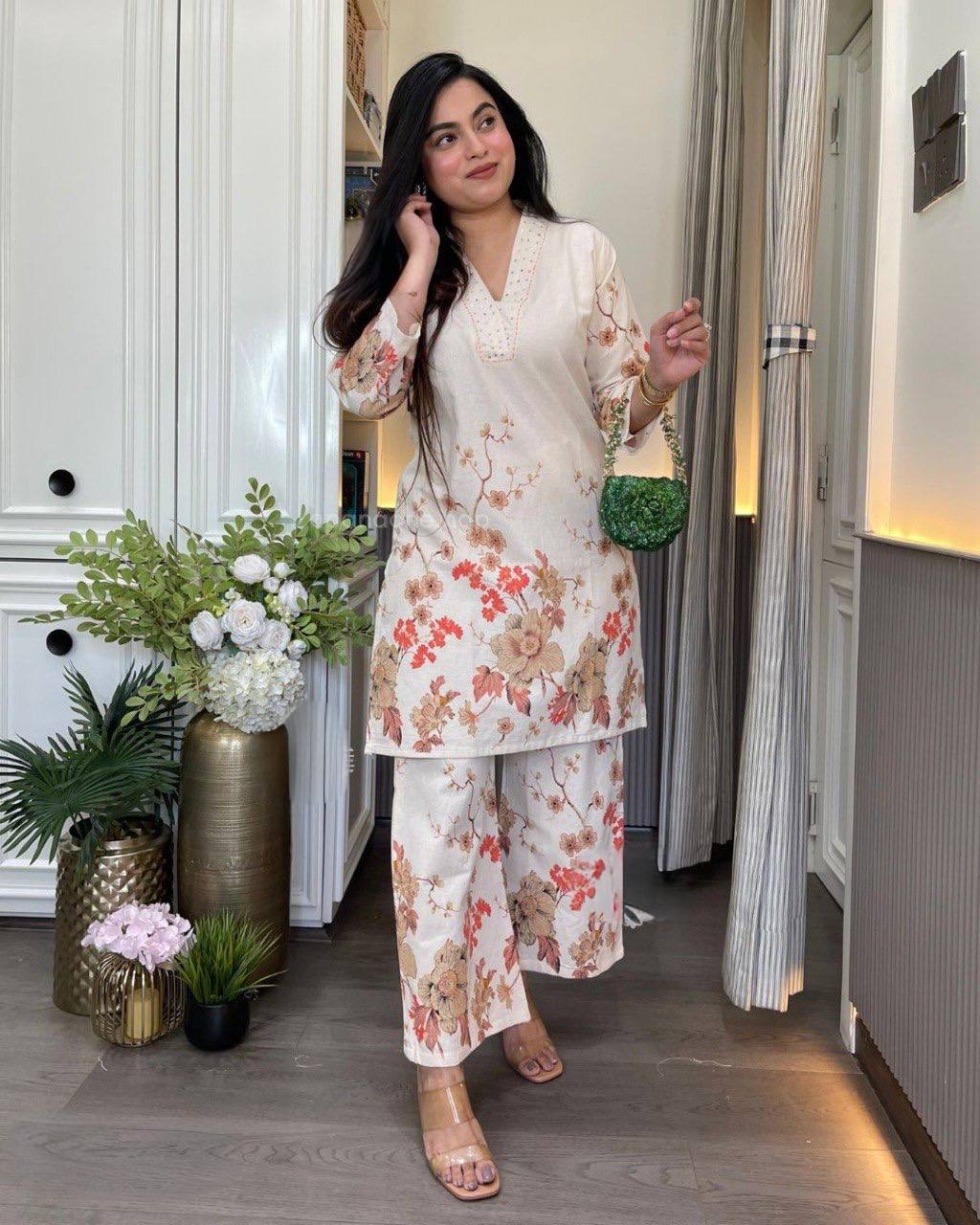
Palazzo suits offer generous leg room and are especially useful for Garba steps involving repeated side movement. The waistband should sit securely at the natural waist or high hip, and the palazzo hem should remain clear of the floor. The Women's Embroidered Crop Top & Jacket Palazzo Set | Varnavi demonstrates how a shorter top layer and wide-leg bottom can create a contemporary festive direction, although the exact proportions should be checked against your height and preferred coverage.
Crop tops, jackets and coordinated sets
A crop-top and jacket combination can look more Indo-Western than a conventional salwar kameez, making it suitable for a college Garba night or a modern Dandiya event. The jacket should not be so stiff or heavily embellished that it restricts shoulder rotation.
Readymade salwar suits for Garba are useful when you need predictable sizing and a complete outfit quickly. Before buying, measure your bust, waist, hip and preferred kurta length against the garment chart rather than relying only on your usual size. A ready-made set can still need a small alteration at the sleeve, trouser length or side seam.
Fabric choices that stay comfortable through Navratri
Fabric determines how comfortable a Garba outfit feels after the first hour. Breathability, weight, lining, surface texture and drying time matter more than the label of a festive collection.
Cotton for long outdoor events
Cotton salwar suits are among the safest choices for Garba because cotton absorbs moisture and generally allows air to circulate. Cotton is particularly practical for outdoor grounds, crowded community halls and events where you expect to dance for three or more hours.
Choose a cotton suit with a smooth lining or no lining where opacity allows. Heavy stiff cotton can feel restrictive when you spin, while lightweight cotton blends can crease more easily but provide better mobility. A cotton dupatta with a narrow border is easier to pin securely than a large, slippery one.
Chanderi, georgette and silk blends
Chanderi creates a festive surface with relatively light weight, but the weave can snag against rough jewellery or Dandiya sticks. The Mustard Viscose Chanderi Kurta Set with Sequence Embroidery and the Maroon Viscose Chanderi Silk Embroidered Kurta Set for Women are examples of how warm colour and subtle sheen can replace a very heavy skirt when you want a polished look.
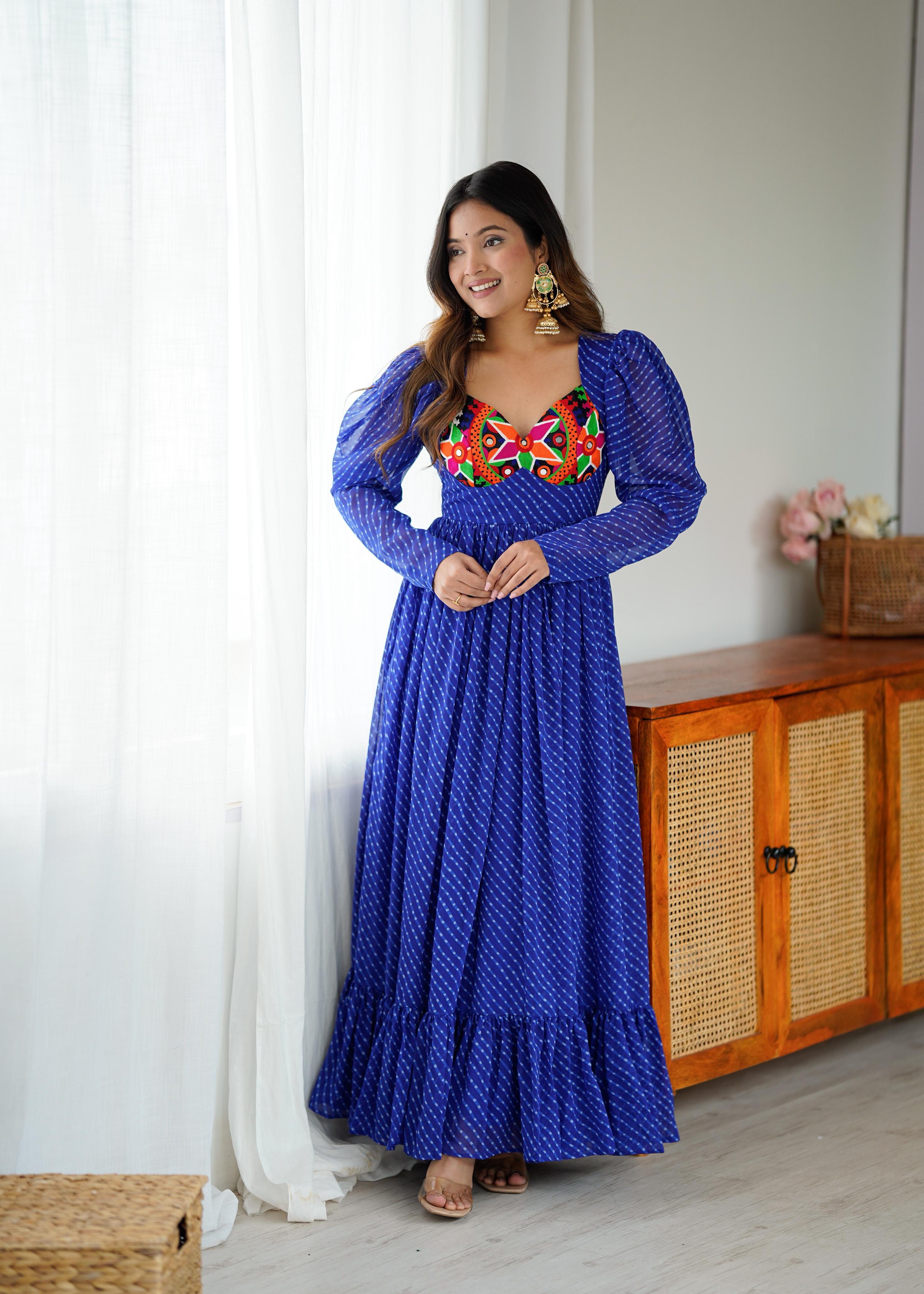
Georgette drapes fluidly and photographs well, but the fabric may need a lining for coverage and careful pinning for active dancing. The Blue Printed Georgette Designer Gown for Women Festive is better suited to a seated celebration or lighter dance participation if its gown shape limits leg movement.
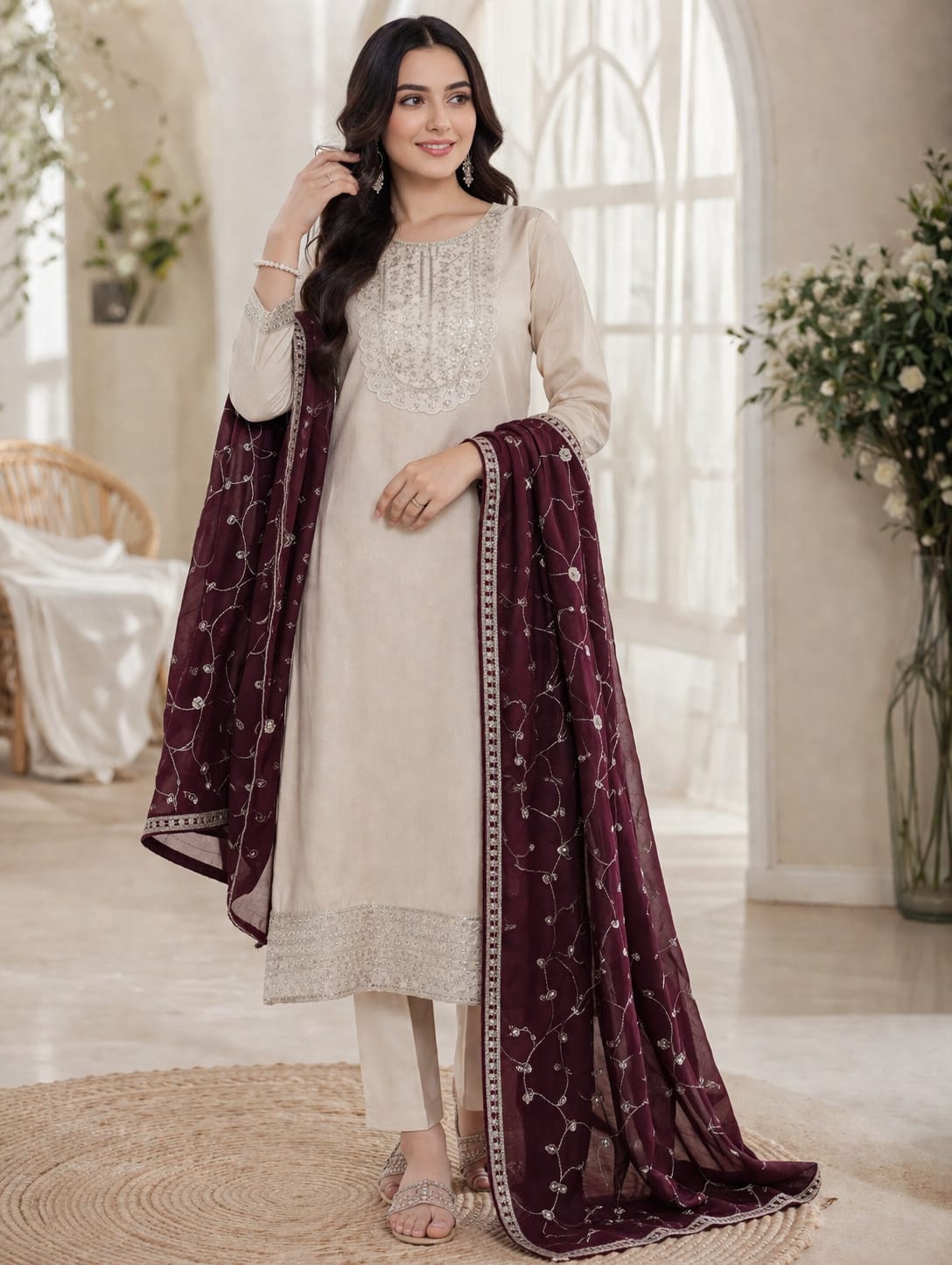
Vichitra silk has a richer appearance and works well for a family Garba function, a Navratri puja followed by dinner or a shorter indoor programme. The Elegant Beige Vichitra Silk Embroidered Kurta Set for Women and Maroon Vichitra Silk Kurta Set with Elegant Embroidery Work show how neutral and jewel-toned palettes can deliver occasion polish without depending on neon colour.
Colour and embroidery ideas for a Gujarati-inspired look
Strong contrast creates a Gujarati-inspired festive impression more quickly than adding excessive embellishment. Pairing mustard with maroon, cobalt with pink, emerald with orange or beige with wine gives the outfit visual energy while keeping the silhouette uncomplicated.
Navratri colour traditions vary by region, family and year, so a colour-of-the-day rule should be treated as a styling prompt rather than a strict requirement. If your group follows a daily colour theme, use the kurta as the main colour and add the day's shade through earrings, bangles, a dupatta border or footwear.
Embroidery, sequins, zari and mirror-style details catch light during circular movement, but their placement affects comfort. Shoulder and sleeve embroidery can feel scratchy when the arms move repeatedly. Dense sequins at the waist can press against the body while sitting. A decorated yoke, neckline or dupatta border often gives enough festive impact without covering every surface.
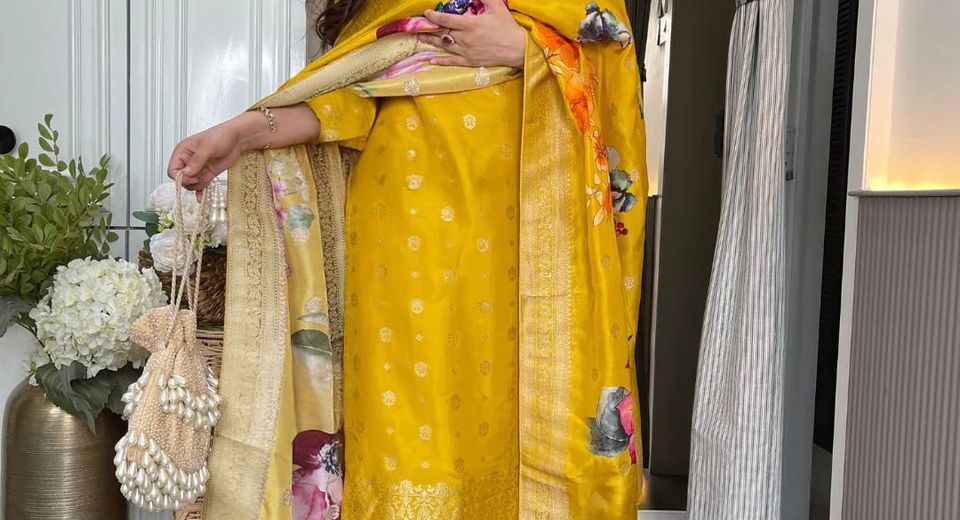
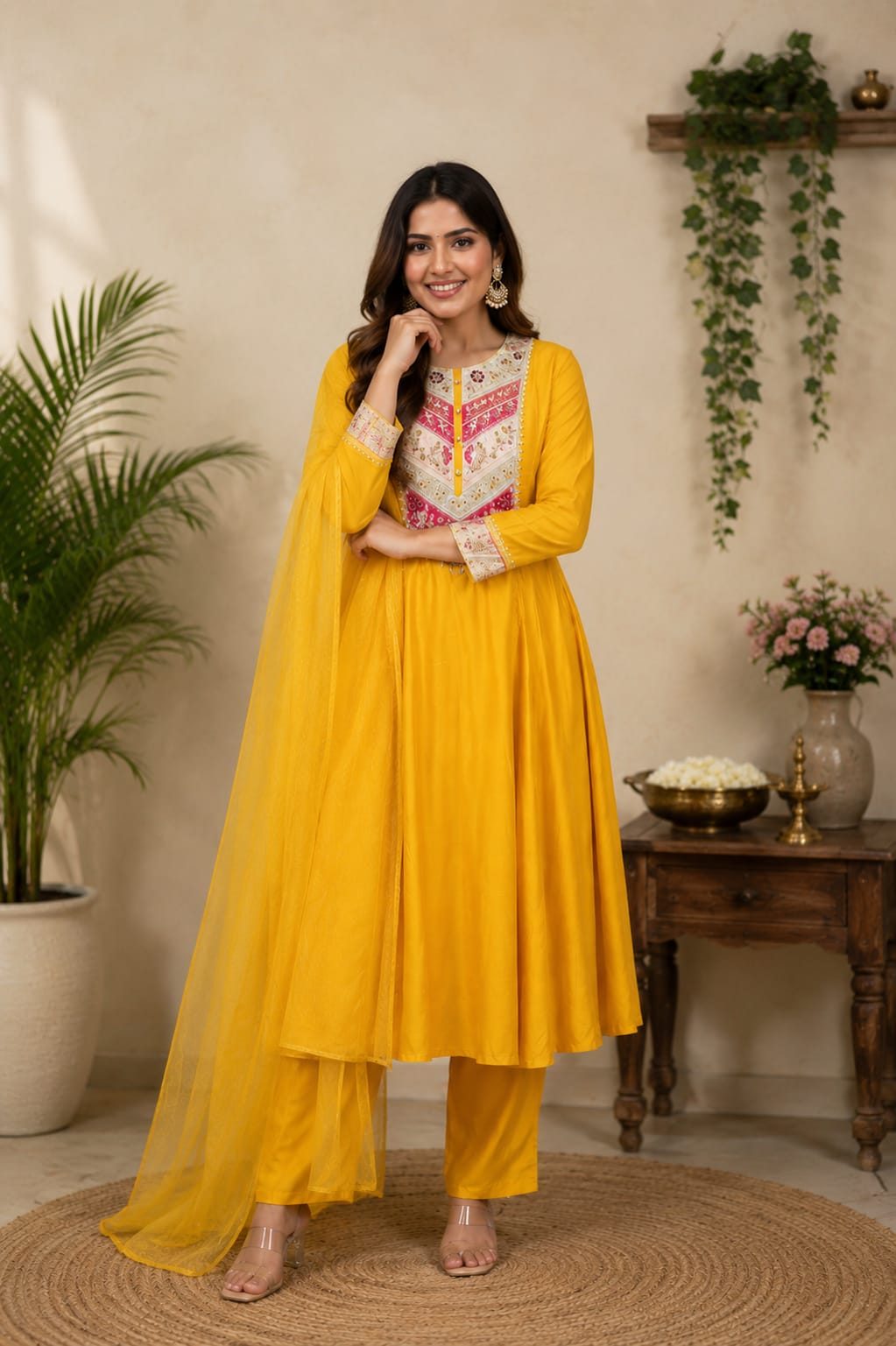
The Mustard Yellow Jacquard Kurta Set with Embroidery & Dupatta is a strong example of using a saturated Navratri colour with a structured textile. Lavender Georgette Kurti Pant Set with Embroidery & Dupatta offers a softer palette for people who prefer pastel colour while retaining a clearly festive finish.
How to style Gujarati Suit Designs for Navratri, Garba and Dandiya
The most effective styling keeps one element expressive and keeps the remaining accessories secure. A bright suit can take antique-finish earrings and a restrained stack of bangles, while a simpler suit can support a more decorative dupatta or statement necklace.
Dupatta placement
A pinned dupatta is the safest option for active Dandiya dancing. Place one pin at the shoulder and another at the waist or side seam, leaving enough ease across the chest and arm to lift your hands comfortably.
For a Gujarati-inspired drape, you can bring the decorated end across the front and over the opposite shoulder, but test the arrangement with both arms raised before leaving home. Avoid placing a large brooch where a Dandiya stick could catch it. A lightweight dupatta also reduces heat in a crowded venue.
Jewellery, hair and footwear
Oxidised silver earrings, colourful bangles, a small maang tikka and a compact potli can complement Gujarati styling without making the outfit difficult to manage. Choose closed-back earrings or secure hooks if you expect vigorous movement.
Low block heels, cushioned juttis or flat embellished sandals are safer than narrow stilettos on temporary dance floors. Break in new footwear for at least two short walks before Navratri. Tie long hair into a braid or low ponytail if loose hair interferes with vision or catches on jewellery.
Styling a suit for a group
Group dressing doesn't require identical outfits. Three friends can coordinate through a shared colour family, such as mustard, maroon and beige, while choosing different silhouettes. A group can also repeat one detail, such as a mirror-work bangle, embroidered border or matching bandhani-inspired scarf.
Buying a Garba salwar suit online without a sizing mistake
Online buyers should compare garment measurements, fabric information, lining details and care instructions before choosing a festive suit. Product photographs show colour and surface detail, but measurements determine whether the outfit will work for dancing.
Measure over the undergarments you plan to wear at the event. Record bust, waist, hip, shoulder width, sleeve length, inseam and kurta length. Allow approximately 2 to 4 inches of ease at the bust and hip for active movement, depending on whether the cut is straight, fitted or flared. Do not add the same ease to every garment: a palazzo needs leg and hip room, while a fitted sleeve needs shoulder mobility.
Check whether the trousers have an elasticated, drawstring or fixed waistband. A drawstring can offer useful adjustment, but the knot should lie flat beneath the kurta. Check whether a dupatta is included, because a two-piece kurta-trouser set may need a separately chosen scarf to complete the festive styling.
Collections such as Ladies Dress Anarkali Salwar Suits are useful when you want visible flare, while Dress Materials suit shoppers who prefer to select a custom length, sleeve and neckline through a tailor. Salwar Suits with 30% Off and Salwar Suits Flat 40% Off can help with a multi-night Navratri wardrobe, but discount percentage should never replace checking fabric composition, measurements and return conditions.
For a lower-cost coordinated look, Red Dress Materials Under 2000 may provide a starting point for a red-themed outfit, but tailoring costs and embellishment charges should be included in the final budget. A simple alteration before the event is usually more valuable than choosing a heavily decorated suit that can't be moved in comfortably.
Care and preparation before the Garba night
Preparing the outfit two or three days early prevents small fit and fabric problems from becoming event-night emergencies. Try the complete look with footwear, jewellery, undergarments and the pinned dupatta, then practise a few turns and raised-arm movements.
Steam or press the garment according to its care label, and place a cotton cloth between an iron and embroidered, sequined or zari areas. Do not apply high heat directly to synthetic georgette, viscose Chanderi or decorative threadwork. Air the outfit after wearing it and store it clean and dry rather than sealing perspiration inside a plastic cover.
Spot-test any stain treatment on an inside seam first. Banarasi silk, Kanjeevaram and heavily zari-worked garments require especially cautious handling, but even a polyester or viscose festive suit can lose colour or surface finish when scrubbed aggressively. For a garment labelled dry-clean only, use a professional cleaner and mention the presence of sequins, zari or glued embellishments.
Carry two safety pins, a small packet of tissues, blister plasters and a spare hair tie. Those simple items address the most common problems during a long Garba evening: a shifting dupatta, perspiration, shoe friction and loose hair.
Five practical outfit formulas for Navratri nights
A mustard Chanderi kurta set with small earrings, flat juttis and a pinned dupatta works for a warm outdoor venue where you want colour without a heavy skirt.
A maroon Vichitra silk suit with antique jewellery and a low bun suits a family Navratri gathering followed by dinner. Keep the footwear stable if the programme includes dancing.
A lavender georgette kurti and pant set with silver-toned accessories creates a softer Garba outfit for women who prefer pastel shades. Use a firm shoulder pin and test the opacity in daylight.
A cropped jacket and palazzo set with a simple blouse layer gives a contemporary Dandiya look. Keep the jacket open or lightly secured if the front closure restricts arm movement.
A cotton straight-cut suit with a contrasting dupatta is the most practical choice for repeated dancing across several nights. Vary the look with bangles, earrings and a different hairstyle rather than buying a new heavily embellished garment for every event.
Questions About Choosing a Salwar Suit for Garba and Dandiya
What should women wear for Garba besides a chaniya choli?
Women can wear a straight-cut salwar suit, Anarkali, palazzo set or kurta-pant set for Garba. Choose a breathable fabric, a secure dupatta and a hemline that stays clear of the floor so the outfit supports dancing.
Are cotton salwar suits suitable for Garba?
Cotton salwar suits are suitable for long Garba events, especially outdoors or in crowded halls. Cotton absorbs moisture and feels breathable, although lightweight cotton is generally more comfortable for dancing than stiff, heavily lined cotton.
Which salwar suit is best for Dandiya dancing?
A palazzo set or straight-cut suit with moderate ease is usually best for Dandiya because both allow leg movement without excessive fabric around the feet. Pin the dupatta at the shoulder and waist, and avoid sleeves or embellishments that restrict arm rotation.
Can I wear an Anarkali suit for Garba?
You can wear an Anarkali suit for Garba if the flare is light to medium and the hem does not drag. Test the Anarkali with turns, raised arms and your chosen footwear before the event to confirm that the lining and flare do not restrict movement.
How do I style a Gujarati-inspired salwar suit for Navratri?
Style a Gujarati-inspired salwar suit with high-contrast colours, oxidised earrings, bangles, a secured dupatta and comfortable juttis or flat sandals. Mirror-style details, zari, sequins or a decorated border can add festive character without requiring heavy all-over embellishment.
What should I check before buying readymade salwar suits for Garba?
Check bust, waist, hip, shoulder, sleeve, inseam and kurta-length measurements before buying a readymade suit for Garba. Also confirm the fabric, lining, waistband construction, included dupatta, care instructions and alteration or return conditions.