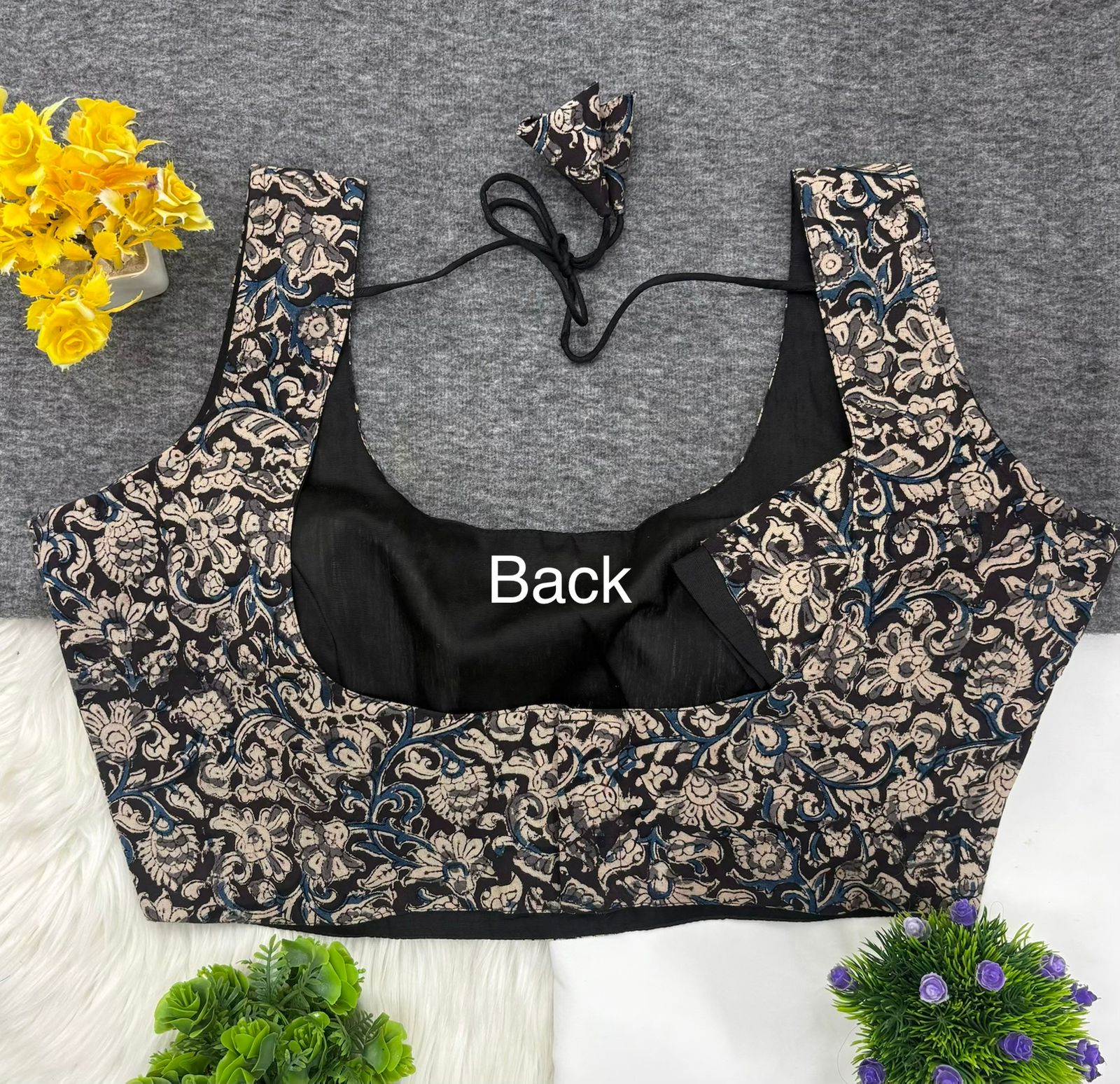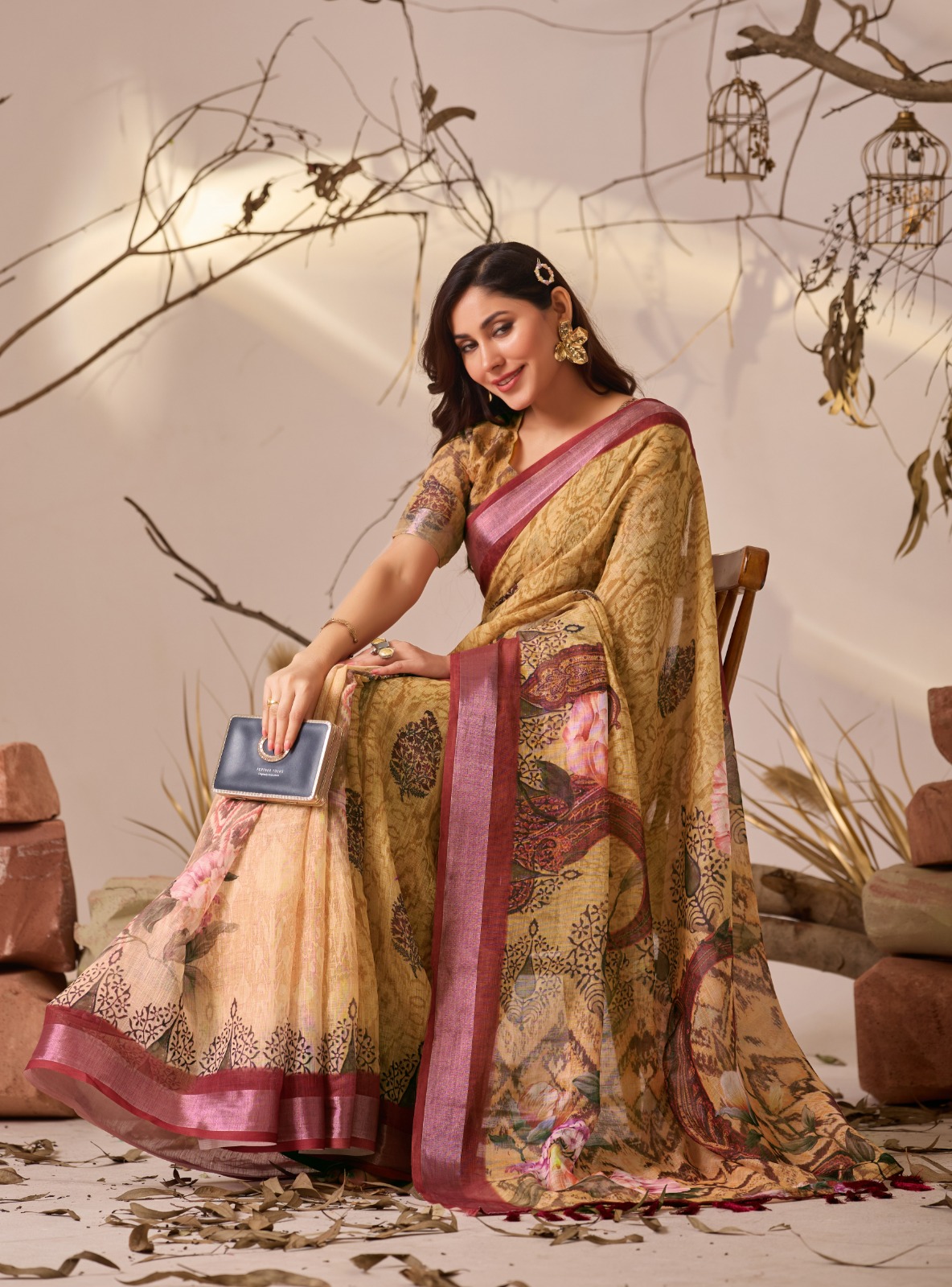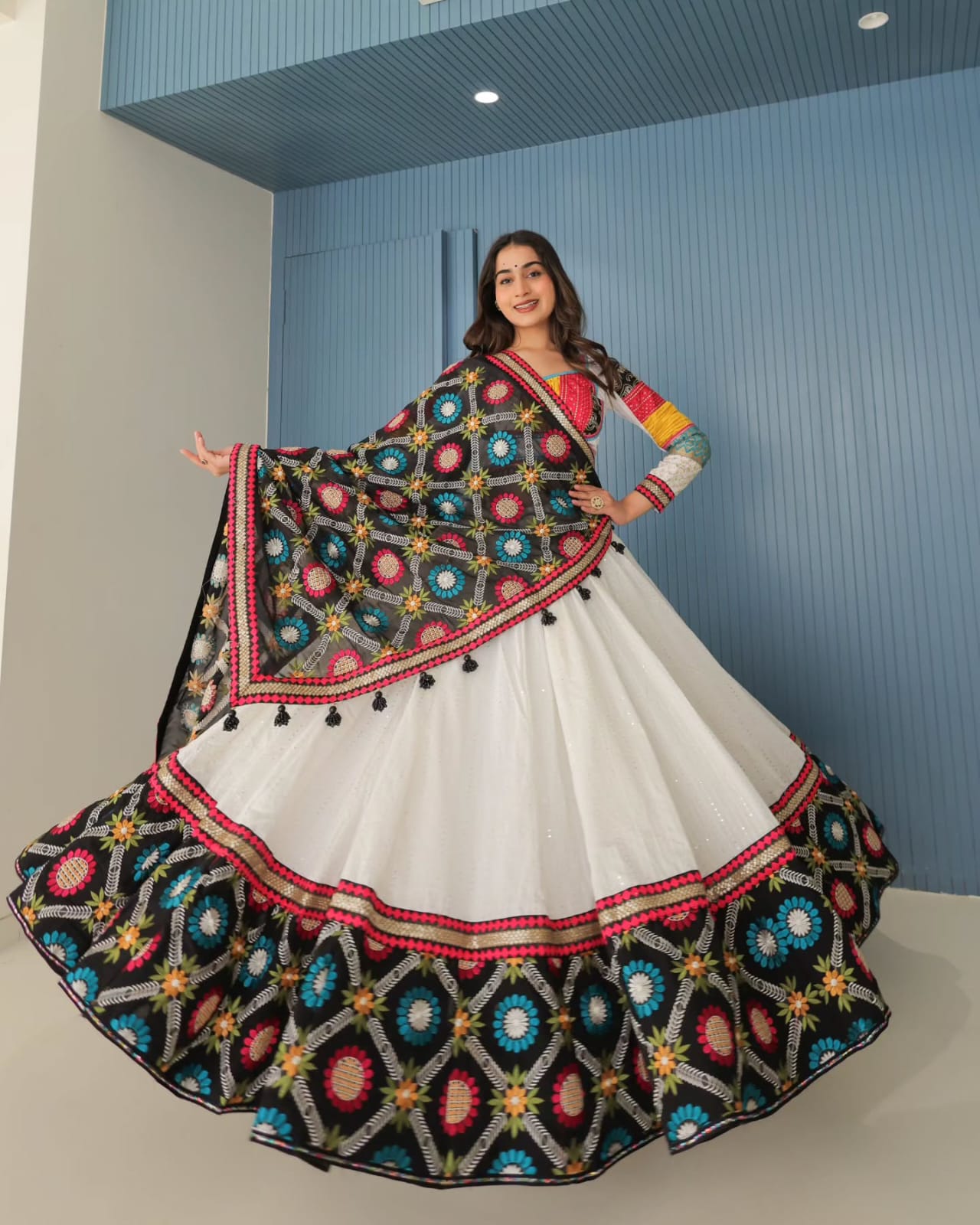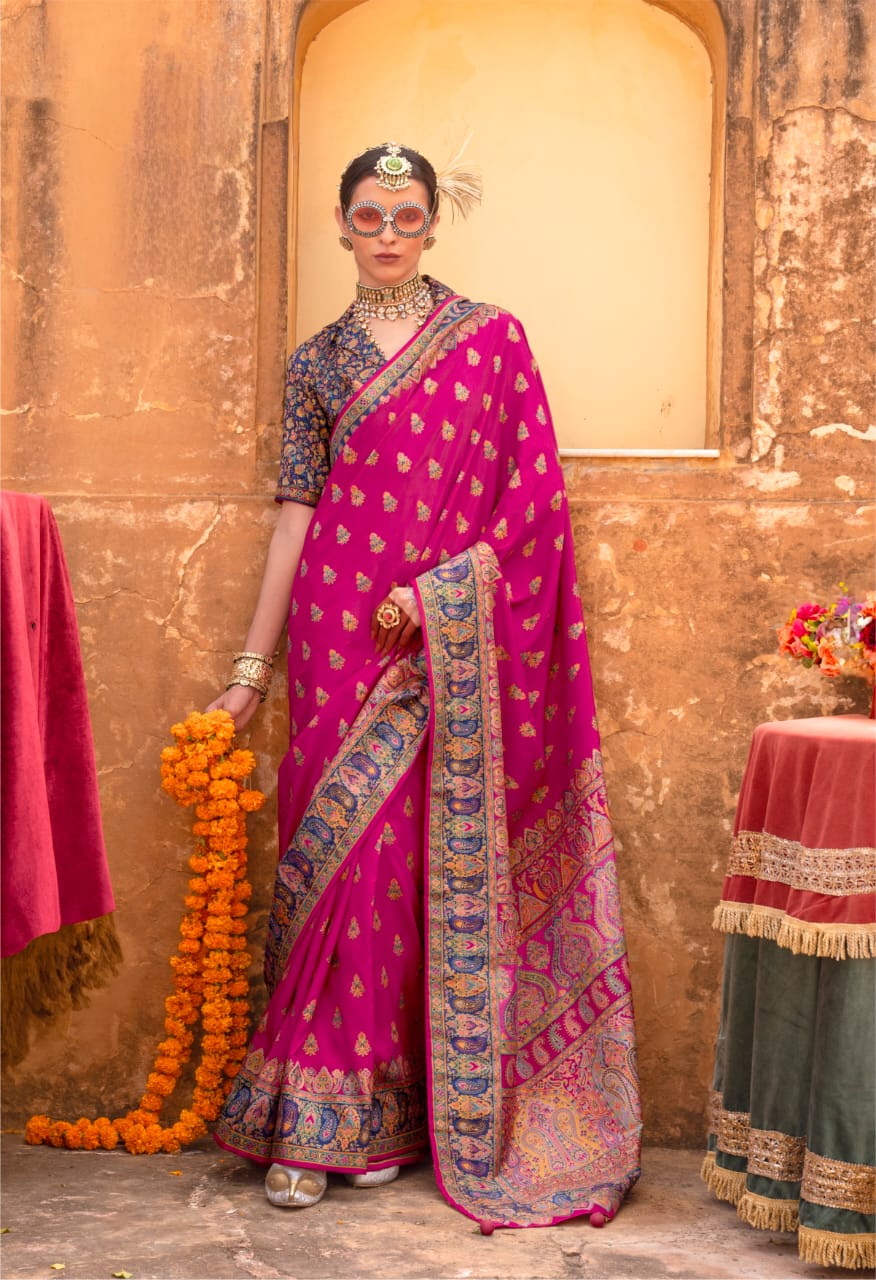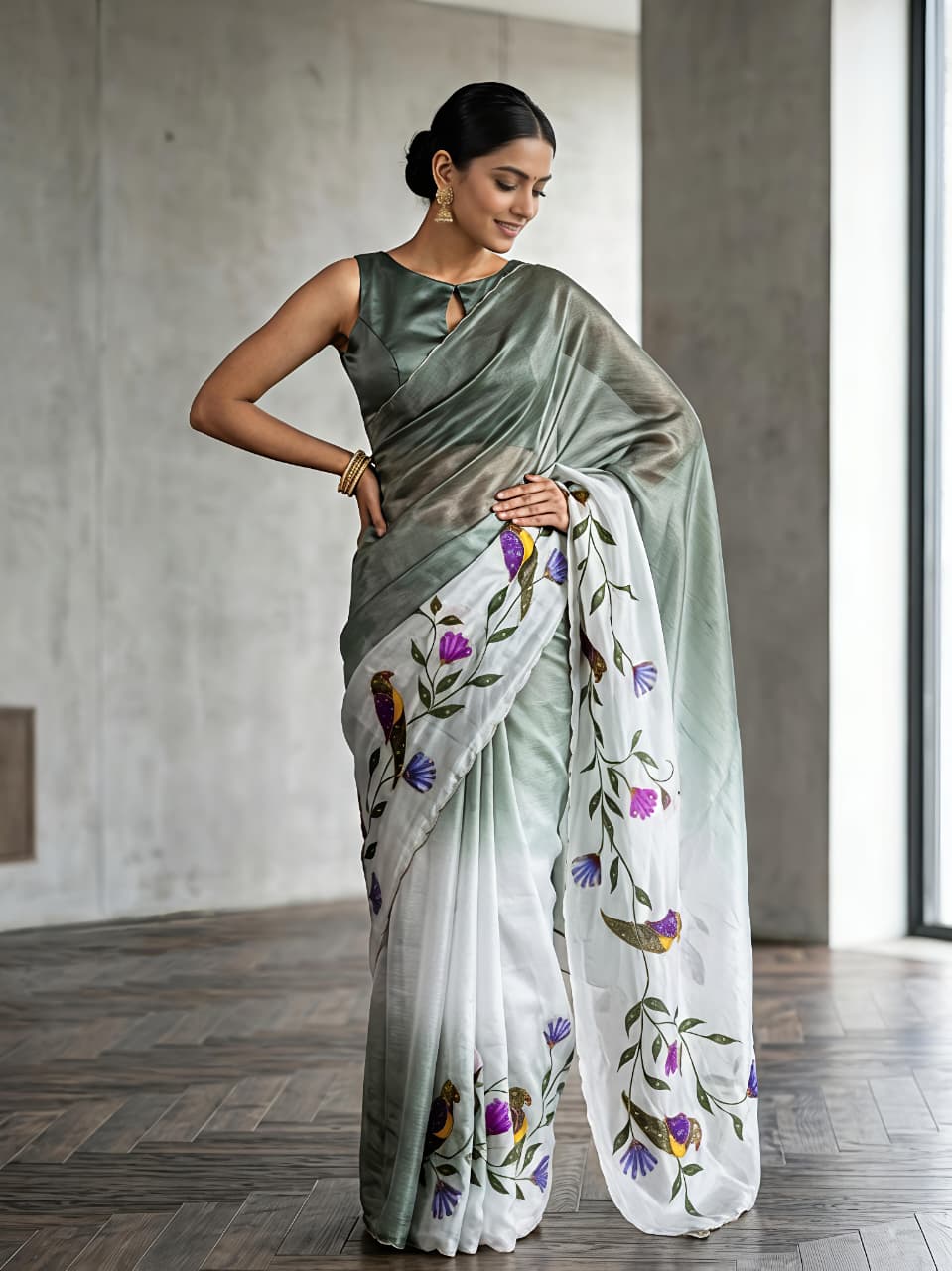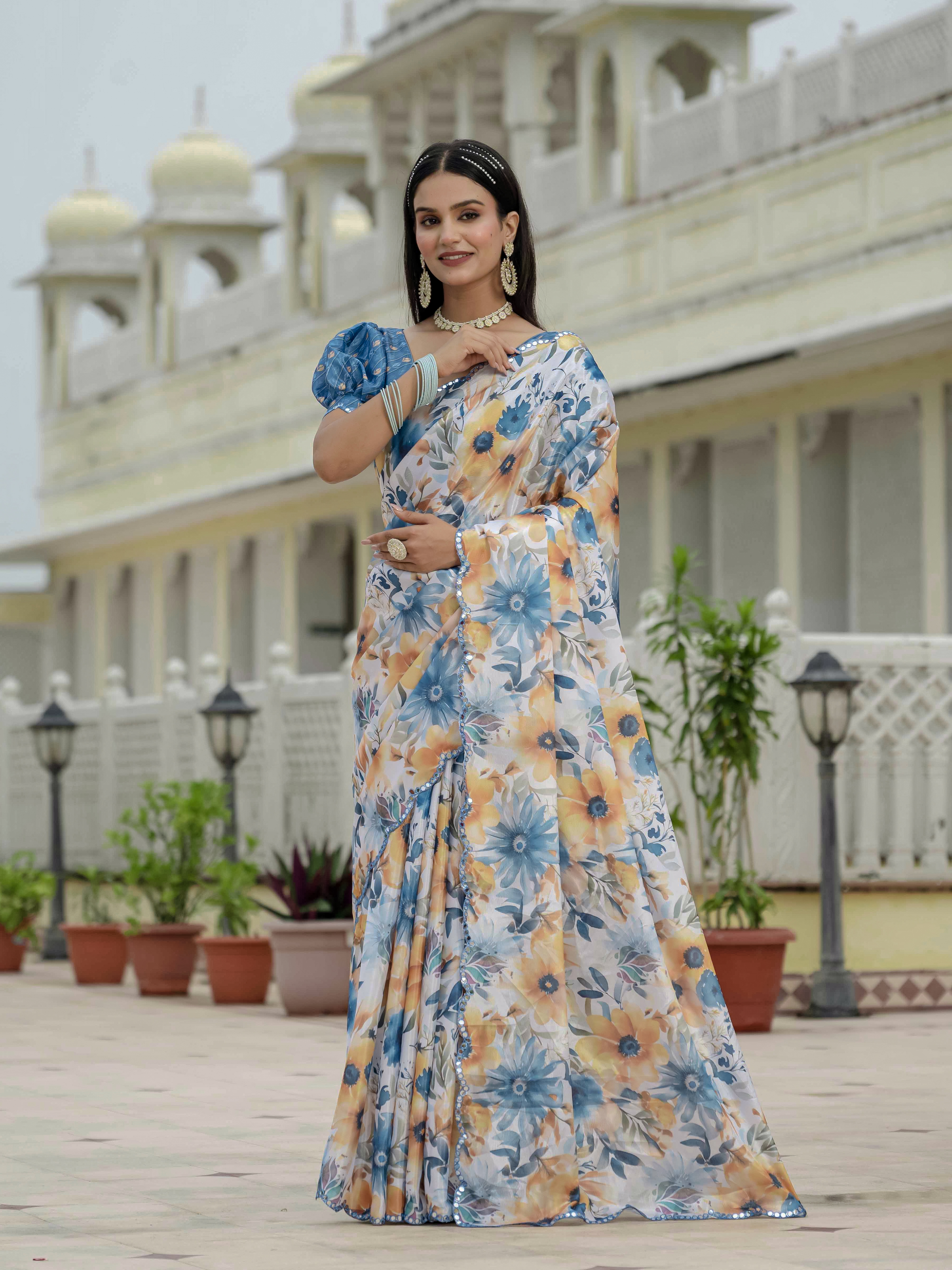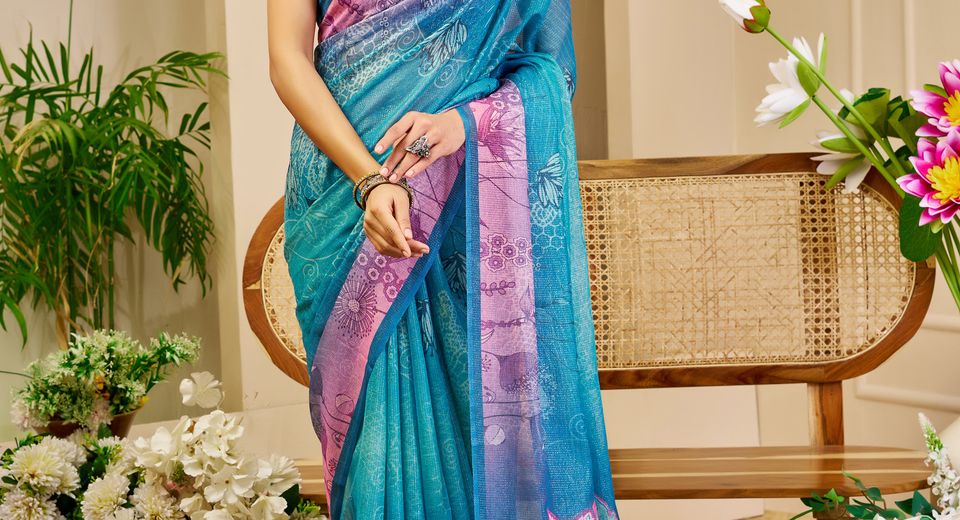
A Gujarati Festival Fashion Calendar: Garba, Navratri & Wedding Wear becomes useful when it helps you decide more than a colour or silhouette. Gujarati celebrations may involve several nights of dancing, religious observances, family lunches, engagement ceremonies and wedding rituals, so the right outfit must match movement, time of day, fabric weight and the formality of each gathering. This guide maps those choices into a practical wardrobe plan, from a breathable Garba lehenga to a richer wedding ensemble.
Gujarati Festival Fashion Calendar: Garba and Dandiya Dressing
A comfortable chaniya choli with a secure blouse, a manageable dupatta and a non-restrictive skirt is the most practical choice for Garba and Dandiya nights. The hem should clear the floor, the waistband should stay firm during turns, and embellishments should not scratch the underarm or waist.
Garba outfits need more engineering than a static party outfit. Check that the lehenga has enough flare without becoming so wide that it catches on another dancer. A six- to eight-panel construction often gives attractive movement while remaining easier to control than an extremely full circular skirt. An elasticated or adjustable waistband can be helpful, but a drawstring should be tied securely and tucked away.
Mirror work, gota patti, thread embroidery and small sequins reflect venue lighting and create the recognisable Garba effect. Mirror work also adds weight, so inspect the placement before buying. Dense mirrors across the entire skirt can make prolonged dancing uncomfortable, while concentrated panels around the border and yoke offer visual impact with less strain.
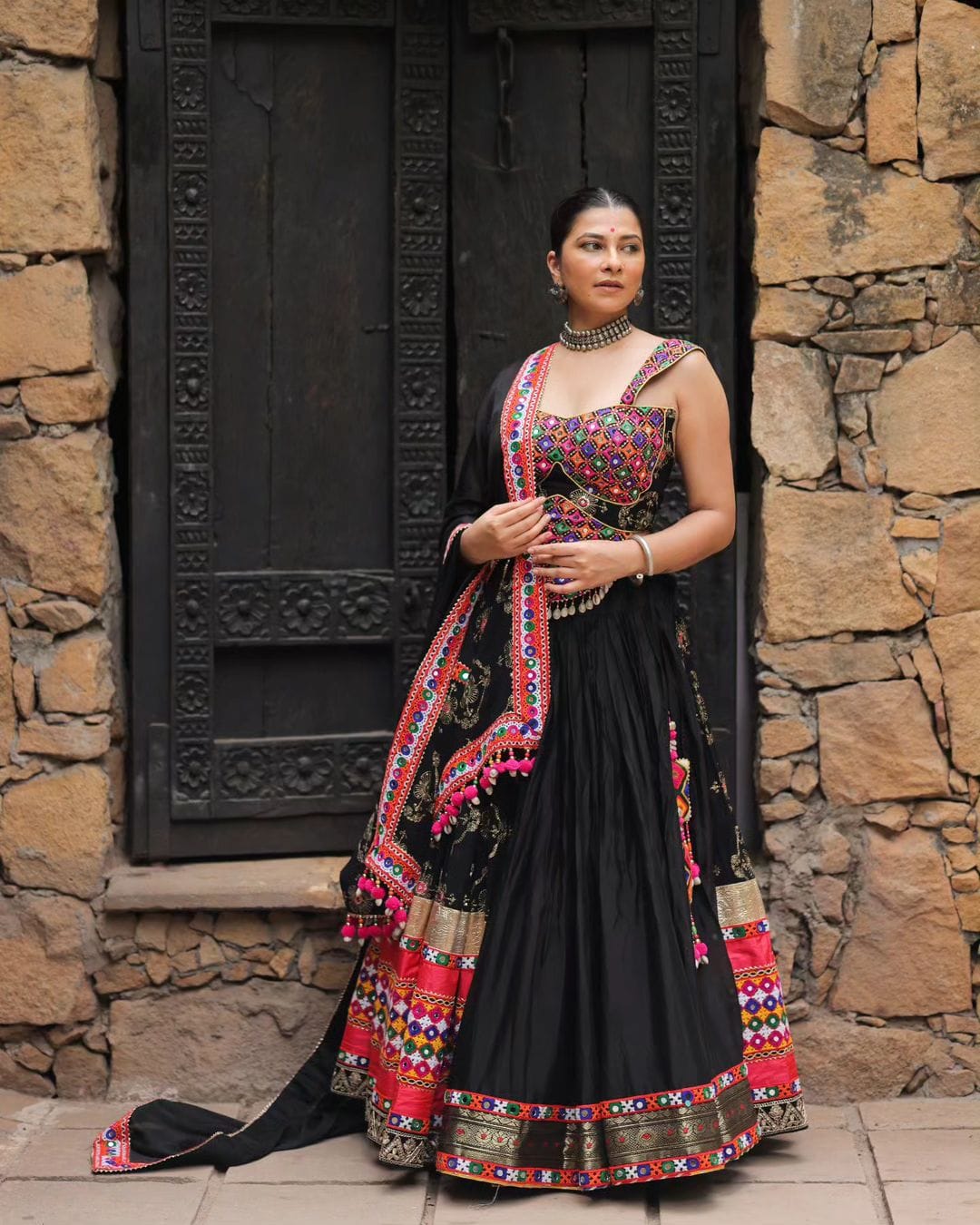
Beige Ethnic Printed Lehenga Set for Navratri and Garba offers a lighter printed direction for daytime or early-evening events. Designer Black Garba Lehenga Choli for Festive Season creates a high-contrast evening look when the venue lighting and accessories can carry a more dramatic palette. Both styles work best with flat juttis, cushioned mojaris or low block heels rather than narrow stilettos.
How can a Garba outfit stay secure?
A Garba outfit stays secure when the blouse, dupatta, waistband and footwear are tested with movement before the event. Perform several spins, raise both arms, bend slightly and walk quickly at home while wearing the complete outfit.
Use discreet blouse cups or a well-fitted lining when the neckline allows movement, and fasten a dupatta with two small safety pins at the shoulder and waist. Jewellery should sit close to the body; long earrings and loose bangles can snag during Dandiya. A small crossbody potli or waist pouch is safer than a large shoulder bag on a crowded dance floor.
Gujarati Festival Fashion Calendar: Planning Nine Navratri Nights
Navratri dressing works best when each night receives a distinct colour story while the fabrics and silhouettes remain practical. Regional colour associations can vary by community and calendar, so popular nine-colour charts should be treated as styling guidance rather than a universal religious rule.
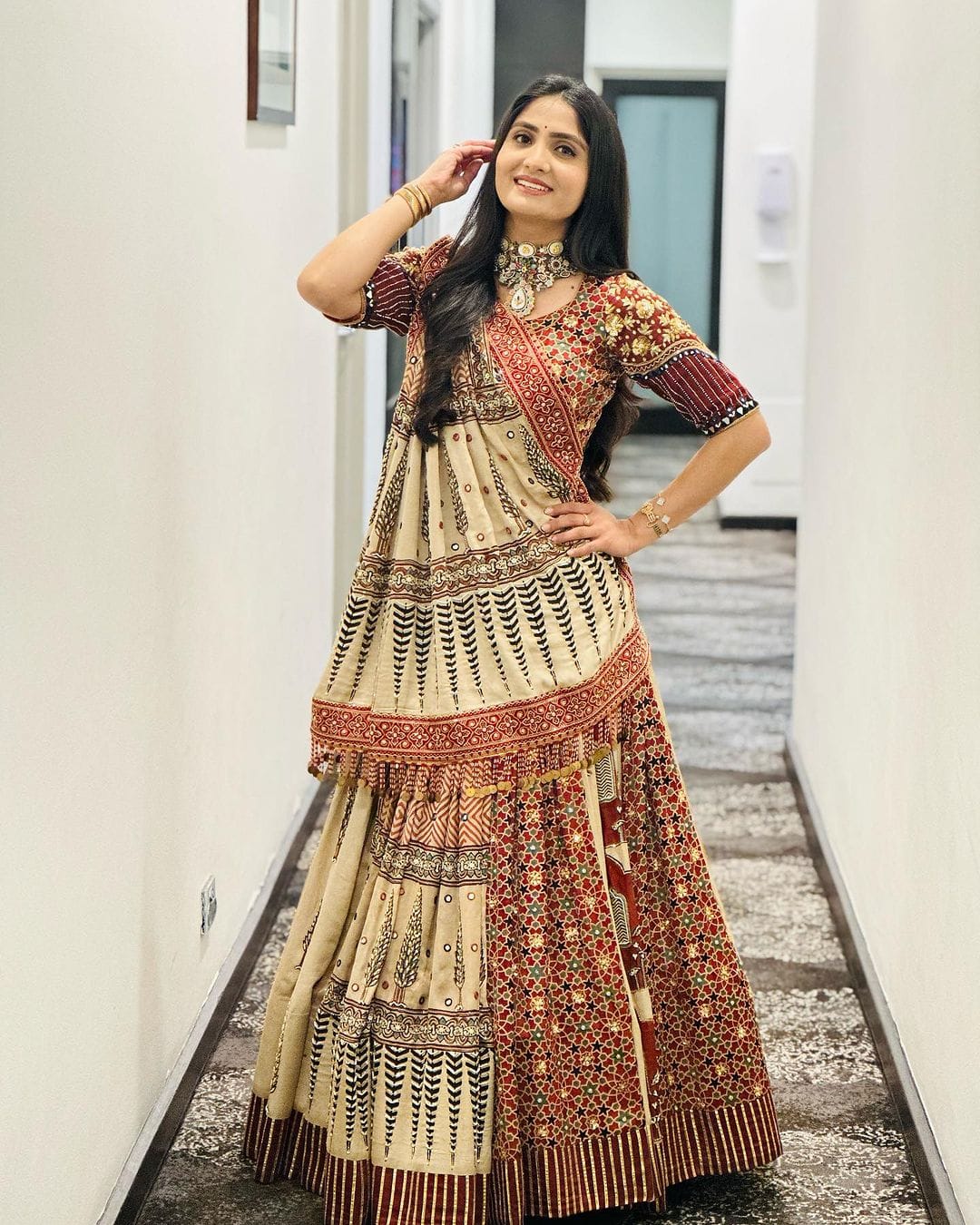
An effective nine-night plan might move through yellow, green, grey, orange, white, red, royal blue, pink and purple. The order differs across published Navratri calendars, and the dates of Navratri change annually according to the lunar calendar. Checking the year-specific colour schedule before shopping prevents building a complete wardrobe around an incorrect sequence.
Yellow and orange work particularly well for daytime puja, family visits and outdoor events because they photograph brightly in natural light. Red, royal blue and purple create stronger evening looks, especially with zari, mirror work or metallic borders. White can look elegant with oxidised silver jewellery, but a lined skirt is important because thin white georgette and chiffon can become transparent under bright lights.
Vibrant Multicolor Navratri Lehenga Choli Set is useful when one outfit needs to serve several nights without following a single-colour brief. Elegant Mirror Work Navratri Lehenga Choli Set suits a more heritage Garba mood, while Red Ethnic Lehenga Choli with Digital Print Design brings a lighter alternative when the print provides the main visual interest.
Rewearing can be made intentional by changing the dupatta, blouse jewellery or hairstyle. A multicoloured lehenga can take on a new identity with a plain contrasting dupatta. A red skirt can work for a daytime Navratri gathering with a cotton blouse and for an evening event with chandbali earrings, a more ornate odhani and a defined eye look.
Gujarati Festival Fashion Calendar: Choosing Fabrics for Warm Weather
Breathable silk cotton, cotton, Chanderi and lightweight georgette generally suit warm Gujarati evenings better than dense velvet or heavily layered synthetic fabric. Fabric selection should account for humidity, venue ventilation, lining and the amount of movement expected.
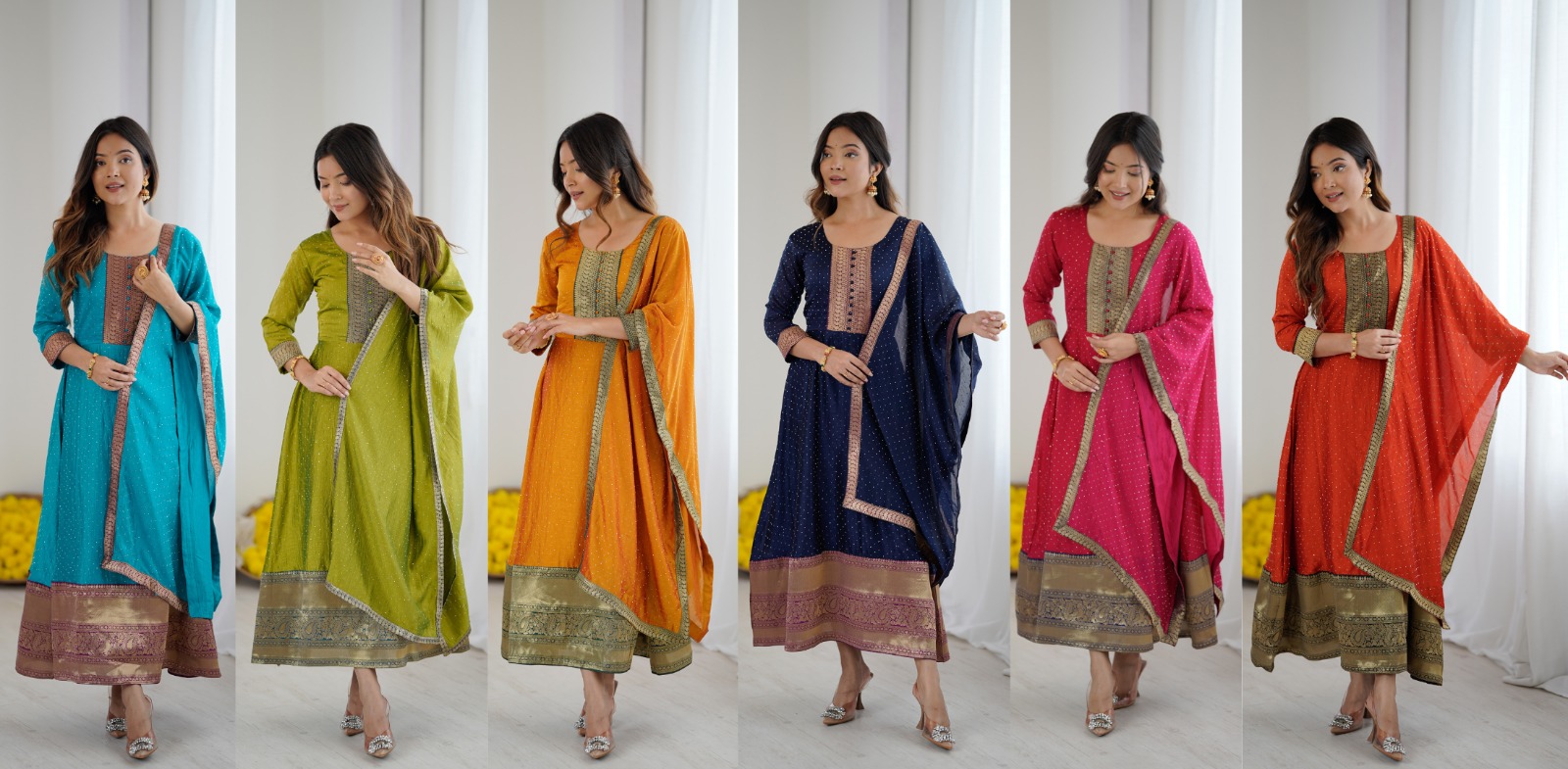
Silk cotton brings an useful middle ground: it has a silk-like sheen but usually feels less heavy than pure silk. Chanderi is light, crisp and elegant, although its delicate surface needs careful handling around jewellery and rough seating. Gujarati Ethnic Wear in Silk Cotton and Chanderi demonstrates why these textiles suit festive wardrobes that need polish without excessive weight.
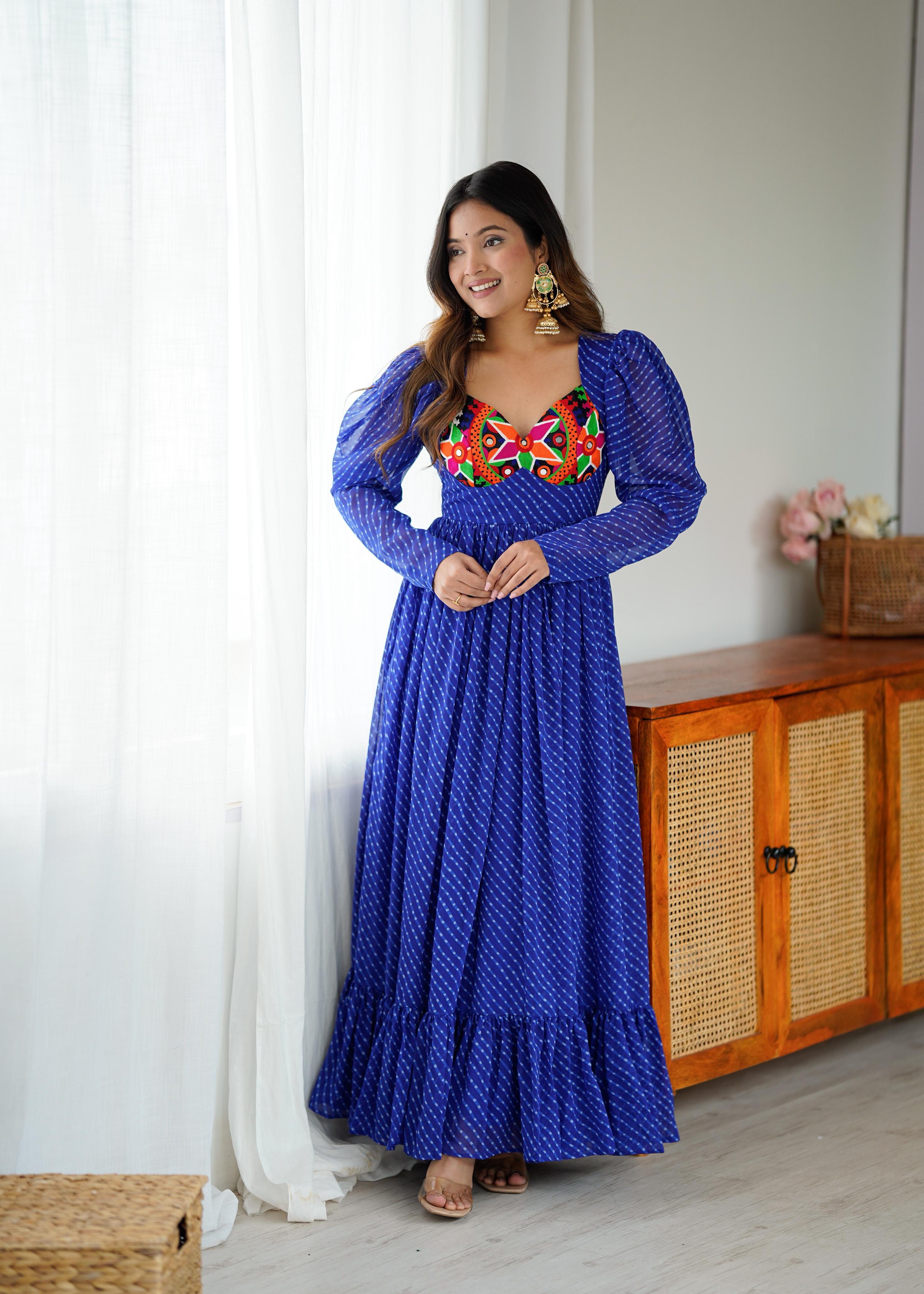
Georgette drapes fluidly and works well for dupattas, gowns and softly moving skirts. Blue Printed Georgette Designer Gown for Women Festive can suit a reception, cocktail-style family gathering or indoor festive dinner where a gown is more practical than a flared chaniya choli. Georgette can cling in humid weather, so a breathable lining and anti-static slip are worth considering.
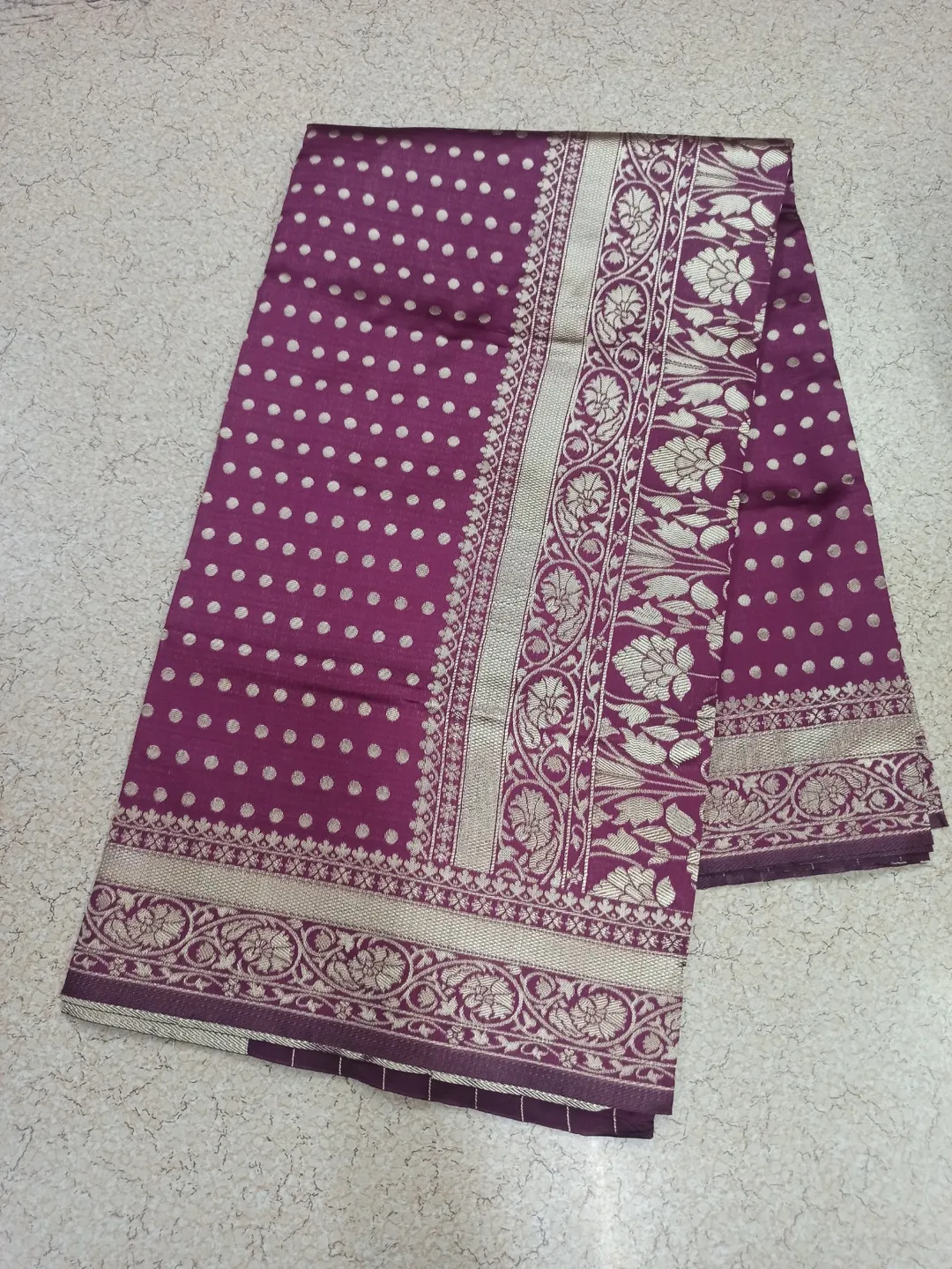
Banarasi silk and Kanjeevaram belong to a more formal textile conversation. Banarasi silk, with its woven zari motifs, can create an opulent wedding saree or lehenga, while Kanjeevaram is recognised for its substantial silk body and contrasting borders. Neither fabric is automatically better than Chanderi or silk cotton; the correct choice depends on ceremony, climate and personal comfort.
How much lining does a festive lehenga need?
A festive lehenga needs a smooth, opaque lining that supports the outer fabric without making the skirt stiff or excessively hot. Cotton voile or a soft breathable blend is usually more comfortable than a scratchy polyester lining for long wear.
Check the lining at the waistband, hem and underarm because those points receive the most friction. A stiff net layer can increase volume, but it should be removable or limited to the underskirt if you expect to dance. A well-placed lining also protects delicate embroidery from direct contact with skin and reduces snagging on footwear.
Gujarati Festival Fashion Calendar: Dressing for Gujarati Weddings
A Gujarati wedding wardrobe should become progressively more formal from pre-wedding gatherings to the ceremony and reception. Lightweight printed separates suit a Haldi ceremony, embellished lehengas work for Sangeet, and silk, zari or heavily detailed ensembles are appropriate for the wedding ceremony or reception.
Haldi ceremony clothing should tolerate turmeric stains and active family participation. Yellow, lime, orange and ivory are popular choices, but expensive dry-clean-only fabrics are impractical when guests may apply haldi by hand. Choose washable or reasonably replaceable pieces, secure the dupatta away from the face and avoid trailing hems.
For Mehendi, a colourful lehenga, sharara or palazzo suit brings comfort while sitting with hands occupied. Sleeves that end above the wrist make Mehendi application easier, and a front-open or side-open dupatta arrangement prevents the fabric from brushing wet henna. Green, fuchsia, coral and peacock blue complement Mehendi without competing with the design.
Sangeet permits stronger fashion styling because the event is performance-led and often held at night. Black Wedding & Festive Wear Designer Lehenga creates a formal evening foundation when paired with metallic jewellery and controlled embellishment. Cream Ethnic Lehenga Choli with Mirror Work Design gives a softer palette for a reception, especially with gold accessories and a contrasting lipstick.
The wedding ceremony itself calls for respectful coverage and secure styling. A lehenga with a properly pinned dupatta, a saree with a stable pleat arrangement or a long anarkali can all work. Zari borders, brocade panels and richer silk blends communicate ceremony, but very heavy skirts should be avoided if the wearer must sit on the floor or move between multiple rituals.
Gujarati Festival Fashion Calendar: Building a Rewearable Wardrobe
One festive wardrobe can cover Garba, Navratri and weddings when separates, dupattas and accessories are selected for more than one level of formality. A printed skirt can serve Navratri and Mehendi, while a mirror-work blouse or embroidered dupatta can raise the same base for an evening reception.
Begin with one movement-friendly lehenga, one lighter printed outfit, one formal embellished ensemble and one graceful non-lehenga option such as a gown, sharara or palazzo suit. This four-outfit structure prevents the common mistake of buying several visually similar chaniya cholis that are all suitable for dancing but none suitable for a formal ceremony.
Colour coordination increases rewearing potential. A navy, black, cream or deep green blouse can pair with multiple skirts. A red or fuchsia dupatta can transform a neutral lehenga, while an ivory odhani softens a bright multicoloured outfit. Jewellery should also be divided by use: oxidised silver suits Garba, lightweight pearls suit daytime gatherings, and gold-toned kundan or jadau pieces suit formal wedding events.
Fit alterations are worth planning at least two weeks before a major celebration. A tailor can shorten a hem, reinforce a hook, adjust a blouse strap or add modesty panels without changing the character of the outfit. Last-minute alterations are risky when mirror work, zari or delicate Chanderi borders are involved.
Gujarati Ethnic Wear in Silk Cotton and Chanderi can also guide a rewearing strategy because silk cotton and Chanderi pieces can move between daytime puja, family lunches and smaller wedding functions. The most versatile garment isn't necessarily the plainest garment; a balanced print, moderate border and removable dupatta often provide more combinations than a heavily fixed design.
Gujarati Festival Fashion Calendar: Care After Garba and Weddings
Festive clothing lasts longer when sweat, dust, food stains and moisture are addressed within 24 hours. Air the garment in shade, remove detachable jewellery or tassels, and follow the care label before storing the outfit.
Dry-clean Banarasi silk, Kanjeevaram, dense zari and heavily mirrored garments unless the care label gives different instructions. Do not rub turmeric stains aggressively because rubbing can spread pigment and damage embroidery. Blot liquid immediately with a clean white cloth, then take the garment to a professional cleaner.
Store lehengas in breathable cotton garment bags rather than sealed plastic for long periods. Fold heavy skirts along different lines every few months to reduce permanent creasing, place tissue paper between embellished surfaces, and keep Chanderi away from direct humidity. Hang blouses on padded hangers so shoulder seams don't stretch.
Footwear and jewellery also deserve post-event care. Wipe metal jewellery dry before storing it in separate pouches, remove dust from juttis with a soft brush and check that hooks, clasps and blouse fasteners remain secure. A small repair kit containing matching thread, spare hooks, safety pins and fashion tape can rescue an outfit during a multi-day celebration.
Common Questions About Garba, Navratri and Gujarati Wedding Dressing
What should I wear to a Gujarati Garba night?
A comfortable chaniya choli with a secure blouse, moderate flare and a pinned dupatta is a practical choice for Gujarati Garba. Choose breathable fabric, flat or low-heeled footwear and jewellery that cannot snag during Dandiya.
Which colours are traditionally worn during Navratri?
Popular Navratri colour charts commonly include yellow, green, grey, orange, white, red, royal blue, pink and purple. The sequence varies by year and community, so check the local or year-specific calendar before planning each night's outfit.
Is mirror work suitable for dancing at Garba?
Mirror work is suitable for Garba when the embellishment is secure and not excessively heavy. Concentrated mirror work on the yoke, border or selected panels usually offers festive shine with more comfort than dense decoration across the entire skirt.
What should I wear to a Gujarati Haldi ceremony?
A washable or reasonably replaceable yellow, orange, lime or ivory outfit is suitable for a Gujarati Haldi ceremony. Avoid expensive dry-clean-only fabrics and secure the dupatta because turmeric, water and enthusiastic family participation can stain or loosen clothing.
Which fabric is best for a Navratri lehenga in warm weather?
Cotton, silk cotton, Chanderi and lightweight georgette are generally comfortable choices for warm Navratri evenings. The lining matters as much as the outer fabric because a breathable opaque lining reduces heat, friction and transparency.
How can I reuse a Navratri lehenga for a wedding function?
Reuse a Navratri lehenga for a wedding function by changing the blouse, dupatta, jewellery and styling level. A plain contrasting odhani, formal blouse and gold-toned accessories can make a moderate mirror-work or printed lehenga appropriate for a Mehendi or smaller reception.