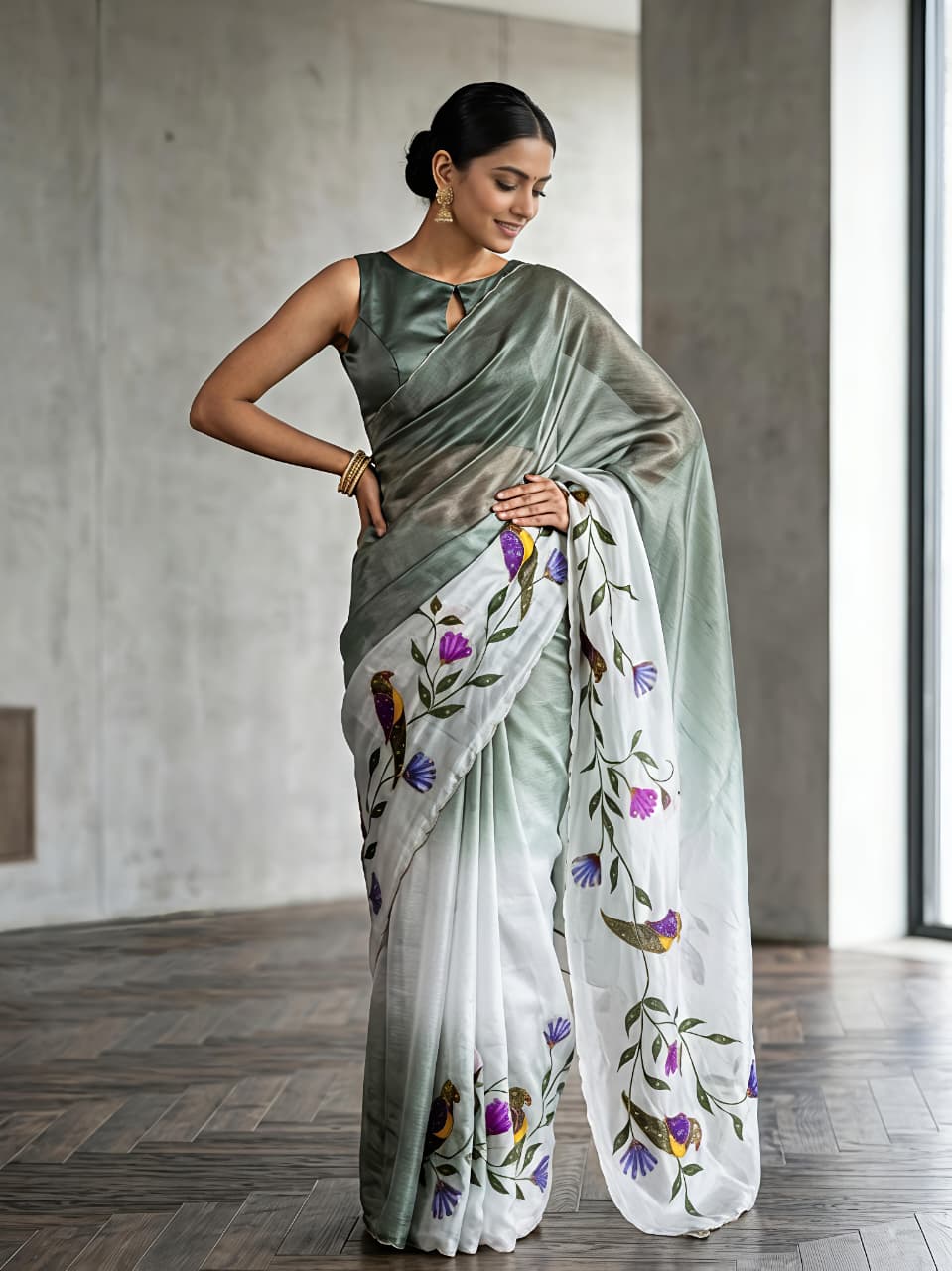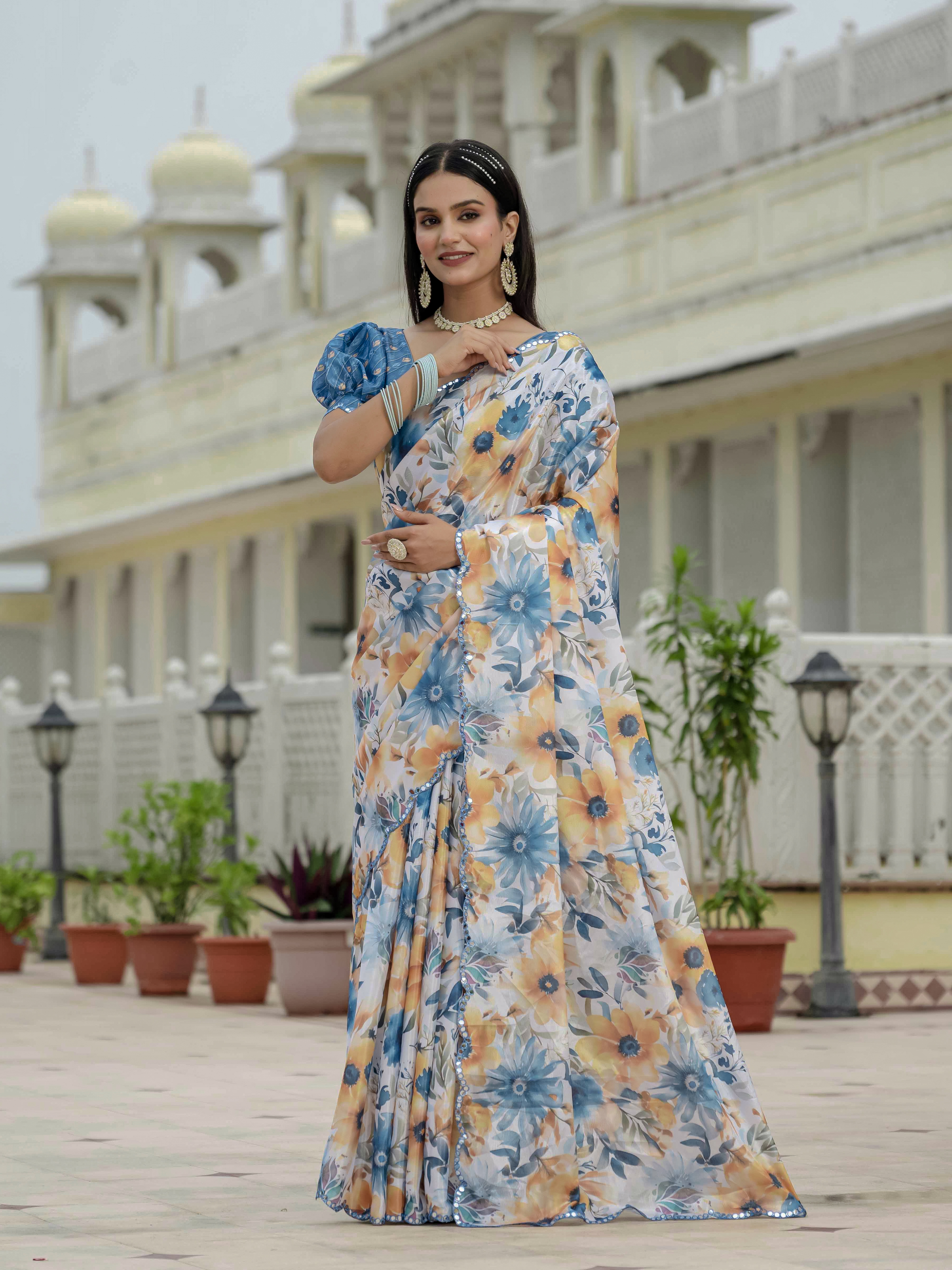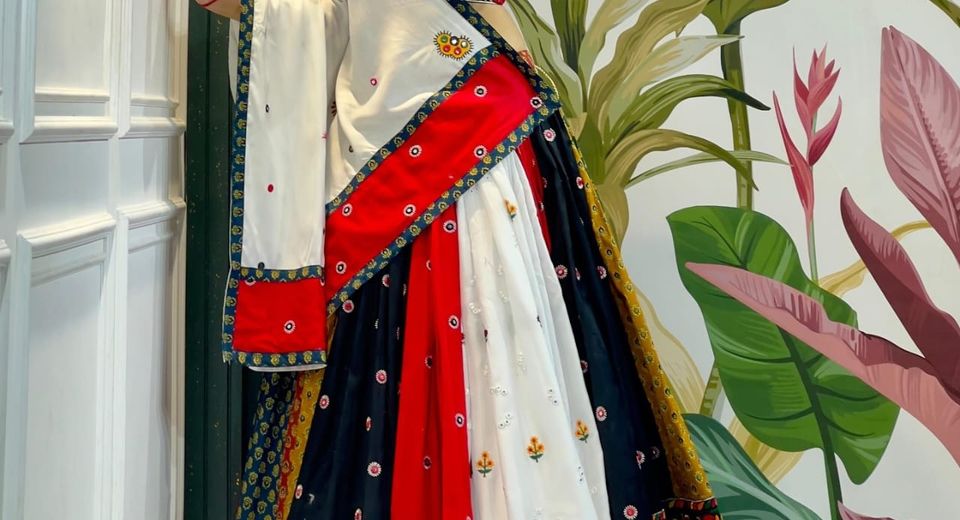
Gujarati Ethnic Wear for Navratri should look celebratory while allowing you to dance, walk and sit comfortably for several hours. A Chaniya Choli, saree or salwar suit can work well for Garba when the fabric, waistband, blouse fit and dupatta placement are chosen for movement. The best outfit depends on whether you're attending a community Garba night, family puja, college event or a multi-day Dandiya programme.
Traditional Gujarati dressing is associated with flared chaniya skirts, fitted cholis, colourful dupattas, mirror work, thread embroidery and lively colour combinations. Modern Navratri wardrobes add ready-to-wear lehenga sets, lightweight printed fabrics, pre-stitched sarees and comfortable palazzo suits. The most useful decision isn't simply choosing the brightest outfit; it's matching the silhouette and fabric to the way you'll spend the evening.
How does Gujarati Ethnic Wear for Navratri work for Garba?
Gujarati Ethnic Wear for Navratri works for Garba when the outfit permits free steps, controlled flare and secure movement around the shoulders and waist. A lehenga with a stable waistband, a choli that stays in place and a dupatta secured at two points is more practical than a heavy outfit that shifts while dancing.
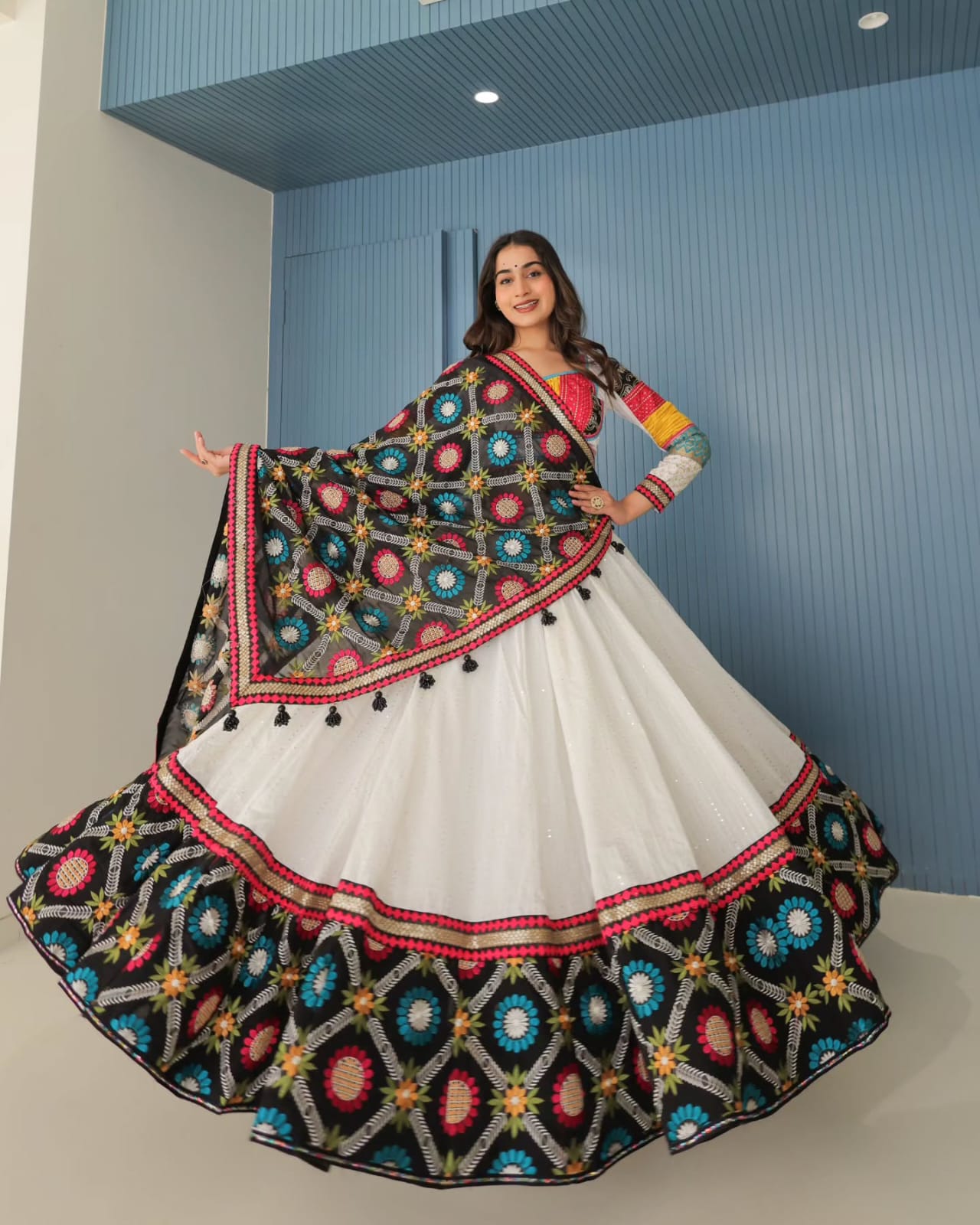
A Chaniya Choli Navratri outfit usually contains a flared skirt, blouse and dupatta. The skirt should spread when you turn without dragging on the floor. For most adults, a hem near the ankle or slightly above the top of the foot is safer than a floor-sweeping hem. A multi-panel skirt creates attractive movement, while an extremely heavy can-can may become tiring during long Garba rounds.
Mirror work and zari provide the reflective quality associated with festive Gujarati clothing, but placement affects comfort. Small or medium embellishments on the border, yoke and dupatta can create sparkle without making the garment rigid. Large metal mirrors across the entire skirt can add weight and may catch against jewellery, handbags or another dancer's clothing.
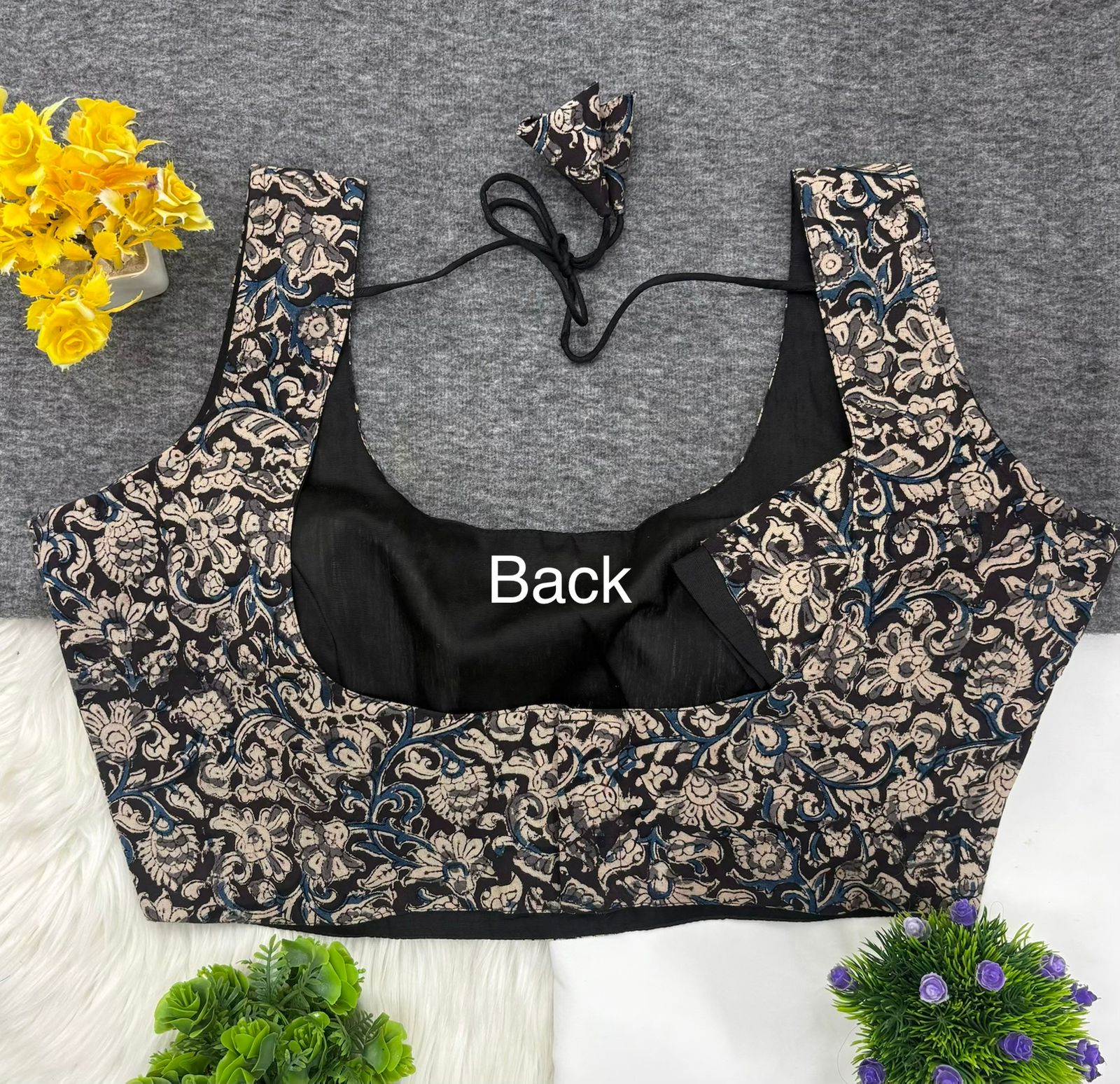
A secure choli should sit smoothly across the bust and underarm without digging into the skin. Adjustable dori ties, a finished hook-and-eye panel or modest back elastic can make a ready-to-wear choli easier to fit. Test a garment by raising both arms, twisting at the waist and taking several wide steps before wearing it for a full evening.
Which Gujarati Ethnic Wear for Navratri suits your activity?
A lehenga suits energetic Garba, a saree suits graceful traditional styling and a salwar suit suits all-evening comfort. Each silhouette creates a different balance of movement, coverage, preparation time and reusability.
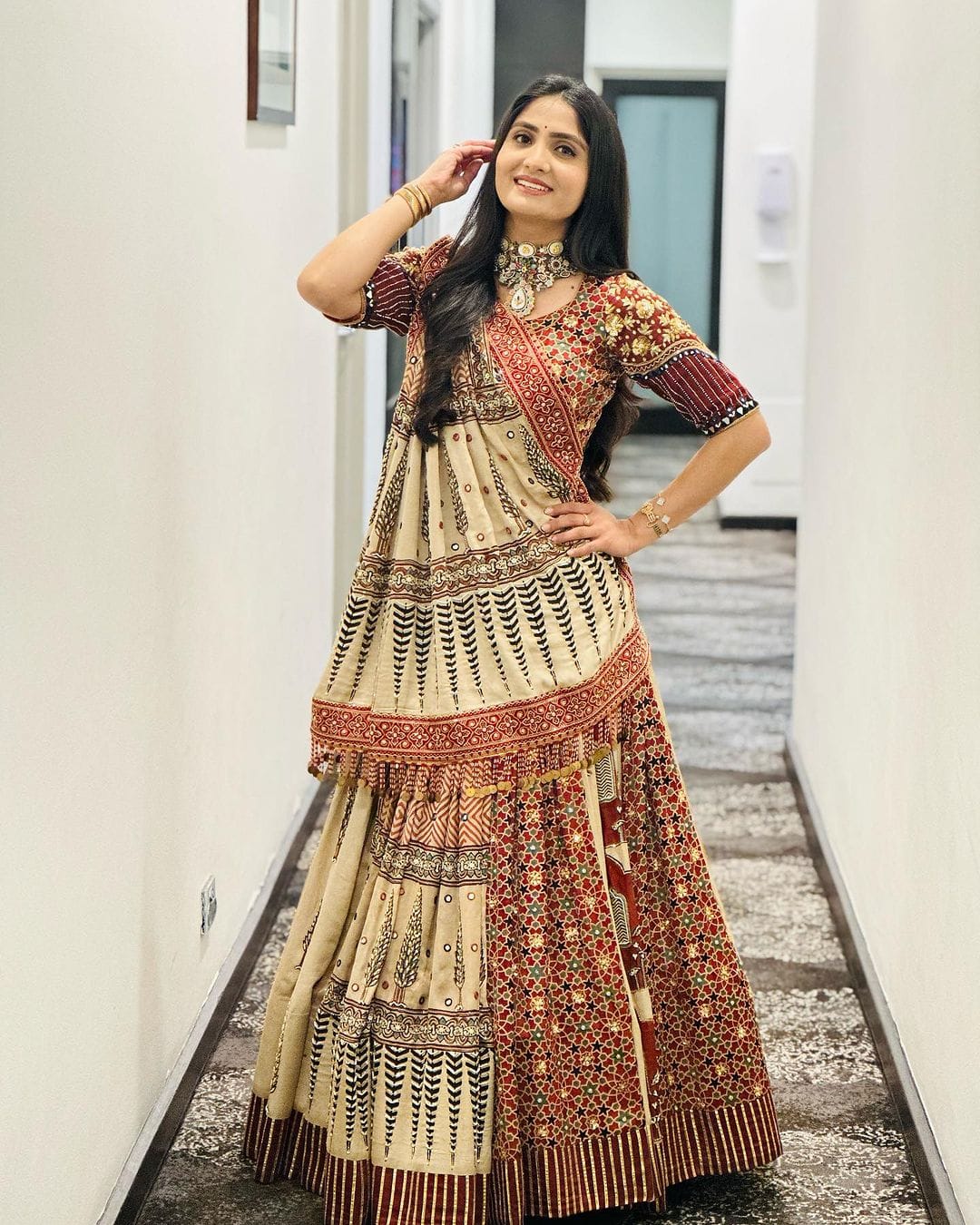
Lehengas and Chaniya Choli sets
A lehenga is the most natural choice for a dedicated Garba night because its circular flare responds to turns and hand movements. A printed cotton or muslin-cotton lehenga is generally more breathable than a heavily layered synthetic design. A set with a lighter skirt and embellished choli can provide the festive appearance of a traditional chaniya without making the whole outfit excessively heavy.
The Beige Ethnic Printed Lehenga Set for Navratri and Garba shows how a quieter base colour can work with colourful jewellery, a contrast dupatta and bright footwear. The Vibrant Multicolor Navratri Lehenga Choli Set takes the opposite approach by making colour the main styling feature, so the accessories can remain simpler.
A lehenga is also practical for people searching for Navratri Choli Ready To Wear options. Ready-made sets save alteration time, but measurements should be checked for skirt length, waistband, bust and sleeve circumference instead of relying only on a usual size label.
Sarees for a fluid festive look
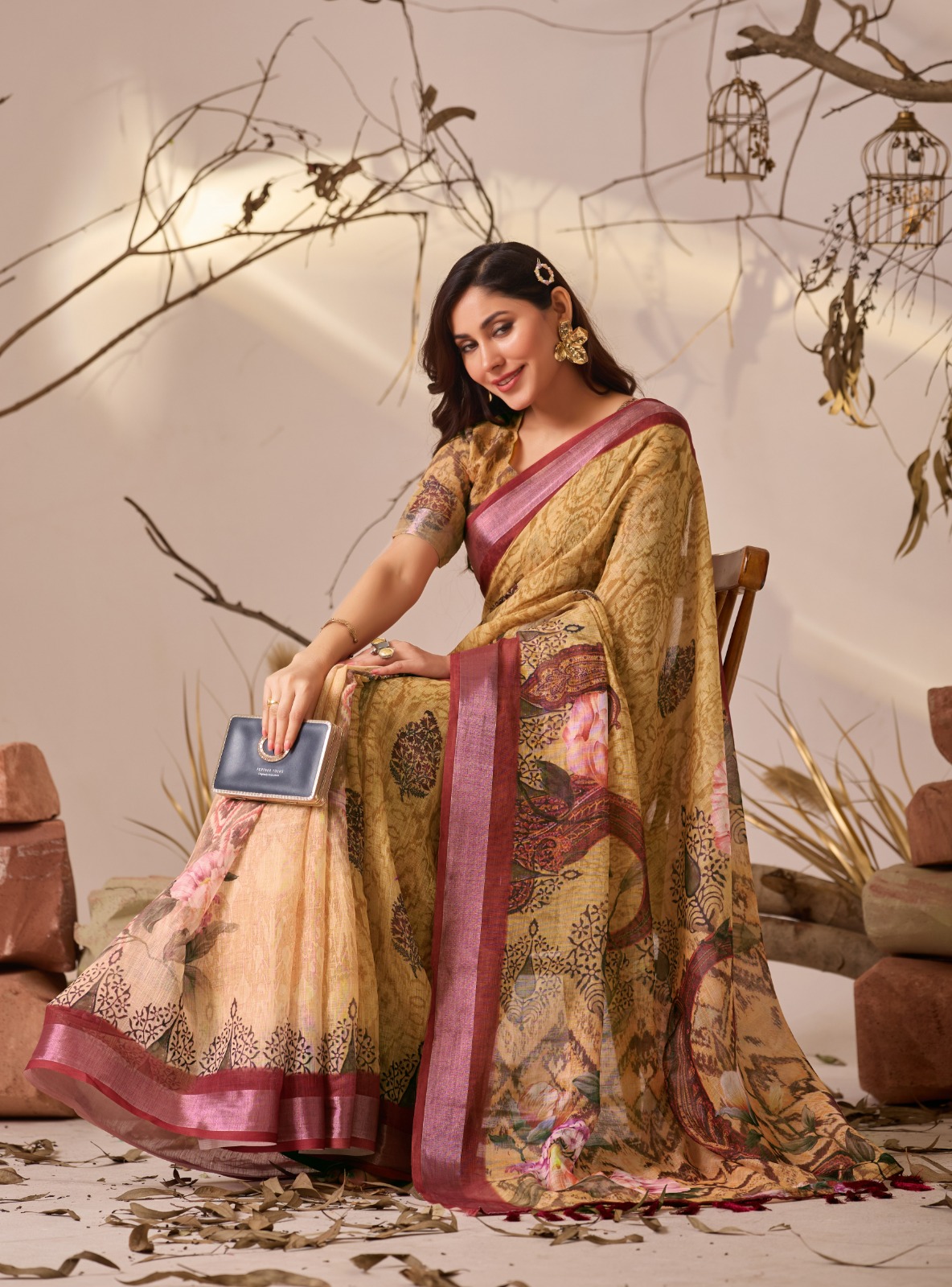
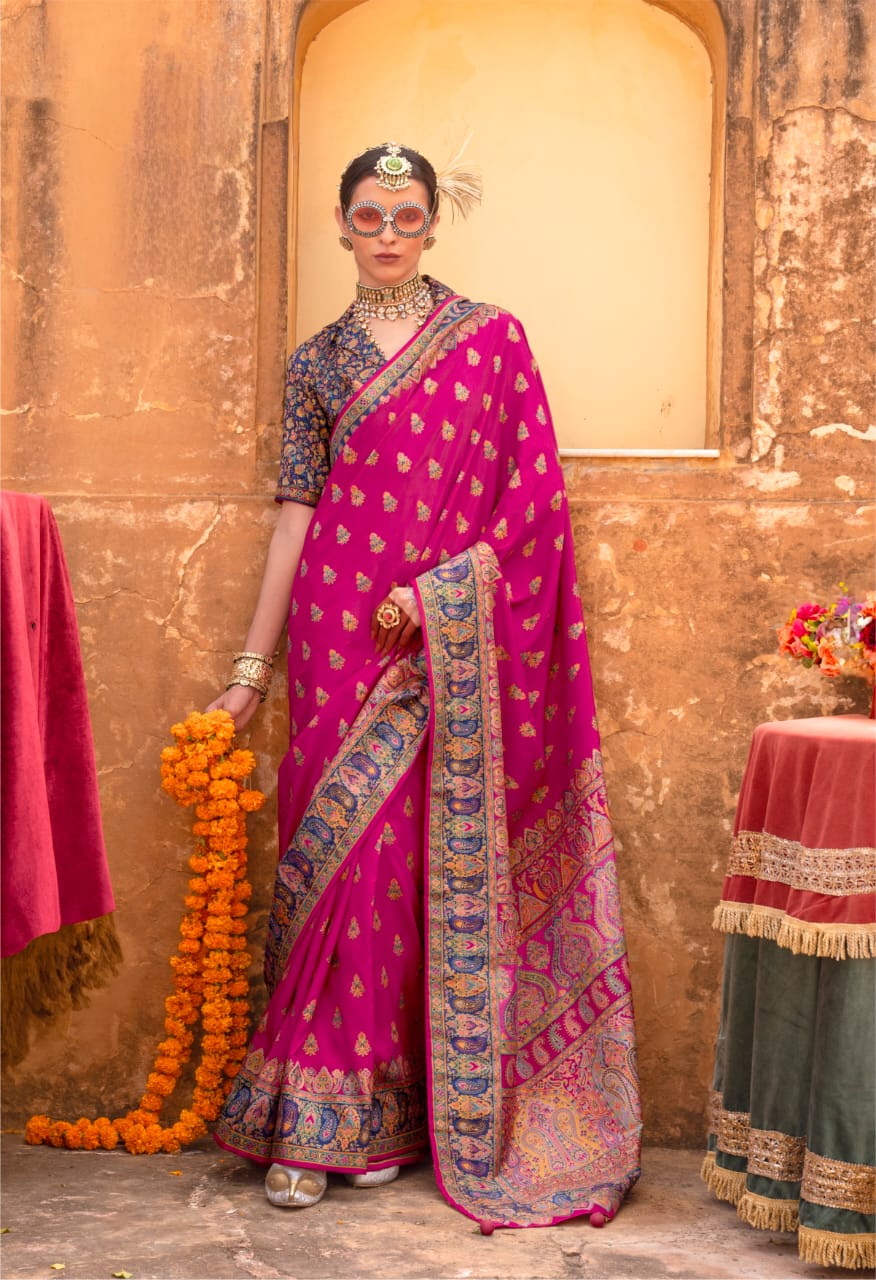
A saree suits Navratri when the pleats, pallu and footwear are secured before dancing. A lightweight saree in cotton, viscose, chiffon or georgette can feel easier to manage than a stiff, heavily embroidered textile. A pre-stitched or carefully pinned drape reduces the chance of the pallu loosening during Garba.
For active dancing, pin the pallu at the shoulder and secure the pleats at the waist with a discreet safety pin placed from the inside. A fitted petticoat or saree shapewear should support the drape without restricting your stride. Flat juttis, cushioned sandals or low block heels are safer for a crowded dance floor than narrow high heels.
Salwar suits and palazzo suits
A salwar suit or palazzo suit is the practical option for people who prioritise coverage, easy walking and repeated wear after Navratri. A flared palazzo balances the movement of a lehenga while offering a familiar trouser-like fit. A short kurta with a light dupatta can look festive when finished with mirror work, gota, contrast piping or colourful embroidery.
Salwar suits also work well for daytime puja, family gatherings and travel to a Garba venue. Choose a dupatta that's long enough for graceful styling but not so wide that it catches on chairs or dance partners. Cotton, rayon and lightweight blended fabrics are useful in warm indoor venues, while lined fabrics can provide better opacity under evening lighting.
Which fabrics suit Gujarati Ethnic Wear for Navratri?
Lightweight cotton, muslin cotton, rayon, georgette and soft blended fabrics generally suit long Navratri events because they combine breathability with manageable movement. Fabric choice should reflect the venue, weather and duration of wear rather than only the appearance in a product photograph.
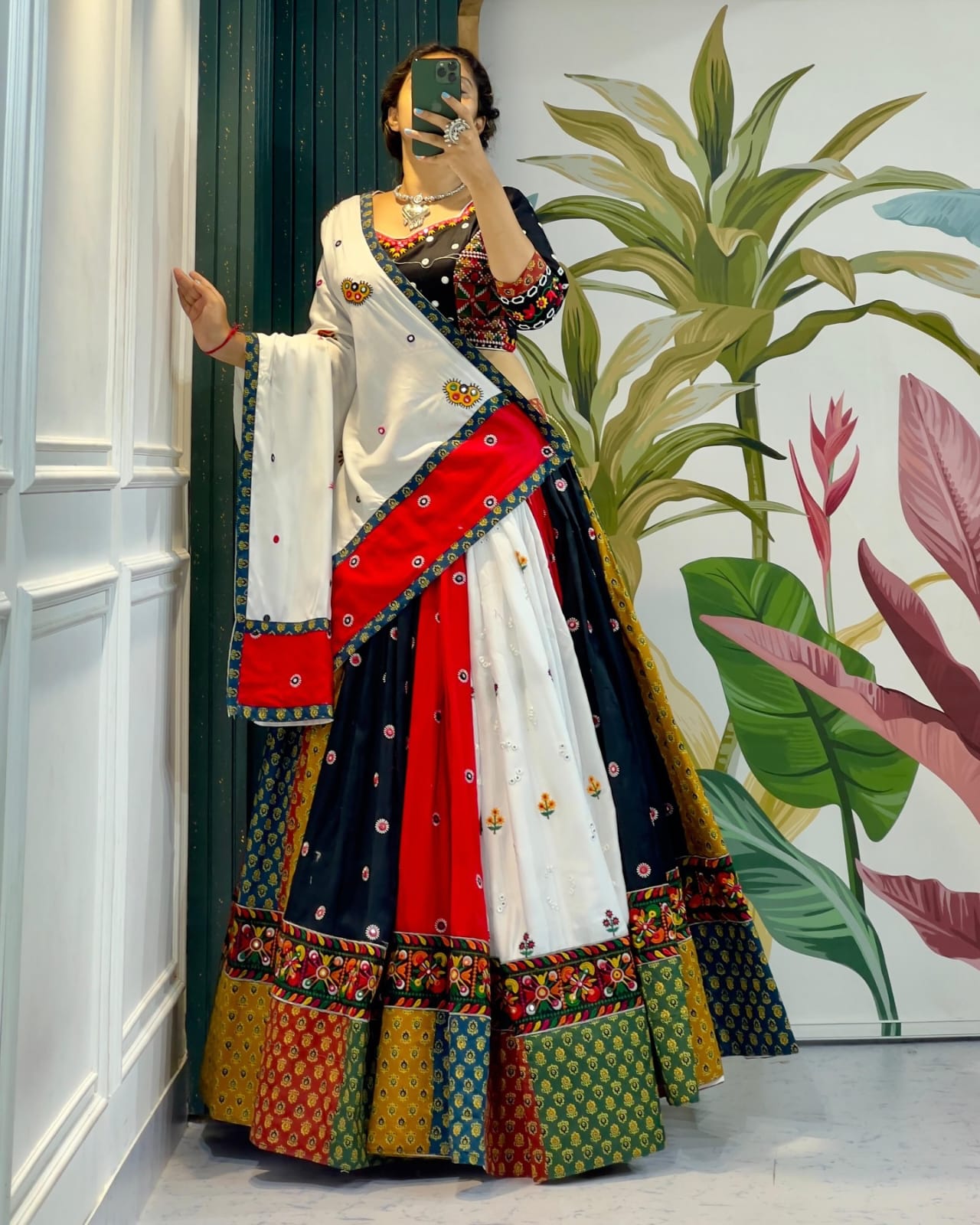
Muslin cotton can feel airy and soft, making it suitable for warm Garba nights. Festive Multicolor Muslin Cotton Lehenga Choli Set demonstrates how a breathable textile can support a bright festive palette. Cotton and cotton-rich fabrics may crease more quickly, but small creases are often less noticeable in printed, gathered or panelled skirts.
Digital prints offer detailed motifs without adding the weight of dense embroidery. Red Ethnic Lehenga Choli with Digital Print Design can be styled with oxidised silver jewellery, a contrasting green or yellow dupatta and a simple bindi. Printed designs are useful when the blouse already has visual interest and the outfit doesn't need additional heavy ornamentation.
Mirror work creates a classic Gujarati visual identity through small reflective pieces attached to fabric with thread or embroidery. Cream Ethnic Lehenga Choli with Mirror Work Design can be treated as a neutral base for colourful accessories, while Elegant Mirror Work Navratri Lehenga Choli Set provides a more overtly embellished direction. Check that mirror edges are covered or smoothly finished, especially around the armhole and waist.
Zari, sequins and metallic thread photograph well under festival lights, but embellishment can increase stiffness and care requirements. For a three-hour event, heavier detailing may be comfortable; for a six-hour dance programme, a lighter border and decorated choli may be a better compromise.
How should you style Gujarati Ethnic Wear for Navratri?
Style Gujarati Ethnic Wear for Navratri by choosing one dominant statement element and supporting it with two or three coordinated accessories. A multicolour lehenga can carry the visual focus, while a single-colour outfit can support bolder jewellery or a contrasting dupatta.
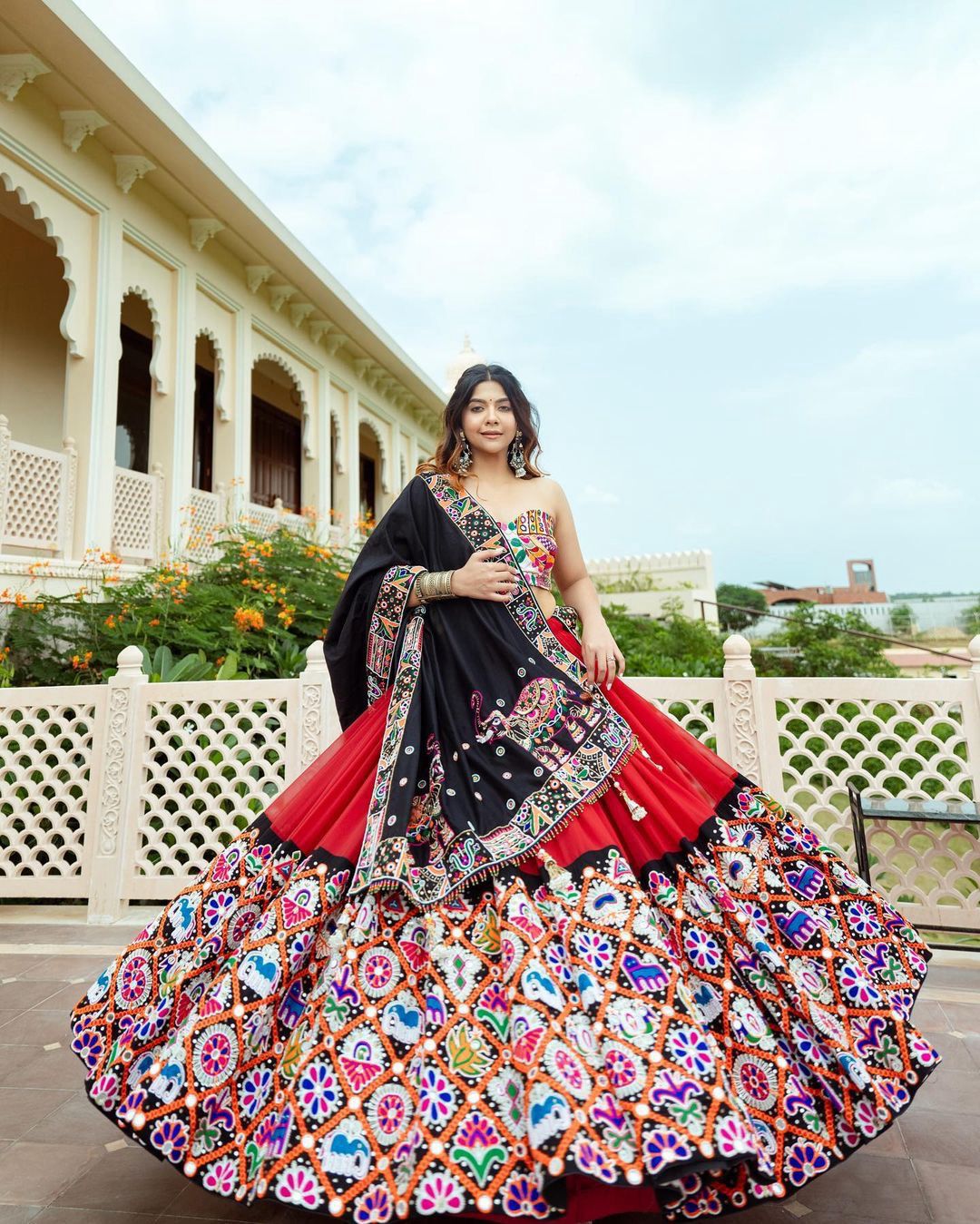
Traditional Gujarati styling often includes oxidised silver earrings, layered necklaces, bangles, a maang tikka and a waist belt. Wearing every accessory at once can become uncomfortable during dancing. Large earrings with stacked bangles may be enough for an embellished choli; a plain blouse can support a necklace, earrings and a more detailed dupatta.
A black lehenga can provide a strong evening base for silver, mirror and jewel-toned accents. Designer Black Garba Lehenga Choli for Festive Season can be paired with a fuchsia, emerald or cobalt dupatta to prevent the look from appearing too formal. A red outfit such as Red Ethnic Lehenga Choli with Digital Print Design benefits from antique gold, green or ivory accessories rather than several competing bright colours.
Exclusive Blue Traditional Navratri Lehenga Choli can be styled with silver jewellery, white bangles and a contrasting yellow or pink dupatta. A blue outfit also photographs clearly under cool indoor lights, while warm-toned makeup and a small bindi prevent the colour combination from looking flat.
Footwear deserves the same attention as jewellery. Break in juttis or sandals before Navratri, check that the sole grips the floor and avoid embellishments that snag the hem. If the event includes long travel, carry foldable flats and keep a small pouch with pins, fashion tape, hair ties and blister patches.
How should you shop for Gujarati Ethnic Wear for Navratri online?
Shop for Gujarati Ethnic Wear for Navratri online by checking measurements, fabric information, lining, closure details, delivery timing and care instructions before comparing colours or discount percentages. A product photograph can't confirm whether a waistband will stay secure or whether a blouse will provide the coverage you want.
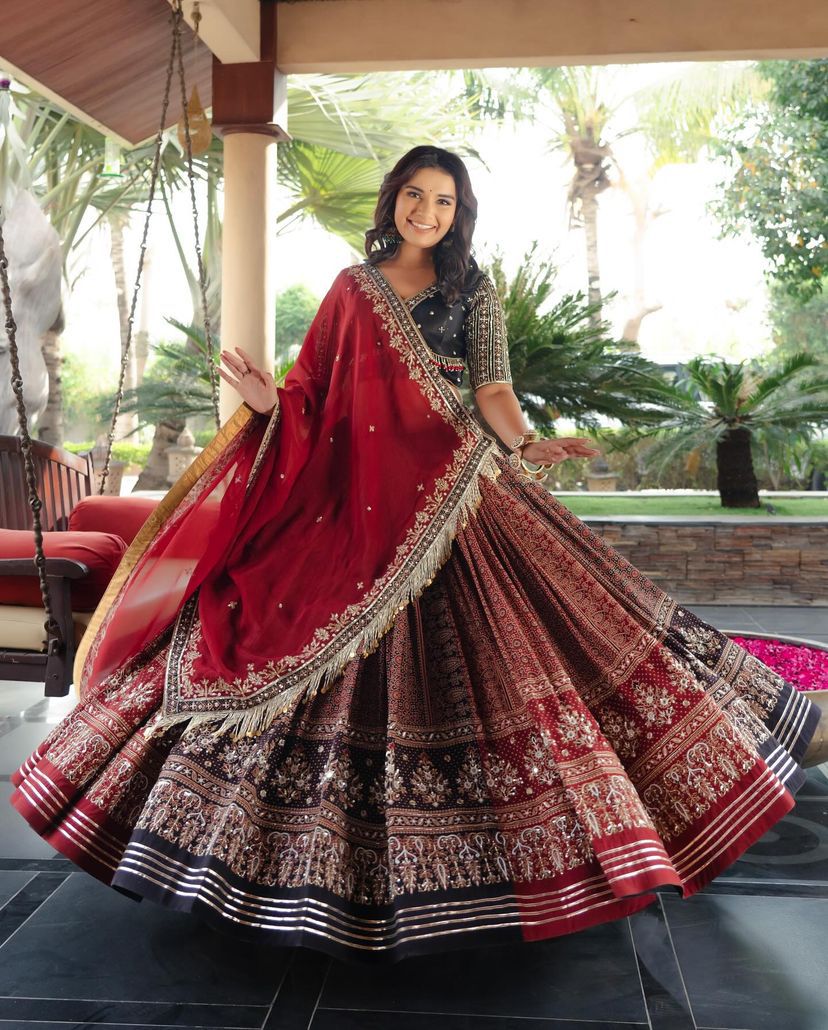
Measure the natural waist, fullest hip, bust and shoulder width with the tape held comfortably rather than tightly. Compare those numbers with the garment's size chart. A flared skirt generally offers more flexibility at the hip, but the waistband still needs to match accurately. If the choli is unstitched or semi-stitched, confirm the alteration margin before placing an order.
For Navratri under a fixed budget, separate the outfit cost from tailoring, delivery, accessories and footwear. Pink Lehengas Under 4000 with 50% Discount and Silk Lehengas Under 3000 can help narrow a search by price, but a low listed price should not replace checking fabric composition and construction.
Shoppers looking for particular silhouettes may also compare Net Lehengas Under 4500 with 51% Discount, Bridesmaid Lehengas Under 5500 and Haldi Lehengas Under 5500. These collections can be useful when you want a lehenga that can be worn again for a wedding function, Haldi ceremony or bridesmaid event rather than only one night of Navratri.
Check the delivery estimate against the first day you plan to wear the outfit. Order early enough to allow at least one fitting and any minor alteration, especially during the weeks before Navratri when tailors and courier networks may be busy. Keep the garment in its original packaging until the measurements, colour and embellishment have been inspected.
How can Gujarati Ethnic Wear for Navratri remain comfortable all night?
Gujarati Ethnic Wear for Navratri remains comfortable all night when the outfit is tested in motion, worn with suitable inner layers and kept light at the points that move most. Comfort depends on construction as much as on fabric.
Try the complete outfit at home for 15 to 20 minutes. Walk up stairs, sit on a chair, rotate your arms and perform a few slow Garba steps. This test can reveal a tight armhole, slipping dupatta, scratchy mirror edge, loose hook or skirt that catches under the feet.
Choose breathable innerwear that matches the garment's neckline and sleeve shape. Seamless or low-bulk options can reduce visible lines under fitted cholis, while a cotton lining can improve comfort in warm venues. Avoid adding a stiff underskirt unless the lehenga genuinely needs extra volume for its intended silhouette.
Use two-point dupatta security for dancing: one pin at the shoulder and another at the waist or opposite side. Place pins from the inside wherever possible, and use a small piece of fashion tape only on clean, compatible fabric. A waist belt can also hold a dupatta in place, but it should be flexible enough for twisting and bending.
After Navratri, air the outfit away from direct sunlight and remove detachable jewellery or belts before storage. Dry-clean heavily embellished garments when the care label requires it. Fold mirror-work and zari pieces with soft muslin or acid-free tissue between layers, and avoid compressing them under heavy clothing for long periods.
Which Gujarati Ethnic Wear for Navratri details create a complete look?
The most complete Navratri look combines a movement-friendly silhouette, one clear colour story, secure styling and accessories that can withstand several hours of activity. A balanced outfit feels more polished than one with every possible festive detail.
For a classic Gujarati direction, pair a flared lehenga with oxidised silver jewellery, colourful bangles and a small bindi. For a contemporary direction, keep the jewellery minimal and let a printed skirt, statement blouse or contrasting dupatta provide the visual interest. For a family puja, a saree or salwar suit may offer a more refined level of coverage than a heavily flared chaniya.
Garba dressing can also reflect regional variety without copying one fixed costume. Bandhani-inspired colour combinations, mirror work, thread embroidery, gota borders and geometric prints all suggest Gujarati festive style, while the final choice can remain personal and practical.
The strongest purchase is the one that fits the event, body measurements, weather and repeat-wear plans. A comfortable Chaniya Choli Navratri outfit will serve you better than a more elaborate design that requires constant adjustment after the music begins.
Common Questions About Choosing Gujarati Navratri Outfits
What is the best website to buy a lehenga online in India?
The best website is one that provides a clear size chart, fabric details, garment measurements, delivery estimates and a usable exchange or alteration process. Compare those practical details before choosing based only on photographs, discounts or the number of designs available.
Which online shopping app is best for a lehenga?
The best shopping app is the one that gives reliable product information, secure payment, realistic delivery dates and helpful customer support. For Navratri, check the skirt length, waistband, choli measurements and embellishment details because a general size label may not guarantee a Garba-ready fit.
Where can I buy Garba Chaniya Choli online?
Garba Chaniya Choli can be bought online from ethnic-wear stores and marketplaces that specify fabric, measurements and delivery timing. Look for a flared skirt with a secure waistband, a comfortable choli and a dupatta that can be pinned safely for dancing.
What should I wear for Navratri if I plan to dance for several hours?
Choose a lightweight lehenga, cotton or muslin-cotton Chaniya Choli, or a palazzo suit with a secure dupatta. Wear broken-in flat footwear, avoid an excessively heavy can-can and test the complete outfit by walking, sitting and turning before the event.
Is a saree practical for Garba?
A saree is practical for Garba when the pleats and pallu are secured with discreet pins and the footwear has a stable sole. Lightweight fabrics, a supportive petticoat and a shorter, controlled drape are easier to manage than a loose or floor-dragging arrangement.
How early should I order a Navratri lehenga online?
Order a Navratri lehenga early enough to allow delivery, inspection and at least one fitting before the event. Ordering several weeks ahead is sensible during the busy festive season because tailoring appointments and courier schedules may take longer than usual.