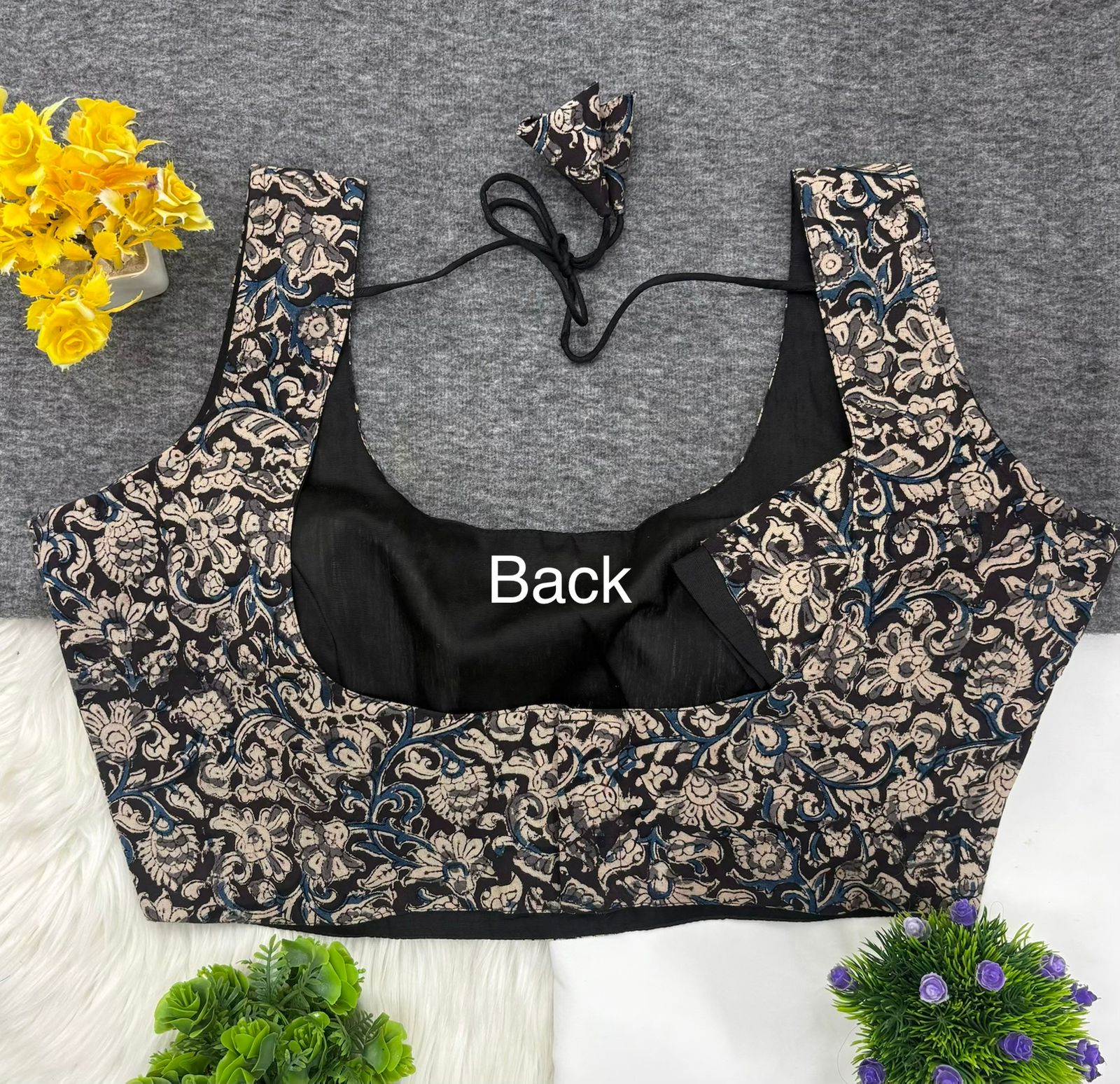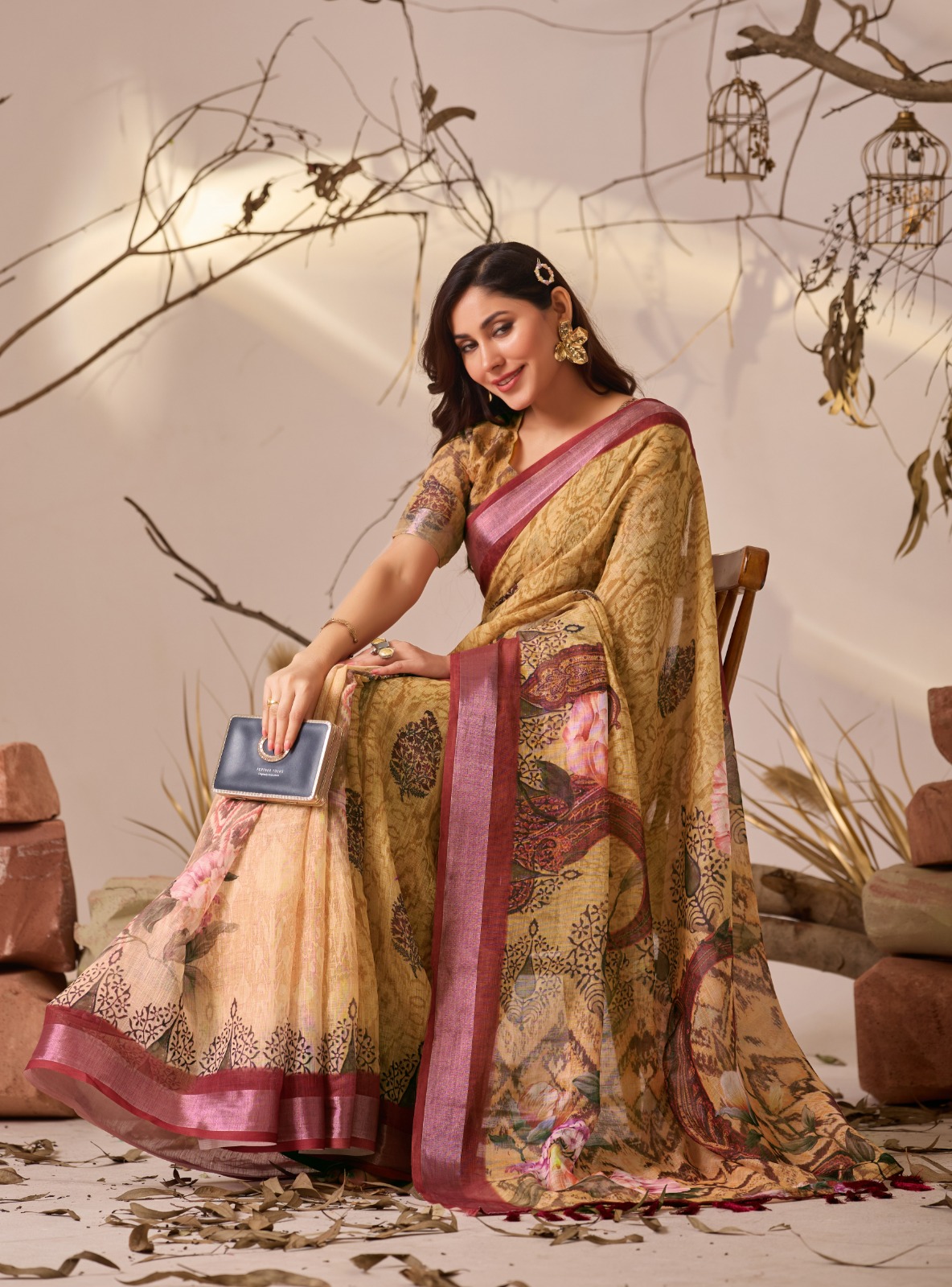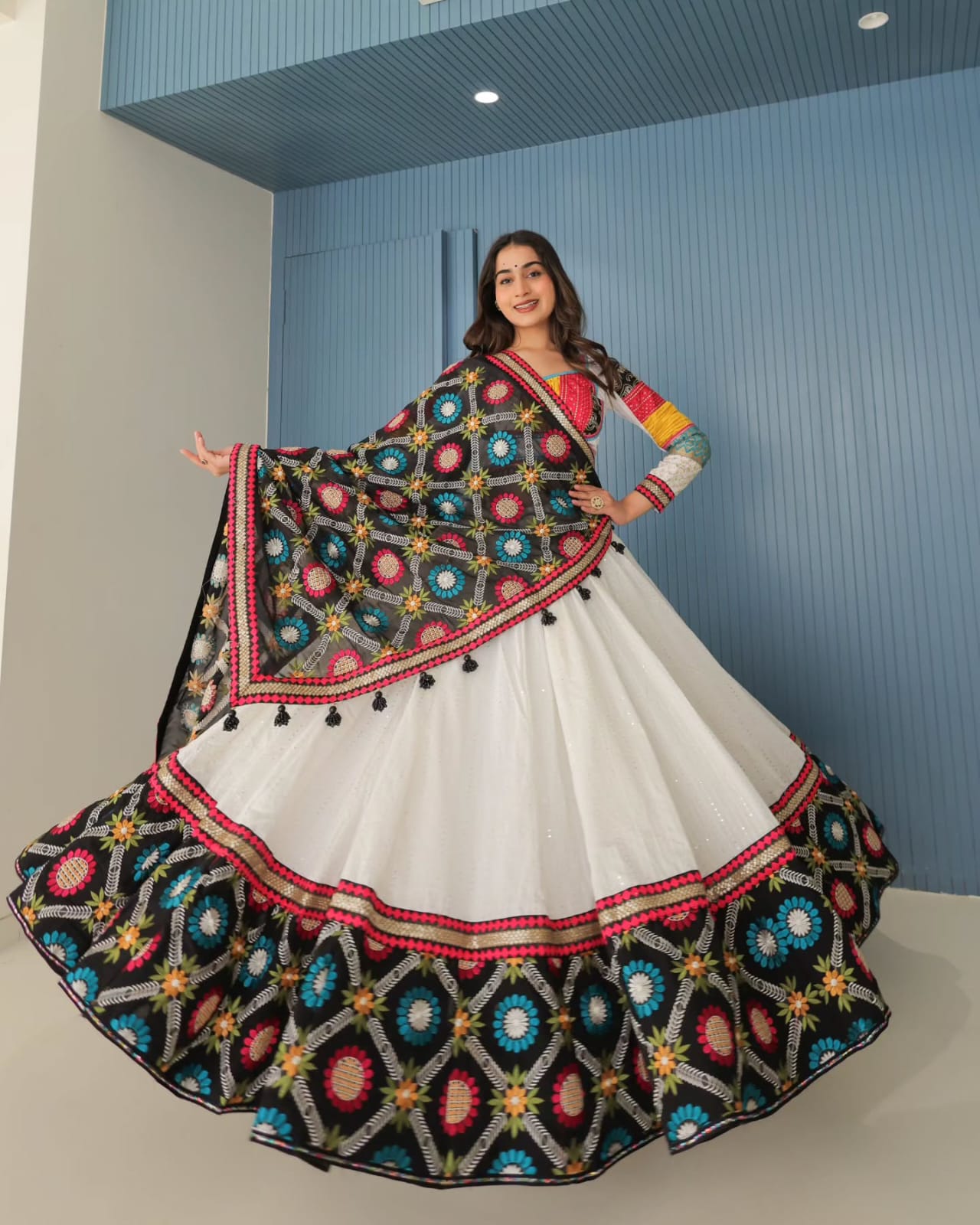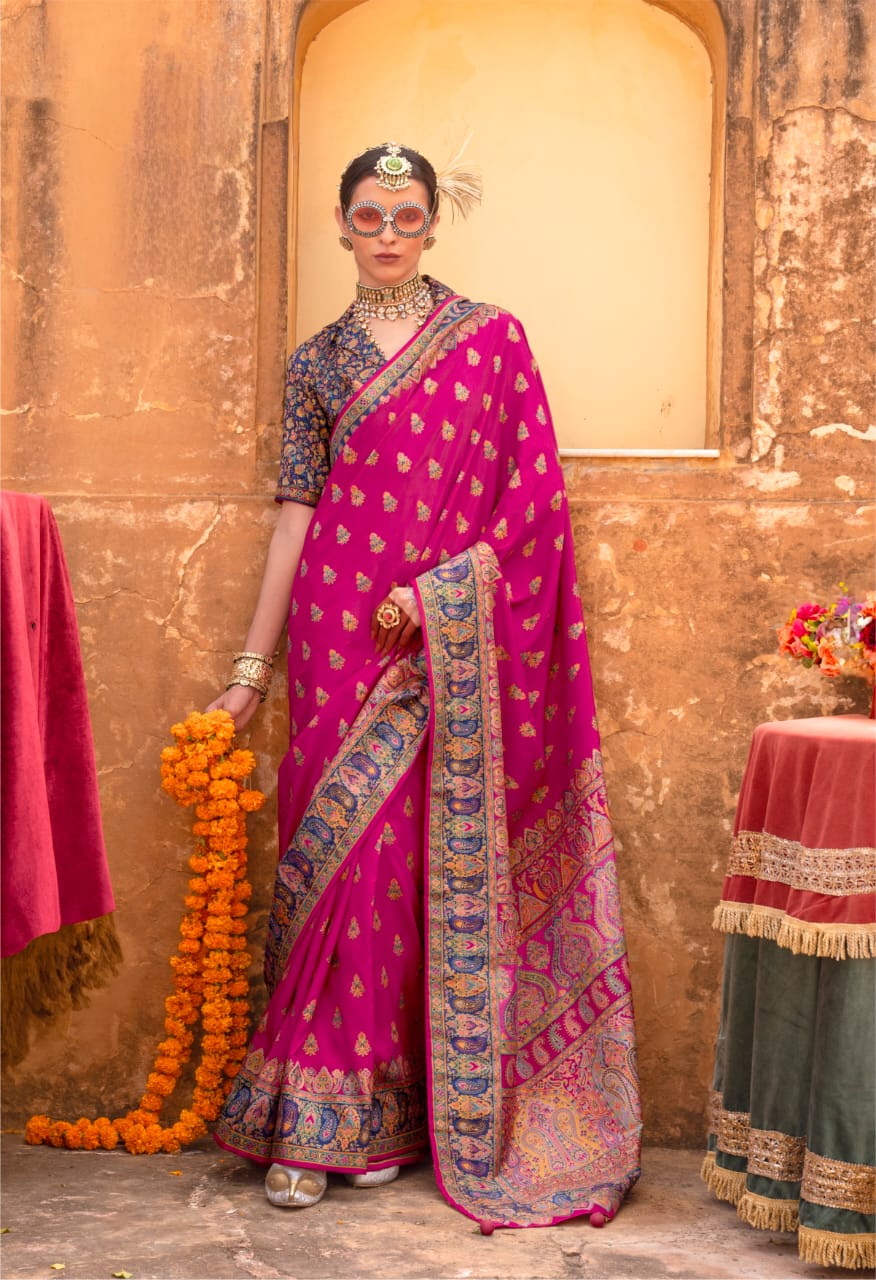
Gujarati Bandhani Dupattas with Salwar Suits for Navratri create a festive outfit with movement, colour and a recognisably western Indian character. The pairing works especially well for Garba because a lightweight dupatta can add contrast without making a salwar suit difficult to move in. The most successful combinations balance three practical factors: a breathable base fabric, a dupatta that stays secure, and enough room through the trousers or churidar for repeated steps and turns.
Bandhani, also called bandhej, is made by tying small sections of fabric before dyeing, leaving dotted resist patterns when the ties are removed. Traditional Gujarati Bandhani may use motifs such as dots, rings, waves or clustered forms, while colour combinations can signal a distinctly festive mood. A Bandhani dupatta doesn't require a heavily embroidered suit beneath it; a well-cut kurta set in a coordinated or contrasting shade can give the pattern enough space to stand out.
Why Bandhani dupattas suit Navratri movement
Bandhani dupattas suit Navratri because their visual energy comes from colour and pattern rather than heavy surface weight. Garba involves continuous walking, clapping, turning and changes of direction, so an outfit that feels light on the shoulders is more useful than one that looks elaborate only while standing still.
A dupatta made from georgette, chiffon, cotton or a light silk blend generally falls closer to the body than a stiff, heavily embellished stole. A length of about 2.25 to 2.5 metres is usually practical for a salwar suit because it gives enough coverage over both shoulders without creating a long trailing end that can catch on bangles or another dancer's clothing.
The small repeated marks of Bandhani also photograph well under festival lighting. Red, yellow, green, fuchsia, royal blue and white dots remain visible at a distance, unlike very fine embroidery that may disappear in a crowded Garba venue. The pattern brings Gujarati identity to a salwar suit while allowing the kameez, trousers and footwear to remain comfortable and contemporary.
How to choose the salwar suit beneath a Bandhani dupatta
The best base suit has a clean silhouette, a comfortable armhole and enough ease for dancing. Straight kurtas with pants, relaxed Anarkalis with built-in flare, and kurta sets with wide palazzos can all work, but the choice should reflect how actively you expect to move during Navratri.
Choose the silhouette around your Garba plans
A straight kurta and trouser set is the easiest option for long evenings because the hem stays controlled and the trousers don't sweep the floor. A moderate Anarkali creates attractive movement during twirls, but the flare should not be so broad that it brushes against surrounding dancers. Palazzo trousers offer airflow and visual volume, although a very wide leg can become inconvenient on crowded dance floors.
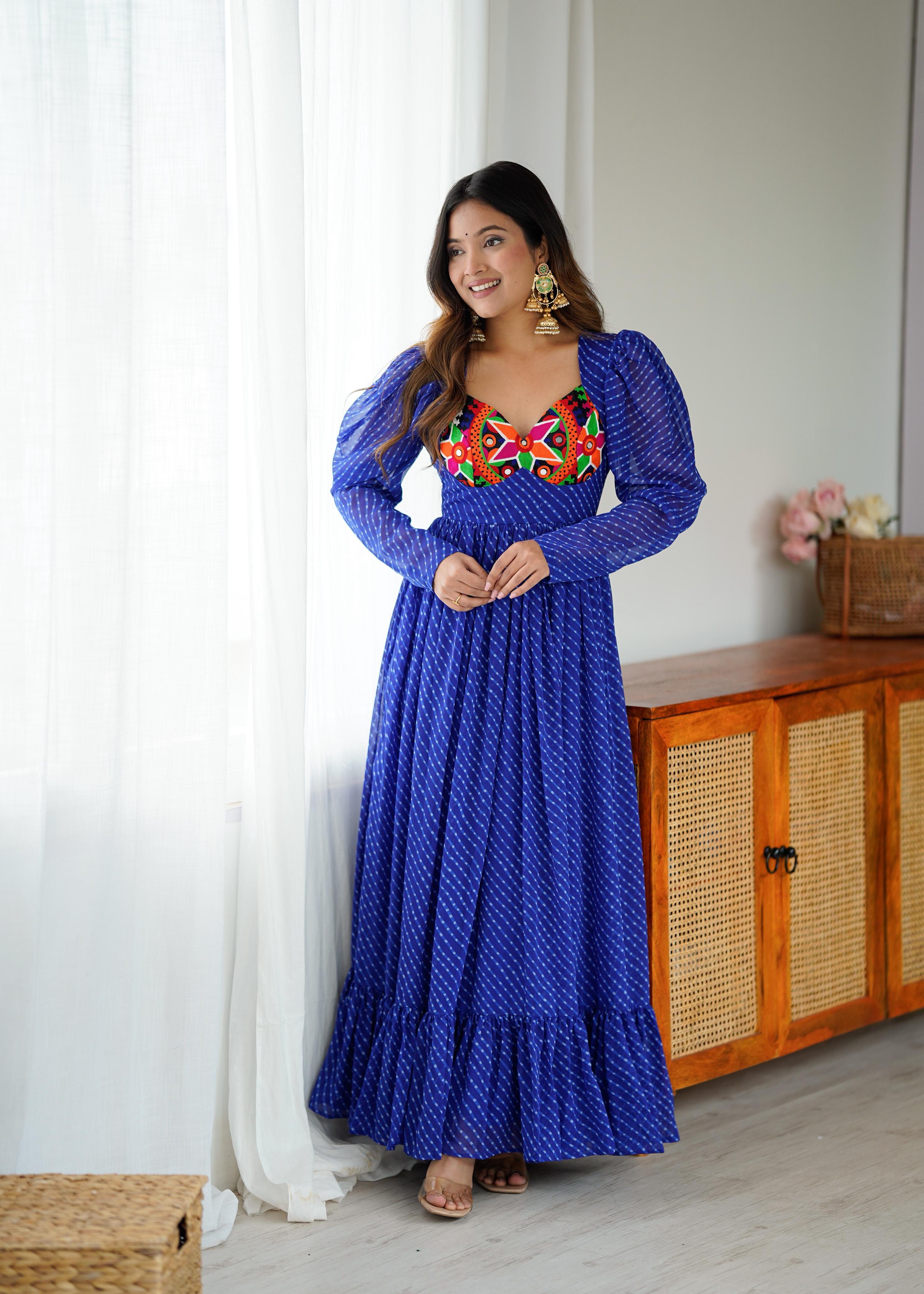
Blue Printed Georgette Designer Gown for Women Festive demonstrates how a fluid georgette base can create movement without requiring a separate heavy skirt. If you pair a gown-style silhouette with a Bandhani dupatta, keep the dupatta relatively light and pin one shoulder so that two layers don't compete around the ankles.
Match the base fabric to the venue
Cotton and cotton blends are dependable for outdoor Garba because they absorb some moisture and allow air to circulate. Georgette feels lighter and drapes elegantly, but synthetic georgette can feel warmer when worn for several hours. Silk blends and jacquard look richer for a family gathering or indoor celebration, although lining and fit become more important if the fabric has limited stretch.
Mustard Yellow Jacquard Kurta Set with Embroidery & Dupatta is an useful example of a textured base in a Navratri palette. A red, magenta or green Bandhani dupatta can add the dotted Gujarati element, but avoid adding a second heavily embroidered dupatta over the set. One focal textile usually looks more intentional than several competing patterns.
Gujarati Bandhani Dupattas with Salwar Suits for Navratri: colour pairings that work
Strong colour contrast makes Gujarati Bandhani Dupattas with Salwar Suits for Navratri look festive, while one repeated shade keeps the outfit coordinated. Use the base suit, dupatta and accessories as three parts of one palette rather than selecting every item in a different bright colour.
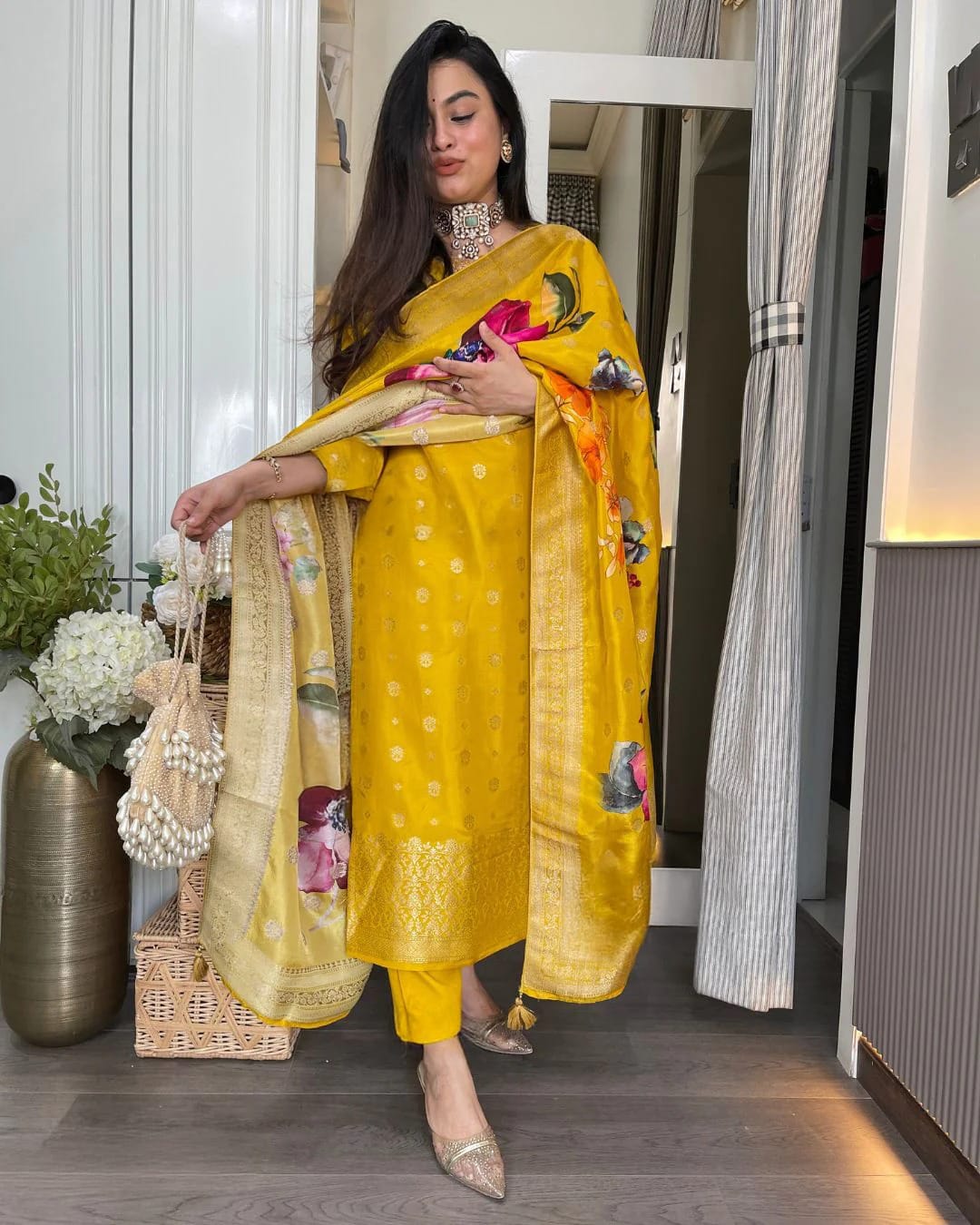
- Red and yellow: A red Bandhani dupatta with a mustard yellow suit creates a warm, heritage combination. Gold-toned earrings and tan or gold footwear complete the palette without adding another strong colour.
- Fuchsia and green: A fuchsia dupatta works with a leaf-green, bottle-green or muted pistachio suit. Choose one green shade from the dupatta's pattern when selecting bangles or embroidered details.
- Royal blue and red: A blue Bandhani dupatta gives a red, ivory or mustard suit a cooler contrast. Silver jewellery can sharpen the look, while gold works better when the dupatta includes warm yellow dots.
- White and multicolour: An ivory or white salwar suit gives a multicolour Bandhani dupatta maximum visibility. This combination is particularly useful when the dupatta has several bright shades and would look crowded against a printed kurta.
- Purple and pink: A purple base with a pink, red or orange dupatta feels festive without relying on the most common red-and-yellow pairing. Keep the footwear neutral if the dupatta contains three or more saturated colours.
Purple Hand Printed Muslin Kurta Set Women | Varnavi Online shows why a quieter printed base can support a more expressive dupatta. Muslin has a softer, easy-going appearance, so a Bandhani layer, oxidised silver jewellery and a neatly tied hairstyle can bring the outfit into Navratri territory without making it feel overly ceremonial.
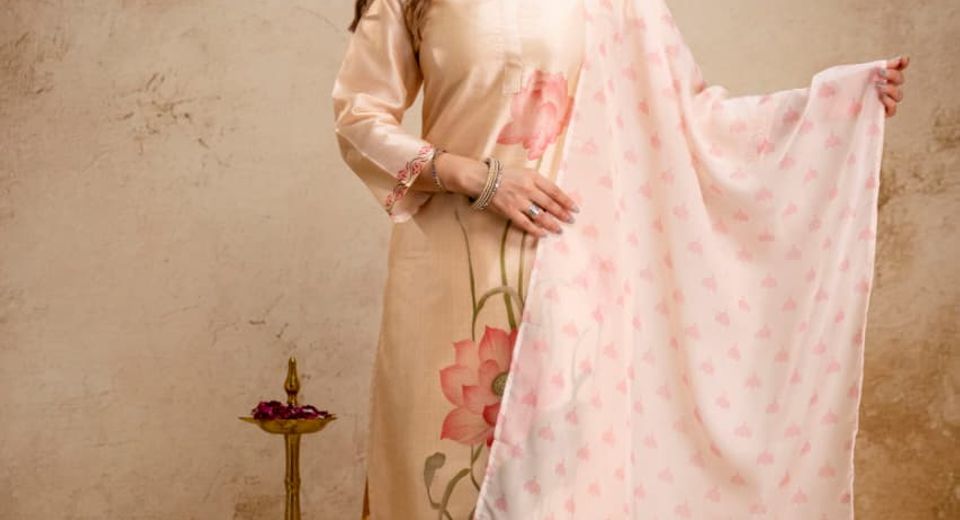
Peach Assam Silk Kurta Set with Printed Organza Dupatta offers a different styling direction for a family gathering or a less physically active evening. The peach base can be paired with a red, orange or pink Bandhani dupatta, while the organza layer can be reserved for a separate event rather than worn together if the overall outfit begins to feel too layered.
Which Bandhani dupatta drape stays secure while dancing?
The shoulder-and-front drape secured with two small pins is the most reliable choice for Garba. Place one pin beneath the shoulder seam and another near the waist or side seam, using safety pins from the inside so that the metal doesn't show.
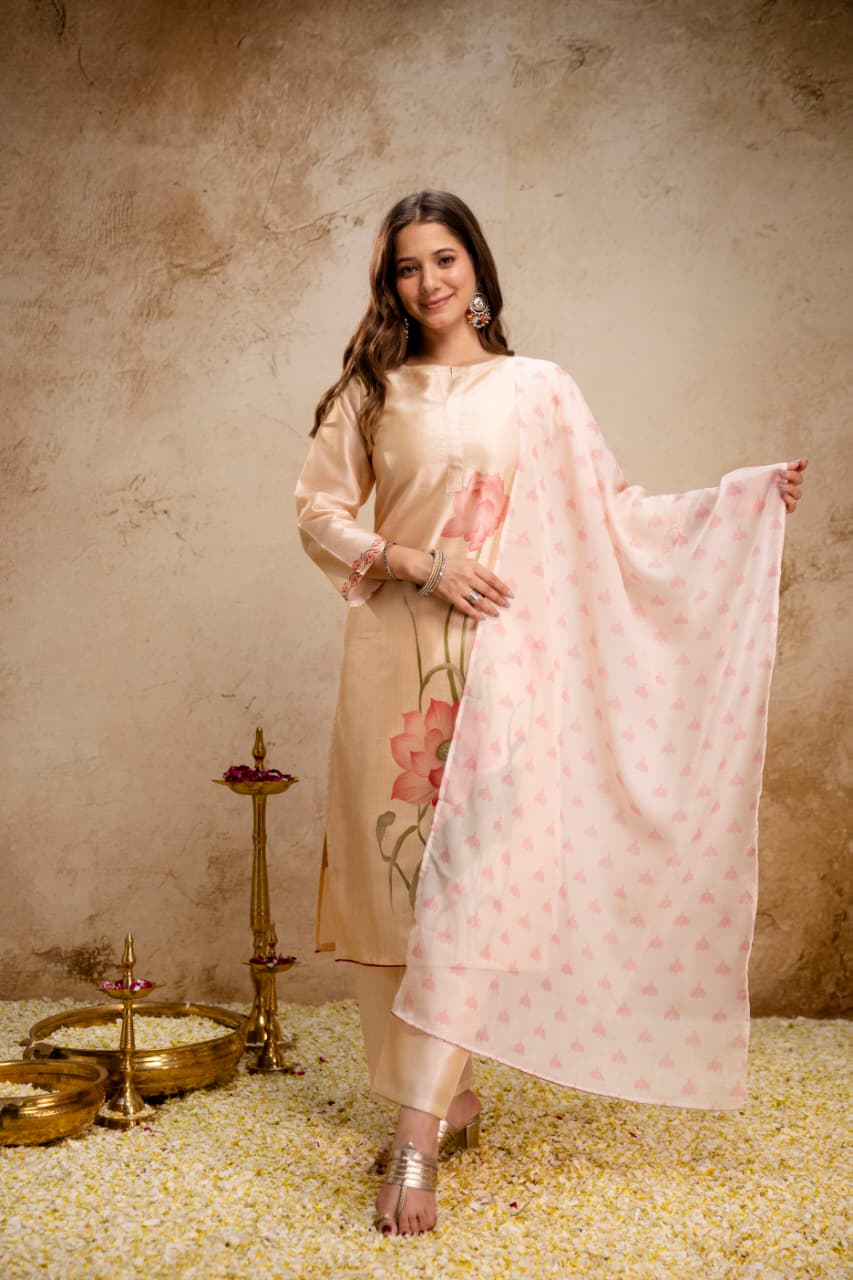
The controlled shoulder drape
Fold the dupatta lengthwise if the fabric is wide, place one end over the left shoulder and bring the opposite end across the front to the right hip. Pin the shoulder section to the kurta and tuck or pin the lower end near the waist. This arrangement leaves both hands free and prevents the front panel from flying outward during turns.
The two-shoulder drape
A two-shoulder drape gives more coverage and is suitable for a temple visit, family puja or a cooler evening. Place the centre of the dupatta at the back of the neck, bring both ends forward and secure each end near the upper chest. Keep the folds narrow enough to avoid bulk around the arms.
The one-sided pleated drape
An one-sided pleated drape gives the most polished appearance for photographs and seated events. Make five to seven even pleats at one end, pin them at the shoulder and leave the opposite end to fall diagonally across the body. This style needs a waist pin if the dupatta is slippery, especially when worn over satin or polished synthetic fabric.
Test the drape before leaving home by raising both arms, turning twice and sitting down. A secure dupatta should not tighten across the neck, drag at the shoulder or expose the kurta when the wearer lifts an arm. Two discreet pins are usually sufficient; too many pins can damage delicate Bandhani fabric and make quick adjustments difficult.
How to style jewellery, hair and footwear without overloading the outfit
Accessories should repeat one or two colours from the Bandhani dupatta and leave the hands comfortable for clapping. Navratri styling benefits from movement, but dangling jewellery and loose hair can become distracting during a long Garba session.
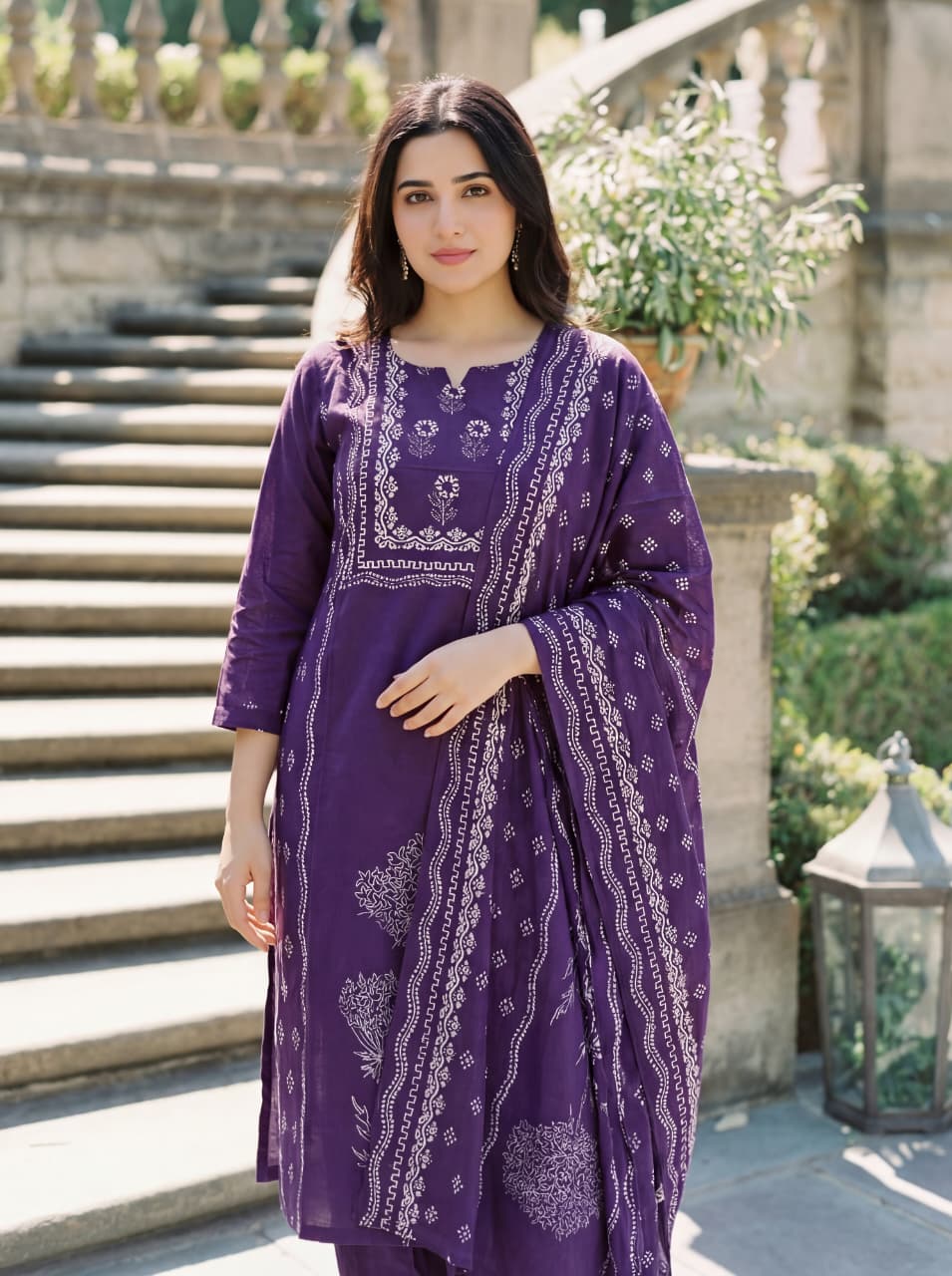
Oxidised silver jhumkas, colourful glass bangles and a small bindi suit cotton or muslin salwar suits. Gold-toned jhumkas and a slim bracelet work better with jacquard, silk blends or zari details. If the dupatta already has a dense dotted pattern, choose a solid necklace or omit the necklace entirely so the neckline remains visible.
Juttis, cushioned mojaris and low block heels are practical footwear choices. A pair with a closed toe protects the feet in a crowded venue, while a cushioned insole becomes valuable after several hours of standing. Avoid new footwear on the main Navratri night; even a small seam can cause blisters after repeated circular movement.
A braid, low bun or half-up hairstyle keeps hair away from the face and reduces the chance of earrings catching in loose strands. A short decorative parandi can add Gujarati character to a braid, provided the ornament is light enough not to pull at the hair. Hair spray should be used sparingly because overspray can settle on silk or georgette and leave a stiff patch.
Where to compare Navratri salwar suits by budget and use
Compare the garment's fabric, measurements, lining, dupatta dimensions and closure details before buying a Navratri outfit online. A festive photograph can't show whether a kurta armhole, trouser waistband or dupatta edge will remain comfortable after several hours of movement.
Ladies Dress Anarkali Salwar Suits is an useful category to browse when you want flare for twirling, while Dress Materials may suit shoppers who already have a trusted tailor and want greater control over length, sleeves and fit. Tailored dress material can also make it easier to specify a shorter hem or a wider trouser opening for active Garba.
Discount-led sections such as Salwar Suits with 30% Off and Salwar Suits Flat 40% Off can help compare festive silhouettes at different price points, but inspect the product details rather than choosing only by discount percentage. Red Dress Materials Under 2000 may be relevant when a red base or red dupatta is central to the colour plan, although tailoring and embellishment costs should be included in the final budget.
Measure the bust, natural waist, hip and preferred kurta length against the size chart rather than relying only on a familiar small, medium or large label. For an Anarkali, check the flare and hem circumference. For palazzos, check the waistband construction and rise. A drawstring or elasticated waist can be more forgiving than a rigid side zip during a long celebration.
Inspect whether the dupatta has finished edges and whether the suit includes lining. Unfinished edges can curl or fray quickly, especially at the shoulder where repeated pinning puts stress on the fabric. A lined kurta generally hangs better, but a heavy lining may feel warm in a crowded indoor venue.
How to care for a Bandhani dupatta after Navratri
Care for a Bandhani dupatta by following its fibre-specific label, avoiding unnecessary soaking and storing the fabric away from direct sunlight. Hand-dyed or resist-dyed textiles can release excess colour during early washes, particularly when the fabric is dark red, magenta, green or blue.
Separate bright Bandhani from pale garments and use cold water with a mild detergent only when the care label permits washing. Do not rub the tied motifs, twist the fabric aggressively or leave the dupatta submerged for hours. Press excess water between clean towels and dry the dupatta in shade rather than harsh afternoon sunlight.
Silk, Assam silk, organza and heavily embellished dupattas are safer with professional dry cleaning unless the care label specifically allows home washing. Store a completely dry dupatta folded in unbleached cotton or hung on a wide hanger. Avoid storing zari or metallic trims against damp walls, perfume residue or plastic covers for long periods.
Before folding the garment away, remove all safety pins and check the shoulder area for pulled threads. A small loose thread should be secured by a tailor rather than cut close to the fabric. These simple steps preserve the dotted pattern, finished edges and fall of the dupatta for future Navratri celebrations.
Common Questions About Styling Bandhani Dupattas for Navratri
Can I wear a Bandhani dupatta with a printed salwar suit for Navratri?
Yes, a Bandhani dupatta can be worn with a printed salwar suit when the two prints differ in scale and share at least one colour. Pair a small dotted Bandhani pattern with a restrained base print, and keep jewellery mostly solid so the outfit does not look visually crowded.
Which salwar suit fabric is most comfortable for Garba?
Cotton, cotton blends and lightweight muslin are generally the most comfortable choices for an active Garba night because they allow airflow. Georgette can offer an attractive drape, while jacquard and silk blends are better suited to shorter events or cooler indoor venues.
How do I stop a Bandhani dupatta from slipping while dancing?
Secure the dupatta at the shoulder and waist with two small safety pins placed from the inside. Test the drape by lifting both arms, turning twice and sitting down before leaving home; adjust the pins if the fabric pulls or shifts.
What colours go well with a Gujarati Bandhani dupatta?
Mustard yellow, red, ivory, green, purple, royal blue and fuchsia pair well with Gujarati Bandhani dupattas. Choose one colour from the dupatta for bangles or footwear, then keep the remaining accessories neutral or metallic.
Is an Anarkali or straight salwar suit better for Navratri dancing?
A straight salwar suit is usually easier to control in a crowded Garba venue, while a moderately flared Anarkali offers more movement during turns. Choose an Anarkali only when the hem and flare allow comfortable walking without brushing against other dancers.
How should I wash a Bandhani dupatta after Navratri?
Follow the fibre-specific care label and avoid soaking, harsh rubbing or direct sunlight. Separate bright Bandhani from pale clothing, use cold water only when home washing is approved, and choose professional dry cleaning for silk, organza, Assam silk or embellished dupattas.