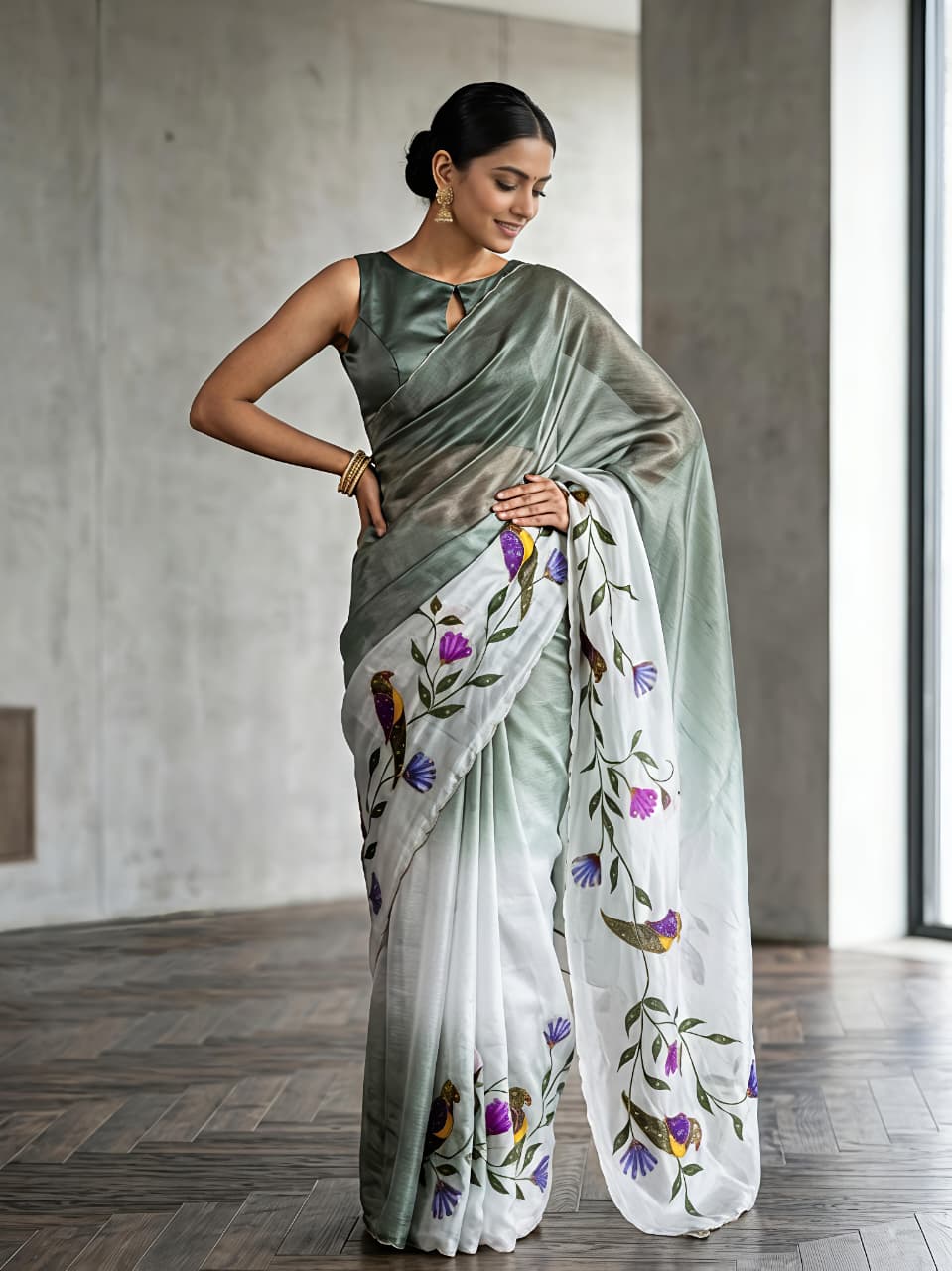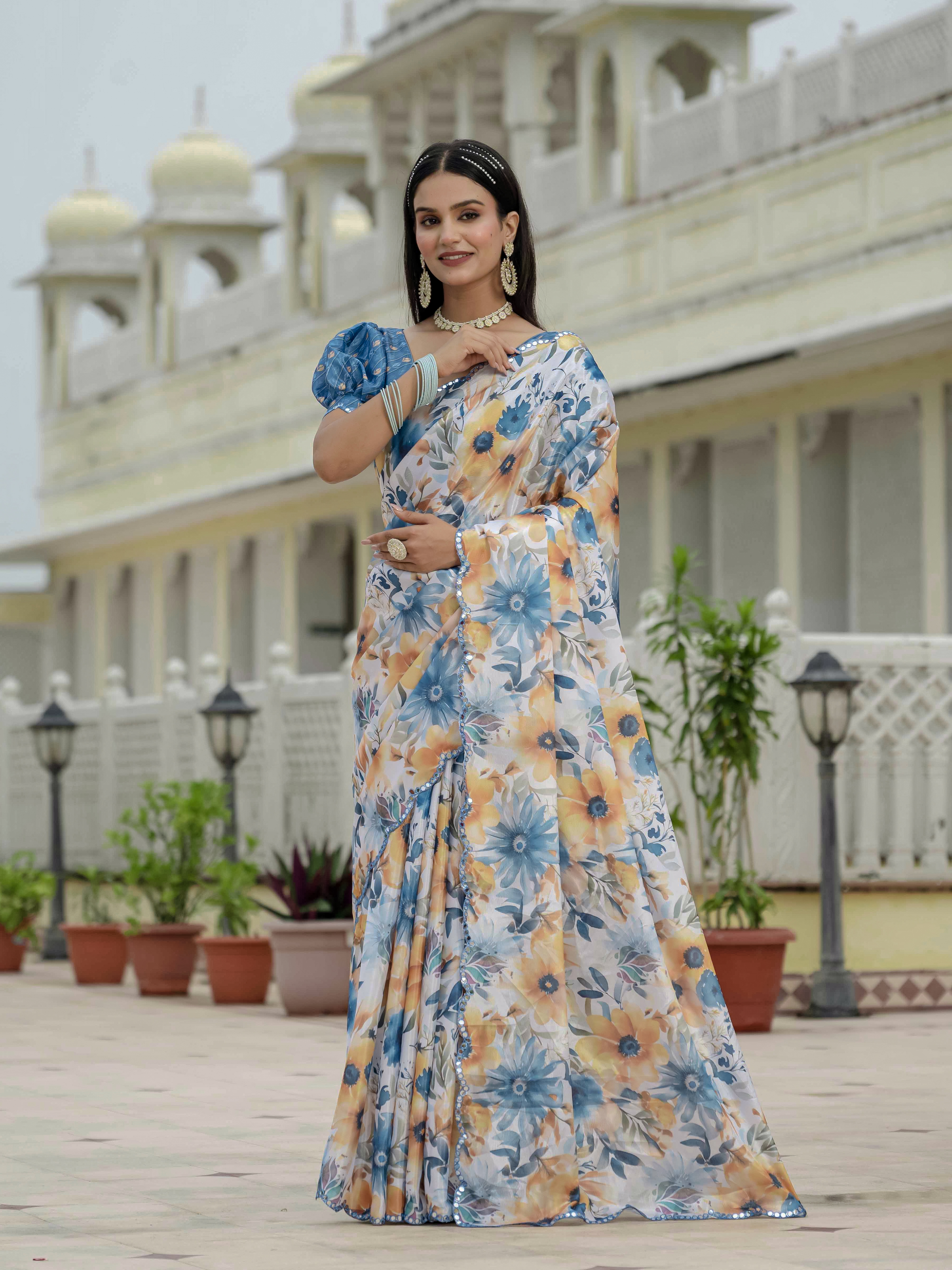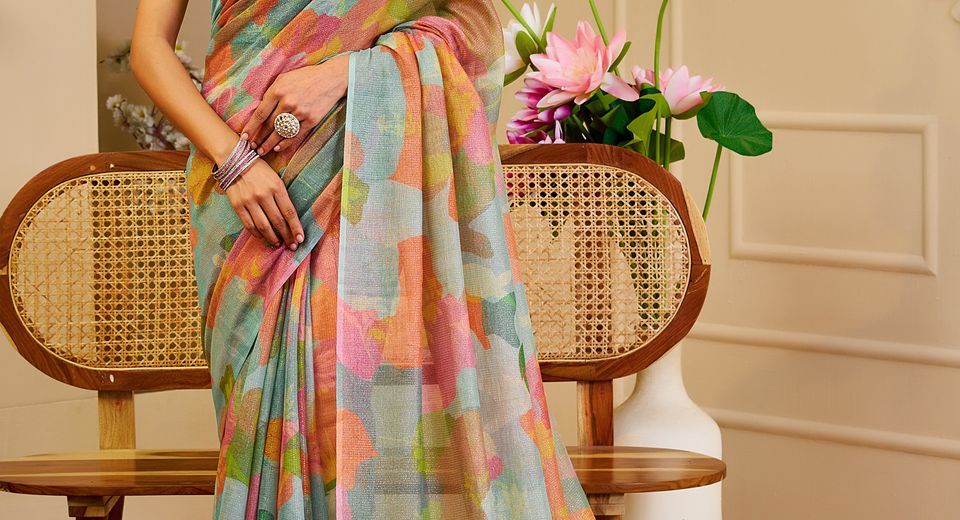
Gudi Padwa Fashion: Paithani Sarees, Blouses & Traditional Looks brings together the colour, symbolism and elegance of Maharashtra's New Year celebrations. A Paithani saree can anchor the outfit, but the finished look also depends on the blouse, drape, jewellery, footwear and the amount of movement required during puja and family visits. The most successful festive ensembles respect traditional details while allowing the wearer to sit, walk and greet guests comfortably.
Gudi Padwa usually falls in March or April, on the first day of the Chaitra month in the Hindu lunisolar calendar. Many families raise a gudi outside the home, perform puja, prepare festive food and wear new clothes. That combination makes the festival an ideal setting for silk, zari, bright colours and heirloom-style accessories, although lighter handloom sarees can be equally practical in warm weather.
Gudi Padwa Fashion: Paithani Sarees, Blouses & Traditional Looks for the Celebration
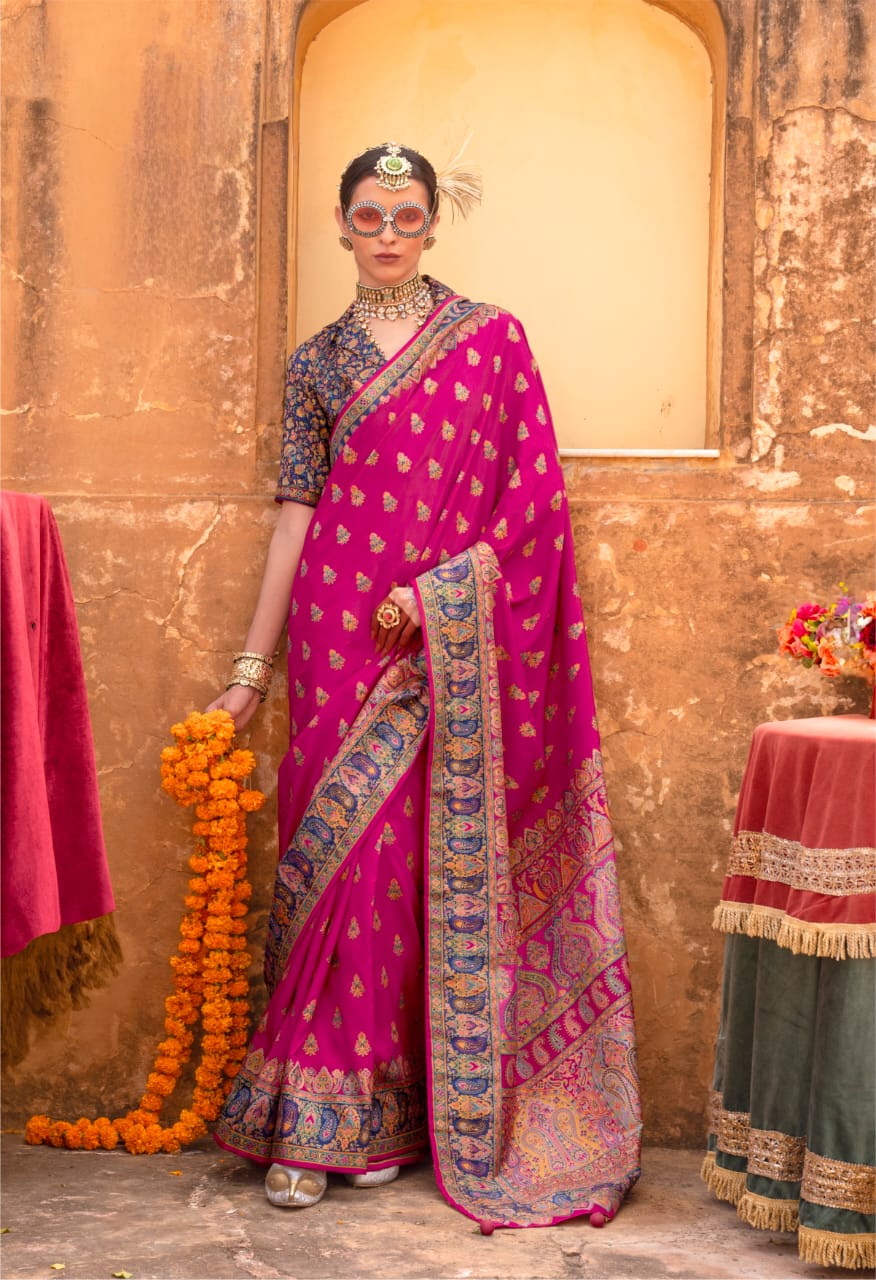
Paithani sarees suit Gudi Padwa because their silk or silk-blend body, zari borders and distinctive pallu reflect Maharashtra's textile heritage. Heritage Paithani weaving is associated with Yeola in Nashik and is recognised for motifs such as the peacock, munia parrot, muniya border and asawali floral forms.
A classic Paithani may feature a plain field with a strong contrast border, a patterned body or a richly ornamented pallu. The colour vocabulary includes combinations such as kadiyal green and purple, magenta and gold, mustard and parrot green, and deep blue with copper-toned zari. The contrast between body and border often creates visual drama without requiring heavy additional decoration.
Not every saree sold as Paithani has the same construction. Handwoven silk Paithani sarees generally command a higher price because weaving time, silk quality and zari content vary considerably. Silk blends, powerloom versions and tissue sarees can offer a lighter or more affordable alternative. Checking the fibre composition, border construction and care label helps prevent confusion when comparing sarees.
A Paithani saree is particularly effective for Gudi Padwa morning because the pallu remains the focal point when the saree is draped in a conventional nivi style. A shorter, more controlled pallu also works well when the wearer needs to participate in puja, carry a thali or move between indoor and outdoor spaces.
Gudi Padwa Fashion: Paithani Sarees, Blouses & Traditional Looks by Weather and Ritual
The best Gudi Padwa saree depends on the weather, the length of the celebration and how much sitting or walking the day involves. March and April temperatures can be warm, so a breathable cotton, tissue or lightweight silk saree may be more comfortable than a heavily embellished silk.

For a morning puja at home
A lightweight saree in yellow, green, pink, red or saffron creates an auspicious morning look without feeling overdressed. Cotton-silk, Chanderi, tissue cotton and light Banarasi silk can hold a neat pleat while remaining easier to manage for floor seating. A modest blouse with elbow-length sleeves adds polish and works well for a family gathering.
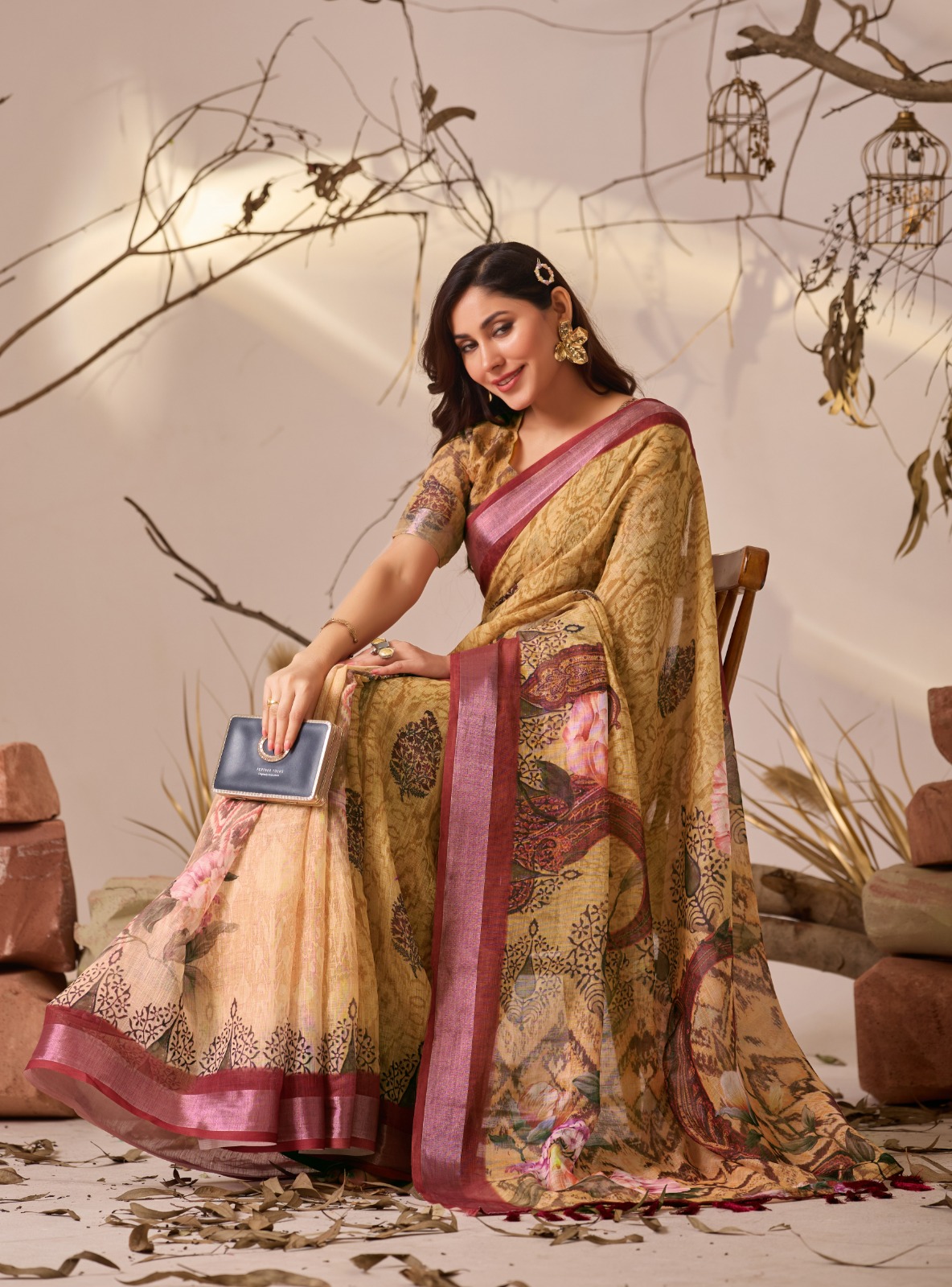
Pastel Floral Tissue Handloom Cotton Saree with Zari Weaves offers a softer interpretation of festive dressing. Floral motifs and zari provide occasion detail, while a tissue cotton structure can feel less cumbersome than a dense silk saree. Pairing the saree with a rose, green or antique-gold blouse keeps the palette celebratory without relying on very bright contrast.
For visiting relatives or a community celebration
A medium-weight saree with a defined border is useful when the day includes travel, photographs and several rounds of greetings. Cream Pink Tissue Handloom Cotton Saree with Zari balances a gentle base with metallic detail and can be styled with a pink, maroon or gold blouse. A small shoulder bag and low block heels make the outfit more practical than a long trailing pallu.
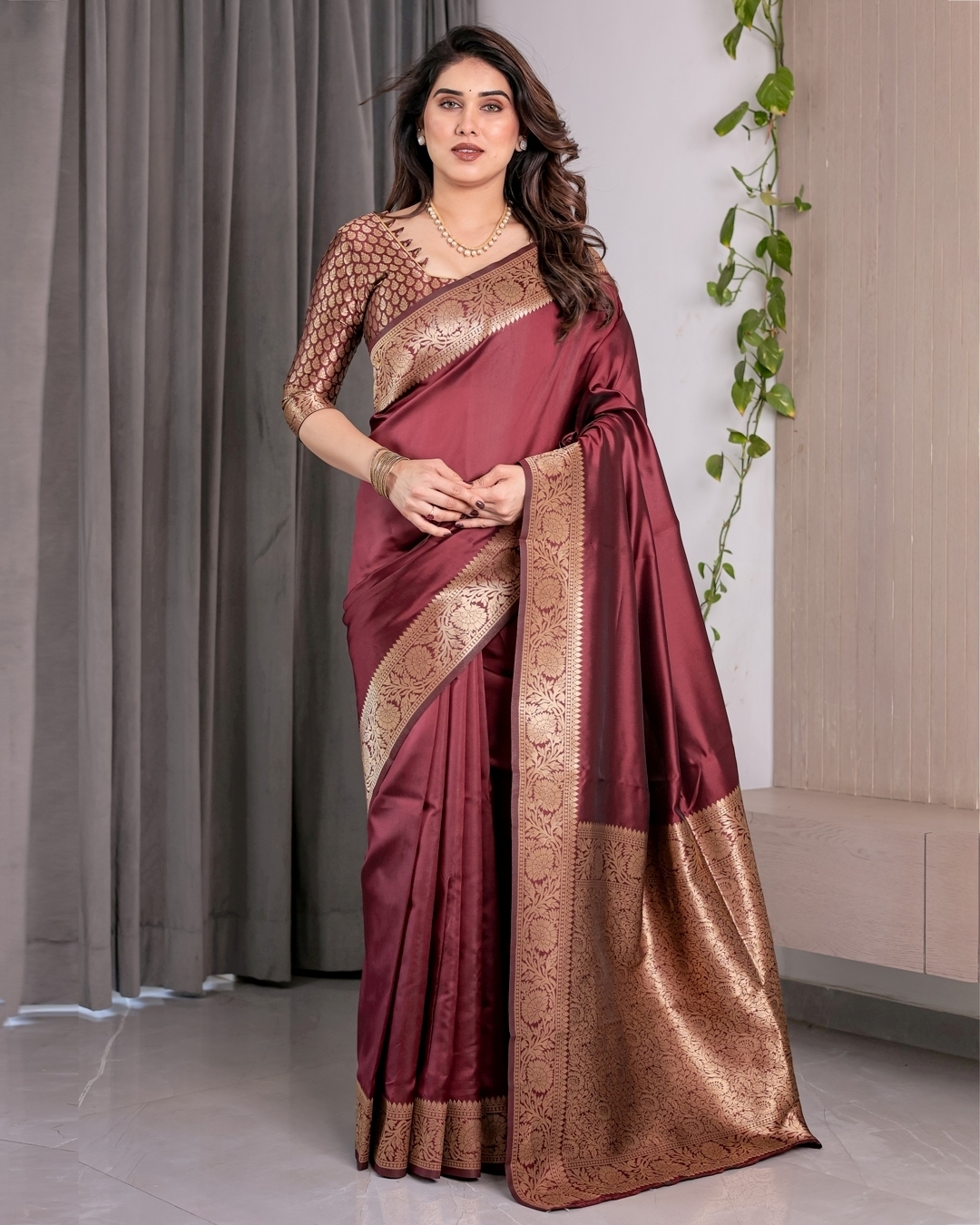
A richer colour can create a more formal impression for an evening gathering. Wine Banarasi Soft Silk Saree With Golden Zari Border brings the visual depth associated with Banarasi silk and golden zari. A blouse in antique gold, deep wine or muted peach can either continue the richness or soften the contrast.
For a lighter contemporary festive outfit
Wine Tissue Handloom Cotton Saree with Zari & Floral Prints demonstrates how a printed handloom saree can look festive without the weight of dense brocade. Floral prints make the saree approachable for a daytime celebration, while zari keeps the outfit connected to the occasion. A plain blouse often works better than a heavily patterned blouse because it gives the print room to remain visible.
Gudi Padwa Fashion: Paithani Sarees, Blouses & Traditional Looks with the Right Blouse
The right Gudi Padwa blouse should balance the saree's border, the wearer's comfort and the formality of the event. A blouse that repeats one colour from the pallu usually looks more coordinated than a blouse chosen only because it matches the saree body.

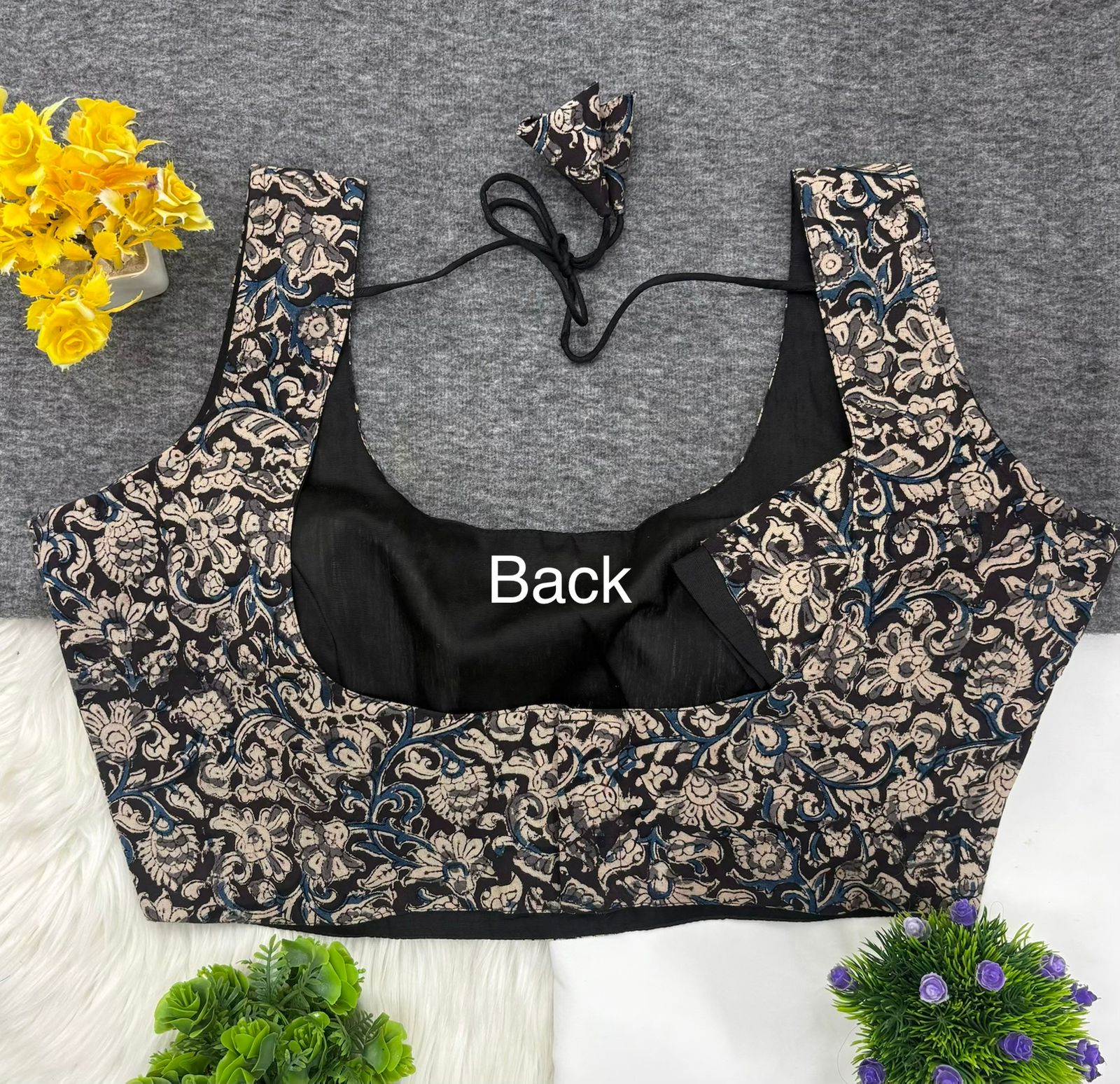
For a classic Paithani, a high round neck, square neck or modest boat neck creates a clean frame for a necklace. Elbow-length sleeves look especially harmonious with Paithani borders and allow the wearer to layer bangles without making the arms appear visually crowded. A fitted back with a simple tie or covered hook closure gives the blouse a polished finish.
Contrast blouses are a familiar Maharashtrian styling choice. A purple blouse with a green Paithani, a parrot-green blouse with a magenta Paithani, or a red blouse with a mustard saree can highlight the border and pallu. Contrast doesn't need to mean neon colour; rust, wine, bottle green, dusty rose and antique gold can create depth while remaining wearable.
Plain silk, raw silk and cotton-silk blouses are reliable choices for sarees with elaborate pallus. Brocade or zari blouses can work with a simpler saree, but matching a richly woven blouse with an already ornate Paithani may make the outfit look heavy. For tissue sarees, a matte blouse can provide useful contrast against the fabric's sheen.
Sleeve length should follow both comfort and proportion. Short sleeves suit warm weather and contemporary styling, elbow sleeves support a more time-honoured appearance, and three-quarter sleeves can offer coverage for temple visits or family puja. A blouse with a broad back opening may look attractive in photographs but can be less practical when the saree is worn for several hours.
Gudi Padwa Fashion: Paithani Sarees, Blouses & Traditional Looks with Heritage Details
Maharashtrian styling becomes recognisable through a combination of drape, jewellery, flowers and colour rather than through one compulsory accessory. A conventional saree drape with a clear pleated front, a carefully arranged pallu and time-honoured ornaments can communicate the influence of Maharashtra while leaving room for personal taste.
The nath is one of the most distinctive accessories associated with Maharashtrian festive dressing. A classic Brahmani nath often has a curved shape, pearls and a coloured stone, while a smaller clip-on nath can give a similar effect without requiring a piercing. Wear one statement nath instead of combining several large facial accessories.
The mundavalya, a decorative forehead and side-string ornament, is strongly associated with Maharashtrian weddings and ceremonial portraits. A mundavalya isn't necessary for every Gudi Padwa outfit. A small bindi, a neat centre-parted hairstyle and gajra may create a more suitable balance for a home puja.
Traditional jewellery can include thushi, tanmaniya, kolhapuri saaj, putli haar, patlya bangles and green glass bangles. A short thushi necklace works well near a high neckline, while a longer necklace can complement a simpler blouse. Green bangles are a classic choice, but red, gold and ivory accents can be added according to the saree palette.
Jasmine gajra suits a bun or braid and adds fragrance as well as visual softness. For an all-day event, secure the flowers with U-pins and carry a few spare pins because heat and movement can loosen a hairstyle. A low bun is usually more stable than an elaborate open hairstyle when the pallu is pinned over the shoulder.
Jewellery should also reflect the saree's scale. A heavily zari-worked Paithani can carry a simple thushi and bangles, while a lighter Chanderi or tissue saree may benefit from a more visible necklace or statement earrings. Choosing one dominant ornament prevents the face, blouse and pallu from competing for attention.
Gudi Padwa Fashion: Paithani Sarees, Blouses & Traditional Looks with a Secure Drape
A secure nivi drape is the most practical option for many Gudi Padwa celebrations because it keeps the pleats controlled and the pallu easy to pin. The saree should be worn over a well-fitted petticoat or an appropriate underskirt, with the waistband sitting firmly at the natural waist.

- Wear the blouse and footwear before beginning the drape so the saree length is adjusted to the final heel height.
- Tuck the plain end into the waistband, make one complete turn around the body and keep the lower edge just above the floor.
- Create front pleats of approximately 12 to 15 centimetres each, depending on the saree width, and secure the pleats with a safety pin before tucking them in.
- Bring the remaining pallu over the left shoulder, keeping enough length to cover the torso without dragging near the feet.
- Use concealed safety pins at the shoulder and waist, placing each pin through the inner layers rather than through a visible zari motif.
A nauvari-inspired drape can be considered when the wearer wants greater freedom of movement, but a true nauvari drape uses a nine-yard saree and has a different structure from a standard six-yard saree. A regular six-yard Paithani should not be forced into a nauvari arrangement without checking its length and width. The distinction matters because the wrong drape can create excess fabric and reduce walking comfort.
Make a trial drape at least one day before Gudi Padwa. Sit cross-legged, climb a short staircase, reach forward and walk for ten minutes while wearing the chosen blouse and footwear. These simple tests reveal whether the pallu, pleats, waistband or blouse armhole needs adjustment.
Pinning should be discreet but firm. Place one safety pin at the top of the pallu near the shoulder seam and another near the waist if the fabric tends to shift. Avoid pinning through zari-heavy areas because repeated punctures can weaken metallic threads and leave visible holes.
Gudi Padwa Fashion: Paithani Sarees, Blouses & Traditional Looks for Modern Styling
A modern Gudi Padwa outfit works best when one classic element remains visually dominant. A Paithani pallu, Maharashtrian nath, green glass bangles or a gajra can provide that anchor while the remaining details stay streamlined.
Contemporary styling can begin with footwear. Low block heels, embroidered juttis and embellished kolhapuri sandals are more stable than narrow stilettos for a day involving stairs, outdoor greetings and floor seating. Choose footwear before hemming or adjusting the saree so the border doesn't brush the ground.
A compact potli, structured clutch or small shoulder bag can hold a phone, keys, tissues and safety pins without disturbing the silhouette. Metallic gold works with zari, while wine, green or pink can echo a saree border. A large everyday tote usually interrupts the proportions of a carefully draped saree.
Collections such as Silk Sarees Under 3000 With Discount can be useful when comparing affordable silk-look options, while Pink Georgette Sarees may help readers find a lighter, softer colour direction. Red Banarasi Silk Sarees for Weddings Under 1100 gives a reference point for festive red and Banarasi styling, although Gudi Padwa outfits don't need to follow wedding-level embellishment.
Party Wear Sarees can inspire evening styling through sequins and metallic accents, but a daytime Gudi should generally remain comfortable and culturally grounded. Gray Color Sarees Under 1000 demonstrates how a neutral base can be brightened with a pink, green or gold blouse, especially when the wearer prefers understated colour.
Makeup can remain fresh and balanced for a daytime celebration. A defined kajal line, warm blush, a small bindi and a rose or red lip complement traditional jewellery without competing with a richly coloured pallu. Waterproof kajal and setting spray are practical choices when the event includes heat, outdoor photographs or extended travel.
Gudi Padwa Fashion: Paithani Sarees, Blouses & Traditional Looks and Saree Care
Paithani sarees and zari-rich festive sarees should be stored clean, dry and loosely folded to protect silk fibres and metallic threads. Air the saree after wearing it, especially if it has been exposed to perspiration, incense smoke or food aromas, before placing it back in storage.
Dry cleaning is generally safer for silk, Banarasi silk and heavily zari-worked sarees than home washing. A professional cleaner should know that the saree contains zari, because harsh chemicals, prolonged soaking and aggressive pressing can dull metallic work or distort the border.
Fold the saree with the zari border turned inward and refold it every few months to reduce permanent creases in one place. Store the saree in a clean muslin cloth rather than airtight plastic. Neem leaves or acid-free tissue paper can help protect storage, but strongly scented products should not touch silk directly.
Never iron a zari border at high heat. Use a low-temperature setting from the reverse side with a thin cotton cloth between the iron and the saree, or ask a professional presser to steam and shape the garment. A hot iron placed directly on metallic zari can flatten the texture and cause discolouration.
Blouses also need care before and after Gudi Padwa. Remove padding if the care label permits, dry the blouse completely and store it flat enough to protect hooks, tassels and embroidery. Keep jewellery away from the saree during storage because sharp settings can catch delicate tissue or silk threads.
Good Gudi Padwa styling is ultimately a matter of proportion and preparation. Select the saree according to weather and movement, choose a blouse that supports the pallu rather than competing with it, add one or two recognisable Maharashtrian details, and test the entire outfit before the festival morning.
Common Questions About Gudi Padwa Fashion and Paithani Styling
Which colour Paithani saree is best for Gudi Padwa?
Green, yellow, red, magenta, saffron and pink are all suitable for Gudi Padwa because they create a bright festive impression. Choose a colour that works with the saree's zari and your blouse rather than following a single mandatory shade.
What blouse colour goes with a Paithani saree for Gudi Padwa?
A blouse that repeats a colour from the Paithani pallu or border is usually the safest choice. Purple with green, parrot green with magenta, antique gold with wine and red with mustard are reliable combinations.
Can I wear a cotton saree for Gudi Padwa?
A cotton, tissue cotton or cotton-silk saree is suitable for Gudi Padwa, particularly for a warm-weather morning puja. Zari borders, floral prints, a festive blouse and traditional jewellery can give a lightweight saree enough occasion detail.
Is a nauvari saree necessary for a Maharashtrian Gudi Padwa look?
A nauvari saree is not necessary for a Maharashtrian Gudi Padwa look. A six-yard Paithani or handloom saree with a secure nivi drape, nath, green bangles or gajra can create a recognisable traditional outfit.
How should I wear jewellery with a Paithani saree?
Choose one main necklace or neckpiece and support it with bangles, earrings and a bindi. Thushi, tanmaniya, kolhapuri saaj, green glass bangles and a Maharashtrian nath work well, but an ornate pallu usually needs fewer competing statement pieces.
How do I care for a Paithani saree after Gudi Padwa?
Air the saree before storing it, keep it away from direct sunlight and fold it inside a clean muslin cloth with the zari border turned inward. Use professional dry cleaning for silk or zari-rich sarees and avoid high-temperature ironing.