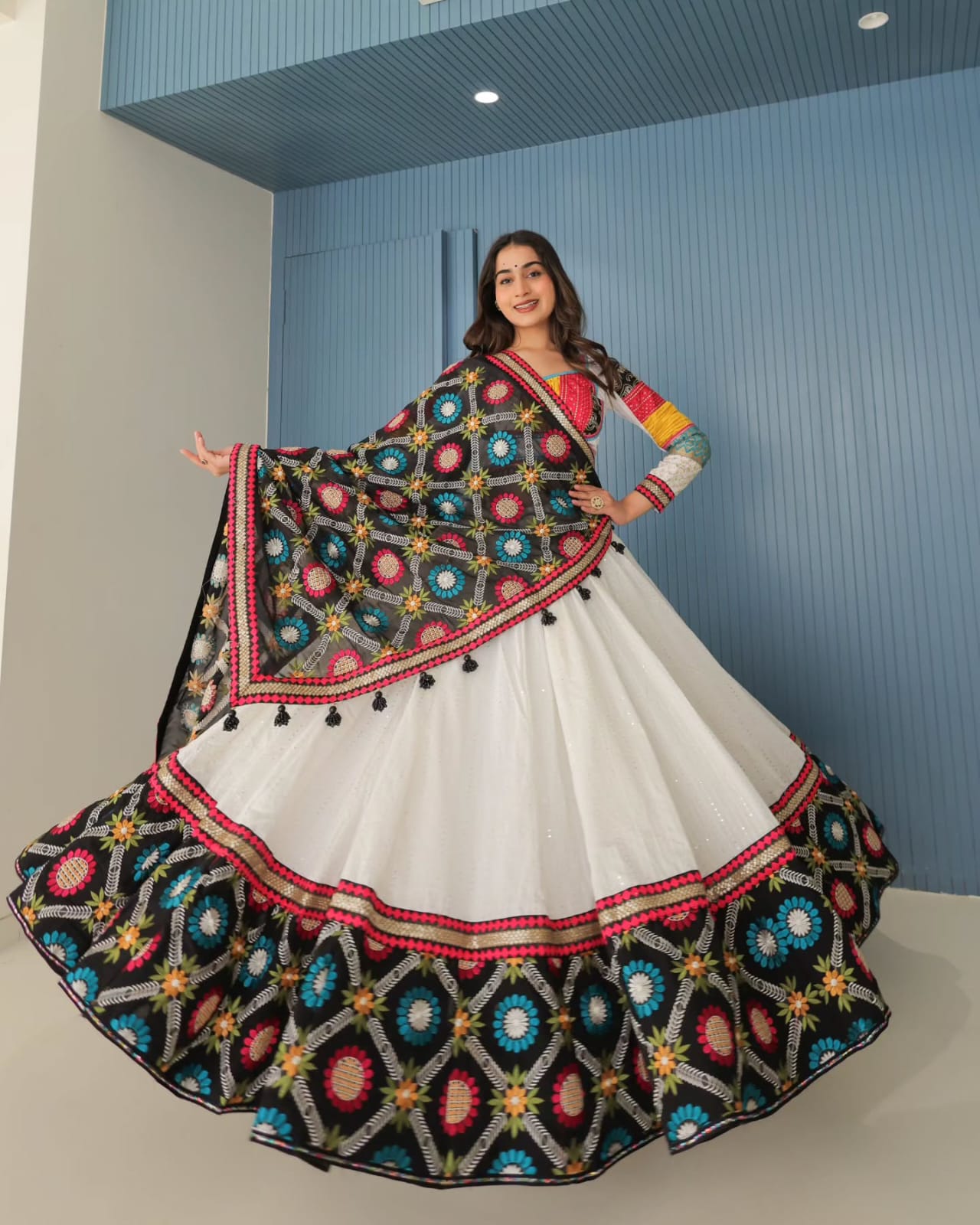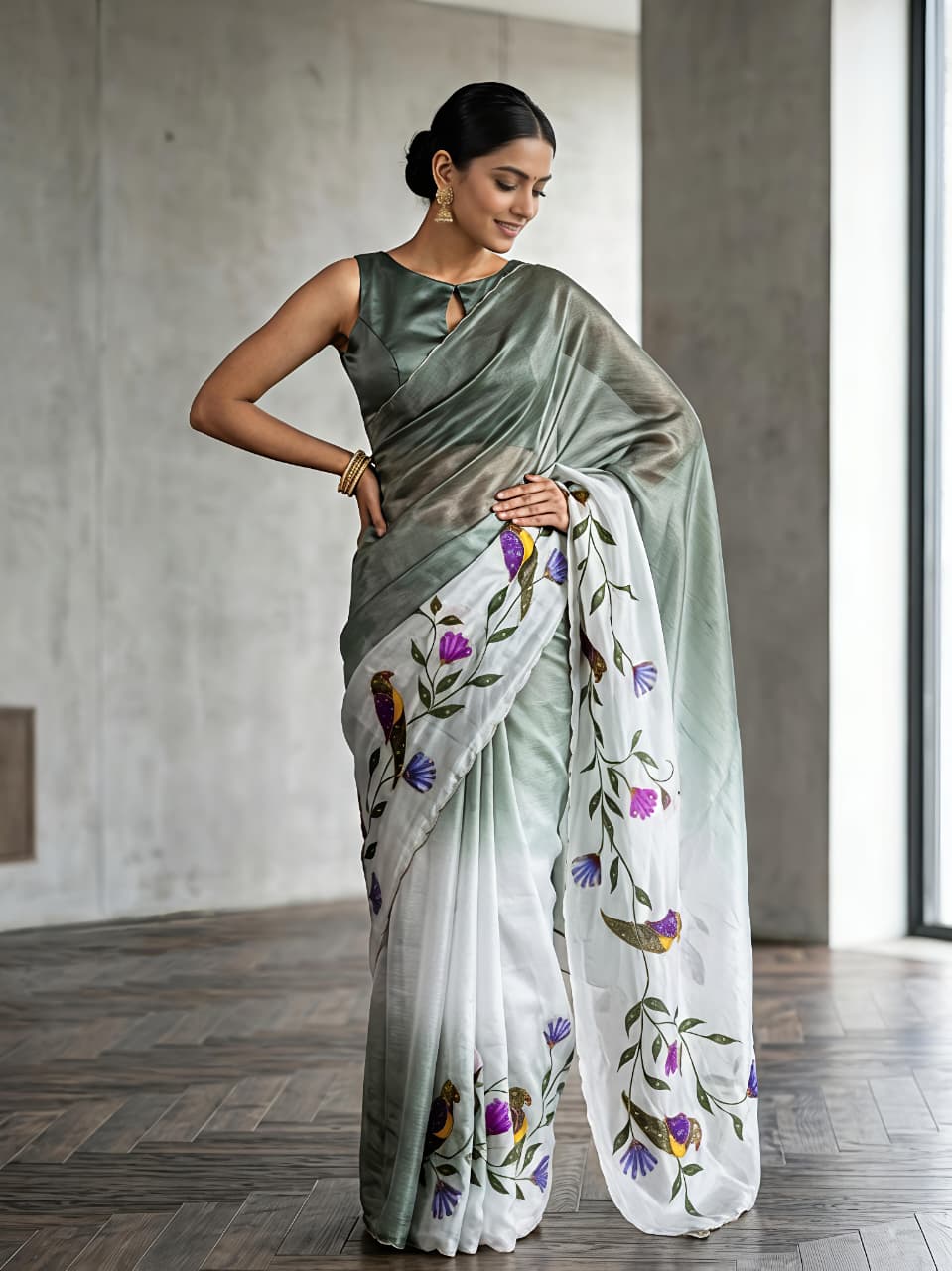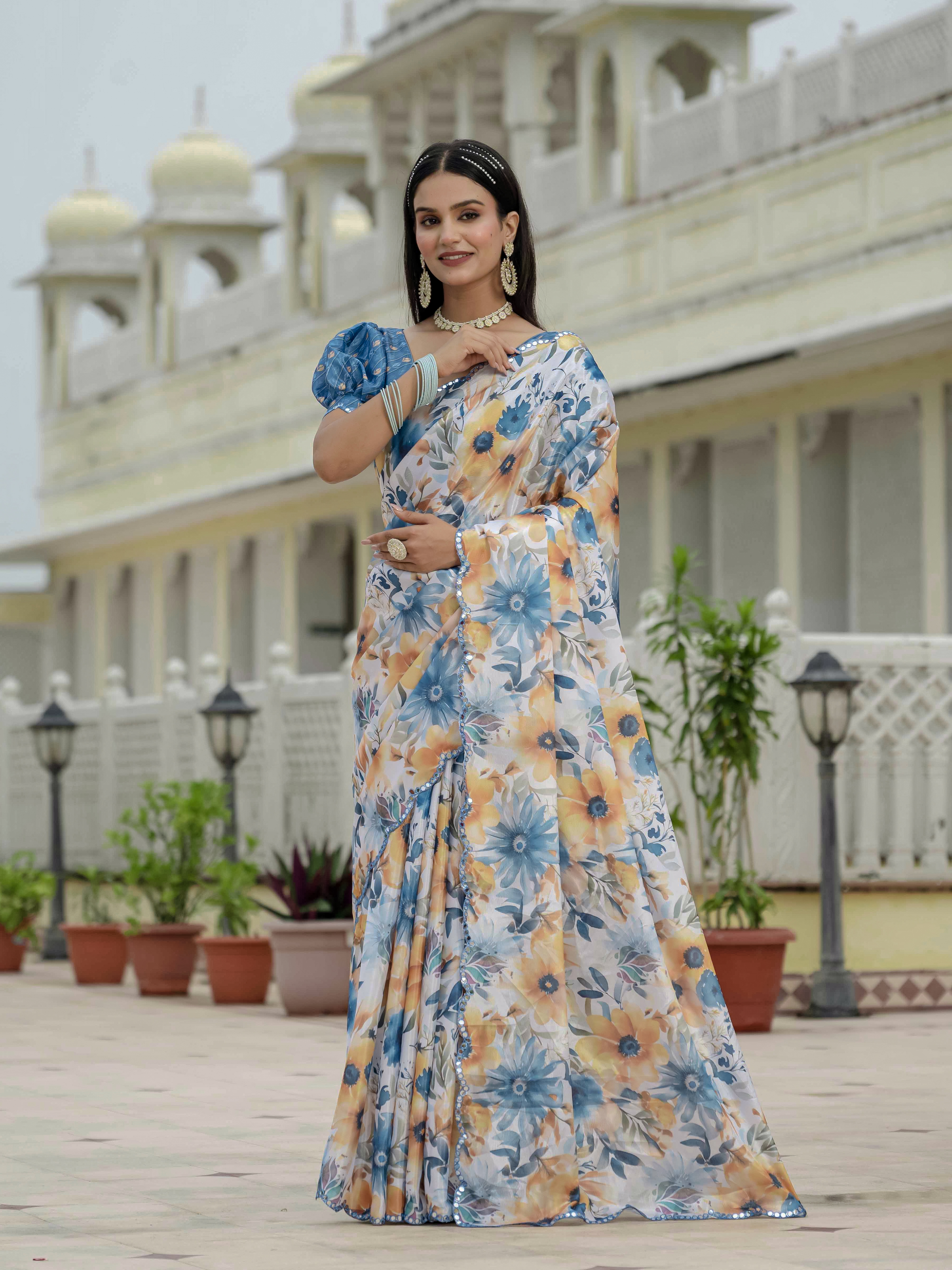
Gudi Padwa 2026 Outfit Ideas should account for the full day, from an early puja and gudi-raising ritual to family visits, photographs and festive meals. A Nauvari saree creates a recognisable Maharashtrian silhouette with its trouser-like lower drape, while a Paithani saree brings silk, zari and a ceremonial pallu. The right choice depends on how much you'll walk, sit, host, travel and participate in rituals.
Gudi Padwa marks the Marathi New Year and usually combines traditional symbolism with lively cultural gatherings. The best festive saree therefore needs more than a beautiful colour. Secure pleats, breathable fabric, a manageable pallu, a supportive blouse and stable footwear can find whether you enjoy the celebration comfortably. The following guide explains how to choose between Nauvari, Paithani and lighter Maharashtrian sarees without losing the cultural character of the festival.
Gudi Padwa 2026 Outfit Ideas for choosing Nauvari or Paithani
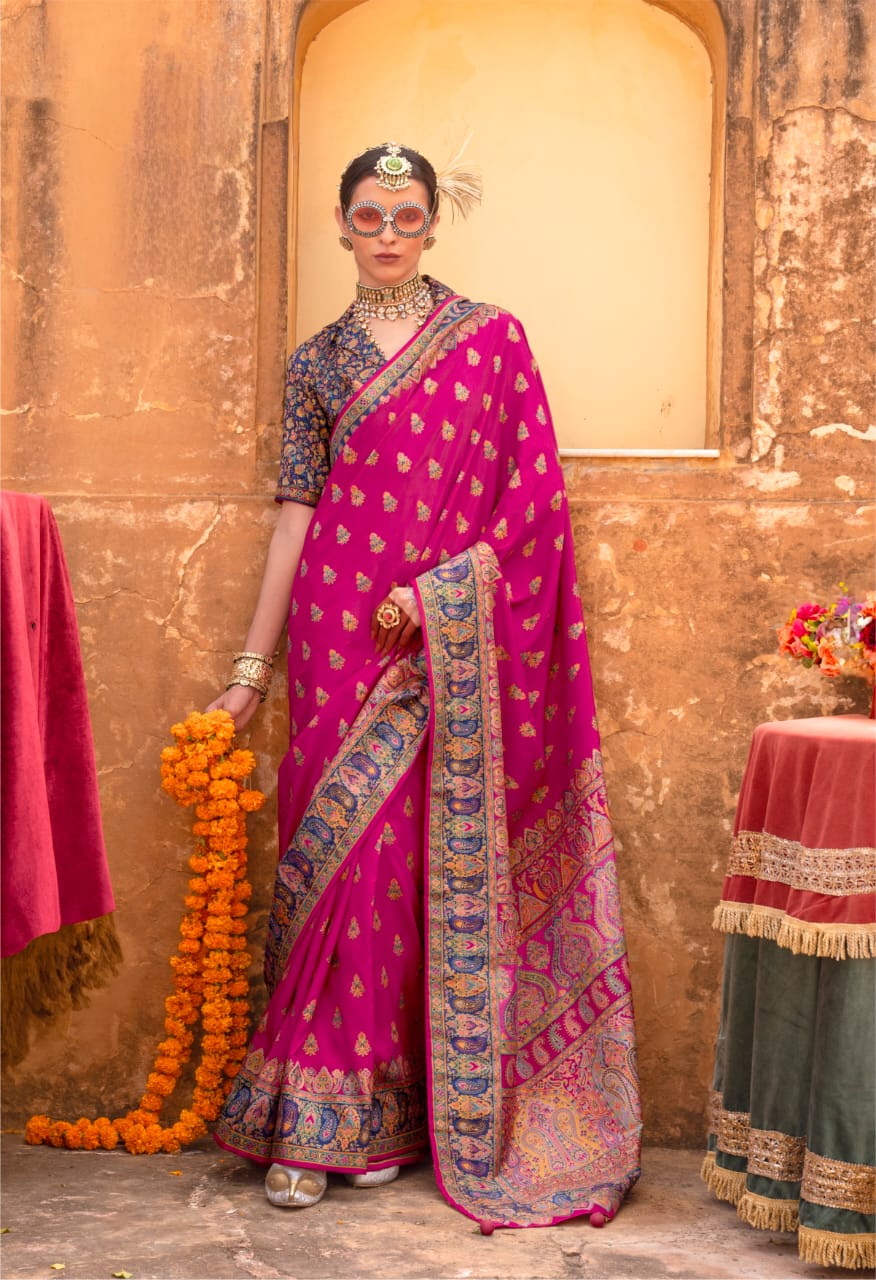
Choose a Nauvari saree for movement and a Paithani saree for a formal silk-and-zari appearance. Nauvari draping divides the fabric around the legs, making walking, sitting on the floor and performing household rituals easier. Paithani draping follows the familiar five-and-a-half or six-yard saree format, with the pallu and zari border creating the strongest visual focus.
A classic Nauvari is commonly associated with nine yards of fabric, although ready-to-wear versions may differ in length and construction. The fabric passes between the legs and is tucked securely at the back, producing the saree's dhoti-like shape. A Paithani is recognised for its silk body, broad border and richly woven pallu, often featuring peacock, parrot, floral or geometric motifs.
Consider the venue before selecting the drape. A Nauvari suits a home puja, community procession or celebration involving repeated movement. A Paithani works particularly well for a formal lunch, family portrait session or evening gathering where the pallu can remain visible. Anyone attending several types of events can wear a lighter saree in the morning and change into silk later.
Gudi Padwa 2026 Outfit Ideas by fabric and formality
The most practical Gudi Padwa 2026 Outfit Ideas balance festive texture with the actual temperature and duration of the celebration. March can feel warm in many parts of Maharashtra, so a heavy silk saree may need a lighter blouse, cotton lining or shorter wearing period. Handloom cotton, linen-cotton and tissue cotton can provide a festive surface without the weight of dense silk.
For an early-morning puja
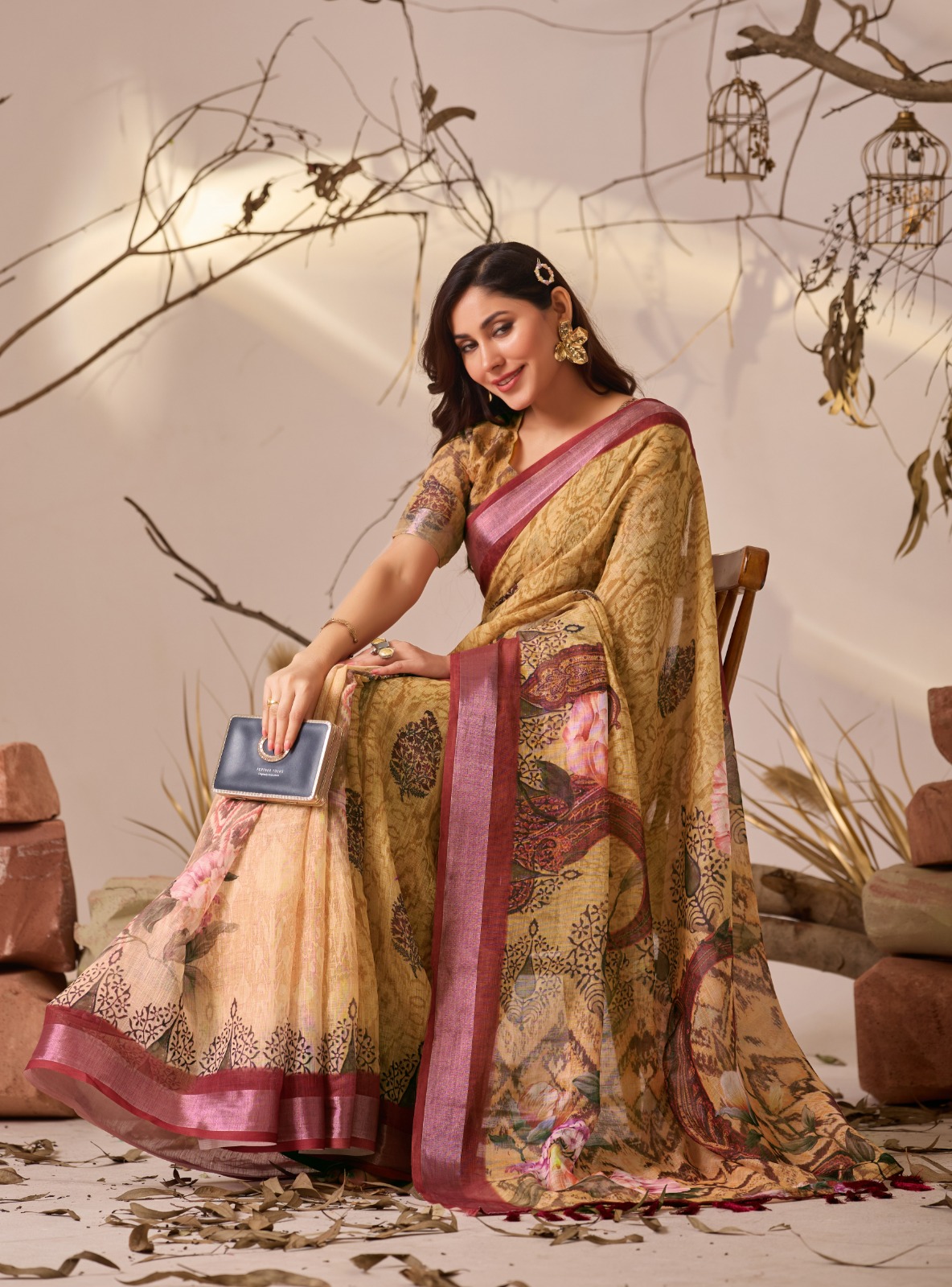
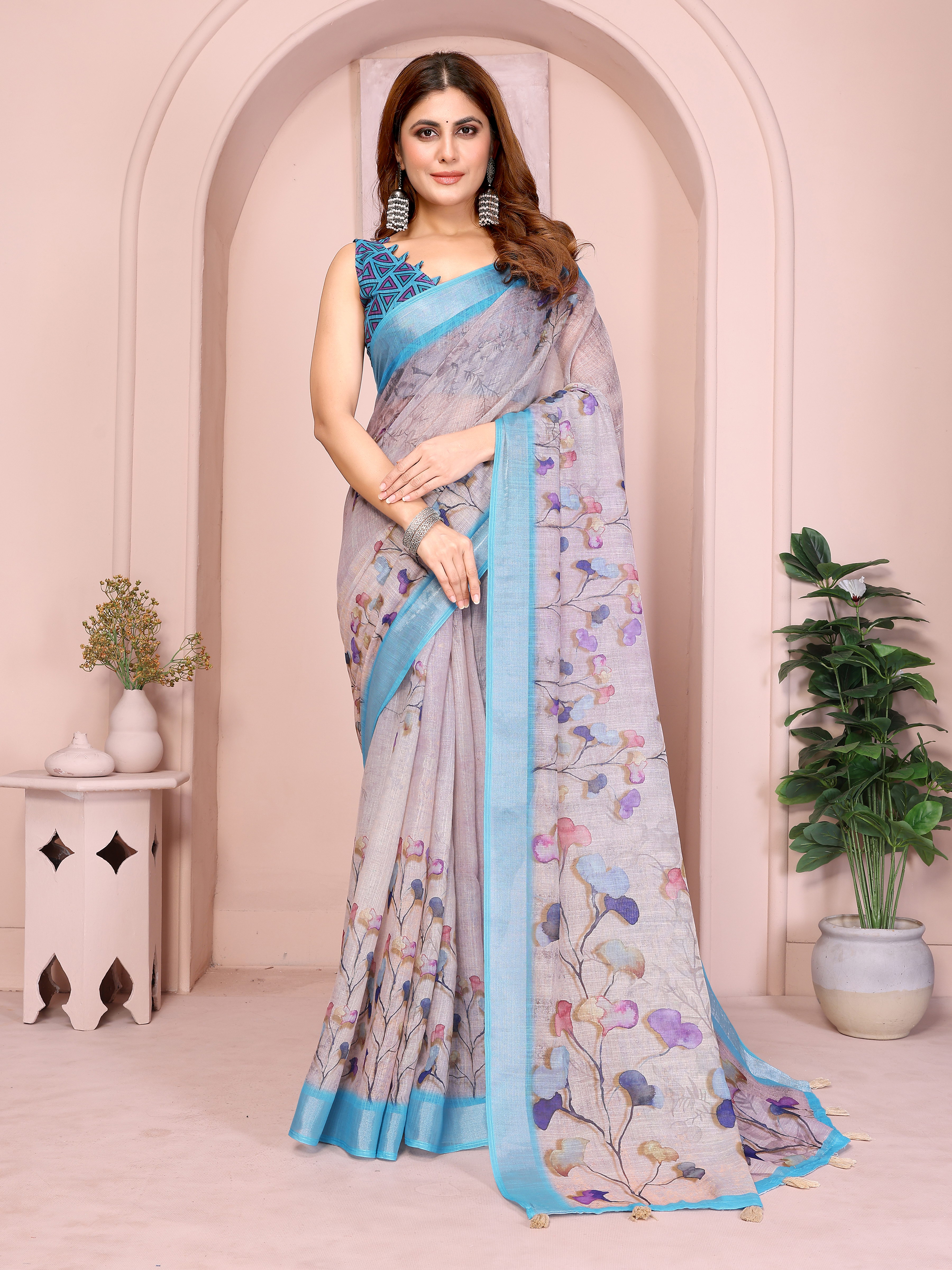
A breathable cotton or linen-cotton saree is usually the most comfortable choice for an early-morning puja. Pastel Linen Cotton Floral Print Saree with Designer Blouse offers a softer festive direction, especially with a classic nath, green glass bangles and a neatly pleated pallu. Pastel Floral Tissue Handloom Cotton Saree with Zari Weaves adds a more ceremonial finish through zari while retaining a lighter handloom character.
Light fabrics also reduce discomfort when dressing happens quickly before household preparations begin. Choose a pallu that reaches below the hip without trailing on the floor, and pin the upper pleats at the shoulder before beginning chores. A three-quarter-sleeve blouse in cotton or cotton-lined fabric can feel easier during morning rituals than a heavily embellished sleeveless design.
For a family lunch or formal gathering
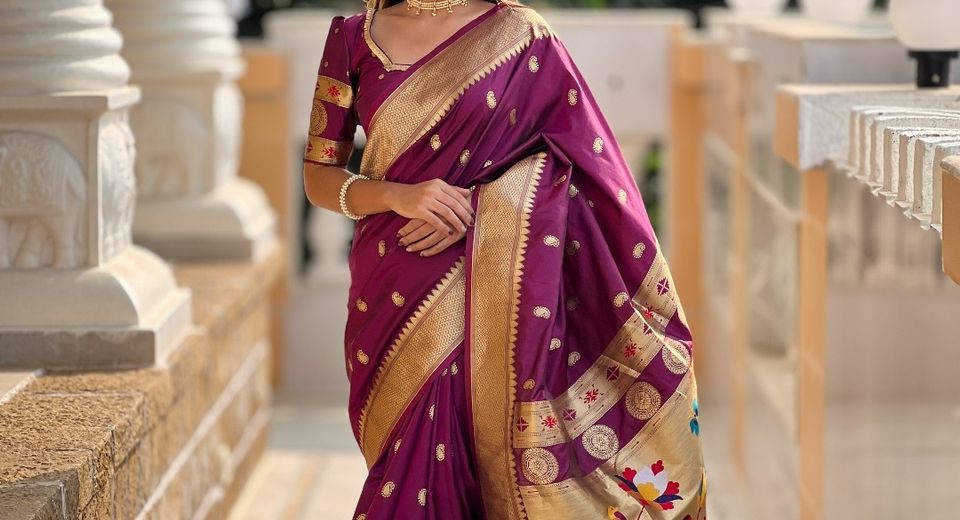
A Banarasi silk or Paithani-style saree suits a formal Gudi Padwa lunch because zari and a structured pallu remain polished in photographs. Wine Banarasi Silk Saree with Zari & Paithani Pallu combines the sheen of Banarasi silk with the visual language of a Paithani-inspired pallu. Banarasi Tissue Maharani Paithani Silk Saree with Pallu creates a more opulent direction for a larger family gathering or evening celebration.
A rich saree doesn't require equally heavy jewellery in every area. If the pallu has strong zari work, use a clean blouse, a short necklace and one statement element such as a heritage nose ring or thushi. Controlled accessorising allows the woven border and pallu to remain visible instead of creating competing focal points.
Gudi Padwa 2026 Outfit Ideas using Maharashtrian colours
Green, yellow, red, orange, pink and gold are dependable colour directions for a Maharashtrian Gudi Padwa look, but the best shade depends on the time of day and personal comfort. Green suggests freshness and pairs naturally with gold jewellery. Yellow and saffron create a bright morning appearance. Red and wine offer depth for formal gatherings, while pink and coral soften a heritage silk silhouette.
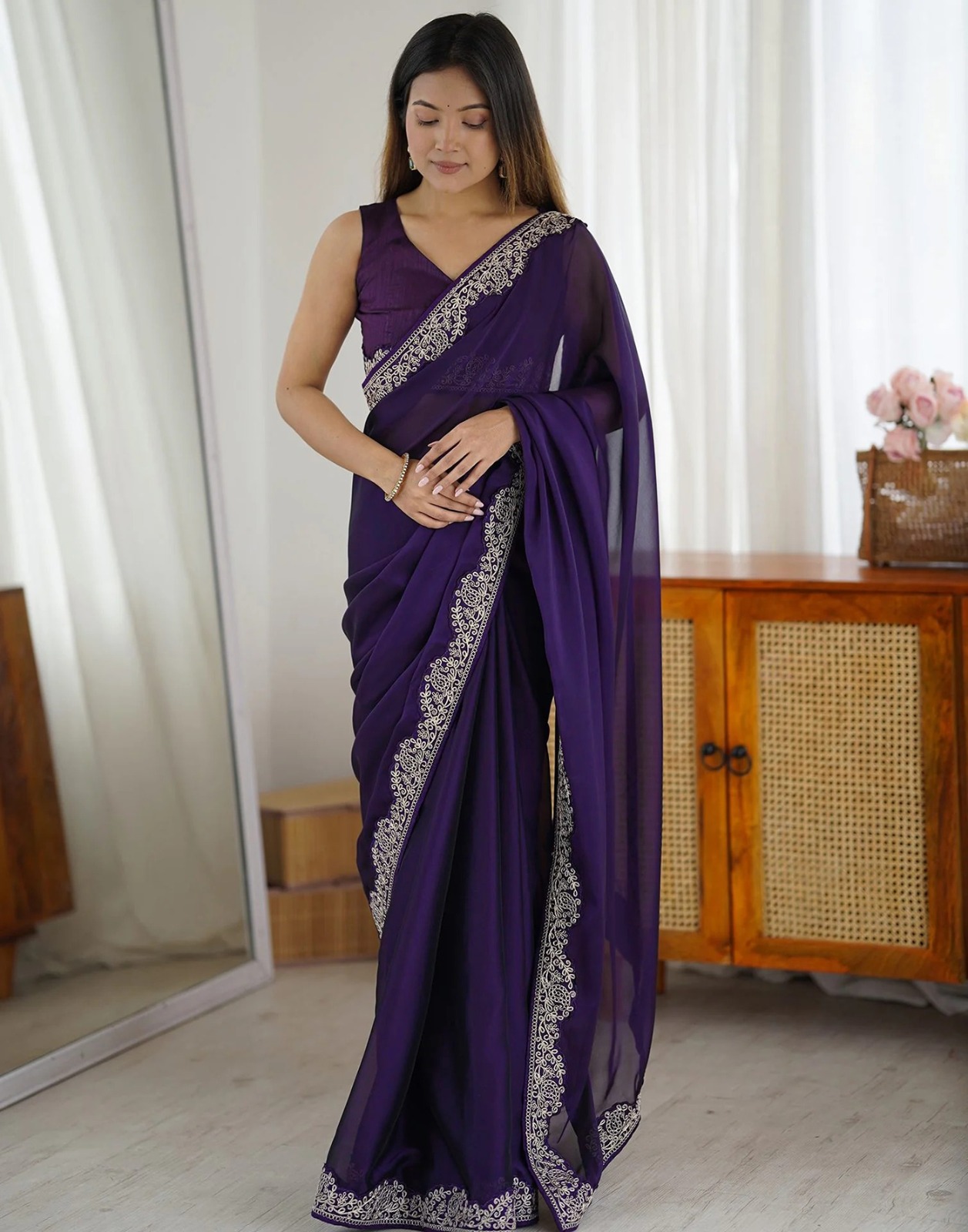
Colour can also help distinguish the saree from the blouse. A green blouse with a pink Paithani saree creates a recognisable contrast, while a wine saree with a muted gold or antique-green blouse appears more restrained. For a contemporary approach, pair a pastel saree with a blouse in parrot green, rust or marigold instead of matching both pieces exactly.
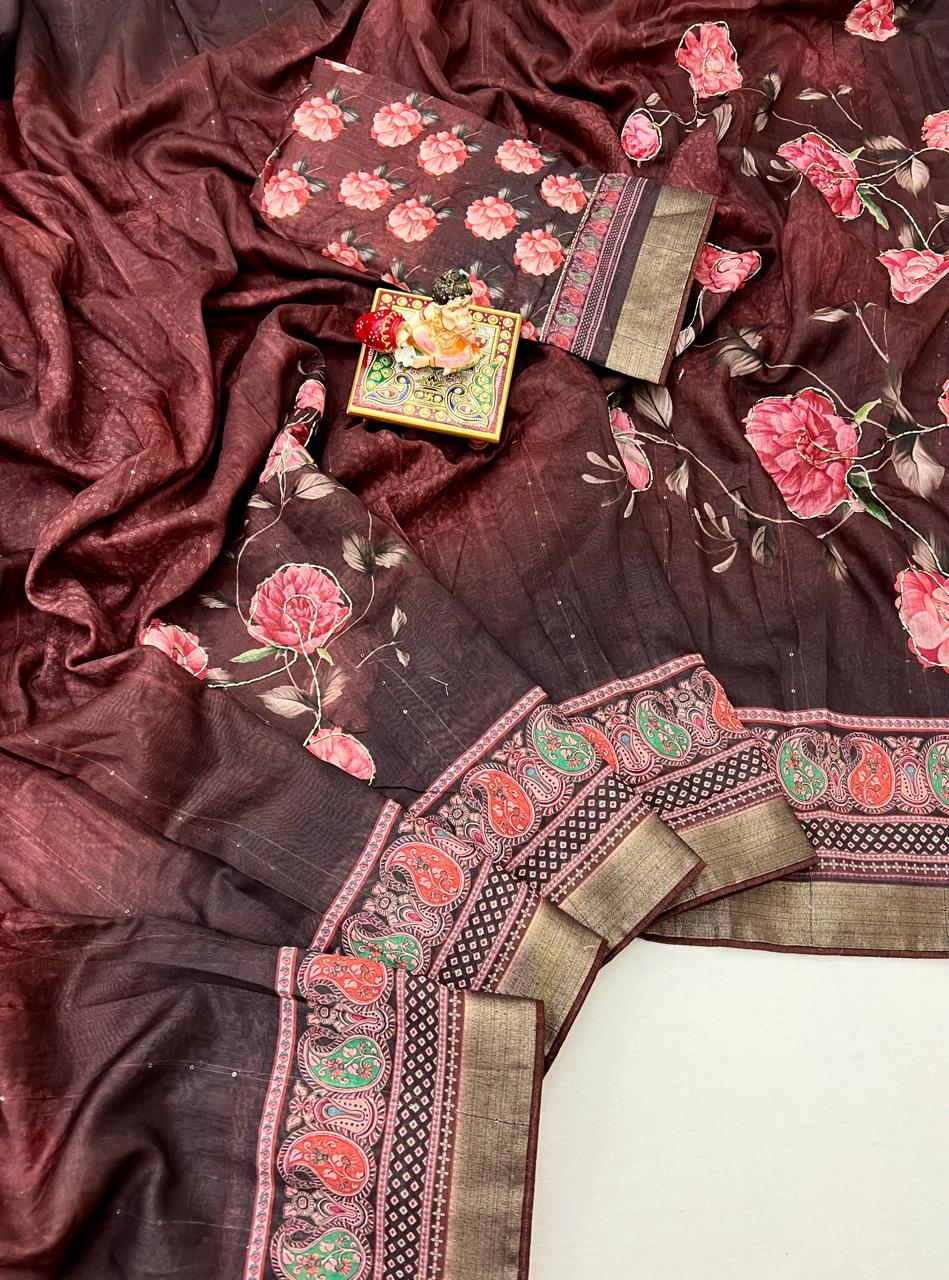
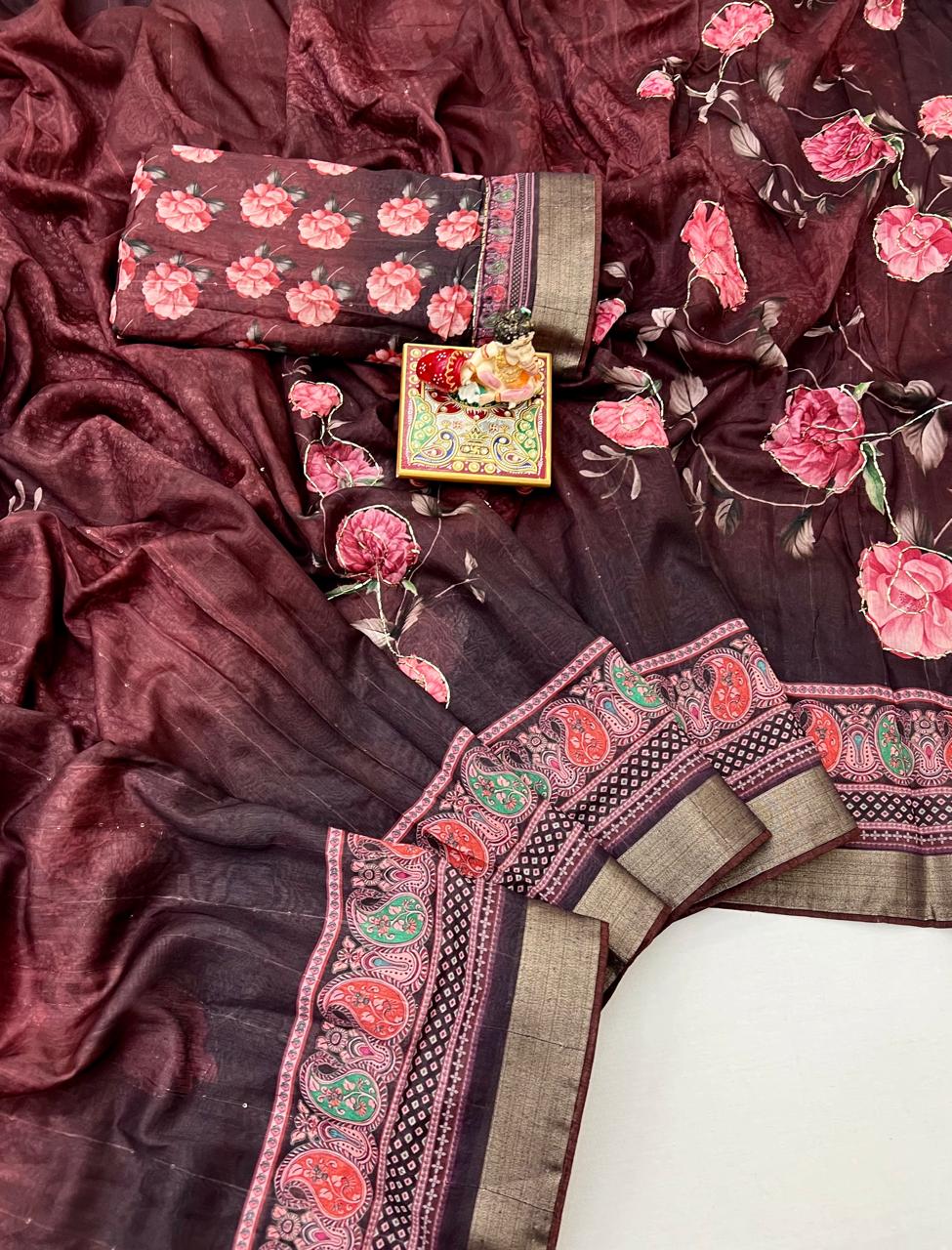
Wine Tissue Handloom Cotton Saree with Zari & Floral Prints demonstrates how a deeper colour can remain suitable for daytime when the fabric includes a lighter floral element. Purple or navy creates a less conventional festive palette, especially when jewellery supplies the classic gold accent. Very pale sarees benefit from a contrasting border or bright blouse because completely tonal styling can resemble everyday wear in indoor photographs.
Different colour collections can help narrow the choice according to the event. Pink Georgette Sarees offer a softer and more fluid direction, while Red Banarasi Silk Sarees for Weddings Under 1100 can inspire a stronger red-and-gold palette. Party Wear Sarees are useful for evening styling, but the blouse, pallu and jewellery should still reflect the family setting of Gudi Padwa.
Gudi Padwa 2026 Outfit Ideas for a comfortable Nauvari drape
A comfortable Nauvari outfit needs a secure inner layer, an evenly adjusted leg drape and footwear that supports balance. Wear fitted cotton shorts, cycling shorts or a suitable petticoat alternative beneath the saree, depending on the garment construction. The underlayer should stay close to the body without restricting the stride or creating bulk at the waist.
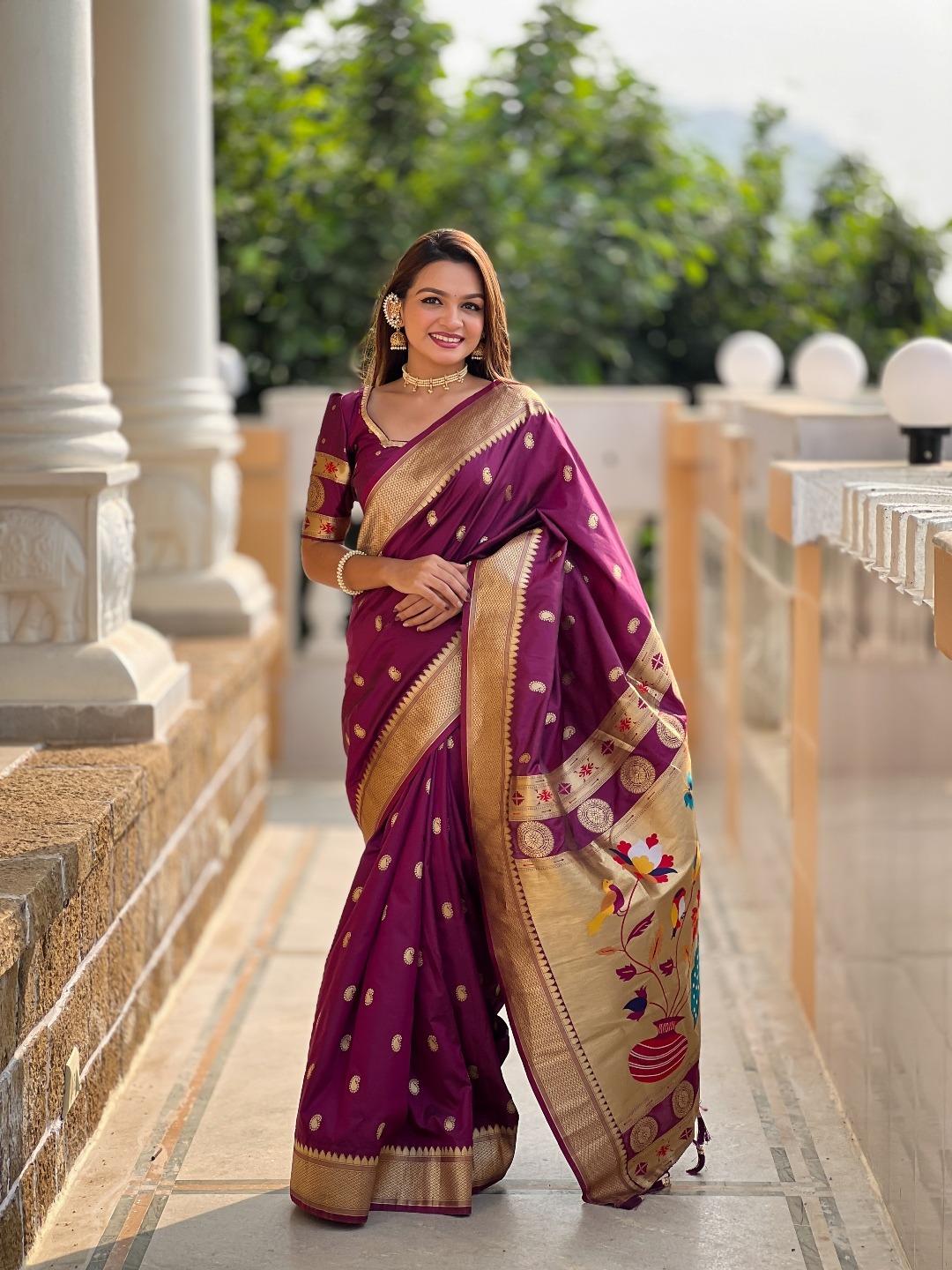
Start with a firm waist tuck and divide the lower fabric evenly before passing the central section between the legs. The back tuck should stay secure without pulling tightly across the knees. Walk normally, sit on a chair and squat slightly before finalising the pleats. These movements reveal loose tucks and excess fabric more reliably than checking the saree only in a mirror.
Keep the upper drape compact if the day includes cooking, carrying a child or moving through a crowded courtyard. A shoulder pin and discreet waist pin can prevent the pallu from shifting, but pins should pass through the saree and blouse seam allowance rather than repeatedly piercing delicate zari motifs. Flat sandals with a covered front or low block heels are safer than narrow high heels with a leg drape.
People new to Nauvari styling can begin with a pre-stitched version or arrange a draping appointment before Gudi Padwa. Practising once while wearing the planned blouse and footwear is more useful than watching tutorials without testing the complete combination. The final drape should allow a normal walking stride, comfortable sitting and easy access to the bathroom.
Gudi Padwa 2026 Outfit Ideas for blouse, jewellery and hair
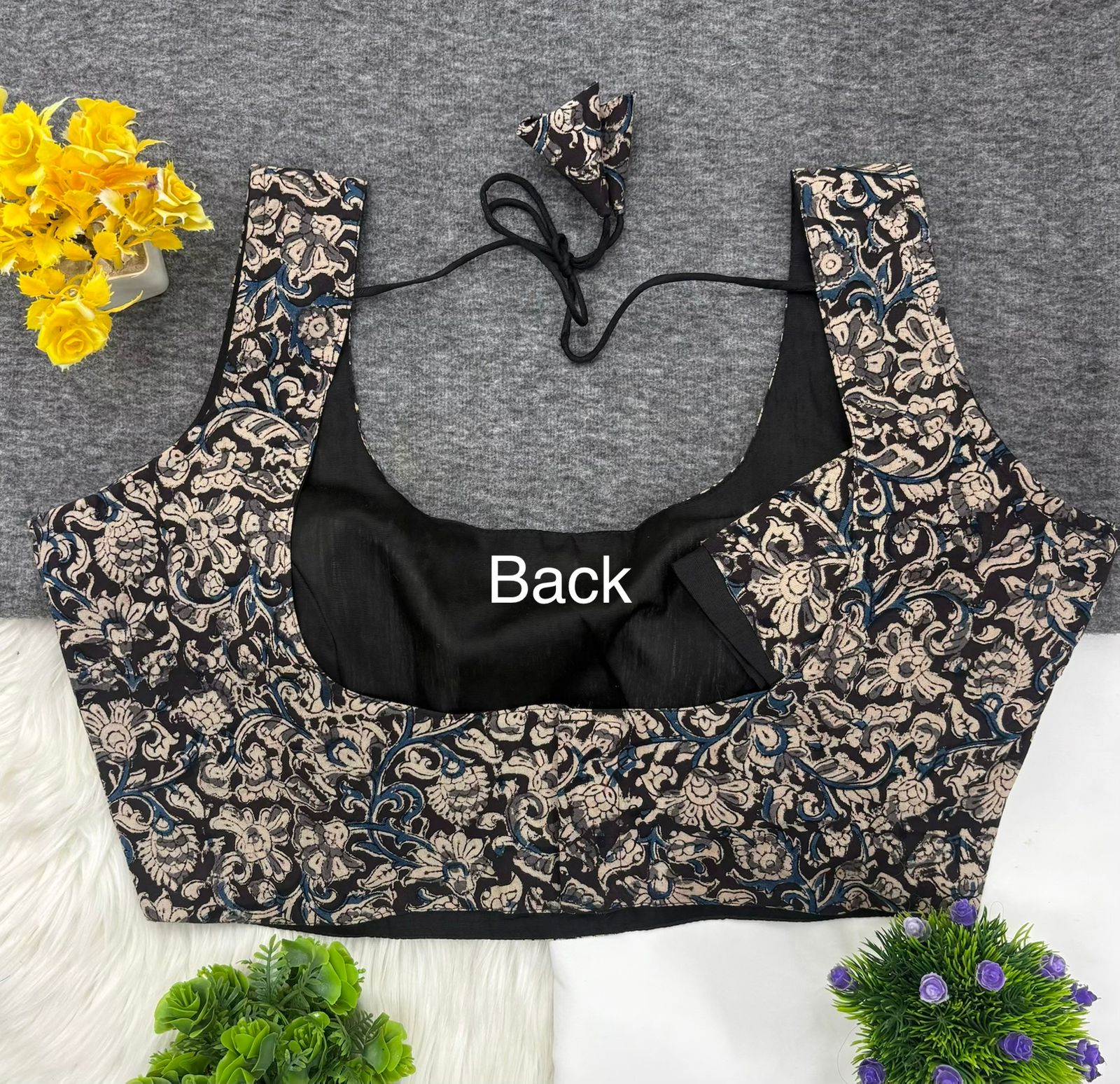
A blouse with a stable shoulder, comfortable armhole and secure closure is the foundation of a polished festive saree outfit. Time-honoured Maharashtrian styling works well with elbow-length sleeves, a modest round or square neckline and contrast piping. A structured sleeveless blouse can suit a Paithani saree, but the cut should still support the pallu and allow the shoulder to move naturally.
The nath is one of the most recognisable accessories in Maharashtrian festive dressing, although a clip-on nath is practical for anyone unused to a pierced style. A thushi, tanmani necklace, green glass bangles, gold-toned earrings and a crescent-shaped bindi can build the look gradually. Two strong classic elements usually create more balance than wearing heavy ornaments at the neck, wrists and ears simultaneously.
A low bun or braid keeps the neckline and earrings visible during rituals. Add gajra after securing the hairstyle so the flowers don't loosen the base. A bun at the nape balances the visually strong lower drape of a Nauvari, while a neat bun or long braid allows the zari pallu of a Paithani to remain the principal surface.
Makeup should withstand heat, greetings and photographs rather than appear heavily layered. A light base, waterproof kajal, defined brows, warm lip colour and a small bindi are sufficient for daytime. Blotting paper and compact powder are more useful during a long celebration than carrying several cosmetic products.
Gudi Padwa 2026 Outfit Ideas with lighter festive sarees
Lighter festive sarees suit an informal celebration, warm weather or anyone who wants Maharashtrian styling without a full silk ensemble. A floral cotton saree can become festive through a contrast blouse, classic jewellery and a carefully pleated pallu. Maroon Mal Cotton Ethnic Saree With Blouse from VARNAVI supports a grounded daytime palette when styled with antique-gold accessories and a green bindi.
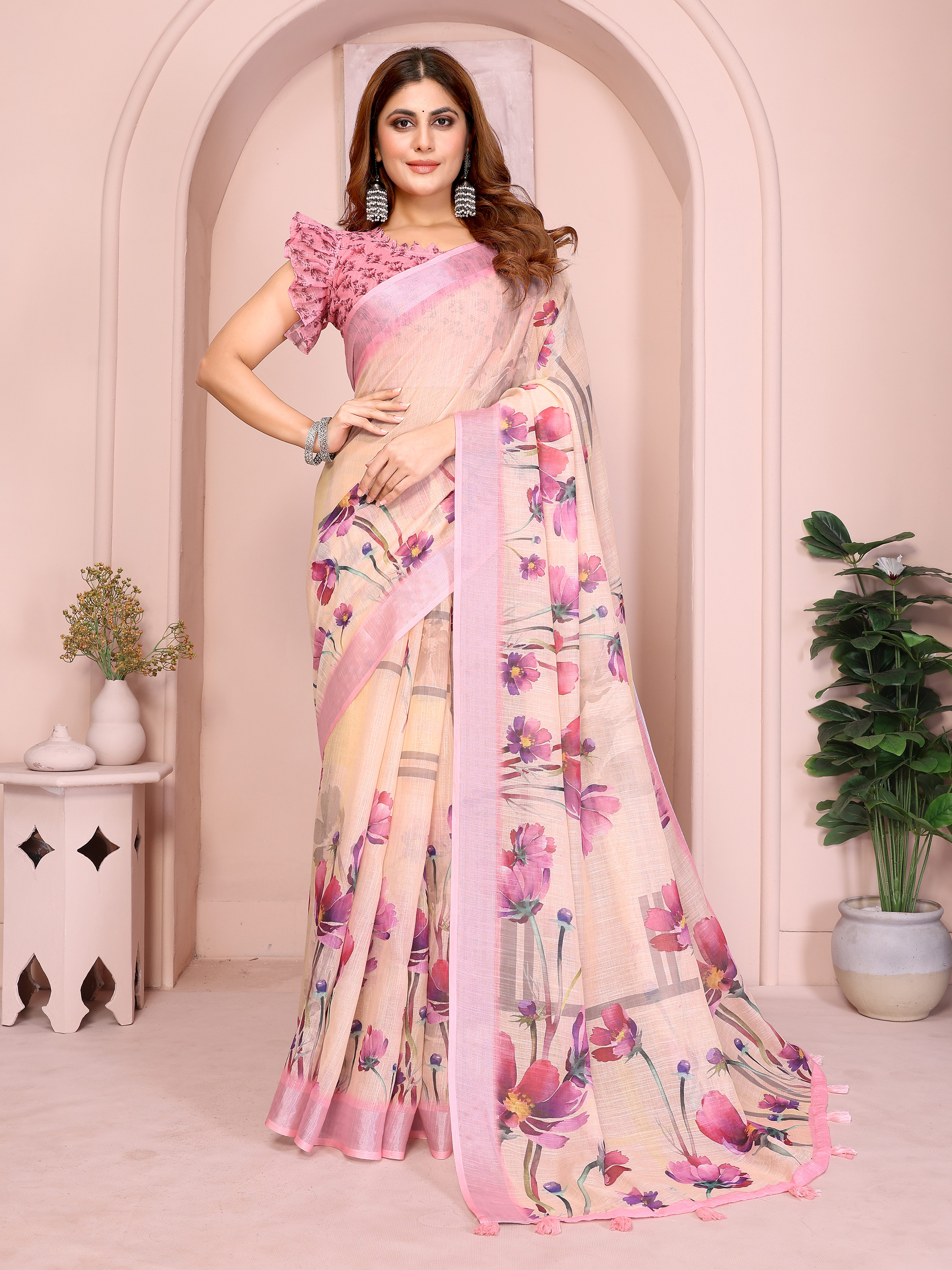
For a simpler family visit, Purple Mal Cotton Printed Saree & Blouse Set - VARNAVI gives the convenience of a coordinated blouse and saree. Navy Blue Mal Cotton Woven Saree With Blouse - VARNAVI can be styled with a mustard, rust or pink blouse if a separate top is preferred. These examples show that a festive saree doesn't need dense zari to look considered; weave, colour, drape and accessories can carry the outfit.
Budget planning should include the blouse, fall, petticoat, accessories and alterations rather than considering the saree price alone. Silk Sarees Under 3000 With Discount may suit shoppers seeking a silk-led look within a set amount, while Gray Color Sarees Under 1000 can provide a neutral base for a more classic blouse and jewellery combination. Check fabric composition, blouse length and care instructions before comparing prices.
Gudi Padwa 2026 Outfit Ideas for saree care after the festival
Proper post-festival care protects zari, silk, cotton and delicate printed surfaces. Air the saree in shade for several hours after wearing it, then remove pins and fold the garment with the embellished side inward. Avoid storing a damp saree in plastic because trapped moisture can encourage odour, mildew or colour transfer.
Banarasi silk, Paithani silk and zari-rich sarees should generally be dry-cleaned according to the care label rather than washed at home. Fold silk sarees along different lines every few months to reduce permanent creasing, and refold them in soft cotton or muslin rather than newspaper. Keep zari away from direct contact with rough wooden shelves or metal edges.
Cotton and linen-cotton sarees may tolerate gentle hand washing when the care label allows it, but strong detergent, wringing and direct midday sunlight can weaken colour and texture. Test for colour bleeding on a hidden edge before washing a printed saree. Iron from the reverse side at a moderate temperature, placing a thin cotton cloth between the iron and any zari area.
Store jewellery separately from the saree so sharp hooks don't catch the weave. Removing the blouse and petticoat from the folded bundle also improves airflow and prevents pressure marks. A small written note about the last cleaning date makes future festival preparation easier, especially for sarees worn only once or twice a year.
Gudi Padwa 2026 Outfit Ideas matched to the day's schedule
Match the outfit to the schedule before finalising the colour and fabric. A morning puja with household work favours cotton, linen-cotton or a lightweight tissue weave. A short family visit allows a more decorative printed saree. A formal lunch or evening gathering gives a Paithani, Banarasi silk or zari-rich saree enough time to be appreciated without becoming uncomfortable.

Prepare the complete outfit at least one day before Gudi Padwa. Check the blouse hooks, safety pins, fall stitching, pallu length, footwear and jewellery clasps. Wear the saree once for ten minutes and practise sitting, walking up stairs and getting into a car. Small alterations made before the festival are more effective than adjusting a loose blouse or slipping pleats between ceremonies.
The strongest Gudi Padwa appearance usually comes from one clear cultural anchor: a Nauvari drape, a Paithani pallu, a Maharashtrian nath, green bangles, a traditional bindi or a well-chosen festive colour. Combining every element at maximum intensity can make movement difficult and obscure the weave. Select the anchor first, then use the remaining accessories to support it.
Common Questions About Gudi Padwa 2026 Saree Styling
What is the best saree for Gudi Padwa 2026?
The best saree depends on the schedule. Choose a Nauvari for movement and traditional Maharashtrian styling, a Paithani or Banarasi silk saree for a formal gathering, and cotton or linen-cotton for a warm morning puja.
Can I wear a Nauvari saree if I have never draped one before?
Yes, but practise once before Gudi Padwa or use a pre-stitched Nauvari. A draping appointment can help with the leg pleats, back tuck and pallu security, while a short walking and sitting test confirms that the final fit is comfortable.
Which blouse colour goes with a Paithani saree?
Green, pink, gold, maroon, mustard and rust are reliable blouse colours for a Paithani saree. A contrast blouse highlights the border and pallu, while a tonal blouse creates a quieter look for a formal family gathering.
What jewellery is traditionally worn with a Maharashtrian saree?
A nath, thushi or tanmani necklace, green glass bangles, gold-toned earrings and a traditional bindi are common Maharashtrian styling choices. Wearing two or three of these elements is enough to establish the look without making the outfit heavy.
How should I care for a Paithani or Banarasi silk saree after Gudi Padwa?
Air the saree in shade, remove all pins and follow the care label before storing it. Zari-rich Paithani and Banarasi silk sarees should usually be dry-cleaned, folded along changing lines and wrapped in soft cotton or muslin away from moisture.
Are cotton sarees suitable for a Gudi Padwa celebration?
Cotton sarees are suitable for Gudi Padwa, particularly for morning puja, warm weather and informal family visits. Choose zari details, a festive blouse, traditional jewellery or a strong contrast colour to give a cotton saree a ceremonial finish.