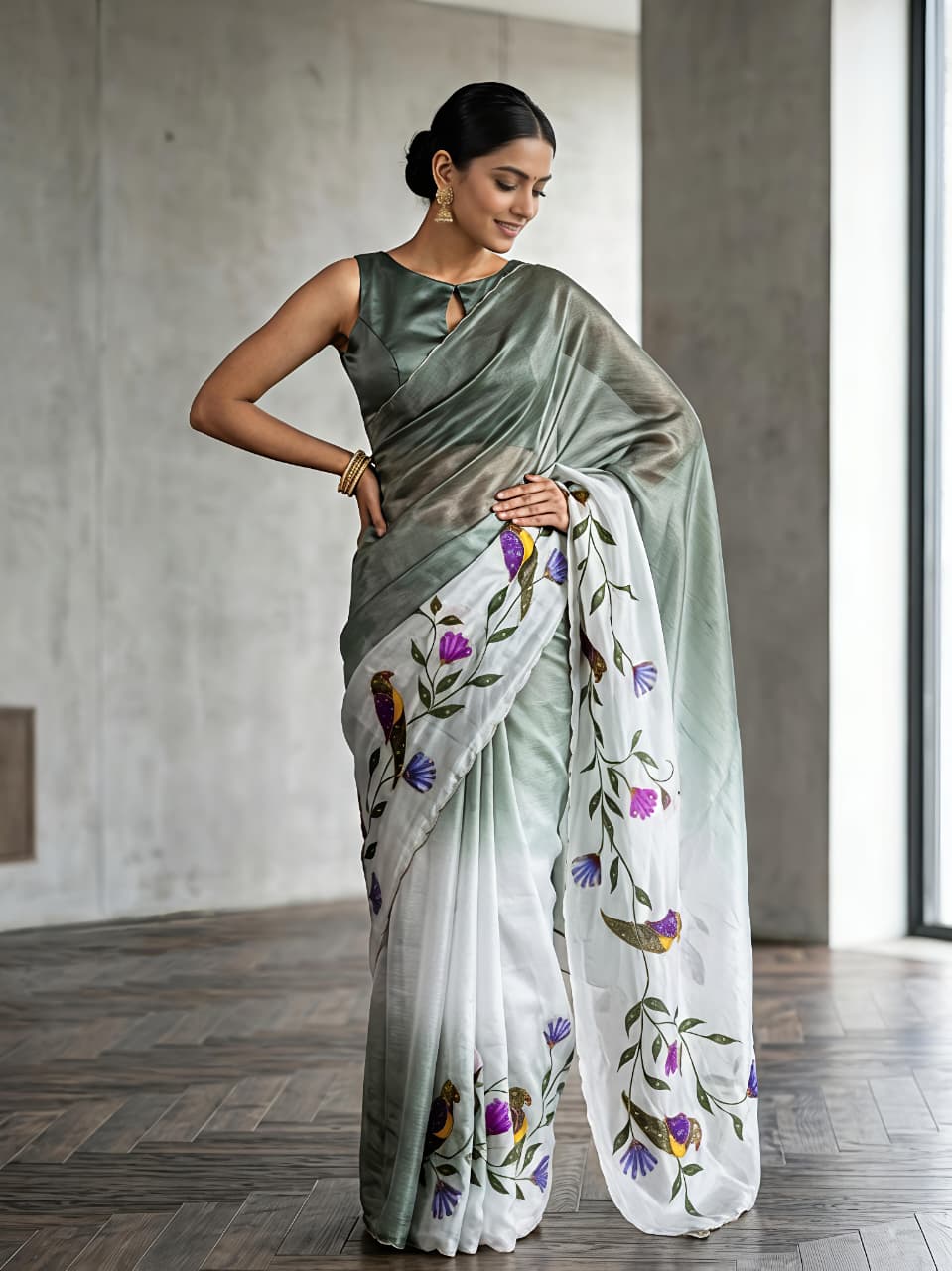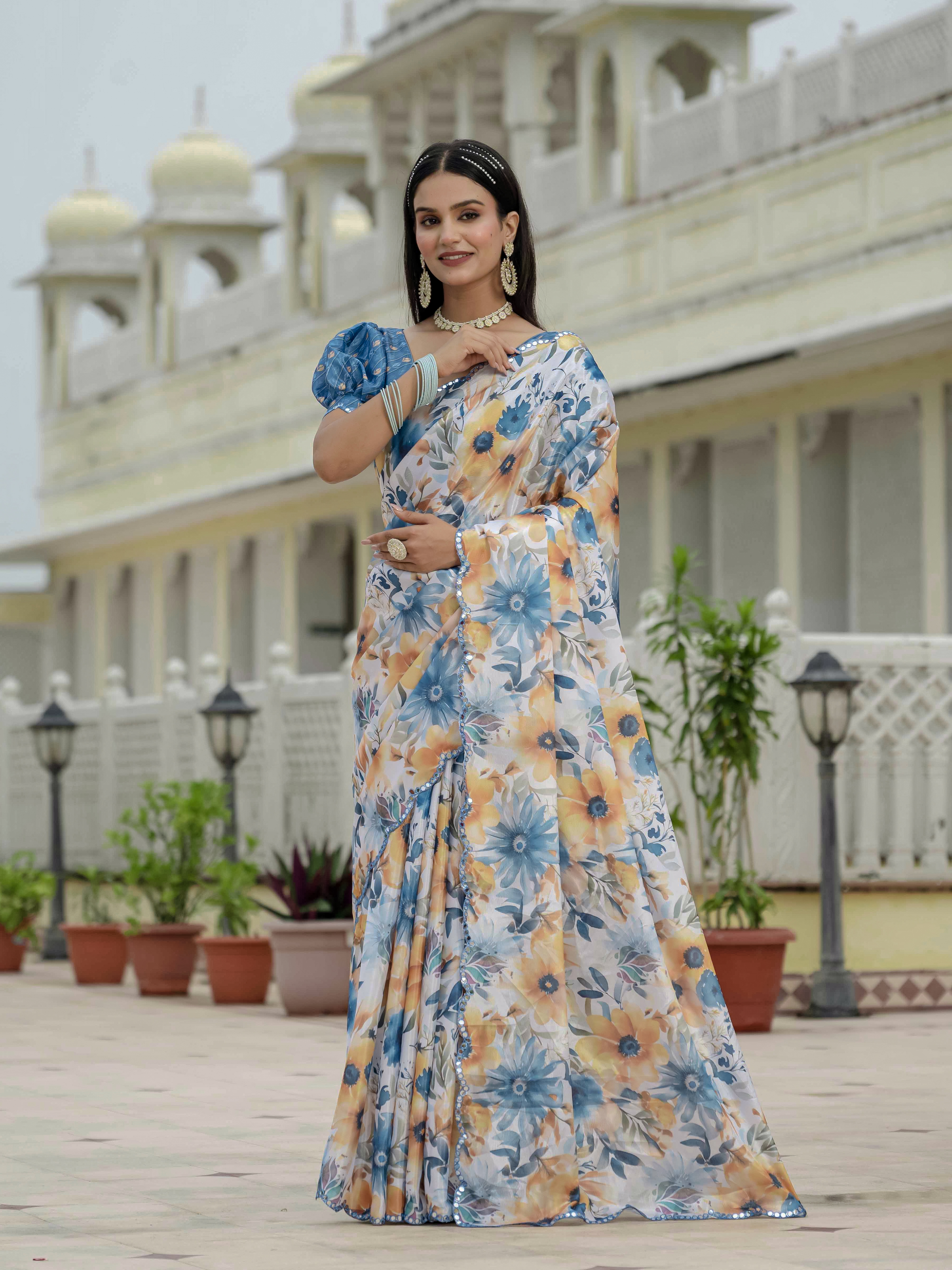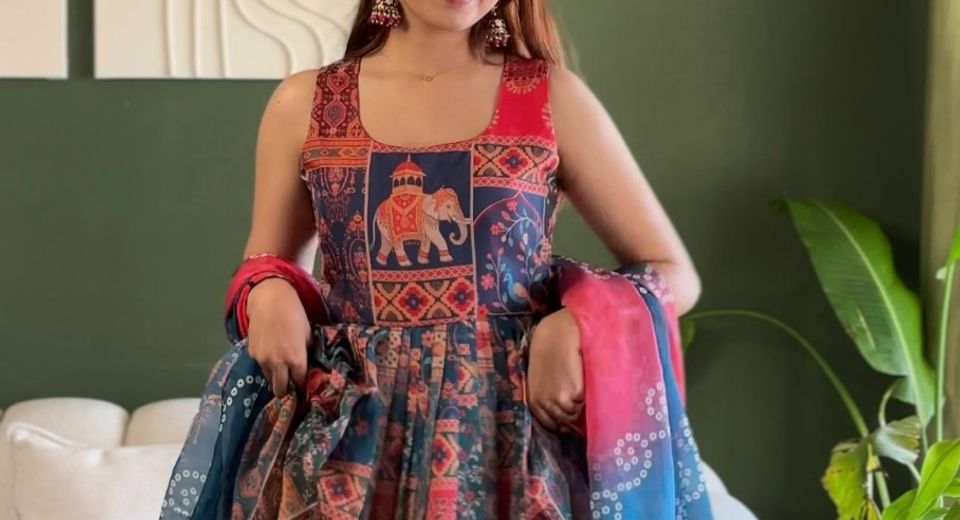
Gota Patti Lehenga Designs Inspired by Rajasthani Fashion combine reflective ribbon work with the colour, movement and folk symbolism of Rajasthan. The result can be festive without feeling excessively heavy, provided the fabric, embellishment scale and blouse fit are chosen together. A lehenga with gota detailing works for Navratri, mehendi functions, sangeet evenings and intimate weddings because the same skirt can look traditional with a bandhani-style drape or contemporary with a fitted blouse and minimal jewellery.
Gota patti is a surface embellishment made by shaping and attaching narrow metallic ribbon, traditionally called gota, to fabric. Artisans use the ribbon to create flowers, leaves, paisley forms, borders and geometric jaalis. Unlike dense zardozi, gota patti usually gives more visual sparkle with less weight, although heavily layered borders can still make a skirt feel substantial. Understanding that difference helps when choosing a readymade or designer lehenga for a long celebration.
What gives Rajasthani gota patti lehengas their distinctive look?
Rajasthani gota patti lehengas look distinctive because metallic applique is paired with saturated colour, rhythmic borders and folk-inspired motifs. The shine catches moving light during garba, while repeated patterns create the handcrafted appearance associated with regional festive clothing.
Traditional Rajasthani clothing often uses strong contrasts such as red with yellow, green with pink, cobalt with orange or ivory with gold. Gota patti makes those combinations more luminous rather than changing their underlying character. A narrow gota outline can sharpen a floral motif, while a broad hem border can give a simple skirt the presence expected at a wedding function.
Motif placement also matters. Small butis distributed across the skirt create a lighter, more evenly decorated effect. Large flowers concentrated near the hem draw attention downward and suit a plain blouse. A gota-covered neckline or sleeve edge frames the face, which can be useful when the lehenga skirt already has a busy print.
Which motifs are commonly used?
Common motifs include marigold-like flowers, lotus forms, peacocks, paisleys, leaves, stars and angular lattice patterns. Peacock imagery connects especially well with Rajasthani decorative traditions, while paisley motifs make a lehenga feel more ornate without requiring full-surface embroidery.
Gota patti doesn't need to cover every panel to look intentional. A four-inch hem, a pair of vertical panel lines and matching blouse cuffs can establish the design language more elegantly than random metallic patches. This proportion is particularly useful for a daytime Haldi ceremony, where excessive shine may compete with bright floral décor.
How should you choose colours for a Rajasthani-inspired lehenga?
Choose the lehenga colour according to the event lighting, time of day and the amount of gota work. Bright yellow, leaf green and coral suit daytime celebrations, while wine, black, deep teal and rust carry metallic detailing effectively into evening functions.
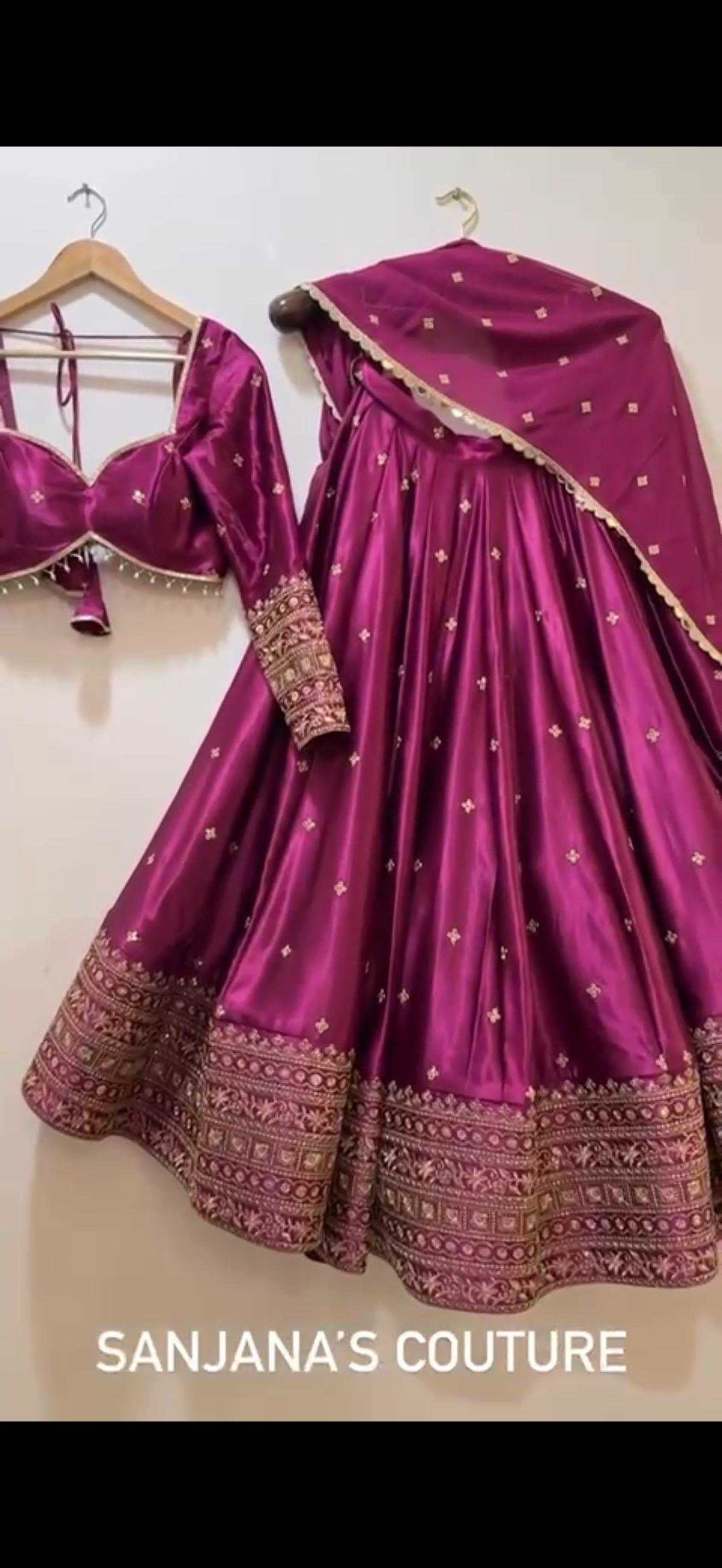
Yellow Lehengas are particularly practical for haldi and daytime mehendi events because yellow works with marigold flowers, green foliage and warm gold embellishment. Green Lehengas create a cooler contrast against gold gota and can be restyled for mehendi, sangeet or a festive dinner. Red remains a strong wedding colour, but a printed red skirt with restrained metallic borders may be easier to wear again than a heavily embellished bridal outfit.
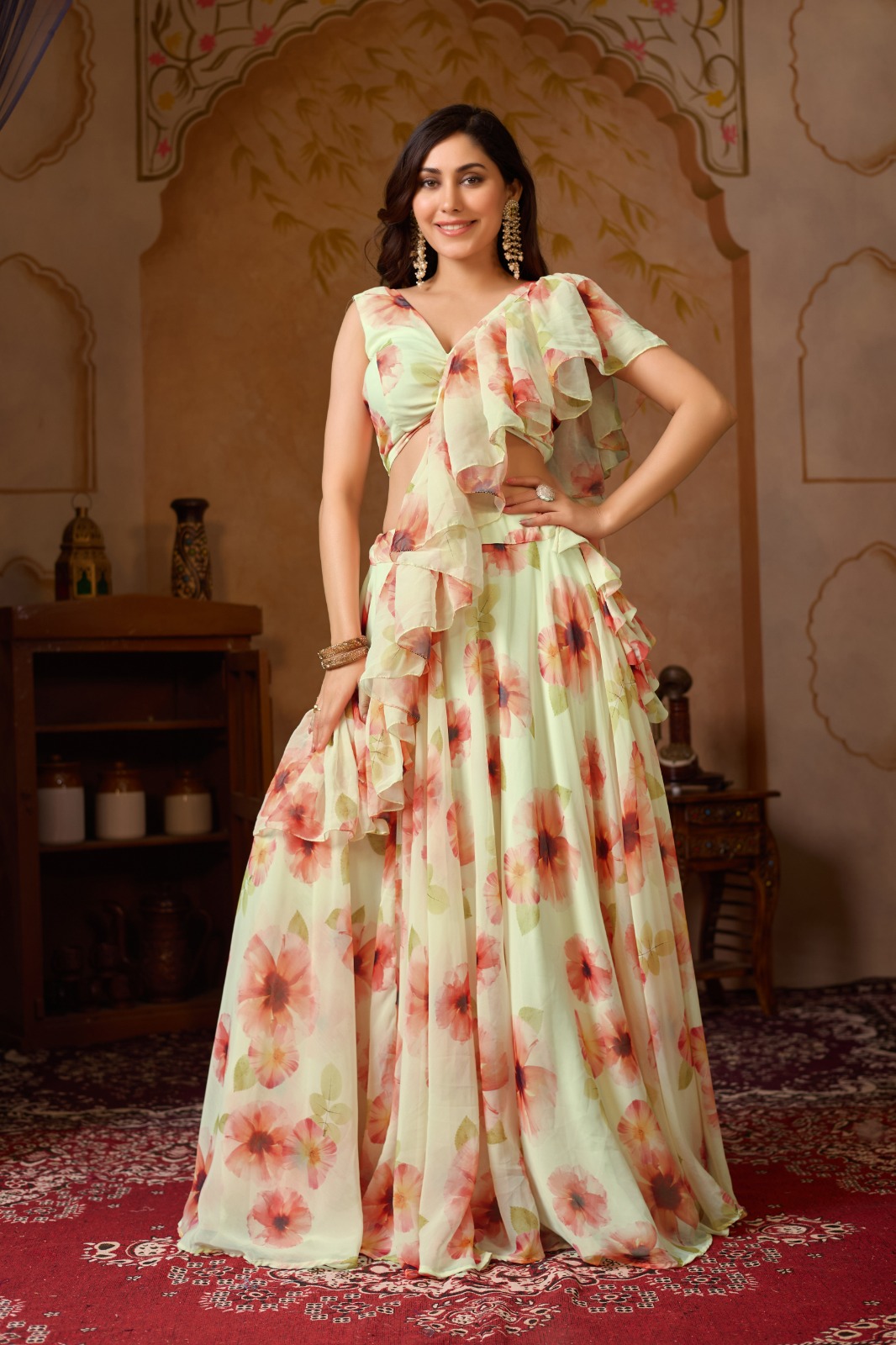
Pastels can also support a Rajasthani direction when the motifs and borders provide enough contrast. A pastel peach, mint or powder blue base with antique-gold gota feels softer than the classic jewel palette. Pastel Floral Georgette Lehenga Set with Ruffle Blouse demonstrates how a lighter floral mood can be balanced with a more modern blouse silhouette rather than relying only on dense ornamentation.
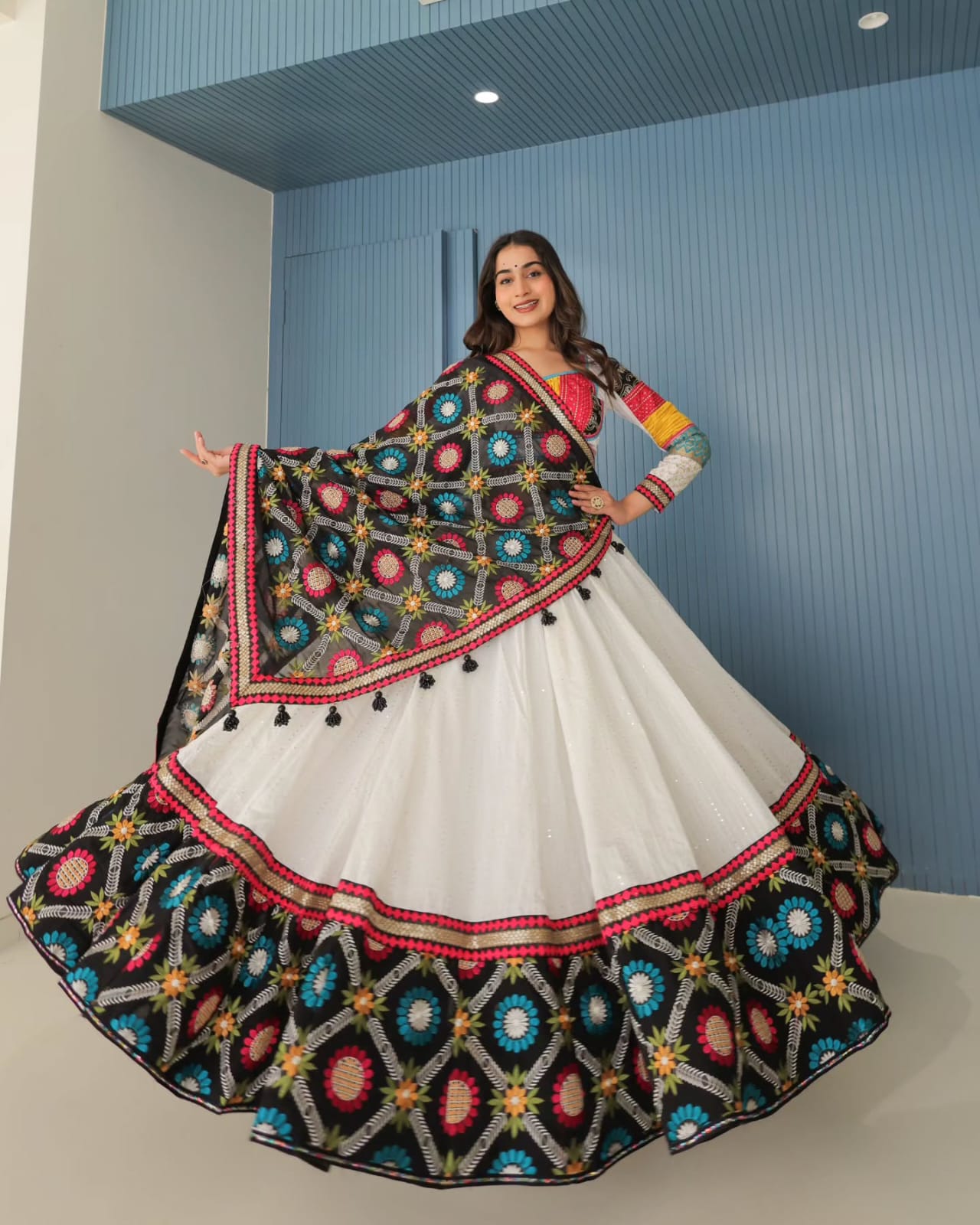
Black is effective for night-time garba because silver or gold details stand out sharply against the base. Designer Black Garba Lehenga Choli for Festive Season illustrates why a dark ground can make movement, mirror-like accents and contrasting dupatta colours appear more dramatic under event lighting.
Which fabrics work best with gota patti detailing?
Georgette, net, silk blends, satin-like fabrics and structured woven textiles can all carry gota patti, but each fabric changes the fall, comfort and formality of the lehenga. The best choice depends on how long the outfit will be worn and how much movement the event requires.
Georgette gives a fluid fall and is comfortable for dancing or walking between ceremonies. A georgette skirt generally looks softer when paired with a firm waistband and a lining that prevents clinging. Net creates volume and a bridal or reception-style silhouette, especially when layered over a lining or inner skirt. Cream Peacock Embroidered Net Lehenga Set for Women shows how a pale net base can support a more formal, motif-led appearance.
Silk and silk-look fabrics hold pleats and borders more clearly than very fluid georgette. Designer Threadwork Silk Lehenga Choli Set with Dupatta represents the more structured side of festive dressing, where the blouse, skirt and dupatta can read as a coordinated ceremonial outfit.
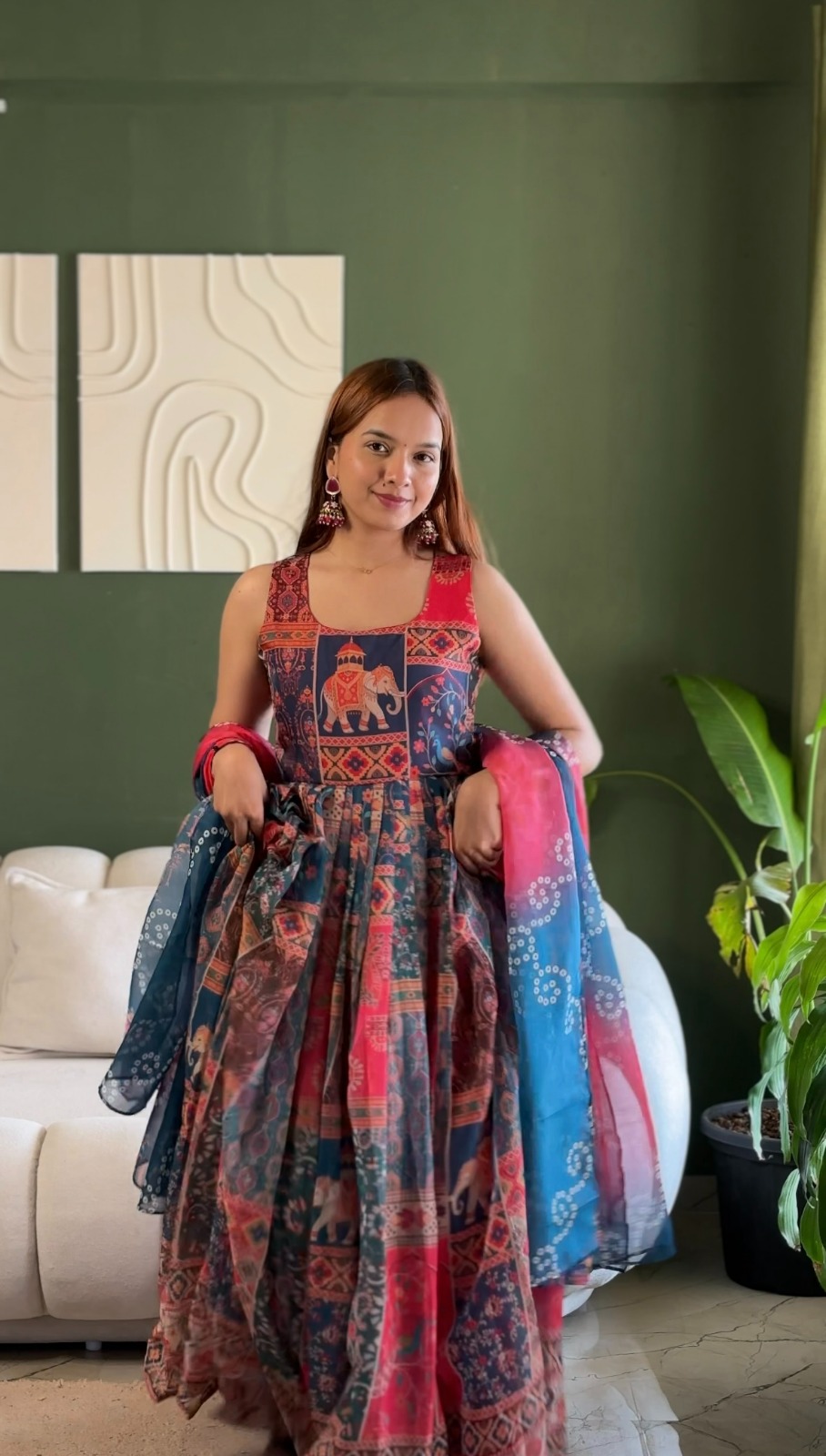
Printed fabrics are useful when you want colour and surface interest without the weight of all-over embroidery. Royal Patola Printed Designer Gown with Elegant Dupatta is a reminder that a bold traditional print can become the visual centre of an outfit; any gota-inspired accessories should therefore remain narrower and more deliberate.
Check the lining before buying. A scratchy or synthetic lining can become uncomfortable after two hours of sitting, dancing or travelling. For a full evening, look for a breathable inner layer, secure waist construction and enough flare to walk comfortably without constantly lifting the hem.
How can you select the right blouse and lehenga construction?
Select the blouse construction by measuring the bust, underbust, shoulder and armhole rather than relying on skirt size alone. A well-fitted choli keeps the dupatta stable and prevents the lehenga from looking disproportionate, even when the skirt is generously flared.
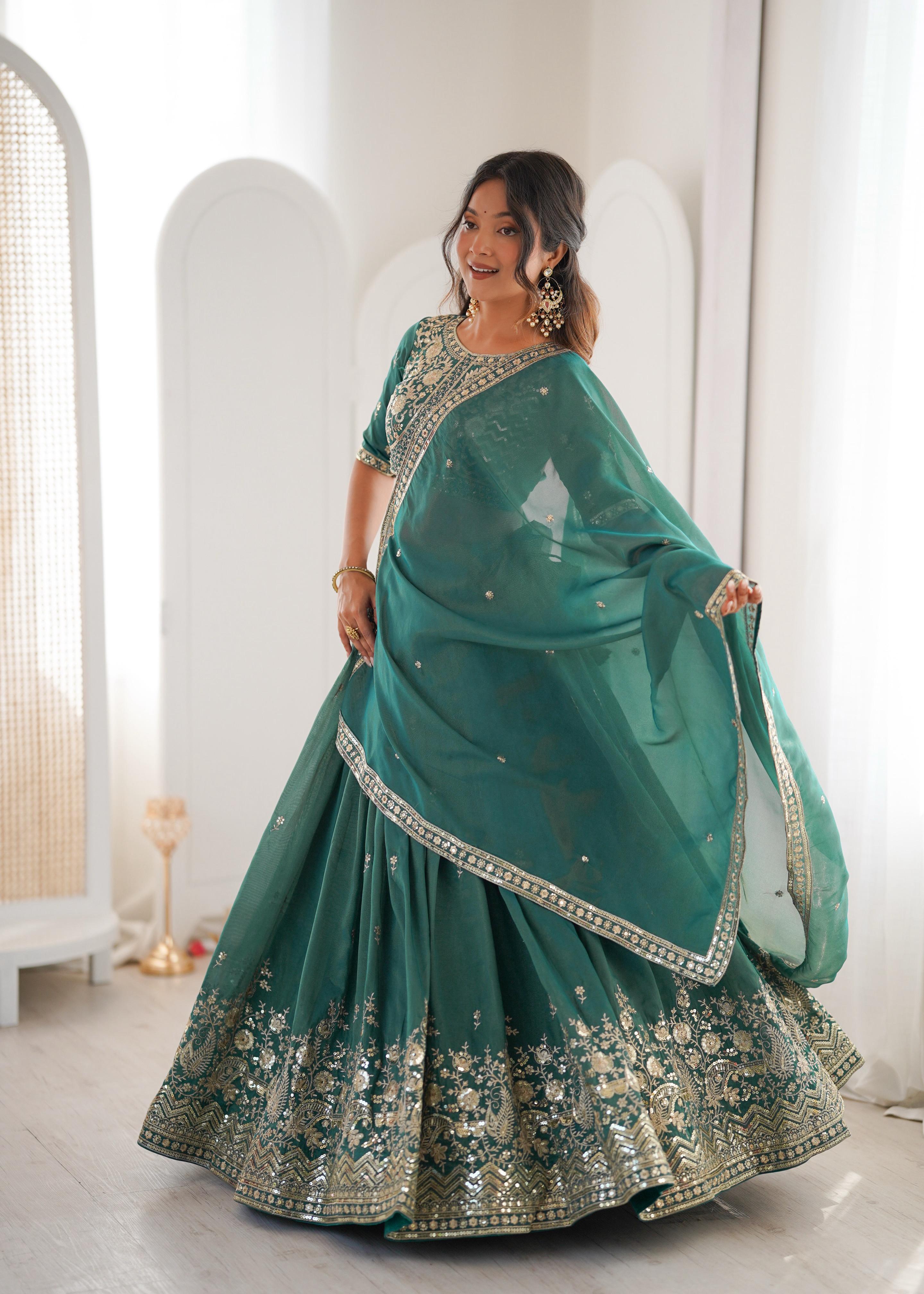
A square or sweetheart neckline works well with a broad gota border because the clean neckline prevents the upper half from appearing crowded. A high neck can balance a low-waisted skirt or a heavily embellished dupatta. Short sleeves with metallic cuffs suit garba and wedding functions, while elbow-length sleeves provide more coverage for formal family events.
For fully stitched choli shopping, check whether the garment has functional seam allowance, adjustable hooks or only a fixed finish. A fully stitched choli is convenient when the measurements are close to standard, but alterations may be limited if the side seams have little extra fabric. A semi-stitched option offers more flexibility for bust and waist adjustments, although tailoring time must be included before the event.
Ready Made Lehenga is useful when the function is close and a complete coordinated outfit is more important than custom construction. Semi Stitched Lehengas Collection is often better for shoppers who need a particular blouse length, waist adjustment or sleeve change. Ask for the actual garment measurements, not just the label size, because lehenga waistbands and blouse fits vary between cuts.
Flare is another practical decision. A four- to six-metre hem circumference usually allows comfortable walking without creating excessive volume. A wider flare gives more movement for garba and photographs, but it needs a stable waistband and adequate petticoat or lining support. A narrower flare can be easier for venue seating and travel.
Which Gota Patti Lehenga Designs Inspired by Rajasthani Fashion suit different occasions?
Choose a lightly embellished skirt for daytime ceremonies, a brighter moving silhouette for garba, and a structured silk or net set for wedding evenings. Occasion, venue and duration should determine the balance between decoration and comfort.
For Haldi and mehendi
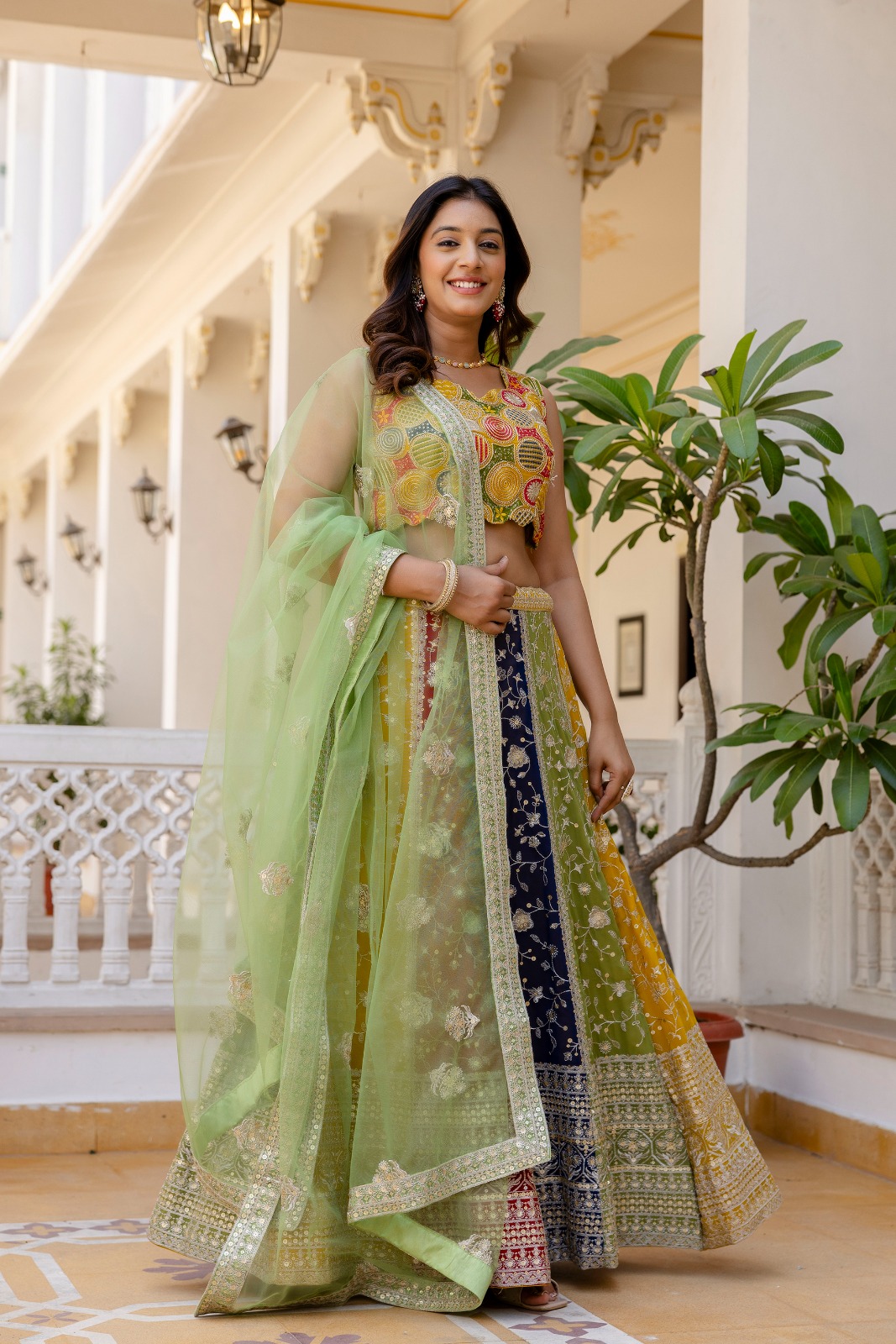
Yellow, lime, coral and fresh green work especially well for Haldi ceremony and mehendi settings. Choose a moderate border, floral motifs and a dupatta that can be pinned securely away from turmeric, henna or food. Mehendi Lehengas are an useful starting point when you want colour and movement without the visual weight of a bridal ensemble.
A printed skirt with a plain or lightly decorated blouse can be repeated with a different dupatta at another event. Red Ethnic Lehenga Choli with Digital Print Design brings the kind of strong printed foundation that can be styled with gold jewellery for a wedding or colourful bangles for a festive gathering.
For Navratri and garba
Garba outfits need secure construction, breathable fabric and a hem that moves without dragging. Beige Ethnic Printed Lehenga Set for Navratri and Garba shows how a neutral base can be energised with print, contrast accessories and a lively dupatta rather than relying on a single saturated colour.
Keep dangling jewellery short enough not to catch during circular dancing. Use a crossed or front-pinned dupatta, and test three movements before leaving home: walking quickly, raising both arms and turning. If the blouse rides up or the waistband twists during those movements, the fit needs adjustment.
For weddings and bridal functions
Wedding and bridal functions can support richer borders, layered dupattas and more formal fabrics, but a guest outfit should remain distinct from the bride's most elaborate look. Varnika Sequin Georgette Lehenga can suit an evening reception when the blouse and jewellery are kept streamlined, while a silk or net set creates a more traditional wedding profile.
A bride or close family member may choose a larger gota border, coordinated blouse applique and a second dupatta. A guest can achieve Rajasthani character with one statement element, such as a gota hem, colourful odhani or peacock motif, and keep the remaining pieces quieter.
How do you style a Rajasthani lehenga without making it look costume-like?
Use one clearly regional element and balance it with contemporary proportions, restrained accessories or a simpler hairstyle. A gota border, bandhani-inspired dupatta or oxidised silver jewellery can signal Rajasthani influence without requiring every garment to be heavily decorated.
For a traditional direction, pair a gold gota border with jhumkas, lac bangles, a low bun and a dupatta draped over one shoulder. For a contemporary direction, use a clean blouse, pointed footwear, a single choker and a dupatta pinned diagonally across the torso. Silver jewellery works especially well with green, black, blue and ivory, while gold jewellery complements red, yellow, rust and warm beige.
Dupatta fabric changes the outfit's visual weight. Chiffon or georgette gives movement and is easier to pin for dancing. Net adds volume around the shoulders but can catch on sequins and jewellery. A printed dupatta can connect a plain blouse to a decorated skirt, while a solid dupatta can calm a dense print.
When the skirt contains sequins, metallic gota and a vivid print, avoid adding a heavily embellished blouse, large necklace and stacked bangles together. Select two focal points: for example, a detailed blouse with plain earrings, or a broad skirt border with a simple blouse and statement dupatta.
What should you check before buying a lehenga online?
Before buying online, verify measurements, fabric composition, lining, closure type, delivery time and alteration scope. Product photographs show styling, but the measurement chart determines whether a ready-made lehenga will be wearable.
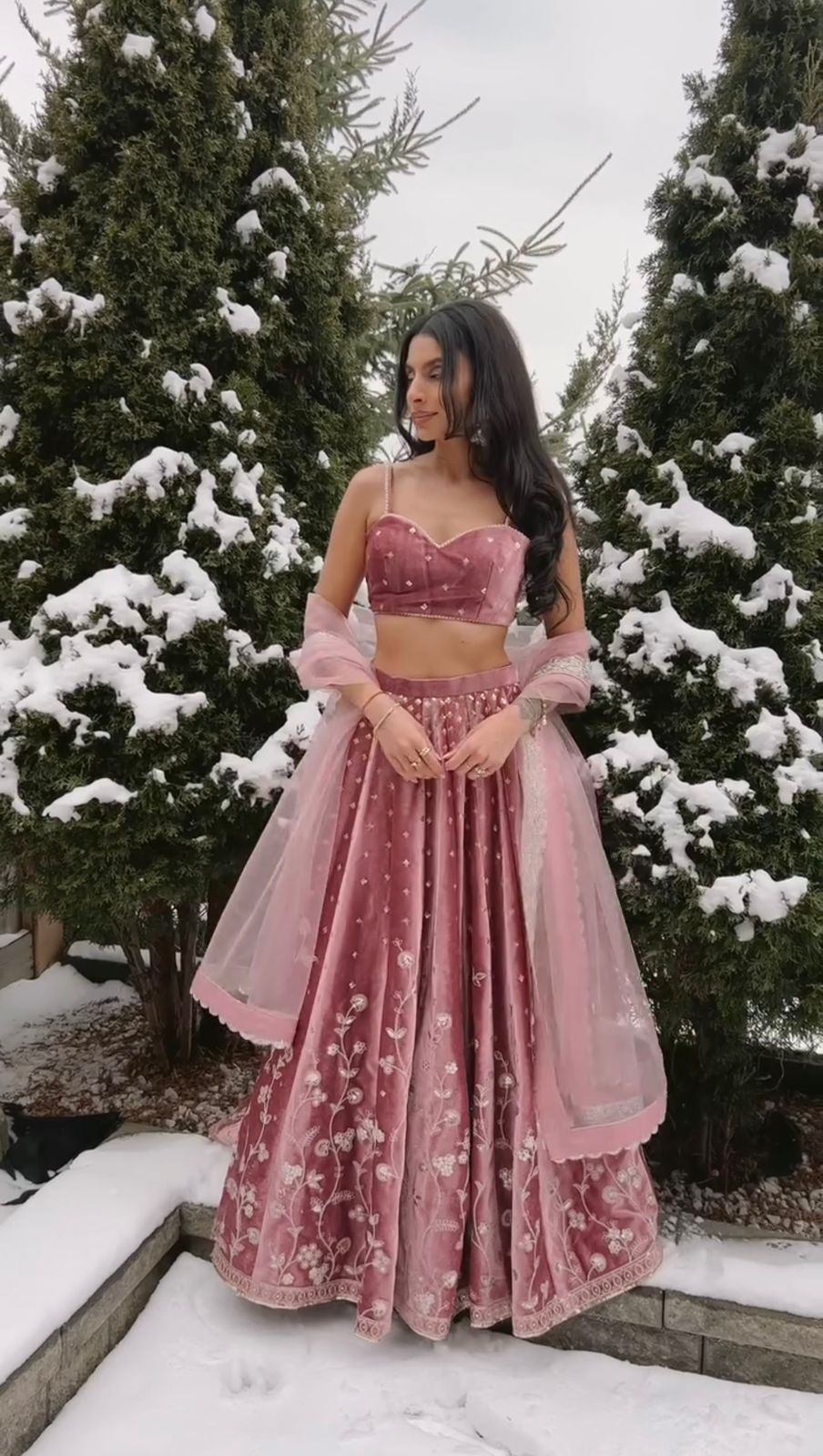
- Measure correctly: Record natural waist, high hip, full hip, bust, shoulder and desired blouse length while wearing the undergarments intended for the outfit.
- Check the waistband: Confirm whether the lehenga uses a side zip, back zip, drawstring, elastic or hook-and-eye closure. A drawstring gives more flexibility for changing waist measurements.
- Read the embellishment details: Gota patti, threadwork, sequins and printed motifs have different textures and care needs. Do not assume that a metallic-looking border is hand-applied gota.
- Confirm the dupatta size: A dupatta around 2.25 to 2.5 metres is easier to drape across the front, while a shorter piece may work better over one shoulder.
- Plan alterations: Allow at least 7 to 14 days for tailoring before a wedding. Test the final outfit with footwear and jewellery before removing tags or protective packaging.
- Consider repeat wear: A detachable belt, reversible styling, plain blouse or separate dupatta can create a second look from the same skirt.
Designer doesn't automatically mean better for every event. A well-cut readymade lehenga with comfortable lining may be more useful than a heavily decorated designer piece that restricts movement. Compare construction, fit and care requirements alongside visual appeal.
How should you care for gota patti and embellished lehengas?
Store a gota patti lehenga clean, dry and folded with acid-free tissue or a soft cotton layer between embellished surfaces. Professional dry cleaning is generally safer for metallic trims, sequins and delicate linings than repeated home washing.
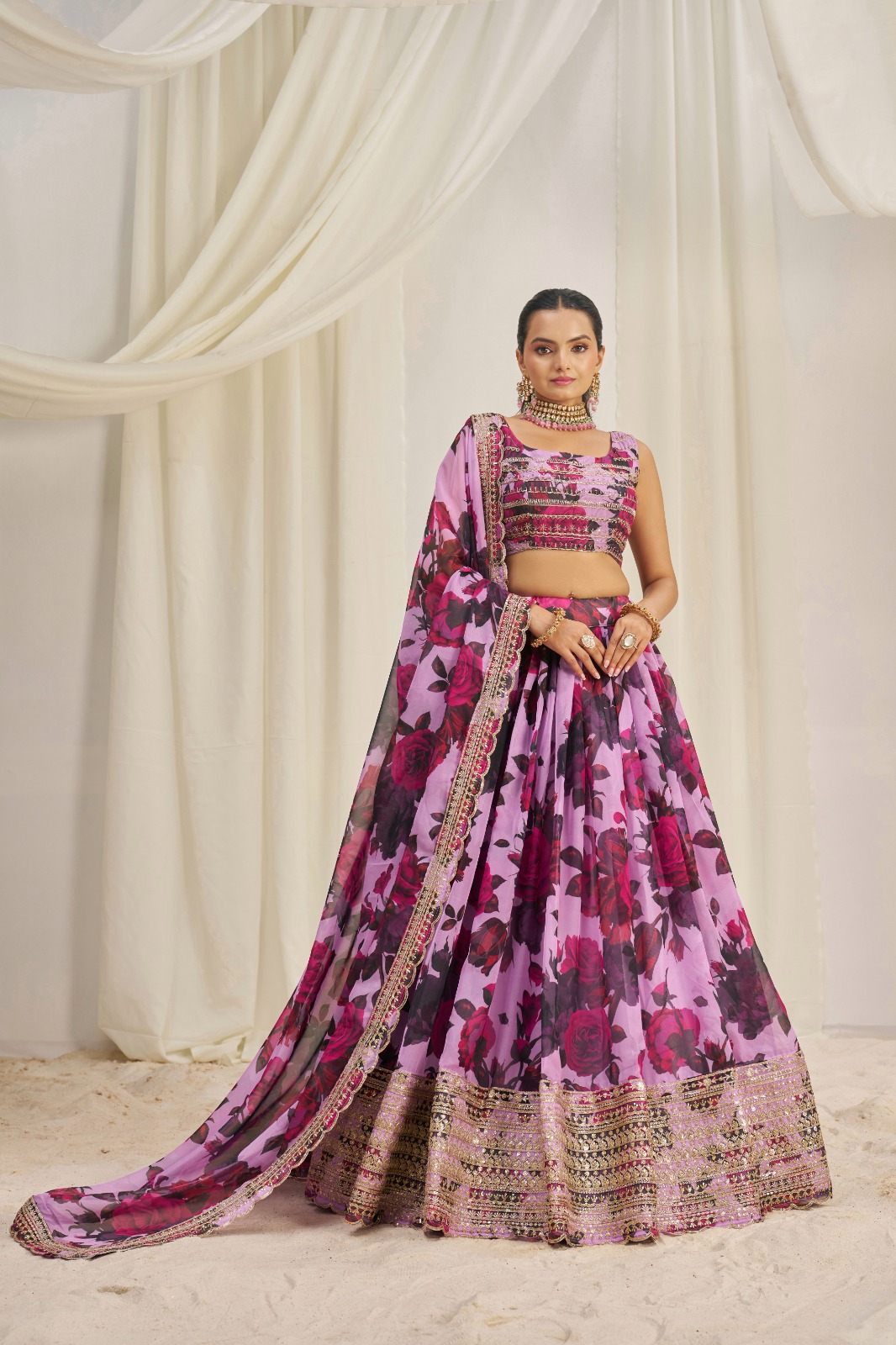
Air the garment after wearing it, but keep it away from direct harsh sunlight for prolonged periods because strong light can affect dyes and some metallic finishes. Do not iron directly over gota, sequins or raised threadwork. Place a pressing cloth between the iron and the fabric, use low heat appropriate to the base fabric, or use professional steaming.
Hang heavy lehengas only briefly for airing because prolonged hanging can stress waist seams and distort the flare. For long-term storage, fold the skirt at different points every few months, keep jewellery separate and use a breathable garment bag rather than sealed plastic. Address food or makeup marks promptly through a specialist cleaner and tell the cleaner about metallic applique before treatment.
Thoughtful selection makes Gota Patti Lehenga Designs Inspired by Rajasthani Fashion far more versatile than an one-event purchase. When colour, construction, motif placement and care are considered together, a lehenga can move from a Haldi ceremony to Navratri, mehendi or a wedding reception with only a change of blouse, dupatta and accessories.
Questions to Ask Before Choosing a Rajasthani Gota Patti Lehenga
What is gota patti work on a lehenga?
Gota patti work uses narrow metallic ribbon that is shaped and attached to fabric in motifs, borders or geometric patterns. The technique creates reflective decoration without necessarily covering the entire garment in dense embroidery.
Are gota patti lehengas suitable for a Haldi ceremony?
Yes, gota patti lehengas suit a Haldi ceremony when the fabric is light and the embellishment is moderate. Yellow, green, coral and ivory bases work well, while a secure dupatta and washable or professionally cleanable construction are practical choices.
Which fabric is most comfortable for a garba lehenga?
Georgette is often comfortable for garba because it moves easily and weighs less than heavily layered net or dense silk. A breathable lining, secure waistband and hem that does not drag are equally important for dancing.
Should I buy a ready-made or semi-stitched lehenga?
Choose a ready-made lehenga when standard measurements and quick delivery are priorities. Choose a semi-stitched lehenga when the blouse, waist or sleeve needs meaningful alteration and enough tailoring time is available.
How can I style a Rajasthani lehenga for a wedding without looking overdressed?
Choose one dominant regional feature, such as a gota border, colourful dupatta or oxidised silver jewellery, and keep the other pieces cleaner. A simpler blouse and controlled accessory count help the outfit look intentional rather than costume-like.
How should I wash and store a gota patti lehenga?
Professional dry cleaning is usually safer than home washing for gota patti, sequins and delicate linings. Store the clean lehenga folded with soft tissue in a breathable garment bag, away from moisture and direct sunlight.