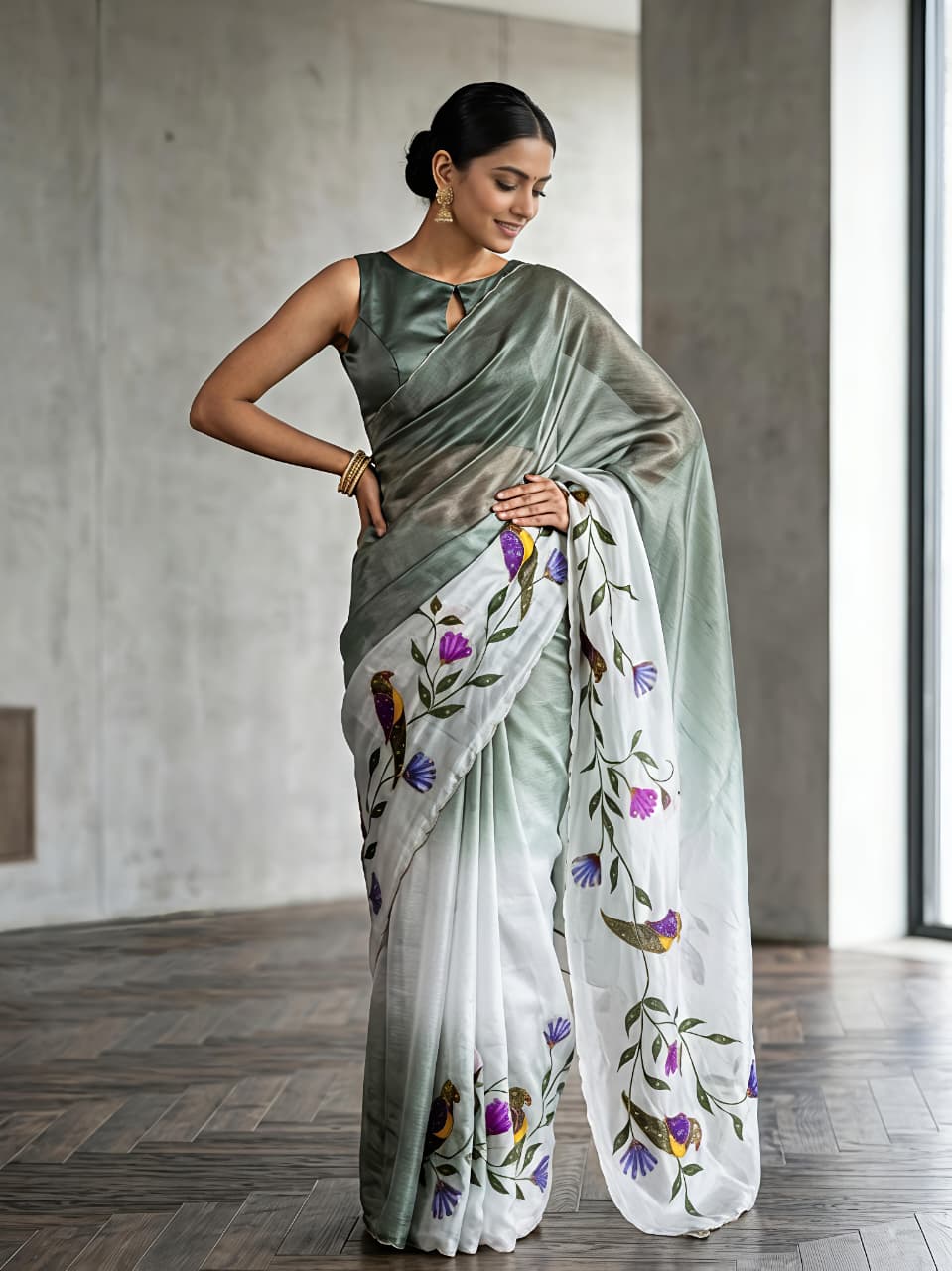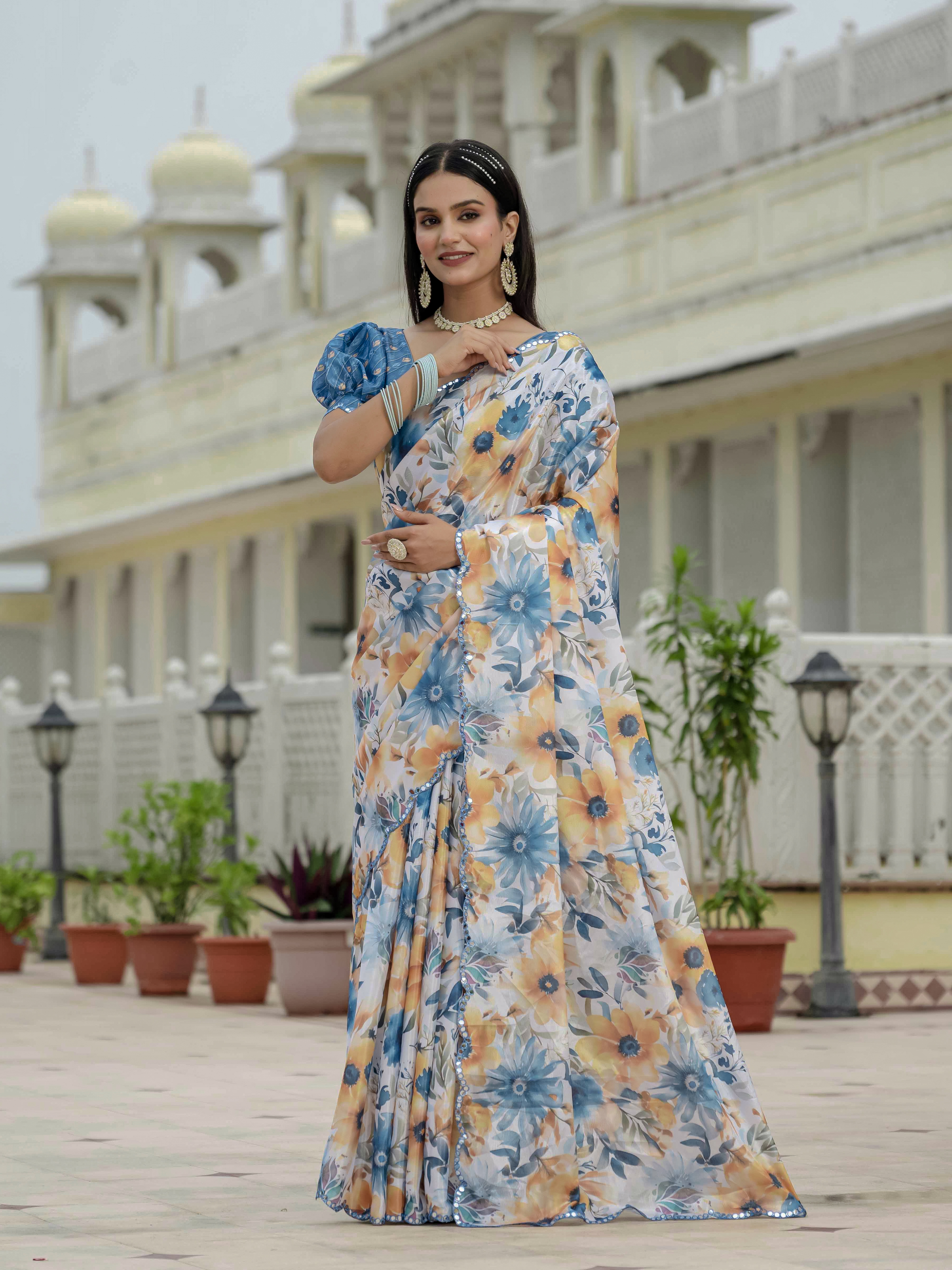
Goan Hindu Wedding Saree Ideas become much easier to choose when the outfit follows the rhythm of the wedding rather than a single bridal trend. A haldi ceremony may call for a lively yellow or green drape, the wedding pheras may suit a richer silk with zari, and the reception may allow a lighter contemporary silhouette. Goa's Hindu weddings often combine Konkani customs, temple jewellery, regional food and modern celebrations, so a saree can honour tradition without looking dated.
The most useful decision comes first: identify your role, ceremony and comfort requirements before choosing colour or embellishment. A bride may need two or three distinct sarees, while a close family member can build a polished wardrobe with one silk saree and one lighter festive option. Fabric weight, pleat control, blouse structure and the length of the event matter as much as colour.
What Makes a Goan Hindu Wedding Saree Feel Appropriate?
A suitable Goan Hindu wedding saree balances ceremonial richness with breathable, practical dressing for Goa's warm and humid climate. Banarasi silk, soft silk, cotton silk and lightweight woven sarees can all work, provided the drape remains secure and the border complements the ceremony.
Traditional styling often favours saturated red, maroon, green, mustard, pink and gold, but a bride doesn't have to wear only bright red. Deep green with gold zari can look equally auspicious, while wine, rust or rose shades provide a more individual bridal direction. Gold borders connect the look to formal Hindu wedding dressing without requiring heavy embroidery across the entire saree.
Regional appropriateness also comes from styling details. A neatly pleated pallu, a well-fitted blouse, flowers in the hair and gold-toned jewellery can communicate occasion more effectively than excessive surface work. A saree that slips during the mandap ceremony is less successful than a slightly simpler saree that stays comfortable for four hours.
For a first shortlist, the Latest Wedding Sarees Collection can be read by fabric, border and colour rather than by appearance alone. A shopper should check whether the saree is described as soft silk, Banarasi, cotton or another construction because each fabric behaves differently during draping.
Choosing Saree Colours Ceremony by Ceremony
Wedding saree colours work best when they reflect the mood, lighting and ritual importance of each Goan Hindu wedding event. Bright and fresh shades suit daytime pre-wedding functions, while deeper colours and metallic borders have greater visual presence for evening rituals and receptions.
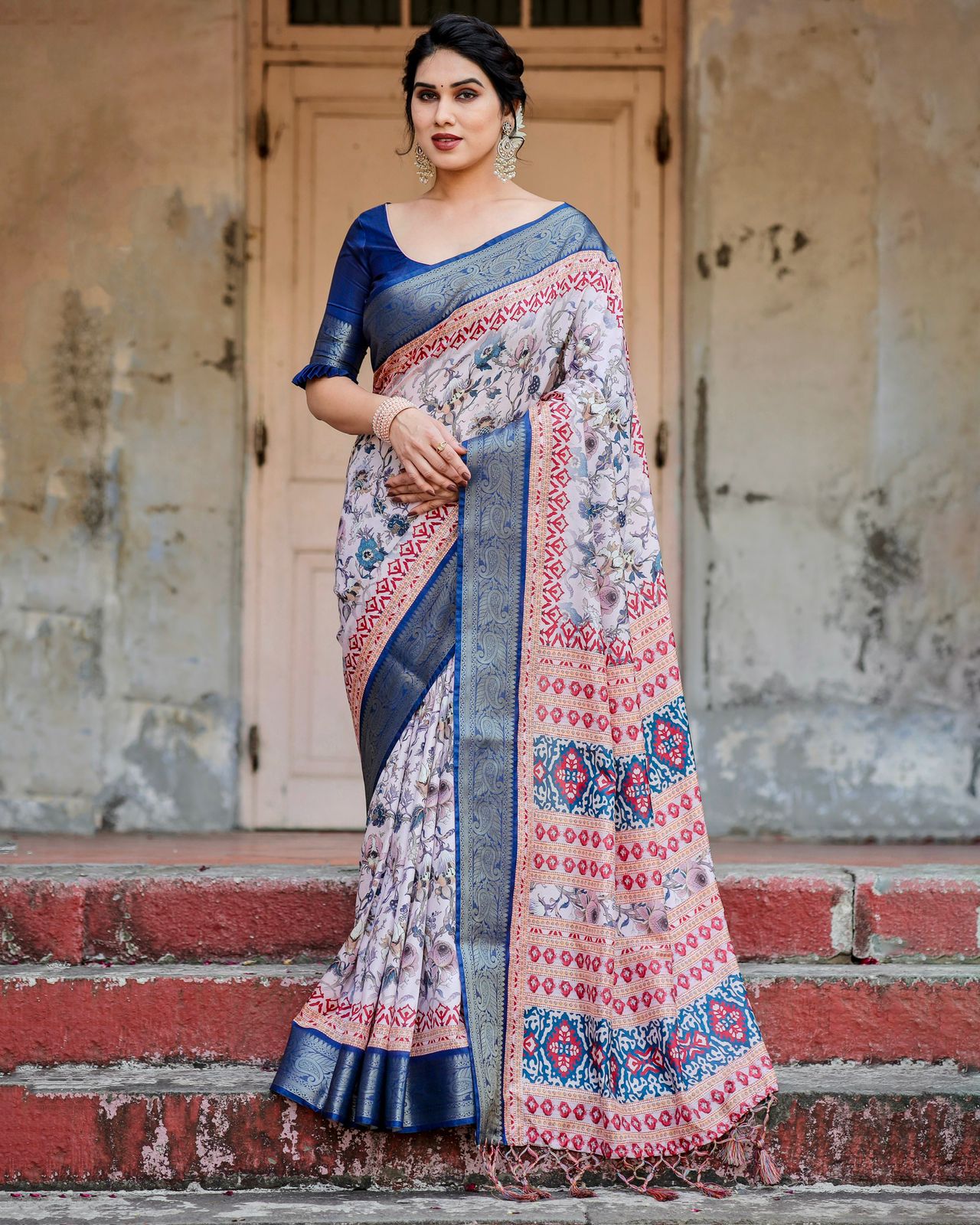
Haldi and pre-wedding functions
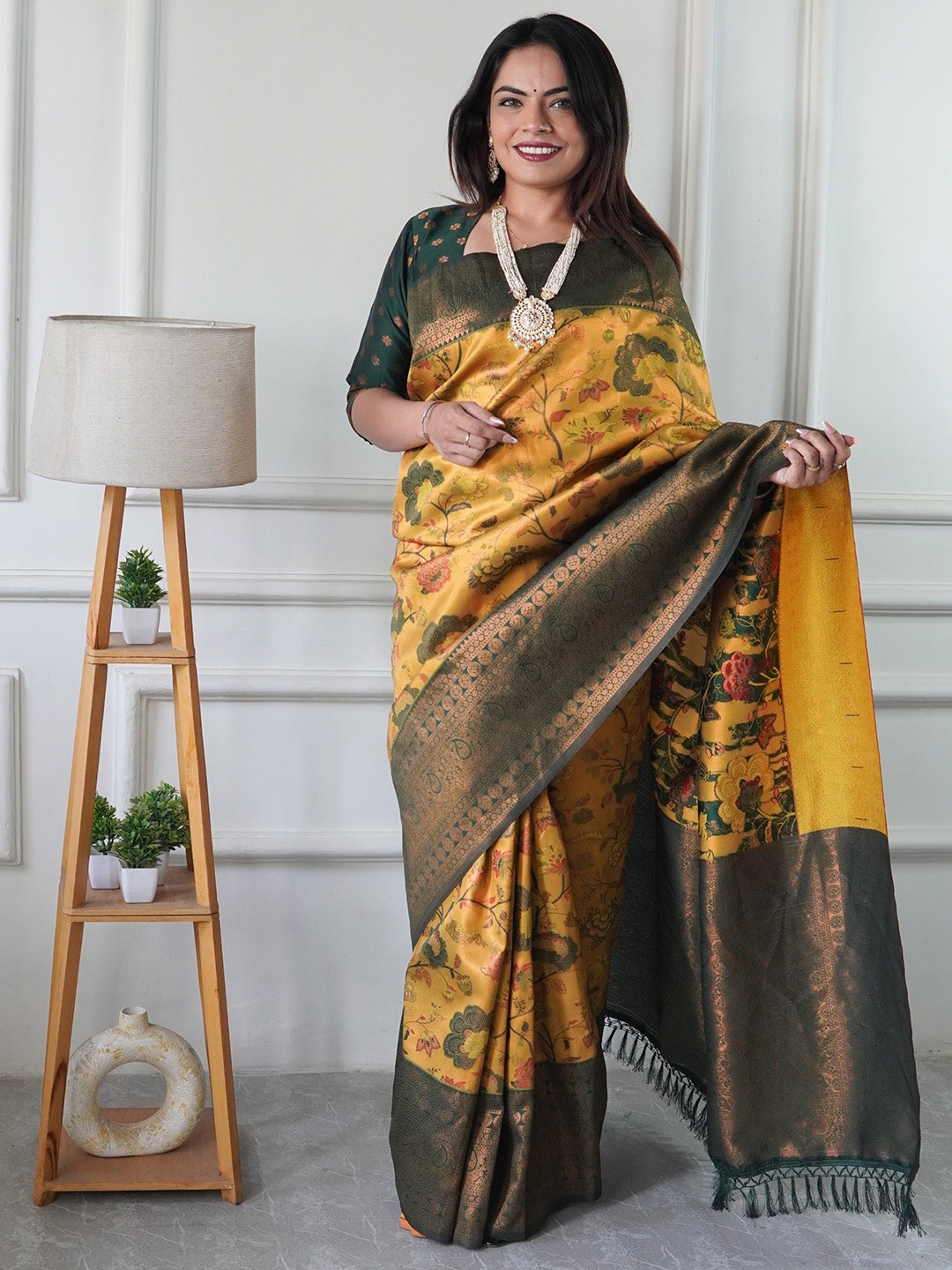
Yellow, turmeric, leaf green, coral and pink are practical choices for a Haldi ceremony because they look lively in daylight and photographs. Choose a saree with a manageable border and avoid delicate pale fabrics if turmeric paste, flower petals or outdoor seating may come into contact with the garment.
A pink-green combination can feel festive without copying the bridal red palette. Pink Green Floral Silk Saree with Zari Border Festive illustrates how floral colour contrast can create a celebratory appearance while the zari border keeps the saree suitable for a family function. Keep jewellery lighter for Haldi: small jhumkas, bangles and fresh flowers are usually enough.
Wedding ceremony and pheras
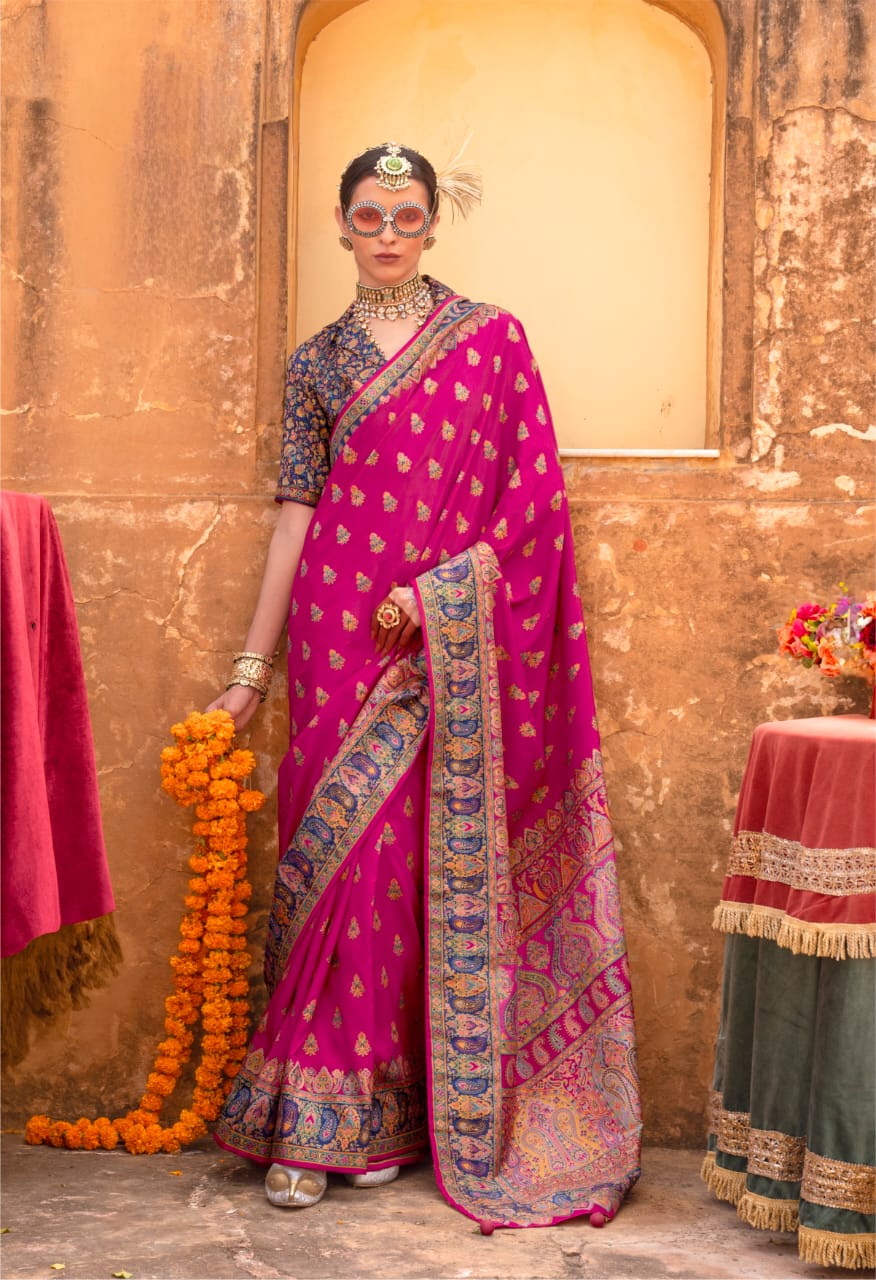
Maroon, red, deep green and gold are dependable colours for the main Hindu wedding ceremony because they carry visual depth and pair naturally with gold jewellery. Red remains a classic bridal choice, but green and maroon can look especially elegant against temple décor, flowers and warm mandap lighting.
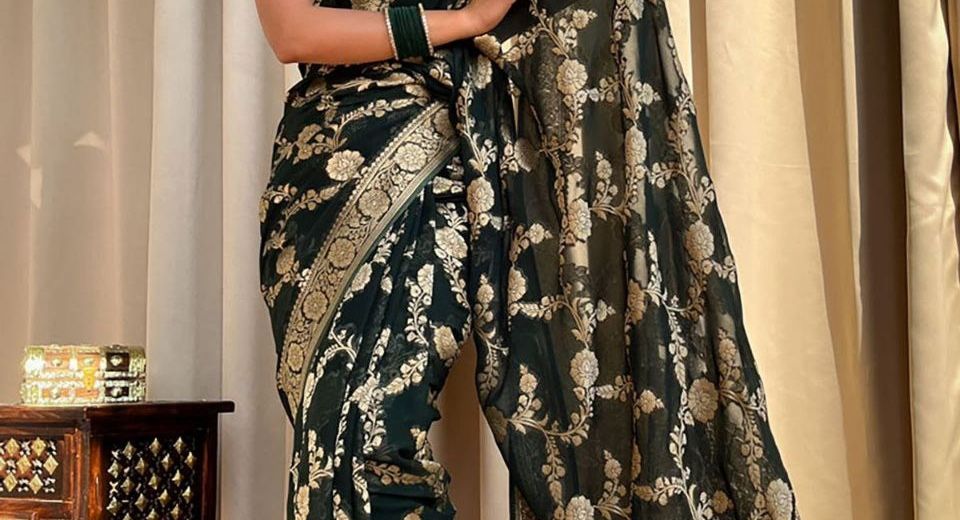
Wedding Wear Green Banarasi Saree with Red Highlights offers an useful colour formula: green supplies richness, red introduces bridal contrast and the Banarasi surface adds ceremony without needing a heavily embroidered blouse. Dark Green Banarasi Silk Saree With Gold Jacquard Work creates a more restrained version of the same idea, particularly for a bride who prefers jewel tones to bright scarlet.
Reception and evening celebrations
Wine, maroon, blackened green, navy and antique gold work well for an evening reception because deeper tones retain definition under artificial light. A softer pallu, a sleeveless blouse or a structured belt can make a traditional saree appear more contemporary without losing its Indian character.
Wine Banarasi Soft Silk Saree With Golden Zari Border is suited to this kind of styling because wine has the depth of maroon with a slightly more modern mood. A low bun, statement earrings and a clean blouse neckline can keep the overall look refined rather than overloaded.
Fabrics That Suit Goa's Climate and Wedding Schedule
Breathable or moderately light fabrics are the safest saree choices for Goa, especially when ceremonies involve outdoor photography, long standing periods or travel between venues. The right fabric depends on whether the wearer prioritises bridal grandeur, ease of movement or repeated use after the wedding.
Banarasi silk and soft silk
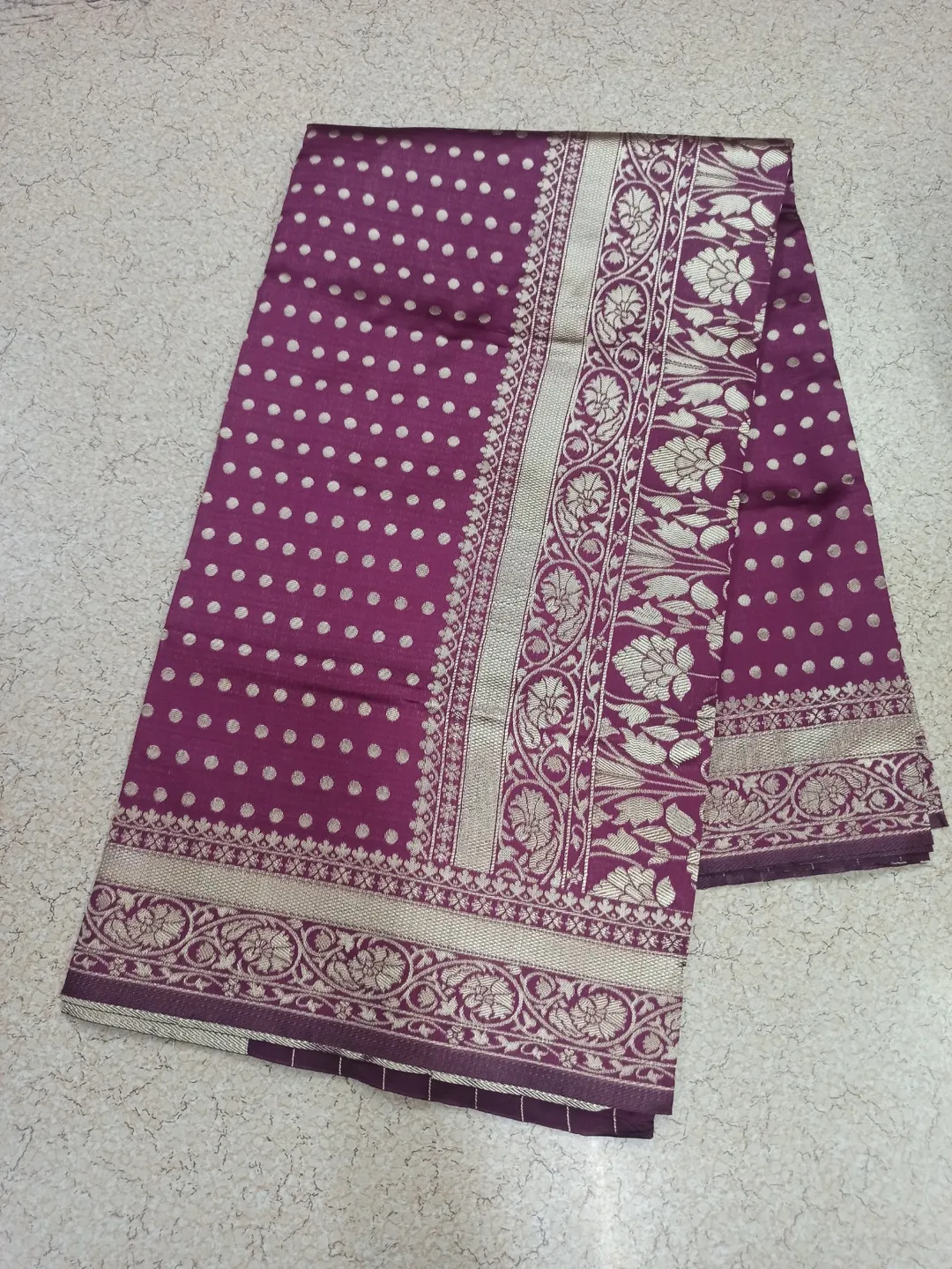
Banarasi silk provides a formal look through woven motifs, metallic zari and a defined fall, making it suitable for the main ceremony or reception. Soft silk generally feels easier to carry than very heavy brocade and can be a good compromise for a bride or family member who needs to sit, walk and move through several rituals.
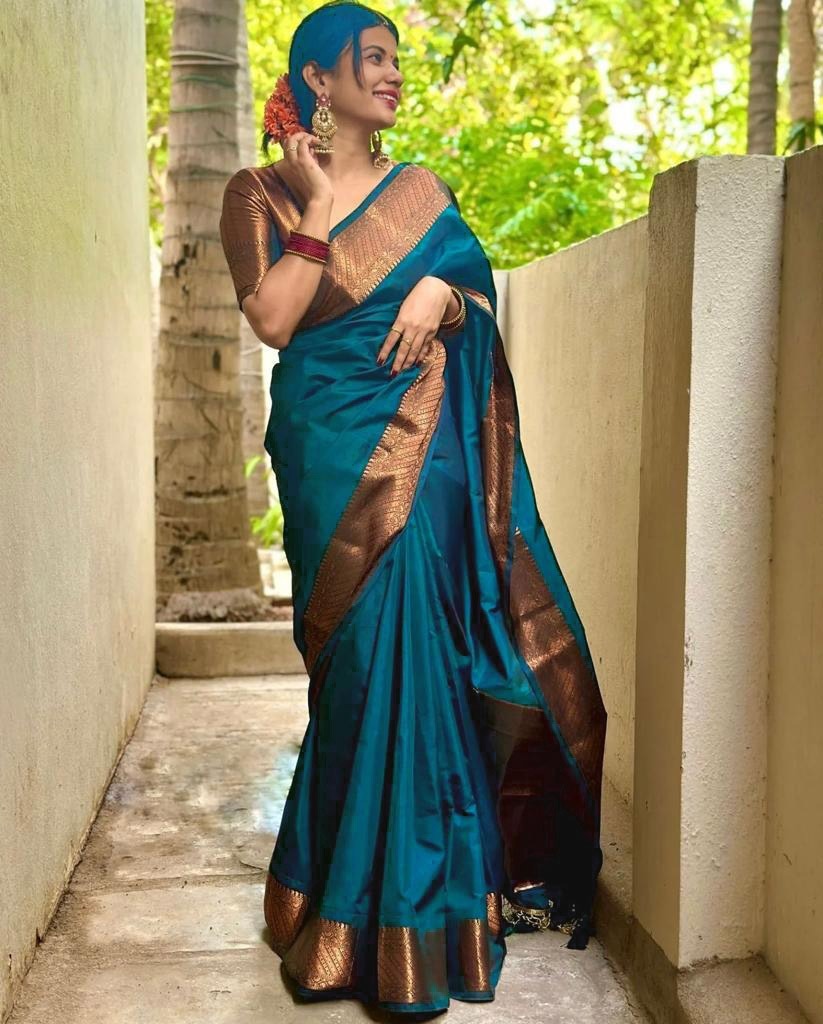
Traditional Teal Banarasi Saree for Festive Wear demonstrates how teal can offer a distinctive alternative to standard red while retaining the formal character associated with Banarasi weaving. Maroon Banarasi Soft Silk Saree with Golden Zari Border is more conventionally bridal and can be paired with a gold, beige or muted rose blouse.
Cotton and cotton-blend options
Cotton sarees are practical for daytime events because they absorb moisture and usually feel less clingy in humid weather. Cotton may crease more readily than silk, so a well-ironed saree, firm pleats and discreet safety pins are important when the wearer expects several hours of movement.
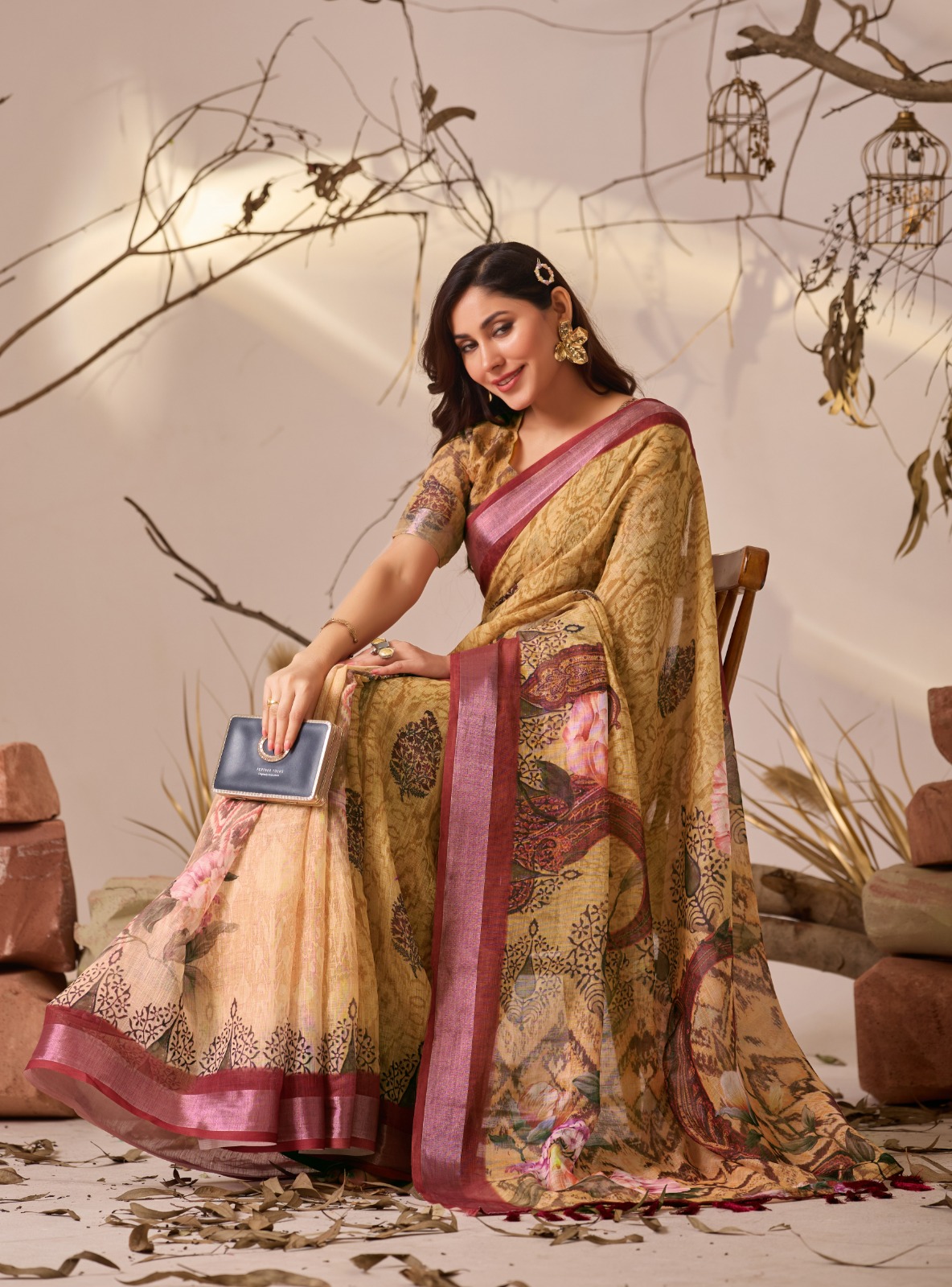
Maroon Cotton Saree with Zari Work for Wedding shows that cotton doesn't have to look casual when the colour is rich and the border includes zari. Such a saree can suit a mother, aunt or wedding guest who wants traditional texture without the weight of a full silk drape.
Lighter festive silk looks
A lighter silk saree is useful when the function is formal but not the main wedding ritual. Designer Green Pink Wedding Wear Silk Saree combines two strong festive colours and can be styled with a simple blouse to prevent the look from becoming visually crowded.
When comparing options, check the weave, lining requirements and border weight rather than relying only on the word "silk." A heavy zari edge can pull the pallu backward, while a very slippery surface can loosen pleats. A trial drape at home reveals these issues before the wedding day.
Drape and Blouse Decisions That Change the Entire Look
The most secure wedding saree styling comes from a pre-tested drape, a correctly measured blouse and anchoring points at the waist and shoulder. A conventional Nivi drape is versatile for most guests, while a more compact pleat arrangement can help brides move comfortably during rituals.
Use five to seven front pleats of similar width, depending on the saree fabric and personal preference, and place the lower edge close to the floor without allowing it to drag. Two or three small safety pins inside the pleats can prevent opening, while a concealed pin at the shoulder keeps the pallu stable. Pins should secure fabric to the blouse or underskirt, not pierce visible zari repeatedly.
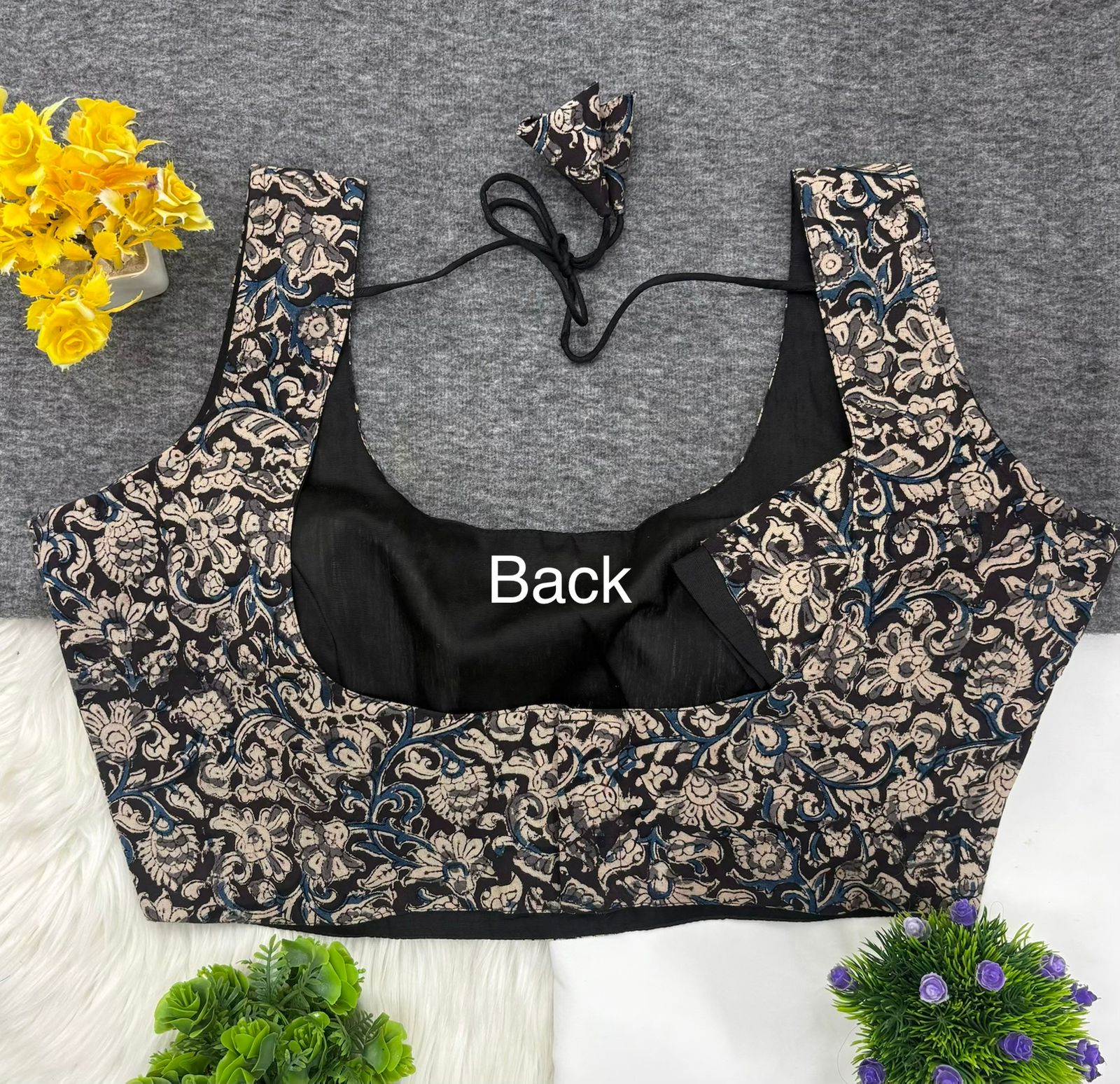
The blouse should support the saree's strongest visual feature. A gold blouse works with maroon, green and wine sarees, but a contrasting red blouse can make a green Banarasi saree look more bridal. A plain blouse is often the better choice when the saree has jacquard work or a dense zari border.
Modern details can be added selectively. A high-neck blouse, elbow-length sleeves, a square neckline, a narrow belt or a pre-stitched pleat structure can update the outfit. Avoid combining a dramatic neckline, oversized sleeves, heavy embroidery and a broad zari border in one look; the saree needs visual breathing room.
Jewellery, Hair and Makeup for a Konkani-Inspired Setting
Gold jewellery, fresh flowers and a defined centre part create a coherent traditional finish for a Goan Hindu wedding saree. The jewellery doesn't need to be historically exact to feel regionally respectful, but it should relate to the saree's border and the scale of the ceremony.
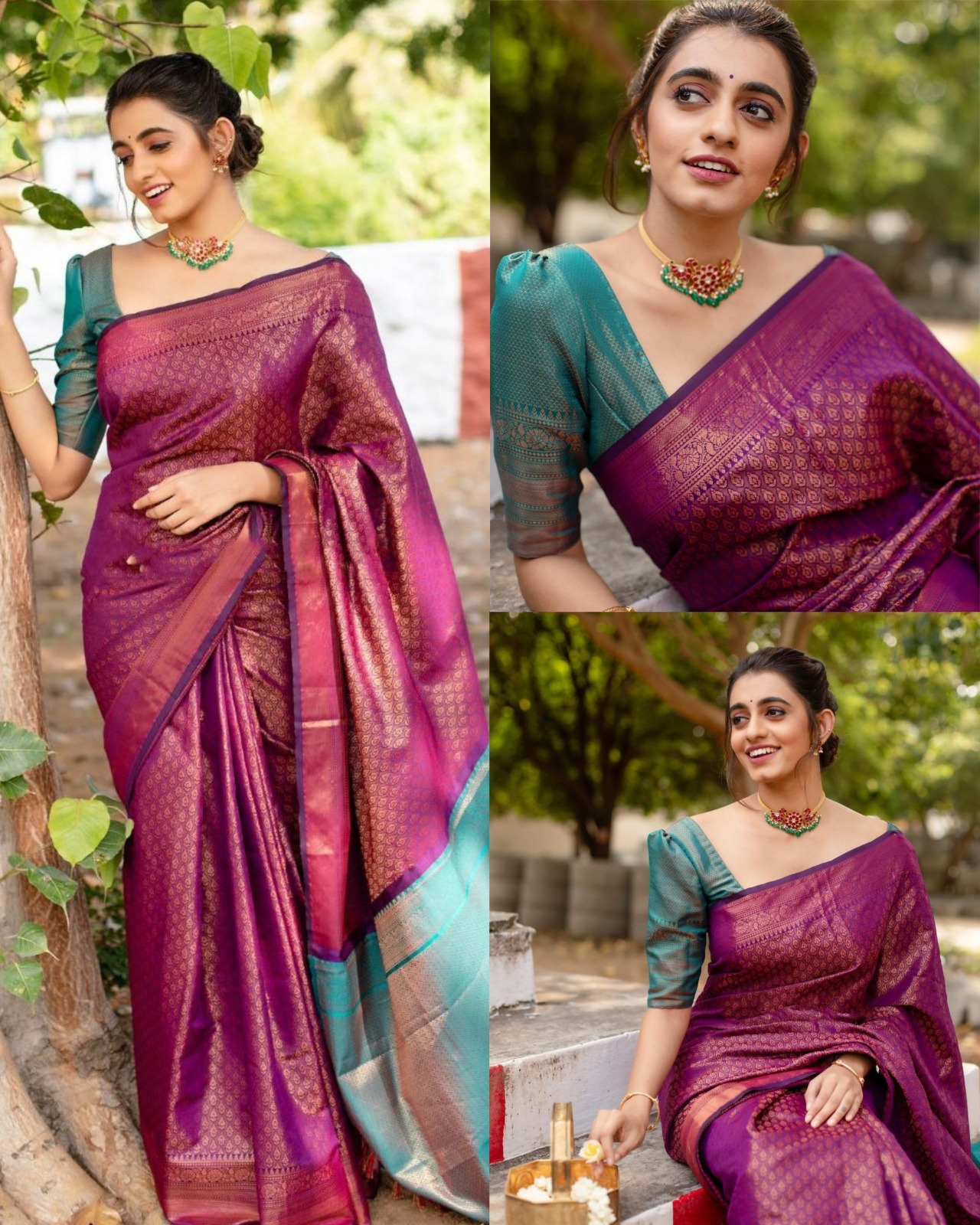
Temple-style earrings, a short gold necklace, longer chains, bangles and a maang tikka can build a bridal arrangement in layers. A guest can reduce the set to jhumkas, a single necklace and two or four bangles. Gold-toned accessories usually complement Banarasi zari more naturally than bright silver, while antique-finish pieces soften a highly reflective silk saree.
Jasmine or other white flowers around a bun provide contrast against maroon, green and wine fabrics. A low bun is stable for long ceremonies and works well with a gajra, whereas loose waves suit a reception but may need pins in humid weather. Waterproof or humidity-resistant makeup is sensible for outdoor Goa ceremonies, particularly around the forehead and hairline.
Jewellery should also account for movement. Long earrings can catch on the pallu, stacked bangles can interfere with ritual gestures, and a very large necklace may compete with a high-neck blouse. Comfort checks are especially important when the bride must sit for extended periods near the sacred fire.
Building a Wedding Saree Wardrobe by Budget
A wedding saree budget should include tailoring, falls, blouse finishing, footwear, jewellery and alteration costs rather than only the saree price. A saree priced at ₹2,500 may need another ₹800 to ₹2,000 for blouse stitching and finishing, depending on fabric, lining, sleeves and handwork.
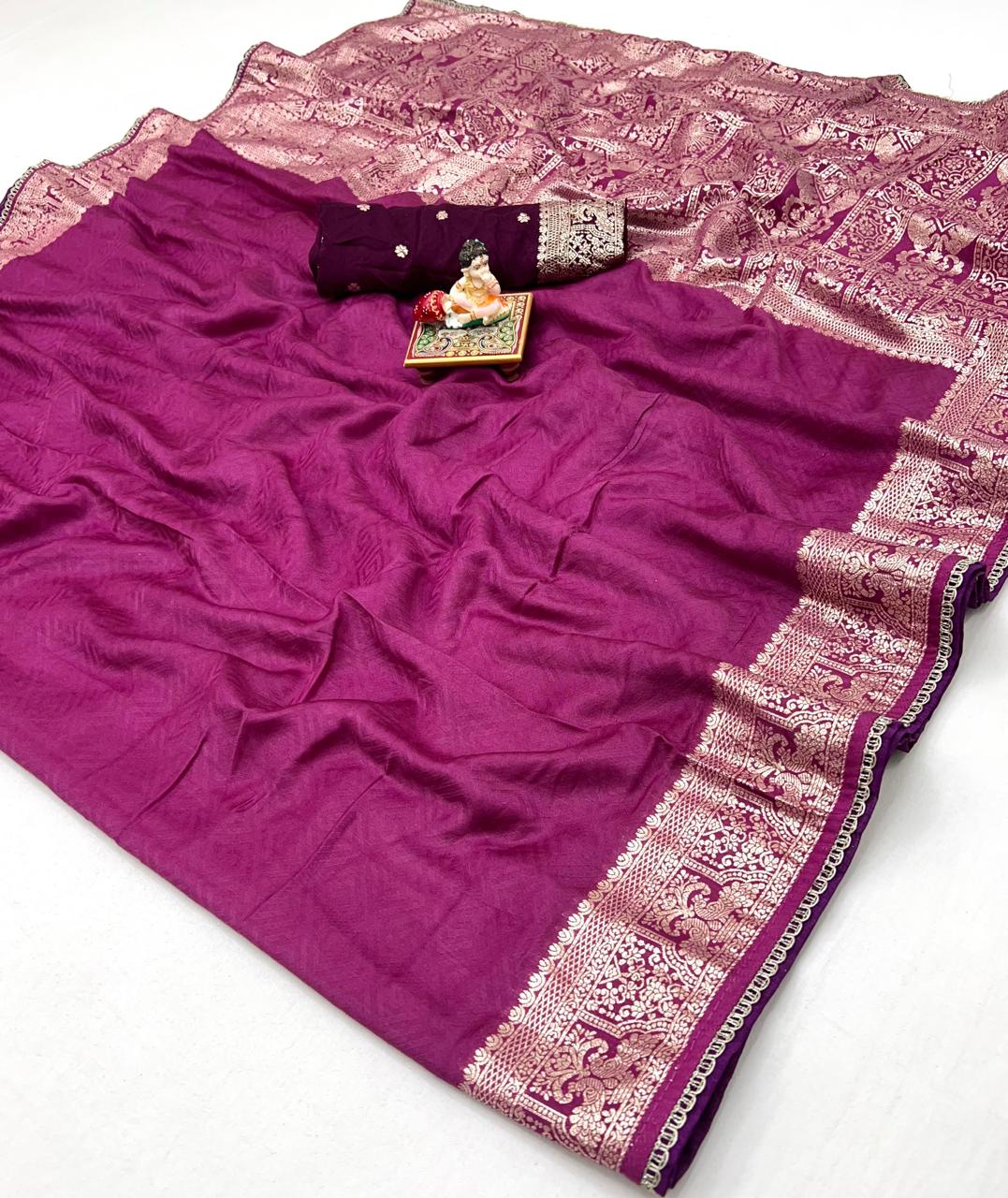
Budget-conscious shoppers can prioritise one richer saree for the principal ceremony and choose a lighter woven or cotton option for a secondary function. Wedding Sarees Collection Under 4000 is relevant for comparing formal options without assuming that a lower price automatically means a less useful outfit. Border quality, colour accuracy and fabric comfort should remain the deciding factors.
Silk Sarees Under 3000 With Discount may suit guests or family members who want a reusable festive saree. An adaptable maroon, green or pink silk can return for Diwali, receptions and family ceremonies, making cost per wear more meaningful than the original discount.
Red Banarasi Silk Sarees for Weddings Under 1100 can be considered for a budget guest look, a bridesmaid outfit or a second-day function, but shoppers should inspect the product description carefully. Lower-priced Banarasi-labelled sarees may differ in fibre content, zari composition and finish, so expectations should match the stated material rather than the name alone.
Shopping and Preparation Checks Before the Wedding
A successful saree purchase should be completed at least two to three weeks before the wedding so that tailoring, fall stitching and a full trial drape can be finished without pressure. Online shoppers should record measurements, inspect the return terms and compare the displayed colour with the product description.
Ask four practical questions before ordering: how much does the saree weigh, what is the fibre or weave, is the blouse piece included, and does the border require special handling? These details affect draping, comfort and alteration. A very broad border can shorten the visual length of the saree, while a small blouse piece may limit sleeve or neckline options.
Store a wedding saree folded along a clean cotton cloth rather than leaving it compressed in plastic for months. Air the saree after wearing, remove jewellery before folding, and keep zari away from moisture and perfume. For cleaning, follow the garment label; many silk and zari sarees are safest with professional dry cleaning instead of home washing.
Pack a small emergency kit containing matching thread, spare hooks, safety pins, fashion tape, blotting paper, a needle, compact scissors and a few extra hairpins. A second pair of comfortable sandals can also prevent the saree from becoming difficult to manage during travel or outdoor photographs.
How to Choose Between Traditional and Modern Styling
Traditional styling is the stronger choice when the ceremony includes extended rituals, family photographs and a formal mandap, while modern styling is useful for receptions, cocktail-inspired celebrations and personal expression. The most convincing wardrobe often combines both rather than treating them as opposing categories.
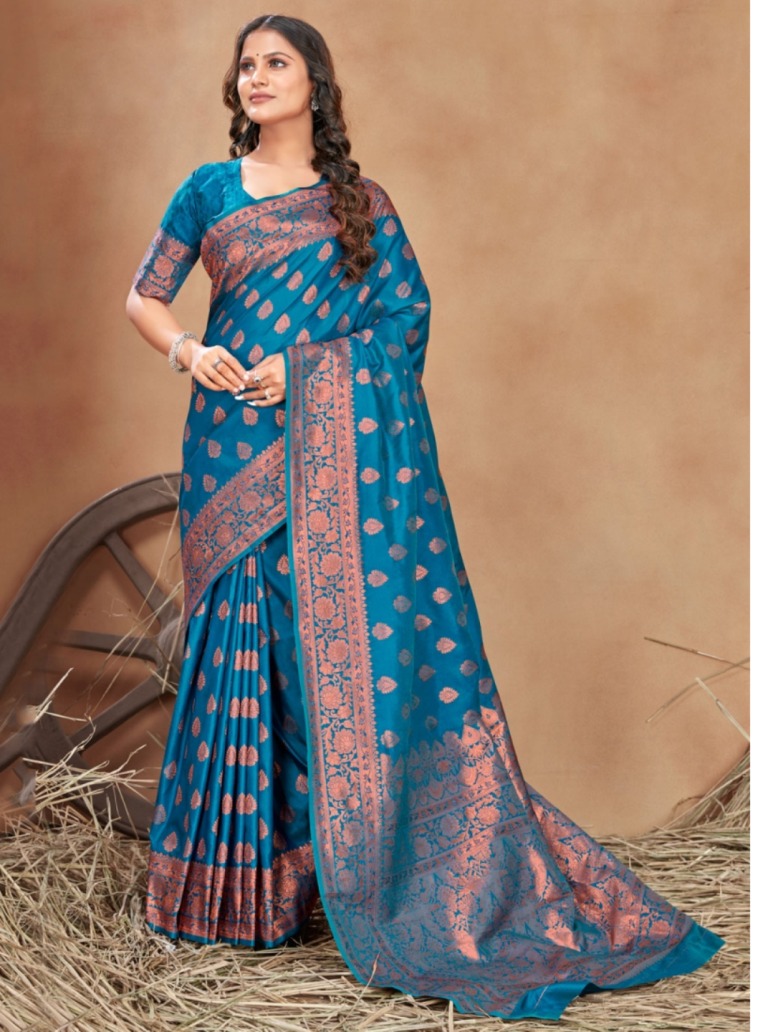
For a traditional look, select Banarasi silk or soft silk, a gold border, a fitted short-sleeved blouse, a centre-parted bun and layered gold jewellery. For a modern look, retain the saree's colour and weave but simplify the accessories, introduce a contemporary blouse neckline or use a belt and polished low bun.
Goan Hindu Wedding Saree Ideas should ultimately assist the wearer look connected to the ceremony and comfortable in the climate. A teal Banarasi saree can be more memorable than a predictable red one when the styling is deliberate; a cotton saree can look wedding-ready when the border, blouse and jewellery are coordinated. The strongest outfit is the one that survives heat, photographs well, stays secure during rituals and still feels like the wearer.
Questions Readers Ask Before Choosing a Goan Wedding Saree
The following answers address common decisions about colour, fabric, draping and ceremony-specific dressing for Hindu weddings in Goa.
Practical Questions About Goan Hindu Wedding Sarees
What colour saree is best for a Goan Hindu wedding bride?
Red, maroon, deep green and gold are all suitable bridal colours for a Goan Hindu wedding. The best choice depends on the ceremony, the bride's complexion and whether the wedding takes place in daylight or under evening lighting.
Can I wear a Banarasi saree for a Goan wedding?
Yes, Banarasi silk is an appropriate choice for a Goan Hindu wedding, particularly for the main ceremony or reception. Choose a breathable soft-silk construction or a manageable weight if the event includes outdoor rituals and extended wear.
What should a guest wear to a Hindu wedding in Goa?
A guest can wear a lightweight silk, cotton saree or elegant Banarasi saree in green, pink, maroon, mustard or jewel tones. Guests should avoid overly heavy bridal embellishment unless the family has specified a formal dress code.
Which saree is comfortable for a Goa wedding in hot weather?
Cotton, cotton-silk blends and lighter soft silk sarees are generally more comfortable in Goa's heat and humidity. Secure pleats, breathable lining, a non-slip underskirt and a pre-tested blouse make a larger difference than fabric choice alone.
How early should I buy a saree for a wedding?
Buy the saree at least two to three weeks before the wedding so the blouse, fall and pleats can be prepared. A bride should ideally allow four to six weeks when custom embroidery, complex tailoring or multiple outfits are involved.
How can I make a traditional wedding saree look modern?
Use a contemporary blouse neckline, a clean low bun, restrained jewellery, a slim belt or a simpler drape while preserving the saree's traditional weave and border. Modern styling works best when one or two details change rather than every element competing for attention.