Goa Carnival Fashion: Colourful Sarees, Lehengas & Ethnic Looks can make a party outfit feel celebratory without sacrificing comfort. Bright textiles, playful prints, mirror work and lightweight layers suit Goa's music-filled streets, warm coastal weather and outdoor celebrations. The most successful outfit combines colour, movement and practical choices for walking, dancing and photographs.
Goa Carnival usually brings together parades, music, street performances and late-afternoon or evening parties. That setting changes how ethnic wear should be chosen. A heavily embellished outfit may look impressive in a still photograph but become tiring during several hours outdoors. A breathable lehenga, a securely pinned saree or a printed gown with a manageable dupatta will usually perform better.
Goa Carnival Fashion: Colourful Sarees, Lehengas & Ethnic Looks for a Party
Goa Carnival Fashion works best when an outfit has vivid colour, relaxed movement and enough structure to remain polished through an active celebration. The look should feel more expressive than everyday ethnic wear, but less restrictive than formal bridal clothing.
Colour is the easiest way to create a carnival mood. Fuchsia, turquoise, marigold, coral, emerald, cobalt and red photograph strongly in daylight and under decorative lights. A multicolour print can replace additional jewellery, while a single saturated shade can provide a clean foundation for statement earrings or a contrasting dupatta.
Movement matters because carnival dressing is rarely static. A-line lehengas, panelled skirts and soft flared silhouettes allow comfortable steps. Sarees with a firmly secured pallu work well for guests who prefer a traditional drape. Pre-stitched or ready-to-wear options reduce the risk of loose pleats during dancing and walking.
Balance is crucial when colour, print and embellishment appear together. A printed lehenga can be paired with a solid blouse or compact jewellery. Mirror work becomes easy to wear when the remaining accessories are simple. A bright outfit doesn't need every element to reveal for attention.
Goa Carnival Fashion: Colourful Sarees, Lehengas & Ethnic Looks for Goa's Climate
Lightweight cotton, muslin, chiffon, georgette, crepe and soft silk blends are generally more comfortable for Goa's warm, humid conditions than dense velvet or heavily layered brocade. Breathable fabrics reduce discomfort during outdoor events, while moderate lining prevents cling and preserves the garment's shape.
Which fabrics suit a daytime carnival?
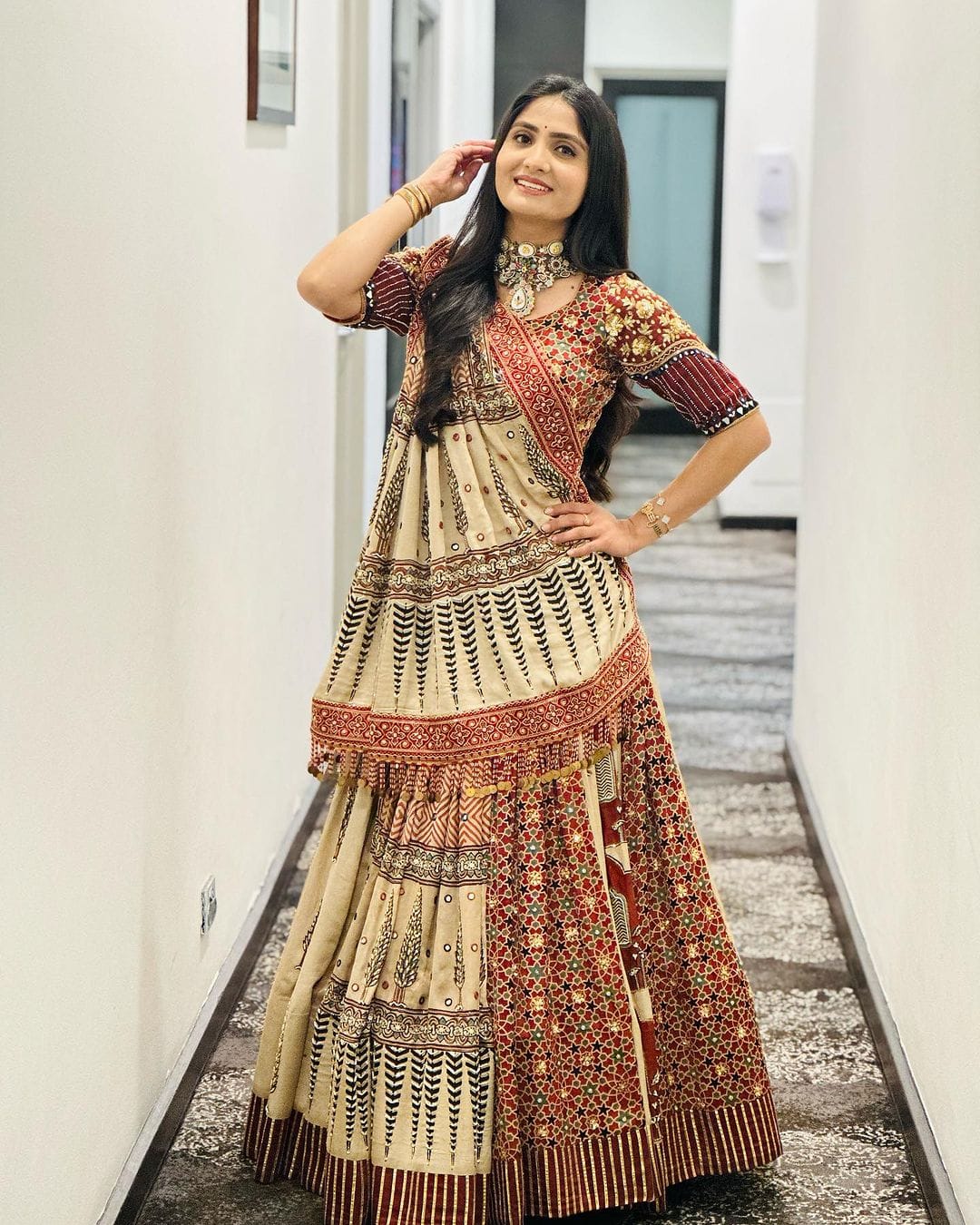
Muslin cotton and lightweight cotton blends suit daytime parades because they allow airflow and absorb small amounts of moisture. The Festive Multicolor Muslin Cotton Lehenga Choli Set illustrates how a soft textile can carry a festive palette without the weight of dense embellishment.
Silk and silk-blend garments suit evening parties when the temperature is more comfortable and the venue is more formal. The Stylish Multicolor Butter Silk Lehenga Choli Set offers a richer surface while retaining the visual energy expected from carnival dressing. Banarasi silk can also work for an evening celebration, but a lighter weave is easier to wear than a thick, heavily zari-covered textile.
Net creates volume and photographs well, but net layers can feel warm when combined with a thick lining. A net lehenga is more practical for a shorter indoor party than for several hours in a crowded outdoor parade. Check whether the skirt has a breathable lining and whether the can-can be removed or reduced.
How much embellishment is comfortable?
Mirror work, sequins and zari add light-catching detail, but each type of embellishment affects weight and comfort. Mirror work can have firm edges, so inspect the inside of the blouse and waistband before wearing the outfit for a long event. Zari gives a refined metallic finish but may snag against rough surfaces or jewellery.
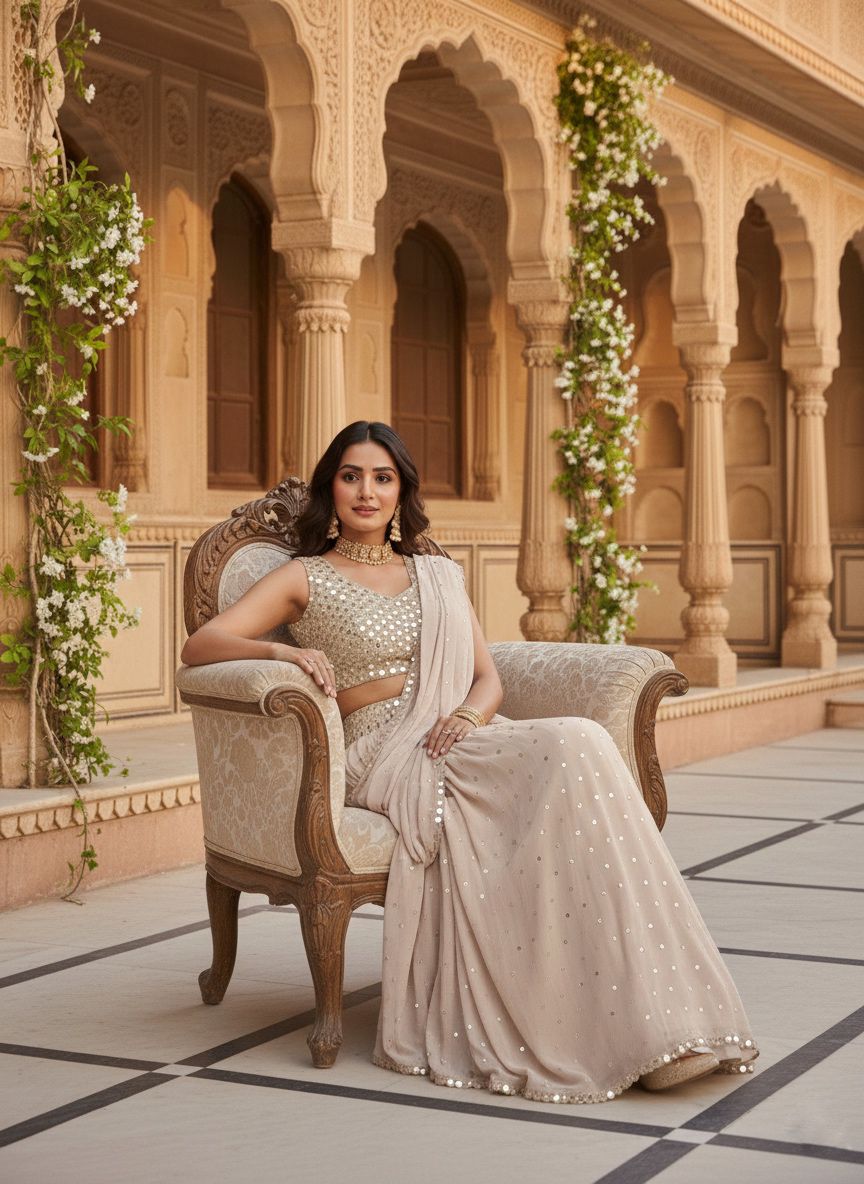
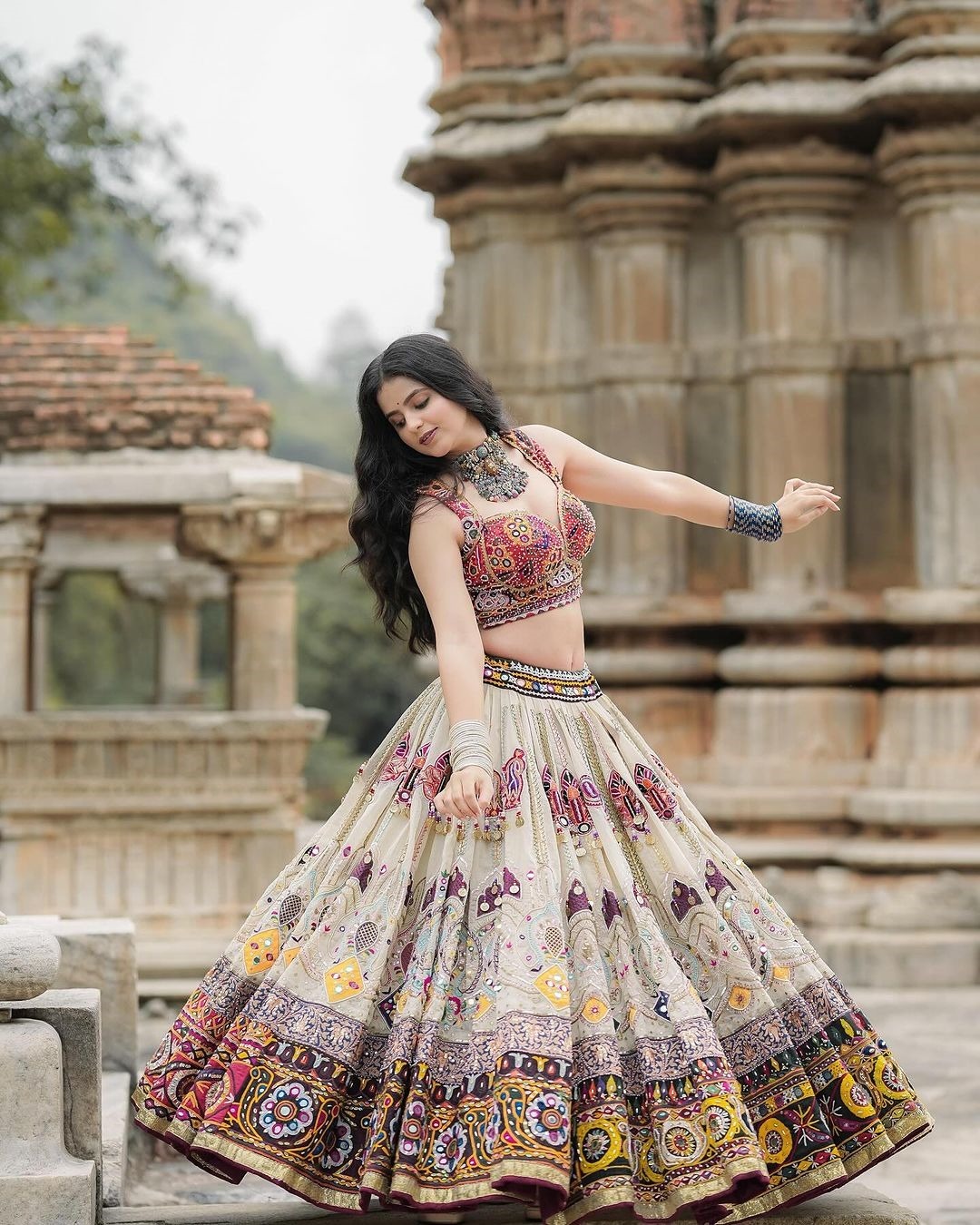
The Cream Ethnic Lehenga Choli with Mirror Work Design is an useful styling reference for balancing a pale base with reflective detail. The light colour allows colourful earrings, a coral lip or a turquoise dupatta to become the main accent rather than adding multiple competing embellishments.
Goa Carnival Fashion: Colourful Sarees, Lehengas & Ethnic Looks with a Saree or Lehenga
Choose a lehenga for maximum walking and dancing comfort, and choose a saree when you want a more fluid heritage silhouette with careful draping and pinning. Both options can look appropriate, but each requires a different approach to movement and security.
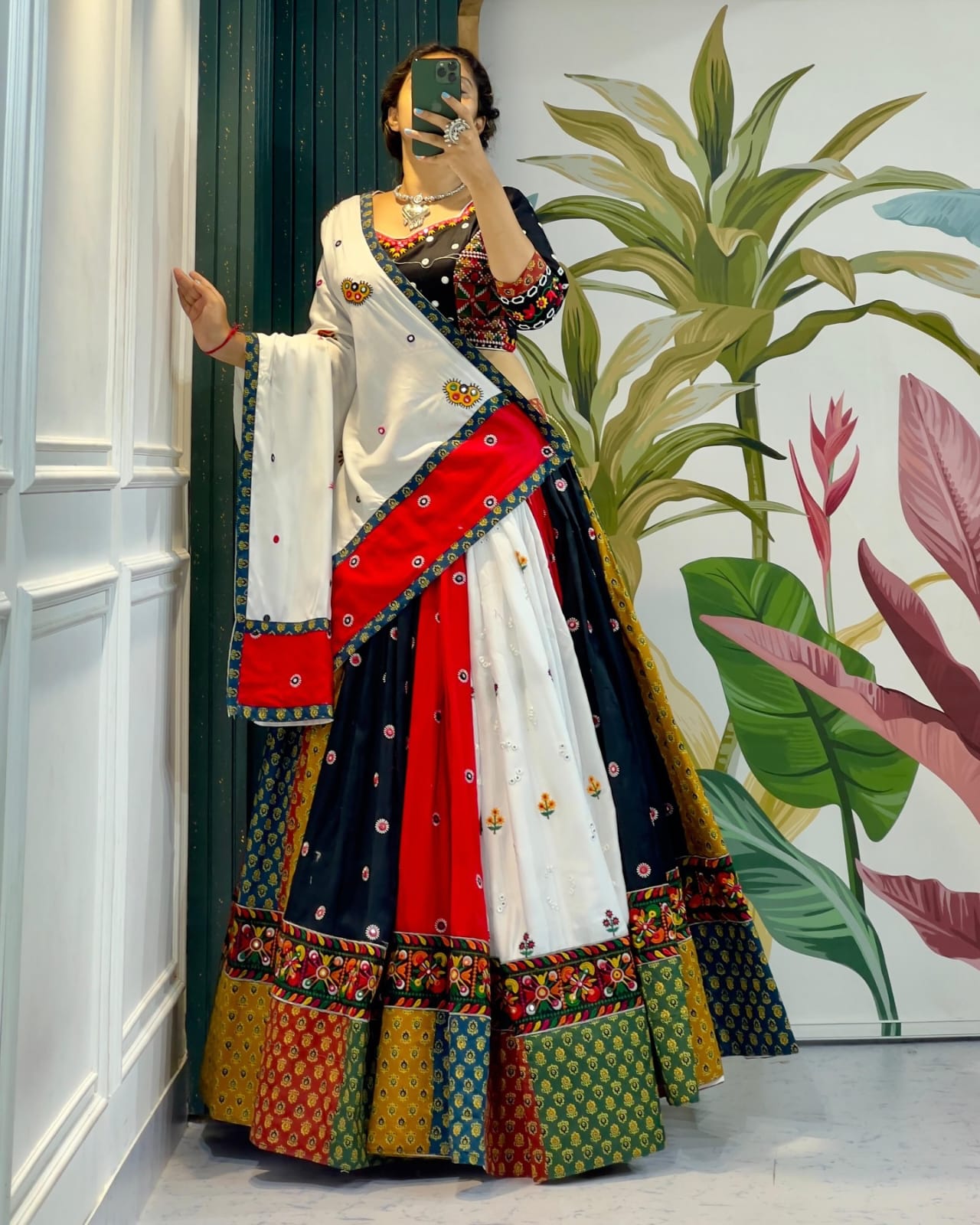
A lehenga is usually simpler for an active party because the skirt and blouse distribute movement evenly. A medium-flare skirt is easier to manage than an extremely broad bridal flare in crowded spaces. A blouse with wide shoulder straps or secure sleeves can provide more confidence than a very low-cut or strapless design when the event involves dancing.
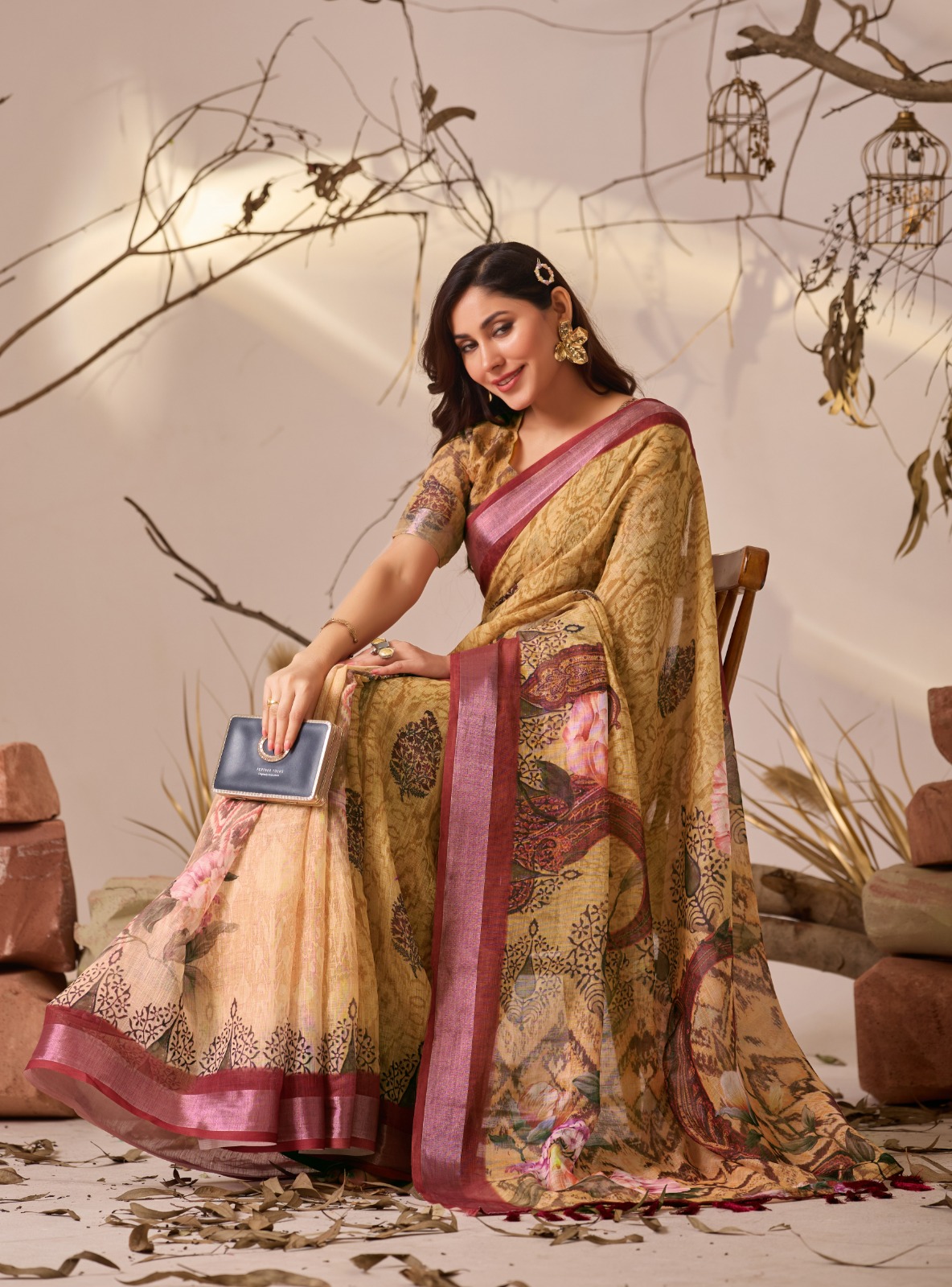
A saree creates an elegant line and can be adapted to a carnival palette through a bright blouse, printed drape or contrasting border. Lightweight chiffon, georgette, crepe and soft silk are easier to manage than stiff tissue. Pre-pleating the saree at home and securing the pleats with discreet safety pins can save time at the venue.
The Beige Mirror Work Ready to Wear Saree with Blouse suits guests who want saree styling without spending a long time arranging pleats. Beige provides a neutral base for colourful bangles, a vivid clutch or a bright pair of earrings. Ready-to-wear construction can be especially useful when the celebration includes travel between a hotel, parade route and party venue.
A gown brings a third option for guests who want a single-piece silhouette. The Royal Patola Printed Designer Gown with Elegant Dupatta brings a classic printed effect into a shape that's often easier to walk in than a full saree. Keep the dupatta secured at one shoulder or around the elbows rather than allowing the fabric to trail near footwear.
Goa Carnival Fashion: Colourful Sarees, Lehengas & Ethnic Looks in Festive Colours
Contrasting jewel tones and warm festival shades create the strongest carnival effect because high colour contrast remains visible in photographs and evening lighting. A practical palette can combine one dominant colour, one secondary colour and a metallic or neutral accent.
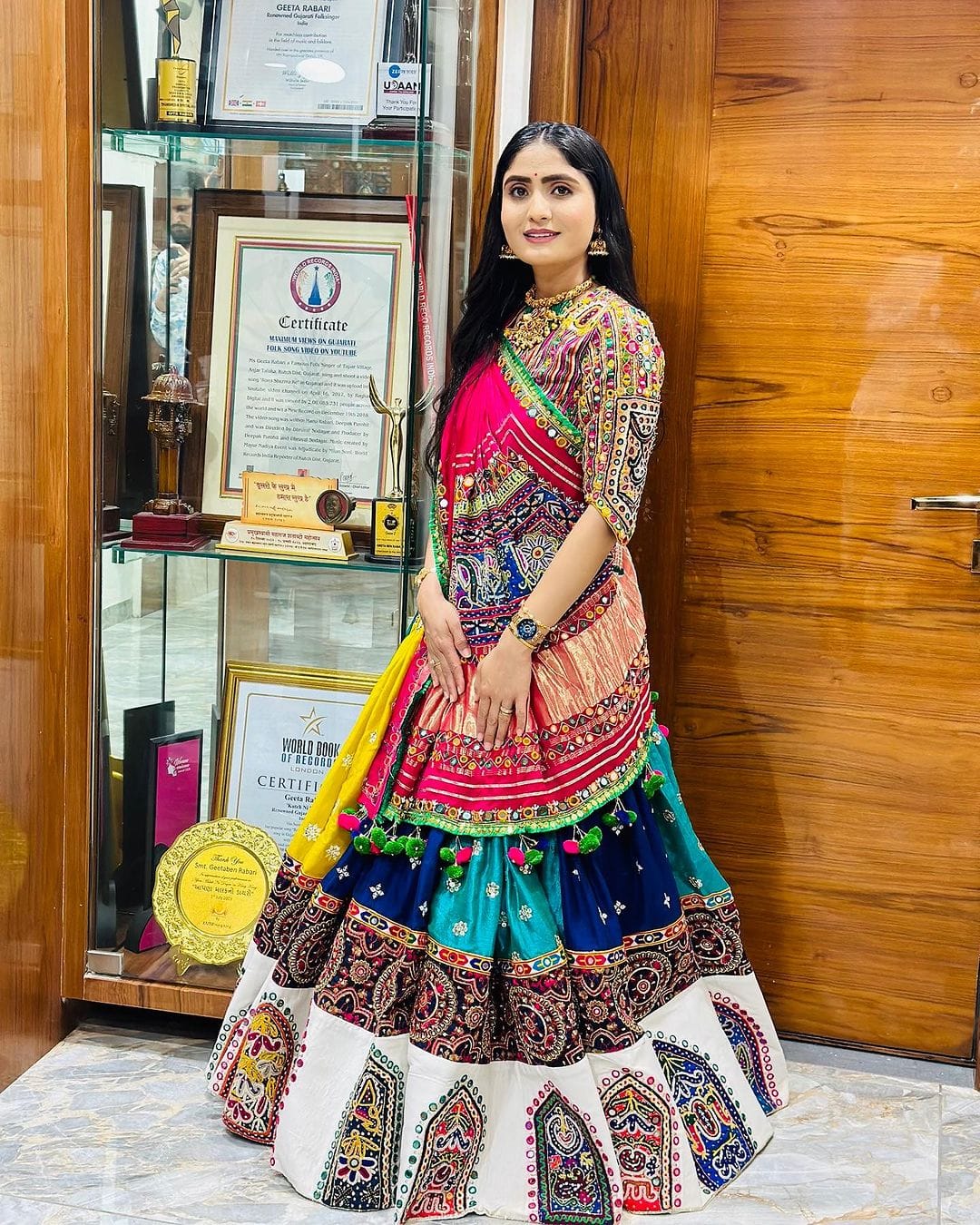
- Red and pink: These shades create warmth and pair well with gold, antique gold and mirror work.
- Turquoise and emerald: These cooler tones feel lively against Goa's coastal setting and work with silver or oxidised metal.
- Yellow and orange: These shades suit daytime parties and Haldi ceremony-inspired styling without requiring a bridal outfit.
- Multicolour prints: A multicolour base allows shoes, earrings and bags to be selected from colours already present in the garment.
- Cream and beige: Neutral bases make reflective embellishment and bright accessories more visible.
The Red Ethnic Lehenga Choli with Digital Print Design shows how a single strong shade can carry an outfit. The Beige Ethnic Printed Lehenga Set for Navratri and Garba demonstrates a quieter base that can be made more carnival-ready with a saturated dupatta, colourful bangles and statement earrings.
Patola-inspired motifs, geometric borders, florals and digital prints all suit a festive setting, but scale should match the wearer and venue. Large motifs create a dramatic look from a distance, while smaller patterns often appear more detailed in close photographs. A busy print benefits from a clean blouse shape and limited accessories.
Goa Carnival Fashion: Colourful Sarees, Lehengas & Ethnic Looks with Practical Accessories
Practical accessories should secure the outfit, keep both hands reasonably free and withstand several hours of walking. Comfort matters as much as colour because uncomfortable jewellery or unstable footwear can shorten an otherwise successful evening.
Choose one focal accessory category: oversized earrings, a layered necklace, stacked bangles or a decorative belt. Wearing all four at maximum scale can make a printed lehenga appear visually crowded. Mirror-work clothing pairs well with metal earrings, while a heavily printed outfit may need only a strong cuff and small studs.
Footwear should have a cushioned sole, a secure strap and a heel height that feels familiar. Block heels between 1.5 and 2.5 inches offer elevation without the instability of narrow stilettos on uneven pavements. Embellished juttis, kolhapuris and low wedges can work well when the venue involves standing on grass, stone or sand.
A small crossbody bag or compact potli keeps essentials close without requiring constant hand support. Carry only the items needed for the event, such as a phone, identification, a small powder compact, tissues and a lip product. A transparent garment tape strip and two safety pins can solve minor draping problems quickly.
Hair and makeup should account for humidity and wind. A low bun, braided style or half-up hairstyle generally stays more controlled than completely loose hair. Waterproof eyeliner, setting spray and a transfer-resistant lip colour can reduce touch-ups, particularly during an outdoor parade.
Goa Carnival Fashion: Colourful Sarees, Lehengas & Ethnic Looks on a Considered Budget
Accessible styling comes from choosing one strong garment and building the rest of the outfit around its existing colours, rather than purchasing a complete matching set for every event. Rewearing a blouse, dupatta or accessory in a new combination can create several distinct party looks.
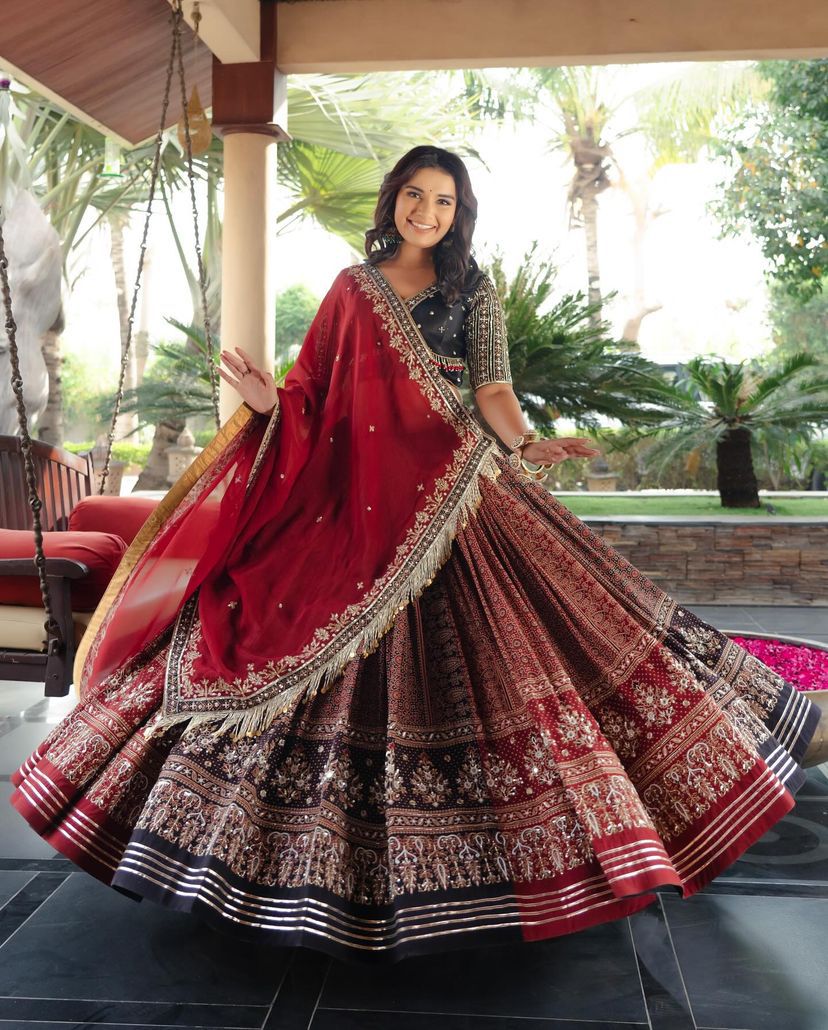
The Vibrant Multicolor Navratri Lehenga Choli Set already contains multiple styling directions. Pick one colour from the skirt for the earrings and another for the footwear, while keeping the clutch neutral. A red lip can coordinate with a red motif without requiring red accessories throughout.
Budget collections can help shoppers compare silhouettes and fabric choices before committing to a party outfit. Pink Lehengas Under 4000 with 50% Discount may suit guests looking for a bright, economical option. Silk Lehengas Under 3000 can provide a dressier surface for an evening celebration, although the lining and garment weight should still be checked.
Guests shopping for coordinated wedding-party dressing can compare Bridesmaid Lehengas Under 5500, while Net Lehengas Under 4500 with 51% Discount may suit shorter indoor celebrations. Haldi Lehengas Under 5500 brings useful colour inspiration for yellow, orange and floral styling, even when the event is a carnival party rather than a Haldi ceremony.
Before buying, check the garment measurements, lining, closure type, dupatta length and expected delivery timeframe. A blouse that needs major alterations can add cost, while a long skirt may require hemming before wearing with flat shoes. Photograph the full outfit in natural light and test sitting, walking and raising both arms before the event.
Goa Carnival Fashion: Colourful Sarees, Lehengas & Ethnic Looks for Care and Rewearing
Care should begin before the party because sweat, dust, food and sea air can affect embellished ethnic wear. Read the care label, keep makeup away from the neckline while dressing and use a clean cotton scarf when travelling in an open vehicle.
Air the outfit after wearing it for several hours, but avoid leaving coloured textiles in direct sunlight because strong UV exposure can fade dyes. Spot-test any stain treatment on an inside seam. Dry-clean garments with zari, mirror work, structured lining or delicate surface embroidery unless the care label specifically permits gentle washing.
Store a lehenga completely dry in a breathable garment bag rather than a sealed plastic cover. Fold heavy embroidered skirts with acid-free tissue between layers to reduce pressure marks. Hang a blouse on a padded hanger and avoid placing weight on fragile sequins or raised motifs.
Use a low-heat iron only when the fabric label permits it, and place a cotton pressing cloth between the iron and the garment. Never iron directly over mirror work, sequins, metallic thread or printed embellishment. These small precautions can preserve a party outfit for future weddings, festive dinners and cultural events.
A well-planned carnival wardrobe therefore includes more than one dramatic garment. It includes breathable fabric, sure construction, manageable volume, suitable footwear and accessories that can be reused. That combination makes bright ethnic dressing more comfortable, more economical and more functional beyond a single celebration.
Common Questions About Goa Carnival Fashion and Ethnic Party Dressing
What should I wear to a Goa Carnival party?
A lightweight lehenga, ready-to-wear saree or printed ethnic gown is suitable for a Goa Carnival party. Choose breathable fabric, vivid colour, secure footwear and a dupatta that will not trail while walking or dancing.
Which lehenga fabric is best for Goa’s warm weather?
Muslin cotton, lightweight cotton blends, chiffon, georgette and soft silk blends are practical choices for Goa's warm weather. Dense velvet and heavily layered brocade can feel uncomfortable during long outdoor celebrations.
Are sarees practical for Goa Carnival celebrations?
Sarees are practical when the pleats and pallu are secured with discreet pins or when a ready-to-wear construction is used. Lightweight chiffon, georgette, crepe and soft silk are easier to manage than stiff, heavy fabrics.
How can I style a multicolour lehenga without looking overdressed?
Choose one or two colours from the lehenga for your earrings, footwear or lip colour, and keep the remaining accessories simple. A neutral clutch and restrained jewellery prevent a busy print from becoming visually overwhelming.
What footwear works best with ethnic party wear in Goa?
Cushioned juttis, kolhapuris, low wedges and block heels between 1.5 and 2.5 inches work well for Goa party settings. Secure straps and comfortable soles are more useful than unfamiliar high heels on uneven outdoor surfaces.
How should I care for a mirror-work or zari lehenga after a party?
Air the garment away from direct sunlight, treat stains only after testing an inside seam and follow the care label. Dry-clean mirror work, zari and structured embellished garments unless the manufacturer specifically permits gentle washing.