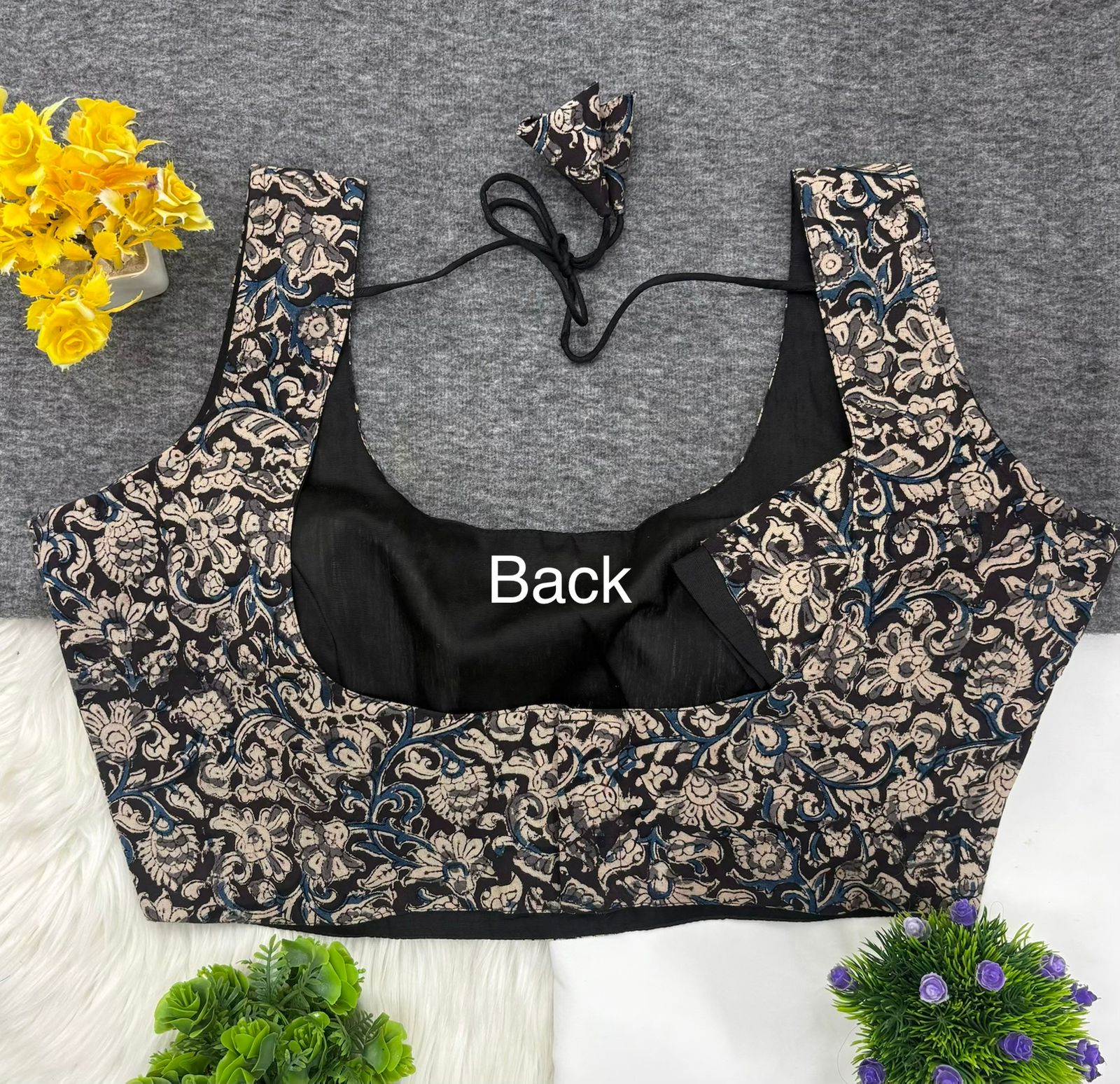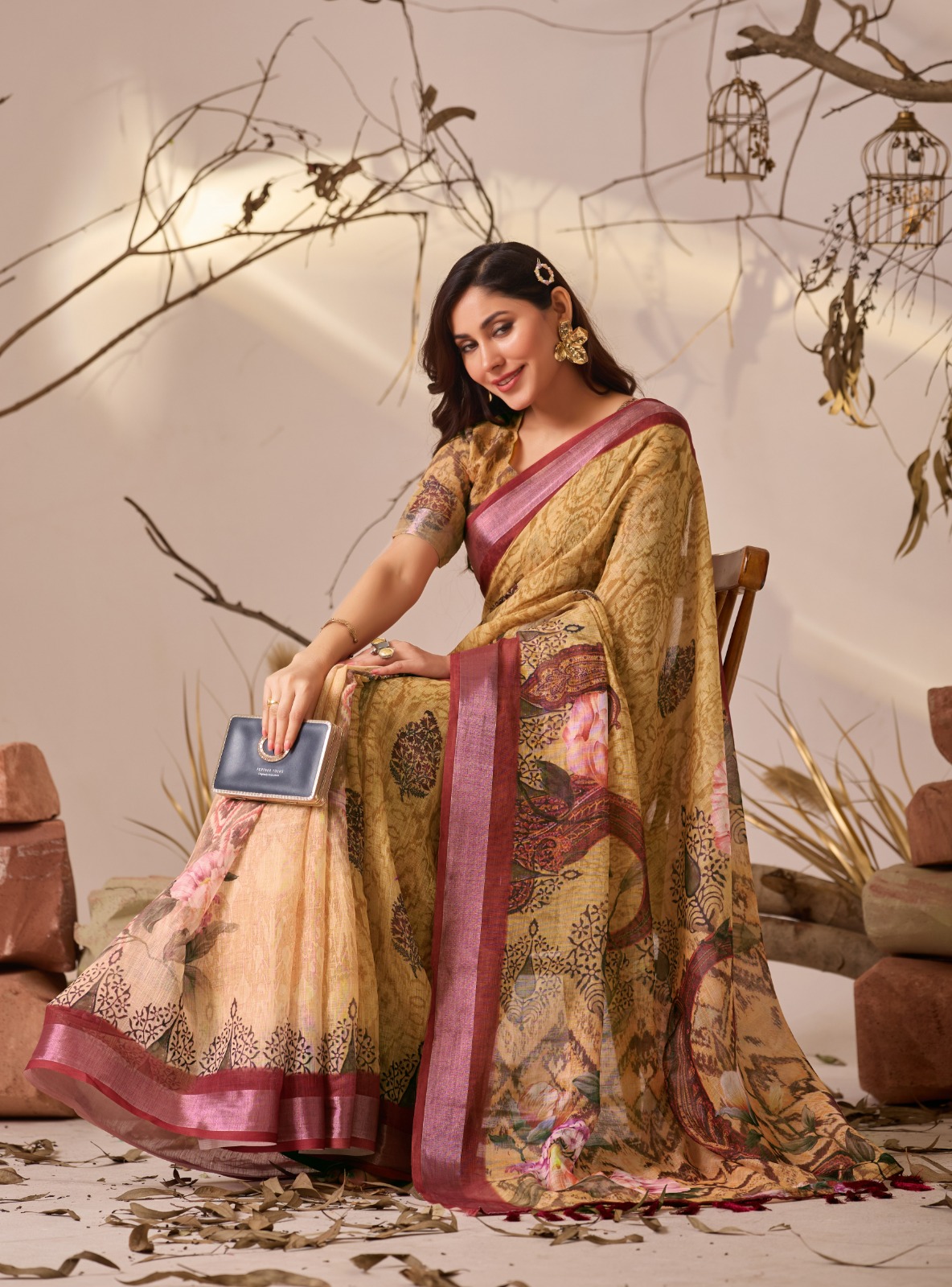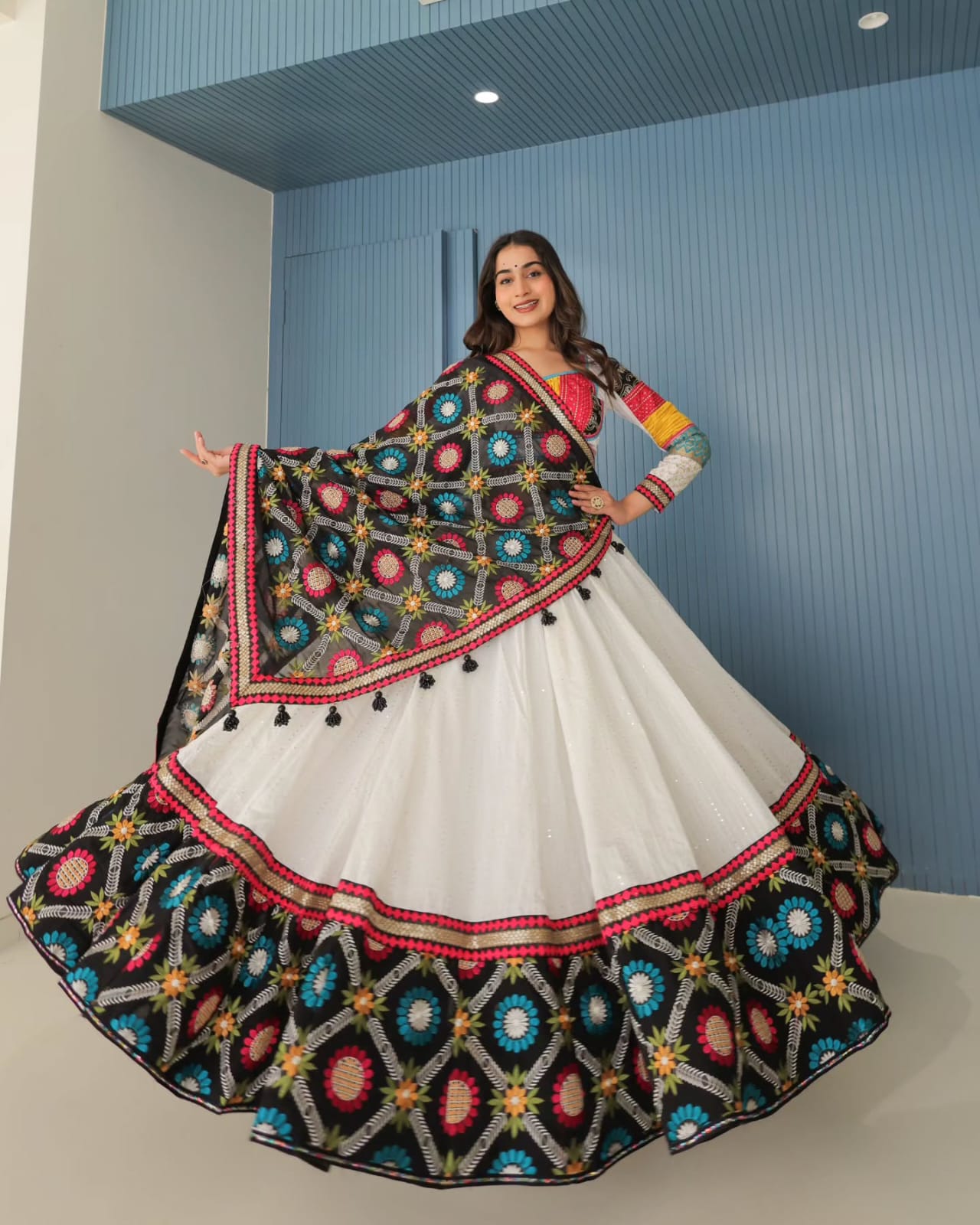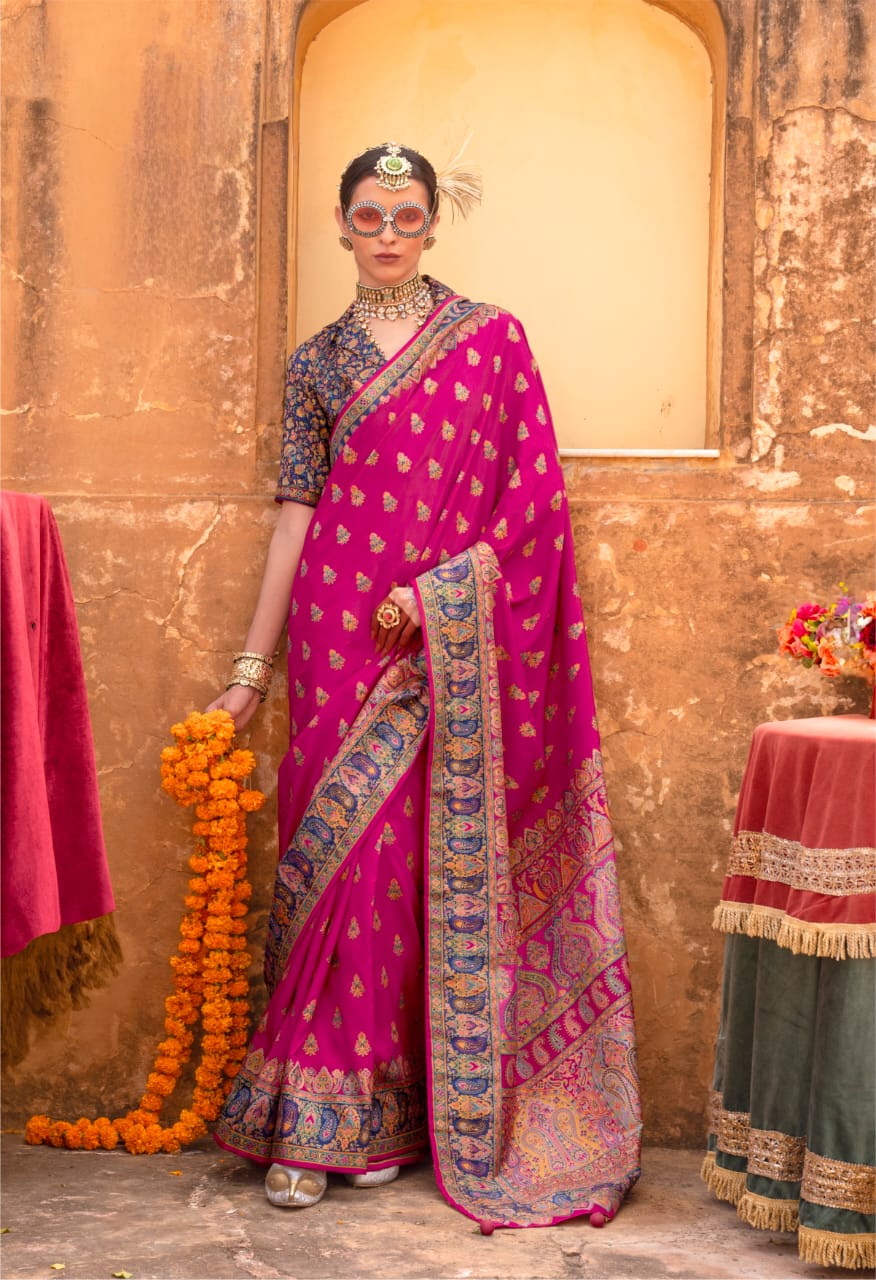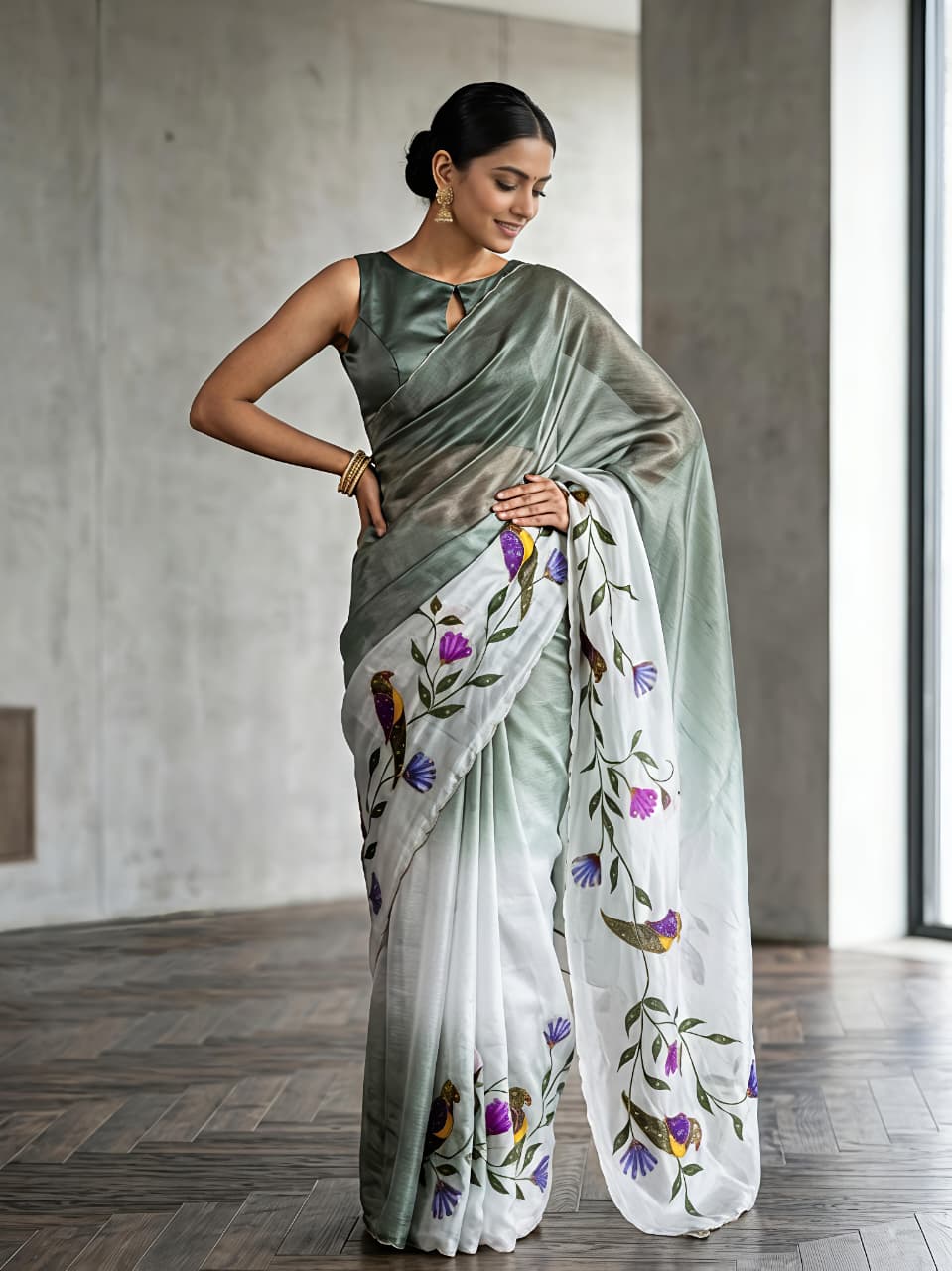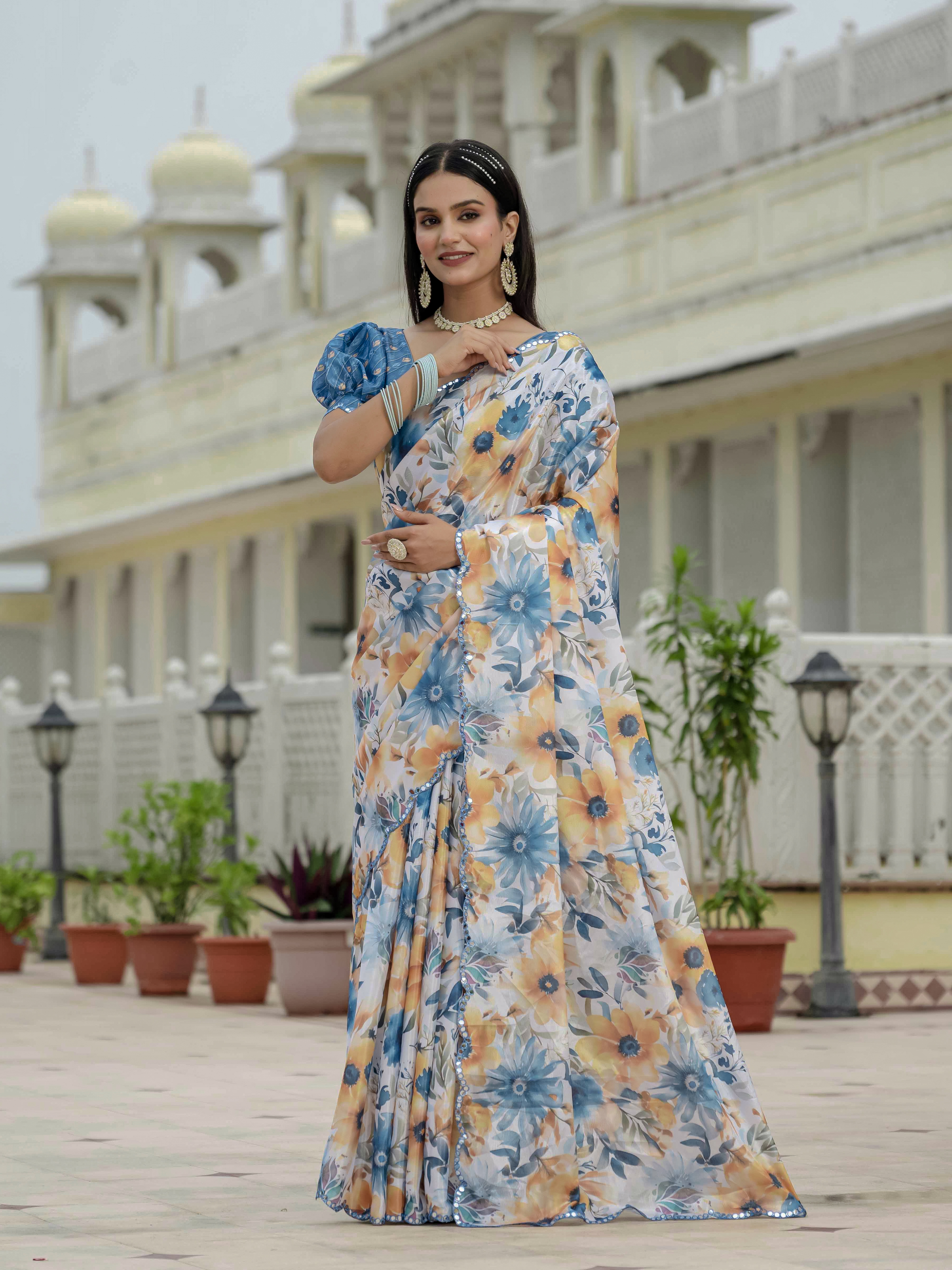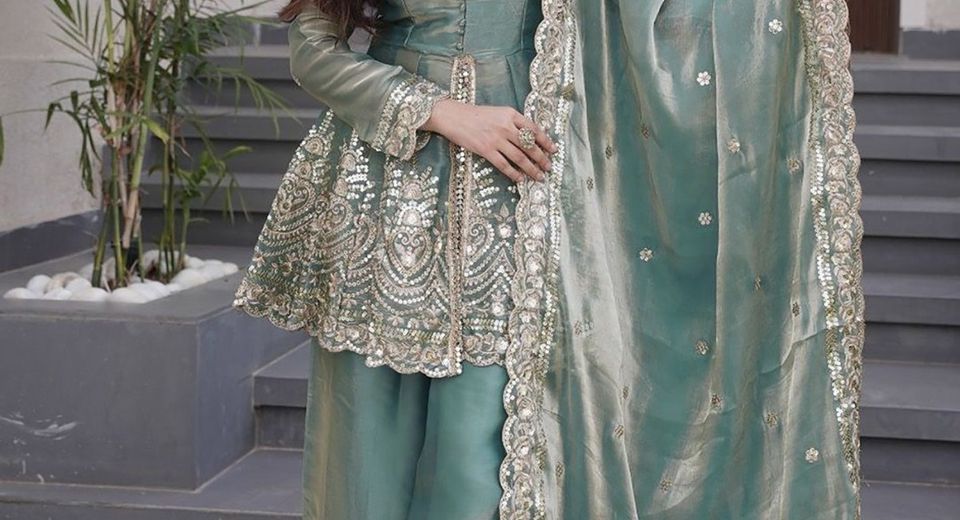
Garhwali Wedding Fashion: Sarees, Suits & Traditional Pahadi Looks becomes easier to plan when clothing is matched to the ceremony, weather and movement involved. A guest may wear a lightweight saree for the wedding, an embroidered salwar suit for the reception, or a bright cotton outfit for the Haldi ceremony. Traditional Pahadi jewellery, a carefully placed dupatta and colours associated with Himalayan celebrations can add regional character without turning the outfit into a costume.
Garhwal has a distinct cultural identity within Uttarakhand, although Garhwali and Kumaoni traditions are often grouped together under the broad word "Pahadi". Wedding clothing varies by family, village, season and personal preference. The most respectful approach is to borrow identifiable elements-such as a bright red-and-yellow dupatta, handloom texture or regional jewellery-while avoiding the claim that one outfit represents every Garhwali community.
Garhwali Wedding Fashion: What should women wear to a Garhwali wedding?
Women can wear a saree, Anarkali, straight salwar suit, sharara suit or silk kurta set, provided the outfit is comfortable for the ceremony and appropriate to the family's dress expectations. A wedding guest usually needs a polished festive outfit rather than full bridal finery, while close family members may choose heavier embroidery, zari, layered dupattas or a more elaborate drape.
A saree in Banarasi silk, Chanderi, tissue, silk blend or a regional handloom weave works well for the main wedding because the drape looks formal in photographs. A salwar suit is often more practical for hill weddings, where stairs, uneven paths, cool evenings and long ceremonies can make a heavily structured lehenga inconvenient. An Anarkali with a full dupatta gives similar volume while allowing easier movement.
For a daytime ceremony, ivory, marigold, rose, leaf green, coral and soft blue are easy choices. Deep wine, emerald, navy, rust and plum suit evening receptions. Red may be reserved for the bride in some families, so guests should confirm the preference before choosing an entirely red outfit. Metallic zari, gota patti and restrained sequin work add wedding polish without requiring a bridal-level ensemble.
How does a Pahadi-inspired outfit differ from a generic Indian wedding outfit?
A Pahadi-inspired outfit gains its identity through regional context, styling and accessories rather than one mandatory silhouette. A modern saree or suit can feel connected to the hills when it's paired with meaningful jewellery, a bright dupatta, natural woven textures and colours associated with mountain festivities.
Garhwali and Kumaoni references should not be treated as interchangeable without care. The Kumaoni pichora, commonly recognised through yellow and red tones and ceremonial use, is a specific cultural garment tradition; a commercially made yellow-and-red dupatta isn't automatically a genuine pichora. Guests can acknowledge the inspiration honestly by describing their look as Pahadi-inspired unless they're wearing a family- or community-specific textile.
Garhwali Wedding Fashion for every wedding ceremony
The best outfit changes with the ceremony because Haldi, mehendi, the wedding pheras and the reception have different levels of formality and practical demands. Building a small wardrobe around these differences prevents one heavy outfit from being worn everywhere.
What works for a Haldi ceremony?
A breathable cotton salwar suit or an easy kurta set is the most practical choice for a Haldi ceremony. Cotton handles heat better than dense synthetic layers, and a washable or less precious dupatta reduces worry when turmeric paste and flower petals are involved.
Choose turmeric yellow, mustard, orange, green, pink or white with bright embroidery. A simple straight kurta with cigarette pants or a relaxed palazzo allows guests to sit on the floor and move between family rituals. Heavy zari, long trailing hems and delicate dry-clean-only fabrics are less suitable for a ceremony where garments may be touched or stained.
What should you wear for mehendi and sangeet?
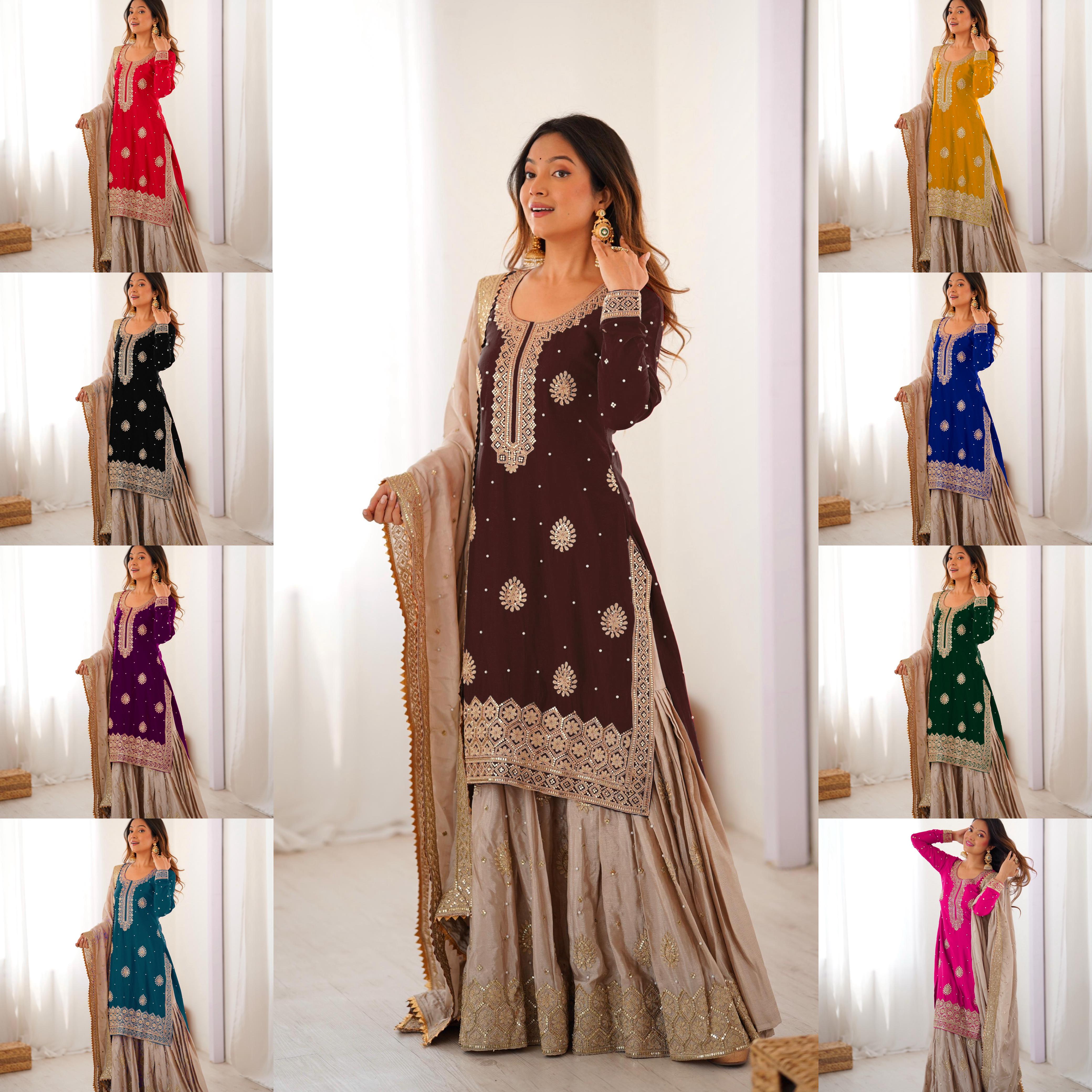
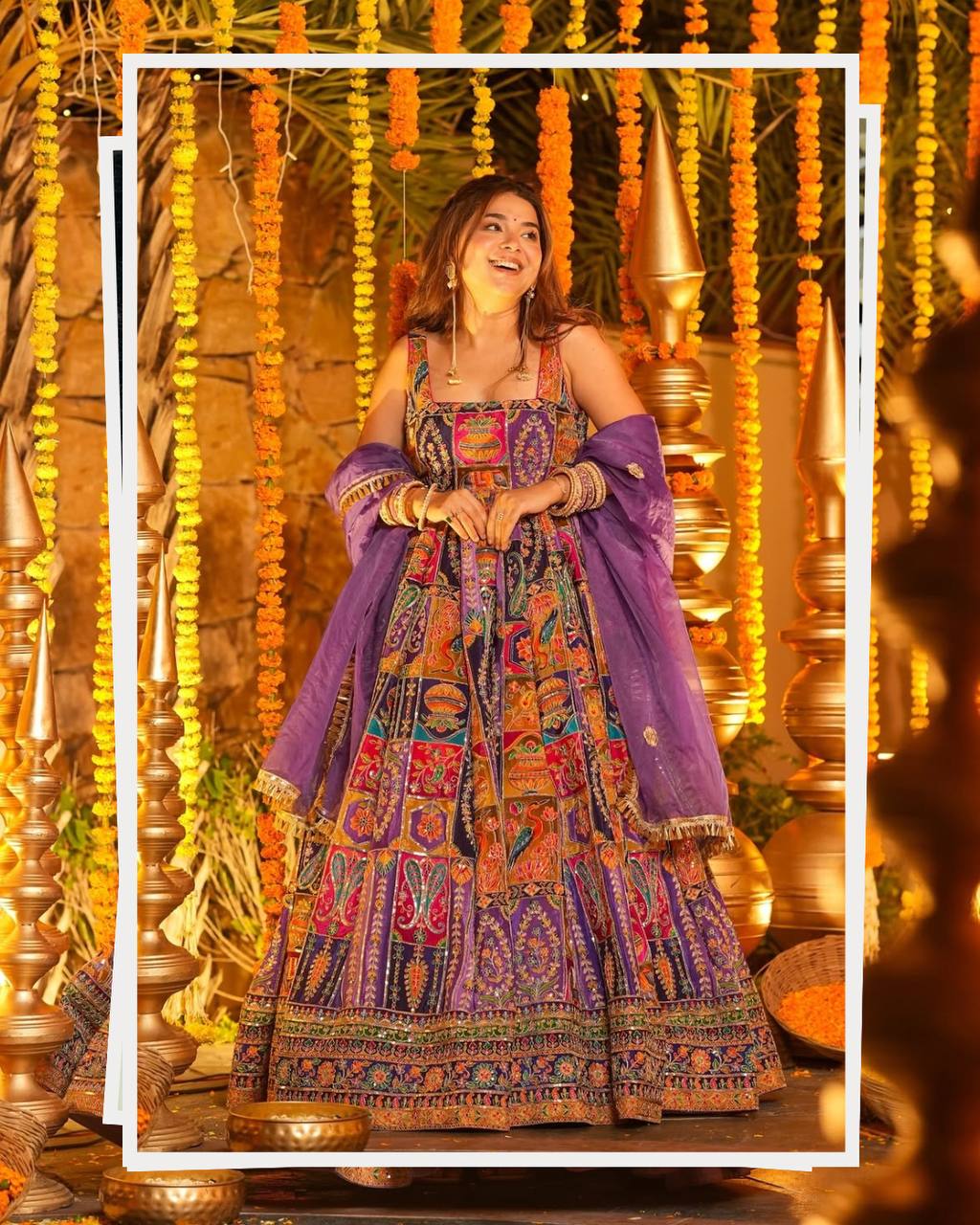
A sharara suit, flared Anarkali or embroidered gown works well for mehendi and sangeet because these silhouettes provide movement and visual interest without needing a separate skirt and blouse. Multicolour embroidery, gota patti, mirror-inspired details and a contrasting dupatta photograph well under indoor lighting.
Multicolor Embroidered Crepe Maxi Suit Set for Festive Wear illustrates how a flowing maxi silhouette can create movement for a dance-friendly event. Brown Chinon Silk Sharara Suit Set for Women offers another useful direction because the sharara creates festive volume while keeping the upper silhouette coordinated. Secure either dupatta over one shoulder or around both arms so that dancing doesn't repeatedly loosen the drape.
What is suitable for the wedding ceremony?
A silk saree, formal Anarkali or richly finished straight suit is suitable for the main wedding ceremony. The safest choices combine a covered neckline, a secure dupatta or pallu and enough room to sit comfortably during extended rituals.
Banarasi silk and Kanjeevaram are traditional saree references with unmistakable formality, but a guest doesn't need a bridal weave to look appropriate. A silk kurta set with a woven or embroidered dupatta can offer the same sense of occasion with less draping effort. Sea Green Embroidered Silk Kurta Set with Dupatta shows how a calm jewel-toned colour can look ceremonial when paired with gold earrings and a defined waistline.
What should you wear to the reception?
An embellished Anarkali, gown set, silk suit or structured sharara suits an evening reception. Reception lighting rewards contrast, clean finishing and controlled sparkle more than excessive layers.
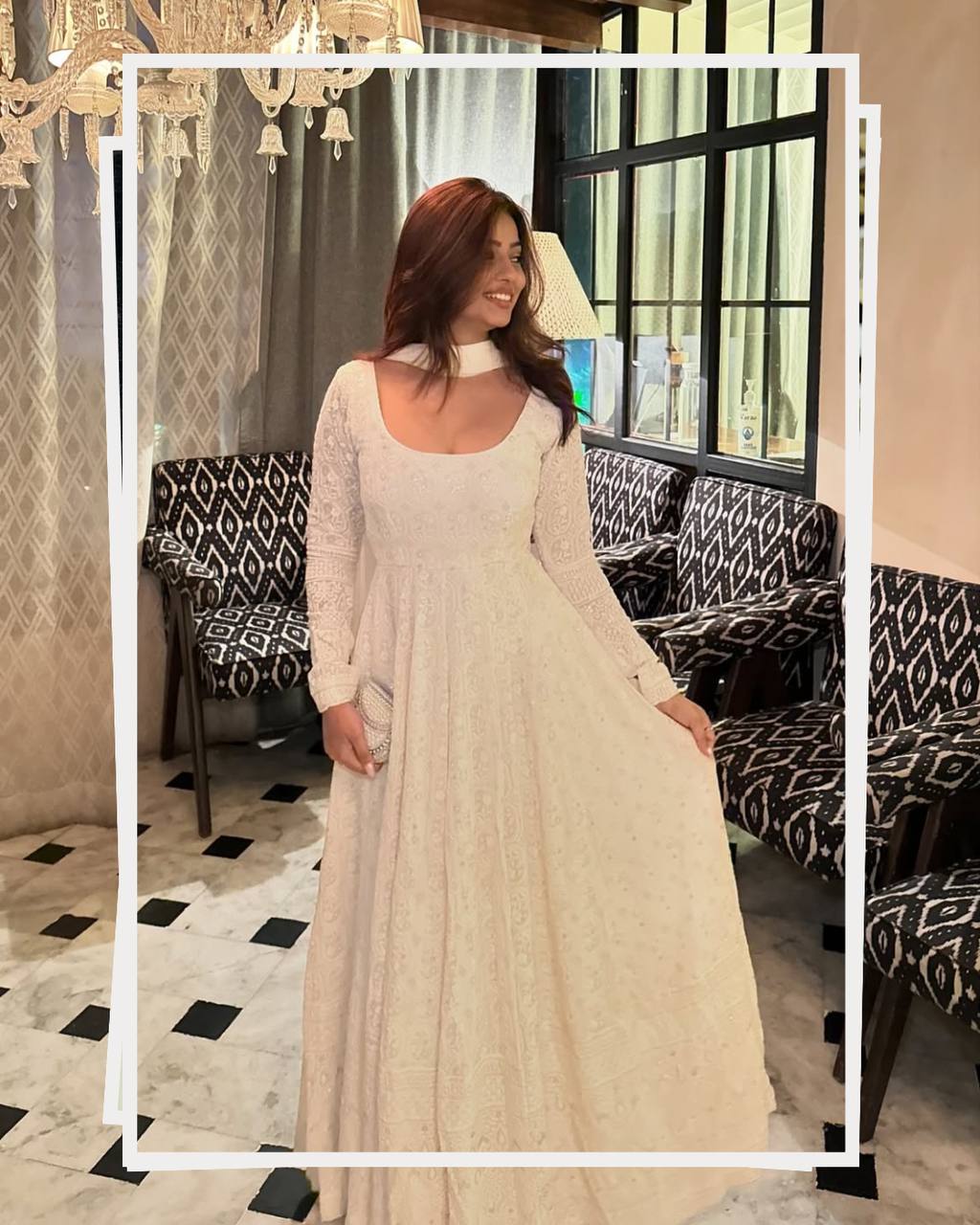
Teal Blue Silk Embroidered Gown Set with Dupatta shows why jewel tones work well after sunset, while White Embroidered Anarkali Suit Set with Gota Patti Dupatta demonstrates how gota patti can provide brightness without a heavily sequinned surface. For a more dramatic silhouette, vichitra Jacquard Woven Gown Dupatta Set can be styled with minimal jewellery and a neatly pinned dupatta.
Garhwali Wedding Fashion: How to choose a salwar suit
The right wedding salwar suit balances fabric weight, embroidery, sleeve comfort, dupatta security and the season in which the wedding takes place. A readymade salwar suit is especially useful when tailoring time is short, but measurements should be checked against the garment's actual size chart rather than relying only on a usual clothing size.
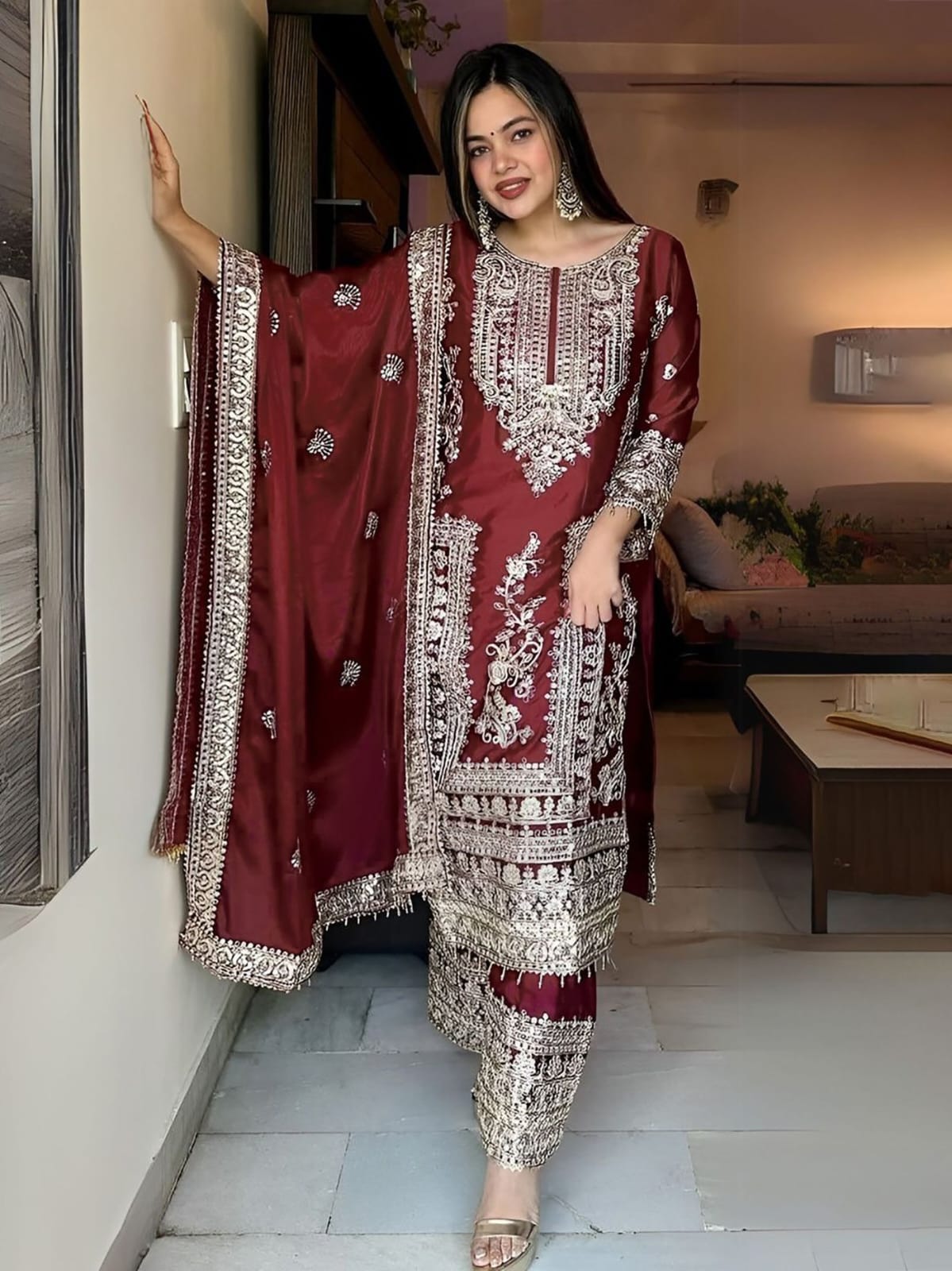
For summer or indoor daytime events, cotton, crepe, lighter silk blends and breathable lining are more comfortable than multiple layers of dense brocade. Cotton salwar suits can look festive when they include block-print-inspired surfaces, gota, thread embroidery or a contrasting dupatta. For winter weddings in the hills, silk, jacquard, Chinon and lined Anarkali styles provide more coverage; a shawl or wool wrap can be coordinated with the outfit instead of hiding it under a bulky jacket.
Close family members may choose a heavy salwar suit with a richly embroidered neckline, broad hem and substantial dupatta. Guests can achieve an equally finished appearance with one focal detail, such as a decorated yoke, embroidered sleeve, woven skirt or ornate border. A heavy dupatta should ideally have a manageable width and secure border so that it can be pinned without pulling the neckline out of shape.
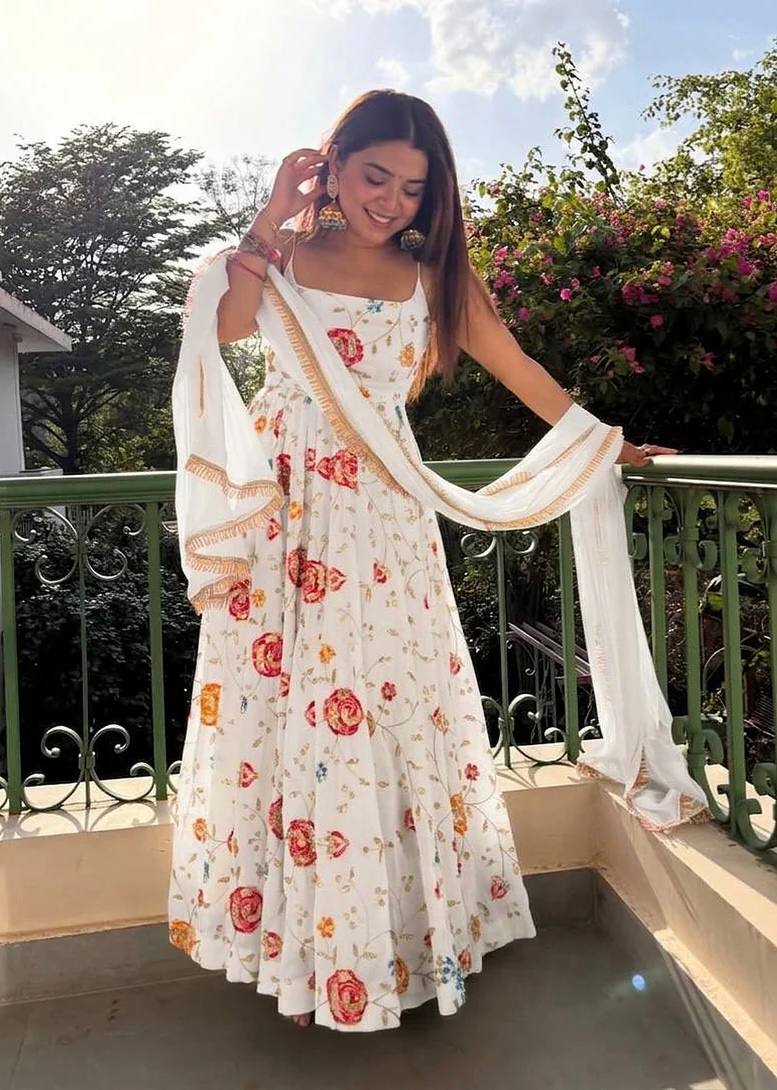
White Floral Vichitra Silk Anarkali Suit Set | Varnavi is an example of a floral formal direction that can suit a daytime wedding or reception, depending on jewellery and footwear. A lighter embroidered set can be repeated at another event by changing the dupatta, earrings and hairstyle, which makes readymade suit sets more practical than single-use purchases.
Collection choices can also help narrow the search by visual language. Delhi Wedding Salwar Suits may suit shoppers seeking event-focused silhouettes, while Kalamkari Print Salwar Suits (Copy) can inspire a more artful, print-led direction. Maharashtra Paithani Inspired Salwar Suits and Karnataka Silk Salwar Suits point towards woven, silk-influenced styling, whereas Punjab Phulkari Embroidered Salwar Suits offer a brighter embroidered reference. These regional labels should be treated as design inspiration unless the garment's weave, embroidery or provenance is specifically documented.
Garhwali Wedding Fashion: Which fabrics and colours suit Pahadi styling?
Silk, Chanderi, cotton, crepe, jacquard and Chinon each create a different balance of drape, warmth and formality. No single fabric is inherently more Pahadi; the regional impression comes from the complete styling and the ceremony for which the garment is worn.
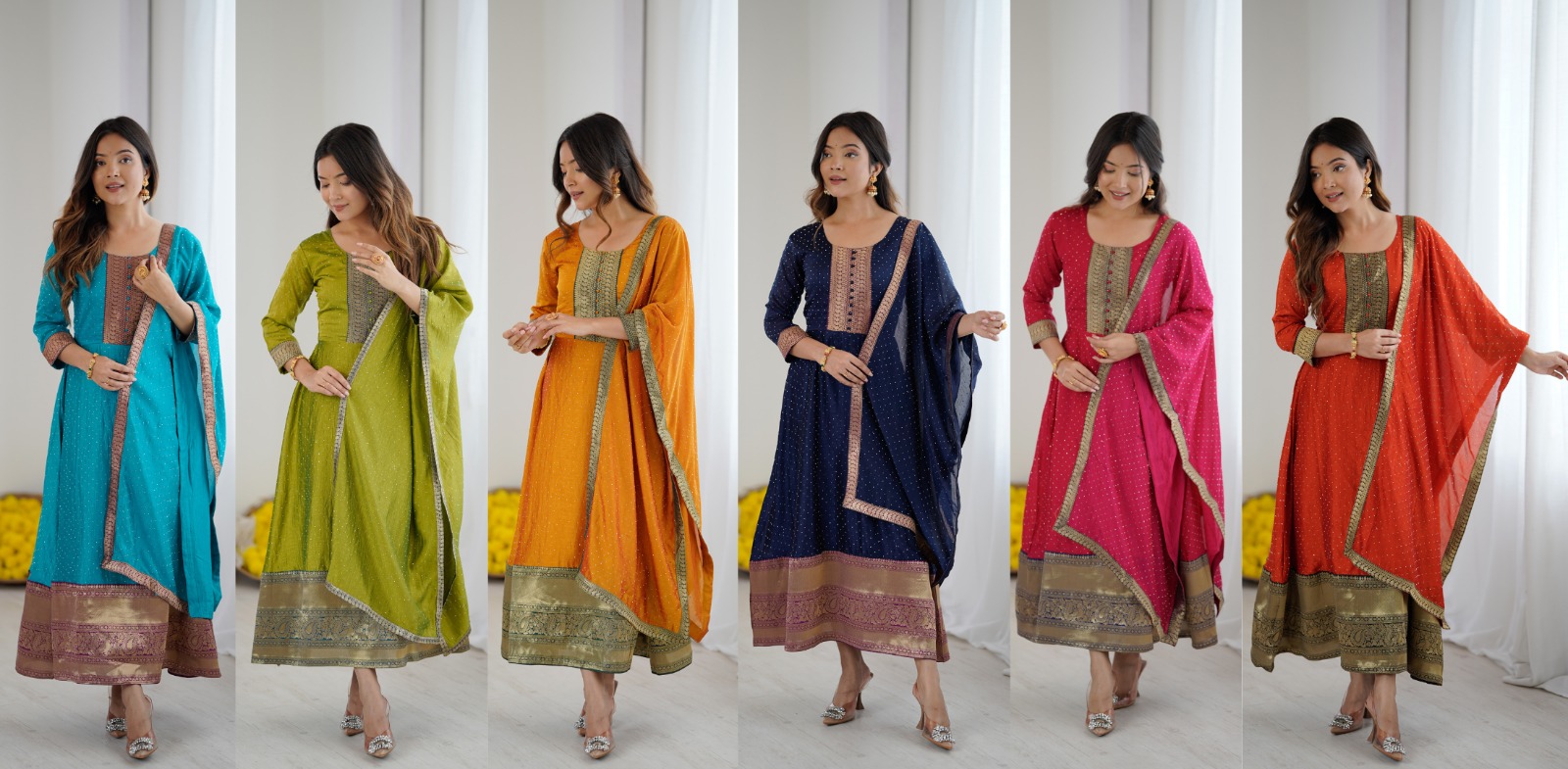
- Silk: Banarasi silk and Kanjeevaram references bring structure and sheen to sarees, while silk kurta sets suit formal wedding rituals.
- Chanderi: Chanderi feels light and graceful for daytime functions, particularly when paired with a lined blouse or slip and a more substantial dupatta.
- Cotton: Cotton salwar suits are useful for Haldi, summer ceremonies and outdoor gatherings because they allow airflow and easier movement.
- Crepe: Crepe falls smoothly and works well for flowing Anarkalis, maxi suits and outfits that need a clean photographic line.
- Jacquard: Jacquard adds woven texture without depending entirely on surface embroidery, making it effective for a sophisticated reception outfit.
- Chinon: Chinon provides a soft, fluid effect for shararas and dupattas, but the garment should be checked for lining and snag protection.
Colour can signal festivity without copying bridal red. Marigold and saffron echo Haldi settings, green works across mehendi and daytime ceremonies, and teal or navy creates an elegant evening contrast. White can look refined with floral embroidery or gota patti, but some families prefer guests to avoid plain white during particular rituals, so local custom remains the final guide.
Garhwali Wedding Fashion: How should you style a traditional Pahadi look?
A traditional Pahadi wedding look needs one or two regional cues, not a crowded collection of symbols. Start with the garment's silhouette, add a secure dupatta and finish with jewellery that relates to the family or region.
Which jewellery works with a Pahadi wedding outfit?
Silver-toned earrings, a nath-inspired nose ring, a maang tikka, glass bangles and a small pendant can complement Pahadi-inspired styling. Traditional Garhwali jewellery may include regionally specific forms, so a family heirloom or locally sourced piece carries more authenticity than several unrelated ornaments purchased only for appearance.
Heavy jewellery should be balanced against the garment. A dense embroidered Anarkali generally needs one strong necklace or pair of earrings, not every available accessory. With a plain silk saree or cotton suit, a larger silver-toned necklace, layered beads or colourful bangles can provide the focal point.
How can you keep the dupatta secure?
Pinning the dupatta at the shoulder and near the waist is the most reliable way to keep it secure during rituals, stairs and dancing. Use small safety pins from the reverse side, place a soft fabric patch behind delicate embroidery and avoid pulling directly on zari or gota patti.
A dupatta worn over both shoulders gives more coverage for temple visits and wedding rituals. A single-shoulder drape creates a sharper silhouette for receptions but requires a hidden pin at the shoulder seam. A heavy dupatta should be tested with the complete outfit at least once before travel so the neckline, sleeves and waist remain comfortable.
What footwear and layering are practical in the hills?
Low block heels, embellished juttis or closed-back flats are safer than very high stilettos for hill venues and uneven paths. Test footwear with the chosen hem before leaving, because a salwar, Anarkali or sharara that touches the ground can collect moisture and dust.
Winter guests can layer a silk suit with a coordinated shawl, long wool coat or warm inner layer. The extra layer should allow the sleeves and dupatta to remain visible. A neutral wrap in ivory, camel, charcoal or deep wine can work across several outfits without competing with embroidery.
Garhwali Wedding Fashion: Buying and care checklist
A reliable purchase starts with the ceremony date, venue conditions, garment measurements and care label. These details matter more than a vague description such as "designer" or "heavy".
- Check the timeline: Allow at least 7 to 10 days for a readymade outfit if alterations, delivery and a trial are required.
- Measure the garment: Check bust, waist, hip, shoulder, sleeve and garment length against the size chart. Do not assume that two brands use identical measurements.
- Inspect the dupatta: Confirm its length, width, border weight and whether the fabric can support discreet pins.
- Plan the venue: Choose washable or less delicate clothing for outdoor Haldi events and lined, warmer fabrics for cold hill evenings.
- Pack correctly: Fold embroidered surfaces inward with tissue paper, keep zari away from moisture and carry spare pins, a small sewing kit and stain-removal wipes.
- Follow care instructions: Dry-clean silk, jacquard, Chinon and heavily embroidered garments when the label requires it. Air the outfit in shade after wearing it and store it completely dry.
Garhwali Wedding Fashion feels most convincing when comfort and cultural sensitivity guide the styling. A cotton suit can be more suitable than a heavy Anarkali for Haldi, while a silk kurta set may be more practical than a saree for guests travelling through a mountain venue. The strongest look is the one that respects the ceremony, moves easily and uses regional references with accuracy rather than excess.
Garhwali Wedding Fashion: Common questions before choosing an outfit
Readers usually need answers about trends, buying channels, ceremony suitability and the difference between bridal and guest dressing. The following decisions cover the most useful questions before placing an order.
Questions About Choosing Garhwali Wedding Fashion
Which website is the best for buying salwar suits for a wedding?
The best website is one that provides clear garment measurements, fabric details, delivery information, care instructions and dependable customer support. Compare these details rather than choosing only by discount, especially when a wedding date is fixed.
Which salwar suit is trending now for wedding guests?
Embroidered Anarkalis, sharara suits, silk kurta sets and flowing gown-style suits are currently popular for wedding guests. The most useful trend depends on the ceremony: cotton or lighter suits for Haldi, movement-friendly shararas for sangeet and silk or embellished Anarkalis for the wedding or reception.
What are some good salwar suits for a wedding party?
A sharara, embellished Anarkali, embroidered maxi suit or silk gown set works well for a wedding party. Choose one focal detail, such as gota patti, a woven jacquard surface, floral embroidery or a rich dupatta, so the outfit looks festive without becoming visually crowded.
Where can I buy wedding suits online?
Wedding suits can be bought online from established ethnic-wear stores that publish size charts, fabric information, product photographs and delivery timelines. Order early enough to try the outfit, arrange minor alterations and confirm that the dupatta and lining meet the needs of the venue.
Are cotton salwar suits suitable for a Garhwali wedding?
Cotton salwar suits are suitable for Haldi ceremonies, summer weddings and outdoor daytime functions. Choose cotton with festive embroidery, gota, a printed surface or a contrasting dupatta, and reserve very plain everyday cotton for less formal gatherings.
How do I style a heavy bridal-style dupatta without looking overdressed?
Pair a heavy dupatta with a simpler kurta, Anarkali or sharara and keep the jewellery focused on one statement piece. Pin the dupatta securely, avoid combining several heavily embellished layers and choose guest-appropriate colours if the bride is wearing red or another reserved shade.