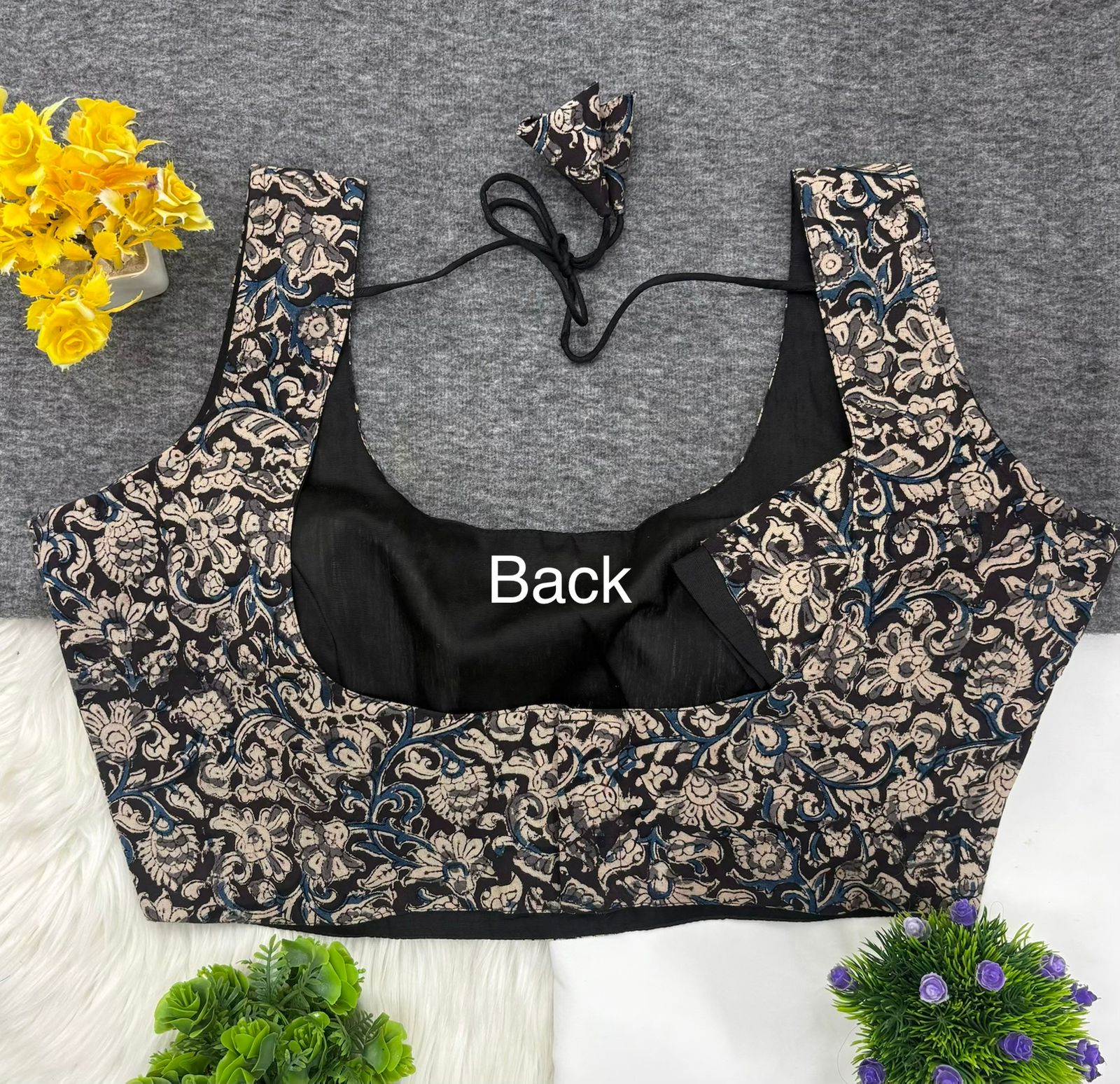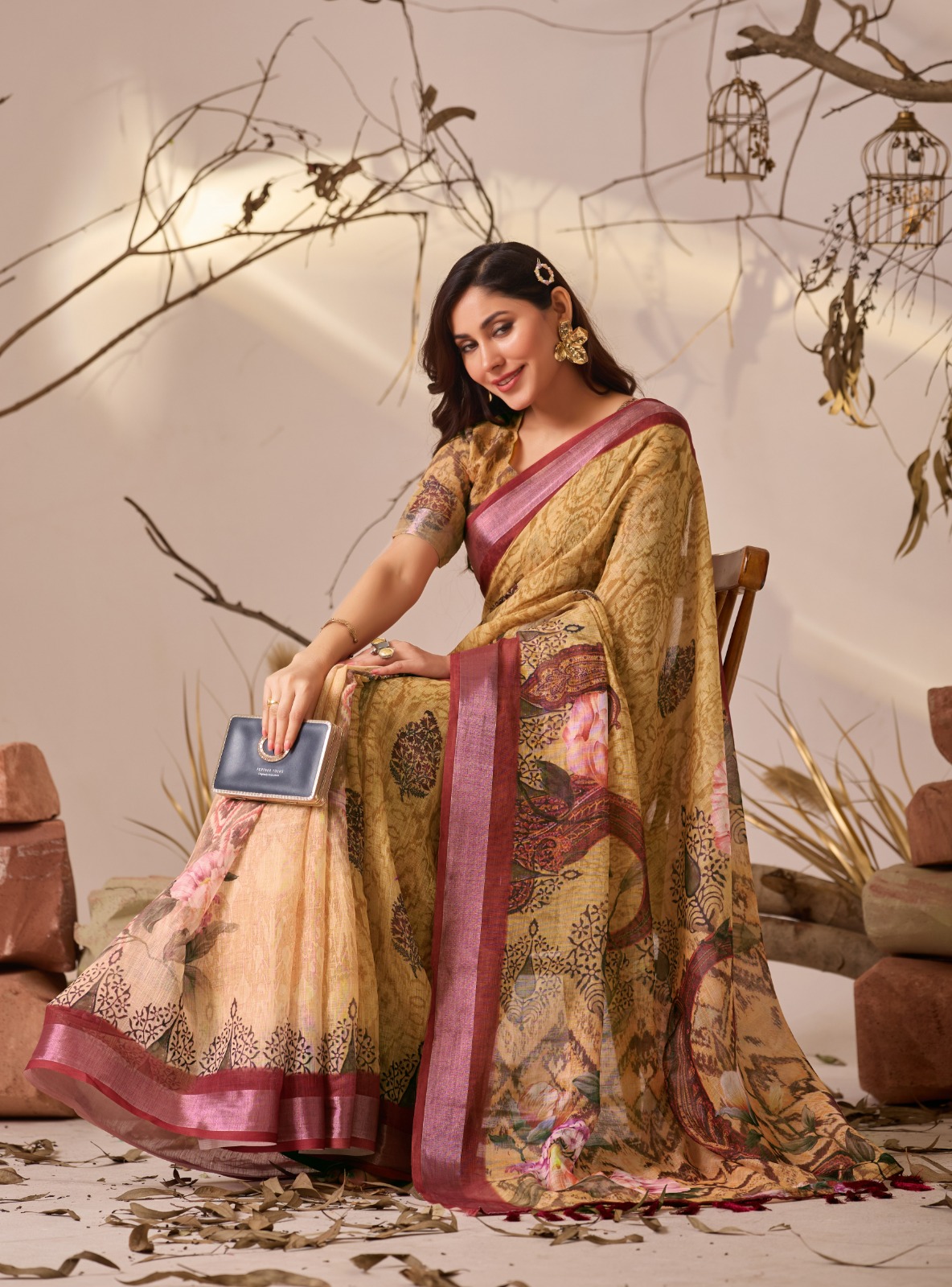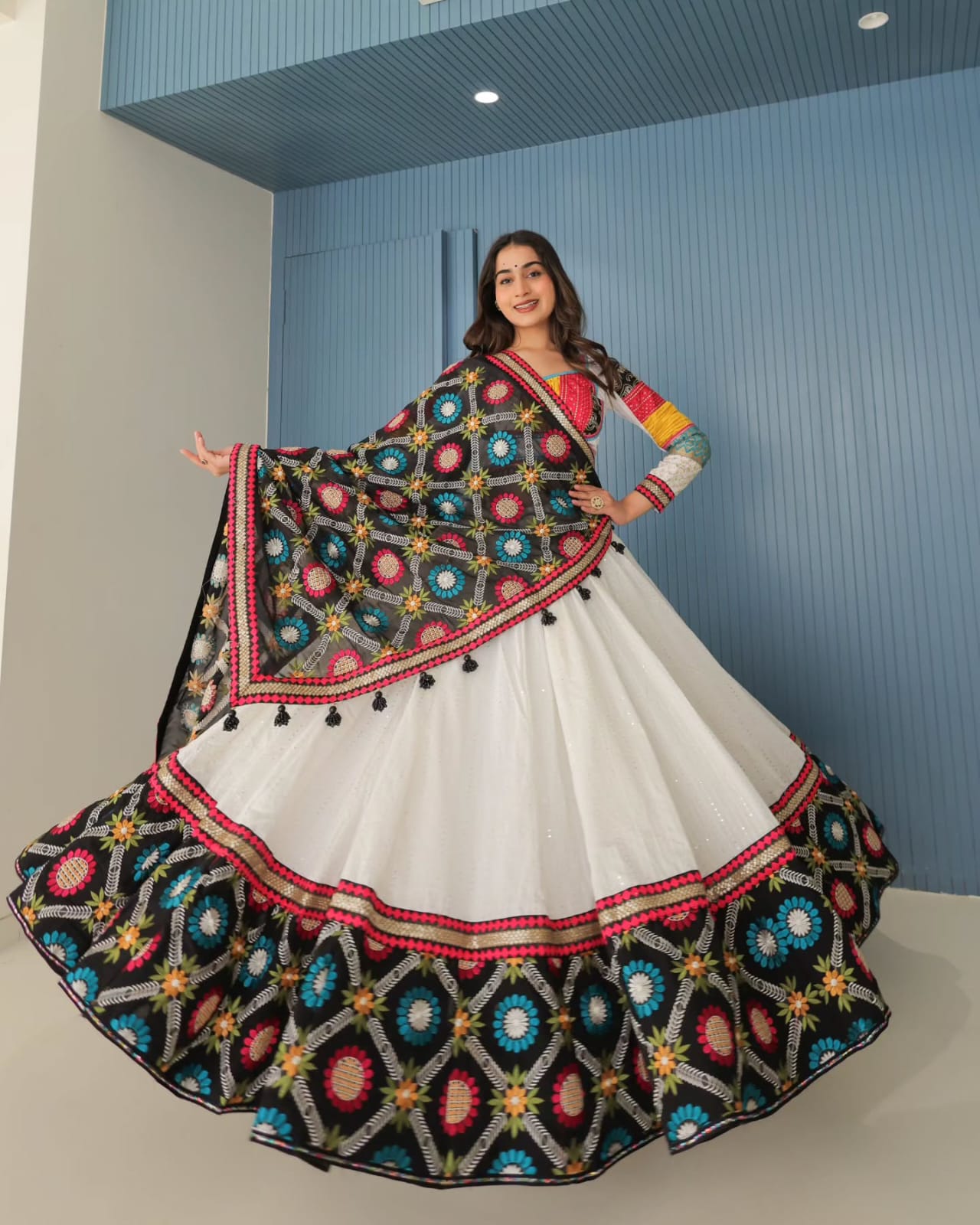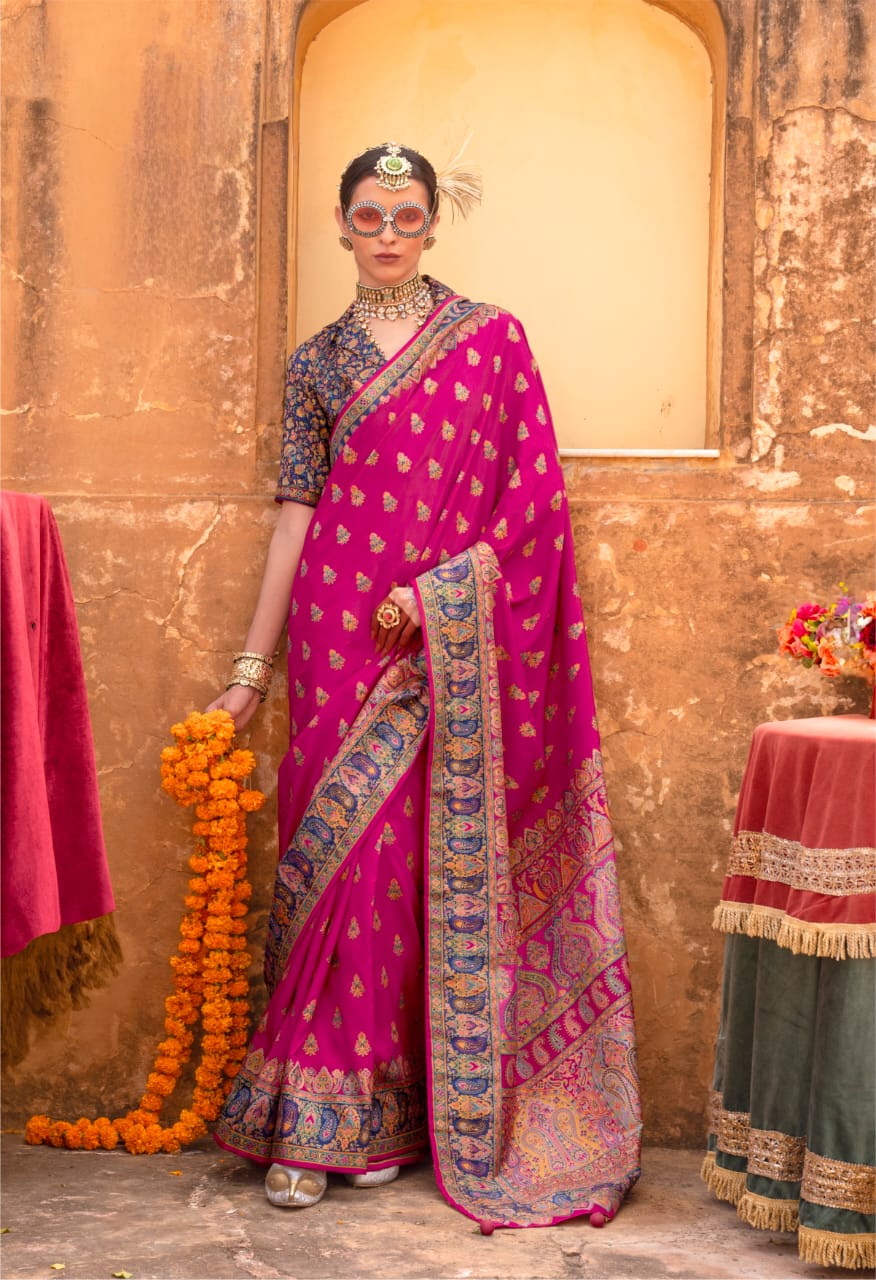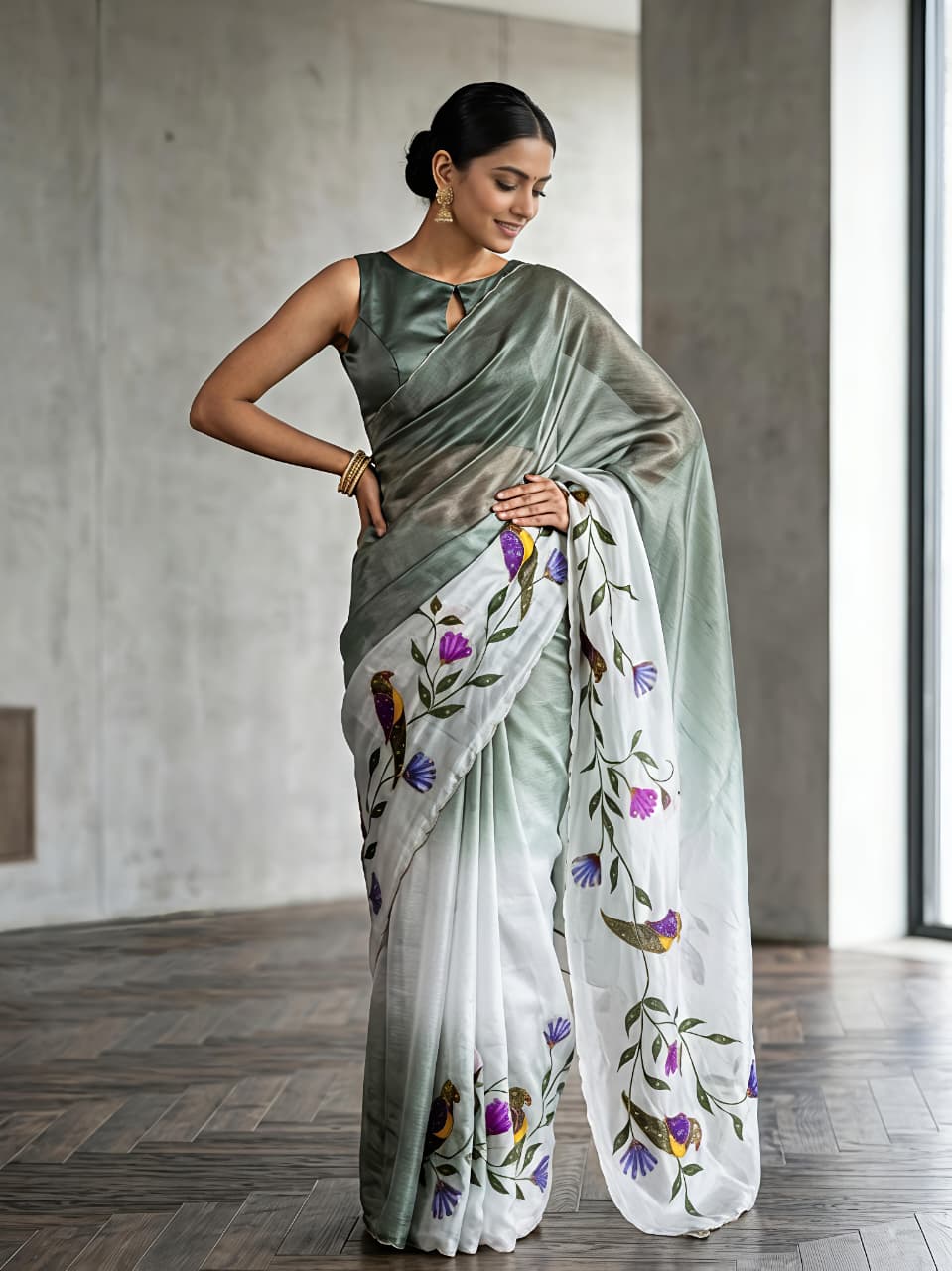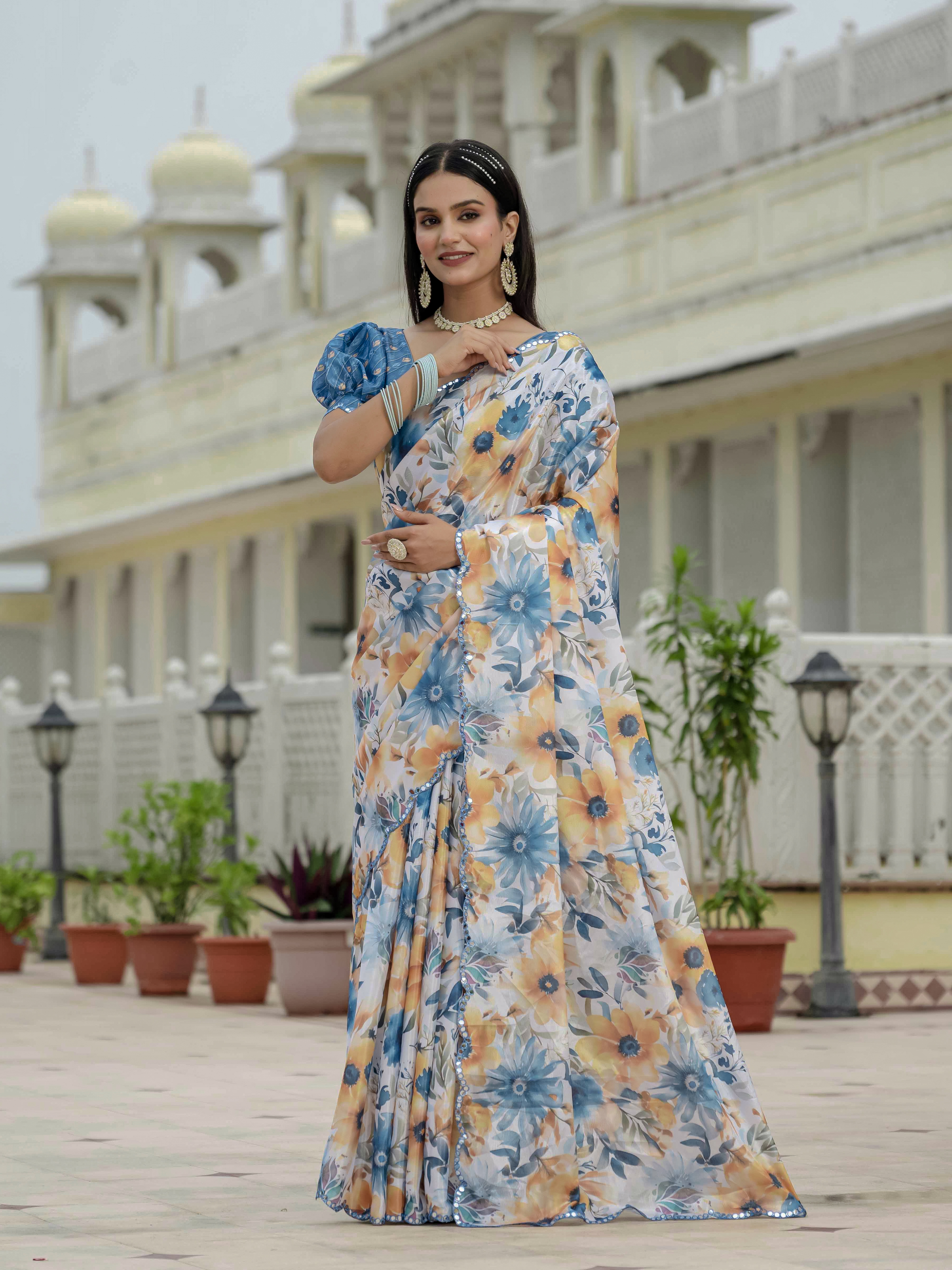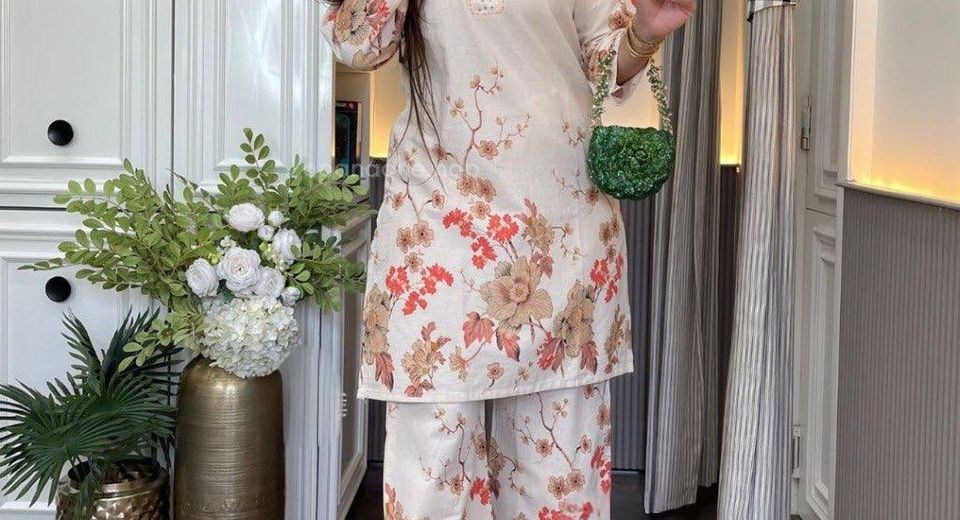
Garba Outfit Ideas with Gujarati Salwar Suits and Dupattas become far more practical when colour, fabric and movement are considered together. A salwar suit can give you the festive energy of a Gujarati Garba dress while offering easier walking, sitting and dancing than a heavily layered lehenga. The most successful outfit usually has one lively visual feature, one comfortable fabric choice and a dupatta drape that stays secure through several rounds of dandiya.
Garba nights often involve standing for hours, repeated arm movements, quick turns and crowded dance circles. Clothing that looks beautiful in a still photograph may feel restrictive once the music begins. The guidance below explains how to choose a silhouette, match Gujarati-inspired details, manage a dupatta and assemble a complete outfit for Navratri without treating comfort as an afterthought.
What makes a salwar suit suitable for Garba?
A Garba-ready salwar suit should allow unrestricted leg movement, remain secure at the shoulders and use a fabric that suits the venue and duration of the event. The best choice isn't necessarily the most embellished suit; a well-cut kurta with a flexible bottom and a manageable dupatta often performs better on the dance floor.
Look for a kurta hem that adjust at or below the knee without dragging near the ankles. A straight kurta with a salwar, palazzo or cigarette-style bottom gives the legs room to move. Anarkali silhouettes can also work, especially when the flare is moderate and the hem doesn't pull under your feet. Very long, heavily layered hems require more attention because they can brush against footwear during fast steps.
The waistband matters as much as the kurta. A palazzo with a broad, comfortable elasticated waist is useful for prolonged dancing, while a drawstring should be tied securely and tucked away. A narrow trouser can look polished, but a tight fit around the knees may make squatting, turning or climbing stairs uncomfortable.
Readymade salwar suits for Garba are useful when you want a coordinated outfit without separately matching a kurta, bottom and dupatta. Check the garment measurements rather than relying only on the label size. A few centimetres of ease at the hip and upper arm can make a meaningful difference during repeated movement.
Garba Outfit Ideas with Gujarati Salwar Suits and Dupattas
Garba Outfit Ideas with Gujarati Salwar Suits and Dupattas work particularly well when the Gujarati influence appears through colour, textile character, ornament and styling rather than through excessive decoration on every garment. A lively palette can carry the festive mood even when the silhouette remains a familiar salwar suit.
Use a bright colour story with one grounding shade
A two- or three-colour palette is easier to style than a garment covered in competing shades. Mustard yellow with maroon, purple with green, cobalt blue with pink, or ivory with red can create a festive Gujarati feel. Use the deepest colour on the bottom or blouse-like inner layer when you want the outfit to look visually anchored.
Mustard Yellow Jacquard Kurta Set with Embroidery & Dupatta offers an useful example of a warm Navratri palette because the matching dupatta creates continuity between the kurta and accessories. Silver-toned jewellery can cool mustard, while antique-gold earrings and bangles create a warmer traditional effect.
Choose Gujarati-inspired surface details carefully
Mirror work, small embroidered motifs, geometric prints, tassels and bandhani-inspired colour placement can suggest Gujarati festive dressing. Zari, sequins and metallic thread add light under event illumination, but comfort improves when embellishment is concentrated on the neckline, yoke, sleeve border or dupatta edge instead of covering every surface.
White Embroidered Viscose Jacquard Kurta Set for Women can serve as a lighter base for colourful accessories. Pairing a white or ivory-looking outfit with a red, fuchsia or multicoloured dupatta creates contrast without requiring a heavily embellished kurta. The same approach works when you already own statement earrings or a bright pair of juttis.
Let the dupatta provide the strongest festive accent
A printed or embroidered dupatta can transform a simple salwar suit into a convincing Garba outfit. Secure one shoulder with a concealed safety pin, bring the fabric across the torso, and anchor the opposite side near the waist if you plan to dance actively. A shorter, lighter dupatta is usually easier to control than a wide fabric that repeatedly touches the floor.
For a more Gujarati-inspired drape, place the dupatta over the right shoulder, bring it across the front and allow the decorated end to fall toward the left side. Pin the shoulder and upper chest discreetly before adding jewellery. The drape should leave both arms free from the elbow so that dandiya movements don't pull the fabric loose.
Which fabrics work best for a Garba night?
Cotton, cotton blends, viscose, Chanderi and lightweight georgette can work for Garba, but the right choice depends on venue temperature, crowd density, event length and the amount of embellishment. Breathable cotton is useful for outdoor celebrations, while polished woven or synthetic blends may suit air-conditioned halls and evening events.
Cotton for outdoor comfort
Cotton salwar suits for Garba are a strong choice when the event takes place outdoors or in a warm climate. Cotton absorbs moisture and generally feels comfortable against the skin, although a very starched or densely embroidered cotton kurta can become less flexible. Choose a lighter weave and keep the dupatta manageable if you expect to dance for several hours.
Muslin can offer a soft, light feel, but a delicate muslin dupatta may need more careful pinning in a crowded circle. Purple Hand Printed Muslin Kurta Set Women | Varnavi Online demonstrates how a printed surface can provide visual interest without depending entirely on heavy metallic embellishment. Use small, smooth accessories with delicate printed fabrics to avoid snagging.
Chanderi and silk blends for a dressed-up finish
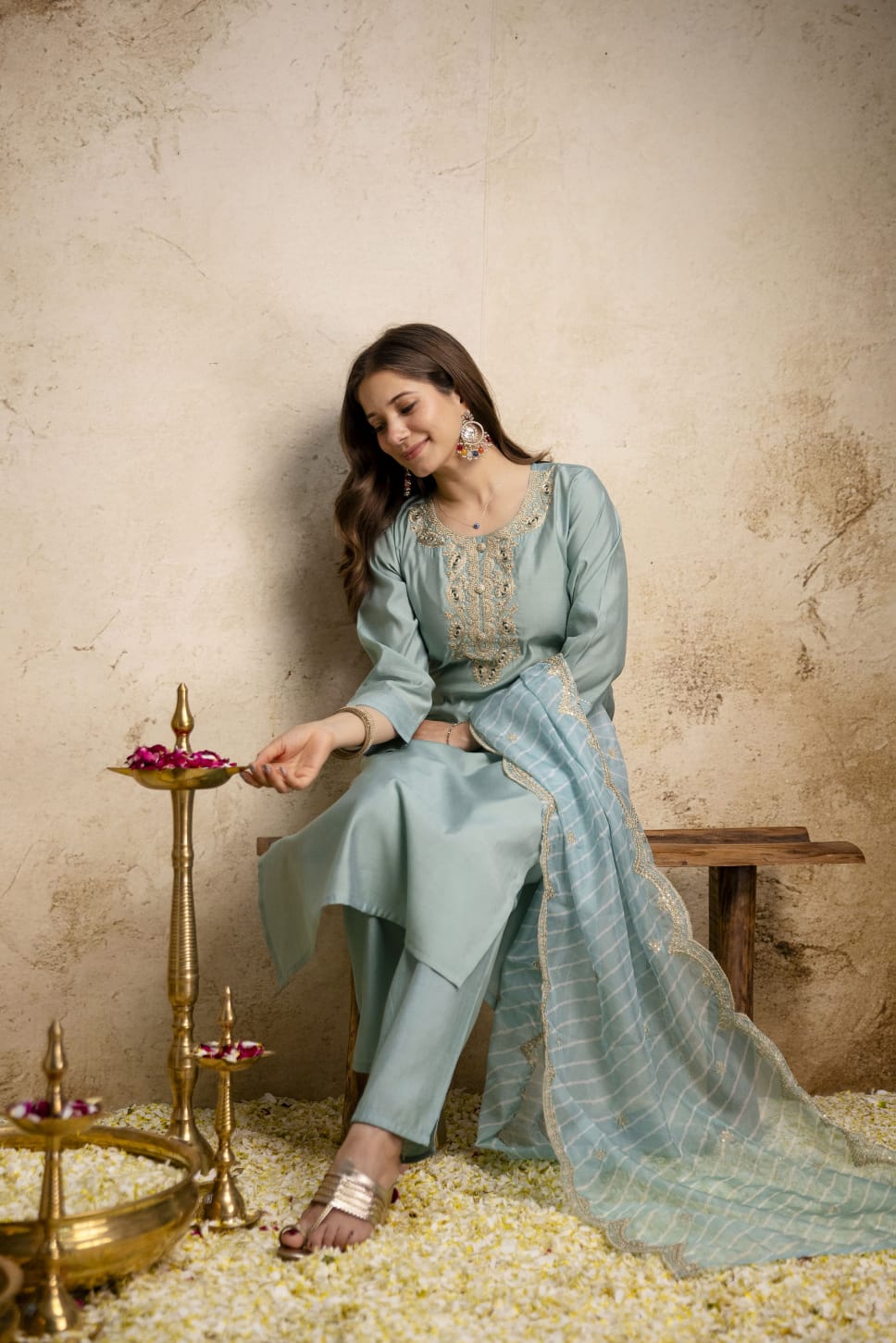
Chanderi has a light, refined appearance that suits festive gatherings, but embroidery and zari can change the garment's weight and care requirements. Pastel Blue Embroidered Chanderi Kurta Set with Dupatta creates a softer colour direction for people who prefer elegant Garba dressing over highly saturated colours. Add oxidised silver jewellery or a contrasting pink bangle stack to bring more energy to a pastel base.
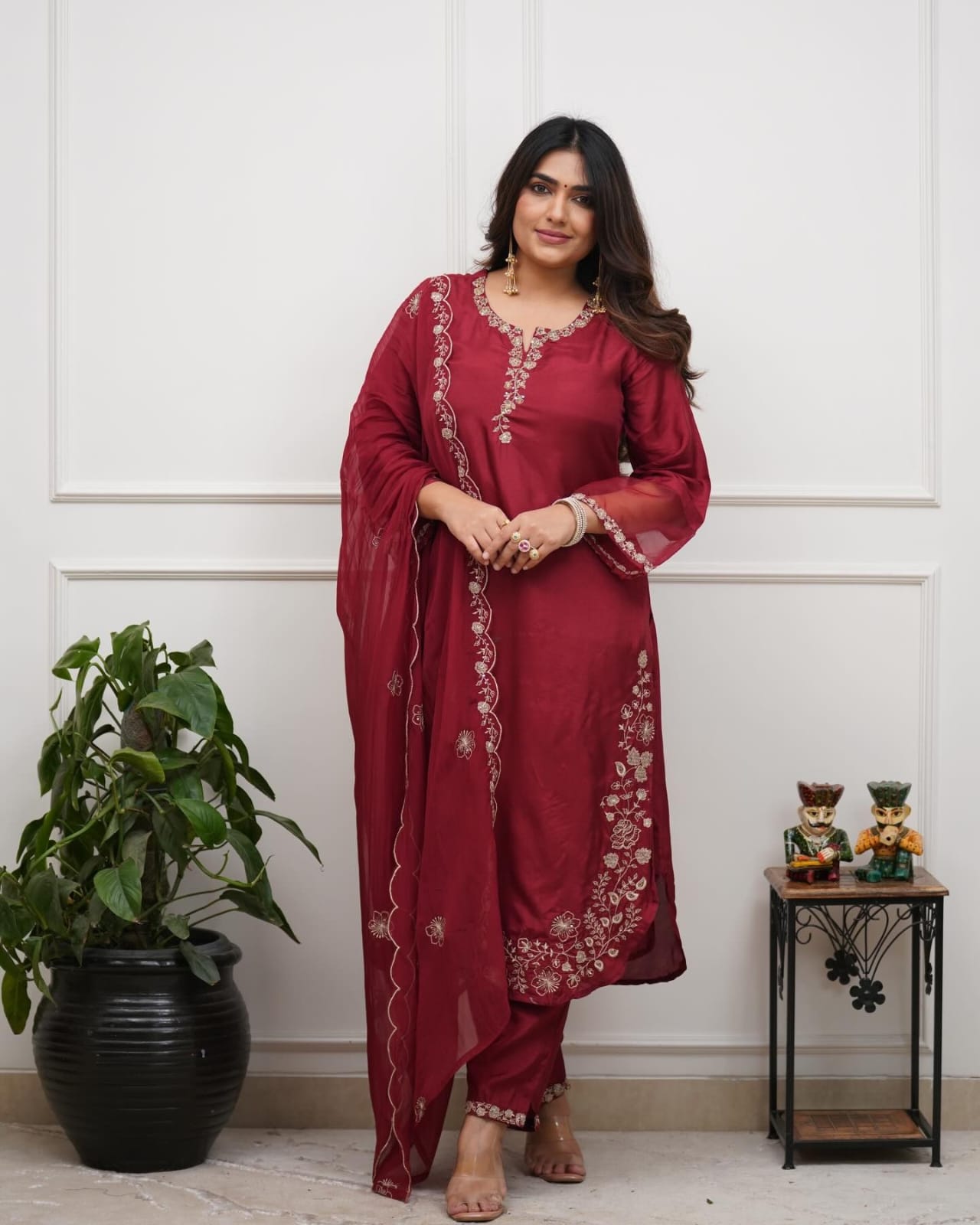
Maroon Viscose Chanderi Silk Embroidered Kurta Set for Women brings a deeper colour option for evening events. Maroon pairs naturally with antique gold, dull silver and dark green accessories. Viscose-based fabrics can feel fluid and comfortable, but the outfit should still be aired after wear and stored away from prolonged dampness.
Georgette and textured silk for fluid movement
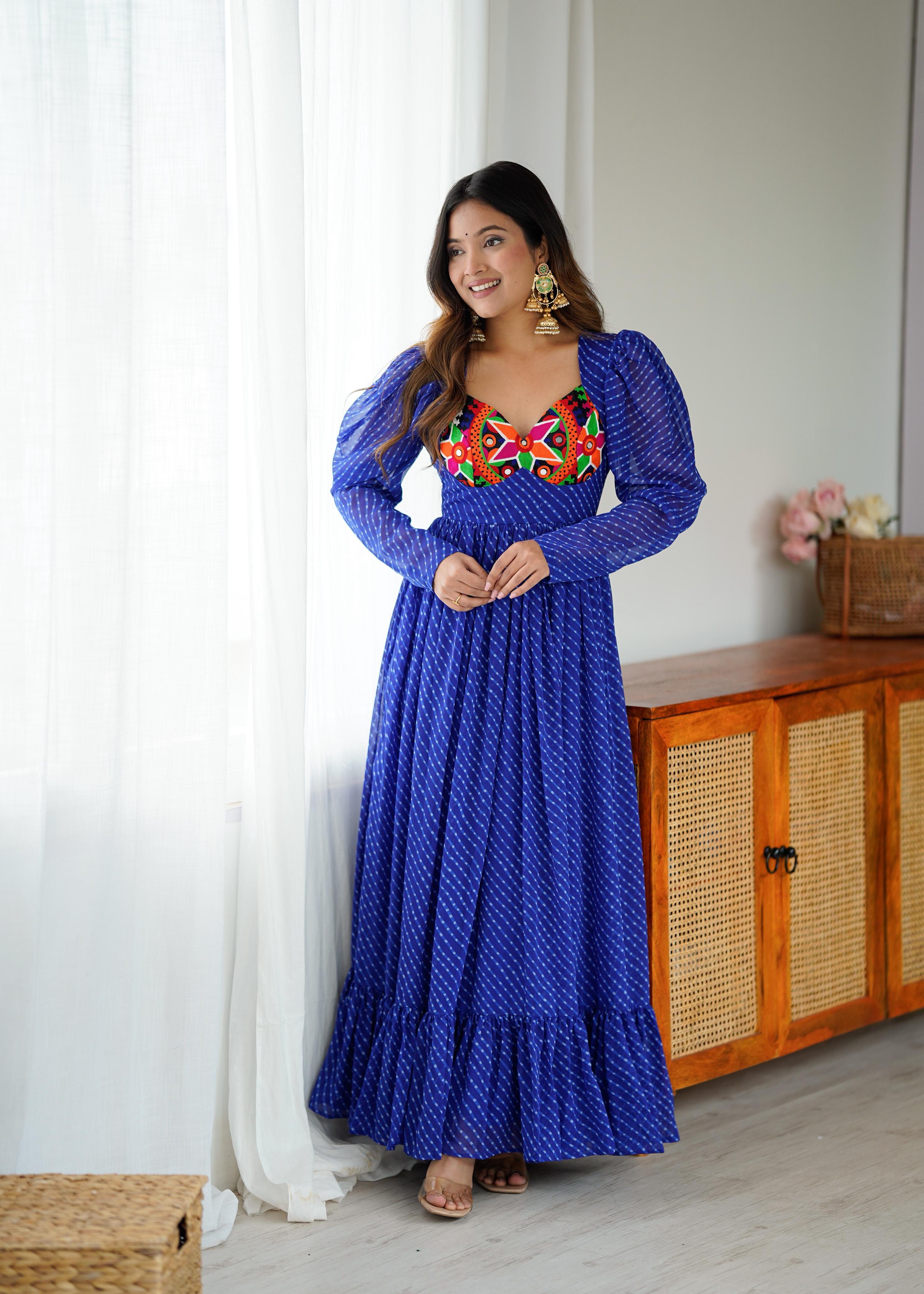
Georgette drapes close to the body and can create graceful motion during turns, although a slippery dupatta needs reliable pins. Blue Printed Georgette Designer Gown for Women Festive suits a person who wants a single-piece festive silhouette rather than a heritage three-piece salwar set. Add fitted leggings or an appropriate inner layer if the garment's shape requires additional coverage for dancing.
Textured silk and crunchy silk can add body to a palazzo or kurti set. Mauve Crunchy Silk Embroidered Kurti Palazzo Set for Women gives a contemporary alternative to a classic salwar kameez. A structured set like this needs comfortable footwear and enough ease at the waist because textured fabrics may not stretch as much as jersey or soft cotton.
How should you style a Gujarati salwar suit for Garba?
Style a Gujarati salwar suit for Garba by balancing one statement accessory with secure footwear, controlled hair and a dupatta that can't fall into the dance circle. Jewellery and makeup should support movement rather than create sharp, heavy or loose elements that become uncomfortable over time.
Jewellery that adds rhythm without getting in the way
Oxidised silver jhumkas, enamel earrings, layered bangles and a small nose pin can complement Gujarati-inspired dressing. Choose earrings with a secure backing and avoid extremely long designs if you'll dance close to other people. Bangles can make the sound and movement of the outfit feel festive, but a moderate stack is safer than a heavy armful that restricts wrist movement.
A mirror-work potli, embroidered waist belt or small maang tikka can supply a focal point. Keep the bag crossbody-free if its strap could interfere with dandiya sticks; a compact wristlet or a securely held potli is more practical. Avoid long necklace chains that catch on dupatta embroidery or hair.
Hair and makeup for a long evening
A low braid, secure ponytail or pinned half-up style usually withstands Garba better than loose hair. Use pins at the nape and around the temples, then test the hairstyle by turning your head and raising both arms. Sweat-resistant base makeup, waterproof eyeliner and a lip colour that can be reapplied quickly are more useful than a thick layer of products.
Footwear deserves a movement test
Juttis, cushioned mojaris and low block heels are generally more practical than narrow high heels for Garba. The sole should grip the floor without being so sticky that it prevents turning. Wear the footwear indoors for at least 30 minutes before the event, and carry blister patches if the shoes are new.
How can you make a dupatta secure for dancing?
A dupatta stays secure during Garba when the shoulder fold is pinned, the front edge is anchored and the remaining length doesn't hang near the feet. A three-point fastening system is more reliable than a single pin at the shoulder.
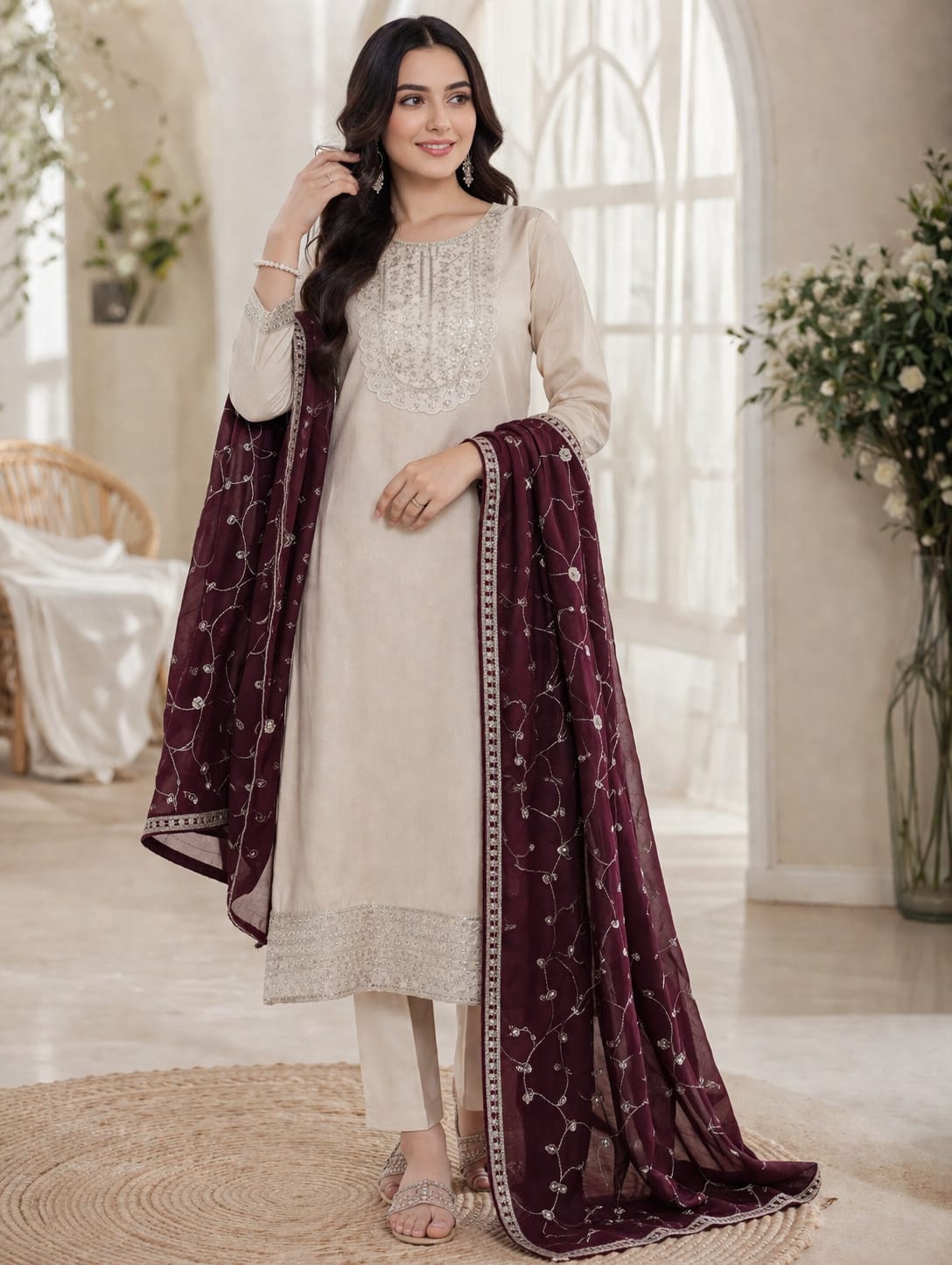
- Prepare the folds: Fold the dupatta into a manageable width before placing it on the shoulder. Narrower folds reduce drag and make the fabric less likely to brush against other dancers.
- Pin the shoulder: Use a safety pin from the inside of the garment so the pin doesn't show. Place the pin through the kurta shoulder seam or a stable section of fabric rather than a delicate embroidered motif.
- Anchor the torso: Fix the front edge near the waist or side seam with a second concealed pin. Do not pin so tightly that the fabric pulls across the chest when you lift your arms.
- Control the loose end: Keep the remaining length above the ankle and away from the dandiya sticks. A small fold or discreet waist tuck can stop the border from dragging.
People who prefer a relaxed drape can use a lightweight dupatta over both shoulders, but the fabric should still be fixed at one shoulder. A heavily embellished border is more likely to snag, so inspect the edge before leaving home and remove loose threads.
How do you build different Garba looks from salwar suit styles?
Different salwar suit silhouettes suit different movement preferences, body proportions and levels of formality. A straight kurta feels efficient, a palazzo set looks contemporary, and a moderate Anarkali flare supplies more classic movement without requiring a full lehenga.
Elegant Beige Vichitra Silk Embroidered Kurta Set for Women works as a neutral base for bright Gujarati accessories. Add a red or pink dupatta, colourful glass bangles and a printed potli to make beige feel festive rather than understated. Neutral suits are also practical when you want to repeat the set with different dupattas across several Navratri evenings.
Ladies Dress Anarkali Salwar Suits can provide a graceful Garba profile when the flare isn't excessively long or heavy. Select a hem that clears the floor by a small margin with your chosen footwear. A fitted sleeve and a secure neckline can help the Anarkali remain neat during arm movements.
White Embroidered Viscose Jacquard Kurta Set for Women can be styled in a clean contemporary direction with metallic flats and a bright printed dupatta. Blue Printed Georgette Designer Gown for Women Festive gives a more fluid, Indo-western direction for a venue that doesn't require a conventional salwar silhouette.
Dress Materials are useful when you want a custom Gujarati-inspired suit with a particular sleeve, hem or trouser width. Tailoring allows you to request extra ease at the armhole, a shorter dupatta and a hem length suited to dancing. Readymade suits are faster, but alterations may still be worthwhile for sleeve length and trouser fit.
What should you check before buying a Garba outfit?
Check the fabric weight, lining, measurements, fastening quality, hem length and washing instructions before buying a Garba outfit. These details predict comfort more accurately than photographs or the word "festive" in a product description.
- Measure the movement points: Check bust, waist, hip, shoulder and sleeve measurements, then compare them with the garment chart. Prioritise ease around the upper arm and hip for dancing.
- Inspect the hem: The kurta or gown should not sweep the floor when you wear the intended footwear. A long hem becomes more difficult to manage in crowded Garba circles.
- Examine embellishment: Turn the garment inside out and check whether sequins, metallic thread or rough embroidery touch the skin. A soft lining can prevent irritation during a long event.
- Consider venue temperature: Choose cotton or lightweight blends for open grounds and breathable halls. Reserve heavier silk textures or dense embroidery for shorter indoor events.
- Plan alterations early: Allow at least several days for simple hemming, sleeve changes or waist adjustments. Test the finished outfit by walking, raising both arms and sitting on a chair.
Collections such as Salwar Suits with 30% Off and Salwar Suits Flat 40% Off can make comparison easier when you're evaluating several silhouettes, but a discount should not replace checking measurements and care instructions. Red Dress Materials Under 2000 may suit shoppers planning a tailored red outfit, provided the fabric and finished stitching meet the demands of active wear.
How should you care for a Garba salwar suit after wearing it?
Air a Garba salwar suit in shade after wearing it, remove surface dust gently and follow the garment's specific wash instructions before storing it. Sweat, perfume and moisture should not remain trapped in embroidered fabric or folded dupattas.
don't immediately seal a worn garment in plastic. Hang the kurta and dupatta on broad hangers for several hours, keeping dark colours away from direct sunlight to reduce fading. Remove safety pins before washing because metal can rust or pull the weave.
Chanderi, silk blends, jacquard and heavily embroidered garments may need dry cleaning or gentle professional care, while some cotton and viscose garments can tolerate a mild hand wash. Never assume that a festive suit is machine-washable simply because the fabric feels light. Press from the reverse side on a low or medium setting, placing a thin cotton cloth between the iron and embroidery.
Fold dupattas with tissue paper around raised embroidery if the garments will be stored for several months. Refold stored textiles every few weeks to prevent permanent crease lines, and keep them in a breathable cotton cover rather than airtight plastic.
Final checklist for a comfortable Gujarati Garba look
A successful Garba outfit combines a secure silhouette, breathable or venue-appropriate fabric, controlled embellishment and footwear that has already been tested. The final appearance can be richly Gujarati without copying every element of a time-honoured chaniya choli.
- Choose a kurta hem that won't catch beneath your feet.
- Allow movement at the upper arm, waist and hip.
- Use one strong colour or accessory as the focal point.
- Pin the dupatta at the shoulder and waist before leaving home.
- Carry a small repair kit with spare pins, thread and blister patches.
- Test the full outfit with the actual footwear and jewellery.
Men salwar suits for Garba can also follow the same practical principles: breathable fabric, a secure waistband, a manageable hem and footwear suitable for turning. For women, Gujarati Garba dressing becomes especially versatile when a salwar suit supplies the comfort of everyday ethnic wear while the dupatta, colour and accessories create the celebratory finish.
Common Questions About Gujarati Salwar Suits and Garba Dupattas
What should a female wear for Garba if she does not want a lehenga?
A salwar suit with a palazzo, salwar or moderate Anarkali silhouette is a comfortable alternative to a lehenga for Garba. Add a bright dupatta, mirror-work or oxidised silver jewellery, and secure footwear to create a festive Gujarati-inspired look.
Are cotton salwar suits suitable for Garba?
Cotton salwar suits are suitable for outdoor Garba and warm venues because cotton is generally breathable and comfortable against the skin. Choose a lightweight weave, avoid excessive starch or heavy embroidery, and secure the dupatta before dancing.
How can I stop my dupatta from falling during Garba?
Pin the dupatta at the shoulder and anchor the front edge near the waist to prevent it from falling during Garba. Keep the loose end above the ankle and use a concealed pin through a stable section of the kurta rather than delicate embroidery.
Which salwar suit style is easiest to dance in during Navratri?
A straight kurta with a comfortable salwar or palazzo is usually easiest to dance in during Navratri. A moderate Anarkali also works when the hem is not too long or heavy and the upper body has enough room for arm movement.
What fabric is best for a long Garba night?
Cotton and lightweight cotton blends are usually best for a long outdoor Garba night, while Chanderi, viscose and georgette can suit dressed-up indoor events. Fabric weight, lining, embroidery and venue temperature should be considered together rather than choosing by name alone.
How should I style a Gujarati Garba dress with a salwar suit?
Style a Gujarati Garba dress with a salwar suit by using a vivid dupatta, colourful bangles, secure jhumkas and comfortable juttis or mojaris. Keep the dupatta controlled and let one accessory or colour combination provide the strongest festive statement.