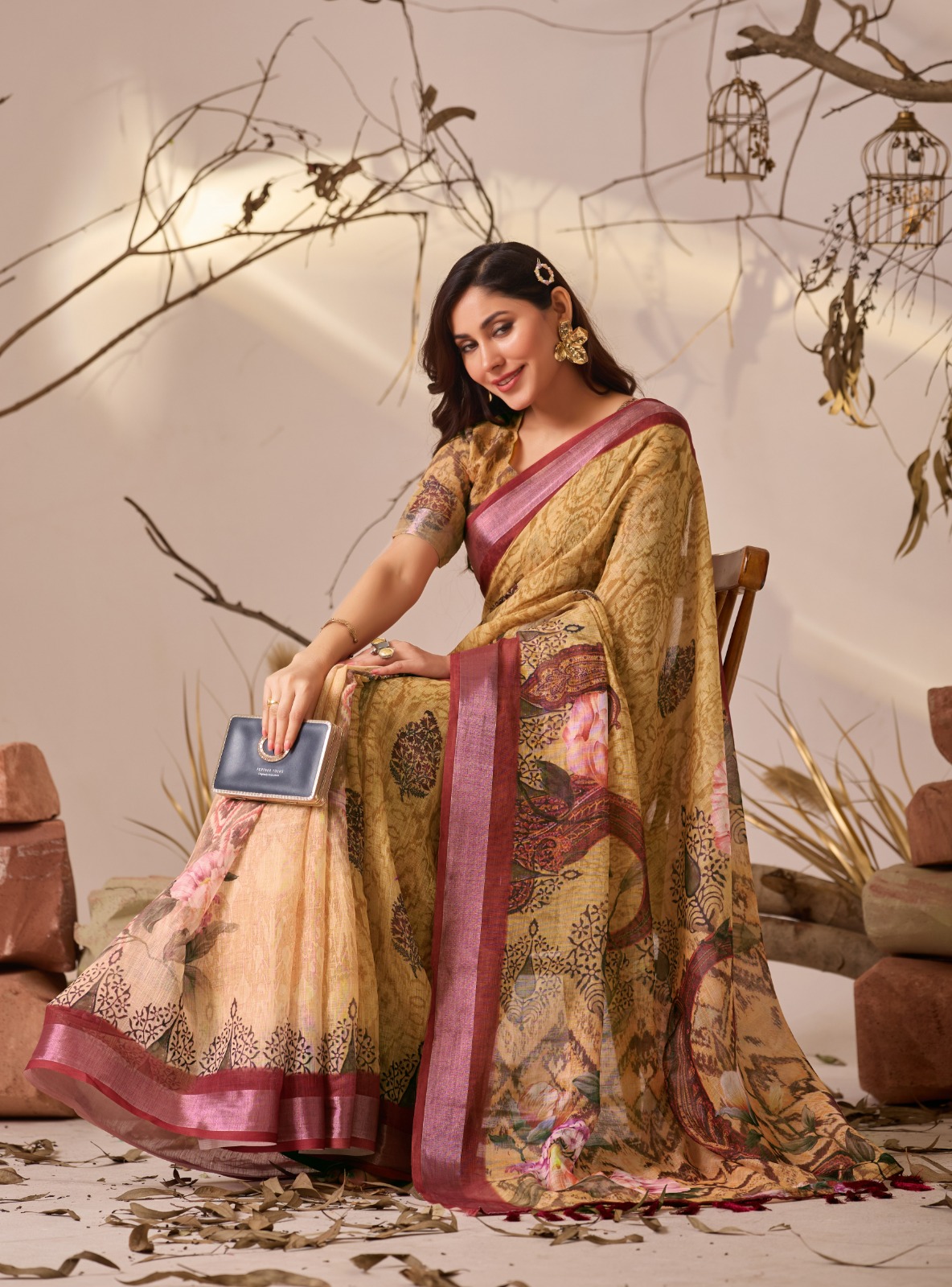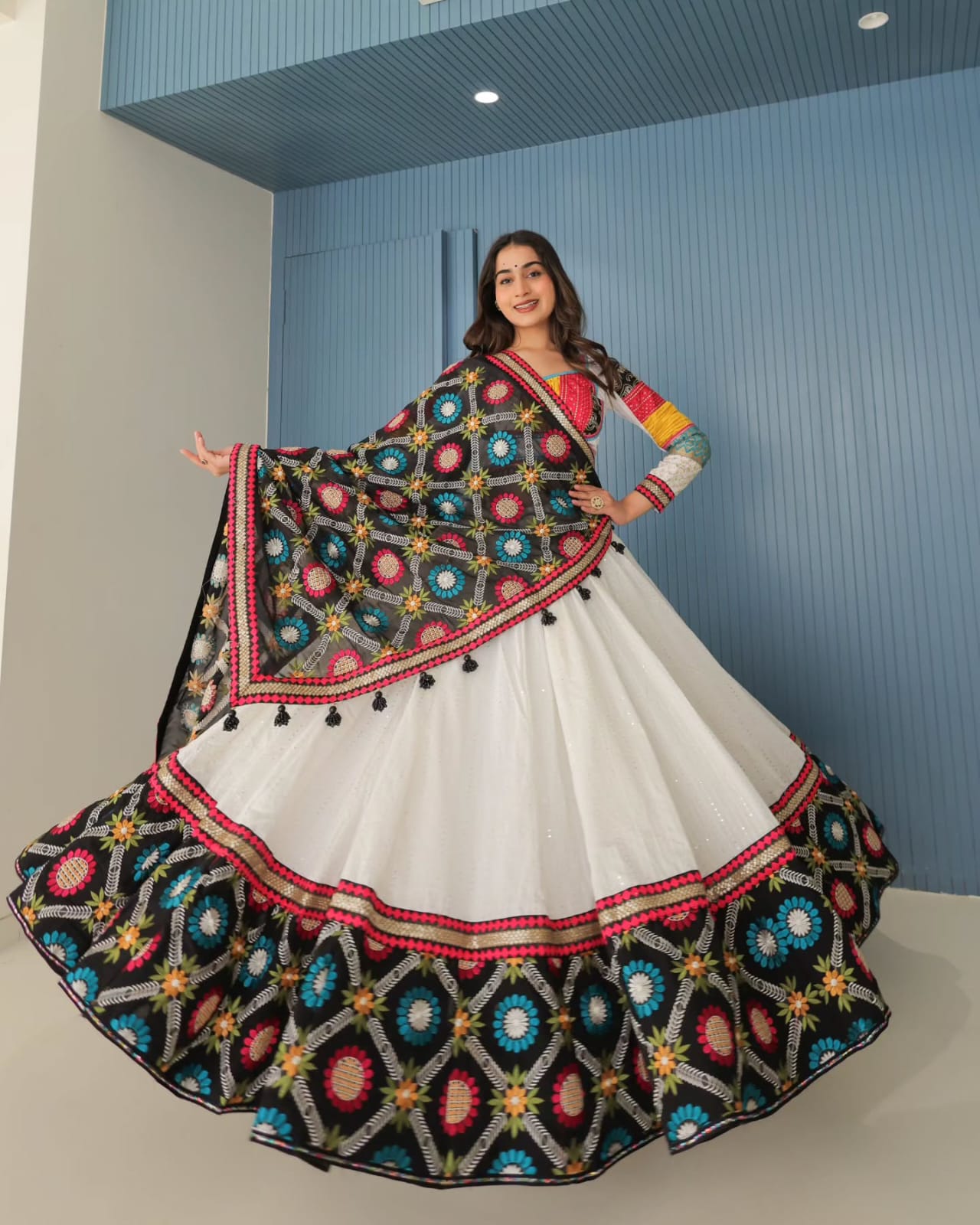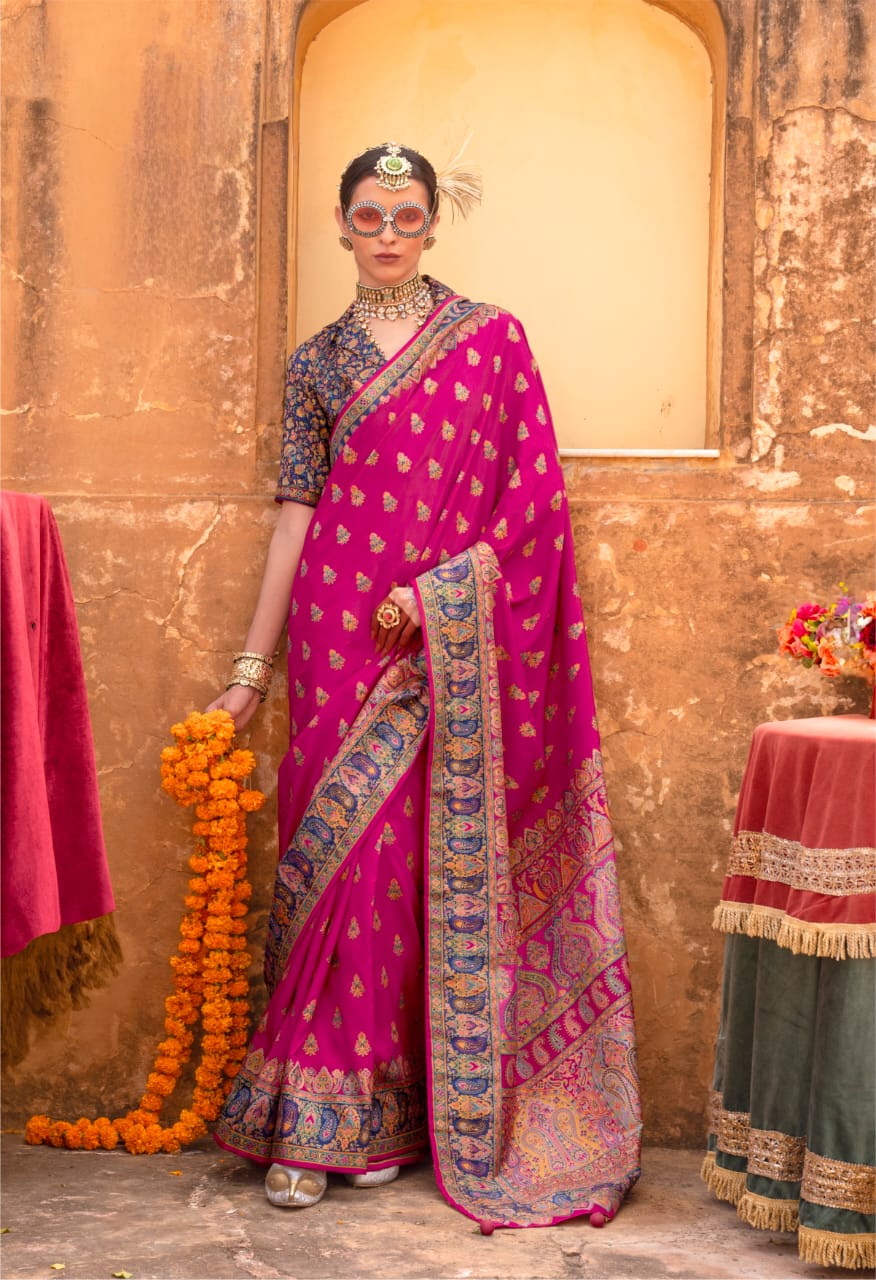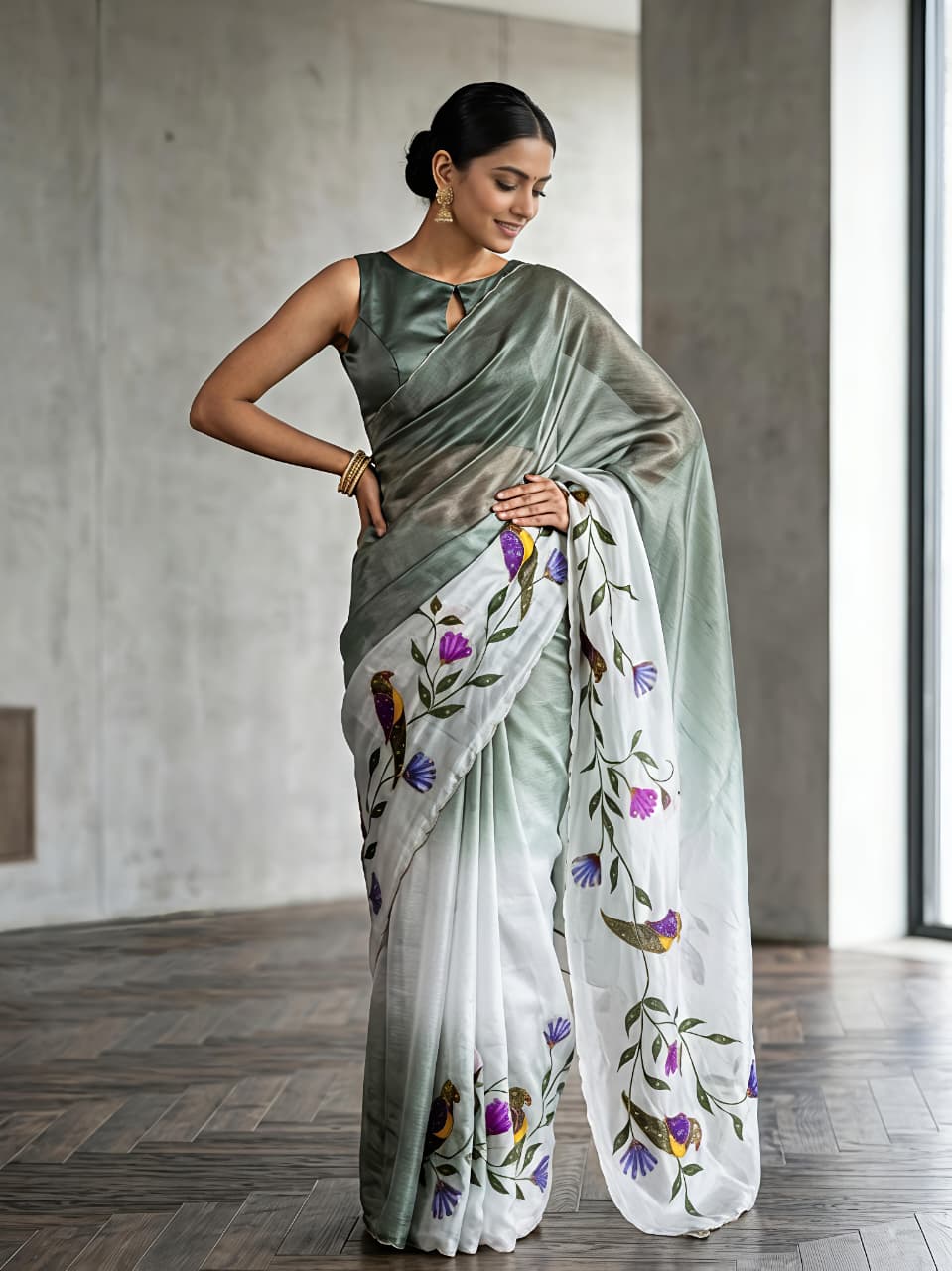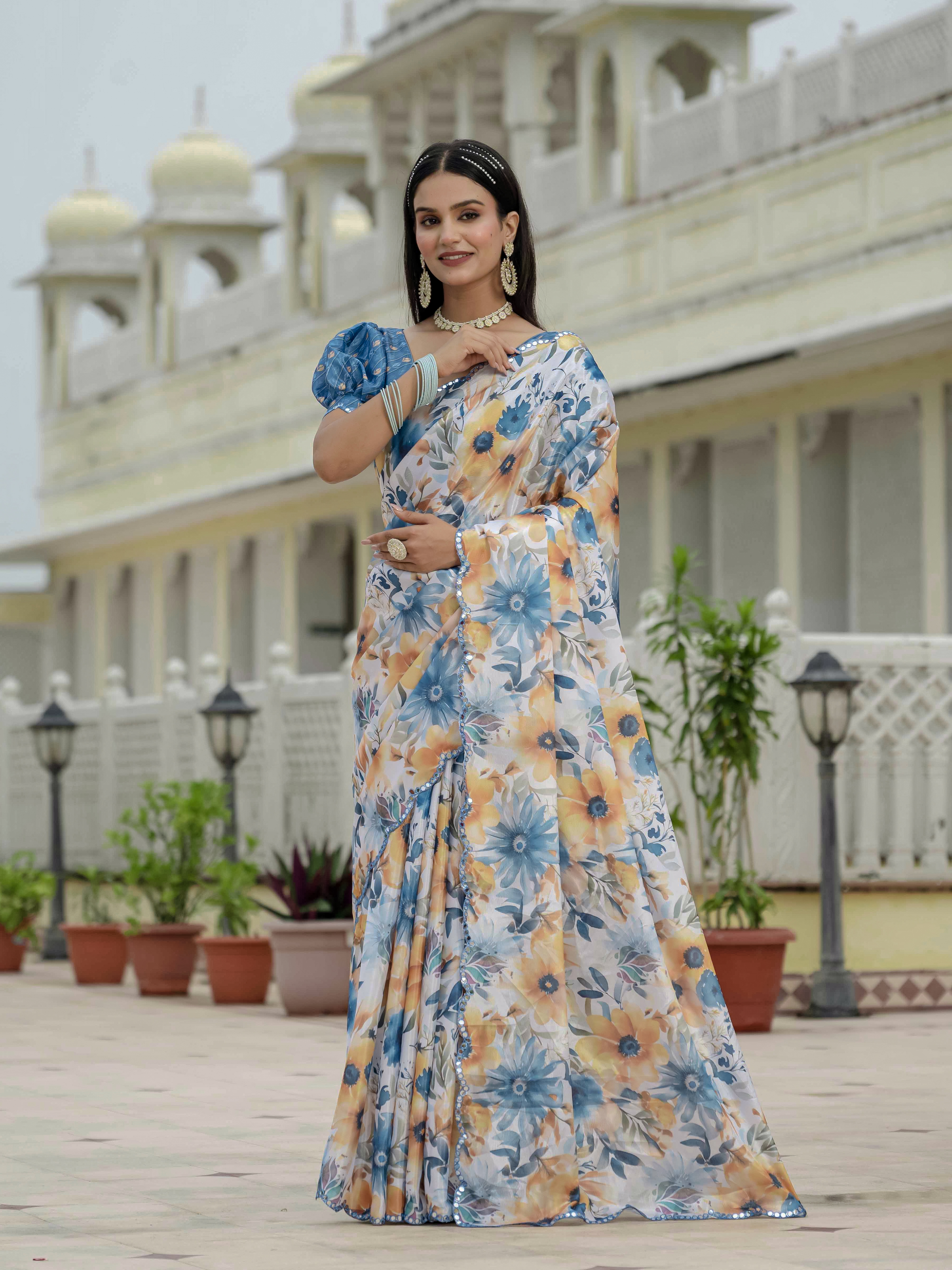
Ganesh Chaturthi in Goa: Traditional Saree & Ethnic Outfit Ideas can help you dress for humid weather, long pujas, temple visits, family photographs and time spent helping with prasad. A saree looks festive without becoming difficult to manage when the weave, blouse, pleats, footwear and accessories are selected together. Cotton tissue sarees, restrained zari, floral prints and breathable blouses work especially well for Goa's late-monsoon celebrations.
Goan Ganesh Chaturthi combines home worship, neighbourhood gatherings and visits to decorated mandals. The most useful outfit therefore respects traditional dressing while allowing easy movement. The recommendations below explain how to select a saree for a morning puja, family lunch, evening aarti or larger community celebration.
Ganesh Chaturthi in Goa: Traditional Saree & Ethnic Outfit Ideas for Humid Weather
Breathable cotton and lightweight tissue-cotton sarees are usually the most practical choices for Ganesh Chaturthi in Goa. Goa remains warm and humid during the monsoon period, so a saree that allows airflow, holds its pleats and doesn't cling heavily to the body offers greater comfort than dense silk or thick synthetic fabric.
Handloom cotton has a gently textured surface and natural breathability, which creates a considered festive appearance without requiring heavy embellishment. Tissue cotton adds a subtle sheen and looks more celebratory than a plain everyday cotton saree while remaining lighter than many brocade designs. A cotton saree with a printed pallu can also be folded and carried more easily than a stiff, heavily worked pallu.
The Sea Green Tissue Handloom Cotton Saree With Floral Patterns suits a daytime home puja because sea green looks fresh beside marigold, banana leaves and white flowers. The Olive Green Tissue Handloom Cotton Saree With Floral Prints creates a deeper, earthier appearance that pairs well with antique-gold earrings and a warm-toned blouse.
People who prefer more visible festive detail can choose the Tissue Handloom Cotton Saree with Zari Weave & Floral Print. Zari supplies the traditional shimmer associated with festive Indian clothing, while the cotton base keeps the overall look wearable for several hours. A narrow zari border is generally easier to sit in and pin than a wide, weighty border.
Which fabrics work best for a Goa Ganesh Chaturthi puja?
Lightweight cotton, tissue cotton, Chanderi and breathable silk-cotton blends work best for a Goa Ganesh Chaturthi puja. Chanderi gives a delicate sheen and light structure, while cotton is usually easier to wear during outdoor visits and crowded gatherings.
Very thick brocade, multiple layers of stiff net and dense synthetic fabric can feel uncomfortable in Goa's humidity. Banarasi silk and Kanjeevaram remain beautiful choices for a major evening celebration, but a lightweight silk blend or simpler silk saree may be more practical when the programme includes travel and extended standing.
Ganesh Chaturthi in Goa: Traditional Saree & Ethnic Outfit Ideas by Colour
Green, saffron, yellow, coral, cream, red and ivory are dependable festive colours for a Ganesh puja. Green suggests renewal and pairs naturally with floral decoration, while yellow and saffron create a bright appearance in morning light. Cream and ivory provide a calm base for gold jewellery, red accents or a vermilion-toned blouse.

Colour selection should also account for the setting. A softly printed saree works well inside a home with colourful flower arrangements, while a solid or lightly textured saree stands out against a busy mandal backdrop. One saturated saree with neutral accessories often looks more polished than several competing shades.
The Emerald Green Tissue Cotton Saree With Digital Floral Print suits an evening aarti because emerald reads richly under warm lighting. A gold, mustard or deep pink blouse can pull one colour from the floral print and make the outfit look coordinated. The Teal Green Tissue Handloom Cotton Saree With Printed Pallu brings a cooler alternative for people who enjoy jewel tones but want something less conventional than red or magenta.
A peach and green combination is useful for daytime celebrations. The Peach Green Tissue Cotton Saree With Print Blouse Piece already supplies a foundation for coordinated styling, and the included blouse fabric simplifies colour matching. Pairing peach with antique gold creates warmth, while pearl jewellery makes the same saree appear lighter and more contemporary.
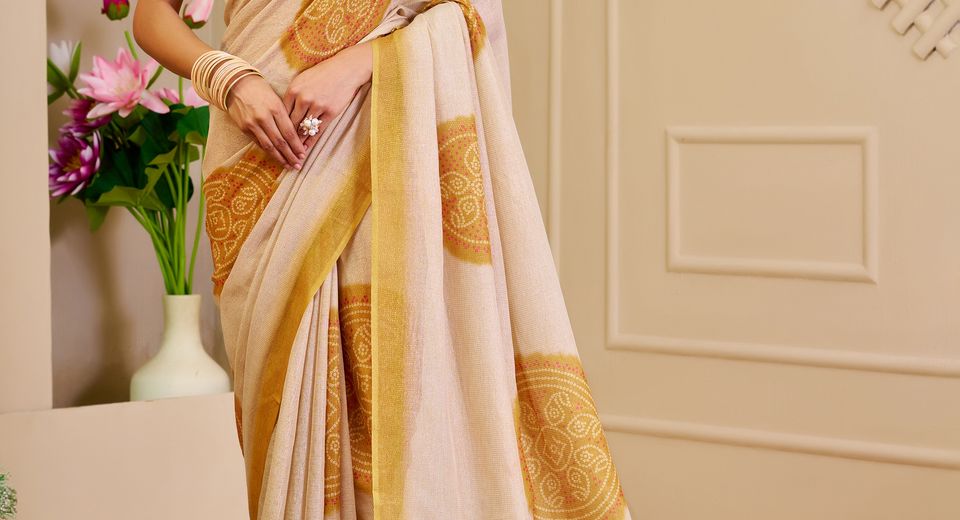
People who prefer a neutral base can wear the Cream Tissue Handloom Cotton Saree with Golden Motif Prints with a rust, maroon, green or muted-gold blouse. Cream photographs clearly against colourful Ganesh decorations and lets the jewellery or flowers provide the strongest colour accent.
Is red necessary for a Ganesh Chaturthi saree?
Red isn't necessary for a Ganesh Chaturthi saree, although red accents are traditionally associated with auspicious festive dressing. A red blouse, bindi, bangles or handbag can bring that visual association to a green, cream or peach saree without requiring a fully red outfit.
Pink, orange, turmeric yellow and coral are equally appropriate when they suit the wearer and the celebration. A saree from Pink Georgette Sarees can inspire a softer festive palette, while a red border or blouse can add warmth without making the complete outfit visually heavy.
Ganesh Chaturthi in Goa: Traditional Saree & Ethnic Outfit Ideas for Blouses
A comfortable blouse with secure shoulder seams and a well-fitted underbust is the most useful blouse for a long Ganesh Chaturthi programme. The blouse should allow the arms to lift during aarti and should not require repeated adjustment after the saree is pinned.

For handloom cotton sarees, a high-round neck, square neck or modest V-neck creates a neat traditional line. Elbow-length sleeves provide coverage and make the outfit feel more formal, while short sleeves work well in warm weather. A plain blouse in a colour taken from the saree border is usually more versatile than a heavily contrasting blouse.
Printed sarees can take a solid blouse, whereas a plain saree can support a small floral print, woven texture or zari detail on the blouse. A cream saree with golden motifs can use a rust blouse for contrast, a green blouse for a botanical connection or a muted-gold blouse for a quieter appearance.
Neckline depth matters during temple visits and family rituals. A moderate neckline keeps the look traditional and reduces the need for constant pallu repositioning. If a blouse has a low back or slippery fabric, extra hooks, a broader shoulder strap or discreet fashion tape can improve security without changing the design.
Blouse sleeves should also match the duration of the event. Elbow-length sleeves offer more comfort during cooking and prasad distribution because they reduce direct contact between the arm and hot vessels. A sleeveless blouse can work for an evening gathering when the wearer is comfortable, but a light cotton jacket or dupatta can provide an optional layer during travel.
Ganesh Chaturthi in Goa: Traditional Saree & Ethnic Outfit Ideas for Easy Draping
The standard Nivi drape is the easiest saree style for most Ganesh Chaturthi events because it distributes the pleats neatly and keeps the pallu available for pinning. Cotton tissue sarees generally hold this drape well when the lower pleats are pressed and secured with two pins inside the waistband.

- Home puja Nivi drape: Make five to seven front pleats, pin the pallu at the shoulder and keep the pallu length around the knee or mid-calf. This length preserves modesty while preventing the edge from touching the floor during rituals.
- Open-pallu family drape: Leave the pallu broad across the shoulder for photographs, but secure one hidden pin near the blouse seam. The open surface displays floral prints, zari and woven borders more clearly.
- Front-pallu drape: Bring the pallu across the front and over one shoulder when attending a crowded mandal or helping with prasad. The arrangement reduces the chance of the pallu catching on bags and decorations.
- Seedha-pallu-inspired drape: Bring the pallu from the back over the right shoulder and across the front for a more structured festive appearance. A lighter saree is preferable because a heavy pallu can pull on the blouse.
- Short-travel drape: Pleat and pin the pallu before leaving home, then use a small safety pin inside the waist pleats. A folded shawl or cotton stole can cover the saree during a scooter or car journey.
Footwear should be selected before finalising the saree length. Flat kolhapuri-style sandals, low block heels or cushioned slip-ons are safer for wet pathways and prolonged standing than narrow stilettos. A saree hem should remain roughly one centimetre above the floor when worn with the intended footwear.
People travelling by two-wheeler should secure the pallu at the shoulder and waist before leaving home. A loose pallu can catch on a bag or vehicle handle, while a very long hem can collect road moisture. Carrying the saree in a garment bag and changing after reaching a venue is another practical option for longer journeys.
Ganesh Chaturthi in Goa: Traditional Saree & Ethnic Outfit Ideas with Jewellery
Lightweight gold-toned jewellery, a small bindi and a secure hairstyle create a complete Ganesh Chaturthi look without competing with the saree. Medium jhumkas, a short chain, one bangle stack and a watch are enough for most home and community celebrations.

Temple jewellery, kundan and zari details can be introduced selectively. A zari border can be paired with antique-gold earrings, while a floral print can be echoed through a small flower in the hair. Wearing large earrings, a statement necklace and stacked bangles together may become uncomfortable during a long puja and can obscure the saree's pattern.
A low bun, braided bun or secured half-up hairstyle performs better than loose hair in humid weather. Fresh jasmine, tuberose or mogra can add a traditional note, but flowers should be pinned firmly so they don't fall during movement. A light, humidity-resistant base, waterproof kajal and tinted lip colour are more practical than heavy makeup for daytime festivities.
Keep a small kit containing two safety pins, blouse tape, a hairpin, compact powder, tissues and a stain-removal wipe. Such a kit is useful when visiting several homes or moving between a puja and a community meal. Cotton sarees may crease, but small creases are less noticeable when the pallu and pleats are intentionally pinned.
People who enjoy a more formal finish can borrow styling ideas from Party Wear Sarees without copying a heavily embellished look. A polished bun, a narrow belt or a single statement earring can add structure to a simple cotton saree while preserving comfort.
Ganesh Chaturthi in Goa: Traditional Saree & Ethnic Outfit Ideas for Each Celebration
A morning home puja calls for a breathable saree, modest blouse, small bindi and flat footwear. Sea green, cream, yellow or peach work well in natural daylight, and a short pallu makes it easier to assist with flowers, lamps and prasad.

A family lunch allows slightly more decoration because the programme is generally slower and more seated. A floral tissue-cotton saree, medium jhumkas and a three-quarter-sleeve blouse create a festive appearance without the weight of a bridal outfit. A small potli or crossbody bag keeps essentials secure.
An evening aarti can accommodate deeper colours, a more luminous border and stronger jewellery. Emerald, teal, maroon and red photograph well under warm lights, while zari catches the movement of lamps. A pinned open pallu is suitable for photographs, provided the pallu remains clear of flames.
A large community celebration requires the greatest attention to movement. Choose a manageable pallu, secure the pleats, wear shoes with grip and avoid jewellery that can snag on other people's clothing. Silk Sarees Under 3000 With Discount may offer dressier options, but the final choice should still be light enough for travel and standing.
A temple visit calls for modest styling and secure accessories. Keep the pallu over the shoulder, avoid trailing fabric and select footwear that can be removed and put back on easily. Gray Color Sarees Under 1000 can provide a subdued base when paired with a saffron, red or gold blouse, although brighter festive colours remain equally suitable.
Ganesh Chaturthi in Goa: Traditional Saree & Ethnic Outfit Ideas and Care Tips
A saree worn during Goa's monsoon season should be aired completely before storage. Hang the saree in shade for several hours after wearing it, especially if perspiration or light rain has reached the fabric. Folding damp cotton can create a musty smell and encourage mildew.

Remove visible food or kumkum marks promptly with a clean, slightly damp cloth. Do not rub zari aggressively because friction can loosen metallic threads. For oil, turmeric or prasad stains, professional cleaning is safer than applying bleach, strong detergent or repeated hot-water washing.
Wash cotton tissue sarees according to the care label, usually with mild detergent and cold or lukewarm water. Avoid wringing because twisting can distort the tissue structure and damage the fall. Dry the saree inside out in indirect sunlight, then iron it on the reverse side at a suitable cotton setting.
Store a completely dry saree in a clean cotton muslin cover rather than sealed plastic for long periods. Refold the saree every few months to prevent permanent fold lines, and keep zari sarees away from direct contact with cardboard, perfume and damp wooden cupboards.
A thoughtful Ganesh Chaturthi outfit doesn't depend on the highest level of embellishment. A breathable weave, secure drape, meaningful colour and a few well-chosen traditional details create a look that remains comfortable from the first prayer to the final family photograph.
Common Questions About Ganesh Chaturthi Saree Dressing in Goa
Which saree is best for Ganesh Chaturthi in Goa?
A lightweight cotton, tissue-cotton or cotton-silk saree is usually best for Ganesh Chaturthi in Goa because the fabric remains more breathable in humid weather. Floral prints, subtle zari and manageable pallu lengths add festive detail without making the outfit difficult to wear.
What colour saree should I wear for Ganesh Chaturthi?
Green, yellow, saffron, cream, coral, red and ivory are all suitable Ganesh Chaturthi saree colours. Green and yellow look especially bright during daytime pujas, while emerald, teal and red work well for evening aarti.
How can I keep my saree secure during a Ganesh puja?
Use two hidden pins in the waist pleats, one pin at the shoulder and a discreet pin near the blouse seam. Keep the pallu around knee or mid-calf length and wear footwear before setting the final saree hem.
Can I wear a Banarasi silk saree for Ganesh Chaturthi in Goa?
You can wear a Banarasi silk saree for a formal evening celebration, especially when the event is indoors. A lighter Banarasi silk or silk blend is more comfortable than a dense brocade when the programme includes outdoor travel, standing or humid weather.
What jewellery goes with a cotton saree for Ganesh Chaturthi?
Medium jhumkas, a short gold-toned chain, a small bindi and one or two bangles complement a cotton saree without overwhelming it. Antique gold works well with olive, cream and zari, while pearls create a lighter finish with peach, sea green and floral prints.
How should I care for a saree after a monsoon Ganesh Chaturthi celebration?
Air the saree completely in the shade before folding it, even if it appears dry. Remove food or kumkum marks with a damp cloth, follow the care label for washing and store the clean saree in a breathable cotton cover rather than sealed plastic.