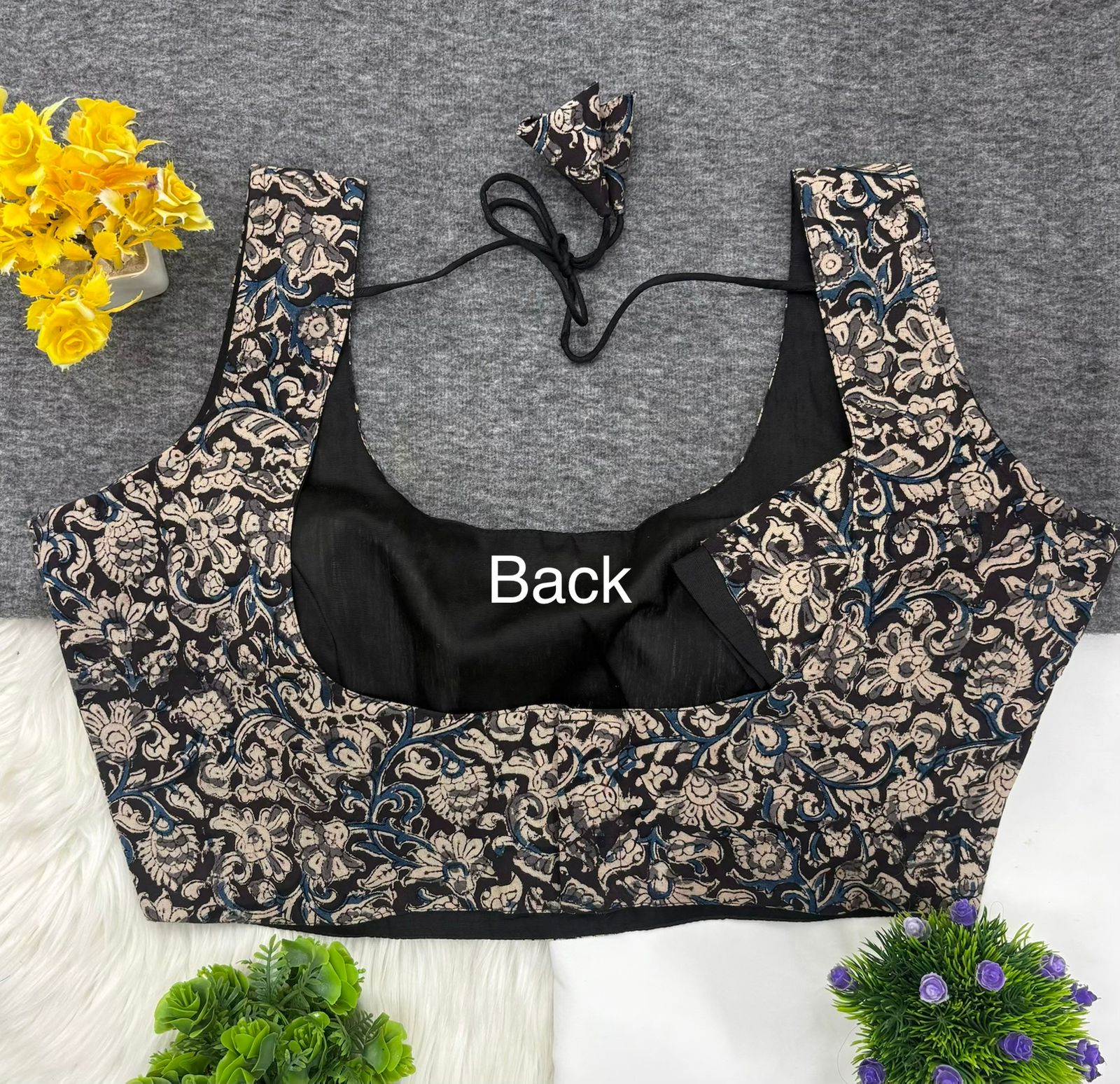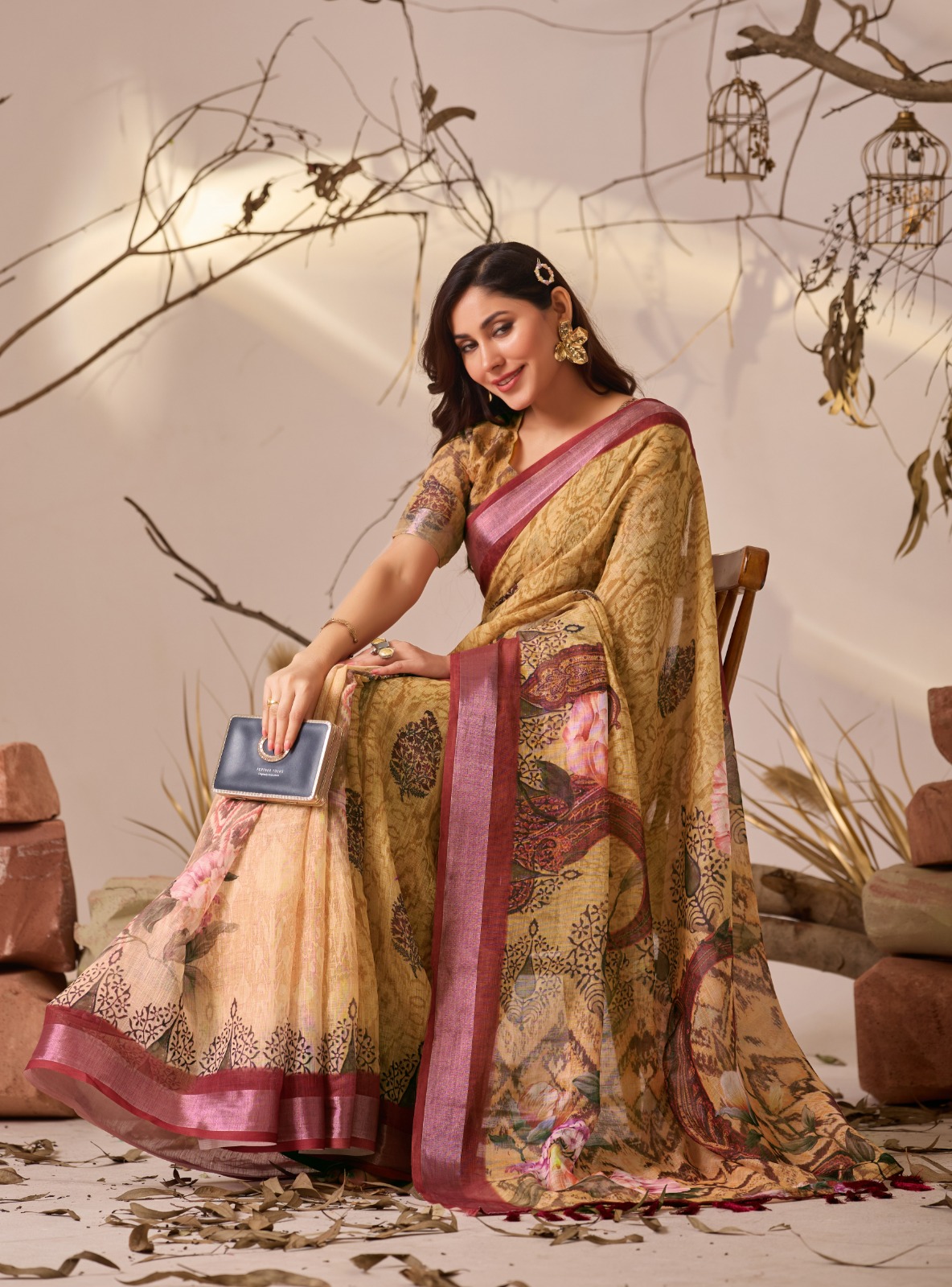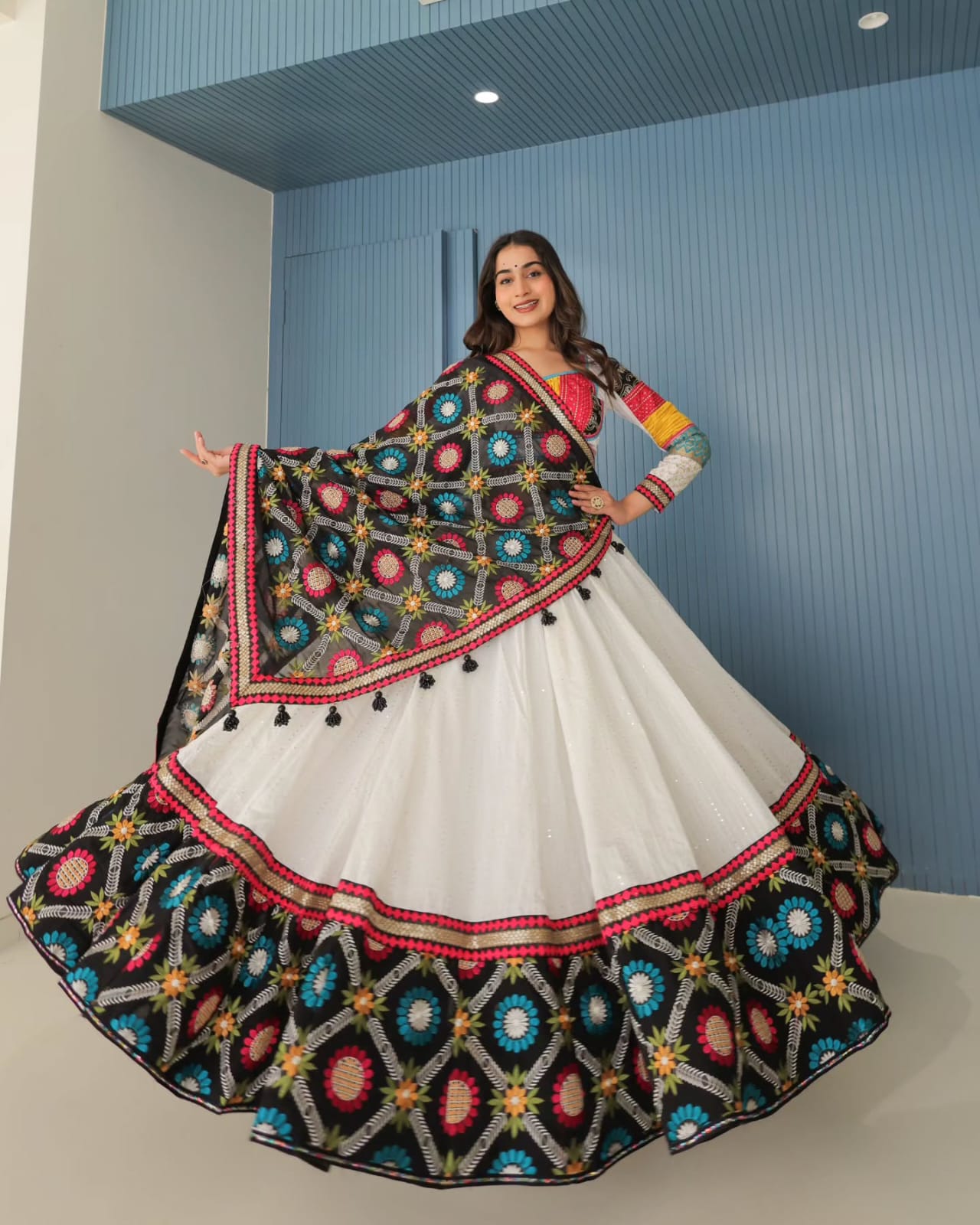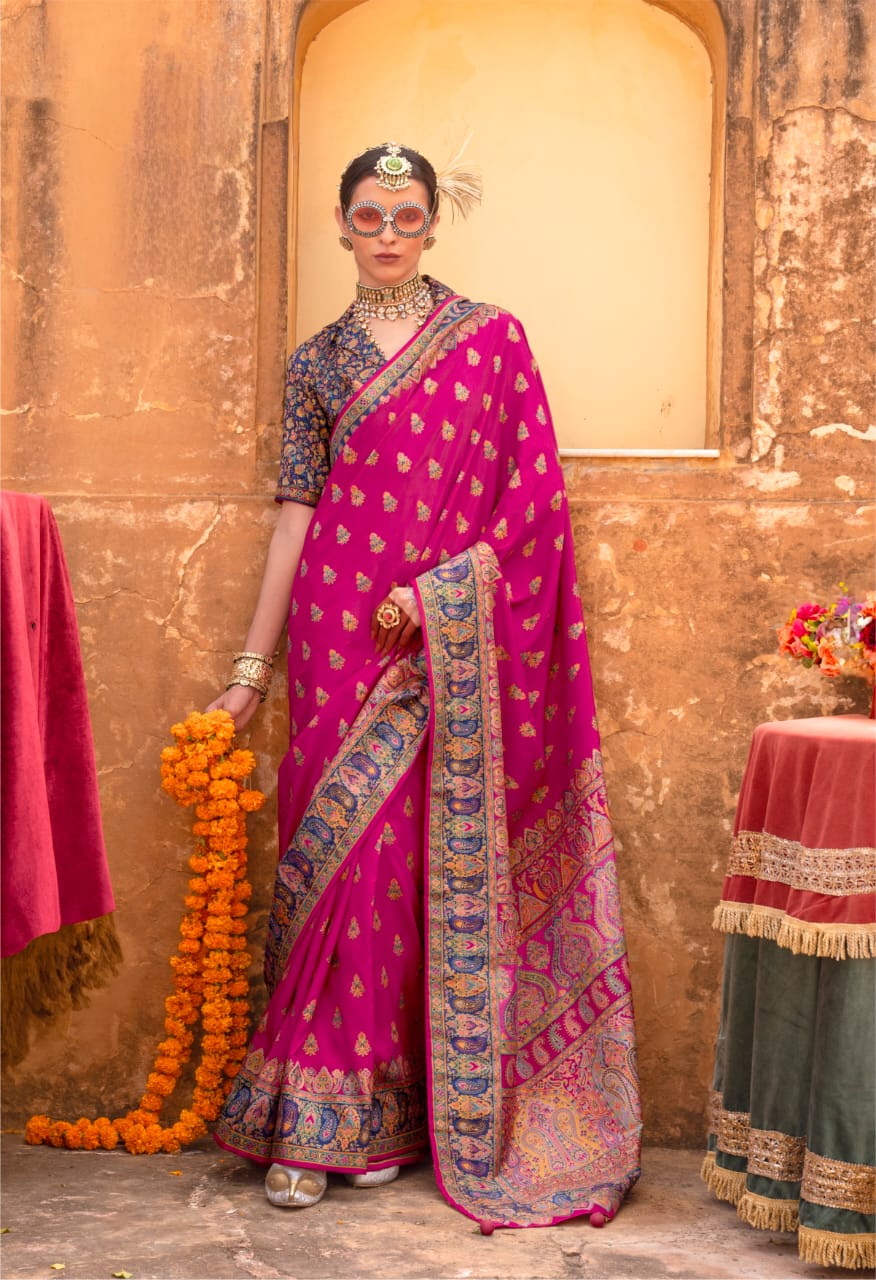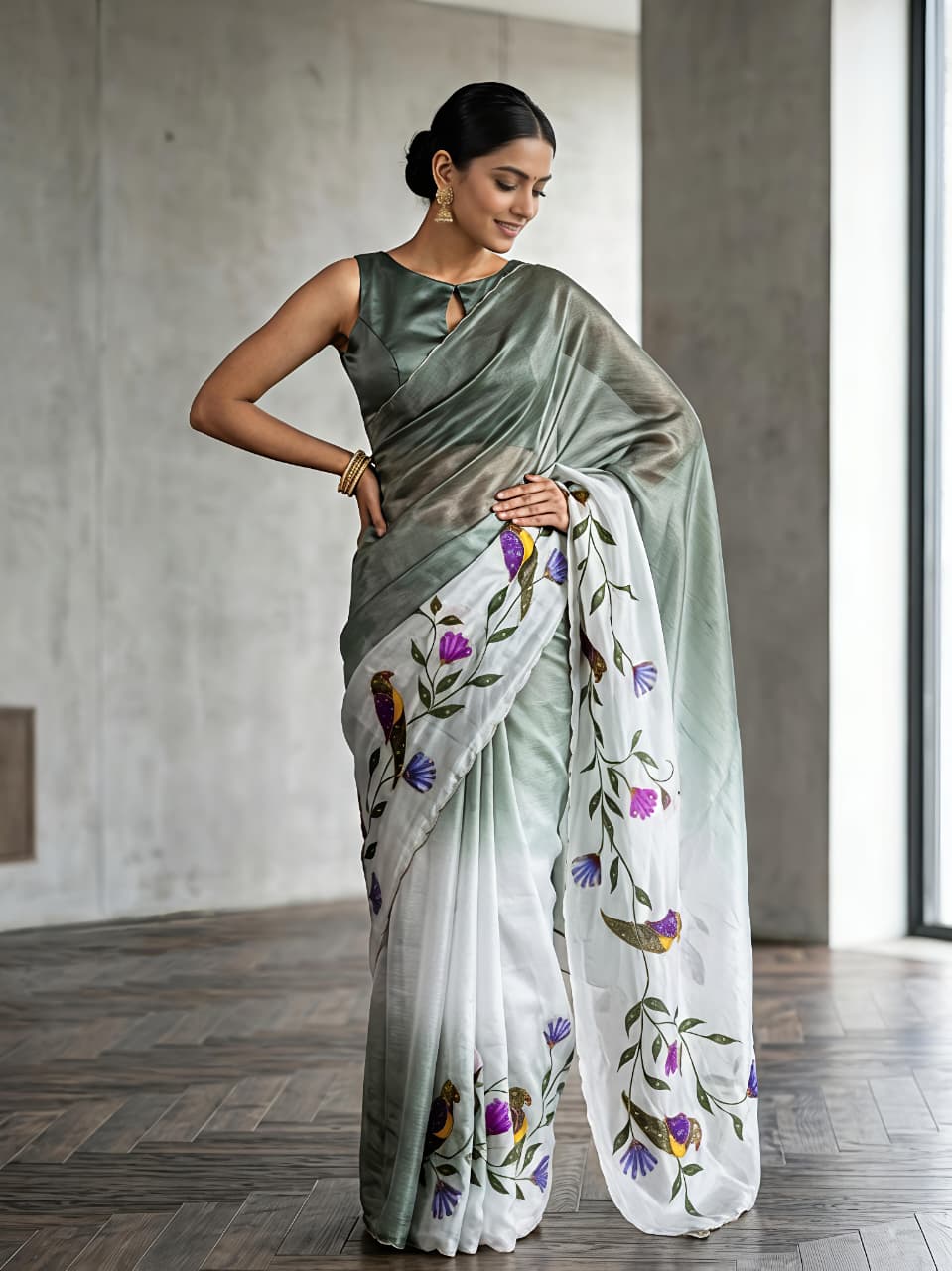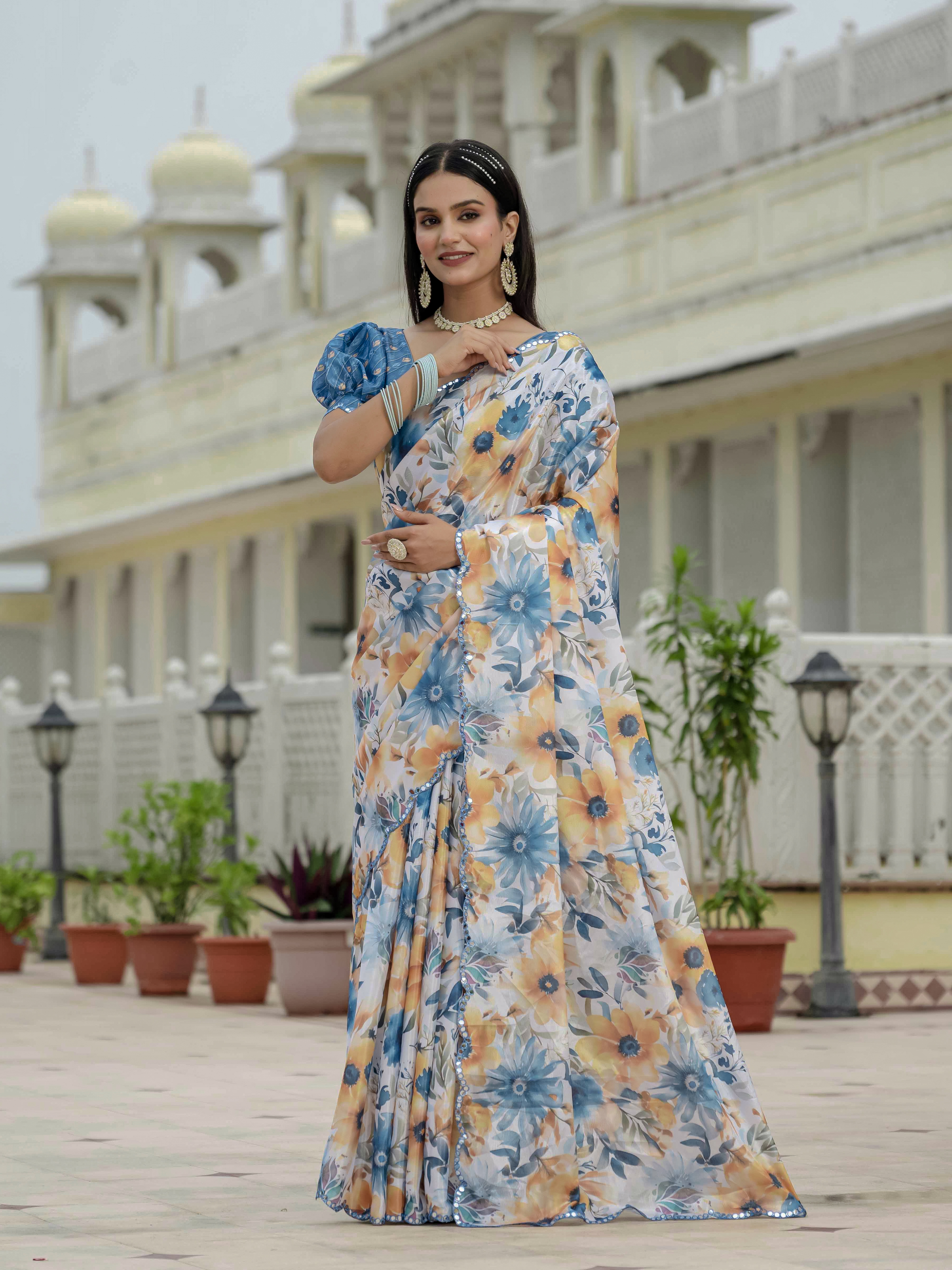
Gadwal Sarees: Complete Guide to Telangana's Famous Silk Sarees begins with an useful distinction: traditional Gadwal sarees are celebrated for combining a fine cotton body with a rich silk border and pallu. The saree takes its name from Gadwal, a historic weaving centre in present-day Jogulamba Gadwal district of Telangana. Its light drape, compact borders, contrasting colours and characteristic interlocking construction make it suitable for ceremonial dressing as well as repeated festive wear.
A Gadwal saree may look like a conventional silk saree at first glance, especially when zari covers the border and pallu. The body, however, is often cotton or a cotton-silk combination, while pure silk versions are also made for customers seeking a more substantial festive garment. Understanding that structure prevents a common buying mistake: assuming every saree sold with a Gadwal label has the same fibre composition or weaving method.
Gadwal Sarees: Complete Guide to Telangana's Famous Silk Sarees and their defining features
Gadwal sarees are distinctive because their body, border and pallu are joined through a traditional interlocking technique that creates a strong, clean transition between contrasting textiles. The most recognisable version has a lightweight cotton ground, a silk border and a silk pallu, often finished with zari or small woven motifs.
Traditional Gadwal weaving is associated with a joining method often described as kotta or pit-loom interlocking. The body and border are prepared so that the two sections lock together rather than simply appearing as a separately attached strip. A carefully made join should look neat on the reverse side, with no obvious glued layer or bulky seam where the cotton body meets the silk border.
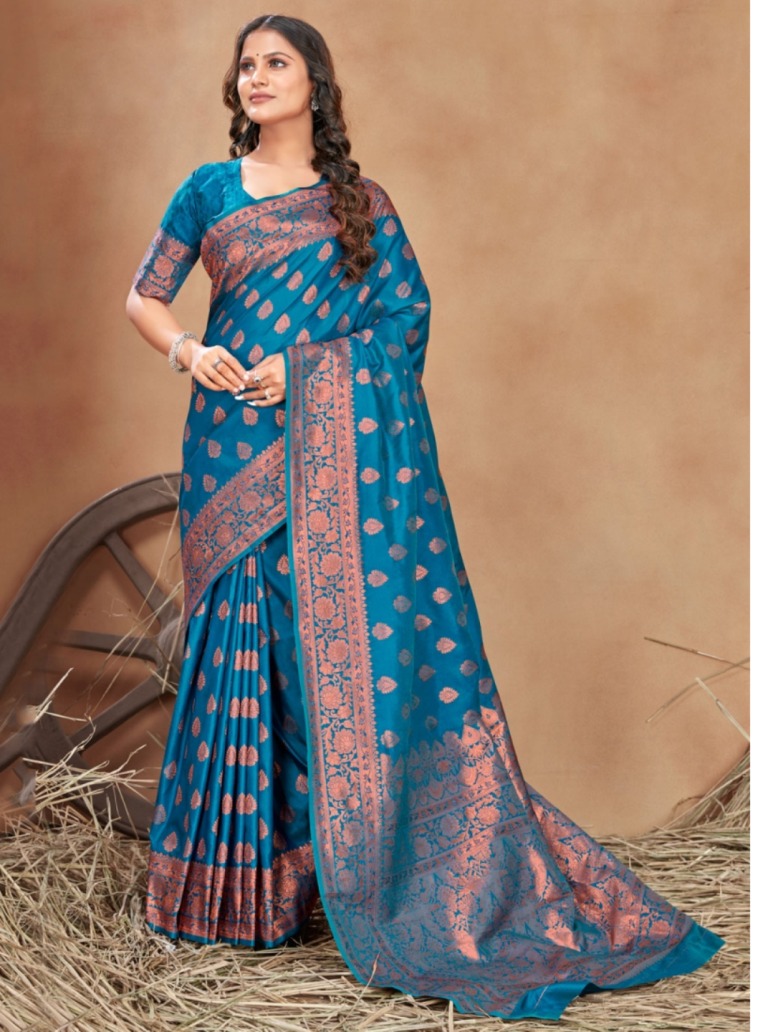
Gadwal designs commonly use narrow or medium-width borders, temple-inspired edges, rudraksha-like motifs, floral buttas and geometric zari patterns. Red, parrot green, turmeric yellow, purple, magenta and royal blue are frequent colour directions, although contemporary weavers also produce muted beige, teal and charcoal combinations. The contrast between a restrained body and a bright border is one of the saree's most useful visual signatures.
Are Gadwal sarees always made from pure silk?
Gadwal sarees are not always made from pure silk; many traditional designs use a cotton body with silk borders and pallu. A seller should clearly state whether a saree is cotton-silk, silk-cotton, pure silk, art silk or silk-viscose.
Fibre content affects weight, fall, price and care. A cotton-bodied Gadwal saree usually feels airy and comfortable in warm weather, while a pure-silk Gadwal saree generally has greater lustre, a fuller fall and a higher price. Silk-viscose or synthetic blends may reproduce the appearance at a lower cost, but they should not be represented as handwoven pure silk.
Gadwal Sarees: Complete Guide to Telangana's Famous Silk Sarees through regional history
Gadwal weaving developed around the patronage of the Gadwal royal family and the skills of weaving communities that produced light sarees with elaborate silk borders. The region's historical textile identity grew from the practical need to create a garment that was comfortable in a warm climate without sacrificing the formal richness expected at religious and royal occasions.
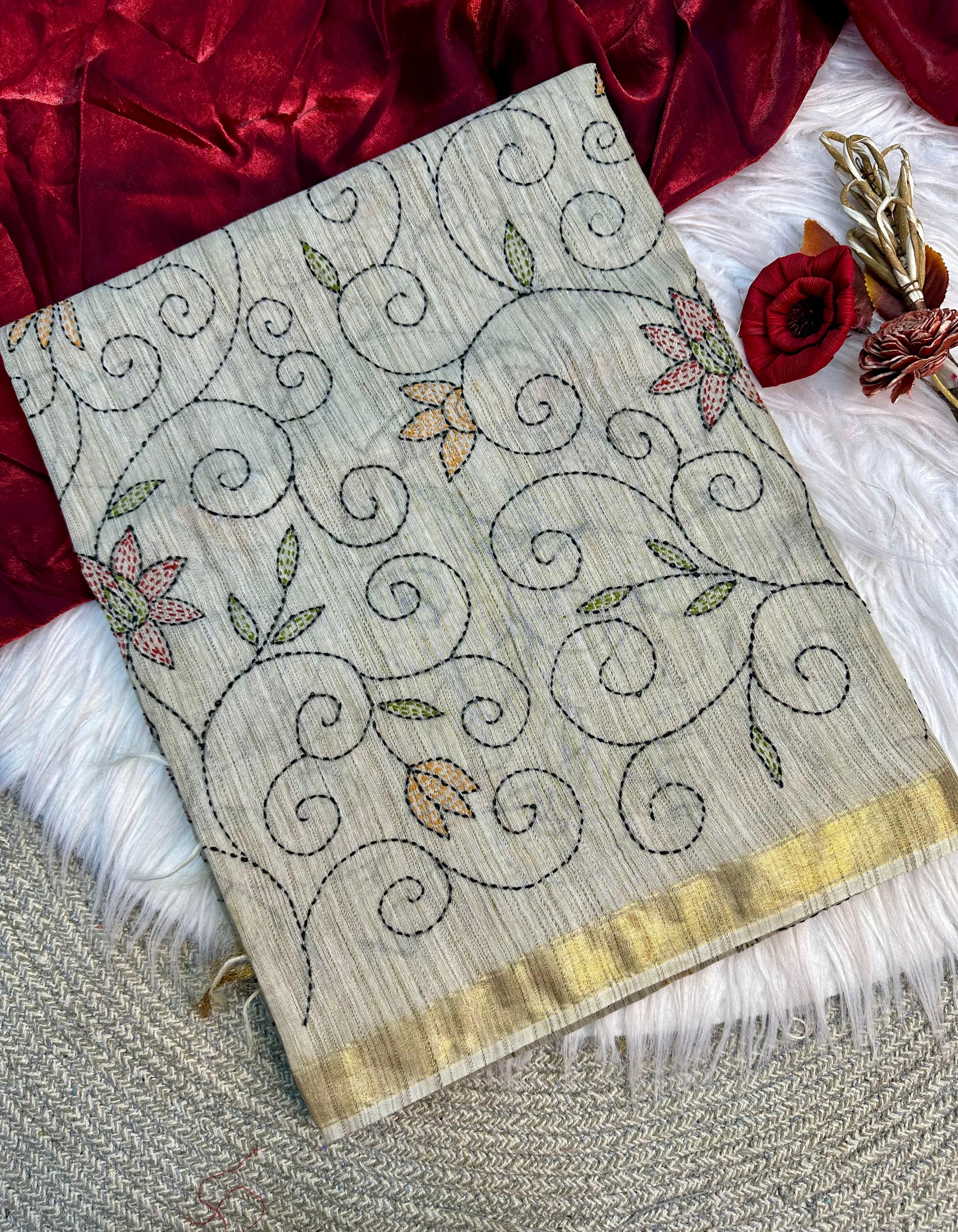
Gadwal's location near the cultural crossroads of Telangana, Karnataka and Andhra regions helped its textiles absorb South Indian design influences. The saree's cotton-silk format also reflects an intelligent material choice: cotton keeps the main body breathable, while silk and zari concentrate visual richness at the pallu and border.
Handloom weaving doesn't mean every Gadwal saree is identical. The width of the border, density of zari, number of warp threads, silk quality and finishing standard can vary substantially. A handloom Gadwal saree may take several days to prepare, particularly when the border requires detailed motifs or a carefully matched colour transition.
What is the famous Gadwal interlocking technique?
The famous Gadwal interlocking technique joins the saree body and border through interlaced threads during weaving, producing a durable transition between different materials. The technique requires close control of tension because cotton and silk respond differently during weaving.
Buyers can inspect the reverse side along the border join. A genuine woven connection normally shows orderly thread work and a consistent transition rather than an opaque adhesive line, loose decorative stitching or a visibly applied strip. A reverse-side inspection isn't a complete authenticity test, but it's a practical first check when shopping online or in person.
Gadwal Sarees: Complete Guide to Telangana's Famous Silk Sarees compared with other weaves
Gadwal sarees differ from Kanjeevaram, Banarasi silk and Chanderi sarees mainly through their construction, regional identity and typical material balance. Kanjeevaram is strongly associated with heavy pure silk, contrast borders and South Indian wedding dressing; Banarasi silk is known for brocade weaving and detailed zari patterns; Chanderi is recognised for a light, often sheer texture and delicate woven motifs.
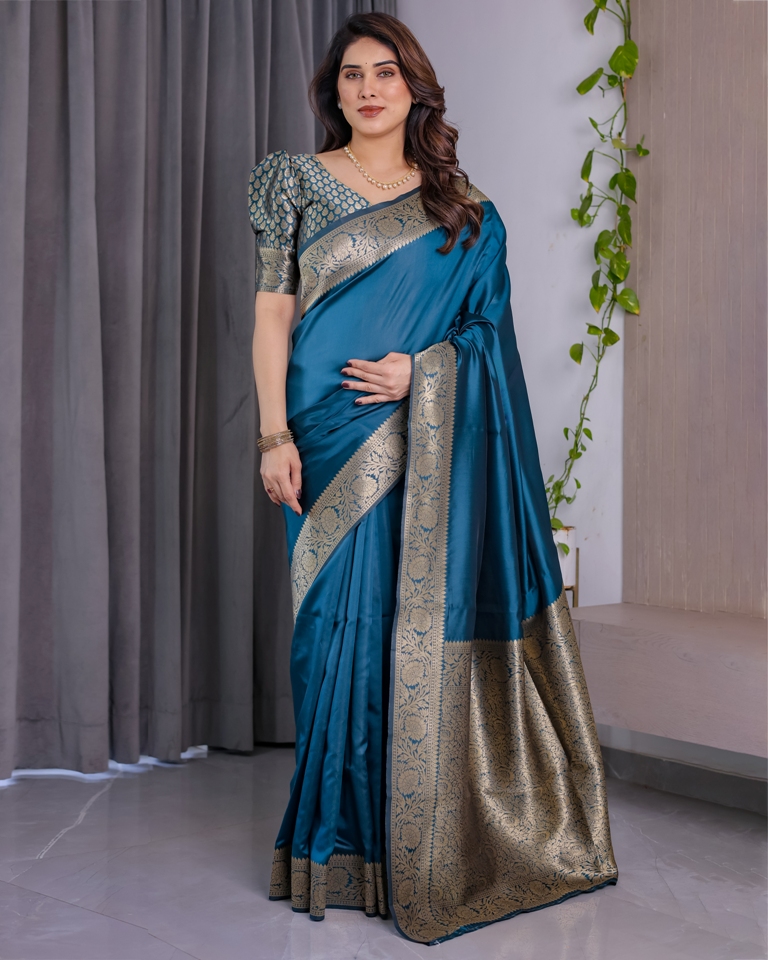
A Gadwal saree can be lighter than a heavily woven Kanjeevaram while still looking formal because the zari is concentrated in the border and pallu. A Banarasi silk saree usually has an all-over brocade character, whereas Gadwal design often creates a clear visual division between the body and the border. Chanderi and Gadwal can both feel airy, but their weave structures, regional histories and surface appearances are different.
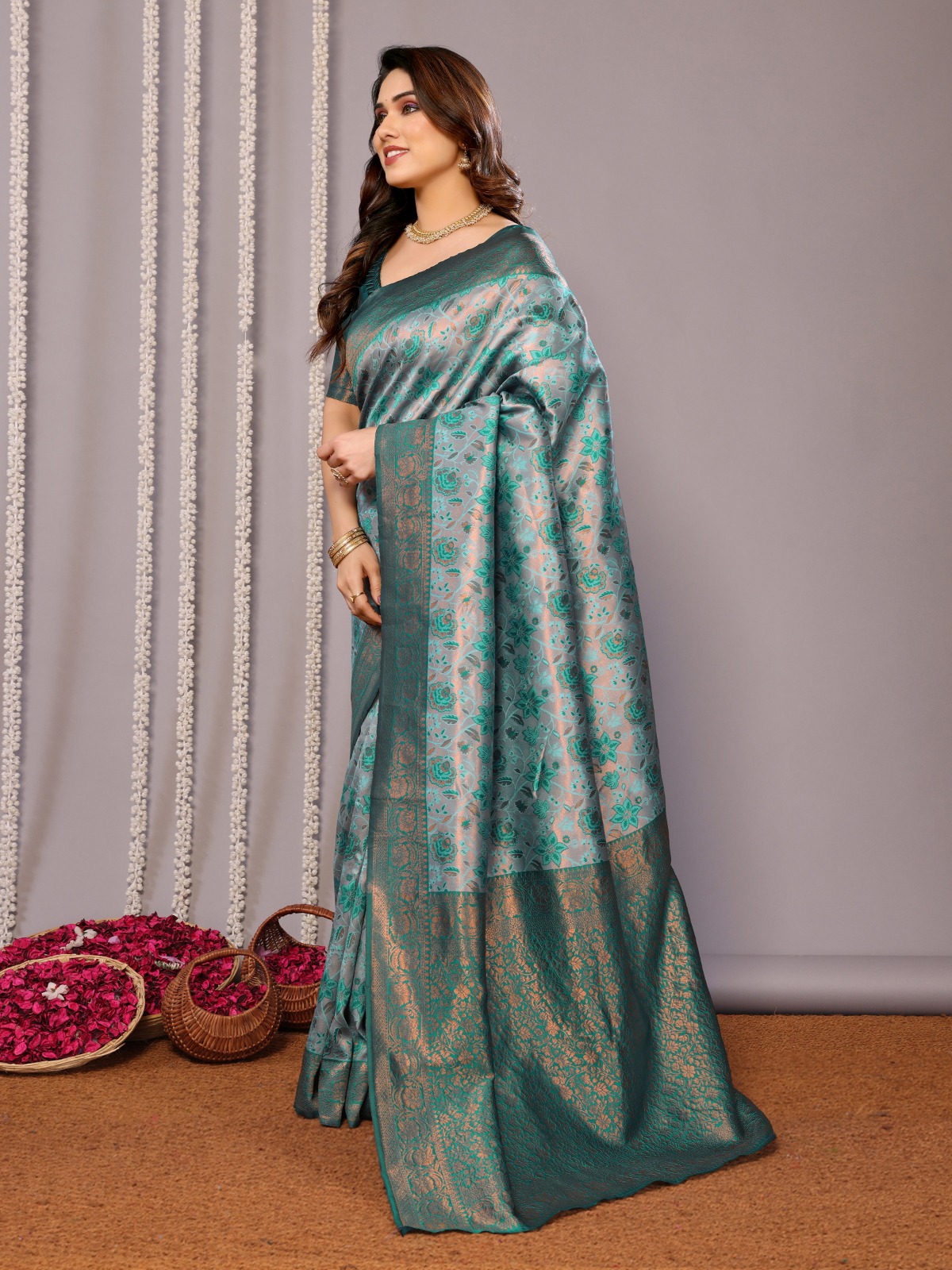
Product names can blur these distinctions online. Teal Banarasi Silk Saree with Zari Floral Weaving belongs to the Banarasi design conversation, not automatically to the Gadwal tradition. Teal Silk Saree with Silver Zari and Contrast Border demonstrates why contrast borders appeal to Gadwal buyers, but a contrast border alone doesn't prove Gadwal provenance.
Premium Handloom Silk Saree with Handkatha may appeal to someone searching for a handloom occasion saree, while Teal Traditional Silk Saree with Copper Jacquard Border offers a different route to a rich border effect. These examples are useful for comparing finish, weight and styling, but buyers should rely on the stated weave and fibre composition rather than colour or the word traditional alone.
Gadwal Sarees: Complete Guide to Telangana's Famous Silk Sarees for informed buying
Choosing a reliable Gadwal saree requires checking fibre composition, weaving method, border join, zari description, measurements and seller documentation before judging colour or price. A clear product description should identify whether the saree is handwoven, powerloom, pure silk, cotton-silk or a blend.
- Read the fibre declaration. Look for precise wording such as cotton body with silk border, silk-cotton, pure silk or silk-viscose. Silk finish describes appearance, not fibre content.
- Ask about the loom. Handloom and powerloom are different production methods. A powerloom reproduction can be attractive and well made, but it should be priced and described honestly.
- Inspect the border join. A woven join should appear integrated and orderly on the reverse. Ask for a close photograph if the listing shows only the front.
- Check the zari. Zari may be tested, imitation, metallic polyester or a precious-metal blend. Ask what the seller means by zari rather than assuming that every shining thread contains silver or gold.
- Confirm measurements. Ask for saree length, width, blouse-piece length and approximate weight. A standard saree often measures around 5.3 to 5.6 metres plus a blouse piece, but measurements vary.
- Compare price with materials. Pure silk, dense zari, handloom labour and complex borders generally increase cost. An unusually low price may indicate a synthetic blend, printed border or machine-made construction.
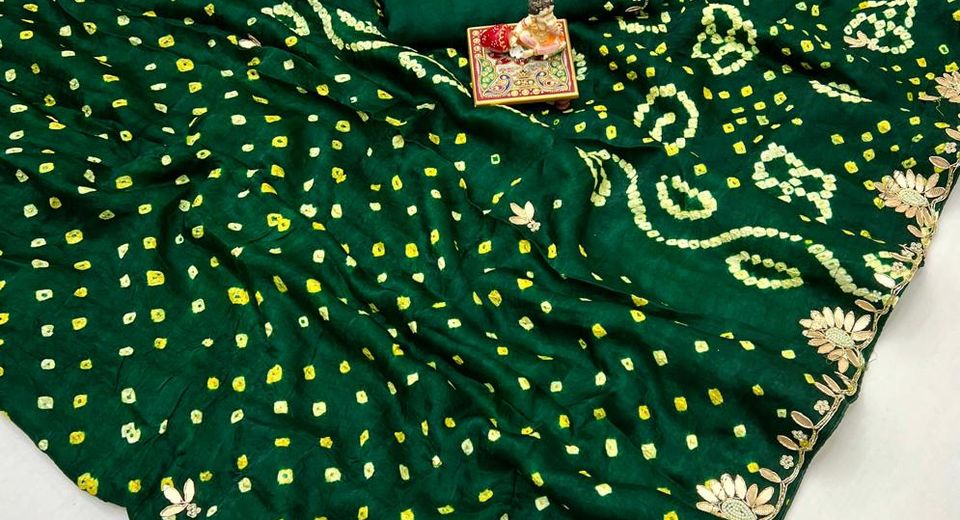
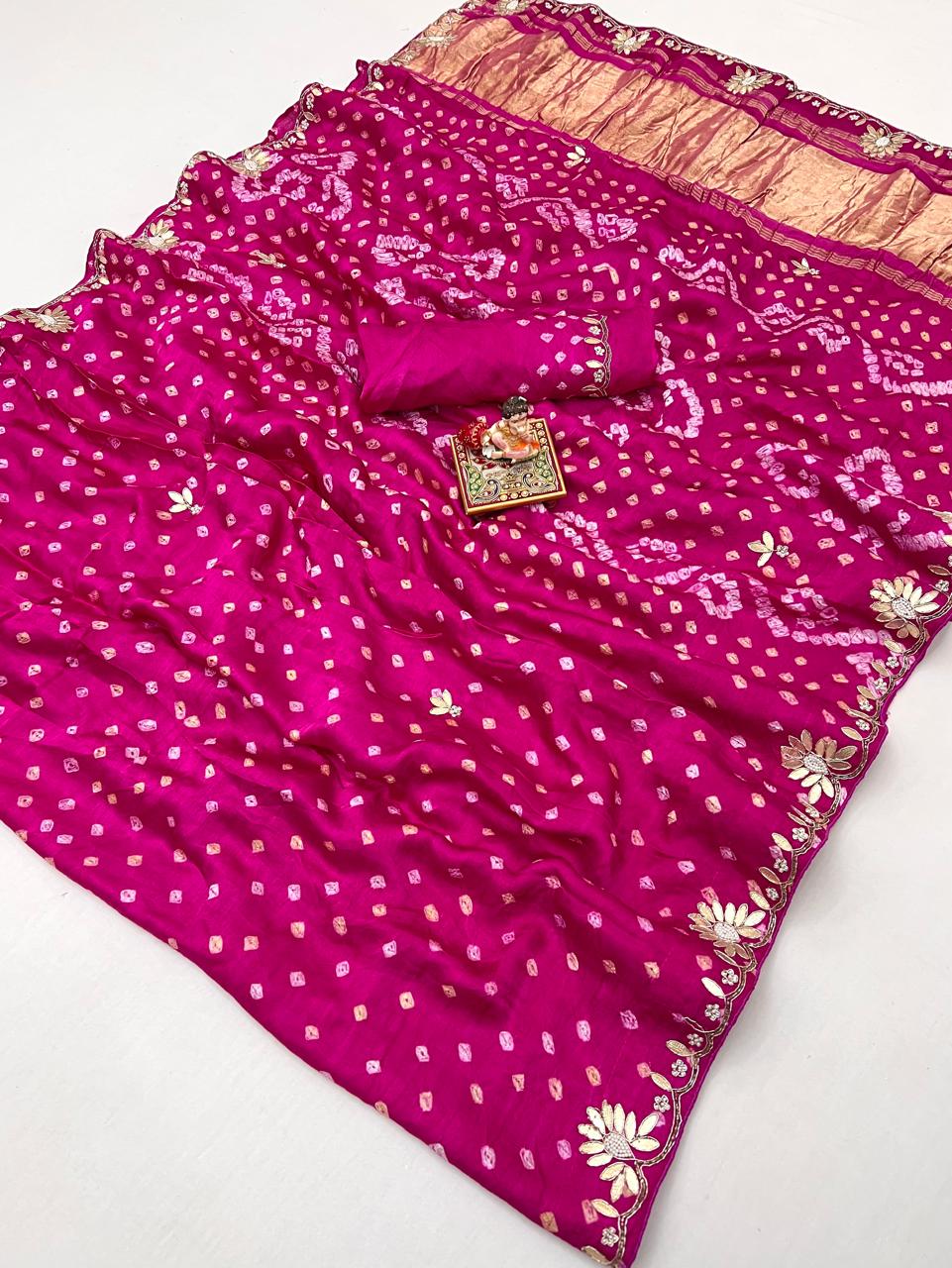
Colour names deserve equal care. A green or teal saree can be described as Gadwal-inspired without being a traditional Gadwal handloom. Green Bandhani Viscose Gajji Silk Saree with Gota Patti and Traditional Pink Bandhani Gajji Silk Saree with Border illustrate surface embellishment and bandhani styling, whereas Gadwal identity depends more heavily on regional weaving and the body-border construction.
Price comparisons should also account for category differences. Silk Sarees Under 3000 With Discount may include blended, powerloom or lightweight sarees, while a handwoven silk-cotton Gadwal with detailed zari can cost more because of labour and materials. A low price isn't automatically evidence of poor quality, but a buyer should know which specification explains the price.
Gadwal Sarees: Complete Guide to Telangana's Famous Silk Sarees for wedding and festive styling
Gadwal sarees work especially well for temple visits, weddings, festive lunches, cultural programmes and family ceremonies because their light body balances a visibly formal border. Styling should respond to the saree's border width, zari colour and drape weight.
How should a Gadwal saree be styled for a wedding?
A Gadwal saree should be styled for a wedding with a structured drape, a well-fitted blouse and jewellery that repeats the saree's zari tone. Gold jewellery complements gold zari, while silver-toned jewellery creates a sharper look with silver zari or cool teal shades.
A high-neck or elbow-length blouse can make a narrow-border Gadwal saree look contemporary, while a traditional round-neck blouse with woven motifs suits a more classic presentation. Keeping the pallu pleats even allows the border to remain visible instead of covering it with excessive pleating.
Red Banarasi Silk Sarees for Weddings Under 1100 gives an adjacent comparison for wedding colour impact and brocade styling, but Banarasi silk and Gadwal should not be treated as interchangeable traditions. Pink Georgette Sarees can provide a lighter party silhouette, although georgette behaves differently from cotton-bodied Gadwal in the pleats and pallu.
Can Gadwal sarees be worn for daytime events?
Gadwal sarees can be worn comfortably for daytime events when the blouse, jewellery and pallu arrangement are kept relatively light. A cotton-bodied version paired with a short-sleeved blouse, small gold earrings and a compact handbag works well for a puja, cultural programme or daytime reception.
Party Wear Sarees provides another styling reference for balancing embellishment and comfort. A heavily decorated blouse can compete with a zari border, so a plain silk or raw-silk blouse often creates a more deliberate finish. Teal Silk Saree with Silver Zari and Contrast Border can be styled with pearl jewellery, while Teal Traditional Silk Saree with Copper Jacquard Border suits antique-gold accessories.
Gadwal Sarees: Complete Guide to Telangana's Famous Silk Sarees and long-term care
Gadwal sarees should be stored clean, dry, folded with the zari facing inward and refolded every few months to reduce permanent crease lines. Cotton, silk and zari can react differently to moisture, pressure and chemicals, so storage conditions matter.
Dry cleaning is generally safer than home washing for silk, zari or heavily finished Gadwal sarees. A professional cleaner should be told about zari, dyed silk and any attached embellishment before treatment. Detergent, bleach, fabric softener and prolonged soaking can cause colour bleeding, dull zari or fibre weakening.
Fold the saree along existing broad folds without pressing it under heavy clothing. Wrap the folded saree in clean, unbleached cotton or muslin rather than airtight plastic for long-term storage. Keep the garment away from direct sunlight, damp walls, perfume, naphthalene and freshly painted wooden surfaces.
Before wearing a stored saree, air it indoors in indirect light for a few hours. Ironing should be done from the reverse side on a low silk setting with a thin cotton cloth between the iron and the fabric. Direct high heat can flatten texture, create shine marks or damage metallic threads.
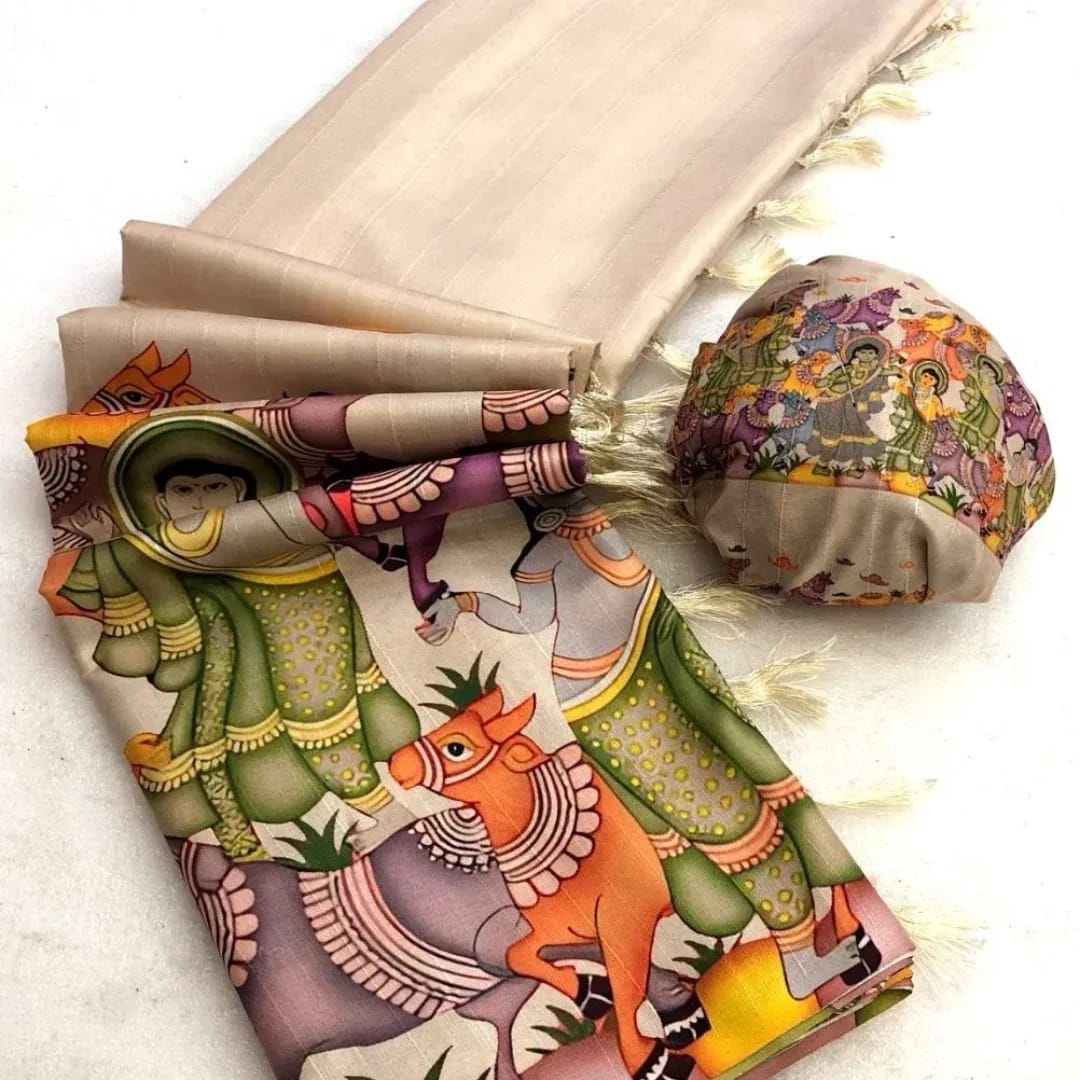
Purple Kalamkari Tussar Silk Saree with Printed Blouse and Tussar Silk Kalamkari Printed Saree with Blouse show why printed silk and woven zari require different care decisions. A printed surface may fade from harsh washing, while zari may tarnish or catch under abrasive treatment. Gray Color Sarees Under 1000 is useful for exploring a separate everyday price segment, but lower-priced synthetics may have different washing instructions from silk-based sarees.
Gadwal Sarees: Complete Guide to Telangana's Famous Silk Sarees questions readers ask
Are Gadwal sarees suitable for summer weddings?
Gadwal sarees with cotton bodies are suitable for summer weddings because cotton allows more airflow than a dense, all-silk weave. A silk-bodied version will feel warmer and may be better suited to evening ceremonies or air-conditioned venues.
How can a buyer identify a handloom Gadwal saree online?
A buyer can begin by checking the fibre statement, handloom declaration, reverse-side photographs, saree measurements and seller information. No single photograph proves authenticity, so a seller who answers specific questions about the border join and yarn composition is more useful than a listing that brings only the word traditional.
Does every Gadwal saree contain zari?
Every Gadwal saree doesn't contain zari. Zari is common on formal borders and pallus, but simpler cotton-silk versions may use coloured silk yarns or woven motifs without metallic thread.
What blouse fabric works with a Gadwal saree?
Silk, raw silk, cotton-silk and matching woven fabric are practical blouse choices for a Gadwal saree. A blouse should match the saree's weight and repeat one colour from the border without adding so much embroidery that the pallu loses visual prominence.
How should zari on a Gadwal saree be protected?
Zari should be protected from moisture, perfume, chemical sprays, direct heat and abrasive washing. Fold the saree with the zari inside, store it in breathable fabric and use professional dry cleaning when the care label recommends it.
Questions About Buying, Wearing and Caring for Gadwal Sarees
Are Gadwal sarees made from pure silk?
Gadwal sarees are not always made from pure silk; many traditional versions have a cotton body with silk borders and a silk pallu. Product descriptions should specify whether the saree is cotton-silk, pure silk, silk-viscose or another blend.
What makes a Gadwal saree different from a Kanjeevaram saree?
A Gadwal saree commonly combines a lightweight cotton body with silk borders and an interlocking join, while Kanjeevaram sarees are generally associated with heavier pure silk and distinctive South Indian silk weaving. Both can feature contrast borders and zari, but their fibre balance and construction differ.
How can I check whether a Gadwal saree is handwoven?
Check the seller's handloom information, fibre declaration, reverse-side photographs and border join. A woven interlocking transition should look integrated rather than glued or separately attached, although a photograph alone cannot provide complete authentication.
Are Gadwal sarees good for summer weddings?
Cotton-bodied Gadwal sarees are well suited to summer weddings because they are lighter and more breathable than dense all-silk weaves. Pure-silk versions provide a richer fall but may feel warmer.
How should a Gadwal saree be washed and stored?
Dry cleaning is generally safer for silk, zari and heavily finished Gadwal sarees than home washing. Store the clean saree folded in breathable cotton or muslin, away from sunlight, moisture, perfume and high heat.
What jewellery goes with a Gadwal saree?
Gold jewellery suits gold zari, while silver-toned jewellery works well with silver zari and cooler shades such as teal. The jewellery should support the border rather than obscure a detailed pallu or heavily decorated blouse.