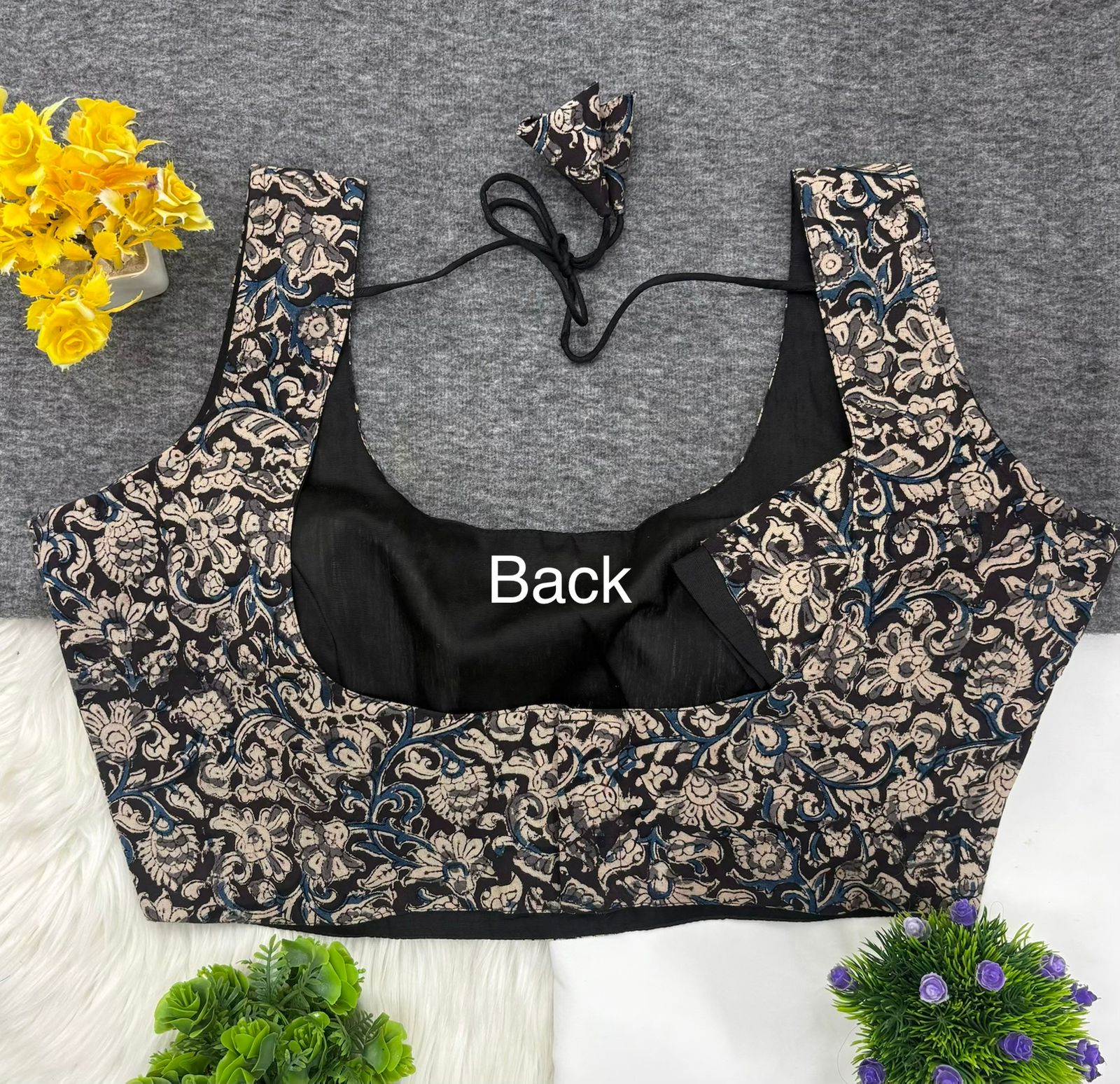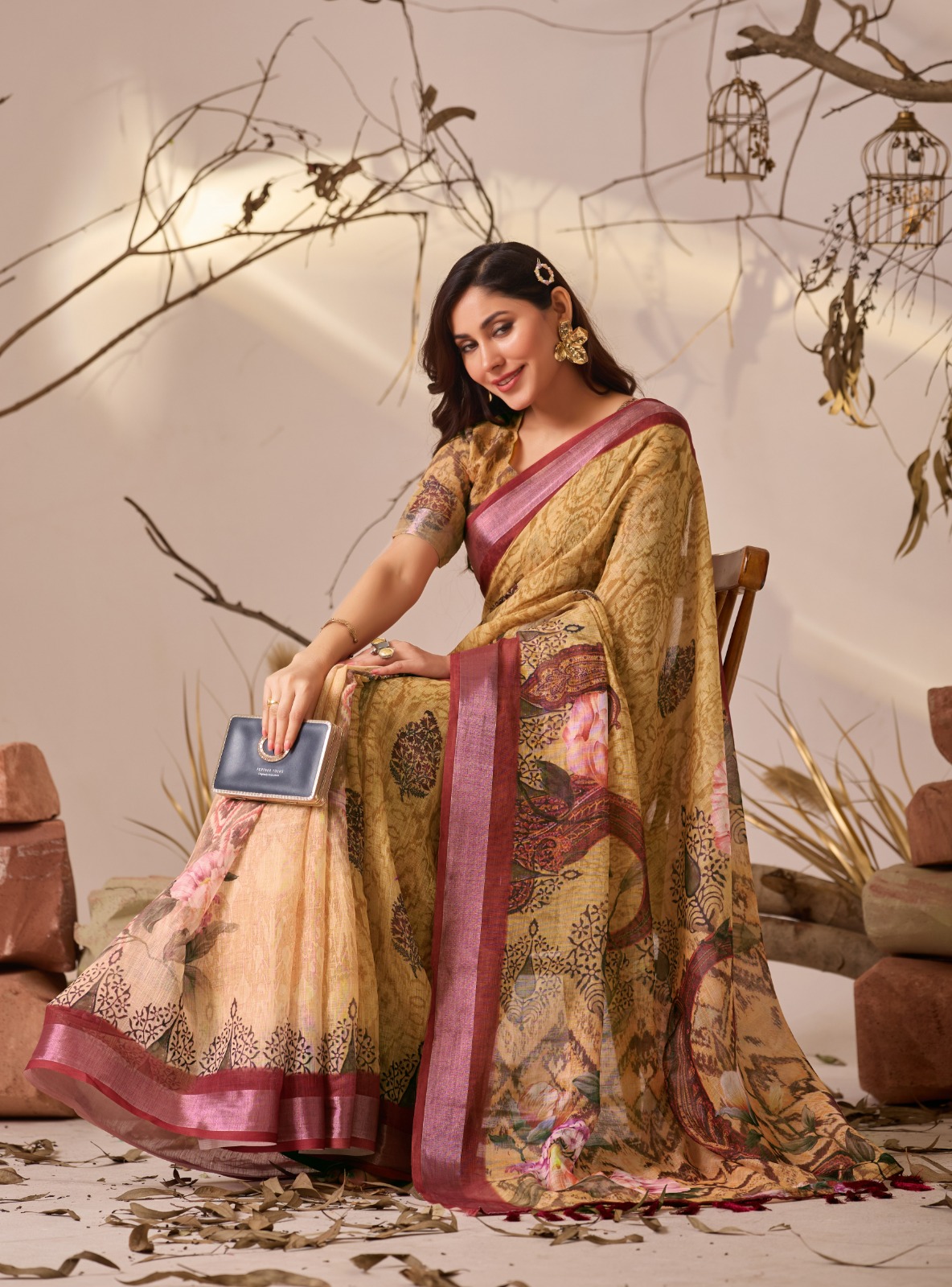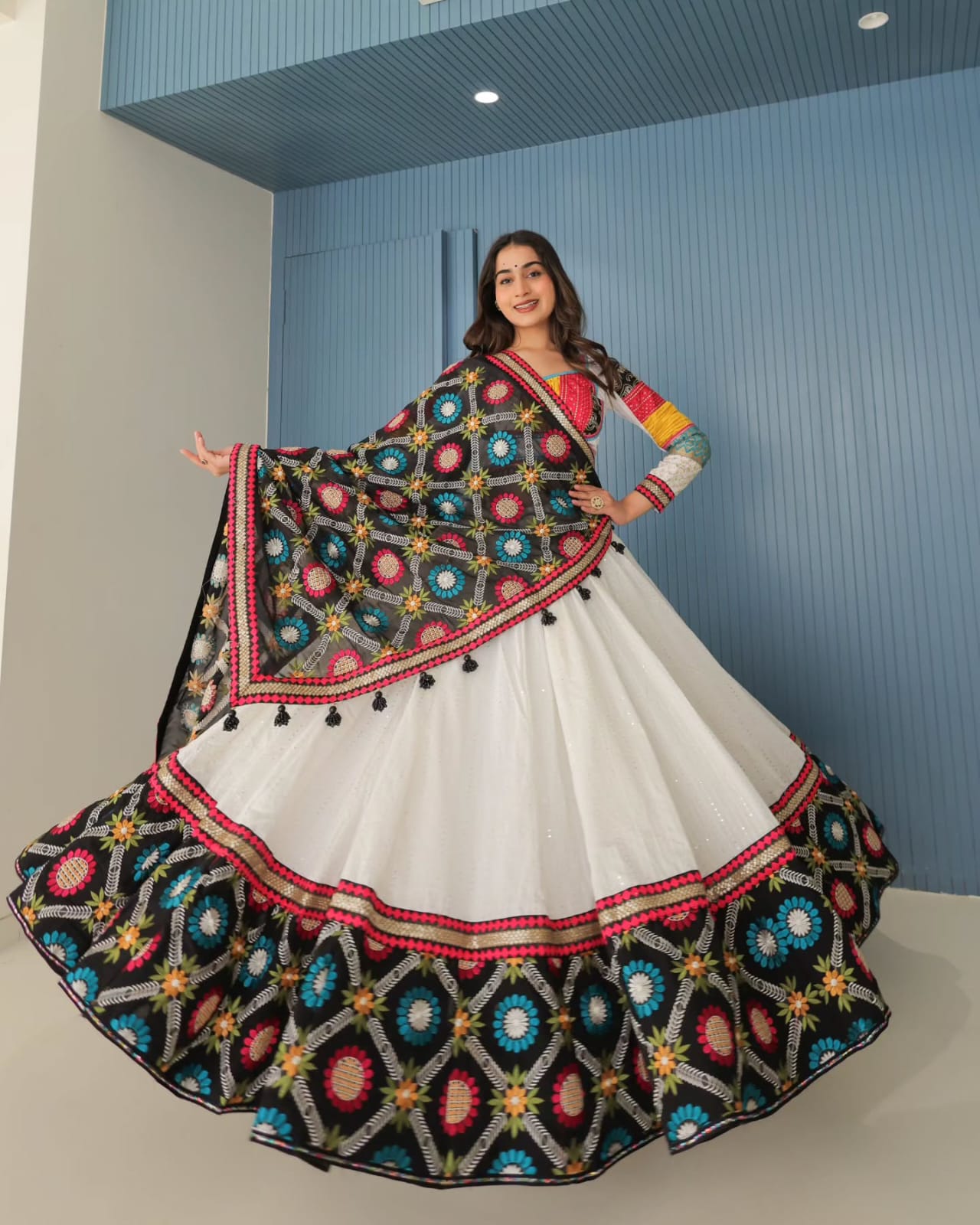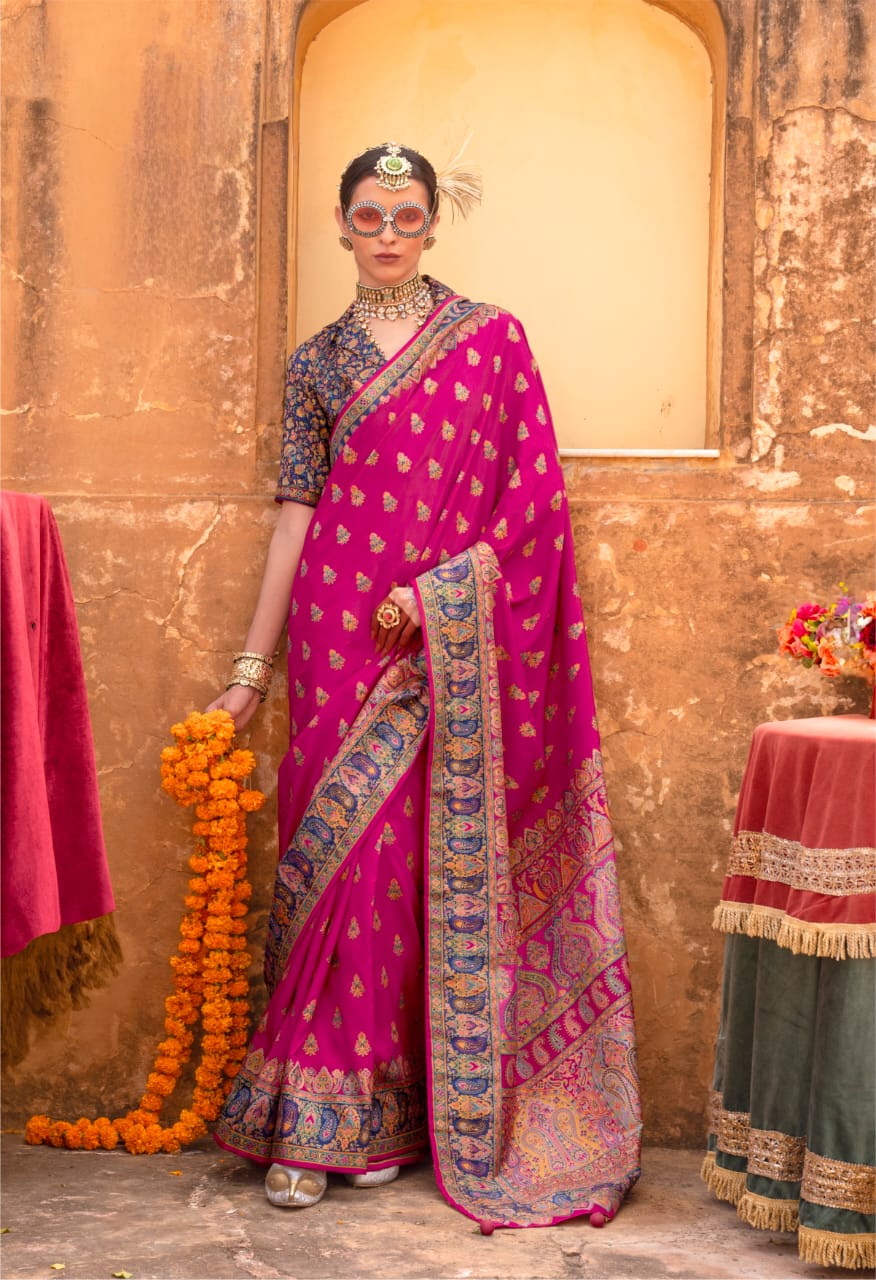
Festival Wear Inspired by Naga Textile Designs brings together bold geometry, deep colour contrasts and a strong sense of identity. The most successful interpretation doesn't copy a Naga shawl as decoration; it studies the structure of Naga weaving and translates selected visual ideas into sarees, lehengas, blouses and accessories with care. That distinction matters because Naga textiles represent diverse communities, histories and social contexts rather than one interchangeable style.
Nagaland is home to many Naga communities, including Ao, Angami, Chakhesang, Konyak, Lotha and Sumi groups, each with charming textile practices. A festive outfit can therefore draw on deep features such as geometric borders, red-and-black contrasts or rhythmic stripes while avoiding claims that one motif has a single meaning everywhere. The result is more thoughtful, easy to wear and visually stronger than an outfit built from random tribal-looking prints.
What defines Naga textile design?
Naga textile design is defined by handwoven structure, high-contrast colour, geometric patterning and motifs connected to community identity, status, nature or lived history. Naga textiles are not a single uniform design language, so the source community and specific textile should be identified whenever a traditional pattern is directly referenced.
Many classic Naga textiles use a relatively restrained palette built around black, red, white, indigo, yellow or green. The visual impact comes from proportion and repetition rather than from a large number of colours. Narrow bands, stepped forms, diamonds, checks and horizontal stripes can create a powerful border even when the central field remains plain.
Heritage shawls and wraps may also include animal figures, horn-like shapes, stylised human forms, spears or other symbols. Meanings vary by community and by the textile's function. Some garments historically indicated social position, achievements or ceremonial standing, while others served practical, clan or community purposes. A fashion outfit should not claim that a symbol guarantees luck, bravery or prosperity unless a reliable cultural source supports that interpretation.
Weaving technique contributes to the character of Naga cloth. Backstrap or loin-loom weaving produces narrow fabric widths and encourages a design vocabulary of bands, borders and repeated motifs. Handwoven surfaces may show small irregularities, changes in tension and slight variations in colour. Those details are signs of making, not manufacturing defects.
How can Festival Wear Inspired by Naga Textile Designs stay respectful?
Respectful styling begins by separating visual inspiration from direct reproduction. Use broad design principles such as banded geometry, controlled contrast and woven texture unless you know the origin and meaning of a particular Naga motif.
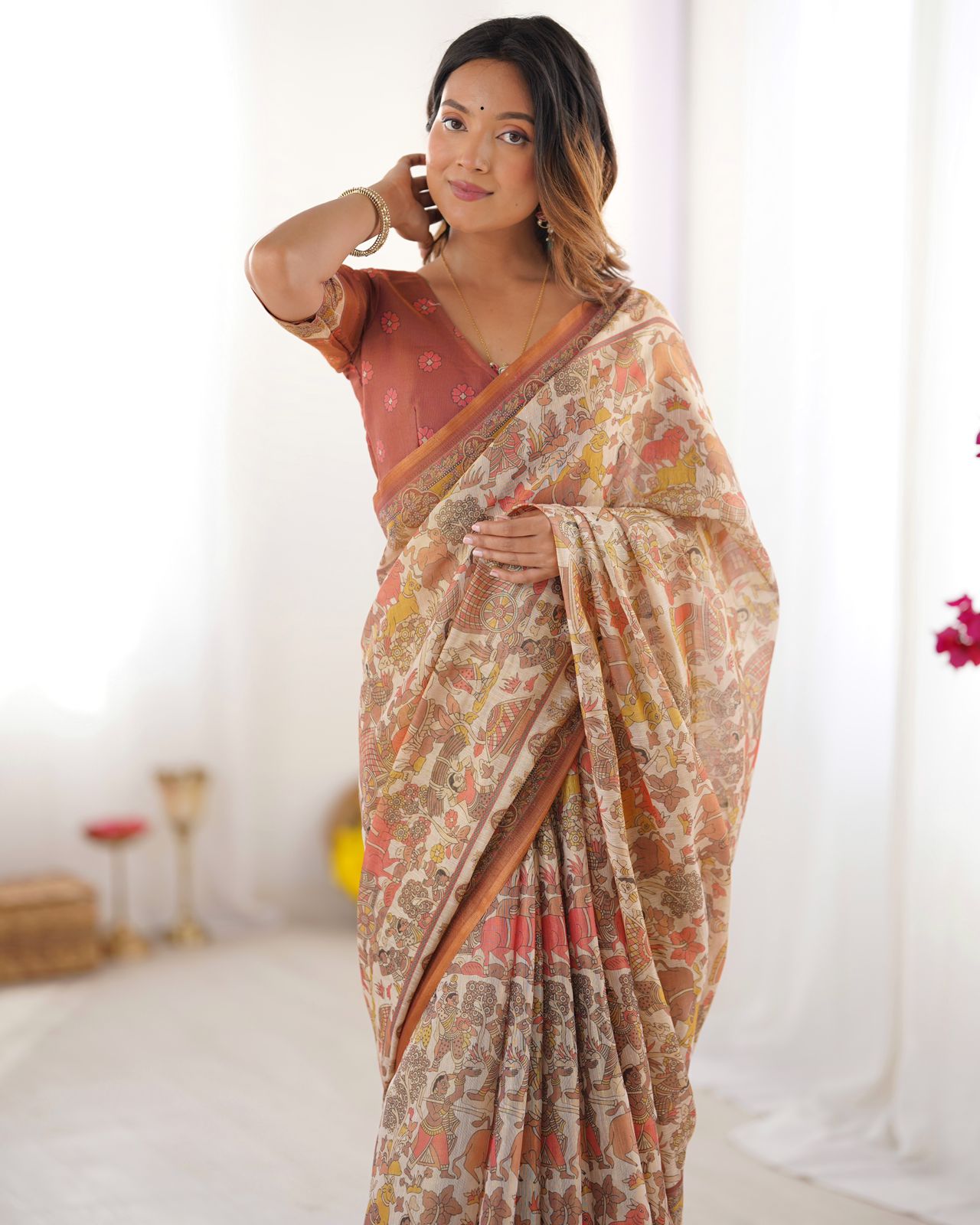
Avoid placing a photographed time-honoured shawl pattern onto a blouse or lehenga without permission, attribution or context. Avoid using ceremonial garments as costume pieces, especially when a design is associated with rank, initiation, mourning, warfare or another community-specific practice. A printed pattern labelled only "tribal" also removes the identity of the people who created the textile.
Material choice can communicate respect. A handloom cotton border, handwoven stole or naturally textured fabric gives more integrity to the idea than a glossy synthetic print that imitates irregular weaving. If a direct collaboration or licensed textile is available, credit the artisan, cooperative, designer or community source in the product story.
Styling can also be respectful without becoming solemn. Pair one clearly inspired element with otherwise familiar festive clothing. For example, a saree with a geometric border can be worn with a plain blouse and contemporary jewellery. A woven stole can accompany a solid kurta rather than being cut into multiple decorative patches.
An useful rule is to borrow the design discipline, not the identity: study the weave, scale, rhythm and colour, then make an outfit that acknowledges its source without pretending to be a time-honoured Naga garment.
Which colours and motifs work best for festive outfits?
Black, vermilion red, ivory and indigo create the clearest Naga-inspired festive palette, while mustard, forest green and muted blue can soften the contrast. The strongest combinations usually give one colour a dominant role and reserve the others for borders, piping, jewellery or small motif repeats.
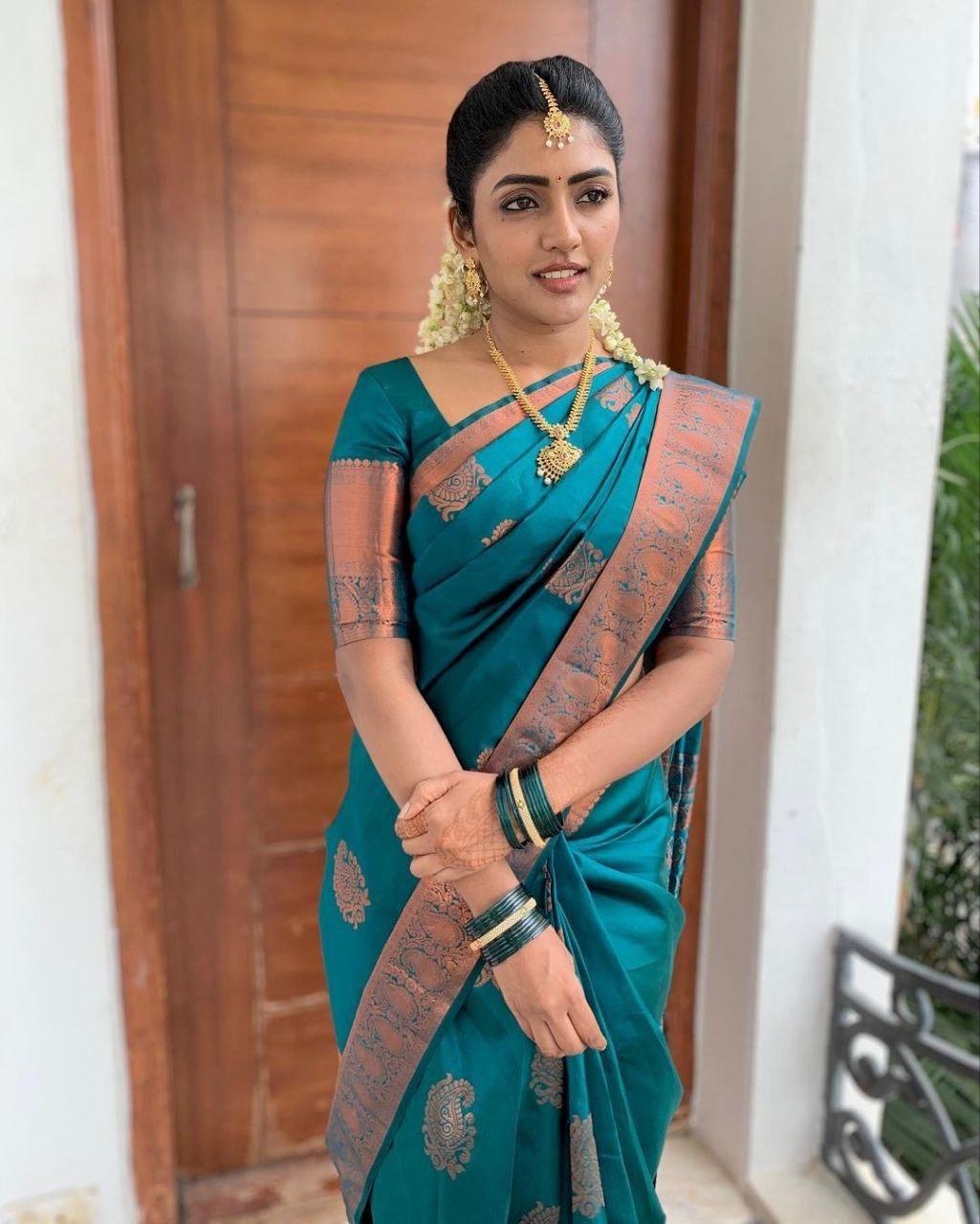
Red and black for evening celebrations
Red and black suit evening festivals because the contrast remains visible under warm lighting. A black blouse with a red woven border, a red lehenga with narrow black bands or a deep maroon saree with ivory geometry can carry the idea without covering the entire garment in pattern.
The Red Ethnic Lehenga Choli with Digital Print Design can be styled in this direction with a black or charcoal dupatta, matte metal earrings and a narrow geometric waist detail. The outfit should keep the motif scale controlled; one strong border will look more considered than several unrelated prints.
Ivory, indigo and natural tones for daytime events
Ivory, undyed beige, indigo and muted green work well for daytime pujas, cultural gatherings and outdoor festivals. These colours allow woven texture to remain visible and reduce the risk of a costume-like result.
The Pastel Floral Tissue Handloom Cotton Saree with Zari Weaves offers an useful balance between a light festive base and a structured border. A black blouse with red piping, a handwoven-style belt or a small geometric clutch can introduce Naga-inspired contrast without competing with the saree's floral surface.
How do you translate Naga textile ideas into sarees?
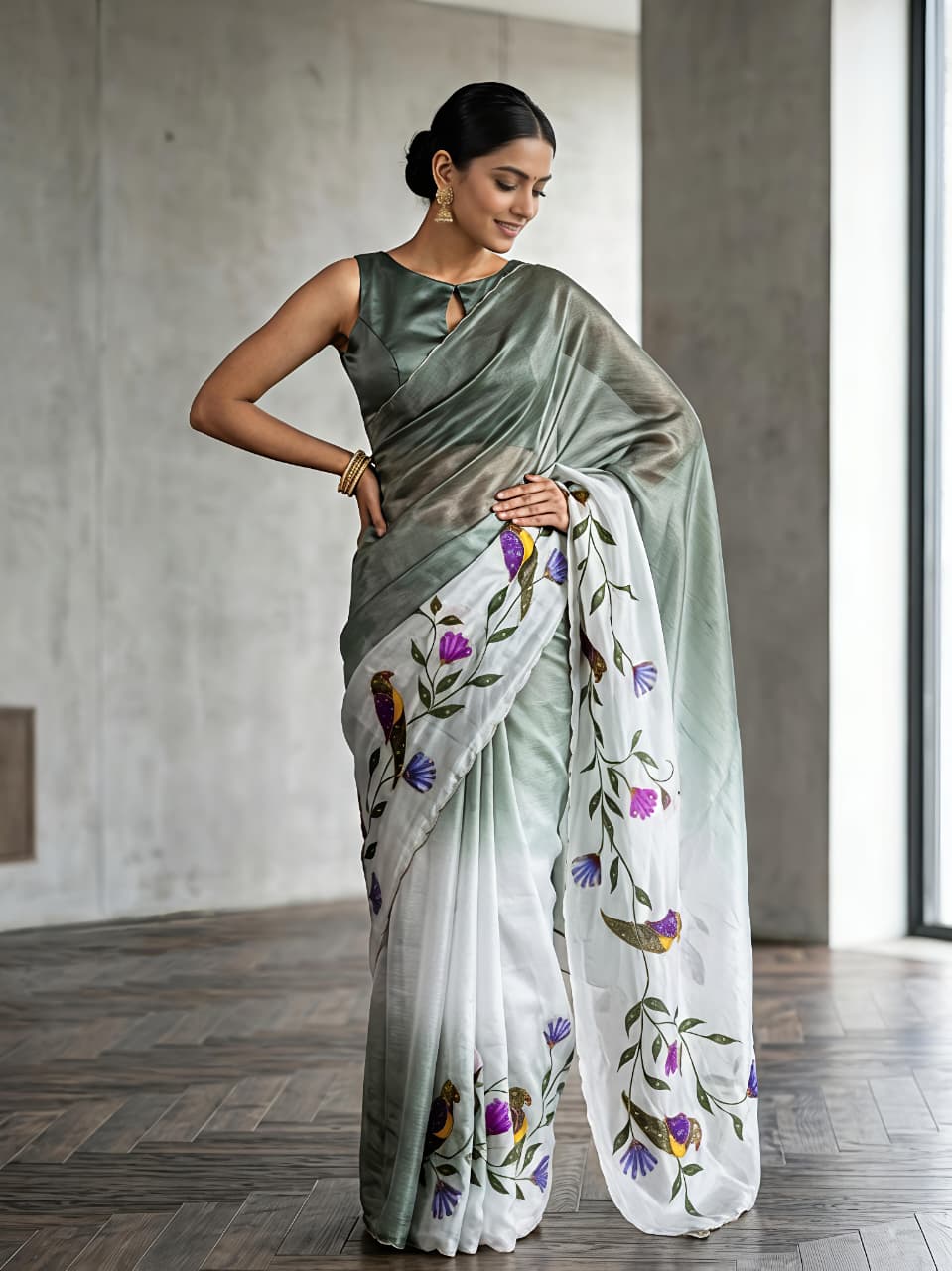
Sarees translate Naga textile ideas most effectively through the border, pallu and blouse rather than through an all-over imitation print. A 3- to 6-inch geometric border can provide a visible reference while preserving the saree's original drape and fabric character.
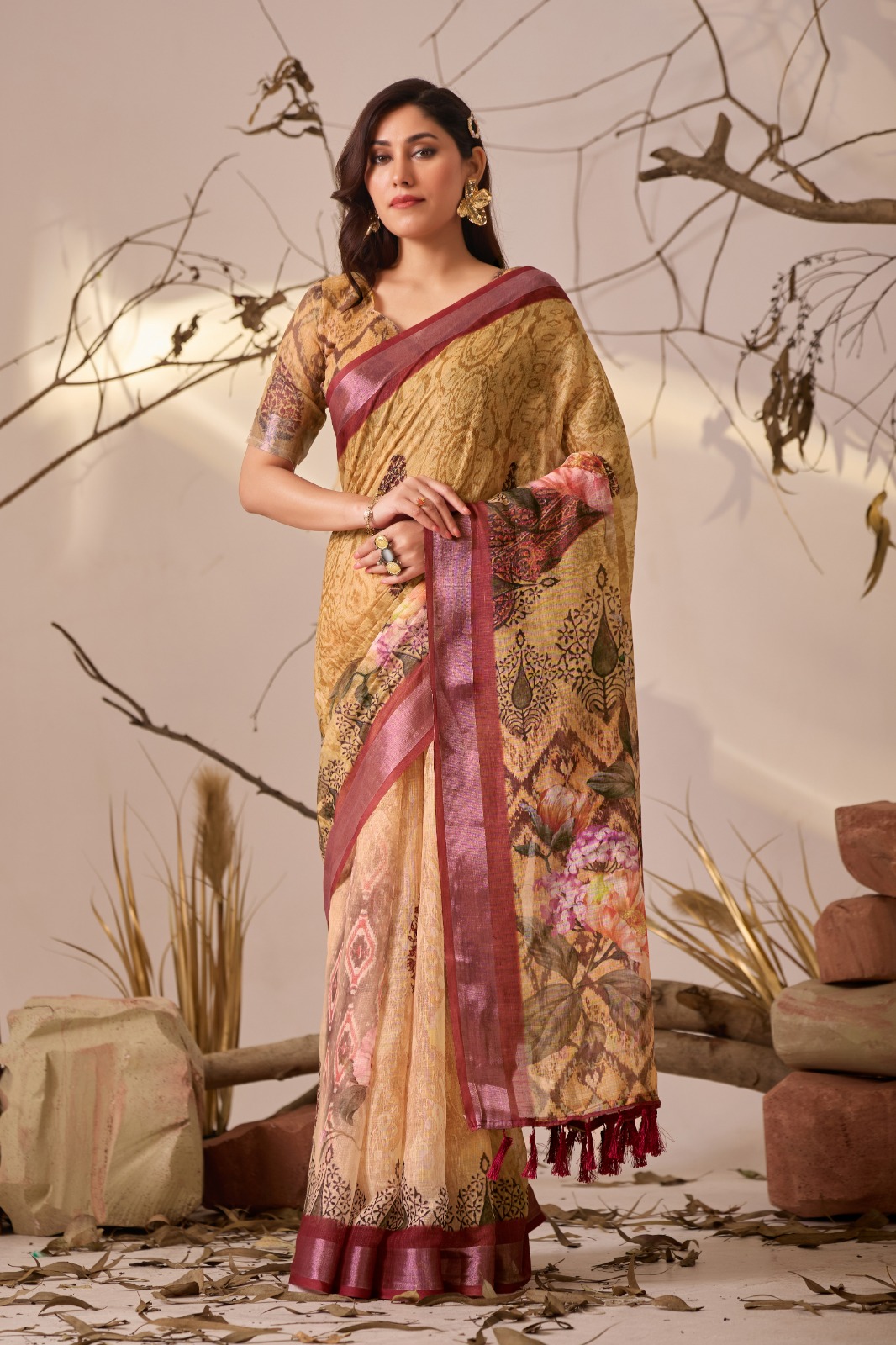
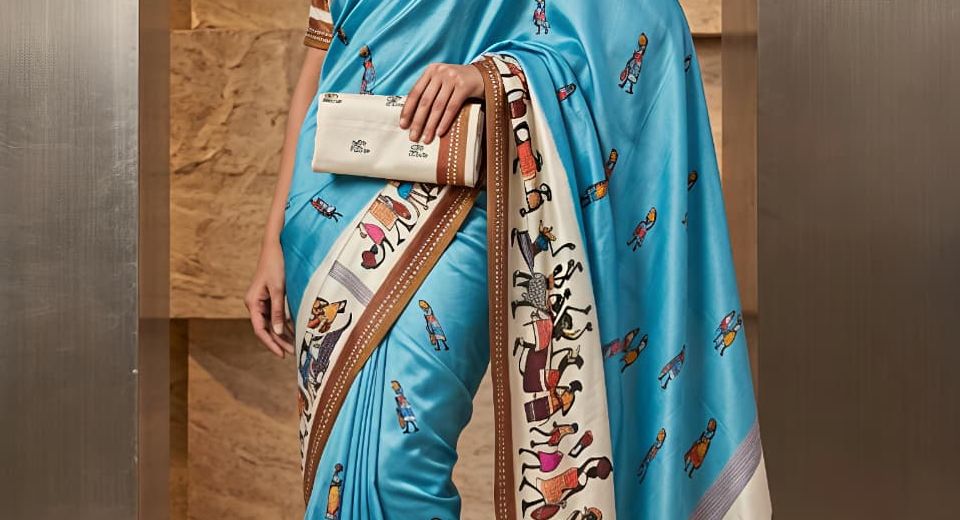
A plain or minimally printed saree gives the border enough space to read clearly. The Festive Wear Blue Silk Saree for Women can take a sharper direction with a red-and-ivory blouse, oxidised silver jewellery and a pallu pleated neatly to show any linear detailing. Blue also works as a contemporary substitute for indigo when the styling remains matte and restrained.
The Designer Rani Pink Patola Print Pashmina Silk Festive Saree already contains a strong patterned surface. Styling it with a solid black blouse and a single geometric accessory prevents pattern overload. Patola-inspired repeats and Naga-inspired geometry should not be described as the same tradition; they can coexist in an outfit only when one pattern remains visually secondary.
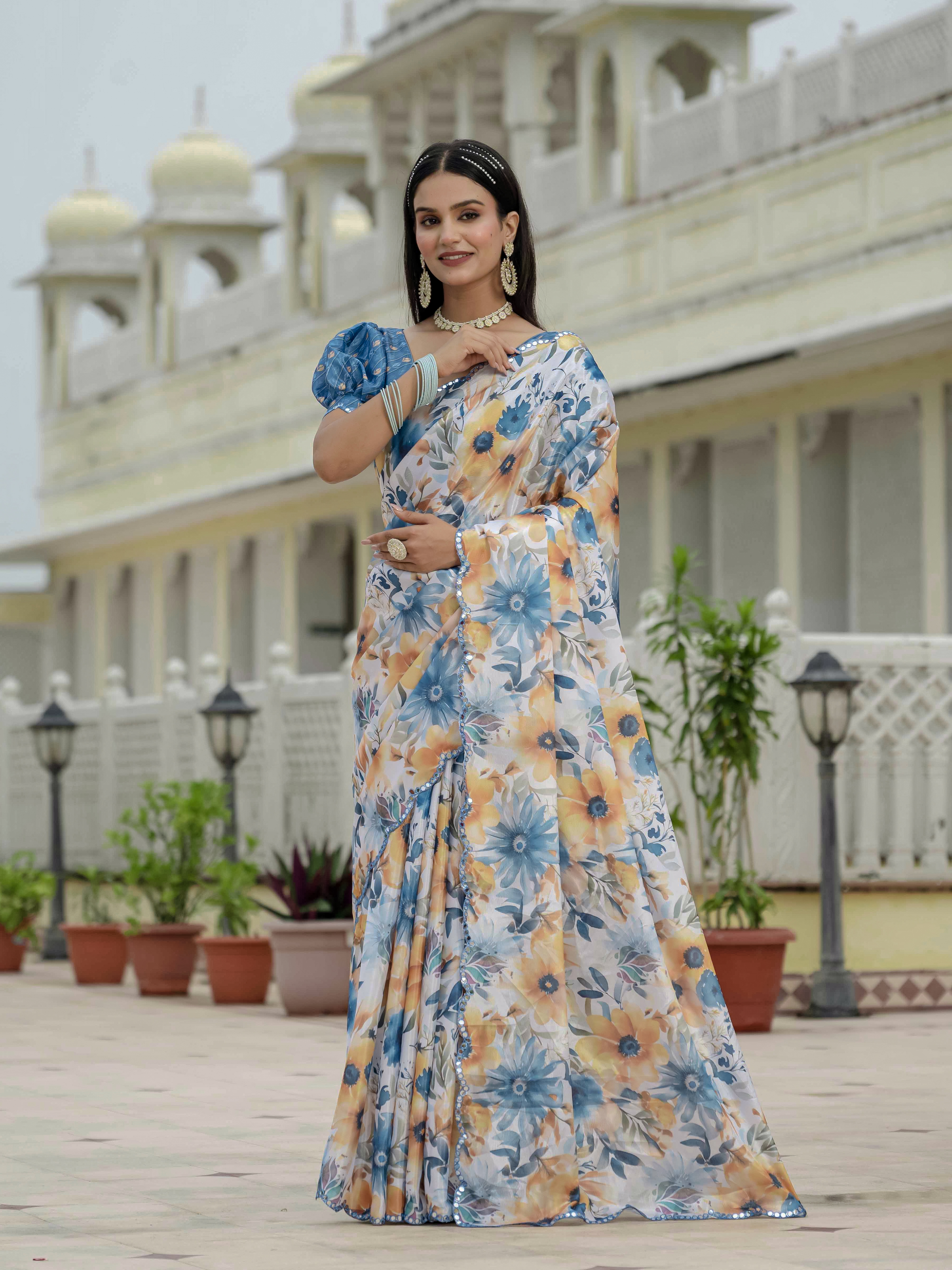
Light fabrics need a different treatment. The Pastel Linen Cotton Floral Print Saree with Designer Blouse can be paired with a narrow woven belt, a black blouse accessory or a red-and-white bead strand. Linen cotton responds well to daytime light and lets small details carry the cultural reference without making the outfit heavy.
How can you adapt Naga-inspired details for lehengas and suits?
Lehengas and suits adapt Naga-inspired details through horizontal bands, panel construction, border placement and disciplined colour blocking. The most wearable approach is to keep the skirt or trousers relatively clean and concentrate the strongest pattern on the hem, dupatta or yoke.
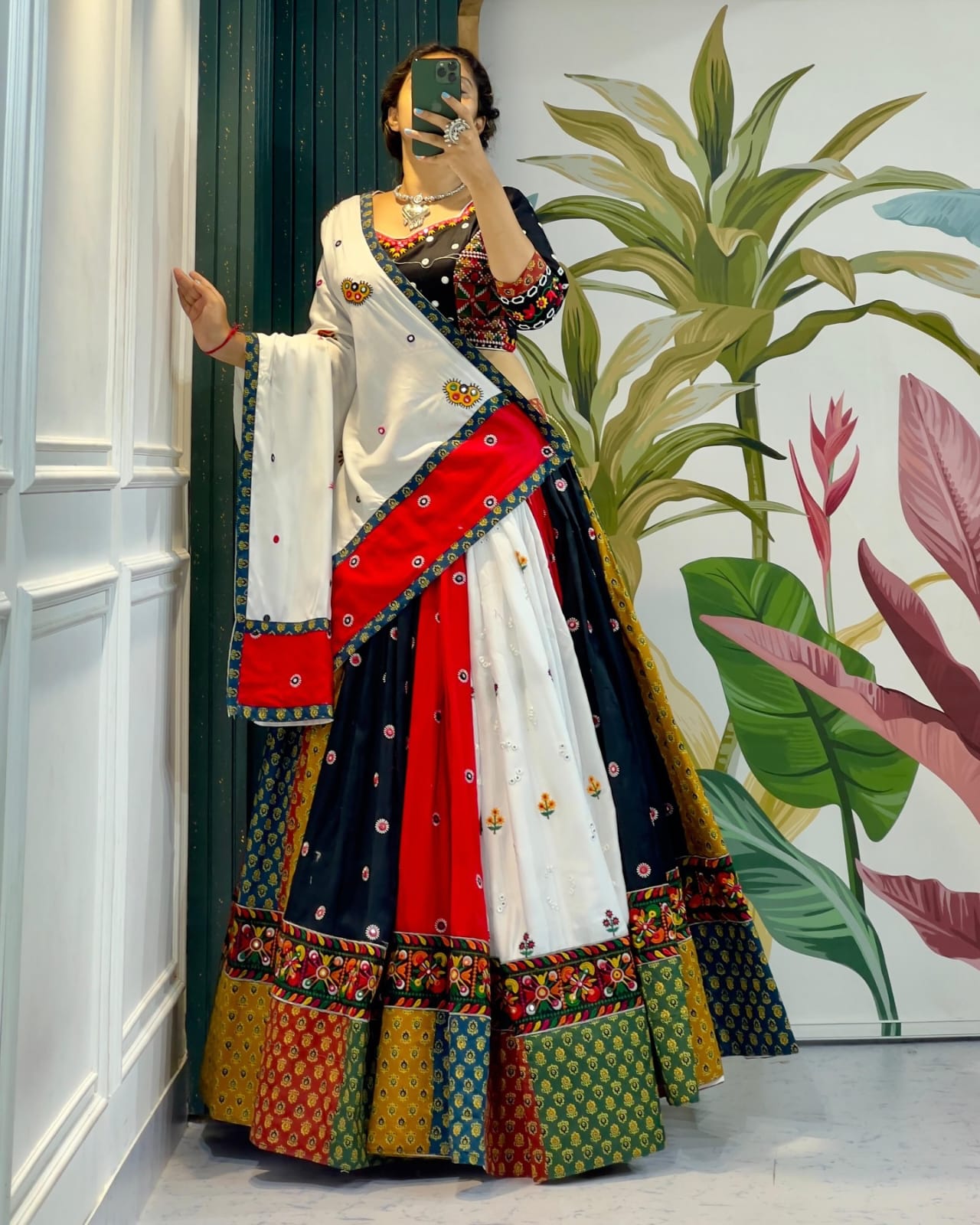
The Beige Ethnic Printed Lehenga Set for Navratri and Garba can be given a more textile-led finish with a black blouse, a red dupatta border and silver-toned earrings. Beige provides visual breathing room for a stepped or striped border, while red supplies the festive energy associated with Navratri without requiring a dense multicolour print.
The Vibrant Multicolor Navratri Lehenga Choli Set already has high colour intensity. Add Naga-inspired structure through a solid black waist belt, geometric bangles or a dupatta folded to display a linear border. Do not add another busy tribal print, because repeated high-contrast motifs can hide the weave-inspired idea altogether.
A sharara or palazzo suit can use the same principle. Keep the trousers in one colour, place a geometric band along the hem and use the dupatta as the main statement. This construction allows the outfit to move during dancing while retaining a clear visual rhythm.
The Blue Printed Georgette Designer Gown for Women Festive demonstrates why silhouette and surface should be balanced. A gown with a fluid georgette fall can take a structured black-and-red belt, a woven-looking yoke or angular earrings, but a heavy all-over border may interrupt the drape. Soft fabric benefits from one firm graphic detail.
What fabrics make the inspiration feel authentic and wearable?
Cotton, linen cotton, silk, wool blends and textured handloom fabrics make Naga-inspired festive styling feel more connected to textile craft. Fabric selection should match the event, weather and amount of movement rather than chase a single idea of authenticity.
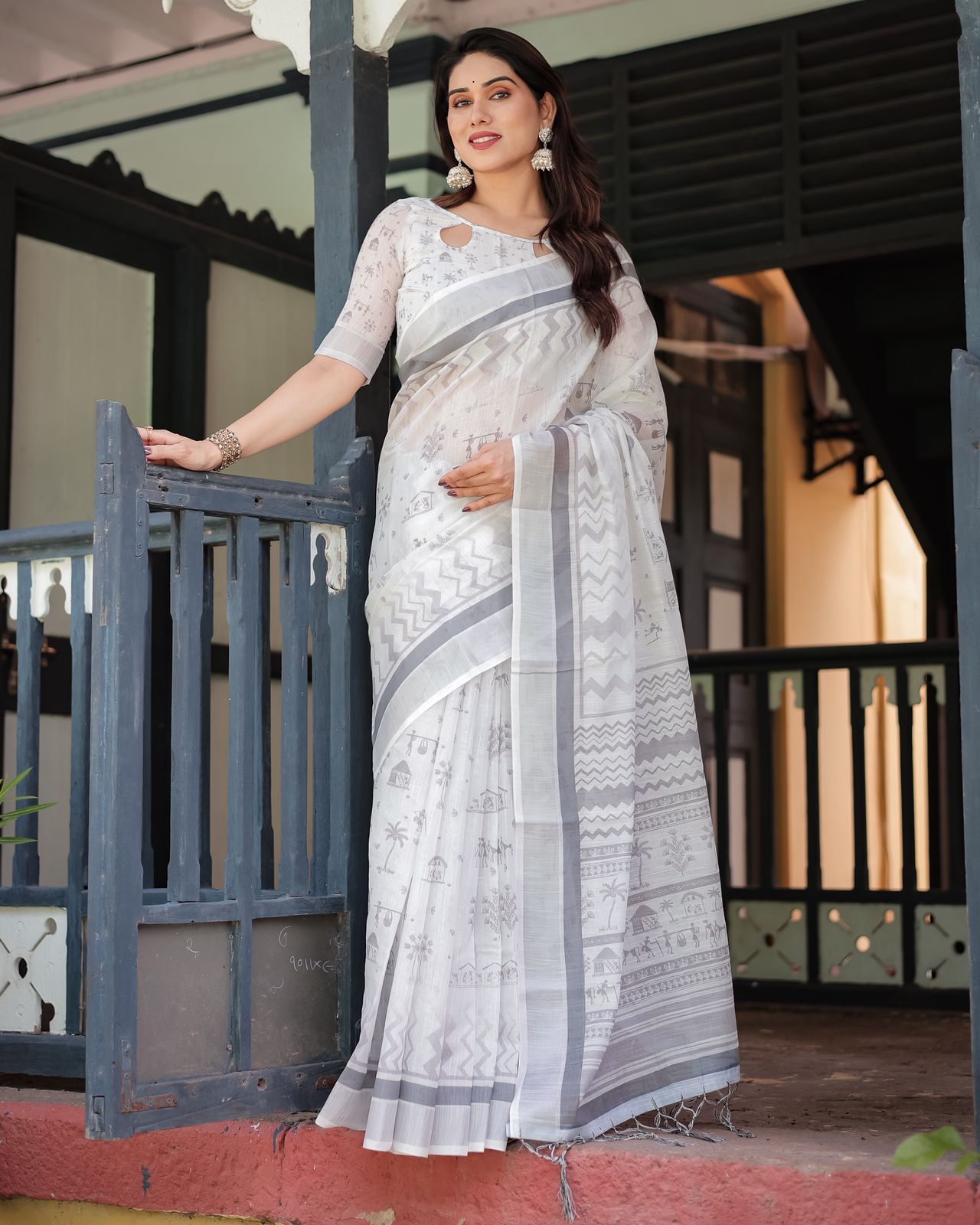
Handloom cotton works well for daytime festivals because it breathes, absorbs moisture and shows weave variation. Linen cotton gives similar practicality with a slightly crisper fall. Silk creates a formal surface for evening celebrations, but smooth silk should be balanced with matte jewellery or a textured accessory if the design already includes bold contrast.
Pashmina silk and other delicate blends need careful handling. Store such garments folded in breathable cotton, separate dark dyes from pale fabrics, and follow the care label before attempting cleaning. Do not assume that every silk or pashmina garment can be hand-washed; zari, digital prints and blended fibres may react differently to water and friction.
Zari deserves special attention. Zari can brighten a festive border, but excessive metallic shine may overpower the earthy restraint associated with many Naga textile palettes. The Pastel Floral Tissue Handloom Cotton Saree with Zari Weaves works best when the remaining accessories are quieter, such as brushed silver, wood, beads or unpolished stones.
How should jewellery, makeup and accessories complete the look?
Jewellery should repeat the outfit's geometry or colour contrast without copying a sacred or community-specific object. Silver-toned metal, seed beads, wooden elements, structured cuffs and angular earrings can echo the visual language of woven bands.
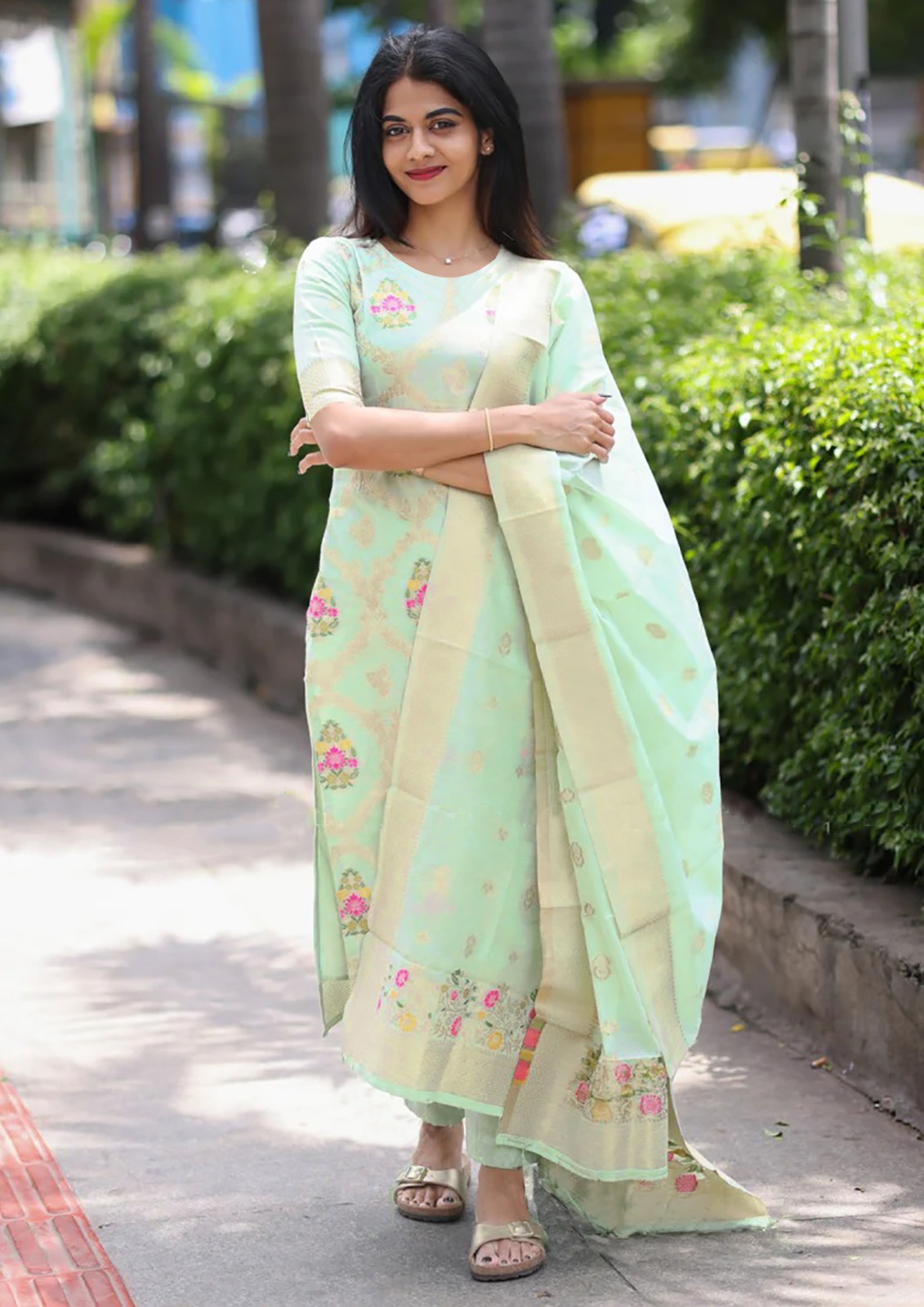
Choose one focal accessory for a printed outfit. A bold collar necklace may be enough with a plain saree, while a geometric clutch may work better when the blouse already has contrast piping. Avoid wearing a traditional Naga shawl as a casual prop unless the garment's maker or cultural source clearly supports that use.
Makeup can remain clean and defined. Brick-red, berry or terracotta lips connect naturally with a red-and-black palette, while softly smoked eyes suit evening events. For daytime gatherings, brushed brows, warm blush and a muted lip prevent the outfit from becoming visually theatrical.
Footwear should support movement. Flat kolhapuris, low block heels or simple sandals suit Garba and outdoor festivals better than fragile stilettos. A black, tan or deep red shoe will usually integrate more easily than a metallic shoe carrying another unrelated colour.
How can shoppers judge a Naga-inspired festive garment?
Shoppers should check the garment's fibre, construction, motif source, care instructions and proportion before buying a Naga-inspired festive outfit. A clear description is more valuable than a vague label such as "ethnic tribal print."
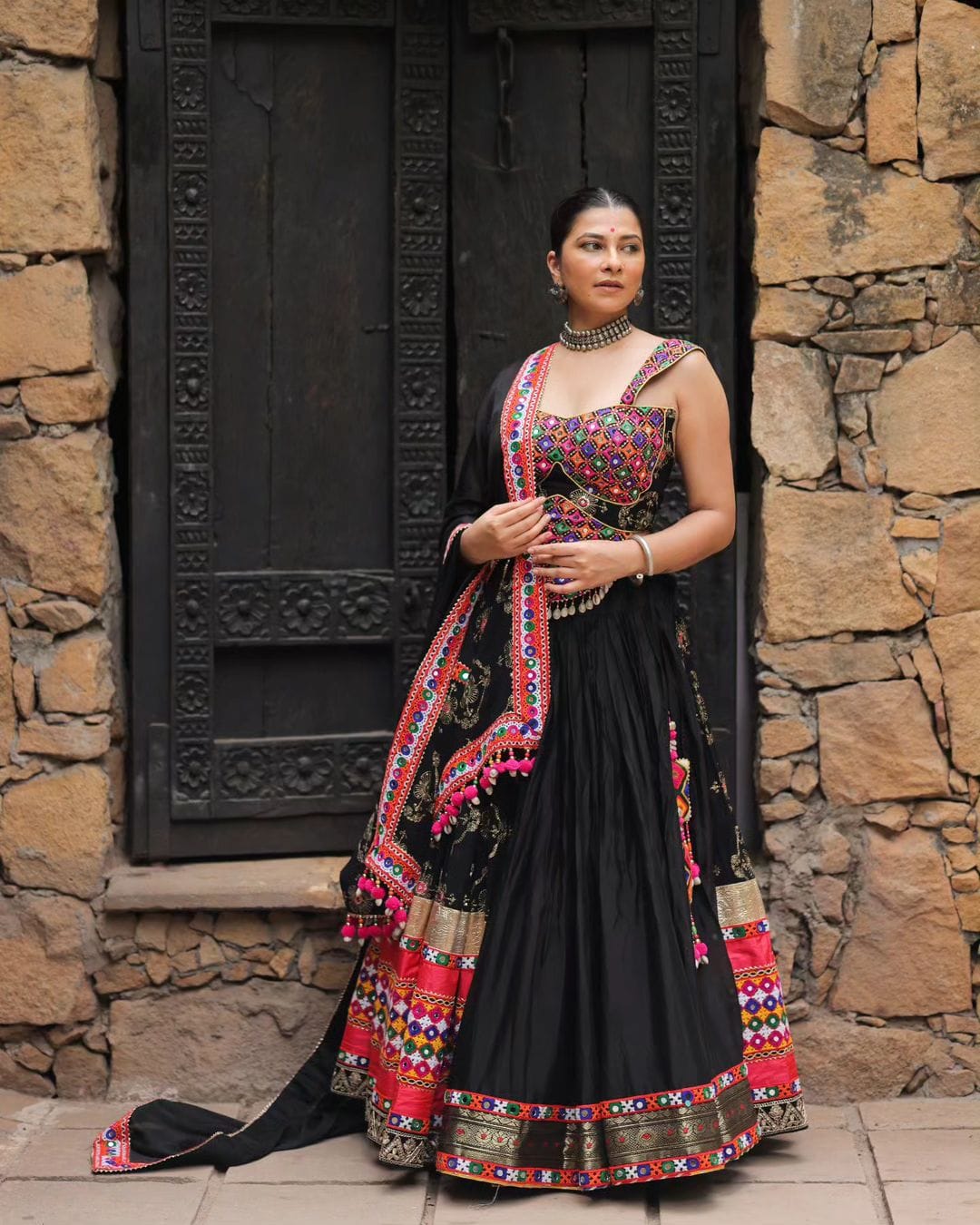
- Check the material: confirm whether the garment is handwoven, powerloom, printed or digitally reproduced, and look for the fibre composition.
- Study the pattern scale: borders and bands should have a deliberate repeat rather than random geometric marks.
- Ask about cultural credit: responsible sellers identify the artisan group, designer, cooperative or source when a specific tradition is referenced.
- Inspect finishing: examine lining, seam strength, zari attachment, print alignment and hem weight, especially on lehengas and sarees.
- Match care to use: a delicate silk or zari garment may be unsuitable for an event involving rain, dancing or food service.
- Consider rewearing: a solid blouse, detachable belt or versatile dupatta will create more future outfits than a costume-like set with every element patterned.
Festival Wear Inspired by Naga Textile Designs becomes most compelling when the outfit has a clear reason for every choice. A geometric border can refer to weaving structure, a red-and-black contrast can establish visual rhythm, and a textured fabric can acknowledge the value of handmaking. Cultural care and strong styling are not opposing goals; both depend on attention to detail.
Questions About Styling Festival Wear Inspired by Naga Textile Designs
What colours are commonly used in Naga-inspired festive fashion?
Black, red, white, indigo, mustard and green are useful starting points for Naga-inspired festive styling. Colour combinations vary across Naga communities, so a fashion outfit should not claim that one palette represents every Naga textile tradition.
Can I wear a Naga shawl with a saree or lehenga?
You can style a Naga shawl when its use is appropriate, its source is known and it is not a ceremonial garment being treated as a costume. If the shawl has community-specific status or ritual associations, choose a contemporary woven stole or a clearly fashion-oriented textile instead.
How can I add Naga-inspired details without making my outfit look like a costume?
Use one or two references, such as a geometric border, red-and-black piping or a textured woven accessory, instead of combining motifs across every garment. A plain saree, blouse or lehenga panel gives the detail enough space to look intentional.
Are geometric Naga motifs the same as other Indian textile patterns?
No, geometric repetition appears in many Indian textile traditions, but Naga motifs belong to distinct regional and community histories. Patola, Kanjeevaram, Banarasi silk and Naga weaving should be named separately rather than treated as interchangeable versions of "tribal" design.
Which fabric is practical for a daytime Naga-inspired festive outfit?
Cotton, linen cotton and light handloom fabrics are practical for daytime festive events because they breathe and show texture without excessive weight. Silk and zari work better for formal evening wear but require more careful storage and cleaning.
How should I care for a festive outfit with zari or handwoven details?
Follow the garment's care label and use professional dry cleaning when silk, zari, digital print or delicate blends are involved. Store the garment folded in breathable cotton away from direct sunlight, and avoid spraying perfume directly onto metallic or handwoven surfaces.