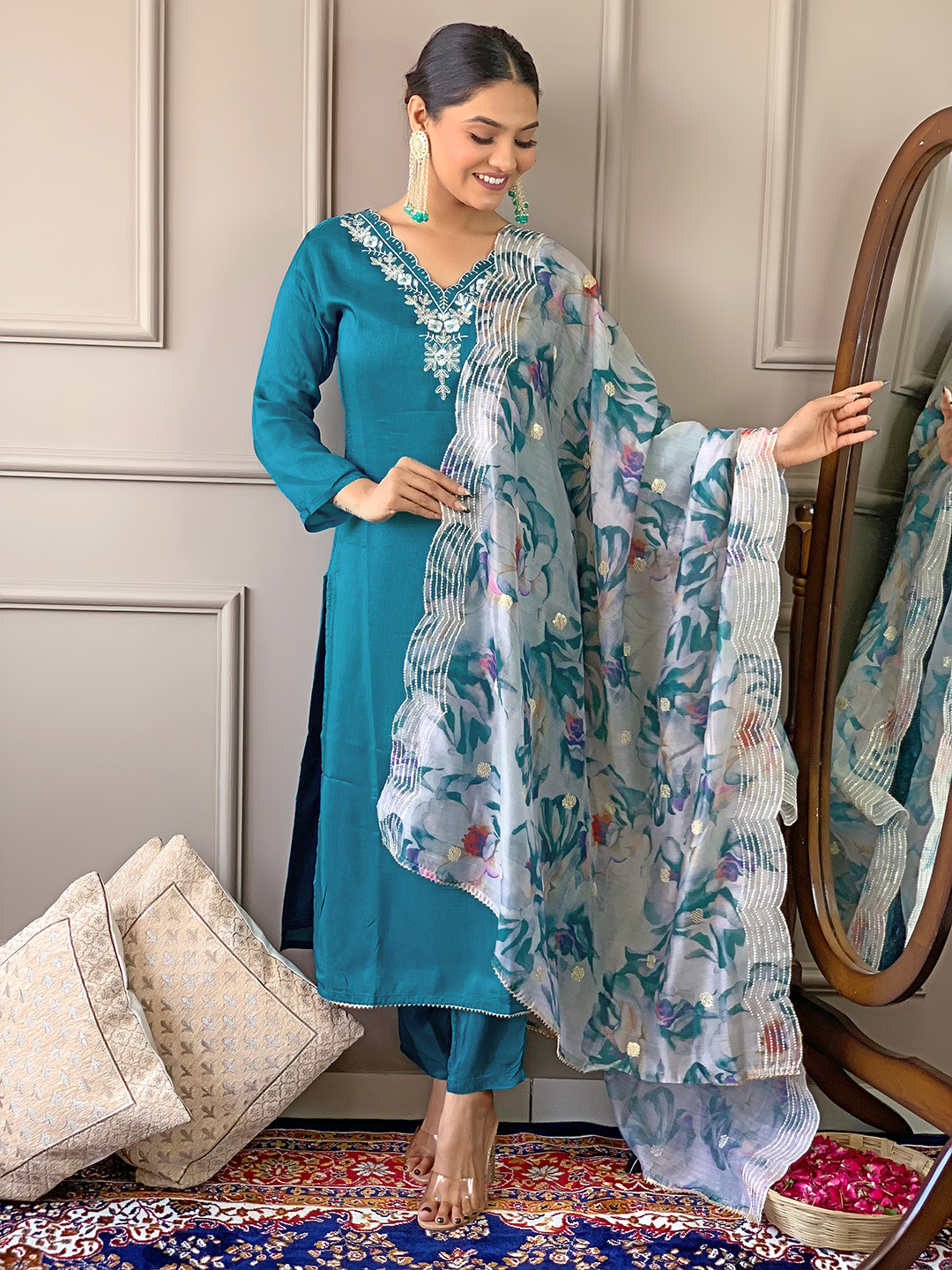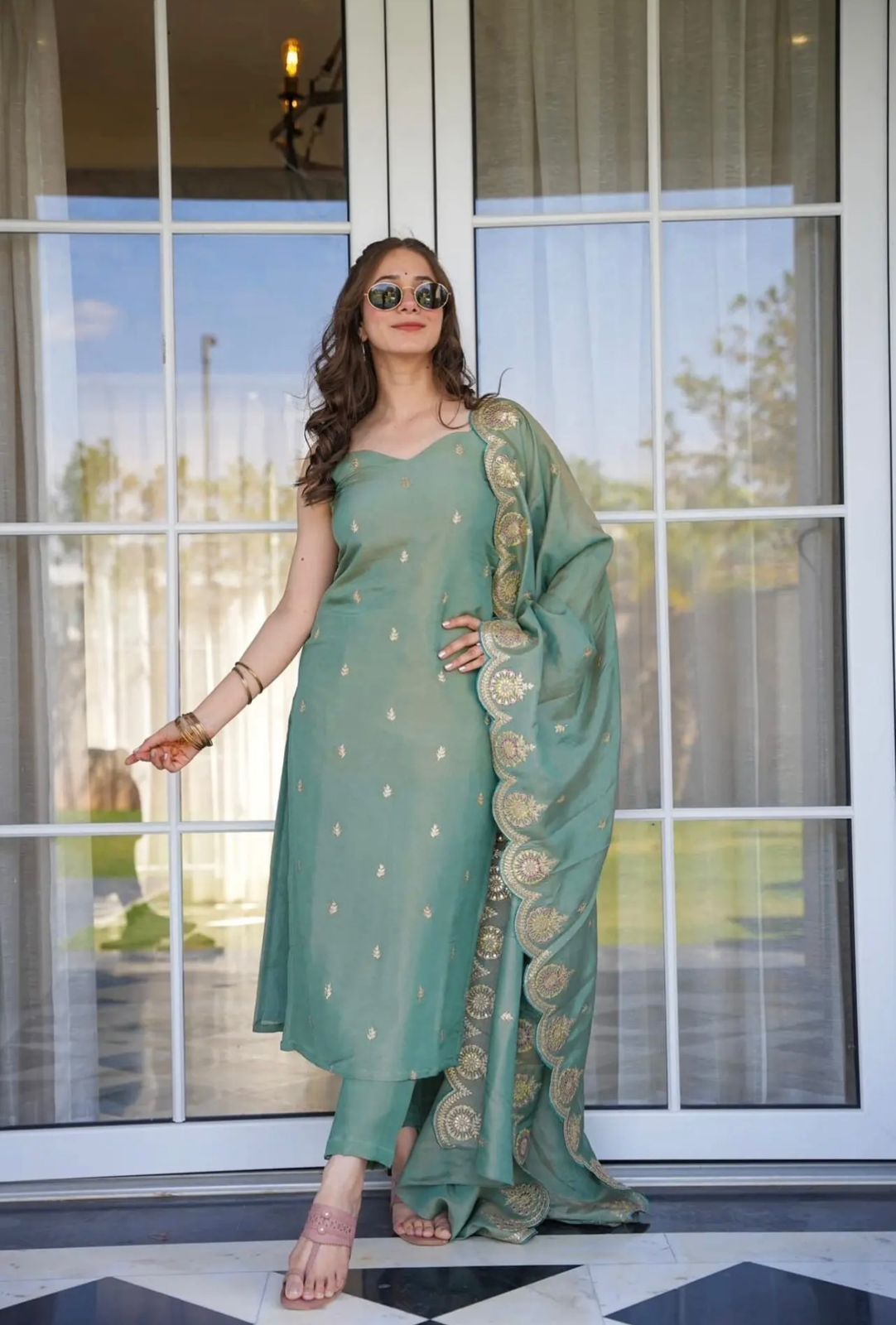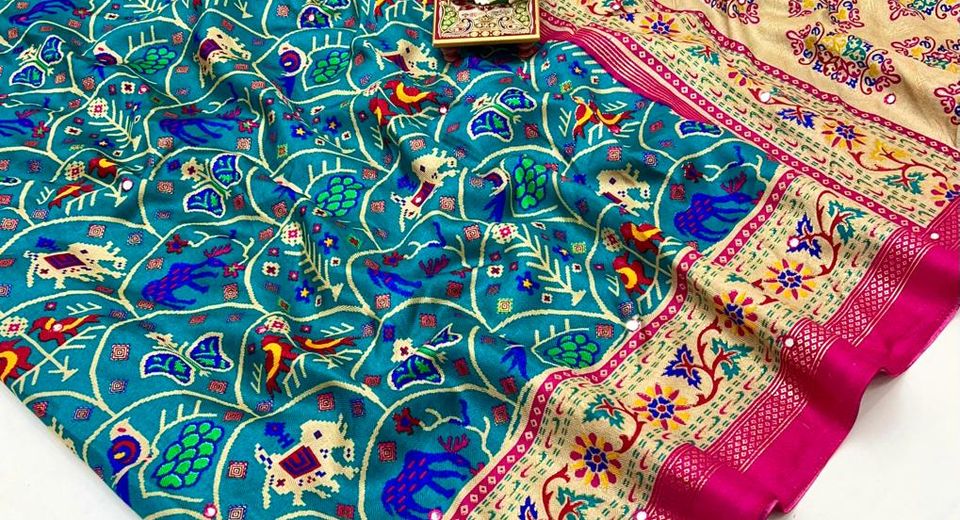
Famous sarees of Patna are best understood as a regional textile story rather than one officially defined weave. Patna is an important shopping and cultural gateway to Bihar, where buyers encounter Bhagalpur silk, tussar silk, handloom cotton, printed sarees and embellished festive styles. Knowing that distinction helps you choose a genuine-looking fabric, an appropriate drape and a realistic price instead of relying on the label alone.
The most useful question isn't simply, "Which saree is famous in Patna?" The better question is, "Which Bihar-linked textile suits my occasion, climate and budget?" A lightweight cotton saree can be more practical for Patna's warm months, while tussar or Bhagalpur silk can provide the texture and depth expected at a wedding. Patola-inspired sarees, Banarasi silk and Kanjeevaram may also be widely available in Patna, but their weaving traditions belong to Gujarat, Uttar Pradesh and Tamil Nadu respectively.
What are the famous sarees of Patna?
The famous sarees of Patna include Bhagalpur silk, tussar silk, handloom cotton and sarees featuring Bihar-inspired prints and motifs. Patna's role is primarily that of a major urban market and access point for textiles made across Bihar and brought in from other Indian weaving centres.
Bhagalpur, located in Bihar, is strongly associated with silk weaving and is often called the "Silk City" because of its long textile heritage. Sarees sold as Bhagalpur silk may have a distinctive natural slub, a slightly dry hand feel and a softly textured surface. Tussar silk, also called kosa silk in several Indian textile contexts, is valued for its natural sheen and irregular yarn character. The exact finish depends on the fibre, yarn preparation, dyeing and weaving method.
Handloom cotton is another practical part of the regional saree landscape. Cotton sarees may feature checks, stripes, floral prints, woven borders or restrained zari accents. These sarees generally breathe better than dense silk and are easy to wear for work, daytime visits and summer festivities. A saree draw as "Patna" in a shop can therefore represent regional availability rather than a single production technique.
Buyers should also separate fabric identity from surface decoration. A saree can be made from cotton and carry zari; it can be made from silk and carry a printed pallu; and a saree can imitate a Patola layout without being a handwoven Gujarati double ikkat. Reading the fibre, construction and care instructions gives more reliable information than a broad style label.
How do Bhagalpur silk and tussar differ from other famous Indian silks?
Bhagalpur silk and tussar usually have a more organic texture and muted, warm lustre, while Banarasi silk is commonly recognised for a smoother surface and elaborate brocade work, and Kanjeevaram is known for substantial silk, strong borders and distinctive South Indian colour combinations.
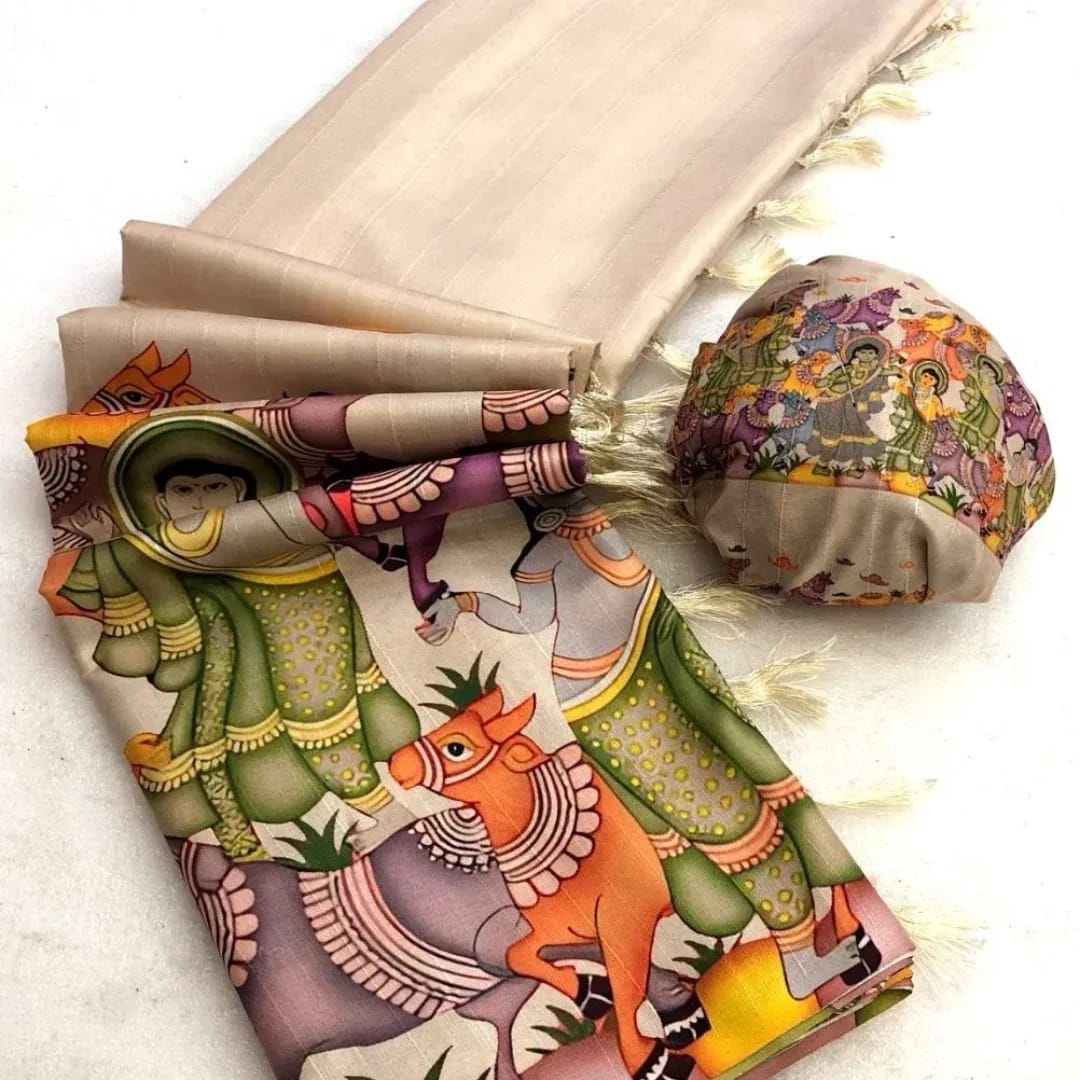
Bhagalpur silk is a regional association, not one uniform fabric specification. Some sarees are smooth and finely finished, while others retain visible slubs that show the natural character of the yarn. Tussar silk generally has a less glossy appearance than highly polished mulberry silk. The surface may feel lightly crisp, and the fall may be less fluid until the saree is softened through finishing and use.
Banarasi silk from Varanasi is often identified by zari brocade, but not every saree with zari is Banarasi. Zari means metallic thread used in weaving or embellishment; zari may be made with different cores, metallic coverings and qualities. A gold-looking border alone can't establish a saree's place of origin.
Chanderi, associated with Madhya Pradesh, is another useful comparison. Chanderi sarees are usually light, airy and somewhat sheer, with a delicate woven texture. A light saree from Patna may resemble Chanderi in appearance while being made from cotton, silk-cotton or another blend. Checking the fibre composition prevents confusion between visual similarity and actual textile identity.
A practical inspection apply three clues: the surface, the weight and the edge. Natural silk often has irregularities rather than a perfectly manufactured uniformity, although occasional texture alone doesn't prove authenticity. A secure selvedge, consistent weaving and an reliable fibre label matter more than a dramatic sheen. When buying forgiving silk, ask for the weave, fibre percentage, origin claim and wash method in writing.
Which saree should you choose for a Patna wedding or family celebration?
Choose a textured silk or silk-look saree for a wedding, a lighter handloom or printed saree for daytime functions, and a breathable cotton saree for long ceremonies or warm-weather gatherings.
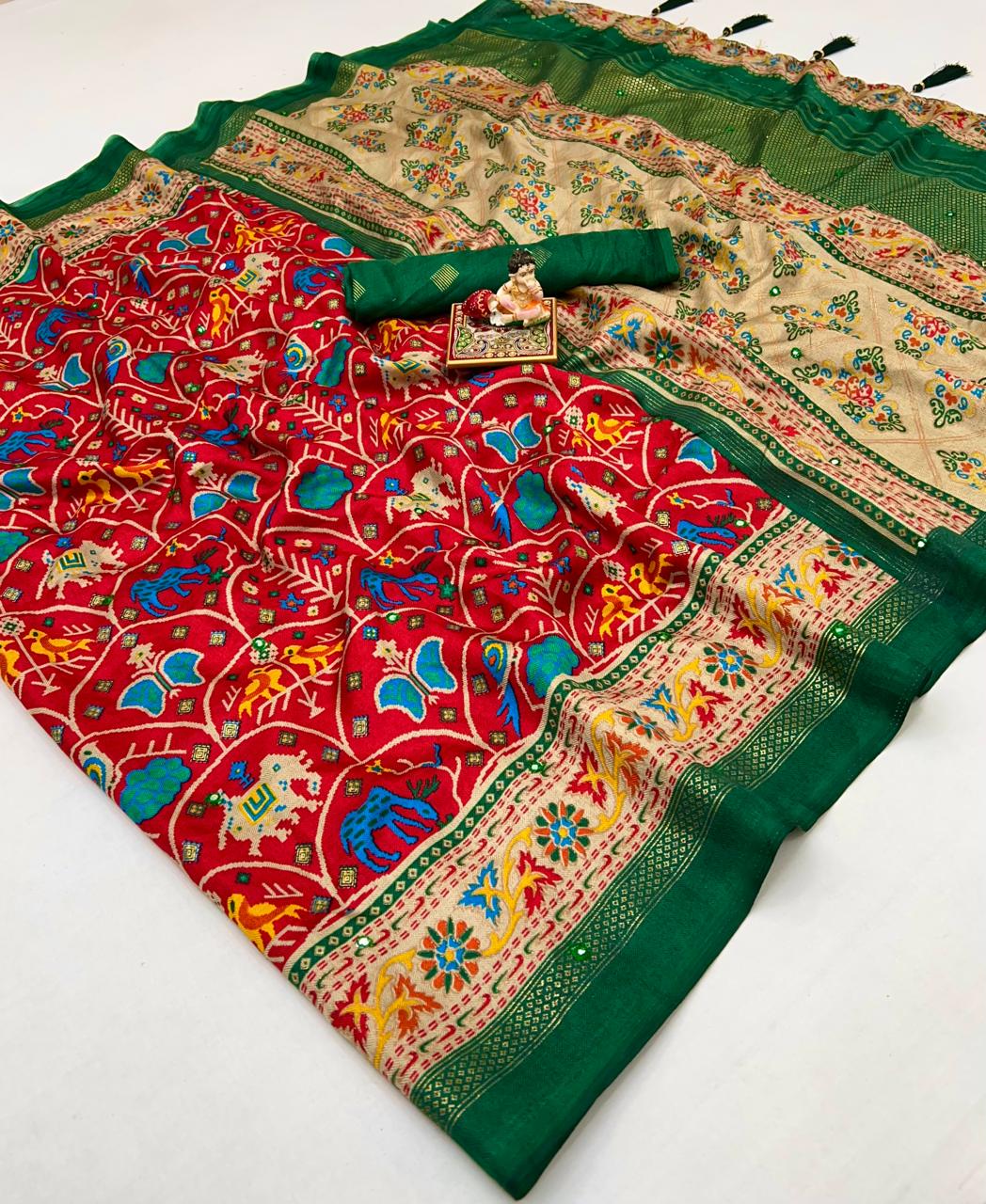
For a wedding reception, a deeper colour, structured pallu and controlled shine photograph well under indoor lighting. Heritage Peacock Patola Pashmina Silk Saree illustrates how a rich motif layout and a heavier-looking surface can create a formal impression without requiring heavy jewellery. Classic Red Patola Print Pashmina Silk Saree With Mirror is better suited to a festive evening when mirror details and a strong red base are part of the styling plan.
For a daytime engagement, puja or family lunch, choose a saree that doesn't become tiring after several hours. Pastel Floral Tissue Handloom Cotton Saree with Zari Weaves combines a lighter visual palette with a zari detail that can be dressed up using pearl, silver or small gold jewellery. A tissue-like surface can catch light attractively, but the saree should be checked for snag-prone yarns before wearing it near rough furniture or jewellery.
A Haldi ceremony usually benefits from cheerful colour, easy movement and a blouse that can tolerate turmeric splashes. Traditional Beige Multicolor Printed Saree offers a neutral base for colourful accessories, while a bright blouse can make the outfit feel celebratory. Avoid wearing an irreplaceable heirloom to a Haldi ceremony because turmeric and oil stains may permanently alter silk or zari.
A formal saree need not always be heavy. Pure Patola Silk Double Ikkat Saree with Zari Border demonstrates why woven pattern placement can provide occasion impact even when additional embroidery is limited. Double ikkat refers to resist-dyeing and aligning both warp and weft yarns before weaving, a technically demanding process. A printed Patola-style saree may create a similar visual rhythm at a different price and construction level, so the product description should be read carefully.
How can you identify an useful saree for everyday wear?
An everyday saree should be selected for breathability, manageable weight, colourfastness and easy maintenance rather than decorative density alone.
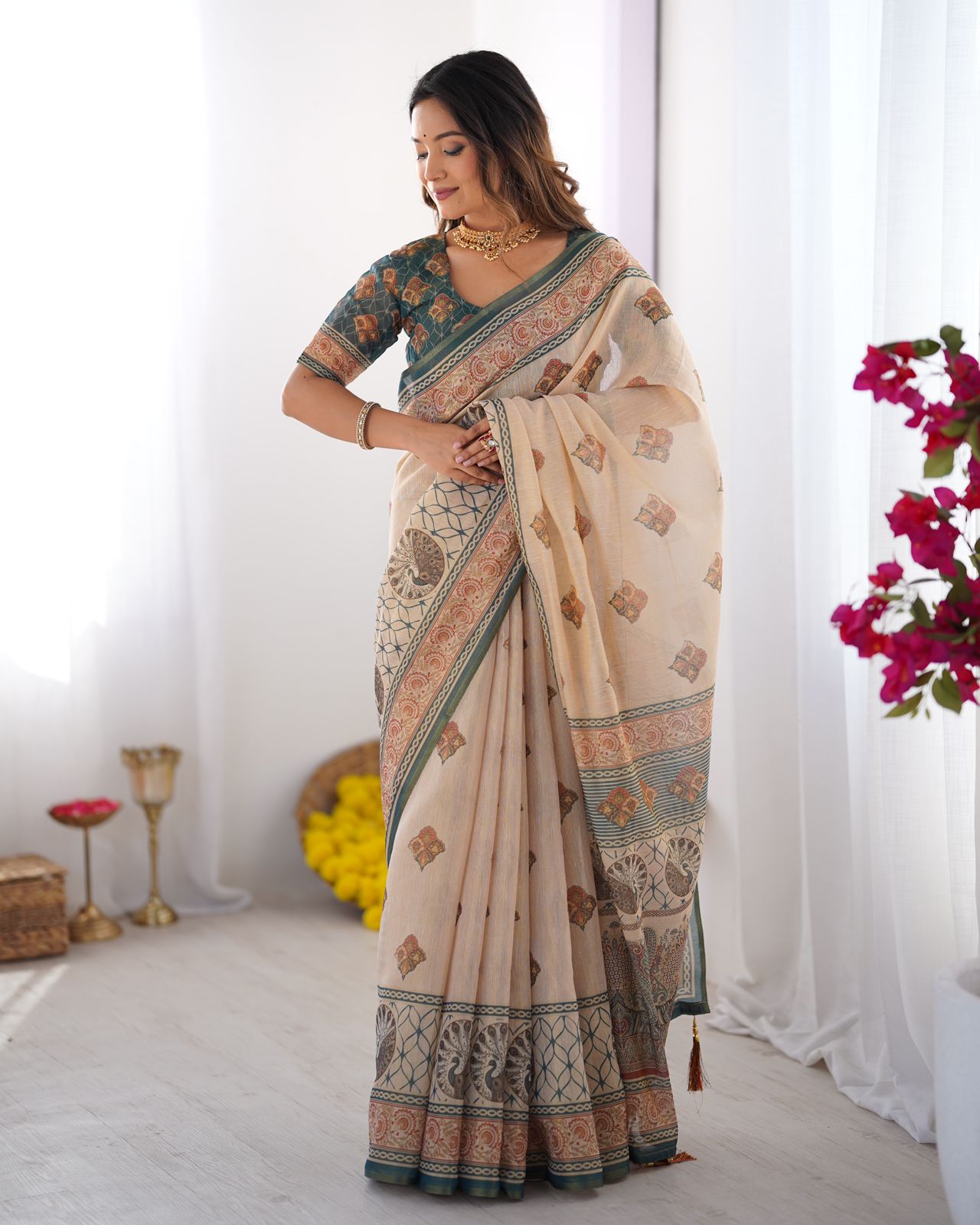
Cotton, cotton blends and lighter silk-cotton fabrics are usually more practical for commuting, teaching, office wear and daytime errands. A small or medium print hides minor creasing better than a plain, high-shine surface. A stable border also helps the saree retain visual structure after repeated washing and ironing.
Pastel Linen Cotton Floral Print Saree with Designer Blouse is an example of a relaxed daytime direction. Linen-cotton blends can feel breathable and textured, but they may crease more visibly than synthetic blends. That isn't a defect; it's part of the fabric's appearance. Use a broad hanger, fold along the same lines and iron on the recommended setting to keep the creases controlled.
For a softer festive-casual look, Pink Patola Print Pashmina Silk Saree With Mirror Work can be paired with a simple blouse and fewer accessories. The word "print" is important: a printed Patola pattern isn't automatically the same as a handwoven Patola. Print can be the sensible choice when you want the graphic effect, lower maintenance and a lighter investment.
Before buying an everyday saree online, check whether the blouse piece is included, whether the product photograph shows the complete pallu and whether the stated length includes the blouse fabric. A standard saree is often around 5.5 metres, with an additional blouse piece, but measurements vary. A taller wearer or a buyer who prefers generous pleats may need to confirm the exact length before ordering.
How should you compare saree prices in Patna?
Compare saree prices by fibre, weaving method, finishing, zari quality, blouse inclusion and workmanship instead of comparing only colour or motif.
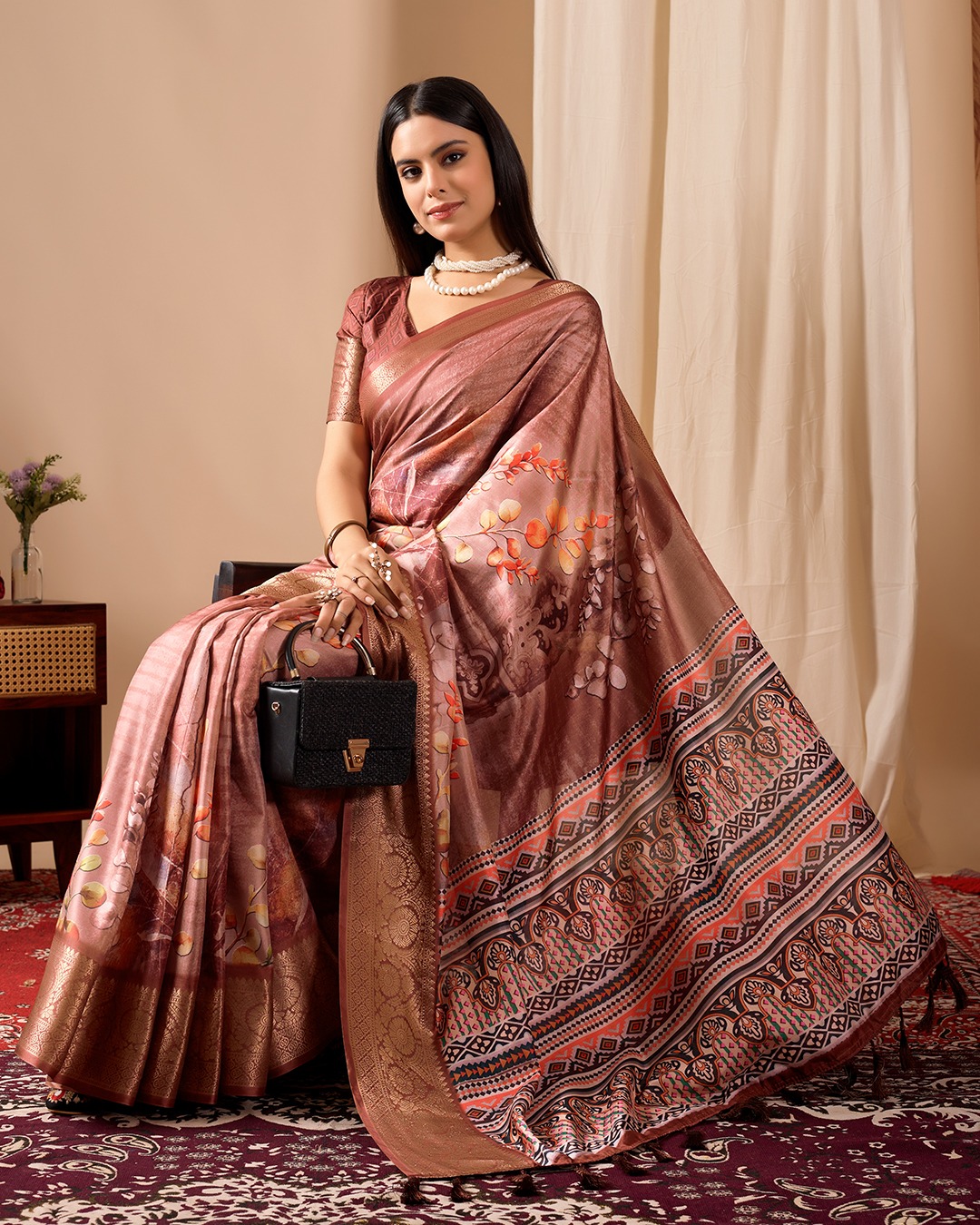
A low-priced printed saree can be a sensible purchase when the buyer wants an occasional outfit or a low-maintenance wardrobe option. A handloom silk saree costs more because yarn, weaving time, finishing and quality control contribute to the final price. However, a higher price doesn't automatically prove handloom origin or pure silk content.
Budget browsing can begin with Sarees from Rs 1000 to Rs 1500, especially when looking for printed cottons, blends or simpler festive designs. Discount-led sections such as Sarees Under 20% Off and Sarees Under 10% Off can be useful for comparing reductions, but calculate the final payable amount and read the fibre details before deciding.
Large discount labels require extra attention. Sarees Flat 60% Off and Sarees Flat 50% Off may contain different fabric categories, so the percentage alone can't tell you whether a saree is suitable for a wedding, office or daily wear. Compare the original listed price with the product specifications, not merely the promotional headline.
Ask four questions before paying for a costly saree: Is the fibre pure or blended? Is the design woven, embroidered or printed? What type of zari is used? What washing method is recommended? A clear answer to these questions is more valuable than a vague claim such as "premium classic silk."
How should you style a Patna-inspired saree?
Style a Patna-inspired saree by balancing the saree's texture and visual density with the blouse, jewellery and drape.
A textured tussar or Bhagalpur silk saree works well with a clean blouse in raw silk, cotton-silk or a matching solid shade. Keep the blouse neckline simple when the pallu has a large motif. Gold-toned jewellery complements warm tussar colours, while oxidised silver can sharpen earthy beige, rust and charcoal palettes.
A printed saree needs a different approach. Pick one colour from the print for the blouse instead of adding another competing pattern. A narrow belt can define the waist for a contemporary drape, but a belt should not be used if it crushes delicate zari or pulls at loosely woven fabric.
For a wedding, make six to eight even front pleats and secure the pleats with a concealed safety pin placed away from the visible border. Arrange the pallu so that the main motif isn't hidden under the arm. For a daytime function, fewer accessories and a shorter, more mobile pallu can reduce weight and prevent snagging.
Patola-inspired designs already contain strong geometric energy, so a solid blouse often looks more polished than a heavily embroidered one. A zari border can be repeated subtly through earrings, bangles or footwear, but matching every metallic detail can make the outfit look overly coordinated.
How do you care for silk, cotton, zari and printed sarees?
Care for a saree according to its fibre and surface treatment, with gentle cleaning, shade drying and breathable storage as the safest general practices.
Dry-clean silk sarees when the care label recommends it, particularly when the saree contains zari, mirror work, rich dyes or layered embellishment. Do not soak an expensive silk saree in household detergent. Water, friction and alkaline detergent can cause colour bleeding, dullness or changes in the hand feel.
Wash colourfast cotton only after testing a hidden corner with a damp white cloth. Use cool water, mild detergent and limited agitation. Dry cotton sarees inside out in shade rather than harsh direct sunlight, which can fade strong colours over time. Iron cotton while slightly damp if the care label permits, using a temperature suitable for cotton.
Fold silk and zari sarees with the metallic side turned inward or separated with soft, unprinted cotton or muslin. Refold stored sarees every few months so one crease doesn't become permanent. Keep sarees away from damp walls, plastic bags and direct sunlight. A breathable fabric bag is safer for long-term storage than sealed plastic.
Mirror work, printed motifs and loose tissue yarns need special care. Remove jewellery before draping, keep sharp handbag hardware away from the pallu and store embellished sarees separately. If a saree develops a stain, blot rather than rub and consult a professional cleaner before applying a home remedy.
What should you remember before buying a saree associated with Patna?
The most important buying rule is to verify the fabric and construction instead of treating "Patna" as proof of one specific saree type.
Look for explicit terms such as Bhagalpur silk, tussar silk, cotton, silk-cotton, printed, handloom, woven zari or embroidered. These terms describe different attributes and should not be treated as interchangeable. A saree can be regionally inspired, sold in Patna and still be manufactured elsewhere.
For a first purchase, select an occasion and a care routine before selecting a motif. Choose cotton for frequent daytime use, textured silk for a heritage celebration and a printed design when you want the visual language of a classic weave with simpler maintenance. The best saree is the one whose fabric, price and care requirements match how often you'll actually wear it.
Famous sarees of Patna finally represent the meeting point between Bihar's silk heritage, India's wider handloom traditions and the practical choices of a modern saree wardrobe. Understanding that layered identity makes shopping more reliable, styling more intentional and long-term care much easier.
Questions to Ask When Choosing Sarees Associated With Patna
What saree is Patna famous for?
Patna is best known as a major market and gateway for Bihar-linked textiles, especially Bhagalpur silk, tussar silk and handloom cotton. Patna does not refer to one single standardised saree weave in the same way that Kanjeevaram or Banarasi silk names a recognised regional tradition.
Is Bhagalpur silk the same as tussar silk?
Bhagalpur silk is a regional association with silk production and trade, while tussar is a type of silk fibre traditionally known for its textured surface and earthy lustre. Some Bhagalpur sarees may use tussar, but the two terms are not automatically identical.
How can I tell whether a Patola saree is woven or printed?
A product description should explicitly state whether the saree is woven, double ikkat or printed. Woven double ikkat designs are formed through carefully dyed warp and weft yarns, while printed Patola patterns are applied to the finished fabric and usually have a different reverse side and price level.
Which saree is suitable for a Haldi ceremony in Patna?
A breathable cotton, cotton-blend or washable printed saree is usually suitable for a Haldi ceremony because the event involves movement, turmeric and oil. Choose bright or multicolour styling, and avoid wearing an irreplaceable silk or heavily embellished saree if staining would be a concern.
Are sarees sold in Patna always made in Bihar?
No, sarees sold in Patna are not always made in Bihar. Patna retailers and markets may stock Bihar textiles alongside Banarasi silk, Kanjeevaram, Chanderi, Patola-inspired prints and sarees from other Indian weaving centres.
How should I store a silk saree with zari?
Store a silk saree with zari folded in breathable cotton or muslin, away from moisture, plastic and direct sunlight. Refold the saree every few months, keep jewellery away from the fabric and follow professional dry-cleaning guidance when the care label recommends it.