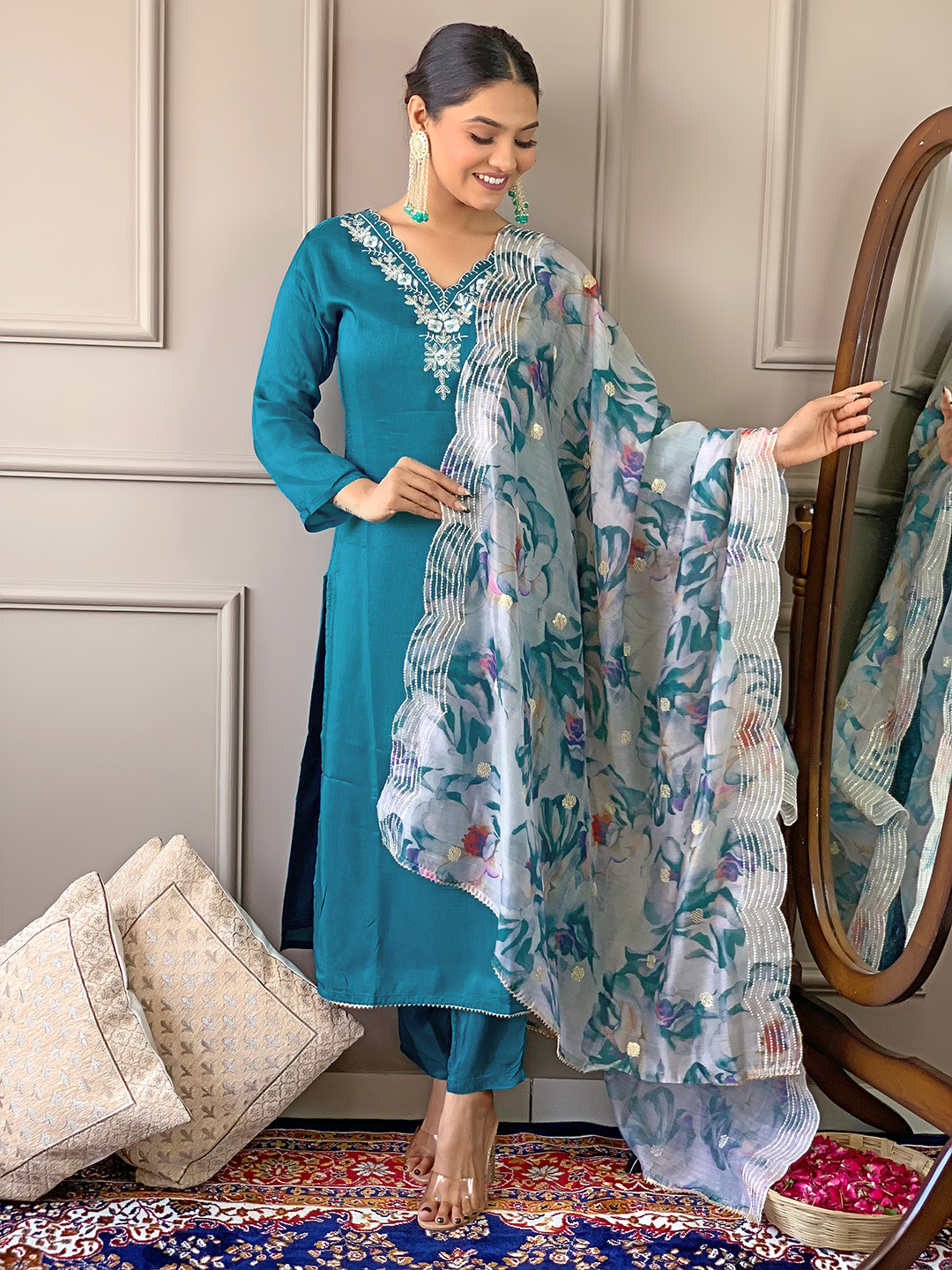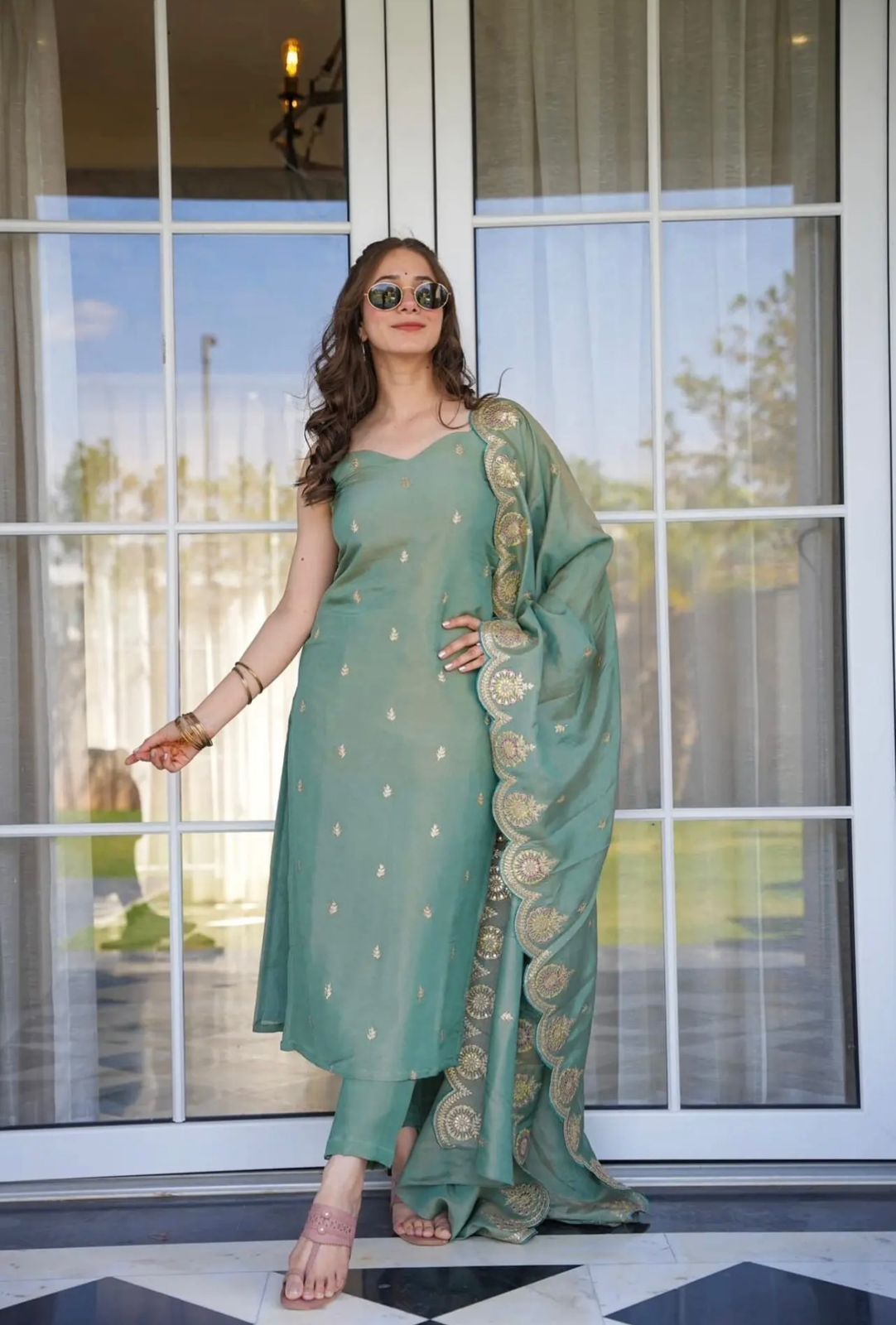
Famous sarees of Kolkata are best understood as part of a wider Bengal textile tradition rather than as one single weave. Tant, Garad, Korial, Dhakai Jamdani, Baluchari, Tussar and Kantha sarees are associated with Bengali dress in different ways, from everyday summer wear to wedding ceremonies. The useful distinction isn't simply colour or price: each saree has a particular fibre, weaving method, border language and social occasion.
Kolkata became a major centre for buying, sell, finishing and wearing Bengal's handlooms, while many sarees are woven in towns and villages across West Bengal and neighbouring Bengal. A saree described as "Kolkata style" may therefore refer to a Bengali drape, a city retail tradition or a recognisable combination of pure ground, red border and handloom texture. Knowing that background help you shop more accurately and avoid treating every Bengali-looking saree as the same textile.
What are the famous sarees of Kolkata?
The famous sarees of Kolkata include Tant, Garad, Korial, Dhakai Jamdani, Baluchari, Tussar and Kantha sarees. These categories differ in yarn, structure, ornamentation and intended use, so a lightweight floral print and a densely woven mythological pallu should not be judged by the same standard.
Tant is the classic Bengal handloom cotton saree. Tant sarees are valued for their open, airy feel, crisp drape and practical suitability for humid weather. Borders may be narrow or bold, and motifs can range from small butis to checks, stripes and floral arrangements.
Garad traditionally refers to an undyed or lightly coloured silk saree, often recognised by a pale body and a red or deep-toned border. Garad sarees are strongly associated with Bengali ceremonial dressing, including Durga Puja, weddings and religious occasions. The word is sometimes used loosely in the market, so checking the fibre composition is important.
Korial is another Bengali ceremonial style, usually associated with an ivory or white body and a red border. Garad and Korial can look similar at first glance, but regional usage and finishing vary. Ask whether the saree is pure silk, silk-cotton or a synthetic blend before relying on the name alone.
Dhakai Jamdani is distinguished by supplementary-weft motifs that appear to float across the ground. Traditional Jamdani weaving is labour-intensive because motifs are inserted by hand rather than printed on top of a finished cloth. Small floral butis, geometric forms and larger pallus are common visual features.
Baluchari is a silk saree known for narrative pallu and border designs. Human figures, temple scenes, courtly imagery and episodes inspired by Indian epics may appear in the woven decoration. Baluchari is usually a more formal choice because its detailed pallu becomes the visual centre of the drape.
Tussar has a naturally textured surface and a warm, muted lustre. Bengal Tussar sarees may be left relatively plain, decorated with woven borders or combined with printed and embroidered techniques. Kantha sarees use the visual language of Bengali running-stitch embroidery; the base can be silk, cotton or another textile, so the product description should specify both the ground fabric and the embroidery.
How can you identify a Bengal saree by fabric and structure?
You can identify a Bengal saree more reliably by examining fibre, weave density, reverse side, border construction and pallu rather than by colour alone. A red-and-white palette is culturally recognisable, but it doesn't prove that a saree is Garad, Korial or even handwoven.
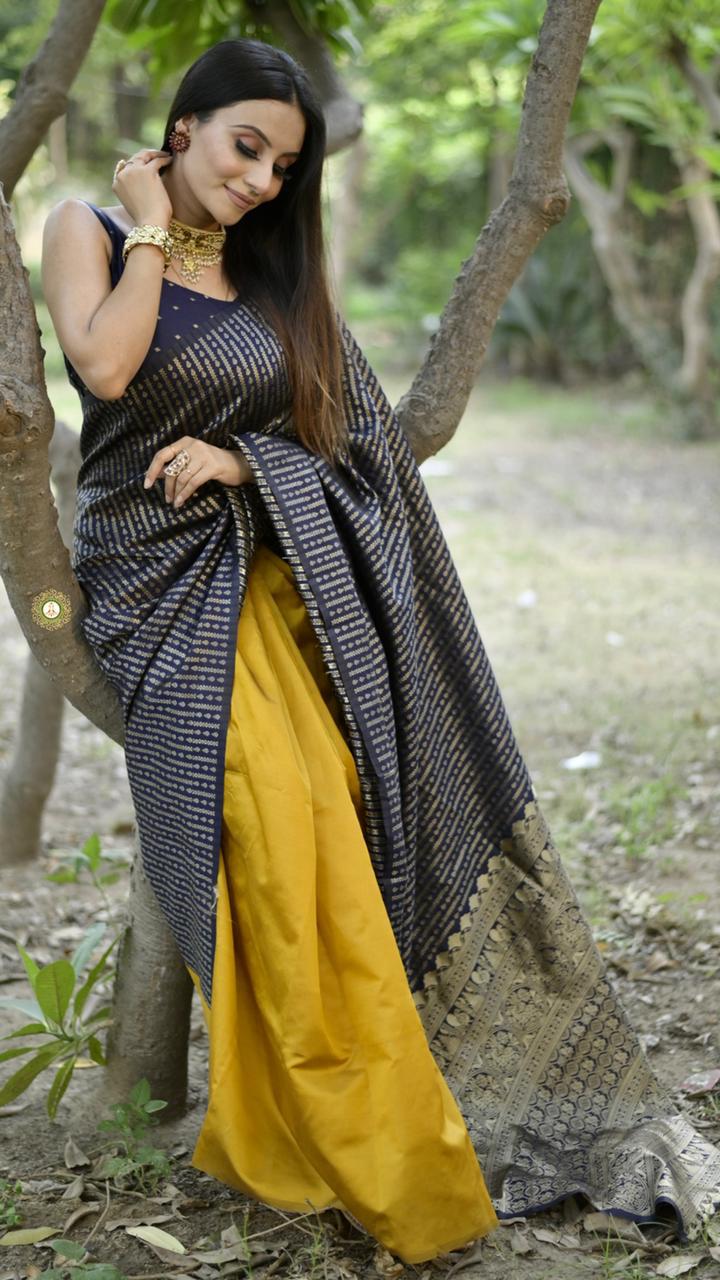
Tant and handloom cotton
Tant cotton generally feels light and breathable, with a firm yet flexible hand and visible variations that are normal in handloom cloth. Hold the saree near a window and inspect whether the weave looks slightly irregular rather than perfectly uniform. A crisp Tant saree may soften after a few careful washes, while heavy starch can make the first wear feel sharper than later wears.
A handloom cotton design with metallic detailing illustrates why fibre and embellishment should be assessed separately. Pastel Floral Tissue Handloom Cotton Saree with Zari Weaves combines a cotton-based handloom description with zari work, so it should be evaluated for both breathability and the care demands of metallic yarn. Zari isn't a fibre category; zari describes a metallic thread or metallic-looking decorative element.
Silk, Tussar and silk-cotton
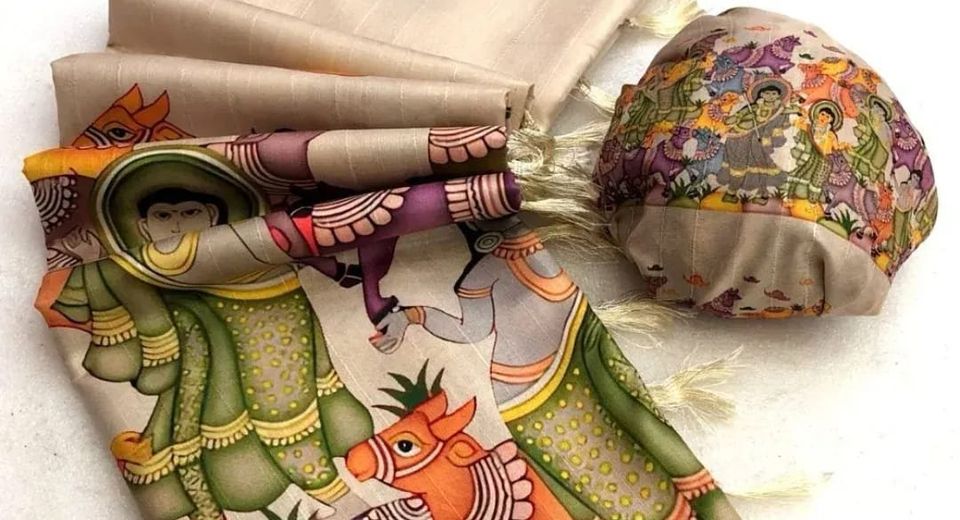
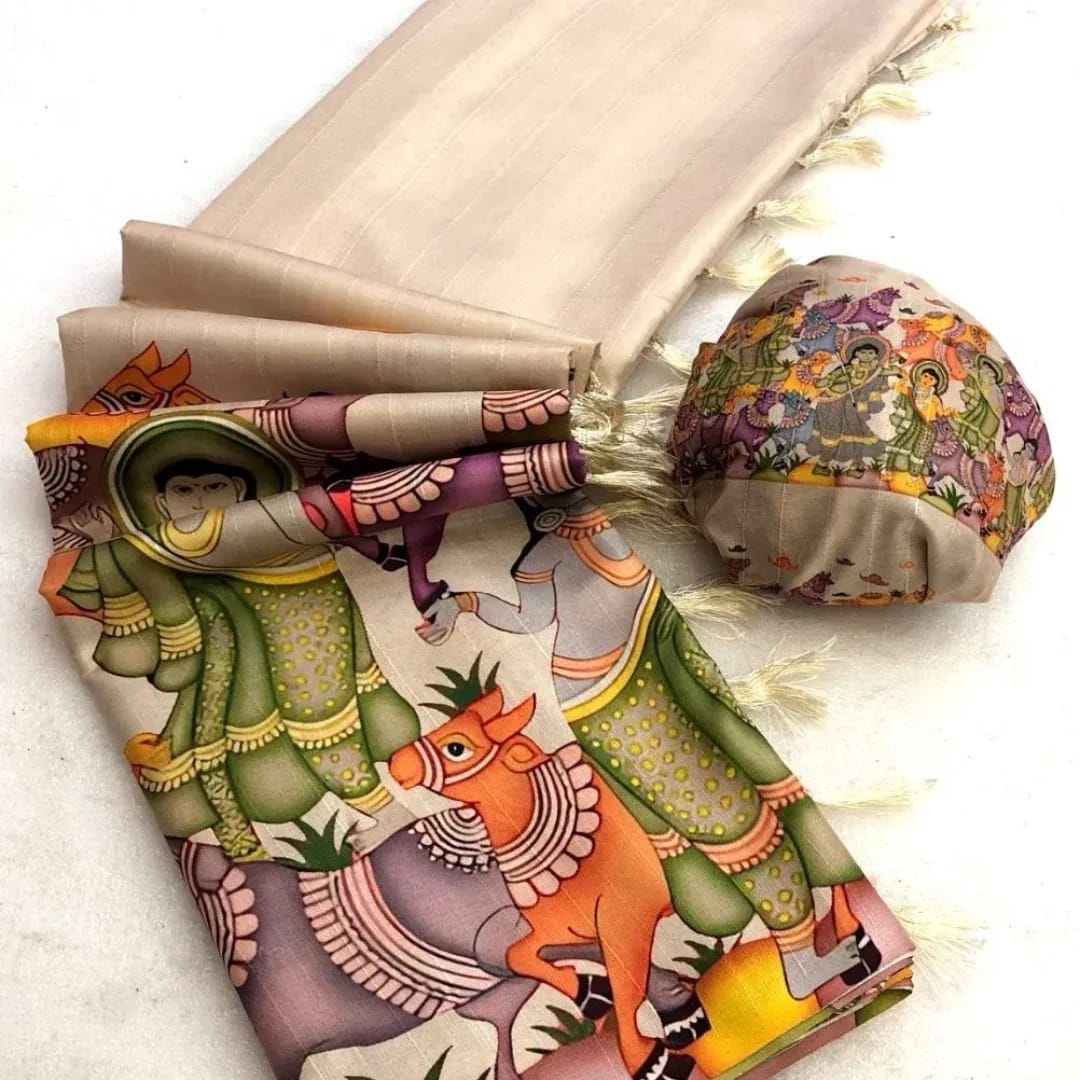
Silk usually has a smoother surface and a more continuous lustre than cotton, although raw silk and Tussar can be visibly textured. Tussar Silk Kalamkari Printed Saree with Blouse demonstrates another important distinction: Kalamkari is a surface-art or printing tradition, while Tussar Silk identifies the principal fabric. A printed motif doesn't automatically indicate a Jamdani or Baluchari weave.
Silk-cotton sits between the two fibres in feel and performance. It can provide more body than lightweight cotton without the full weight or shine of many silk sarees. Premium Handloom Silk Saree with Handkatha is an useful example of why the decorative technique deserves attention: hand-katha or Kantha-style stitching can add texture and may require gentler storage than a plain woven saree.
Which Kolkata saree is right for each occasion?
Tant is the most practical choice for hot daytime events, while Garad, Korial, Baluchari and richly worked silk sarees suit ceremonies and festive evenings. The right selection depends on heat, movement, expected formality and how much structure you want in the pleats.
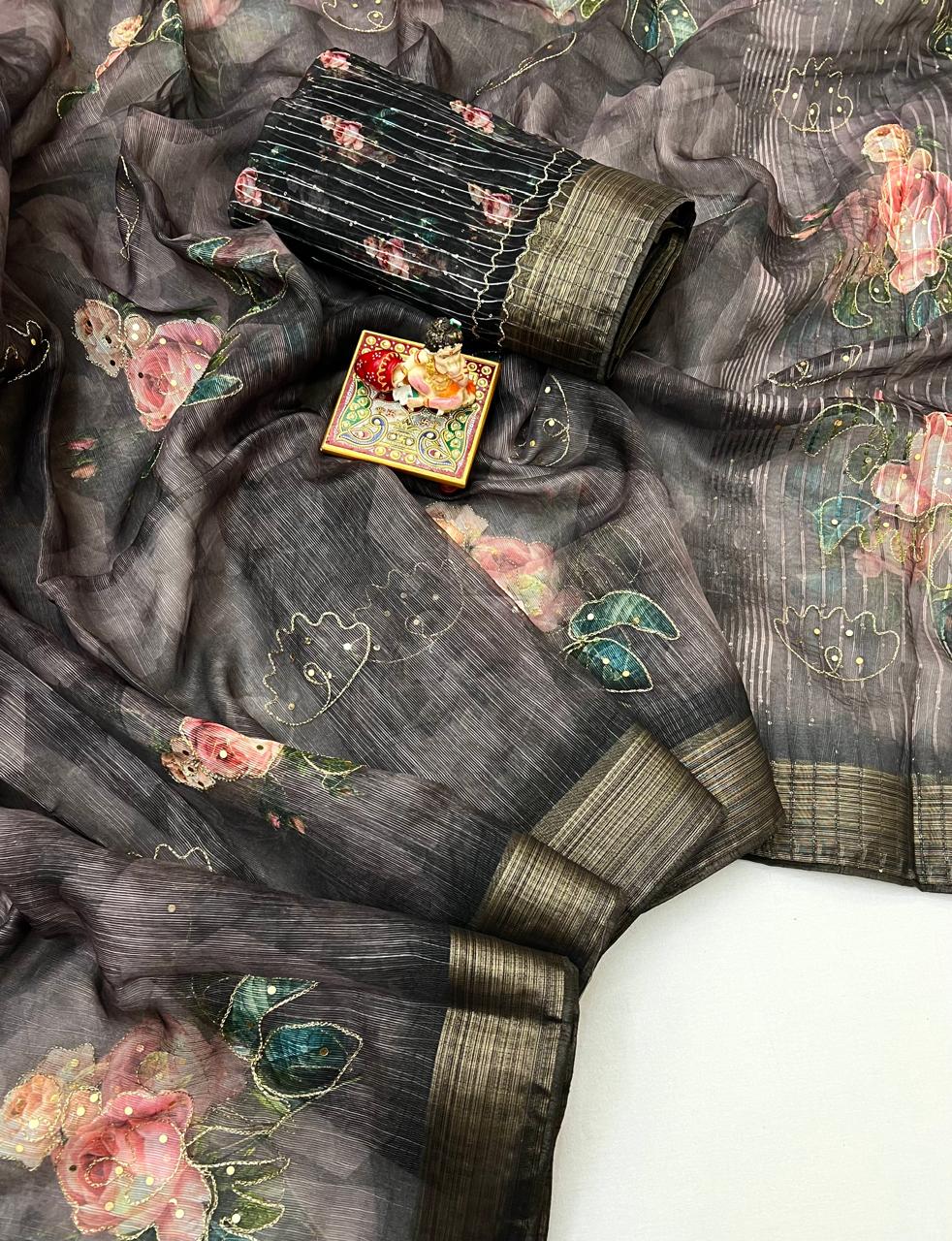
For everyday office wear and summer gatherings
Choose a lightweight cotton, linen-cotton or lightly textured handloom with a manageable border. A narrow border reduces visual weight and makes frequent pleating easier. Pastel Linen Cotton Floral Print Saree with Designer Blouse and Peach Linen Cotton Floral Print Saree with Blouse for Women suit the same practical logic: linen-cotton blends can feel airy, while a printed surface gives interest without requiring heavy jewellery.
For a long workday, test the saree's width, blouse fit and pallu length before the event. A saree that constantly slips from the shoulder usually needs a better-fitted blouse or a small concealed safety pin, not more fabric starch. Cotton and linen-cotton also benefit from a breathable petticoat or a well-fitted underskirt that doesn't drag against the pleats.
For Puja, Durga Puja and Bengali ceremonies
Garad or Korial-style white-and-red sarees are traditional choices for Bengali ceremonial dressing, especially around Durga Puja. A silk or silk-cotton saree with a defined border creates the familiar red-and-white contrast, but a contemporary wearer can achieve the same visual language with a softer ivory ground, muted red or woven floral border.
Classic Calcutta Moss Designer Saree shows how a city-linked name can signal a style direction without explaining the actual fibre. Read the composition, lining, embellishment and wash instructions before deciding whether the saree is suitable for repeated festive use. Product names can be evocative; fibre labels are the more dependable buying evidence.
For weddings and evening receptions
Baluchari, Banarasi silk, richly textured Tussar and sarees with substantial zari work are suitable when the dress code calls for ceremony. A detailed pallu deserves a blouse with a quieter neckline or surface so the woven story remains visible. For a lighter evening option, Cream Pink Tissue Handloom Cotton Saree with Zari offers the visual lift of zari while retaining a handloom cotton identity.
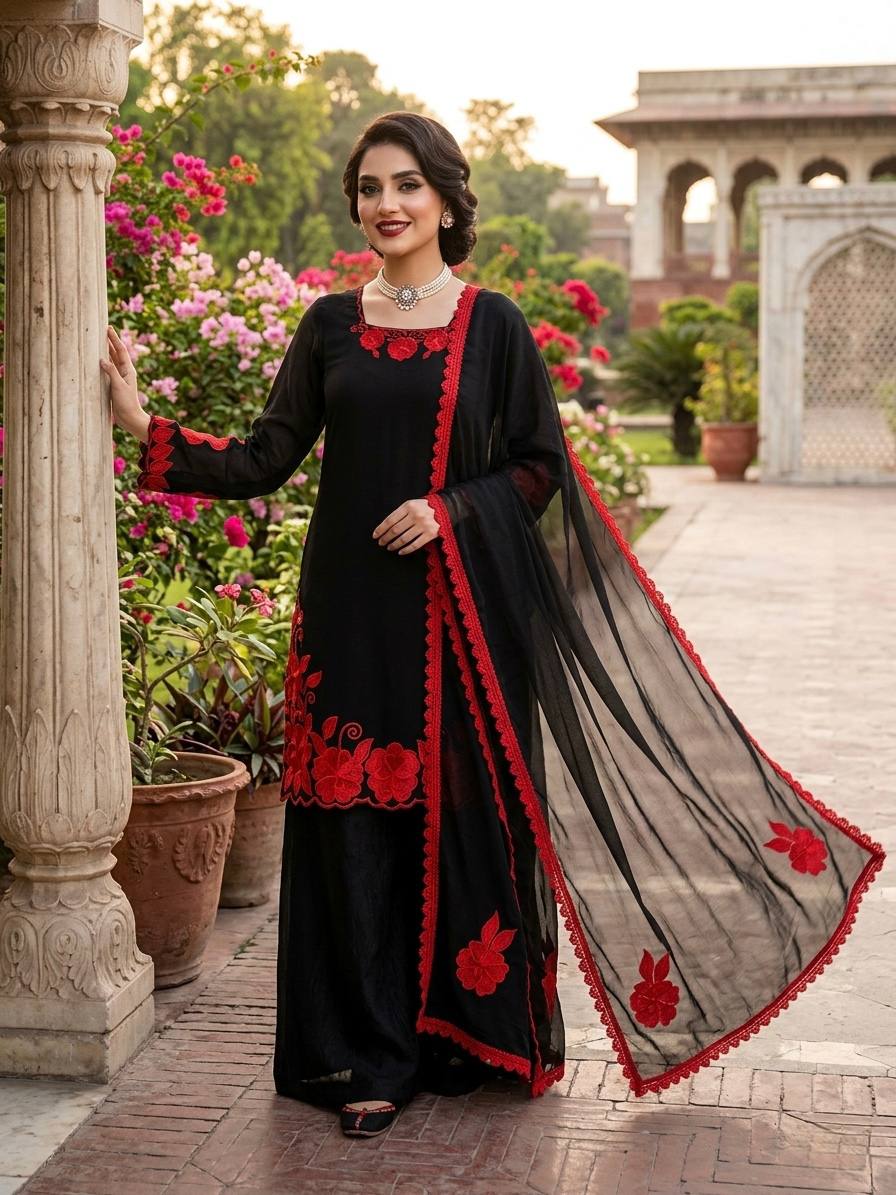
Black Traditional Kalamkari Print Silk Saree is another example of a formal-looking combination built from colour, silk and print rather than from a traditional Bengal weave alone. Pair a dramatic black ground with antique-gold jewellery, oxidised silver or a single-colour blouse instead of adding several competing motifs.
How should you style a Kolkata saree?
A Kolkata saree is easiest to style when the blouse, jewellery and drape support the saree's dominant feature. Keep the blouse structured for a crisp Tant, let a Jamdani pallu remain unobstructed, and use simpler accessories with a heavily narrated Baluchari pallu.
The traditional Bengali drape places the pallu over the left shoulder and often brings it back over the right shoulder, creating a broad, expressive fall. The drape works especially well with a saree that has a visible pallu design or strong border. A conventional Nivi drape is more secure for commuting, dancing and long periods of sitting, particularly with slippery silk.
For a red-and-white Garad or Korial-inspired look, try a red blouse with elbow-length sleeves, a large round bindi, conch-shell-inspired bangles or gold-toned jewellery. For Tant, cotton blouse fabrics, small earrings and a neatly pleated pallu keep the look comfortable. For Jamdani, choose jewellery that doesn't snag the floating motifs.
Blouse length also changes the perceived proportion of the saree. A high-waisted petticoat and a blouse ending near the natural waist can make broad borders look balanced, while a longer blouse can create a more contemporary silhouette. Always test sitting and walking before finalising the tuck because an exactly arranged standing drape may become restrictive after an hour.
How do you buy a Kolkata saree online without misreading the label?
To buy a Kolkata saree online with confidence, verify the fabric composition, weave or print technique, dimensions, blouse-piece details, transparency and care instructions. The word "handloom" describes a weaving method, whereas "printed," "embroidered," "zari" and "Kalamkari" describe decoration or surface treatment.
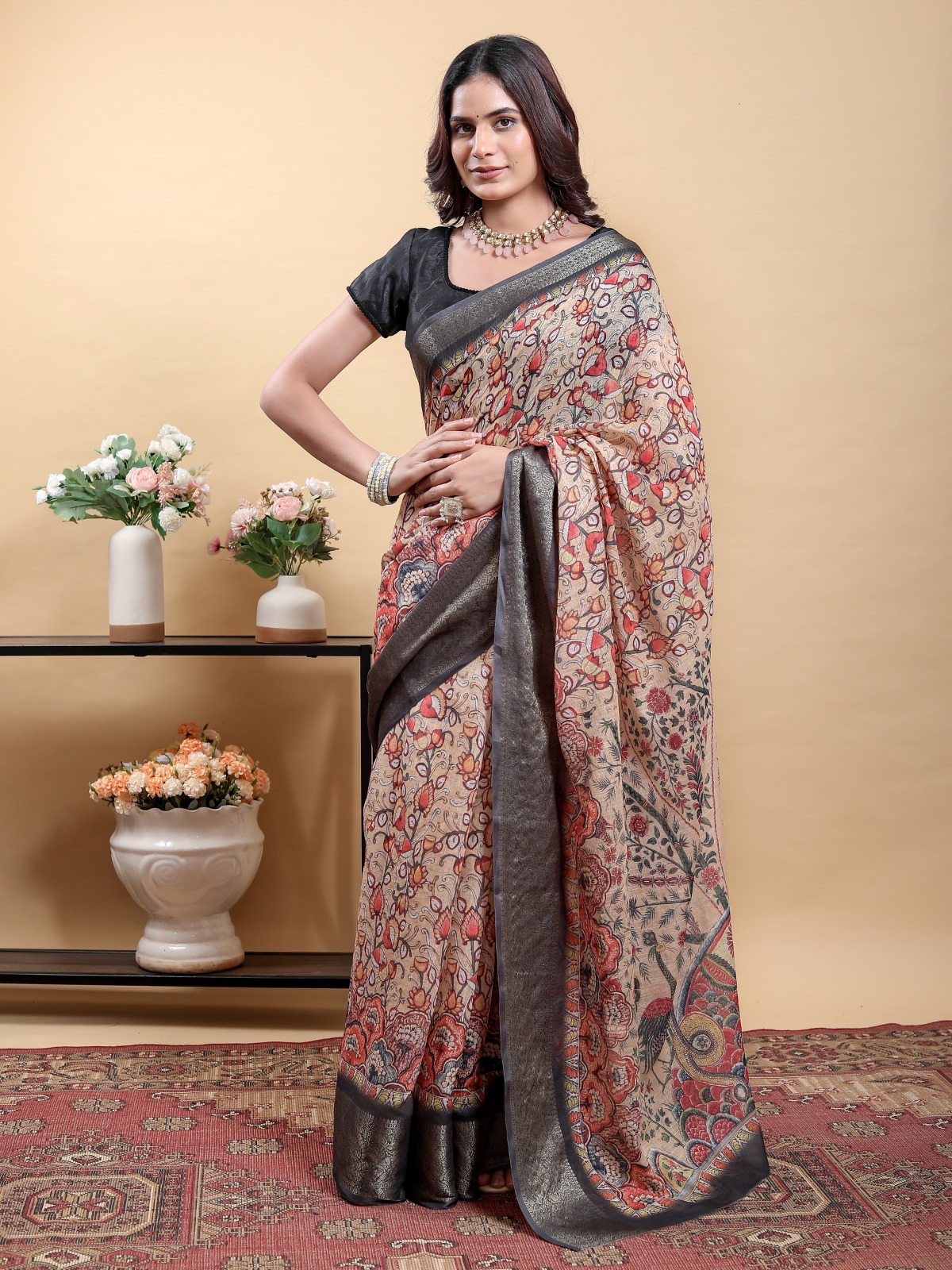
Read the fabric line for precise terms such as cotton, linen-cotton, Tussar silk, silk, silk-cotton or synthetic blend. Check whether "blouse" means an attached unstitched blouse piece or a separately tailored blouse. Confirm the saree length, which commonly falls near 5.3 to 5.6 metres, and the blouse-piece length before assuming that a favourite blouse will work.
Colour can vary between screens, especially with pastel tissue, pale pink, ivory and moss tones. Product photographs may also show a styled drape that hides the true border width. Look for close images of the pallu, reverse side and zari, and ask whether small slubs, weave variations or slight motif differences are expected in handloom fabric.
Budget collections can be useful for everyday experimentation, but discount percentage isn't a substitute for material information. A shopper comparing Sarees from Rs 1000 to Rs 1500 should still check fibre and finishing. Sarees Under 20% Off and Sarees Under 10% Off may suit buyers seeking a smaller reduction, while Sarees Flat 60% Off and Sarees Flat 50% Off require especially careful checking of available sizes, blouse details and return conditions.
How should you wash and store Bengal sarees?
Wash cotton sarees according to their dye stability, while silk, zari, Jamdani and heavily embellished sarees should generally be handled by a specialist cleaner. Care instructions supplied with the garment take priority because dye, finish and embellishment can vary even within the same broad saree category.
For a washable cotton Tant, test colourfastness on an inside edge with a damp white cloth before the first wash. Use cool water, a mild detergent, a short soak and gentle squeezing rather than vigorous rubbing. Dry the saree in shade, preferably inside out, and iron on the reverse at a temperature suited to cotton.
Silk, Tussar and zari need more caution. Avoid direct perfume, deodorant and hair spray on the fabric because alcohol and oils can mark silk and tarnish metallic threads. Do not fold zari sharply in the same place for months; refold the saree every few months and store it in clean cotton or muslin, away from damp walls and direct sunlight.
Jamdani motifs can snag on rough jewellery, cupboard edges and hook fasteners. Fold Jamdani with tissue or soft muslin between layers if the weave is particularly delicate. Never hang a heavy silk saree on a thin wire hanger for long periods because concentrated pressure can distort the shoulder fold.
Why do Kolkata sarees remain relevant today?
Kolkata sarees remain relevant because they combine climate-aware materials, recognisable cultural codes and techniques that accommodate both traditional and contemporary dressing. Tant answers the need for breathable clothing, Jamdani gives fine pattern without printed uniformity, and Baluchari turns the pallu into a narrative surface.
The strongest modern wardrobe isn't built by collecting only heavily embellished sarees. A balanced selection might include one breathable Tant or linen-cotton saree, one ceremonial red-and-white style, one silk or Tussar saree for formal events and one detailed piece such as Jamdani, Baluchari or Kantha. Each garment then has a clear job rather than competing for the same occasion.
Understanding Bengal's textile vocabulary also makes online shopping more honest. A saree can be Bengali-inspired without being a traditional Bengal handloom; a Kalamkari print can sit on Tussar silk without becoming Jamdani; and zari can decorate cotton without turning it into silk. Those distinctions allow you to appreciate design while making a purchase based on the fibre, workmanship and care commitment you actually want.
Questions Readers Ask About Kolkata Saree Traditions
What are the most famous sarees of Kolkata?
The most famous sarees of Kolkata and the wider Bengal region include Tant, Garad, Korial, Dhakai Jamdani, Baluchari, Tussar and Kantha sarees. Tant is known for breathable cotton, Garad and Korial for ceremonial red-and-white styling, Jamdani for floating motifs, and Baluchari for narrative woven pallus.
Is a Tant saree suitable for summer?
Yes, Tant is particularly suitable for summer because handloom cotton is generally lightweight and breathable. Choose a manageable border, wash the saree gently according to its care label and avoid excessive starch if you prefer a softer drape.
What is the difference between Garad and Korial sarees?
Garad and Korial are both associated with Bengali ceremonial dressing and commonly feature pale grounds with red borders, but their names and usage can vary by region and seller. Check the fibre composition and weave details because market descriptions may use the terms loosely.
How can I tell whether a Jamdani saree is woven or printed?
A woven Jamdani has supplementary-weft motifs integrated into the cloth, and the reverse side usually shows corresponding thread work rather than a flat ink impression. Ask for close photographs of the front, reverse and pallu, and confirm whether the seller identifies the saree as handwoven.
Which Kolkata saree is best for a Bengali wedding?
Baluchari, Garad, Korial, Tussar silk and richly detailed silk sarees are strong choices for a Bengali wedding, depending on the ceremony and dress code. Select a lighter Tant or linen-cotton saree for daytime comfort and reserve heavier silk, zari or narrative pallu designs for formal functions.
How should I store a silk or zari Kolkata saree?
Store silk and zari sarees clean and completely dry, folded in breathable cotton or muslin away from sunlight and dampness. Refold the saree every few months, avoid direct perfume and do not keep heavy silk on a thin hanger for extended periods.