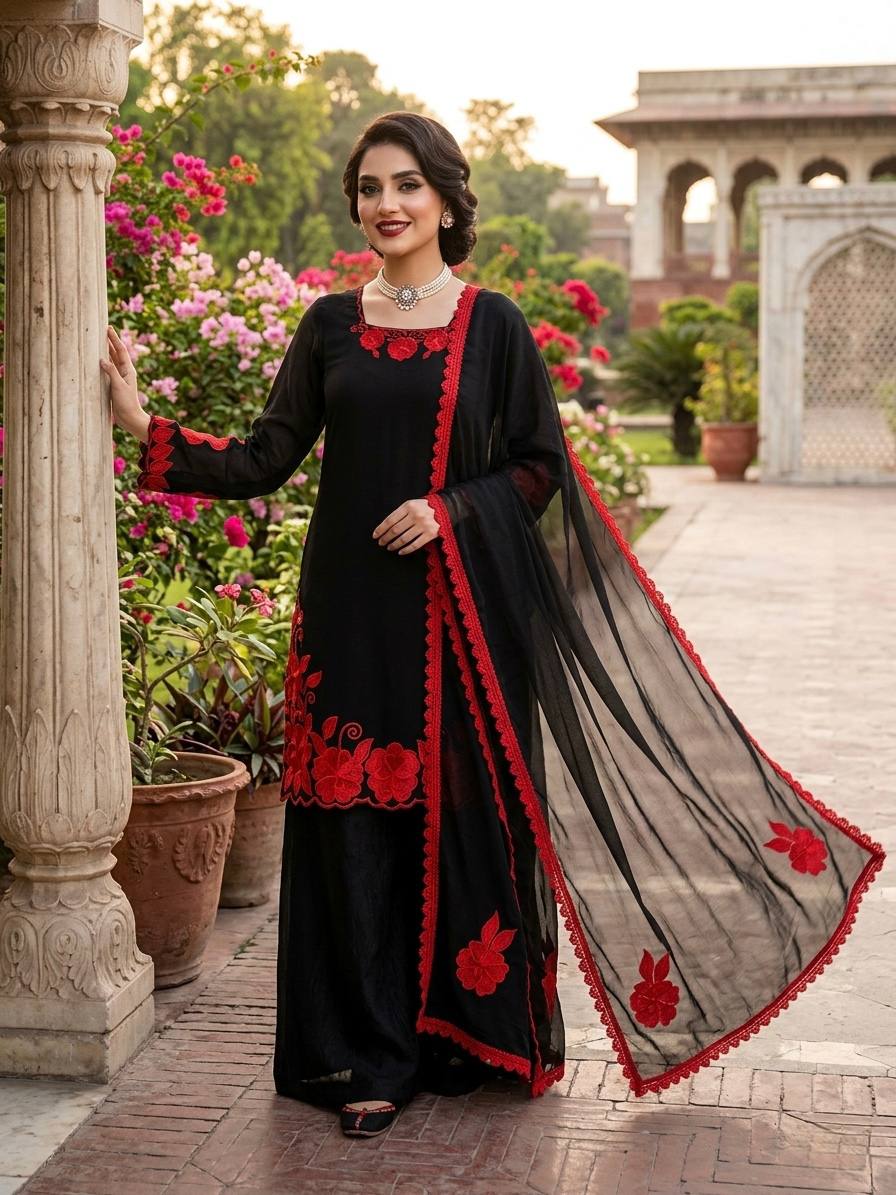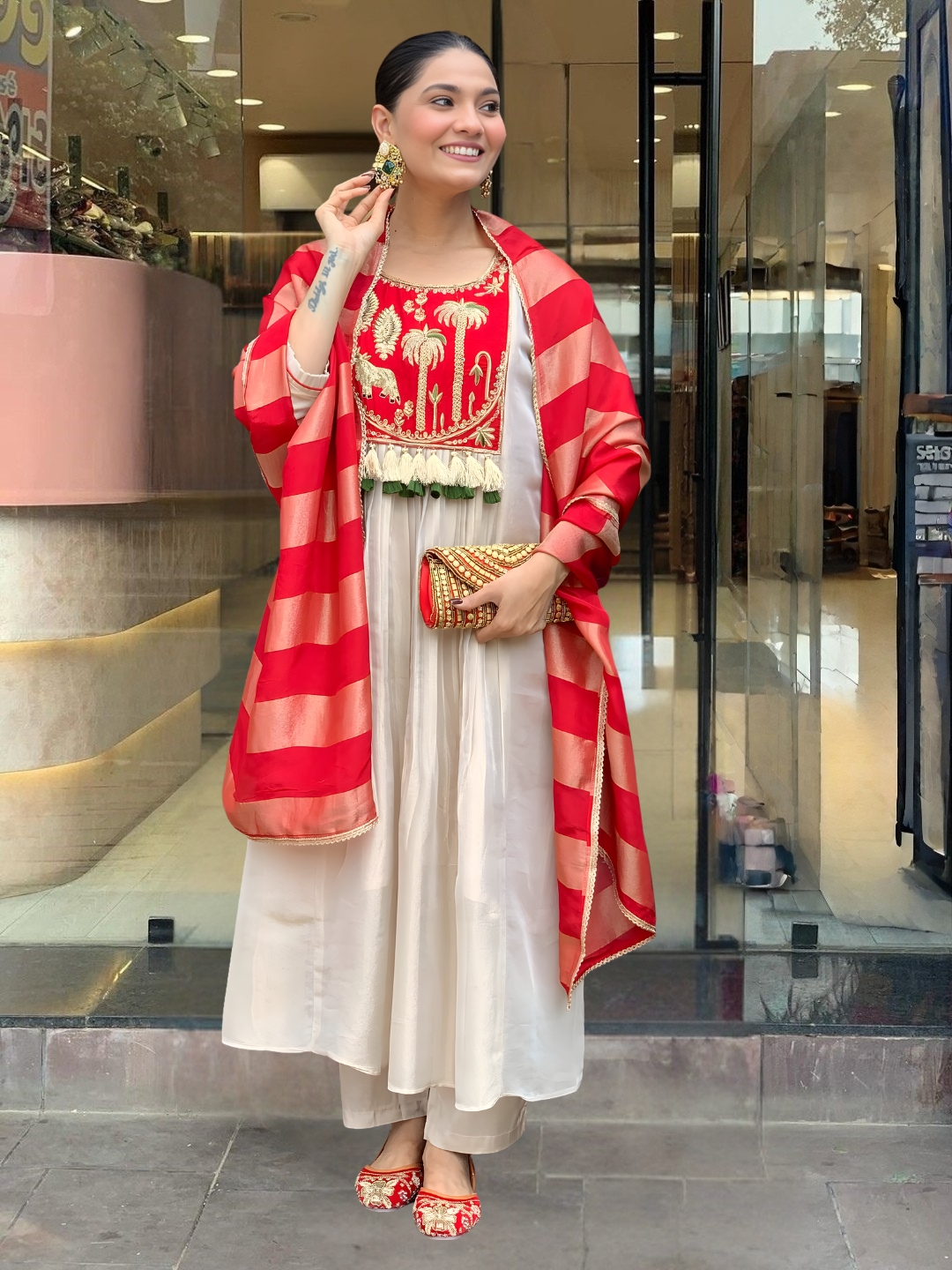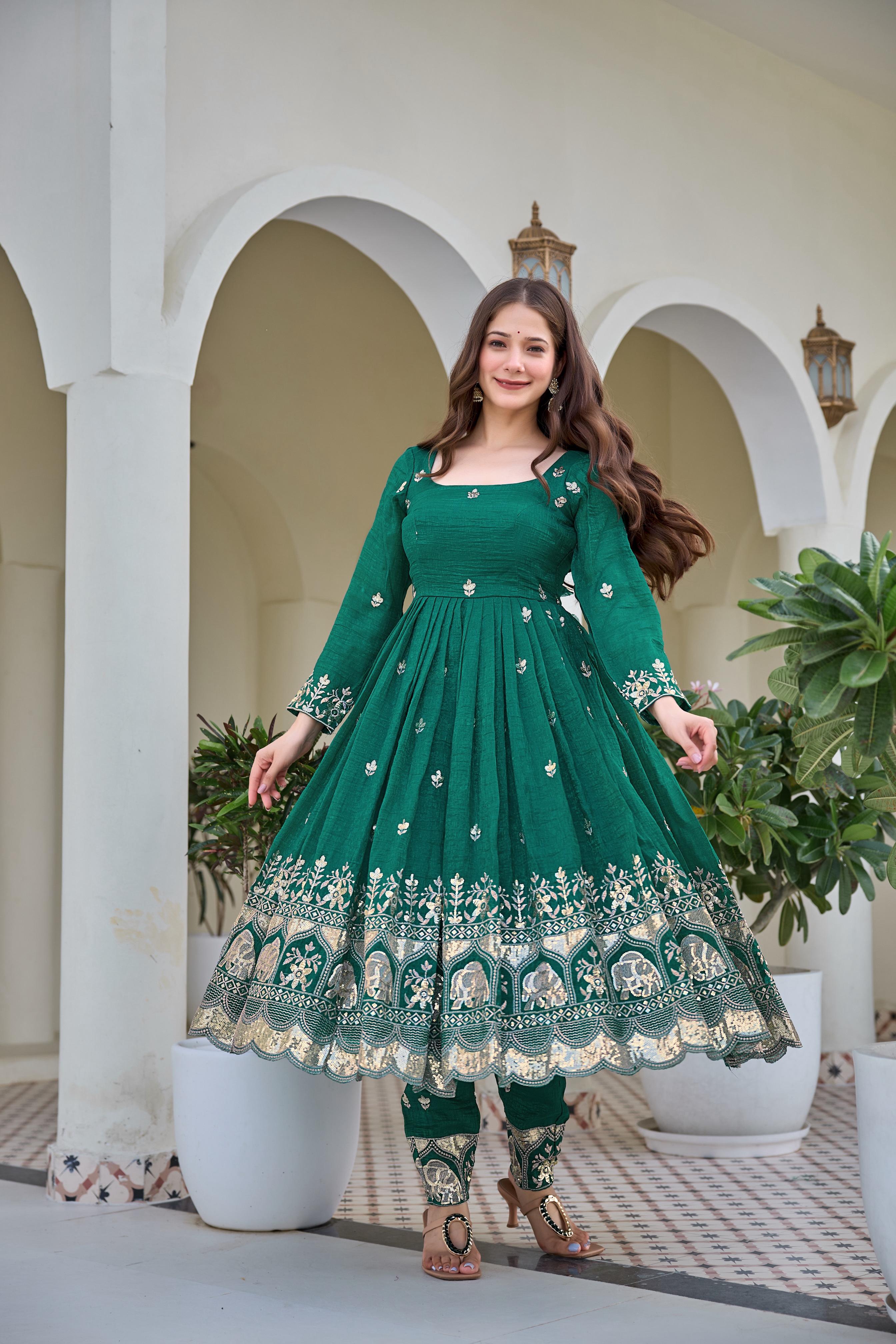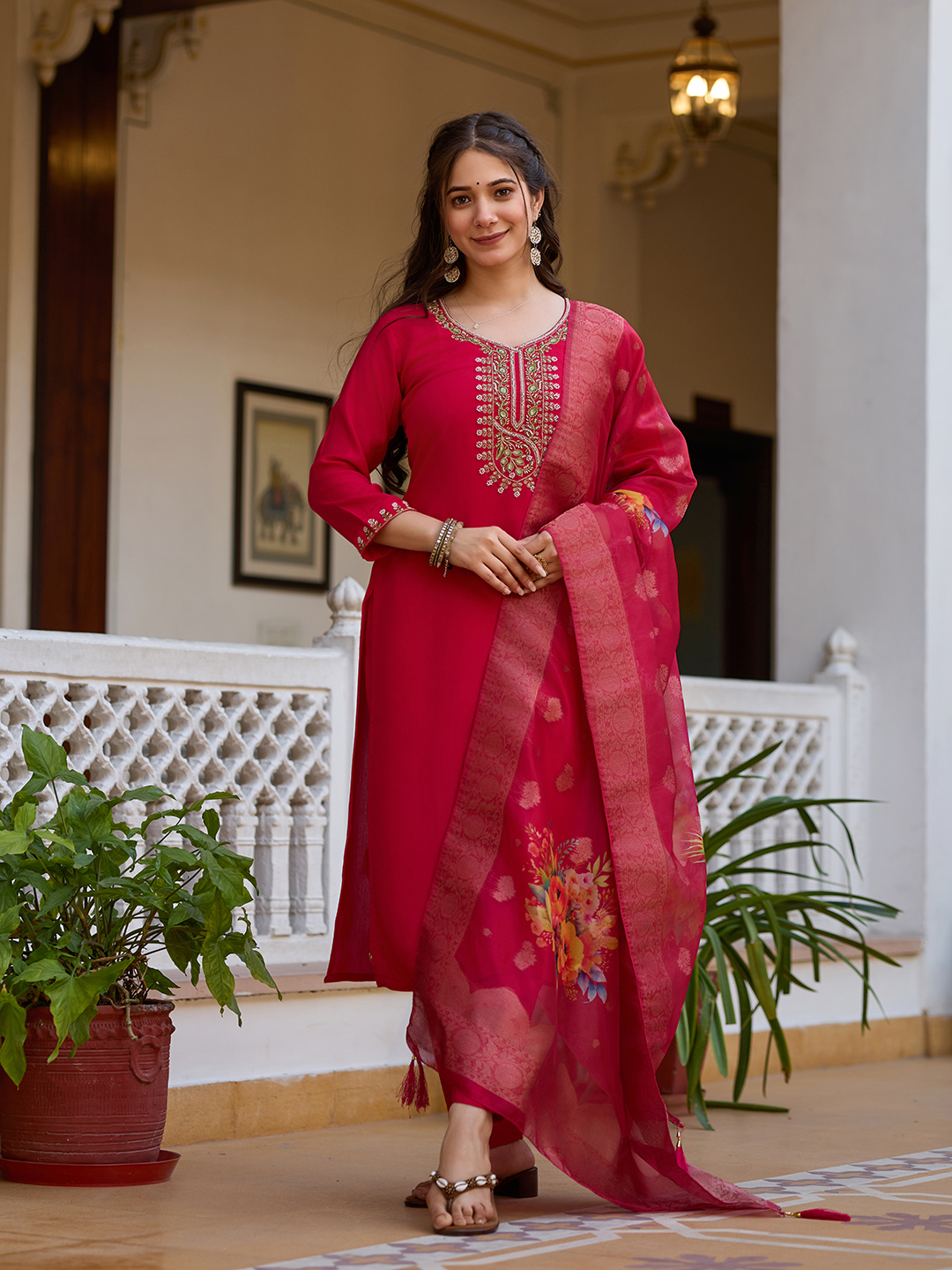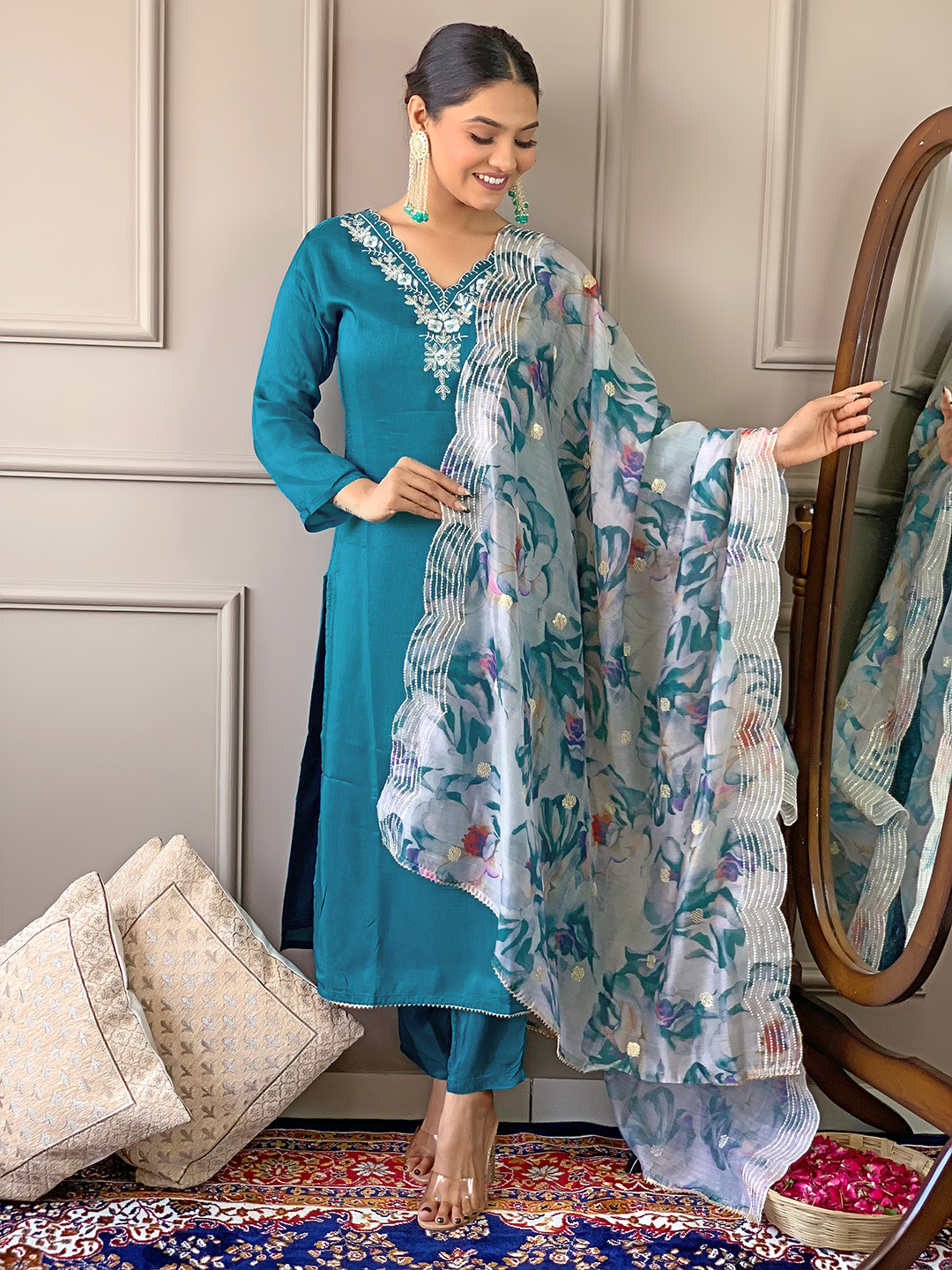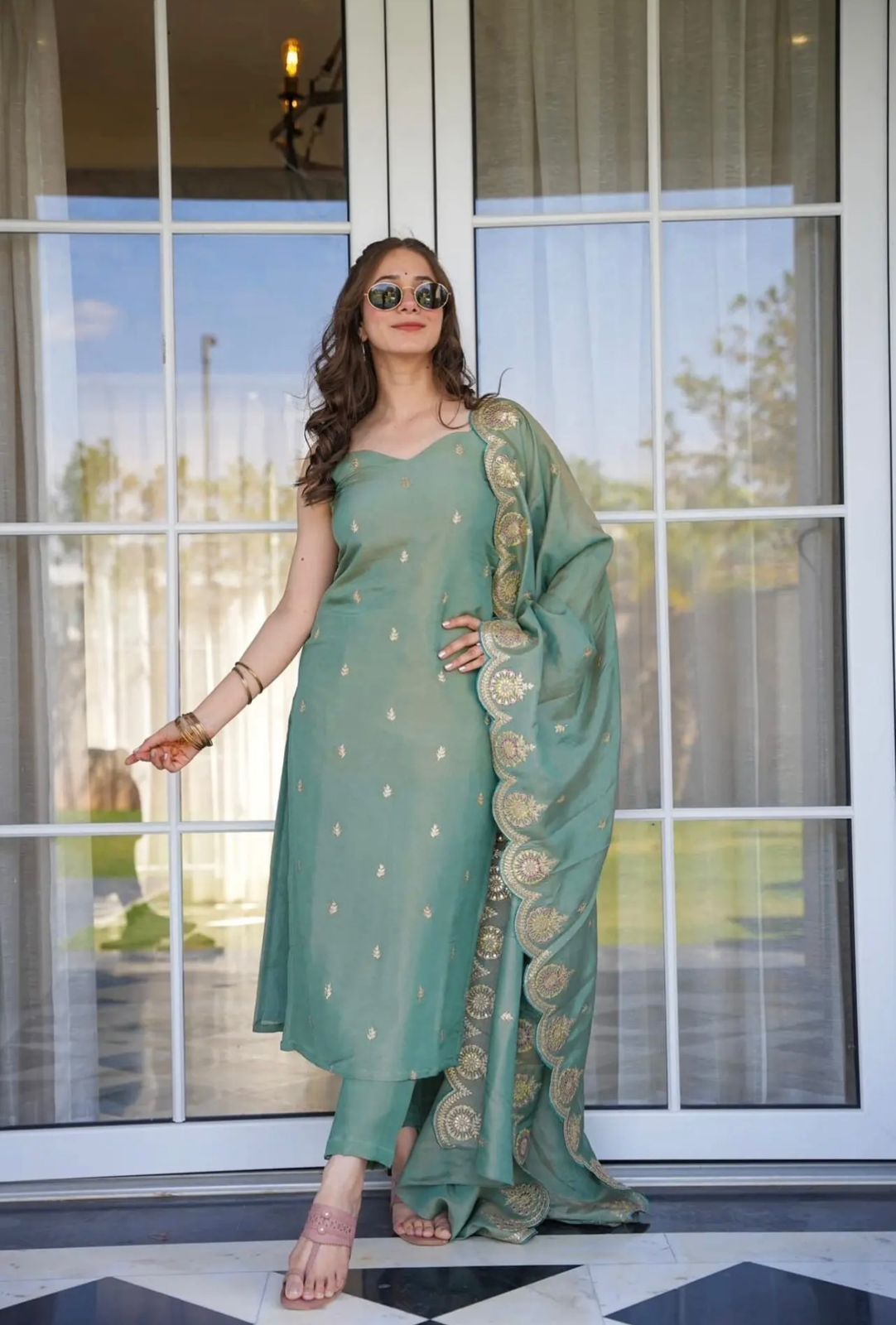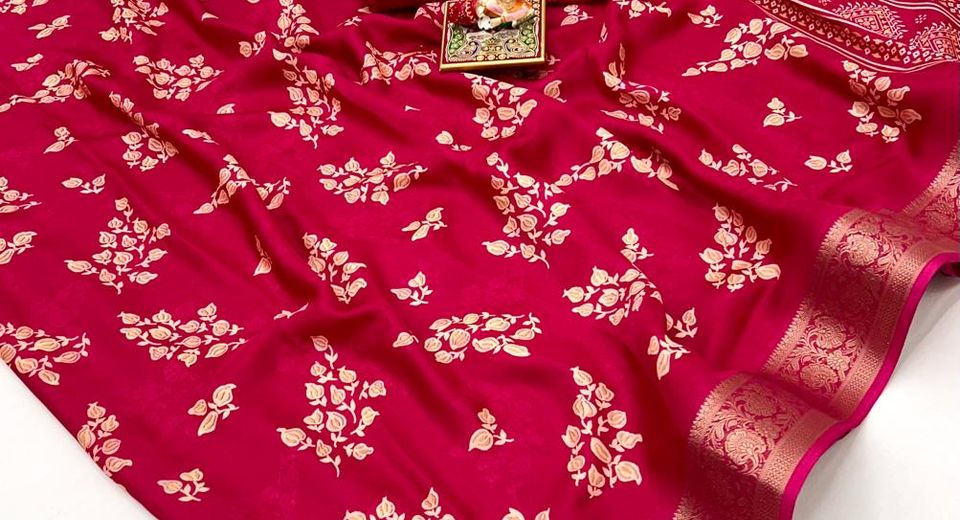
Famous sarees of Guwahati are best understood as part of Assam's wider handloom culture rather than as one single regional saree shape. Guwahati is a major place to discover Assam's Muga silk, Eri silk, Pat silk and cotton traditions, while the Mekhela Chador remains Assam's most distinctive two-piece dress. The right choice depends on fibre, weave, finish, climate and how formally you plan to wear it.
Assam's textiles are often identified by their natural materials, restrained elegance and motifs drawn from local plants, animals and geometry. A saree bought in Guwahati may be woven in Assam, brought from another Indian weaving centre or designed in a contemporary style using familiar handloom textures. Knowing that distinction helps you shop more honestly and choose a garment that suits both the occasion and the weather.
What makes the famous sarees of Guwahati distinctive?
The famous sarees of Guwahati stand out because Assam's textile vocabulary combines locally important silk fibres with lightweight, wearable construction. Muga silk is known for a naturally warm golden sheen, Eri silk for a softer, more matte surface, and Pat silk for a smoother, brighter appearance. Cotton handlooms add breathability for humid summers and everyday use.
Guwahati's role is also cultural and commercial. The city connects visitors and shoppers with weaving traditions from different parts of Assam, including Sualkuchi, widely recognised for silk production. A saree described as Assamese may therefore carry a regional fibre, motif or technique even when the final garment is sold, tailored or styled in Guwahati.
Assamese textiles commonly use motifs such as flowers, creepers, birds, animals and diamond-like geometric forms. Traditional colours can include red, cream, ivory, black, gold and earthy tones, although modern weavers and designers also work with pastels and printed palettes. Motif, border and fibre together tell you more about a saree's regional character than a sales label alone.
Which Assam fabrics should you know before buying?
Muga silk, Eri silk, Pat silk and cotton are the four useful fabric categories to understand when exploring Guwahati's saree landscape. Each category has a different surface, weight, price range and care requirement.
Muga silk
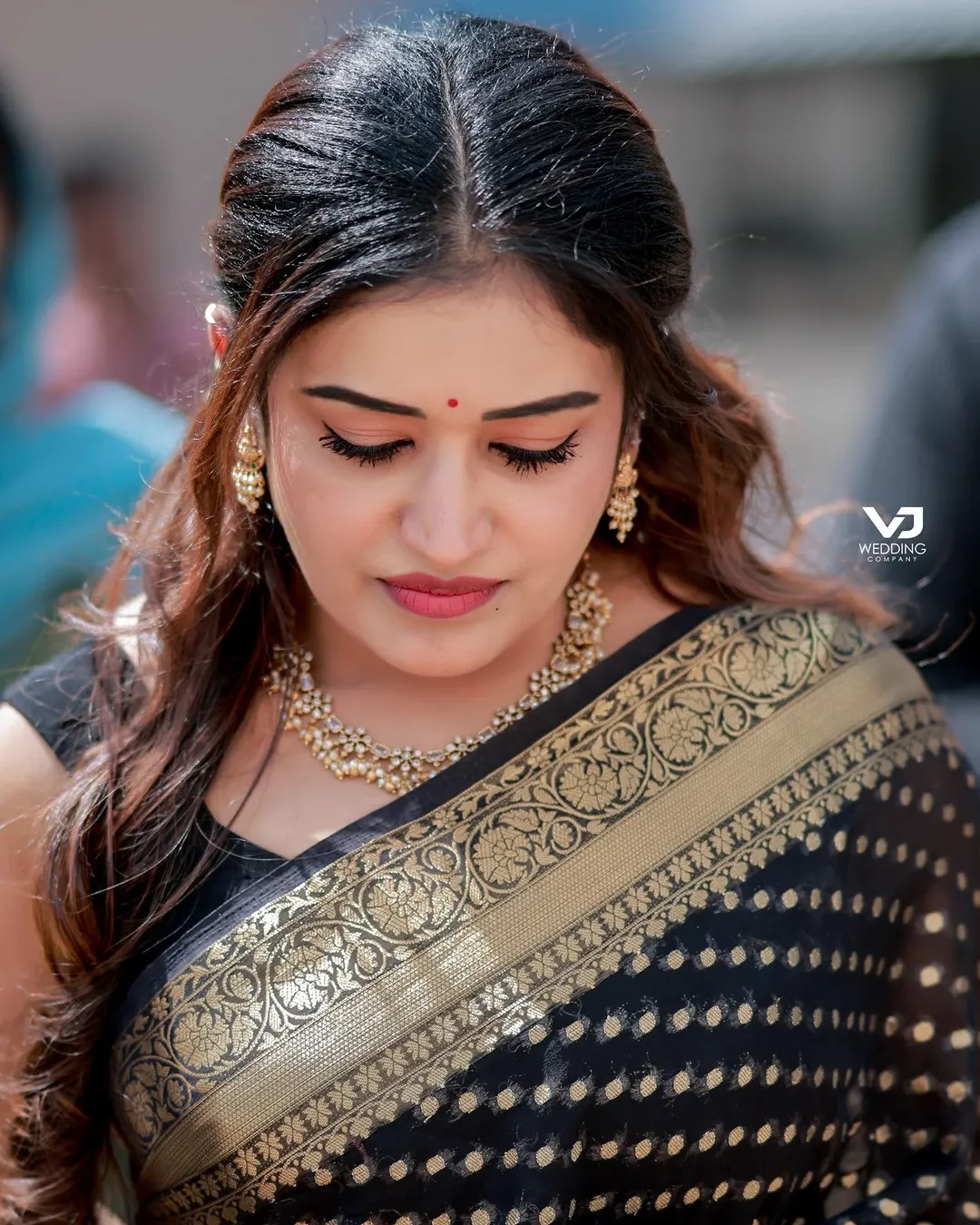
Muga silk is a strong Assam silk with a naturally golden to honey-coloured lustre that can deepen with age and use. Muga silk sarees are generally associated with festive dressing, heirloom purchases and ceremonial wardrobes because the fibre has a distinctive appearance rather than a merely shiny finish. Look for a firm but comfortable drape, clear motifs and a border that lies flat.
Muga silk isn't the same as generic "gold silk." A synthetic fabric with metallic shine may resemble Muga silk under artificial lighting but won't have the same fibre character, texture or hand-feel. Ask whether the saree is pure Muga, a Muga blend or a saree with Muga detailing before comparing prices.
Eri silk
Eri silk is a soft, warm and usually less glossy silk associated with Assam and Northeast India. Eri silk is often chosen for its gentle texture and matte elegance rather than a bright, reflective surface. The fibre is also called endi or erri silk in different markets, so spelling variations don't automatically indicate a different material.
An Eri silk saree can work well for daytime celebrations, cultural events and cooler indoor venues. Its slightly textured appearance pairs effectively with simple blouses, oxidised silver jewellery and woven accessories. Confirm whether a garment is pure Eri silk, Eri blended with another fibre or merely styled with an Eri-inspired finish.
Pat silk and silk-cotton
Pat silk is a smooth, pale or bright silk traditionally associated with Assam and is often used for elegant festive clothing. Pat silk typically has a cleaner sheen than Eri silk and a lighter, more polished appearance than many textured silks. Silk-cotton blends offer a practical middle ground by combining some silk lustre with cotton's easier breathability.
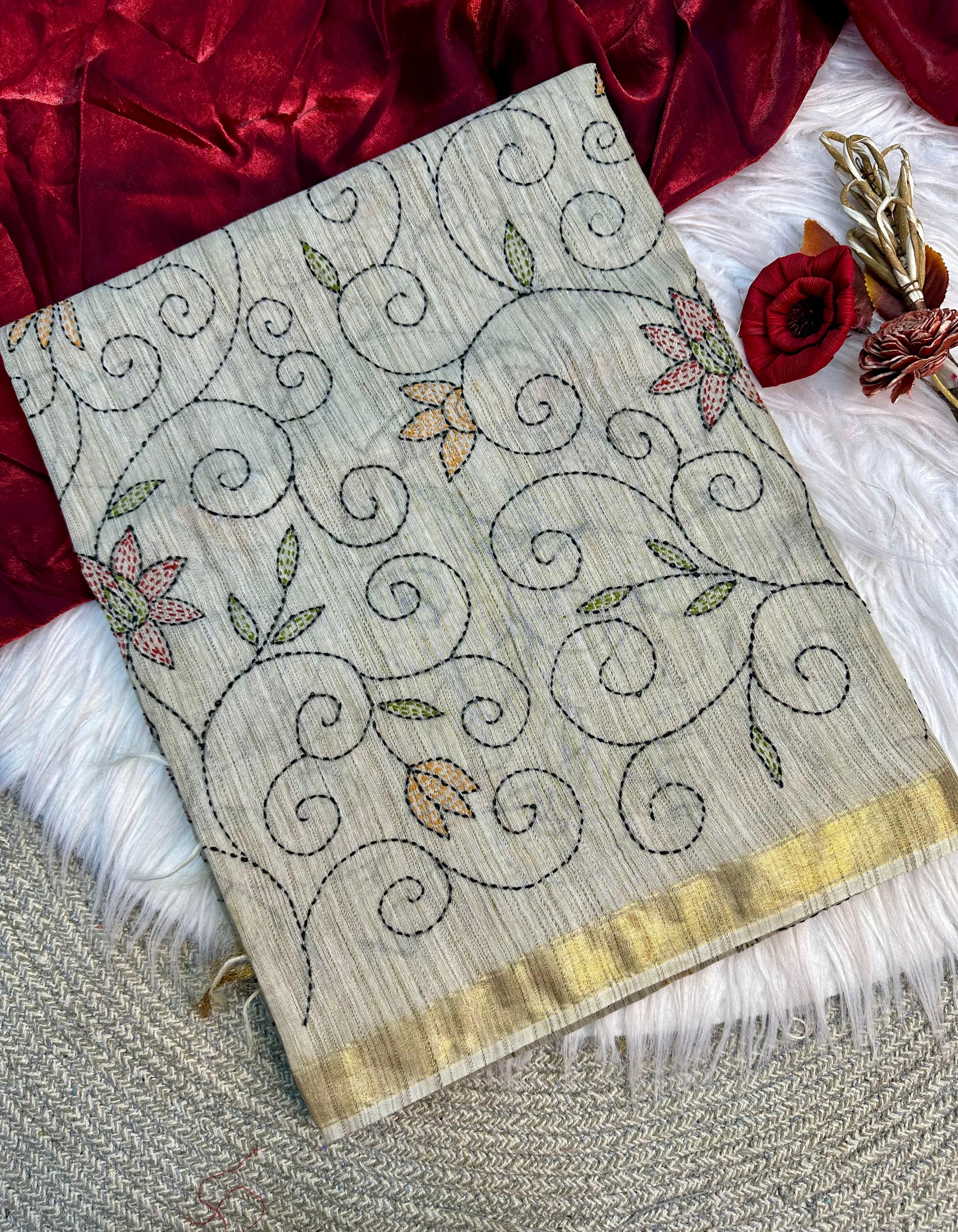
Premium Handloom Silk Saree with Handkatha illustrates why the phrase "handloom silk" needs further questions about the exact fibre and technique. Ask about the silk type, the percentage of cotton if it's blended, the source of the handwork and the recommended cleaning method.
Assam cotton and handloom cotton
Assam cotton sarees are useful for warm, humid conditions because cotton absorbs moisture and allows air circulation better than many synthetic fabrics. Handloom cotton may have small irregularities in the yarn or selvedge; those variations are not automatically defects. Evenness, comfort and secure finishing matter more than machine-like uniformity.
Pastel Floral Tissue Handloom Cotton Saree with Zari Weaves and Cream Pink Tissue Handloom Cotton Saree with Zari show how handloom cotton can be combined with a festive zari accent. Zari is a metallic thread used in borders, motifs or woven details; the label should clarify whether the zari is metallic-coated polyester, tested silver, gold-toned metal or another material.
Is a Mekhela Chador the same as an Assamese saree?
A Mekhela Chador isn't the same as a saree because it's a two-piece Assamese garment made from a lower wrap called the Mekhela and an upper drape called the Chador. A saree is usually one continuous length of fabric wrapped around the body, although regional drapes vary.
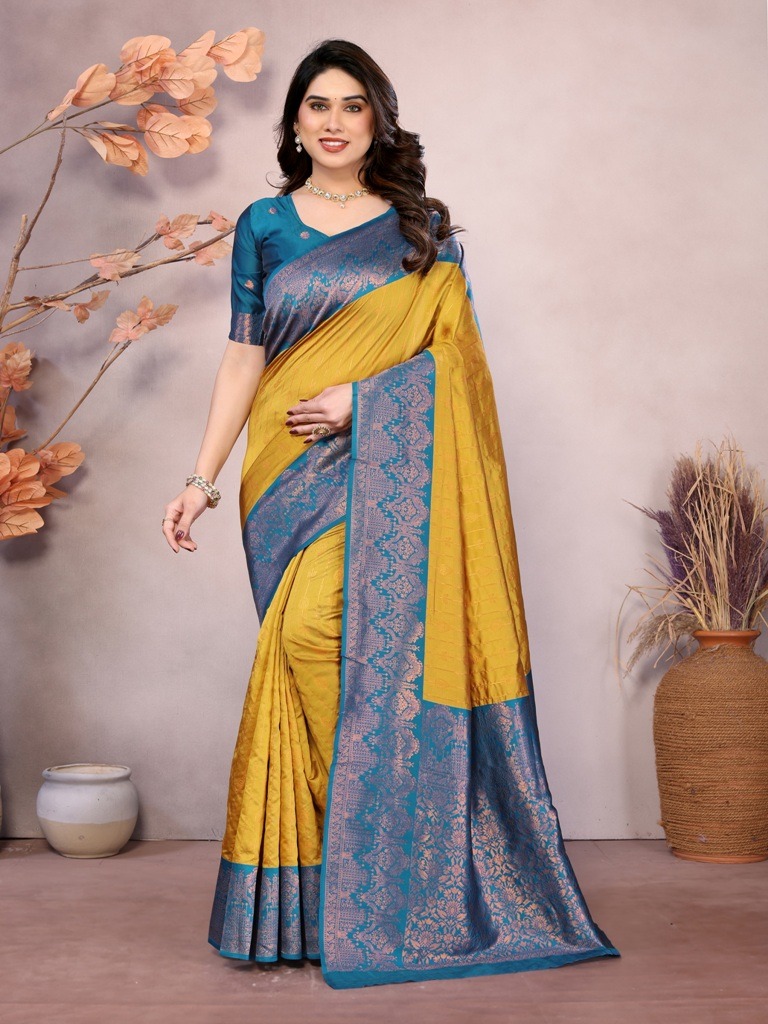
The distinction matters when shopping in Guwahati. A Mekhela Chador may have heritage motifs and a silk quality strongly associated with Assam, but it won't behave like a six- or nine-yard saree. The two-piece format can be easier to arrange for some wearers, while a saree offers more flexibility in pleating and draping styles.
Time-honoured Assamese motifs may appear on both garments, so visual similarity can create confusion. Check the product description for the number of pieces, total lengths, blouse fabric and whether the item includes an unstitched blouse piece. A saree listing should normally state saree length and blouse-piece length separately.
How do you choose a Guwahati saree for the weather and occasion?
Choose cotton or a light silk-cotton blend for daytime heat, textured Eri or silk for a refined cultural event, and heavier silk or zari work for evening ceremonies. The most attractive fibre isn't always the most comfortable choice in Guwahati's humid conditions.
For everyday wear and work
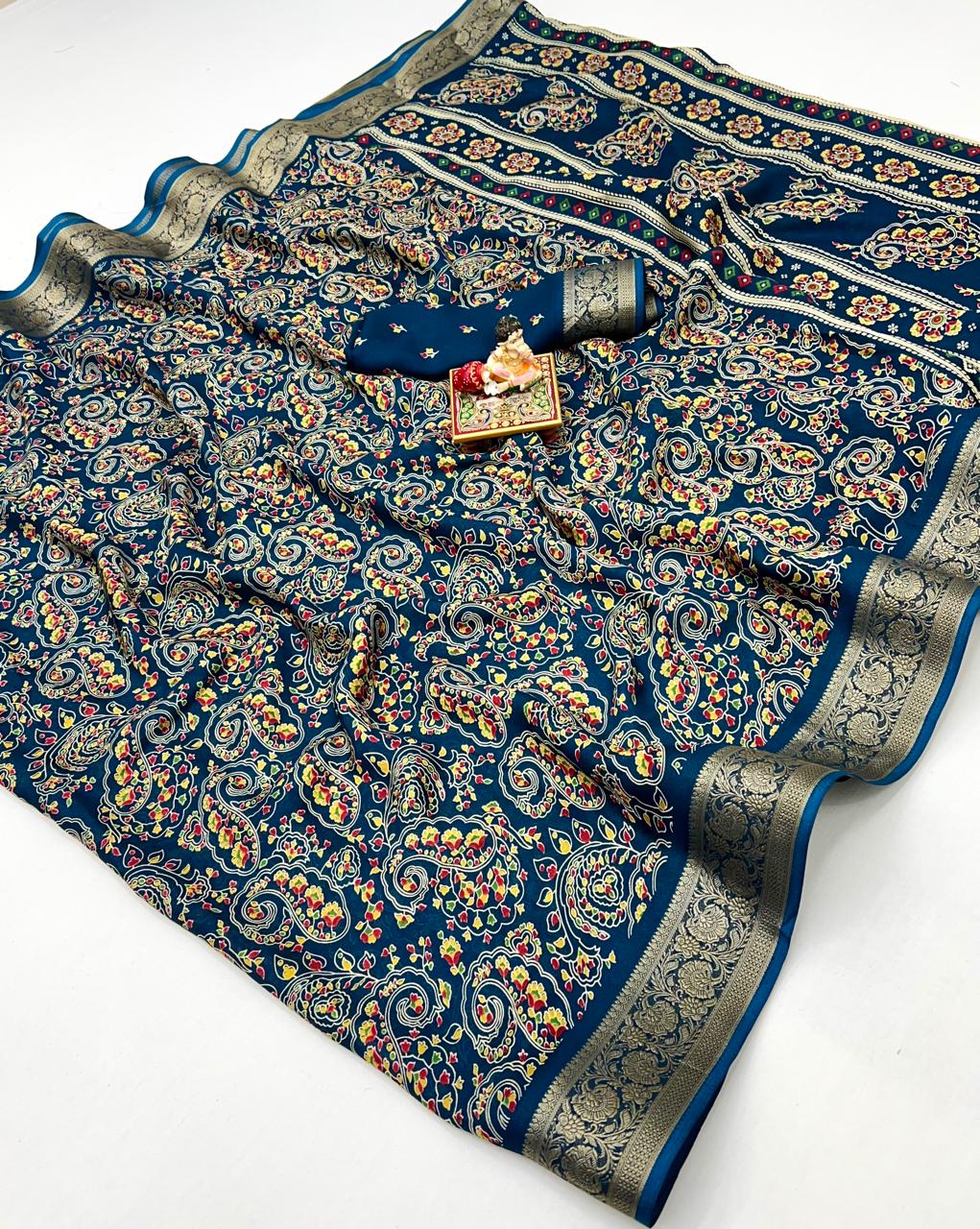
A light cotton, linen-cotton or soft georgette saree is easier to sit and move in for long hours. Pastel Linen Cotton Floral Print Saree with Designer Blouse brings an useful example of a breathable, print-led look that doesn't depend on heavy ornamentation. Peach Linen Cotton Floral Print Saree with Blouse for Women follows the same practical direction with a softer, daytime colour story.
For workwear, choose a border that doesn't catch easily on chair arms and a blouse neckline that allows comfortable movement. Five to seven pleats usually create a manageable front fall, but the exact number depends on fabric width and the wearer's height.
For festivals and family ceremonies
Silk, silk-cotton, tissue cotton with zari and carefully finished handloom sarees suit festivals and family functions. A Muga-inspired or Pat silk look can be styled with a structured blouse and classic jewellery, while Eri silk works well when you want texture without a high-gloss finish.
A saree such as Tussar Silk Kalamkari Printed Saree with Blouse demonstrates a different regional conversation: Tussar silk and Kalamkari printing are not uniquely Assamese, but they belong naturally in an Indian handloom and craft wardrobe. The saree can be appropriate for a cultural gathering without being described as a traditional Guwahati weave.
For weddings and evening events
Use heavier silk, richer borders or controlled zari for weddings and evening receptions, but check the total weight before buying. A saree that weighs more than approximately 900 grams can become tiring during a long ceremony, especially when the pallu includes dense embellishment.
Classic Calcutta Moss Designer Saree and Calcutta Moss Mellow Georgette Printed Saree can serve as contemporary alternatives when you want a fluid drape rather than a strictly regional silk. These examples also show why "designer saree" describes styling or construction, not a particular Assamese fibre.
How can you check saree quality before purchasing?
Check the fibre disclosure, measurements, selvedge, border alignment, blouse piece and care instructions before judging a saree by its photograph. A clear product description should help you understand what you're paying for.
- Read the fibre composition. Distinguish pure silk, silk blend, cotton, linen-cotton, georgette, tissue and synthetic fibres. "Silk feel" isn't a fibre composition.
- Check measurements. A saree commonly measures around 5.3 to 5.6 metres, with an additional blouse piece of roughly 0.8 to 1 metre, but listings vary. Confirm the actual measurements before ordering.
- Inspect the weave and print. Woven motifs are built into the fabric, while printed motifs sit on the surface. Both can be beautiful, but they have different durability and care needs.
- Examine the zari. Ask whether zari is woven, embroidered or printed and whether metallic elements require special care. Metallic-looking trim alone doesn't prove a saree is made with precious metal.
- Assess the fall. A fluid saree should not have unexplained stiffness across the full width. A handloom saree may show small slubs, but large holes, broken borders or loose seams require clarification.
- Confirm what is included. Some sarees include a blouse piece; others include a stitched blouse or no blouse material. Blouse inclusion changes tailoring options and the final cost.
Budget browsing can begin with Sarees from Rs 1000 to Rs 1500, but price should be compared with fibre, length, finishing and blouse inclusion. Discount pages such as Sarees Under 20% Off and Sarees Under 10% Off may help narrow options, while deeper promotions such as Sarees Flat 60% Off and Sarees Flat 50% Off require especially careful checking of measurements and return conditions.
How should you style and drape an Assam-inspired saree?
An Assam-inspired saree looks balanced when the styling allows the fabric, border and motifs to remain visible. Pair a golden Muga or zari-accented saree with a solid blouse in cream, rust, deep red or black; pair a printed cotton saree with a quieter blouse so the print remains the focal point.
The Nivi drape is a practical option for most sarees because it keeps the pleats central and the pallu over the shoulder. For a more regionally aware wardrobe, study the visual relationship between a saree and Mekhela Chador without claiming that the two garments are identical. A pinned pallu can improve comfort in humid weather, while a narrow belt can hold pleats for walking or dancing.
Jewellery should follow the fabric's visual weight. Muga silk and zari can support gold-toned jewellery, Eri silk works with silver or oxidised metal, and cotton handlooms pair well with terracotta, wood or textile jewellery. Keep the blouse fit precise: shoulder width, armhole depth and waist ease affect the drape more than an extra layer of ornamentation.
How do you care for Muga, Eri, silk and cotton sarees?
Store silk sarees folded in a breathable cotton or muslin cover, away from direct sunlight, moisture and unlined wooden surfaces. Refold valuable silk garments every few months along different fold lines to reduce permanent creasing.
Muga silk, Eri silk, Pat silk and Tussar silk generally benefit from professional dry cleaning rather than routine home washing. Do not spray perfume directly on silk, and allow perspiration to dry before folding the garment. Keep zari away from plastic for long-term storage because trapped moisture can accelerate tarnishing.
Cotton sarees can often be washed more easily, but the care label should take priority. Use cool or lukewarm water, mild detergent and shade drying when home washing is permitted. Avoid wringing handloom cotton because twisting can distort the border and shorten the life of woven zari.
Printed sarees require a separate check because pigment, dye and printing method vary. Wash printed garments inside out only when the care instructions allow it, and test colour fastness on an inner edge if no reliable label is available. Proper care preserves both the fibre and the regional story a saree carries.
Questions Shoppers Ask About Guwahati and Assam Sarees
What are the most famous sarees associated with Guwahati?
The best-known saree traditions associated with Guwahati include Muga silk, Eri silk, Pat silk and Assam handloom cotton. Guwahati is also an important place to shop for textiles from Sualkuchi and other weaving areas, although the city itself does not represent one single saree style.
Is Muga silk the same as Assam silk?
Muga silk is one specific type of Assam silk, recognised for its natural golden sheen and strong fibre. "Assam silk" is a broader term that can also include Eri silk, Pat silk and blended or regionally marketed silk fabrics.
Is a Mekhela Chador a saree?
A Mekhela Chador is not technically a saree because it consists of two pieces: the Mekhela lower wrap and the Chador upper drape. Both garments belong to Assamese dress traditions, but their construction and method of wearing are different.
Which saree fabric is best for Guwahati’s humid weather?
Light cotton, handloom cotton, linen-cotton and some lightweight silk-cotton blends are generally comfortable in humid weather. Choose breathable fabric and avoid very heavy zari or dense lining when you expect to wear the saree outdoors for several hours.
How can I tell whether an Assam silk saree is genuine?
Start by checking the fibre composition, weaving details, seller documentation and care instructions rather than relying only on shine. A reliable listing should state whether the saree is pure Muga, Eri or Pat silk, a blend, or a synthetic fabric with a similar appearance.
What is the difference between woven and printed saree motifs?
Woven motifs are formed through the structure of the fabric, while printed motifs are applied to the finished surface. Woven designs often add texture and durability, whereas printed designs can offer greater colour and pattern variety at a lighter weight and price.