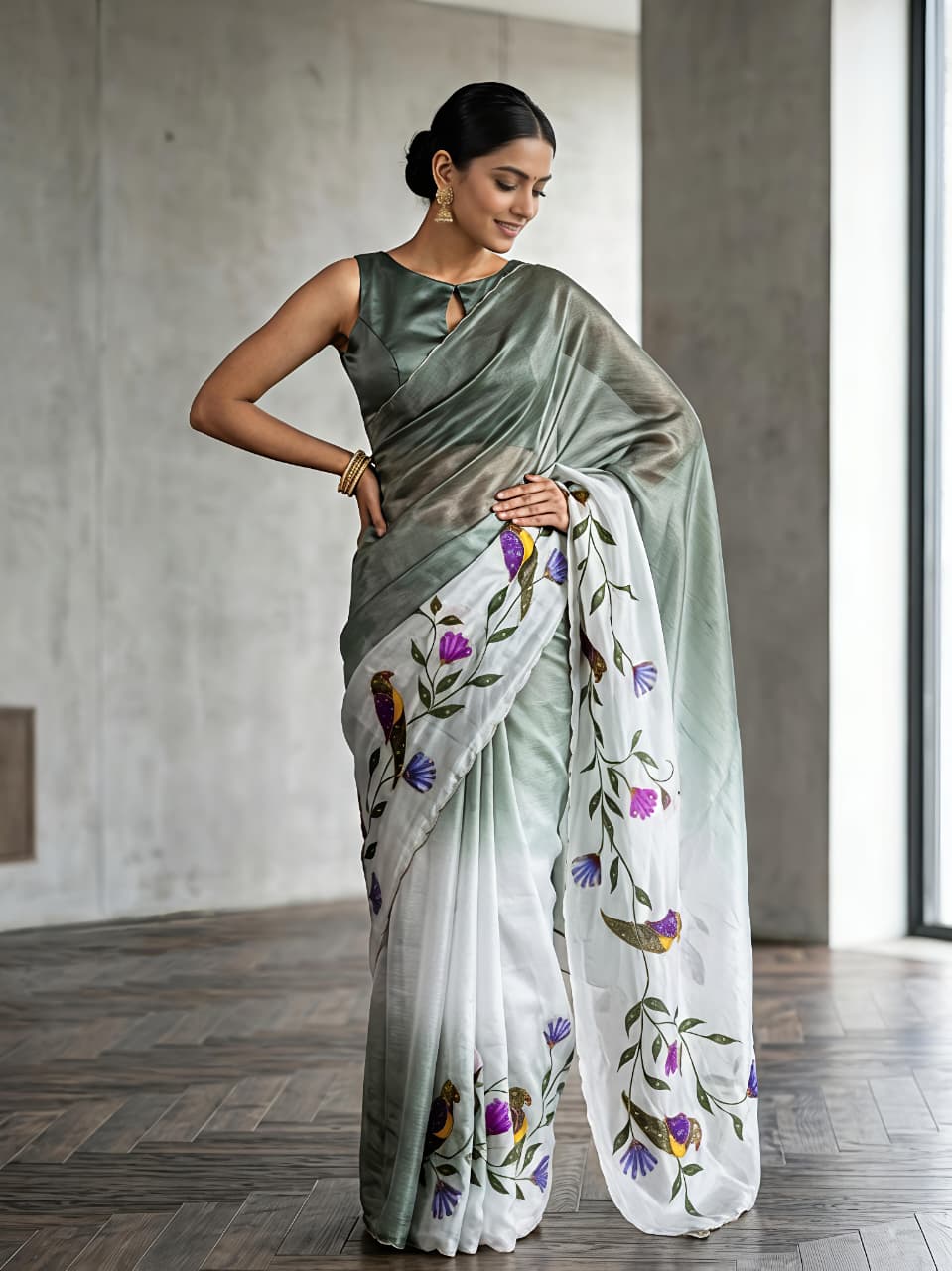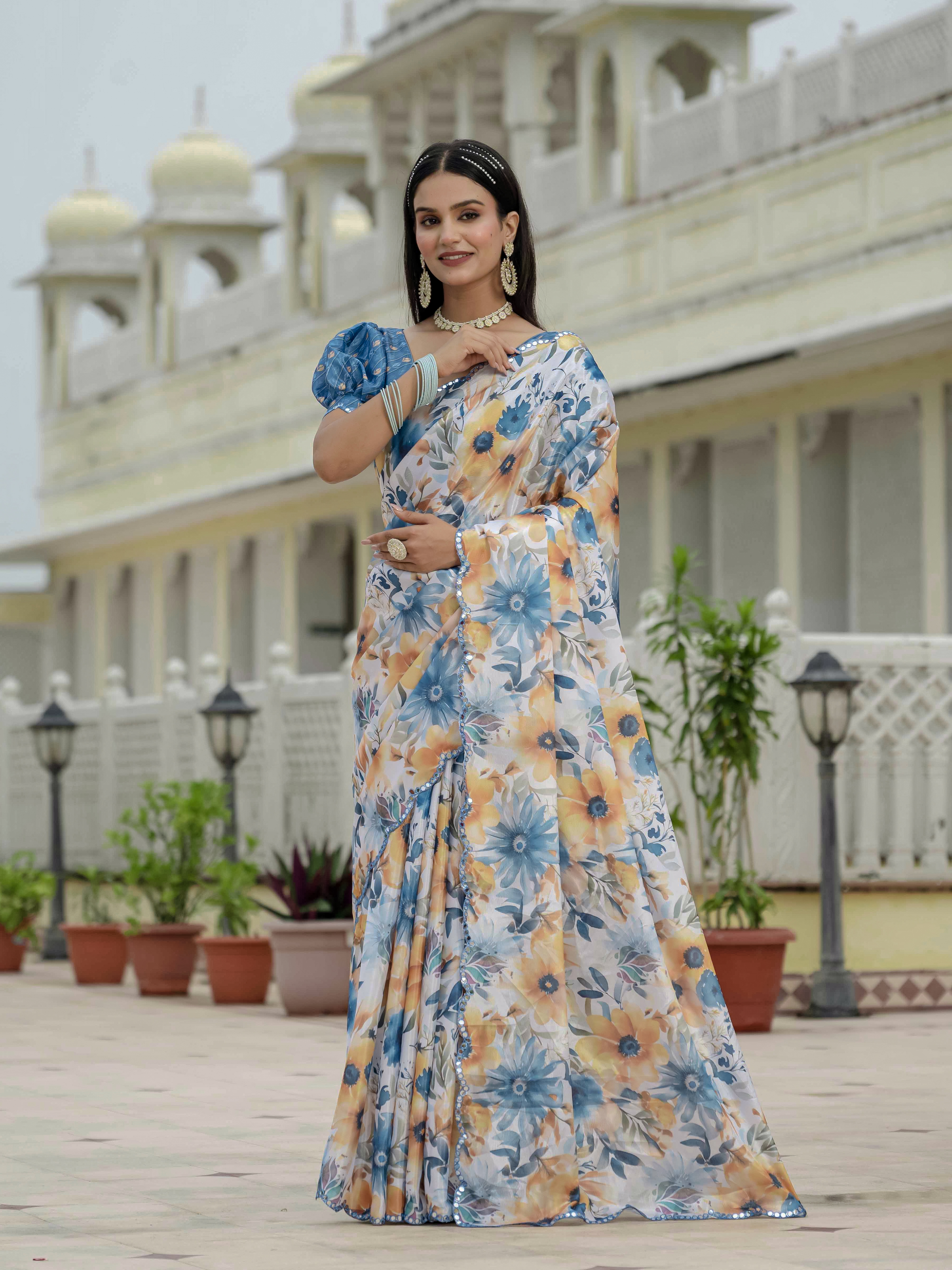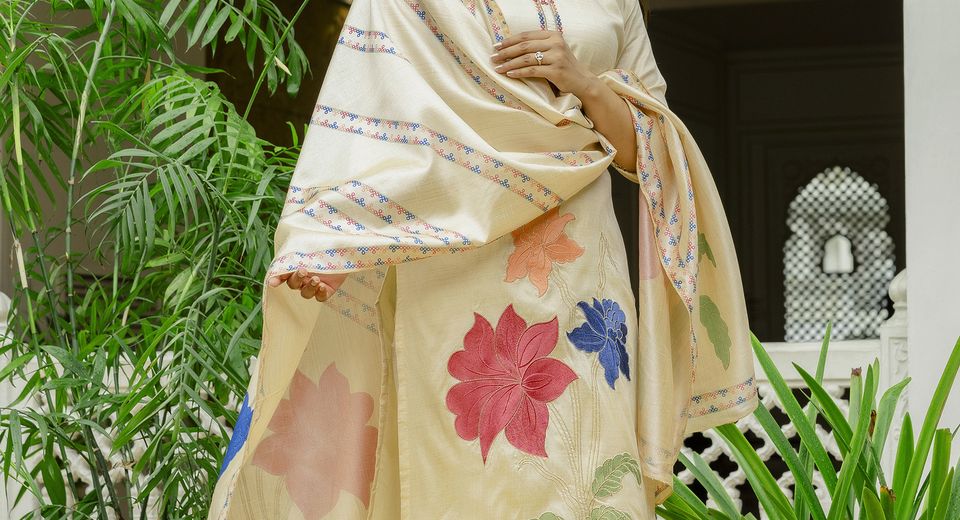
Elegant Silk Salwar Suit Designs bring polish to Indian dressing without requiring the weight or formality of a full bridal outfit. The right silk salwar suit can work for a family wedding, Diwali gathering, office celebration or dinner, but the choice depends on more than colour. Fabric composition, silhouette, lining, embroidery density, trouser shape and dupatta weight all influence how the outfit looks and feels after several hours.
An useful starting point is to match the finish of the suit to the setting. A silk blend with restrained printing suits daytime gatherings, while jacquard, bead embroidery or dense threadwork creates greater visual formality for evening events. Understanding those differences helps you buy a garment that feels appropriate, comfortable and reusable rather than attractive only in a product photograph.
What makes Elegant Silk Salwar Suit Designs look refined?
Elegant Silk Salwar Suit Designs look refined when fabric sheen, tailoring and ornamentation remain visually balanced. Silk naturally reflects light, so even a relatively simple kurta can appear dressy when the neckline, shoulder line and hem are cleanly finished.
Silk isn't a single visual category. Assam silk often has a distinctive textured character, jacquard fabric gets its pattern from woven construction, and a silk blend may offer a softer price point or easier everyday handling than a high-silk fabric. A garment described as a silk blend should not be judged by the same expectations as a pure silk textile; the blend ratio and care label matter.
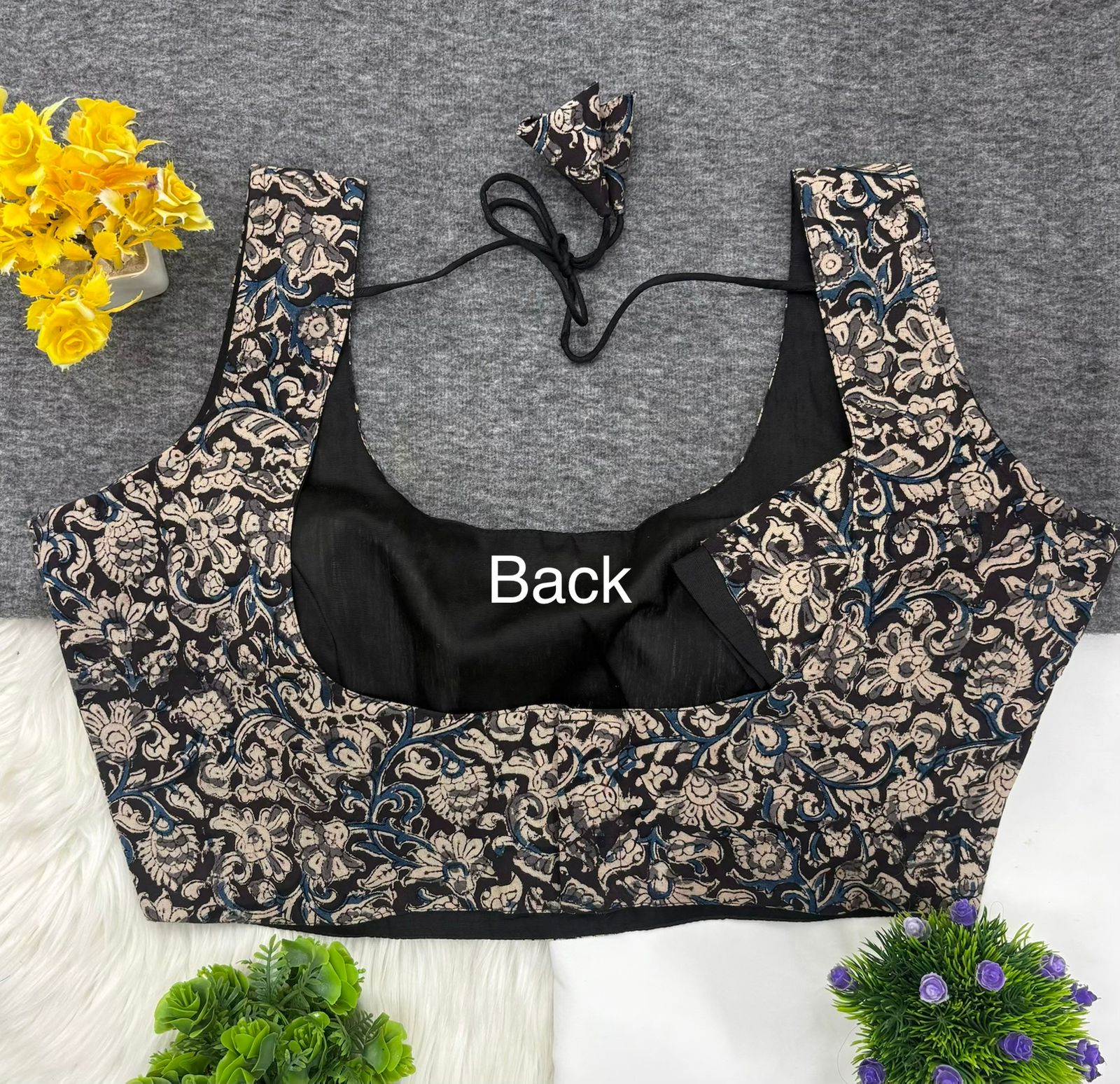
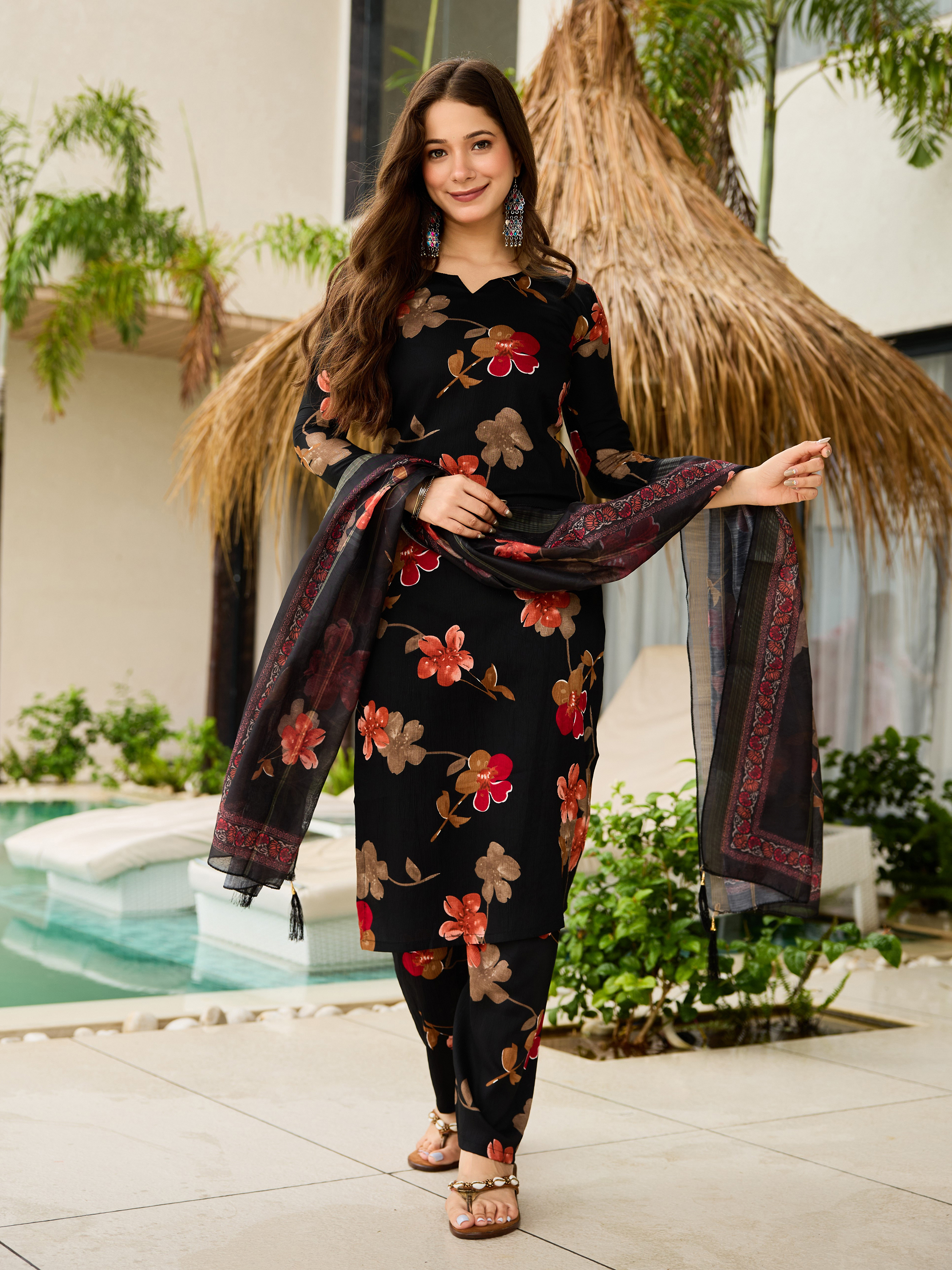
Surface decoration also changes the impression. Printed motifs generally feel lighter and more versatile than bead embroidery. Cording threadwork creates raised linear detail, while woven jacquard patterns can look intricate without adding a heavy layer of attached embellishment. The Elegant Black Printed Silk Blend Salwar Suit demonstrates why a controlled print can make a dark colour suitable for both daytime and evening styling.
Good proportion matters as much as material. A heavily embellished neckline paired with a plain lower half can look balanced, whereas ornate work on the neckline, sleeves, hem and dupatta may require simpler jewellery. The aim isn't maximum decoration; the aim is a clear focal point.
Which silk salwar suit silhouette suits each body movement?
Straight-cut, A-line, Anarkali and kurta-pant silhouettes suit different movement needs and levels of formality. A straight kurta gives a clean vertical line, an A-line shape allows extra room from the waist downward, an Anarkali adds flare, and a kurta-pant set offers a more contemporary proportion.
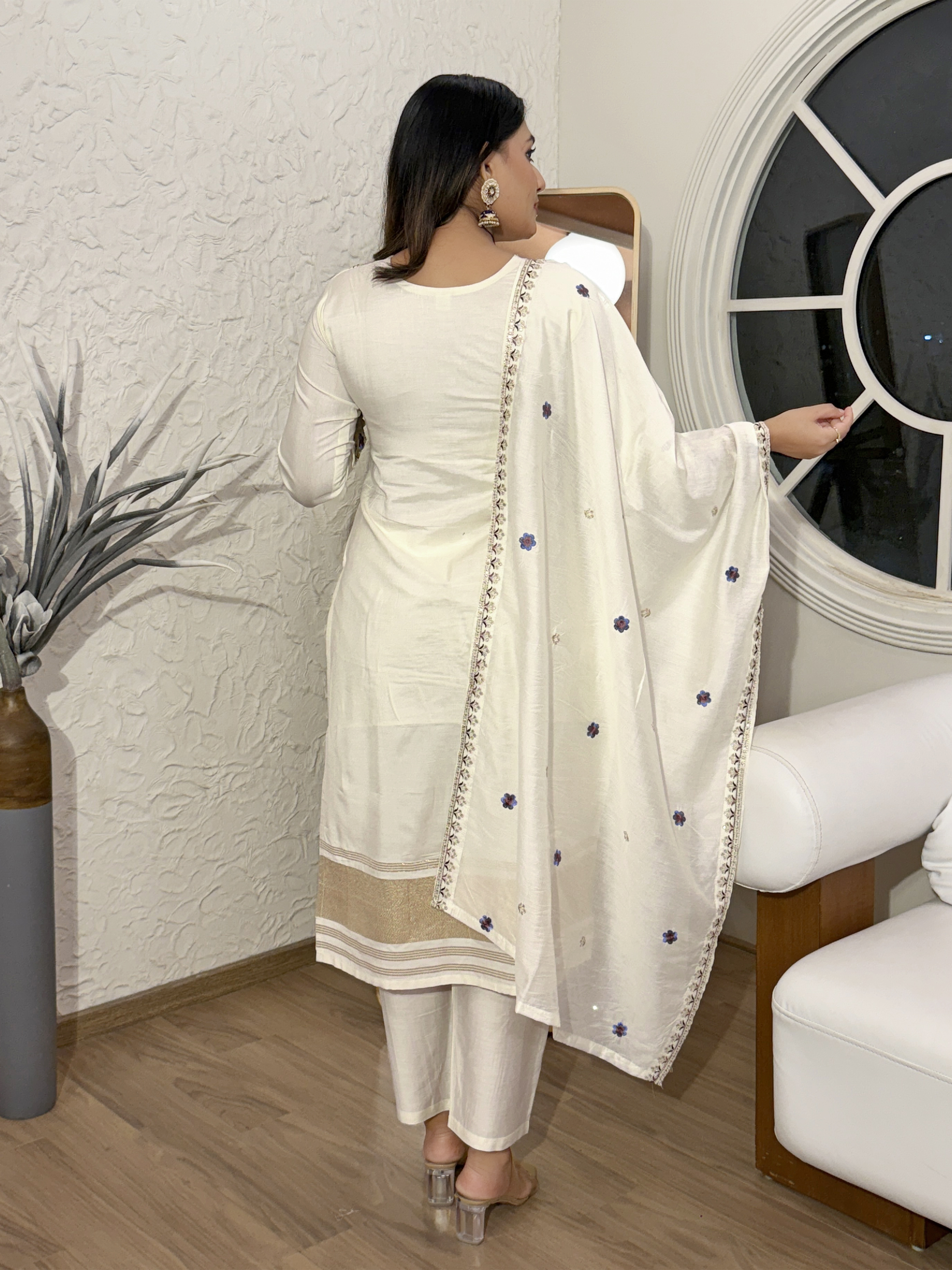
Straight and relaxed cuts
A straight salwar suit is practical for office festivities, puja visits and long social days because the shape doesn't gather heavily around the legs. A relaxed straight cut also works well with cigarette pants or narrow trousers, provided the hem doesn't restrict walking. The Navy Blue Embroidered Salwar Suit illustrates how a dark base and concentrated embroidery can create definition without needing a wide flare.
Anarkali and flared shapes
An Anarkali salwar suit is most useful when you want visible movement and a more ceremonial outline. The flare should fall smoothly from the chosen seam rather than bunch at the waist, and the lining should permit walking and sitting. Ladies Dress Anarkali Salwar Suits can be a helpful category to browse when the event calls for a traditionally festive silhouette, but check the total garment length against your height and footwear.
Kurta-pant proportions
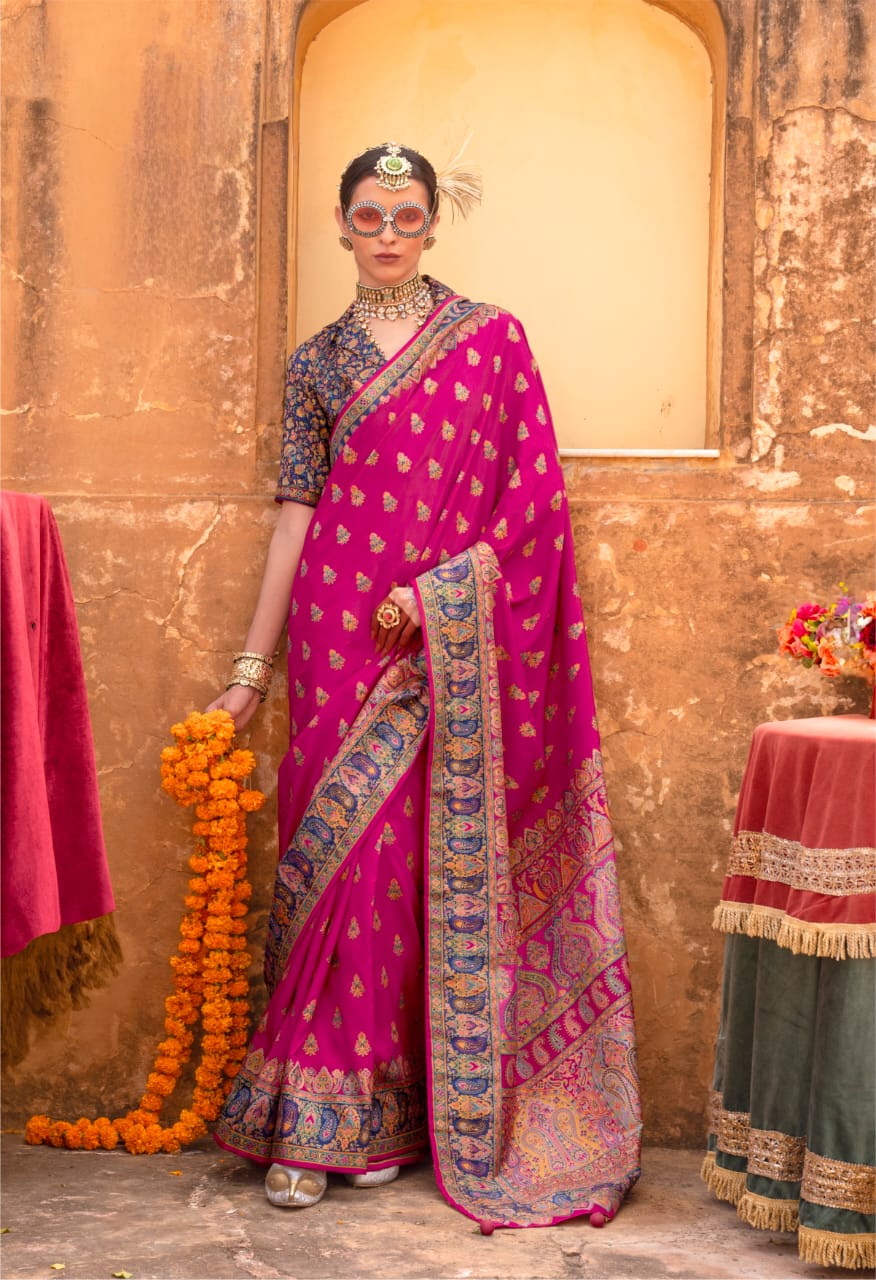
A kurta-pant set creates a sharper, modern profile when the kurta finishes around the knee or slightly below it. The Elegant Silk Embroidered Kurta Pant Set with Jacquard Dupatta combines a tailored lower silhouette with a more textural dupatta, making the accessories less important to the overall finish. This shape is particularly useful when you want the richness of silk without the volume of a heavily flared suit.
How should you choose colour and embroidery for the occasion?
Choose colour and embroidery by considering the event's time, lighting and formality before considering personal preference alone. Daylight reveals strong contrast and bright embroidery clearly, while evening lighting generally supports deeper shades, metallic accents and denser surface work.
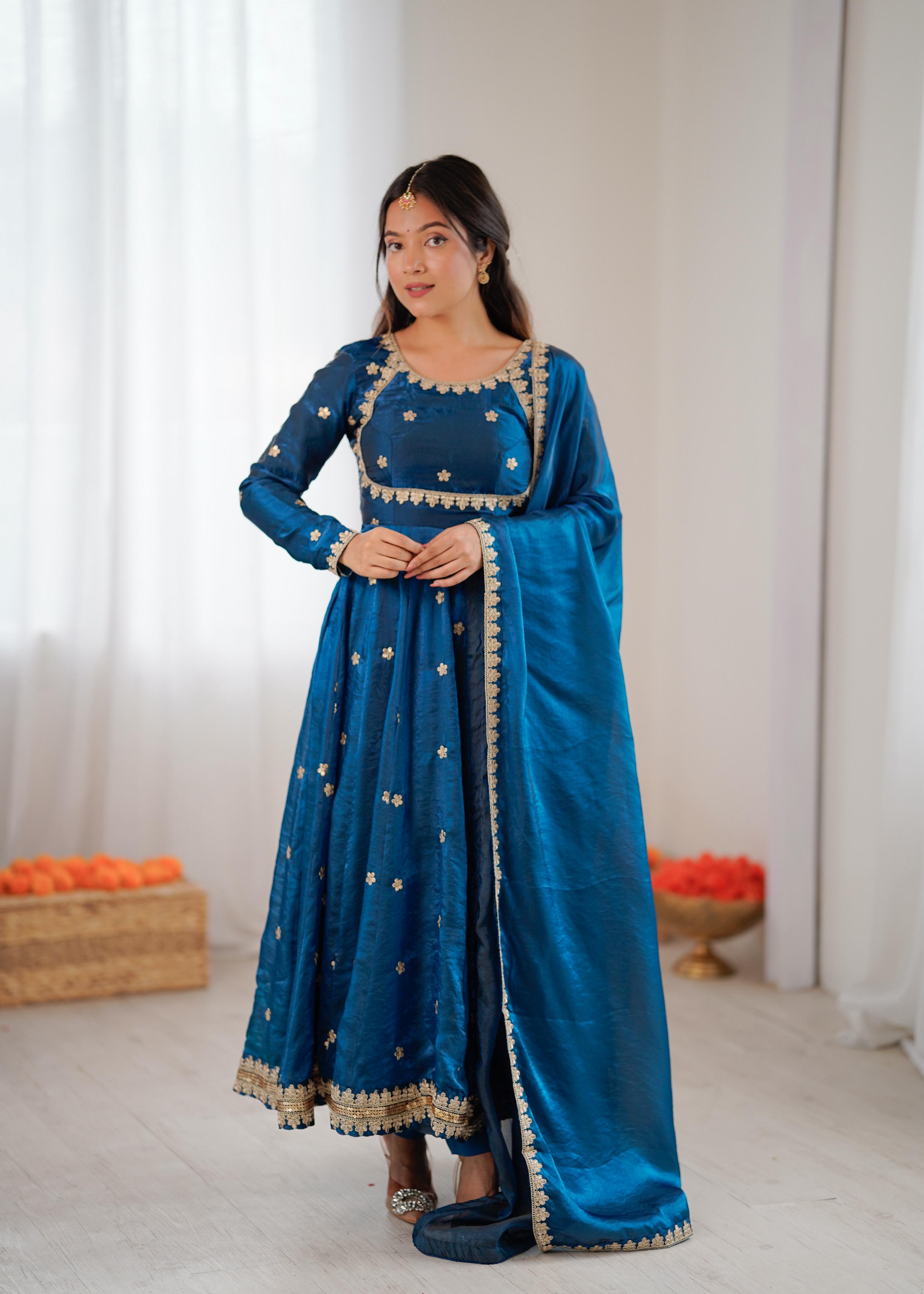
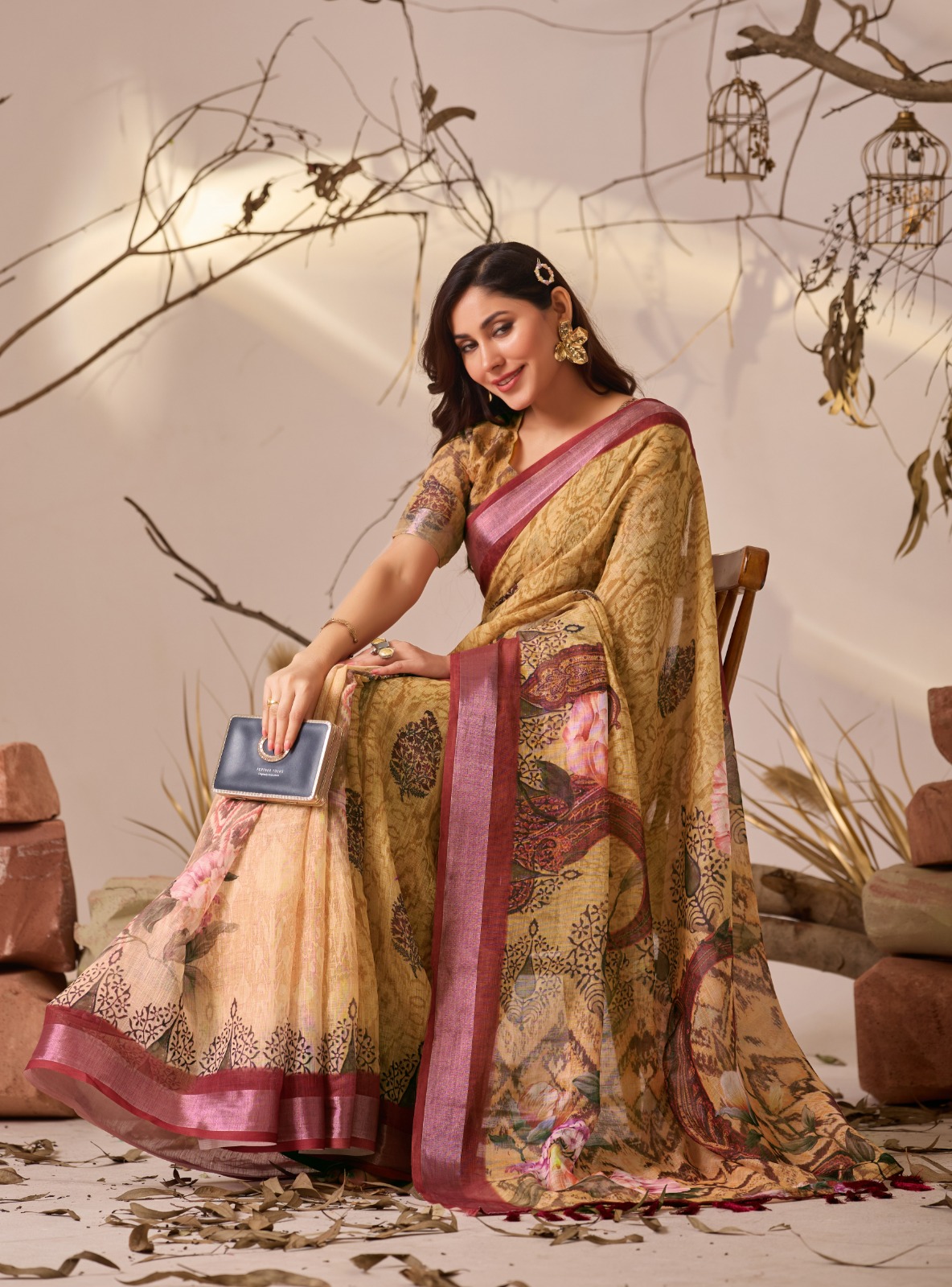
Camel, cream and white are effective for daytime celebrations because they reflect light softly and pair with gold, pearl or muted metallic accessories. The Elegant Camel Shade Salwar Suit Set can be styled with antique-gold earrings for a warm, understated look. The Cream Assam Silk Salwar Suit With Bead Embroidery gives a different approach: the pale ground keeps beadwork visible without the intensity of a dark base.
Black and navy create a strong foundation for printed or embroidered details. The Midnight Black Blossom Salwar Suit uses a floral direction to soften the depth of black, while the Black White Floral Embroidered Readymade Salwar Suit creates contrast through a sharper two-colour palette. These styles can move from family dinners to evening celebrations depending on whether you add minimal studs or more prominent chandelier earrings.
White requires attention to lining, transparency and maintenance because light fabrics reveal construction more readily. The Elegant White Cording Threadwork Salwar Suit is an useful example of how raised thread detail can provide interest without relying on a heavily coloured print. For a festive gathering, pair white or cream with one controlled accent colour rather than mixing several competing shades.
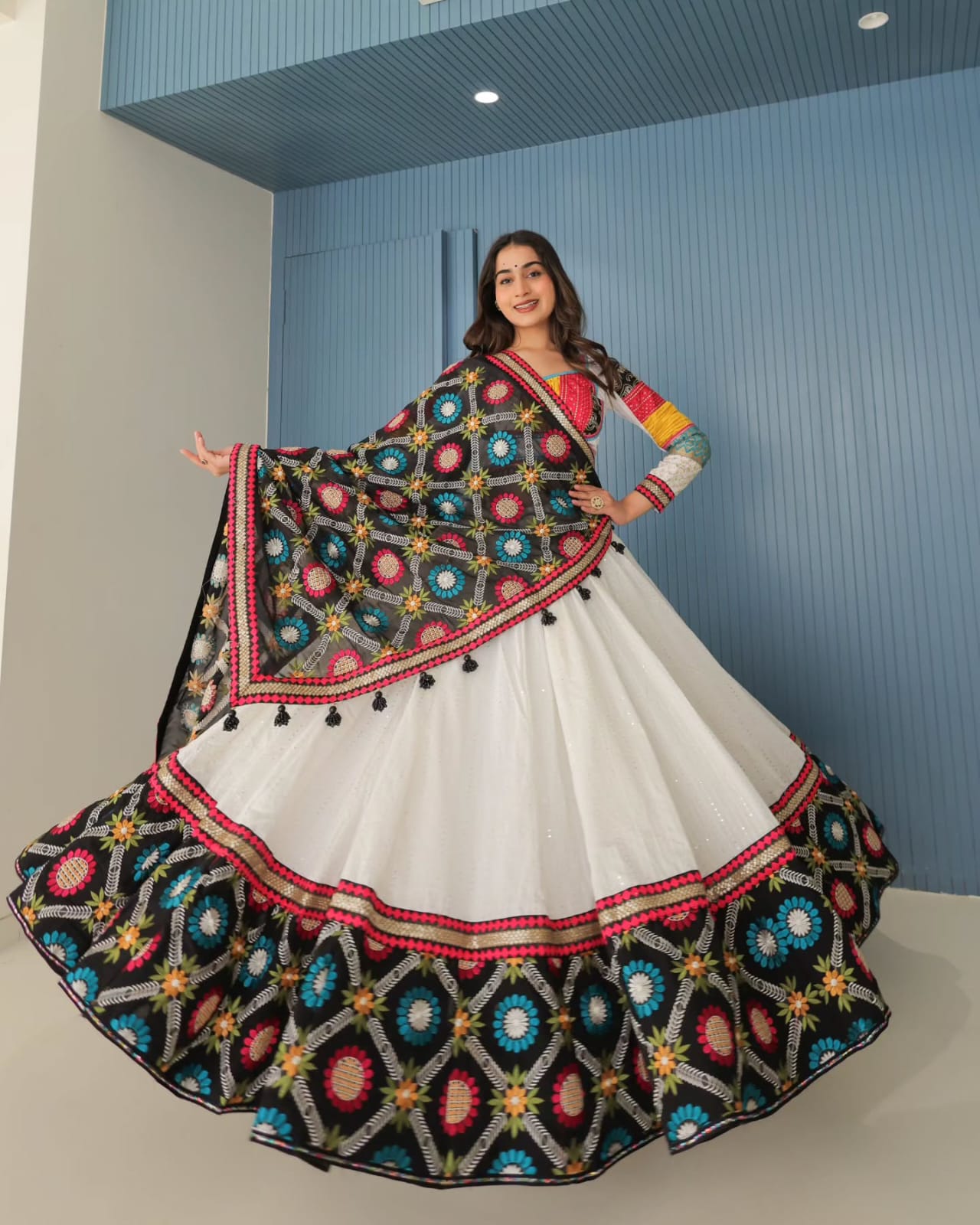
Embroidery scale should also match your comfort with visual attention. Small motifs distributed across a kurta are easier to repeat for different events, whereas large floral panels or dense beadwork make the outfit feel more occasion-specific. An useful rule is to let one element lead: neckline, dupatta border, sleeve, or hem, but not all four at equal intensity.
What should you check before buying a silk salwar suit online?
Check fabric wording, garment measurements, lining information, closure details and the included pieces before buying a silk salwar suit online. Product photographs can't reliably show the weight, stiffness or transparency of a textile.
- Fabric composition: Look for terms such as silk, silk blend, Assam silk or jacquard, and read the care instructions rather than assuming every shiny surface is pure silk.
- Measurements: Compare bust, waist, hip, shoulder and garment length with a well-fitting suit. Do not rely on your usual small, medium or large label because sizing varies between cuts.
- Ease: Add enough room at the bust and upper arm for sitting, reaching and wearing a thin inner layer. A close fit can make silk-blend fabric pull visibly across the chest.
- Bottom shape: Confirm whether the set includes palazzo pants, narrow pants, salwar bottoms or another cut. The bottom changes both comfort and the apparent length of the kurta.
- Dupatta details: Check whether the dupatta is included, its fabric, approximate length and border treatment. A dense border can add weight and may require careful shoulder placement.
- Embellishment placement: Inspect close-up images for bead, thread, print or woven detail, especially around areas that may rub against jewellery or handbag straps.
Budget can guide the search without deciding quality by itself. Silk Dress Materials Salwar Suits Under 3000 may suit shoppers who prefer to have a suit stitched or want a lower-commitment entry into silk-look dressing. Discount-led browsing through Salwar Suits with 30% Off or Salwar Suits Flat 40% Off can be useful, but compare the original measurements, fabric description and return conditions rather than treating the percentage as the main buying signal.
How can you style a silk salwar suit without over-accessorising?
Style a silk salwar suit by repeating one visual detail from the garment in your jewellery, footwear or bag. If the suit has gold beadwork, choose warm-metal earrings; if the design is black and white, a single coloured accessory can create focus without competing with the print.
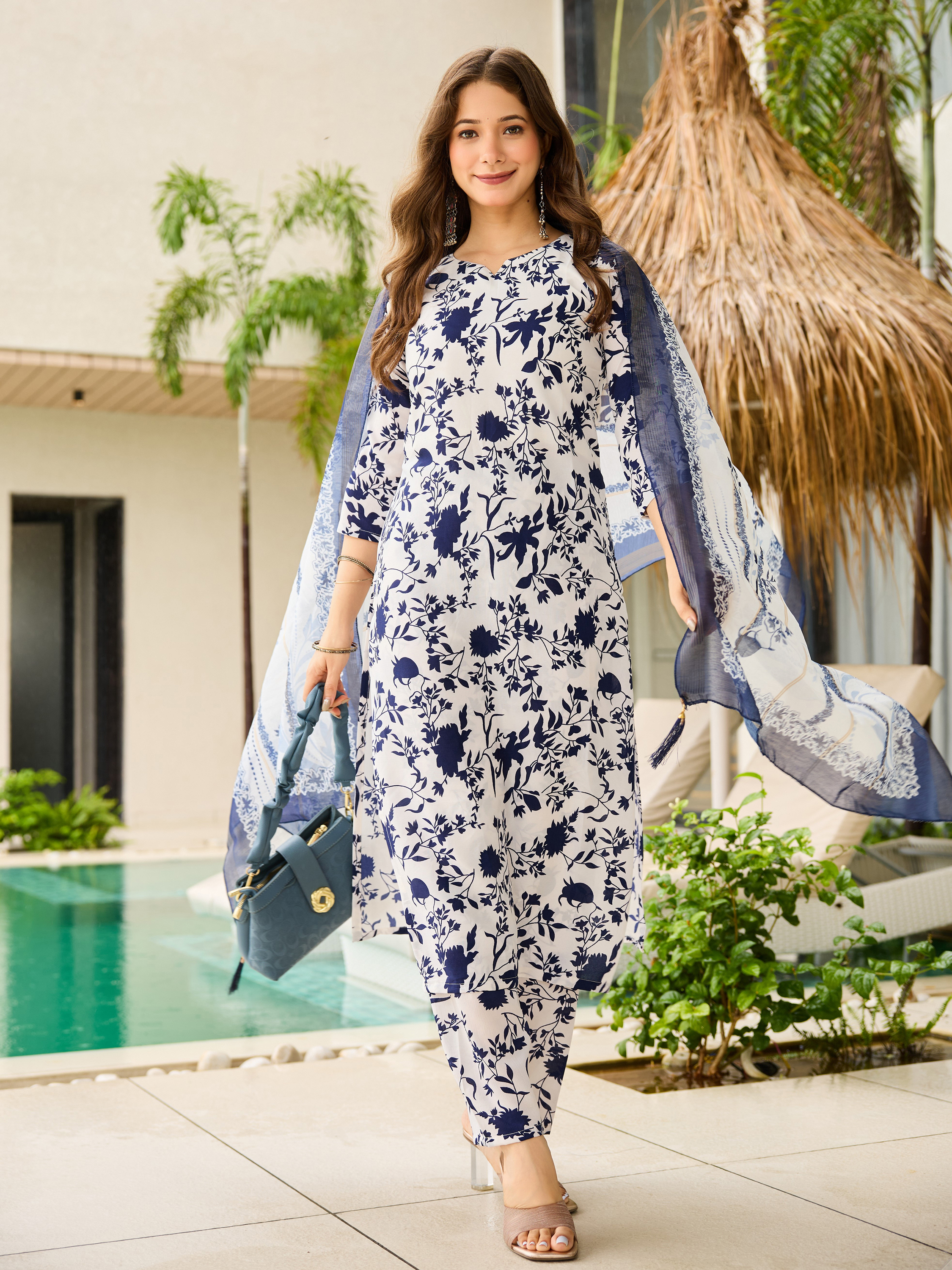
A printed silk-blend suit usually needs less jewellery than a plain suit with elaborate embroidery. Try small jhumkas, a slim bangle and embroidered juttis for daytime. A beaded or jacquard suit can support a broader earring or a cocktail ring, but adding a necklace may crowd a decorated neckline.
Dupatta draping changes the perceived shape of the outfit. A narrow pleated drape over one shoulder keeps a straight kurta streamlined, while a loose front drape displays a jacquard or embroidered border more clearly. Pinning the dupatta at the shoulder and near the waist is practical for events involving frequent movement, but use covered pins or fabric-safe clips where possible.
Footwear should respond to the hem and trouser width. Narrow pants look balanced with pointed flats, juttis or low block heels, while an Anarkali hem benefits from footwear that gives enough clearance for walking. A 1.5- to 2.5-inch block heel can improve posture without creating the instability of a very high heel during long ceremonies.
For a Haldi ceremony, lighter embroidery and washable-looking colour combinations are often more practical than delicate, densely beaded pieces because turmeric and outdoor seating can increase the risk of staining. For a wedding reception, richer navy, black, cream or jacquard finishes can handle stronger evening lighting and more formal accessories.
How do you care for silk and silk-blend salwar suits?
Care for silk and silk-blend salwar suits by following the garment label, limiting moisture and storing the pieces away from direct light. Label instructions take priority because fibre blends, dyes and attached embellishments respond differently to washing.
- After wearing: Air the kurta, bottom and dupatta in shade for several hours before folding. Do not store a worn garment immediately in a sealed plastic cover.
- For stains: Blot fresh moisture with a clean white cloth and avoid rubbing, bleach or household stain removers. Beadwork, zari-like metallic details and dark dyes are particularly vulnerable to abrasion or colour transfer.
- For cleaning: Use professional dry cleaning when the label recommends it, especially for Assam silk, jacquard, bead embroidery or structured lining. Hand washing should not be assumed safe merely because a garment feels lightweight.
- For ironing: Turn the garment inside out, use low heat and place a thin cotton cloth between the iron and fabric. Avoid pressing directly over beads, raised cording, printed motifs or metallic trims.
- For storage: Fold silk garments along different lines from time to time, place soft unbleached tissue between embellished sections, and store them in a breathable cotton cover.
Long-term care also means reducing unnecessary friction. Repeated contact with a rough handbag strap, sharp bangles or a textured chair can pull threads and flatten raised embroidery. Keeping accessories organised before dressing protects the surface of the suit and reduces last-minute handling.
Where can you compare styles before making a decision?
Compare styles by grouping them according to fabric effect, silhouette and occasion rather than browsing every colour at random. This method makes it easier to identify whether you need a flexible printed suit, a formal embroidered set or a coordinated dress-material option.
For structured comparison, begin with Dress Materials, Salwar Suits with 30% Off if stitching flexibility matters, then compare ready-to-wear options by their listed measurements. A ready-made set reduces tailoring time, while dress material allows adjustments to sleeve length, neckline depth and trouser volume. Neither option is automatically better; the right choice depends on fit and deadline.
Use the product details to create a short list of three questions: Can the fabric handle the event's duration? Does the silhouette allow comfortable sitting? Can the embroidery or print be styled with accessories already in your wardrobe? The Elegant Silk Salwar Suit Designs that answer all three questions are more likely to become repeat-wear pieces.
Silk dressing becomes more economical when the outfit can change character through styling. A cream suit with bead embroidery may take on a daytime mood with flats and a small bag, while the same suit can become evening-ready with a structured clutch and richer earrings. A black floral design may work for dinners, while a navy embroidered suit can bridge festive and semi-formal settings.
Common Questions About Choosing Silk Salwar Suits
Silk salwar suits are adaptable when the fabric finish, fit and embellishment level match the event and your comfort needs. The following answers address practical decisions that often arise before purchase.
Common Questions About Choosing Silk Salwar Suits
Are silk salwar suits suitable for summer weddings?
Silk salwar suits can suit summer weddings when the construction is lightweight and the silhouette allows airflow. Choose a less layered design, avoid very heavy linings, and check the fabric description instead of assuming every silk finish will feel cool.
What is the difference between a silk salwar suit and a silk-blend salwar suit?
A silk salwar suit uses silk as the principal fibre, while a silk-blend salwar suit combines silk with another fibre. A blend may offer different levels of sheen, durability, price and care requirements, so the fibre composition and label instructions should be checked before purchase.
Which colour silk salwar suit is easiest to rewear?
Navy, camel, cream and black are among the easiest colours to rewear because they pair with several accessory shades. A controlled print or moderate embroidery also makes repeat styling easier than highly specific, dense ornamentation.
Can a silk salwar suit be worn to the office?
A silk salwar suit can work for an office when the print or embroidery is restrained and the neckline, hem and fit are comfortable for movement. Pair it with simple earrings, practical footwear and a lighter dupatta drape to keep the outfit professional.
How should embroidered silk salwar suits be washed?
Embroidered silk salwar suits should be cleaned according to the care label, with professional dry cleaning often preferred for beadwork, jacquard and raised thread details. Do not rub stains, use bleach or iron directly over embroidery.
What jewellery goes best with a silk salwar suit?
Jewellery should echo one detail from the suit rather than compete with every detail. Small jhumkas suit printed designs, warm-metal earrings complement gold-toned work, and a single statement ring can be enough for a heavily embroidered neckline.