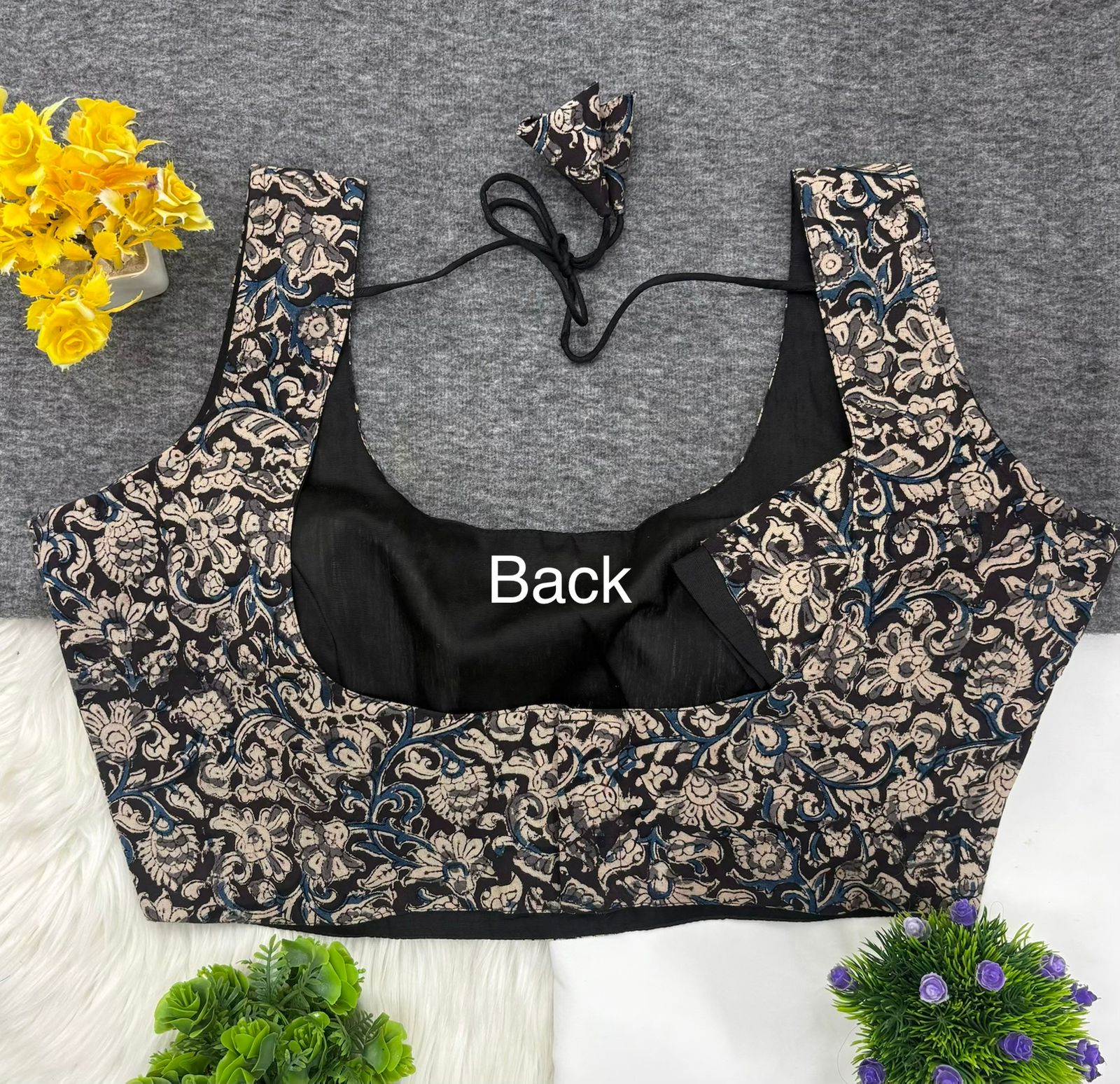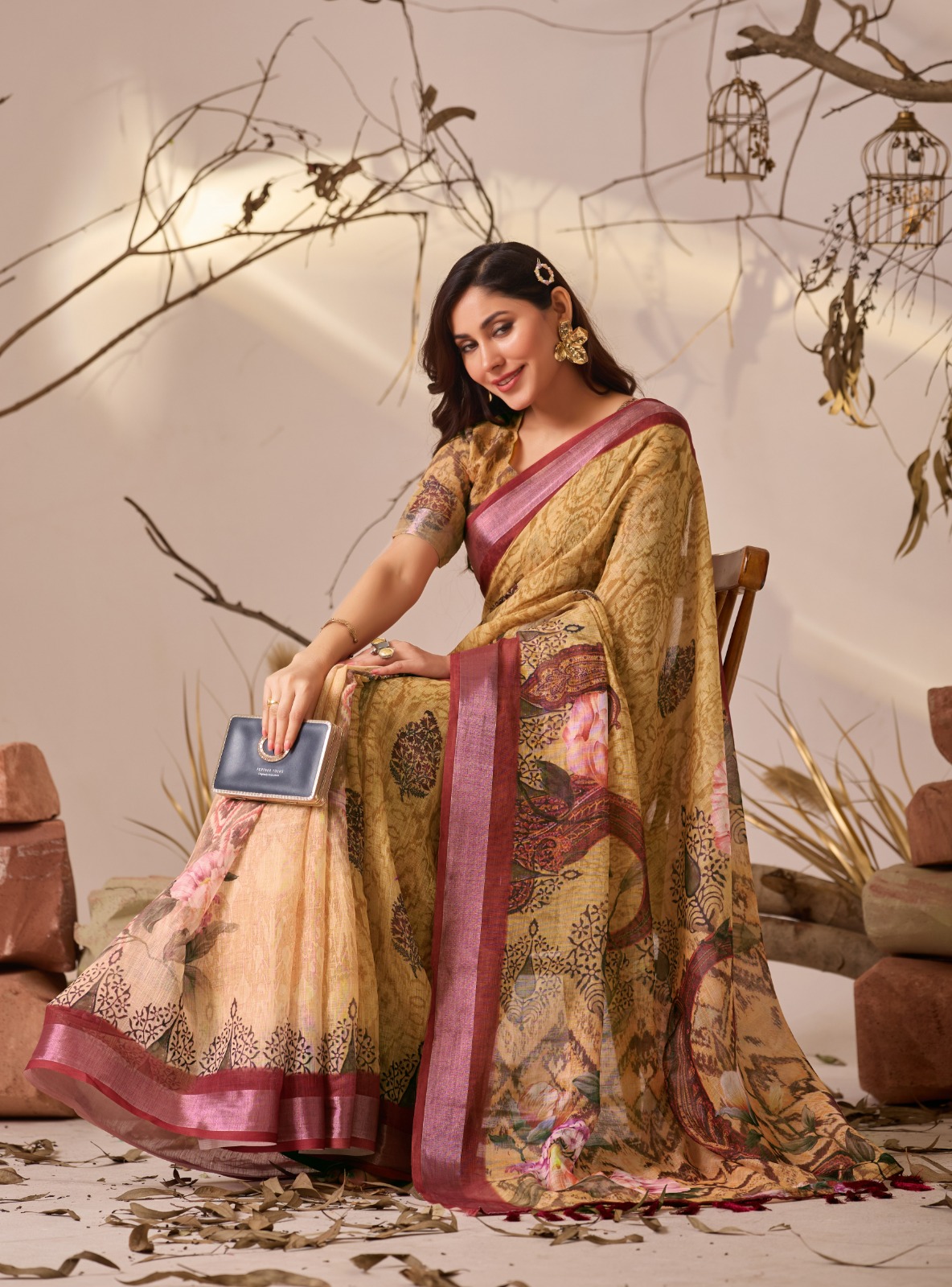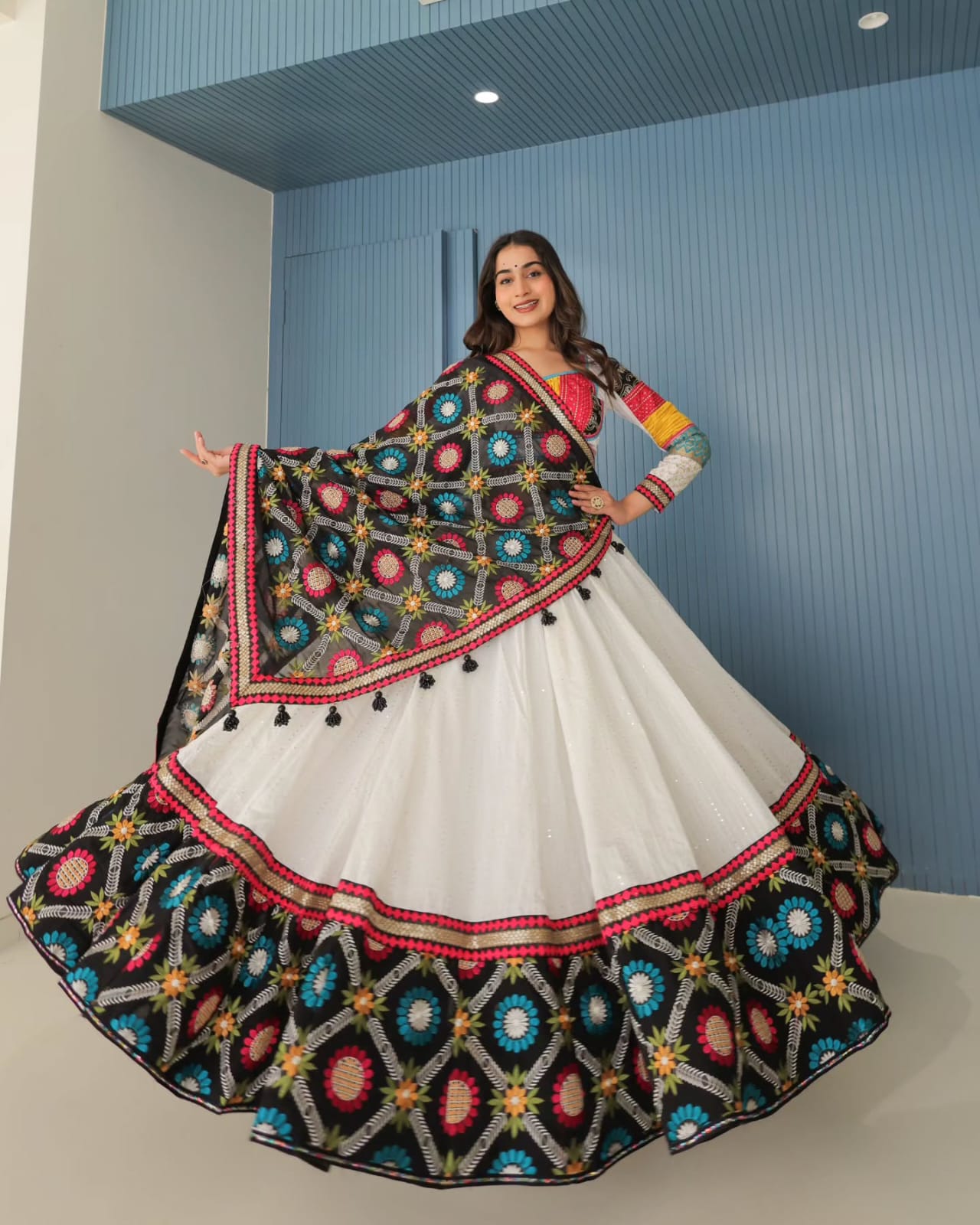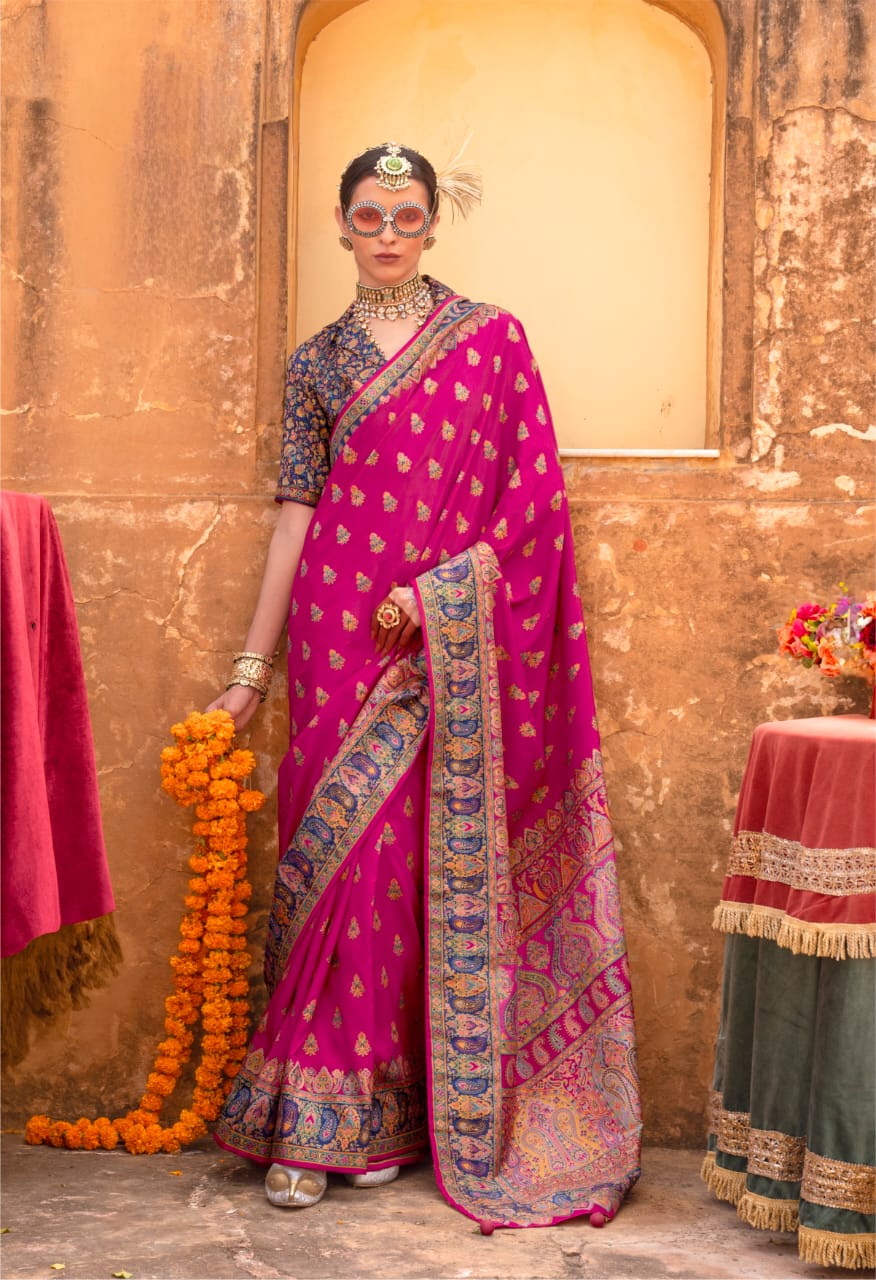
Elegant Anarkali Salwar Suit Designs can transform a familiar salwar suit into a graceful, occasion-ready outfit without make dressing complicated. The right choice depends on more than embroidery or colour: the length, flare, fabric weight, neckline, trouser shape and dupatta placement all vary how the outfit looks and feels. A floor-length silk Anarkali creates formal drama, while a shorter georgette or crepe style can work for a daytime celebration. This guide explains how to choose each element with dependable examples for weddings, festivals, family gatherings and formal events.
What makes an Anarkali salwar suit look elegant?
An Anarkali salwar suit looks elegant when its silhouette, surface work and proportions suit the wearer and the occasion. Elegance doesn't require the heaviest embellishment; it often comes from a clean fall, controlled flare and a colour palette that allows one detail to lead.
The Anarkali silhouette usually fits through the upper body and opens below the waist, creating vertical movement as the wearer walks. The flare can be built with panels, gathers or shaped seams. A six-panel design generally gives less volume than a heavily gathered twenty-four-panel design, so the first option can feel polished for office celebrations while the second feels more dramatic for a sangeet or wedding reception.
Length also changes the visual effect. A calf-length Anarkali shows more of the footwear and feels lighter for daytime wear. An ankle-length style looks balanced with slim pants and low heels. A floor-length Anarkali creates the strongest formal impression, especially when the hem has zari, sequin or border work that moves visibly while walking.
Neckline and sleeve design should support the amount of work on the garment. A round or boat neckline keeps a richly embroidered bodice from looking crowded. A V-neckline can add length to the upper body, while a high neckline gives a more covered, regal finish. Three-quarter sleeves are versatile for family functions because they frame bangles without requiring constant adjustment.
How should you choose the right Anarkali silhouette?
You should choose an Anarkali silhouette according to the amount of movement, volume and structure you want from the outfit. A straight-falling Anarkali offers restraint, a moderate flare provides balance, and a wide flare delivers a gown-like festive effect.
For a streamlined appearance
A lightly flared Anarkali with vertical panels creates a long, uninterrupted line. Dark jewel tones such as wine, teal blue and deep green naturally reinforce that effect, particularly when embroidery is concentrated around the neckline and hem rather than spread across every panel. The Premium Wine Embroidered Anarkali Suit Set for Women illustrates how a rich base colour can carry a formal look without needing excessive accessories.
A streamlined silhouette also suits petite wearers who worry that too much fabric will overwhelm their frame. Look for a waist seam that sits close to the natural waist and a hem that ends near the ankle rather than pooling on the floor. A heel of 2 to 3 inches can lift the hem visually while remaining practical for standing and walking.
For movement and celebration
A wider flare works well for dance-heavy events, wedding entrances and festive photographs because the fabric opens as the wearer turns. The Green Embroidered Anarkali Suit Set for Women can serve as an useful reference for balancing a vivid colour with ornamental detail: when the shade is expressive, accessories can remain comparatively simple.
Wide flare requires careful length selection. The hem should sit approximately 1 to 2 centimetres above the floor when worn with the intended footwear. A longer hem can collect dust and make stairs difficult, while a shorter hem may remove the graceful sweep that makes a dramatic Anarkali appealing.
Which fabrics work best for Elegant Anarkali Salwar Suit Designs?
The best fabric depends on the season, duration of wear and amount of flare required. Silk and heavier blends hold a formal shape, georgette and chiffon create fluid movement, and lighter cotton or Chanderi styles are more comfortable for daytime functions.
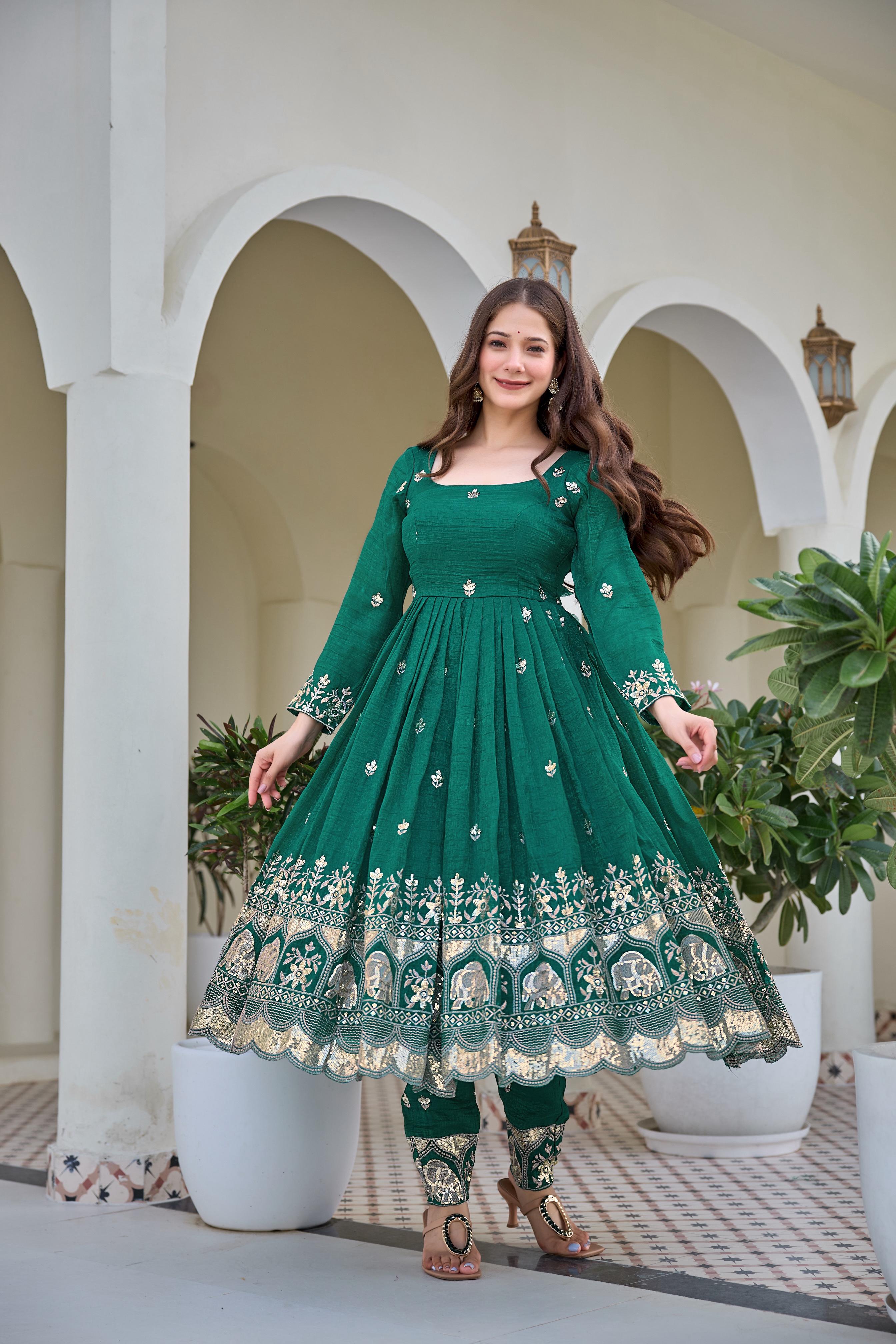
Silk creates a structured fall and supports traditional embellishment such as zari, resham embroidery and woven borders. Banarasi silk, for example, has a characteristic rich surface and can look especially appropriate for a reception or festive evening. Silk also reflects light, so a small amount of embroidery may appear more prominent than expected under indoor lighting.
Georgette and chiffon provide softer movement and are useful when the Anarkali has multiple panels or a large hem flare. These fabrics can be comfortable for dancing, but their lighter weight means the dupatta may need a secure shoulder pin. Crepe brings a smoother, slightly more controlled drape and often works well for a modern, less voluminous silhouette.
Chanderi is associated with a lightweight, airy hand and subtle sheen, making it suitable for daytime celebrations when a wearer wants a dressy finish without heavy weight. Cotton and cotton-silk blends are practical for longer events in warm weather. Fabric choice should include the lining: a breathable lining is important when an Anarkali has dense embroidery or several layers of flare.
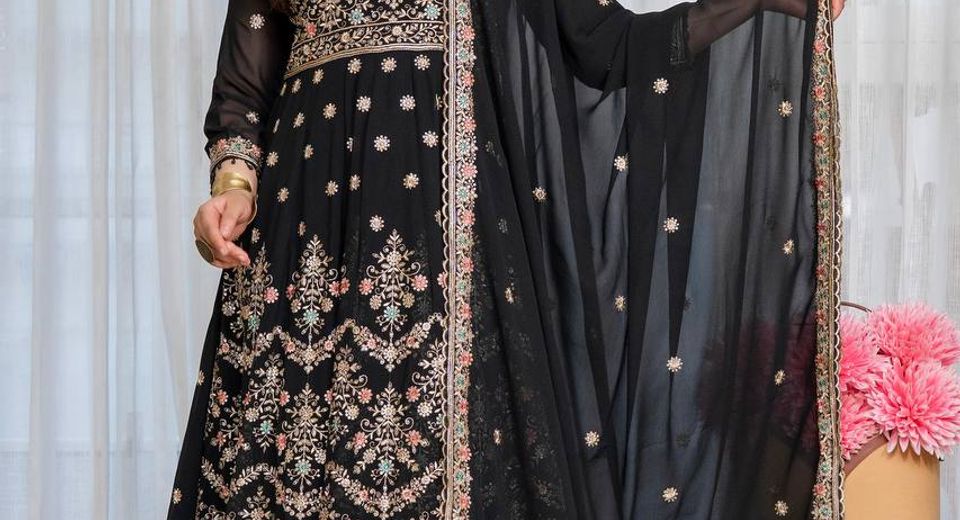
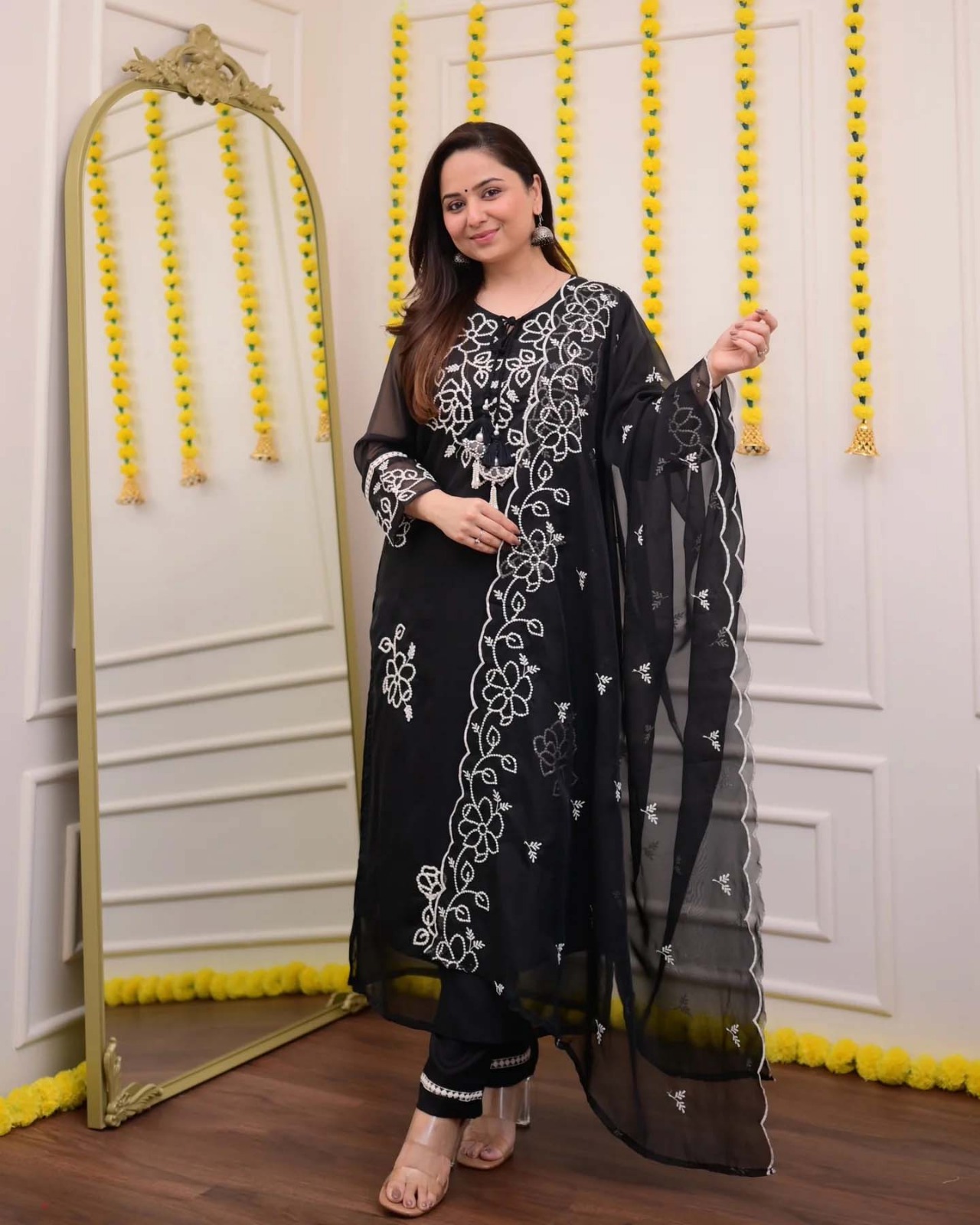
Surface work changes fabric behaviour. Sequin embroidery adds sparkle but can catch on jewellery or rough seating. Zari adds a metallic highlight and may make the hem heavier. Moti lace work adds texture along edges, but a dupatta with matching embellishment should be handled carefully to avoid snagging. The Black Anarkali Suit Set with Sequin Zari and Moti Lace Work demonstrates why a dark base can support several reflective details while still looking cohesive.
How do colour and embroidery change the occasion?
Colour and embroidery determine whether an Anarkali reads as daytime, festive, ceremonial or evening wear. An useful rule is to match colour intensity and embellishment density to the light, venue and formality of the event.
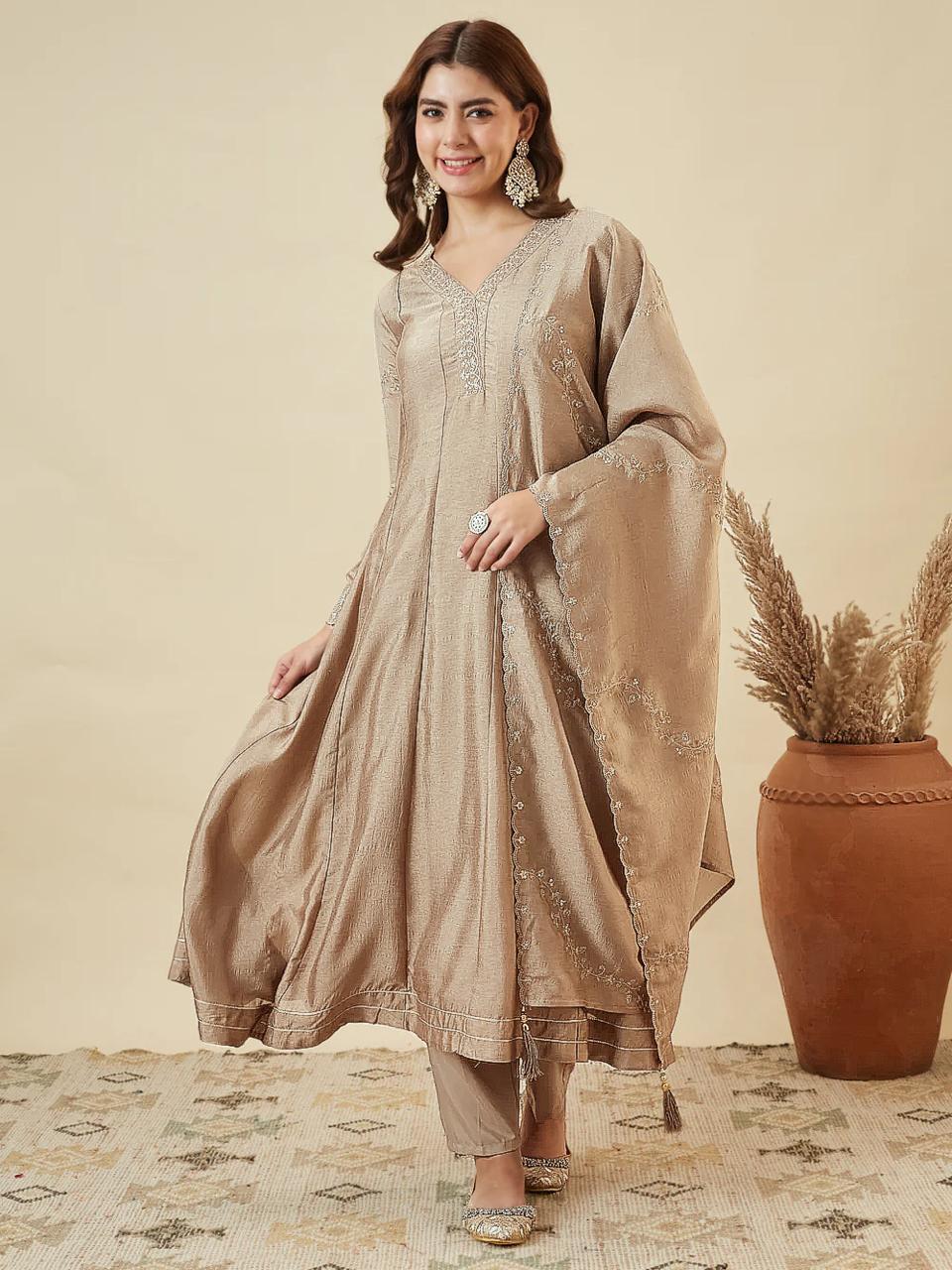
Pastel beige, ivory, soft pink and muted green suit daytime pujas, engagement lunches and daytime family gatherings because they reflect natural light gently. The Elegant Beige Anarkali Kurta Pant Set with Dupatta gives a model for understated dressing: a neutral base can look polished when the cut is clean and the dupatta introduces enough contrast.
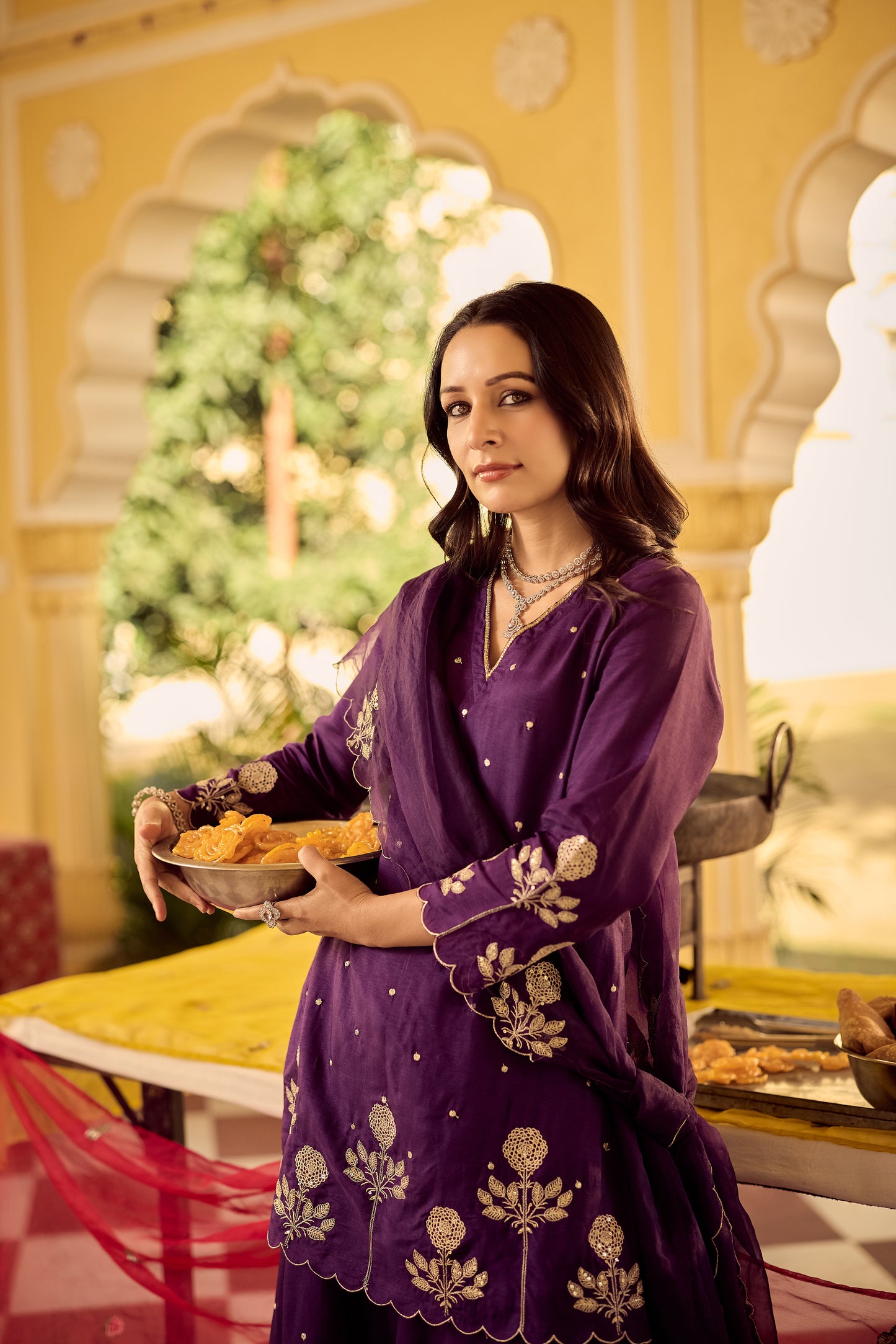
Emerald, teal blue, wine and maroon carry more visual depth for evening events. The Designer Teal Blue Embroidered Anarkali Suit Set for Women can be styled with silver-toned jewellery for a cooler palette or antique gold accents for a warmer, classic finish. The Wine Embroidered Anarkali Suit with Dupatta Online is suited to a deeper evening palette, particularly when paired with restrained makeup and a compact clutch.
White and ivory can look striking at daytime celebrations, but the finish matters. Embroidery in silver, gold or a contrasting pastel prevents a pale Anarkali from appearing flat in photographs. The White Embroidered Anarkali Suit Set can be styled with coloured glass bangles or a vibrant dupatta border when more contrast is needed.
Maroon and red remain strong festive choices because they visually connect with time-honoured wedding and celebration palettes. The Festive Wear Maroon Silk Anarkali Suit Set for Women has the kind of rich colour and fabric presence that can carry a formal event with minimal additional ornament. Avoid matching every accessory to the exact garment shade; a related tone, antique gold or muted green usually creates more depth.
How can you style the dupatta and accessories without overloading the outfit?
You can style an embellished Anarkali successfully by allowing one element to act as the focal point and keeping the remaining accessories proportionate. If the neckline is detailed, place the dupatta over one shoulder or drape it behind the neck rather than covering the embroidery completely.
For a formal drape, pleat the dupatta into five or seven broad folds and secure it at the shoulder with a discreet pin. Broad pleats display a border clearly and reduce the chance of the fabric slipping. A single-side drape creates a longer vertical line, while a front drape gives more heritage coverage and displays the border across the torso.
Jewellery should respond to the neckline. Chandbali earrings or medium jhumkas usually work with a round or boat neckline. A long necklace can complement a simple V-neckline, but it may compete with dense zari or sequin work. When the Anarkali already includes a decorated neckline, earrings and bangles are often enough.
Footwear should be selected before final hemming whenever possible. Juttis create a traditional daytime look, block heels provide stability for long events, and slender heels support a floor-length silhouette. A 2-inch block heel is generally more practical than a very high heel when the event involves stairs, outdoor paths or several hours of standing.
Choose a bag that doesn't interrupt the flare. A small potli, envelope clutch or compact embroidered bag is easier to carry than a large shoulder bag, which can crease the dupatta and catch on the sleeve. Hair can remain in a low bun or side braid for a classic appearance, while soft waves create a more contemporary finish.
How do you select an Anarkali for different occasions?
You should select an Anarkali by considering the event's time, dress code, venue and expected movement before deciding on colour or embellishment.
- Haldi ceremony: Choose yellow, green, ivory or coral in a breathable fabric with moderate flare. Keep the hem manageable because Haldi ceremony activities may involve sitting on the floor or moving outdoors. Minimal metallic work is usually more practical than dense sequins.
- Mehendi or sangeet: Select a fluid georgette, crepe or lightweight embroidered design that allows movement. Teal blue, green and wine work well for evening lighting. Secure the dupatta at the shoulder and select footwear that will remain comfortable during dancing.
- Wedding reception: A silk or heavily embroidered Anarkali with a defined waist and floor-skimming hem creates a formal effect. Maroon, deep green, wine and jewel blue are strong options. Keep the jewellery coordinated with the zari or threadwork instead of introducing several unrelated metals.
- Festive puja: A medium-flare Anarkali in silk, Chanderi or a breathable blend brings polish without excessive volume. Beige, white, green and muted maroon can look graceful in daylight. Choose a dupatta that brings comfortable coverage during sitting and movement.
- Office or formal family gathering: A shorter, lightly flared Anarkali with restrained embroidery looks composed and adaptable. Neutral beige, navy, bottle green or muted teal pair easily with simple earrings and low block heels.
The Ladies Dress Anarkali Salwar Suits collection is useful when comparing silhouettes across different levels of flare and ornamentation. The Dress Materials collection may suit shoppers who prefer to customise length, sleeve shape or lining through tailoring rather than selecting a finished set.
What should you check before buying an Anarkali online?
Before buying an Anarkali online, check the measurement chart, garment length, fabric description, lining, closure details and included components. Product photographs show styling, but measurements determine whether the finished outfit will be comfortable.
Measure the bust at the fullest point, the natural waist, the shoulder width and the preferred garment length. Compare those measurements with the seller's chart rather than relying only on a usual size such as medium or large. An Anarkali needs comfortable room at the bust and upper arm because a close fit can restrict movement once the flare begins.
Check whether the set includes the kurta, bottom and dupatta, and confirm whether the bottom is a pant, churidar, palazzo or salwar. The bottom shape affects the final proportion: slim pants keep a wide Anarkali visually clean, while a palazzo introduces additional volume and may suit a shorter kurta better.
Inspect the stated fabric and care instructions. Dry cleaning may be recommended for zari, silk, heavy embroidery or delicate sequins. Do not assume that a pale garment is washable or that a synthetic blend requires no care. Ask about transparency when choosing white, beige or lightweight fabrics, particularly if the garment has a pale lining.
Sale sections can help with value, but discount percentage should not replace a fit and quality check. Compare the product's measurements and construction details across Salwar Suits with 30% Off, Salwar Suits Flat 40% Off and Salwar Suits On Sale before making a decision. A lower price is useful only when the silhouette, fabric and occasion requirements still match.
How should an Anarkali salwar suit be cared for?
An Anarkali salwar suit should be cared for according to its fabric and embellishment, with gentle handling during washing, drying and storage. Correct care protects the flare, colour, zari and embroidery from premature wear.
Read the garment care label before the first wash. Use professional dry cleaning for silk, dense zari, glued embellishment or heavy sequin work unless the label explicitly permits another method. Hand-wash only when the care instructions allow it, using cold water and a mild detergent without prolonged soaking.
Never wring an embroidered Anarkali because twisting can distort panels and loosen decorative work. Press excess water between clean towels, then dry the garment flat or on a broad padded hanger according to the fabric. Direct sunlight can fade wine, maroon, teal and other saturated colours, so shade drying is safer.
Store the Anarkali fully dry in a breathable cotton garment bag. Fold heavily embellished sections with soft muslin between layers to prevent sequins or zari from rubbing against the fabric. Avoid placing heavy garments on top of a wide-flare Anarkali, and refold stored pieces every few months to reduce permanent creasing.
A well-chosen Anarkali doesn't need every fashionable detail at once. When the flare, fabric, colour and accessories share a clear purpose, the outfit looks more considered and remains easier to wear.
Practical Questions About Choosing Elegant Anarkali Salwar Suit Designs
Which Anarkali suit is best for a wedding guest?
A medium- to wide-flare Anarkali in silk, georgette or a refined blend works well for a wedding guest. Choose wine, maroon, teal blue, emerald or another rich shade, then balance embroidery with comfortable block heels and secure dupatta styling.
What length should an Anarkali suit be?
The ideal length depends on the footwear and occasion, but the hem should generally sit 1 to 2 centimetres above the floor for a floor-length style. Calf-length and ankle-length designs are easier for daytime movement, while floor-length styles create a more ceremonial appearance.
Can an Anarkali suit be worn to a Haldi ceremony?
An Anarkali suit can work for a Haldi ceremony when it uses a breathable fabric, moderate flare and a manageable hem. Yellow, green, ivory and coral are practical colour directions, while minimal embellishment reduces the risk of snagging or staining delicate details.
What jewellery goes with an embroidered Anarkali?
Jhumkas, chandbali earrings and a coordinated bangle stack usually complement an embroidered Anarkali without overwhelming it. If the neckline has heavy zari or sequin work, skip a large necklace and let the earrings provide the main jewellery accent.
Is a silk Anarkali suitable for summer functions?
A silk Anarkali can suit an indoor summer function, but a breathable cotton, Chanderi or lightweight blend is usually more comfortable for daytime outdoor events. Lining, embroidery density and event duration matter as much as the fabric name.
How do I choose an Anarkali size online?
Choose an Anarkali size by comparing your bust, waist, shoulder and preferred length measurements with the seller's size chart. Allow comfortable room at the bust and upper arm, and confirm whether the listed length includes the neckline, flare and hem border.