

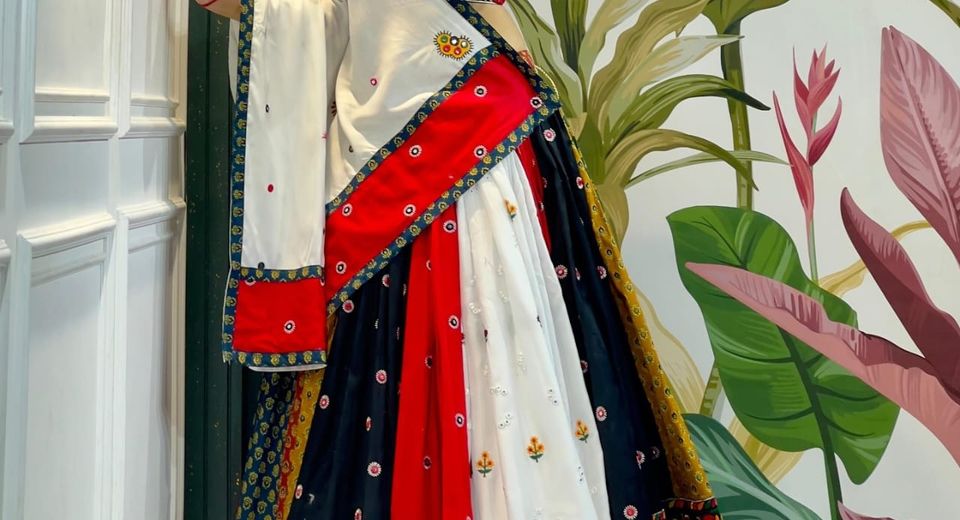
Dussehra Fashion in Maharashtra: Nauvari Sarees & Lehengas brings together the movement of the Nauvari saree, the colour of festive lehengas and the practical needs of a long celebration. The right outfit should work for puja, visiting relatives, community events and photographs without becoming difficult to walk or sit in. A traditional Nauvari drape offers mobility and regional character, while a lehenga choli gives more freedom to experiment with colour, embroidery and contemporary silhouettes.
Maharashtra's Dussehra celebrations range from quiet family rituals to large public gatherings. Clothing choices should begin with the day's schedule. A cotton Nauvari can suit morning puja, while a lightweight lehenga may be more comfortable for an evening cultural programme. Fabric, fit, drape and accessories determine whether an outfit remains enjoyable after several hours.
Dussehra Fashion in Maharashtra: Nauvari Sarees & Lehengas begin with the right silhouette
The best silhouette depends on how much walking, sitting and dancing your Dussehra plans involve. A Nauvari saree is practical for active movement, a traditional nine-yard saree creates a distinctly Maharashtrian appearance, and a lehenga choli gives easier styling for people who prefer a stitched outfit.
The Nauvari saree is generally draped without a petticoat, with the fabric passing between the legs and being tucked at the back to create a trouser-like lower section. The arrangement allows longer strides than a conventional six-yard saree. A secure waistband, a well-fitted blouse and careful pleating matter more than heavy ornamentation because loose fabric can become uncomfortable during travel or crowded celebrations.
A lehenga works well when the wearer wants a circular skirt, a coordinated choli and a dupatta that can be pinned securely. A high-waisted lehenga with moderate flare is easier to manage than an extremely wide skirt at a crowded pandal or family lunch. For teenagers and first-time ethnic-wear buyers, a stitched lehenga can also reduce dressing time.
Modern Dussehra Fashion in Maharashtra can combine the two silhouettes without confusing their identities. A lehenga in Paithani-inspired colours, a blouse with a high round neckline and a dupatta worn across the shoulder can suggest Maharashtrian elegance. A Nauvari with a contemporary blouse, antique-finish jewellery and a compact potli creates a similarly balanced traditional-modern result.
How does Dussehra Fashion in Maharashtra: Nauvari Sarees & Lehengas affect a Nauvari drape?
A Nauvari saree should be secured at the waist, pleated for comfortable leg movement and tested by walking before the wearer leaves home. The drape must remain stable while sitting, climbing stairs and entering a vehicle.
Fabric and length decisions
Cotton, cotton-silk and lightweight silk are practical Nauvari choices for Dussehra. Pure cotton breathes well during daytime celebrations, while cotton-silk gives a softer fall and a slightly dressier finish. Heavy Banarasi silk may look rich but can feel cumbersome when the saree is tucked between the legs and worn for several hours.
A standard Nauvari is approximately nine yards long, although pre-stitched versions may use panels and elasticated sections for easier dressing. A pre-stitched Nauvari is useful for a first-time wearer, an office celebration or a rushed morning, but a traditionally draped saree gives more control over pleat placement and the final silhouette.
Blouse, drape and accessories
A fitted blouse with elbow-length sleeves gives the Nauvari a polished festive appearance and provides enough support for a nath, necklace or layered bangles. A blouse in red, green, saffron, royal blue or black can either match the saree border or create deliberate contrast. Zari borders should be balanced with a relatively simple blouse when the saree already contains a strong traditional motif.
The traditional Maharashtrian look often includes a nath, thushi-style necklace, green glass bangles, jhumkas and a gajra. A crescent-shaped chandrakor bindi adds a recognisable regional detail without requiring heavily ornamented clothing. For daytime puja, choose lightweight metal jewellery and secure the nath carefully because oversized pieces can become tiring over several hours.
When does Dussehra Fashion in Maharashtra: Nauvari Sarees & Lehengas favour a lehenga?
A lehenga works better when quick dressing, coordinated sizing and easy movement matter more than maintaining a traditional nine-yard drape. A lehenga is especially convenient for garba-style dancing, family photographs, travel between venues and celebrations involving children.
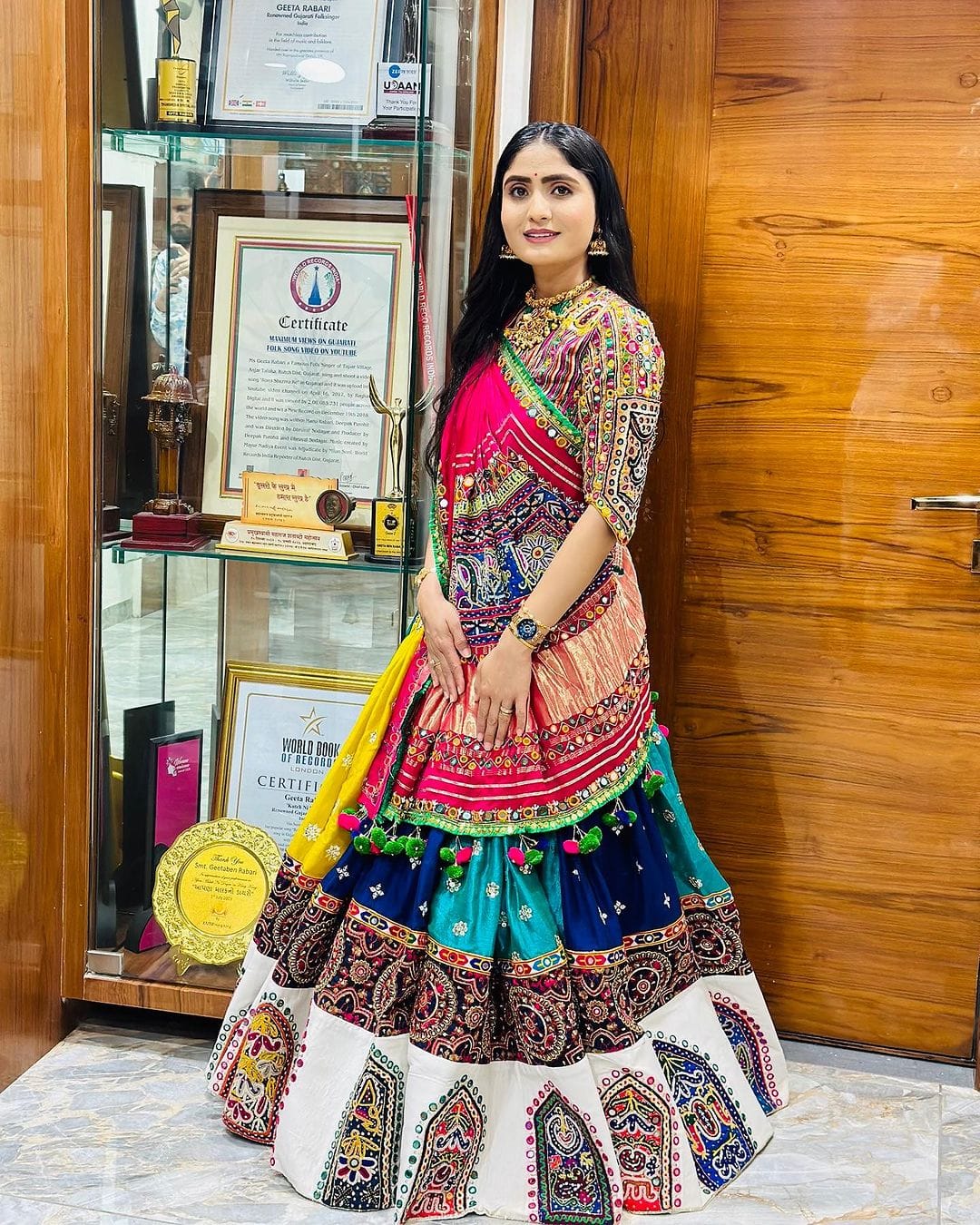
The most useful lehenga features for Dussehra are a comfortable waistband, a lined skirt and secure hooks or a drawstring. A skirt with four to six kalis usually brings attractive movement without producing excessive bulk. Can-can adds volume, but too much can make sitting on the floor or travelling in a car inconvenient.
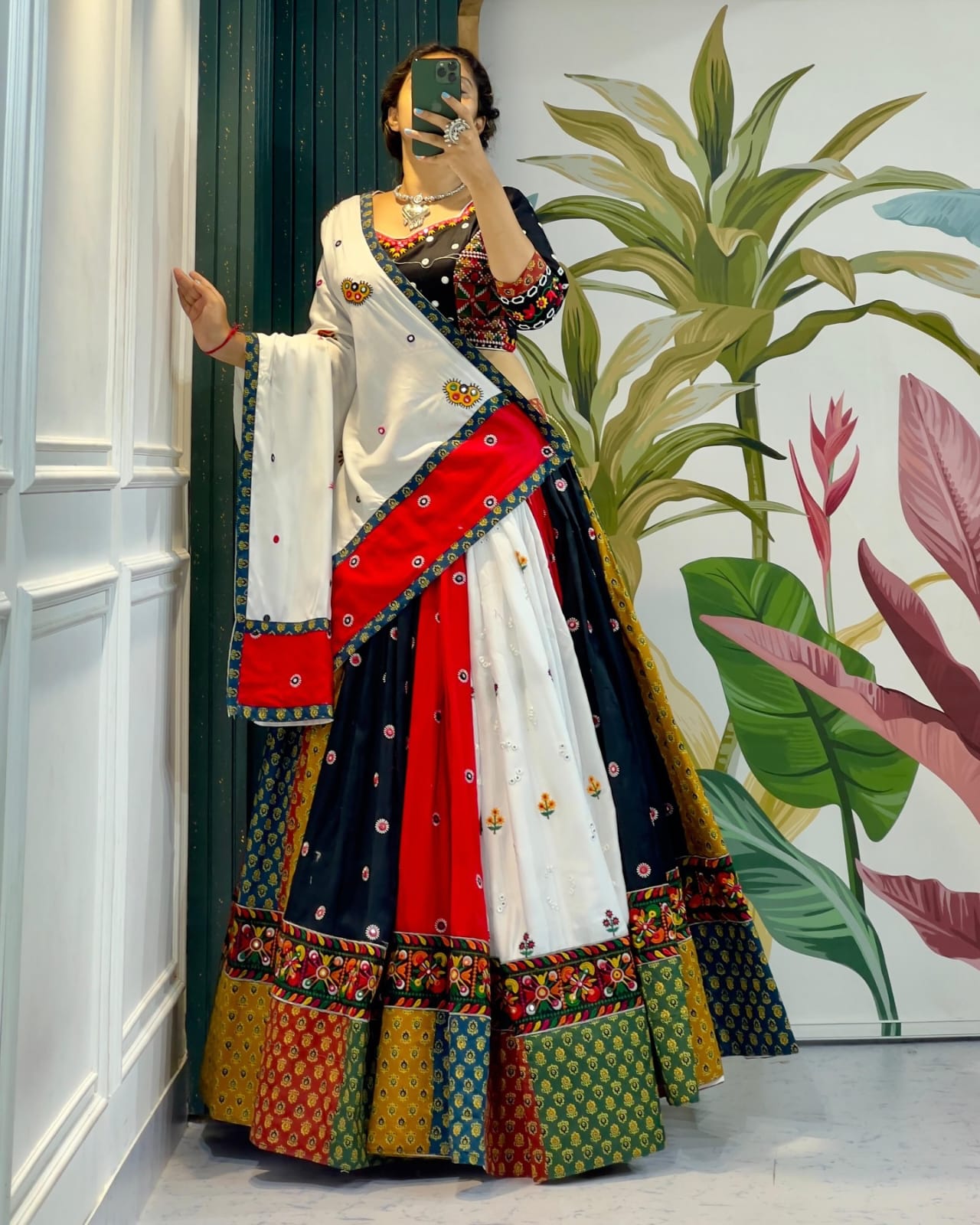
Vibrant Multicolor Navratri Lehenga Choli Set suits a high-energy celebration where bright colour and movement are central to the outfit. Festive Multicolor Muslin Cotton Lehenga Choli Set is a sensible direction for daytime wear because muslin cotton generally feels lighter than dense synthetic layers. Elegant Mirror Work Navratri Lehenga Choli Set can be reserved for evening events, where mirror work catches artificial light effectively.
A beige base can tone down a colourful wardrobe while keeping the outfit festive. Beige Ethnic Printed Lehenga Set for Navratri and Garba shows how a neutral ground can carry printed motifs without looking visually heavy. Exclusive Blue Traditional Navratri Lehenga Choli can be styled with oxidised silver jewellery or gold accents depending on the border and embroidery.
White Digital Print Festive Lehenga Choli Set gives a lighter visual direction for a daytime gathering, while Stylish White Mirror Work Lehenga for Festive Wear creates more shine for evening photographs. Designer Black Garba Lehenga Choli for Festive Season can look striking with a jewel-toned dupatta, but black should be balanced with bright jewellery or a vivid blouse detail for a celebratory rather than sombre impression.
Which colours and fabrics define Dussehra Fashion in Maharashtra: Nauvari Sarees & Lehengas?
Rich red, saffron, green, yellow, royal blue, magenta and cream suit Dussehra because these colours photograph well and connect naturally with festive Indian dressing. Colour should also reflect the time of day, venue and amount of surface decoration.
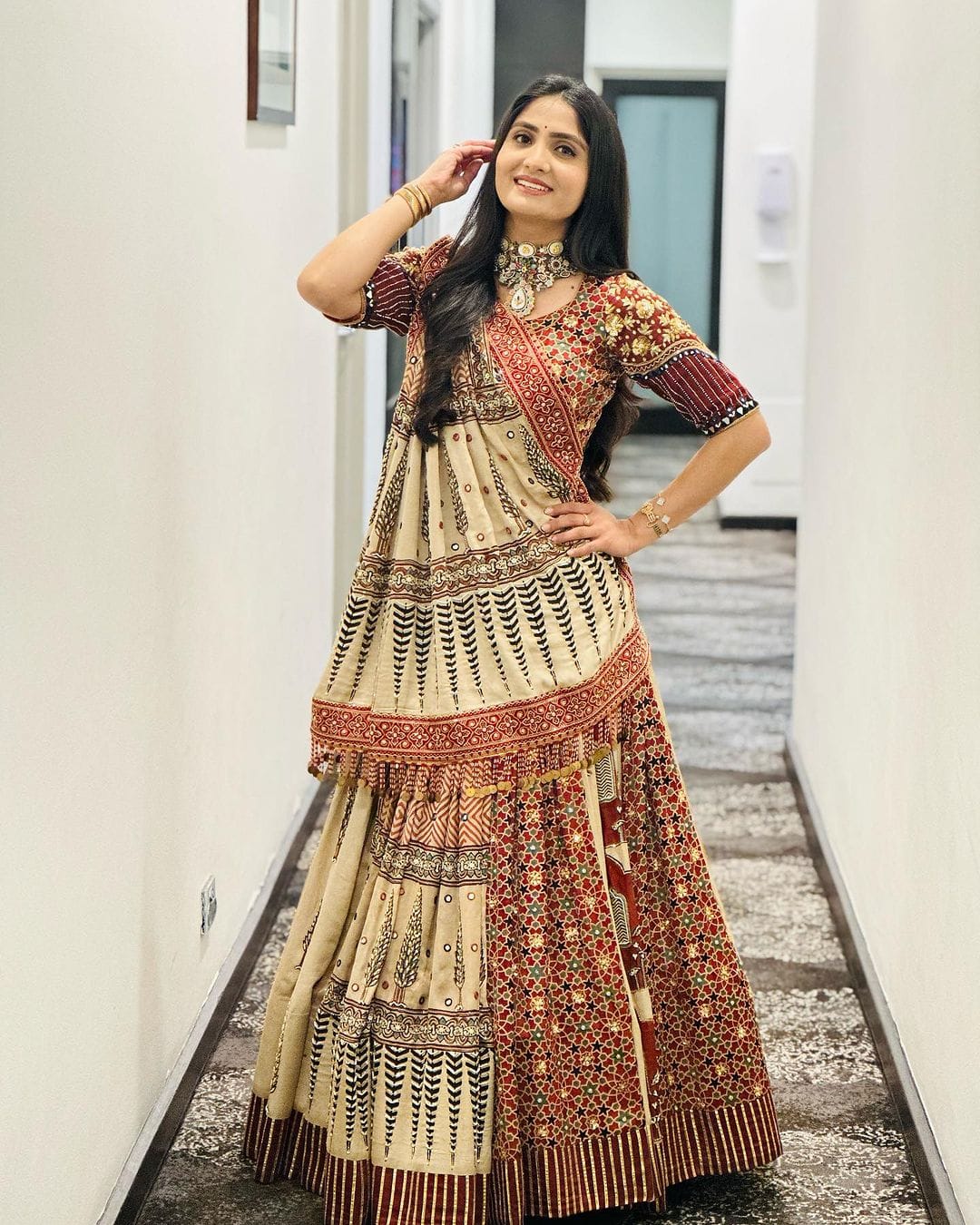
Red and saffron create a high-impact traditional look for Vijayadashami rituals. Green glass bangles and a green blouse can add a distinctly Maharashtrian note, especially with a Paithani-inspired border. Mustard, turmeric yellow and marigold orange work particularly well for daytime celebrations and connect visually with the seasonal use of flowers.
Silk gives a saree or lehenga a lustrous fall, but silk blends are often more comfortable for long wear. Banarasi silk is recognised for brocade and zari work, while Kanjeevaram is known for its structured silk and contrasting borders. Neither fabric is automatically the correct choice for every Dussehra event. Chanderi is lighter and subtly sheer, making it useful for a dupatta or an elegant daytime layer when it's properly lined or bordered.
Muslin cotton, cotton-silk and rayon blends can be more practical in warm Maharashtra weather than several layers of polyester. Synthetic fabrics may offer vivid colour and lower cost, but they can trap heat and cling during movement. Check whether a lehenga skirt is lined with cotton or another breathable fabric before choosing it for an afternoon event.
Metallic zari, sequins and mirror work should be concentrated where they add value: along the border, neckline, sleeves or dupatta edge. Dense embellishment across the entire skirt increases weight and can snag against jewellery, seating and vehicle interiors. A moderately embellished garment often looks more refined in daylight than a heavily reflective one.
How can Dussehra Fashion in Maharashtra: Nauvari Sarees & Lehengas retain regional character?
A lehenga retains a Maharashtrian connection through colour, border, jewellery, draping and hair styling rather than through excessive decoration. One or two regional elements are usually more convincing than combining every traditional accessory at once.
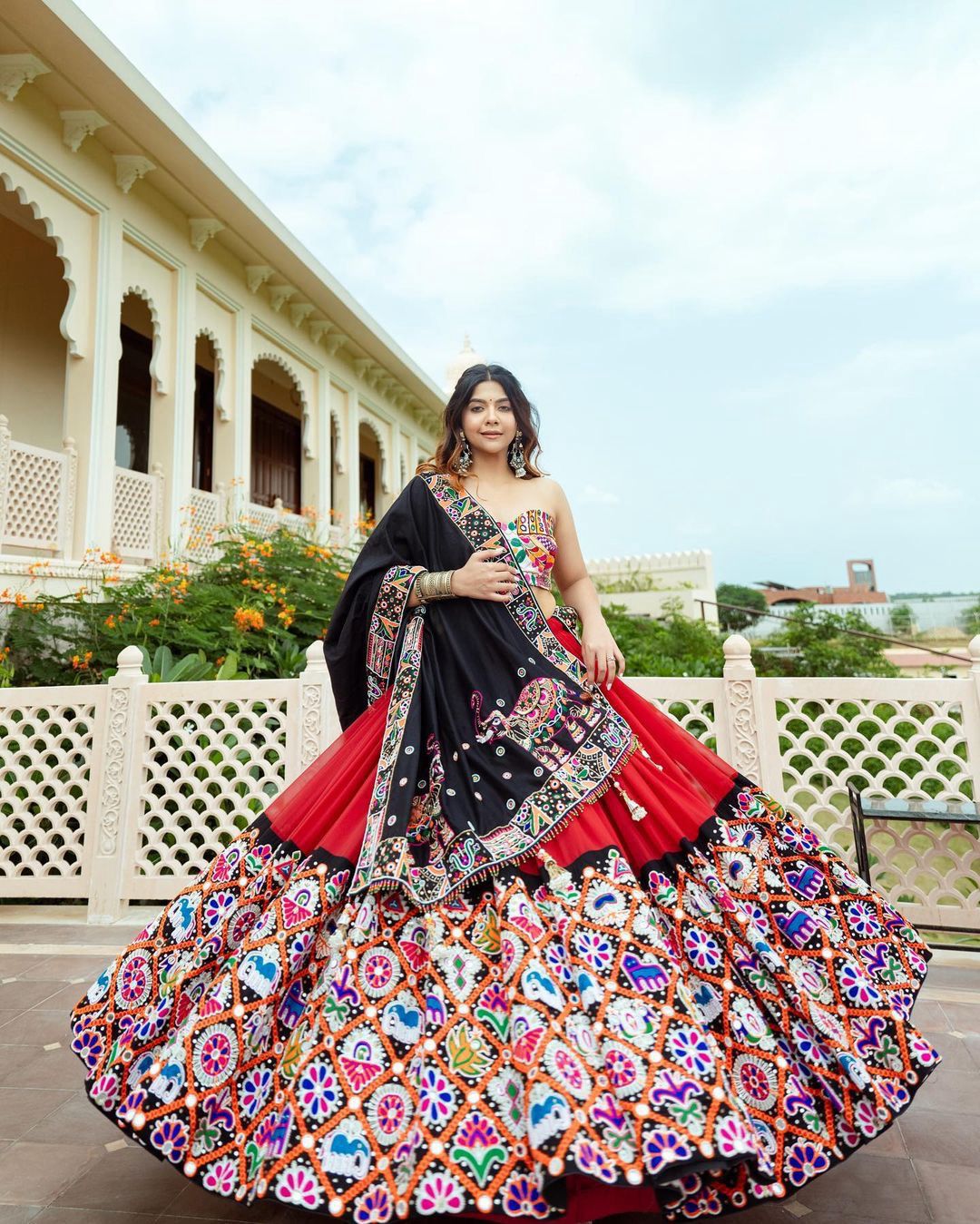
A Paithani-inspired border in green, purple, orange or peacock blue can bring regional character to a lehenga without turning it into a costume. Pair a bright skirt with a blouse in one of the border colours, then use a contrasting dupatta with a narrow zari edge. A plain dupatta is often the better choice when the skirt includes mirror work or a dense digital print.
Wear the dupatta over the left shoulder and pin it near the shoulder seam and waist so that both hands remain free. A front pleat makes the dupatta easier to control during aarti, while a single relaxed shoulder drape creates a softer look for photographs. Avoid placing a heavy brooch exactly where the dupatta rests on the neck because extra weight can pull the blouse fabric.
For hair, a low bun with a gajra gives a clear traditional reference and remains stable during movement. A braid decorated with small flowers is another practical option. If the outfit already contains mirror work or metallic embroidery, use a simple bindi and one statement necklace rather than adding a large maang tikka, heavy earrings and a layered choker together.
Silk Lehengas Under 3000 can be an useful starting point for shoppers seeking a dressier surface at a controlled price. Pink Lehengas Under 4000 with 50% Discount brings a colour-led direction for anyone who wants a bright festive wardrobe. Buyers should compare lining, closure quality, skirt flare and actual measurements rather than judging value from the displayed discount alone.
How should you buy Dussehra Fashion in Maharashtra: Nauvari Sarees & Lehengas?
Buy the outfit according to the event duration, expected temperature, movement required and amount of tailoring needed. A beautiful garment that needs extensive alteration or can't be worn comfortably for four hours is a poor festival purchase.
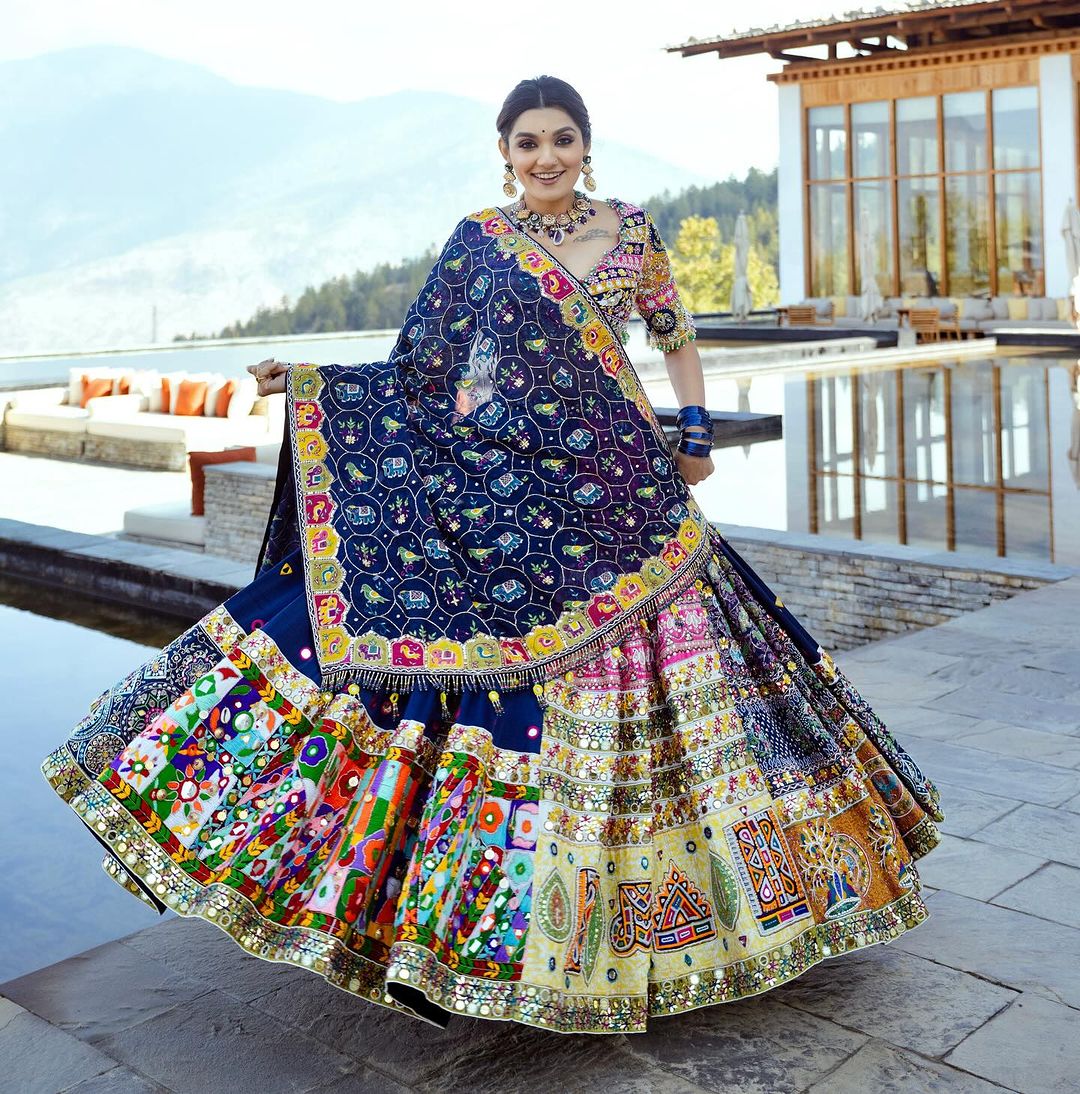
Measure the bust, natural waist and hip with a soft tape, and compare those measurements with the garment chart instead of relying only on a familiar size label. Check the blouse seam allowance because a fitted choli may need adjustment at the bust or shoulder. A lehenga waistband should sit securely without cutting into the waist when the wearer sits.
Inspect the fabric description, lining, closure, embroidery and washing instructions before purchase. Mirror work and zari can catch on delicate bags or bangles. Examine whether embellishment is stitched firmly. For a pre-stitched Nauvari, confirm the range of waist adjustment and the length of the lower panels.
Bridesmaid Lehengas Under 5500 may contain more formal finishes than a casual festival outfit, while Net Lehengas Under 4500 with 51% Discount can offer volume through a lighter net layer. Haldi Lehengas Under 5500 may provide cheerful yellow-led options, but a Dussehra buyer should still check whether the colour and embellishment suit the planned ritual or gathering.
Order at least seven to ten days before Dussehra if alterations, blouse finishing or a drape rehearsal are required. Try the complete outfit with footwear, jewellery and the intended hairstyle. Walk for ten minutes, sit on a chair and climb a few steps; those simple tests reveal problems that a mirror can't show.
How can you make Dussehra Fashion in Maharashtra: Nauvari Sarees & Lehengas comfortable all day?
Comfort improves when the outfit is secured at pressure points, paired with supportive footwear and kept free from unnecessary layers. Festival dressing should allow the wearer to participate in rituals rather than constantly adjust clothing.
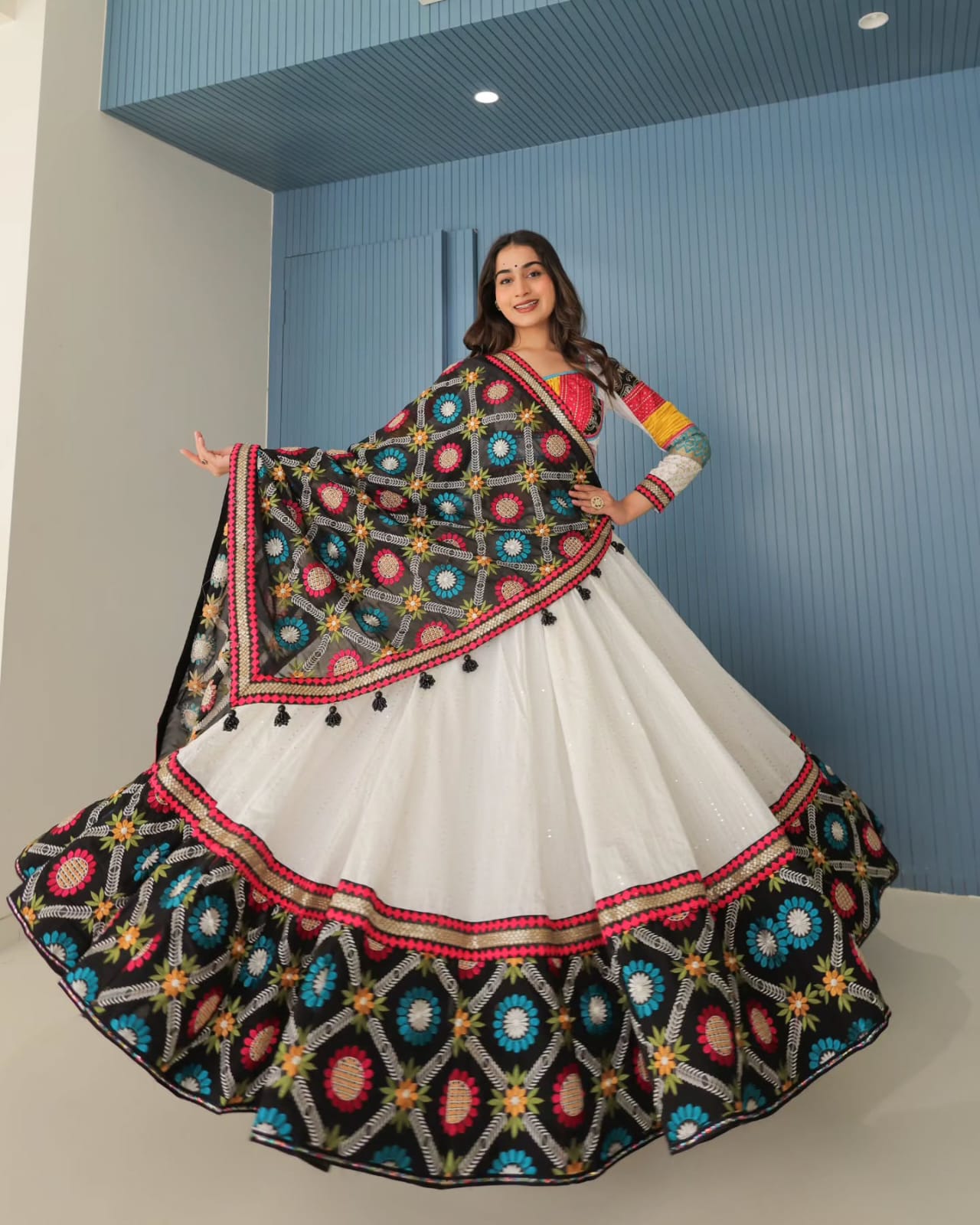
Use safety pins discreetly at the shoulder, waist and dupatta edge, but never rely on one pin to hold a heavy embellished section. Fashion tape can help stabilise a neckline for short periods, although it should be tested on the skin first. A small sewing kit, spare hooks and two extra safety pins are useful additions to a festival handbag.
Choose block heels, embellished flats or cushioned juttis for events involving standing and walking. Very high stilettos are difficult on uneven outdoor surfaces and can change the way a Nauvari pleat falls. Match the footwear to the hem length before the final alteration so that the skirt doesn't drag or expose too much ankle.
Store a silk or embellished outfit on a broad hanger, away from direct sunlight and damp walls. Air the garment after wearing it, then follow the stated care instructions rather than automatically machine-washing it. Banarasi silk, zari, mirror work and heavily embroidered net usually require gentler handling than cotton. Fold embellished pieces inside a clean muslin cloth to reduce snagging during storage.
Whether you choose a Nauvari saree or a lehenga, a successful Dussehra outfit balances regional identity, movement and personal comfort. The strongest look may be a traditionally draped cotton saree with a carefully chosen blouse, or a lightweight lehenga styled with a chandrakor bindi, gajra and restrained jewellery. Thoughtful decisions about fabric, fit and function will make the outfit feel festive from the first ritual to the last photograph.
Practical Questions About Maharashtrian Dussehra Dressing
Is a Nauvari saree suitable for Dussehra celebrations?
Yes, a Nauvari saree is suitable for Dussehra because its trouser-like drape allows easier walking and movement than a conventional saree. Cotton or cotton-silk versions are especially practical for daytime puja and long family gatherings.
Can I wear a lehenga instead of a Nauvari saree in Maharashtra?
Yes, a lehenga is an appropriate Dussehra choice when the event includes dancing, travel or extended socialising. Choose a comfortable waistband, breathable lining and a securely pinned dupatta to keep the outfit practical.
Which colours are traditionally suitable for Dussehra in Maharashtra?
Red, saffron, green, yellow, royal blue, magenta and cream are suitable festive colours for Dussehra in Maharashtra. Green bangles, a Paithani-inspired border or a chandrakor bindi can add a regional Maharashtrian touch.
What fabric is comfortable for a Dussehra lehenga in Maharashtra?
Muslin cotton, cotton-silk and lightweight silk blends are generally comfortable for Maharashtra's warm weather. Check the lining before buying because a breathable inner layer can make a larger difference than the outer fabric alone.
How can I make a lehenga look more Maharashtrian?
Use a Paithani-inspired colour palette, zari border, gajra, chandrakor bindi, nath or green glass bangles to create a Maharashtrian connection. Select one or two regional details instead of wearing every traditional accessory together.
How early should I buy a Nauvari saree or Dussehra lehenga?
Buy at least seven to ten days before Dussehra if the blouse requires alteration or the drape needs practice. Earlier shopping is advisable for custom tailoring, pre-stitched Nauvari adjustments or outfits requiring special accessories.




